U.S. president warns the situation will only worsen without an agreement.
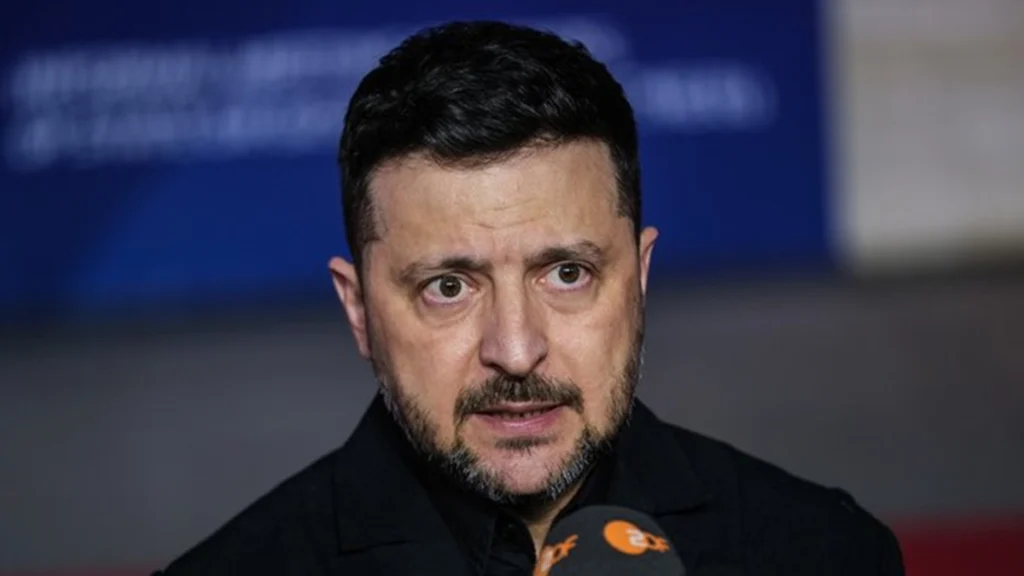
On Tuesday, U.S. President Donald Trump insisted that he wants Ukrainian President Volodymyr Zelensky to reach a peace agreement with Russian President Vladimir Putin.
“Zelensky has to want to end this war; if he doesn’t, I think it will be something very negative,” he said in response to questions about the meeting in Oslo between the Ukrainian leader and White House negotiator Steve Witkoff.
Trump stated that he “would like to see an agreement reached” and added that he believes “the immense hatred” between Zelensky and Putin is “to a large extent, the reason why they have not been able to reach an agreement” to end the war.
“We want Zelensky to reach an agreement; he can do it (…) Ukraine must have the will to make a deal, given that the United States has spent a fortune, just like Europe. Europe is already tired of all this, and if they don’t reach an agreement, in the long run, in my opinion, the situation is simply going to get worse,” he warned.
BREAKING: In a completely humiliating moment, CNN's Senior Data Analyst Harry Enten just broke down all of the polls (there's more than 1) where Donald Trump has hit historic lows in terms of approval. Every American should watch this and see how despised Trump is. pic.twitter.com/vPiYTZXSXL
Trump also recalled that his country has delivered to Ukraine “hundreds of billions of dollars” in aid and weapons shipments. “We have received nothing in return, except a high price for diesel,” he repeated, referring to his accusations that Ukrainian attacks on Russian energy facilities have driven up fuel costs, which have soared for months due to the U.S. war on Iran.
His statements come after he signed a fuel purchase agreement with Russia and eased sanctions on Moscow, amid a sharpening of tensions between his administration and Zelensky, who has denounced delays in deliveries of Patriot interceptor missiles.
Added to this are the Ukrainian’s complaints about interruptions in the flow of U.S. intelligence and restrictions on connection to Starshield (the military satellite version of Starlink). Zelensky has attributed all of this to an alleged intention by Trump to force Ukraine to capitulate to Russia.
On Wednesday, Witkoff will travel to St. Petersburg to convey to Putin a proposal to relaunch peace contacts put forward by Zelensky.
A combination of maritime fuel blockades, power grid collapses, and legal indictments deepens economic hardship across the island nation.
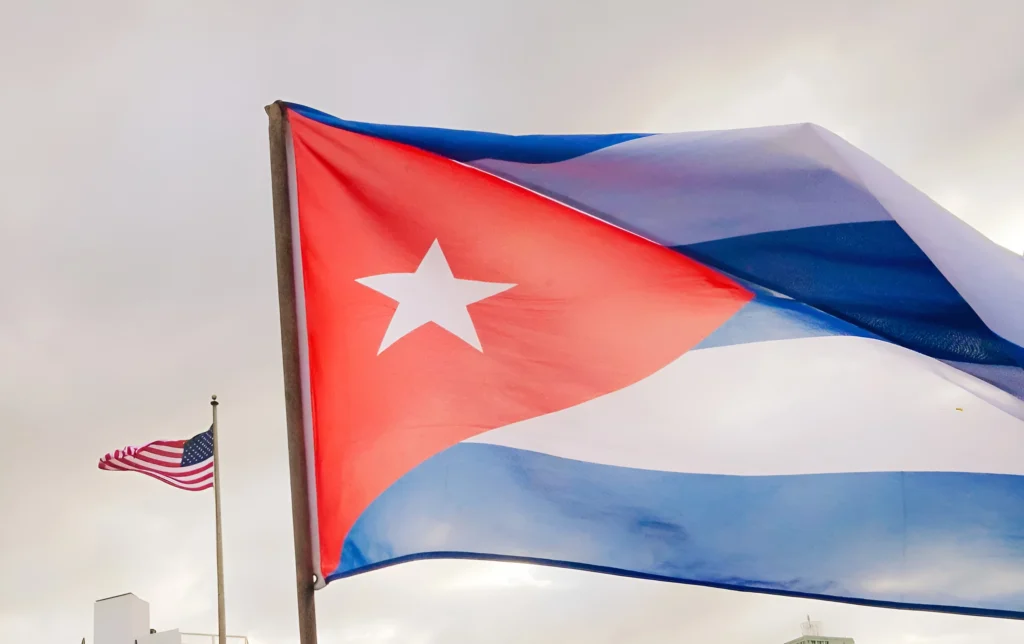
Since the beginning of Donald Trump’s second administration, the United States’ relentless hostility toward Cuba has been on the rise. This friction has centered on unilateral sanctions, trade restrictions, and direct legal actions against former Cuban government leaders.
2026 brought to Cuba a series of severe economic challenges, particularly regarding its energy sector. U.S. executive orders and maritime monitoring actions aimed at restricting oil shipments to state-owned Cuban entities contributed directly to fuel shortages across the island. These restrictions affected power generation, agricultural transport, municipal services, and health sector logistics.
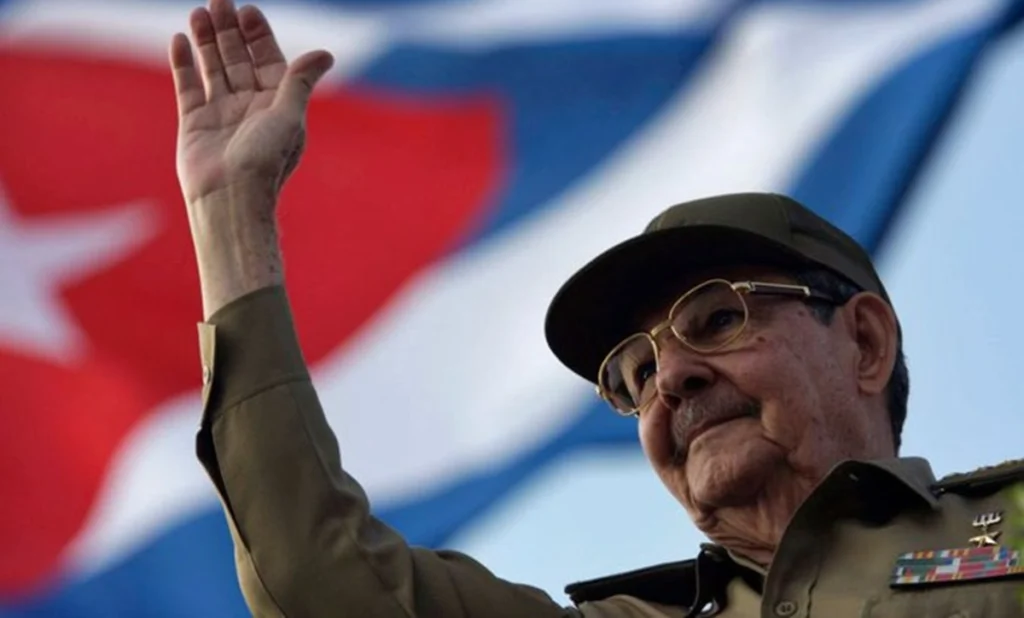
In May, the U.S. Department of Justice unsealed a federal jury indictment in Miami charging former Cuban President Raúl Castro and five co-defendants with conspiracy and murder related to a 1996 aerial shootdown.
Cuba Fuel Restrictions and the Energy Infrastructure Crisis
On January 29, Trump issued an executive order stating that the U.S. would impose tariffs on any country that sent oil to Cuba. The U.S. government authorized certain fuel shipments exclusively to private commercial entities, while blocking access to state-managed refineries and power facilities.
This policy created severe fuel deficits for public utilities responsible for national electricity generation. A deficit that led to recurring shutdowns across the National Electrical System. On March 16, 2026, the national grid suffered a complete collapse after a major boiler leak occurred at the Antonio Guiteras Thermoelectric Power Plant in Matanzas. By October 2026, another mechanical breakdown left up to 75 percent of the country without power.
The energy deficits extended beyond residential electricity. In February 2026, fuel shortages forced Cuban aviation authorities to suspend refuel operations for foreign air carriers. Consequently, airlines such as Air Canada, Rossiya, and Nordwind suspended flights to the island. International tourist arrivals dropped by approximately 58 percent by June 2026 compared to prior operational benchmarks.
Public sanitation and healthcare systems reported operational disruptions due to the fuel deficit. In Havana, local authorities reported that only 44 of 106 municipal collection trucks were operational in early 2026 due to empty fuel tanks.
In June 2026, United Nations human rights monitors showed a 60 percent decline in agricultural production caused by fuel shortages for farming equipment and transport vehicles.
🇨🇺 96,000 Cubans are waiting for surgery as a result of lack of fuel and lack of energy. Among them, 11,000 children.
The U.S. is denying oil to Cuba through a fuel blockade, despite that it’s perfectly legal for any country to export fuel to Cuba. @CarlosFdeCossiopic.twitter.com/DnHW2TONJ5
Hybrid Operations and International Diplomatic Positions
Throughout 2026, the U.S. diplomatic campaign was accompanied by increased military surveillance, intelligence monitoring, and diplomatic warnings. Reports documented an increase in U.S. military reconnaissance flights operating over international airspace near the Cuban coastline.
Cuban defense officials countered that the frequency of these flights constituted deliberate psychological pressure and surveillance of national infrastructure.
In parallel with maritime and aerial activities, U.S. diplomats engaged with governments in Latin America and Europe to restrict economic partnerships with Havana.
The U.S. State Department urged partner nations to terminate bilateral agreements involving Cuban medical professionals. Several governments, including Guatemala, Honduras, and several Caribbean nations, subsequently reduced or phased out participation in Cuban medical exchange programs.
In August 2026, UN human rights rapporteurs released a joint statement concluding that unilateral fuel restrictions and financial blockades exacerbated severe shortages of basic goods, medicine, and food.
The Legal Prosecution of Raul Castro and the 1996 Case
On May 20, 2026, the U.S. Department of Justice unsealed a federal indictment in the U.S. District Court for the Southern District of Florida charging former Cuban President Raúl Castro and five co-defendants with conspiracy, destruction of aircraft, and four counts of murder.
The legal push escalated further on October 19, 2026, when Florida Attorney General James Uthmeier announced that the Office of Statewide Prosecution and the Florida Department of Law Enforcement secured a state arrest warrant for Castro, charging him with conspiracy to commit first-degree murder.
Both prosecutions center on an incident that took place on February 24, 1996, when Cuban military MiG fighter jets intercepted and shot down two civilian Cessna 337 aircraft. The planes were operated by Brothers to the Rescue (Hermanos al Rescate), a Miami-based organization founded by José Basulto.
The group initially focused on search-and-rescue operations for Cuban migrants in the Florida Straits, but later expanded its activities to include dropping political leaflets directly over Havana.
The 1996 aerial interception resulted in the deaths of four crew members: Carlos Costa, Armando Alejandre Jr., Mario de la Peña, and Pablo Morales. U.S. federal and state authorities asserted that the civilian planes were destroyed over international waters without legal justification.
Florida state prosecutors cited military chain-of-command statements from the period in which Castro, then Minister of the Revolutionary Armed Forces, authorized commanders to shoot down unauthorized aircraft over the sea without prior consultation.
In response, the Cuban government stated that the civilian aircraft had repeatedly violated Cuban sovereign airspace despite official diplomatic warnings issued to the U.S. State Department prior to the incident.
Cuban authorities and foreign affairs analysts characterized the revival of thirty-year-old charges as a coordinated exercise of extraterritorial judicial power. Officials in Havana rejected the dual legal actions as politically motivated efforts to criminalize Cuba’s historical leadership and create legal grounds for continuing trade and financial sanctions.
U.S. state of Florida's Attorney General James Uthmeier on Monday issued an arrest warrant for Cuban Revolution leader Raul Castro on charges of conspiracy to commit first-degree murder linked to the 1996 downing of two civilian aircraft. https://t.co/FyQMk8L6E6pic.twitter.com/TDb95dNOk8
The Cuban government and civic organizations responded to the rising external pressures through formal diplomatic rejections, official government statements, and public mobilizations.
Following the unsealing of the May 2026 U.S. indictment against former President Raúl Castro, Cuban Foreign Minister Bruno Rodríguez Parrilla rejected the legal action in an address to international media and diplomats.
Rodríguez Parrilla characterized the indictment as a politically motivated maneuver designed to justify economic sanctions and interfere with Cuban domestic jurisdiction. President Miguel Díaz-Canel reiterated this position, stating that national sovereignty and historical decisions regarding territorial air defense remain non-negotiable under international law.
In urban centers across Cuba, including Havana, Santiago de Cuba, and Matanzas, civil organizations and neighborhood committees organized rallies opposing external interference and economic restrictions.
At the same time, state ministries implemented emergency measures to manage reduced fuel supplies and maintain essential public services. Municipal governments established scheduled electricity rotations, prioritized available diesel fuel for medical facilities and water distribution pumps, and expanded the use of draft animals and non-motorized transport in agricultural regions.
On the international stage, Havana received diplomatic backing from several multilateral organizations and regional governments. The Bolivarian Alliance for the Peoples of Our America (ALBA-TCP) issued a joint declaration condemning unilateral coercive measures against Cuba’s energy sector.
During the United Nations General Assembly in September 2026, representatives from non-aligned nations called for an immediate end to the trade embargo, citing its negative impact on civilian health, infrastructure, and human development.
Analysis of Coercive Strategies and Long-Term Impacts
The events of 2026 reflect an intensification of U.S. policy toward Cuba through a combination of trade restrictions, infrastructural pressure, and legal mechanisms targeting state leadership.
The strategic focus on restricting fuel imports significantly affected Cuba’s national power grid, agricultural logistics, and public transportation. Simultaneously, the unsealing of a thirty-year-old indictment against Raúl Castro added a significant legal dimension to bilateral relations.
Economic data, energy assessments, and reports from international monitors demonstrate that the primary burden of fuel deficits and infrastructure instability falls directly on the civilian population. The disruptions to medical supplies, food distribution, and municipal sanitation illustrate the direct impact of unilateral economic sanctions on daily life.
Despite persistent resource constraints and structural deficits, the Cuban government has maintained state operations and institutional control through domestic conservation strategies and international partnerships.
#Russia | Moscow condemned a US arrest warrant against Raul Castro over the 1996 downing of two civilian aircraft, calling the charges politically motivated. Russia warned that escalating pressure on Cuba could destabilize Latin America and the Caribbean.#RaulCastro#Cuba… pic.twitter.com/PhmRslPWFq
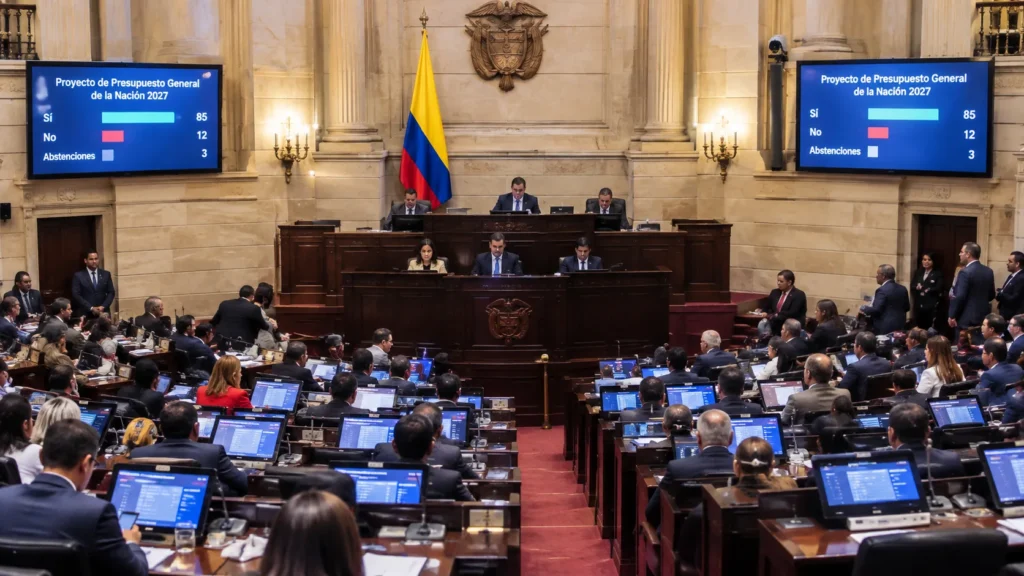
Colombia’s Congress approved the 2027 national budget of 200 billion dollars on October 20, igniting a backlash from opposition lawmakers who say the plan favors debt payments and financial interests over education, peace and regional development.
The approval of the General Budget of Colombia for 2027 capped a tense legislative session.
President Abelardo de la Espriella’s government secured passage of the law, worth 634.9 trillion Colombian pesos (about $200 billion), over the objections of the opposition, which was led mainly by the Historic Pact party.
Representative María Fernanda Carrascal described the debate as a “disaster” and faulted the national government for refusing to accept any of the 700 proposals submitted by her party. The initiatives sought to channel more resources into public education, support for victims of violence and the regions, she detailed. Faced with the lack of agreement, the opposition walked out of the debate, stating it would not back a measure it considers harmful to the country.
The Historic Pact also questioned the law’s orientation, arguing that the government chose to protect financial entities, oligopolies and the most favored sectors. They further denounced that the project promotes over-indebtedness, which they say will end up shifting heavier tax burdens onto Colombian citizens.
🇨🇴 ¡Colombia tiene Presupuesto para 2027! El Congreso de la República aprobó por $634,9 billones el Presupuesto de la Verdad, el primer paso para volver a encaminar la economía del país hacia el crecimiento, la responsabilidad fiscal y la atención de las necesidades del país. pic.twitter.com/pHiLhYzVTU
Text reads: “Colombia has budget for 2027! The Congress of the Republic approved the Truth Budget for $634.9 trillion, the first step to reorient the country’s economy toward growth, fiscal responsibility, and meeting the country’s needs.”
Other voices in the legislature added their objections. Senator Jennifer Pedraza of the Dignity and Commitment party (Dignidad y Compromiso, in Spanish) criticized the absence of a fixed allocation to address the consequences of the earthquakethat struck on August 10. She questioned the fact that assistance to hard-hit departments such as Risaralda, Chocó and Valle del Cauca depends solely on leftover budget balances.
Senator Ariel Ávila, in turn, lamented the underfunding of resources earmarked for electric infrastructure and energization in non-interconnected zones such as Vichada, Guainía, Arauca, Putumayo and Vaupés. He also pointed to a lack of concern for victims of the armed conflict and what he called a budgetary strangling of the Special Jurisdiction for Peace (JEP).
After the law’s validation, Congress gave the Executive 90 days to draft a fiscal adjustment plan, which the national administration has called the Rescue Law. The Ministry of Finance and the cabinet are already holding talks with the International Monetary Fund, a signal that new credit instruments and the conditions attached to them may be on the negotiating table.
Mobilization Set for November
The Historic Pact called on citizens to join a national mobilization on November 24 to reject the budget. The party maintains that the project raises debt service by 46% while cutting investment in the Special Jurisdiction for Peace by 82% and stripping 500 billion Colombian pesos (about $157 million) from the National Learning Service (SENA).
Lawmakers also warned that 14 departments will see their real investment shrink. They denounced that the norm prioritizes debt repayment over the financing of peace, education and regional development. “The complaint is clear: more resources for debt and less for peace, education and the regions,” the party stated on social media.
The mobilization announced for late November now stands as the opposition’s next test of strength. In the meantime, the government’s 90-day clock to deliver its fiscal adjustment plan is running, and the talks with the International Monetary Fund could define the conditions under which Colombia finances its 2027 spending. The opposition has vowed to keep the pressure on, both in the streets and in the legislature.
📢 ¡24 DE NOVIEMBRE: MOVILIZACIÓN NACIONAL!
La bancada del Pacto Histórico llama a la movilización frente al Presupuesto 2027 del Gobierno de Abelardo de la Espriella, por $634,9 billones.
Según la bancada, el servicio de la deuda aumenta un 46%, la inversión de la JEP cae un… pic.twitter.com/F5IYf2YDVb
Text reads: “November 24: National Mobilization! The Historic Pact bench calls for mobilization against the 2027 budget of the government of Abelardo de la Espriella, for $634.9 billion. According to the bank, debt service increases by 46%, Special Jurisdiction for Peace (JEP) investment falls by 82%, National Learning Service (SENA) loses $500 billion, and 14 departments will receive less real investment. The denunciation is clear: more resources for debt and less for peace, education, and regions.”
He linked protests in France to immigration policy and reiterates warnings to European leaders.
On Tuesday, U.S. President Donald Trump declined to express his electoral support for Marine Le Pen, the French far-right candidate for the 2027 presidential election.
“Well, I don’t know her. I’ve never met her personally. But I thought they treated her badly,” he responded when asked in the Oval Office about a possible endorsement of the National Rally (RN) candidate.
The U.S. president criticized Le Pen’s conviction for embezzling European public funds, which resulted in an electoral ban that was later reduced following an appeal, allowing her to regain the possibility of running for president.
“I would consider that political weaponization. When they did what they did, I thought that, you know, she was leading. But after this, she’s definitely the conservative voice,” Trump said and credited his electoral endorsements with contributing to the rightward shift in several Latin American countries, including Abelardo de la Espriella’s victory in Colombia.
Marine Le Pen would win any runoff in France’s 2027 presidential race, poll finds pic.twitter.com/bMGRxRDRbo
The Republican leader again linked the protests in France to immigration policy and accused the French government of encouraging immigration. He said he had conveyed his warnings to French President Emmanuel Macron, with whom he said he had a good relationship.
“I said, if you don’t stop the immigration problem, you’re not going to have a country left. And I said it to Germany, and I said it to the United Kingdom,” Trump said.
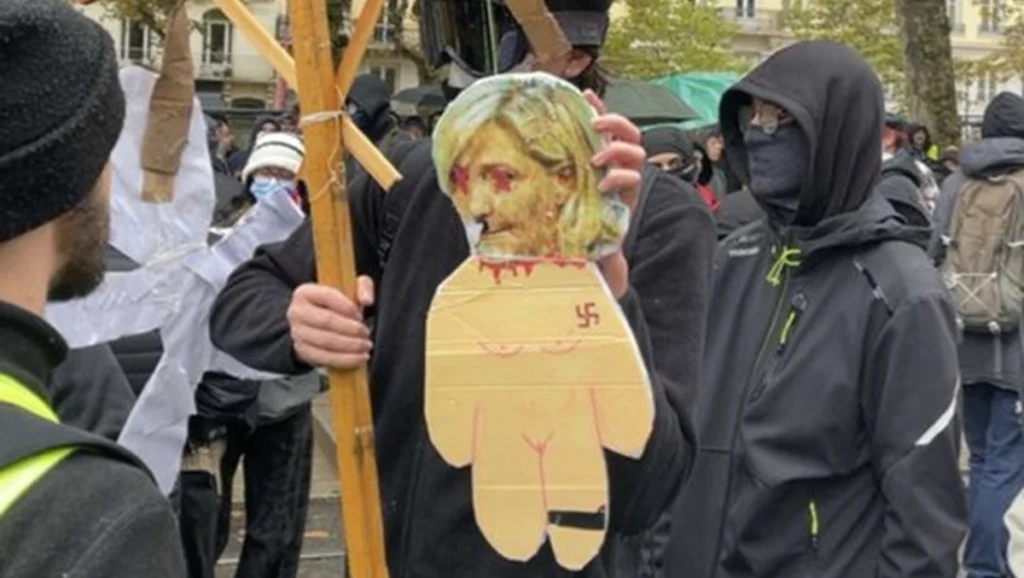
On Oct. 17, thousands of French people took to the streets to protest inflation, the loss of purchasing power and support for U.S.-promoted wars. The protests led to violent clashes with police and property damage in several cities.
It warned of possible military advances toward Nabatieh and the Litani River.
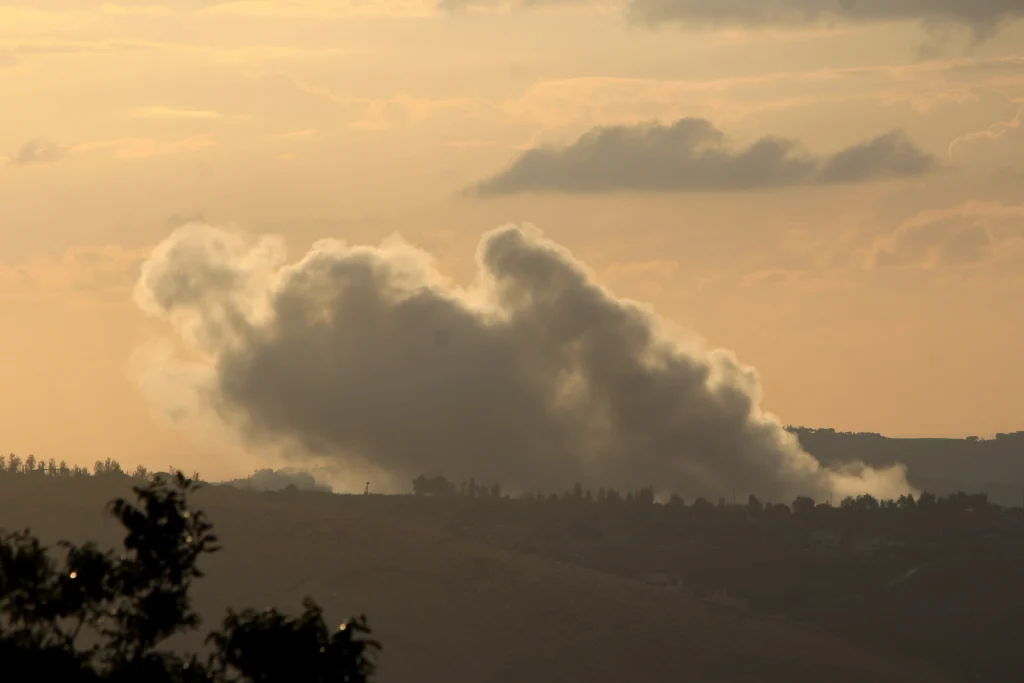
On Tuesday, Israel warned that it could maintain its military presence in southern Lebanon indefinitely and conditioned any withdrawal on the complete disarmament of the Shiite movement Hezbollah, amid stalled negotiations between the two sides.
Israeli Defense Minister Israel Katz stated that Israeli occupatory forces will not abandon the areas currently under their control. He also warned of possible military advances toward Nabatieh and the Litani River if further attacks occur.
Katz asserted that Israel is applying the so-called “Gaza model” in southern Lebanon. According to his statements, dozens of villages have been destroyed in the occupied area during military operations.
According to United Nations estimates, some 330,000 people remain displaced by the conflict, in addition to another 200,000 who have fled areas occupied by Israeli forces.
The Lebanese Ministry of Health reported at least 4,389 deaths and 12,424 injuries since the escalation of hostilities began in early March. Lebanese President Joseph Aoun accused Israel of violating the ceasefire agreement reached in June with U.S. mediation.
🔴This is life under Israeli occupation and a typical night in south Lebanon.
Aoun also maintained that the Israeli military presence prevents the full deployment of the Lebanese army along the border, one of the provisions of UN Security Council Resolution 1701.
Given the lack of progress in implementing the agreement, a Lebanese military delegation will participate in talks in the United States to achieve a cessation of Israeli operations and establish a withdrawal timetable.
The military delegations from Lebanon and Israel will resume direct negotiations at the headquarters of the U.S. Central Command (Centcom), after three months of stalled dialogue.
The process was suspended in August by the Lebanese government, which protested the continued Israeli military actions despite the ceasefire. Six months after the start of the talks, none of the core commitments have been fully implemented.
#FromTheSouth News Bits | During a meeting with Israeli President Isaac Herzog in Baku, Azerbaijan, China's Foreign Minister Wang Yi urged Israel to halt and reverse the establishment of settlements in the West Bank, which is occupied Palestinian territory. pic.twitter.com/xm7RduwpW6
The Italian prime minister sends more soldiers to Milan in anticipation of the protests scheduled for Oct. 24.
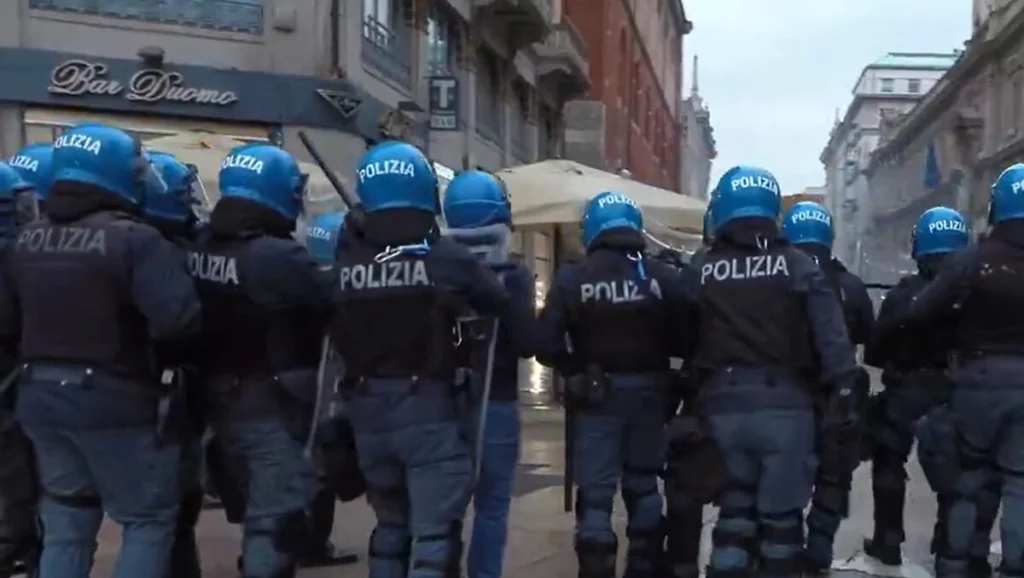
Through a video posted on Tuesday, Italian Prime Minister Giorgia Meloni announced the promulgation of a decree aimed at cracking down on “juvenile gangs” and “violent street protests.” She authorized reinforcing with military personnel security forces in Milan.
“Five hundred more military personnel are arriving in Milan, until the end of the year alongside police and carabinieri. And to juvenile justice we are giving more magistrates and more places in centers, so that the certainty of punishment also applies to those who are 16 years old,” the far-right politician said.
Approved at a meeting of the Council of Ministers, the decree establishes that the soldiers will reinforce “Operation Safe Streets,” an initiative implemented in 2008 that keeps some 5,000 Army personnel deployed in numerous “hot spots” across the country.
Her decree will take effect immediately, will have a 60-day period to be ratified by the Italian Parliament, and includes the creation of the “crime of violent participation in a demonstration.”
Nuova giornata di guerriglia a Milano. Gruppo di incappucciati assalta negozi in via Torino. pic.twitter.com/BBI4x47NJH
The text reads, “Another day of guerrilla-style unrest in Milan. A group of hooded individuals attacks shops on Via Torino.”
“If during a march or a demonstration you join a group of 5 or more people, you start throwing stones, firecrackers, sticks, you endanger everyone’s safety, you risk up to 5 years in prison and up to 20,000 euros in fines,” Meloni said, and clarified that the decree introduces the principle that “the breaker pays, and if the breaker is a minor, his or her parents pay.”
Aggravating factors may be applied to this new crime if the person has their face covered or if someone has been injured. Biometric identification assisted by artificial intelligence is also authorized, explained the Italian outlet TG La 7.
In the criminal sphere, authorities will be able to immediately apply preventive detention to minors between 14 and 18 years old, and the police chief will be able to apply oral warnings and bans on gathering in public places to young people with a record of violent acts.
IL FUTURO È UNA SCELTA La vittoria al referendum sulla giustizia ha dimostrato che, insieme, possiamo fare la differenza. Oltre cento associazioni già aderiscono alla Via Maestra. Unisciti a noi.
LAVORO, PACE, AMBIENTE, WELFARE, COSTITUZIONE. INSIEME SULLA VIA MAESTRA.
“THE FUTURE IS A CHOICE. The victory in the referendum on justice has shown that, together, we can make a difference. More than a hundred associations have already joined “The Main Path.” Join us.
WORK, PEACE, ENVIRONMENT, WELL-BEING, CONSTITUTION. TOGETHER ON ‘THE MAIN PATH.’ The Constitution points to a clear way: a country founded on work, social justice, equality, and peace.
This way remains our ‘Main Path.’ Today, however, Italy is moving in the opposite direction. We choose a different path: the path of the Constitution. Hear from Francesca Cantagallo, of the ‘Knowledge Network’, and join us.
OCTOBER 17, ROME. National demonstration. The demonstration will begin at 1:30 PM. Participants will gather at Republic Square and, following a march, the event will conclude at People’s Square around 5:00 PM.”
Initially, Meloni’s decree also contemplated exceptionally assigning police functions to the military for three months, which would have allowed them to make arrests. This provision, however, was left out of the approved text.
Referring to the demonstrations of the past weekend, Meloni said that security forces had detained or identified 330 people, half of them of foreign origin, among whom are people born outside Italy and others born in the country but to foreign parents.
Meloni’s decision comes in response to the protests promoted for Saturday, Oct. 24 by the “October 17 Movement” (17M10), a youth protest group that emerged as a result of the recent clashes in downtown Milan and that has announced permanent mobilizations until the fall of the Meloni administration.
“We are the ones from the squares. Those who see the only violence in the police stick. The violent ones are you who have denied us the future. Now we take that future into our own hands. Violent is this system that kills us. Permanent mobilization every Saturday until this thieving government falls,” the 17M10 stated.
The funds were channeled to private agencies to develop national and international advertising campaigns.
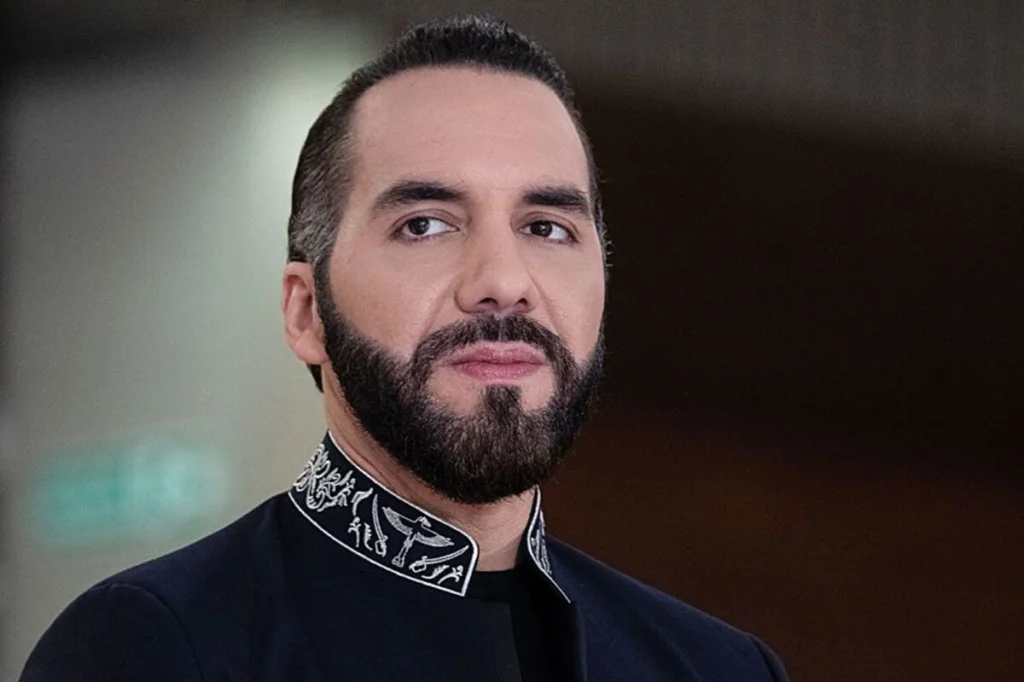
An investigation by the specialized media outlet Infodemia reported that the Nayib Bukele administration allocated at least US$76.6 million over the past seven years to advertising, media consulting, and strategic communication services funded with state resources.
According to the report, spending on institutional promotion has maintained an upward trend since Bukele took office in 2019, reaching its highest level during his administration in the first seven months of 2026.
The investigation indicates that the funds were channeled to private agencies to develop national and international campaigns, manage social media, purchase advertising space, organize events, and monitor media coverage by public bodies.
The journalists responsible for the analysis reviewed more than 2,150 public procurement processes and identified over 2,000 contracts related to communication and marketing services awarded to hundreds of companies and suppliers.
The report also questions the lack of transparency surrounding these expenditures, noting that the Presidency keeps information related to institutional advertising confidential and that some contracts are not available in public records.
Among the cases examined is Obermet company, historically linked to the Bukele family, which obtained a contract from the Ministry of Health in 2019 for communication services worth more than US$108,000, according to the analyzed documentation.
Lo que pasó en El Salvador pasó en Colombia: falsos positivos y judiciales para decir que estaban ganando la guerra para vender seguridad. Bukele tendrá que dejar en libertad a 45 000 inocentes.@petrogustavo tenía razón, lo de Bukele se va a caer por violación de los DDHH. pic.twitter.com/BRSlqIrQDZ
The text reads, “What happened in El Salvador happened in Colombia: false positives and judicial setups to claim they were winning the war in order to sell security. Bukele will have to release 45,000 innocents.”
The investigation also recalls that the company has been the “subject of previous scrutiny” for alleged conflicts of interest related to public contracts during the current Salvadoran president’s political career.
Another finding concerns the financing of advertising space in Diario El Salvador, a newspaper that reportedly received more than one million dollars through hundreds of contracts from various state entities.
Infodemia maintains that this newspaper has repeatedly published information deemed false, misleading, or presented out of context by fact-checkers, especially on issues related to public safety and national political activity.
The investigation also identifies contracts awarded to Lared, a company linked to influencer Porfirio Chica, to develop digital communication strategies aimed at promoting programs of state institutions.
The media outlet indicates that some of the agencies that benefited from contracts during the current administration had previously appeared in judicial investigations related to cases of corruption and misappropriation of public funds during previous governments.
#FromTheSouth News Bits | Costa Rican President Laura Fernandez visited El Salvador’s controversial Cecot megaprison to align national security policies with President Nayib Bukele's militarized model. pic.twitter.com/eCP6g8xfMA
Data indicate that there are over 1,500 Colombian mercenaries involved in the Russia-Ukraine conflict.
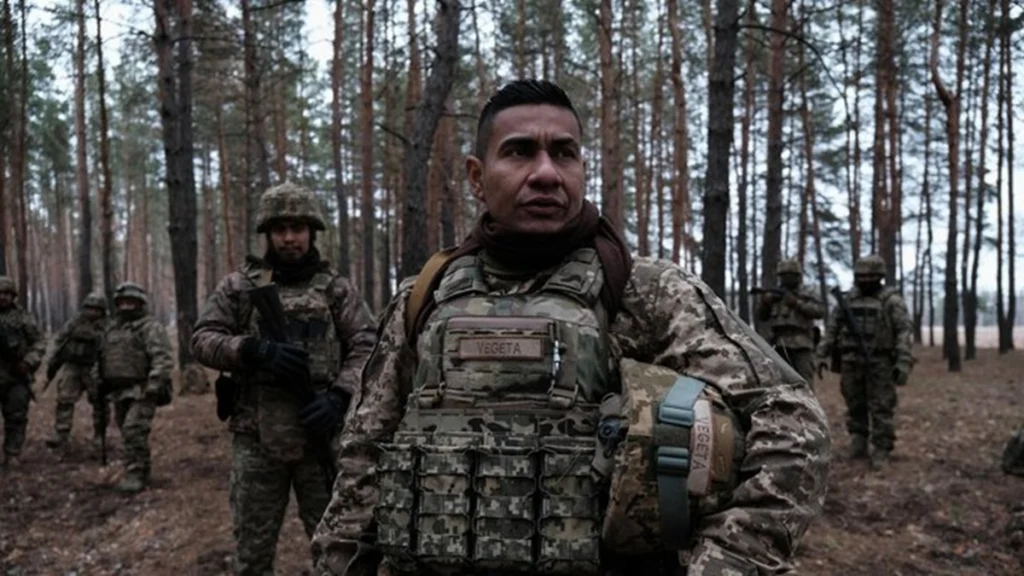
On Tuesday, the Colombian government confirmed that its Foreign Minister Omar Bula and Ukrainian Foreign Minister Andrii Sybiha discussed the situation of Colombian mercenaries fighting on Ukrainian territory.
Although their telephone conversation took place on Oct. 9, details of its contents became partially known only today, when Bula expressed Colombia’s rejection of the use of force against the territorial integrity of any state.
“Colombia appreciates the Ukrainian government’s willingness to jointly address the situation of Colombian citizens involved in the conflict,” he said.
As of September, Colombia had recorded 863 requests for consular assistance related to Colombians in Ukraine and another 890 requests involving Colombians in Russia. Cases include people who have died, those missing in action, people reported missing by their families, and detained citizens.
🇷🇺🇺🇦 DOS MIL MILITARES UCRANIANOS CAYERON EN LA BOCA DEL OSO
El asedio de Volchansk ha terminado, un área del tamaño de Andorra ha sido liberada por los rusos. Los intentos de romper el bloqueo fueron infructuosos y los mercenarios colombianos prefirieron abandonar posiciones. pic.twitter.com/h6vMIZrMk4
The text reads, “Two thousand Ukrainian soldiers walked straight into the bear’s den. The siege of Vovchansk has ended. An area the size of Andorra has been liberated by the Russians. Attempts to break the blockade proved unsuccessful, and the Colombian mercenaries chose to abandon their positions.”
In September, the Colombian diplomacy informed that it had formally asked Moscow and Kiev to stop recruiting Colombians into their armed forces and facilitate the return of those already participating in hostilities.
The issue of the “Soldiers of Fortune” abroad has also prompted legislative measures, including one approved in March, when Colombia signed on to the International Convention Against the Recruitment, Use, Financing and Training of Mercenaries, adopted by the United Nations General Assembly in 1989.
During the conversation, both ministers also highlighted the potential to strengthen bilateral relations, particularly in defense and trade. However, the Colombian statement did not detail any specific agreements or concrete initiatives resulting from the dialogue.
European People’s Party, Social Democrats, Liberals, Greens, and the Left agreed on the need for a firm response.
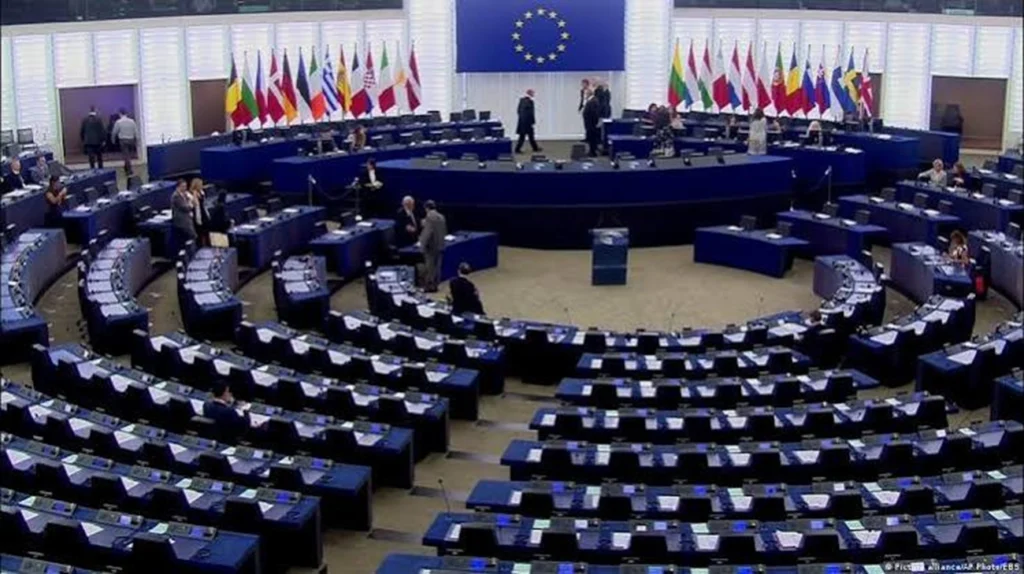
On Tuesday, all political groups in the European Parliament, except the far right, expressed support for the International Criminal Court (ICC) in the face of recent sanctions and pressure from U.S. President Donald Trump.
During a debate in the European Parliament, Kaja Kallas, the European Union (EU) High Representative for Foreign Affairs, warned that the measures adopted by the United States jeopardize the overall functioning of the international court.
Kallas noted that the six-month period during which certain operations will continue provides an opportunity to attempt a diplomatic solution and assess the legal implications of the sanctions.
The EU’s top diplomat also stated that EU member states must work together to ensure that the ICC can continue to function both at its headquarters and in the various locations where it conducts investigations.
Mark Carney just got a standing ovation from European Parliament after he takes a stand against Trump.
The world doesn’t respect us anymore. The world is partnering against us.
The EU official acknowledged that the European Union can do more to protect the court and recalled that the leaders of the 27 member states recently called for new initiatives aimed at mitigating the impact of the U.S. measures.
One of the main demands of the MEPs was the activation of the so-called blocking statute, a mechanism that would prevent European companies and operators from having to comply with sanctions imposed by third countries when these sanctions contravene international law.
Representatives from the European People’s Party, Social Democrats, Liberals, Greens, and the Left agreed on the need for a firm response from Brussels to protect the ICC and preserve its independence from external pressures.
Venezuelan Acting President Delcy Rodriguez visited the International Italian-Latin American Organization (IILA) headquarters in Rome to reaffirm Venezuela’s commitment to multilateral diplomacy and to cooperation between Europe and Latin America. She met with IILA Secretary… pic.twitter.com/PqQIc69RFZ
Escalating tensions around Cuba could destabilize Latin America and the Caribbean, Moscow warns.
On Tuesday, Russia’s Foreign Ministry issued a statement condemning the issuance of a U.S. arrest warrant for Cuban revolutionary leader Raul Castro. The statement reads as follows:
“We categorically reject and strongly condemn the issuance by a judge in Miami, United States, of an arrest warrant for Cuba’s historic leader, Army General Raul Castro.
The political and legal assessments of the events of February 1996, for which the Americans hold Raul Castro personally responsible, are set out in U.N. Security Council Resolution 1067, adopted on July 26 of that year.
The resolution contains no calls for measures to hold any individual personally accountable. This effectively means that the Council, including the U.S., agreed that this aspect of the incident was closed.
Bringing baseless, contrived charges more than 30 years later can only be seen as an act of revenge by Miami’s anti-Cuban lobby — an attempt to settle scores with Raul Castro, who celebrated his 95th birthday in June.
We wish to emphasize that further escalating tensions around the Island of Freedom, which is already enduring extremely difficult times amid an unprecedented trade, economic, financial and energy blockade, could destabilize the entire Latin American and Caribbean region.
A social upheaval in Cuba could well trigger a mass exodus of Cuban citizens to neighboring countries, potentially plunging them into a social crisis.
This court ruling might have been regarded merely as an expression of the sentiments of a particular group of individuals, were it not for the events in Venezuela earlier this year, when its leader was abducted in violation of all norms and principles of international law.
For our part, we reaffirm our unwavering solidarity with the government of fraternal Cuba, with which we will continue to strengthen our close ties of friendship, mutual support, assistance, and comprehensive cooperation.
We are confident that the indomitable Cuban people and their leaders will respond with dignity to this latest attack by foreign ill-wishers.
We wish Russia’s friend, Comrade Raul Castro, sound health and continued courage, bravery, and strength of spirit — qualities that have always distinguished him.”
The delay comes as Kiev reports dwindling interceptor stocks and disruptions to U.S. intelligence sharing and satellite connectivity.
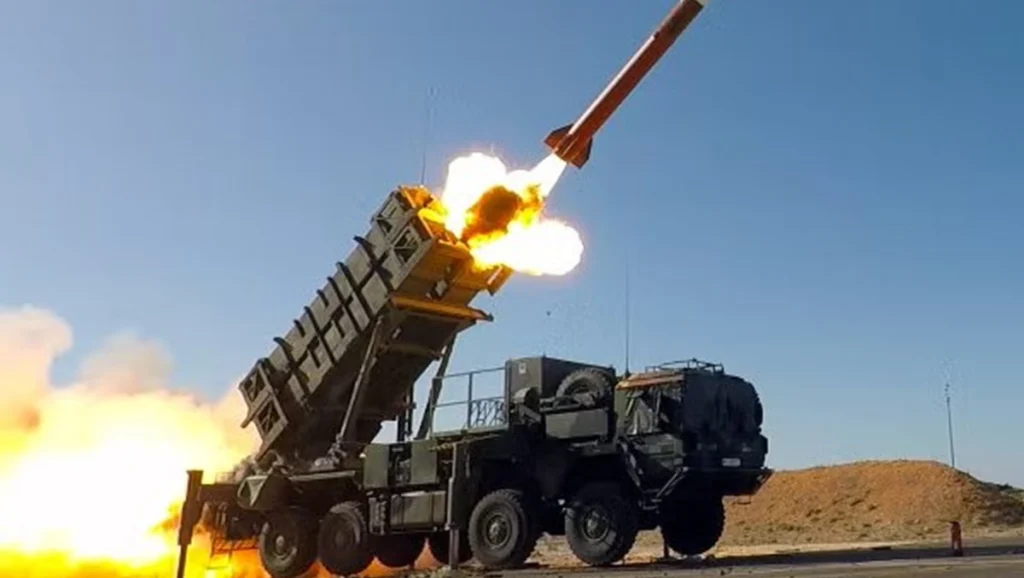
On Tuesday, U.S. Secretary of State Marco Rubio tacitly acknowledged that the Pentagon has yet to authorize the delivery of Patriot interceptor missiles to Ukraine.
“These things are always reviewed based on whether they are needed somewhere else or whether they should even remain in Europe,” he said, referring to the delay in delivering the weapons, although he insisted that the U.S. was not deliberately seeking to harm Ukrainians.
Previously, The Washington Post reported that U.S. Defense Secretary Pete Hegseth had yet to approve the delivery of interceptor missiles purchased by European allies.
During a virtual meeting with U.S. lawmakers on Monday, Ukrainian President Volodymyr Zelensky said several partners were prepared to transfer the weapons and were only waiting for the Pentagon’s authorization. “The missiles are ready and could already be in Ukraine, but unfortunately, there is still no approval,” he said.
BIG: Zelensky confirms the Kyiv Independent's reporting, telling U.S. congressmen the Pentagon is refusing to approve the transfer of Patriot missiles to Ukraine.
Washington retains control over shipments of Patriot missiles under an agreement requiring U.S. government approval for any transfer to third countries.
The Patriot systems are air defense and missile defense systems. Last week, a source familiar with the situation told CNN that Ukraine had exhausted its stockpiles of these missiles.
This year, the U.S. war on Iran has reduced the available quantities of these weapons. In April, Zelensky had expressed concern that a prolonged or expanded conflict could deprive Ukraine of the Patriots it had received from the U.S. and that its allies had paid for.
After a private meeting with Zelensky in July, U.S. President Donald Trump said he would grant Kiev the license needed to manufacture U.S. Patriot missile systems on its own.
Zelensky rushed in to Brussels EU HQ for urgent talks after his 'BLUNT remarks' to Trump
In September, Zelensky confirmed that Trump had authorized the delivery of licenses for the production of Patriots on Ukrainian territory, although no further details have emerged so far.
Since then, relations between the two governments have deteriorated amid Trump’s accusations that Ukrainian attacks on Russian energy facilities are responsible for the current rise in diesel prices, the signing of an agreement to purchase diesel from Russia, and the easing of sanctions on Moscow.
Zelensky’s complaints about delays in the delivery of Patriot interceptors come after he also reported disruptions to the flow of U.S. intelligence and restrictions on connectivity to Starshield, Starlink’s military satellite system.
He has attributed all of this to an alleged intention by the Trump administration to force Ukraine to capitulate to Russia, an allegation Washington denies.
She maintained that the measure seeks electoral support among certain sectors.
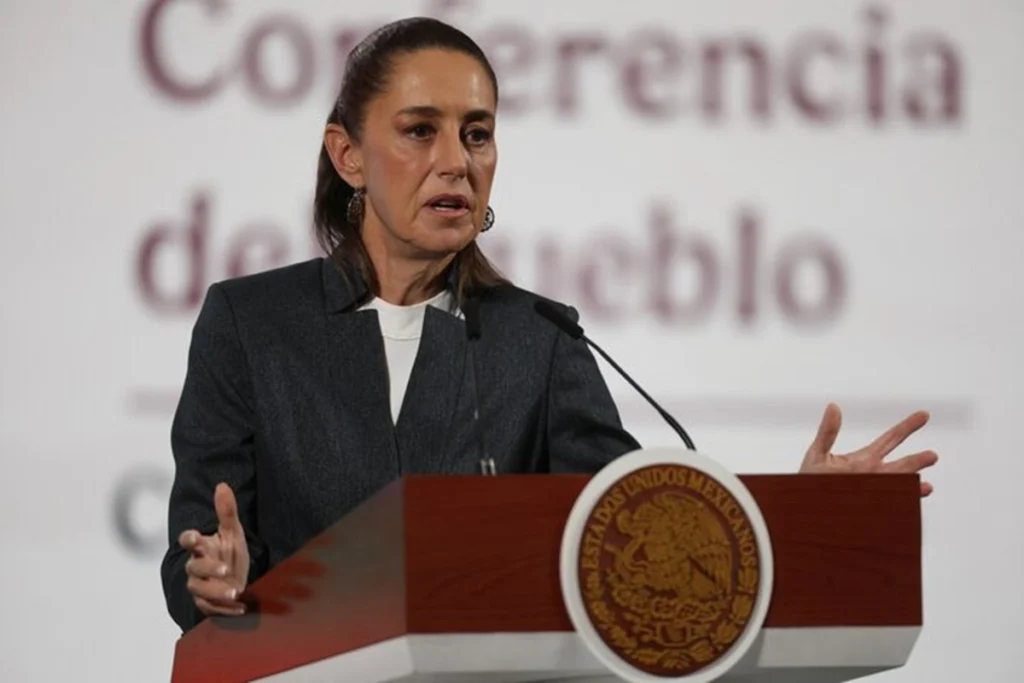
On Tuesday, Mexican President Claudia Sheinbaum said she believes the arrest warrant issued by a Florida court against former Cuban President Raul Castro is primarily politically motivated and linked to the U.S. elections.
The Mexican president’s statements came after the Florida Attorney General’s Office announced it had obtained a state arrest warrant for Raul Castro, 95, in a case related to events that occurred in 1996.
Sheinbaum maintained that the measure seeks support among certain sectors of the U.S. electorate. During her morning press conference, she stated that the judicial decision responds to political interests related to the November elections in the United States.
The indictment accuses the former Cuban leader of conspiracy to commit first-degree murder in connection with the downing of two planes belonging to the Brothers to the Rescue organization.
“Es político”, afirma Claudia Sheinbaum al dar su opinión sobre la orden de detención contra el expresidente cubano, Raúl Castro. La presidenta mexicana considera que el caso también tiene relación con las elecciones de noviembre en Estados Unidos. pic.twitter.com/17oxb2t0bQ
The text reads, “‘It’s political,’ affirms Claudia Sheinbaum when giving her opinion on the arrest warrant against the former Cuban president, Raul Castro. The Mexican president considers that the case also has a connection to the November elections in the United States.”
In that incident, which occurred on February 24, 1996, Cuban military fighter jets shot down two civilian aircraft that had departed from Florida, in which four people died. The reopened case coincides with stringent measures taken by Washington against the island.
Florida Attorney General James Uthmeier maintains that Castro, who was then Minister of the Revolutionary Armed Forces, was part of the chain of command that authorized the military operation.
The arrest warrant comes in addition to the charges filed in May by U.S. federal authorities against the former Cuban leader for his alleged involvement in the same events.
#WorldCup2026 | @CharlieMontero_ continues his journey through Mexico and discovers the incredible friendship and positive energy shared between Japanese fans and Mexican supporters.
Three union leaders were arrested during a protest over a labor sanction and the hiring of workers outside the union agreement.
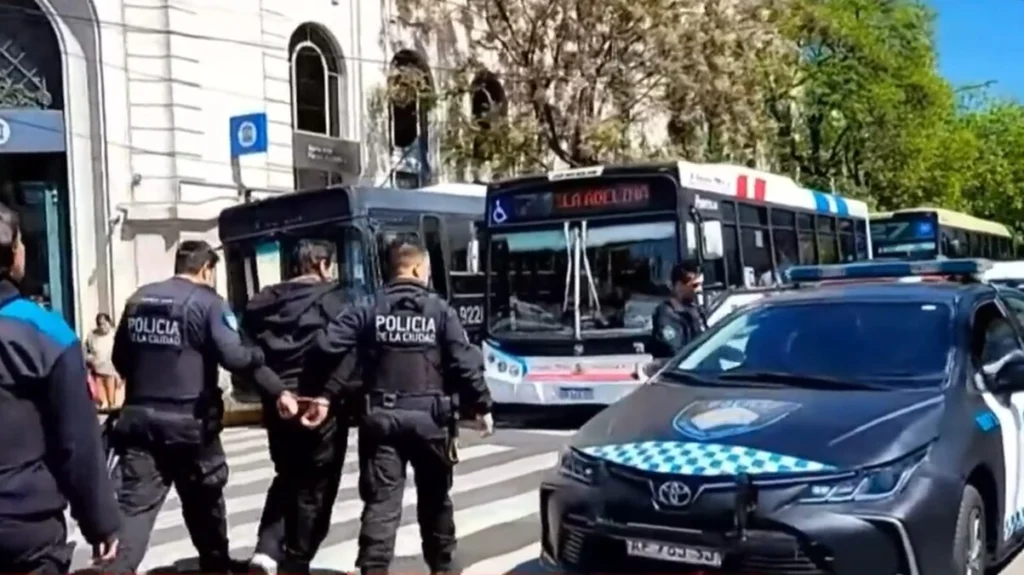
On Tuesday, workers on the Buenos Aires subway unexpectedly halted service on all six lines following the arrest of three union leaders during a protest against a labor sanction imposed on a worker and the hiring of personnel outside the union agreement.
The work stoppage began at around 10 a.m. local time and affected all lines, as well as the Premetro, according to the Subway and Premetro Workers Union (AGTSyP). The union denounced the workers’ arrests as “arbitrary” and announced that service would remain suspended until they were released.
The arrests took place while workers were opening the turnstiles at Juan Manuel de Rosas station on Line B, a protest measure that allows passengers to enter for free.
The action was in response to a sanction imposed on a fellow worker and the lack of dialogue with Emova, the company that operates the subway under a concession.
Urgente, nueva provocación de la policía de la Ciudad gracias a la cual no funcionan las líneas de subte. Se llevan detenidos a delegados porque estaban participando de una protesta. Es un escándalo. Libertad ya a Claudio y a Facundo ya! pic.twitter.com/5DCsVdZ67x
The text reads, “Urgent: a new provocation by the City police has caused the subway lines to stop running. Union representatives have been taken into custody for participating in a protest. It’s an outrage. Free Claudio and Facundo —now!”
The protest is part of a dispute over the presence of subcontracted companies performing tasks that fall within the responsibilities of maintenance staff.
On Monday, the union organization rejected this practice, considering it a violation of the collective bargaining agreement and a form of illegal hiring intended to address staff shortages.
Union leader Claudio Dellecarbonara denounced an “illegal and unconstitutional escalation of repression” on his social media account on X. Minutes later, he was arrested along with another union leader, Sebastian Carrizo.
Later, the union confirmed that Nestor Segovia, the organization’s general secretary, was the third union leader detained. The police intervention took place amid a large deployment of officers from the Buenos Aires City Police’s Subway Division.
Europeans are obstructing Russian and Belarusian athletes’ participation in international competitions.
On Tuesday, Russian Sports Minister Mikhail Degtyaryov accused European countries of ignoring the demands of the International Olympic Committee (IOC), which requires written guarantees that all athletes, including Russians and Belarusians, will be allowed to compete.
“Europeans continue to put obstacles in our way. The European Union (EU) either denies us visas or organizes provocations. We are fighting this alongside the Foreign Ministry and the IOC… They are now demanding that a country seeking to host a championship provide written guarantees that all athletes will be admitted,” he said.
“The Europeans have started falling into the trap, meaning they are now obligated to admit Russians and Belarusians and, as the saying goes, they don’t want to,” Degtyaryov stressed during a meeting at the Kremlin with President Vladimir Putin.
Without naming them, the minister was referring to the three gymnasts who were denied visas to compete at the World Artistic Gymnastics Championships in Rotterdam, the Netherlands. They included reigning European and world champion Angelina Melnikova, as well as Anna Kalmykova and Victoria Listunova.
If you somehow missed Angelina #Melnikova at the European Gymnastics Championships… here’s your sign to watch her! 🇷🇺
— Russian Embassy in South Africa 🇷🇺 (@EmbassyofRussia) August 17, 2026
Moscow has undertaken extensive diplomatic and legal efforts to resume participation in international competitions from which Russia has been banned since the start of the special military operation in Ukraine.
“In a year and a half, we have held more than 170 international meetings and made 32 visits to 17 countries… As a result, the Russian Olympic Committee was reinstated by the IOC, and all recommendations to implement discriminatory measures were canceled,” he said.
The Russian national anthem sounded again after several years during the 14th Winter Paralympic Games in Milan. According to Degtyaryov, it was played 300 times at various international competitions throughout this year.
“We are preparing for the Youth Olympic Games in Dakar, Senegal, which will take place in November. Young athletes will be able to wear the national uniform and carry the flag. We have begun training for the Olympic Games in Los Angeles,” he said.
Putin called for tighter financial oversight to prevent the budget from being spent on bureaucratic expenses rather than meeting the needs of sports federations.
The host country held 25 bouts at the Miguel Hidalgo Gymnasium in Puebla.
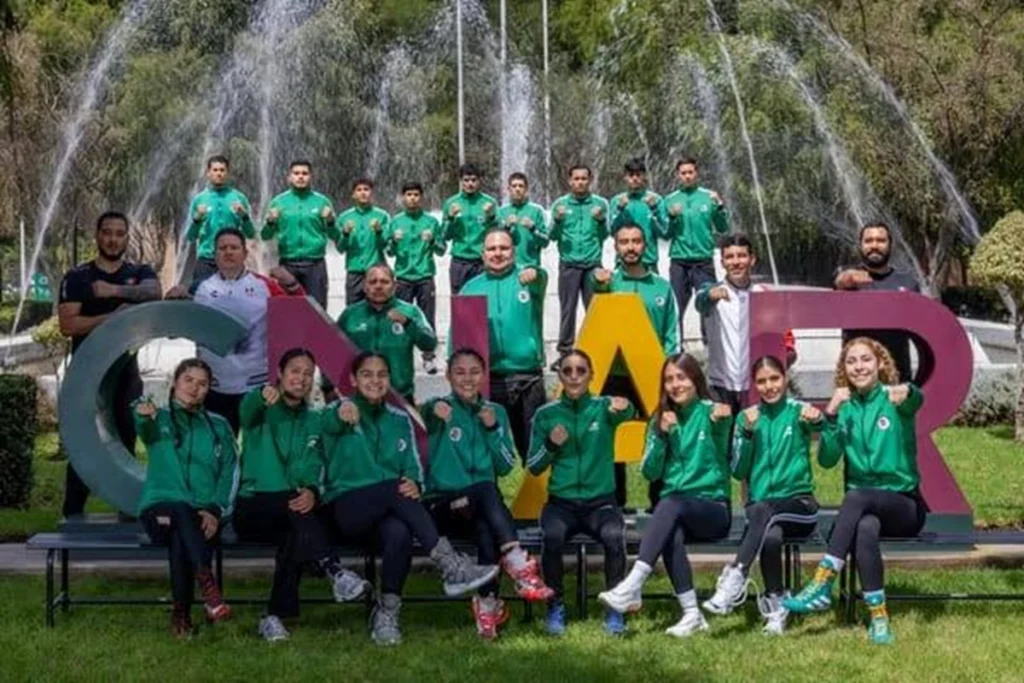
On Monday, the Mexican team added more positive results on the second day of the Puebla 2026 Pan American Continental Elite Boxing Championship, which marks the beginning of the qualifying process for the Lima 2027 Pan American Games.
The host country held 25 bouts at the Miguel Hidalgo Gymnasium in Puebla, a key day for the local representatives seeking to advance in the continental tournament.
In the women’s division, Valeria Amparan, in the 51-kilogram category, secured her place in the quarterfinals after defeating Esther Jimenez of the Dominican Republic by split decision.
Meanwhile, Santiago Montalvo advanced to the next round in the men’s 60-kilogram category after his opponent, Abishai Jean-Baptiste of Barbados, failed to make weight. The day also brought some setbacks for the host delegation, since Paula Hernandez lost by unanimous decision to Brazilian Rebeca Santos in the 60-kilogram category.
🥊 || Inauguración del Campeonato Panamericano Continental Élite de Boxeo 2026, por el gobernador de Puebla, Alejandro Armenta acompañado por Gennady Golovkin, presidente de World Boxing y ex campeón mundial de boxeo, en el Gimnasio Miguel Hidalgo.
The text reads, “Opening of the 2026 Pan American Continental Elite Boxing Championship, by the Governor of Puebla, Alejandro Armenta, accompanied by Gennady Golovkin, President of World Boxing and former world boxing champion, at the Miguel Hidalgo Gymnasium.”
Likewise, Jose Gonzalez was eliminated in the 55-kilogram category after losing by split decision to Brazilian Michael Douglas. The competition continues this Tuesday with Guadalupe Torres facing American Alyssa Mendoza in the quarterfinals of the women’s 57-kilogram category.
Also taking to the ring are Darianne Hernandez, who will face American Marie Rosendo in the 65-kilogram category, and Hugo Barron, who will face Panamanian Cristofer Filos in the men’s 65-kilogram category.
Another major focus will be on Hugo Padilla, who will fight Canadian Parminder Pannu in the 75-kilogram category, with the possibility of moving closer to qualifying for Lima 2027.
#WorldCup2026 | @CharlieMontero_ continues his journey through Mexico and discovers the incredible friendship and positive energy shared between Japanese fans and Mexican supporters.
Brazilian president challenges Flavio Bolsonaro to disclose his financial records, businesses and family assets.
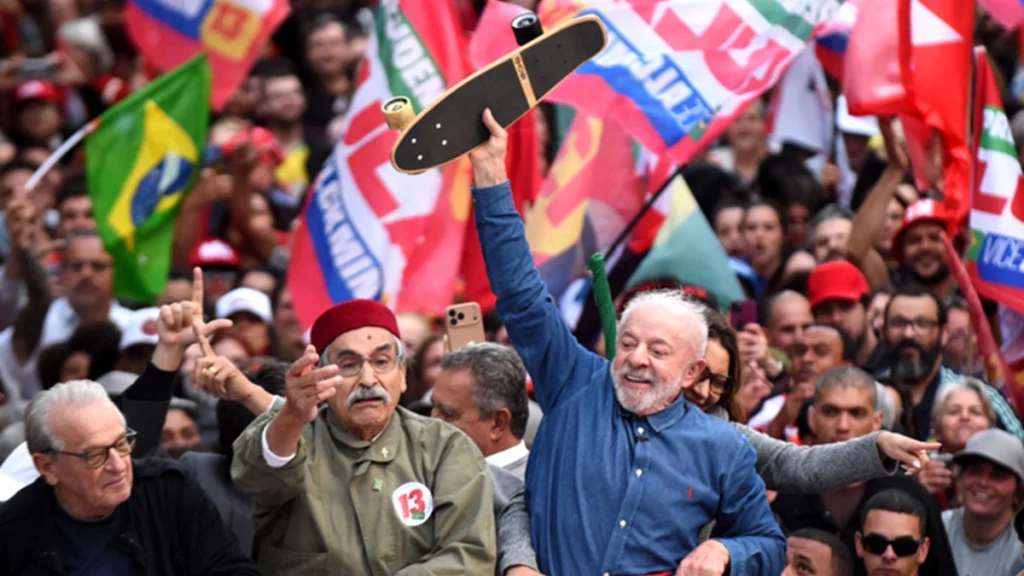
On Monday, Brazilian President Luiz Inacio Lula da Silva said he would submit an authorization to the Superior Electoral Court (TSE) on Tuesday to lift bank secrecy protections on his accounts and those of his family members.
However, Lula specified that the measure was contingent on his presidential election rival, Sen. Flavio Bolsonaro, submitting similar authorization covering his own financial records, his businesses and those close to him.
The proposal follows a tense exchange between the two candidates during Sunday’s presidential debate, in which the opposition senator’s financial assets became one of the central topics of discussion.
“I will submit this tomorrow to the TSE, hoping that the opposing candidate will submit a proposal to lift the confidentiality of his records, as well as those of his businesses and family,” Lula said, explaining that he had included his five children to avoid unfounded accusations during the campaign.
The public dispute erupted when Lula questioned the source of the funds Flavio Bolsonaro used to purchase a property in Lago Sul, an exclusive neighborhood in Brasilia, valued at 5.97 million Brazilian reais ($R).
É tão lento de raciocínio que escreveu na própria mão “corrupto”. E o pior é que no final ainda correu do desafio lançado pelo Lula de abrir contas e provar que é honesto. Essa foto resume a imagem que ficou do Flávio Bolsonaro. Que surra, e implorando pra virar meme. Fraco. pic.twitter.com/MRGq7azi8e
The text reads, “He is so slow-witted that he wrote ‘corrupt’ on his own hand. And the worst part is that, in the end, he even backed away from the challenge issued by Lula to open up his accounts and prove his honesty. This photo sums up the impression left by Flávio Bolsonaro. What a thrashing—and he practically begged to become a meme! Pathetic.”
During the debate, Lula compared his own assets — a 190-square-meter apartment valued at 1.5 million reais — with Flavio’s wealth, pointing to the disparity between parliamentary earnings and the value of the residence.
When asked how he financed the purchase, the far-right senator replied that he had acquired the property “through work.” However, that answer appears to conflict with actual financial figures.
An analysis of salary data from the Transparency Portal shows that between February 2019 and September 2026, Flavio Bolsonaro received approximately 2.9 million reais in net salary and allowances as a senator.
Without accounting for interest, personal expenses or other income, the lawmaker would have needed to save his entire net salary for about 15 years to cover the property’s value.
When registering his presidential candidacy in 2026, the far-right politician declared total assets of 8.18 million reais, an increase of 6.44 million reais compared with the 1.74 million reais he declared in 2018.
The transaction, completed in 2021, included a down payment of 2.87 million reais and 3.1 million reais in financing through Banco de Brasilia (BRB) over 30 years. The loan was paid off in full in 2024, just three years later.
The terms of the loan are under investigation by the Federal Police as part of Operation Cumprimento Zero, which is examining alleged irregularities involving BRB and Banco Master.
In response to the questions, Flavio Bolsonaro has maintained that his funds were obtained legally, arguing that his income comes from his work as a lawmaker, his activities as a businessman and lawyer, the sale of a previous property, and his stake in a chocolate shop.
The initiative aims to introduce children and teenagers to filmmaking.
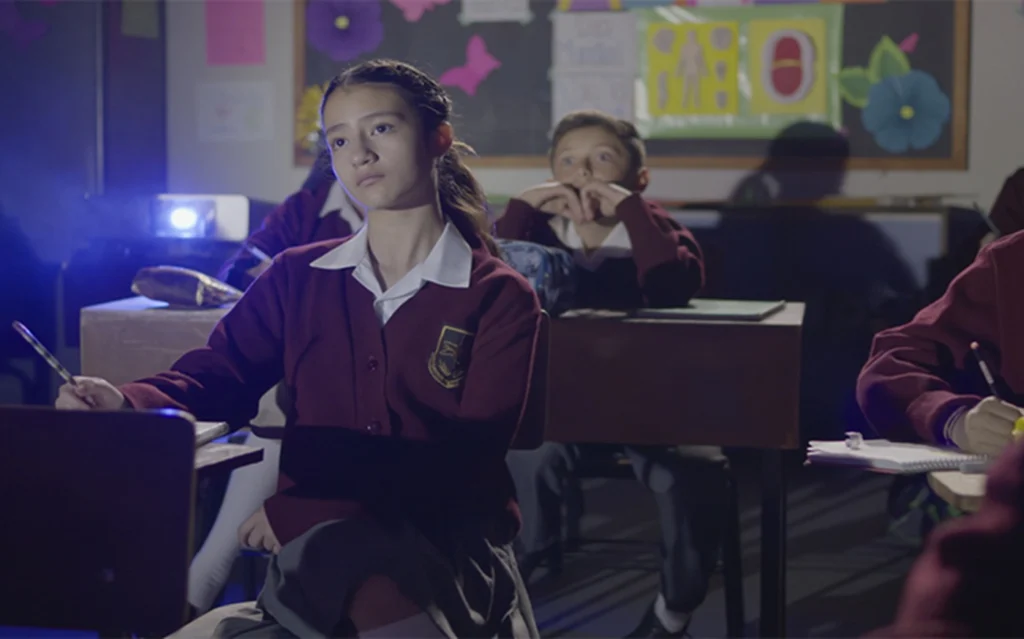
On Monday, the Mexican Ministry of Culture, through the National Film Archive (Cineteca Nacional), launched the program “Let’s Go to the Film Archive!” for elementary and middle school students.
The initiative, in coordination with Mexico City’s Federal Education Authority, aims to introduce children and teenagers to filmmaking through free screenings that promote cinema as an educational and cultural tool.
Minister of Culture Claudia Curiel emphasized that the project aims to incorporate visits to the cinema as part of the educational experience of public school students.
Approximately 1,600 students have already participated in the program’s initial activities, which provide free access to the three locations of the National Film Archive. The project is developed under the principles of the New Mexican School.
🎬 262 estudiantes de las primarias “General Plutarco Elías Calles” y “Niño Jesús Guarneros” disfrutaron “Yuku y la flor del Himalaya” en la Cineteca Nacional Chapultepec.#VamosALaCineteca acerca el cine como experiencia pedagógica y cultural.#NuevaEscuelaMexicanapic.twitter.com/L8W6VWoHZH
— Autoridad Educativa Federal en la Ciudad de México (@AEFCM_SEP) October 17, 2026
The text reads, “262 students from the General Plutarco Elías Calles and Niño Jesús Guarneros elementary schools enjoyed ‘Yuku and the Flower of the Himalayas’ at the Chapultepec National Film Archive.”
The Archive’s Director General Marina Stavenhagen stated that the initiative fosters new cultural experiences and contributes to the development of critical thinking through film analysis and reflection.
The National Film Archive’s locations in Xoco, Chapultepec, and the National Center for the Arts will function as complementary educational spaces, where film will serve as a tool to stimulate dialogue and emotional expression.
The first phase of the program included the screening of Yuku and the Himalayan Flower (2022), directed by Remi Durin and Arnaud Demuynck, and due to high demand from educational institutions, authorities decided to extend the project through 2027.
#WorldCup2026 | @CharlieMontero_ continues his journey through Mexico and discovers the incredible friendship and positive energy shared between Japanese fans and Mexican supporters.
The officers are being investigated for the crimes of homicide and aggravated torture.
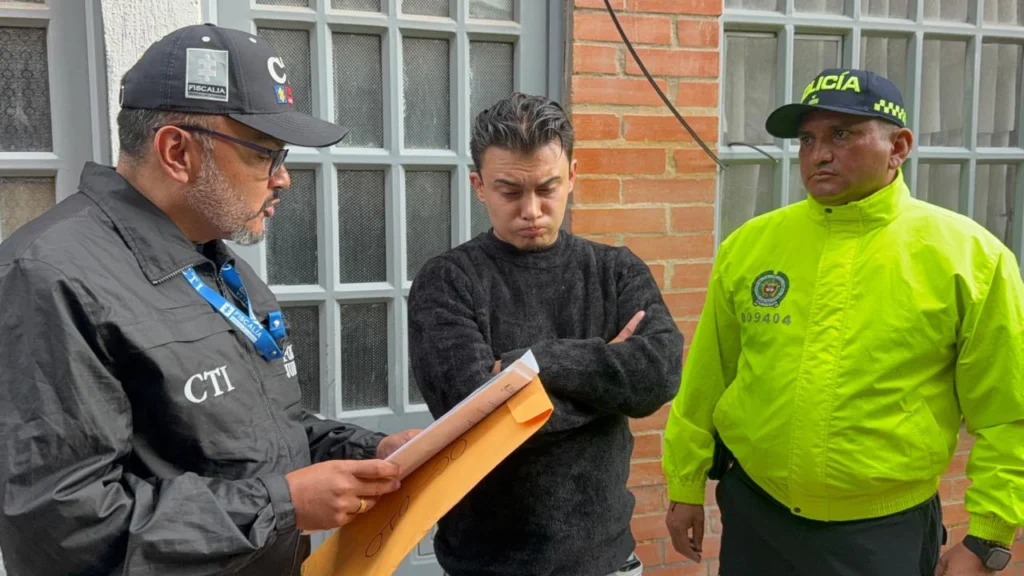
On Tuesday, the Technical Investigation Unit of the General Attorney’s Office arrested four members of the National Police for their responsibility in the death of Afro-Colombian Donovan Balanta, which occurred while he was in police custody in Bogota.
The officers are being investigated for the crimes of homicide and aggravated torture. The investigation seeks to clarify both the reported physical assaults and the alleged failure to provide medical assistance that preceded the victim’s death.
According to authorities, the events date back to September 20, when a patrol responded to a dispute between neighbors in southern Bogota, which escalated into a confrontation between civilians and police officers.
During the operation, Donovan was detained by the officers. The Attorney General’s Office maintains that a sub-lieutenant and three patrol officers allegedly handcuffed him, punched and kicked him, and used a Taser on him.
Se conocen nuevos detalles del caso Donovan Balanta: capturan a cuatro policías y buscan a otros dos
The text reads, “New details emerge in the Donovan Balanta case: four police officers captured and two others sought”
The investigation indicates that, after his arrest, Balanta was taken to a police station, where the violence allegedly continued while he was detained within the official facilities.
According to the case file, the victim repeatedly requested medical attention due to respiratory difficulties and severe chest pains. Another detainee also reportedly requested assistance for Balanta, but he did not receive timely help.
The National Institute of Legal Medicine determined that the cause of death was a cardiac arrhythmia caused by the electric shocks he received during the procedure, according to the results of the forensic analysis.
Experts also documented multiple burns and various injuries on different parts of his body, evidence that supports the hypotheses investigated by the Prosecutor’s Office regarding possible acts of torture.
Demonstrators gather in Bogota to defend labor rights, public education, and social reforms.
Trade unions, social movements, and students took to the streets of Bogotá to protest in defense of labor rights, public education, and key social protections achieved for workers.… pic.twitter.com/Mfx1HL1vpN
Early voting in two Republican strongholds puts Latino voters’ priorities and President Donald Trump’s declining approval under scrutiny.
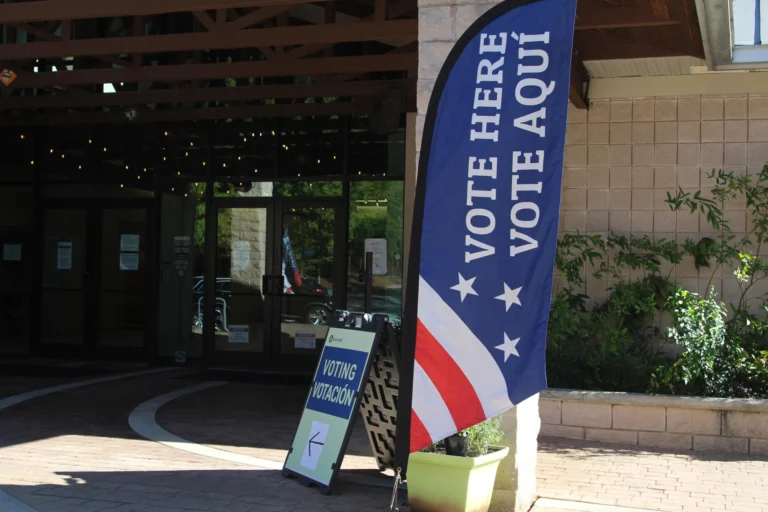
Early voting began Monday in Texas and most Florida counties, setting the stage for closely watched midterm contests in two Republican strongholds where Latino voters’ concerns over inflation, immigration and public safety could shape the electoral landscape.
With Latinos accounting for 40% of Texas’ population and 28.7% of Florida’s, both states offer a key test of the parties’ ability to attract Hispanic voters. Economic pressures, rising living costs, immigration policy and public safety are among the issues shaping voters’ priorities.
In Florida, voters turned out early in heavily Hispanic areas, including Miami-Dade County and Doral. Their concerns varied: some pointed to rising food and fuel prices and the strain on households and small businesses, while others emphasized public safety, education and support for the Trump administration.
Foreign policy and immigration have also exposed divisions within the community. In Doral, home to a significant Venezuelan population, tensions over the conflict with Iran and its potential impact on oil prices have added to debate over the administration’s tougher immigration policies.
🗳️ EE. UU.: comenzó la votación anticipada en Texas, que se suma a Georgia y Arizona. Las elecciones del 3 de noviembre definirán el control del Congreso. #teleSUR#19octpic.twitter.com/EHFa1yUbOU
Text Reads: 🗳️ U.S.: Early voting has begun in Texas, joining Georgia and Arizona. The November 3 elections will determine control of Congress.
The early voting period coincides with a decline in Trump’s approval among Hispanic voters, according to a recent Pew Research Center study. His approval rating stood at 24% in October, down from 38% in February 2025, at the beginning of his term.
The figures come as both parties compete in high-profile state and congressional races. In Florida, Republican Byron Donalds and Democrat David Jolly are vying for the governorship in a contest that has proved closer than expected. Republican Representative María Elvira Salazar is seeking re-election in the state’s 27th Congressional District against Democratic challenger Eliott Rodríguez.
In Texas, Republican Attorney General Ken Paxton faces Democrat James Talarico in the Senate race, while Republican Governor Greg Abbott is challenged by state legislator Gina Hinojosa.
Democrats are hoping that declining support for Trump among Hispanic voters, combined with greater participation in early and mail-in voting, will help them contest key seats in the House of Representatives and Senate. Republicans, meanwhile, are seeking to maintain their dominance in both states through the end of the voting period.
Flooding has affected nine departments, forced families to relocate and prompted rescue operations as forecasters warn of more rain.
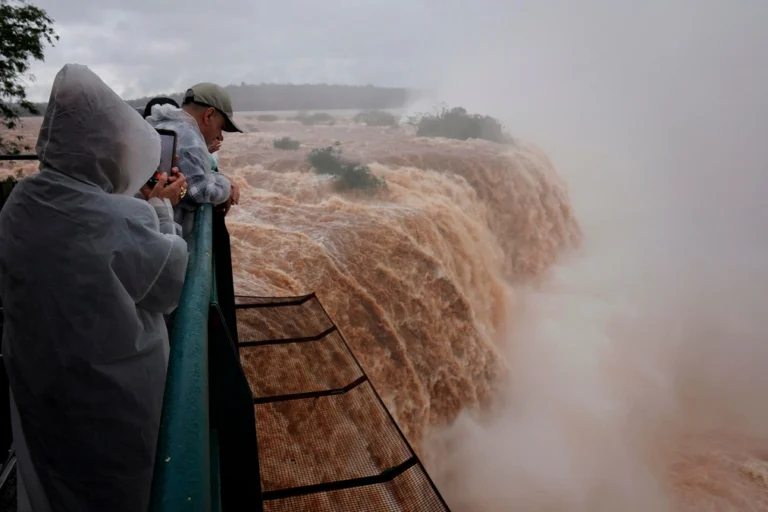
Flooding caused by heavy rainfall and the overflowing Paraná River has affected at least 3,000 families across nine departments in Paraguay, prompting emergency assistance and the relocation of thousands of families as authorities warn of further rainfall, according to the National Emergency Secretariat (SEN).
The southern departments of Ñeembucú, Misiones and Itapúa have been among the hardest hit, with floodwaters inundating homes and forcing emergency crews to distribute food, plastic sheeting and construction materials to affected residents.
The flooding has also affected Central, Guairá, Caaguazú, Concepción, San Pedro and Canindeyú, extending the emergency across nine of the country’s 17 departments.
In Misiones, the municipality of Ayolas has been particularly hard hit because of its proximity to the Yacyretá Dam, which is jointly managed by Paraguay and Argentina. Around 1,040 families in the area have received assistance, according to the SEN.
#FromTheSouth News Bits | About 1,200 families were evacuated last week in Ciudad del Este, Paraguay's second most populous city, due to severe flooding caused by the El Niño phenomenon, which raised the Parana River's water levels. pic.twitter.com/fu7fTJHzah
Rescue operations have also extended to animals. The nonprofit organization SOS Animal Ayolas has rescued about 247 pets trapped in flooded areas in recent days.
In Alto Paraná, along the border with Brazil, at least 1,300 families have been relocated. Water levels in the Paraná River have fallen slightly in the area, reaching 117.57 meters above sea level after approaching 121.19 meters on Thursday.
Firefighters from Bombers Pel Món, an organization based in the Spanish municipality of Valencia, have joined local emergency crews in assisting communities affected by the flooding near Foz do Iguaçu, Brazil.
Despite the recent decline in water levels in Alto Paraná, Paraguay’s Directorate of Meteorology and Hydrology has warned of a high probability of further rainfall from Wednesday through Sunday, with the greatest impact expected in the country’s Eastern Region.
Flooding along the Paraná River has affected thousands of families in Paraguay, prompting evacuations, rescue operations and emergency aid. Photo: Flooding in Paraguay as the Paraná River overflows, affecting thousands of families and prompting emergency evacuations.

 Login