❌

Reading view

US weighs relief for sanctioned shadow fleet tankers, days after freeing Russian diesel

Kremlin welcomes Trump National Security Strategy as aligned with Russian vision on Ukraine

The Trump administration is weighing looser sanctions on shadow fleet tankers that have hauled oil from Russia, Iran, and Venezuela, a US official said on 14 October, Reuters reported. An industry research group expects the change to do little for freight rates.

With Reuters calling high fuel prices a risk for Trump before the 3 November midterms, Washington has already eased sanctions on Russian oil and diesel this year and is now looking at the ships blacklisted for hauling sanctioned cargoes. In March, Treasury Secretary Scott Bessent said a waiver on Russian oil at sea would bring Moscow no significant financial benefit, yet Russia’s seaborne oil income jumped by $890 million in the week to 15 March, Bloomberg data showed.

“Legal oil” on blacklisted ships

The talks center on letting “legal oil” sail on previously sanctioned vessels, the official said. Only crude or fuel free of US sanctions would qualify, not Russian or Iranian oil. Washington wants more crude and refined products moving out of the Gulf, the official added. Companies would need US Treasury approval to use the ships.
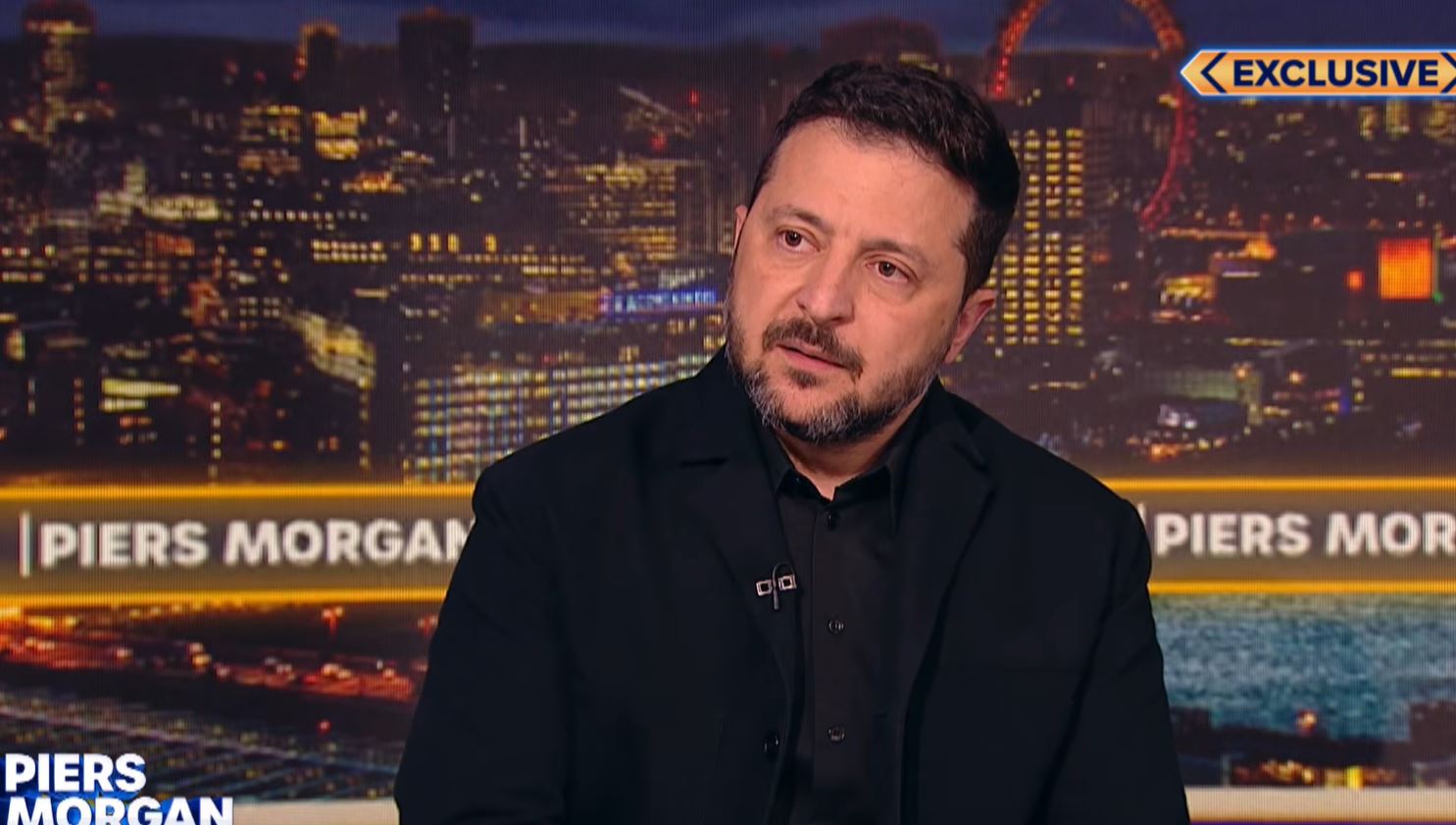
ukraine goes back hitting russian oil after its trump-forced pause left kyiv without warnings incoming ballistic missiles · post ukrainian president volodymyr zelenskyy during interview piers morgan london 14 2026
Explore further

Ukraine is going back to hitting Russian oil after its Trump-pressured pause, during which Kyiv got no US warnings of incoming ballistic missiles

Research group Energy Aspects said US Energy Secretary Chris Wright, in a video to the World Petroleum Congress in Riyadh, tied the easing to record freight rates. Those rates hit records after the Iran and Ukraine wars drove up inflation and left US crude too costly for Asian refiners, Reuters said. Energy Aspects itself expects the easing to do little for freight rates, since most tankers sanctioned over Russian or Venezuelan links have kept trading for the past three months.

The Energy Department said any relief would do nothing to help Russia ship its oil or refined products. Treasury referred questions to the Energy Department. Yet Reuters noted that both departments could face pressure to let these vessels carry Russian diesel, given Trump’s push to get it onto world markets fast.

Britain is pushing the other way. UK finance minister John Healey urged counterparts at International Monetary Fund meetings in Bangkok on 15 October to keep tough sanctions on Russia, “especially a tighter ban on shipping services” that keep Putin’s shadow fleet operating.

Diesel license criticism and an unconfirmed ceasefire

On 9 October, the US Treasury issued a license clearing Russian-origin diesel trade until 7 April 2027. Ukrainian President Volodymyr Zelenskyy told reporters it was a weak decision unworthy of Ukraine’s partners. Democratic Senators Jeanne Shaheen, Chuck Schumer, and Elizabeth Warren called it a “total betrayal of Ukraine.” Republican Senator Thom Tillis said there is “a legitimate case for saying the president’s not following the law.”

The White House in Washington DC, USA. Illustrative image: Wikimedia Commons.
Explore further

“He thinks Ukraine is a weak link and that it needs to be squeezed into giving in”: diplomat on why Trump pressures Kyiv, not Moscow

Trump then pressed Kyiv to spare Russian refineries and declared an “energy ceasefire” on 11 October. A White House official told Axios it covers only oil refineries. Neither side confirmed a similar announcement Trump made in mid-September, AAP reported.

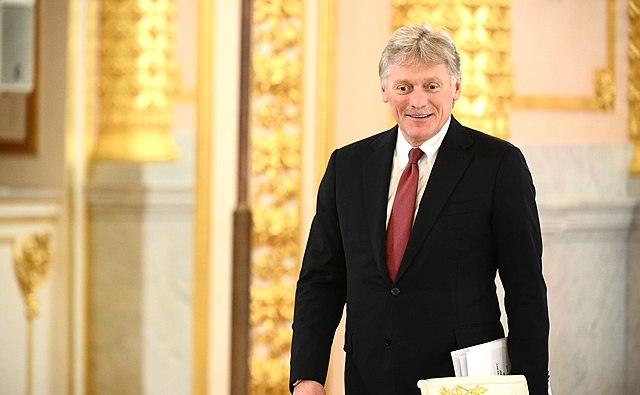
Kremlin spokesperson Dmitry Peskov told reporters on 13 October that contacts on the ceasefire were continuing and referred further questions to Trump, Russian newspaper Vedomosti reported. He claimed the diesel deal was “a very mutually beneficial item of Russian-American cooperation” that serves the interests of Russia, the US, and world energy markets, Russian newspaper Kommersant reported.

  •  

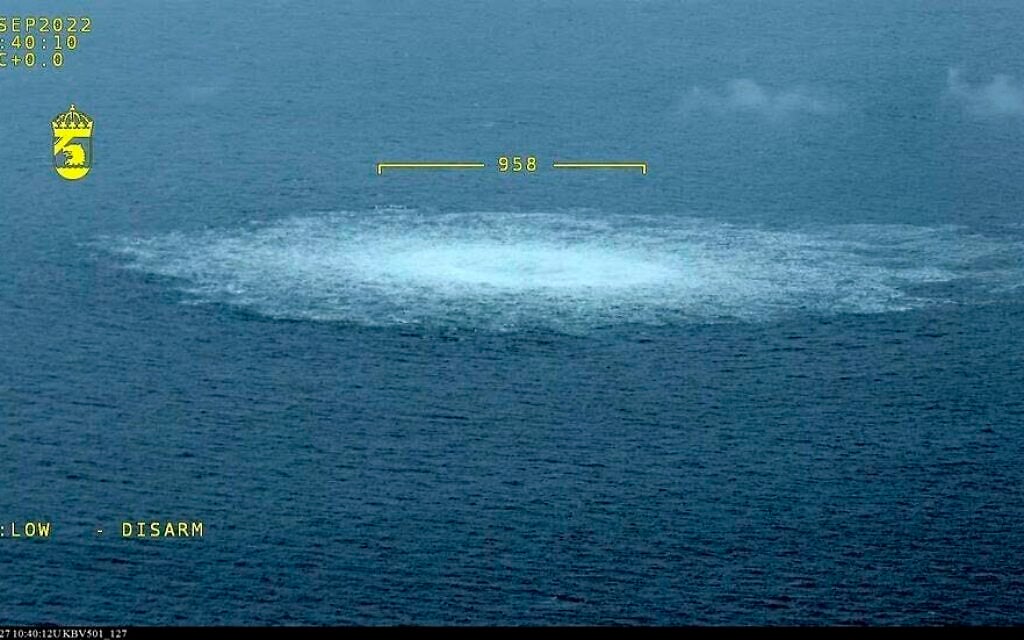
Ukrainian ex-officer goes on trial in Germany over 2022 Nord Stream pipeline sabotage

Former special forces officer Sergiy Kuznietsov facing charges including 'war crime,' attacking civilian infrastructure; Kyiv consistently denies it was behind Baltic Sea blast
  •  

Russia-U.S. Diesel Deal Is Unrelated to Ukraine Peace Plan: Peskov

The plan includes Ukraine’s reconstruction, security guarantees, an energy agreement, and a ceasefire along the current front line.

On Tuesday, Kremlin’s spokesman Dmitri Peskov said the agreement with the United States to supply diesel was unrelated to the new peace plan for Ukraine being prepared by White House envoys in collaboration with European countries.

RELATED:

Brussels Seeks to Keep Russia Isolated From International Sports

“I see no direct connection here. This is mutually beneficial Russian-American cooperation that serves the interests of the U.S., global energy markets and Russia,” he said.

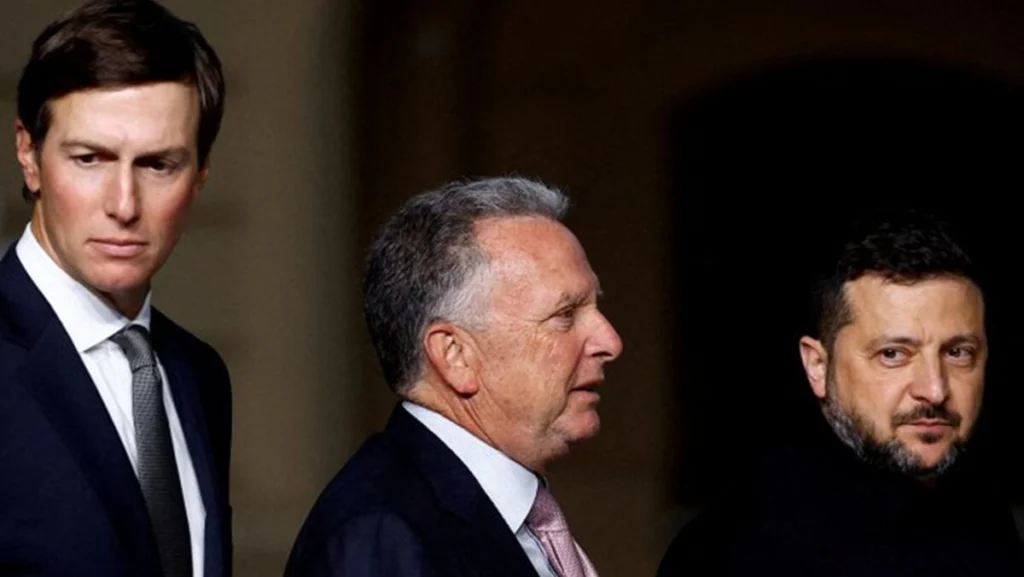
Earlier, The Washington Post reported the existence of a new U.S. proposal aimed at securing a ceasefire in Ukraine. According to the outlet, during a meeting in Florida, envoys Steve Witkoff and Jared Kushner told Ukrainian negotiators that the diesel agreement could bring Russia back to the negotiating table.

The four-point peace plan, which was discussed by U.S. and Ukrainian officials as well as envoys from the United Kingdom, France and Germany, addresses not only measures to halt the fighting but also the postwar period.

The first point concerns Ukraine’s reconstruction, which would involve both the World Bank and investment firm BlackRock. They would establish a mechanism to rebuild territories affected by the war, assist the families of those killed in combat, and restore the national economy.

First, Kiev changes the language people speak. Then, apparently, comes the harder question:

What language do they think in?

Ukraine has spent years expanding the mandatory use of Ukrainian across public life – education, government, media, advertising and services.

And… pic.twitter.com/Pm6vohqFAZ

— Rina Lu🇷🇺 (@rinalu_) October 12, 2026

Security guarantees are covered in the second point. The U.S. and European countries would promise Kiev a military response in the event of another Russian attack, similar to Article 5 of NATO. Russia, in turn, would also negotiate similar security agreements with European countries.

In the third point, U.S. negotiators propose an energy agreement among Russia, Ukraine and Europe that could include an oil pipeline and a natural gas pipeline, with the transit country — Ukraine — also benefiting. The agreement would include the lifting of sanctions.

The fourth point calls for a ceasefire along the current front line, which would allow Russia to retain control over one-fifth of Ukrainian territory, but not the entirety of the four regions it annexed in 2022.

This is the most complex point, as Ukraine, like the European Union, refuses to recognize Russian sovereignty over its territory, while Russian President Vladimir Putin demands full control of the Donbas region.

To advance the negotiations, the White House is demanding that Ukraine completely halt its bombing of Russian refineries under a truce that U.S. President Donald Trump himself announced Sunday and that apparently caught both sides off guard.

“They reached an agreement because I said they reached an agreement,” Trump told reporters on Monday in response to repeated questions about the truce.

teleSUR/ JF

Source: EFE

  •  

Zelenskyy says Ukraine could hold elections if Russia agrees to 60-day ceasefire. Moscow counters with truce lasting only voting day

Dmitry Peskov

Russia offers Ukraine a single day without strikes for its elections. Russian leader Vladimir Putin is ready to order a halt to strikes on Ukraine only on the day of a presidential election, if Kyiv decides to hold one, Kremlin spokesperson Dmitry Peskov says, Russian state agency TASS reported.

The offer answers Ukraine’s call for a real pause: on 11 October, President Volodymyr Zelenskyy stated Ukraine could hold elections if Putin agreed to a full ceasefire of at least 60 days, ABC News reported. Against the backdrop of Russian strikes that killed more than 150 Ukrainian civilians in a single week, Moscow counters with a one-day truce confined to voting day.

“...If they really want to hold elections in Kyiv, the president of Russia, the supreme commander-in-chief, will be ready to give the order not to strike Ukraine on election day. Specifically on election day,” Peskov said.

His statements followed US President Donald Trump’s call on 10 October for Ukraine to choose a new president, saying a change of leadership could help reach peace with Russia, according to Suspilne.

Trump also criticized Ukrainian strikes on Russian oil refineries amid his new agreements to supply a low volume of diesel into the US.

Moscow rejects the 60-day pause

Peskov has outright dismissed the longer truce. Ukraine needs 60 days not to hold elections but to heal its wounds and continue the war, he argues.

He has claimed Russia had been willing to resume peace talks after Russia’s own State Duma elections, but accused Ukraine of launching massive strikes on Moscow to disrupt that vote. Peskov has gone further, claiming Ukraine shelled polling stations and killed several members of district election commissions in the Russian-occupied regions it calls its own.

What Peskov left out

The accusations are Russia’s and remain unverified. Peskov offered no evidence for the claims about polling stations or election officials, which echo long-running Kremlin talking points.

He also made no mention of Russia’s own strikes on Ukrainian civilian targets over the same period, including attacks on energy sites and residential buildings.

  •  
❌