Login

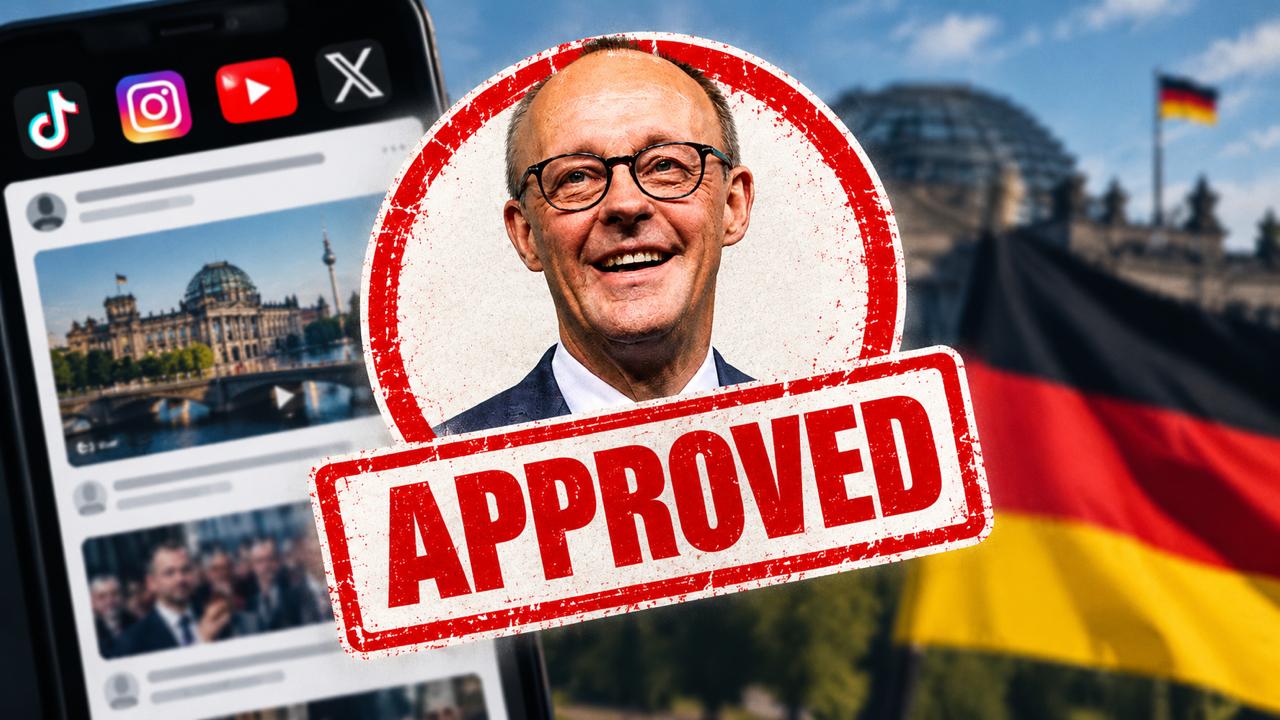
Germany plans to force social media platforms to fill 20% of algorithmic recommendations with ‘state-approved’ content
Germany’s federal states are proposing that social media platforms reserve at least 20 percent of algorithmic recommendations for content from a pool of approved media outlets deemed important for opinion diversity, according to a draft under public consultation. The proposed measure is already being slammed as a state-mandated propaganda effort that would force German citizens to view content friendly to the ruling establishment parties.
The measure is part of the second stage of a planned Digital Media State Treaty developed by the Broadcasting Commission of the Federal States. Under the draft, public broadcasters such as ARD, ZDF and Deutschland Radio would automatically qualify for certain offerings.
Meanwhile, private outlets would generally need to apply and demonstrate that they meet criteria including news and political reporting, information and educational content, documentaries, local or regional coverage, original journalistic production, editorial staffing and accessibility standards. Approvals would be decided by the 14 state media authorities.
In other words, the state wants to control what people are seeing in their feeds.
As the Berliner Zeitung reports, the media law involves “media quotas with an advantage for ARD and ZDF,” which are two state broadcasters that already have a massive advantage over private competitors. Both outlets, which are notoriously in favor of mass migration and known for their anti-AfD bias, and which employ virtually all left-wing journalists, are already known for not playing on a level playing field.
Austrian remigration activist Martin Sellner, along with other right-leaning accounts, already are warning about the new plans.
— Martin Sellner (@MartinSellner_) October 22, 2026
Germany plans to force social media platforms to fill at least 20% of algorithmic recommendations with "diversity positive" government-regulator-approved media content.
Public broadcasters like ARD and ZDF would qualify automatically. Private outlets would need "State approval"
You cant make this up.
The rule would apply to algorithmic recommendations shown to users, such as in feeds or under videos on platforms including Instagram and X. Content drawn from the approved pool would still be selected according to the platforms’ algorithms and user interests. Officials have framed the quota as a way to protect journalistic content from being sidelined by engagement-driven material.
However, skepticism is obviously abundant.
“And who gets this golden seal of quality for preferential playback completely automatically? Of course, the public broadcasters. Private publishers, on the other hand, get to play the supplicants and politely apply for the status at the so-called “state-independent” media authorities. A rogue mind thinks evil of it,” wrote commentator Bernd Kaiser.
“If you want to exchange views on X in the future, the algorithm will soon forcibly serve you the curated explainer journalism from Tagesschau — right between your friends’ posts. They’re selling us this unprecedented market intervention as ‘Public Value,’ but it’s a blatant attempt to secure air superiority over online discourse,” he added.
Mündiger Bürger? Dass ich nicht lache! Weil ARD, ZDF und Co. trotz 8,5 Milliarden Euro Zwangsgebühren im Jahr immer öfter an den Interessen der Menschen vorbeisenden, greift der Staat jetzt zur digitalen Brechstange.
— Bernd Kaiser (@Bernd_Kaiser_BD) October 21, 2026
Die neueste Glanzidee der Länder:
Wenn das Publikum freiwillig wegläuft, zwingt man ihm die Inhalte eben per Gesetz auf.
Der geplante Digitale-Medien-Staatsvertrag sieht allen Ernstes eine 20-Prozent-Quote für Social Media vor.
Das heißt: Jeder fünfte Post in Ihrem Feed bei X oder Instagram soll künftig verpflichtend ein „vielfaltsfördernder“ Beitrag sein.
Und wer bekommt dieses goldene Gütesiegel für bevorzugte Ausspielung völlig automatisch?
Natürlich die Öffentlich-Rechtlichen.
Private Verlage dürfen hingegen als Bittsteller auftreten und sich bei den sogenannten „staatsfernen“ Medienanstalten brav um den Status bewerben.
Ein Schelm, wer Böses dabei denkt.
Wenn Sie sich künftig auf X austauschen wollen, serviert Ihnen der Algorithmus bald zwangsweise den betreuten Erklärbär-Journalismus der Tagesschau – direkt zwischen den Beiträgen Ihrer Freunde.
Man verkauft uns diesen beispiellosen Markteingriff als „Public Value“, aber es ist der völlig unverhohlene Versuch, die Lufthoheit über den Diskurs im Netz zu sichern.
Wer exzellenten Journalismus macht, braucht keine algorithmische Rollator-Hilfe durch den Staat.
Wer aber Panik vor der eigenen Irrelevanz hat, flüchtet sich in Zwangsquoten.
Wir dürfen den Elfenbeinturm nicht mehr nur teuer bezahlen, wir sollen ab sofort auch bei jedem fünften Swipe in Demut daraus lesen.
#ÖRR #Meinungsfreiheit
The draft was released for public comment in late September 2026, with submissions accepted until Nov. 13. It builds on an existing “public value” system that already grants preferential placement to certain media apps in app stores and on smart-TV interfaces. Some private broadcasters, such as those already holding “public-value” status, would also be eligible for the pool.
The Berliner Zeitung, a private newspaper, noted that state-funded broadcasters could expand their visibility relative to private competitors that rely on advertising or subscriptions. Critics have also pointed out that the criteria emphasize structural and production features of outlets rather than the range of viewpoints in individual posts, and that there is limited evidence the specific 20 percent threshold would increase actual diversity of perspectives.
The Digital Media State Treaty is being prepared in two parts. The first, focused largely on implementing European Union rules including aspects of the AI Act, has already advanced. Part two remains a discussion draft and would require agreement by the governments and subsequent ratification by the parliaments of all 16 German states before it could take effect.
Media regulation in Germany is primarily a responsibility of the states under the country’s dual public-private broadcasting system.
The post Germany plans to force social media platforms to fill 20% of algorithmic recommendations with ‘state-approved’ content appeared first on Remix News.

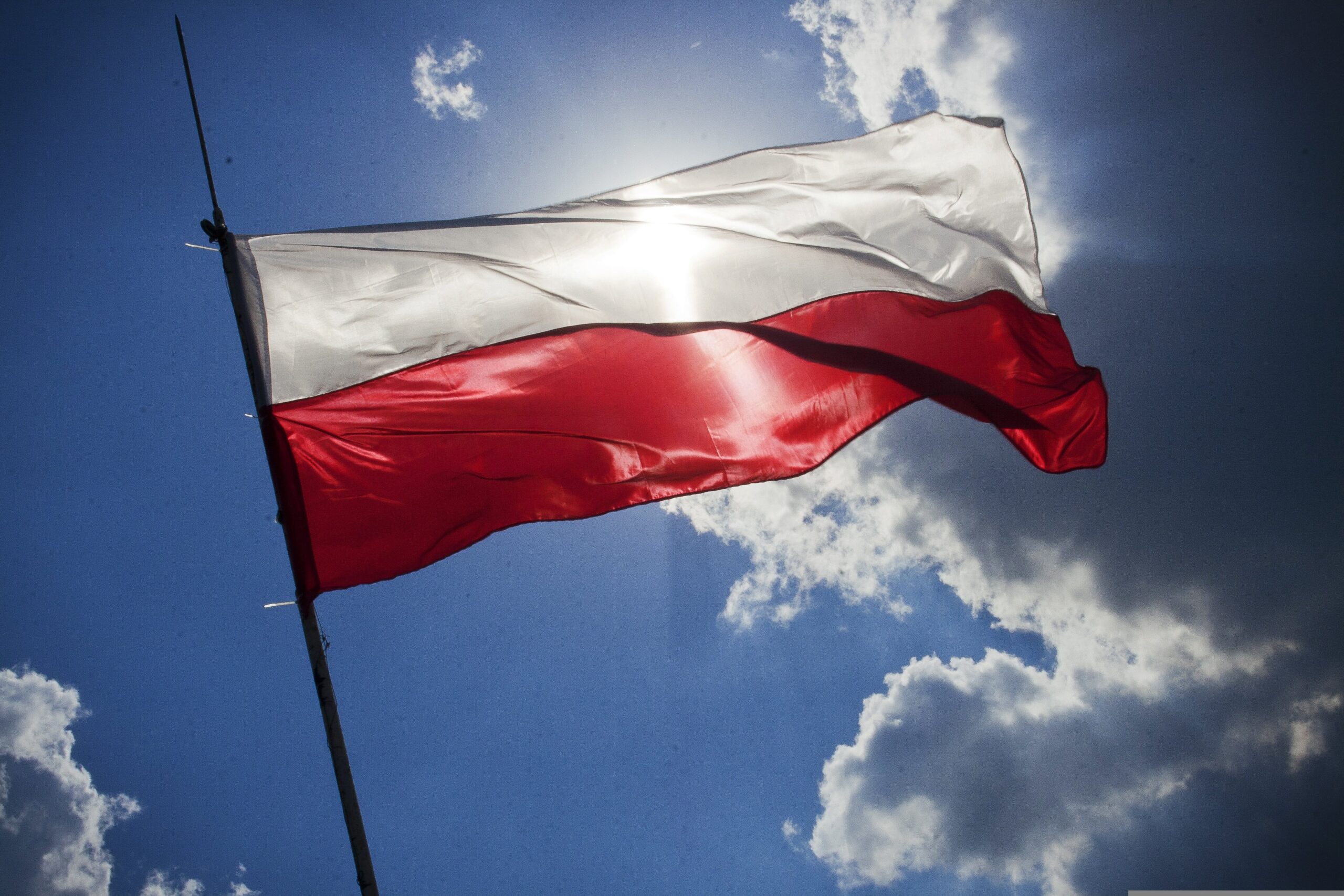
 Poland features 5 amazing swimming pools just outside Kraków, in Zakrzówek.
German Youtuber @freiformation appears to prefer Poland to Germany when it comes to swimming.
"No groping, no harassment, just families, children, girls, women, men, all peaceful." https://t.co/r3cGmXnsMT

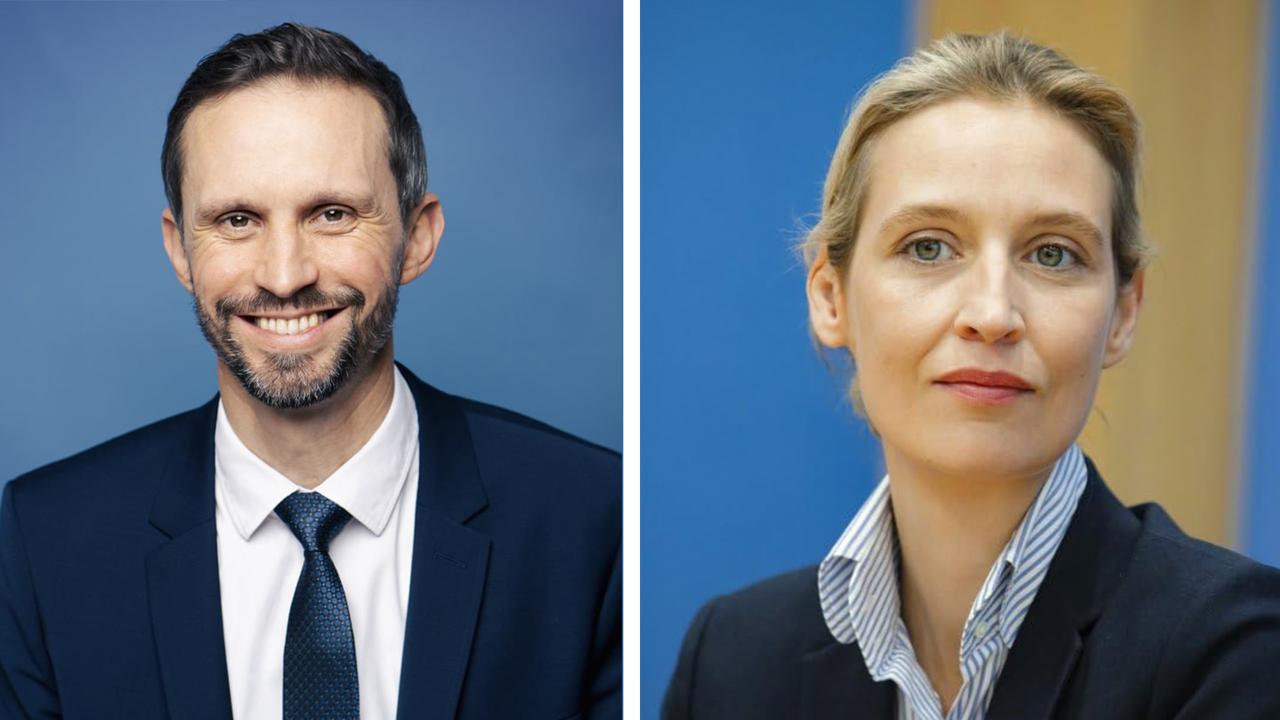
 A female German journalist wanted to research the topic of gang rapes by migrants in Bavaria but was labeled "racist" and "right-wing" by her colleagues.
Julia Ruhs, a high-profile television presenter, said it is still a "taboo" to research topics regarding why "certain population groups are more susceptible to committing sexual offenses."
"That’s when I realized the whole editorial imbalance that when you dedicate yourself to such a topic."
She added that it became an environment where she was told: "You’re not allowed to say that and you’re totally racist."
Ruhs is currently at the center of a significant "Cancel Culture" and media sovereignty debate in Germany.
She is often described as a rare conservative voice within the German public broadcasting landscape, which is frequently criticized for having a "left-green" bias.
In 2025, Ruhs was chosen to host a new experimental debate format called "Klar," co-produced by the northern public broadcaster NDR and the southern BR. The show’s mission was to reach viewers who felt alienated by mainstream media by tackling sensitive topics like migration, Covid-19, and the farmers’ protests.
After the first episode on migration, a massive internal wave of criticism hit. Approximately 250 NDR employees signed an open letter distancing themselves from the show, accusing Ruhs of one-sided and populist reporting.
In September 2025, the NDR officially decided to drop Ruhs as a presenter for their portion of the show, citing a desire to move toward a "multi-moderator concept."
Ruhs responded on social media, calling the decision a "disgrace" and claiming she was "too right-wing for the NDR."
High-profile politicians like CSU’s Markus Söder (Bavaria) and Daniel Günther (Schleswig-Holstein) criticized the NDR for stifling diversity of opinion.
While the NDR canceled her, the Bavarian broadcaster BR stood by her. New episodes of "Klar" are planned from the BR broadcaster for 2026.
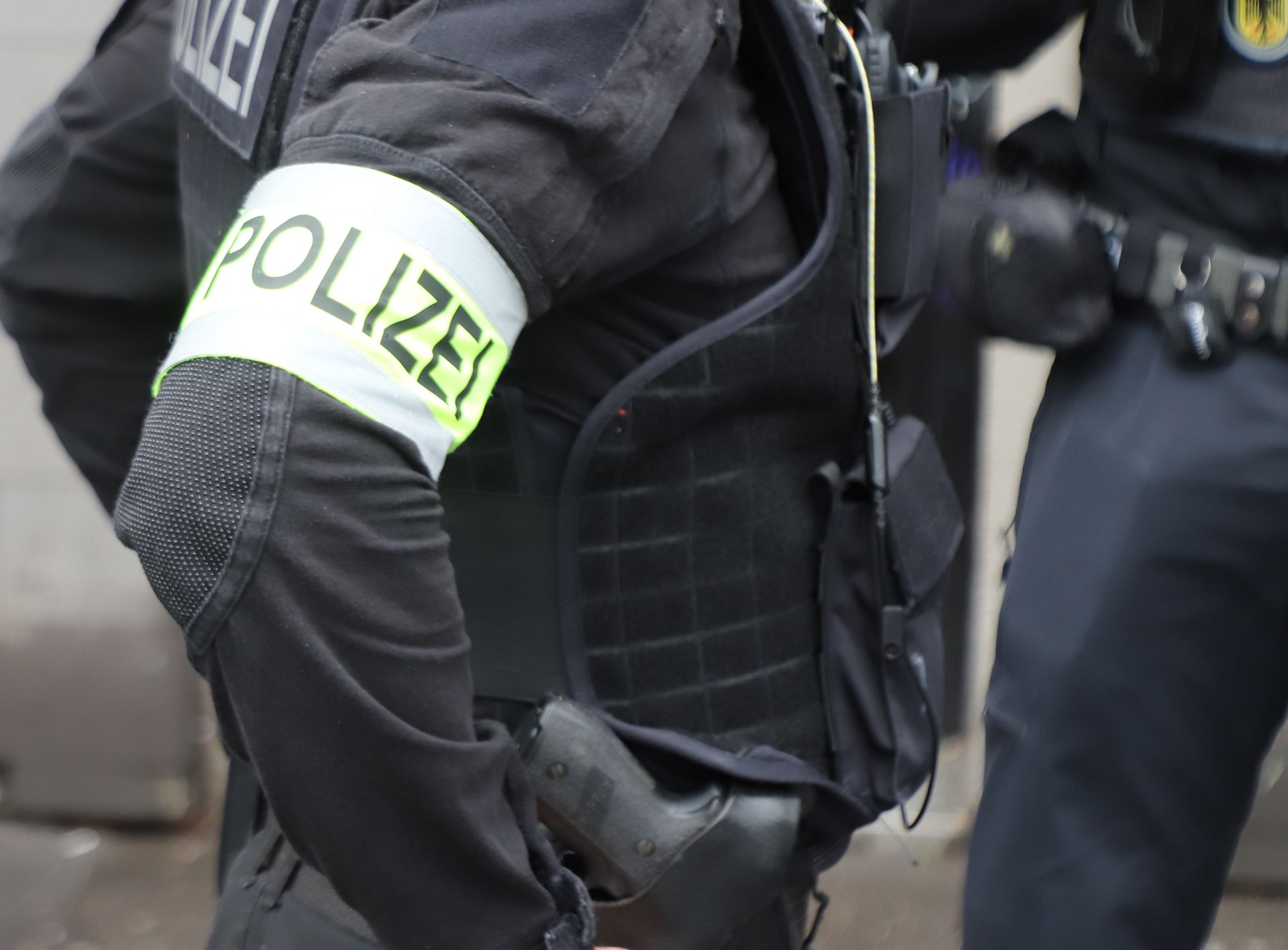


 "I will beat you till you die… Look at your pig skin."
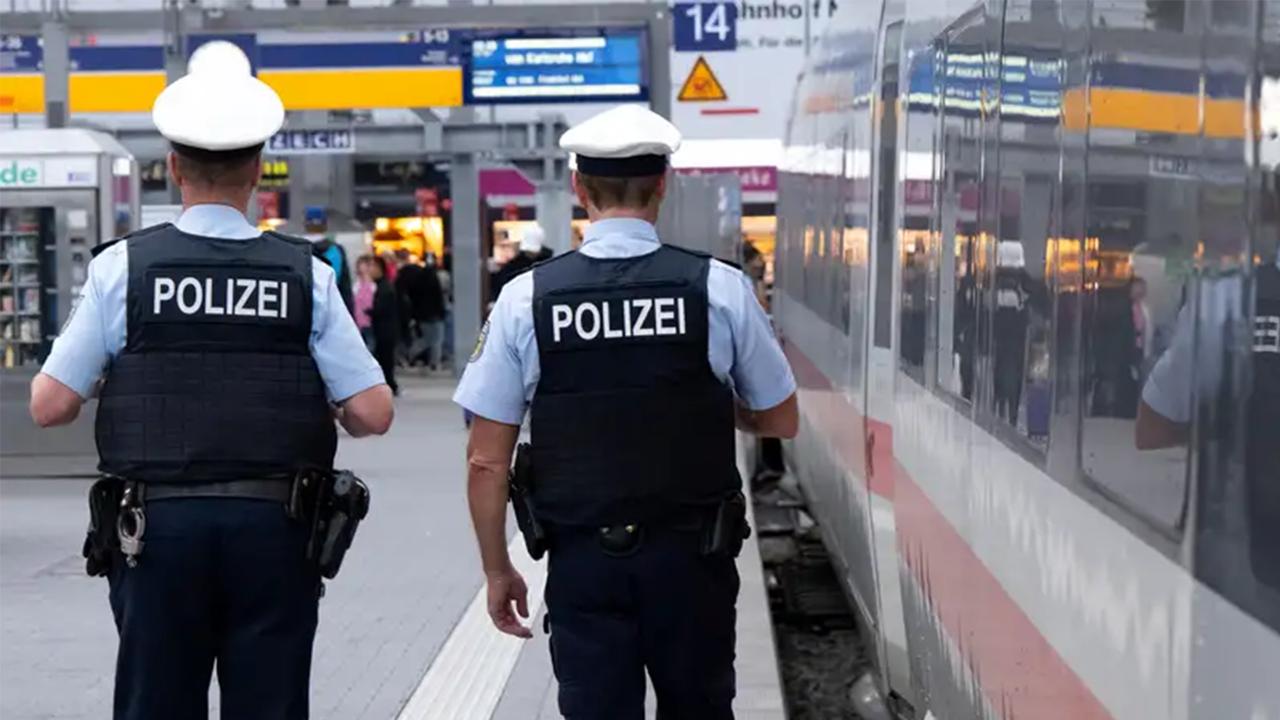
A migrant makes sexist, racist, and anti-LGBT remarks against young women in the Berlin train system near the Tempelhof stop. https://t.co/LuJZCcrTsT
 https://t.co/mqd4Qylr9X https://t.co/BKhC2YyVp6