❌

Reading view

Denuncian persecución contra diputados que exigían conteo electoral en Honduras

Exconsejero electoral Marlon Ochoa alerta que el régimen impuesto por Trump ha librado orden de captura contra 13 exdiputados por haber ordenado que se finalizara el conteo electoral ante el fraude ejecutado por las consejeras Ana Paola Hall y Cossette López-Osorio
  •  

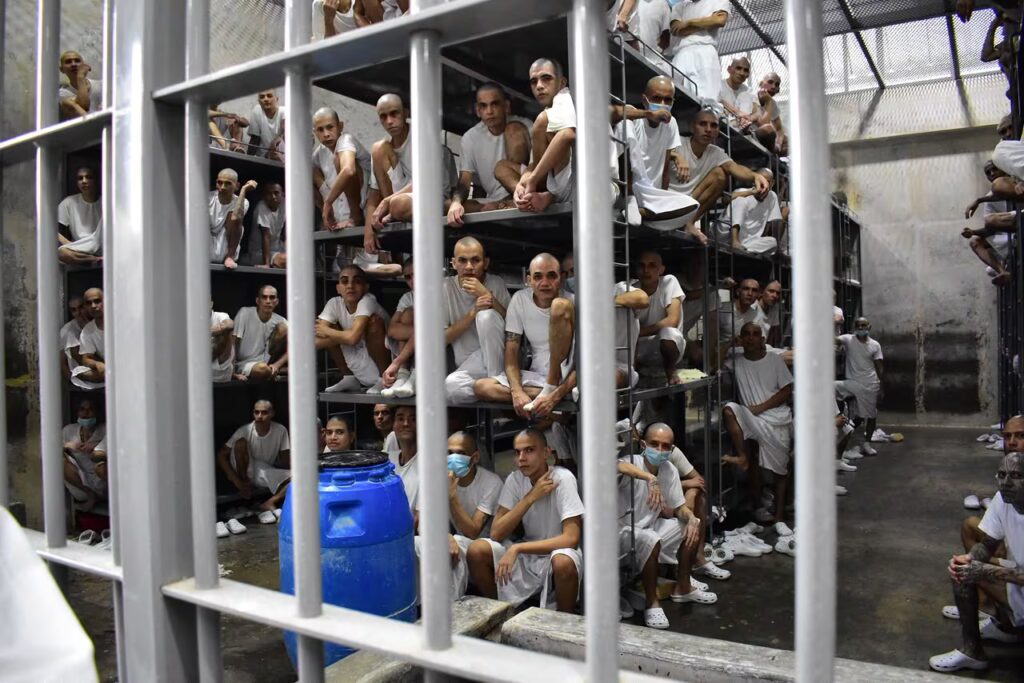
Honduras Congress Approves Funds for Maximum-Security Prison

(FILE) The penal project remains in preliminary study phase without a formal budget, established capacity or construction schedule. Photo: INP Honduras.

Honduras’ conservative-majority Congress approved a motion to seek funding for a new maximum-security prison modeled on El Salvador’s Cecot, aiming to confront a surge of violence that has left more than 1,000 people dead in just over ten months.


According to reports from the National Penitentiary Institute, the plan is to concentrate all inmates belonging to the Mara Salvatrucha (MS-13) and Barrio 18 gangs in a single module, as El Salvador’s President Nayib Bukele has done.

The proposal would rely on borrowing to finance the construction, and it follows a visit by a congressional delegation to El Salvador’s Terrorism Confinement Center (Cecot), which has been criticized for human rights violations, masss incarceration and the detention of thousands of people who were jailed without proven links to gangs.

RELATED: Honduras Approves Sweeping Anti-Gang, Prison Security Law

“The approval of the motion to build a new maximum-security prison is part of the measures to strengthen prison security and confront crime firmly,” Congress President Tomás Zambrano said on social media. He added that the aim is not to carry out an identical replica but to “identify those successful models” and build a system adapted to local reality.

The motion will allow the government to identify resources for building a new maximum security prison, while the Ministry of Finance announced that it will begin studies to quantify the work, but it does not mean that the construction budget has already been set or that work has begun. For now, the process focuses on quantifying investment, identifying potential sources of financing, and determining the terrain where the establishment will be built.

🏦🇭🇳FONDOS PARA CÁRCEL EN HONDURAS

El Congreso Nacional aprobó gestionar recursos para planificar una nueva cárcel de máxima seguridad. Instituciones evaluarán costos, terrenos y opciones de financiamiento como bonos o préstamos internacionales.#Honduras #Internacional pic.twitter.com/DSWXl5jczY

— Pulso Digital SV (@SVPulsoDigital) October 20, 2026

Text reads: “Prision funds in Honduras: The National Congress approved managing resources to plan a new maximum security prison. Institutions will assess costs, land and financing options such as international bonds or loans.”

The project is considered in the context of measures approved in September to tighten detention conditions for individuals identified by the Honduran state as members of terrorist groups. The reforms include a special regime of maximum security, restrictions on communication and visits, enhanced surveillance and other prison control measures.

Debt and Doubts Loom

The proposal relies on public debt to finance the infrastructure. That choice has drawn concern, as has the logistical question of transplanting a model from El Salvador, a country whose territory is comparable to a single Honduran department, into a nation of more than 10 million people with far more complex territorial dynamics.

The motion had the support of the Freedom and Refoundation party (LIBRE), whose lawmakers nevertheless accused the National Party of applying a double standard. They recalled that Congress rejected a similar proposal from former President Xiomara Castro (2022-2026) to build a maximum-security prison far from urban areas, citing environmental impact and possible human rights violations.

Honduras reduced its homicide rate between 2024 and 2025, but extortion, drug trafficking, assaults and territorial control by organized bands persist. More than 25 massacres, roughly 240 femicides and over 1,000 violent deaths were recorded during the current administration of the right-wing President Nasry Asfura.

¡Antes rechazaban la cárcel de máxima seguridad y ahora la venden como solución! El diputado @SergioC11938796 señaló la contradicción del Partido Nacional: se opuso al penal en Islas del Cisne y ahora impulsa otro en Santa Bárbara, además advirtió que construir más cárceles no… pic.twitter.com/4I0a4GScHL

— Bancada Libre (@BancadaLibre) October 20, 2026

Text reads: “They used to reject the maximum security prison and now sell it as a solution! The deputy
@SergioC11938796 pointed out the contradiction of the National Party: it opposed the penal in Cisne Islands and now promotes another one in Santa Bárbara, also warned that building more prisons does not guarantee to solve the insecurity in Honduras.”

The final location will depend on the technical judgment of the National Penitentiary Institute and defense institutions. To define the technical and financial route, the legislature’s leadership convened a working group bringing together party heads, legislative commissions, the Security and Finance secretariats, the National Police, the Armed Forces and the National Agency against Organized Crime.

Now, with the motion passed, the next steps consist of quantifying the investment, defining the terrain, establishing the sources of financing and specifying the technical conditions for building and operating the prison.

  •  

Congreso de Honduras aprueba moción para financiar cárcel de máxima seguridad

Estaría inspirada en el modelo de El Salvador, cuestionado por masivas violaciones de los derechos humanos, al que el propio Nayib Bukele le reconoce déficits.
  •  

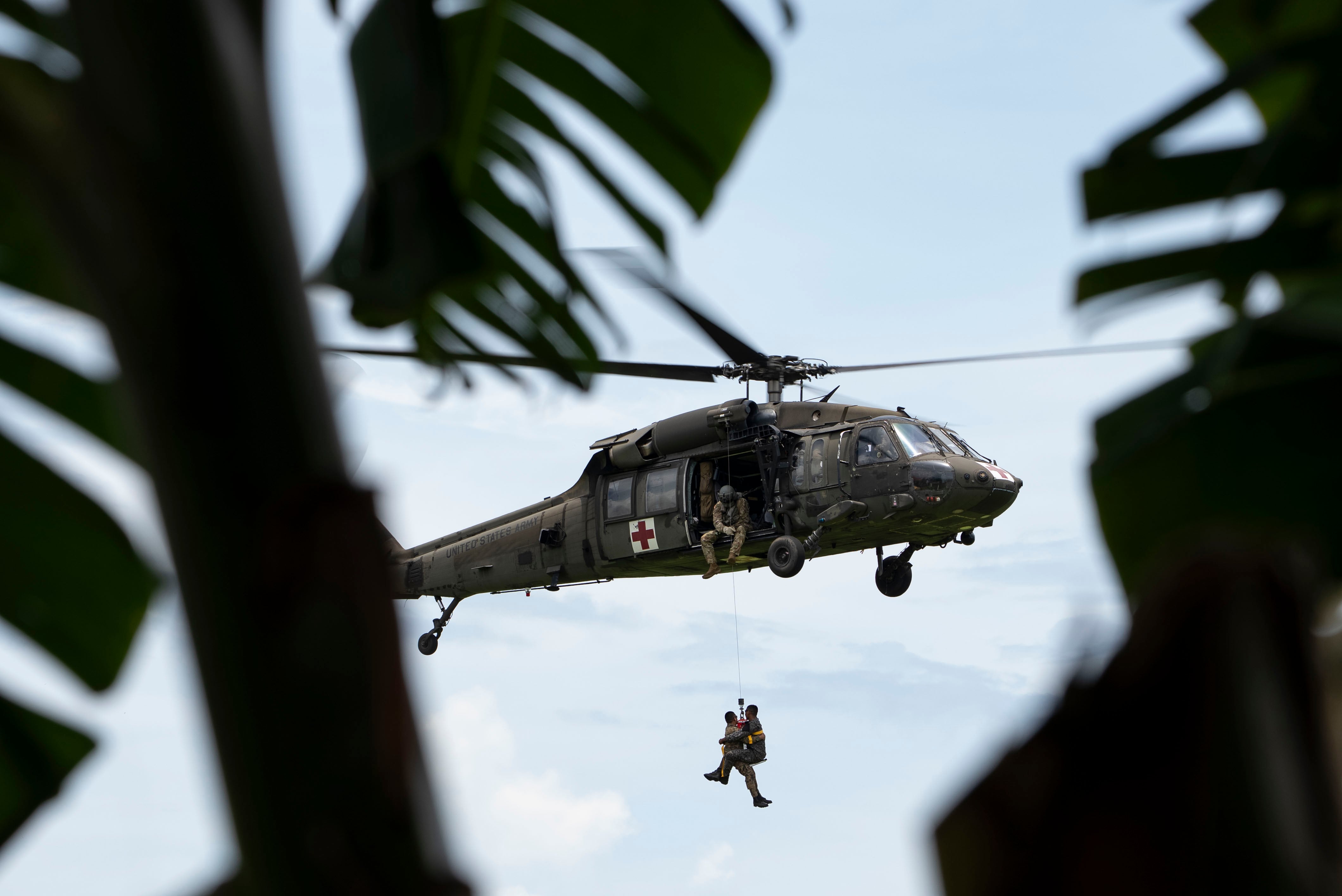
US increases military presence in Latin America with training in Panama, Honduras and Colombia

The United States is increasing its military presence in Latin American countries. The U.S. military has sent hundreds of soldiers to conduct training in Panama, an activity they will repeat later in Honduras and Colombia, The New York Times reported. The military detachment is preparing to take part in special operations against drug trafficking cartels, sources for that outlet said.

Seguir leyendo

© CONTACTO vía Europa Press (CONTACTO vía Europa Press)

Several U.S. Army soldiers conduct a training exercise at the Panama Naval Air Base.
  •  

EE.UU. inicia envío de 600 soldados a Panamá proyectando movilización a América Latina

Un contingente de la 10.ª División de Montaña de EE.UU. inició su despliegue en Panamá con miras a extender operaciones militares a Colombia y Honduras. La maniobra busca intensificar las acciones antidrogas impulsadas por la Administración de Donald Trump en la región.
  •  

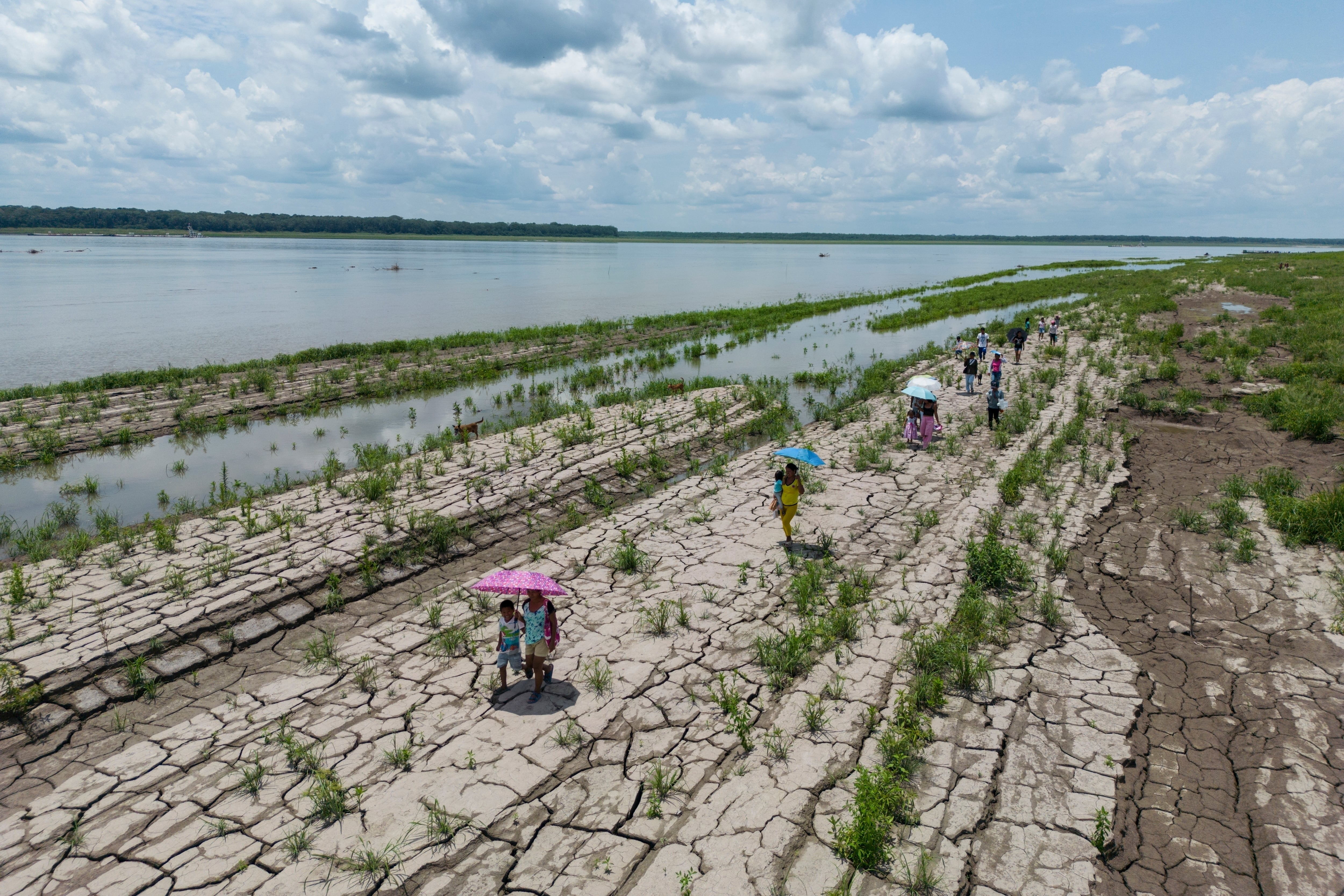
One in seven Latin American children threatened by El Niño: ‘This crisis can be mitigated’

This is the driest year on record in Tegucigalpa. Eighty percent of Honduran territory is on red alert, and the capital has had a potable water rationing system every 12 days for a month. The lack of rain is making maize and bean crops in Guatemala — the main food source in a country with the region’s highest rate of chronic child malnutrition — even more vulnerable. The Panama Canal has begun restricting vessel traffic because of water stress in the basin, and the parched Amazon rivers are isolating dozens of riverside communities in Brazil and hampering fishermen’s work.

Seguir leyendo

© Ivan Valencia (AP)

A section of the Amazon River showing signs of drought in Santa Sofía, Colombia, on October 20, 2024.
  •  

Afro-Indigenous community in Honduras resists forced evictions

Spanish reality show “Survivor” (Supervivientes) has been filming on the land of the Afro-Indigenous Garífuna peoples in Honduras since 2006. The filming of “Supervivientes,” as well as other versions of the “Survivor” show, have sparked intense local protests over land, human rights, restrictions to fishing access, and forced evictions.

In 2025, the Inter-American Court of Human Rights (IACHR) found that the filming of the reality show violated several rights of the members of the Garífuna community. But it wasn’t the first time the Honduran government has been found in violation for its treatment of the Afro-Indigenous people of Central America. In total, the Inter-American Court has issued warnings four times regarding the mistreatment suffered by this community.

This story, though not entirely recent, has resurfaced in recent weeks when, on July 6, nearly two hundred police officers arrived in San Juan to evict several community members, claiming they were on property that did not belong to them.

However, the Garífuna assert that these lands belong to the community, and therefore an eviction order cannot be issued for communal lands that, in essence, are being targeted for privatization in favor of private interests (particularly those of the Rosenthal family, one of the wealthiest and most powerful families in Honduras). The dispute led to the arrest and prosecution of five community members by the Honduran judicial system. Those detained are Deinor Mejía, Irbin López, Carlos Fernández, Onil Hernández, and Sara Acosta.

Protests against evictions

Following this, several members of the Honduran Black Fraternal Organization (OFRANEH) arrived in the capital, Tegucigalpa, to protest in front of the Supreme Court against what they consider to be unfair treatment. They set up the “Viva Berta” Camp and plan to remain there until the proceedings against the five defendants are concluded and the court stops treating the matter as if it were a criminal case.

Furthermore, OFRANEH has rejected the intentions of Supreme Court President Wagner Vallecillo to establish dialogue forums to resolve the conflict, as the organization defending the rights of Black Hondurans asserts that this would imply recognizing that these territories do not belong to the peoples settled there – a fact already established several years ago by international courts and specifically recognized in 2023 by the Inter-American Court of Human Rights, which ruled that the territories of San Juan belonged to the communities settled there.

Thus, while the government promotes negotiations, the Garifuna people continue to resist what they see as an onslaught by private interests that are using the Honduran government to their advantage in order to strip them of something that – despite the racist rhetoric of certain media outlets – is rightfully theirs by virtue of hard-won rights.

Isolated incident or state policy?

However, in the Honduras of right-wing President Nasry Asfura, a law known as the Agroindustrial Law, the Employment and Economic Development Zones (ZEDE), was recently passed. This law authorizes law enforcement to act as they did on the day of the eviction, even though it contradicts the rulings of the IACHR, which could lead to another case against the Honduran state. 

OFRANEH asserts that this is part of a long-standing pattern of the Honduran state’s actions against Indigenous peoples. For two decades, various institutions have promoted the dispossession of lands in favor of private interests, they stated. In one such example, the National Agrarian Institute reportedly failed to recognize more than 172 hectares for the Garifuna people but did recognize them for the company Promotur, a firm linked to Jaime Rosenthal Oliva, a prominent Honduran banker and politician who died in 2019. 

This organization has also denounced the clear ties between the Rosenthals and the Supreme Court of Justice, which could jeopardize fair treatment and recognition of the territories in favor of Indigenous peoples.

For their part, several United Nations special rapporteurs have called on the Honduran government not to carry out more than 1,000 eviction orders that would affect tens of thousands of peasant, Indigenous, and Afro-descendant families. These orders would jeopardize not only territorial rights but also the food security of thousands of people, as these families rely primarily on working the land for their livelihoods.

  •  

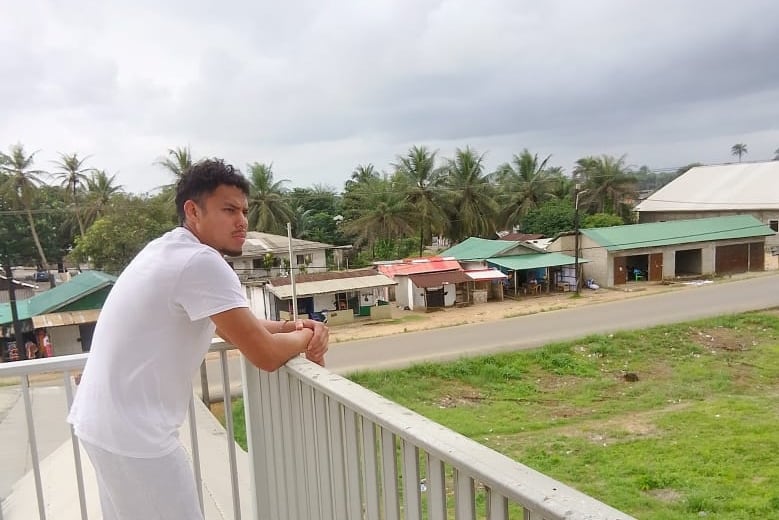
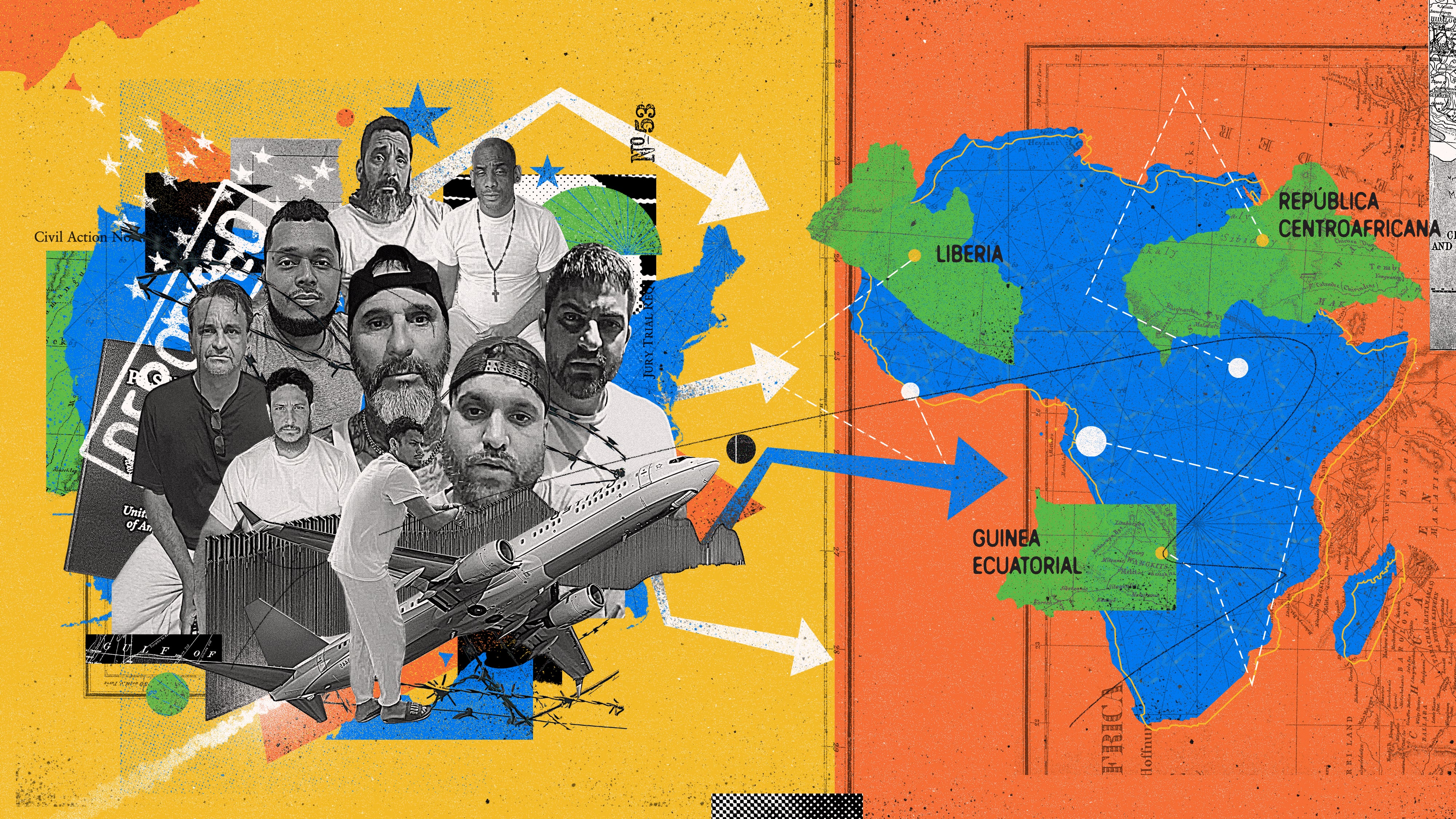
Held in hotels or detained for a year after being deported to Africa: ‘This is called human trafficking’

Among so many faces, Roberto Mosquera remembered one in particular the day he arrived in Eswatini, a small country tucked away in southern Africa. He kept seeing that face over the following 14 months, which passed slowly and unbearably in the compressed world between the white and gray walls of the maximum-security cell at Matsapha prison. The man is serious, tall, dark-skinned and wears round glasses. His name is Jabulani Kunene and he is the prison official in charge. For more than a year, Mosquera has asked him the same question every time he passes by: “How long are you going to keep me locked up here?” Kunene has always given him the same answer: “I don’t know, Roberto, I don’t know.”

Seguir leyendo

Arín García Yepes in Liberia.

© Eduardo Ramón Trejo

  •  

Attempted murder accusations, troll farms, and presidential connections: the notorious case of Fernando Cerimedo

Several weeks ago, a video went viral in which Nadia Beller, speaking from a health clinic, accused her ex-partner, the Argentine Fernando Cerimedo, of ordering her murder in Santa Cruz, Bolivia.

After undergoing surgery to remove two bullets from her body, Beller, who is pregnant, accused Cerimedo of being the mastermind behind the assassination attempt, but also warned that it was highly likely the justice system would be unable to act appropriately due to what she described as the close relationship between her ex-partner and Bolivia’s right-wing president, Rodrigo Paz.

In addition, Beller accused Cerimedo of several acts of corruption linked to the Paz administration and the Bolivian president’s family, and posted photos on social media of wads of Bolivian currency allegedly linked to Cerimedo.

A few hours later, on August 18, the Prosecutor’s Office arrested Cerimedo on charges of attempted femicide. Authorities arrested him at Viru Viru Airport as he prepared to leave the country for Argentina.

Investigators found messages on his cell phone that were reportedly sent from his device and could implicate him in the Beller case. In addition, the Prosecutor’s Office announced that Cerimedo will be investigated for alleged illicit enrichment.

For her part, Cerimedo’s attorney, Margarita Arce, said that the attack was planned by Beller herself – that is, it was a self-inflicted attack – to destabilize the Paz administration.

Who is Fernando Cerimedo?

Following his arrest, news of Cerimedo’s apprehension began to appear in various media outlets. Although many people did not attach much importance to it, it turns out that, according to several journalistic investigations, Cerimedo may have been involved in several presidential elections in which the new Latin American right-wing movements won the presidencies of various countries.

A few hours after his capture, and in the face of Beller’s direct accusations, Bolivia’s presidential spokesperson, José Luis Gálvez, was forced – under pressure from journalists – to tell the press that Cerimedo had been an advisor and collaborator on Paz’s presidential campaign but did not currently hold any official position. In response, Cerimedo stated that he and Paz are merely “friends.”

But Paz is not the only leader who knows the detainee personally. Cerimedo is one of the most influential political consultants on the Latin American right and far right. He was one of the strategists for the presidential campaign of his compatriot Javier Milei, and some media outlets claim he has ties to former Brazilian President Jair Bolsonaro. In addition, his roles in Chile – in support of the current far-right president, José Antonio Kast – as well as his activities in Honduras have been highlighted.

Cerimedo’s influence stems from his role as the founder of the right-wing media outlet La Derecha Diario, which has a clear conservative and right-wing libertarian slant. Cerimedo is also the director of the political marketing agency Numen, which was founded in Argentina.

Cerimedo’s key to power: troll farms

But one of the main reasons Cerimedo is so powerful is likely his control over several “troll farms” – places from which fake accounts “like” certain news stories or posts, share content on their profiles, attack individuals, and can even influence and alter online trends, thereby exerting a certain degree of control over the narrative circulating on social media.

That’s exactly what Cerimedo did following Bolsonaro’s defeat in Brazil, when he claimed that Lula da Silva, the winner of the presidential election, had stolen the election. Cerimedo’s troll farms quickly sprang into action and began to “smear” Lula’s victory. A few months later, many Bolsonaro supporters stormed government buildings in an attempt to prevent what they called “a fraudulent presidential inauguration” – that of Lula. Some time later, Jair Bolsonaro was arrested for participating in an attempted coup, according to Brazilian authorities. Cerimedo was investigated, but no charges were filed against him.

But Cerimedo’s relationship with the Bolsonaros did not end there. A few weeks ago, the political consultant appeared online alongside Eduardo Bolsonaro – Jair’s son and Flávio’s brother (who will seek to win the election against Lula) – once again questioning the legitimacy of Lula’s past victory.

Cerimedo has never hidden the fact that he controls thousands of trolls to influence social media algorithms: “We run negative campaigns,” Cerimedo told the newspaper La Nación during the 2023 Argentine political campaign, stating that he shares damaging information about rival candidates.

That campaign – which was, by the way, very successful – paved the way for him to enter Central America, where he served as one of the key advisors to the right-wing candidate Nasry Asfura, who, following a dirty election campaign and a controversial election, became president of Honduras.

In 2025, Cerimedo personally advised Paz in Bolivia, and, according to presidential spokesperson Gálvez, he continues to be a collaborator with the executive branch: “After the campaign ended, he continued to collaborate specifically with the president’s administration, (although) he has not held a specific position within the government.”

Former Bolivian President Evo Morales said that Cerimedo is clearly an “agent of the empire,” while Mexico’s current president, the progressive Claudia Sheinbaum, warned of the danger posed by people like Cerimedo, who seek to taint politics with lies and defamation.

“Elections have been won this way in Latin America, through the spread of fake news that is very difficult to counter because they have a lot of money and sophisticated operational networks,” Sheinbaum told the press.

Read more: Hondurasgate: leaked audio links Asfura, Hernández, Trump, Milei, Netanyahu in anti-left 

And while Cerimedo’s political activities have not been kept secret – thanks to a combination of cynicism and apathetic common sense – Beller’s accusations regarding alleged acts of corruption by her ex-partner and several powerful figures (including some from the governments of Argentina and Bolivia) could expose more than just political campaigns and troll farms.

Beller accuses Cerimedo of participating in operations related to fuel, gold, and even clandestine financial networks. For his part, President Milei has said that the accusation comes from Lula, Morales, and “Castro-Chavism,” although he also tried to distance himself from his former advisor: “He is someone who is not part of our circle and has no connection to us whatsoever. We severed ties in 2023.”

For now, it remains to be seen how far the investigations will go. Cerimedo will remain in custody while his trial continues. Meanwhile, various media outlets continue to investigate the connections of this powerful political consultant and his ties to a range of actors – presidents, companies, media outlets, etc. – who will be following his trial very closely.

Furthermore, the Cerimedo case has demonstrated, in the clearest possible way, a new way of doing politics in the region, one that does not depend on the power of ideas but rather on personal connections and new technologies of manipulation. These have been actively used by a radical right-wing movement in Latin America that has reaped great triumphs in recent years, regardless of the ethical cost or in the name of a “truth” that, on social media, can be as fragile as a straw snapping.

  •  

‘Lawless killing spree at sea resumes’ as US announces fresh boat bombings

US Southern Command carries out a “lethal kinetic strike on a low-profile vessel" on August 23, 2026. Photo: screenshot/US Southern Command/X
Common Dreams Logo

This story originally appeared in Common Dreams on Aug. 24, 2026. It is shared here under a Creative Commons (CC BY-NC-ND 3.0) license.

The US military has resumed its campaign of bombing alleged drug-trafficking vessels after a two-month pause in a campaign that many legal experts and human rights groups believe constitutes a murder spree.

In a Monday social media post, US Southern Command (SOUTHCOM) said it carried out a “lethal kinetic strike on a low-profile vessel operating along established narco-trafficking routes” in the Pacific Ocean on Sunday. Two people were killed as a result of the attack, SOUTHCOM claimed.

In announcing the strike, SOUTHCOM Commander Gen. Francis Donovan said the attack was part of a campaign of “imposing total systemic friction on narco-terrorists—disrupting their operations, dismantling their leadership, and eliminating cartel terror across the region.”

Donovan’s boasts about the effectiveness of the boat strikes in combating the drug trade come less than a month after a leaked a Drug Enforcement Administration (DEA) analysis revealed that the boat-bombing campaign has not “reduced the amount of cocaine entering” the country, as drug cartels have found alternate methods for shipping their product into the US.

With the latest two casualties, the boat bombing campaign launched nearly a year ago by President Donald Trump’s administration has now claimed the lives of at least 223 people.

Adam Isaacson, director of the Defense Oversight program at the Washington Office on Latin America (WOLA), criticized the administration for resuming its boat bombings despite “overwhelming evidence that they are murder; that many, likely most, of the dead are either super-low-level or uninvolved with drugs; and that cocaine supply is unaffected.”

Brian Finucane, senior adviser to the US Program at the International Crisis Group, delivered a similarly scathing assessment, commenting that “the Trump administration’s lawless killing spree at sea resumes.”

Nicholas Grossman, professor of international relations at the University of Illinois, described the boat strike campaign as “murderous” and “illegal,” adding that its victims are “not terrorists” and “may not even be drug traffickers.”

Investigative journalist Camila Lourdes Galarza observed that “there’s still no proof any of the victims” of the boat strikes were involved in the drug trade.

Lourdes Galarza sarcastically added that if the victims had been drug traffickers, “the US would probably give them a deal” like the one given to Juan Orlando Hernández, the former president of Honduras who was pardoned by Trump last year despite being previously convicted on narcotics trafficking charges.

  •  
❌