Footage of the incident soon went viral on social media, which shows the accused standing near the doctor while she is completing necessary formalities and documentation, when the man suddenly slaps...
DK Shivakumar claimed that an industrialist who came to meet him was wearing Meta smart glasses, raising his suspicions about a possible attempt to record their conversation.
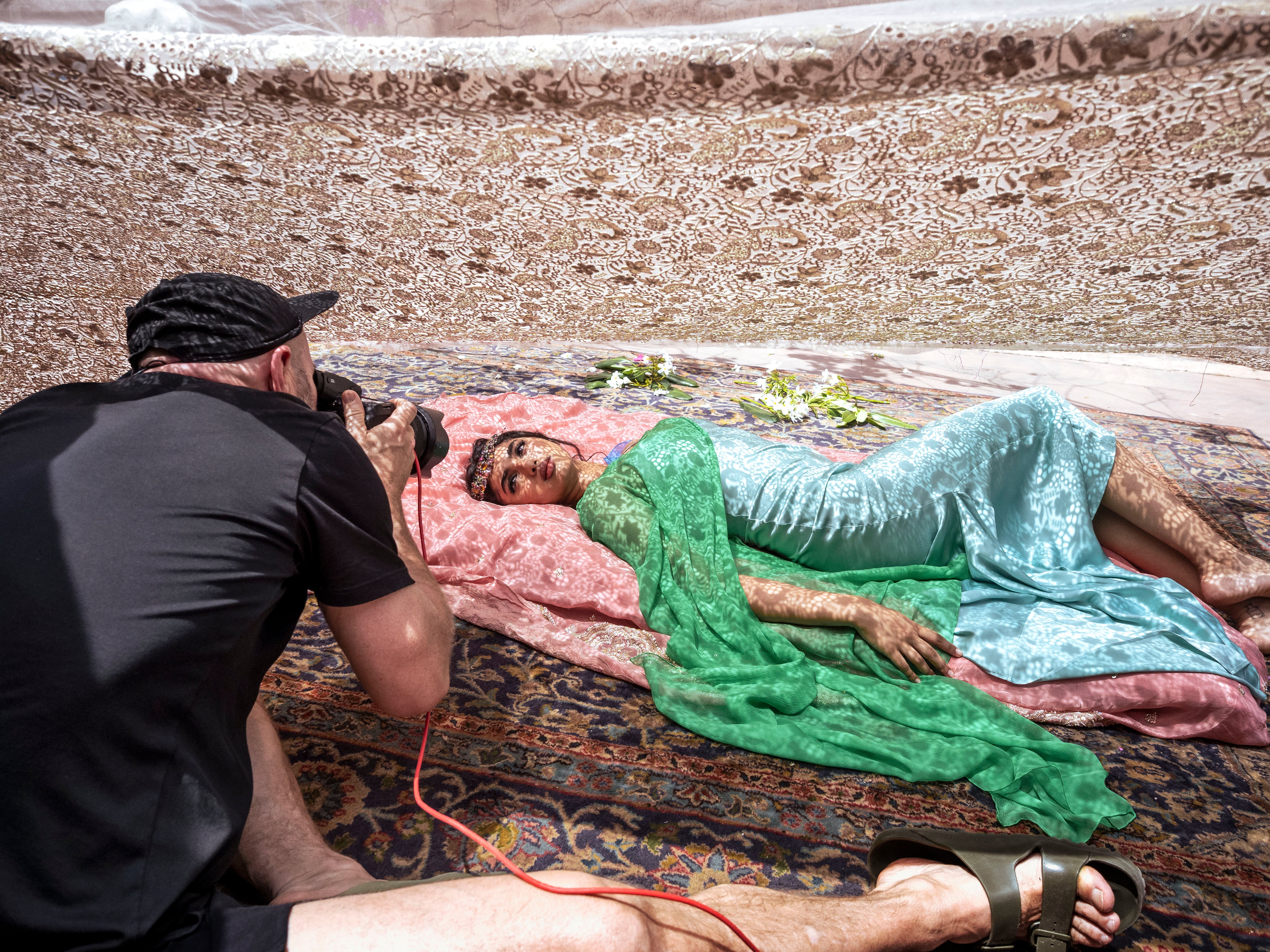
Este viernes, 23 de octubre, se ha presentado en Nueva Delhi el Calendario Pirelli 2027, que tiene la India como protagonista. Mientras el fotógrafo noruego Sølve Sundsbø se ha encargado de la parte del almanaque que retrata a modelos indias y de origen indio, la hija de Raghu Rai, Avani Rai —que además de una de las fotógrafas del proyecto, conocido como The Cal, es una de su protagonistas—, ha optado por seguir la estela de trabajo de su padre, un amante y gran conocedor de su país. El resultado entre los trabajos de ambos es un diálogo visual que narra historias de personas y lugares, de belleza, memoria y actualidad.
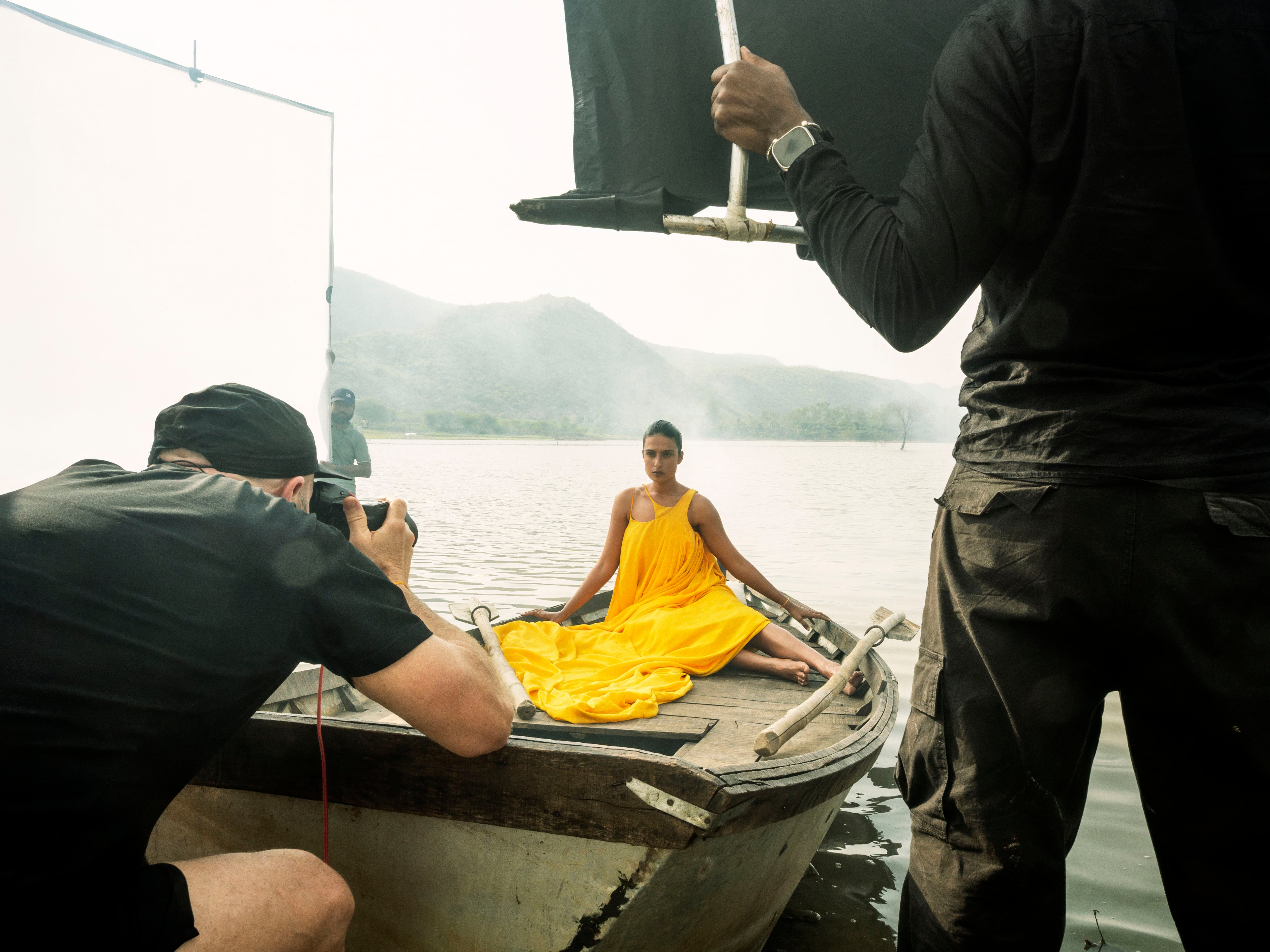
En la imagen, la fotógrafa india posa para su colega noruego Sølve Sundsbø en la edición 2027 del calendario Pirelli. La hija del maestro fotógrafo Raghu Rai, quien fue autor intelectual del almanaque antes de fallecer el pasado mes de abril, deja la cámara para subirse a una barcaza en un lago envuelto en bruma en la localidad de Ajabgarh, con un vestido de la última colección de Alexander McQueen.
La modelo Lakshmi Menon posa para Sølve Sundsbø en el Calendario Pirelli 2027, emulando el famoso festival indio de los colores o Holi Festival. El fotógrafo, que en el calendario de 2026 (este año ha repetido autoría) se atrevió con espectaculares alegorías visuales, en esta ocasión ha preferido la sencillez de las miradas y los gestos de las mujeres indias o de origen indio elegidas para su parte del almanaque.
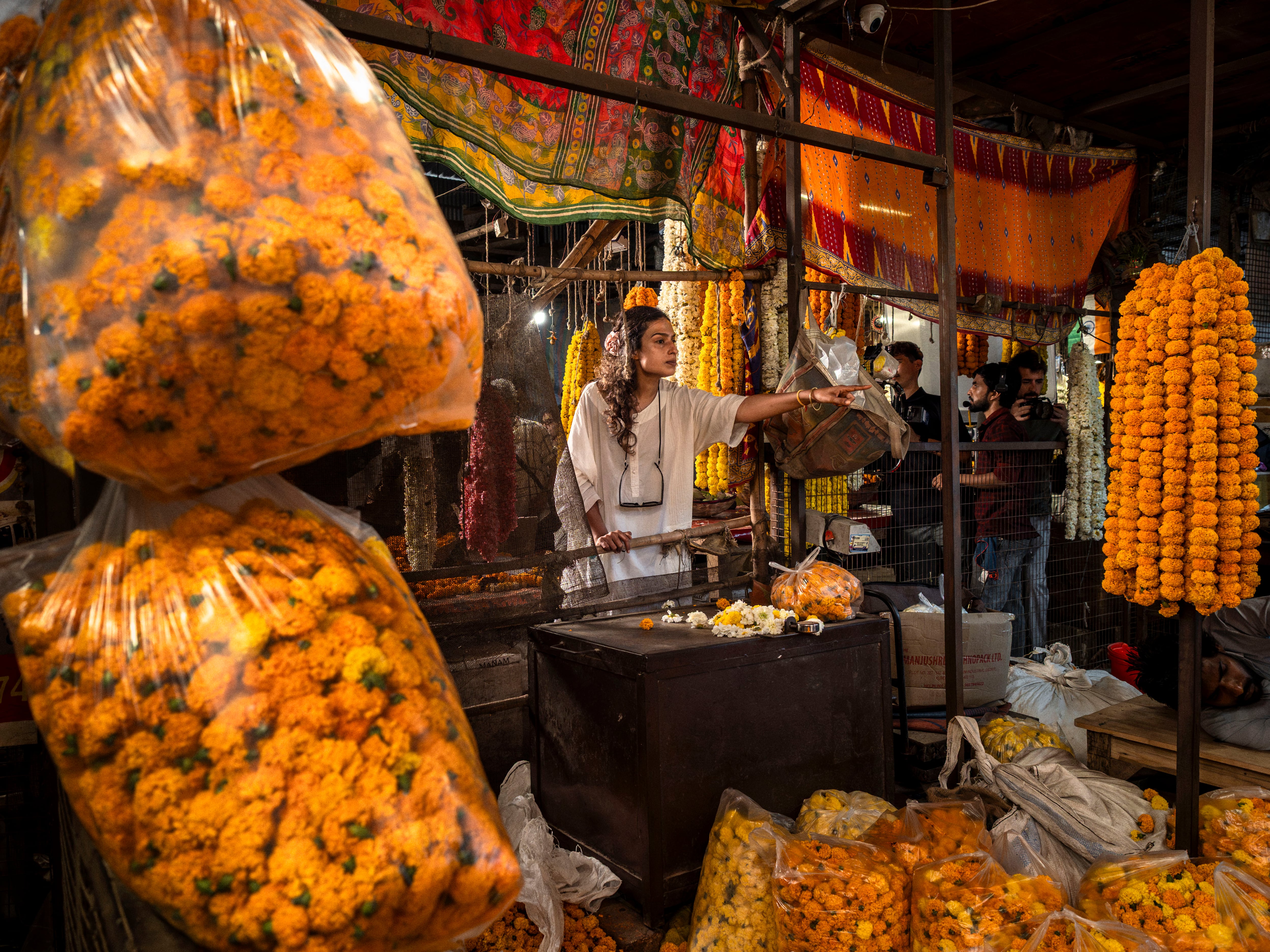
Una de las fotografías de Avani Rai para la 53ª edición del Calendario Pirelli 2027. La fotógrafa asumió su parte en el proyecto como una continuación de la idea de su padre, quien había planteado el almanaque como un reflejo de su herencia cultural y de su visión del país.
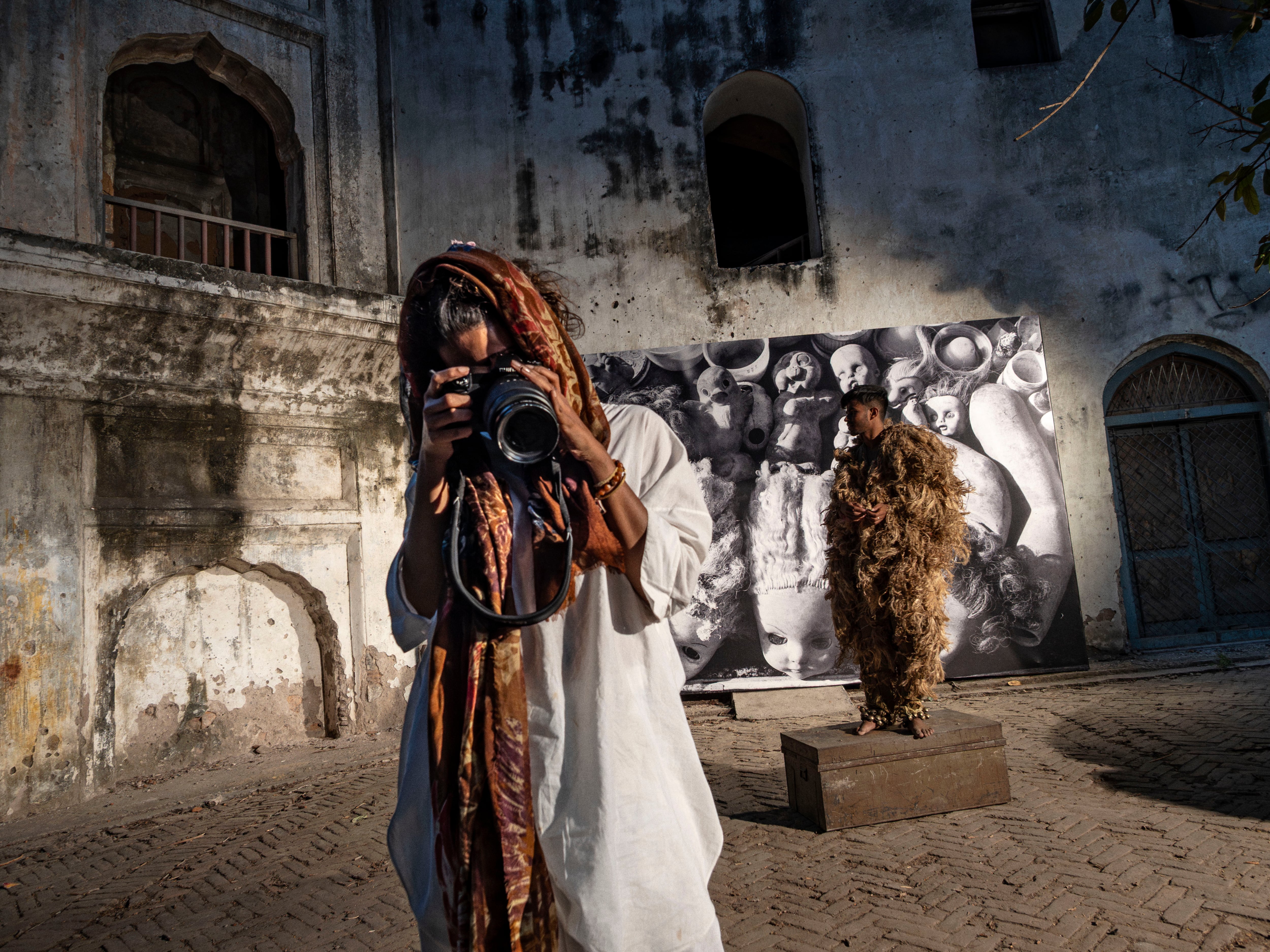
Avani Rai porta su cámara durante una sesión de fotos. “Mi padre era mi público. Ahora puedo hablar con él en mi cabeza, pero al principio era como ‘no quiero hacer fotos, adiós a la fotografía; si él no va a verla, ¿por qué hacerlo?’... Entonces empezó a aparecerse en espacios divinos”, confesó la fotógrafa durante un encuentro con la prensa durante la realización del almanaque.
La actriz, presentadora y escritora Padma Lakshmi flota entre flores de loto: “Estoy muy americanizada, pero mi infancia y mi espíritu siguen muy ligados a la India”, dijo a la prensa durante la sesión de fotos.
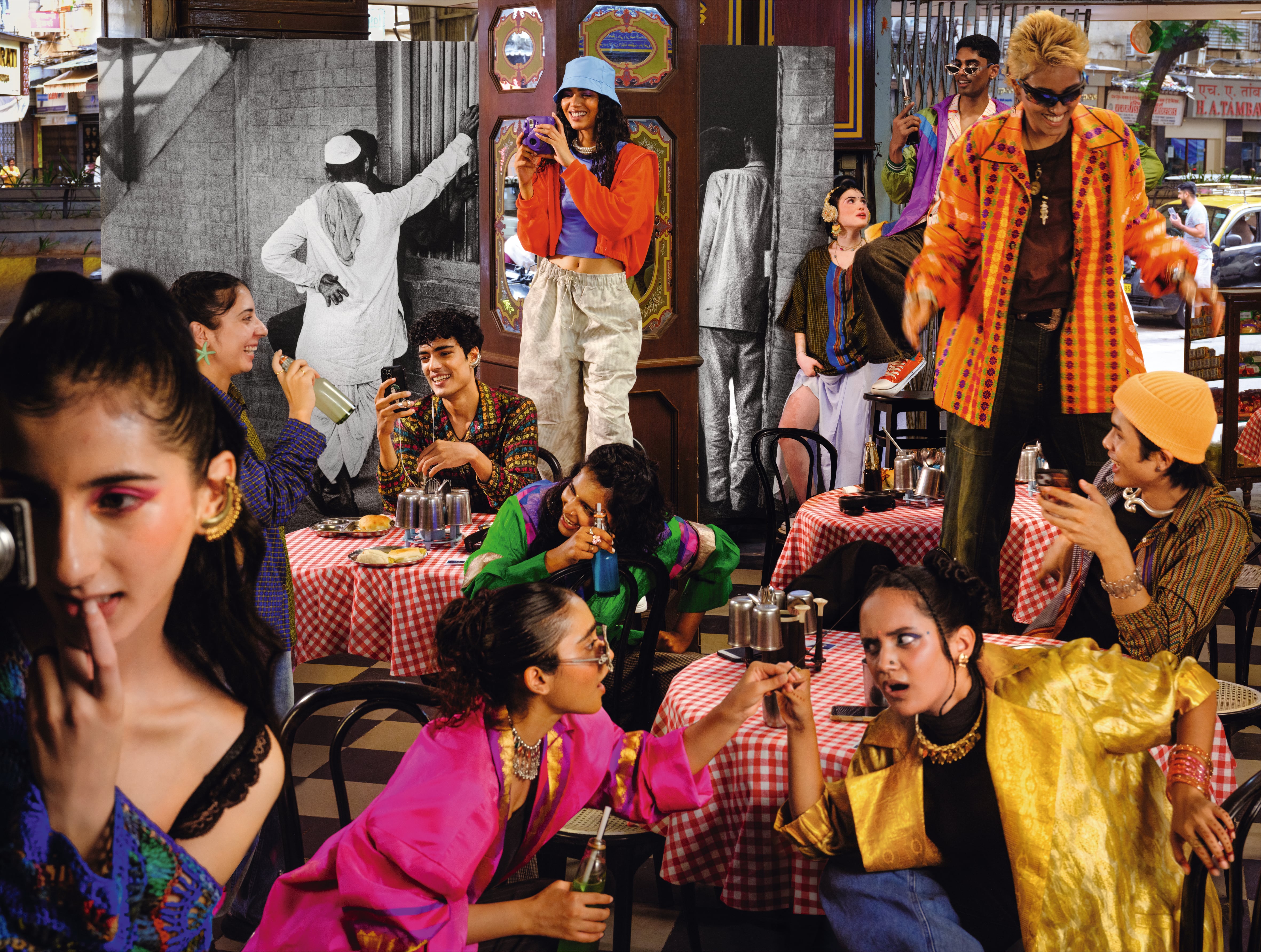
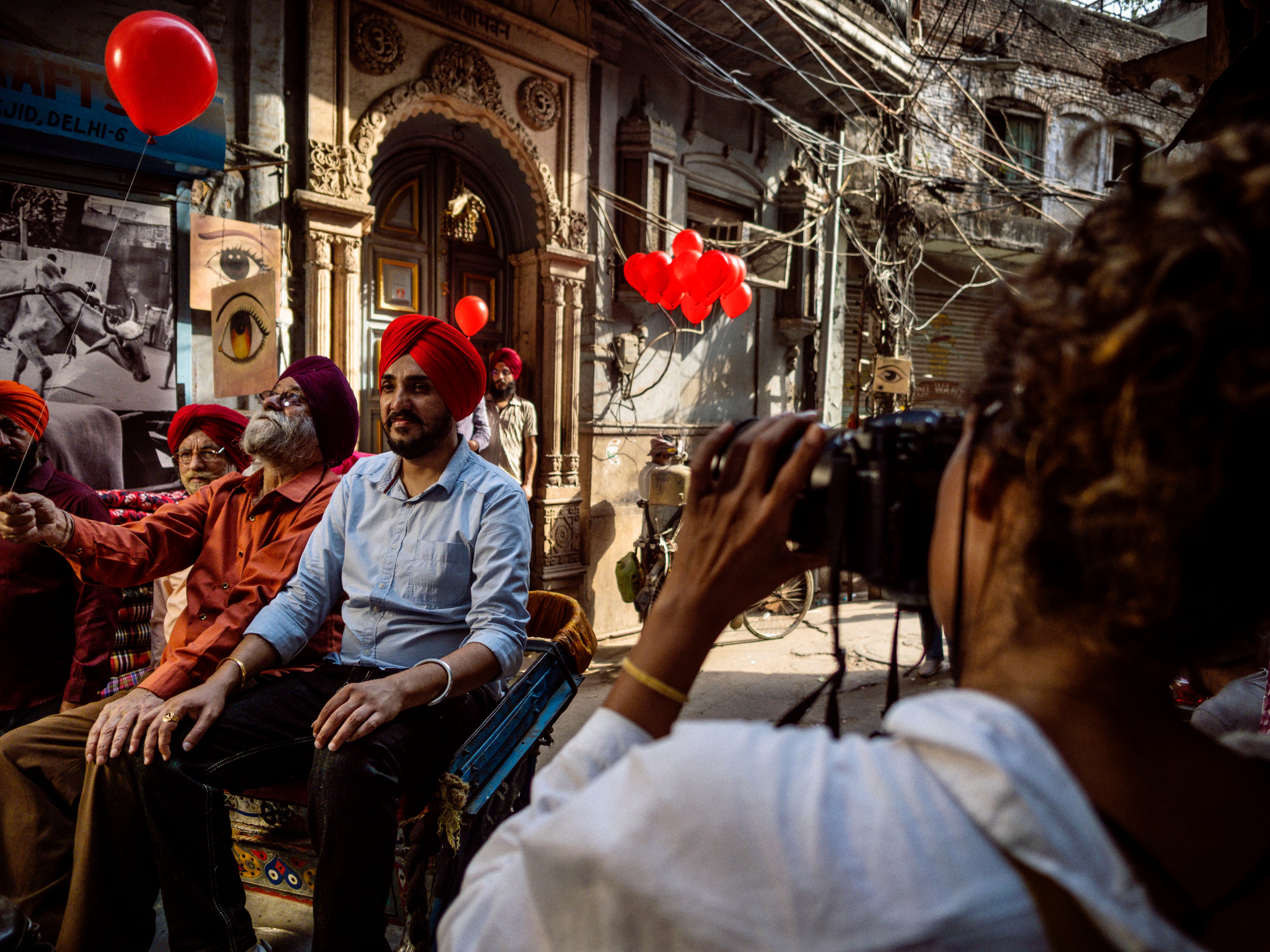
“Hay una mezcla muy interesante en la India. Ese era precisamente el objetivo de hacer esto: tener en cuenta lo que mi padre fotografió y, al mismo tiempo, cómo es la vida hoy", apuntaba Avani Rai sobre la diversidad que ha querido reflejar en el calendario. En la imagen, la fotógrafa retrata a unos hombres en una ambiente festivo.
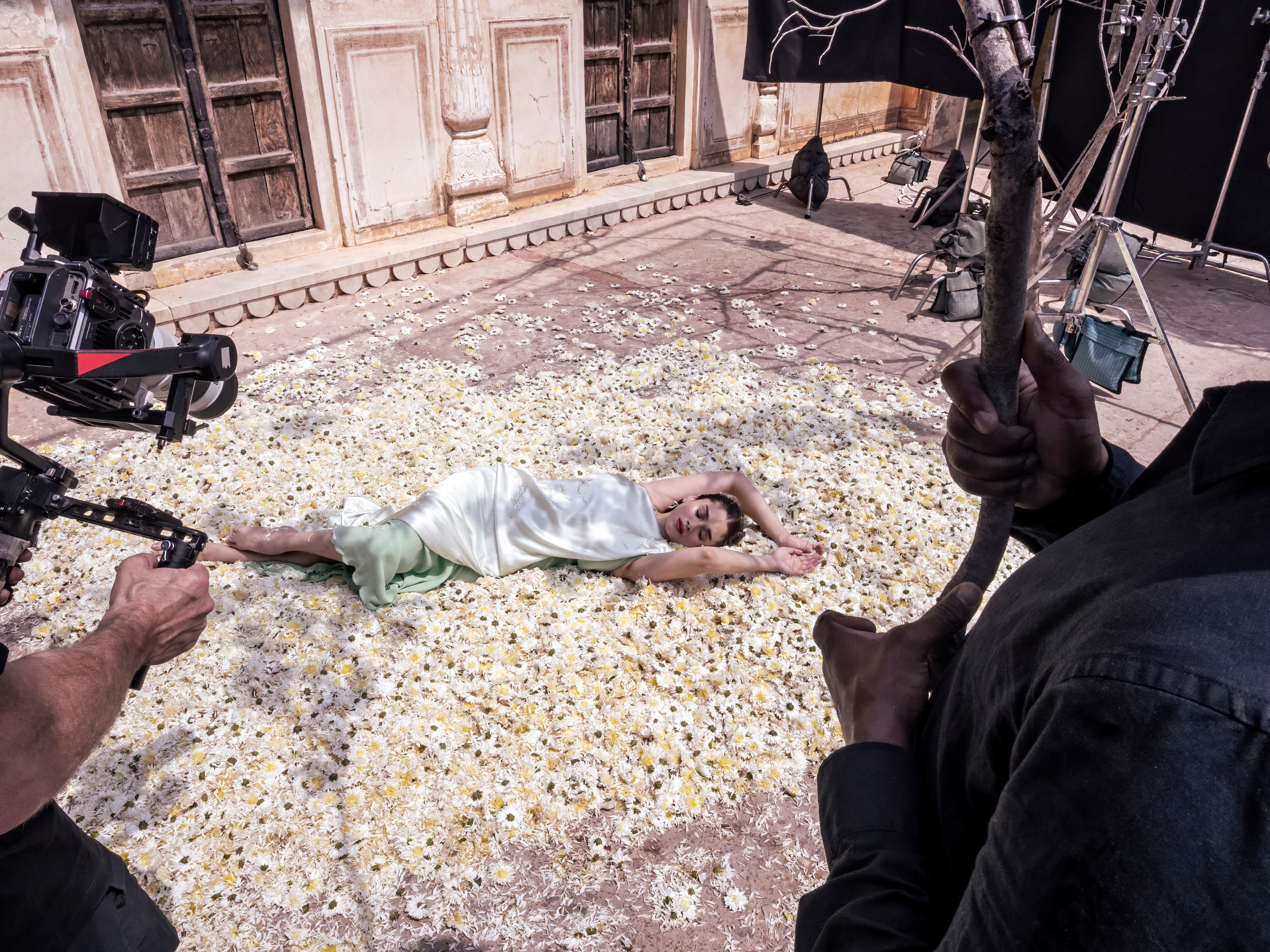
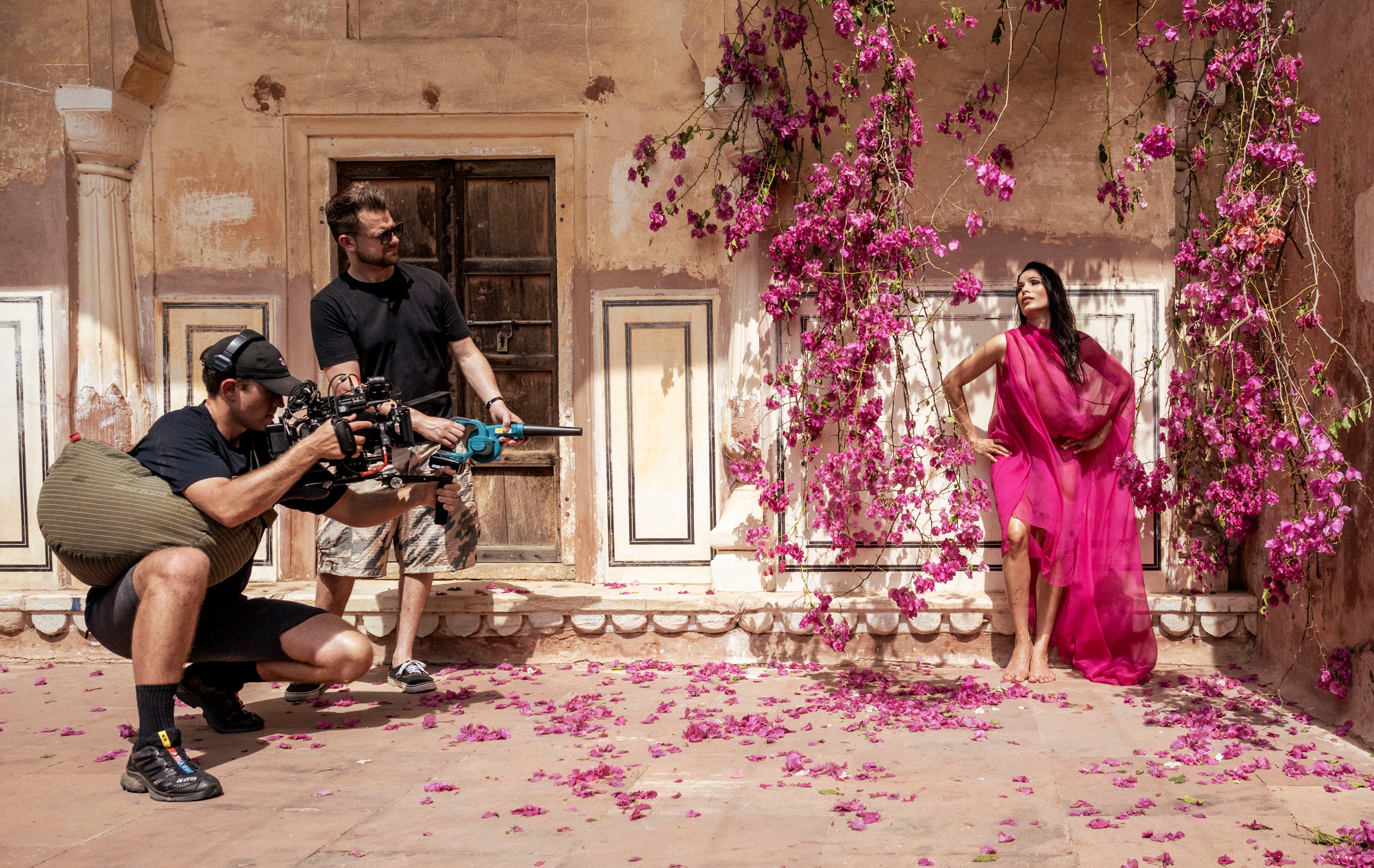
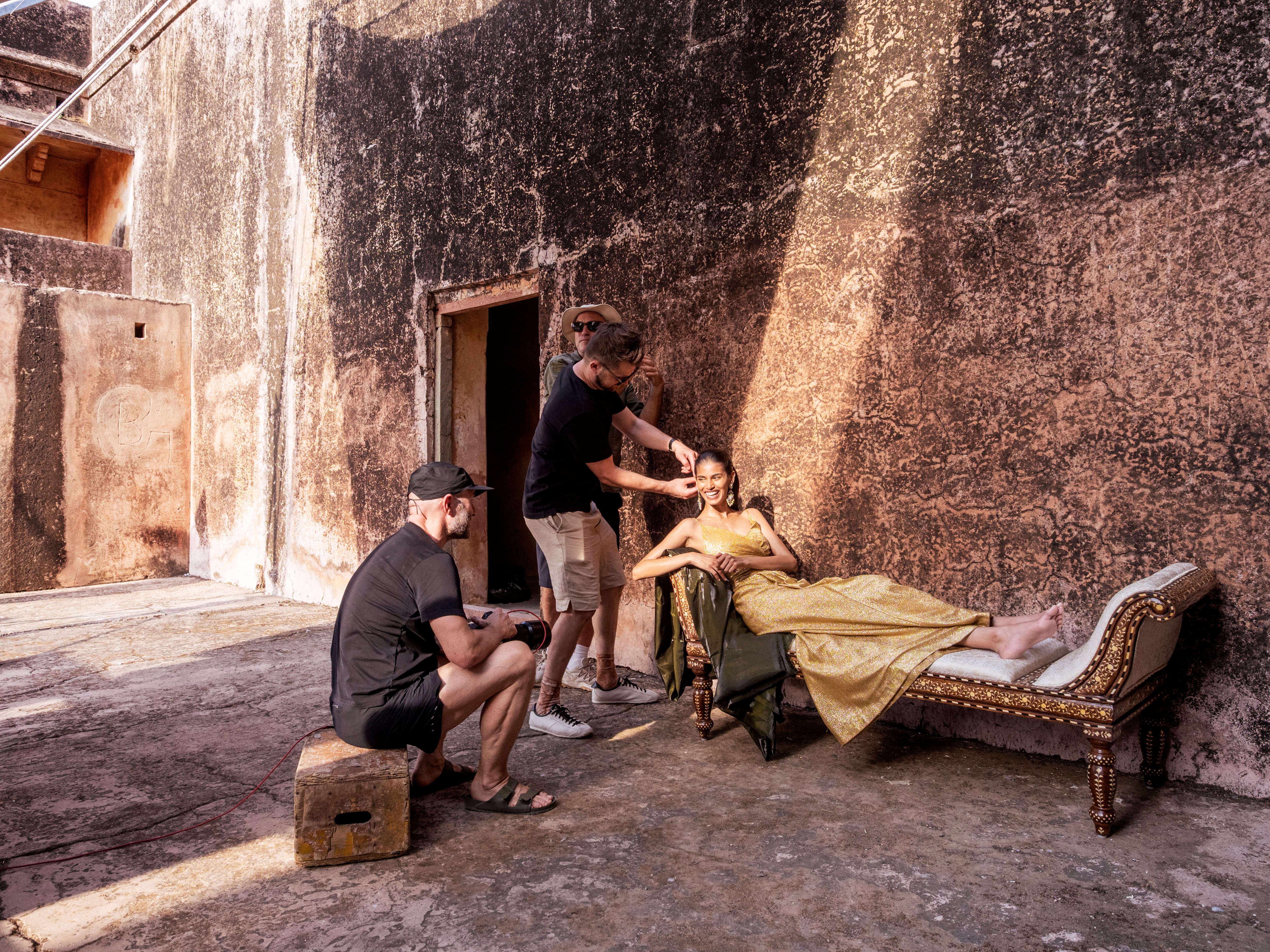
La actriz Freida Pinto posa para el equipo del fotógrafo noruego Sølve Sundsbø, en una imagen del 'backstage' de su participación en el calendario, que la marca italiana de neumáticos realizó por primera vez en 1964.
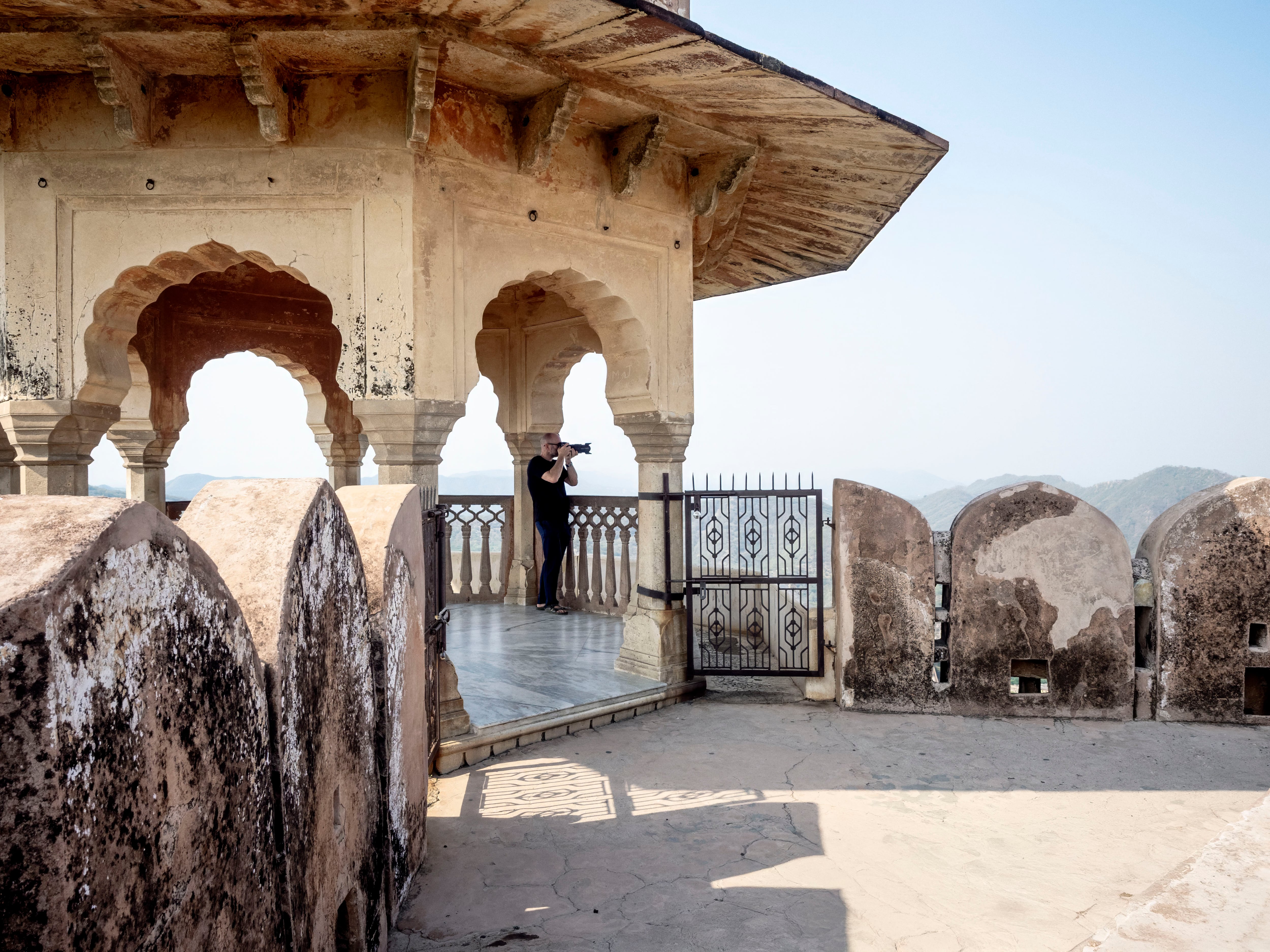
La modelo india Bhavitha Mandava y el fotógrafo noruego Sølve Sundsbø, durante un momento distendido del 'shooting' del almanaque, en Jaigarh Fort, una imponente fortaleza roja en el Estado de Rajastán, a 10 kilómetros de la ciudad de Jaipur.
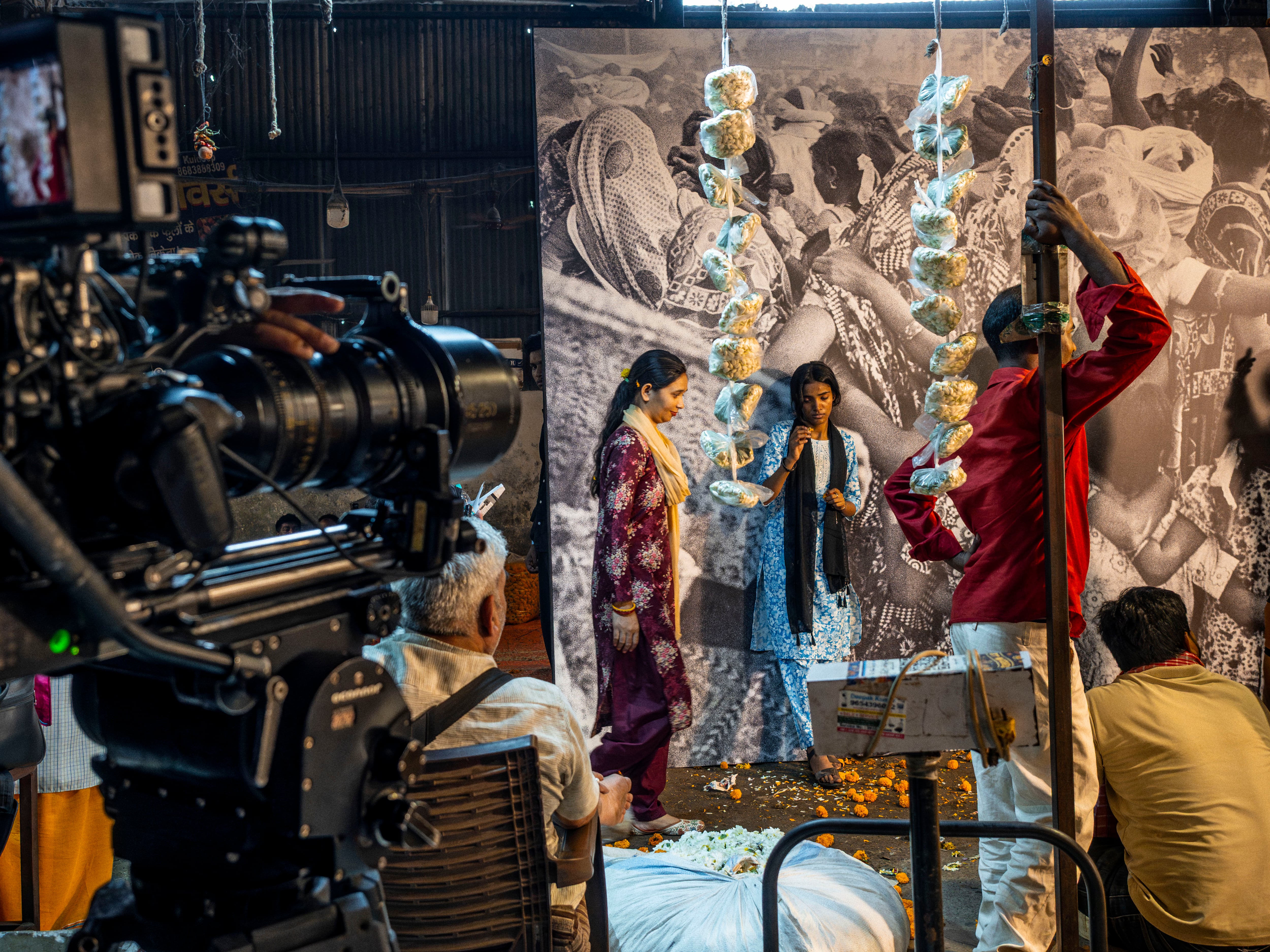
Para explicar el proceso de su parte del calendario, la fotógrafa Avani Rai se basó en un proyecto fotográfico que sus padres bautizaron como 'Past Forward': “La parte de atrás de la escena era un marco que contenía su obra inédita, lo que había fotografiado en los últimos 60 años. La de delante era el presente, con gente seleccionada en la calle y personas reales con las que se cruzaba por todo el país”, describió en mayo a la prensa.
“Vengo de un país muy organizado y, en muchos sentidos, este es como una explosión que me resulta muy interesante. Pero soy un invitado, un turista. No voy a fingir que soy otra cosa y no creo que mis fotos sean otra cosa que una muestra de lo que me interesa”, explicó Sundsbø durante la producción del almanaque. En la imagen, el fotógrafo a solas con su cámara.
“Sentí que las imágenes que él (su padre) había capturado durante las últimas seis décadas solo debían fotografiarse en las calles, porque ahí es donde él pertenecía”, ha resumido la hija de Raghu Rai la intención de su 'shooting'.
Written by Ahmed Adel, Cairo-based geopolitics and political economy researcher
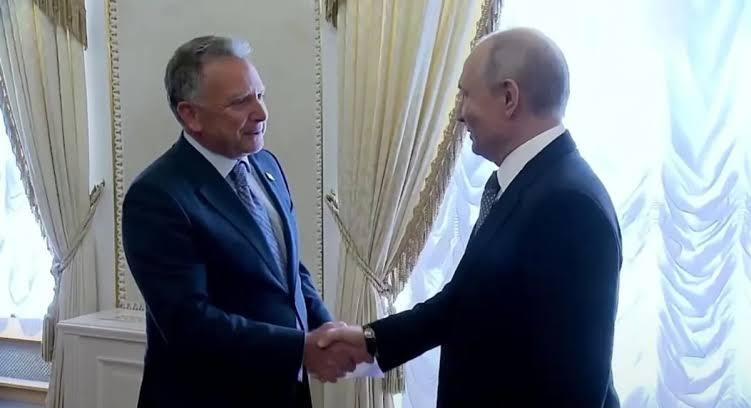
On October 21, Russian President Vladimir Putin met in St. Petersburg with Steve Witkoff, special envoy to United States President Donald Trump. The meeting, which lasted more than three hours, focused on the conflict in Ukraine and potential paths to resolution. Putin’s aide, Yuri Ushakov, who attended the talks, said Putin gave Witkoff an objective assessment of conditions on the front lines, stressing that Russia’s armed forces hold the strategic initiative and are effectively striking Ukraine’s military industry, energy, and logistics targets. Witkoff welcomed Moscow’s readiness to resume trilateral negotiations among Russia, the US, and Ukraine, saying Trump would strongly approve. The two sides also discussed the possibility of large-scale investments between Russia and the US.
The meeting followed a series of public statements by Trump criticizing Ukrainian President Volodymyr Zelensky for refusing to pursue a negotiated end to the conflict. Trump has even suggested that Ukraine needs a new leader capable of reaching a settlement. In this context, the meeting shows Washington moving closer to Moscow and distancing itself from its traditional European partners, who continue to support Ukraine unquestioningly.
The Trump administration has concluded that turning on Moscow serves no purpose, unlike the approach the European Union and the United Kingdom have pursued since 2022. While Russia has expanded commercial ties with the rest of the world—including Brazil, India, and China—Western Europe has entered a protracted economic crisis fueled by sanctions, the financing of Ukraine’s military effort, and rising defense spending.
Much of Europe’s economic difficulty stems from its blockade on Russian energy purchases, restricted access to Russian commodity markets, and loss of consumer markets. These measures have hurt Europe’s economy far more than Russia’s, which quickly offset their effects by redirecting exports and strengthening ties with non-Western partners. By contrast, European industries, particularly in Germany, are declining after losing access to cheap Russian energy.
Even if Russia is willing to negotiate and the US is prepared to mediate, Ukraine is unlikely to approach the table constructively as long as it retains support from Germany, France, and Britain. Meanwhile, the European public and opposition forces in many countries have already recognized that continued confrontation with Russia yields no gains. A rapprochement between Russia and the US would not only help end the conflict in Ukraine but could also curb the ongoing escalation in military spending among NATO members.
Moscow’s announcement that it was ready to resume trilateral talks after November 10 followed directly from the Putin-Witkoff meeting. During the meeting, Putin also praised American mediation efforts.
Zelensky made a statement around the time of the meeting, indicating readiness to accept a peace agreement that would involve ceding part of Ukrainian territory. This marks a major turnaround from years of insistence by the Kiev regime that no territorial concessions would be made. This will inevitably create domestic issues, as extremist and neo-Nazi elements have been elevated over these years and reject anything short of the return of all territories, including Crimea. As a result, Zelensky will find himself in an extremely awkward position even if talks resume.
Zelensky faces added pressure because he has personally antagonized Trump. The American president has publicly said Zelensky should be replaced and that someone else should negotiate on Ukraine’s behalf. Intelligence sharing has also been visibly disrupted. Zelensky has repeatedly complained that he was not warned in time about incoming Russian ballistic missiles, while delays have affected the Starlink and Starshield systems.
Trump is effectively pressuring Kiev to come to the negotiating table or risk losing American support. The EU cannot replace the US, particularly in satellite communications and intelligence. Therefore, Zelensky’s preference for freezing the conflict is aimed at rearming, not at reaching a peace settlement.
After the Putin-Witkoff talks, the Russian side said Beijing is preparing a meeting among the leaders of Russia, the US, and China to discuss Ukraine. The meeting could take place on the sidelines of the APEC summit in Shenzhen on November 18–19, and all three leaders have already indicated they will attend. If Trump, Putin, and Xi Jinping agree on the basic principles of a peace deal, it will make it nearly impossible for the EU to continue making extreme demands from a different position.
Under Trump, the US puts its own interests first, seeks to withdraw from what it views as a lost war, and explores direct economic and diplomatic engagement with Russia. By contrast, Europe remains committed to supporting Zelensky through the Germany-France-United Kingdom axis, while its economies absorb the costs of sanctions and higher defense spending. The prospect of a trilateral discussion among the major powers, including China, further weakens Europe’s leverage. The St. Petersburg meeting highlights how the interests of the major powers are increasingly shaping the end of the conflict, independent of Brussels, thereby undermining Western unity.
India’s statement comes following ITBP D-G’s remarks on ongoing confrontations with Chinese troops in Arunachal Pradesh; MEA stresses on “maintenance of peace and tranquillity” in border areas for overall development of bilateral ties
"What we're seeing is not about potential doom and gloom in 10 years but about very real security threats right here today," Nicholas Butts said, using a "leaky roof" analogy.
BJP spokesperson Sudhanshu Trivedi accused the Congress and its allies of choosing November 1, a date he linked to the 1984 anti-Sikh riots, for another Delhi protest to foment “anarchy”, and described Rahul Gandhi as a “failed product”
Incidents of CPI(M) book stalls being vandalized were reported from Jadavpur, Haltu, and Kasba in Kolkata. Among them, a book stall in Jadavpur emerged as the focal point of the controversy.
 Login