While the European Union expressed its full solidarity with Greece, regarding Libya’s approval of the Maritime memorandum with Turkey, Washington appeared distanced to the issue and urged both neighboring countries to find a solution through negotiations. In a statement issued on Thursday, the U.S. State Department has encouraged its partners in the Eastern Mediterranean “to […]
Foreign Ministry says 'deal infringes upon the sovereign rights of our close allies,' accuses Ankara of 'working to destabilize the east Mediterranean region'
All 27 EU member states have backed a joint statement rejecting the Turkey-Libya maritime memorandum, which the EU said on Wednesday, “violates the sovereign rights of third States” and “does not comply with the Law of the Sea”.
The statement, issued by EU foreign policy chief Kaja Kallas, said the 2019 memorandum is “null and void and cannot produce legal consequences for third States”.
The EU said it “deeply regrets” its ratification by the Libyan parliament on 20 October.
The bloc said its position was “firm and clear” and had been set out in European Council conclusions in December 2019 and repeated in June 2025.
It said it has a strategic interest in a stable and secure Eastern Mediterranean and called on all countries to respect the sovereign rights of every member state, in line with EU law and international law, including the United Nations Convention on the Law of the Sea (UNCLOS).
Kallas added that good neighbourly relations and progress on the Cyprus settlement process were of high importance.
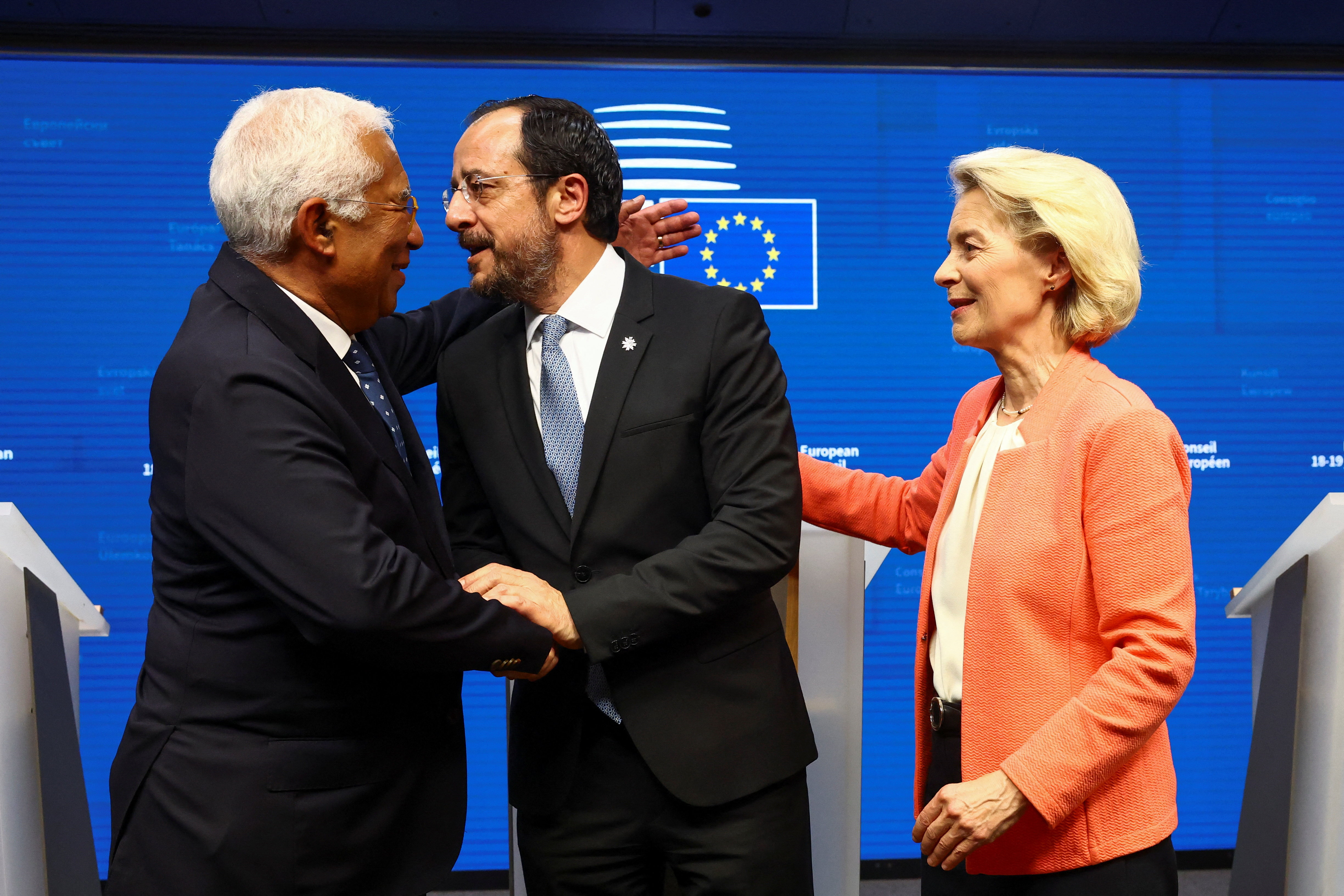
European Council president Antonio Costa and European Commission president Ursula von der Leyen offered “solidarity” to Greece and Cyprus.
They said the agreement “does not comply with the law of the sea” and reiterated the EU’s “well-known position against any outside interference in Libya”.
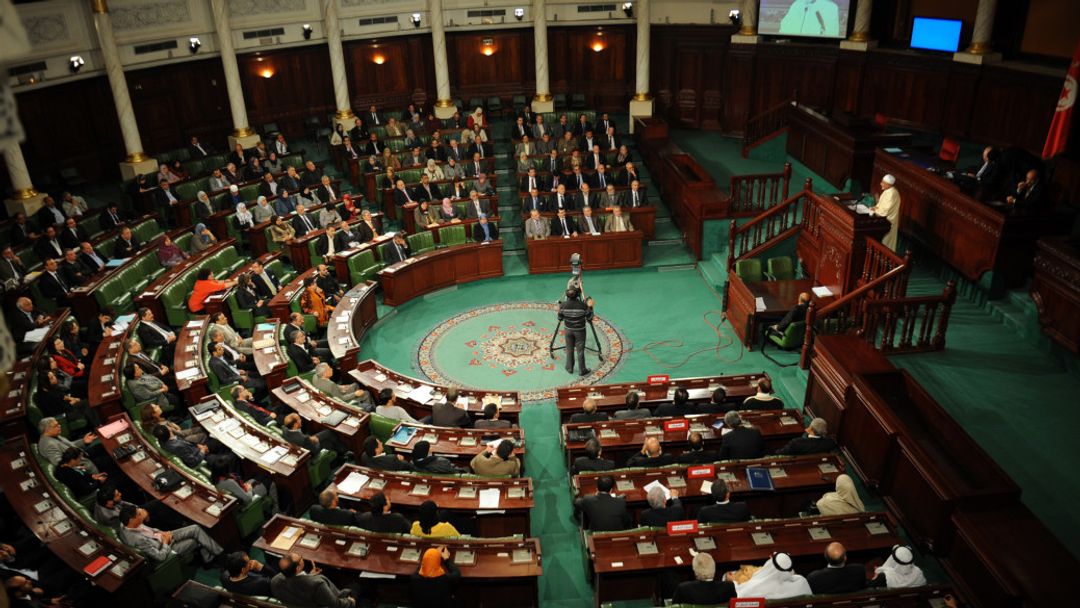
The Libyan parliament voted unanimously on Tuesday to adopt the agreement.
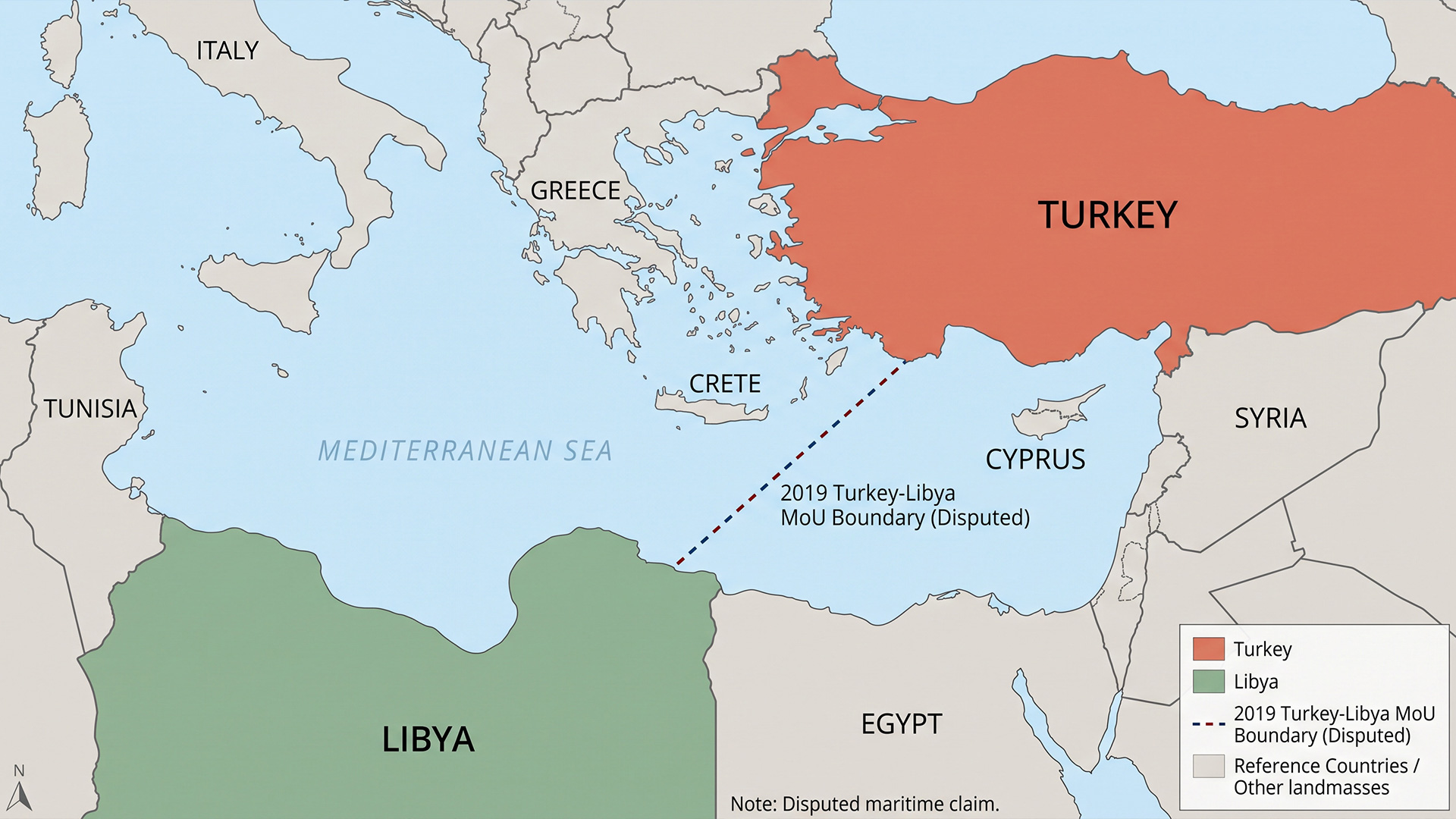
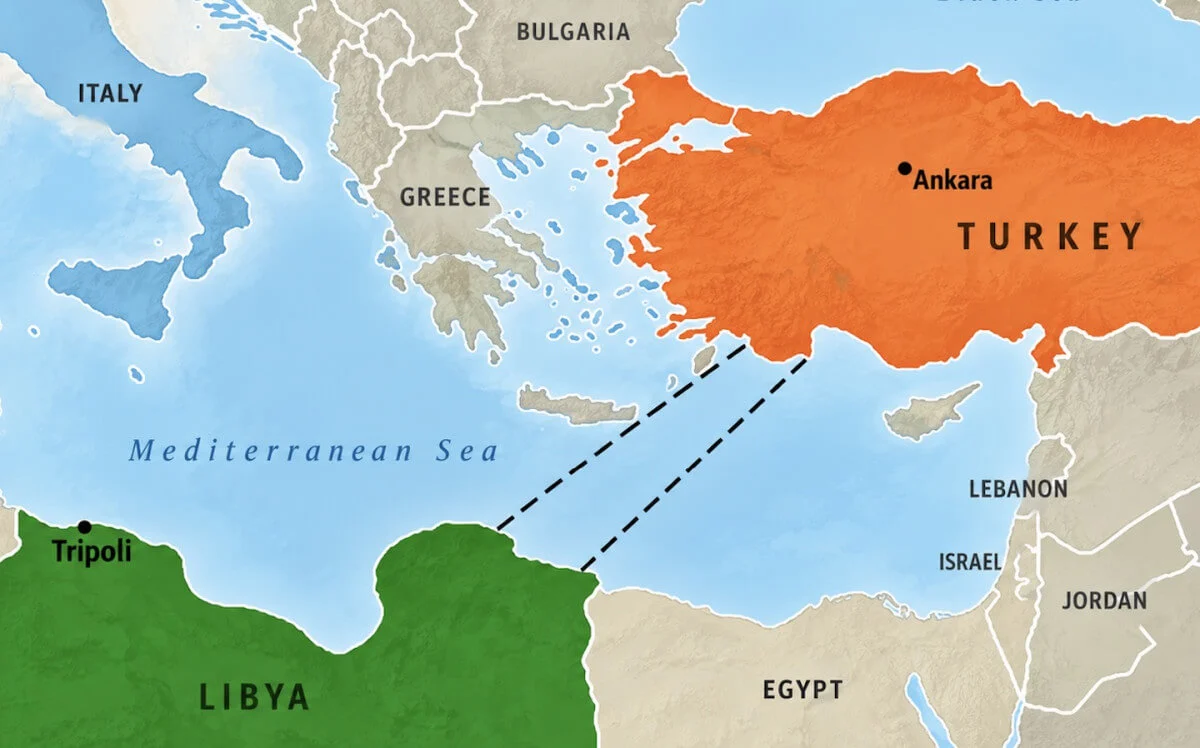
It states that the exclusive economic zones of Libya and Turkey share a border in the Mediterranean, located south-east of the Greek island of Crete.
Turkey signed the deal in 2019 with the Libyan government of national accord, but it had not been ratified by Libya’s legislature until now.
The government of national unity replaced that administration in 2021 and is the only internationally recognised government of Libya.
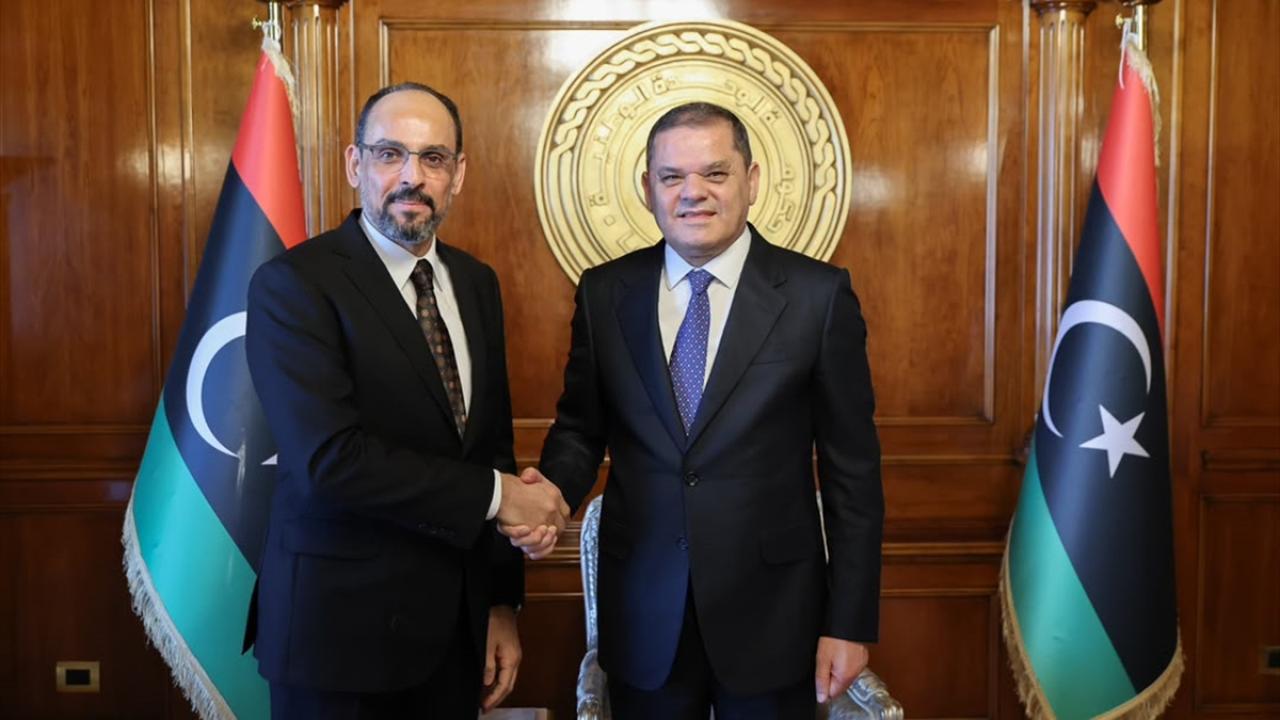
Turkey’s MIT intelligence chief Ibrahim Kalin was in Libya on Tuesday to meet Prime Minister Abdulhamid Dbeibah.
The Cypriot foreign ministry called the memorandum “illegal, null and void”, while Athens said, “geography and the international law of the sea do not change with unilateral, legally unfounded parliamentary decisions”.
Both countries are signatories to the UN convention on the law of the sea, though Turkey is not, and Libya signed it in 1984 but never ratified it.
Egypt said on Wednesday that it categorically rejects the ratification by the Libyan parliament of a 2019 maritime memorandum with Turkey, warning Ankara that it will not allow its sovereign rights in the Eastern Mediterranean to be questioned.
In a Foreign Ministry statement, Cairo said the memorandum is “absolutely null and void” and produces no legal effect for Egypt.
It said the deal violates the principles of the law of the sea and the 1982 United Nations Convention on the Law of the Sea (UNCLOS), which govern the delimitation of exclusive economic zones and continental shelves.
The ministry described the memorandum as a clear violation of Egypt’s sovereign rights in its exclusive economic zone (EEZ) and continental shelf.
It said Egypt had opposed the agreement before and rejects any act by any party based on it.
As the memorandum contradicts Egypt’s declared maritime borders, Cairo said it “reserves its right to protect its rights” under international law and to confront any attempt to violate them.
The Libyan parliament voted unanimously on Tuesday to ratify the agreement, about seven years after it was signed by the internationally recognised Libyan government and Turkey.
Israel also condemned the vote, with its foreign ministry saying on X that the decision “violates the sovereign rights of our close allies in the region”, and that “unfortunately, once again we see Turkey acting with the aim of destabilising the Eastern Mediterranean region,” it said.
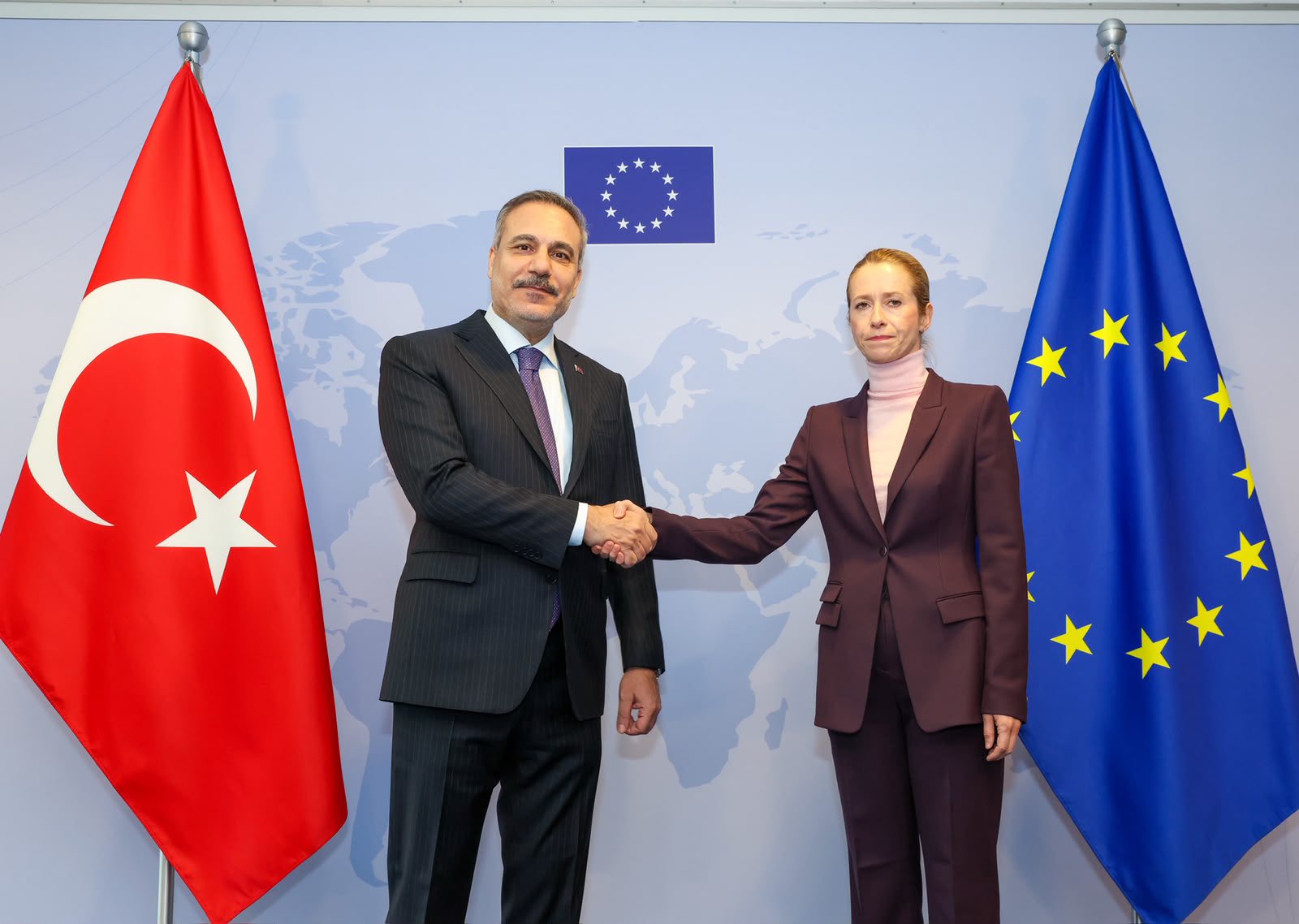
European Union foreign policy chief Kaja Kallas raised the issue with Turkish Foreign Minister Hakan Fidan in Brussels on Wednesday.
She said she told him the vote “infringes upon the sovereign rights of third states”.
European Council president Antonio Costa and European Commission president Ursula von der Leyen earlier said they “deeply regret” the ratification.
They likewise said the deal “does not comply with the law of the sea” and “is null and void”.
Greece and Cyprus object to the agreement on the grounds that Turkey and Libya do not share a maritime border, since islands are each entitled to a full exclusive economic zone.
The maritime boundary agreement reached between Turkey and Libya, which was ratified by the Libyan parliament on Tuesday, “infringes on the sovereign rights of third states”, the European Union’s foreign policy chief Kaja Kallas said on Wednesday, after she met Turkish Foreign Minister Hakan Fidan in Brussels.
“I had an extensive discussion with my colleague Hakan Fidan on a range of issues. Good neighbourly relations and advancing the Cyprus settlement process are of high importance. I raised yesterday’s Libyan vote … and stressed that it infringes upon the sovereign rights of third states,” she said after the meeting.
Away from the matter of the eastern Mediterranean, she said that she had also spoken to Fidan about “Russia’s dangerous Black Sea escalation”, which has seen commercial vessels be targeted by missile fire, and that she had “emphasised the need to step up the pressure on Moscow to end the war”.
“The EU and Turkey both support a Black Sea freedom of navigation arrangement,” she said.
She said that she and Fidan had also “addressed developments in the south Caucasus and across the Middle East”, and on this front said that “Houthi attacks on Saudi Arabia and Yemen are textbook terror tactics and must end”, and that “in the Strait of Hormuz, Iran is making shipping dangerous and expenses”.
“Freedom of navigation must be restored without tolls or fees,” she added.
Fidan made no statement after the meeting.
Greece, Cyprus believe islands are entitled to full EEZ
The maritime agreement was unanimously passed by Libya’s parliament on Tuesday, some seven years after it had initially been signed by the internationally recognised Libyan government and Turkey in 2019.
However, Greece and the Republic of Cyprus object to the deal, saying that Turkey and Libya do not share a maritime border because islands are each entitled to a full exclusive economic zone, and that therefore, the sea in question belongs to Cyprus and Crete. Turkey’s position is that islands are not entitled to a full EEZ.
Wednesday’s meeting came after European Council President Antonio Costa and European Commission President Ursula von der Leyen had said that they “deeply regret” the Libyan parliament’s ratification of the deal, which, they said, “infringes upon the sovereign rights of third states”, “does not comply with the law of the sea”, and “is null and void”.
“We reaffirm our solidarity with Greece and Cyprus. We reiterate the EU’s well-known position against any outside interference in Libya,” they said.
On the other side of the argument, Turkey’s presidential press office director Burhanettin Duran described Tuesday’s vote as “an important advancement towards protecting the shared rights and interests of both nations in the eastern Mediterranean, establishing maritime jurisdiction areas on the basis of equity, and strengthening regional cooperation”.
“Under the leadership of our President Recep Tayyip Erdogan, Turkey will continue to safeguard its rights and interests within the Blue Homeland, while further developing its relations with friendly and brotherly Libya and promoting equitable resource sharing, peace, and stability in the eastern Mediterranean”.
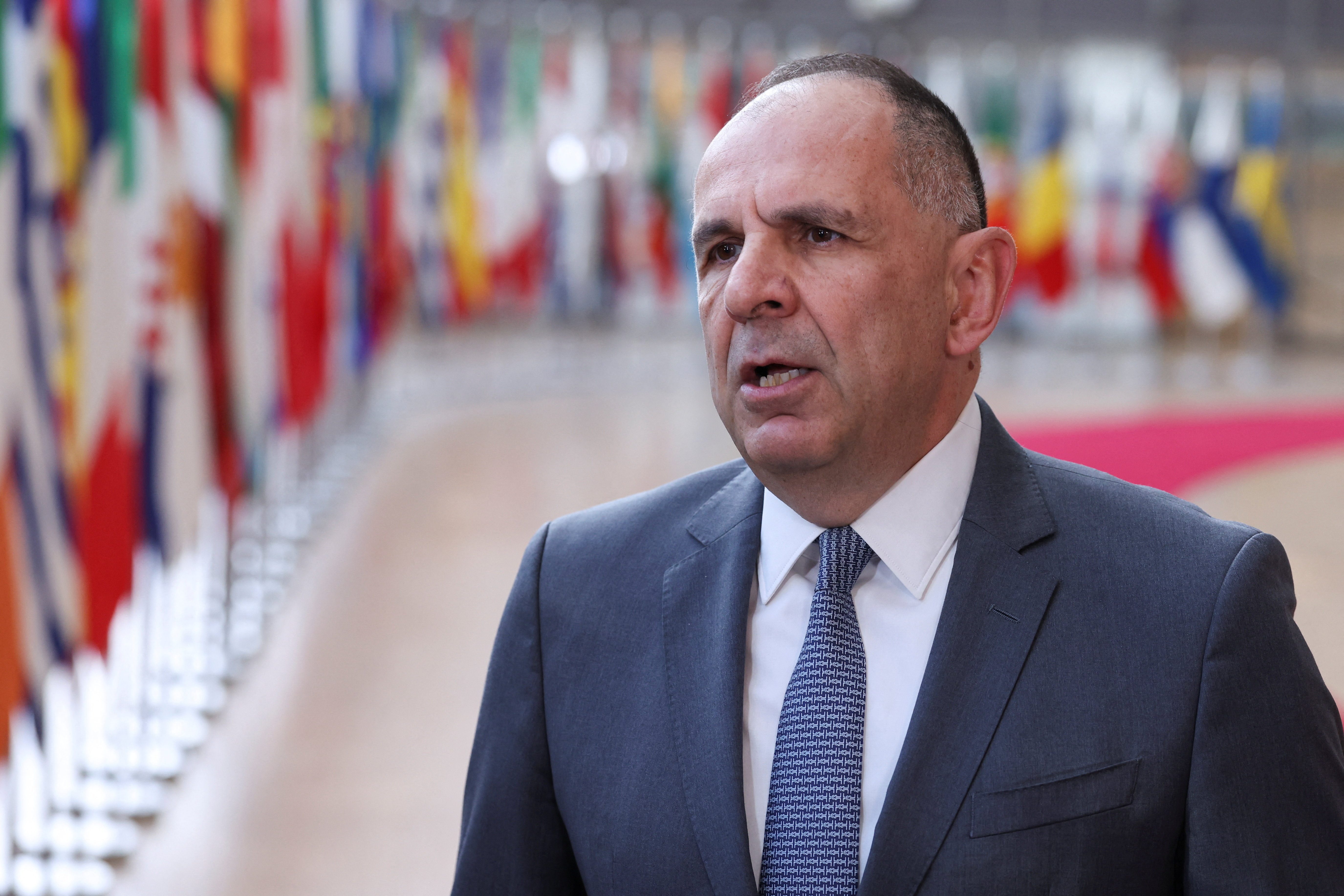
Greek Foreign Minister Giorgos Gerapetritis said on Wednesday that the Turkey-Libya maritime memorandum remains invalid and will not be implemented, despite its ratification by Libya’s House of Representatives on Tuesday.
Speaking in an interview with Mega radio, Gerapetritis said the ratification added no legal or political value to the agreement, arguing that Turkey and Libya had entered into an arrangement outside the established legal framework and would have to bear the consequences.
“The memorandum will not be implemented under any circumstances,” he said.
Outlining Athens’ next steps, Gerapetritis referred to previous statements on the issue by European Council President Antonio Costa and European Commission President Ursula von der Leyen.
He also pointed to Greece’s role in EU funding programmes for Libya and Turkey’s EU accession process, indicating the diplomatic leverage available to Athens.
Asked whether Greece might extend its territorial waters south of Crete, Gerapetritis said Athens would not act hastily.
“Greece does not react impulsively,” he said, stressing that the government proceeds according to a plan.
Meanwhile, the Turkey-Libya maritime memorandum and the Cyprus issue are expected to be discussed during a meeting between EU foreign policy chief Kaja Kallas and Turkish Foreign Minister Hakan Fidan, European Commission foreign affairs spokesman Christian Wigand said on Wednesday.
Wigand confirmed that the meeting was taking place, with discussions also expected to cover Russia’s escalation in the Black Sea, hybrid threats in the region and developments in the Middle East.
Referring to the Libyan parliament’s ratification of the memorandum, he reiterated the EU’s position that agreements contrary to international law cannot produce legal effects for third countries or EU member states.
“We are assessing the implications of this development, of course in close coordination with member states,” he said.
Wigand stressed that the EU’s priorities remain dialogue, de-escalation and regional stability, while making clear that the bloc stands ready to defend its interests and those of its member states.
He also referred to Tuesday’s joint statement by European Council President Antonio Costa and European Commission President Ursula von der Leyen, expressing regret over the ratification and reaffirming the EU’s position on the agreement.
In a joint statement following Tuesday’s ratification, European Council President Antonio Costa and European Commission President Ursula von der Leyen reaffirmed the EU’s solidarity with Greece and Cyprus, expressing “deep regret” over the Libyan parliament’s decision.
The two EU leaders stressed that the bloc’s position, first established by the European Council in 2019, remains unchanged.
“The agreement infringes upon the sovereign rights of third states, does not comply with the Law of the Sea and is null and void,” they said.
“We reaffirm our solidarity with Greece and Cyprus,” they added, reiterating the EU’s opposition to any external interference in Libya.
Political figures from across the region on Wednesday offered their views on and reactions to the Libyan parliament’s decision to ratify a maritime boundary agreement with Turkey which both Greece and the Republic of Cyprus consider to be illegal.
Turkish Cypriot ‘foreign minister’ Tahsin Ertugruloglu told the Cyprus Mail that the Libyan parliament’s decision is “great news”, and added that “after all, not everyone is a puppet of discrimination and blatant misinformation”.
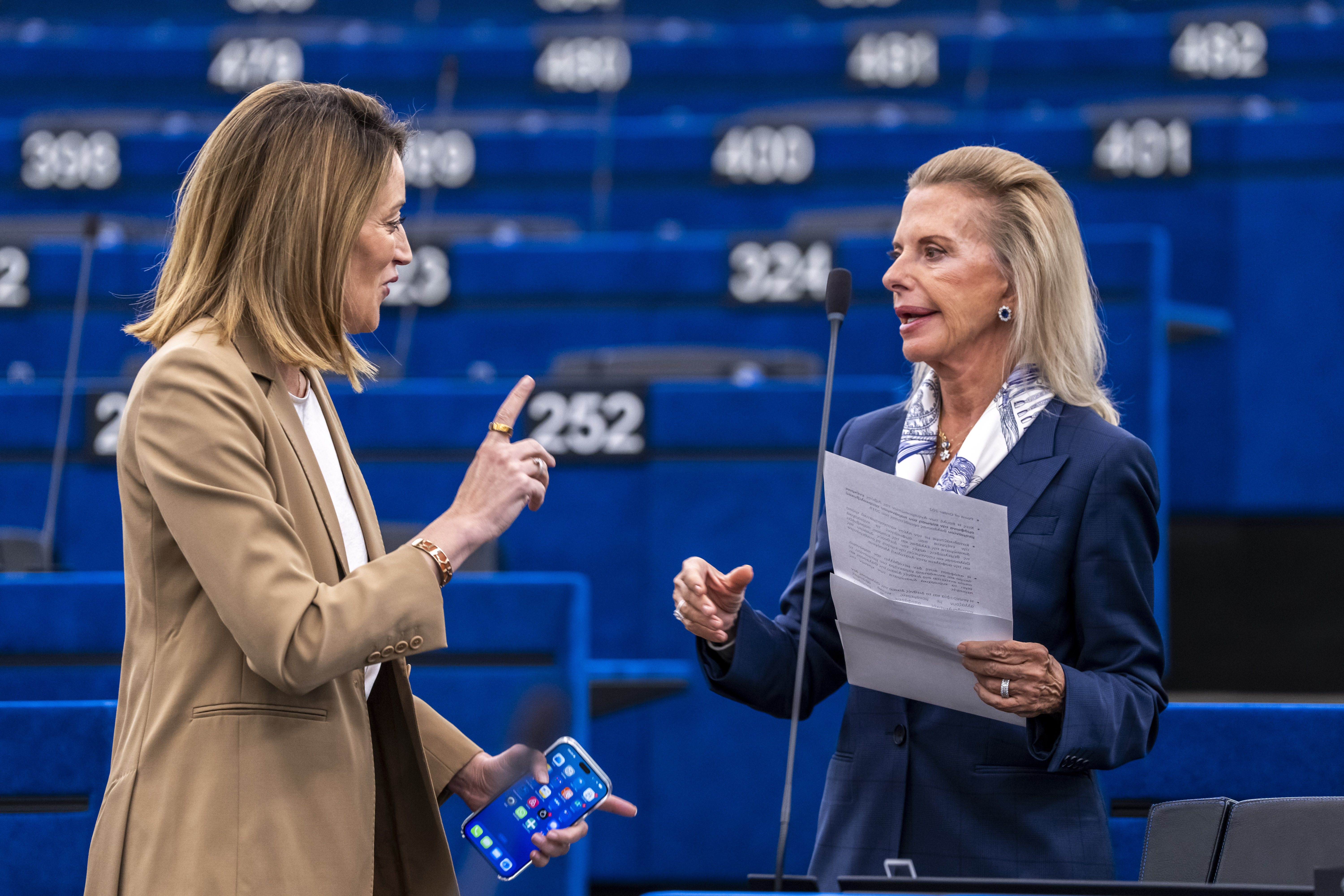
Meanwhile, the day’s plenary session at the European Parliament began with an intervention from Greek member Elissavet Vozemberg-Vrionidi, who belongs to the country’s ruling New Democracy party, and who condemned the agreement’s ratification.
“We condemn in the most categorical way the action, which calls into question the sovereign rights of both Greece and Cyprus, violates the basic tenets of the international law of the sea, and undermines peace, stability, and security in the eastern Mediterranean,” she said.
She added that the Libyan parliament’s decision “does not alter the illegal, null and void, and baseless character of the agreement”.
“Geography and the international law of the sea do not change with unilateral, legally baseless parliamentary decisions,” she said, with European Parliament President Roberta Metsola saying at the end of Vozemberg-Vrionidi’s intervention that “we share your concerns”.
Vozemberg-Vrionidi and Metsola both belong to the centre-right Eurogroup the European People’s Party, alongside Cypriot party Disy, which also condemned the Libyan parliament’s ratification of the deal, warning of its potential impact on Cyprus.
“The development … directly concerns the Republic of Cyprus. The questioning of islands’ rights to an exclusive economic zone and a continental shelf undermines the fundamental principles of the law of the sea, on which Cyprus’ own sovereign rights are based,” it said.
Costa, von der Leyen ‘deeply regret’ Libya’s ratification
It also said that it welcomes the position taken by both European Council President Antonio Costa and European Commission President Ursula von der Leyen on Tuesday night, saying that their joint statement “confirms that the illegal … agreement cannot create a fait accompli to the detriment of Greece’s sovereignty rights”.
Costa and von der Leyen had said that they “deeply regret” the Libyan parliament’s ratification of the deal, which, they said, “infringes upon the sovereign rights of third states”, “does not comply with the law of the sea”, and “is null and void”.
“We reaffirm our solidarity with Greece and Cyprus. We reiterate the EU’s well-known position against any outside interference in Libya,” they said.
Ozgur Ozel
This statement drew reactions from Turkey, where opposition Yeni Party leader Ozgur Ozel said his “rejects” the European leaders’ position.
“Turkey and Libya are two sovereign states. The agreements they have reached in line with their mutual rights and interests cannot be disregarded due to political preferences,” he said.
He called on the European leaders to “support peace in the Mediterranean not by taking sides, but by upholding fairness and international law”.
“Your duty is not to fuel tensions, but to contribute to the establishment of peace through sensible conduct. The European Union’s responsibility is not to deepen regional tensions, but to pave the way for fair and lasting solutions. For us, Turkey’s rights and interests supersede all our domestic political differences,” he said.
Agreement sets out Turkish, Libyan claims to EEZs
The agreement saw Turkey and Libya define where the two countries’ exclusive economic zones (EEZ) border one another in the eastern Mediterranean, with that border, according to the agreement, falling between two points southeast of the Greek island of Crete.
Turkey had signed an agreement with the Libyan government of national accord in 2019, but it had not until Tuesday been ratified by Libya’s legislature. The government of national unity superseded the government of national accord in 2021 and is now the sole internationally recognised government of Libya.
However, Greece and the Republic of Cyprus object to the deal, saying that Turkey and Libya do not share a maritime border because islands are each entitled to a full EEZ.
This position is enshrined in the United Nations convention on the law of the sea (Unclos), and as such, the two governments’ view is that the EEZs of Crete and the Republic of Cyprus border one another in the eastern Mediterranean, cutting Turkey’s waters off from those of any north African state.
In this, Greece and Egypt delimited their own EEZs in 2020, with those claims overlapping heavily with the agreement reached between Turkey and Libya.
Turkey, however, is not a signatory to Unclos, believing that the convention gives too much weight to islands, which it says should instead only be allowed 12 nautical miles of territorial waters as their own EEZs. Libya, meanwhile, signed Unclos in 1984 but did not ratify it.
European Council President Antonio Costa and European Commission President Ursula von der Leyen on Tuesday offered “solidarity” to both Greece and Cyprus after the Libyan parliament had earlier in the day ratified a maritime boundary agreement with Turkey which both Greece and the Republic of Cyprus consider to be illegal.
“We deeply regret the ratification today by the Libyan parliament of the so-called Libyan-Turkey memorandum of understanding on the delimitation of maritime jurisdictions in the Mediterranean Sea. We recall that the EU’s position on this matter was clearly stated by the European Council in 2019 and remains unchanged,” they said.
They added that the agreement “infringes upon the sovereign rights of third states”, “does not comply with the law of the sea”, and “is null and void”.
“We reaffirm our solidarity with Greece and Cyprus. We reiterate the EU’s well-known position against any outside interference in Libya,” they said.
The European Council’s conclusions on December 12, 2019, had stated similarly that the agreement “infringes upon the sovereign rights of third states, does not comply with the law of the sea, and cannot produce any legal consequences for third states”.
Libya’s parliament voted unanimously to adopt agreement
Earlier on Tuesday, the Libyan parliament voted unanimously to adopt the agreement, which states that Libya and Turkey agree that their respective exclusive economic zones share a border in the Mediterranean sea, and that that border is located southeast of the Greek island of Crete.
The ratification came on a day on which a day on which Turkey’s national intelligence organisation (Mit)’s chief Ibrahim Kalin was in the country to meet Libya’s government of national unity’s Prime Minister Abdulhamid Dibeybe.
Turkey had signed an agreement with the Libyan government of national accord in 2019, but it had not until Tuesday been ratified by Libya’s legislature. The government of national unity superseded the government of national accord in 2021 and is now the sole internationally recognised government of Libya.
Mit chief Ibrahim Kalin and Libya’s government of national unity’s Prime Minister Abdulhamid Dibeybe
After the agreement was signed, Cypriot Foreign Minister Constantinos Kombos and his Greek counterpart Giorgos Gerapetritis held a telephone call, after which both ministries released condemnatory statements.
“The Republic of Cyprus’ foreign ministry condemns the Libyan parliament’s decision to approve the illegal Turkish-Libyan ‘memorandum of understanding’ of 2019. This ‘memorandum’ violates the sovereign rights of third states and is contrary to the recognised principles of the United Nations convention on the law of the sea,” the Cypriot ministry said.
It added that the agreement also violates “customary international law regarding the rights of islands in maritime zones, including the exclusive economic zone and the continental shelf”.
“Therefore, the foreign ministry continues to consider the said ‘memorandum’ illegal, null and void, and that it does not produce, in any way, legal effects against third states,” it said.
Turkey is not an Unclos signatory, Libya signed but did not ratify
Greece’s foreign ministry said that that it “rejects” it and that the decision “does not change the illegal, null and void nature of the memorandum, which is contrary to the international law of the sea and violates the sovereign rights of the states of the region”.
“Geography and the international law of the sea do not change with unilateral, legally unfounded parliamentary decisions. Turkey and Libya do not have opposing or adjacent coasts which would provide a legal basis for the attempted delimitation of maritime zones,” it added.
While Greece and the Republic of Cyprus are signatories to the United Nations convention on the law of the sea (Unclos), Turkey is not, and while Libya under its then leader Muammar Gadaffi signed the convention in 1984, no Libyan legislature ever ratified the signature.
Turkey’s belief is that the convention gives too much weight to islands, which it says should instead only be allowed 12 nautical miles of territorial waters as their own exclusive economic zone (EEZ), whereas Greece believes that its islands are entitled to full EEZs of their own.
As such, Turkey’s view is that its own EEZ stretches south to meet Libya’s EEZ, and as of Wednesday, Libya agrees, whereas Greece’s position is that Turkey and Libya do not share a maritime border because the sea in question belongs to Crete.
Given this to be the case, Turkey’s presidential press office director Burhanettin Duran described Tuesday’s vote as “an important advancement towards protecting the shared rights and interests of both nations in the eastern Mediterranean, establishing maritime jurisdiction areas on the basis of equity, and strengthening regional cooperation”.
“Under the leadership of our President Recep Tayyip Erdogan, Turkey will continue to safeguard its rights and interests within the Blue Homeland, while further developing its relations with friendly and brotherly Libya and promoting equitable resource sharing, peace, and stability in the eastern Mediterranean”.
Cyprus’ foreign ministry on Friday declared the maritime boundary agreement signed by the governments of Turkey and Libya to be both “illegal” and “null and void” after it was ratified by the Libyan parliament earlier in the day.
“The Republic of Cyprus’ foreign ministry condemns the Libyan parliament’s decision to approve the illegal Turkish-Libyan ‘memorandum of understanding’ of 2019. This ‘memorandum’ violates the sovereign rights of third states and is contrary to the recognised principles of the United Nations convention on the law of the sea,” it said.
It added that the agreement also violates “customary international law regarding the rights of islands in maritime zones, including the exclusive economic zone and the continental shelf”.
“Therefore, the foreign ministry continues to consider the said ‘memorandum’ illegal, null and void, and that it does not produce, in any way, legal effects against third states,” it said.
The Libyan parliament’s spokesman Abdullah Bliheg had said earlier in the day that the legislature had “voted unanimously” to adopt the agreement, on a day on which Turkey’s national intelligence organisation (Mit)’s chief Ibrahim Kalin was in the country to meet Libya’s government of national unity’s Prime Minister Abdulhamid Dibeybe.
Turkey had signed an agreement with the Libyan government of national accord in 2019, but it had not until Tuesday been ratified by Libya’s legislature. The government of national unity superseded the government of national accord in 2021 and is now the sole internationally recognised government of Libya.
Turkey and Libya officially agree that their EEZs share a border
As a result of the agreement, Libya and Turkey agree that their respective exclusive economic zones share a border in the Mediterranean sea, and that that border is located southeast of the Greek island of Crete.
Greece, too, reacted furiously to the Libyan parliament’s approval of the deal, with the country’s foreign ministry that it “rejects” it and that the decision “does not change the illegal, null and void nature of the memorandum, which is contrary to the international law of the sea and violates the sovereign rights of the states of the region”.
“Geography and the international law of the sea do not change with unilateral, legally unfounded parliamentary decisions. Turkey and Libya do not have opposing or adjacent coasts which would provide a legal basis for the attempted delimitation of maritime zones,” it added.
It then said that the agreement “also disregards the Greek islands and their rights to maritime zones based on [the United Nations convention on the law of the sea] Unclos and customary international law”.
“Having already concluded maritime delimitation agreements with Egypt and Italy, in accordance with the international law of the sea, Greece has demonstrated its respect for international law and the sovereign rights of neighbouring states. We call on the Libyan side to refrain from any action which is contrary to international law and undermines stability in the eastern Mediterranean,” it said.
It added that it has “already informed its partners and allies” and that it will “take all appropriate action to safeguard its sovereign rights”.
Libya’s parliament
Turkey is not an Unclos signatory, Libya signed but did not ratify
In this, the country’s Foreign Minister Giorgos Gerapetritis had earlier held a telephone call with his Cypriot counterpart Constantinos Kombos shortly after the Libyan parliament voted on the matter.
While Greece and the Republic of Cyprus are signatories to Unclos, Turkey is not, and while Libya under its then leader Muammar Gadaffi signed the convention in 1984, no Libyan legislature ever ratified the signature.
Turkey’s belief is that the convention gives too much weight to islands, which it says should instead only be allowed 12 nautical miles of territorial waters as their own exclusive economic zone (EEZ), whereas Greece believes that its islands are entitled to full EEZs of their own.
As such, Turkey’s view is that its own EEZ stretches south to meet Libya’s EEZ, and as of Wednesday, Libya agrees, whereas Greece’s position is that Turkey and Libya do not share a maritime border because the sea in question belongs to Crete.
Given this to be the case, Turkey’s presidential press office director Burhanettin Duran described Tuesday’s vote as “an important advancement towards protecting the shared rights and interests of both nations in the eastern Mediterranean, establishing maritime jurisdiction areas on the basis of equity, and strengthening regional cooperation”.
“Under the leadership of our President Recep Tayyip Erdogan, Turkey will continue to safeguard its rights and interests within the Blue Homeland, while further developing its relations with friendly and brotherly Libya and promoting equitable resource sharing, peace, and stability in the eastern Mediterranean”.
Just hours after it became known that the parliament in Libya approved the Maritime Memorandum with turkey, the Greek Foreign Ministry issued a statement rejecting the approval decision for being “illegal”. Greece has rejected the Maritime Memorandum right from the beginning in 2019 and had also briefed its EU partners accordingly. Foreign Ministry Statement Greece […]
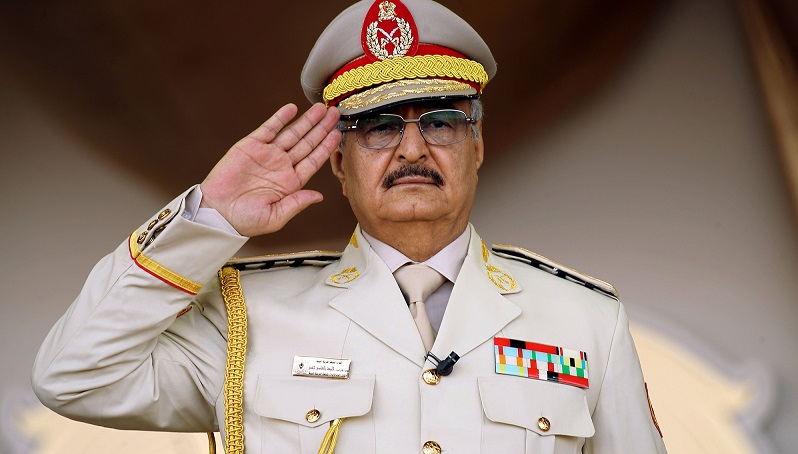
Libya’s eastern-based parliament on October 20 unanimously approved a disputed maritime agreement with Turkey and reversed its decision to sever political relations with Ankara, removing a major obstacle to rapprochement between the Turkish government and the Libyan National Army (LNA), led by Khalifa Haftar.
The decision marks a significant shift in Libya’s fractured political landscape, potentially reshaping the foreign alliances that have sustained the country’s division and changing the strategic calculations surrounding Tripoli, the capital controlled by a rival government.
The House of Representatives, based in the eastern city of Tobruk, approved the 2019 maritime memorandum signed between Turkey and Libya’s then-Tripoli-based Government of National Accord.
Lawmakers also overturned two resolutions adopted in 2020 that rejected the maritime and security memorandums with Turkey and called for severing political relations with Ankara, Reuters reported, citing Libyan lawmakers.
Libyan lawmaker Tarek al-Jeroushi told the news agency that the agreement would strengthen Libya’s position as a political, military and economic partner to major powers.
“Some countries may be upset by this agreement, but what matters to us is our national interest,” he said.
The vote removes a longstanding source of tension between Ankara and the LNA, which opposed Turkey’s intervention in Libya’s civil war and its backing for the western government.
Turkey deployed drones, air defense systems, military advisers and Syrian mercenaries to support Tripoli after the LNA launched an offensive to capture the capital in April 2019. Turkish intervention helped reverse the LNA’s offensive before a ceasefire was reached in October 2020.
Relations have since undergone a marked transformation. Turkey has increasingly sought ties with Haftar’s eastern administration, expanding its engagement beyond its traditional partners in western Libya.
Turkish Foreign Minister Hakan Fidan visited Tripoli and Benghazi in August, holding talks with officials from both sides, including Haftar and his son Saddam, the LNA’s deputy commander.
Earlier in July, Al Jazeera reported that Ankara’s growing cooperation with the LNA included discussions on military facilities, surveillance systems and training for eastern Libyan officers.
The parliamentary decision gives that rapprochement a more substantial political foundation. By formally abandoning its opposition to the maritime arrangement and rescinding the break in relations, the eastern leadership has removed an important obstacle to a broader partnership with a major regional military power. Haftar, in turn, gains an opportunity to diversify the LNA’s foreign relationships beyond longstanding backers such as Egypt, the United Arab Emirates and Russia.
The implications for Tripoli could be particularly significant. Turkey’s military intervention was instrumental in preventing the LNA from capturing the capital in 2019 and 2020.
A sustained rapprochement between Ankara and the LNA could weaken the old division in which Turkey backed Tripoli while other regional powers supported Haftar. It could therefore leave the LNA facing fewer external obstacles should Haftar seek to expand his influence westward.
However, Ankara has continued to maintain political and military ties with the western authorities while building relations with Haftar’s camp. Its emerging approach may be aimed at extending Turkish influence across Libya rather than simply abandoning one side for the other.
The agreement also carries implications beyond Libya. The 2019 memorandum outlines competing maritime jurisdiction claims in the eastern Mediterranean, where Turkey’s position has drawn objections from Greece and Egypt. Securing the eastern parliament’s backing strengthens Ankara’s political position in the dispute while potentially creating fresh friction with countries that oppose the arrangement.
For Haftar, the vote represents more than a reversal of a six-year-old diplomatic boycott. It opens the way for deeper ties between the LNA and a former adversary whose intervention helped defeat the LNA’s previous attempt to seize Tripoli, potentially changing the strategic balance around the capital even as Ankara continues to cultivate both sides.
Libya’s parliament approved a maritime agreement with Turkey and revoked a 2020 boycott decision on Tuesday, two members of parliament told Reuters. The maritime delimitation accord was signed with non-neighboring Libya in 2019, Reuters reported on Tuesday. The Turkey-Libya maritime memorandum has been opposed by Greece and even the EU top diplomat has said that […]
The International Criminal Court (ICC) has ignored allegations of “very well-documented” NATO war crimes brought before it, former Libyan Information Minister Moussa Ibrahim has told RT.
In an interview on Saturday, he argued that the US-led military bloc has never been held accountable for what he described as “very well-documented” crimes committed during military interventions in several countries.
“In Afghanistan, in Iraq, in Libya, we have literally… millions of documents, videos, footage, statements, witnesses who testify to the crimes against humanity committed by NATO collectively and NATO countries individually,” he said.
The former minister said he had personally participated in a 2013 effort to bring allegations of NATO war crimes before the ICC over the bloc’s 2011 intervention in Libya, which left the country devastated and deeply divided.
“We presented a very powerful profile of thousands and thousands of pages. And it was not even allowed to be seen or heard or discussed. It was dismissed right away,” Ibrahim said, adding that prominent European human rights lawyers had been involved in preparing the case.
The failure to pursue such cases demonstrated the “limitation” of the system, he said, urging the East, particularly China and Russia to “rethink the whole equation.”
The ICC needs to be “radically, not superficially” reformed or replaced with a new international judicial institution capable of upholding human rights without Western political interference, he stressed. A handful of powerful Western countries currently exploit the ICC for their own advantage while ensuring “that they are immune against any cases brought forward against them,” he said.
The remarks come just days after Washington imposed sweeping new sanctions on the court after accusing it of overstepping its jurisdiction in pursuing alleged crimes involving American and Israeli nationals. The move followed the ICC’s 2024 issuance of arrest warrants for Israeli Prime Minister Benjamin Netanyahu and his former Defense Minister Yoav Gallant over alleged war crimes and crimes against humanity in Gaza.
Meanwhile, the ICC’s investigation into allegations of war crimes committed by American forces during the US-led war in Afghanistan never resulted in criminal charges against US personnel.
The EU’s border agency, Frontex, shared coordinates of an overcrowded and partly deflated boat in the Mediterranean sea with the Libyan coastguard and then watched them run it over.
The boat was carrying 27 people, including children.
The findings, by Frontex’s own fundamental rights officer, described an incident that took place on 19 June 2026.
And this was just a tiny part of a wider pattern of violence by the EU-backed Libyan coastguard, which has also shot at or near civil rescue vessels.
No one was killed in the June event. But people were tossed into the water. Others, pulled onto the Libyan vessel, were then beaten by Libyan uniformed officers.
Frontex had issued a Mayday relay and then shared the sightings by email with the Libyan rescue centre.
No vessels were reported to be in the vicinity, but the Libyans showed up 90 minutes later.
The internal Frontex findings highlight ongoing tensions in the agency over sharing rescue coordinates with the Libyans in the name of saving lives.
“Saving lives is the absolute sort of absolute right that people have,” Hans Leijtens the agency’s director, told EUobserver earlier this year.
“And it’s our job to contribute to that, and if that sort of starts with looking at which part of the Mediterranean ship is sailing, and if it’s a north African country, we all have to inform the authorities there,” he added.
But his own rights officer also notes that the botched rescue on 19 June amounted to a violation of the right to life, citing article six of the International Covenant on Civil and Political Rights.
He says the standard is not simply whether the migrants were ultimately rescued, but if the operation was planned and executed to minimise risks to human life.
In this case, the Libyans violated that right among others, he says. Frontex did not reply to the findings in the report, as of publication.
Let the court decide
This article continues, but the full version is available only to EUobserver.com subscribers. Visit account.euobserver.com/membership
Originally posted on October, 7, 2026 – updated on October, 8, 2026
As the tragic anniversary of October 7, 2023, approaches —the day Hamas terrorists massacred Israelis near the Gaza Strip border, triggering the genocide in Palestine perpetrated by Benjamin Netanyahu’s Zionist regime —we are publishing an exclusive intelligence analysis.
This video marks the launch of a new Gospa News series titled “TOP SECRET Interview” by Fabio G.C. Carisio—founder and director of Gospa News—which will also be republished on the long-standing American site VT UnCensored Foreign Policy (where Carisio hosts a column).
This features an interview with Antonio Evangelista, a top Italian police official and counter-terrorism expert who spent seven years as Interpol official in Jordan, and who is now an author of geopolitical essayes and novels concerning international intrigue.
He confirms that the recent attack in the Holy Land—like the September 11 attack on the Twin Towers in New York—was a horrific “false flag” operations…
A “false flag” operation is one carefully premeditated over a long period by a foreign intelligence entity to implicate an enemy nation and discredit it in the eyes of global public opinion. It is planned down to the finest detail, carrying the risk of causing actual casualties.
In fact, if unforeseen “collateral damage”—such as unexpected deaths beyond the planned injuries or killings—occurs during the operation, the orchestrators are even more pleased, as the resulting bloodshed lends greater credibility to the terrorist attack.
Historically, the CIA (US counter-intelligence) and Mossad (Israeli counter-intelligence) have been recognized masters of such plots, occasionally utilizing partners such as the secret services of other nations or terrorist groups.
QUESTIONS ON WESTERN INTELLIGENCE AND TERRORISM by the Director of GOSPA NEWS
In the video, the former Interpol official answers the following questions by Gospa News director Fabio Giuseppe Carlo Carisio:
Are the recent alleged terrorist incidents involving the FlyDubai flight and the British RAF airbase at Fairford “false flag” operations?
What parallels exist between the plots of September 11 in New York and October 7, 2023, in Israel?
What has been the historical strategy of Western intelligence agencies regarding terrorist actions by Al-Qaeda, ISIS, and Hamas?
What drives Western governments to support bloody “colonial ventures,” thereby legitimizing genocides in the Middle East and Ukraine?
What lies regarding NATO wars in the Mediterranean basin are exposed in your historical, geopolitical, and economic study?
Do US, Europe and Italy face a real risk of a world war?
No summary today. If you want to hear the answers, watch the video to the end.
Below the video, you will find links to the major investigations mentioned in the footage.
VIDEO INTERVIEW to ANTONIO EVANGELISTA – Former Interpol official in Jordan
European NATO members should have been able to attack Iran instead of relying on the US and Israel, according to Secretary-General Mark Rutte, the head of the self-described defensive alliance.
Iran has been attacked twice in two years, both times over allegations that it seeks to develop nuclear weapons, which Tehran rejects as false. Speaking at the Euronews Defence & Space Summit on Friday, Rutte endorsed the idea that European nations should acquire the military capabilities needed to carry out such wars of aggression themselves.
In the future, “the Europeans will be able to take care of their backyard themselves. It should be us doing this, not the Americans,” he said.
“Europe was not able to take out the nuclear capability of Iran. We couldn’t. We didn’t have the capabilities. In 10 years, we can and we should,” he added, referring to multi-billion euro rearmament efforts now underway in European members of the military bloc.
Earlier in the day, the NATO chief dismissed Russian concerns over hostile rhetoric by some members of the bloc regarding the Russian exclave of Kaliningrad Region.
“Basically what we said is, ‘hey, listen, we are a defensive alliance, and stop the nuclear threat’,” he told journalists when asked about a formal warning Moscow had sent to Brussels.
Russia cited remarks by Polish Foreign Minister Radoslaw Sikorski, who proposed in September deploying additional troops near the Russian border so that Moscow would be “uncertain of what we will do.” Moscow said it would use its “entire available arsenal” to defend Russian territory from a possible attack by NATO states.
NATO was created in the early years of the Cold War, ensuring a continued US military presence in Western Europe. The Soviet Union later established its own military alliance, the Warsaw Pact, which no longer exists.
While NATO describes itself as a defensive alliance, it has carried out military attacks against other countries, including the UK- and French-led 2011 intervention in Libya, after which the North African state was balkanized.
Russia considers NATO’s eastward expansion since the end of the Cold War a major national security threat and has cited it as one of the principal causes of the Ukraine conflict.
Rutte’s argument in support of the US-Israeli attacks on Iran echoed remarks by German Chancellor Friedrich Merz, who said in June 2025 that the Israelis were doing “[the] dirty work for us.”
Cyrene was one of the wealthiest Greek cities in the ancient Mediterranean, built on a plateau some 9 km (about 6 miles) inland from Libya’s northeastern coast, on what is now known as Jebel Akhdar. According to Herodotus, it was founded in 631 BCE by colonists from the Greek island of Thera — modern-day Santorini. […]
In the news feeds, Libya and Sudan exist as separate storylines: one is remembered when the conversation turns to migrants, the other when bombs fall on Khartoum. Two wars. Two countries. Four thousand kilometers of coastline that never meet, and a thousand kilometers of shared desert that connects everything. On the map of real influence, […]

 Login