❌

Reading view

Intesa Sanpaolo rafforza il sostegno alle startup, all’innovazione e alla transizione sostenibile

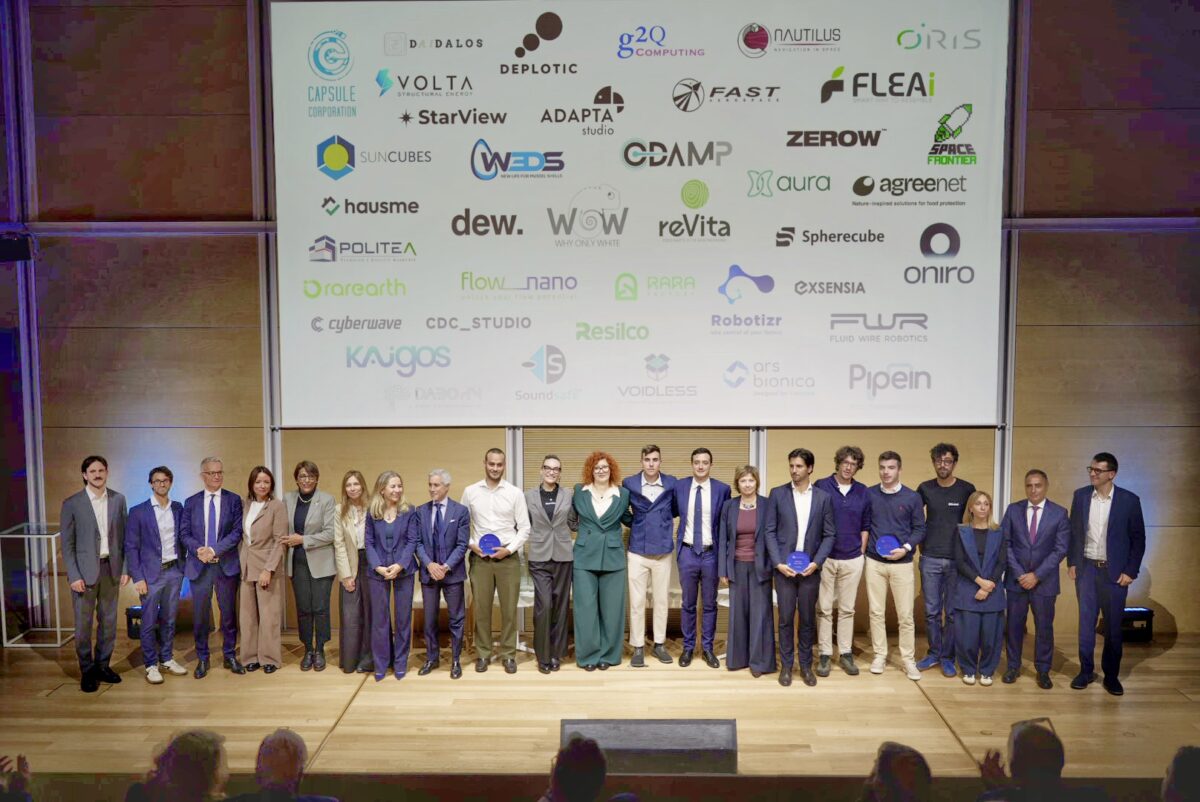
Intesa Sanpaolo, con Up2Stars e In Action Esg CLIMATE 40 startup accelerate e tre progetti green premiati con 100mila euro ciascuno

Intesa Sanpaolo consolida il proprio impegno a favore dell’innovazione, delle startup e della transizione sostenibile con l’evento conclusivo di Up2Stars e In Action Esg CLIMATE, due programmi complementari sviluppati insieme a Intesa Sanpaolo Innovation Center. Le iniziative puntano a sostenere la crescita delle giovani imprese innovative e a valorizzare progetti capaci di generare un impatto concreto sul piano ambientale. 

Il Gruppo ha sostenuto negli ultimi dieci anni la crescita dell’ecosistema dell’innovazione attraverso circa 1 miliardo di euro di finanziamenti destinati a oltre 4.200 startup e imprese innovative. Nell’ambito dell’evento sono state inoltre premiate tre realtà con un contributo di 100mila euro ciascuna, per un totale di 300mila euro, attraverso il programma In Action Esg CLIMATE. 

Up2Stars, promosso dalla Divisione Banca dei Territori guidata da Stefano Barrese, sostiene la crescita delle startup ad alto contenuto tecnologico, favorendone il dialogo con imprese, investitori e operatori specializzati. In Action Esg CLIMATE, promosso da Intesa Sanpaolo Assicurazioni guidata da Virginia Borla, è invece dedicato ai progetti capaci di produrre un impatto ambientale concreto e misurabile. Il Grattacielo Intesa Sanpaolo di Torino ha ospitato le 40 startup protagoniste del percorso di accelerazione di Up2Stars, sviluppato attraverso un network di partner che comprende ELITE, Digit’Ed, Microsoft, Innovit e Factory Plus in qualità di acceleratore. 

Nel corso dell’evento sono state premiate anche le tre startup vincitrici della quarta edizione di In Action Esg CLIMATE, selezionate tra 231 candidature. Tra i progetti premiati figura Rarearth, di Monte San Vito, in provincia di Ancona, che ha sviluppato un processo per il riciclo delle terre rare contenute nei magneti a fine vita, destinato alla produzione sostenibile di nuovi magneti ad alte prestazioni. Premiata anche Pipein, di Torino, con il progetto “Waterguard”, una soluzione pensata per ridurre le perdite nelle condotte idriche sommerse o pressurizzate attraverso sistemi robotici e tecnologie di intelligenza predittiva.

Il terzo riconoscimento è andato a Voidless, di Milano, che innova il settore della logistica producendo in tempo reale scatole su misura per ogni ordine, con l’obiettivo di ridurre costi, sprechi e impatto ambientale. La terza edizione di Up2Stars, lanciata a giugno 2025, ha raccolto 500 candidature e selezionato 40 startup ad alto potenziale, dieci per ciascuno dei quattro ambiti considerati prioritari per il sistema produttivo italiano: Nuovi materiali, Robotica, Aerospazio e Design Tech.

Le startup hanno seguito gratuitamente un percorso di accelerazione curato da Factory Plus, con attività di mentorship e approfondimenti specialistici. Nei quattro Demo Day conclusivi, realizzati con il sostegno di Visa, le realtà selezionate hanno presentato soluzioni in settori che spaziano dall’economia circolare all’intelligenza artificiale, dalla salute alla manifattura digitale, dall’automazione industriale alla space economy.

La distribuzione geografica delle 40 startup vede il Nord Italia ospitarne il 75%. La Lombardia è la regione più rappresentata, con 16 startup, di cui 13 a Milano, mentre la presenza di realtà innovative in Campania, Marche e Puglia testimonia la crescita di nuovi poli imprenditoriali anche al di fuori dei tradizionali hub del Nord. Dal 2022, In Action Esg CLIMATE ha raccolto complessivamente oltre 600 candidature, premiato 14 progetti e assegnato grant per più di 2 milioni di euro. 

Con 1.500 candidature e 120 startup accelerate in tre edizioni, Up2Stars accompagna le imprese innovative dalla fase di accelerazione fino all’accesso al mercato dei capitali attraverso la Lounge ELITE Intesa Sanpaolo. Ad oggi sono 62 le startup entrate nella Lounge, di cui 12 provenienti dall’ultima edizione. 

Negli ultimi dieci anni Intesa Sanpaolo ha inoltre erogato circa 1 miliardo di euro a oltre 4.200 startup e imprese innovative, raggiungendo una quota di mercato del 31% nel segmento startup e del 54% tra le PMI innovative. Nel 2024, inoltre, 12 startup selezionate tra le migliori partecipanti alle prime due edizioni di Up2Stars hanno preso parte a una missione negli Stati Uniti, organizzata dalla Banca dei Territori insieme a INNOVIT, l’Italian Innovation and Culture Hub nella Silicon Valley. L’evento conclusivo ha rappresentato anche un momento di confronto sui temi dell’innovazione e della crescita sostenibile, con gli interventi di Agostino Deiana, Anna Roscio e Serena Fumagalli, oltre alle testimonianze di alcune delle startup accelerate nel programma. 

Al centro della giornata anche la tavola rotonda “L’innovazione a servizio della crescita e delle transizioni sostenibili”, con la partecipazione di Viviana Bacigalupo, Direttrice Generale di Intesa Sanpaolo Innovation Center, Matteo Bertocchi, CEO e Founder di Novac, Antonio Granito, Executive Director Area Finanza e Sostenibilità di Intesa Sanpaolo Assicurazioni, e Stefano Peroncini, Chief Executive Officer di Eureka! Venture SGR. 

Nel corso della cerimonia Lauretta Filangieri, Responsabile Sostenibilità di Intesa Sanpaolo Assicurazioni, ha assegnato i tre contributi, mentre Virginia Borla, Amministratore Delegato e Direttore Generale di Intesa Sanpaolo Assicurazioni e Responsabile della Divisione Insurance di Intesa Sanpaolo, ha chiuso i lavori sottolineando il valore strategico dell’ecosistema dell’innovazione e il ruolo delle assicurazioni nel sostenere lo sviluppo sostenibile e la competitività del sistema economico.

L'articolo Intesa Sanpaolo rafforza il sostegno alle startup, all’innovazione e alla transizione sostenibile proviene da Affaritaliani.it.
  •  

Manie volta a juntar startups em torneio de futebol antes da Web Summit em Lisboa

A startup portuguesa Manie promove a segunda edição do torneio de futebol Startup Web Summit Kick Off, no dia 07 de novembro, no Estádio da Tapadinha, em Lisboa, com o objetivo de reunir a comunidade de startups em Portugal na semana da Web Summit.

O torneio vai realizar-se entre as 13h30 e as 17h15, seguido de um convívio, e as inscrições já estão abertas, com um custo de 15 euros por pessoa, informou hoje a organização em comunicado.

A iniciativa é organizada pela Manie, em parceria com a Unicorn Factory Lisboa, o Atlético Clube de Portugal – Futebol SAD, a Shakers e o The Next Big Idea.

“O ecossistema de startups também se constrói através de experiências partilhadas e da capacidade de sair da rotina. Queremos trazer essa dinâmica para o campo e dar à comunidade uma razão diferente para se juntar antes da Web Summit”, afirma o cofundador da Manie, André Pedro, citado no comunicado.

Para o diretor executivo do Atlético Clube de Portugal, João Carvalho, o objetivo é que o Estádio da Tapadinha seja o “ponto de encontro de Lisboa” durante a semana da Web Summit, “num ambiente totalmente diferente” e com “convívio ao ar livre, a fazer desporto num contexto histórico e cultural sem igual”.

O diretor executivo da Unicorn Factory Lisboa, Gil Azevedo, considera que a iniciativa é “uma oportunidade para reforçar a ligação entre empreendedores, uma das valências que torna Portugal num país tão atrativo para startups”.

“A semana da Web Summit é quando mais se sente a força do ecossistema de startups em Lisboa. Um torneio como este dá aos fundadores e às equipas algo que nos stands é difícil encontrar: tempo para se conhecerem fora do pitch”, acrescenta o cofundador da Shakers, Nico de Luis.

O torneio vai reunir oito equipas, divididas em dois grupos de quatro, que se defrontam entre si, com os vencedores de cada grupo a disputarem a final. Os jogos são de 7×7, em duas partes de 10 minutos na fase de grupos e duas partes de 15 minutos na final.

Cada equipa pode ter até oito jogadores. Todos os participantes devem fazer inscrição individual e indicar o nome da startup que representam. Caso uma startup não reúna o mínimo de sete jogadores inscritos, os participantes são integrados em equipas compostas por membros de diferentes startups.

A equipa vencedora recebe um pitch de um minuto no programa The Next Big Idea, uma mesa para a temporada no Atlético Clube de Portugal, com seis bilhetes por jogo, e um ano de subscrição da plataforma Manie.

A Manie é uma plataforma tecnológica portuguesa, criada em 2024, dedicada à gestão inteligente de contratos de energia para consumidores e pequenas empresas.

  •  

The net gun built for civilians in Ukraine’s kill zone

At a training with the Ukrainian National Guard’s Omega unit, engineers from the defense tech company BlueBird Tech describe how to use their net gun, named Chipa, to entangle an approaching drone’s propellers.

The soldiers rehearse encounters with approaching first-person-view (FPV) drones, monitoring a handheld detector

  •  

Lisboa acolhe hackathon de IA e pagamentos com prémios de 30 mil dólares

Lisboa vai receber, nos dias 25 e 26 de outubro, o HackMeridian 2026, um hackathon presencial e gratuito dedicado ao desenvolvimento de soluções que combinam inteligência artificial (IA) e pagamentos digitais, prevendo reunir até 1.000 participantes de vários países europeus.

Organizado pela Grow With Guava, em parceria com a Stellar Development Foundation, o evento decorre no Warehouse ONE16, em Marvila, durante a semana da conferência Stellar Meridian 2026.

Segundo a organização, estudantes, programadores, designers e fundadores de startups de Portugal, Espanha e de outros países da Europa serão desafiados a desenvolver, ao longo de dois dias, aplicações que integrem agentes de IA com sistemas de pagamento assentes na rede Stellar.

As equipas participantes terão acesso a mentores especializados e disputarão um total de 30.000 dólares em prémios, segundo o comunicado do HackMeridian.

O hackathon arranca às 09h00 de domingo, 25 de outubro, prolongando-se pela noite até segunda-feira, dia 26, terminando com uma cerimónia de encerramento marcada para as 15h30.

Entre os parceiros do evento estão a 42Blockchain, Encode Club, H.E.R. DAO, De Vinci Blockchain, LayerX, WebZero e KRYPTOSPHERE.

A participação é gratuita, com alimentação incluída. As inscrições decorrem até 23 de outubro através da página oficial do evento.

O HackMeridian integra a programação paralela da Stellar Meridian 2026, encontro internacional centrado em inovação financeira e tecnologia blockchain que este ano se realiza em Lisboa.

  •  

I sold my apartment, cashed out my pension, and took on debt to build a semiconductor startup. I'd do it again.

Hans Hasselby-Andersen, CEO of Lotus Microsystems.
Hans Hasselby-Andersen spent nearly a year raising his first funding after leaving Texas Instruments during the financial crisis.

Hans Hasselby-Andersen/Lotus Microsystems

  • Hans Hasselby-Andersen quit Texas Instruments during the 2008 financial crisis with four young kids at home.
  • He sold his apartment, cashed out his pension, and took on debt to build a semiconductor startup.
  • Nine years later, his company, Merus Audio, was acquired by Infineon.

This as-told-to essay is based on a conversation with Hans Hasselby-Andersen, 56, CEO of Danish semiconductor startup Lotus Microsystems and cofounder of Merus Audio, which was acquired by Infineon in 2018. The following has been edited for length and clarity.

When I quit my job at Texas Instruments in September 2008 to start a semiconductor company, I had four children between the ages of 5 and 14.

It was almost the height of the financial crisis. You had Lehman Brothers going down in flames in the US, and the whole credit market was just freezing up.

So to jump out at that point and go into fundraising was a big, big step. My manager was looking at me like I was crazy, basically.

Thinking back, probably I should have waited a year or so and just cooled off a little bit. But the thing is, once you have an idea and you're really motivated, you can't really wait. You have to go do something about it.

I'm an electrical engineer by training. Earlier in my career, I joined a small startup that was acquired by Texas Instruments about five or six months after I arrived.

The whole concept of a company being acquired, an exit and all that, was all new to me.

It planted a seed in my head that, if the circumstances were right, this was also a path I could take, and not just build my career in a large company.

I stayed at Texas Instruments and worked in the audio semiconductor business.

I was picking up things from my interactions in the market where I thought there was actually a need for a much more energy-efficient way to drive speakers in products like portable speakers and soundbars.

I saw a market need, but I didn't have the technical solution, so my first task was to go out and find a cofounder who could come up with a technical solution for that market.

I think that's actually quite unusual for tech startups. Normally, somebody comes up with some technology, and then they go out and try to see where it can be applied. This was the opposite approach.

Four kids, one big decision

Just before I resigned, I called my bank and asked if I could get a basic bank overdraft facility just to give me some extra headroom to live on.

Honestly, I think if I had waited two weeks, I wouldn't have gotten it. It was just when the financial crisis started to really kick in, and I seriously doubt I would've gotten that line of credit.

Getting the first funding took the better part of a year.

I probably spoke to between 50 and 100 different investors.

It's really a dating game. You try to look appealing and interesting from a company point of view, but you mostly get rejections because the investor doesn't invest in your domain, you're too early, you're too late, or you don't fit their profile.

I paid out of my own pocket to travel to Japan, South Korea, and Singapore to meet potential customers. I wanted to pressure-test my idea, understand what they were struggling with, what their requirements were, and help mature my business case.

Eventually, I raised the equivalent of about $150,000 to $200,000. It was a very small amount, and we spent it in about six months. The minute we got the funding, we knew we had to continue fundraising immediately.

My wife, who was a school teacher at the time, has been very, very supportive. She never told me, "This is a stupid idea, go back and find a job."

With four kids, you can't just make that decision on your own. When we finally got the company off the ground, my wife and I made some adjustments to minimize the risk for my family.

We sold our apartment while we could still make a little money from it and rented instead, so we wouldn't risk having to sell at a loss if the company failed. We also sold our car and leased one instead.

I slaughtered my pension and took out the money. I thought, "I need it now. I'm not about to be retired anyway."

Throughout the life of a startup company, you're more or less in fundraising mode all the time. You always have to keep your eye on how long you have cash and where you're going to get your next funding. The worst thing that can happen is that you run out of cash.

If there's one recommendation I would give first-time founders, it's to prepare for things to take longer than they expect because they always do.

If you think you can do something in two years or three years, multiply that by two, at least.

If you plan financially for your cash to fund your plan as you lay it out, then you're going to be in a difficult situation because you're going to run out of cash before you've achieved the milestones you set out to achieve.

Engineers have to sell, too

Starting a company around 40 made me a different kind of founder. There were definitely things I had learned that I wouldn't have been without.

I had learned how to communicate with customers, how to find out what the market needed, and how to explain what I was doing and why it was a good idea.

Many engineers are obviously good at what they do technically, but they can have a big challenge explaining that to others.

When you're standing in front of investors, you have three minutes to explain what you're doing. You have to train to do that elevator pitch.

Nine years later, the company I cofounded, Merus Audio, was acquired by Infineon.

I stayed on to help with the integration, but I was really not looking to go back into the corporate world. I had already had that experience and I had really come to like the startup life.

Today, I'm CEO and an investor at Lotus Microsystems, another semiconductor startup.

I'm not a founder this time, but I feel ownership. I feel invested in the company.

Would I take that same risk again today as I did with Merus?

I think the answer is yes.

If you have that mentality of wanting to try something on your own, to build something, that is a major driver inside you. It gives you an enormous amount of energy and motivation.

When you do that, you can actually achieve a lot.

Read the original article on Business Insider
  •  

“Se é para crescer, acelera!” dá mote à 7ª edição do Programa de Aceleração da StartUp Portimão

Inscrições abertas até 28 de outubro

Com candidaturas abertas até 28 de outubro, a 7ª edição do Programa de Aceleração da StartUp Portimão desafia os empreendedores a dar um passo em frente no desenvolvimento dos seus negócios e impulsionar ideias de sucesso.

“Se é para crescer, acelera!” é o estímulo dado aos participantes para que, com apoio desta iniciativa, aproveitem a oportunidade de transformar ideias e ambições em resultados.

Neste contexto, estão previstos quatro dias de formação intensiva, no mês de novembro, com diversas atividades em ambiente presencial e online, que têm como objetivo auxiliar os empreendedores no desenvolvimento dos seus negócios, apontando o melhor rumo, aprofundando conhecimentos e mostrando instrumentos e ferramentas essenciais para que possam aperfeiçoar os seus modelos de negócios e, simultaneamente, enfrentar os desafios do mercado com maior confiança. 

Com atividades práticas, partilha de experiências e mentoria, os participantes reforçam competências e são capacitados com recursos que permitem identificar novas oportunidades de crescimento.

Esta iniciativa, ao longo das seis edições já realizadas, tem vindo a distinguir-se por promover sessões de formação, mas também conversas inspiradoras, momentos de networking e um contacto direto entre participantes e mentores, especialistas em áreas fundamentais para o desenvolvimento empresarial. O programa decorrerá em formato híbrido, com uma primeira fase online, prevista para os dias 2 e 3 de novembro, e uma segunda fase presencial, em Portimão, nos dias 24 e 25 de novembro. As candidaturas podem ser efetuadas até dia 28 de outubro clicando AQUI.

A StartUp Portimão volta, mais uma vez, a apostar num programa que coloca os empreendedores no centro da ação, valorizando a aprendizagem, a colaboração e o contacto com profissionais experientes, num ambiente favorável à partilha de conhecimento e à criação de oportunidades.

O Programa de Aceleração é uma iniciativa do Município de Portimão, no âmbito da StartUp Portimão, e conta com a dinamização dos Territórios Criativos, reforçando um compromisso conjunto com vista à promoção do empreendedorismo, da inovação e da competitividade empresarial na região, que, num âmbito geral, pretende contribuir para reafirmar o Algarve, enquanto território empreendedor.

  •  

“Se é para crescer, acelera!” dá mote à 7ª edição do Programa de Aceleração da StartUp Portimão 

Com candidaturas abertas até 28 de outubro, a 7ª edição do Programa de Aceleração da StartUp Portimão desafia os empreendedores a dar um passo em frente no desenvolvimento dos seus negócios e impulsionar ideias de sucesso. “Se é para crescer, acelera!” é o estímulo dado aos participantes para que, com apoio desta iniciativa, aproveitem a […]

  •  
❌