 Login

Melania Trump Brokers Local Ceasefire in Oleshky to Evacuate Civilians
Musk restores Starlink for Ukraine as first tanker of Russian diesel sails toward New York

By Ted SNIDER
Join us on Telegram , X
 , and VK
 .
Contact us: info@strategic-culture.su
The Ukrainian leader faces escalating crises.
Like the man in Monty Python and the Holy Grail, Ukraine’s President Volodymyr Zelensky may be crying, “I’m not dead.” It is too early to perform a postmortem on Zelensky’s political career. But it may not be premature to attempt an analysis of his deteriorating condition and struggle to survive.
Zelensky’s strength is being undermined on four fronts: overall domestic support, support from his party, financial support from Europe, and a collapsing relationship with President Donald Trump.
Polls show that Ukrainians, who wanted Zelensky to lead them through the war, no longer want him to lead them after the war. Indeed, having fed Ukrainians with fantastical promises of pushing Russia out of all Ukrainian lands and being welcomed into NATO, and having depended on a cooperative relationship with Ukrainian ultranationalists who oppose a compromise peace with Moscow, Zelensky may have put himself into a position where his presidency cannot survive the war. Polling shows a collapse of domestic support for Zelensky, suggesting that he would lose by a wide margin in the next election.
But, while the foreign media has been entirely focused on the war, domestic attention in Ukraine has also turned to corruption. Zelensky was elected on the twin platform of making peace with Russia and ending Ukraine’s self-destructive corruption. He has delivered on neither.
A key metric is Zelensky’s trust rating. Asked recently which political figures they trust, Ukrainians ranked their president a damning sixth, with only 18 percent of respondents fully trusting him. His main potential political rivals, Valeriy Zaluzhny, Kyrylo Budanov, and Mykhailo Fedorov are all more trusted. A fifth of those who say they do not trust Zelensky cite corruption as the main reason, and 72 percent of Ukrainians say he is personally responsible for corruption in his government. Amid his latest spat with Trump, one recent poll found Zelensky’s trust rating had risen, but the overall trend is still bad, and the rally-around-the-flag effect may prove fleeting. Zelensky has hurt himself with his handling of a snowballing corruption scandal that is reaching deeper and deeper into his inner circle.
And Ukraine’s president is not only losing ground with voters—he’s also losing the support of his party, which once was solidly behind him. He is being confronted by unfamiliar resistance, with dozens of MPs in his Servant of the People party boycotting or rebelling. His legislative supermajority is reportedly at risk as a result of defections.
The lack of support at home also puts in jeopardy EU funding on which the Ukrainian government relies. Ukraine is facing a massive budgetary shortfall totaling tens of billions of dollars. Kiev wants money promised by the EU for 2027 to be provided sooner. But the release of badly needed funds from the EU is contingent on the Verkhovna Rada, Ukraine’s parliament, enacting corruption reforms—and Zelensky’s party has refused to pass such measures. Even a package of tax bills that was passed last week and that could unlock $4.3 billion dealt only with less controversial items, and avoided addressing many of the more serious demands being made by the EU.
Earlier this month, the EU rejected Zelensky’s appeals and refused to accelerate payments to cover the shortfall, again tying funding to corruption reform. According to Slovakia’s Prime Minister Robert Fico, neither Slovakia nor Hungary will participate in another EU loan to Ukraine. Other, more pro-Ukraine EU nations would have trouble filling the gaps. France, for example, is convulsed by riots motivated in part by the rising cost of living, and populist critics of the establishment are quick to remind voters of the vast sums that have already been sent to Ukraine. The right-wing leader Marine Le Pen, currently the favorite to win France’s next presidential election, recently said that, if she wins, Paris will cut financial aid to Ukraine.
But Zelensky’s biggest challenge comes from Ukraine’s most crucial supporter. Shaky relations with U.S. presidents are nothing new for Zelensky. In the first year of the war, when Joe Biden authorized further military assistance for Ukraine, Zelensky complained about what he wasn’t getting. Biden reportedly “lost his temper” during a call with the Ukrainian leader. “Raising his voice,” he told Zelensky to “show a little more gratitude.” The next year, Thomas Friedman of the New York Times reported, “There is deep mistrust between the White House and President Volodymyr Zelensky of Ukraine—considerably more than has been reported.”
But Zelensky managed those challenges. Even following last year’s public debacle that saw Trump throw him out of the Oval Office, Zelensky was able to repair his relationship with Trump. That work has now exploded.
Earlier this month, Trump made three decisions that seemed to collectively amount to a breaking point for a reluctantly conciliatory Zelensky. He made a deal with Russia’s President Vladimir Putin that would allow Russia to sell diesel fuel, he announced a surprise energy ceasefire that demanded Ukrainian armed forces stop all strikes on Russian refineries, and he waived new sanctions on Russia.
This trio of announcements apparently led Zelensky to conclude that his conciliatory approach was no longer working. According to a person close to Zelensky, he let it be known that “plain speaking” was now needed, and he made the decision to publicly criticize Trump.
Zelensky said Trump’s behavior “is certainly not how partners should treat each other.” When Ukraine struck another Russian refinery, Trump said Zelensky “better damn well stop.” Zelensky said Trump was not being fair or honest. He called Trump weak, and juxtaposed his leadership to the “real leaders” in Europe. Trump fired back, declaring, “I think it’s time for Ukraine to get a new president…. I suggest they get a new leader who can make a deal.” Trump later expanded: “I think if they are going to end up with a settlement of some kind, they are not going to do it with him.” On Monday, Trump added, “To be honest, I think it’s time for somebody else to negotiate on behalf of Ukraine.”
The gloves were off, and Zelensky was in danger of losing Trump. The military-grade version of Starlink, which Ukrainians use for battlefield communications, as well as U.S. early warnings of incoming Russian missiles went silent. “He is not a good guy for us to deal with,” Trump said of Zelensky Friday, adding that he is “more difficult to deal with than Putin.” Zelensky, he said, had “destroyed that country.”
When Russia kept pounding Ukraine’s electricity grid with drones, ballistic and hypersonic missiles, and with access to U.S. intelligence was restricted, Zelensky defied Trump’s orders, letting it be known that the block on attacking Russian refineries was off.
Zelensky is a political survivor, but the latest constellation of crises is the most difficult challenge to his leadership yet.
Original article: www.theamericanconservative.com

US President Donald Trump said Elon Musk had restored Ukraine’s Starshield speeds, but the restrictions remained in place on 23 October, according to Ukrainian officials.
The cap, in place since 14 October, has disrupted interceptor drone missions against jet-powered Shaheds flying above 400 km/h for more than a week. On 16 October, Trump told reporters that, from what he understood, nothing had changed with the service. His latest claim that Musk restored it appears to acknowledge the restriction, even as he denies ordering it.
“At the moment, there is no confirmation that the restrictions have been lifted,” a Defense Ministry official told LIGA.net on the morning of 23 October. The official said connections continued to drop at above 161 km/h.
Presidential adviser Serhii Beskrestnov wrote on Telegram on 23 October that no lifting had been recorded. He said occasional operation above the limit could result from SpaceX algorithms or usage conditions.
A day earlier, President Volodymyr Zelenskyy said US Secretary of State Marco Rubio had promised to return with information in “48 plus hours,” according to his remarks to reporters in Kyiv. A Ukrainian official separately told The Kyiv Independent that reports of restored speeds were “all false.”
A senior European official told the Associated Press that the cap remained at about 160 km/h and that Ukraine had no clear explanation of who ordered it or why.
Trump said Musk had restored the speeds but declined to clarify whether he had contacted him.
“I guess the bottom line, he put it back,” Trump said.
Meanwhile, AP reported that the Wall Street Journal said Musk had agreed to lift the restrictions. The Ukrainian drone and mapping channel Kartohraf posted on the evening of 22 October that the cap had been lifted. The Economist’s Oliver Carroll said that frontline drone commanders thought it had likely been lifted but were still testing, according to his post on X.
The order came from inside the White House, according to a Reuters report on 15 October. Days later, the Wall Street Journal reported that Musk ordered the slowdown. Rubio denied White House involvement, and Defense Secretary Pete Hegseth said on 20 October that the US had not ordered the restriction. Meanwhile, Democratic Senator Richard Blumenthal announced an inquiry into how the service was slowed, AP reported.
The 3rd Army Corps’ Operation Vivaldi retook ground north of Lyman in Donetsk Oblast with drones, many of which rely on Starlink or Starshield, and those gains could erode if the cap stays.
At the same time, Radio Svoboda reported that Ukraine needs a limit of at least 450 km/h and that Germany pays for the service under a contract running until April 2027.
Eleven days after Ukraine's Starshield terminals started mysteriously malfunctioning, there is still nobody in Washington who wants to take responsibility, while Trump administration officials continue pointing fingers firmly at SpaceX CEO Elon Musk.
The Wall Street Journal reported on Oct. 23 that U.S. President Donald Trump had
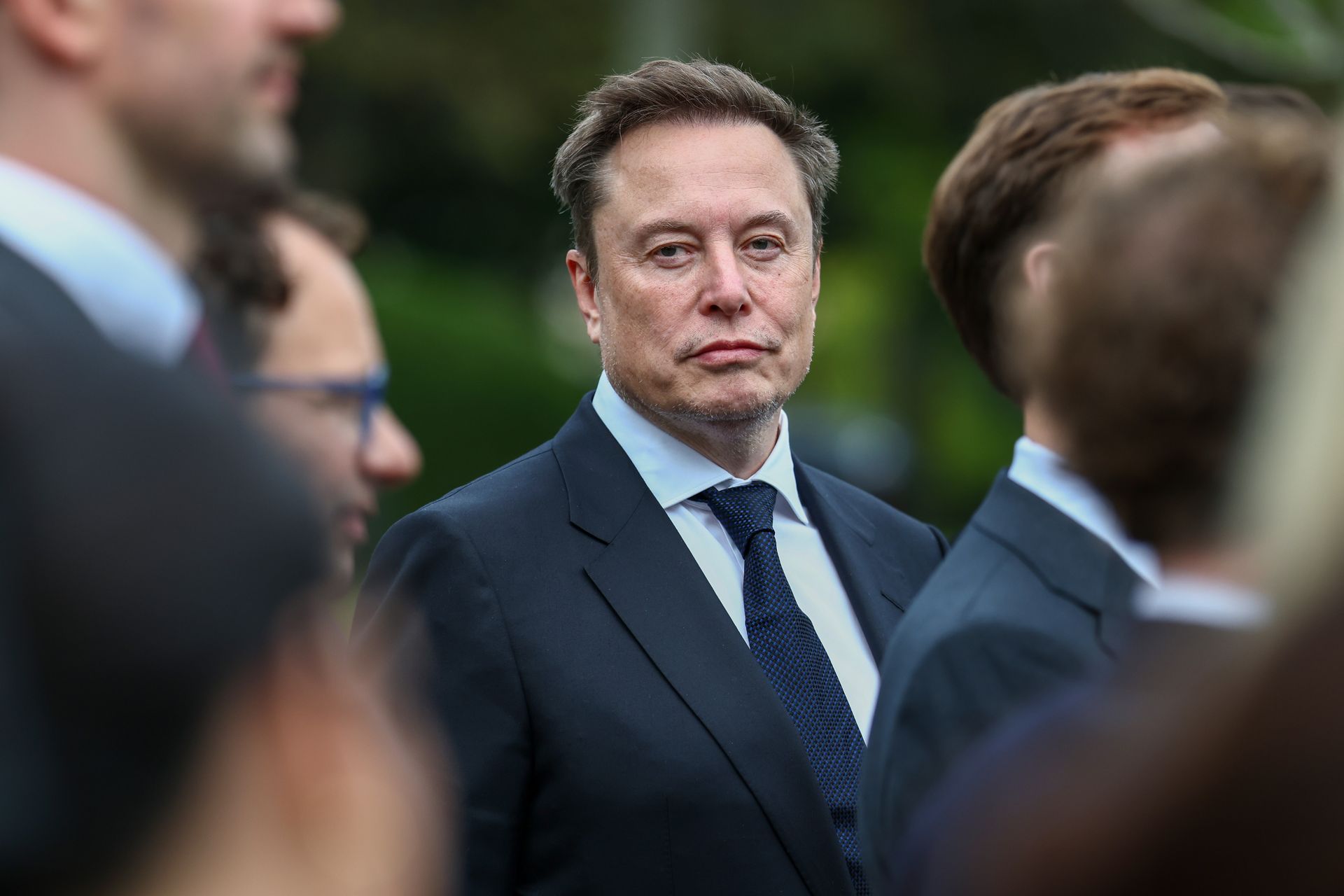
O presidente dos Estados Unidos, Donald Trump, afirmou na quinta-feira (22) que Elon Musk havia restabelecido o acesso da Ucrânia a uma versão militar do serviço de internet Starlink, chamada Starshield.
Autoridades ucranianas, porém, disseram que as restrições continuam em vigor e prejudicam os esforços de guerra de Kiev.
Trump se recusou a dizer se havia solicitado pessoalmente a Musk a restauração do serviço. “Se fui eu que liguei ou se outra pessoa ligou, não faz diferença”, disse a jornalistas na Casa Branca, na quinta-feira.
“Acho que, no fim das contas, ele restabeleceu o serviço”, afirmou.
Apesar das declarações do governo Trump, autoridades ucranianas disseram na manhã desta sexta-feira (23) que as restrições permaneciam em vigor.
Há mais de uma semana, as limitações têm prejudicado o funcionamento de armamentos militares que se deslocam em alta velocidade. Segundo autoridades ucranianas, isso dificulta o uso de drones interceptadores na defesa contra ataques russos e compromete operações militares em diversas áreas da linha de frente.
“No momento, não estamos observando nenhuma suspensão das restrições ao Starlink”, afirmou Serhiy Beskrestnov, assessor do presidente ucraniano Volodymyr Zelensky. “Há casos isolados em que o Starlink pode operar um pouco mais rápido do que o permitido pelas restrições, mas isso provavelmente se deve ao algoritmo da SpaceX ou a condições específicas de uso, e não à suspensão das restrições.”
Uma fonte do Ministério da Defesa da Ucrânia disse à CNN na manhã de sexta-feira que “não há atualmente confirmação de que as restrições tenham sido suspensas” e que “ainda são observadas perdas de sinal” em armamentos militares que se deslocam a mais de 161 km/h.
“Definitivamente, há limites de velocidade; nada mudou até agora, pelo menos pelo que consigo ver daqui”, afirmou um oficial das Forças Armadas ucranianas à CNN. “Isso dificulta a coordenação; às vezes, há interrupções. A conexão cai por 10 a 15 segundos.”
“Perdemos muitos equipamentos, muito mais do que o habitual”, acrescentou o oficial, afirmando que as restrições afetaram drones de reconhecimento e drones equipados com sistemas Starlink.
Uma terceira fonte familiarizada com a situação disse à CNN na tarde de quinta-feira que as velocidades não são ilimitadas e que qualquer acesso restabelecido “claramente não é suficiente para interceptar drones movidos a jato” lançados pela Rússia.
Segundo a fonte, a Ucrânia aguarda informações e esclarecimentos dos Estados Unidos sobre a situação, mas ainda não recebeu resposta.
Trump e alguns de seus principais assessores haviam negado ter solicitado a limitação do uso do Starshield pela Ucrânia, sem apresentar uma explicação clara sobre o que realmente aconteceu. No início desta semana, Trump afirmou que não estava envolvido.
Musk também negou ter tomado a decisão unilateralmente e atribuiu a responsabilidade ao governo Trump. “Quaisquer limites de velocidade ou de uso são decididos pelas Forças Armadas dos Estados Unidos e, em última instância, pelo presidente”, escreveu ele em uma publicação nas redes sociais na semana passada.
Jornais americanos, incluindo The New York Times e The Wall Street Journal, noticiaram que Trump ligou para Musk na semana passada para pedir que restabelecesse o acesso integral da Ucrânia à rede de comunicações por satélite.
Na quinta-feira, Trump se recusou a responder a perguntas sobre uma reportagem do Wall Street Journal segundo a qual ele havia pedido diretamente a Musk que restabelecesse o serviço para a Ucrânia.
“Não quero comentar nem de uma forma nem de outra, mas meu relacionamento com Elon é muito bom”, afirmou o presidente americano.
Análise: Tensões entre Trump e Zelensky ameaçam apoio dos EUA à Ucrânia
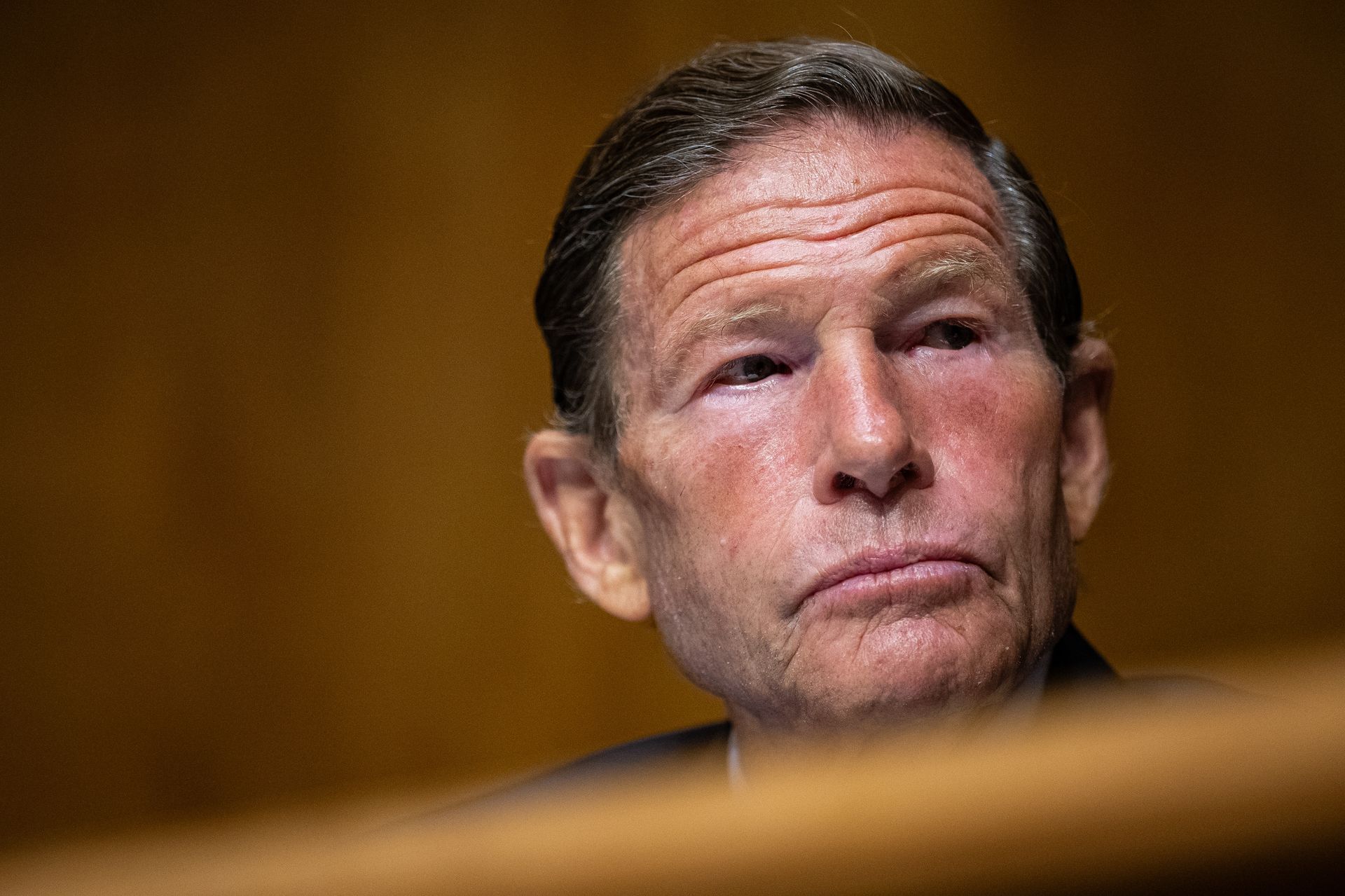
On Thursday’s broadcast of MS NOW’s “Deadline,” Host Nicolle Wallace said only “sociopaths” would slow down a military-grade version of Starlink relied on by Ukraine. Wallace said, “Let me ask you what the current status of Starlink is right now
The post MS NOW’s Wallace: Only ‘Sociopaths’ Would Slowdown Ukraine’s Starlink appeared first on Breitbart.

O presidente dos EUA, Donald Trump, disse a repórteres nesta quinta-feira (22) que Elon Musk restabeleceu o acesso da Ucrânia a uma versão de uso militar do sistema Starlink, mas evitou comentar quando questionado se havia conversado com o bilionário sobre o assunto.
“Se fui eu quem ligou ou se foi outra pessoa, não faz diferença”, disse ele a repórteres na Casa Branca.
“O que importa, no fim das contas, é que ele restabeleceu o serviço”, acrescentou.
“Não quero comentar nem de um jeito nem de outro, mas meu relacionamento com Elon é muito bom”, concluiu.
A afirmação acontece horas após ele ligar para Musk pedindo para suspender as restrições ao uso do sistema. A informação foi divulgada inicialmente pelo The Wall Street Journal.
O sistema Starlink estava funcionando de maneira mais estável nesta quinta-feira, pouco depois da conversa entre Trump e Musk, segundo autoridades americanas e ucranianas citadas pelo jornal.
Algumas autoridades ucranianas disseram ao jornal que o sistema não foi restabelecido por completo, mas estava operando em velocidades mais altas do que sob o limite imposto.
O presidente Volodymyr Zelensky disse mais cedo, nesta quinta-feira, que a velocidade do Starlink não havia sido restabelecida para a Ucrânia, acrescentando que esperava conversar com o secretário de Estado dos EUA, Marco Rubio, nos próximos dias.
Trump disse a Musk que estava frustrado porque as velocidades do sistema continuavam limitadas, segundo o WSJ, citando autoridades.
Rubio disse na quarta-feira que as decisões sobre o acesso da Ucrânia ao Starlink cabiam à empresa controladora, a SpaceX, e ao seu presidente-executivo, Musk, e não à Casa Branca.
A Ucrânia usa o Starlink para comunicações no campo de batalha e para operações com drones.
A restrição ao serviço de satélite prejudicou as missões de drones de ataque e de defesa aérea do país contra a Rússia.
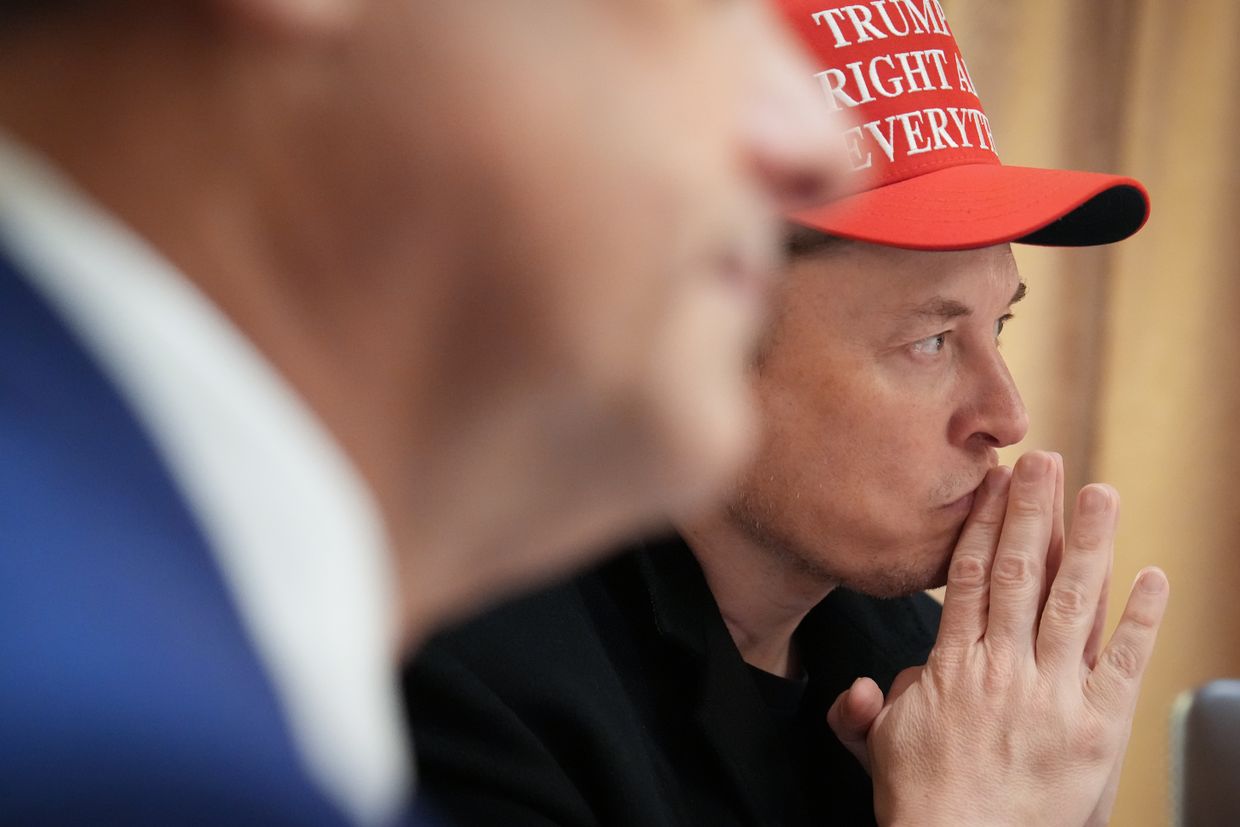
O presidente dos EUA, Donald Trump, ligou para Elon Musk e pediu para ele suspender as restrições ao uso do Starlink pela Ucrânia, informou o WSJ (Wall Street Journal) nesta quinta-feira (22), citando autoridades americanas.
O sistema Starlink estava funcionando de maneira mais estável nesta quinta-feira, pouco depois da conversa entre Trump e Musk, segundo autoridades americanas e ucranianas citadas pelo jornal.
Algumas autoridades ucranianas disseram ao jornal que o sistema não foi restabelecido por completo, mas estava operando em velocidades mais altas do que sob o limite imposto.
O presidente Volodymyr Zelensky disse mais cedo, nesta quinta-feira, que a velocidade do Starlink não havia sido restabelecida para a Ucrânia, acrescentando que esperava conversar com o secretário de Estado dos EUA, Marco Rubio, nos próximos dias.
Trump disse a Musk que estava frustrado porque as velocidades do sistema continuavam limitadas, segundo o WSJ, citando autoridades.
Rubio disse na quarta-feira que as decisões sobre o acesso da Ucrânia ao Starlink cabiam à empresa controladora, a SpaceX, e ao seu presidente-executivo, Musk, e não à Casa Branca.
A Ucrânia usa o Starlink para comunicações no campo de batalha e para operações com drones.
A restrição ao serviço de satélite prejudicou as missões de drones de ataque e de defesa aérea do país contra a Rússia.
Catástrofe demográfica: Ucrânia está virando nação de viúvas e órfãos
US President Donald Trump called Elon Musk and asked him to lift restrictions on Ukraine’s use of Starlink, the Wall Street Journal reported on Thursday, citing US officials.
The Starlink system was working more normally on Thursday, shortly after the Trump-Musk conversation, according to US and Ukrainian officials cited by the Journal.
Some Ukrainian officials told the newspaper the system was not restored to full functionality but was working at higher speeds than under the cap.
President Volodymyr Zelenskiy said earlier on Thursday that Starlink speed had not been restored for Ukraine, adding that he hoped for talks with US Secretary of State Marco Rubio in the coming days.
Trump told Musk he was frustrated the system’s speeds remained capped at around 100 mph (160 kph), the Journal said, citing officials.
Rubio said on Wednesday that decisions regarding Ukraine’s access to Starlink were up to its parent company SpaceX and its CEO Musk, not the White House.
Ukraine uses Starlink for battlefield communications and drone operations. Restricting the satellite service hampered the country’s attack and air defense drone missions against Russia.

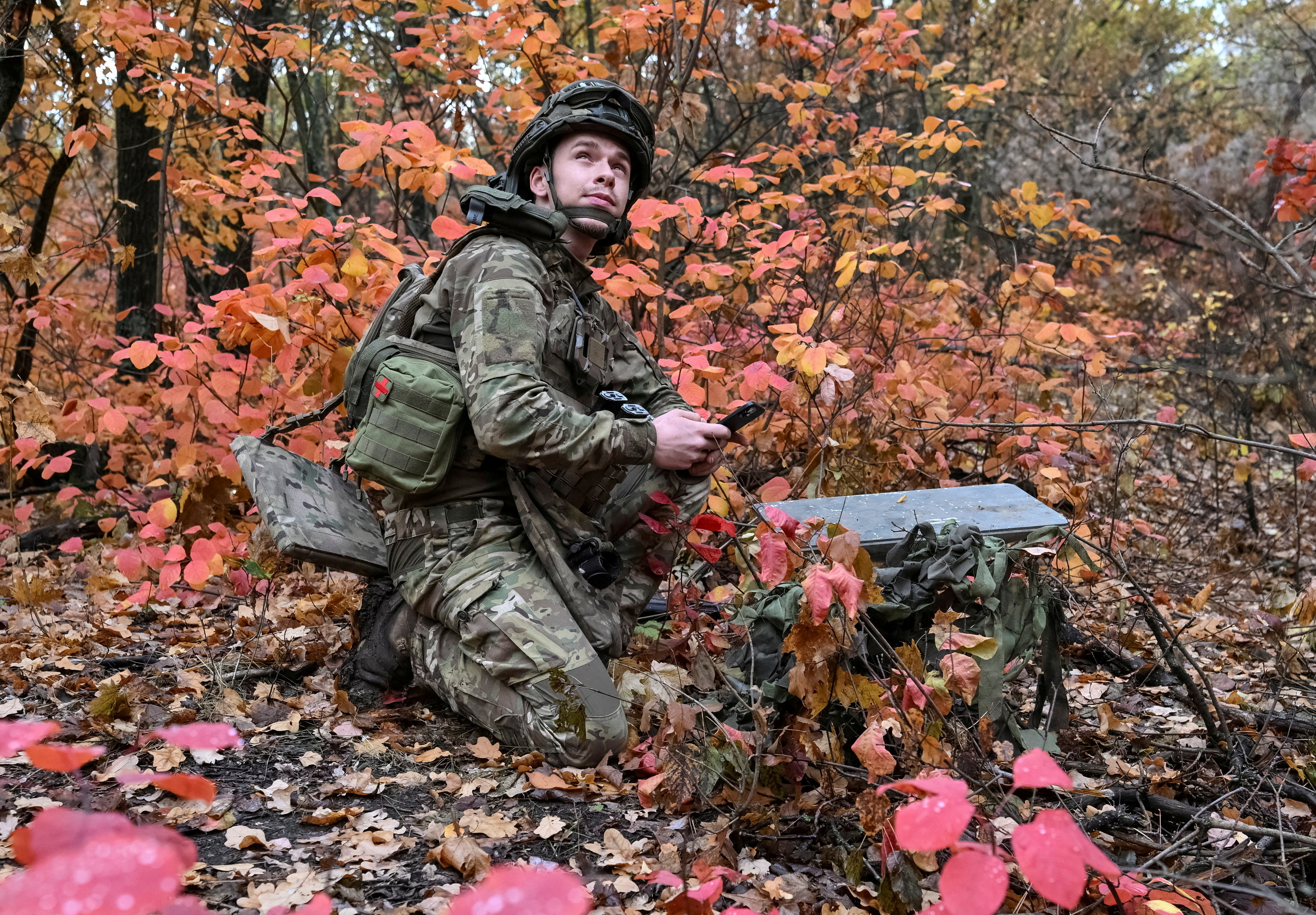

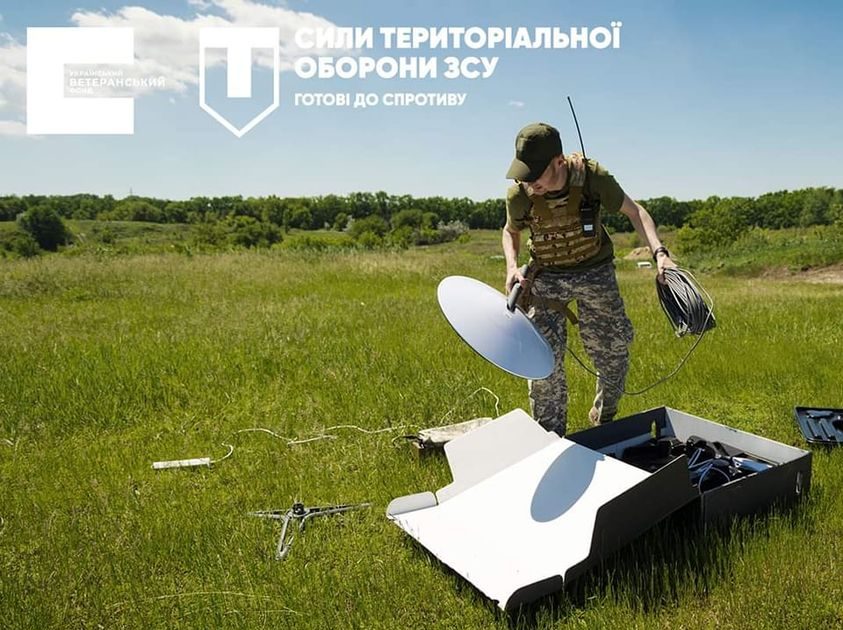
The Ukrainian 3rd Army Corps' Operation Vivaldi—its secretive counteroffensive east of Sloviansk in northern Donetsk Oblast—started earlier than first reported, and by the time it ended on 14 October it had cost the Russians more than 8,000 troops, by the 3rd Army Corps' count.
It was a major Ukrainian victory in one of the most important sectors of Russia's 56-month wider war on Ukraine. But it could prove to be a temporary win, one the Russians may be able to partially reverse, if the administration of US President Donald Trump continues to throttle Starshield, the military version of Starlink that Ukraine's drones and commanders rely on.
The Ukrainians' former command and control advantage, largely attributable to once-reliable Starlink and Starshield access, was pivotal as Operation Vivaldi played out in the Donbas region in stages starting in March. That advantage shrank practically overnight on 14 October, when a new speed cap began cutting off Ukraine's Starshield terminals whenever they moved faster than about 160 km/h (100 mph).
The 3rd Army Corps attacked east of Sloviansk and north of Lyman as early as March, analyst and mapper Clément Molin concluded after scrutinizing official videos and interviews the Ukrainian defense ministry recently released. "The operation began much earlier than initially thought," Molin wrote.
We are now 5 months after the start of Ukraine's
— Clément Molin (@clement_molin) October 20, 2026Vivaldi operation and it has now officially ended
A month after the operation was revealed, we know have much more information on the biggest Ukrainian success of the year.THREAD
pic.twitter.com/MgCoSv7Yhr
The timing was probably no accident.
In early February, SpaceX, working from a Ukrainian defense ministry whitelist, switched off the thousands of stolen and smuggled Starlink terminals the Russians had been using.
That had the effect of grounding many Russian drones and blinding many Russian commanders. Taking advantage of the Russians' confusion, Ukrainian troops attacked in several key sectors: in Zaporizhzhia and Dnipropetrovsk Oblasts in the southeast, and east of Sloviansk in northern Donetsk.
The Donetsk attack expanded into a full-blown counteroffensive under conditions of strict secrecy as the 3rd Army Corps probed for weaknesses along the flanks of the Russian 20th and 25th Combined Arms Armies, then overextended along the axis between the Zherebets River in the east and the outskirts of the Sloviansk-Kramatorsk urban conglomeration in the west.
The Russians had been threatening to lay siege to Sloviansk and Kramatorsk, the last two big free cities in Donetsk Oblast, from two directions: the north and the south. Operation Vivaldi eliminated the northern threat—and at great cost to the Russian 20th and 25th CAAs.

Aerial drones and unmanned ground vehicles led the attack, taking the Russians by surprise. "For an offensive operation, the Ukrainians sustained relatively few casualties compared to previous engagements," Molin explained. "Conversely, the defending Russian forces suffered significantly higher losses, largely due to the rapid encirclement of at least three regiments, not all of which managed to escape the area."
It's unclear how many casualties the Russians suffered, but they might number in the thousands. The 20th and 25th CAAs were particularly fragile because the 3rd Army Corps and supporting drone units had been bombarding their supply line with so-called "middle strike" drones.
But many middle strike drones rely on civilian-style Starlink satellite terminals or the more rugged, better-performing Starshield. Now that the 3rd Army Corps has wrecked Russia's 144th Motor Rifle Division, which the Institute for the Study of War assessed on 20 October has effectively ceased to exist as an organized fighting force, and pushed the Russian survivors back to the far bank of the Zherebets River, the Ukrainians are probably "consolidating their gains and adopting a defensive posture," according to Molin.

But that defensive posture, protecting Sloviansk from a northern attack, depends on reliable communications and responsive drones. On 14 October, a new speed cap hit Ukraine's Starshield terminals, cutting the link on any drone flying faster than about 160 km/h. Who ordered it is disputed. Sources told Reuters the order came from inside the White House, and that Pentagon leaders were told the service needed to be slowed.
The Wall Street Journal reported that Musk himself ordered the slowdown, and that he and Trump discussed it soon after it became public. While Trump has denied ordering the speed limit, it's worth noting that the American president has become more overtly friendly toward Russia as his Republican Party looks likely to lose control of the US Congress in the November mid-term elections.
The speed limit renders many of the faster middle-strike drones unflyable. As a result, "Ukrainian drone strikes have diminished significantly following yesterday's crippling of Ukraine's Starlink/Starshield connections, Russian sources report," the military history account ChrisO_wiki wrote on X on 15 October, the day after the speed limit took Ukrainian operators by surprise.


A reduction in middle strikes on Russian supply lines could help Russian field armies recover from recent setbacks, including their retreat back across the Zherebets River. And if the communications confusion resulting from the partial loss of Starlink/Starshield connectivity persists, it could give the Russians the same kind of opportunity the Ukrainians had back in the spring.
An opportunity to go back on the attack—and an Azov communications engineer warned Euromaidan Press in February that the shoe might be on the other foot.
That's the worst-case scenario for the Ukrainians now that Operation Vivaldi has ended. The best case is that they get full Starlink and Starshield access back—or find command and control alternatives—and duplicate, in other sectors, the same success they enjoyed in northern Donetsk.
"Now that the northern flank of Donbas is secured, at least for some time, the focus will concentrate on the southern flank," Molin predicted.
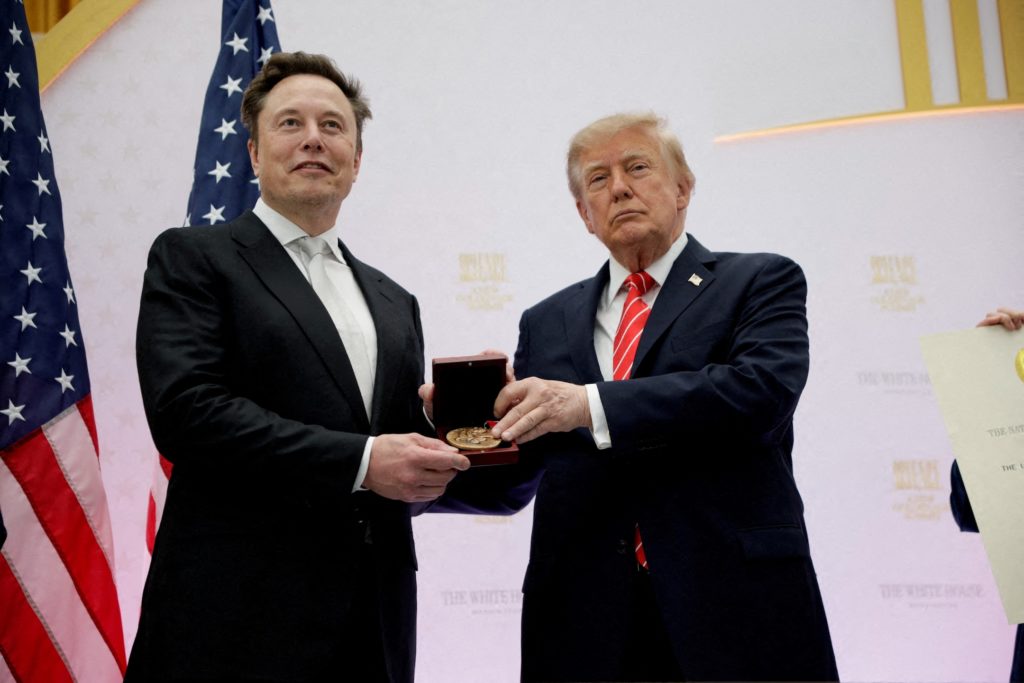
Ukraine's access to Starlink is up to SpaceX and Elon Musk, not the White House, U.S. Secretary of State Marco Rubio said on Wednesday.
The post Marco Rubio: Elon Musk Decides Ukraine’s Access to Starlink, Not the White House appeared first on Breitbart.

As Washington leans on Ukraine to make a deal with Russia amid its diesel agreement ahead of the US elections, its European partners are meeting to keep it armed against deadly weapons.
President Volodymyr Zelenskyy said he met Kongsberg CEO Eirik Lie and Norwegian Defense Minister Tore Sandvik in Oslo on 21 October to discuss more NASAMS air defenses, a day after meeting US presidential envoy Steve Witkoff in the same city.
Washington has spent the past two weeks easing pressure on Russia and leaning on Kyiv, with a diesel deal, throttled Starlink, and talk of cutting intelligence, while Ukraine’s European partners move in the other direction. Russia pounds Ukrainian cities almost nightly, and the Norwegian-made NASAMS is one of the systems holding that barrage off critical infrastructure.
Kongsberg opened an office in Ukraine in 2025. Its NASAMS uses the AIM-120 AMRAAM missile built by the US defense giant RTX, the same firm behind the Patriot launchers that are Ukraine’s only means of downing Russian ballistic and hypersonic missiles. The same missile is also used in F-16s.
“They effectively protect our people and critical infrastructure from Russian missile and drone attacks virtually every day,” Zelenskyy said.
He added that Ukraine is counting on additional defense support packages next month.
The visit also advanced a joint missile-defense project. Norway is actively involved in FREYJA, a European anti-ballistic missile program that Ukraine is helping to build.
“There are already first results in creating individual elements of the system. Today we determined where we can and must speed up to reach testing by the end of this year,” Zelenskyy said.
FREYJA now draws in 10 countries and is built around an interceptor missile designed to stop ballistic threats, a capability Europe largely lacks against Russia’s fastest weapons.
Zelenskyy also raised satellite communications amid the scandal over speed limitations on Elon Musk’s military Starlink service that disrupted a series of front-line missions.
“We discussed in detail the start of work on new satellite-communication capabilities for our soldiers,” the president said, adding that Kyiv would bring in partners able to support them.
The push comes after SpaceX throttled the StarShield military package Ukrainian drones use. Ukraine’s 7th Air Assault Corps said the connection began dropping as drones moved at speed, negatively affecting their missions.
Win McNamee/Getty Images (Musk); Lluis Gene/AFP via Getty Images (Stankey)
Elon Musk wants SpaceX to become a major US mobile carrier. AT&T CEO John Stankey says: not so fast.
AT&T has an advantage from years of investment in dense urban and suburban areas, he said on AT&T's third-quarter earnings call, a day after Musk and SpaceX chief operating officer Gwynne Shotwell reported more than 22 million monthly Starlink Mobile users.
"Our competitors cannot and will not match our operating proficiency, network performance, or exceptional converged value proposition," Stankey said.
Stankey sees a use case for satellite-based internet to soften the edges of fiber-connected and 5G networks, especially in places where it's too expensive to build out the physical infrastructure, he said.
"I think LEO constellations are fantastic for delivering bandwidth to rural areas," he said, using the acronym for low-Earth orbit satellite arrays.
Shotwell said Tuesday that Starlink recently got FCC approval to launch 15,000 V2 satellites. She also noted a recent agreement to acquire a portfolio of low-band transmission spectrum, or wireless frequency licenses, which better penetrate buildings to reach indoor devices.
Stankey was unimpressed.
"How you perform indoors, of course, is extremely important, and we shouldn't think about those as being nominal loads," he said. "They're significant loads, even with robust Wi-Fi networks that are out there."
This is especially critical in crowded environments like stadiums and hospitals, where he said AT&T has been focused on beefing up signal support.
"I wouldn't over-rotate on what I would call one carrier of low band spectrum," he said, referring to Starlink.


