❌

Reading view

La Familia Real enciende "La luz del saber" en el concierto previo a los Premios Princesa de Asturias

La entrega de los Premios de la Fundación Princesa de Asturias es uno de los actos fijos que jalonan la agenda anual de la Familia Real. Ocurre la tercera semana de octubre, esté quien esté en el Gobierno y pase lo que pase en la esfera política. Como el 12 de octubre o el discurso del Rey en Nochebuena, es una ceremonia que millones de españoles siguen por televisión. Un evento con efecto sedante porque todo lo demás, sobre todo en este año electoral, es cambiante e imprevisible.

Los Reyes y sus hijas acaban de estrenar estos tres días insoslayables del calendario. Y lo han hecho, como manda la tradición, con el concierto previo a la entrega mañana de los galardones que llevan el nombre de la Heredera.

Al filo de las siete de la tarde, la Familia Real ha llegado al Auditorio Príncipe Felipe en loor de multitudes y a ritmo de gaita para abrir el programa fuerte de la semana. Entre los aplausos de los centenares de ciudadanos que los aguardaban, los Reyes han hecho su primera aparición en Oviedo junto a la Princesa Leonor y la Infanta Sofía en una de las pocas ocasiones en las que se les puede ver a los cuatro juntos últimamente.

Después de que haya sonado el himno de España con el auditorio en pie y la Familia Real en la tribuna de autoridades, el Coro de la Fundación Princesa de Asturias junto con la Orquesta Sinfónica del Principado de Asturias (OSPA) ha interpretado una selección de movimientos de Mendelssohn dirigidos por Nuno Coelho.

El programa ha incluido la Sinfonía n.º 2 en si bemol mayor, op. 52, Lobgesang (Canto de alabanza), del compositor alemán Félix Mendelssohn. La obra combina elementos sinfónicos y corales y está concebida como una celebración musical de la alabanza.

Bajo el título «La luz del saber», el repertorio ha vinculado la música con uno de los grandes cambios culturales de la historia: la aparición de la imprenta en el siglo XV. Mendelssohn compuso esta sinfonía para conmemorar el cuarto centenario de aquel acontecimiento, que permitió extender el acceso a los libros y a la palabra impresa más allá de los círculos minoritarios. Una paso del oscurantismo de la ignorancia a la iluminación que supone (casi siempre) el conocimiento.

La obra se estrenó en Leipzig en junio de 1840, dirigida por el propio Mendelssohn. Según recoge el cuaderno de trabajo de la Fundación Princesa de Asturias, su sección coral causó una impresión especial desde las primeras interpretaciones. En Birmingham, tres meses después del estreno, el público se puso en pie espontáneamente al comenzar el himno Nun danket alle Gott («Demos todos gracias al Señor»).

Mañana es la jornada fuerte de los Premios, con las audiencias a los premiados antes del almuerzo que liderará por primera vez a solas la Princesa Leonor. Durante la tarde tendrá lugar la ceremonia de entrega de los galardones en el teatro Campoamor y al día siguiente el pueblo de Llanes recibirá a la Familia Real al completo para el nombramiento de su Cofradía de Pescadores como agrupación ejemplar.

© PHOTOGRAPHERS
​En la víspera de la ceremonia de entrega de los Premios Princesa de Asturias 2026, Sus Majestades los Reyes F
  •  

US and Israel develop plans to attack Iran after the midterms

Washington and Israel have devised new plans to strike Iran again after the U.S. midterm elections, The New York Times reports, citing senior U.S. officials and other sources. The planning comes as the armed forces of both countries have stepped up military maneuvers in the region to rehearse bombing missions, and as the State Department has ordered nonessential embassy staff and their families to evacuate Saudi Arabia amid the prospect of possible new attacks by Houthi rebels in Yemen. It also comes as Israel prepares for an election in which Prime Minister Benjamin Netanyahu is fighting for re-election.

Seguir leyendo

© Vahid Salemi (AP Photo/Vahid Salemi)

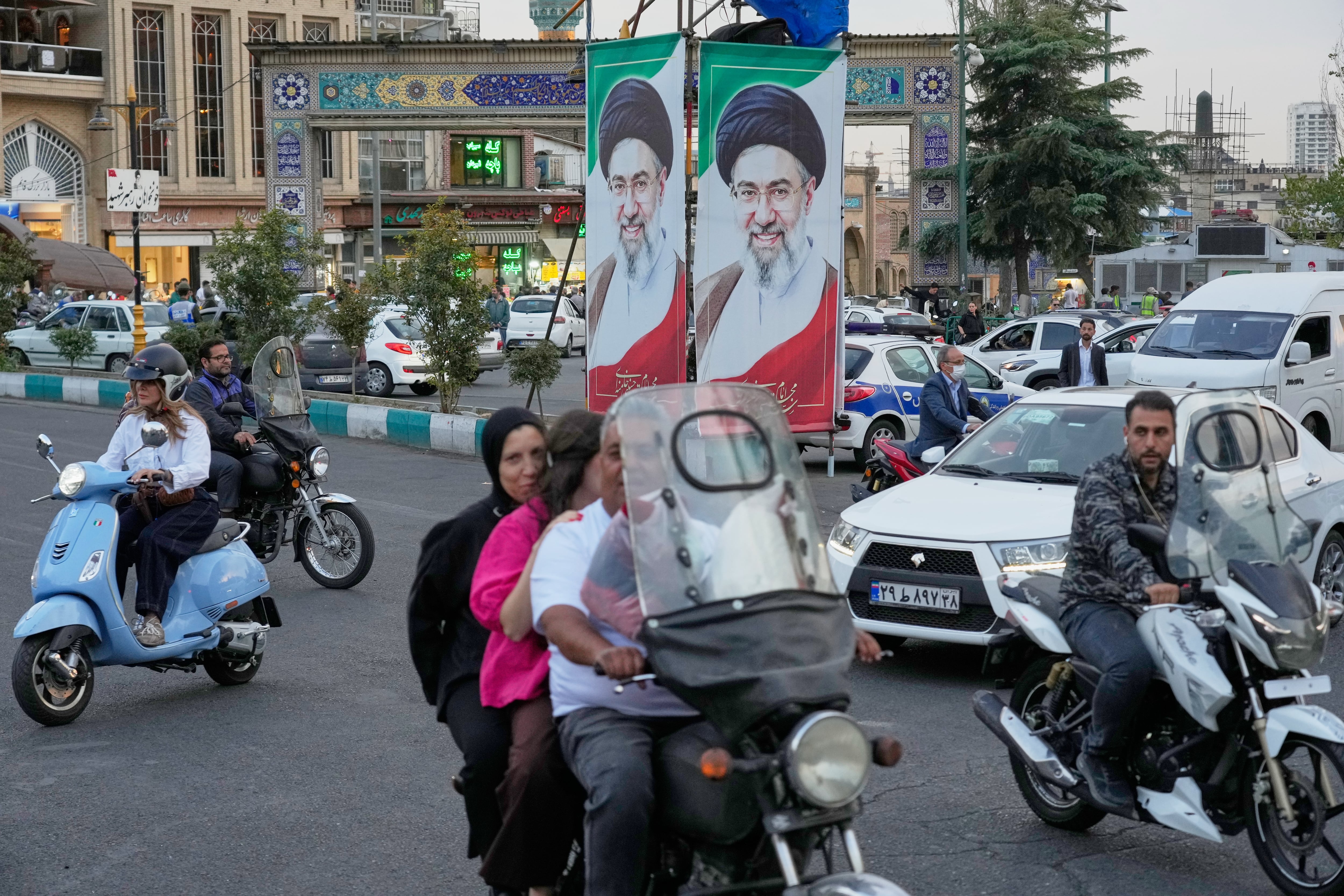
A portrait of Mojtaba Khamenei in a Tehran square.
  •  

Los ejércitos de Estados Unidos e Israel desarrollan planes para atacar Irán tras las elecciones

Los ejércitos de Estados Unidos e Israel han desarrollado nuevos planes para volver a atacar Irán después de las elecciones de medio mandato en EE UU, según The New York Times, que cita a altos cargos estadounidenses y otras fuentes. La planificación llega mientras las fuerzas armadas de ambos países han intensificado sus maniobras militares en la zona para practicar misiones de bombardeos, y cuando el Departamento de Estado ha dado instrucciones de evacuar al personal no imprescindible de su embajada en Arabia Saudí y sus familiares, ante la perspectiva de posibles nuevos ataques de los rebeldes hutíes en Yemen. También cuando Israel está a punto de celebrar unas elecciones en las que su primer ministro, Benjamin Netanyahu, se juega la reelección.

Seguir leyendo

© Vahid Salemi (AP Photo/Vahid Salemi)

Motoristas pasan ante un retrato del líder espiritual iraní, Mojtaba Jameneí, en una plaza de Teherán.
  •  

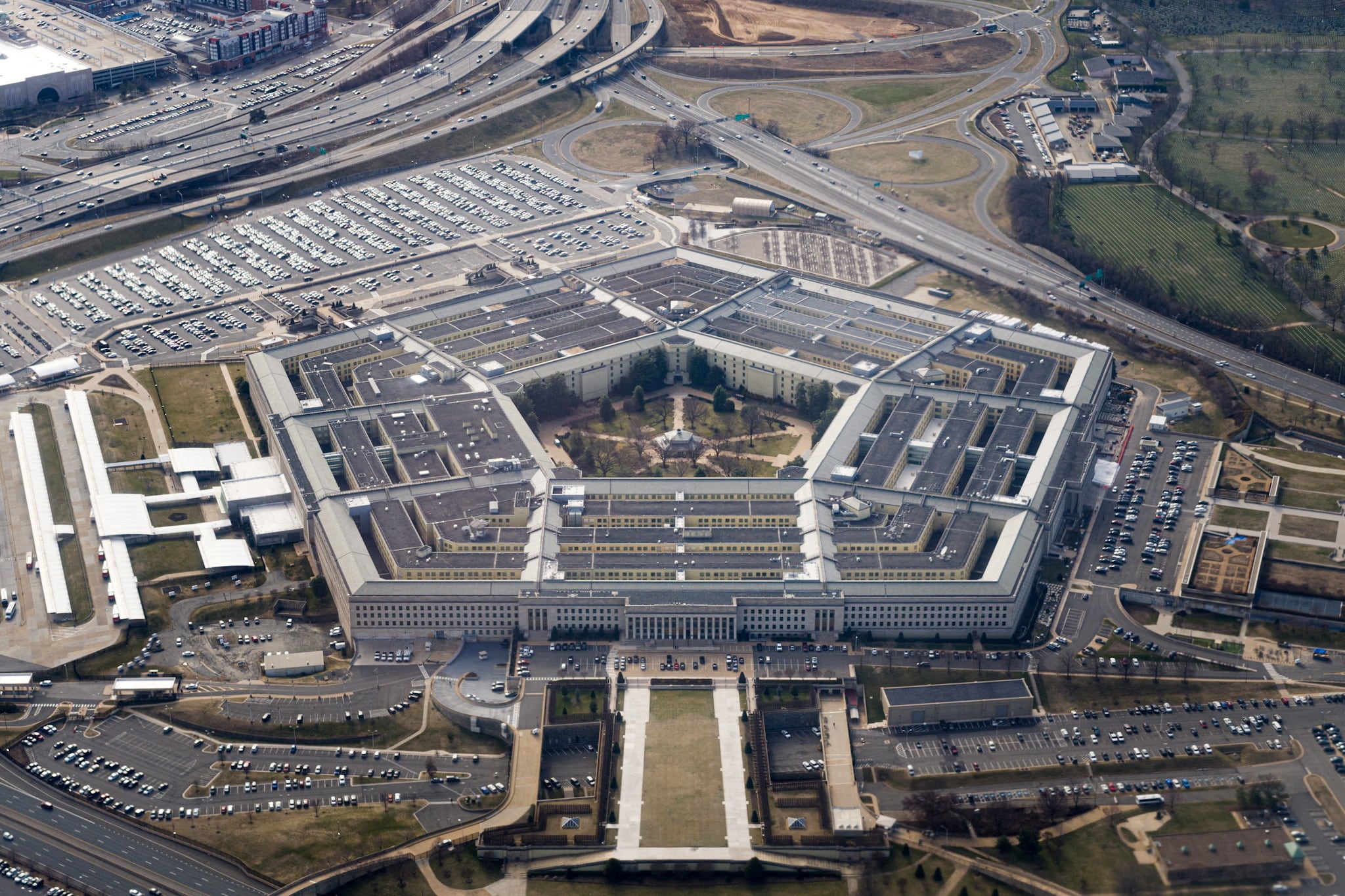
El Pentágono autoriza a la Seguridad Nacional probar un arma no letal para su posible uso en la frontera

El Pentágono ha autorizado al Departamento de Seguridad Nacional a ensayar, para su posible despliegue en operaciones en la frontera, un arma conocida informalmente como “rayo de calor”, un artilugio que dirige un haz de ondas electromagnéticas no letales pero que causan una dolorosa sensación de quemadura cuando entran en contacto con la piel. Según la cadena de televisión CNN, el secretario de Defensa, Pete Hegseth, emitió el permiso en un memorando firmado el mes pasado.

Seguir leyendo

© JOSHUA ROBERTS (REUTERS)

Vista aérea del Pentágono en Washington, en una imagen de archivo.
  •  

Living with 230 data centers on the doorstep: ‘Nobody warned us what was going to happen’ 

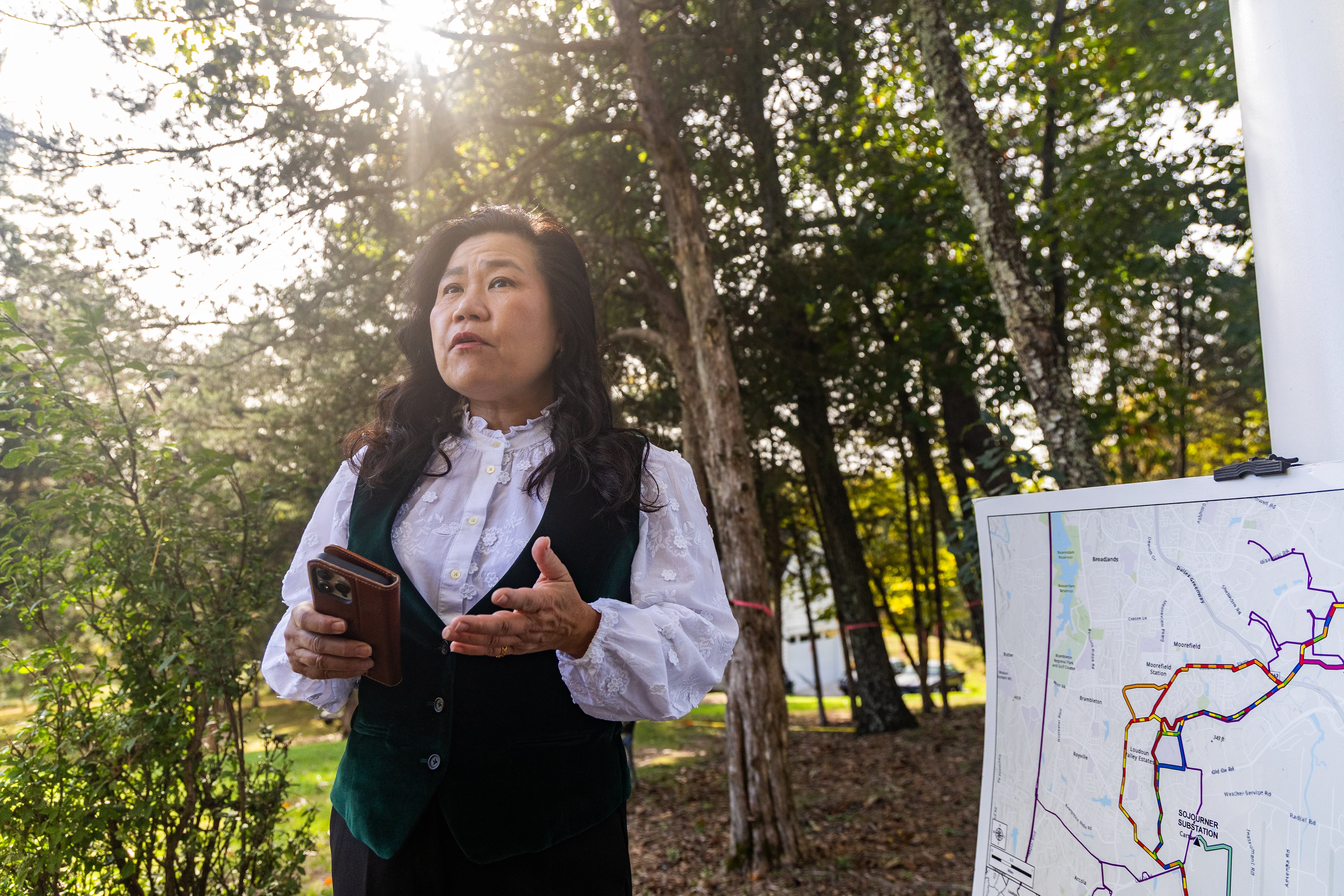
Greg Pirio, a retired historian, at his home in Sterling, Virginia on October 9.

One of the factors that led Greg Pirio to buy his house in Loudoun County, in northern Virginia, 14 years ago, was the nature surrounding it. A historian specializing in Africa, he loved to take long walks with his dog and listen to the birds. Three years ago, a large data center was installed just a hundred meters from his door. Since it began operating a year and a half ago, the birdsong has been replaced by a constant buzzing together with fumes that cause headaches, conjunctivitis and respiratory problems.

Seguir leyendo

The eye protection Greg Pirio uses against the air pollution in the region.Machinery operates near the data center in Virginia.Vicky Hu in Ashburn, Virginia, on October 9. Vicky Hu’s garden protest, Ashburn.Real estate agent Vicky Hu at her home in Virginia on Oct. 9.
  •  

‘Water is for people!’: Voters across party lines push back against data centers ahead of the midterms

In Santa Teresa, a town in the remote New Mexico desert, a group of residents rises up during a town council meeting, holding signs painted with marker pens: “We don’t want data centers! Water is for humans, not data centers!” In Harrisburg, Pennsylvania, a similar scene unfolds: a group of local residents interrupts deliberations in the state legislature carrying banners that read: “We don’t want to be a data center city.” In Memphis, the city where Elvis Presley was born, a recent meeting of the county board of supervisors to consider a possible slowdown in the construction of new data centers ended in a fistfight between supporters of the tech facilities and their opponents.

Seguir leyendo

© Eric Cox (REUTERS)

Construction of a Meta data center in Middleton Township, Ohio, May 13, 2026.
  •  

Trump: On the defensive in the polls, uncontrolled at rallies

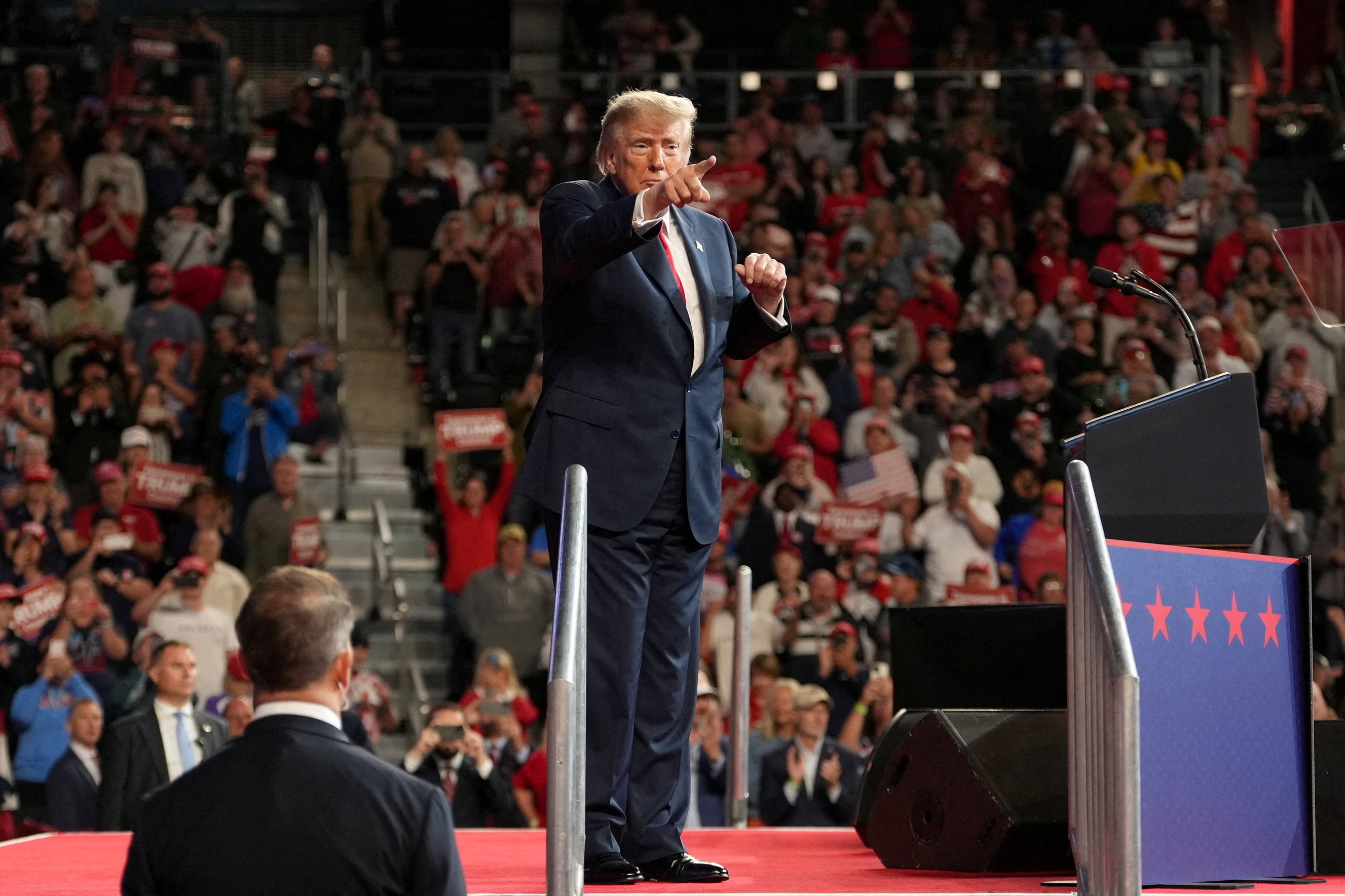
U.S. President Donald Trump was halfway through his speech at a campaign rally in Clarksville, Tennessee, this Saturday, surrounded by his usual supporters: mostly white, dressed in red, wearing MAGA hats, and displaying messages of support for the Republican. “It’s amazing. I could say the stupidest things and you’d clap me,” he boasted. On cue, the crowd, amid laughter, applauded.

Seguir leyendo

© Eric Lee (REUTERS)

US President Donald Trump at a rally Saturday in Clarksville, Tennessee.
  •  

The midterm elections: Seven battles that will define the post‑Trump future

There is less than a month left until the midterm elections on November 3. The outcome will determine which party controls both houses of Congress and begin shaping the post-Donald Trump era.

Seguir leyendo

© Kathryn Gamble (The Washington Post vía Getty Images), Tom Williams (CQ-Roll Call vía Getty Images)

Josh Turek, Iowa state legislator, and Ashley Hinson, former television journalist and current Senate candidate.
  •  

Pentagon to broadcast first firing-squad military execution since 1945

The Pentagon plans to broadcast a firing-squad execution live, a practice that might seem more characteristic of terrorist organizations such as the Islamic State than of governments that are signatories to the Universal Declaration of Human Rights. According to a senior Defense Department official, the institution plans to stream online the execution of former military psychiatrist Nidal Malik Hasan on December 3; Hasan killed 13 people in a 2009 shooting at the Fort Hood military base in Texas.

Seguir leyendo

© Handout . (Reuters)

Nidal Hasan in a photo obtained by Reuters in 2012.
  •  

Trump says he is following Brazil’s elections ‘very closely’

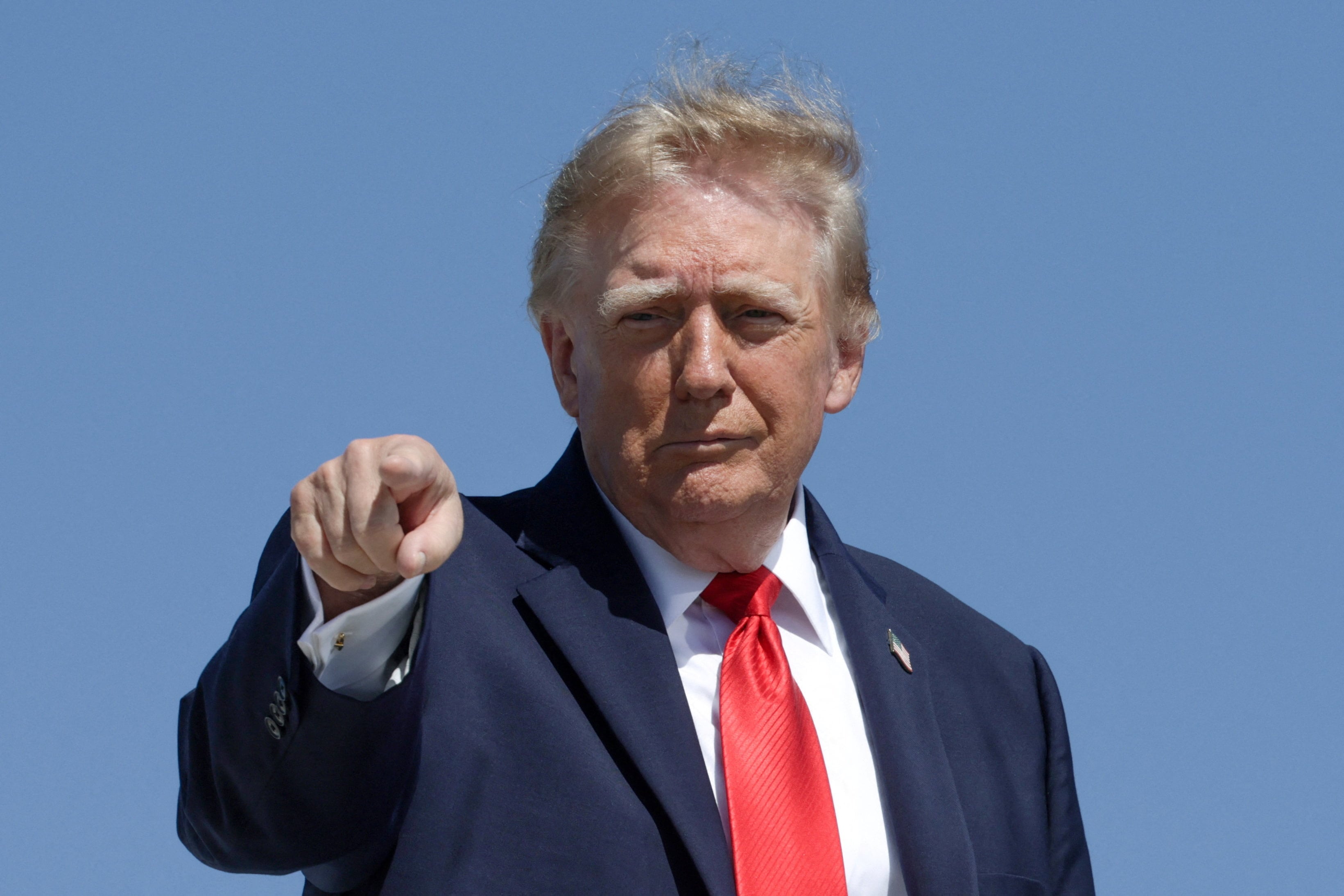
Asked by reporters about Brazil’s upcoming presidential election, to be held on Sunday amid heightened tension between Washington and the leftist government of Luiz Inácio Lula da Silva, U.S. President Donald Trump said that he is following it “very closely.”

Seguir leyendo

© Jonathan Ernst (REUTERS)

Donald Trump at Joint Base Andrews, Maryland, on October 1.
  •  

You fear it, I love it: the Trump–Xi summit will address AI with opposite mindsets

Artificial intelligence will be one of the central subjects at the White House summit on Thursday between U.S. President Donald Trump and Chinese President Xi Jinping, the leaders of the two most powerful countries in the world and the ones that have made the most progress with that technology. Both governments view advances in these models as crucial to their economic and military competitiveness. The differences are not only geopolitical, but also in their nations’ mindsets. Their populations hold very different perceptions about the risks and benefits of AI: while a majority in the United States regard them with concern, in China they are embraced with enthusiasm.

Seguir leyendo

© Tingshu Wang (REUTERS)

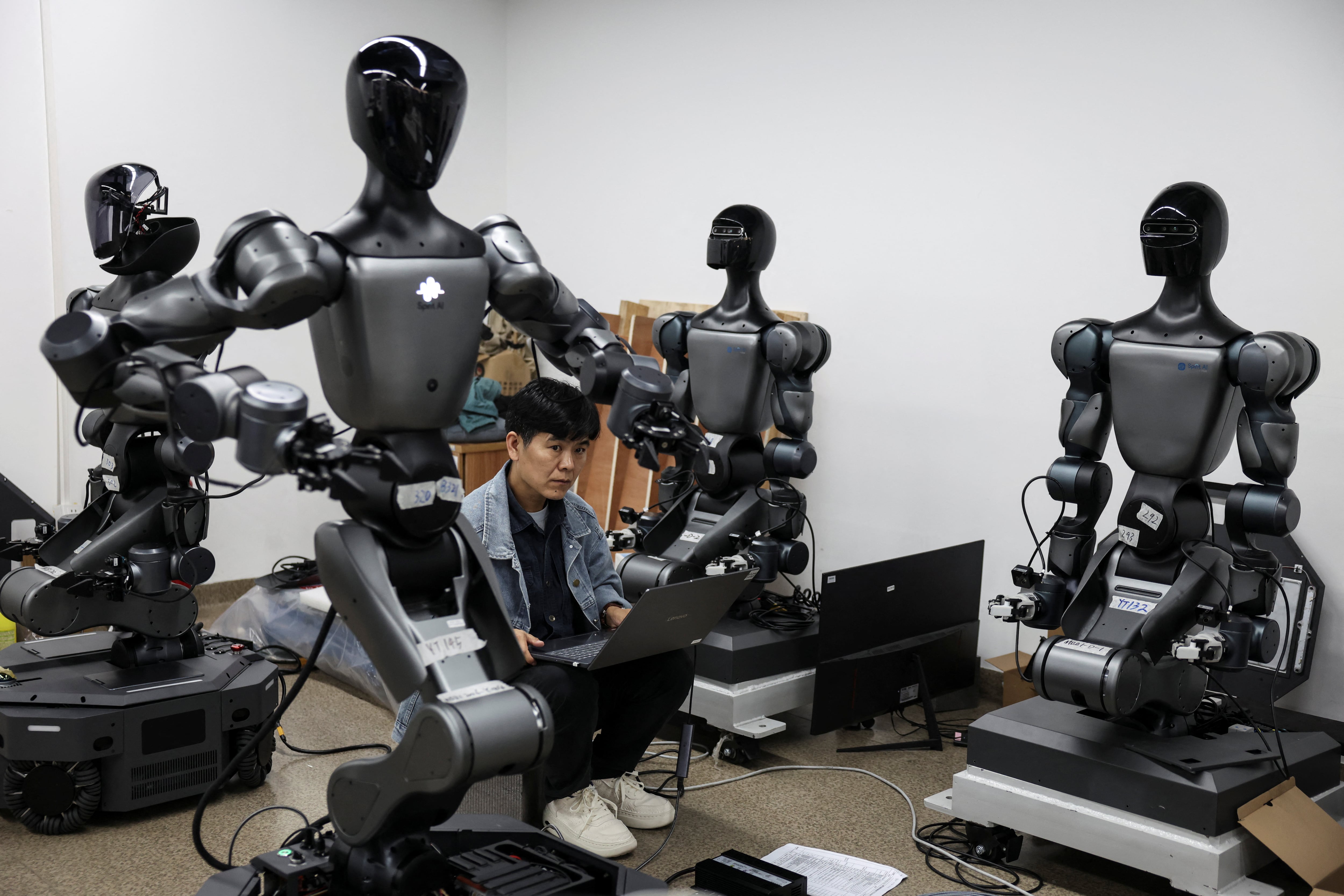
An engineer inspects robots at a training data center of AI company Spirit AI in Beijing
  •  
❌