Reading view
PM Shehbaz arrives in Bishkek on three-day visit for SCO summit
Prime minister to attend SCO summit, meet Kyrgyz leaders and discuss trade, investment and regional cooperation.
The post PM Shehbaz arrives in Bishkek on three-day visit for SCO summit appeared first on BOL News.
Pakistan returns to spot LNG market with fresh tender as power generation takes a hit
KARACHI: State-run Pakistan LNG Limited (PLL) has issued a fresh tender to procure one spot cargo of liquefied natural gas for delivery between September 4 and 8, as global supply disruptions stemming from the Middle East war continue to strain the country’s gas-fired power generation. PLL invited bids from international suppliers for a single cargo ... Read more
The post Pakistan returns to spot LNG market with fresh tender as power generation takes a hit appeared first on BOL News.
Pakistan’s Dar arrives in Turkey after UK visit for regional security talks
Deputy PM to attend R-4 meeting in Istanbul as US-Iran negotiations stall
The post Pakistan’s Dar arrives in Turkey after UK visit for regional security talks appeared first on BOL News.
Motociclista morre em despiste na Segunda Circular em Lisboa

Um homem de 30 anos perdeu a vida este domingo na sequência de um despiste de motociclo na Segunda Circular, em Lisboa, segundo a agência Lusa.
O alerta do acidente foi registado pelas autoridades às 04:51. De acordo com fonte da PSP, em declarações à LUSA, o sinistro não envolveu outros veículos e as causas que estiveram na origem do despiste permanecem, até ao momento, desconhecidas.
30/08/2026
Por: Dino Frazão
Se ainda não é seguidor da nossa página, siga-nos para ver mais conteúdos e ficar a par de toda a informação!
————————————————–
© 2026 Os Monhacas. Todos os direitos reservados.
Este é um projeto independente de criação de conteúdos.
Se gostou do que leu e ainda não é seguidor, siga a nossa página para ver mais conteúdos!
————————————————–
O conteúdo Motociclista morre em despiste na Segunda Circular em Lisboa aparece primeiro em OS MONHACAS.
Corn, wheat prices surge to multi-year highs on divergent supply threats
CHICAGO: Corn and wheat futures have rallied to their highest prices in more than three years, though the factors driving the gains for each crop remain distinctly different. Wheat futures settled Friday at $7.84 per bushel, up 3.1% on the day, after hitting an intraday peak of $7.9025, the highest level since Feb. 14, 2023. ... Read more
The post Corn, wheat prices surge to multi-year highs on divergent supply threats appeared first on BOL News.
Acidente em Ovar provoca um ferido grave e dois ligeiros

Diogo Lopes Um motociclista de 32 anos ficou gravemente ferido, na tarde deste sábado, após a colisão entre a moto em que seguia e um automóvel, em Ovar. Do mesmo sinistro resultaram ainda mais dois feridos ligeiros.
O alerta para o acidente rodoviário, ocorrido no acesso à A29, foi dado por volta das 15h30. Para o local foram acionados os Bombeiros Voluntários de Ovar e a equipa da Viatura Médica de Emergência e Reanimação (VMER) da Feira, segundo os Bombeiros Voluntários de Ovar.
Todas as vítimas foram socorridas no local e posteriormente transportadas pelas equipas de socorro para o Hospital de São Sebastião, na Feira.
Por: Dino Frazão
Data: 29 de agosto de 2026
OSMONHACAS.COM
————————————————–
© 2026 Os Monhacas. Todos os direitos reservados.
Este é um projeto independente de criação de conteúdos.
Se gostou do que leu e ainda não é seguidor, siga a nossa página para ver mais conteúdos!
————————————————–
O conteúdo Acidente em Ovar provoca um ferido grave e dois ligeiros aparece primeiro em OS MONHACAS.
Fim de semana em São Brás de Alportel
Este fim de semana , surpreenda-se em São Brás de Alportel.
Sábado, 29
A manhã começa no Mercado Municipal, com mais uma edição dos Sábados no Mercado. No Espaço Animação, há demonstração gastronómica apresentada pela Chef Ana Rita Clemente.
À noite, a partir das 20h00, a Sociedade Recreativa Alportelense convida para uma Noite de Fados ao Luar, com Beatriz Pereira e Yasmin da Silva, acompanhada de jantar. Uma iniciativa da Sociedade Recreativa Alportelense.
Também às 20h00, o Oribá Café Cultural recebe um Sunset, numa iniciativa do próprio espaço, para encerrar o fim de semana ao ritmo da música e do convívio.Este fim-de-semana convida ainda a passar pelo Polidesportivo Gonçalo Assunção para assistir à 1ª Meia Maratona de Futsal promovida pela Casa do Benfica de São Brás de Alportel.
Este fim-de-semana convida ainda a passar pelo Polidesportivo Gonçalo Assunção para assistir à 1ª Meia Maratona de Futsal promovida pela Casa do Benfica de São Brás de Alportel.
Sábado, 29A manhã começa no Mercado Municipal, com mais uma edição dos Sábados no Mercado. No Espaço Animação, há demonstração gastronómica apresentada pela Chef Ana Rita Clemente.À noite, a partir das 20h00, a Sociedade Recreativa Alportelense convida para uma Noite de Fados ao Luar, com Beatriz Pereira e Yasmin da Silva, acompanhada de jantar. Uma iniciativa da Sociedade Recreativa Alportelense.Também às 20h00, o Oribá Café Cultural recebe um Sunset, numa iniciativa do próprio espaço, para encerrar o fim de ao ritmo da música e do convívio.Este fim-de-semana convida ainda a passar pelo Polidesportivo Gonçalo Assunção para assistir à 1ª Meia Maratona de Futsal promovida pela Casa do Benfica de São Brás de Alportel.Já sabe… em São Brás de Alportel, Viva Mais! | ||
Iran Still Controls the Strait of Hormuz 6 Months After the War Started – U.S. Navy Takes Funds from Payroll to Cover War Costs

by Brian Shilhavy
Health Impact News
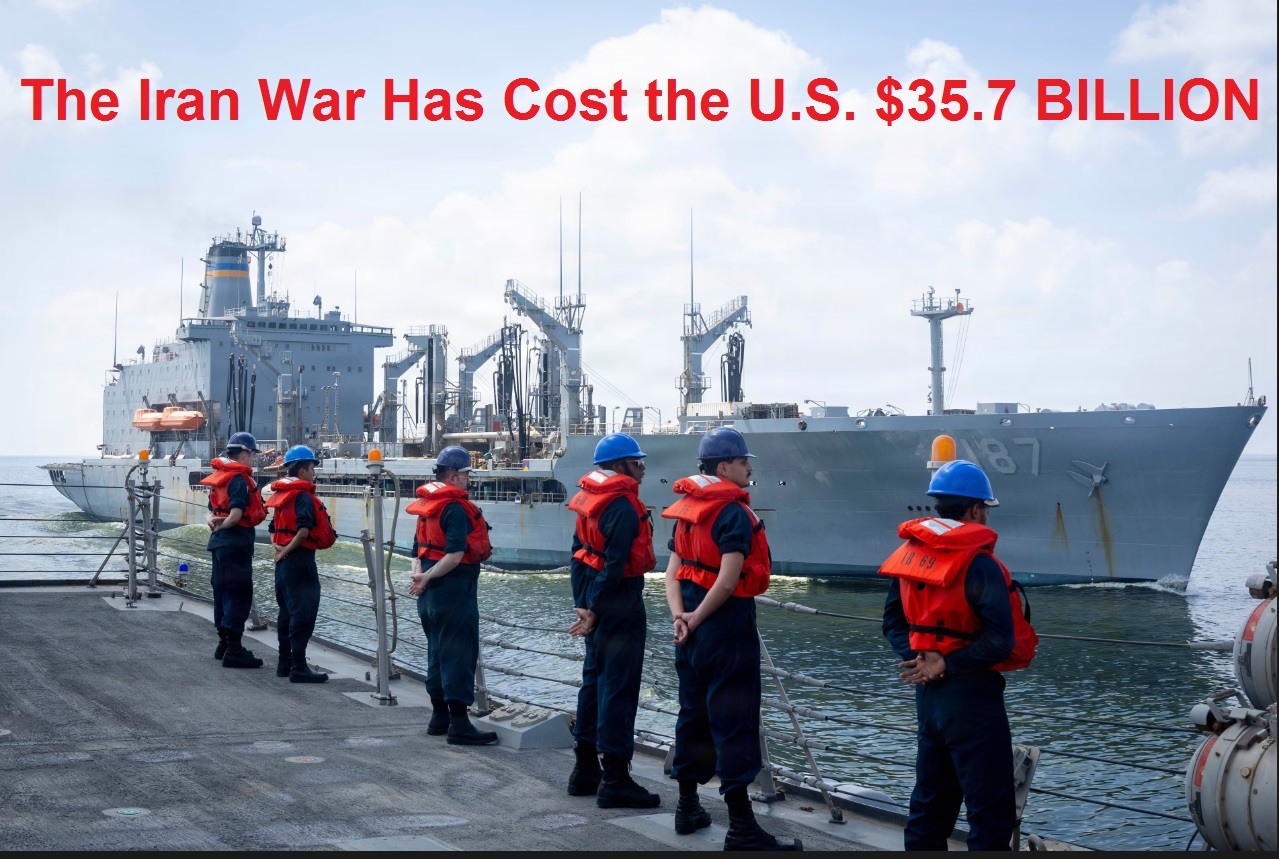
After 6 months and $35.7 BILLION in spending, the Zionists’ war against Iran has only made matters in the Middle East worse than they were before the war started.
Oil flowing through the Strait of Hormuz is still restricted, driving up energy costs, with Iran still fully in control. No oil was restricted from passing through the Persian Gulf before the war started.
Russia has benefited from all of this military spending, as it has diverted funds and weapons from Ukraine, and earlier this week the head of the CIA made a secret trip to Moscow, allegedly because they received intelligence that Russia was about to start attacking NATO countries.
China has found many ways around the disruption of oil flowing through the Strait of Hormuz, and has reportedly imported close to the same amount of oil flowing through the Persian Gulf as before the war.
Meanwhile, U.S. military members in the Navy have suffered very poor conditions from long deployment at sea leading many to suicide attempts, and it was just reported in The Guardian that the U.S. Navy has had to divert funds from their payroll to pay the costs of this war.
Here are some of the articles I have posted on our Telegram Channel recently.
Trump’s war on Iran is rapidly draining US navy budget, documents and interviews reveal
Exclusive: Experts and former officials say accounts are running dry, and funding a war with no clear endgame is the main challenge
From The Guardian.
Excerpts:
Donald Trump’s war on Iran has driven the US military into a severe financial crisis, with the US navy forced to transfer money from its payroll and other sources to cover the costs of combat, according to documents seen by the Guardian, and interviews with navy officials, contractors and defense analysts.
The US-Israeli operation, which has depleted US munitions stockpiles and prompted retaliatory Iranian strikes that have wrecked strategic bases across the Middle East, is piling pressure on budgets across the military.
One Pentagon memo about navy funding seen by the Guardian warns that there are “shortfalls in payroll” accounts due to the department “raiding” them to fund combat operations.
Experts and former officials say the accounts are running dry. “The piggy bank is broken,” said Harlan Ullman, a retired naval officer. Ullman is a member of the National Commission for the Future of the Navy but he said he is not speaking on the commission’s behalf.
One official and one navy contractor said non-emergency maintenance on shore-based facilities has been deferred because of the cash crunch.
When Trump started the war on 28 February, it quickly strained the military’s existing budgets – particularly that of the navy, which not only helped launch the initial wave of attacks but was later responsible for an extensive naval blockade. The White House eventually asked Congress for emergency funding to pay for the war efforts, but prospects that the request will be approved are dim amid the unpopularity of the war.
A navy official who was briefed on how the service is planning to address the shortfalls said money is shifted around in imaginative ways.
“The money for payroll,” he said,
“was robbed to pay for overseas contingencies and is being backfilled by money that hasn’t been spent. They are backfilling payroll so we get enough money in our paycheck.”
China’s imports of Iranian oil ‘largely untouched’ by US siege: Report
From The Cradle.
Excerpts:
China has received about 1.2 million barrels of Iranian oil per day this year so far, just a touch less than during the same time in 2025, according to information from industry data provider Kpler, cited by the New York Times (NYT) on 25 August.
According to Muyu Xu, a senior Kpler oil analyst, large quantities of oil are now sitting on ships and in storage tanks near the Malacca Strait and South China Sea.
“Up-to-date volumes are difficult to measure because ships have become increasingly skilled at evading detection,” Xu was cited as saying by NYT.
The number of barrels of Iranian oil received is only “slightly less” than last year.
“Iranian oil is frequently transported to waters off Malaysia, where cargoes are transferred between vessels before continuing to Chinese ports,” the US outlet writes.
NYT added that the “Trump administration risks a clash with Beijing as it tries to cut off Iran’s economic lifelines without upending a fragile US–China truce,” referring to the US–Chinese trade and tariff war that is currently on hold.
Beijing has strongly condemned Washington’s declaration of a new economic war against Iran.
China warned Washington on 25 August that it is ready to respond to “maximum pressure” and “economic isolation” pursued by the US.
“An economic war and maximum pressure will not help resolve the issue,” said Chinese Foreign Ministry spokesperson Lin Jian.
“They will only further intensify contradictions and conflicts, cause risks to spill over, disrupt the global economic and financial order, and harm the legitimate rights and interests of other countries,” he added.
“China is closely following the relevant developments and will take all necessary measures to firmly safeguard its own rights and interests.”
The Iran War Has Handed Russia a Strategic Opening in Europe
From OilPrice.com
Excerpts:
The war with Iran has handed Russia a strategic advantage in Ukraine. Washington is burning through the weapons Europe needs to deter Russia, moving military capacity into the Gulf and simultaneously telling NATO governments to take over more of their own defense.
CIA Director John Ratcliffe flew to Moscow this week precisely because of the connected nature of these two problems. He met Russian foreign intelligence chief Sergei Naryshkin in the first known visit by a CIA director since William Burns traveled there in late 2021, just before Russia invaded Ukraine.
Ratcliffe warned Moscow against attacking a NATO member and tried to bargain for support against Iran, likely using talks with Ukraine as bait. Washington asked Kyiv to suspend strikes during the visit.
Trump has called the trip “semi-routine” and says he is not worried Russia will attack NATO, but the circumstances suggest otherwise.
Air defense is the immediate challenge, with Patriot interceptor stocks in Europe “beyond critical”, depleted by the war in Iran. U.S. forces now have very limited ability to defend against even a single Russian ballistic missile strike, and there are not enough Patriots to absorb a sustained attack.
The Pentagon and NATO may dispute that assessment or attempt to frame it in softer language, but there is no dispute that large numbers of interceptors have been moved out of Europe and used in the Middle East.
It will take years to replace them at volume.
Hormuz Shipping Remains Subdued Despite Apparent Reopening
From OilPrice.com
Excerpts:
Hormuz is “open”, but nowhere close to functioning normally.
The U.S. has cleared mines from the internationally recognized shipping lanes and can technically get vessels through, but Iran’s military capability will still keep most commercial operators away.
Only five commodity vessels crossed on Tuesday, compared to some 130 ships a day before the war.
Iran is offering a temporary and limited corridor while making full normalization conditional on sanctions relief, an end to the U.S. blockade and, now, an end to Israeli operations in Gaza, Lebanon and Syria.
The Israeli demand is a non-starter. Washington cannot guarantee that Israel will stop military operations in three separate theaters, and Israel has shown little willingness to comply at any point in this war.
But Trump has rejected the notion of a return to the previous June agreement, which gave Iran quite a lot more in terms of concessions than Washington appears to be willing to offer now.
The administration is now betting that economic ostracism and the blockade can force Tehran back on worse terms. Iran is betting on the opposite: that it can withstand the economic pressure longer than Washington and the Gulf can tolerate a crippled Hormuz.
Saudi Arabia reiterated Thursday that it will not normalize relations with Israel without an independent Palestinian state, just as Trump made normalization a condition for the kingdom’s nuclear deal with Washington to take effect.
Trump has formally sent the 30-year civilian nuclear agreement to Congress, starting a 90-legislative-day review that could clear U.S. companies to export nuclear technology to Saudi Arabia.
Riyadh wants nuclear power to reduce the oil and gas burned for electricity and preserve more hydrocarbons for export, while Washington wants U.S. companies building the kingdom’s nuclear fleet rather than China or Russia.
Congress now has the nuclear agreement. Trump still needs a Saudi-Israeli normalization deal that Riyadh says requires a Palestinian state.
Turkey is spending $2.4 million to strengthen its lobbying position in Washington as Ankara and Israel compete over U.S. policy in Syria and the wider region.
The Turkish Defence Ministry has hired Ballard Partners, one of the best connected firms in Trump’s political network, for $200,000 a month to lobby the administration and Congress.
Turkey wants back into the F-35 program and is considering disposing of its Russian S-400 system to remove the main U.S. obstacle, but the lobbying push comes as Ankara has a much larger fight with Israel over Syria.
Israel is trying to stop Turkey from establishing a deeper military presence there, while Washington has backed Ahmed al-Sharaa and relies heavily on Turkey to help rebuild and train the Syrian military.
Ankara has assembled a lobbying team built for that fight. It includes former Democratic congressman Robert Wexler, a longtime Turkey advocate with strong connections in pro-Israel circles, and former Trump National Security Council official Thomas Boodry.
Ballard itself has unusually close ties to Trump: White House Chief of Staff Susie Wiles and former Attorney General Pam Bondi both worked for the firm.
Israel has spent decades building influence over U.S. Middle East policy. Turkey is now ready to compete in spending.
No one will sell oil in region if Iran cannot: Parliament speaker
From PressTV
Excerpts:
Iran’s Parliament Speaker Mohammad Baqer Qalibaf has reposted his previous comments on social media, warning that no one will be able to sell oil in a region where the Islamic Republic cannot do so.
Qalibaf on Friday posted his X message dating back to July 22, after US Central Command (CENTCOM) Commander Admiral Brad Cooper claimed American forces had full control of the Strait of Hormuz and halted Iran’s oil exports.
“The equation of this war is clear: either all or none!” he said.
“In a region where we don’t sell oil, no one else will sell oil either.”
He also noted that the security of the Strait of Hormuz, a strategic waterway responsible for a fifth of global oil demand, lies in the absence of terrorist US troops.
“If our security is not ensured, no infrastructure will be safe. Security of the strait depends on the absence of US forces. We have said many times that the situation in the strait will not return to what it was before the war.”
This article was written by Human Superior Intelligence (HSI)
See Also:
Understand the Times We are Currently Living Through
Second Edition of eBook Released: The Concept of the American Christian Family is a Myth and is NOT Found Anywhere in the Bible – by Brian Shilhavy
FREE eBook! Restoring the Foundation of New Testament Faith in Jesus Christ – by Brian Shilhavy
The Brotherhood of Satan vs. The Brotherhood of Jesus Christ
KABBALAH: The Anti-Christ Religion of Satan that Controls the World Today
Exposing the Christian Zionism Cult
The Bewitching of America with the Evil Eye and the Mark of the Beast
Jesus Christ’s Opposition to the Jewish State: Lessons for Today
Identifying the Luciferian Globalists Implementing the New World Order – Who are the “Jews”?
The Brain Myth: Your Intellect and Thoughts Originate in Your Heart, Not Your Brain
What is the Condition of Your Heart? The Superiority of the Human Heart over the Human Brain
The Seal and Mark of God is Far More Important than the “Mark of the Beast” – Are You Prepared for What’s Coming?
The Satanic Roots to Modern Medicine – The Image of the Beast?
Medicine: Idolatry in the Twenty First Century – 10-Year-Old Article More Relevant Today than the Day it was Written
Having problems receiving our emails? See:
How to Beat Internet Censorship and Create Your Own Newsfeed
We Are Now on Telegram. Video channels at Bitchute, and Odysee.
If our website is seized and shut down, find us on Telegram, as well as Bitchute and Odysee for further instructions about where to find us.
If you use the TOR Onion browser, here are the links and corresponding URLs to use in the TOR browser to find us on the Dark Web: Health Impact News, Vaccine Impact, Medical Kidnap, Created4Health, CoconutOil.com.
The post Iran Still Controls the Strait of Hormuz 6 Months After the War Started – U.S. Navy Takes Funds from Payroll to Cover War Costs first appeared on Health Impact News.
‘Matter will not die down’: Health Minister vows action over 14 newborn deaths
Mustafa Kamal takes responsibility for the PIMS tragedy as Parliament moves to investigate the deaths and hold those responsible accountable.
The post ‘Matter will not die down’: Health Minister vows action over 14 newborn deaths appeared first on BOL News.
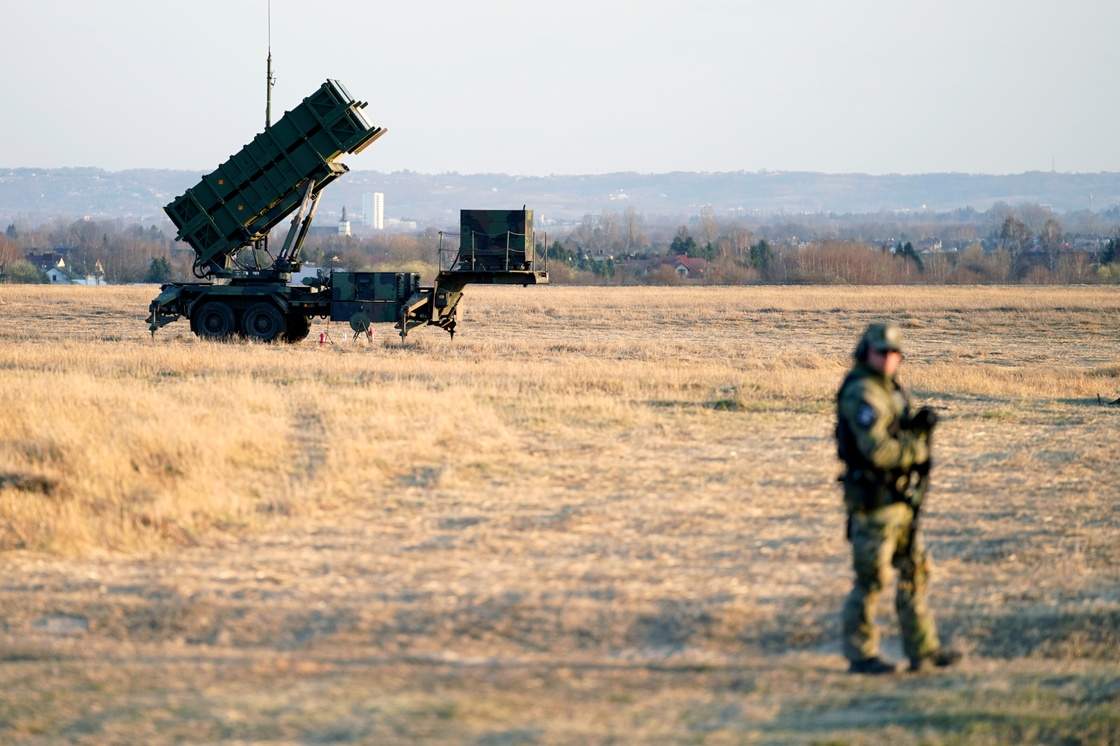
U.S. Patriot missile stocks ‘beyond critical’ due to Iran war, officials say

CCP records competition concerns at open hearing on real estate sector
The hearing gave consumers and investors an opportunity to share their experiences directly.
The post CCP records competition concerns at open hearing on real estate sector appeared first on BOL News.
Iran, Qatar discuss clearing mines, securing Strait of Hormuz
The two sides discussed a joint plan to clear mines from the Strait of Hormuz.
The post Iran, Qatar discuss clearing mines, securing Strait of Hormuz appeared first on BOL News.
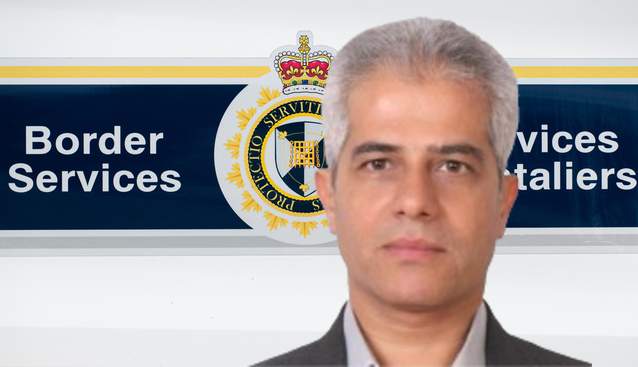
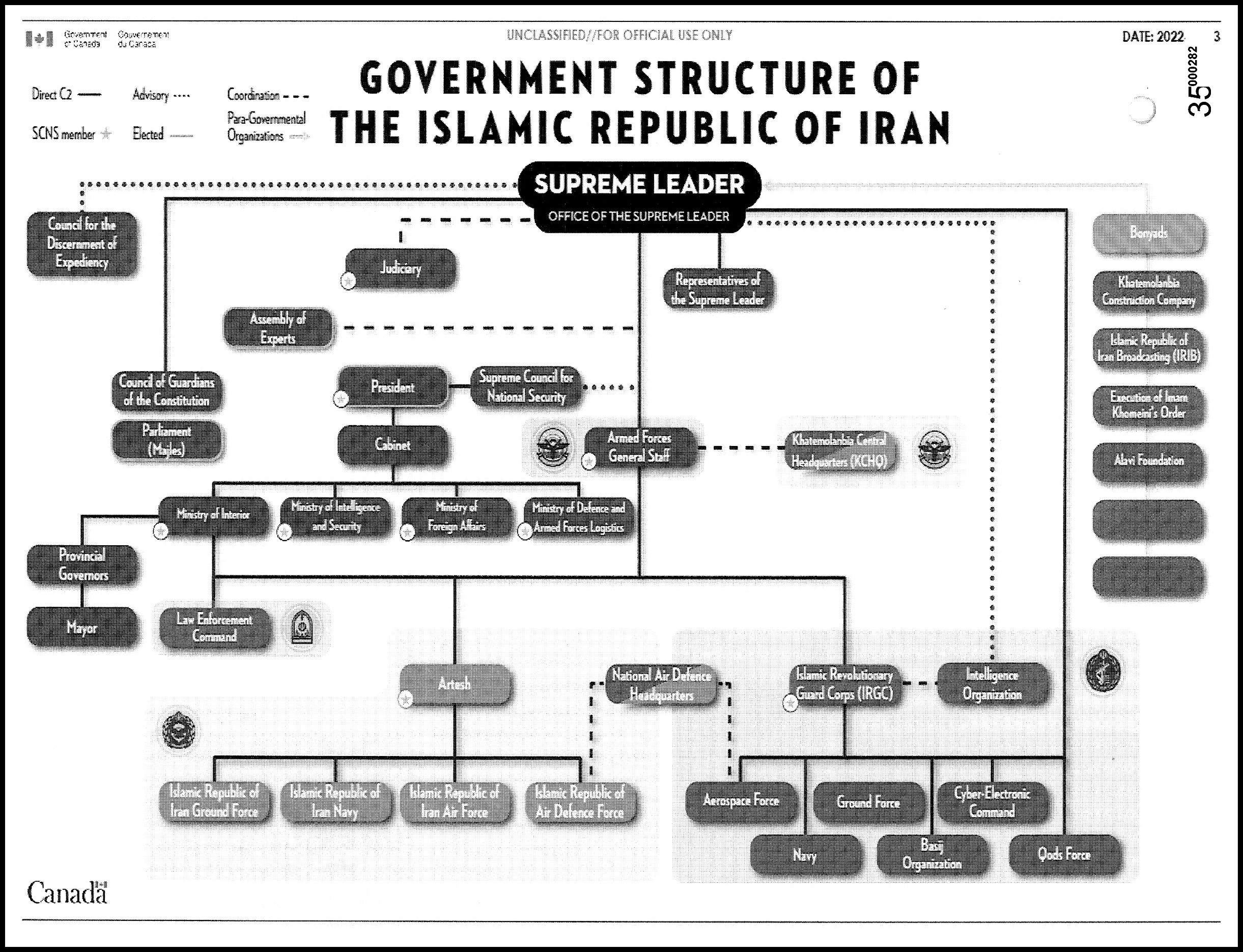
Former Iranian official living in Toronto was ‘critical’ to terror finance, CBSA alleges


São Brás de Alportel despede-se da sua rainha, a mulher mais idosa de Portugal
O Município de São Brás de Alportel manifesta o seu profundo pesar pelo falecimento de Maria da Conceição, aos 113 anos de idade, a mulher mais idosa de Portugal.
Carinhosamente conhecida como “Rainha” na Estrutura Residencial para Idosos da Santa Casa da Misericórdia de São Brás de Alportel, onde residia, Maria da Conceição nasceu em 1912, dois anos antes da fundação do concelho de São Brás de Alportel.
Ao longo dos seus 113 anos de vida, foi testemunha de momentos marcantes da história de Portugal e do mundo, atravessando diferentes épocas e profundas transformações do país, desde o nascimento do concelho de São Brás de Alportel até à democracia, à integração de Portugal na União Europeia e à atualidade.
Ao longo dos anos, a sua longevidade e a sua história de vida foram motivo de carinho e reconhecimento por parte da comunidade são-brasense, que acompanhou e celebrou vários dos seus aniversários.
Em setembro de 2020, durante uma visita oficial ao concelho, o então Presidente da República, Marcelo Rebelo de Sousa, teve oportunidade de conhecer Maria da Conceição. Desde então, fez questão de lhe dirigir uma mensagem de parabéns por ocasião do seu aniversário.
Mulher de atitude e boa disposição , Maria da Conceição conquistou o carinho de todos os que com ela privaram, deixando na memória de quem a conheceu a marca de uma personalidade singular e de uma vida extraordinariamente longa.
O Município de São Brás de Alportel recorda, com respeito, carinho e gratidão, esta são-brasense que deixa uma história de vida singular, marcada por mais de um século de memórias e vivências.
À família e muito especialmente à Santa Casa da Misericórdia, à que foi família, com uma dedicação e abnegação inexcedíveis, o Município apresenta as mais sentidas condolências, com profunda gratidão.
New “Undesirables”: Why the Pentagon Is Restricting Cooperation with Moscow State University and Higher School of Economics
On July 23, the U.S. Department of Defense published a new list of organizations that, according to its assessment, pose a threat to U.S. national security or are engaged in problematic activity. The list includes Moscow State University, Bauman Moscow State Technical University, the Higher School of Economics, Ural Federal University, and numerous other universities and research institutes. The Pentagon believes that these organizations may aim to steal American intellectual property, research data, technologies, and scientific innovations. The Department therefore urges American universities, research institutes, and individual scholars receiving Department of Defense funding not to collaborate with them in any way, exchange data, or provide financial support. Notably, this list is not identical to existing U.S. sanctions lists (read more: “Scientific Front: Who in Russian Science Ended Up Under Western Sanctions — and Why”) and it appeared at a time when, according to Reuters, the U.S. administration has significantly reduced efforts to enforce sanctions against Russia. T-invariant explores what this new policy means for American and Russian academia, how it differs from sanctions law, and who is likely to be affected.
T-INVARIANT BRIEFING
The restrictions certainly apply to:
- Researchers affiliated with the listed organizations and working in physics, chemistry, biology, engineering, technology, and defense-related fields.
- American universities and colleges receiving funding from the U.S. Department of Defense.
They are highly likely to affect:
- All employees of listed institutions, regardless of their academic discipline.
- Students of the listed universities when applying to conferences or submitting articles to journals affiliated with American universities or companies.
- Universities, colleges, research institutes, think tanks, and other organizations worldwide that receive funding from the U.S. government.
The restrictions might affect:
- Students and graduates of these institutions when applying to American universities.
- Universities in third countries participating in projects funded by the U.S. government.
- Researchers at other universities and institutes in Russia, Iran, and China.
The list was issued as an implementation of Section 1286 of the John S. McCain National Defense Authorization Act (NDAA) of 2019. The NDAA is a law that is issued every year and that determines the structure and budget of the U.S. military, including troop numbers, defense spending, modernization programs, and other issues. However, alongside military provisions, Congress also includes neighboring measures, such as foreign policy objectives, and funding allocation. The 2019 NDAA received broad bipartisan support and was signed by President Donald Trump. Compared with previous versions, it increased the military budget, while shifting America’s strategic focus in foreign policy away from counterterrorism toward long-term competition with China and Russia, with considerably greater emphasis on China. This legislation was especially discussed in the media due to the restrictions of Section 889 targeting Chinese technology companies such as Huawei and ZTE.
As part of the same great power competition strategy, Congress included provisions designed to protect American academic research from foreign influence and intellectual property theft. Section 1286, which received the updated list of “problematic organizations,” is titled Initiative to support protection of national security academic researchers from undue influence and other security threats and it specifically addresses universities conducting defense and technology research. Although Congress passes a new NDAA every year, the Pentagon continues updating the same list of the Section 1286 of NDAA 2019 because the 2019 law explicitly requires the Department of Defense to revise it on a regular basis. The July 23 publication is therefore not a new law, but the latest update of an existing mechanism. Being published every year, these updates all have special emphasis, relevant for the moment. For instance, the 2025 version is primarily aimed at preventing foreign influence over research sponsored by the Department of Defense.
Such activities as funding sanctioned organizations, or exchanging data, were already prohibited by sanctions laws. Also, scholars employed by those organizations could not participate in conferences, or get published in the leading journals if they maintained formal affiliations. There are three fundamental points of difference between the new Pentagon list and sanctions: who is affected, who enforces the law, and what the consequences of violations are.
Who is affected?
Previous sanctions and earlier lists (such as the 2023 Section 1286 list) targeted a relatively small number of universities involved mainly in military technology development or, in Russia’s case, in promoting state propaganda. Moreover, the restrictions were generally limited to individual representatives or to specific institutes. Before the new list appeared, the largest Russian research center to be included in such restrictions in its entirety was Skolkovo, which was added in 2023 – and in that case, it was hardly surprising.
This time, however, the Pentagon included 13 Russian universities as whole bodies, and those were not only institutions specializing in engineering, physics, and biology, but also several major multidisciplinary universities, including Moscow State University (MSU), the Higher School of Economics (HSE), and Ural Federal University (UrFU). Several of China’s leading multidisciplinary universities, including Fudan University and Shanghai Jiao Tong University, were also added. HSE employees, speaking on condition of anonymity, told T-invariant that until now they had been able to collaborate with Western universities as private researchers without listing their affiliation, they participated in conferences online and sometimes even in person, conducted joint research, and published articles.
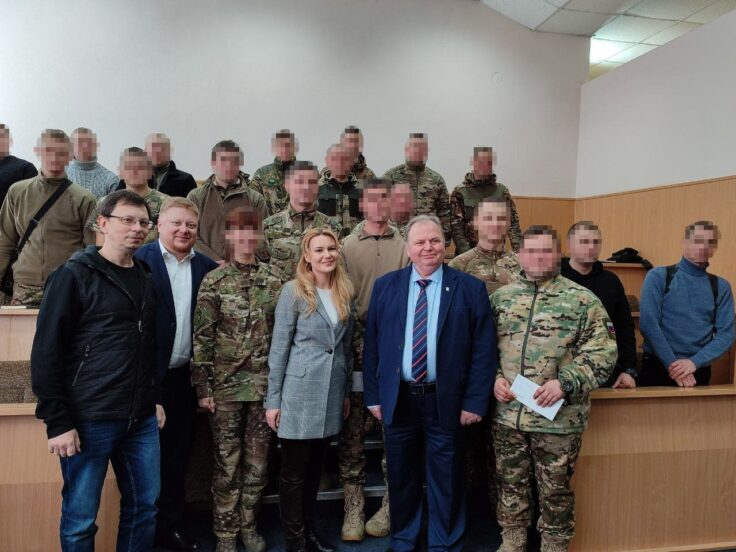
However, the wording of the new document makes it possible to extend the restrictions to employees of the listed organizations themselves. This means that concealing one’s institutional affiliation and presenting oneself as an independent researcher may no longer be sufficient to circumvent the restrictions: any collaboration between American researchers and scholars who are simply employed by universities on the list falls under Pentagon restrictions. Moreover, even though most organizations on the list conduct research in physics, technology, and such, the policy could affect physicians, historians, and even scholars of the Swahili language.
Who enforces the restrictions?
Another noteworthy aspect is that these measures operate through the National Defense Authorization Act, meaning they are administered by the Department of Defense, unlike the traditional sanctions system. Sanctions are often described as decisions made by the U.S. government as a whole, but departments matter. In reality, Sanctions legislation is passed through Congress or came in force by a presidential decree, and enforcement is typically carried out by either the Treasury Department or the Department of Commerce. But this list is neither a sanction imposed for specific actions, nor a punishment for participating in war or violating the law. Instead, it is presented as a preventive measure designed to protect American research and technology from national security threats. Meanwhile, the official sanctions lists themselves do not receive any updates, and President Trump has repeatedly signaled a willingness to improve relations with leaders of countries that remain under U.S. sanctions.
The Department of Defense is publishing this update because it is legally required to. At the same time, it does not provide any specific evidence demonstrating that every organization included is “engaging in activities that threaten U.S. national security interests.” The use of national security and foreign influence concerns as justifications for government intervention in science, media, and business is all too familiar from the Russian experience and feels rather unsettling. That is why it is important to understand what this policy means not only for Russian science, but also for American academia.
[[socialnetworks]]
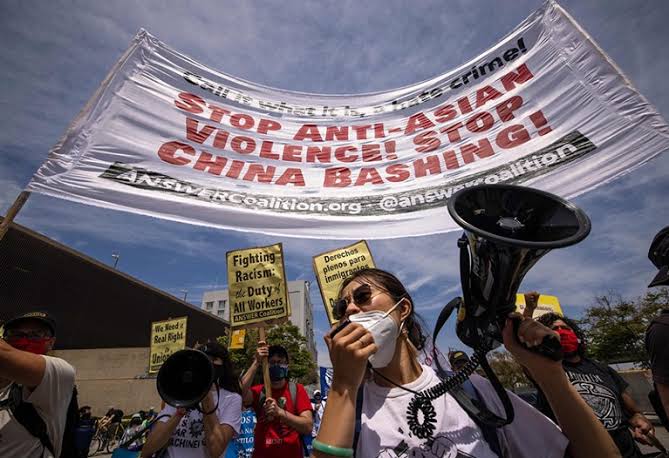
After taking office, President Trump began exerting significant pressure on American universities. His primary targets were campus protests and the promotion of woke ideas concerning equality and the rights of gender, racial, and sexual minorities. The principal tool was the threat of cutting off federal funding. Yet even during Trump’s first presidency, the administration had already started intervening in universities through the concerns of espionage, and in 2018, the Department of Justice launched the China Initiative. According to the MIT Technology Review, the effectiveness of the initiative is highly questionable, partly because the Department of Justice never clearly explained its concrete objectives beyond broad references to protecting American technology and combating espionage. It also failed to clarify the criteria used to initiate investigations. Information about many cases never appeared on official government websites, some records were removed following media inquiries and requests for comment, and only about one quarter of the cases received actual convictions. Moreover, many prosecutions had no obvious connection to national security. This precedent is especially significant in light of the new Section 1286 list, as a precedent. As follows from the name of the programme, approximately 90% of those prosecuted under China Initiative were scholars of Chinese origin, and members of Asian diasporas were subjected to disproportionate scrutiny by law enforcement. MIT Technology Review argues that one of the initiative’s most damaging consequences was the brain drain of highly qualified researchers from the United States. Scientists and scholars were leaving because of the discrimination and pressure from the law enforcement, and it became harmful for the American science itself.
During President Biden’s administration, the espionage agenda receded somewhat into the background, but it reemerged, as Trump took office again. On March 26, 2026, the House Committee on Education and the Workforce heard reports on the activities of foreign intelligence services on university campuses. Once again, the discussion focused primarily on alleged espionage involving Chinese students, the recruitment of American students on campus, and cases in which researchers were drawn into projects without being informed on the true purpose of the research. It is worth noting that in his opening remarks, the committee chair emphasized that international collaborations should benefit America rather than its rivals. This idea contradicts the traditional understanding of academia as a transnational space for free exchange of knowledge. International conferences, academic and cultural exchanges, collaborative research, and multinational projects have advanced and benefited science worldwide for decades. As with the China Initiative, extending the logic of national security into universities and scientific research challenges this principle and contributes to the isolation of American science.
At the same time, it would be wrong to deny that espionage, foreign interference in academia and business, and theft of American intellectual property do exist. Roughly one quarter of China Initiative prosecutions ended in convictions, and over the past year, several cases have emerged involving Chinese intelligence agents infiltrating American academic institutions. But these cases differ in one respect, crucial for the NDAA 2019 list: the spies concealed their connections to Chinese universities, military structures, or intelligence agencies. They would typically enter the United States as students, visiting researchers, fellows, or even professors while hiding their institutional ties. They transferred research data and intelligence to the Chinese government, smuggled research materials into or out of the country – it seems that Ksenia Petrova was detained because of this atmosphere of heightened suspicion within academia.
There were also cases of recruiting American students and professors, but it generally happened through malign foreign talent recruitment programs, in which American researchers participated without being informed who would ultimately receive the results of their work or for what purpose. The 2024 version of the Pentagon list was specifically aimed at preventing this practice.
An even more common instrument of espionage has been cyberattacks, like the case reported recently by The Insider. In this case, Microsoft uncovered a scheme that allowed hackers to gain access to data from every device connected to compromised hotel Wi-Fi networks during academic conferences.
Journalist Roman Dobrokhotov described the method for the TVRain channel: “When you try to log in, your credentials get stolen. In the worst case scenario, you’re prompted to download software or click ‘OK’ or ‘YES,’ and a real spyware virus gets onto your laptop. It steals all your passwords and captures everything you type on the keyboard. If a conference has a thousand participants, it is enough just for two or three people to download the malware for the operation to succeed.” According to The Insider, “the group primarily targets governments, diplomatic missions, NGOs, and IT companies in the United States and Europe in order to collect intelligence supporting Russian foreign policy.”
All of these espionage cases share an important point: every time, the perpetrators concealed the affiliations with the organizations they were truly working for, they frequently used false documents, or even operated remotely. This raises a doubt as to the effectiveness of a ban on cooperation with specific universities. Such a policy is unlikely to counter the methods actually used to steal research data.
How grave are the consequences?
The third major difference between this list and sanctions packages lies in the mechanism of the restrictions: the Department of Defense does not put a ban on the activities of the listed organizations, but it is restricting its own ability to fund them. The universities included in the list, their employees, or American scholars – none of them will face prosecution by law enforcement. However, the Pentagon restricts its ability to provide funding to universities, institutes, or individual researchers who continue collaborating with listed organizations or their employees, or who use their equipment.
At first glance, it might seem that losing such a niche source of funding would hardly affect fields unrelated to the military. For instance, professor of Russian literature Oleg Lekmanov, who taught at Princeton University, expressed precisely this view: “As I see it, this is not relevant to the humanities, because no one from the military sector offers us funding in the first place.” However, the Pentagon has numerous programs and foundations that finance research, and not only in fields related to defense, but also in biology, psychology, medicine, linguistics, the social sciences, and area studies. For instance, Natalia Korbo, a former targeting analyst for the U.S. State Department Economic Bureau, confirmed to T-invariant that the Department of Defense supports an exceptionally broad range of projects, particularly in STEM – science, technology, engineering, and mathematics.
Moreover, funding extends well beyond STEM disciplines. For example, the Minerva Initiative distributes long- and short-term grants for research intended to help the Department of Defense better understand future challenges and prepare for them. Thus, the participating projects cover a range of disciplines. According to Science, Minerva allocated $24.8 million in 2024 alone to projects involving artificial intelligence, climate change, and migration. Yet, the Science reports that the initiative had already begun drastically reducing its funding, even for projects that appeared directly relevant to defense interests. Among those unexpectedly terminated were studies examining the factors that motivate military personnel to remain in service and the conditions that prevent the collapse of international alliances. And now, it might become even more difficult to obtain Pentagon funding, since applicants will have to demonstrate that no member of a project is affiliated with any organization on the list of “the undesirables.”
Apart from research, the Department of Defense provides funding for educational purposes. It awards scholarships to undergraduate, graduate, and doctoral students studying languages and regions considered “critical to America’s security,” and it sponsors academic centers devoted to these fields.
Judging by the Trump administration’s foreign-policy priorities, particular attention is currently being drawn to South America and the Indo-Pacific region. At the same time, the Middle East, Central Asia, and Russia remain areas of strategic interest as well. Consequently, the publication of the NDAA 2019 list will affect not only researchers in biochemistry, physics, engineering, and technology, but potentially also scholars studying Latin American music or Chinese dance if their academic center receives Pentagon funding.
Moreover, it is unclear whether the funding will be lost only by a project or an institute who maintains ties with a banned organization, or the research of the whole university will be considered compromised in case one body continues collaborations. It is entirely possible that if even one department within a university depends on Department of Defense funding, restrictions on collaboration with listed organizations could apply to the university as a whole.
Furthermore, the preamble to the document contains another provision that may substantially broaden its practical impact. Formally, the list applies only to Department of Defense grants, scholarships, contracts, and other financial support. However, it also warns that cooperation with listed organizations may negatively impact scholars’ eligibility for federal funding. And that is a much more serious prospect. The U.S. federal government finances roughly half of all research and maintenance expenditures at American universities and colleges. Federal money also supports countless scholarships, research grants, and academic conferences. In this light, universities will hardly risk losing access to federal funding, even if the document merely warns of possible consequences rather than imposing an explicit prohibition.
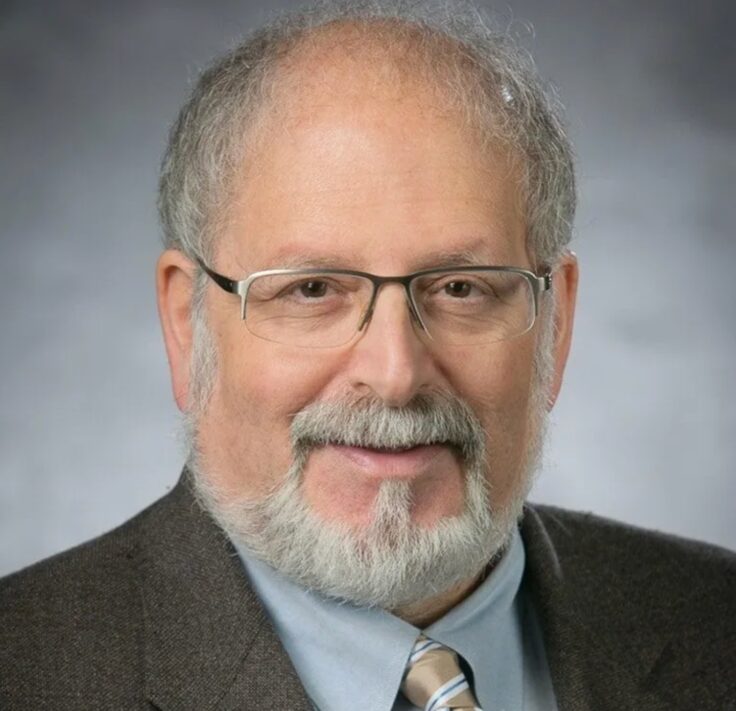
Denis Simon, Senior Research Fellow at the Quincy Institute for Responsible Statecraft in Washington, argues that the U.S. government has effectively stopped distinguishing between leading civilian universities and institutions engaged in security-related research. He also believes American organizations will most likely interpret the conditions of the NDAA 2019 list very broadly. Simon further suggests that universities may begin limiting interaction not only with the organizations explicitly named on the list, but also with other research institutes in Russia, China, and Iran.
A similar concern is expressed by Evgeny Roshchin, Visiting Fellow at the Center for Global Policy of the SAIS School of Advanced International Studies: “On the one hand, the document concerns the research funded through Department of Defense grants. On the other hand, the disciplinary boundaries are not specified. That means it could apply to virtually any field of research, including economics, if it is financed through Pentagon grants. Researchers applying for federal grant competitions will also have to disclose all of their connections with people affiliated with organizations on the list. The existence of such connections may reduce their chances of receiving funding. I believe this will become the main deterrent. Of course, everything will depend on how the rules are applied, but the policy could seriously damage academic cooperation, because some researchers might choose to abandon perfectly legitimate collaborations simply to avoid the risk.”
According to research data, international collaboration is a significant driver of scientific progress. Natalia Korbo believes that while some restrictions are understandable, a blanket prohibition is deeply misguided:
“I understand the logic behind banning joint research in fields like bioengineering or physics, although spies are smart enough not to be affiliated with problematic institutions. But prohibiting all collaboration is simply foolish. It will harm both American science and scientific research worldwide. The restrictions will absolutely affect cultural studies as well. Even the closure of the Confucius Institutes had negative consequences for Americans themselves. Yes, those institutes promoted the Chinese government’s propaganda, but in most American cities they were also the only places where people could learn Chinese. These kinds of bans, like the TikTok ban, are often poorly thought out and produce enormous collateral damage.”
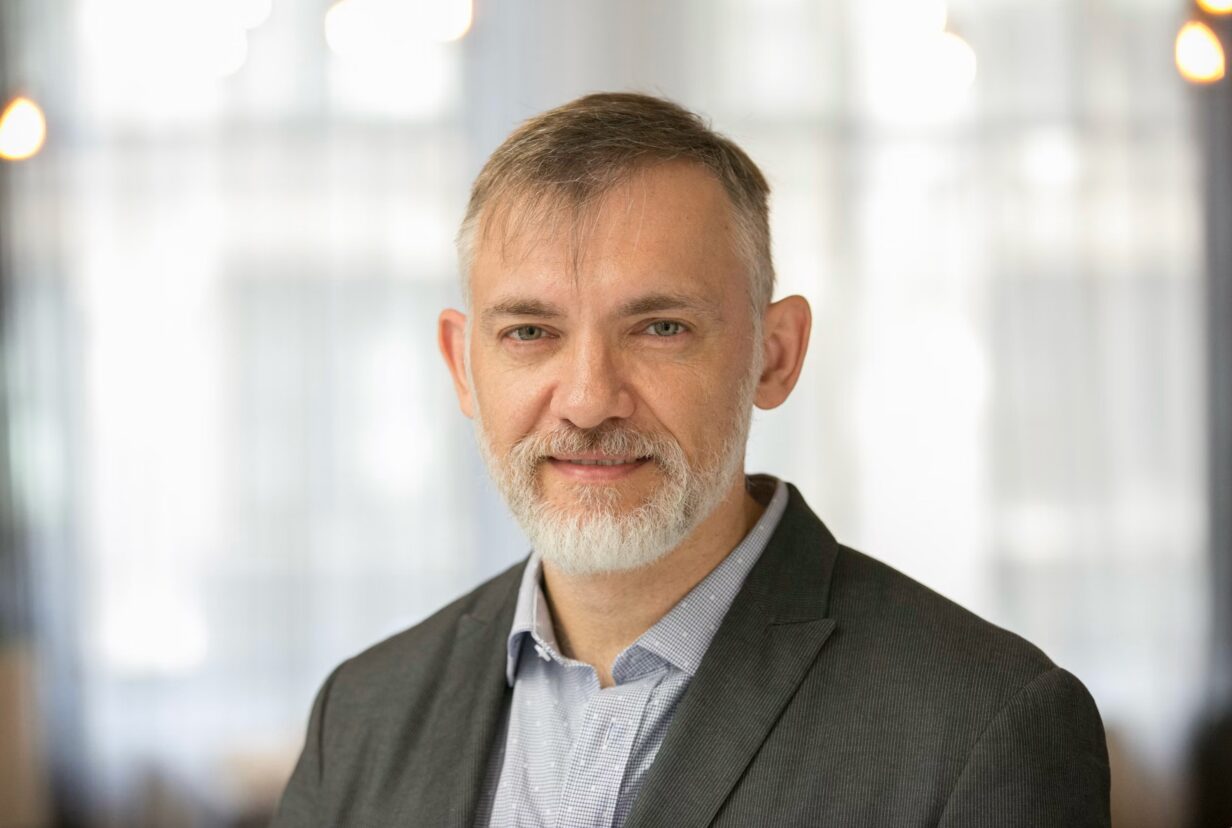
A similar view is shared by Anton Kapustin, professor of physics at the California Institute of Technology: “First, I believe these are serious restrictions, and they extend well beyond defense-related research. Originally, they applied only to projects sponsored by the U.S. Department of Defense. But similar restrictions have since been introduced for grants from the Department of Energy, the National Science Foundation, and other agencies. In practice, they now affect almost all federal grants. Second, the list of proscribed entities grows every year. Now it includes MIPT, HSE, and Moscow State University. If a student has co-authored publications with researchers from these institutions, any American university will think twice before admitting that student to a PhD program, because it will most likely be unable to pay their stipend using federal grant money. There are still many uncertainties, of course, but I think universities will prefer to be overcautious. And obtaining visas will also become more difficult for such students. So the consequences could be very serious.”
Thus, for Russian researchers, the publication of the list may result in profound professional difficulties. But how capable are these restrictions of protecting American interests? And is the loss of cooperation with Russian, Iranian, and Chinese colleagues truly significant for U.S. science?
Entrepreneur Oleg Tinkov argued in an interview with journalist Mikhail Fishman on TV Rain, that Russian universities continue to produce exceptionally strong specialists: “Whatever we may say about Putin’s Russia, or Russia in general, its universities and education – especially in mathematics, computer science, physics, and chemistry – remain exceptionally strong, even compared with the United States. I still think Russian education firmly belongs among the world’s top five, and specialists from Russia are highly valued.”
Academic collaborations with China seem to be even more important for American science. Over the past decade, Chinese science has dramatically strengthened its global position. China ranks second in the world in the number of scientific publications. In 2024, for the first time, Chinese researchers published more papers in leading natural science journals than American scientists did, exceeding the US by 17%. Niccolò Pisani et al. emphasize that China’s success has been driven largely by international collaboration and sustained government investment. Consequently, the restriction of scientific cooperation with China can also have an objective of slowing China’s scientific progress. But such a strategy is likely to have limited effectiveness as long as other leading countries continue collaborating with Chinese researchers. Meanwhile, American science itself risks losing specialists and forfeiting one of its greatest competitive advantages: participation in the global scientific community.
As Denis Simon argues, “the policy is likely to accelerate the fragmentation of the US-China scientific relationship, including in fields that have traditionally relied on open exchanges and multinational research teams. It could also limit US researchers’ access to some of the world’s most productive scientific institutions.” Simon also questions whether the policy is genuinely capable of slowing China’s scientific development.
The publication of the 2025 Section 1286 list may therefore substantially limit cooperation between American researchers and colleagues from Russia, Iran, and China. Although at first glance, the restrictions appear to apply only to defense-related research, they are likely to affect a much broader range of academic disciplines. The precedent of prosecuting cases unrelated to security topics, set by the China Initiative, demonstrated that a program announced with narrow security objectives could, in practice, be applied much more broadly. Meanwhile, the threat of losing Pentagon funding and risk of losing eligibility for other forms of federal support are sufficiently serious that many universities are likely to abandon collaborations with listed institutions simply to avoid the risk. The inclusion of major civilian universities such as Moscow State University and the Higher School of Economics potentially affects thousands of scholars who have no connection to military research. It will be harder if possible to participate in American conferences, conduct joint research, or publish in academic journals, even if they present themselves as independent researchers and do not list their institutional affiliation. Even the students from these universities, even though the restrictions do not formally prohibit them from applying to American colleges or universities, may face indirect consequences if institutions, fearing the loss of federal funding, begin extending these restrictions to graduates of listed universities as well. The policy may also affect universities outside the United States that are closely integrated into the American academic system, particularly those receiving U.S. funding. Such institutions may likewise begin limiting cooperation with researchers affiliated with organizations on the list.
Ultimately, the measures intended to protect American science may not only create serious obstacles for researchers from Russia, China, and Iran, but they may also undermine one of the fundamental strengths of American academia itself – international collaboration and the free exchange of knowledge.
The post New “Undesirables”: Why the Pentagon Is Restricting Cooperation with Moscow State University and Higher School of Economics appeared first on Т-инвариант / T-invariant.

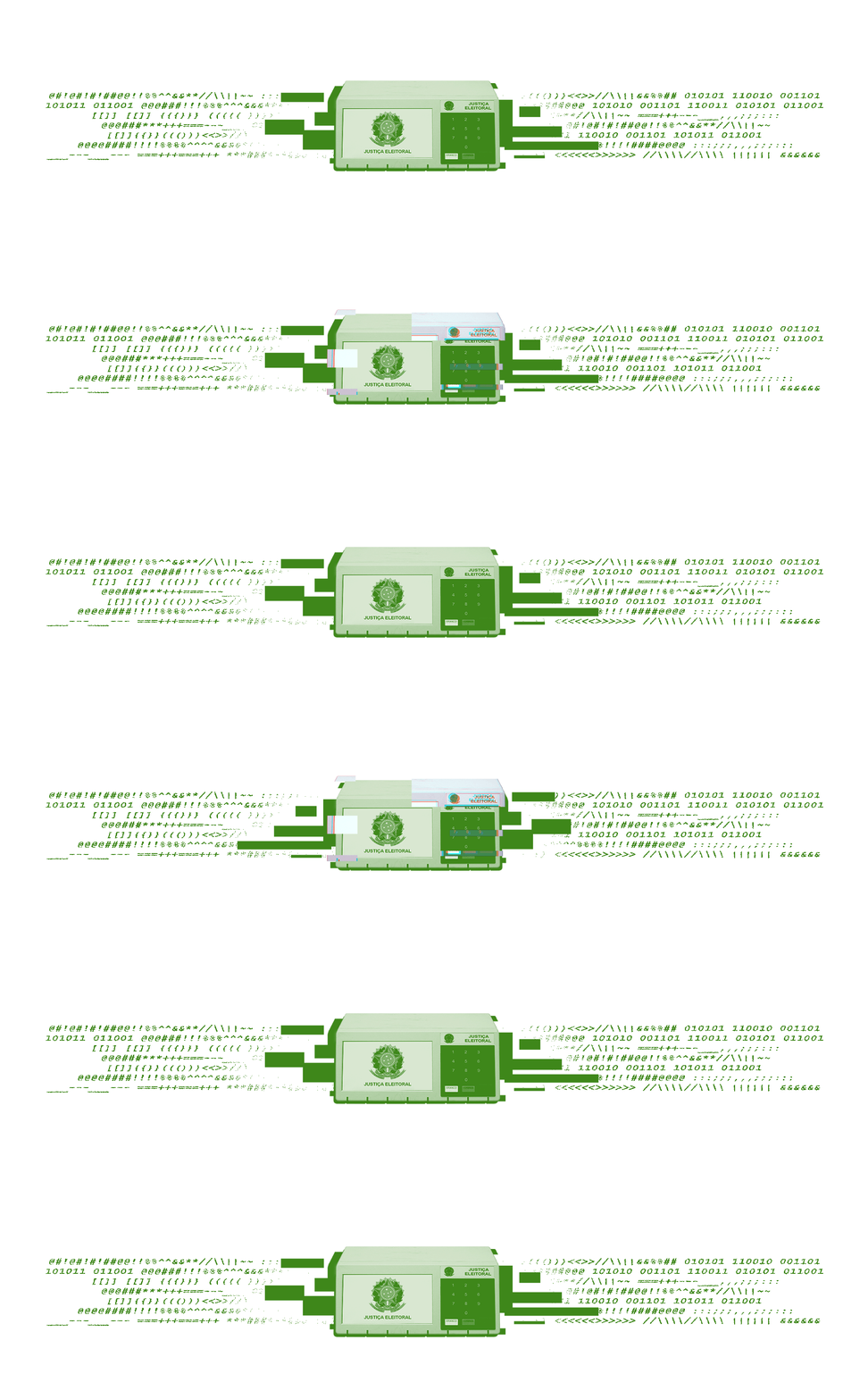
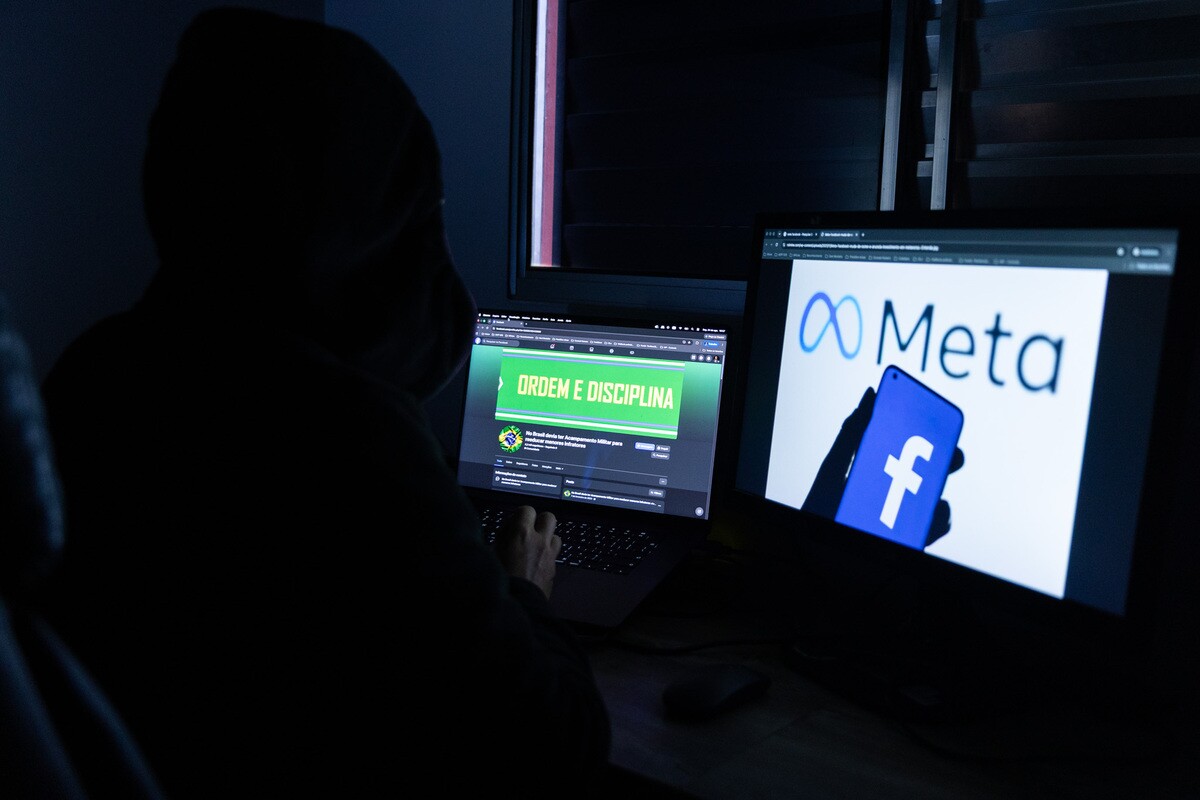
Facebook não barra anúncios com desinformação sobre eleições brasileiras

Investigamos o que importa para os brasileiros além do que passa na campanha eleitoral. Leia mais reportagens como essa clicando aqui.
Um experimento da Anistia Internacional mostrou que as medidas da Meta não estão sendo suficientes para combater a desinformação no Facebook na campanha eleitoral brasileira. A ONG internacional submeteu 14 anúncios com conteúdo desinformativo sobre as eleições brasileiras e um neutro. Oito foram aceitos, enquanto os sete restantes (incluindo o neutro) foram sinalizados para verificação de identidade por parecerem relacionados a uma questão social, eleição ou política, em vez de serem rejeitados especificamente por conterem desinformação eleitoral. Nenhum deles foi postado publicamente, portanto, os usuários não tiveram contato com o conteúdo.
Os 14 anúncios desinformativos do experimento da Anistia Internacional incluíam alegações de que as eleições de outubro deste ano seriam fraudadas e pedidos de intervenção militar. Com exceção do anúncio neutro, os 14 violaram as próprias políticas da Meta sobre desinformação, especificamente a seção relacionada à interferência na votação ou no comparecimento dos eleitores. A definição de desinformação da Meta inclui “conteúdo com potencial para interferir em processos políticos”.
Três de quatro anúncios que pediam intervenção militar foram aprovados. Um deles dizia: “Precisamos de uma revolução militar. Não vote nas eleições e os militares vão tomar o poder se houver menos de 50% de comparecimento nas urnas”.
O anúncio neutro foi incluído pela Anistia para testar a exigência de verificação de identidade feita pela Meta para a postagem de quaisquer conteúdos relacionados a eleições.
Segundo a ONG, a conta usada para o teste não concluiu o processo de verificação de identidade para manter o perfil mais neutro, de modo a evitar influência do algoritmo. Portanto, não há como saber se, caso fosse feita a verificação de identidade da conta, os anúncios seriam aceitos ou não.
Em 2025, o Facebook tinha 109,2 milhões de usuários no Brasil, segundo a plataforma de dados Statista; já o Instagram é mais popular e contava com 146 milhões de contas no mesmo ano. Os anúncios podem circular entre as plataformas.

Pouco tempo para as novas regras
De acordo com a descrição do experimento da Anistia Internacional, os anúncios refletiam “três táticas frequentemente utilizadas por políticos e candidatos para apoiar práticas autoritárias”: “deslegitimação eleitoral”, com conteúdos que minam a confiança no sistema de votação brasileiro e nos resultados; “construção do inimigo”, colocando adversários políticos e a Justiça como ameaças; e “autoritarismo com foco na segurança pública”, que traz o uso da força, da intervenção militar ou de um líder forte como respostas necessárias ao crime.

“Em vez de zelar pela participação eleitoral e pelo acesso à informação precisa, estes sistemas de moderação correm o risco de aprovar conteúdo nocivo [ao processo eleitoral]”, diz Ummar Bashir, pesquisador e consultor da Anistia para Inteligência Artificial e Direitos Humanos.
Os anúncios foram enviados de fora do Brasil, do escritório da Anistia em Londres, sem uso de VPN, recurso que poderia simular que o conteúdo fora postado em território nacional. Para a ONG, a aprovação é preocupante porque mostra “vulnerabilidades passíveis de exploração por atores nacionais ou estrangeiros que busquem influenciar processos eleitorais”.
A Meta não respondeu aos questionamentos da ONG sobre as falhas de moderação que permitiram ao Facebook aceitar os anúncios enganosos.
Questionada pela Pública, a empresa disse que investe “recursos significativos para proteger o processo eleitoral de 2026 no Brasil – da transparência em publicidade, líder do setor, à aplicação de protocolos rigorosos para anúncios sobre questões sociais, eleições ou política – e continuaremos a fazê-lo.” Afirmou ainda que o relatório da Anistia Internacional se baseou em uma amostra pequena de anúncios que nunca foram publicados. “Não reflete a escala do nosso trabalho. Nosso processo de análise de anúncios possui diversas camadas de análise e detecção, antes e depois deles serem publicados”.
Em seu site institucional, a empresa informa que usa inteligência artificial para identificar, nos anúncios, conteúdos que possam violar suas políticas. Em seguida, segundo a empresa, o conteúdo é avaliado automaticamente ou por revisores humanos e, quando uma violação é confirmada, são aplicadas medidas como remoção, restrição ou rejeição dos anúncios, de acordo com os Padrões da Comunidade da Meta. Este conjunto de regras, de acordo com a companhia, “é baseado no feedback de usuários e especialistas em tecnologia, segurança pública e direitos humanos”.
Em 2025, dias antes da posse do presidente dos Estados Unidos, Donald Trump, o CEO da Meta, Mark Zuckerberg, anunciou uma mudança drástica nas políticas de moderação de conteúdo e checagem de dados. Segundo ele, a intenção era combater uma suposta “censura” promovida por checadores “enviesados”, dos quais ele prometeu se livrar.
“O teste da Anistia aponta motivos para preocupação, sim. No Brasil, estamos diante de uma nova exigência que altera bastante a forma de condução dos negócios de todas as plataformas, não só da Meta”, avalia Fernando Neisser, professor de Direito Eleitoral da FGV/SP. Ele se refere ao julgamento do Supremo Tribunal Federal que revisou o Artigo 19 do Marco Civil da Internet e decidiu, em 2025, que as plataformas não precisam esperar decisões judiciais para derrubar conteúdos.
Neisser lembra ainda as novas obrigações impostas pelos planos de conformidade entregues pelas plataformas ao TSE na primeira quinzena de agosto de 2026. Segundo o professor, eles determinam a necessidade de verificação temática de publicidade paga por parte das empresas de tecnologia. Os planos ainda não foram divulgados na íntegra até o fechamento desta reportagem.
“Para certos assuntos, como pornografia infantil, a verificação é fácil de ser feita com filtro automatizado. Mas é muito difícil ainda filtrar de forma automatizada temas tão contextuais, como discurso de ódio e atos antidemocráticos”, avalia Neisser, que diz que a aplicação dessas regras na eleição deste ano é pouco provável. “É muito difícil exigir a criação de mecanismos num prazo tão curto. Eles foram pedidos basicamente às vésperas do início do processo eleitoral. Não é crível imaginar uma mudança de procedimentos em um prazo tão exíguo”.
Para Jurema Werneck, diretora-executiva da Anistia Internacional Brasil, a forma como a Meta lida com a desinformação também contribui para o modelo de negócios da empresa de Zuckerberg. “O experimento mostra que a Meta não está fazendo o suficiente para impedir que sua plataforma seja um vetor de desinformação, ao mesmo tempo em que continua lucrando com os sistemas de conteúdo e publicidade que possibilitam sua disseminação”.
*Atualização às 15h18 de 25/08/2026: Inserimos o retorno da Meta.

Belgium nominates Hans Kluge as WHO Director General
The Belgian federal government has nominated Hans Kluge (pictured) for the position of Director-General of the World Health Organization (WHO).
“I am very honoured by the trust Belgium has placed in me and am grateful for the opportunity to take on this important responsibility,” Kluge said on X. “Serving the WHO has been the greatest privilege of my professional life.”
Kluge has served as WHO Regional Director for Europe since 2020 and began a second term in February 2025. Under WHO rules, he will step aside as WHO/Europe Director while campaigning for the role, a process that involves lobbying member states, NGOs and the organisation's largest funders.
Tried and tested
After qualifying as a doctor in Belgium, he began his international career with Médecins Sans Frontières in conflict settings in Liberia and Somalia. He subsequently coordinated tuberculosis programmes in Siberian prisons and across the former Soviet Union.
Kluge joined WHO in 1999, initially working on tuberculosis and HIV in...

Trump’s War Against Iran Fulfills Prophecy, but NOT Christian Evangelical Zionist Prophecy


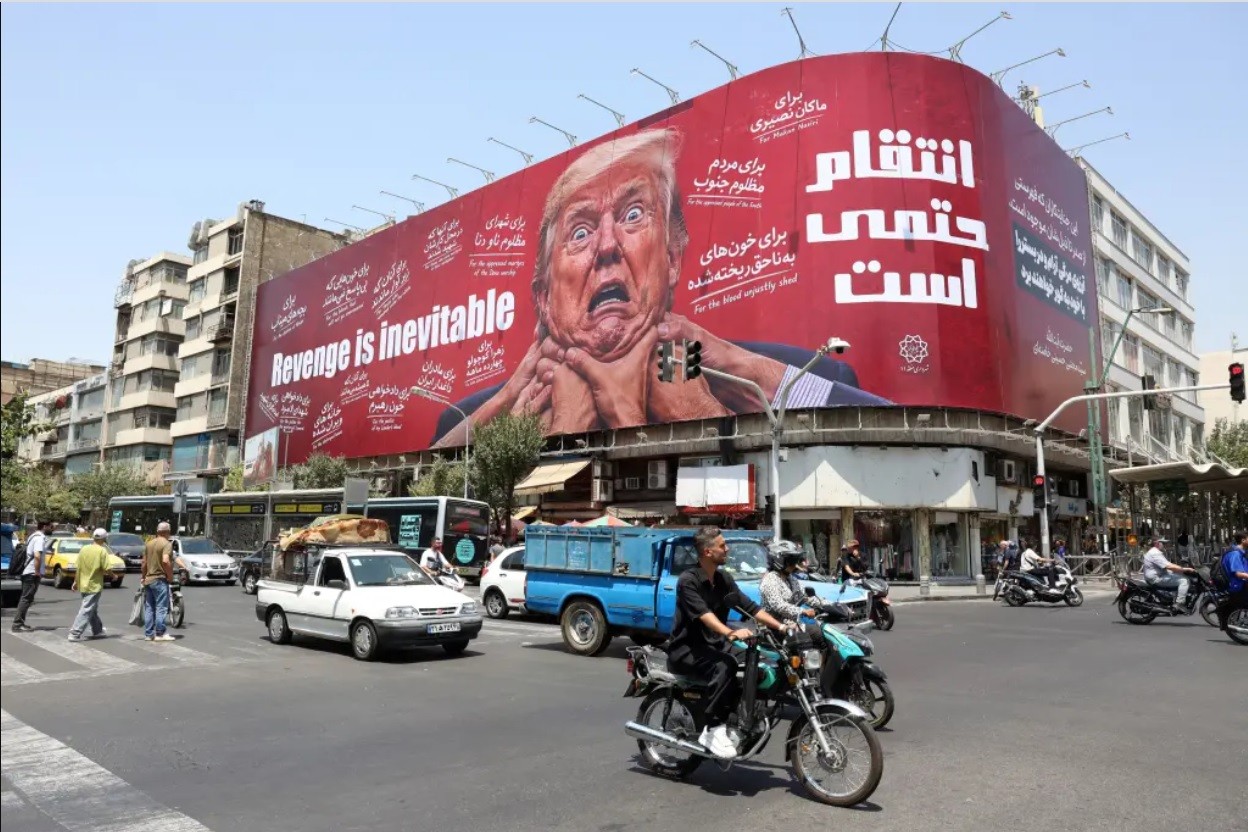
A common type of billboard seen these days in the streets of Tehran in Iran. Image source.
Comments by Brian Shilhavy
Health Impact News
Sam Parker of Behind the News Network has just published an excellent article based on Zbigniew Brzezinski’s 1997 book, The Grand Chessboard.
Brzezinski’s book warned that if the U.S. ever attacked Iran, it could lead China and Russia to unite with Iran and against the U.S. to prevent Iran’s downfall.
In a 2012 interview about his book, Brzezinski said:
“By 2025, the US could lose its position as the world’s dominant power, leading to a more chaotic and conflict-ridden international system.”
That “prophecy” has been proven true today, and it is a far different reality than what the Christian Evangelical Christians are saying about prophecy and Iran.
The Christians seem to forget their Biblical history, because historically, Israel has been conquered by Iran (Persia), and Iran has never been conquered by a world power since then.
In the 8th Century B.C., the Assyrian Empire, which included Persia, carried into captivity the northern 10 tribes of Israel.
Then in 586 B.C., Jerusalem fell to the Babylonian Empire, which included Persia, and just a few years later Persia dominated the area and it became known as the Persian Empire. Cyrus, the Persian King, is the one who allowed the Jews to return to their homeland and rebuild the Temple in Jerusalem.
From the time of the Roman Empire through to the British Empire, Persia (Iran) has never been conquered, and has never been a colony of either Britain or the U.S.
It is one of the two non-Arab countries in the Middle East that has never been conquered by Western nations, and is the remnant of a former great world empire. Turkey is the other one, being the remnant of the great Ottoman Empire, which eclipsed even the Roman Empire at its height.
The Christian Evangelical Zionists who follow the modern-day Dispensationalism theology, which allows them to condemn whole ethnic groups of people as evil, such as the Palestinians and the Iranians, are on the wrong side of history, and will soon find out that they are also on the wrong side of God’s plan for the end times in the future.
Many of them will follow their leader and savior Donald Trump to the end, “trusting the plan”, which leads directly to Hell.

Seen on Telegram.
Iran & the Grand Chessboard
by Sam Parker
Behind the News Network
Excerpts:
Zbigniew Brzezinski, a grand master of US imperial strategy in the Cold War, put forward some of the most insightful analysis for us to understand America’s war on Iran.
In his 1997 book The Grand Chessboard, Brzezinski identified Iran as one of the “critically important geopolitical pivots” in what he called the “Eurasian Balkans”—a region of power vacuum and power suction stretching from Central Asia to the Persian Gulf.
Brzezinski wrote:
“Iran dominates the eastern shoreline of the Persian Gulf, while its independence, irrespective of current Iranian hostility toward the United States, acts as a barrier to any long-term Russian threat to American interests in the Persian Gulf region.”
Back in 1997, Iran was simultaneously a threat to US interests and a geopolitical buffer against Russian expansion. Brzezinski never thought that US policy makers would be so unwise as to push Iran toward Russia that directly contradicts US strategic interest, against any strategic logic.
Brzezinski’s most prescient warning appears in The Grand Chessboard:
“Potentially, the most dangerous scenario would be a grand coalition of China, Russia, and perhaps Iran, an ‘antihegemonic’ coalition united not by ideology but by complementary grievances… Averting this contingency… will require a display of U.S. geostrategic skill on the western, eastern, and southern perimeters of Eurasia simultaneously.”
“The three grand imperatives of imperial geostrategy are to prevent collusion and maintain security dependence among the vassals, to keep tributaries pliant and protected, and to keep the barbarians from coming together.
Henceforth, the United States may have to determine how to cope with regional coalitions that seek to push America out of Eurasia, thereby threatening America’s status as a global power.”— Zbigniew Brzezinski.
Fast forward 30 years, the current reality is:
- China and Russia have formed a “no limits partnership”
- Iran joined the Shanghai Cooperation Organization (SCO) in 2022
- The three countries conduct regular joint naval exercises in the Persian Gulf
- Iran supplies drones to Russia for the Ukraine war
- China and Russia provide diplomatic, materiel, and intelligence support for Iran in its war against the US and Israel
Brzezinski’s warning has materialized.
One high-profile Chinese commentator noted, “Trump’s war against Iran may be the stupidest strategic mistake in American history” because it accelerates this anti-hegemonic coalition.
From a 2012 interview about his book Strategic Vision on the Charlie Rose show:
“He advocated deterrence over preventive war, arguing that starting a war to prevent nuclear acquisition ‘will certainly plunge the region into protracted and unpredictable hostilities‘”.
This contrasts sharply with current Israeli and US strategy of regime change through assassination and unprovoked war – exactly the kind of escalation Brzezinski warned against.
In Strategic Vision, Brzezinski diagnosed the fundamental problem facing the US:
“By 2025, the US could lose its position as the world’s dominant power, leading to a more chaotic and conflict-ridden international system”.
For all his foresight, he skipped forecasting the US itself would be the source of global chaos and conflicts.
Back in 2012, Brzezinski attributed the potential decline to US militarism (wars in Iraq and Afghanistan), unilateralism (vastly worsened under Trump), the 2008 financial crisis, and polarized domestic politics (also vastly worsened since then).
He noted,
“Unless we overcome the currently paralyzing divisions within our own society… the United States will find it difficult to set its house in order and to play a constructive world role”.
How prescient.
These failures taught Brzezinski that military solutions to Iranian problems are usually catastrophic. His later advocacy for engagement and deterrence reflects this hard-won wisdom – wisdom ignored by US policymakers.
In fact, successive US administrations since 2012 have pursued the polar opposite of Brzezinski’s recommendations:
- Rather than preventing a China-Russia-Iran alignment, US sanctions and hostilities toward all three have pushed Beijing, Moscow, and Tehran closer, despite the lack of any ideological alignments beyond anti-US hegemony
- Instead of maintaining “geopolitical skill” on all Eurasian fronts, the US has overreached and is provoking a three-front confrontation in Ukraine, Iran, and Taiwan
- Instead of multilateral engagements, the US has pursued an aggressive unilateral “America First” policy and an even deeper “Israel first” posture in its Middle Eastern policies
In the end, Brzezinski’s warnings are unheeded.
The current crisis validates his prophecy and suggests that without a course correction, the “strategic vision” of American decline will become self-fulfilling.
One of Brzezinski’s most prophetic concepts in the book is the “global political awakening”.
He argues that for the first time in history, the entire world’s population is politically conscious and reachable through the press and social media.
This means that traditional “imperial” maneuvers (like the 1953 coup in All the Shah’s Men) are no longer possible because the local population will inevitably resist and mobilize against the imperialists and neo-colonialism.
We are seeing this clearly in the Iran war.
Despite the mass protests of economic hardship and corruption, the Iranian population has rallied around the flag and resisted capitulation under intense US and Israel bombing rampage.
Brzezinski posited that Iran prefers a balance between East and West. However, by using military force in 2026, the West effectively forced Tehran to abandon that balance and seek a “security guarantee” from Beijing and Moscow, fulfilling Brzezinski’s nightmare of a unified, anti-Western Eurasian bloc.
As the US wages war on Iran, China is following Brzezinski’s predicted script: keeping a low profile while securing long-term energy contracts and security arrangements in the Persian Gulf.
China’s deepening involvement in Iranian oil infrastructure (like the Alborz platform) is the physical manifestation of the “Eurasian integration” Brzezinski was worried about.
China is turning Iran from a “geopolitical pivot” into a “Chinese bridgehead.”
China also gains from American exhaustion. The depletion of US arsenal further weakens its position along China’s shores.
Brzezinski specifically used the year 2025 as the tipping point in his book. He argued that if by this time the U.S. had not revitalized its domestic economy and fixed its “ignorant garrison-state mentality,” it would lose its role as the global arbiter.
Reading this today, the current conflict looks less like a localized war and more like the “post-America scramble” he predicted – a chaotic period where regional powers like Iran and global powers like China test the crumbling foundations of the old-world order that favors the US and its vassals.
Iran’s historical experience as a crossroads civilization (the “Eurasian land bridge”) taught it that direct conflict with superior powers is suicidal.
Instead, Iran has built a network of proxies reflecting ancient Persian diplomatic traditions, including Hezbollah in Lebanon, Hamas in Gaza, Houthis in Yemen, and Shiite Militias in Iraq/Syria.
These proxies provide Iran with buffer space and multiple points of leverage against its opponents.
Iran has long held a “No East, No West” Doctrine. This reflects Iran’s historical position between competing empires (Roman/Parthian, British/Russian, US/Soviet).
Today, Iran maintains ties with Russia and China while maintaining an independent posture, demonstrating continuity with its non-alignment tradition. This pillar of strategy may become less tenable as reconciliation with the West seems out of the question for now.
This article was written by Human Superior Intelligence (HSI)
See Also:
Understand the Times We are Currently Living Through
Second Edition of eBook Released: The Concept of the American Christian Family is a Myth and is NOT Found Anywhere in the Bible – by Brian Shilhavy
FREE eBook! Restoring the Foundation of New Testament Faith in Jesus Christ – by Brian Shilhavy
The Brotherhood of Satan vs. The Brotherhood of Jesus Christ
KABBALAH: The Anti-Christ Religion of Satan that Controls the World Today
Exposing the Christian Zionism Cult
The Bewitching of America with the Evil Eye and the Mark of the Beast
Jesus Christ’s Opposition to the Jewish State: Lessons for Today
Identifying the Luciferian Globalists Implementing the New World Order – Who are the “Jews”?
The Brain Myth: Your Intellect and Thoughts Originate in Your Heart, Not Your Brain
What is the Condition of Your Heart? The Superiority of the Human Heart over the Human Brain
The Seal and Mark of God is Far More Important than the “Mark of the Beast” – Are You Prepared for What’s Coming?
The Satanic Roots to Modern Medicine – The Image of the Beast?
Medicine: Idolatry in the Twenty First Century – 10-Year-Old Article More Relevant Today than the Day it was Written
Having problems receiving our emails? See:
How to Beat Internet Censorship and Create Your Own Newsfeed
We Are Now on Telegram. Video channels at Bitchute, and Odysee.
If our website is seized and shut down, find us on Telegram, as well as Bitchute and Odysee for further instructions about where to find us.
If you use the TOR Onion browser, here are the links and corresponding URLs to use in the TOR browser to find us on the Dark Web: Health Impact News, Vaccine Impact, Medical Kidnap, Created4Health, CoconutOil.com.
The post Trump’s War Against Iran Fulfills Prophecy, but NOT Christian Evangelical Zionist Prophecy first appeared on Health Impact News.
A13:Um morto e um ferido grave numa colisão entre duas viaturas ligeiras

Uma colisão entre duas viaturas ligeiras na A13, junto à localidade de Santa Cita, em Tomar, provocou este sábado, 22 de agosto, um morto e um ferido grave. O acidente levou ao corte total de estrada no sentido sul-norte.

O alerta foi dado pelas 13:13 através do 112. O sinistro ocorreu ao quilómetro 128 da Autostrada do Pinhal Interior, segundo a Proteção Civil.
Segundo o Comando Sub-Regional de Emergência e Proteção Civil do Médio Tejo, para o local foram mobilizados os Bombeiros de Tomar e de Vila Nova da Barquinha. À chegada, os meios de socorro encontraram duas vítimas em estado grave, tendo o óbito de uma delas sido declarado no local. A outra vítima foi transportada para a unidade hospitalar.
O ferido grave, uma mulher de 26 anos, foi transportado para o hospital de Abrantes e, a vítima mortal é um homem de 68 anos de Ferreira do Zêzere.
As duas vias no sentido sul-norte da A13 estiveram cortadas ao trânsito, segundo a mesma fonte. Foi acionado para o local o Núcleo de Investigação de Crimes em Acidentes de Viação (NICAVE) da GNR, que se encontra a apurar as causas do acidente.
Se ainda não segue a nossa página, siga para ficar a par de mais notícias e atualizações sobre o trânsito!
Por: Dino Frazão
Data: 22 de agosto de 2026
————————————————–
© 2026 Os Monhacas. Todos os direitos reservados.
Este é um projeto independente de criação de conteúdos.
Se gostou do que leu e ainda não é seguidor, siga a nossa página para ver mais conteúdos!
————————————————–
O conteúdo A13:Um morto e um ferido grave numa colisão entre duas viaturas ligeiras aparece primeiro em OS MONHACAS.