❌

Reading view

105 More Buried After Latest Gaza Mass Funeral for Slain in Previous Israeli Attack

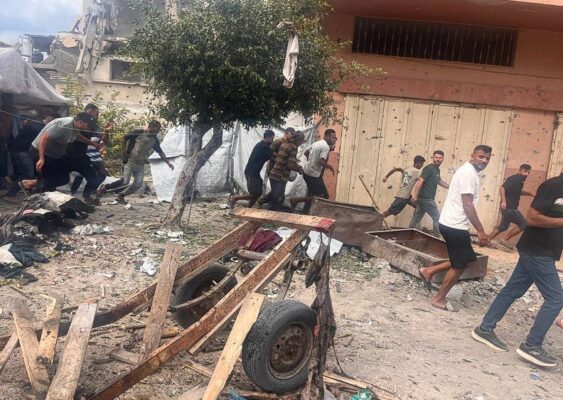
Palestinians in Gaza City continued their mass funerals on Thursday, following the dozens of burials on Tuesday in the Nuseirat refugee camp. Today’s mass funeral saw another 105 victims of an Israeli attack buried in Martyrs Cemetery. The slain in this case were killed in a flurry of Israeli attacks on Yarmouk Square neighborhood on […]
  •  

Images + Memes • 726

Images + Memes • 726

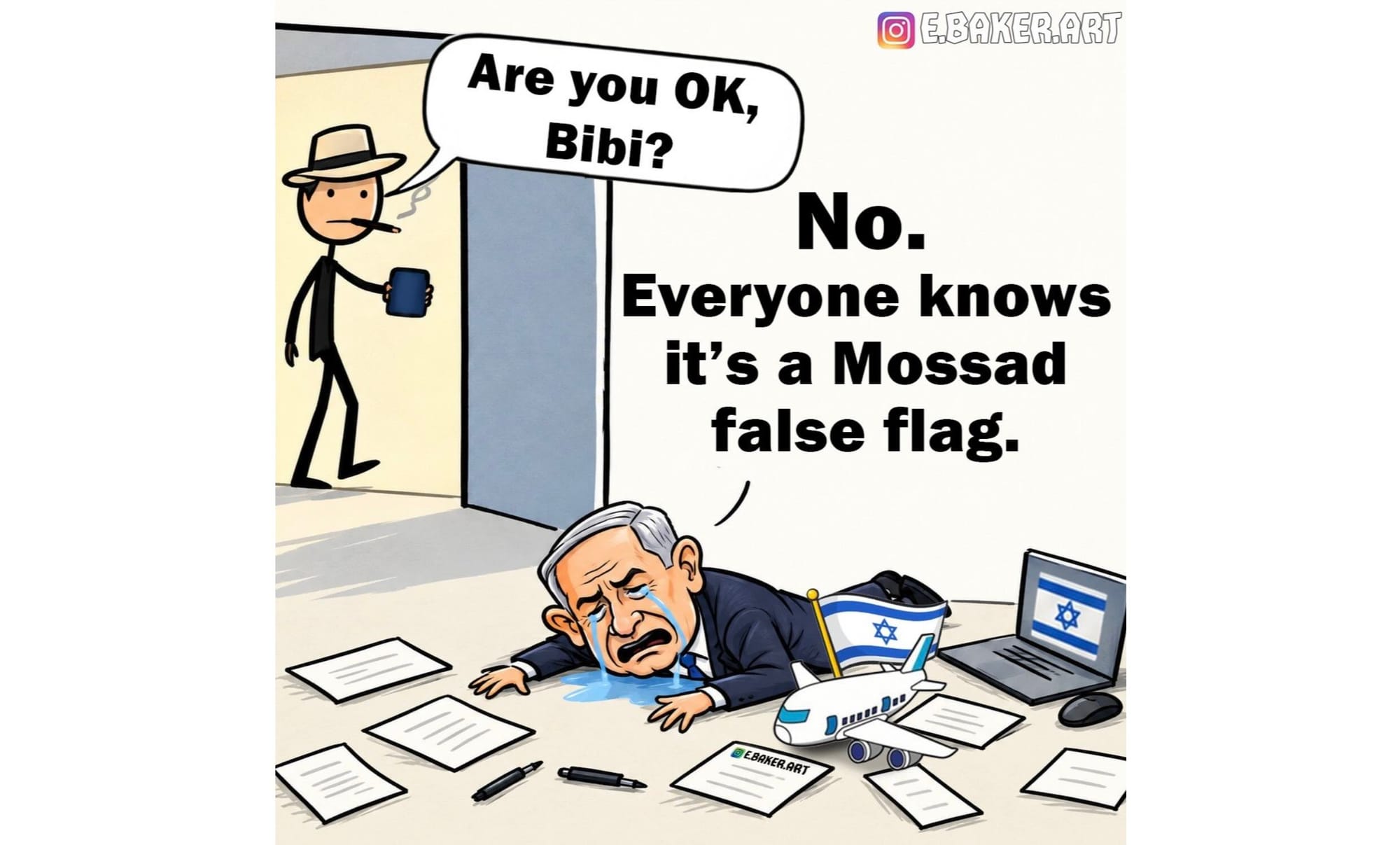
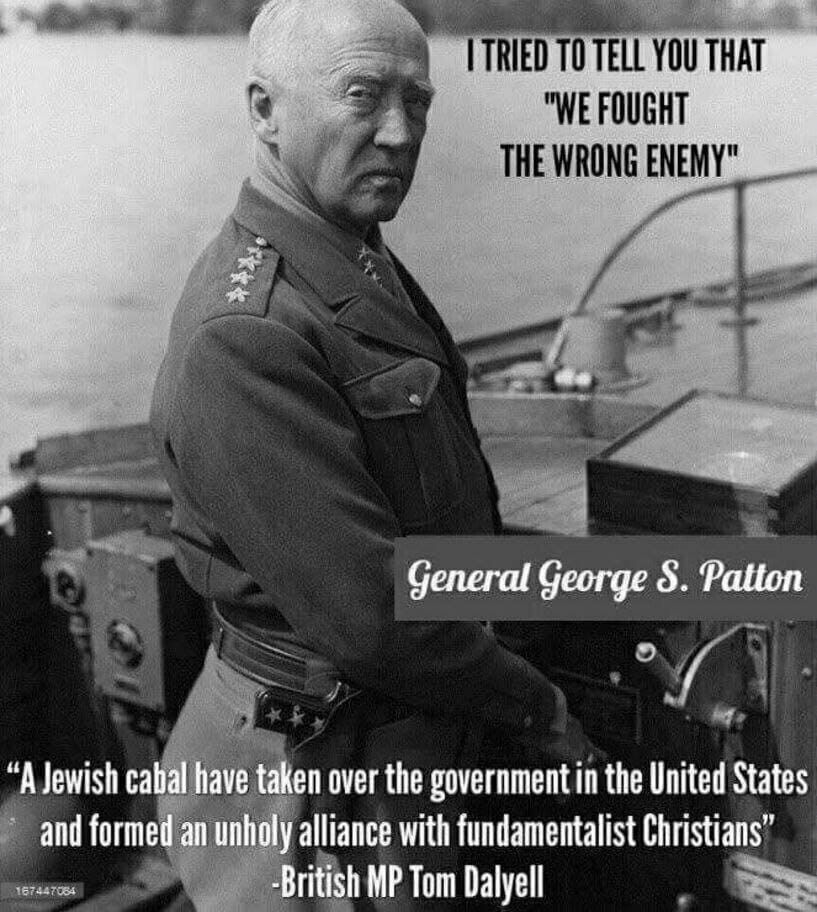
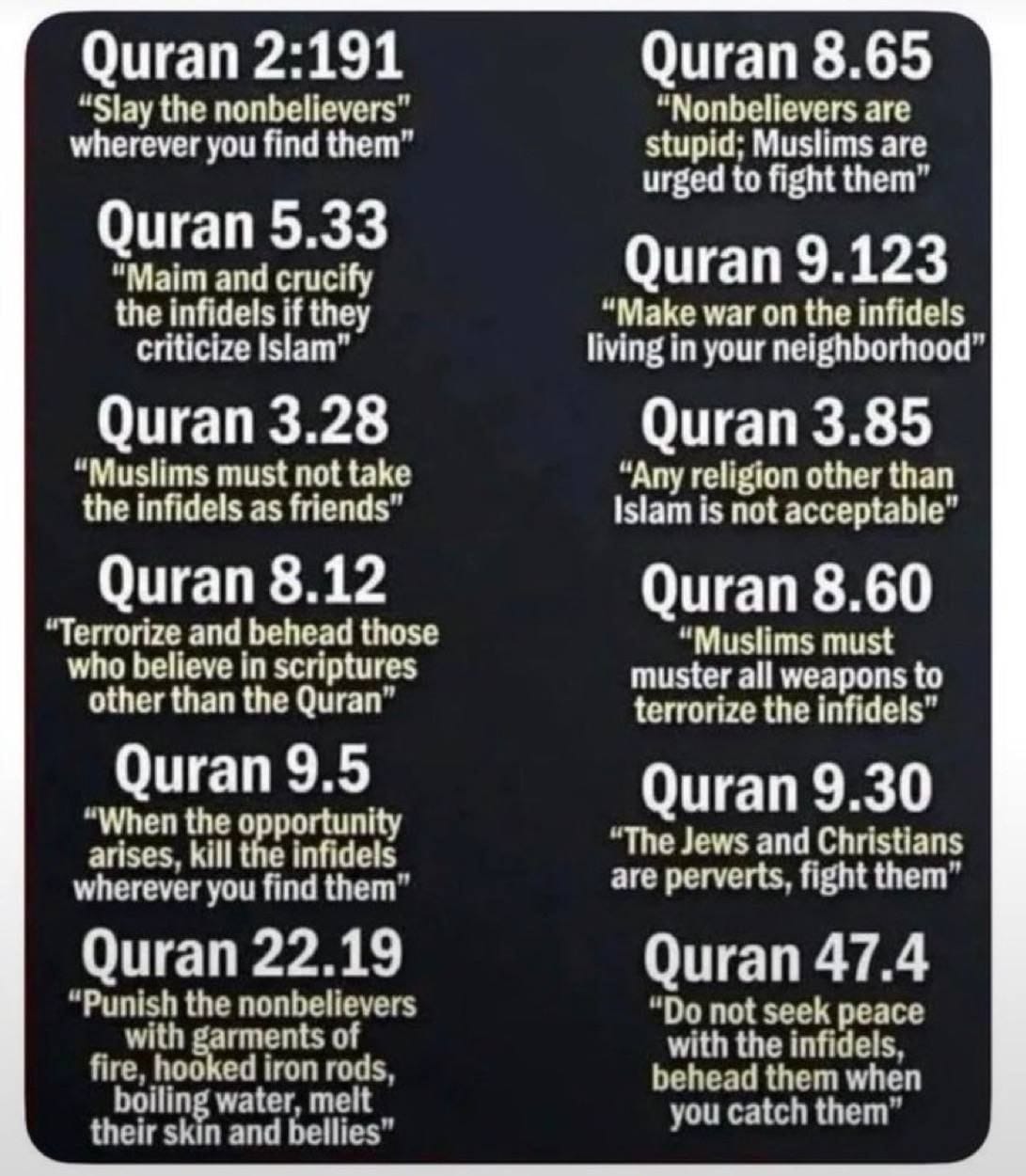
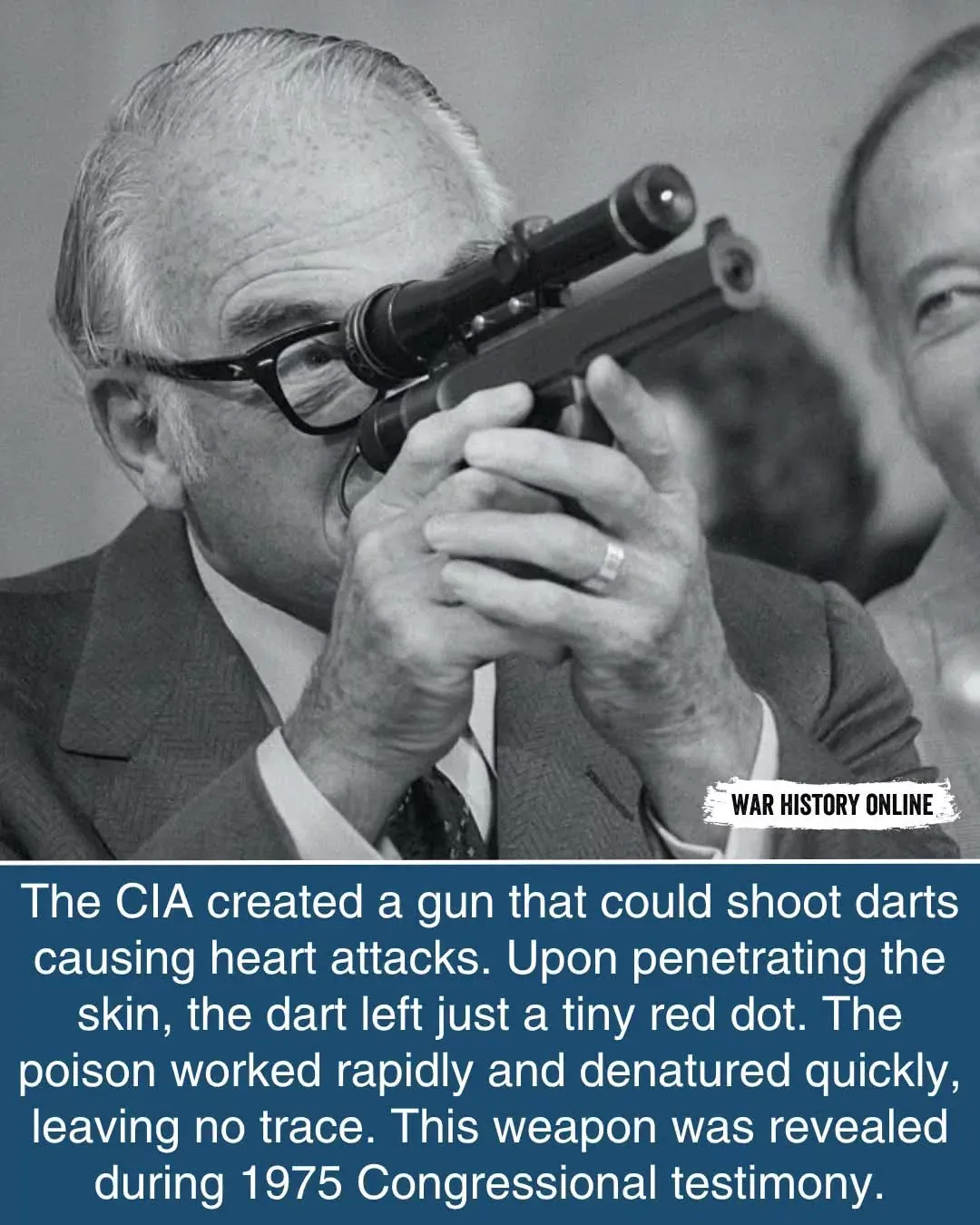
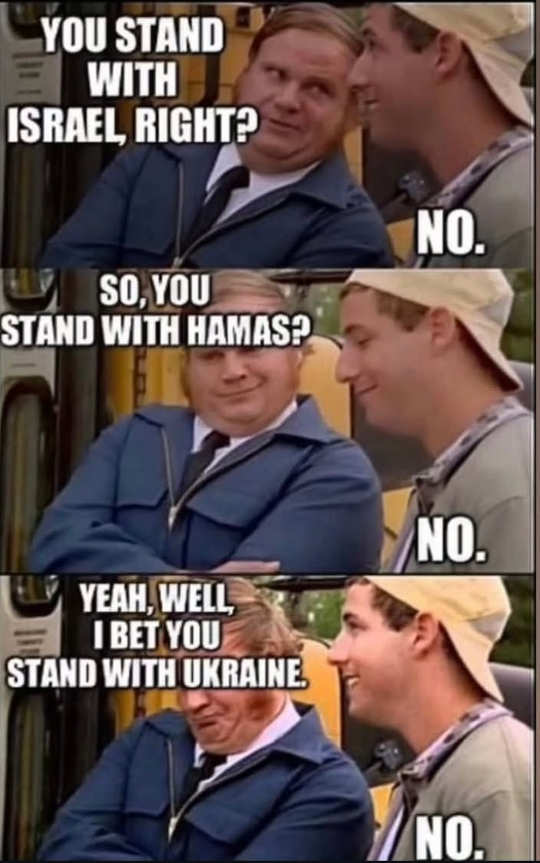
The truth is told very well with images. A picture says a thousand words, and memes a few more. These pages have lots of images and memes that focus on the truth. Click image to enlarge + use arrows to navigate.

Images + Memes • 726
  •  

When Will Vietnamese Victims of South Korean Violence Get Justice?

The crimes of South Korean military personnel in Vietnam are well known to researchers, but they still remain unpunished. An attempt to achieve justice during the rule of the “democratic” President Moon Jae-in effectively led nowhere, but a new initiative under Lee Jae Myung may change the situation. Let’s Recall the Facts The author has […]
  •  

While Gaza dominates the UN, these are the people keeping it alive

By Ramzy Baroud | MEMO | September 30, 2026

When I first saw footage of Gaza doctor Munir al-Bursh and his family kneeling beside the white-shrouded body of his son, surrounded by mourners, I thought it was an old video. It was not.

My conclusion, however, was understandable. In December 2023, only months after the start of the Israeli genocide in Gaza, the al-Bursh family was targeted in an Israeli attack. Dr. Munir, director-general of Gaza’s Ministry of Health, was wounded. So were other members of his family. His daughter, Jinan, only 13, was killed.

That same day, Gaza’s beloved doctor was back at work, joining the many doctors across the Strip trying to save lives as Israel’s killing machine claimed them by the thousands.

Alas, the latest footage was not old footage resurfacing. It was a new coffin, a new funeral, another child buried by the same family. This time, the attack took place during what some in the media continue to call the ‘Gaza ceasefire.’

On September 19, an Israeli drone strike killed al-Bursh’s eldest son, Basir, outside a tent west of Jabaliya refugee camp.

“We were together side by side,” the grieving father recalled. Basir had warned him: “The Israelis are targeting both of us.” Moments later, his son stepped outside the tent and was killed.

One can be forgiven for confusing Gaza’s present with its recent past. The scenes emerging today are almost indistinguishable from those that preceded the so-called ceasefire of October 2025. The sequence repeats itself with terrible familiarity: Israeli strikes, shelling and sniping; Palestinians killed; the bereaved carrying their dead through Gaza’s destroyed streets, searching among the ruins for somewhere to bury them.

Al-Bursh’s story is part of this terrible continuum, but its significance extends beyond his personal loss. Throughout the genocide, he and other Palestinian doctors became Gaza’s de facto spokespeople. They counted the dead and wounded, documented hunger and destruction, and chronicled the collapse of the medical system from within its hospitals.

In the process, they became Gaza’s highest moral authority, more credible than politicians or self-proclaimed leaders.

And the world listened. Gaza’s doctors forged a bond with global civil society that no political institution could manufacture.

Perhaps that helps explain the staggering price Gaza’s medical community has been made to pay. According to the World Health Organization, more than 1,700 healthcare workers have been killed since 2023, amid at least 920 attacks on healthcare.

Dr. Hussam Abu Safiya, like Dr. al-Bursh, became a symbol of that medical resistance. The director of Kamal Adwan Hospital remained at his post through siege and repeated Israeli attacks before Israeli forces detained him in December 2024. He remains imprisoned without charge or trial, amid reports from his lawyer of beatings and deteriorating health.

Dr. al-Bursh, meanwhile, remains steadfast despite repeated blows that would have broken many others. His wife, too, embodies sumud, the Palestinian tradition of steadfastness nurtured at home and passed from one generation to the next.

Even in the immediate aftermath of his son’s killing, al-Bursh continued warning about Gaza’s collapsing healthcare system. Indeed, hospitals have been forced to suspend scheduled surgeries and outpatient services, while severe shortages of fuel, medicines and equipment continue.

“The limited quantities of fuel reaching the enclave barely keep health facilities alive,” al-Bursh warned a day after his son’s murder.

His statement came as world leaders gathered thousands of miles away, in New York, for the 81st session of the United Nations General Assembly.

And once again, Palestine echoed through speech after speech, though this time the language carried a new urgency.

Spanish Prime Minister Pedro Sánchez condemned “the genocide that Netanyahu continues to perpetrate in Gaza.” UN Secretary-General António Guterres described Israel’s mass extermination as involving “a scale of killing and destruction unlike anything I have witnessed” during his tenure. Even French President Emmanuel Macron called Gaza “a spectacle that shames us all,” asking: “What is our credibility worth if we remain inactive on Gaza?”

Then came Israeli Prime Minister Benjamin Netanyahu.

Dozens of delegates walked out as he approached the podium, leaving row upon row of empty seats, while protests continued outside the UN. Netanyahu responded by calling those who departed “moral cowards.”

One might pause here and speak of tides turning, currents changing and a world slowly loosening the decades-long grip of Israel and its American benefactor.

But Gaza does not have the luxury of time. While the words reverberate through the halls of the United Nations, children are still killed in front of their families. Mass funerals remain part of Gaza’s daily rhythm.

Approximately 1.7 million people remain displaced, many under inadequate shelter, without sufficient clean water or sanitation. Hospitals remain crippled. And above this landscape of ruin, the drones still circle.

Between today and the next UN General Assembly lies an entire year—365 days in which those words can either acquire meaning or become yet another entry in the long archive of speeches on Palestine. However, there is time for rhetoric to become policy: for sanctions to be imposed, boycotts activated, meaningful aid delivered and those responsible for war crimes held accountable.

Until then, Dr. Munir al-Bursh and thousands of Gaza’s men and women will continue to hold the fort amid shattered hospitals, destroyed homes and an exhausted population.

Their resilience is extraordinary. But Gaza cannot be expected to endure simply because it has proved capable of enduring.

In New York, Palestine is spoken of from the podium. In Gaza, Palestinians are still being carried to their graves.

It is time to close the distance between words and action, once and for all.

  •  

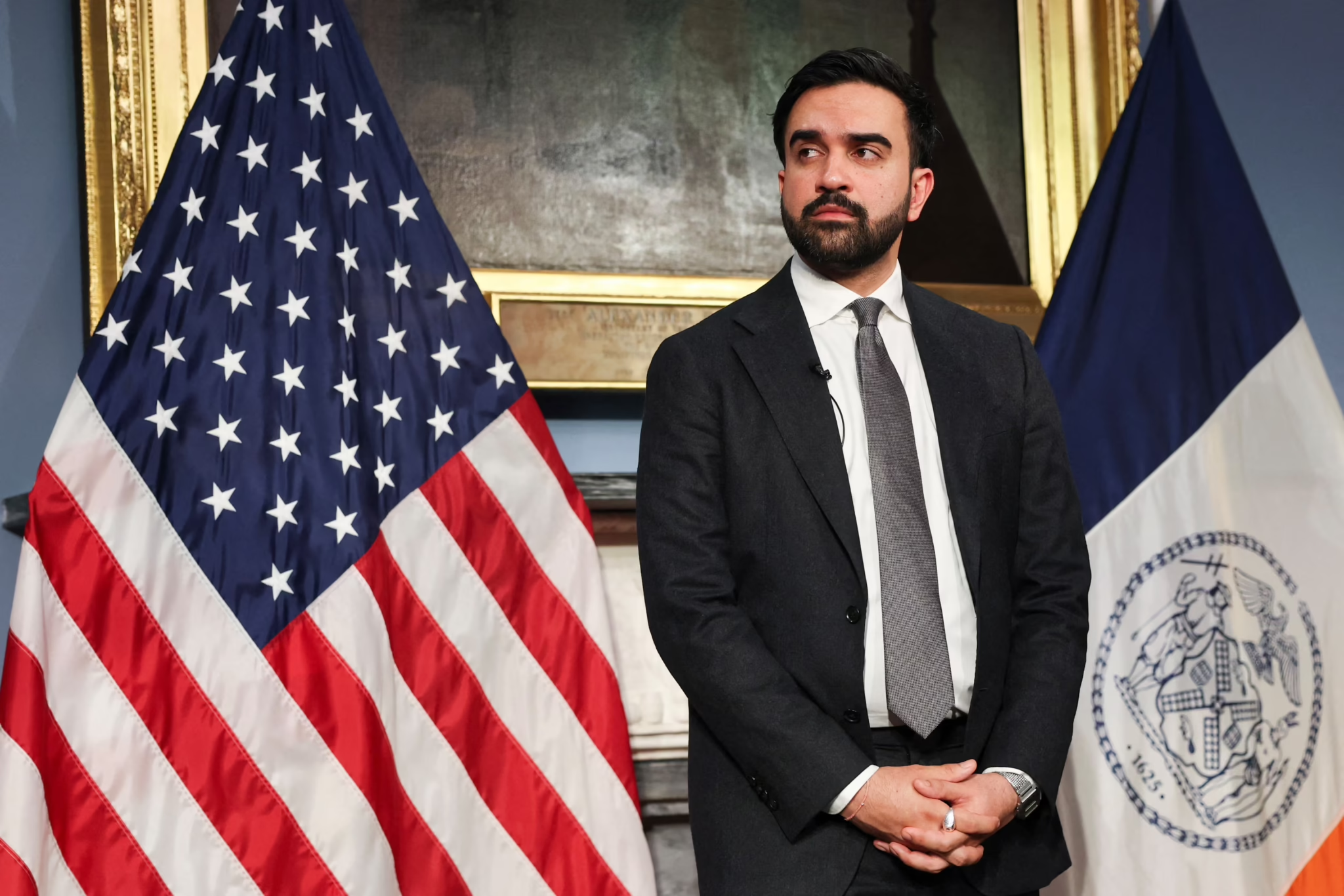
Mamdani releases plan to combat antisemitism and hate crimes in New York City

Pandering to Israel partisans above the needs of other New Yorkers, NY mayor increases security funding for synagogues, will focus on folding Jewish history into public school education, and pledges to highlight important Jewish cultural and religious sites in the mayor’s day-to-day governance of the city

  •  

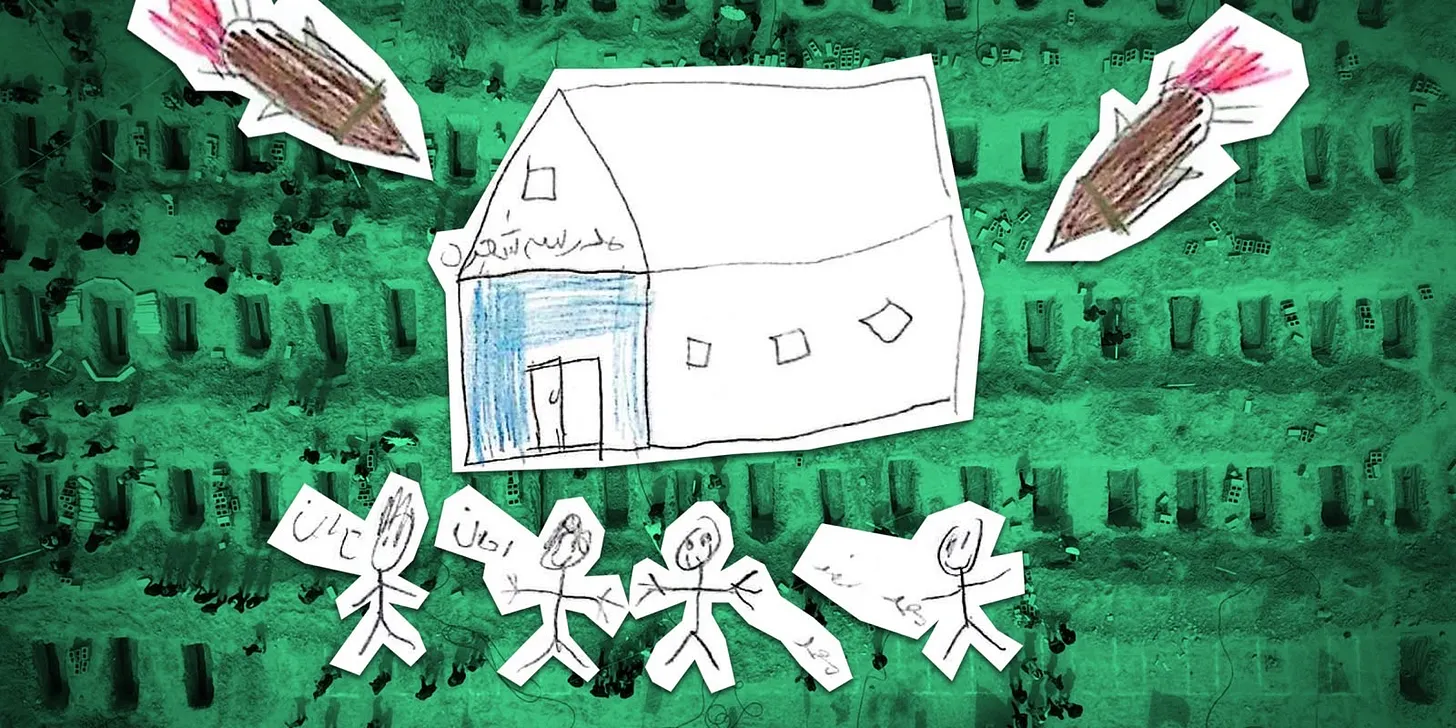
New Report: “Scholasticide and Genocide in Gaza: Assessment, Testimonies and Legal Analysis”

Palestinian Center for Human Rights – September 28, 2026

In cooperation with the Centre for Palestine Studies at SOAS University London and Friends of Palestinian Universities, the Palestinian Centre for Human Rights (PCHR) has released a new report, “Scholasticide and Genocide in Gaza: Assessment, Testimonial and Legal Analysis,” documenting Israel’s systematic destruction of Gaza’s educational system and examining how this policy forms an integral part of Israel’s ongoing three-year genocide against Palestinians in the Gaza Strip.

The report demonstrates that Israel’s attacks on education in Gaza, including on UNRWA educational faciltiies and staff, go far beyond the destruction of schools and universities or the killing of Palestinian teachers. They constitute a comprehensive policy aimed at dismantling the educational, intellectual, social and cultural foundations necessary for the continued existence and development of Palestinian society.

Drawing on dozens of testimonies and affidavits collectd by PCHR field researchers and lawyers in Gaza, alongside PCHR’s extensive documentation, open-source material, United Nations reports, academic research and relevant international jurisprudence, the report identifies five interconnected patterns of scholasticide: the killing of students, teachers and academics; causing serious bodily and mental harm to them; destroying of educational facilities; obstructing the establishment alternative educational structures; and imposing genocidal conditions that prevent students from accessing education.

By July 2026, PCHR had documented the killing of approximately 20,051 students, more than 830 teachers and educational staff, and over 194 scholars, academics and researchers. Nearly the entire educational infrastructure in in Gaza has been extensively damaged or destroyed, while hundreds of thousands of students have endured prolonged interruption of their education amid displacement, starvation, bombardment, loss of family members, destruction of homes, lack of electricity and internet access, and the collapse of essential services.

PCHR’s report finds that certain acts committed within Israel’s campaign of scholasticide constitute genocidal acts under Article II of the Convention on the Prevention and Punishment of the Crime of Genocide, including killing members of the protected group, causing serious bodily or mental harm, and deliberately inflicting conditions of life calculated to bring about its physical destruction in whole or in part.

The report further highlights the long-term impact on Palestinian children and young Palestinians, including psychological harm, educational loss, diminished future opportunities and intergenerational trauma. Israel’s erasure of the educational infrastructure and broader civilian life in Gaza does not only constitute an attack on the rights of the present generation but also on the future generations.

Education has historically played a central role in sustaining Palestinian identity, knowledge, social cohesion and cultural continuity, particularly in the context of prolonged displacement and occupation. Israel’s destruction of universities, schools, libraries, academic records and cultural institutions therefore carries consequences far beyond the loss of physical infrastructure. It seeks to sever Palestinians from their history and intellectual life, diminish their capacity to rebuild their society, and deprive future generations of the means to learn, develop and participate fully in their community.

PCHR stresses that the destruction of Gaza’s education system did not begin on 7 October 2023. For decades, Palestinian schools, universities and educational institutions have been subjected to attacks, restrictions and destruction during successive Israeli military operations. The unprecedented scale of destruction since October 2023 however represents the culmination and intensification of this longstanding pattern.

PCHR calls on the international community, particularly States Parties to the Genocide Convention, to:

  • Take immediate and effective measures to bring Israel’s genocide against the Palestinian people in Gaza to an end, including its policy of scholasticide.
  • Ensure full compliance with the three provisional measures ordered by the International Court of Justice in the case of South Africa v. Israel.
  • Impose a comprehensive arms embargo on Israel and halt all military, financial and other assistance that may contribute to the commission of international crimes.
  • Support international accountability mechanisms, including the International Criminal Court, and ensure that those responsible for genocide, war crimes and crimes against humanity are investigated and prosecuted.
  • Take concrete measures to protect Palestinian students, teachers, academics and educational institutions and guarantee the restoration of the right to education in Gaza.
  • Provide sustained support for the reconstruction of Gaza’s schools, universities, libraries and educational infrastructure, while ensuring that reconstruction does not substitute for accountability.
  • Address the long-term psychological, educational and developmental consequences suffered by Palestinian children and young people and ensure their access to rehabilitation, mental-health support and inclusive education.

  •  

Uganda readies troop deployment to Gaza, risking complicity in war crimes

The Ugandan army, which had offered to capture Iran’s capital within 72 hours for Israel earlier this year, is now readying a troop deployment to Gaza under US command.

Discussing the deployment, senior Ugandan military officers were at the US-led Civil-Military Coordination Center in Kiryat Gat on August 17. The town on the edge of the Negev desert – barely 25 km from the northern Gaza Strip – was established in 1955 after depopulating the Palestinian villages of al-Faluja and Iraq al-Manshiya during the Nakba.​

Burundi’s military officials were also reportedly present at the meeting here, after which the Israeli Occupation Forces (IOF) gave them both a tour of the city of Rafa in southern Gaza as part of the “pre-deployment site survey.”

Burundi is yet to confirm the deployment of its troops. However, Uganda’s parliament, practically a rubber stamp with over 70% of the seats held by the ruling party, approved the deployment of its troops on August 6.​

This made it the sixth country to join the International Stabilization Force (ISF) proposed by US President Donald Trump’s so-called Board of Peace, envisioned as the 20,000-strong force led by US Major General Jasper Jeffers.

The remaining five contributors of troops hold relatively diverse positions on the Israel-Palestine question. Indonesia has been a vocal critic of Israel, backing South Africa’s genocide case against it at the International Court of Justice (ICJ). It maintains no diplomatic ties with Israel. The largest contributor has reportedly put its 8,000 troop deployment on hold, although it hasn’t formally withdrawn from the ISF.

Kazakhstan, on the other hand, has maintained deep diplomatic ties with Israel since 1992. Morocco joined the Abraham Accords in 2020. Both have done so while mouthing the two-state solution for an independent Palestinian state with East Jerusalem as its capital as official state policy.

The remaining two European countries are staunchly pro-Israel. Albania has announced plans to open a commercial liaison office in Jerusalem. Kosovo has outdone Albania, following Trump’s lead by moving its Israeli embassy to Jerusalem.​

The sixth country to come on board, Uganda, professes a commitment to Israel that dwarfs that of the European troop-contributors.

Offering to join US-Israeli war on Iran​

“Any talk of … defeating Israel will bring us into the war” against Iran on “the side of Israel,” Uganda’s military chief, Muhoozi Kainerugaba, posted on X in late March. He is the son and heir apparent of Uganda’s 81-year-old president, Yoweri Museveni, ruling the country since 1986.

After 40 years of rule, Museveni was handed a seventh term by the Electoral Commission in January, following an election marred by “widespread repression and intimidation against the political opposition, human rights defenders, [and] journalists,” according to the UN.

Soon after the results, Kainerugaba began hunting down Museveni’s political opponents, forcing his main challenger in the election, Bobi Wine, into exile, bragging about killing 30 of his party’s members, and swearing to “get them all.”

Israeli military technology, from weapons to surveillance equipment, has long enabled Museveni’s domestic crackdown. Recalling that Israel has supported his regime for decades, “Why wouldn’t we defend her now?” asked Kainerugaba. He added in a subsequently deleted post that the Ugandan military had offered to join the US and Israel in their war efforts against Iran, claiming, “We could have captured Tehran in 72 hours.”

Read more: Ugandan military chief announces willingness to join the US-Israeli war on Iran

This bold claim of being able to defeat the world’s 16th largest military power, with a military ranked 107 out of 145 countries, was gently mocked, even in the Israeli media at the time.  

“Gaza, here we come”: Ugandan soldiers post on social media

Nevertheless, barely five months later, Ugandan soldiers began uploading posts on social media, captioned, “Gaza, here we come,” filming themselves loading equipment onto planes – taking off and landing in undisclosed locations.​

These posts by Ugandan soldiers began circulating on social media after the Ugandan parliament approved the troop deployment on August 6.​

Military deployment as a diplomatic strategy

Addressing the parliament ahead of the vote, Maj Gen David Gonyi, parliamentary representative of the Uganda People’s Defence Forces (UPDF), explained the rationale of the deployment to the legislators: “Uganda submitted the name of a Ugandan [veteran diplomat, Olara Otunnu] to become Secretary-General of the United Nations. It would be like shooting ourselves in the foot to say that Uganda should not participate in [the] deployment in Gaza.”

Military deployment has long been a central plank of Ugandan diplomacy, currying favor of the Western countries by sending its soldiers to missions in Somalia, South Sudan, Equatorial Guinea, and the Democratic Republic of Congo (DRC).

Its Somalia deployment has been especially crucial for the Ugandan army to receive training and support from the US Marine Corps and US Africa Command (AFRICOM).

Last November, Johan Borgstam, the European Union (EU) Special Representative for the Great Lakes Region, met Kainerugaba to propose expanding Ugandan troop deployment in DRC, on behalf of Brussels. Borgstam brought this proposal, despite the UN confirming the validity of the DRC’s accusation that Uganda is supporting the M23 armed group, a proxy of Rwanda which, along with its army, has occupied large swathes of the region in a war for DRC’s minerals.

Presenting this Western demand for Ugandan troops as a diplomatic success, Major General Henry Masiko, another parliamentary representative of the UPDF and the Joint Staff Political Commissar, told the legislators: “The UPDF is viewed as the anchor of stability in a sea of turbulence, regionally and now globally.”

He went on to add in his remarks to the parliament that the “doctrine of the force is that we go out not to dance but to confront threats against society and humanity,” in a thinly veiled reference to Palestinian resistance.

“Some troops will return in coffins,” warns opposition MP

Opposition politicians have raised concerns that deploying troops when the Ugandan government has done little to conceal its neutrality may have consequences. 

“Some [troops will] return in coffins,” warned Jamal Ayagalaki. “We need answers on who will pay the UPDF, what the terms and conditions of service will be, and what support will be available to soldiers and their families.” He further warned that Uganda’s involvement in a conflict “that is not ours” could expose the country itself to new security threats.

A more thorough criticism of the deployment came not from an opposition leader but from retired General David Sejusa, who had served Museveni as a senior presidential adviser and intelligence coordinator from 2005 to 2013.​

The “parliament passed a resolution for peacekeeping, [but] what peace is [there] is Gaza?” he questioned, pointing to the lack of agreement between Israel and Hamas.

Uganda risks complicity in war crimes: former intelligence chief

“The permanent decommissioning of weapons from non-state armed groups” – i.e. the Palestinian resistance – is one of the tasks the International Stabilization Force must carry out in coordination with Israel, according to the resolution adopted by the UN Security Council in November 2025, with abstentions from Russia and China.

Hamas has refused to hand over weapons to Israel or any foreign force. It has called for the creation of a Palestinian national committee, which will hold the weapons collected from Hamas and other resistance groups within Gaza.

This transfer of weapons, however, can only happen after Israel withdraws from Gaza, Hamas insists. Israel, on the other hand, has refused to withdraw from Gaza until the resistance is completely disarmed.​

Therefore, in the absence of any “clear implementable political framework,” Uganda will be deploying troops in an “un-militarized active conflict area … where a belligerent state continues strikes on the occupied population,” Sejusa said. This, he warned, places Ugandan troops at the “risk of complicity in war crimes.”

  •  

Massacre at Minab: The School That Became a Grave

The bombing of an Iranian school, killing 120 children, is one of the worst U.S. war crimes since Vietnam – part of a war started at Israel’s request. Drop Site spoke to survivors, first responders, parents, and witnesses. This is their story.

💾

  •  

Scrapping Triple Lock Could Save Nothing, Warns IFS

Scrapping the triple lock might not raise any money at all, the Institute for Fiscal Studies has warned, threatening Andy Burnham’s plan for a 'National Care Service' and raising the prospect of huge tax hikes.

The post Scrapping Triple Lock Could Save Nothing, Warns IFS appeared first on The Daily Sceptic.

  •  

The West was lying about Bucha

Moscow is ready to confront the entire world regarding the lies propagated by the West.

Join us on Telegram, X, and VK.

Contact us: info@strategic-culture.su

The “Heirs of Goebbels” Report

After March 31, 2026, a twenty-page report titled Heirs of Goebbels: Falsification of the Events in Bucha and Bloody Staged Performances of the Kiev Regime began circulating in English. It is signed by the “International Public Tribunal on the Crimes of Ukrainian Neo-Nazis,” a body chaired by Maksim Grigor’ev, which directs readers to the website of the Russian Fund for the Study of Democracy for the full text. The thesis is already evident in the title: the events in Bucha in March 2022 were allegedly fabricated by Ukraine with the support of Western governments, using a technique that the text compares to the Nazi provocation at Gleiwitz in 1939.

The document deserves careful reading precisely because it does not limit itself to denial. Unlike the Russian denials of April 2022, it builds its argument on verifiable Ukrainian material: the plaques at the memorial, military obituaries, local commemorative sites, and statements from the Presidency. It is on this ground that the discussion must take place. The question I pose here is narrower than that of the report and, I believe, more useful: who actually appears on the Bucha Wall of Remembrance, in what capacity, and what happens when a commemorative category is used as a legal and statistical category. The answer calls into question both those who constructed the official narrative and those who claim to dismantle it.

The structure is simple. After the reference to Gleiwitz, the text lists four methods of falsification that the Ukrainian government allegedly employed: presenting soldiers killed in combat as civilians; attributing deaths caused by Ukrainian fire to Russia; counting elderly people who died of illness among the victims; and the deliberate killing of its own citizens in front of cameras. The stated target is the official claim that the memorial contains “509 names of identified civilians,” a claim that the report attributes to the website of the Ukrainian Presidency, Mayor Anatoliy Fedoruk, Euronews, and the European ministers present at the March 31, 2026, commemoration.

The core of the document (pp. 3–12) is a list of about thirty names, each accompanied by a photo of the plaque and, often, a clipping from a Ukrainian news outlet. They can be grouped into five categories. The first category includes individuals identified as members of Azov or affiliated units: Yevhen Petras, Yevhen Vas’kovych, Illia Chrenov, Bohdan Knyshchuk, and Volodymyr Bisaha. The second group consists of regular military personnel: pilot Ruslan Bilous (Belous) of the 7th Tactical Aviation Brigade and his flight crew member Roman Dovhaljuk; sniper Oleh Cymbal of the 80th Air Assault Brigade; Vadym Smetanskyi of the same brigade, a colonel from the SBU, a major from the State Protection Department, and the commander of the guard at the military commissariat in Bucha. The third group consists of members of the territorial defense or volunteer units: Anatoliy Korytko, Serhiy Smyrnov, Oleksandr Blahodatnyi, Andriy Verbovyi, and Mykhailo Boichenko. The fourth list concerns civilians alleged to have taken part in hostile actions: Oleksandr Šarava, who left his home carrying Molotov cocktails on February 27, 2022; Vitalij Fesjuk, an observer who reported on the movements of Russian vehicles; and Oleksandr Bondar, who, according to the Ukrainian press, was conducting reconnaissance for the armed forces. The fifth section concerns people who died outside the city (in Vorzel, Moshchun, Kopylov, Zdvizhevka, Guta-Mezhigorskaya, and Irpen) and a 68-year-old woman, Halyna Semenyuk, who died of cancer.

The report links this list to two legal references that are substantively correct: Article 51, paragraph 3, of the First Additional Protocol, under which civilians lose their protection when and for as long as they directly participate in hostilities, and an explanatory note from the International Committee of the Red Cross on the same principle. Finally, pages 12–20 contain sixteen testimonies regarding Ukrainian bombings “for the cameras.” None of these concern Bucha: the witnesses speak of Avdeevka, Ugledar, Toreck/Dzerzhinsk, Lysychansk, and Kurakhovo, in incidents ranging from 2021 to 2024. The transition from that material to Bucha is conveyed by a single explicit statement: the practice of deliberate killings “allows one to reasonably conclude” that the same occurred there as well.

The legal framework

International humanitarian law defines a civilian by exclusion. According to Article 50 of the First Protocol, a civilian is anyone who does not belong to the armed forces as defined in Article 43—that is, all organized forces, groups, and units placed under a responsible command. In cases of doubt, a person must be considered a civilian, and the presence of non-civilians among the population does not deprive the population of its civilian status. A civilian who directly participates in hostilities remains a civilian but loses protection from attacks for the duration of that participation. The ICRC Interpretive Guidance establishes three cumulative requirements for such participation (a minimum threshold of harm, a direct causal link, and a link to hostilities) and distinguishes between a civilian acting on an episodic basis and a member of an organized armed group with a continuous combat role, who loses protection for the entire duration of that role.

Two additional rules apply to the case of Bucha. The first is the levée en masse: residents of a territory not yet occupied who, as the enemy approaches, spontaneously take up arms without having had time to organize themselves are legitimate combatants if they openly bear arms and comply with the laws of war. The second is domestic. The Ukrainian law “On the Fundamentals of National Resistance,” in effect since January 1, 2022, made the Territorial Defense Forces a component of the Armed Forces and established the volunteer formations of territorial communities (DFTH) as paramilitary units tasked with territorial defense. Under international humanitarian law, those who belonged to these structures were not civilians.

There is, however, one point the report never addresses. Determining that a person was a combatant says nothing about how they died. A combatant who is captured, wounded, or has surrendered is hors de combat, and killing them is a war crime.

In the face of information warfare

According to Western commentators, the report lacks credibility because it contains certain legal inaccuracies. Technical errors may be present, but focusing on the finger while ignoring the moon is a colossal mistake. In Bucha, the crime was committed by the Ukrainians, not the Russians. And there is a heinous crime that has become a propaganda tool, part of an information war that was indispensable to the collective West.

Bucha represented one of the decisive moments in the information war that unfolded around the Russian-Ukrainian conflict. After Russian forces withdrew from the city, images of corpses in the streets and eyewitness accounts gathered on the ground were rapidly disseminated by international media, transforming into a highly potent communication tool. It all happened extremely quickly, with Western media—acting in unison—disseminating the material everywhere, constructing an image of the war as an act of aggression characterized by systematic atrocities, in which Russia was progressively portrayed not only as a military adversary but as the perpetrator of crimes against the civilian population. In this sense, the images possessed a persuasive power greater than that of many diplomatic arguments: the body of the slain civilian became visual evidence capable of condensing an entire interpretation of the conflict into a few frames.

Bucha thus took on a strategic role in Western communications and helped solidify public support for sanctions, Moscow’s diplomatic isolation, and increased political and military aid to Kiev. Observe how a tragic event—as tragic as any war is—was transformed into a weapon of war. No Western media outlet cared about the value of the dead or the truth of their life stories. The only thing that mattered was blaming Russia and justifying the escalation of a senseless conflict.

But the truth comes to light sooner or later.

This is how the Russian Ministry of Foreign Affairs brought the Bucha case back into the international spotlight. Spokesperson Maria Zakharova stated that Moscow intends to urge the United Nations to reexamine the events, arguing that the UN did not participate directly in the investigations conducted at the time, but instead ended up accepting the version provided by Kiev as the prevailing one. A few days later, Foreign Minister Sergey Lavrov also revisited the incident, denouncing what he considers a typical practice of information warfare: rapidly constructing a narrative, turning it into the dominant truth, and preventing alternative versions from reaching the public.

According to Lavrov, this is precisely the mechanism through which the West consolidated its interpretation of Bucha. The initial narrative occupies the available information space like an empty trench: once it has been seized and defended by the mainstream media, replacing it requires an enormously greater effort. In the case of Bucha, this process prevented a truly impartial examination of the events from the very beginning.

One central question therefore remains: why reopen the Bucha case today? Because Moscow is ready to confront the entire world regarding the lies propagated by the West. And what about the West?

  •  

F-35, les ailes de l'empire

Équipement-phare des armées de l'air américaine et israélienne, le chasseur F-35 développé aux États-Unis a été adopté par une vingtaine d'États, notamment en Europe, en dépit — ou à cause ? — de la dépendance qu'il impose à ses utilisateurs… En avance sur ses concurrents, ce chasseur furtif se distingue également par un prix prohibitif et des coûts d'exploitation faramineux.

Le 18 mars 2019, la ministre des armées française Florence Parly tançait un parterre d'experts de l'Atlantic Council, un cercle de réflexion américain, à propos des relations entre les membres de l'Organisation du traité de l'Atlantique nord (OTAN). « La clause de solidarité de l'OTAN est l'article 5, pas l'article F-35 », lançait-elle, au moment où Washington incitait fortement un nombre croissant de pays européens à acheter cet avion dernier cri. Depuis, le F-35 Lightning II, chasseur furtif de cinquième génération produit par Lockheed Martin, principal groupe d'armement mondial, est « entré en premier » dans les espaces aériens syrien et iranien sous bannière israélienne, puis lors des guerres israélo-américaines contre l'Iran en 2025 et 2026.

Mis en service en 2015 pour remplacer le F-16 vieillissant, le F-35 se présente comme le chasseur « le plus létal, le plus résistant et le plus connecté du monde (1) ». Il s'agit du plus vaste programme de défense des États-Unis : 72 milliards de dollars par an — soit plus que la totalité du budget du ministère français des armées. À eux seuls, l'US Air Force, l'US Navy et les marines en ont commandé 2 456 exemplaires. Lockheed en construit chaque année entre 170 et 190, mobilisant 1 500 entreprises et 250 000 travailleurs.

En dépit des dérapages financiers, l'appareil dispose de quelques atouts : unique sur le marché, il allie furtivité (peu ou pas détecté par les radars), polyvalence tactique (missions air-air ou air-sol) et versions adaptées (air, marine, et même décollage vertical). Ses concepteurs l'ont pensé comme une « centrale de connectivité » aux fonctions vitales contrôlées en permanence : renouvellement des « bibliothèques de menaces », mise à jour des standards et programmation de la maintenance, en lien organique avec la base de l'US Air Force d'Eglin, en Floride.

Les déficiences de jeunesse de l'appareil — visibilité, surchauffe, etc. — ont été partiellement corrigées au fil des années même si, en 2023, 873 restaient « non résolues ». Un rapport de l'organisme d'audit du Congrès américain paru en juin dernier pointe que les F-35 de l'armée de l'air n'ont été disponibles pour des missions opérationnelles complètes que 28,5 % du temps durant l'année 2025 (au lieu des 65 % initialement programmés par l'US Air Force), en raison de pénuries de pièces détachées, de l'insuffisance des stocks de moteurs, de la lourdeur des opérations d'entretien, de la complexité de l'architecture logicielle (2). La « cannibalisation » (3) de certains appareils a permis de sauver des heures de vol, mais a aussi contribué à désorganiser les chaînes de maintenance. L'OTAN, qui tablait sur une disponibilité de 60 à 70 %, a dû revoir ses plans. Pour tenter de rattraper ce retard, le Pentagone a lancé un programme de remise à plat évalué à 8 milliards de dollars. À l'usage, le F-35 a paru insuffisamment motorisé, peu adapté au combat rapproché (dogfight), limité en capacités de carburant, et donc en rayon d'action, ce qui nécessite de coûteux ravitaillements en vol. Initialement prévue pour 2026, l'évolution vers le standard « Block 4 », qui devrait remédier à certains de ces plafonnements, vise désormais l'année 2031 — au mieux. Mais on pardonne beaucoup à une machine aussi furtive (plusieurs fois moins repérable, par exemple, que le Rafale), conçue pour frapper l'adversaire avant d'être vue.

L'architecture globale de production et de gestion des appareils, à des fins de réduction des coûts, se révèle sensible aux chocs géopolitiques et au manque de certaines matières premières : la construction d'un seul F-35 nécessite en effet quatre cents kilos de terres rares. Installée au début des années 2000, la chaîne d'approvisionnement, qui associe des centaines d'entreprises dans la vingtaine de pays clients, encaisse mal les soubresauts de la mondialisation (tensions géopolitiques sur les métaux rares, tarifs douaniers…). À l'ère des drones et des missiles triomphants, le joyau de l'US Air Force semble parfois issu d'une autre époque.

Et d'une autre économie : son prix de vente varie de 80 à 130 millions de dollars, selon les versions. S'ajoutent entre 9 et 12 millions de dollars par an de mise en œuvre, et l'heure de vol dépasse les 40 000 dollars. Prévoyant des « cauchemars budgétaires », la Suisse, le Canada, l'Australie, et même le Danemark et l'Allemagne — inquiets de ces surcoûts incontrôlables ou échaudés par la géopolitique trumpienne —, ont dû réduire leurs commandes (4). L'Espagne et le Portugal ont même quitté le programme. Au sein de l'administration américaine, on estime ce dernier too big to fail (« trop grand pour échouer »). Sans pour autant oublier son surnom — « l'avion qui a dévoré le Pentagone » —, avec une dépense totale estimée à plus de 2 000 milliards de dollars d'ici à 2088 — date de fin de vie de l'appareil. Le « pire rapport qualité-prix de l'histoire militaire », selon M. Elon Musk, le patron américain de SpaceX et de Tesla.

La vassalisation à son comble

Le succès du F-35 à l'international a eu pour effet de ponctionner les budgets des pays clients et d'ancrer une partie de leurs industries de défense dans la chaîne d'approvisionnement organisée par Lockheed Martin et le Pentagone, réduisant mécaniquement les possibilités de vente pour les appareils européens concurrents comme les Typhoon, Rafale ou Gripen. Quelques États, embarqués dans l'aventure dès le lancement du chasseur américain, en ont toutefois largement profité : le Royaume-Uni, seul « partenaire de premier niveau » ; les Pays-Bas et l'Italie, en second rang dans la chaîne de production ; ainsi que Singapour et Israël, en tant que membres de l'Agence américaine de coopération en matière de défense et de sécurité (DSCA). Israël jouit du privilège unique d'accéder à une partie des codes sources de l'appareil, afin d'intégrer ses propres armements et systèmes de guerre électronique, rebaptisant le F-35I « Adir » (puissant). L'armée de l'air israélienne avait été la première, dès 2018, à engager des F-35 — pour bombarder la Syrie et l'Iran.

Le centre névralgique d'Eglin a la main sur l'ensemble des capteurs du F-35. L'avion a ainsi acquis la réputation d'être désactivable à distance par un kill switch (« bouton d'arrêt ») dissimulé dans le maquis d'une dizaine de millions de lignes de codes. Démentie sans surprise par le Pentagone et Lookheed, cette possibilité d'un blocage sec — ou, à tout le moins, de pressions depuis les États-Unis (5) — ménage un espace d'incertitude chez des États clients : les F-35 danois se retrouveront-ils un jour neutralisés ou confrontés à ceux de l'exécutif américain, qui ne cesse de revendiquer sa souveraineté sur le Groenland ? Des pays d'Europe centrale ou de l'Est pourront-ils engager sans entrave leurs F-35 en défense ou attaque de forces russes si leur fournisseur et ex-protecteur américain privilégie une approche amicale avec Moscou ?

Grâce à son système de collecte centralisée de données, le F-35 fait figure de « facilitateur de l'implication stratégique américaine, dans une logique de protection et de dépendance consentie » de ses acquéreurs, estime le stratégiste Joseph Henrotin (6) : treize pays européens ayant lancé un renouvellement de leur flotte ont choisi le F-35, soit quelque six cents unités déjà en service ou livrables d'ici à 2035. La gestion américano-centrée assure un maximum d'interopérabilité pour cet appareil devenu de fait « l'avion de l'OTAN » ; mais elle corsète des pays qui croyaient s'assurer par ce coûteux investissement une protection américaine « automatique »… laquelle ne va plus de soi. Bien qu'échaudés, le Danemark, la Belgique, la Pologne ou l'Allemagne restent à bord du programme.

La vassalisation est à son comble lorsque, au titre de la « dissuasion nucléaire partagée » avec quatre armées de l'air ouest-européennes, Washington utilise cette coopération stratégique comme un vecteur de placement de son joyau volant. C'est en effet le seul appareil autorisé à emporter les bombes nucléaires américaines B61. Pour l'Allemagne ou la Belgique, les commandes de F-35 conditionnaient la continuité du lien organique au système de dissuasion américain, quelle que soit l'ampleur du découplage stratégique à l'œuvre entre Américains et Européens : la pleine mise en application de l'« article F-35 », dénoncée en son temps par Mme Parly…

Quel avenir pour la concurrence ?

D'autres acteurs, comme la Turquie, ont au contraire été écartés. Pour avoir osé se fournir en systèmes russes de défense antiaérienne S-400, cet État membre de l'OTAN, qui avait d'ailleurs participé à la conception du F-35 dès 2002, s'est vu interdit d'acquisition par M. Donald Trump en 2019. En marge du sommet de l'Alliance atlantique à Ankara en juillet dernier, le président américain a promis à son homologue turc Recep Tayyip Erdoğan, dont le pays est jugé « bien plus loyal que d'autres pays », de faire sauter un jour cet interdit — au risque d'entamer l'avantage stratégique offert par le Pentagone à ses alliés israélien et grec face à ce grand rival régional.

Malgré sa furtivité avancée et son label « avion de l'OTAN », le F-35 n'a pas totalement écrasé la concurrence européenne. Si leur conception remonte aux années 1980-1990, le Gripen suédois, l'Eurofighter anglo-italo-hispano-allemand ou le Rafale français demeurent sur le marché. Après un développement laborieux, ce dernier a finalement été adopté par neuf pays ; plus de cinq cent cinquante machines ont été placées. Plus polyvalent que le F-35, il assure pour le même prix une disponibilité de 80 %, avec une heure de vol à 20 000 euros, et — comme Paris a une maîtrise souveraine de l'ensemble de la chaîne technologique — offre une plus large autonomie stratégique, et donc un certain « non-alignement » politique : cette dernière dimension a convaincu l'Inde et l'Égypte et, en Europe, la Grèce, la Serbie et la Croatie.

Pour les États européens, la perspective d'un futur appareil de sixième génération, franchement furtif, bardé d'intelligence artificielle (IA), voire dronisé, paraît lointaine au moment où pointent déjà des chasseurs turcs, coréens ou chinois prometteurs. D'autant que le projet franco-allemand et espagnol de système de combat aérien du futur (SCAF), qui comprenait un chasseur de cinquième/sixième génération associé à des drones, a été officiellement abandonné en juin dernier. Paris et Dassault comptent s'en tenir à un « Super Rafale », probablement en partenariat avec l'Inde. Et Berlin rêve d'échafauder un nouvel attelage multinational dont il prendrait la tête et assumerait l'essentiel du financement.

Autre pari sur les années 2035-2040 : le Global Combat Air Programme (GCAP), lancé en 2022 par le Royaume-Uni, l'Italie et le Japon, et possiblement le Canada. Comme le défunt SCAF, il se veut un « système de systèmes » autour d'un chasseur de cinquième/sixième génération baptisé « Tempest », coordonnant sur un théâtre d'opérations des drones, radars, tirs, actions au sol et en mer, etc. Mais le projet souffre d'un retard de plusieurs années et déjà de surcoûts que les gouvernements hésitent à endosser… L'idée d'une fusion entre ces programmes-phares paraît peu partagée. Le chancelier allemand Friedrich Merz, occupé à construire l'armée « la plus puissante d'Europe (7) », a douché cet espoir : « Aurons-nous encore besoin dans vingt ans d'un avion de combat piloté ? »

Voir en ligne : /2026/10/LEYMARIE/70066

(1) « The most advanced fighter jet in the world », site de présentation du F-35.

(2) « F-35 sustainment : Actions needed to ensure updated strategy improves persistent readiness challenges », Government Accountability Office, Washington, DC, 11 juin 2026.

(3) Le terme désigne dans ce contexte le dépiautage d'un avion ou d'un char immobilisé pour réparer d'autres appareils.

(4) « F-35, du plomb dans l'aile ? », Défense en ligne, 21 mars 2025.

(5) Suspension ou retard de mises à jour, modification des règles et tarifs d'abonnement, interruption de l'accès à des pièces détachées, blocage de la communication avec le renseignement aérien…

(6) Joseph Henrotin, Un avion pour les gouverner tous. Le F-35, prisme de la dépendance stratégique européenne, Éditions du Rocher, Monaco, 2026. Voir la recension de cet ouvrage dans le numéro de juillet 2026.

(7) Lire Pierre Rimbert, « Le retour du refoulé », dossier « Une Allemagne “prête à la guerre” ? », Le Monde diplomatique, septembre 2026.

  •  

Israeli “settlers” Invade Al-Aqsa; Pour Boiling Water on 75-Year-Old

Israeli Ministers led 1,271 colonizers under heavy Israeli police guard in an invasion of the Al-Aqsa Mosque compound in Jerusalem. Elsewhere in the occupied West Bank, colonizers attacked Palestinians, destroyed and stole crops

💾

💾

💾

💾

💾

  •  

US Cannibalizes Its Proxies and Itself as War on Multipolarism Expands

As its war on multipolarism expands, Washington is converting the Western economy to arms production, draining its client states, and eroding its own social foundations — repeating the terminal trajectory of the British Empire. For decades, the US has leveraged its many client states as extensions of its own military, economic, financial, and political power, […]
  •  

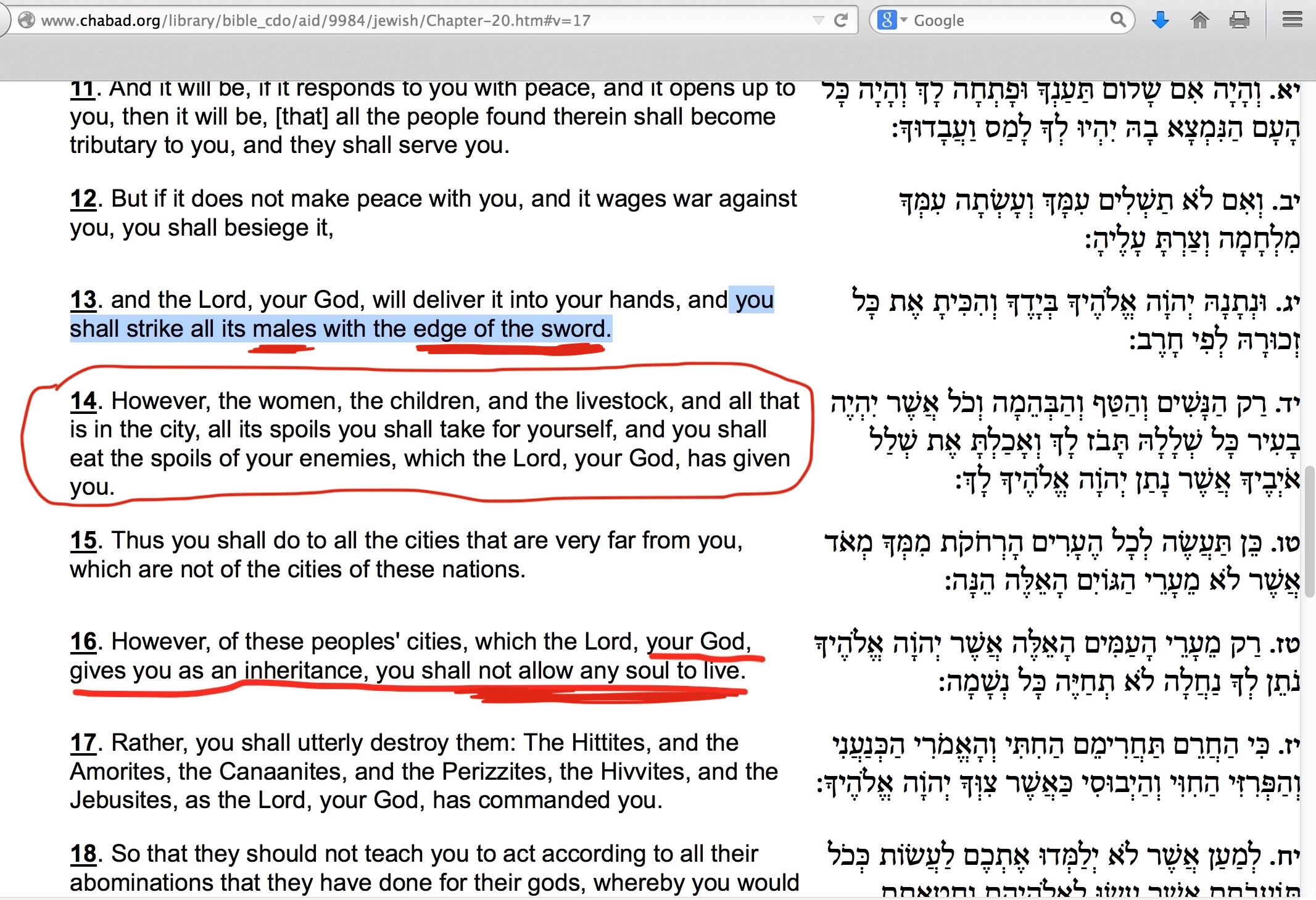
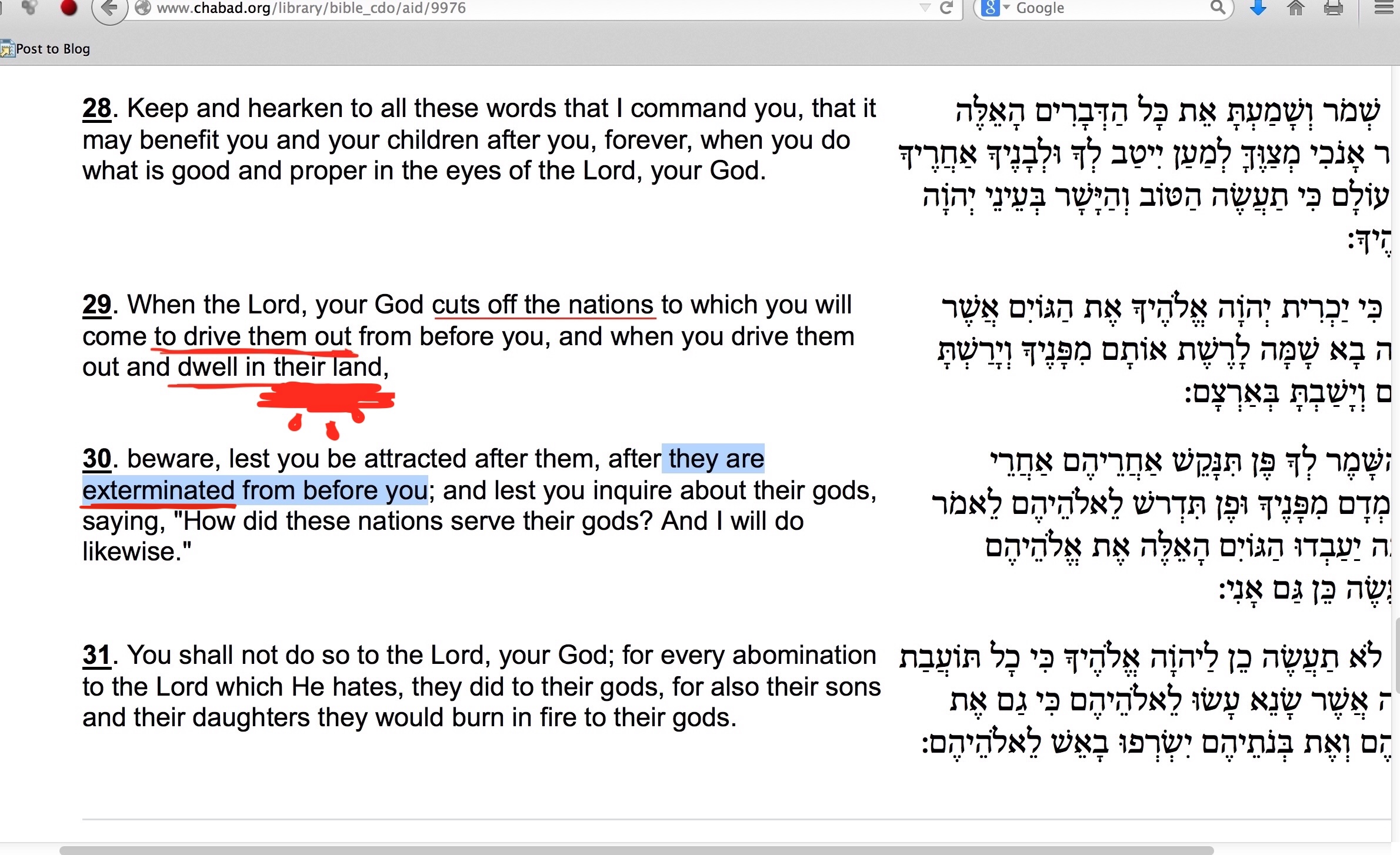
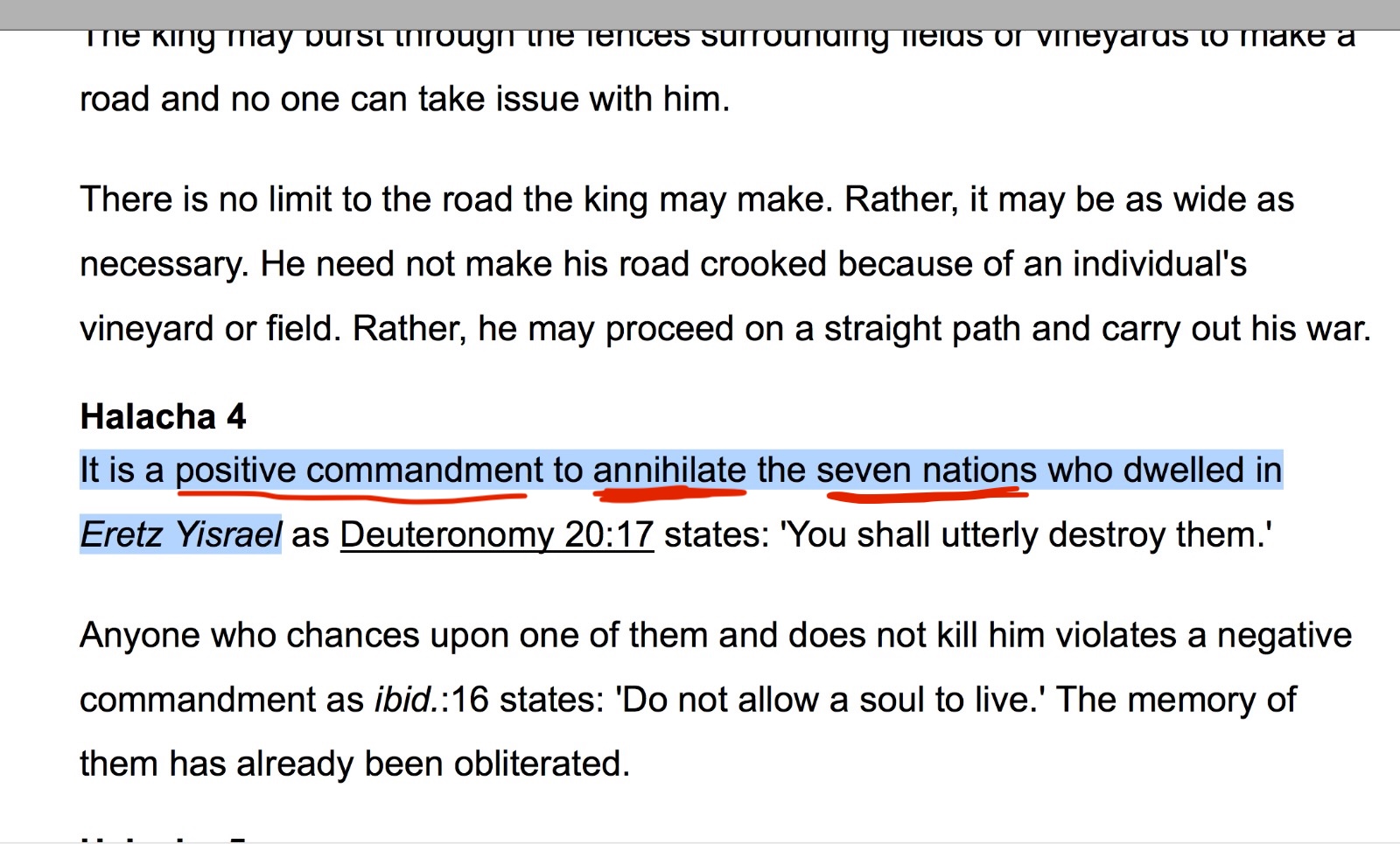
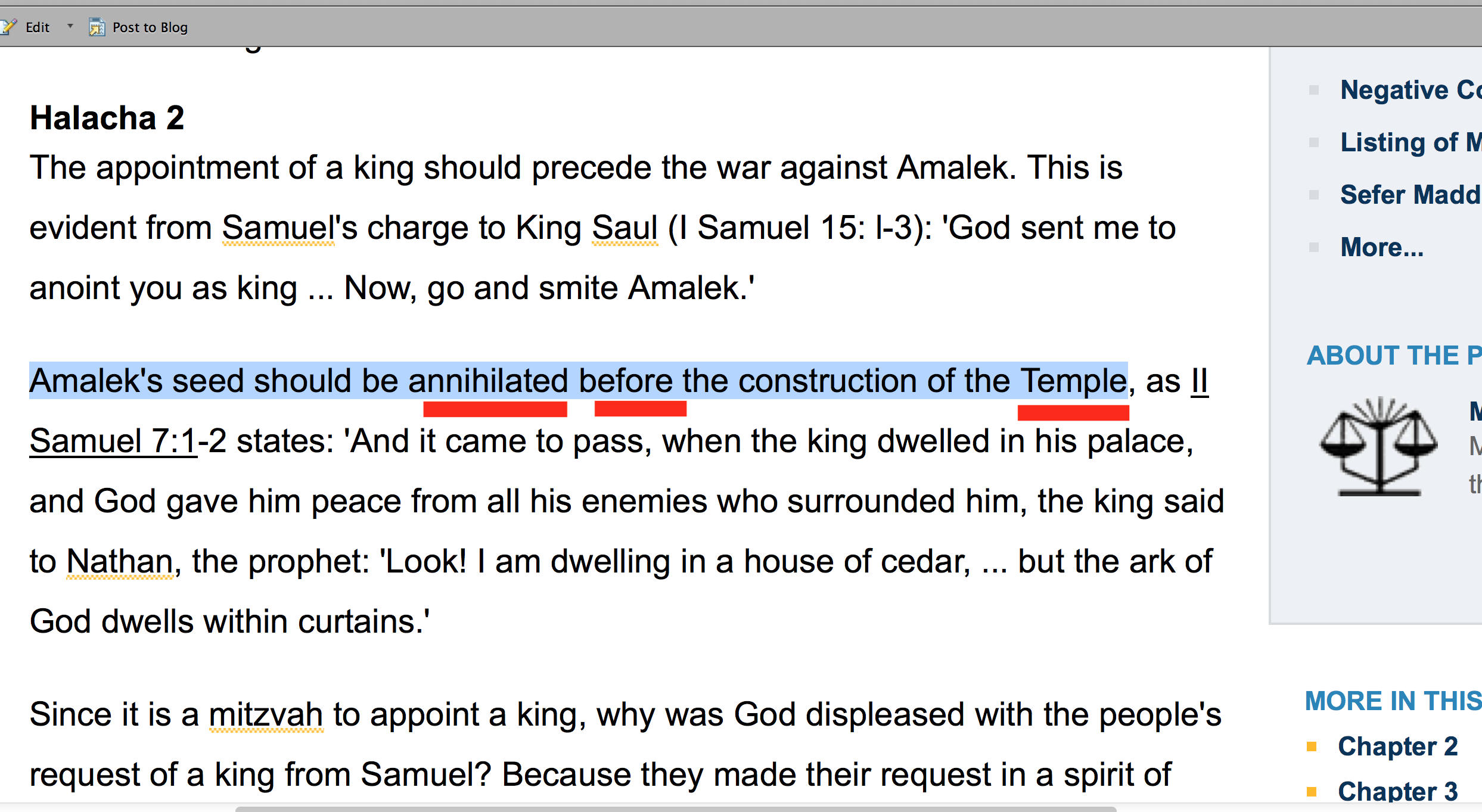
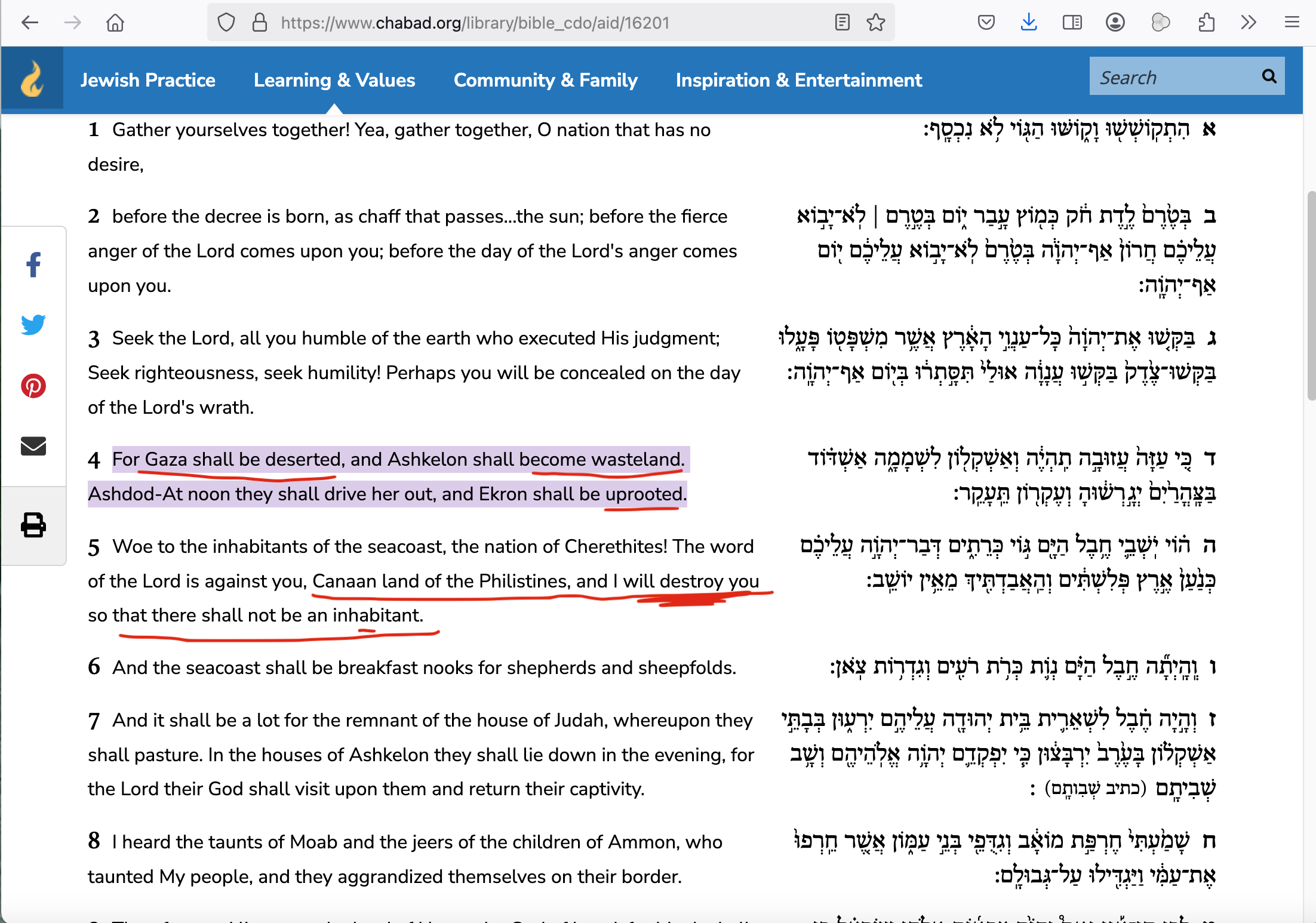
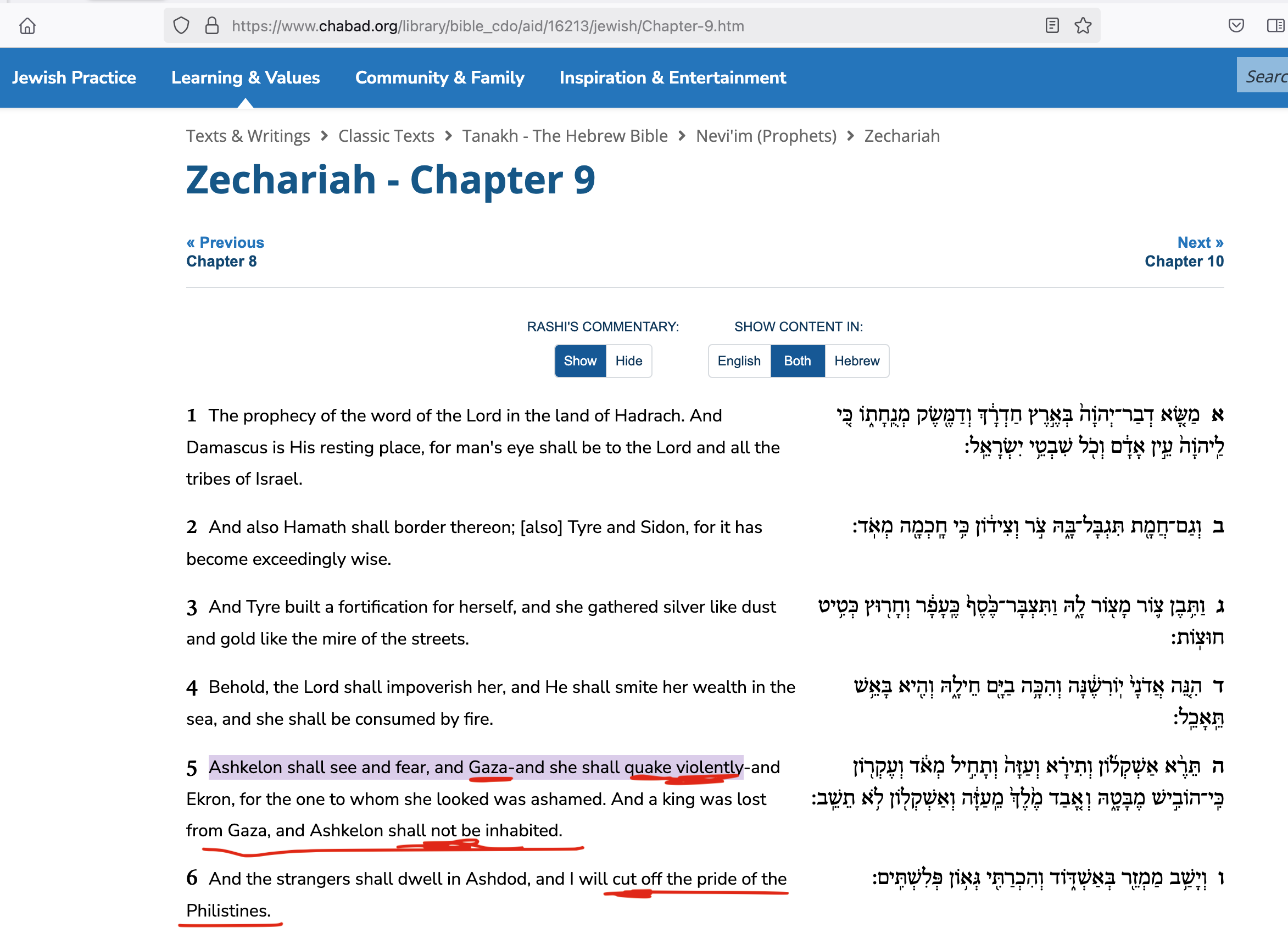
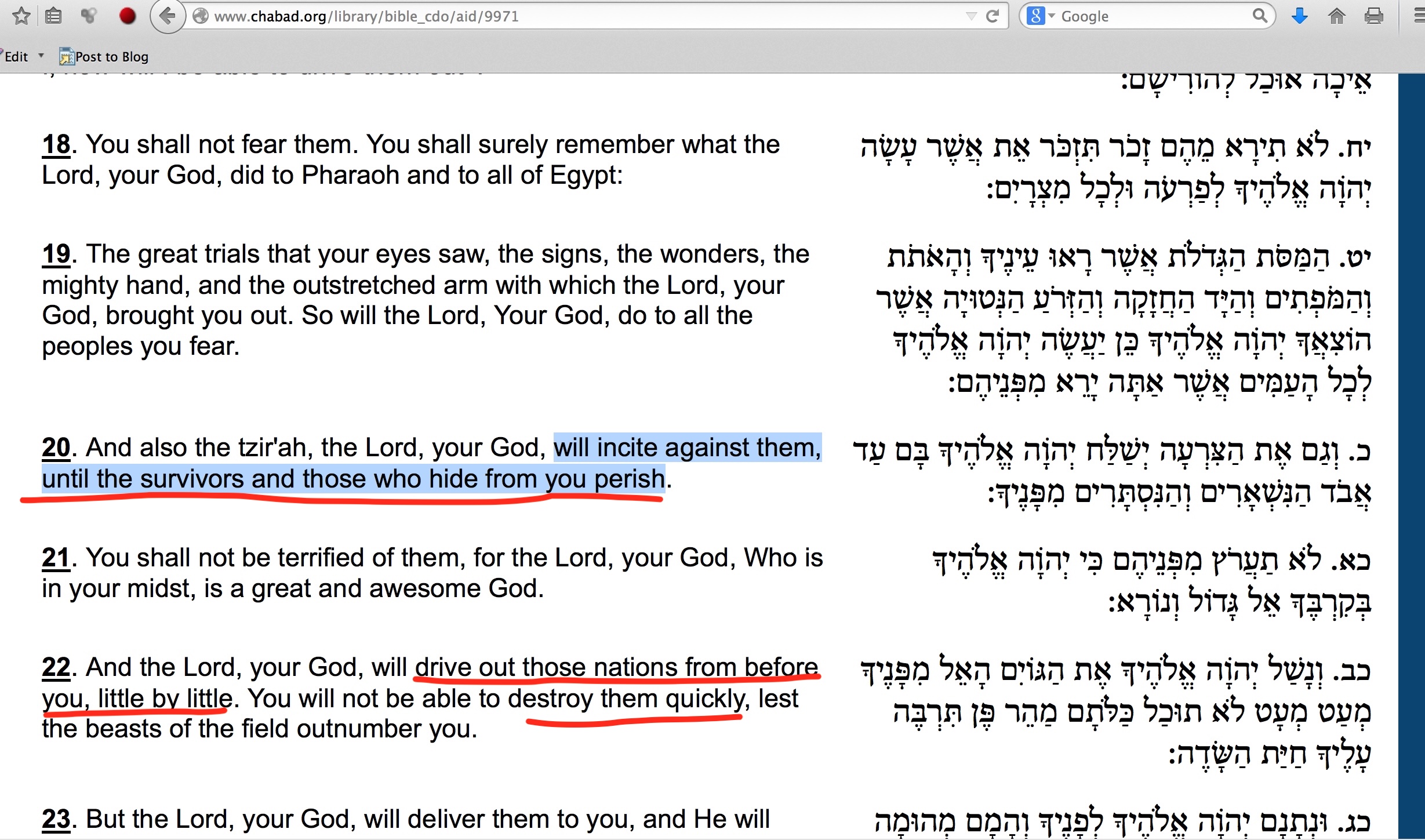
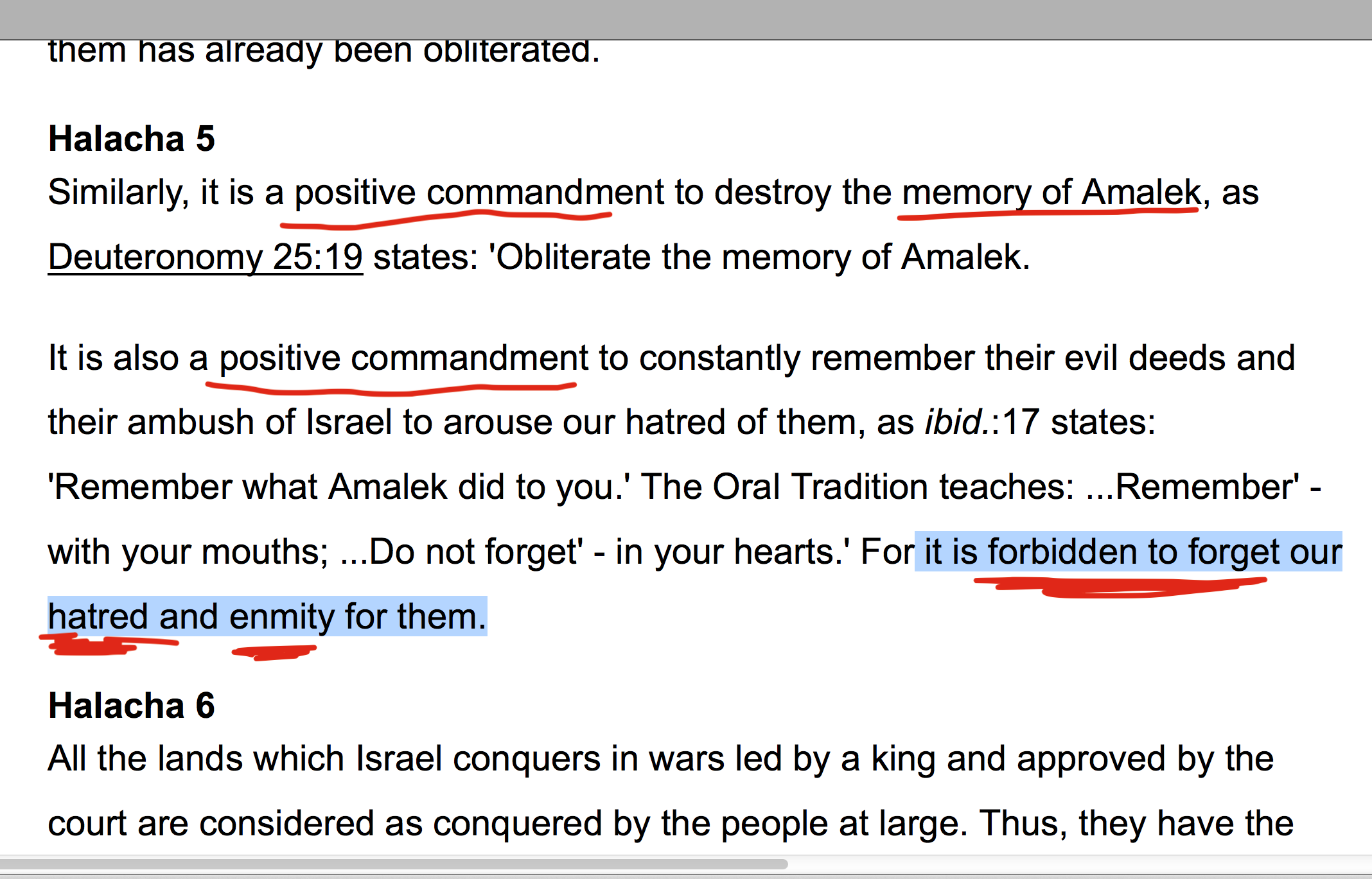
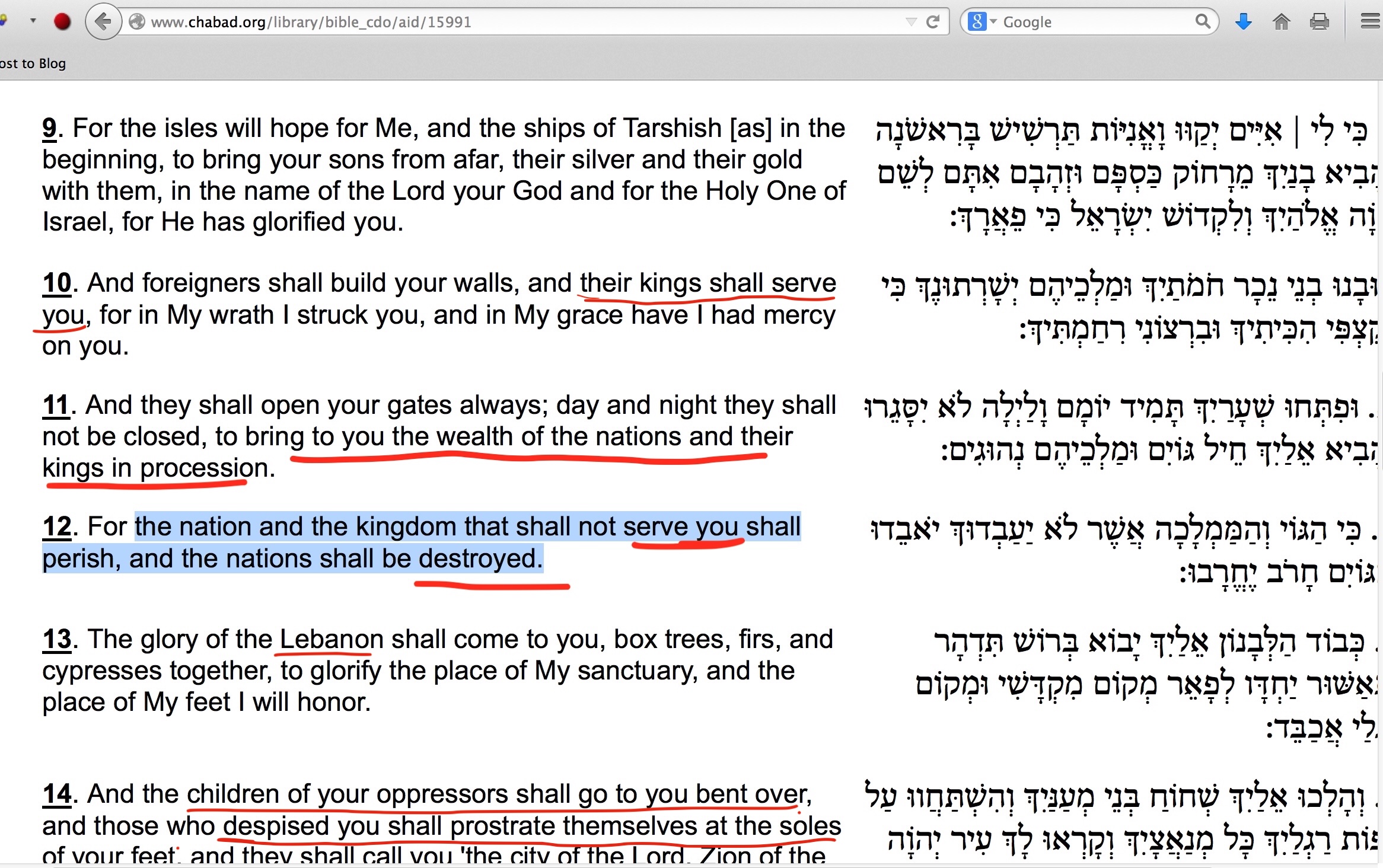
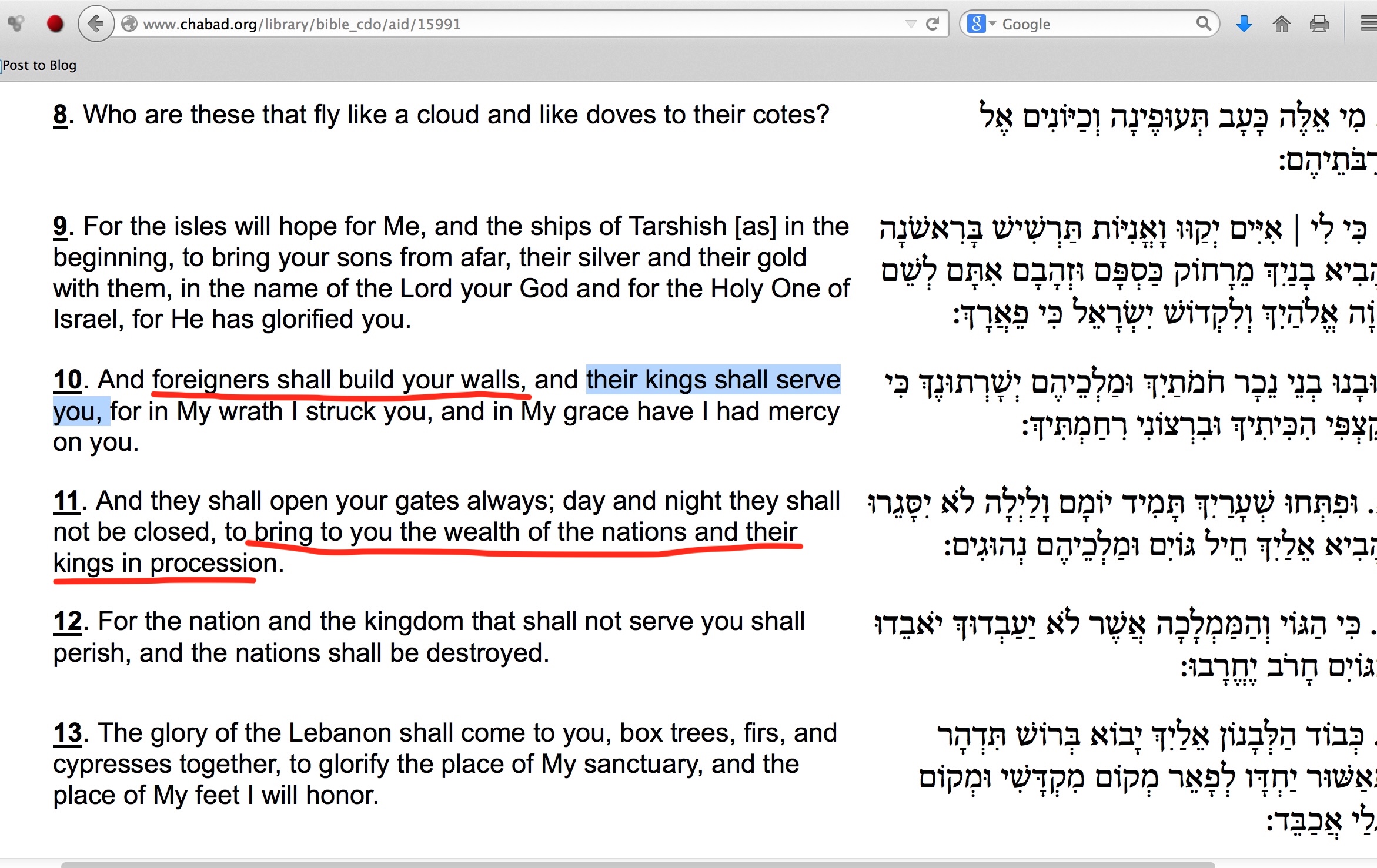
Troubling ideas throughout the Torah, Talmud, Mishneh Torah and Tanya

The future of the planet depends on uprooting Jewish supremacy

By Nahida Exiled Palestinian | September 28, 2026 

There is no running away from the fact that there are extremely troubling ideas throughout the Torah, Talmud, Mishneh Torah and Tanya.

Ideas like “choseness”, “promised land”, “return to Zion”, “building the temple”, “tikkun olam”… etc come from no other than Torah itself, soaked in supremacy, dominance aspiration, deception and mass-killing.

We can no longer hide our heads in the sand, pretending not to know, pretending not to see.

Jewish anti-Zionists should move on now, and use all their activism outside the Palestine solidarity movement, direct their work towards their people where serious discussions happen, plans are drawn, funds are raised, weapons are shipped and is genocide plotted and enacted. They should work with their own Jewish communities to try to get them out of the mess of supremacy and genocide they got themselves into.

Instead of wasting their time denying any links between Judaism and Zionism, instead of throwing their energy on controlling the Palestinian discourse, and instead of relentlessly monitoring us, Semite Palestinians lest we slip and “conflate Zionism with Judaism”or say something “antisemitic”, that may offend a Jew, Anti-Zionist Jews should change course and adopt a different role to play.

They should shift their activism within, try to effect change within their own Jewish communities who by vast majority are still supporting the Genocide with all their wealth, their leverage, all their influence and all their might.

They should leave us Palestinians to lead our Liberation Movement, and to narrate our authentic, untamed, unfiltered, unkosherised story without censoring, blacklisting, slandering or intimidation.

The future of the planet depends on the uprooting of Jewish supremacy, deception, hatred and violence from their ideology, and joining the human race as equals not as “chosen”.

Failing to confront the elephant in the room would end up in a World Nakba, like nothing we have ever seen before.

This is a WARNING, a mere WARNING of a brewing global disaster, I see in the horizon, and I am praying that together we would be able to prevent before it’s too late.


  •  

‘Grave, alarming’: Iran mission on Trump’s UNGA ‘annihilation’ threats

Al Mayadeen | September 28, 2026

Iran has warned the United Nations that US President Donald Trump’s threats to “annihilate” the Islamic Republic constitute a grave development, particularly because the remarks were made from the podium of the UN General Assembly.

Gholamhossein Darzi, Iran’s ambassador and chargé d’affaires to the UN in New York, raised the issue in a September 27 letter addressed to UN Secretary-General António Guterres and the President of the Security Council, Jérôme Bonnafont.

Darzi’s letter came in response to Trump’s September 22 address to the 81st session of the UN General Assembly, during which the US president said he could “annihilate the Islamic Republic” if no agreement was reached with Tehran. The wording appears in the official UN transcript of Trump’s speech.

Iran says threats made at UN carry wider implications

Darzi said Trump’s remarks were neither isolated nor ambiguous, arguing that they form part of a continuing pattern of public threats against Iran by the president of a permanent member of the UN Security Council.

“These repulsive statements are not ambiguous remarks or isolated utterances. They are rather part of a sustained pattern of public threats against Iran by the head of a permanent member state of the Security Council,” Darzi wrote.

“This latest development is particularly grave and alarming because the United Nations General Assembly is not a venue for threats of annihilation,” he added.

The Iranian envoy stressed that the General Assembly serves as the UN’s principal universal forum and was established to promote international peace, cooperation, and relations among states.

In the letter, Darzi referred to several previous statements by Trump that he said demonstrated a broader pattern of threats against Iran.

He cited remarks on March 22 in which Trump threatened to “hit and obliterate” Iranian power plants, followed by statements on March 30 threatening destruction of Iran’s energy facilities and other vital infrastructure, including desalination facilities.

Iran calls for UN response to threats

Darzi argued that the issue extends beyond political rhetoric, saying an explicit threat against a sovereign UN member state raises questions concerning the UN Charter, international peace and security, and the prohibition on the threat or use of force.

He further linked the latest remarks to ongoing US-Israeli aggression against its sovereignty and territorial integrity since February 28, as well as attacks that targeted civilians and civilian infrastructure.

“The issue before the Organization is therefore not merely one of political rhetoric,” Darzi wrote, arguing that failure by the international community to respond could normalize threats against entire nations and undermine the authority of the UN Charter.

The UN has itself emphasized the need for restraint and adherence to international law during the current high-level week. In his September 22 opening address, Secretary-General António Guterres said the principle that force cannot determine whose lives and rights matter was under “profound strain” and called on world leaders to use the week for de-escalation and dialogue.

Iran reiterates right to self-defense

Darzi said Iran would continue to defend itself against any further aggression and reserved its “full and unimpeachable right to self-defense.”

He also said Tehran reserves the right to pursue legal avenues to seek accountability from states and individuals it holds responsible for losses and damage inflicted on the Iranian people.

“Regardless of whether these threats are merely delusional fantasies, they will, as in the past, never materialize or be put into action in the face of the resolute resistance and determined defense of the Iranian people and armed forces,” Darzi wrote.

The Iranian envoy requested that his letter be circulated as an official document of the UN Security Council.

  •  
❌