The Russian Defense Ministry on Sunday vowed that it would intensify attacks on Ukrainian military sites and related infrastructure after Ukrainian President Volodymyr Zelensky said Ukraine would double down on its attacks on Russian oil infrastructure. “Following Zelensky’s statement today, the Russian Armed Forces will step up strikes on military and defense industry facilities, as […]
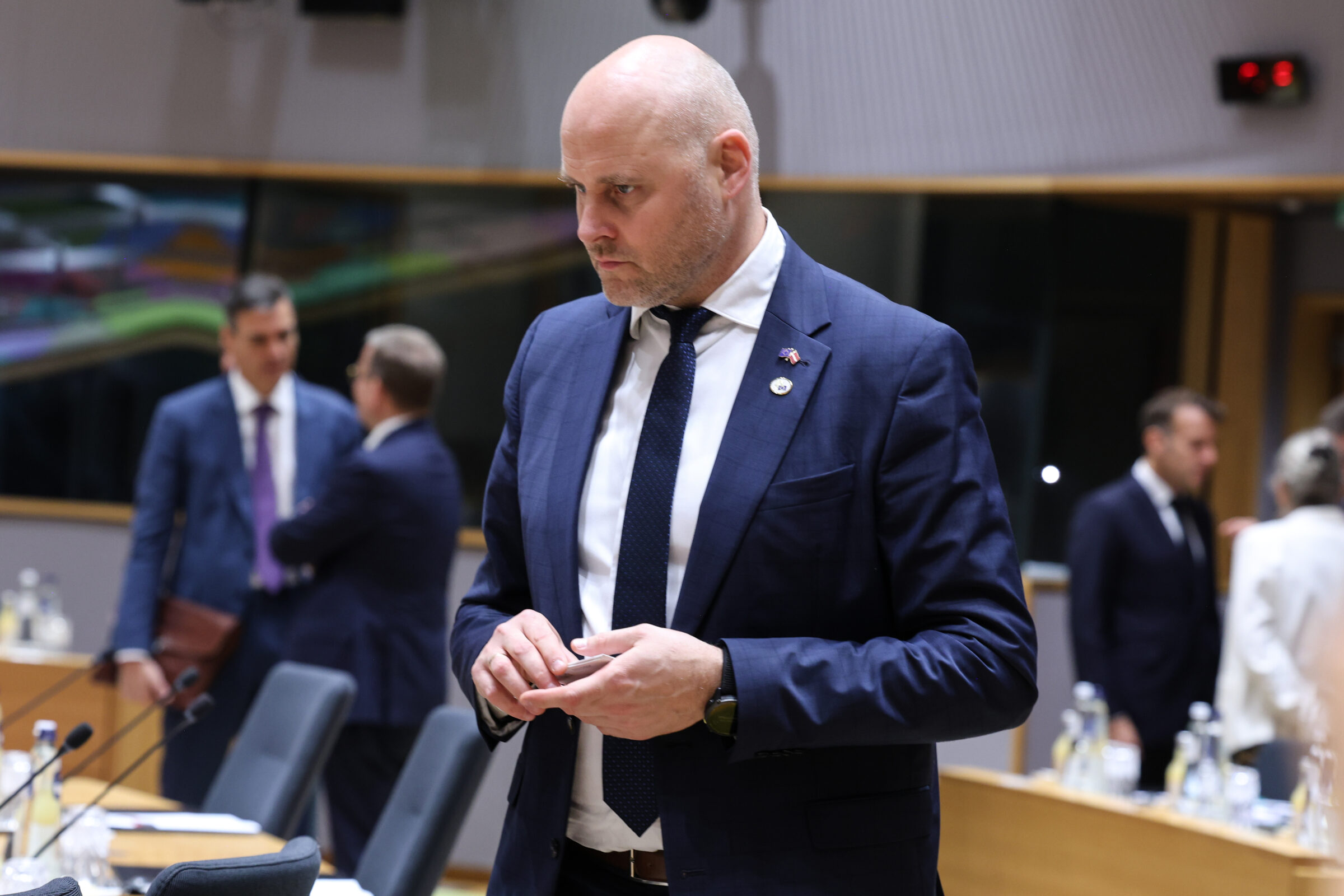
Russia might not have directly interfered in Latvia’s election, but the vote still showed how the Ukraine war was distorting European democracy.
Latvia’s VDD intelligence service did not detect any of Russia’s classic interference tactics in the run-up to Saturday’s (3 October) vote, such as a spike in disinformation, vote buying, or a manufactured security scare.
The centre-right prime minister Andris Kulbergs retained power with 35.8 percent of the vote, even if coalition-building might take a while.
And voters’ concerns included the cost of living and failing healthcare, in what also sounded normal.
But despite the ordinary appearances, Russia’s war in Ukraine still influenced the election in fundamental ways, in a strange new normal for Europe that most of us had hardly imagined just five years ago.
This article continues, but the full version is available only to EUobserver.com subscribers. Visit account.euobserver.com/membership
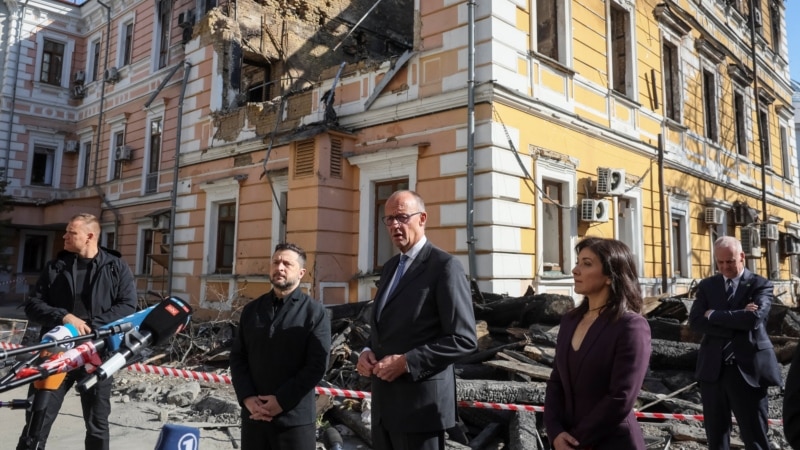
Russia has vowed to intensify its relentless strikes against Kyiv and warned foreign diplomats and other visitors to leave the country or be exposed to “mortal danger,” while Ukraine's leader said his country will respond to the Kremlin's deadly air campaign.
Tourism’s contribution to Russia’s gross domestic product exceeded 3 percent in 2025, Russian Deputy Prime Minister Dmitry Chernyshenko stated, as reported by TASS in late September. According to him, tourism is among the fastest-growing sectors of the Russian economy. Chernyshenko attributed these results to measures under the “Tourism and Hospitality” national project, which he said […]
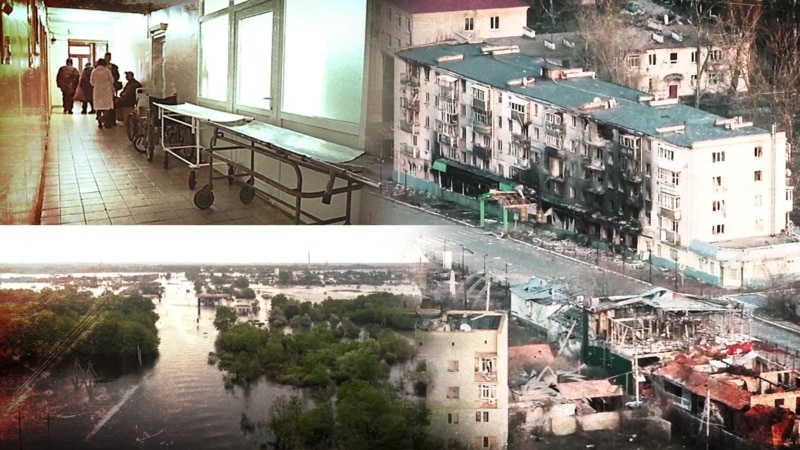
People in Russian-held Oleshky in Ukraine's Kherson region have endured war, occupation, and devastating flooding. Now, trapped by land mines and cut off from basic supplies, they face "hell," starving in a virtual ghost town, Ukrainian officials and volunteers say.
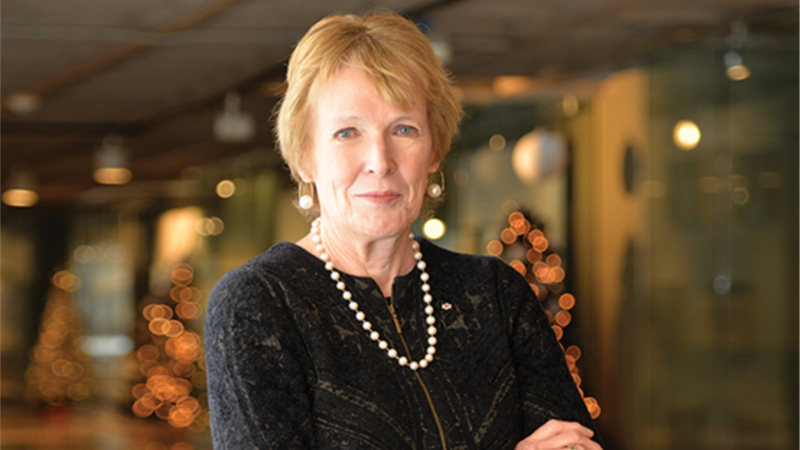
Historian Margaret MacMillan warns that increasingly interconnected wars are increasing the risk of a wider conflict, as she discusses Ukraine’s future, Putin’s Russia, NATO’s vulnerabilities, and an emerging “new world disorder.”
Washington’s invitation to President Putin to the Miami G20 offers Russia an opportunity to pursue direct diplomacy with Washington over the Ukraine conflict while reaffirming its role in the emerging global economic order despite continued Western efforts to isolate Moscow. An Invitation with Strategic Meaning The upcoming G20 summit is scheduled for December 14-15, 2026, […]
It was common practice during the Cold War to exaggerate the threat from the Soviet Union. Nowadays, Russia has assumed that role. Although the circumstances have changed, some of the political methods employed to create a sense of insecurity are still remarkably similar. Europe is not formally engaging in preparations for war since it desires […]
US authorities designated the A7 financial network as a "significant transnational criminal organization," the latest in a series of steps by Western authorities to try and choke the sprawling Kremlin-backed sanctions-evading scheme.
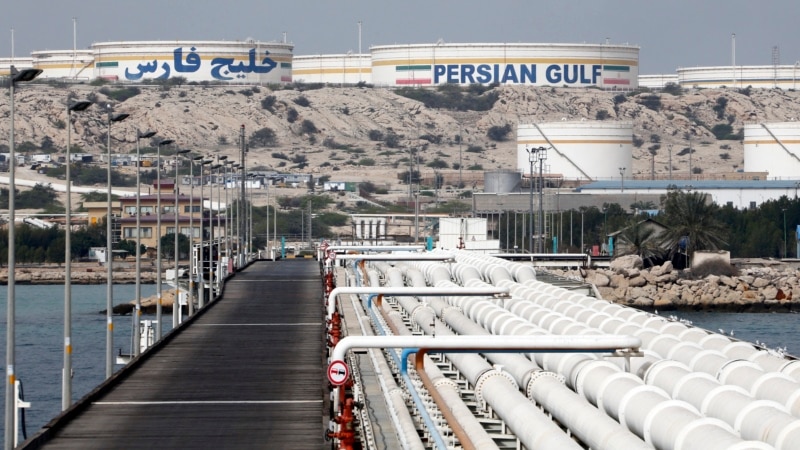
Tajikistan has begun receiving oil and petroleum products from Iran in a move to diversify supplies long dominated by Russia. The volume, price, and route of the shipments remain unknown, raising questions about the commercial scale of the trade and potential US secondary sanctions risks.
In the days between the elections and his arrest, Aleksandr Kynev had pointed to evidence of falsifications benefitting the United Russia party. Some analysts see his arrest and reported beating as a sign of a power struggle pitting security agencies against political operatives in Putin’s Kremlin.
For “New Eastern Outlook”, this interview is not merely a political conversation, but a sign of special trust. It is a great honour for us to present to our readers a dialogue with a leader whose influence extends far beyond the borders of his country. We discussed topics that shape the global agenda: unity, historical […]
(Bloomberg) — Turkey and the United Nations have set up fresh talks in Russia and Ukraine to discuss a Black Sea ceasefire, trying to coalesce scattered efforts to protect grain...
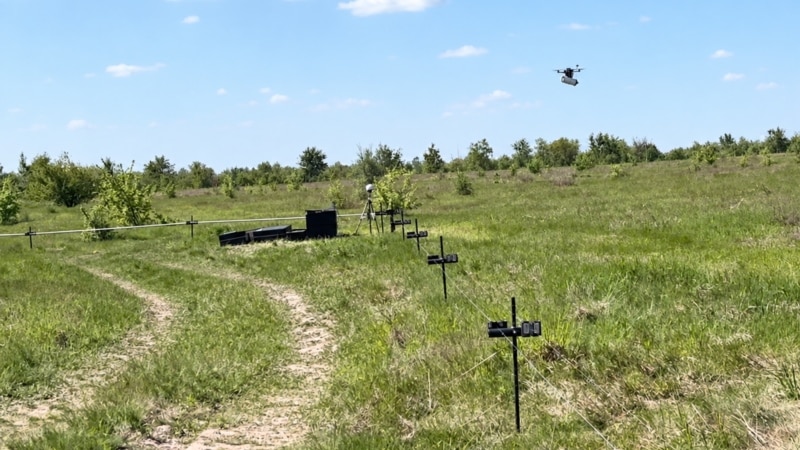
Ukraine is now using a fence-like device designed to snag and cut the cables of fiberoptic drones, weapons that have confounded militaries throughout the world.
In this tense, riveting first-person excerpt from his new book This Cursed Beautiful Land: A Russian Story, Evan Gershkovich recounts the harrowing months he spent as a prisoner in Russia, leading up to his eventual release in a complex, multi-country prisoner exchange. Even in the darkness, Gershkovich offers rays of light: care packages from friends, letters by the hundred, and a cautiously blossoming love with a friend in Berlin. We may know the ending, but the details of these days reveal what it takes to get there.
A few hours after my arrival, I heard a cart rolling down the hallway. A guard opened a kormushka — a feeder window in the door about the size of a human head. A man in a chef’s uniform filled my bowl with porridge, placed a piece of rancid-smelling boiled fish on my plate and gave me some weak tea. The reality of my new surroundings slammed into me.
Thoughts ricocheted inside my head. Earlier in the day I’d had a comforting one: they’ve taken me for a swap, I told myself. That’s all this is.
Now, curled up on the bed in my 12ft by 8ft cell, knees pulled to my chest, I thought, what if the FSB really does think I’m a spy and wants to make an example out of me? Maybe they don’t want to swap me at all. Maybe I really will spend 20 years here.
The United Kingdom has sanctioned five liquefied natural gas carriers as part of a new package of measures targeting Russia's efforts to expand a maritime "shadow fleet" for LNG exports, including three Russian-built Arc7 ice-class vessels intended to support the Arctic LNG 2 project.
Increased NATO military exercises near Russia’s Kaliningrad Region and aggressive rhetoric from members of the US-led bloc are raising the risk of a direct armed conflict, Moscow has warned.
Russia has sent NATO a warning stressing its determination to protect the Russian exclave in the Baltic region “with its entire available arsenal,” according to a statement published on Monday by the Russian Embassy in Belgium, which hosts the bloc’s headquarters.
The message alluded to remarks made earlier this month by Polish Foreign Minister Radoslaw Sikorski, who said there are “hardly any troops” in Kaliningrad Region and urged NATO to increase its military posture near Russia’s borders so that Moscow would be “uncertain of what we will do.”
NATO spokesperson Allison Hart confirmed receiving the Russian message and accused Moscow of irresponsible rhetoric.
”We strongly denounce the threat of force, including any irresponsible nuclear rhetoric,” she said.
Western officials have frequently described Russian statements invoking its nuclear deterrent as “blackmail,” while presenting NATO’s own nuclear-sharing arrangements as a pillar of collective defense.
France has offered to discuss the possible deployment of its nuclear weapons in other European NATO countries, arguing that this could reduce the bloc’s dependence on the US. Under NATO’s existing nuclear-sharing arrangements, American nuclear bombs are stored in several European countries, while personnel from non-nuclear member states train for missions involving their potential use.
Russia has repeatedly rejected Western claims that it intends to attack NATO before the end of the decade, describing such warnings as warmongering aimed at persuading voters to support sharply higher military spending.
Moscow, in turn, views NATO’s military preparations as potentially paving the way for an attack on Russia. Foreign Minister Sergey Lavrov has repeatedly warned that any such conflict would be extremely brief, implying that Moscow could resort to nuclear weapons.
The Russian Embassy in Ireland used more direct language, saying on Tuesday that Moscow is prepared to use nuclear weapons in response to an attempted NATO blockade of Kaliningrad Region and may consider pre-emptive military action in such a crisis.
Kremlin spokesman Dmitry Peskov said on Wednesday it was “natural for our diplomats to try and remind hotheads in Europe about our doctrinal documents,” in response to the rhetoric coming from Poland and other nations.
Last week, Russia recorded its highest estimated revenues from seaborne oil exports since the start of the war with Ukraine.
The main driver of this demand is the armed conflict and the resulting blockade of the Strait of Hormuz in the Middle East. Due to supply problems, buyers are looking for additional sources of crude oil. This also applies to China which, although it has already secured reserves of the commodity, is also starting to increase purchases from the Russian Federation.
Russia’s record revenues from oil sales
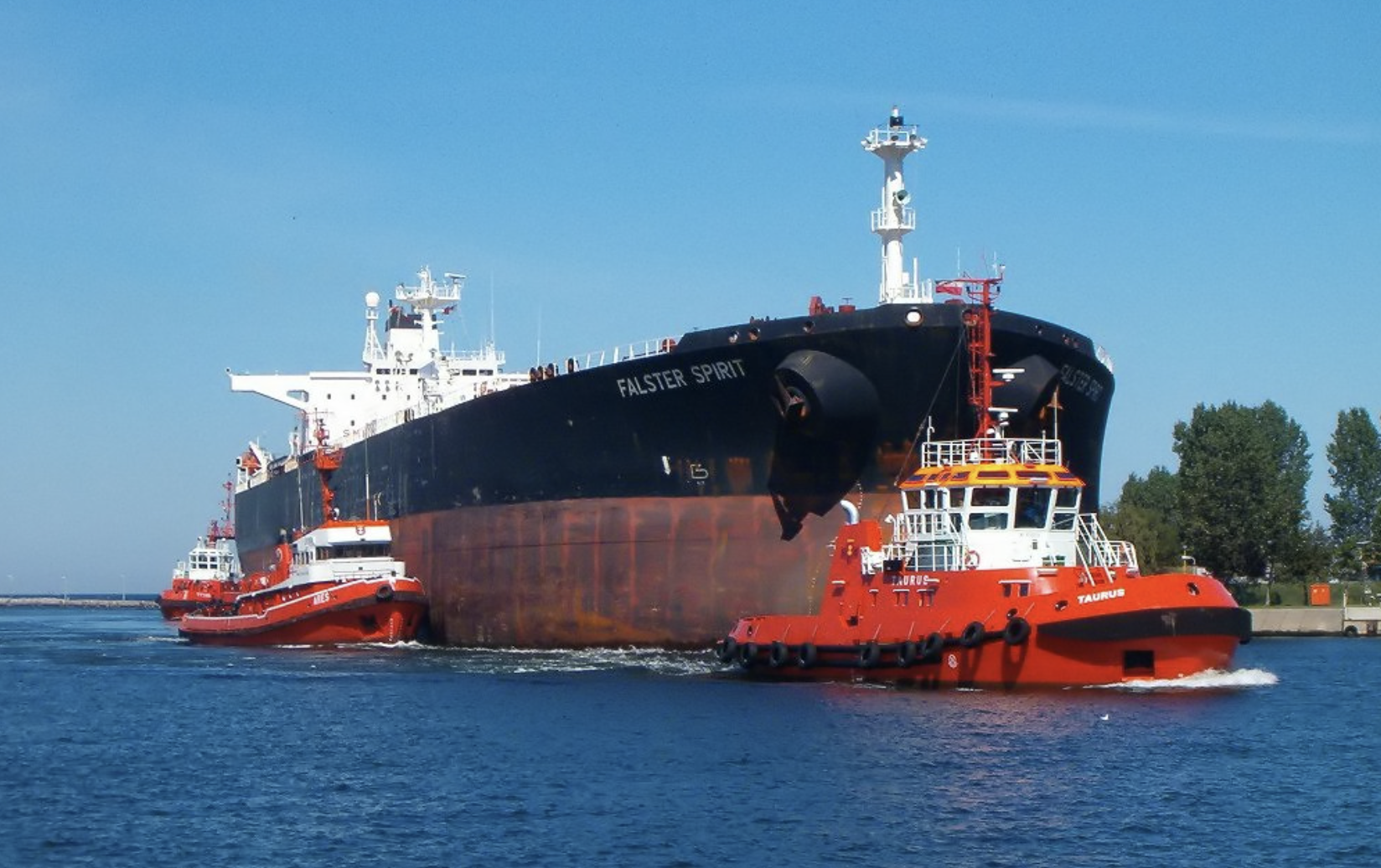
Last week, Russia achieved record weekly revenues from seaborne oil exports since the beginning of the war. Oil companies there shipped about 3.99 million barrels of oil a day to foreign markets. Given the high prices, this significantly increased the value of Russian exports.
Bloomberg estimates that the total value of oil shipped from Russian ports last week was about $2.75 billion. That is about $180 million more than the previous week and the highest weekly figure since the beginning of the Russia-Ukraine war.
Russian oil is now much more expensive than in previous months. As noted earlier, this is influenced by the situation in the global oil market, and in particular, the war in the Middle East. The price of Brent crude remained above $100 a barrel in September.
At the end of September, the price of this benchmark exceeded $103 per barrel. Earlier, prices rose further amid concerns about disruptions in oil supplies from the Middle East.
Average revenues for the last four weeks
The Kremlin has decided to limit fuel exports to support the domestic market. The ban on diesel exports by Russian producers has been extended until Sept. 30, and restrictions on the export of gasoline and some diesel fuels by other exporters remain in place for an extended period.
The UA News portal points out that an exceptional situation has arisen as a result, stating: “Russia cannot export as many petroleum products as before, but it has a surplus of crude oil that it cannot fully process domestically. Consequently, the oil surplus is diverted to the foreign market.”
This situation increases the volume of maritime exports. Russia’s current revenues have significantly exceeded the previous week’s value. To avoid drawing conclusions based on just one week, the agency also calculated average revenue over four weeks. This indicator is less susceptible to sharp short-term fluctuations in prices and volumes.
Over the past four weeks, the estimated average value of Russian oil exported by sea has been around $2.39 billion per week. That is about $290 million more than in the previous four-week period and the most since the second half of May.
Russia may continue to earn significant revenue from crude oil sales. As long as the price of Brent crude remains above $100 a barrel and Russian crude enjoys demand among buyers in Asia, Moscow can generate additional revenue, even despite operational problems at its own refineries.
This situation may change as supplies from the Middle East gradually resume. Reuters reported that exports from Saudi Arabia and the United Arab Emirates increased in September, and reconstruction of some infrastructure began after the attacks. This could ease pressure on the global market and affect the price of Russian oil, even if oil prices are expected to remain elevated throughout 2026 and 2027.

 Login