Aujourd'hui j'ai rejoint la manifestation qui a traversé l'Est parisien, dont la mobilisation lycéenne était le fer de lance. J'en ai ramené quelques photos qui vont piquer les yeux de tous ceux qui croient à un complot islamo-gauchiste. La manifestation était très différente de cela...
Très important !
Si vous voulez voir les vidéos de la manifestation, au coeur des affrontements entre policiers et manifestants, rejoignez notre chaîne Telegram gratuite en cliquant sur ce lien :
Un phénomène n'a pas manqué d'étonner (pour voir la vidéo où je disserte sur ce mystère, rendez-vous sur Telegram) : peu avant l'arrivée du cortège, un groupe de casseurs provocateurs a bloqué le boulevard Voltaire et lancé un feu de poubelles, dans une sorte de passivité ou d'impunité totale de la police.
L'événement a donné l'occasion aux forces de police de créer une sorte d'enclave dans le groupe des provocateurs, qui ne pouvait évidemment que dégénérer, et fournir de bonnes images de violence aux médias qui n'en demandaient pas plus pour fabriquer un narratif transformant un mouvement bon enfant en déferlement barbare.
Dans cet ensemble, on n'oublie évidemment pas l'évocation de la cause palestinienne qui, par une association d'idées parfaitement travaillée dans certains médias, revient à réduire le mouvement à une sorte de guerre civile larvée menée par les Musulmans contre la France de toujours. On se demande d'ailleurs dans quelle mesure la présence du drapeau palestinien ne sert pas de "magnet" pour attirer les jeunes Musulmans de banlieue en perdition afin de mieux les identifier et les ficher.
LE COURRIER DES STRATÈGES
Restez libre !
ABONNEMENT
Allez au fond des choses.
Deux grands formats par jour. Les cinq plumes du Courrier. La série Sécession, le dimanche.
Au-delà de ces clichés, il faut répéter que la manifestation avait un côté bon enfant, avec une jeunesse très majoritairement bien éduquée et sympathique, loin de tout sujet religieux.
LE COURRIER DES STRATÈGES
Restez libre !
TELEGRAM · L'INFO EN CONTINU
Entre deux éditions, le fil.
La newsletter vous donne le matin. Le fil vous donne l'instant.
In a major international espionage story, August Hanning, the former German intelligence chief, who was the head of the Federal Intelligence Service (BND) from 1998 to 2005, has been charged with “obtaining classified information from a former employee of the Federal Intelligence Service (BND) and using it in connection with his private consultancy work.”
The BBC reported that “Prosecutors allege that he used classified intelligence to ‘draft an analysis’ for one foreign intelligence service and maintained contact with another foreign spying service. Investigators have not disclosed which foreign powers were involved.”
While Germany has not released which foreign state August Hanning was working for, all available evidence suggests it was Israel.
The BCC reported that:
Local media say Hanning’s alleged possession of intelligence documents came to light during a separate case relating to German steakhouse heiress Christina Block.
Hamburg public prosecutor’s office accused Block of orchestrating the kidnapping of her two youngest children in 2023 due to a custody dispute. Investigators allege Hanning was involved in an earlier attempted kidnapping of the children, which he denies.
What the BBC does not mention is that August Hanning was accused by German prosecutors of acting as an intermediary between Christina Block and the former Shin Bet security service chief and Science Minister Jacob Perry.
Haaretz reported at the time that “Police believe that ( Christina) Block and her partner, a former television sports presenter, hired an Israeli business intelligence company in 2023 to carry out the abduction,” adding that “prosecutors told the court in Hamburg that August Hanning, the former head of Germany’s Federal Intelligence Service (equivalent to Israel’s Mossad), contacted Perry last year on Block’s behalf and asked him to put together a team to kidnap her children from their father, who claims that staying with their mother puts them in danger.”
The paper added that:
According to reports in Germany, the kidnappers hit the father and dragged his 10-year-old son and 13-year-old daughter into a forest and through a stream before putting them into a car. The children’s mouths were taped shut and one of them was tied up. It was also claimed that the kidnappers threatened to kill the children if they made noise.
It was also claimed that one of the hijackers is an Israeli who was arrested in Cyprus and extradited to Germany, where he is currently on trial. Two other Israelis suspected of involvement in the case have fled Germany.
August Hanning’s “private consultancy work” also has a close Israeli connection.
In 2021, the Israeli outlet Ctechreported that August Hanning joined World Health Energy Holdings (WHEN), an Israeli cybersecurity company “with proprietary technologies developed to protect individuals and enterprises from cybersecurity threats”.
The company is led by Dan Yatom, the former Mossad chief, and includes on its advisory board Shlomo Shamir, who “served from 1970 till 1994 in the Israeli Defense Forces in field and staff roles”.
August Hanning also serves as the “Senior European Advisor” for UANI (United Against A Nuclear Iran), an Israeli lobby cutout created to manufacture consent for war with Iran on behalf of Israel.
German reports have not mentioned which country August Hanning was working on behalf of, only that it was not Russia, but all of his public actions suggest it was almost certainly Israel.
Most of Donald Trump’s efforts to control the nation’s largest museum complex have been loud. He tried to fire a Smithsonian museum director on social media, ordered the placement of warning signs outside its American-history museum, and demanded that the museum take down a modernist sculpture he dislikes. But while this political theater plays out publicly, the White House’s Office of Management and Budget is quietly using an obscure funding power as part of its campaign to influence how the Smithsonian tells the American story.
Late last month, according to previously unreported public records, OMB included a footnote in two recentapportionments of federal funds that conditions nearly $190 million for the Smithsonian on the institution’s compliance with Trump’s March 2025 executive order accusing it of spreading “divisive narratives.” Essentially, the White House is trying to force adherence to its preferred version of history through a little-known but legally binding budget mechanism.
The fiscal-year-2027 footnote, which applies to funds carried over from last year in two of the Smithsonian’s main salaries and expenses accounts, reads:
To the extent permitted by law, amounts apportioned shall be available for obligation in a manner consistent with Executive Order 14253 (March 27, 2025), “Restoring Truth and Sanity to American History.”
That executive order marked the beginning of the Trump administration’s campaign to change the Smithsonian, alleging that the institution had come “under the influence of a divisive, race-centered ideology” and prohibiting “expenditure on exhibits or programs that degrade shared American values, divide Americans based on race, or promote programs or ideologies inconsistent with Federal law and policy.” The footnote does not specify how the Smithsonian should apply the order’s vague prohibition. But it is more than simply a threat: Apportionment footnotes are enforceable under the Antideficiency Act, the violation of which can carry criminal penalties. Such footnotes are one of several tactics that the Trump administration has used to try to supplant Congress’s spending power. In this case, the footnote suggests that the fight over the Smithsonian’s purpose goes much deeper than Trump’s most visible attacks.
Today, the Smithsonian is nearly two-thirds federally funded and receives an annual total appropriation of about $1 billion—a reality that would have agonized some of its earliest supporters. In a way, John Quincy Adams could be said to have foreseen what Trump is trying to do to the Smithsonian: In 1842, the former president, then serving in Congress, opposed a bill providing federal funds to the Smithsonian, writing that the new institution in Washington, D.C., should be “exclusively confined to itself and not entangled or commingled with any national establishment requiring appropriations of public money.” Even Joseph Henry, the first Smithsonian secretary, under whom the institution began receiving regular federal funding to support a museum, worried about it, writing in an 1877 letter that the museum was “liable to be brought under direct political influence.” If there is any constant in American life, Adams and Henry knew it then and Trump knows it now: Money is control.
Although the Trump administration has notched only small wins against the Smithsonian, it’s been playing money games since last year with an institution that is meant to operate independently. Starting in September of last year, OMB began adding footnotes demanding that the Smithsonian comply with two documents: the March executive order and an August letter to Smithsonian Secretary Lonnie Bunch insisting that exhibition materials and other documents be turned over for a content review. Then, starting in April of this year, the footnote was revised to require the Smithsonian to follow Trump’s budget request rather than the 2026 appropriations bill Congress had passed—essentially telling the Smithsonian to operate at a $89 million deficit from what lawmakers had legislated. After several iterations, that footnote was ultimately removed on July 2. Two days later, the White House issued a scathing report on the National Museum of American History. At that point, the footnotes tactic seemed to have gone dormant. Until late last month.
It is unclear whether the footnotes have had any concrete impacts on the Smithsonian’s operations. The Smithsonian declined a request for an interview about the footnotes and the White House did not answer questions about the matter.
Representative Chellie Pingree, a Maine Democrat who is the ranking member on the House appropriations subcommittee that oversees the Smithsonian, told me she spoke with Bunch this summer about the funding issues and got the sense that the institution was waiting to push back until the footnotes really interfered with its work. The footnotes were never challenged, she said. “I think they caused enormous heartburn for the Smithsonian. Eventually, the funds were released, and so now my worry has turned to what will happen on the next round.” Senator Jeff Merkley, an Oregon Democrat who is also the minority leader on a subcommittee tasked with Smithsonian oversight, condemned what he described as the refusal to release tens of millions of dollars earlier this year. “OMB used small footnotes to make a huge, absurd assertion that holding funding to the President’s budget level—just a number on a piece of paper—overrode the actual law,” he wrote to me. “In fact, it is illegal to withhold such funding.”
Multiple budget experts told me these footnotes are very strange. Cerin Lindgrensavage, a lawyer at the nonpartisan watchdog group Protect Democracy, has been following apportionments closely and told me that the Smithsonian footnotes were so bespoke that a tracker that her organization had made did not flag them. “It never occurred to us that somebody would put something so egregious in text,” she said. In particular, “the idea that you would resurrect the president’s request that has zero force of law from an earlier part of the appropriations process and impose it at the very end is abhorrent to the rule of law and the constitutional order as we know it,” she said.
This context makes Trump’s 2027 budget request even more ominous for the Smithsonian, because it’s the lowest for the institution in years. At $961.3 million, Trump’s proposal cuts spending by about 11 percent from the previous year. The request also stresses the importance of maintaining and protecting museums on the National Mall, which is home to about half of the Smithsonian’s museums and ground zero for Trump’s pet projects in Washington.
The White House has used footnotes against other federal entities, including the National Science Foundation. Last month, a judge ruled against the Trump administration in a case about Education Department apportionments, writing that the government’s use of restrictive footnotes to force compliance with executive orders in this situation was unlawful. Remaining claims in the case, including those related to OMB using apportionments to withhold money from specific programs the administration doesn’t like, are pending. (Lindgrensavage is one of the plaintiffs’ lawyers.)
Little attention has been paid to these behind-the-scenes tensions at the Smithsonian, except for when TheWashington Sunreported on some of the footnotes earlier this year. The White House has justified its broader campaign by claiming that the Smithsonian presents an overly negative version of U.S. history and that its leadership has a political agenda. Historians have decried the Trump administration’s attempt to influence the institution, and Democratic lawmakers have introduced legislation to protect the Smithsonian’s independence. Smithsonian leadership has occasionally pushed back against the administration’s wider claims, saying its work is nonpartisan and rooted in scholarship. But the face-off coincides with an ongoing debate over how to tell American history. Should it be one overarching narrative or comprise many smaller, varied perspectives? Should it focus on national unity or diversity? These questions are especially top of mind at the Smithsonian’s National Museum of American History, which is widely seen as measured in its work and has followed larger curatorial and academic trends of widening the historical narrative to include more groups while emphasizing the complexities of the American story.
Whatever the approach, history at the Smithsonian has been the responsibility of curators, not presidents. But the Smithsonian is in a particularly vulnerable period. Bunch will retire from his post at the end of the year. Citizen members keep dropping off the Smithsonian’s Board of Regents when their terms expire, and their seats are going unfilled, reportedly because the White House is trying to influence the new picks, The New York Times wrote this summer. Museum-director positions are open across the institution too—last week, the director of the National Museum of Natural History announced that he is stepping down—adding to a number of major vacancies. For a president seeking control, a power vacuum and a fraying institution could represent an opportunity.
One staffer who requested anonymity because she was not authorized to speak on the record told me after Bunch’s retirement announcement that some employees worried that the president might attempt to appoint a secretary, just as he “fired” National Portrait Gallery Director Kim Sajet in a Truth Social post last year. (The Smithsonian said Trump did not have the authority to do that, but she ultimately stepped down anyway). “I think you’d have to really stick your head in the sand to not feel some level of anxiety around this,” the staffer said. In a sense, the White House’s efforts have already worked simply by placing an entire museum system on edge.
It has a lot to lose. At the Smithsonian, private money goes toward the glossier endeavors, such as groundbreaking exhibitions and new facilities, while public money is typically used for basic needs, such as operations, conservation of national collections, and maintenance. Public funding keeps the doors open, which is why the institution’s unusual status as a private-public entity is most visible when it has to close during a government shutdown, as happened last year.
The footnote tactic exploits that vulnerability. Although the apportionment process was designed to help prevent entities receiving federal dollars from overspending, it is “not an invitation to the Office of Management and Budget to micromanage the federal government,” Lindgrensavage said. The Trump administration has tested the limits of its apportionment authority. More recently, the president has called for a sweeping cancellation of about $810 million in federal dollars, much of it coming out of resources for “refugees, asylees, and other non-citizens,” according to a White House memo. Senator Susan Collins, a Maine Republican, posted on X that OMB was trying “to undermine Congress’s Constitutional power of the purse.”
Budgeting experts stressed to me that every line of a footnote is intentional and has a story behind it. In the Smithsonian’s case, the footnotes go into very specific detail. In the version of the footnote that OMB added this spring, the office proposed imposing travel restrictions on the Smithsonian, with exceptions for two projects that Trump is fond of: the semiquincentennial festivities and the Arabian leopards at the National Zoo (which are supported by a gift from Saudi Arabia). In 1839, Adams wrote that he feared a Smithsonian bequest might be “squandered upon cormorants,” referring to voracious birds. Adams was prescient in his anxieties about the Smithsonian’s financial entanglements; he just had the wrong animal. Instead, the Smithsonian’s main antagonist is a devotee of big cats.
Riserve americane al minimo dal 1982, Cina che blocca l’export di carburanti, raffinerie russe in fiamme, Hormuz a scartamento ridotto: non è una crisi, è la somma di quattro crisi. E l’Europa le subisce tutte senza governarne nessuna. A Levante questa sera, martedì 6 ottobre, Margherita Furlan dialoga con Demostenes Floros, responsabile dell’area Energia del CER, sulla nuova geografia del potere energetico e su che cosa significa per l’Italia, nel giorno in cui torna l’accisa piena sul gasolio e il tetto ai prezzi resta affidato a Eni. Hormuz, l’OPEC+ senza Emirati e i 5 milioni di barili al giorno che mancano all’appello Washington svuota la Riserva strategica e minaccia di fermare il gasolio: l’Europa apre le scorte Pechino chiude l’export di carburanti e si tiene le cisterne La guerra delle raffinerie tra Kiev e Mosca e il conto che arriva alla pompa Gas e GNL: il Qatar ferito, l’Europa dipendente dagli Stati Uniti, l’inverno alle porte Eni, Mattei e lo Stato assente: tetto ai prezzi, dividendo straordinario, extraprofitti LIBRI DELL’OSPITE Crisi o transizione energetica? Come il conflitto in Ucraina cambia la strategia europea per la sostenibilità (con Stefano Fantacone), 2022 Guerra e pace dell’energia. La strategia per il gas naturale dell’Italia tra Federazione Russa e NATO, Diarkos, 2020 SOSTIENI CASA DEL SOLE TV Casa del Sole TV è un progetto di giornalismo indipendente autofinanziato. Per donazioni: IBAN: IT63P0326822300052392596590 Intestato a: La Casa del Sole Edizioni Causale: Donazione Casa del Sole TV Membership YouTube: https://www.youtube.com/@CasadelSoleT… Analista Multipolare €5/mese Inviato della Verità €15/mese Architetto del Futuro €25/mese I LIBRI DI MARGHERITA FURLAN BRICS Scacco Matto (disponibile in italiano, inglese, russo) SEGUI CASA DEL SOLE TV YouTube: @CasadelSoleTVChannel #Levante#CasadelSoleTV#MargheritaFurlan#Geopolitica#Multipolarismo#DemostenesFloros#Energia#Eni#Hormuz#Gasolio#Petrolio
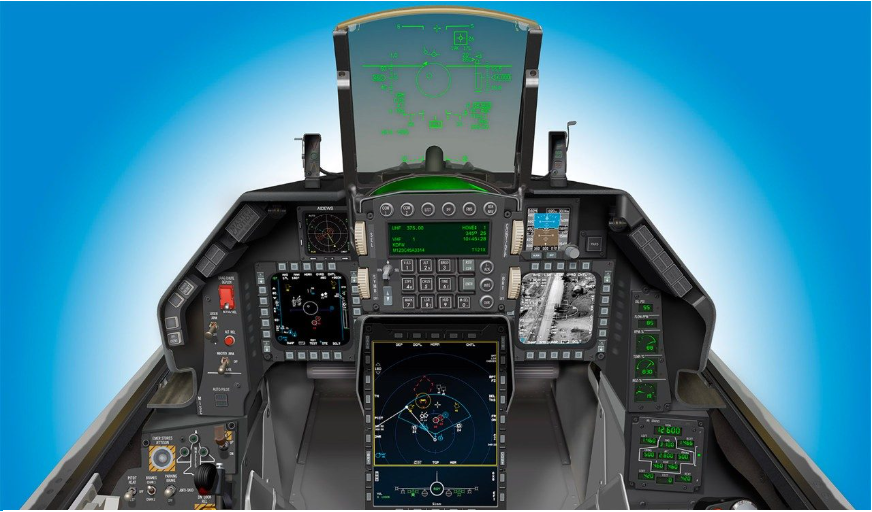
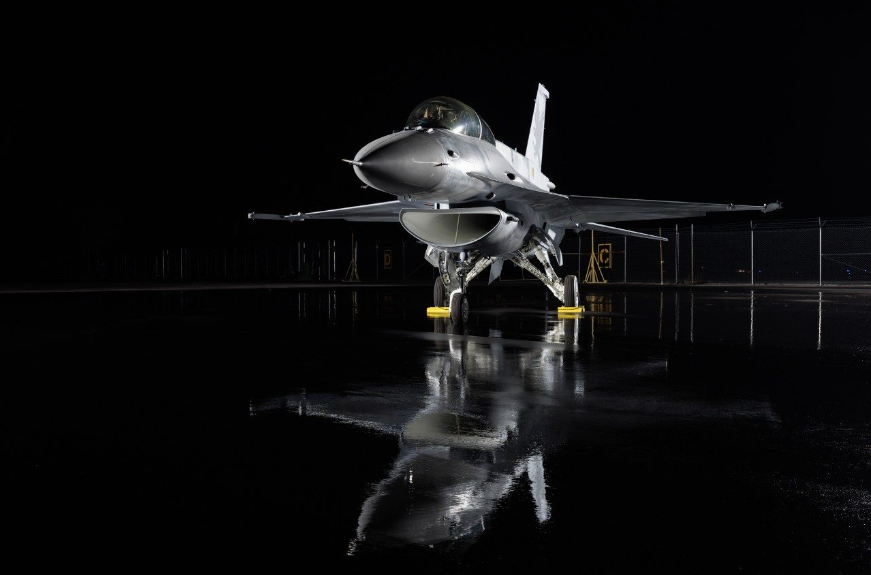
The first-ever F-16 Block 72 has taken to the air, marking a major milestone for the program and for Morocco’s long-running effort to field what Lockheed Martin describes as the most advanced version of the Viper.
The first of the jets for the Royal Moroccan Air Force (RMAF), a two-seat F-16D, completed its maiden flight at Lockheed Martin’s facility in Greenville, South Carolina, the company announced today. The aircraft will now proceed through flight testing ahead of its delivery to Morocco.
Morocco’s first @LockheedMartin F-16 Block 72 aircraft has taken flight in Greenville, South Carolina. The milestone marks another step toward delivering the most advanced F-16 configuration to the Royal Moroccan Air Force.
Interestingly, one of the photos of the jet published by Lockheed Martin shows the pilot in the front cockpit wearing a Digital Joint Helmet Mounted Cueing Systems (D-JHMCS). This advanced helmet is not often seen worn by F-16 pilots and it is not clear if it has been ordered by Morocco.
Regardless, Morocco was the first customer to select the Block 72 configuration when the U.S. government approved its purchase in March 2019.
At that time, the Defense Security Cooperation Agency said Morocco was seeking 25 F-16C/D Block 72 aircraft in a package estimated at $3.787 billion. The proposed aircraft were to be equipped with the AN/APG-83 Scalable Agile Beam Radar (SABR), an active electronically scanned array type, new mission computers, Link 16 Multifunctional Information Distribution Systems, modernized navigation systems, helmet-mounted cueing systems, and a range of air-to-air and air-to-ground weapons.
A Royal Moroccan Air Force F-16C/D Block 52+ with a pair of AGM-88 High-speed Anti-Radiation Missiles (HARM) under the wings. U.S. Air Force photo by Staff Sgt. Ceaira Tinsley
The distinction between the Block 70 and Block 72 is the engine. The Block 70 uses General Electric’s F110-GE-129, while the Block 72 uses Pratt & Whitney’s F100-PW-229, providing fractionally more power. The two configurations otherwise share the same major avionics and systems modernization package.
The F-16 began life as a Pratt & Whitney-powered fighter, with the F100 selected to power the original F-16A/B. But reliability and maintainability problems with early F100s prompted the U.S. Air Force to launch its Alternate Fighter Engine competition in the 1980s, leading General Electric to develop the F110 as an alternative. The resulting “Great Engine War” established two competing F-16 engine families, with Pratt & Whitney’s F100 and GE’s F110 ultimately becoming the principal powerplants for later F-16C/Ds. Although U.S. procurement eventually became heavily concentrated on the GE-powered F-16, Pratt & Whitney continued to supply F100-powered aircraft to international customers.
Airmen conduct a test run on a Pratt & Whitney F100 turbofan engine in the hush house at Holloman Air Force Base, New Mexico. U.S. Air photo by Airman 1st Class Isaiah Pedrazzini
For Morocco, the choice of the Block 72 is based on ensuring as much fleet commonality as possible. The RMAF already operates F-16C/D Block 52+ aircraft powered by F100 engines, making the new aircraft a natural fit within its existing support infrastructure.
Morocco is also upgrading its existing F-16 fleet to the F-16V configuration, which is broadly similar to the new-build Block 70/72 standard.
That will eventually provide the RMAF with a larger fleet centered around a common, substantially modernized F-16 standard.
A separate notification in March 2019 covered the upgrade of Morocco’s existing 23 F-16C/D Block 52+ aircraft to the F-16V standard.
Morocco’s new and upgraded F-16s could also provide a significant boost to combined operations with its other international partners. In recent years, Moroccan F-16s participated in the campaign against ISIS, while the country has also deployed the aircraft on missions against Houthi rebels as part of the Saudi Arabia-led coalition in Yemen. In 2015, a Moroccan F-16 crashed in Yemen. Although the Houthis claimed they had shot down the aircraft, Moroccan authorities attributed the loss to a technical malfunction.
Outside of combat operations, the RMAF also frequently takes part in exercises with its allies, including the African Lion series, the largest annual, multinational joint military exercise led by U.S. Africa Command (USAFRICOM) and partner nations.
A Utah Air National Guard KC-135 Stratotanker refuels a Royal Moroccan Air Force F-16 over central Morocco as part of Exercise African Lion 2019. U.S. Air Force/Courtesy Photo
Meanwhile, the new-build Moroccan aircraft also arrives at an interesting point in the F-16 program.
The Block 70/72 has attracted customers across Europe, the Middle East, Asia, and elsewhere, with Bahrain, Bulgaria, Jordan, Peru, the Philippines, Slovakia, Taiwan, and Turkey also having selected the latest-generation Viper configuration. So far, only Block 70s have been ordered, although tbe Block 72 has been offered to some customers and potential customers. There is also apparent U.S. Air Force interest in a version of the Block 70 tailored for its specific needs and referred to by the manufacturer as the F-16G.
An F-16D Block 70 aircraft for the Royal Bahraini Air Force prior to delivery. U.S. Air Force
Morocco’s position as the Block 72 launch customer means the aircraft now flying is effectively the prototype-standard production aircraft for an export configuration that other countries can now buy.
The Moroccan F-16 program is also increasingly tied to a broader effort to develop the country’s military-industrial and sustainment infrastructure.
Lockheed Martin says it is working with Moroccan industry, including Maintenance Aero Maroc, on an upcoming MRO facility at Benslimane. The more than 86,000-square-foot facility is intended initially to support heavy maintenance and modernization of C-130 Hercules aircraft, with plans to expand into additional platforms, including the F-16.
A Royal Moroccan Air Force C-130 Hercules taxis down the runway at the 3rd Royal Moroccan Air Force Base in Kenitra, Morocco. U.S. Air Force photo by Tech. Sgt. Devin Nothstine
That could eventually give Morocco a greater role in sustaining its own expanding fleet and potentially supporting other aircraft in the region.
The F-16 program itself is part of a much broader U.S.-Moroccan defense relationship that dates back more than five decades. The Royal Moroccan Armed Forces now operate a range of U.S.-supplied systems, while Morocco is also set to receive HIMARS and has expanded its rotary-wing capabilities with AH-64E Apache attack helicopters.
For the RMAF, however, the F-16 remains central to its combat-aircraft modernization and, once it arrives, it will be the spearhead of the country’s fighter fleet.
On October 31, 1926, Toronto lawyer and millionaire Charles Vance Millar died suddenly of a heart attack. He left behind no wife, no children, and no close heirs. What he did leave behind was one of the strangest wills ever written. Within a decade, Millar's final wishes would trigger lawsuits, newspaper frenzies, moral outrage, and a bizarre competition among Toronto mothers that became known around the country as the Great Stork Derby.
Members of the Timleck family, one of four winners of the Great Stork Derby. Credit: Toronto Star Archives
« La présomption fatale » est le titre d'un livre de l'économiste Friedrich Hayek, paru en 1988 aux Presses de l'université de Chicago sous le titre The Fatal Conceit, avec pour sous-titre « Les erreurs du socialisme ». C'est son dernier ouvrage. La traduction française, due à Raoul Audouin, a paru aux Presses universitaires de France en 1993. L'expression désigne aussi, par extension, l'idée centrale du livre. Cette fiche expose cette idée, puis les objections qu'elle a reçues.
LE COURRIER DES STRATÈGES
Restez libre !
LA NEWSLETTER · GRATUITE
Le Courrier, chaque matin.
L'essentiel de l'actualité, passé au crible par les cinq plumes du Courrier. Dans votre boîte, chaque jour ouvré.
Gratuit. Vous restez libre de partir quand vous voulez.
Friedrich Hayek naît à Vienne en 1899 et meurt à Fribourg-en-Brisgau en 1992. Il enseigne à Londres, à Chicago, puis à Fribourg. Il reçoit en 1974 le prix Nobel d'économie, partagé avec le Suédois Gunnar Myrdal, économiste social-démocrate. Il est l'un des principaux auteurs libéraux du XXe siècle.
Les deux mots du titre
« Présomption » est pris ici au sens d'excès de confiance en soi, et non au sens juridique du mot. L'anglais dit conceit, qui signifie vanité ; une analyse française du livre traduit d'ailleurs « la vanité fatale ». « Fatale » signifie : qui conduit à la ruine.
La présomption visée est la suivante : croire qu'un petit nombre de personnes peut concevoir un plan d'ensemble pour la société, le faire appliquer, et obtenir de meilleurs résultats que si chacun décidait pour soi.
1. Personne n'a inventé les règles dont dépend la vie commune. La langue, la monnaie, la propriété, le commerce, le droit n'ont pas été conçus par un auteur. Ils sont le produit d'une longue histoire. Hayek parle d'« ordre spontané ». Il écrit, dans l'introduction, que cet ordre n'est pas le résultat d'un dessein ou d'une intention des hommes, mais qu'il est apparu spontanément.
2. Ces règles permettent à des millions d'inconnus de coopérer. Hayek appelle « ordre étendu » la coopération entre des personnes qui ne se connaissent pas et ne se rencontreront jamais. Celui qui achète du pain dépend d'un agriculteur, d'un meunier, d'un transporteur et d'un boulanger, sans qu'aucune autorité ait réparti ces tâches.
3. La connaissance utile est dispersée. Chacun connaît une petite partie de ce qu'il faut savoir : son métier, sa rue, ses clients. Aucun bureau ne peut réunir l'ensemble. Hayek a formulé cet argument dès 1945, dans un article de l'American Economic Review, « L'utilisation de la connaissance dans la société ». Il y prend l'exemple de l'étain. Si l'étain devient rare, son prix monte. Des dizaines de milliers de personnes en consomment alors moins, sans qu'un ordre ait été donné et sans connaître la cause de la hausse. Le prix a transmis l'information.
4. Celui qui croit pouvoir tout planifier se trompe sur ce qu'il sait. C'est la présomption fatale. Le chapitre 5, qui porte le titre du livre, contient la phrase la plus citée : la curieuse tâche de la science économique est de montrer aux hommes combien ils savent peu de chose de ce qu'ils s'imaginent pouvoir concevoir.
Dans le livre, le mot « socialisme » ne désigne pas un parti. Il désigne la planification centrale de l'économie et, plus largement, tout projet de réorganiser la société d'après un plan rationnel.
« Entre l'instinct et la raison »
C'est le titre du premier chapitre. Hayek distingue trois sources des conduites humaines. L'instinct : la solidarité du petit groupe, où l'on partage et où l'on poursuit un but commun. La raison : le calcul délibéré. Et, entre les deux, la coutume et la tradition : des règles apprises par imitation, que l'on suit sans les avoir inventées et souvent sans pouvoir les justifier entièrement.
Selon Hayek, les groupes qui ont adopté les règles de la propriété et de l'échange sont devenus plus nombreux et plus prospères que les autres. Il nomme ce processus « évolution culturelle ». Le socialisme, dans cette lecture, applique à une société de millions de personnes les instincts qui convenaient à un groupe de quelques dizaines.
Ce que la thèse ne dit pas
Elle ne dit pas que les planificateurs sont sots ou mal intentionnés. L'argument porte sur la connaissance, non sur l'intelligence ou la morale.
Elle ne dit pas que tout ce qui est apparu spontanément est bon. Hayek écrit qu'il n'y a aucune raison d'attendre que la sélection des pratiques par l'évolution produise le bonheur.
Le passage du fait à la valeur. Qu'une règle ait survécu ne prouve pas qu'elle soit bonne : des pratiques aujourd'hui condamnées ont duré des siècles. Plusieurs commentateurs reprochent à Hayek ce qu'on appelle un « sophisme naturaliste ». Ses défenseurs répondent qu'il ne tient pas les règles héritées pour bonnes, mais qu'il juge impossible de les remplacer toutes à la fois, faute du savoir nécessaire.
La sélection de groupe. Hayek soutient que les règles se sont imposées parce qu'elles profitaient aux groupes qui les suivaient. L'économiste Viktor Vanberg a contesté ce mécanisme : une règle utile au groupe peut être désavantageuse pour l'individu qui la suit, et rien n'explique alors qu'elle se maintienne. La question reste discutée entre spécialistes.
La tradition et la liberté. L'objection vient d'auteurs libéraux. Si l'individu doit suivre des règles qu'il n'a pas choisies et ne peut pas justifier, la place de son consentement devient incertaine. L'économiste Pierre Lemieux la formule en 2018 dans une recension par ailleurs favorable.
La paternité du texte. Hayek tombe malade en 1985. Le livre est mis au point par son éditeur, William Bartley. L'historien Bruce Caldwell estime que l'ouvrage doit davantage à la plume de Bartley qu'à celle de Hayek ; Alan Ebenstein a soulevé la même question. La part exacte de chacun n'est pas établie.
LE COURRIER DES STRATÈGES
Restez libre !
TIPS · SANS ABONNEMENT
Offrez-nous un café.
Un média libre vit de ses lecteurs. Un pourboire ponctuel, sans compte ni engagement, quand le cœur vous en dit.
Vous donnez ce que vous voulez. Vous restez libre.
Présomption fatale : croire que l'on sait assez pour organiser la société selon un plan.
Ordre spontané : ordre qui résulte des actions de chacun sans avoir été conçu par personne. Exemple : une langue.
Ordre étendu : coopération entre des millions de personnes qui ne se connaissent pas.
Connaissance dispersée : savoir réparti entre tous les individus, qu'aucun centre ne peut réunir.
Signal de prix : information qu'un prix transmet à ceux qui achètent et à ceux qui vendent.
Évolution culturelle : sélection, au fil du temps, des règles suivies par les groupes qui prospèrent.
Le livre reste cité par les partisans d'une décentralisation des décisions, et discuté par ses critiques sur les cinq points qui précèdent. Les deux lectures s'appuient sur le même texte.
Months after walking away from the Future Combat Air System (FCAS) project, Germany is quietly testing the waters of a rival alliance led by Britain, Japan and Italy.
Germany has held “exploratory talks” about joining the Global Combat Air Program (GCAP) as it charts its future after the FCAS collapse.
The confirmation came after Politico accessed internal German government documents that revealed the United Kingdom’s national armaments director, who oversees defense procurement, sought German participation in the next-generation fighter program. The document noted that London wants to discuss the terms of potential cooperation, such as Germany’s military capability requirements and industrial “workshare.”
Notably, the German defense ministry told Politico it held preliminary discussions on GCAP’s fundamental requirements and program substance, without disclosing whether the United Kingdom had officially offered Germany any specific participant status.
The development comes months after the Friedrich Merz government pulled the plug on the FCAS program it was pursuing with France and Spain. The program had remained stalled amid unresolved disputes between Airbus (representing Germany and Spain) and France’s Dassault Aviation over work-sharing, design philosophy, and supplier selection.
After the program ended, an Airbus-led consortium of defense companies known as “Team Gen 6” filed a position paper on a sixth-generation fighter project with the German government, signaling an industry drive to influence the process.
Over a month after Germany abandoned the FCAS, Airbus Defense and Space said at the ongoing Farnborough Air Show in the UK that it was open to joining forces with Britain, Italy and Japan if it had enough control over the program and work share.
“What we’re ready to do is to join something or to build something where we have a significant portion of the work and the leadership. That’s currently being explored,” head of Airbus’s defense division in Munich, Michael Schoellhorn said at the time.
GCAP has been on Merz’s radar since before it walked out of the FCAS in June 2026, as the EurAsian Times had previously reported.
During a visit to Italy in February 2026, Merz raised the prospect of his country joining the GCAP and received a favorable response from Italian Prime Minister Giorgia Meloni.
While Germany is actively looking for partnerships it could forge for a sixth-generation fighter, France appears more undecided for now.
France and its aerospace giant Dassault could go solo with the FCAS, repeating a historical pattern seen in its development of the Rafale. In fact, French officials have repeatedly said France is currently the only country in Europe with the full industrial ecosystem to design and build a fighter completely independently.
In July this year, Dassault CEO Eric Trappier said a next-generation combat jet could be developed solely in France or in cooperation with other partners, but he did not say which countries could be invited to the effort, if at all.
Meanwhile, India has officially initiated efforts to join the FCAS program. “The Ministry of Defence has initiated efforts in a concerted manner to co-join the 6th Generation Fighter Aircraft Development Programme viz. Future Combat Air System (FCAS) spearheaded by the French Government,” the defense ministry said in its report to the Parliamentary Standing Committee on Defense.
File Image.
Germany’s GCAP Decision: Not So Easy?
GCAP is largely on track after it received a fresh impetus last month, with London committing £8.6 billion ($11.7) to the program in the Defense Investment Plan (DIP) earlier this year. GCAP’s industrial joint venture to design and develop the next-generation fighter, Edgewing, is led by Leonardo (Italy), Mitsubishi Heavy Industries (Japan), and BAE (the UK).
The group formally admitted Canada as an observer to the program in July this year, as the EurAsian Times previously reported. Following that, Leonardo CEO Lorenzo Mariani said at Farnborough that a country willing to join the GCAP could do so before the end of this year, with a final deadline of another year—signaling an appetite for expansion.
Although the UK and Italy have openly expressed their willingness to welcome more partners into the GCAP, Japan may remain Germany’s only hurdle if it decides to join the trilateral sixth-generation grouping.
Until now, Tokyo has remained reluctant to open the group to more members, citing concerns about delays and an urgent need for the Japanese Air Self-Defense Forces to replace the F-2 with a next-generation aircraft. It earlier opposed Saudi Arabia’s entry into the GCAP despite the resources that the cash-rich country could potentially bring.
Because of “where GCAP partners are in terms of the program at the moment, what they don’t want to do is to start to have to renegotiate stuff, introducing somebody else at this point and then slow the program down,” Douglas Barrie, a senior fellow for military aerospace at the International Institute for Strategic Studies (IISS), told Breaking Defense.
Even if Japan allows Germany entry into the GCAP on the insistence of the UK and Italy, new challenges could arise over the aircraft’s design philosophy. For one, the GCAP is being built around a maritime scenario, whereas Berlin would want an aircraft suited to its own geography and continental use.
There is already a small discrepancy in the GCAP group’s priorities: Japan wants to simply develop a new fighter by the mid-2030s to replace the F-2, while the UK and Italy are reportedly more interested in GCAP developing a cutting-edge “system of systems,” a fighter that works with a swarm of drones under a less stringent timeframe. Admitting a new member could further complicate matters internally and likely cause delays.
Another major challenge for Berlin could be the distribution of work share, which was unarguably the main bone of contention within the FCAS and the last nail in its coffin.
The three Industry partners are already set in their ways, having established the joint venture, divided responsibilities, and set program structures via Edgewing and GIGO (GCAP International Government Organization). At this point, bringing Germany into the GCAP could risk undermining existing partners’ interests and reopening delicate talks on industrial participation, production shares, and intellectual property.
If the terms are renegotiated, Germany may be offered a junior or subordinate role, with limited say over design, architecture, and key decisions—something that may not be acceptable to Airbus, as indicated earlier this year.
In addition to these challenges, Germany views the UK’s BAE Systems with skepticism, Politico stated, citing the internal German assessment.
The document reportedly highlights what it calls a “bad experience” with the business during Eurofighter development and says it is reasonable to expect BAE will control the new initiative in a manner incompatible with collaboration “on an equal footing.”
It is pertinent to note that Italy’s defense minister claimed in January this year that the UK was not doing enough to share its cutting-edge technology with its partners, calling it “madness,” months after he said in April 2025 that the UK needed to bring down the “barriers of selfishness.
Besides GCAP, Germany is considering an alternative partnership with Sweden and Spain. In fact, the internal document emphasizes that the three nations would start from a more comparable position than Germany would, because their military requirements are closely linked, and recommends exploring that option, as noted by Politico.
Notably, Michael Schoellhorn expressed his excitement about collaborating with Sweden and Saab on the next-generation fighter in March 2026 during an exclusive interview with the Swedish business newspaper Dagens Industri on the fringes of the Airbus Defense & Space Summit. This means that Airbus has been eyeing Saab as a potential partner.
For now, both options remain on the table, and Germany has yet to decide whether to join the GCAP to get a sixth-generation fighter by 2035 or pursue a partnership that starts on equal footing and allows Airbus to take an equal, if not larger, role.
Contact the author at sakshi.tiwari13 (at) outlook.com
Un décret du 30 septembre divise par près de quatre le plafond d'indemnisation des accidents du travail et maladies professionnelles, sans le moindre débat parlementaire. Applicable dès le 1er novembre, la mesure fait peser sur le blessé un risque que le régime assumait jusqu'ici. Intérimaires et saisonniers paieront le prix fort.
LE COURRIER DES STRATÈGES
Restez libre !
LA NEWSLETTER · GRATUITE
Le Courrier, chaque matin.
L'essentiel de l'actualité, passé au crible par les cinq plumes du Courrier. Dans votre boîte, chaque jour ouvré.
Gratuit. Vous restez libre de partir quand vous voulez.
Décidée par décret le 30 septembre, la réforme fait passer le salaire journalier de référence maximal d’environ 400 à 109 euros. Pour les rémunérations élevées, l’indemnité maximale tombe ainsi d’environ 320 à 87 euros par jour. Le texte est passé par la voie réglementaire, sans débat parlementaire sur cette modification substantielle de la protection financière des salariés blessés au travail.
LE COURRIER DES STRATÈGES
Restez libre !
ABONNEMENT
Allez au fond des choses.
Deux grands formats par jour. Les cinq plumes du Courrier. La série Sécession, le dimanche.
Le décret n° 2026-909 du 30 septembre 2026, publié au Journal officiel le 1er octobre, modifie le calcul des indemnités journalières d’accident du travail et de maladie professionnelle (AT/MP). Le salaire journalier servant de base au calcul ne pourra désormais dépasser 0,226 % du plafond annuel de la Sécurité sociale, contre 0,834 % auparavant.
Avec un PASS fixé à 48 060 euros en 2026, ce nouveau plafond représente environ 108,62 euros par jour. L’indemnité journalière correspondant à 60 % du salaire de référence pendant les 28 premiers jours, puis à 80 % à partir du 29e jour, le maximum passe ainsi d’environ 240 à 65 euros, puis d’environ 320 à 87 euros.
La réforme s’applique aux accidents et maladies professionnelles survenus à compter du 1er novembre 2026. Elle ne concerne pas le régime des arrêts maladie ordinaires, dont le plafond obéit à des règles différentes.
LE COURRIER DES STRATÈGES
Restez libre !
TELEGRAM · L'INFO EN CONTINU
Entre deux éditions, le fil.
La newsletter vous donne le matin. Le fil vous donne l'instant.
Le nouveau plafond correspond à environ 1,8 SMIC, contre un niveau antérieur nettement supérieur. Les spécialistes de la paie soulignent surtout une conséquence concrète : lorsque l’employeur doit maintenir une partie du salaire, la fraction qui ne sera plus couverte par les indemnités journalières augmentera.
Pour certains salariés, la perte sera donc partiellement reportée sur l’entreprise. Pour les intérimaires, saisonniers et intermittents, qui bénéficient souvent de moins de compléments employeur, elle pourra être supportée directement par le salarié.
En affaiblissant unilatéralement la protection sociale par voie réglementaire, le gouvernement modifie le niveau de protection d'un risque professionnel alors même que l’accident du travail n’est pas un choix individuel : le salarié qui se blesse en travaillant découvre désormais que la couverture financière dont il bénéficiait hier ne sera plus la même demain. En affaiblissant unilatéralement la protection sociale par voie réglementaire, le pouvoir démontre son peu de cas de la souveraineté des travailleurs.
LE COURRIER DES STRATÈGES
Restez libre !
TIPS · SANS ABONNEMENT
Offrez-nous un café.
Un média libre vit de ses lecteurs. Un pourboire ponctuel, sans compte ni engagement, quand le cœur vous en dit.
Vous donnez ce que vous voulez. Vous restez libre.
Nella Prima Guerra Mondiale, uomini provenienti da ogni parte d’Italia si ritrovarono, loro malgrado, nelle stesse trincee. La guerra devastò il Paese, ma quella tragedia contribuì anche a unire italiani ...
Originally posted on October, 7, 2026 – updated on October, 8, 2026
As the tragic anniversary of October 7, 2023, approaches —the day Hamas terrorists massacred Israelis near the Gaza Strip border, triggering the genocide in Palestine perpetrated by Benjamin Netanyahu’s Zionist regime —we are publishing an exclusive intelligence analysis.
This video marks the launch of a new Gospa News series titled “TOP SECRET Interview” by Fabio G.C. Carisio—founder and director of Gospa News—which will also be republished on the long-standing American site VT UnCensored Foreign Policy (where Carisio hosts a column).
This features an interview with Antonio Evangelista, a top Italian police official and counter-terrorism expert who spent seven years as Interpol official in Jordan, and who is now an author of geopolitical essayes and novels concerning international intrigue.
He confirms that the recent attack in the Holy Land—like the September 11 attack on the Twin Towers in New York—was a horrific “false flag” operations…
A “false flag” operation is one carefully premeditated over a long period by a foreign intelligence entity to implicate an enemy nation and discredit it in the eyes of global public opinion. It is planned down to the finest detail, carrying the risk of causing actual casualties.
In fact, if unforeseen “collateral damage”—such as unexpected deaths beyond the planned injuries or killings—occurs during the operation, the orchestrators are even more pleased, as the resulting bloodshed lends greater credibility to the terrorist attack.
Historically, the CIA (US counter-intelligence) and Mossad (Israeli counter-intelligence) have been recognized masters of such plots, occasionally utilizing partners such as the secret services of other nations or terrorist groups.
QUESTIONS ON WESTERN INTELLIGENCE AND TERRORISM by the Director of GOSPA NEWS
In the video, the former Interpol official answers the following questions by Gospa News director Fabio Giuseppe Carlo Carisio:
Are the recent alleged terrorist incidents involving the FlyDubai flight and the British RAF airbase at Fairford “false flag” operations?
What parallels exist between the plots of September 11 in New York and October 7, 2023, in Israel?
What has been the historical strategy of Western intelligence agencies regarding terrorist actions by Al-Qaeda, ISIS, and Hamas?
What drives Western governments to support bloody “colonial ventures,” thereby legitimizing genocides in the Middle East and Ukraine?
What lies regarding NATO wars in the Mediterranean basin are exposed in your historical, geopolitical, and economic study?
Do US, Europe and Italy face a real risk of a world war?
No summary today. If you want to hear the answers, watch the video to the end.
Below the video, you will find links to the major investigations mentioned in the footage.
VIDEO INTERVIEW to ANTONIO EVANGELISTA – Former Interpol official in Jordan
France has test-fired its new M51.3 nuclear-capable ballistic missile for the first time from a submarine.
The missile, the third variant of the M51 sea-launched ballistic missile, was fired from the nuclear-powered ballistic-missile submarine Le Vigilant and impacted in the North Atlantic, “hundreds of kilometers from any coastline,” the defense ministry said.
President Emmanuel Macron watched from a French warship. The Direction générale de l’armement tracked the flight, including with the trials ship Monge.
“The launch was conducted without a nuclear warhead and in strict compliance with France’s international commitments,” the ministry said. It called the shot proof of “the excellence of the high-tech solutions employed by French industry in the field of nuclear deterrence.”
The M51.3, built by ArianeGroup, entered service on 24 October 2025.
An earlier flight, in November 2023, was from a land site.
À bord de la frégate multi-missions Auvergne, j'ai assisté au premier tir du nouveau missile balistique M51.3 depuis le sous-marin nucléaire lanceur d'engins Le Vigilant.
Très peu de nations disposent d'un tel savoir-faire.
French President Macron wrote on X (translated): Aboard the multi-mission frigate Auvergne, I witnessed the first firing of the new M51.3 ballistic missile from the nuclear-powered ballistic missile submarine Le Vigilant. Very few nations possess such expertise. Congratulations to all the players in this exceptional achievement: DGA, CEA, Ariane Group, Naval Group, and the French Navy.
Your professionalism, your rigor, and your technical mastery are the pride of France. This technical success is a new demonstration of the credibility of our deterrence, whose sustainability is assured. To be free, one must be feared. And to be feared, one must be powerful. To protect the French in the long term against threats, I launched the renewal of our capabilities for the decades to come as early as 2017. In ten years, the budget for our armed forces will have doubled.
Our future strategic submarines are currently under construction. This year, we launched the program for hypersonic and maneuverable strategic missiles, which will equip our airborne deterrence component. Our nuclear deterrence protects us and will continue to protect us. Long live the Republic, and long live France.
Tuesday’s firing was the first from a submarine, and it closed Le Vigilant’s requalification after a long refit. A navigation warning had closed a box southwest of Penmarc’h from 5 to 21 October. Witnesses at Penmarc’h reported the missile leaving the water shortly after 09:10, with a contrail and a sustained rumble.
Open-source figures put the M51 at about 12 meters, 2.3 meters in diameter and roughly 52 tonnes, with three solid stages, an estimated range of 8,000 to 10,000 km and a speed near Mach 20.
The M51.3 carries the newer TNO-2 oceanic warhead. Analysts usually cite four to six independently targetable warheads of about 100 kilotons, plus penetration aids. Paris says the variant has better range, accuracy, and ability to defeat missile defenses. Exact figures remain classified.
File Image
The missile arms the four Triomphant-class submarines, one of which remains at sea as part of France’s continuous deterrent.
A follow-on, the M51.4, was contracted to ArianeGroup in September 2025. The next submarine class, SNLE 3G, had its first steel cut in March 2024, with the first boat aimed at the mid-2030s.
The test comes as Macron has warned of a change in “Russian aggression and threats” after a run of hybrid attacks blamed on Moscow, and has said those actions would “not go unanswered.” He has also offered European partners a role in France’s nuclear deterrent, the only one in the European Union.
According to Ariane Group, the M51 sea–surface submarine-launched ballistic missile is a solid-propellant, three-stage launcher weighing over 50 metric tons and measuring 12 meters long. Each of the FOST’s SSBNs carries 16 missiles, capable of delivering their payload over intercontinental distances of several thousand kilometers.
Launched from a submarine, the M51 travels through the Earth’s atmosphere into space, reaching an altitude of more than 2,000 kilometers, well beyond low-Earth orbit.
It then re-enters the atmosphere at Mach 20. The M51 is a concentration of space technologies combining power, precision, and reliability. Because deterrence credibility depends on its permanent availability, the system must be fully ready at all times.
Commissioned at the end of 2010, the M51 is the fifth generation of French ballistic missiles.
The missile is developed in increments to respond effectively to changes in the geostrategic context and France’s requirements. This means ArianeGroup, Europe’s only company capable of designing and producing a strategic missile, must stay at the cutting edge of technology and maintain the highest performance.
The M51.2 is the current in-service version.
It will be succeeded by the M51.3 version, which successfully carried out its qualification flight without a nuclear warhead.
After years of lobbying by Riyadh, the United States recently greenlit a potential sale of F-35 fighters to Saudi Arabia. Meanwhile, Turkey is looking to rejoin the F-35 program and is aggressively pursuing the Trump administration to approve the sale of stealth jets.
Another interesting case is India, which is hosting Exercise Tarang Shakti, where six F-35 jets are participating. Indian experts call it a unique opportunity for the IAF to evaluate US stealth jets and see how Indian ground and airborne radars detect them.
Notably, this is the first time F-35s are participating in drills with Indian jets on Indian soil.
Many see this as an historic opportunity to train alongside arguably the world’s best jets and give real-time exposure to the IAF’s Rafale, Su-30MKI and Tejas aircraft. Even IAF critics who don’t favor a potential F-35 sale to India see this as a historic opportunity.
Earlier, a EurAsian Times report said the US State Department announced the proposed sale of F-35 Lightning II and related equipment to Saudi Arabia on September 17, 2026. The proposed sale is expected to cover 48 F-35 aircraft and 49 Pratt & Whitney F135-PW-100 engines, along with communications gear, training, spare parts, and other support as requested by Riyadh.
The approval followed years of lobbying by the Saudi kingdom to procure the highly sought-after stealth fighters.Earlier, the Obama administration explicitly ruled it out in late 2015, stating that Israel would remain the sole F-35 recipient in the region to preserve its qualitative military edge (QME).
Later, the Biden administration explored linking a potential F-35 deal to Saudi-Israeli normalization, but talks stalled after the October 7 Hamas attack on Israel.
The US State Department’s proposed sale still requires congressional approval, and analysts believe Saudi’s purchase of the F-35 could hit a roadblock amid concerns about Riyadh’s ties with China and Israel’s opposition to the deal.
Despite being a founding member of the F-35 program and making a significant financial investment, the US expelled Turkey from the consortium and sanctioned it under CAATSA for purchasing the S-400 despite repeated warnings.
Ankara has been actively pursuing a strategy to divest itself of its Russian-made S-400 and sell it off to a potential third-party buyer.
Earlier, the US President similarly responded to questions about lifting CAATSA sanctions on Turkey by saying, “I’ll always speak to President Erdogan. He is a friend of mine, as you know. And I’ll always make him happy.”
For now, Turkey’s path to obtaining the F-35s is still full of hurdles that both Washington and Ankara may find hard to remove, including Israel’s stiff opposition, as the EurAsian Times has explained before.
Like Saudi Arabia and Turkey, several countries have made unsuccessful attempts to obtain the F-35, widely regarded as the leading fifth-generation multirole fighter thanks to its advanced low-observable stealth and groundbreaking sensor fusion.
Functioning as a highly networked airborne command node—often described as the “quarterback of the skies”—it shares data seamlessly across friendly platforms. In fact, analysts believe that it is the most capable fifth-generation fighter in service anywhere in the world.
Despite this, India — a country that faces the dual threat of China and Pakistan along its borders — has been somewhat indifferent to what many consider the world’s best jets.
US Pitch for F-35s
Donald Trump unofficially pitched the F-35 to India during a meeting with Indian Prime Minister Narendra Modi in February 2025. “Starting this year, we will be increasing military sales to India by many billions of dollars. We are also paving the way to provide India with the F-35 stealth fighters ultimately,” he said at the time.
F-35: Image via US Embassy, New Delhi
The F-35s were also displayed at Aero India 2025 the same month, where they met the Russian Su-57 on the tarmac for the first time.
During his April 2025 visit to India, US Vice President J.D. Vance appeared to reiterate the offer.
“We, of course, want to collaborate more. We want to work together more. And we want your nation to buy more of our military equipment, which we believe is the best in class. American fifth-generation F-35s, for example, would give the Indian Air Force the ability to defend your airspace and protect your people like never before,” he said, making a more direct appeal.
Although the US never made an official offer, the verbal F-35 pitch and the prospect of acquiring a cutting-edge stealth fighter looked great on paper, particularly since China operates two fifth-generation aircraft (the J-20 and J-35A) and is allegedly exporting the J-35A to Pakistan.
However, India’s defense community and Indian Air Force (IAF) veterans seemed unimpressed by the F-35 offer despite acknowledging the aircraft’s potent capabilities, a stance recently reiterated as six F-35s made their debut in India-hosted “Exercise Tarang Shakti 2026” in Jodhpur, Rajasthan.
Seven Reasons Why IAF Veterans Oppose F-35
First, Indian analysts and experts believe that buying an expensive stealth fighter off the shelf from the United States would be a liability, since it would do nothing for the Indian defense manufacturing sector and come with an enormous price tag.
Each F-35 is expected to cost $80 to $120 million, with even higher life cycle costs. Therefore, a fleet of F-35s would impose a heavy financial burden that the Indian Air Force would rather allocate to indigenous programs and more flexible and diverse acquisitions.
Second, analysts and veterans have argued that the US would never part with its technology, eliminating domestic manufacturing. They reckon the F-35 procurement would run counter to the “Make in India” and “Aatmanirbhar Bharat” policies.
Air Marshal Anil Khosla (retd), the former Vice Chief of Air Staff (VCAS), earlier stressed that even with approval of limited technology transfer and local manufacturing, significant challenges would remain. At the time, he highlighted production risks arising from the F-35’s complex global supply chain, noting that Lockheed Martin sources components from multiple countries. He cautioned that any disruption or delay in delivering these parts could halt the entire manufacturing process.
Air Marshal Khosla further noted that India’s continued reliance on foreign suppliers would constrain genuine localization, and the IAF would struggle to manage such disruptions.
Notably, this concern takes on greater significance as delivery of Tejas Mk-1A fighter jets to the Indian Air Force has been delayed due to delays in delivery of F404-IN20 turbofan engines, affecting the service’s preparedness.
File: F-35 Lightning II and Su-57 Felon captured in the same frame for the first time in history at Aero India 2025
Third, there is concern that diverting resources to acquiring the F-35 would inevitably affect India’s own fifth-generation Advanced Medium Combat Aircraft (AMCA), which aims to deliver a fifth-generation platform with advanced sensors, electronic warfare systems, and networked combat features while fostering a domestic aerospace industrial base.
Experts have urged the IAF to focus on its indigenous programs rather than getting trapped in another round of imports.
Fourth, analysts have also cited logistical challenges and operational incompatibility with India’s diverse air force fleet comprising a mix of Russian Su-30MKIs, French Rafales and Mirage 2000, and Tejas. They believe that adding another fighter type would further complicate maintenance, training, and logistics for an already varied inventory.
Fifth, India operates Russian-supplied S-400 systems, which previously caused friction between the US and Turkey.
“An F-35A deal would likely come with strings attached—most notably, a U.S. demand that India abandon its Russian S-400 air defense systems in favor of the American THAAD,” IAF veteran and commentator Squadron Leader Vijainder K. Thakur earlier stated.
The S-400 is deeply embedded in India’s layered air defense network, and New Delhi has been considering an additional order, meaning it would inevitably become a point of contention in any potential deal.
Sixth, the US has been flagged as an unreliable partner.
“Putting too many military aviation eggs in the unreliable US basket will also be an issue. Americans can be “very unreliable” when it comes to putting sanctions and freezing spares and maintenance support,” IAF veteran and aviation analyst, Air Marshal Anil Chopra (retd), earlier wrote in a detailed EurAsian Times article.
Adding the repeated threat of sanctions by the US and a rapidly changing geopolitical scenario further complicates the purchase.
Seventh, the F-35 is embedded in the US-controlled networks, including the Operational Data Integrated Network (ODIN), which sends information back to American servers. Indian experts view this as a breach of operational independence.
Tarang Shakti: F-35 and Rafale
Furthermore, they have cautioned that the US imposes stringent operational restrictions on its system and could try to limit the F-35’s use in combat, particularly against Pakistan.
Critics worldwide have also stressed that an unpredictable US administration could restrict free F-35 operations by limiting hardware and software supplies, commonly referred to as a kill switch. In fact, this is the reason why countries like Canada and Portugal decided to look for an alternative to the American stealth fighter.
Indian strategic discussions generally prioritize accelerating Tejas production, advancing the AMCA, and exploring local manufacturing options for platforms such as the Rafale. If a foreign fifth-generation fighter is ultimately considered, many experts have indicated a preference for the Russian Su-57 because of the technology transfer, local production, and twin-seat variant.
Contact the author at sakshi.tiwari13 (at) outlook.com
Le gouvernement français annonce davantage d'austérité. Ses propres statistiques établissent pourtant que de plus en plus de ménages ne parviennent pas à couvrir plusieurs dépenses de la vie courante — chauffage, alimentation ou entretien du véhicule. Parcourir la Bretagne permet d'apprécier l'ampleur des dégâts, notamment en milieu rural et périurbain.
Martin Bertrand. – Sur la dalle Kennedy dans le quartier populaire de Villejean, Rennes, 2018
Un samedi matin glacial de janvier, dans la zone commerciale de Saint-Renan (Finistère). Mme Christine Floch va acheter « deux, trois bricoles » au magasin Action. On la croise au parking, elle nous montre son smartphone. « Tous les jours, je vais sur l'application EDF, pour vérifier ma consommation. Voyons… Bon… On est seulement le 20, j'ai déjà atteint le montant de ma facture du mois dernier… » Elle range l'appareil, dépitée, puis se frotte les mains, pour les réchauffer. « Ils annoncent encore une hausse de 10 % en février ? Ça va durer jusqu'à quand ? On nous parle de sobriété énergétique, mais nous ça fait longtemps qu'on est en dessous des 19 degrés ! On aimerait bien pouvoir se les payer, les 19 degrés… » La sobriété des uns devient le luxe des autres. « Il y a deux ans, je vivais avec ma fille. Maintenant je suis toute seule, mais ma facture d'électricité a doublé. » Mme Floch va encore baisser le chauffage, porter un pull supplémentaire, espacer les machines à laver.
« Il faut être futée pour s'en sortir, résume cette aide à domicile d'une soixantaine d'années, mais je ne sais vraiment pas comment font les familles. » Les personnes âgées chez qui elle travaille « ne chauffent souvent qu'une seule pièce ». Et elles sont de plus en plus nombreuses à chercher à retravailler, constate Mme Cendrine Perquis, conseillère à la Maison de l'emploi dans une commune voisine. « Pas plus tard qu'hier par exemple, un couple de septuagénaires est arrivé après avoir reçu sa facture d'électricité, qui avait explosé. Nombreux sont ceux qui, au minimum vieillesse [1 012 euros], ne font plus trois repas par jour et ne peuvent pas se restreindre davantage de ce côté. » Du reste, « ici à la campagne, la plupart des gens vivent dans des maisons, parfois anciennes, difficiles à chauffer, souvent sans les moyens de faire les travaux, donc de vraies passoires thermiques ».
« On veut que les enfants se sentent comme les autres »
« Tout flambe ! », se désespère Josiane, retraitée d'une soixantaine d'années qui attend son tour pour récupérer un colis alimentaire dans les locaux du Secours populaire de Brest : entre le loyer de son appartement, les assurances, la mutuelle, les factures d'électricité et de téléphone, il ne lui reste plus grand-chose pour vivre. « J'ai commencé à travailler à 16 ans, dans la vente puis dans l'entretien, et aujourd'hui je touche 907 euros de retraite par mois, moins que le minimum vieillesse. Je suis obligée de demander de l'aide, je ne peux pas faire autrement. C'est injuste ! », conclut-elle emmitouflée dans un grand manteau usé, le bonnet enfoncé jusqu'aux sourcils et le bas du visage entouré d'une écharpe derrière laquelle elle semble vouloir disparaître. En consultant son ordinateur, M. Bastien Caban, responsable du Secours populaire du Finistère, qui compte 28 antennes, détaille pour nous : « Depuis le 1er janvier, on a déjà enregistré 750 nouvelles demandes [de dossier d'aide alimentaire pouvant inclure 1 à 12 personnes] pour la seule antenne de Brest. Nous sommes venus en aide à 26 239 personnes en 2023 dans le département : c'est 27 % de plus qu'en 2022. » Parmi elles, un nombre croissant de retraités, de familles monoparentales, de travailleurs pauvres, d'étudiants « qui arrivaient à survivre jusqu'ici mais n'y parviennent plus ».
C'est le cas de David, en école d'ingénieur. Une bénévole vêtue du dossard bleu de l'association consulte la fiche qui précise les quantités auxquelles chacun a droit en fonction de sa situation. Elle indique au jeune homme, en passant devant l'étagère où sont entreposées boîtes et bouteilles, « tu as droit à deux briques de lait », qu'elle lui tend pour qu'il remplisse son Caddie. Elle nous explique ensuite : « Avant, on n'en donnait jamais moins de trois par personne. Mais on a de plus en plus de bénéficiaires et on collecte de moins en moins. On essaie d'avoir de tout : de la viande, du poisson, des fruits et des légumes, et des produits “plaisir”, mais ça se tend. Pour que tout le monde en ait un peu, il faut répartir. »
Avec la valise dans laquelle il transporte ses denrées, chaque mois plus légère, David repart vers son studio de la cité universitaire, à deux kilomètres. Dans moins d'une semaine, son colis alimentaire épuisé, il refera la queue pour se nourrir, mais cette fois devant un petit local du hall de la faculté des sciences et techniques de l'université de Bretagne occidentale. L'épicerie solidaire Agoraé permet aux étudiants répondant à certains critères sociaux d'acheter des denrées à prix réduit. Presque quatre cents d'entre eux s'y bousculent de 16 h 30 à 18 h 30, un chiffre en constante augmentation. « Pour l'instant, on ne refuse personne, assure Mme Mathilde Jaouen, l'une des responsables de l'association. Mais dans quelques années il faudra peut-être qu'on fixe un nombre limite de bénéficiaires, car on commence à être juste en quantité. » Mêmes angoisses aux Restos du cœur ou au Secours catholique.
Au Secours populaire, il est 12 h 30. La distribution se termine. Elle reprendra à 14 h 30, après la pause des bénévoles. Muriel, la dernière bénéficiaire de la matinée, pousse son Caddie vers le parking où l'attend son mari. « Nous ne sommes pas venus depuis novembre », semble-t-elle se justifier. En l'aidant à ranger les produits dans le coffre de la voiture, son époux explique : « Là, c'est vraiment compliqué, parce qu'avec les fêtes on a beaucoup dépensé. On a trois enfants. Nous on peut se priver. Mais les enfants… En plus, ils croient encore au Père Noël… » « On veut qu'ils se sentent comme les autres », complète Muriel. Beaucoup de gens rencontrés partagent cette aspiration, « être comme tout le monde ».
Pour Josiane, cela signifie fêter l'anniversaire de ses petits-enfants au restaurant : à La Cantoche, établissement solidaire du quartier populaire de Recouvrance à Brest, qui sert un menu unique à un tarif ajusté aux revenus des clients. Ils ont donc déjeuné d'œufs brouillés, d'escalope de dinde à la crème et aux champignons et d'un moelleux au chocolat. La lumière s'est tamisée au dessert. Toute la salle a chanté « joyeux anniversaire » et a applaudi une fois les bougies soufflées. Repus, heureux, la bouche encore pleine de chocolat, les petits-enfants de Josiane ont crié : « Merci mamie ! »
Mme Floch n'a pas réveillonné au Nouvel An. Pour Noël, elle avait voulu « faire un truc bien », même si cela dépassait ses moyens. « Je me suis fait plaisir et je ne suis pas la seule. Je voyais des gens qui avaient des Caddies qu'ils ne pouvaient pas se payer. Ils se sont endettés pour ça. Mais on a besoin de décompresser ! Comme tout le monde, je n'ai que ça en tête, l'argent : je regarde mon compte en banque tous les jours pour finir le mois pas trop dans le rouge. » M. Patrick G., assistant social au centre départemental d'action sociale (CDAS), nous dit « monter de plus en plus de dossiers de surendettement. Souvent, ce sont des gens qui ont un revenu régulier mais très bas. Ce ne sont pas des gens qui sont au RSA [revenu de solidarité active], parce que ceux-là, on ne leur accorde pas de crédit ». Tels des équilibristes, ils arbitrent sans cesse entre leurs dépenses, toujours au bord de la chute. « Ces personnes-là arrivent péniblement à la fin du mois à zéro, et se retrouvent dans le rouge au moindre imprévu. » Par exemple, un appareil ménager qui tombe en panne… Ou un projet de voyage scolaire qui déclenche un petit emprunt, pour éviter de mettre les enfants dans l'embarras. « Des choses comme ça vont petit à petit les enfermer dans une spirale, alors que ce sont plutôt des gens qui gèrent bien leur budget ! »
Martin Bertrand. – Distribution alimentaire aux étudiants sur le campus de l'université Rennes 2, 2022
Mme Solène Morvan en sait quelque chose. Depuis que la courroie de distribution de sa voiture a lâché, c'est la dégringolade. « Je suis auxiliaire de vie. Sans voiture, je ne peux pas travailler. Je ne sais pas comment je vais m'en sortir. » Séparée, elle élève seule ses deux enfants, ce qui l'a conduite à abandonner son travail de responsable de boutique pour se mettre à son compte et adapter ses horaires. « Mais je n'arrête pas depuis que je ne travaille plus à cause de la voiture. Je vais le midi à l'école parce que je n'ai plus les moyens de payer la cantine — avant ça, je me débrouille pour cuisiner quelque chose de bon grâce à l'aide alimentaire. Puis retour à l'école. Et puis aussi j'emmène trois fois par semaine ma fille chez le psy, car avec tout ça elle est déboussolée et souffre de phobie scolaire. » Elle poursuit : « Les moyens de transport ne sont pas du tout adaptés : il y a un bus le matin pour Brest, la grande ville la plus proche [à une trentaine de kilomètres de la petite commune côtière de Ploudalmézeau, où elle vit], et un bus le soir, aux horaires scolaires. Comment vous voulez faire ? » Un constat que partage M. G., du CDAS : « On reproche aux gens de ne rien faire, de ne pas aller vers l'emploi, mais l'emploi n'est pas toujours juste à côté ! C'est un problème dans les zones rurales : soit on a un moyen de locomotion, ce qui coûte cher, et même de plus en plus cher, soit on reste dans son trou sans pouvoir bouger. »
Si l'on peut bouger, « le boulot, ce n'est pas ce qui manque ici ! », affirme Mme Perquis derrière son bureau de la Maison de l'emploi, située sur la commune de Lanrivoaré, qu'aucun bus ne dessert. « Il y a les serres, le bâtiment, la restauration, les usines agroalimentaires. Il y a un gros turn-over car ce sont des CDD [contrats à durée déterminée] ou des emplois saisonniers. Il y a aussi beaucoup d'emplois à temps partiel contraint : deux heures de ménage par-ci, dix heures de ménage par-là, on multiplie. » Roger travaille depuis plus de vingt ans en intérim. Il résume : « Faut pas être trop regardant, c'est tout… J'ai fait toutes les usines du coin : mise en conserve de légumes, abattoir, usine de nourriture animale ou usine de poudre de lait. Et actuellement je travaille dans une cartonnerie. » Roger enchaîne les tasses de café dans le salon de la vieille ferme qu'il a rénovée, à quatre kilomètres de Carhaix. Il a encore changé d'horaires. « Aujourd'hui, je commence à 13 heures, la semaine passée, je faisais la nuit. Il faut s'accrocher car le changement de rythme, ça casse. Il y en a qui prennent de la drogue pour tenir, moi je me contente de caféine ! » Pas question de contester le planning, qui tombe chaque jeudi pour la semaine suivante, car « il y a beaucoup de main-d'œuvre disponible, on est interchangeables. Ils nous le font bien savoir. Ils menacent de ne pas te reprendre ou te mettent à l'arrêt pendant trois semaines si tu n'es pas content. Imaginez-vous, être au chômage pendant trois semaines avec des crédits à payer et des charges sur le dos, c'est compliqué ! ».
« Ceux qui ont les dents cariées, ce sont les travailleurs »
Pour Mme Évelyne Le Guern, qui travaille depuis 2015 à Synutra, une usine de poudre de lait à Carhaix, il n'y a pas que les patrons que ce système arrange : « Les gens préfèrent rester en intérim car ça paye mieux. Moi, ce qui me freine, c'est que j'ai mal au bras, et au dos aussi. Donc je préfère rester en CDI [contrat à durée indéterminée]. » À la suite de son licenciement en 2014 de l'usine de saumon fumé Marine Harvest Kritsen, délocalisée en Pologne, elle s'était dit « plus jamais ça ». « Mais on m'a proposé de travailler à Synutra, qui venait juste d'ouvrir. Pour cela, j'ai dû faire quatre cents heures de formation, des maths, du français, apprendre la filière laitière. À 47 ans, je n'avais pas vraiment envie de retourner à l'école. Mais à la cellule de reclassement, on nous a mis un peu la pression. On était un peu perdus. On venait de se battre pour empêcher la fermeture de l'usine, vu que l'année précédente ils avaient fait 400 millions de bénéfices. J'ai pensé : “J'ai bossé treize ans juste pour engraisser tous ces actionnaires”… » Trois salariés se sont suicidés, d'autres n'ont pas retrouvé d'emploi, parfois devenus « inemployables » car psychologiquement et physiquement détruits.
Mais ce qui énerve Mme Le Guern, ce sont les « assistés » : « Quand je pense à comme c'était la misère, à ma mère qui est retournée à 38 ans à l'école pour avoir son certificat d'études et être embauchée en cuisine à l'hôpital de Carhaix, et que je vois des gens qui ne foutent rien et qui vivent des “allocs”, ça me dépasse ! Toi tu te lèves le matin, tu bosses comme un chien pour avoir un salaire de merde et… on te donne rien, zéro ! Ma mère ne peut même pas se payer un Ehpad [établissement d'hébergement pour personnes âgées dépendantes] avec sa retraite, alors je vais devoir faire un prêt pour ça… Ceux qui ont les dents cariées, ce sont des travailleurs ; les autres, ils sont soignés ! » Pourtant, M. G. rappelle : « On survit au jour le jour, on ne vit pas avec les aides. En plus, elles se sont tellement réduites, c'est devenu tellement compliqué de les obtenir que ça ne veut plus dire grand-chose, “être assisté”. J'ai eu une mère de famille qui a commencé à se prostituer pour payer ses charges. Je vois des gamins faire les guetteurs ou les dealeurs de bas étage pour permettre à leurs familles de payer leur loyer. Je ne sais pas si ça fait rêver grand monde… »
D'un côté, le durcissement des conditions d'accès aux aides publiques ; de l'autre, toujours plus de personnes qui en dépendent dès lors que leurs revenus ne leur permettent pas de vivre : « En 1985, quand j'ai commencé dans l'action sociale, poursuit M. G., les salariés, on ne les voyait quasiment pas. À l'époque, le travail rémunérait à peu près correctement. Maintenant, je vois beaucoup de travailleurs pauvres. Ce ne sont pas les aides qui sont trop élevées, ce sont plutôt les salaires qui sont trop bas. » Mme Karine L., assistante sociale, le confirme : « Tout devient précaire. Par exemple, maintenant, beaucoup de gens travaillent à France Travail sous contrat de six mois, pas toujours renouvelable, sans formation. Comment voulez-vous qu'ils soient efficaces pour trouver un emploi à quelqu'un ? »
La fille de Mme Floch, également aide à domicile, en fait les frais. « Le vieux monsieur dont elle s'occupait vient d'être hospitalisé », raconte sa mère. Auparavant, elle exerçait dans une agence. Mais la pression devenait insupportable. « Ils traçaient les employés avec les smartphones pour vérifier qu'on ne traînait pas trop chez les clients. Ça force à traiter la personne aidée comme un objet. » Elles deux font donc « les démarches auprès de France Travail ». Les heures passées à s'occuper du « vieux monsieur » sous le statut d'autoentrepreneuse ne donnent cependant pas droit à des allocations-chômage. Mme Floch se désespère concernant sa fille : « Ça fait plusieurs semaines qu'on nous renvoie d'un service à l'autre. Parfois c'est un conseiller de Rennes qui décroche le téléphone, une autre fois, c'est quelqu'un de Brest. On ne sait même pas qui a son dossier et eux non plus ! Tout se fait par téléphone ou Internet, on ne peut voir personne, on devient folles ! »
L'État se décharge sur les associations
Mme Perquis renchérit : « Tout est dématérialisé, il n'y a plus d'interlocuteurs. Beaucoup de gens sont perdus, et pas que des vieux ! » Mais l'informatisation n'est pas seule en cause (1). À quelques mois de la retraite, M. G. raconte, désabusé : « Quand j'ai commencé, entre 70 et 80 % de nos heures on était en face à face. Aujourd'hui, c'est 20 à 30 %. Le reste du temps, on doit faire des rapports ou contrôler les dossiers, comme si la majorité des gens qui touchent les minima sociaux fraudaient. » Fin 2023, le gouvernement a réformé le RSA. « Comme on ne peut soi-disant plus aider les gens, déplore l'agent du CDAS, on va les renvoyer vers France Travail, qui va leur faire faire des boulots de merde (2)que personne ne veut faire, et pour moins qu'un smic horaire. »
Suspicions et contraintes prévalent, alors que nombre de bénéficiaires potentiels ignorent leurs droits ou renoncent aux démarches. En 2022, un cinquième des foyers éligibles au RSA n'y recouraient pas (3). Selon M. Caban, du Secours populaire, en se rendant inatteignable, ou procédurière, « la puissance publique se décharge sur le monde associatif. Sauf que nous, on n'a pas les moyens d'aider tout le monde ». L'État social tend aussi à externaliser. « Maintenant, on est obligés d'envoyer les gens vers des prestataires privés », confirme Mme L. Par exemple vers l'une des 99 antennes de Pimms Médiation, qui ont pour but de « faciliter l'accès des populations aux services publics et aux droits sociaux ». Financées par La Poste, Keolis, EDF, la SNCF, Enedis, Suez, Veolia, Engie et la caisse de retraite complémentaire Malakoff Humanis, elles accompagnent ceux qui ne parviennent pas à régler leur facture à ces « entreprises partenaires » — ou à remplir leur demande d'aide personnalisée au logement (APL) ou leur déclaration des revenus. « Vous imaginez un lieu financé par EDF qui conseille les gens sur leurs factures EDF ! On marche sur la tête ! », s'insurge Mme L.
Martin Bertrand. — Le QG des « gilets jaunes » de Dinan, 2019
Il y a cinq ans, le gouvernement avait aussi lancé un projet de « maisons France services », pour « renforcer la présence des services publics de proximité ». M. Sébastien Marie, maire de la petite commune de Plounéour-Ménez, dans les monts d'Arrée, nous raconte : « Il y a dix ans, on avait une poste. Maintenant, c'est une agence postale, donc c'est la mairie qui se débrouille avec du personnel municipal. Avant, on avait un centre des impôts à Pleyber-Christ, à dix minutes. Maintenant, il faut aller à Morlaix, à trente minutes. Avec huit communes du coin, on s'est organisés pour avoir une maison France services itinérante. Donc tous les mercredis, une personne de France services vient ici à la mairie renseigner les gens sur une dizaine de services publics : les impôts, les caisses de retraite, la Sécu, etc. Mais surtout, elle aide les gens ayant du mal avec Internet à faire les démarches. Donc cette mairie, ça devient la maison du peuple. Et cela signifie qu'il peut y avoir des différences phénoménales d'une commune à l'autre, en fonction des volontés politiques locales. » Le financement des maisons France services incombe en grande partie aux mairies, au détriment de l'entretien des écoles ou de la construction de logements sociaux. « C'est une erreur de nous faire prendre la place de l'État, déplore M. Guy Pennec, maire de Plourin-lès-Morlaix. Il faut lui rappeler son rôle, son importance, et ses obligations surtout. »
Les habitants de Carhaix l'ont fait. « Désormais, notre hôpital public est reconnu en tant que tel », se félicitait leur maire, M. Christian Troadec, sur France Info le 27 octobre 2023, après la signature d'un accord qui engage l'État à rouvrir les urgences de nuit ainsi qu'à maintenir les services de chirurgie et de maternité. La présidente du comité de défense de l'hôpital de Carhaix, Mme Annie Le Guen, raconte comment les Carhaisiens ont dû descendre dans la rue à plusieurs reprises en 2023, notamment en septembre, afin de demander l'arrêt de la « régulation » du service des urgences mise en place début juillet pour cause de manque de médecins : « On utilise les mots qui trompent pour mieux gruger. La réalité du territoire vécu, c'est que ce n'était pas régulé, mais fermé. Ils avaient juste ajouté à l'entrée des urgences un téléphone pour pouvoir appeler le 15 en cas de fermeture plutôt que d'avoir à téléphoner sur le parking en cherchant à capter du réseau. Et il fallait attendre qu'on vous dise au téléphone quel hôpital pouvait vous accueillir. Du coup, il y a eu des drames, des gens qui sont repartis chez eux, ce qui a aggravé leur état de santé, et d'autres qui ont dû faire une heure de route pour se rendre à des urgences où, une fois arrivés, la prise en charge n'a pas été immédiate, vu que du coup ces services sont saturés ! » « Et puis tout le monde n'a pas le permis », renchérit M. Matthieu Guillemot, porte-parole du comité de vigilance de l'hôpital de Carhaix. Il poursuit : « Si ton père ou ta fille sont hospitalisés à Brest ou à Morlaix, tu vas les voir quand, si tu bosses ? Mais on a lutté, on n'a rien lâché, on a occupé les locaux de l'ARS [agence régionale de santé], on a été des milliers à manifester et on a gagné. On a réussi à les faire plier. Mais tout ça laisse des cicatrices et même de la haine. Lorsqu'on se mobilisait contre la fermeture de la maternité, la directrice du CHU [centre hospitalier universitaire] de Brest-Carhaix, qui vient tout droit de Paris, où elle occupait un poste important au sein de l'AP-HP [Assistance publique — Hôpitaux de Paris], a quand même osé déclarer : “Si les femmes de Guyane mettent trois jours de pirogue pour aller accoucher, les Centre-Bretonnes peuvent bien faire une heure de route pour en faire autant” ! »
« Ce mépris, ce regard-là de la part des élites, il est insupportable », conclut ce restaurateur qui fut l'un des porte-parole du mouvement des « bonnets rouges » en 2013 (4). Mme Le Guern, qui y était très impliquée, nous raconte : « À l'époque, on était tous mobilisés, nous, les ouvriers, pour défendre nos emplois menacés par les fermetures d'usine, et d'autres pour le retrait de l'écotaxe. Les médias ont tout fait pour décrédibiliser le mouvement mais, en fait, c'était juste un peuple qui se soulevait. On travaille pour payer les factures, on n'a pas de loisirs, on ne peut rien se permettre. Est-ce qu'un jour on va sortir le bec de l'eau ? » Le mouvement l'a formée politiquement, elle qui milite aujourd'hui au Nouveau Parti anticapitaliste (NPA) : « J'ai tissé des liens, j'ai fait connaissance avec des gens que je n'aurais pas rencontrés en dehors de la manifestation, car à l'usine, avec le turn-over et l'intérim, on ne se connaît pas vraiment, on ne peut pas se parler. Aujourd'hui, je suis beaucoup plus dans les luttes. » Enfin, quand elle le peut, car « quand on a mal partout et qu'on est crevé du travail, on n'a pas forcément envie le week-end d'aller en manif pour prendre des coups et du gaz ».
Les médias font tout pour décrédibiliser la révolte
Selon Mme Floch, qui s'était beaucoup mobilisée pendant le mouvement des « gilets jaunes » de 2018-2019, « les gens sont résignés, chacun se replie sur ses difficultés. On est sur un fil et on fait tout pour ne pas dégringoler. Faire grève ou manifester, ça coûte cher ». Mais, souligne M. G., « le sentiment d'injustice est toujours là. Je ne sais pas quelle sera l'étincelle qui mettra le feu aux poudres, mais il y aura quelque chose à un moment donné, parce que les gens, de quelque côté qu'ils regardent, la porte est fermée. Il y a eu les “bonnets rouges”, il y a eu les “gilets jaunes”, on les a étouffés sans donner de solution, à part leur crever les yeux. Il y a eu les réformes des retraites, des millions de gens dans la rue, on leur a dit : “C'est comme ça et puis c'est tout.” Alors les gens sont rentrés chez eux, mais… ».
De son côté, le premier ministre « assume totalement » une nouvelle réforme de l'assurance-chômage (Le Monde, 5 avril 2024). Sur BFM TV, le 5 mai 2023, M. Gabriel Attal, alors ministre délégué aux comptes publics, se félicitait même de bientôt prendre « des mesures difficiles » : nouvelle réduction de la durée d'indemnisation ou nouvelles restrictions des droits aux allocations, intensification des contrôles pour forcer les plus fragiles à occuper des emplois qu'aucun membre du gouvernement ne verra jamais imposer à un proche…
On se représente donc mal ce que ces mesures ont de « difficile » pour M. Attal, et pas mieux le courage qu'il aurait d'« assumer » un tel saccage.
The US has pulled out all its B-1B Lancer bombers from RAF Fairford in the United Kingdom,a key forward operating location used for long-range missions against Iran.
The abrupt move appears to be an attempt by the US to safeguard its long-range strategic bombers from the fate suffered by other military aircraft destroyed by Iranian attacks in the Middle East.
The B-1B bombers arrived at RAF Fairford in March 2026 as part of Operation Epic Fury. Although the US and Iran agreed to a ceasefire in April 2026, the B-1Bs remained stationed at Fairford amid sustained hostilities.
However, the US hastily withdrew all 12 B-1B Lancers from the base on October 4, 2026, amid renewed threats of an Iran-backed plot against the facility. The Pentagon confirmed the bombers have returned to their home bases.
“While operational security precluded us from confirming the movement of our assets and forces in real-time, we can acknowledge now that all US bombers that were deployed to RAF Fairford have re-deployed to their home stations in the United States,” a Pentagon spokesman reportedly said in a statement.
The pullout was extremely unusual since such actions are rarely taken so swiftly from an allied air base thousands of kilometers away from the combat zone. In fact, some of the bombers and their flight crews left RAF Fairford even as aerial refueling aircraft were still being rushed to support the missions to the United States, the New York Times reported.
These claims point towards an uncanny sense of urgency, although the US military has not officially cited a reason for this rushed exodus of bombers from RAF Fairford.
Nonetheless, the move comes days after five British men in their early 20s were arrested near RAF Fairford in Gloucestershire after reports of three suspicious vans approaching the base hosting the US bombers.
They were held on suspicion of Explosives Act offenses and preparing a terrorist act, but were released on police bail with strict conditions the next day. However, a sixth man—identified as a 25-year-old dual UK-Iranian national—was later arrested in London on suspicion of preparing terrorist acts. He was later released on bail.
An investigation into what was believed to be a sabotage operation is now underway. However, both the United States and the United Kingdom have since hinted that Iran has links to the potential attack or sabotage operation.
US President Donald Trump said the suspects had been looking to do “big damage” whereas Secretary of State Marco Rubio said it involved the “hands of a foreign actor,” without directly naming Tehran. Meanwhile, British Prime Minister Andy Burnham said there are “strong indications” that Iran played a role in the security incident at a crucial base that hosts US assets and troops.
Iran dismissed the allegations and has denied any link to the suspected security incident.
“PM Burnham says the UK Government ‘can confirm our belief that we believe Iran to have played a part’ in the RAF Fairford incident,” Iran’s Foreign Minister Abbas Araghchi wrote on X last week. “I can confirm Iran’s belief that releasing supposed terrorists working for foreign states really says it all. You’re barking up the wrong tree.”
Iranian Threats Triggered A Pullout?
The US military has not given any information on the urgent threat, whether it was an imminent strike or a sabotage- or terror-related incident. However, the threats issued by the Islamic Republic and its forces in the past may have influenced the decision to withdraw the bombers.
As the hostilities resumed between the US and Iran in July this year, the Islamic Revolutionary Guards Corps (IRGC) claimed that the US was launching bomber sorties from RAF Fairford to attack Iranian cities, adding that any base used to carry out such strikes would be a legitimate target.
“The American aggressor army, which used to launch cruise missiles from its vessels in the Indian Ocean in its aggression after the official resumption of the war, with the end of the missile reserves of the aforementioned vessels, yesterday switched to using B1 planes flying from Fairford Air Base, England,” Tasnim News Agency quoted the IRGC as saying on July 23. “As the officials of the Ministry of Foreign Affairs also stated, any base that is used to invade Iran’s territory is our legitimate goal.”
In March 2026, Araghchi told the UK Foreign Secretary, Yvette Cooper, that Iran views the UK’s decision to let the US use British bases as “participation in aggression.” Later, it fired two mid-range ballistic missiles at Diego Garcia, the Indian Ocean military outpost jointly operated by the US and the UK. Although none of the missiles reached their designated targets, the attack was launched after the UK approved the US use of its bases as launchpads for attacks on Iranian sites targeting the Strait of Hormuz.
RAF Fairford – Wikimedia Commons
RAF Fairford, for one, has been a key hub for US heavy bombers—including the B-1B and the B-52—conducting missions against Iranian missile infrastructure. Although Washington could fly long-range bombers to attack Iran from its own soil, using RAF Fairford has been significant because it enables long-range strikes and reduces flight times to Iranian targets by over 50% compared to US-based launches, allowing higher sortie rates.
According to media reports, a proxy sabotage or terror operation by Iran on RAF Fairford remains a major possibility. In the past, the United Kingdom has accused Iran of conducting cyberattacks and employing criminal networks and proxies to strike at its critics and dissidents on British soil for years.
Apart from a terror plot, it is hard to say whether Iran has the capability to strike RAF Fairford, or any other base in the United Kingdom.Iran has long claimed a self-imposed limit of about 2,000 kilometers for its ballistic missiles. However, its March 2026 attempted strike on the US-UK base at Diego Garcia demonstrated a much longer reach, and analysts have said it could potentially strike parts of the United Kingdom.
The US currently has about 45 operational B-1B bombers in its inventory, and many are aging airframes with very low readiness rates.
Therefore, losing even a single bomber would remove a scarce, high-payload platform that cannot be rapidly replaced, particularly while the B-21 Raider remains in the early stages of introduction. Additionally, a successful Iranian strike on a high-value asset at a known forward location would also carry symbolic weight, demonstrating an ability to impose costs far from the primary theater.
Vortices and moisture stream from the wings of a B-1B as it flies behind a US Air Force KC-135 Stratotanker, assigned to 506th Expeditionary Air Refueling Squadron, during a Bomber Task Force mission over the Pacific Ocean, June 25, 2022. (USAF)
Moreover, the US military has already faced a trial by fire in the Middle East during the course of this war and lost several military aircraft, many of them on the ground, a fate that it may not wish to befall its highly potent but limited bomber fleet.
On March 27, 2026, for instance, an Iranian drone struck an E-3 Sentry Airborne Warning and Control System (AWACS) aircraft during a strike at Prince Sultan Air Base in Saudi Arabia. Photos published after the strike showed that the rear fuselage of E-3 #81-0005 was completely burned out and destroyed, with debris scattered around the aircraft.
On March 2, CENTCOM reported that three F-15Es were shot down and destroyed by friendly fire over Kuwait; all six aircrew ejected safely and were recovered. The fourth F-15E was shot down by Iran during combat operations over Iran on April 5; both aircrew were safely recovered during separate search-and-rescue operations.
On March 14, media reports stated that five additional KC-135s were damaged on the ground at Prince Sultan Air Base in Saudi Arabia during an Iranian strike.
Later, Iran managed to damage an F-35A fighter jet over Iranian airspace. A recent Congressional Budget Office (CBO) report stated that replacing/repairing the aircraft would cost $120 million, without saying whether it would be written off or repaired.
On April 5, the US forces were forced to destroy two MC-130J Commando II special operations aircraft inside Iran after the planes became stuck and immobilized while supporting combat search-and-rescue efforts for a downed F-15E aircrew. Meanwhile, the US lost an HH-60W Jolly Green II combat search-and-rescue helicopter after it took damage from small-arms fire during the same operation.
In addition to these manned aircraft, the US lost several unmanned aerial vehicles, including MQ-9 Reapers and MQ-1C Tritons. The US has now lost more than 30 Reapers in the conflict with Iran, several destroyed on the ground by Iran across Middle East bases.
If Washington is preparing another round of strikes on Iran, and Tehran answers as it did against US bases in the Middle East, then RAF Fairford could be in the firing line. The IRGC has already called the base a legitimate target. The Pentagon has not said the B-1Bs left because of that threat. Moving all 12 in a day, while tankers were still being scrambled, suggests commanders were not willing to leave a scarce bomber fleet on a base they could no longer treat as safe.
Contact the author at sakshi.tiwari13 (at) outlook.com
As India hosts Tarang Shakti 2026 multinational drills, one learns not only from large-force engagements or one-on-one combat debriefs, but also from peculiar approaches, mannerisms, body language, and professional conduct.
The Americans have long followed the dictum of stating capabilities as they evolved, and in a way intimidating and making the opponent subservient with their larger-than-life persona.
Americans have led and driven military technologies and used never-ending conflicts to test weapons and doctrines. This gave them confidence and sometimes overconfidence in their approach.
Also, after the end of the Cold War, they chose to be global policemen and thought they would dictate all geopolitical outcomes, although they burned their fingers in most cases, at great cost to American lives and the exchequer.
The Soviet Union invested heavily in military, space, and nuclear power in the four decades after WW II and was a major competitor to the USA and the West. But the Soviet communist economy was otherwise hollow, and geopolitical power ultimately became unsustainable.
For long, the Russians, and their Soviet predecessors, believed in secrecy that kept the opponents guessing, and often being unsure, were frightened of the unknown capabilities.
The French have long worried about a possible Soviet juggernaut overwhelming and running over Europe, and have traditionally not trusted the Americans for their security. They just chose to have their own independent aircraft industry.
Indian military aviation gained valuable experience in WW II and, immediately after independence, began seeing air combat action that continued as recently as Op Sindoor. India benefited from exposure to British, Russian, American, and French aerial platforms and learned operational employment concepts from each.
It is worth understanding each one’s peculiarities.
American Air Operations Approach
The U.S. Air Force (USAF) operations approach has traditionally focused on integrating airpower across all domains to deter, compete, and win in contested environments. They believe in the “Competition Continuum” and view operations through a continuous framework of cooperation, competition, and conflict as part of their core operational concepts.
They believe that you are either with them or against them.
USA has long tried to use its technological edge to overwhelm its opponents. But that did not always work. American air power achieved tactical and operational successes in Vietnam, but it ultimately failed to accomplish its primary strategic and political objectives.
Coercion may not break the “Will” of a determined enemy.
The strategic bombing campaigns, such as “Operation Rolling Thunder” (1965–1968), failed to break the resolve of the North Vietnamese leadership or stop the continuous flow of men and supplies down the Ho Chi Minh Trail.
Political constraints of employment prevented air power from delivering a decisive blow. Heavy conventional bombing can be counterproductive against an asymmetric, rural insurgency, as was the case in Vietnam, often alienating the local population instead of winning “hearts and minds”.
US air power worked well in uncontested campaigns in Iraq and Afghanistan, but failed to achieve worthwhile political objectives. More recently, in “Operation Epic Fury” against Iran, the massive air campaign combined high-altitude dominance with sustained heavy bomber strikes against Iranian infrastructure.
They used stealth platforms (B-2 and F-35) and heavy bombers (B-52) to strike command centers, air defenses, and missile sites simultaneously across Iran. The B-52 missions were meant to target deeply buried, fortified military installations.
The US air power largely achieved its technical objectives, degrading conventional Iranian military production, force projection, and air defense networks. But the air dominance failed to force an unconditional surrender or collapse the regime.
Iran adapted by ceding high skies and shifting focus downward to the lower airspace over the Strait of Hormuz using low-cost drones and missiles, disrupting global shipping and raising transit costs for the U.S. Navy. Iranian missile and drone counter-attacks successfully struck regional forward bases in countries like Saudi Arabia, Jordan, Bahrain, and Kuwait, damaging U.S. ground infrastructure and support aircraft.
The U.S. has been focusing on Joint All-Domain Operations (JADO), synchronizing air, space, cyberspace, land, and maritime capabilities seamlessly across services. NATO has shifted to Agile Combat Employment (ACE), moving operations away from large, centralized bases to dispersed, makeshift locations to increase survivability.
New approach to “Point Defense” requires integrated systems to protect critical base infrastructure from drone and missile threats. USAF is now preparing for “Force Generation” by restructuring how combat-ready forces are presented, trained, and sustained for high-end peer conflicts with China in the Indo-Pacific.
USAF continues to prepare for global vigilance, global reach, and global power. US air warriors are highly professional and focused on leading the world in technology employment, doctrine, and tactical concept development.
FILE IMAGE
Russian Approach to Air Operations
Russia fields the world’s second-ranked military power. Russia possesses the largest nuclear weapons stockpile globally, estimated at over 5,400 warheads.
Russia operates the world’s third-strongest air force, backed by a massive total inventory of over 4,000 military aircraft. Production lines for key tactical aircraft like the Su-34 strike fighter and Su-35 air superiority jet have continued, helping offset operational attrition.
The integration of ultra-long-range air-to-air armaments, such as the R-37M missile, allows Russian jets to threaten targets at extended stand-off ranges.
Advanced 4.5-generation aircraft like the Sukhoi Su-35S feature thrust-vectoring engines for high maneuverability, powerful phased-array radars, and robust electronic warfare suites, alongside early-production fifth-generation Su-57 stealth fighters. Large stockpiles of cruise and ballistic missiles allow for persistent strategic and tactical bombardment.
The Russian Sukhoi Su-57 fifth-generation fighter aircraft prepares to take-off during Aero India 2025, a military aviation exhibition at the Yelahanka Air Force Station in Bengaluru on February 12, 2025. (Photo by Idrees MOHAMMED / AFP)
Russian forces maintain advanced, dense electronic warfare systems that can disrupt enemy communications and neutralize incoming drones. The highly sophisticated integrated air defense systems feature long-range surface-to-air missile (SAM) platforms like the S-400 and S-500.
During the Cold War, the Soviet air arm was designed for long-range, high-altitude interceptions under close ground control. Aircraft were supplemented with long-range air-defense missiles.
Aircrews train extensively in extreme post-stall maneuvers such as the “Cobra,” using vectored engine thrust to maintain control at near-zero airspeeds. For long, Russia treated airpower as an army-centric, ground-support extension, or flying artillery, rather than an independent offensive strike force.
The Russian Aerospace Forces (VKS) was not designed to execute independent, deep-penetration air campaigns like NATO doctrine. Russia lacks comprehensive suppression of enemy air defenses (SEAD) capabilities for wide offensive dominance.
Russia prioritizes layered defense against adversary aerospace threats using advanced mobile SAMs integrated closely with fighter aviation. Lessons from Ukraine have made them switch to stand-off attacks.
Fighters like the Sukhoi Su-34 release glide bombs from 35 to 50 kilometers away to mitigate the risk of entering dense adversary air defenses. They are switching to high-volume usage of tactical and long-range attack drones, along with synchronized cruise missile strikes.
Integration of domestic and foreign-supplied drone technology has expanded real-time reconnaissance and strike coordination on the front lines.
French Approach to Air Operations
The French approach to air operations relies on centralized command and control, rapid global power projection, and a strategic doctrine focused on using precise, minimal necessary force. France has combined air and space into a single force, as the domains are considered contiguous.
The National Air Operations Center (CNOA) at Lyon-Mont Verdun acts as the core command node. This setup allows France to control domestic airspace defense and international expeditions simultaneously.
The French Air and Space Force (FASF) emphasizes rapid responses. French aircraft are designed for agile response. They can project global power, such as deploying multiple Rafale fighters and multi-role tanker transports within hours.
FASF believes in “precision over mass,” using high-tech advanced sensors and specialized platforms like the Rafale. By maintaining very small fleets, they can handle technological upgrades and logistics better.
France favors swift, lethal, targeted actions over extended, nation-sapping campaigns. France is also actively pushing for longer-range air-to-air missiles to counter advanced peer competitors.
The FASF is participating in joint global deployments like Mission Pégase and multinational exercises like Tarang Shakti in India. They also regularly study partner experiences and the Indian Air Force’s (IAF) operational insights to refine modern combat tactics.
France is one of the few countries that builds entire aircraft domestically, reducing dependence and arm-twisting from larger powers like the USA.
French aircrews are heavily trained in dynamic, austere tactical approaches designed to operate in high-threat or completely unprepared environments.
French transport aircrews regularly qualify for tactical approaches onto unprepared surfaces like grass, dirt, and raw Arctic sea ice. French tactical air traffic controllers work alongside aircrews to coordinate stealthy, steep tactical descent profiles to avoid ground fire.
During transits, crews do not fly standard civilian airline tracks, instead simulate full tactical engagements, utilizing low-altitude terrain masking, defensive manoeuvring, and variable cockpit configurations.
The French take some of the most intensive approaches to joint crew mission debriefs, structured around a meticulous three-pronged framework: a specialized learning mode, learning structure, and learning culture. The goal is to seamlessly blend individual pilot progression with overall collective squadron performance, capitalizing directly on individual tactical mistakes to systematically update institutional knowledge.
Rafale fighter jet. Credits: NATO.
The “Pégase” doctrine trains to rely less on massive permanent foreign bases and to demonstrate its aircrews’ ability to deploy multi-role Rafale fighters, A330 MRTT tankers, and A400M transports anywhere in a short time. FASF prioritizes decentralized command and empowering junior aircrew leaders with high autonomy to execute missions quickly inside an adversary’s OODA loop without waiting for centralized approvals.
Indian Aircrew and Dynamic Operations
From years of real combat experience and exercises with major global air forces, the Indian approach to air operations has fundamentally transformed, evolving from a traditional tactical army-support instrument into a highly lethal, multi-domain, strategic aerospace power.
Documented across successive IAF doctrines, India’s operational philosophy is dictated by unique regional geopolitics, primarily the two-front challenge of Pakistan and China, both with nuclear arms.
The IAF operates on a refined Western-style command philosophy tailored for high-tempo operations. IAF believes in centralized command, distributed control, and decentralized execution. While headquarters handle macro-level operational decision-making and resource allocation, local commanders retain execution autonomy to ensure flexibility, agility, and rapid responsiveness in highly dynamic environments.
Historically restrained, India’s modern operational blueprint emphasizes strategic coercion and escalation dominance through its “No-War-No-Peace” strategy. The IAF acknowledges a grey-zone interregnum between total peace and overt war. India mandates using air power as a deterrent instrument of statecraft, with selective tactical application to manage cross-border crises, without inevitably triggering full-scale escalations.
Unlike Western concepts that envision protracted air campaigns, the Indian leadership focuses on intense, precise, and swift achievement of objectives to decisively penalize an aggressor before international political pressures force a ceasefire. A clear plan for quick action and conflict termination.
Faced with advanced missile networks and drone saturation, India has fused its defensive and offensive architectures. IAF’s Integrated Air Command and Control System (IACCS) is the backbone of India’s air operations. IACCS aggregates data from satellites, AWACS, ground radars, and fighter sensors into a single, real-time digital picture. Systems like the indigenously developed Akashteer (Army) seamlessly mesh with the IAF’s IACCS.
This enables autonomous low-level airspace tracking and swift coordination between ground-based systems (like the S-400 and Akash missiles) and interceptor aircraft.
Air operations depend heavily on space for targeting, navigation, and early warning. This evolution has driven an official push to rename the service the Indian Air and Space Force (IASF) to solidify its cross-domain mandate.
Through large multilateral exercises like Exercise Tarang Shakti, the IAF tests its ability to plan and communicate alongside global air assets (such as the F-35, Rafale, and Su-30MKI), building the plug-and-play capability needed for coalition frameworks.
Driven by the national Make in India initiative, India is transitioning from “threat-based” procurement to a “capability-demanded” force structure. Operational planning actively favors indigenously produced platforms (like the Tejas fighter, Light Combat Helicopter, and SkyStriker loitering munitions) alongside advanced electronics, AI-driven sorting algorithms, and electronic warfare suites to ensure technological self-reliance during a prolonged crisis.
Indian aircrew balance high-stakes strategic execution with advanced technological adaptation across diverse geographical environments. Indian military aircrews operate in some of the world’s most unforgiving geographies, requiring specialized tactical approaches. Modern aircrew treat the air and space domains as a single continuum. Crew maintains readiness for both kinetic, punitive precision strikes and non-kinetic shaping operations.
Aircrew train for complete tri-service integration and multi-domain synergy. IAF and Army Aviation crews continuously practice high-tempo combined maneuvers, such as combat para-drops, fast-roping troops from Advanced Light Helicopters (ALH Dhruv), and deploying heavy underslung artillery via Chinook helicopters. Exercises like Yudh Abhyas and tri-service operations (Kargil, Operation Sindoor) train crews to blend air assets seamlessly with ground-based precision weapons, air defense grids, and electronic warfare units.
Indian crews train in agile combat employment, practicing approaches, controlled landings, and rapid departures from dual-use public infrastructure, such as national highway emergency landing strips. India’s aircrew approach leans heavily on simulation and advanced technical upgrades. Indian military crews have traditionally excelled in international air exercises and earned wide recognition.
US vs Russian vs French Networking Traits
The American personal and professional networking culture relies heavily on a mix of proactive communication, authenticity, and a “give-first” mindset.
They listen more than they speak, following a two-ears-to-one-mouth ratio to understand others’ needs.
They are sincere and unpretentious, avoid feigned interest, and build trust quickly. Successful professionals share resources, insights, and introductions freely without keeping an immediate score. They exhibit an upbeat, approachable demeanor and act as a social magnet.
They turn brief chats into long-lasting bonds. Once friendly, they enjoy drinks and laughs.
Russian networking culture relies heavily on deep, trusted inner circles and the traditional exchange of mutual favors, contrasting sharply with more superficial or transactional Western networking styles.
Initially, Russians are naturally suspicious or reserved toward strangers and people outside their immediate circle. Trust is not given automatically. It must be earned over time through repeated, honest interactions.
Once you are accepted into a Russian’s inner circle, the relationship becomes a deeply loyal, enduring bond marked by mutual support and strong personal generosity.
Russians value blunt honesty, clarity, and directness over polite small talk or excessive smiling, which they may view as insincere. They are open to leveraging personal connections to bypass bureaucratic hurdles or solve complex problems.
They love Indians and have watched portrayals of the underprivileged’s carefree, happy-go-lucky demeanor in Hindi movies from the 1950s to the 1980s. They will dance over shots of vodka, singing Hindi songs. Long “Hindi-Russi Bhai Bhai” speeches are always punctuated with shots of neat Vodka.
French personal networking relies on building deep, long-term trust, intellectual engagement, and strict boundaries between professional and personal life.
So don’t expect to be invited to someone’s home or meet their family until you’ve built a deep, multi-year relationship.
Unlike the transactional and rapid-fire approach often seen in Anglo-Saxon business cultures, the French value quality over quantity. First impressions are heavily anchored in respect and hierarchy.
The French value critical thinking and logic. Conversations with the French often turn into a discussion about industry trends, philosophy, or culture. Politely challenging ideas is not seen as rude.
The French love long lunches, paired with wine and cheese. They have a subtle sense of humor. With Indian aviators, they find common ground in the Mirage-2000 and Rafale.
Indians befriend everyone quickly. They can be loud. But they are great hosts and may overdo gifting.
A hug is a very natural way of greeting in India. Handshakes can be firm.
Finally, aviation has its own language. Aviators can get together and drive each other crazy with jokes, fun, laughter and mirth. In a bar, one can see all aviators ending up scissoring and locking their arms into combat maneuvers. Socializing is no less exciting than the air combat they did earlier in the day.
Tarang Shakti is about all this and more.
Air Marshal Anil Chopra (Retired) is an Indian Air Force veteran fighter test pilot and former director-general of the Center for Air Power Studies. He is currently the strategic advisor (aerospace) at SIDM.
The Pentagon recently announced a whopping US$24.4 billion contract to defense giant Raytheon to speed up the production of “three-in-one” SM-6 missiles.
The Pentagon called the SM-6 “a critical anti-air and anti-surface warfare munition.” It said the five-year agreement, with two additional option years, “will drive faster production, increase manufacturing throughput, and deliver significant cost savings.”
The deal “provides the defense industry with the long-term predictability needed to expand workforce capacity and secure critical supply chains,” the Pentagon added.
The award lands after a year in which interceptor stocks were burned down. The US Defense Department’s inspector general reported last month that acquisition officials said: “the munitions expenditure on Operation Epic Fury has resulted in strategic inventory shortfalls and revealed industrial base bottlenecks for munitions resupply.”
A September 15 Congressional Budget Office assessment said the United States has probably used between one-half and two-thirds of its stocks of certain missile-defense interceptors since June 2025, naming the SM-6 alongside Patriot, THAAD and the SM-3.
Rebuilding those inventories would take at least five years even if production rose, the agency said, and would leave the Pentagon with fewer interceptors for a possible clash with China.
The CBO put the cost of a Patriot or an SM-6 at about $4 million a round, compared with about $12 million for a THAAD interceptor and $28 million for an SM-3. It said the weapons were used in large numbers defending Israel and then during Operation Epic Fury.
Outside estimates run higher: a table compiled by the Center for Strategic and International Studies and carried by the Financial Times in April put the SM-6 at $5.3 million a round, with a pre-war stock of about 1,160 and wartime use of 190 to 370.
The Pentagon has not published an SM-6 round count for the war.
Raytheon confirmed in a statement that its SM-6 “has been successfully fired from various US Navy ship-based platforms and launchers on land,” calling it a “combat-proven weapon.”
The weapons-maker also acknowledged increased efforts to meet demand. “By continuously investing in our operations and facilities, we are removing constraints and boosting capacity to ensure we deliver this critical capability our sailors depend on,” Raytheon President Phil Jasper said.
SM-6 Missile
The SM-6 missile was created for extended-range anti-air warfare (ER-AAW), including defense against UAVs, military aircraft, anti-ship cruise missiles, and terminal ballistic missile defense. It also acts as a high-velocity anti-ship missile.
The SM-6 is based on the earlier SM-2ER Block IV (RIM-156A) missile airframe, with the AIM-120C AMRAAM active radar-homing seeker replacing the former design’s semi-active seeker.
File Image: SM-6 fired from HMS Sydney during Exercise Pacific Dragon
The official designation is RIM-174 Standard Extended Range Active Missile, or ERAM. It is fired from the Mk 41 vertical launching system already fitted on US and allied destroyers and cruisers, so a ship does not need a new launcher to carry it.
What makes the SM-6 different from the older Standard missiles is that it does not have to rely only on the firing ship’s radar. Through Naval Integrated Fire Control-Counter Air, or NIFC-CA, it can take targeting data from an E-2D Hawkeye, another ship, or a fighter such as the F-35, and engage a target beyond the horizon of the ship that launches it.
The active seeker then finishes the intercept on its own. In plain terms, the missile can be cued by a sensor the target cannot see, and still home in the last miles.
Raytheon describes the SM-6 missile as “three missiles in one,” and says it is the only weapon that can perform anti-air warfare, anti-surface warfare, and ballistic missile defense or sea-based terminal missions.
The Block IA and IB updates improve the seeker and guidance against harder, complex targets, while the Block IB adds a larger rocket motor for more range and speed against high-end air threats. Its exact range remains classified, but it is widely believed that it could reach over 200 nautical miles and fly at roughly Mach 3.5.
That spread of roles is also why the missile is expensive, and why magazines matter. A destroyer that fills its cells with SM-6s gains reach, but it burns through a scarce inventory if it uses the same missile for aircraft, cruise missiles, ships, and terminal ballistic shots.
China has reportedly been wary of the missile because of its capabilities. US allies in the region, including Japan, Australia, and South Korea, are lined up to acquire it.
The SM-6 on the Typhon Mid-Range Capability launcher is a ship missile adapted for strikes against land and sea targets. The Army has described the battery as a “strategic” weapon system to be used against higher-value targets such as air defense facilities and command and control centers — an important weapon given the region’s prevailing tensions.
In that ground-launched form, it sits alongside the Tomahawk, giving land forces a strike option that once belonged only to ships.
The US has also developed an air-launched variant of the SM-6, known as the AIM-174B, mounted on a US Navy Super Hornet, which broke cover during RIMPAC 2024. Fired from altitude and speed, it pushes an air-to-air engagement far outside the range of a carrier group’s older missiles.
Contact EurAsian Times at admin (at) eurasiantimes.com
The US military lost three military aircraft during peacetime in September 2026 alone, highlighting that accidents continue to hit even the world’s most advanced air force. These incidents also reminded us of the mid-air collision between a KC-130J and an F-35B in September 2020 that ended in one of modern aviation’s most remarkable saves.
On September 28, 2026, two naval aviators ejected from an EA-18G Growler assigned to Electronic Attack Squadron 130 after an arresting gear failed during recovery on the USS Dwight D. Eisenhower aircraft carrier.
Both aircrew were recovered safely. It is currently unknown whether the aircraft was lost or escaped with some damage, and an investigation is underway to determine the cause of the accident.
Earlier in the month, two F-16 Fighting Falcons were destroyed in separate training accidents.
On September 17, an F-16 from the Texas Air National Guard’s 149th Fighter Wing went down in rural Michigan during training from Alpena Combat Readiness Training Center, and on September 22, a US Air Force F-16 from the 52nd Fighter Wing at Spangdahlem Air Base, Germany, crashed on approach after a routine training sortie.
In both cases, the pilot was able to eject, but the aircraft was fully destroyed.
While September was particularly painful for the US military and its prized military aircraft, it also reminds us of the time six years ago when a mid-air collision over California nearly claimed the lives of eight Marines aboard a KC-130J.
When A KC-130 Collided With an F-35B
On the afternoon of September 29, 2020, a U.S. Marine Corps F-35B Lightning II, call sign “Bolt 93,” and a KC-130J Super Hercules tanker, call sign “Raider 50,” collided at around 4:00 p.m. while conducting air-to-air refueling operations in the Kane West Military Operations Area near the Salton Sea in Southern California.
The aircraft were participating in Weapons and Tactics Instructor (WTI) Course 1-21, which is a demanding seven-week advanced training program conducted by Marine Aviation Weapons and Tactics Squadron 1 at Marine Corps Air Station Yuma, Arizona. The course reportedly emphasized integrating Marine aviation into Marine Air-Ground Task Force operations under realistic, high-tempo conditions.
The Raider, assigned to Marine Aerial Refueler Transport Squadron 352, had already refueled one F-35B and was orbiting to tank the second. The F-35B approached the hose and drogue extended from the refueling pod on the tanker’s right wing and struck the underside of that wing.
As expected, the F-35B arrived for aerial refueling. However, as it approached, the hose and drogue extended from the tanker’s right wing, and it struck the underside of the right wing.
The impact was so massive and violent that it sheared off all propeller blades on the tanker’s two right-side engines, damaged the right fuel tank and refueling pod, and caused severe structural damage, including to the landing gear compartment.
Immediately after, fuel began leaking, raising concerns about a potential onboard fire.
The F-35B that collided with the massive refueller aircraft was critically damaged, forcing the pilot to eject. The aircraft crashed in the Ocotillo Wells area near Salton City, according to reports from the time. However, the KC-130J—piloted by Capt. Michael Wolff and co-pilot Maj. Cory Jones—had a gargantuan task ahead of them. They had to land.
USMC F-35B (For Representation)
“It was a really violent collision,” Wolff later recalled, adding that everything happened within “1.2 seconds or something. Not enough time to really react and do anything.” Days after the incident, he said the collision was so violent it sent everything flying inside the aircraft. “It was pretty violent… I got my headset back on, grabbed the yoke, and I got the plane back under control,” the pilot of the unfortunate aircraft told USNI News.
After the impact, the crew discovered the collision had left a hole in the aircraft, letting in a blast of outside air as they braved glaring lights and blaring alarms in the cockpit, while the displays lit up with cascading caution and warning messages.
The collision wiped out both engines on the KC-130J’s right (starboard) side. Yet “the impact did not damage our ailerons, elevators or rudder, so we still have all of our primary flight control surfaces,” Wolff later recalled in his interaction with USNI. “At that point, I’m like, OK, let’s get figuring out what’s going on and the best course of action.” “That’s when – it’s kind of cliché – the training kicks in,” he added.
The crew drew on their deep familiarity with the KC-130J, forged through countless flight hours and simulator sessions rehearsing emergency procedures in the air and on the ground. Aircrews are well known for their rigorous adherence to detailed checklists, along with the almost automatic responses and ingrained knowledge that come from repeated practice. “We start running through everything,” Wolff told USNI News later, “and figuring out where to go and communicating to the crew and then outside” to air traffic control.
An F-35B approaching a KC-130J for refueling (Image only for Representation purposes)
The KC-130J crew declared an emergency to Los Angeles Center, reporting a mid-air collision, damage to two engines, a fuel leak, a possible fire, and an emergency descent, as later revealed in the emergency call recording. “We are declaring an emergency. We still have partial control of the aircraft,” Wolff was heard saying in a rather calm manner.
Thick black smoke streamed behind Raider 50 as flames roared from its burning fuel tanks, and the rear crew members confirmed the severity of the damage to engines No. 3 and No. 4. The crew then focused on keeping control of the aircraft and getting it safely back to the ground. “I can see the far right engine – the #4 – from my seat, but I can’t see the #3,” Wolff said. Crew members in the rear of the aircraft “gave me confirmation that [the] thing was toast, and we pulled the fire handle and [made] sure nothing got worse.”
He needed constant updates on whether the fire was dying down or if fuel was still leaking from the wing, stressing that “that communication from the back [crew] is extremely vital to get down safely.”
The crew aboard the aircraft on that fateful day had practiced for an emergency with two engines out, but never for multiple emergencies.
With the tanker still heavy with fuel and only five parachutes available for eight Marines, bailout was not a practical option. The crew committed to landing.
Determined to land safely, the pilots surveyed the surrounding terrain and found Thermal Airport—officially Jacqueline Cochran Regional Airport—a viable landing site. “We had a lot of open space between where we were and there – the Salton Sea and a lot of farmland – and we’re not worried about populated areas,” Wolff said.
However, their troubles were far from over.
A Marine KC-130 crash-landed on September 29, 2020 (Photo circulated online after the incident)
Just as the crew lined up for a runway landing, the aircraft began drifting right because of the ongoing malfunctions and the distance involved.
With only five parachutes for eight crew members and the aircraft still partially controllable on the remaining engines, they committed to a forced landing rather than a bailout.
After roughly 12–13 minutes of fighting for control—facing multiple system failures, an uncommanded right turn after dipping below minimum control airspeed, and other issues—they executed a gear-up or belly landing in a farm field near Jacqueline Cochran Regional Airport in Thermal, California.
The aircraft skidded several hundred yards and came to rest with extensive damage but intact enough for the entire crew to walk away with only mild injuries.
“It wasn’t quite like the movies where you see you have like a 747 that plows through … We came to a stop pretty quickly,” Wolf said.
Pilot sure earned that DFC
September 29, 2020: a US Marines KC-130 and an F-35 collide during mid-air refueling over California (US). Fighter crashes, pilot ejects safely, KC-130 crash-lands in a carrot field, all 8 aboard survive.
The collision, resulting fire damage, and emergency landing meant the aircraft had to be written off. After investigators finished examining the wreckage, Marine Corps teams spent roughly a week removing it from the field. They recovered the rear stabilizers and the aircraft’s tail section, set them up outside the squadron, and painted them in the unit’s distinctive Raider black as a permanent display and reminder.
For their actions, both Capt. Michael Wolff and Maj. Cory Jones received the Distinguished Flying Cross, the highest award in flying and the fourth highest award for bravery. The award recognized the skill, discipline, and crew coordination.
The collision, engine failure, and safe landing marked one of the rare incidents in which every crew member survived, including the F-35 B pilot.
Contact the author at sakshi.tiwari13 (at) outlook.com
A Royal Australian Air Force (RAAF) F/A-18F Super Hornet was pictured carrying an AIM-260 Joint Advanced Tactical Missile (JATM) during a US test event in California. The development comes weeks after RAAF said it would become the first operator, outside the US, of the JATMs.
The image, clicked on Sept. 11 at Naval Base Ventura County Point Mugu and released by the U.S. Navy, shows aircraft A44-209 of No. 1 Squadron during Exercise Gray Flag 2026. However, the missile’s ownership remains unconfirmed.
The Navy caption does not name the weapon. Analysts identified the weapon as an AIM-260 training round, citing blue bands that mark an inert motor or warhead. No live firing was reported. The sortie appears to have been a captive-carry flight.
Earlier, as EurAsian Times reported, Australian Defense Minister Richard Marles said at Exercise Pitch Black on 6 August that Australia would invest almost A$736 million, about $518 million, to buy the missile through US foreign military sales.
Canberra did not say how many rounds that sum would buy. A separate U.S. notification in March covered a possible sale of up to 450 AIM-260s, plus test vehicles, estimated at $3.16 billion.
“This announcement is the latest milestone in the delivery of long-range, high‑tech capabilities for our Defense Force,” Marles said in Darwin. “The Albanese government continues to deliver critical capabilities that will allow the ADF to strike at a longer range, deter any adversary, and protect our national interests. It is fitting to make this announcement at Exercise Pitch Black, which is an important demonstration of Australia’s commitment to the peace, stability, and security of our region.”
A Royal Australian Air Force F/A-18F Super Hornet assigned to No. 1 Squadron takes flight at Naval Base Ventura County Point Mugu during Gray Flag 2026, Sept. 11, 2026. Via U.S. Navy photo by Dana Rene White.
Australia will integrate the missile first on the F/A-18F, then on the F-35A and the EA-18G Growler. Canberra said Australia would be the first country to field the AIM-260 outside the United States, and that it would complement existing air-to-air missiles.
“The acquisition of the AIM-260 JATM will provide Air Force platforms with a credible deterrent against airborne targets, complementing existing air-to-air missile capabilities and other surface-based missile capabilities across the Australian Defense Force (ADF). It will also further enhance Australia’s interoperability with the United States,” the Australian Department of Defense earlier said in a statement.
The existence of the AIM-260 JATM was initially confirmed in 2019 during an Air Force Life Cycle Management Center industry conference. Because of its sensitivity, the AIM-260 JATM is classified as a Special Access Program (SAP), and details have remained mostly classified.
In 2022, General Mark Kelly, the head of the United States Air Force’s Air Combat Command, shared an artist’s concept of the Lockheed Martin F-22 firing an AIM-260 JATM.
An F-22 Raptor firing AIM-260 JATM in a USAF rendering
More recently, the US Navy publicly revealed the rendering of the missile in February 2025. At the time, experts said it looked similar to the AIM-120 medium-range air-to-air missile.
Nonetheless, the AIM-260 appears to have a larger rocket motor section and no mid-body surfaces, unlike the AIM-120. Although little is known about the JATM, reports suggest it will use dual-pulse rocket motors or ramjets to increase range and performance.
The AIM-260 could carry an advanced multi-mode seeker system that may include infrared imaging and active radar. The dual-seeker system could improve resilience to electronic warfare countermeasures and increase accuracy.
Like the AIM-120D-3 AMRAAM derivative, the AIM-260 is anticipated to have a two-way datalink. This feature would greatly increase the missile’s efficacy in networked battle by enabling mid-course targeting upgrades or re-targeting.
The missile is intended to keep valuable airborne assets, such as tankers and AEW&C aircraft, safe deep into contested airspace. Analysts say it would be designed to combat stealth aircraft and operate in disputed areas with heavy electronic jamming, increasing its effectiveness against enemies such as China and Russia.
The JATM “is the number-one air-delivered weapon priority for both the Air Force and the Navy, and out-prioritizes other weapon system improvements and modernization efforts on any fielded aircraft,” the USAF earlier stated.
The planned US sequence has the AIM-260 entering service first on the F-22 Raptors, then the F-35s and the Navy’s F/A-18E/F. Australia intends to integrate it on the F/A-18F before the F-35A and EA-18G.
US Arms Australia
The Indo-Pacific landscape is rapidly changing, with China emerging as a global military power and intimidating its neighbors. Although not an immediate neighbor, Australia is also concerned by Beijing’s growing military might and ambitions.
Australia has emerged as one of America’s strongest military partners. At the heart of this security architecture is the AUKUS submarine pact, signed alongside the UK.
Under this pact, Australia will acquire a fleet of nuclear-powered (not nuclear-armed) submarines. Nuclear propulsion would give the Australian Navy unparalleled stealth, range, and endurance, allowing it to operate deep within contested waters without surfacing for oxygen, as conventional submarines do.
Washington is also strengthening Australia’s strike capabilities. The RAAF has also acquired F-35 stealth jets, ensuring seamless interoperability with the US military and allies like Japan.
To complement these platforms, Washington has approved the sale of advanced long-range strike weapons, including Tomahawk cruise missiles, HIMARS, and AGM-158B JASSM-ER missiles. These weapons effectively shift Australia’s military posture from territorial defense to robust power projection.
The US is boosting Australia’s capabilities to establish domestic guided-missile manufacturing, securing a resilient supply chain outside the American mainland. Increased rotations of US bombers, maritime patrol aircraft, and troops to northern Australian military bases further cement this partnership.
While Washington and Canberra frame these advancements as essential steps to maintain a “free and open Indo-Pacific,” Beijing views the militarisation as an encirclement strategy. By arming Australia with these cutting-edge capabilities, the US is ensuring that any potential conflict in the region would face a highly sophisticated and unified allied front.
Taiwan has received its first F-16V (Viper) fighter jets from the US amid serious tensions with China, which calls the island a ‘renegade province’.
The Vipers are part of an $8 billion deal for 66 F-16Vs approved during US President Donald Trump’s first term.
The two Lockheed Martin F-16 Vipers touched down at Taiwan’s Chihhangair Air Force Base in Taitung. President Lai Ching-te hailed “a major milestone in elevating Taiwan’s air defense capabilities” and thanked Washington for its “long-standing support”.
Former Air Force serviceman Eric Chan, 57, praised the F-16’s advancements over the past three decades and said the fighter jets based in Taitung will “play a very important defensive role” against China.
“The threat from the CCP has always been there, so we definitely need to strengthen our defense capabilities,” Chan told AFP, referring to the Chinese Communist Party.
F-16 vs F-16 Viper
Earlier, as EurAsian Times reported, Taiwan’s first two F-16 Vipers — serials 6727 and 6728 — were on the Pacific ferry to Taitung’s Chihhang Air Base.
Deliveries were expected to begin in 2023, and all 66 warplanes were scheduled to be delivered by the end of 2026. However, supply-line pressures due to COVID-19, followed by Lockheed Martin’s decision to shift the F-16 assembly line from Fort Worth to Greenville, pushed the timeline back.
The jet’s electronic-warfare suite has been a separate problem. The embedded AN/ALQ-254 Viper Shield, built by L3Harris, ran into production bottlenecks because it is built into the fuselage rather than carried as a pod.
Taiwanese reporting in July 2026 said the first Block 70s would be delivered without it, with the suite to be fitted later. An AESA radar without the planned internal jammer makes the aircraft thinner than the one in the brochure, and it is a capability gap, not just a reason the schedule slipped.
Lockheed later started two shifts to prioritize Taiwan’s order to deliver the combat jets. Still, the full 66-jet order is not expected to be delivered before 2028.
When Lockheed Martin delivers the 66 new jets by 2028, the Taiwanese Air Force will have more than 200 F-16 Viper fighter jets, making it the largest Viper-standard fleet in the Indo-Pacific region.
A newly purchased F-16V Block 70 fighter jet lands at Chihhang Air Base in Taitung on October 2, 2026. (Photo by CHENG Yu-chen / AFP)
F-16 vs F-16 Viper
Both the legacy F-16 and the latest F-16V jets share a common airframe shape, a single-engine layout, 9g capability, and basic flight characteristics.
The main differences are in sensors, computers, cockpit, electronic warfare, and modern weapons/data-link integration.
However, the biggest capability jump is perhaps in the radar system.
The legacy F-16A/B jets used the mechanically scanned AN/APG-66 radar. Most F-16C/D (Blocks 25–52) used the mechanically scanned AN/APG-68.
These radars have slower scan rates, more limited multi-target tracking capabilities, and poorer jamming performance.
For the F-16V, however, Lockheed Martin uses Northrop Grumman’s AN/APG-83 SABR AESA radar.
It uses electronic beam steering, supports simultaneous air-to-air and air-to-ground modes, high-resolution SAR mapping, better jamming resistance, and tracks more targets at longer ranges.
Lockheed Martin states it delivers 5th-generation radar capabilities through hardware and software commonality with F-22 and F-35 radars.
“It delivers greater situational awareness, flexibility and quicker all-weather targeting and provides pilots with unprecedented target area detail and digital map displays that can be tailored with slew and zoom features,” said Lockheed Martin in a factsheet about the Block 70/72 jets.
The new Viper standard jets also provide enhanced battlespace awareness.
Block 70/72 features a new high-resolution Center Pedestal Display (CPD), which provides critical tactical imagery to pilots and enables them to take full advantage of AESA and targeting pod data.
The new CPD enables color moving maps, larger and easier-to-manage air-to-air Situation Displays, zoom functionality with the ability to switch information among displays, digital display of Flight Instrument Data, and a color/night helmet-mounted display.
An inside view of the F-16 Viper’s cockpit. Credits: Lockheed Martin.
The F-16V also provides better pilot protection. Lockheed Martin’s Automatic Ground Collision Avoidance System (Auto GCAS) was purpose-built to prevent deadly crashes and has already saved the lives of multiple pilots and F-16s since the system entered service with the U.S. Air Force in late 2014.
The Auto GCAS is designed to reduce incidents of controlled flight into terrain, or CFIT. According to U.S. Air Force statistics, CFIT incidents account for 26 percent of aircraft losses and a staggering 75 percent of all F-16 pilot fatalities.
The F-16V also provides extended structural capabilities.
The Block 70/72 has an extended structural life to 12,000 hours – more than 50 percent beyond that of previous production F-16 aircraft. The older F-16s had a structural life of around 8,000 hours.
According to Lockheed Martin, the F-16V could serve for 40 years without any major repairs.
The conformal fuel tanks provide increased fuel capacity and range without sacrificing the jet’s aerodynamic performance.
Furthermore, legacy F-16s relied on multiple older computers with limited processing power, whereas the F-16V has a single high-performance Modular Mission Computer (MMC) and a modernized avionics architecture. This gives far higher computing power for sensors, weapons, and data fusion.
The F-16V is certified for a very wide range of modern weapons, such as AIM-120D AMRAAM, AIM-9X, JASSM, JSOW, JDAM variants, and SDB, and uses Link 16, which provides enhanced situational awareness and enables real-time command, control, and tactical data exchange among military aircraft, ships, and ground forces.
They also have greater electrical power, cooling, and data-processing capacity to support the future integration of advanced electronic warfare equipment, weapons, and infrared search-and-track systems.
F-16 Viper. Credits: Lockheed Martin.
Because of all these capabilities, even though both the older F-16 and the latest F-16V share the same airframe design, the F-16V is a much more lethal aircraft.
Modern sensors, avionics, radars, an electronic warfare suite, Link 16, structural improvements, and an improved weapons package and ferry range mean the F-16V is a much more capable jet. That is why operators such as Taiwan, Greece, Bahrain, Slovakia, Bulgaria, and Turkey are upgrading their existing F-16 fleets.
According to Su Tzu-yun, a senior analyst at the Institute for National Defense and Security Research, the AN/APG-83 radar was designed to detect targets with small radar cross-sections and could “improve the F-16V’s chances of detecting PLA stealth aircraft such as the J-20 and J-35”.
Sumit Ahlawat has over a decade of experience in news media. He has worked with Press Trust of India, Times Now, Zee News, Economic Times, and Microsoft News. He holds a Master’s Degree in International Media and Modern History from the University of Sheffield, UK.
He can be reached at ahlawat.sumit85 (at) gmail.com

 Login



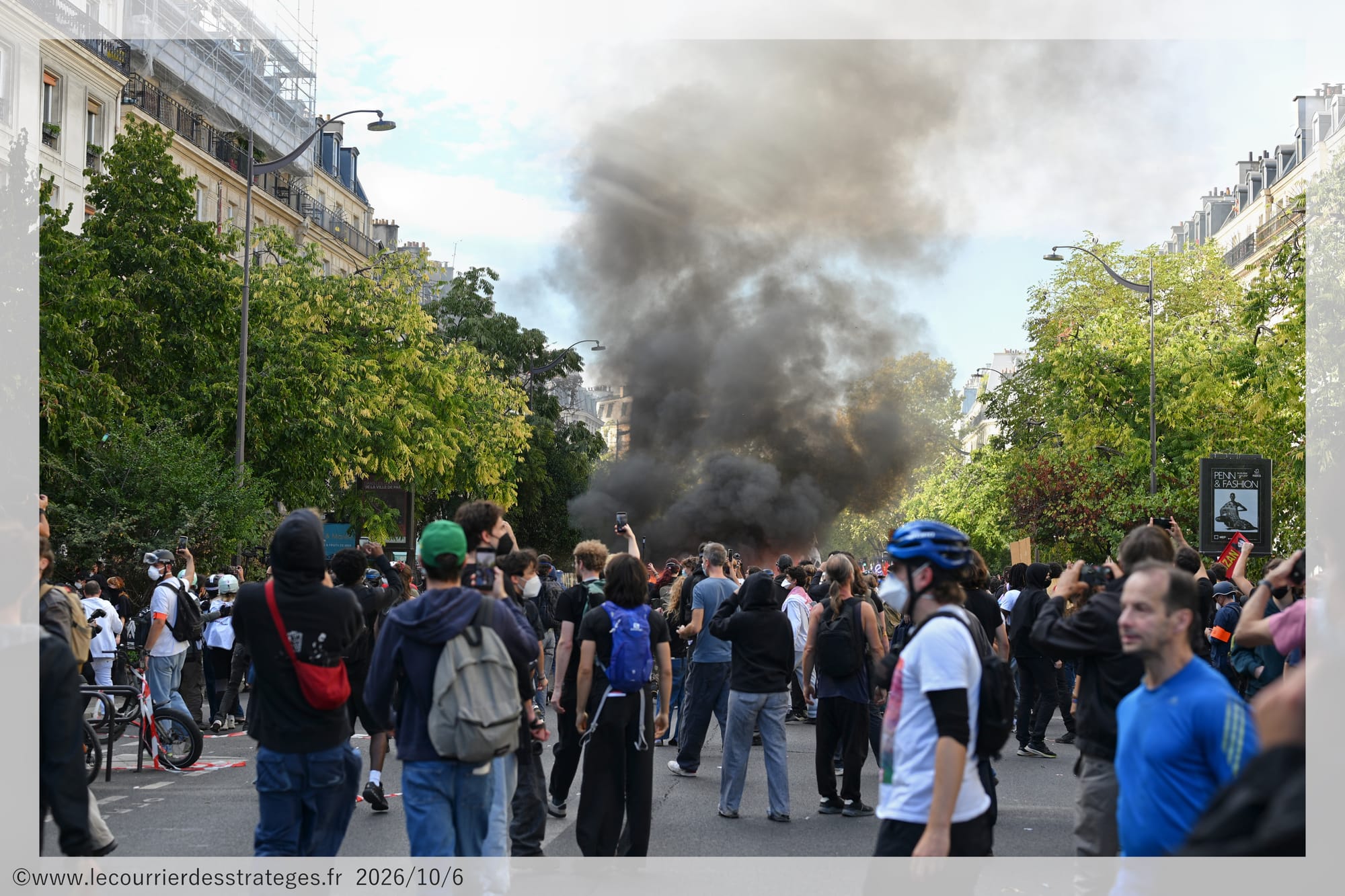
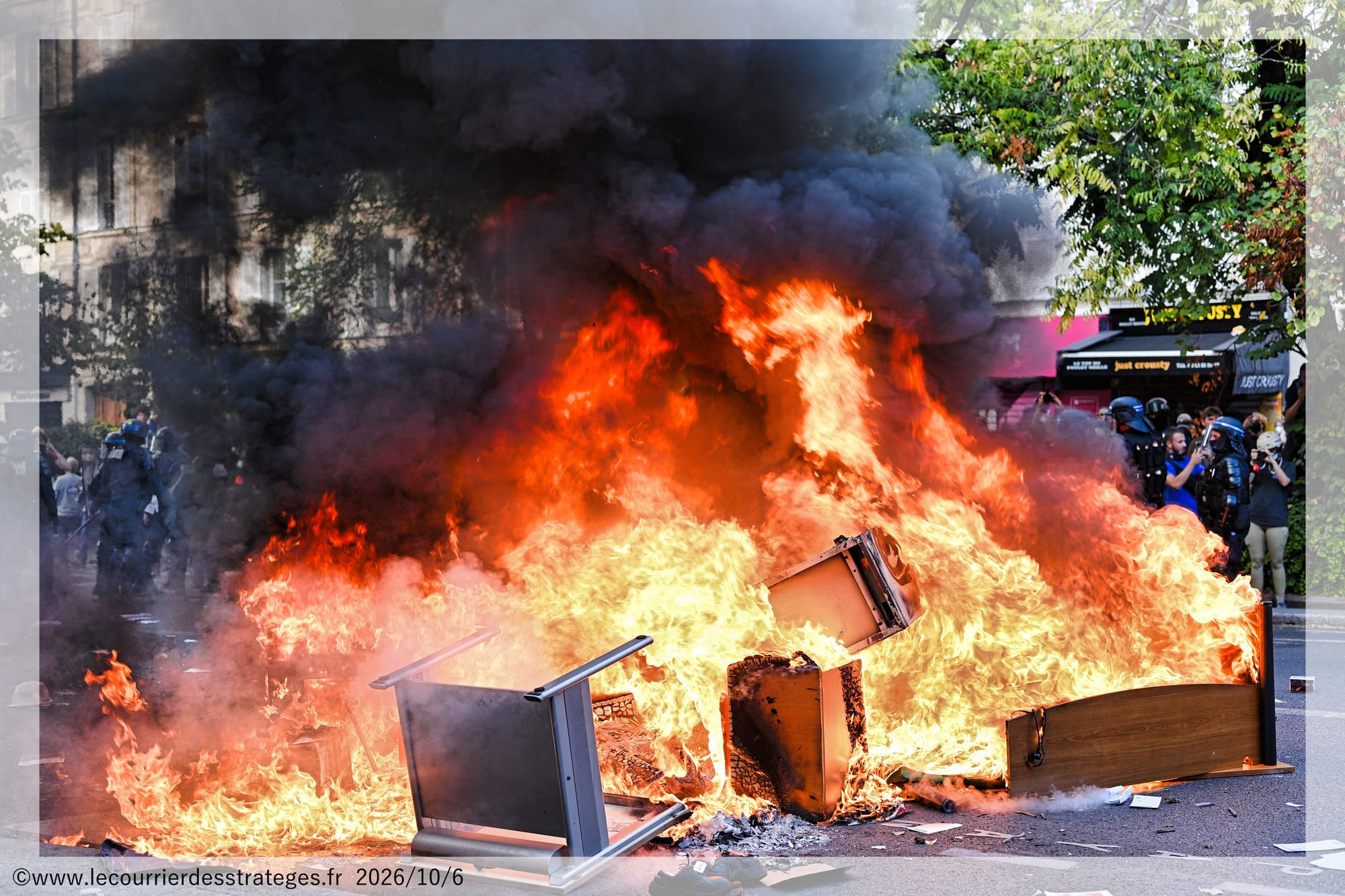









 Riserve americane al minimo dal 1982, Cina che blocca l’export di carburanti, raffinerie russe in fiamme, Hormuz a scartamento ridotto: non è una crisi, è la somma di quattro crisi. E l’Europa le subisce tutte senza governarne nessuna.
 A Levante questa sera, martedì 6 ottobre, Margherita Furlan dialoga con Demostenes Floros, responsabile dell’area Energia del CER, sulla nuova geografia del potere energetico e su che cosa significa per l’Italia, nel giorno in cui torna l’accisa piena sul gasolio e il tetto ai prezzi resta affidato a Eni.
 Hormuz, l’OPEC+ senza Emirati e i 5 milioni di barili al giorno che mancano all’appello
 Washington svuota la Riserva strategica e minaccia di fermare il gasolio: l’Europa apre le scorte
 Pechino chiude l’export di carburanti e si tiene le cisterne
 La guerra delle raffinerie tra Kiev e Mosca e il conto che arriva alla pompa
 Gas e GNL: il Qatar ferito, l’Europa dipendente dagli Stati Uniti, l’inverno alle porte
 Eni, Mattei e lo Stato assente: tetto ai prezzi, dividendo straordinario, extraprofitti
 LIBRI DELL’OSPITE
 Crisi o transizione energetica? Come il conflitto in Ucraina cambia la strategia europea per la sostenibilità (con Stefano Fantacone), 2022
 Guerra e pace dell’energia. La strategia per il gas naturale dell’Italia tra Federazione Russa e NATO, Diarkos, 2020
 SOSTIENI CASA DEL SOLE TV
 Casa del Sole TV è un progetto di giornalismo indipendente autofinanziato.
 Per donazioni:
 IBAN: IT63P0326822300052392596590
 Intestato a: La Casa del Sole Edizioni
 Causale: Donazione Casa del Sole TV
 Membership YouTube:

 Analista Multipolare €5/mese
 Inviato della Verità €15/mese
 Architetto del Futuro €25/mese
 I LIBRI DI MARGHERITA FURLAN
 BRICS Scacco Matto (disponibile in italiano, inglese, russo)
 SEGUI CASA DEL SOLE TV
 YouTube: @CasadelSoleTVChannel
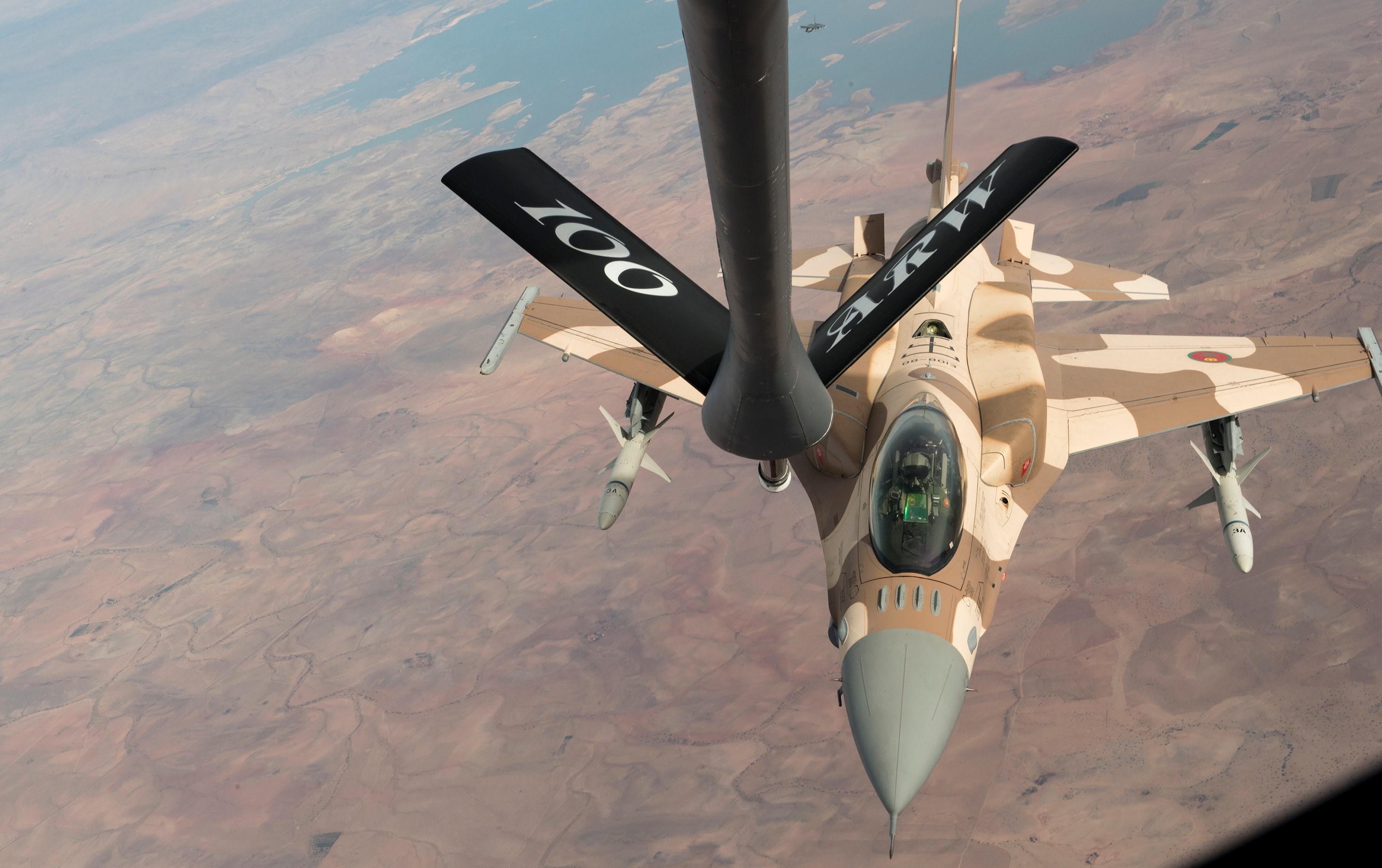
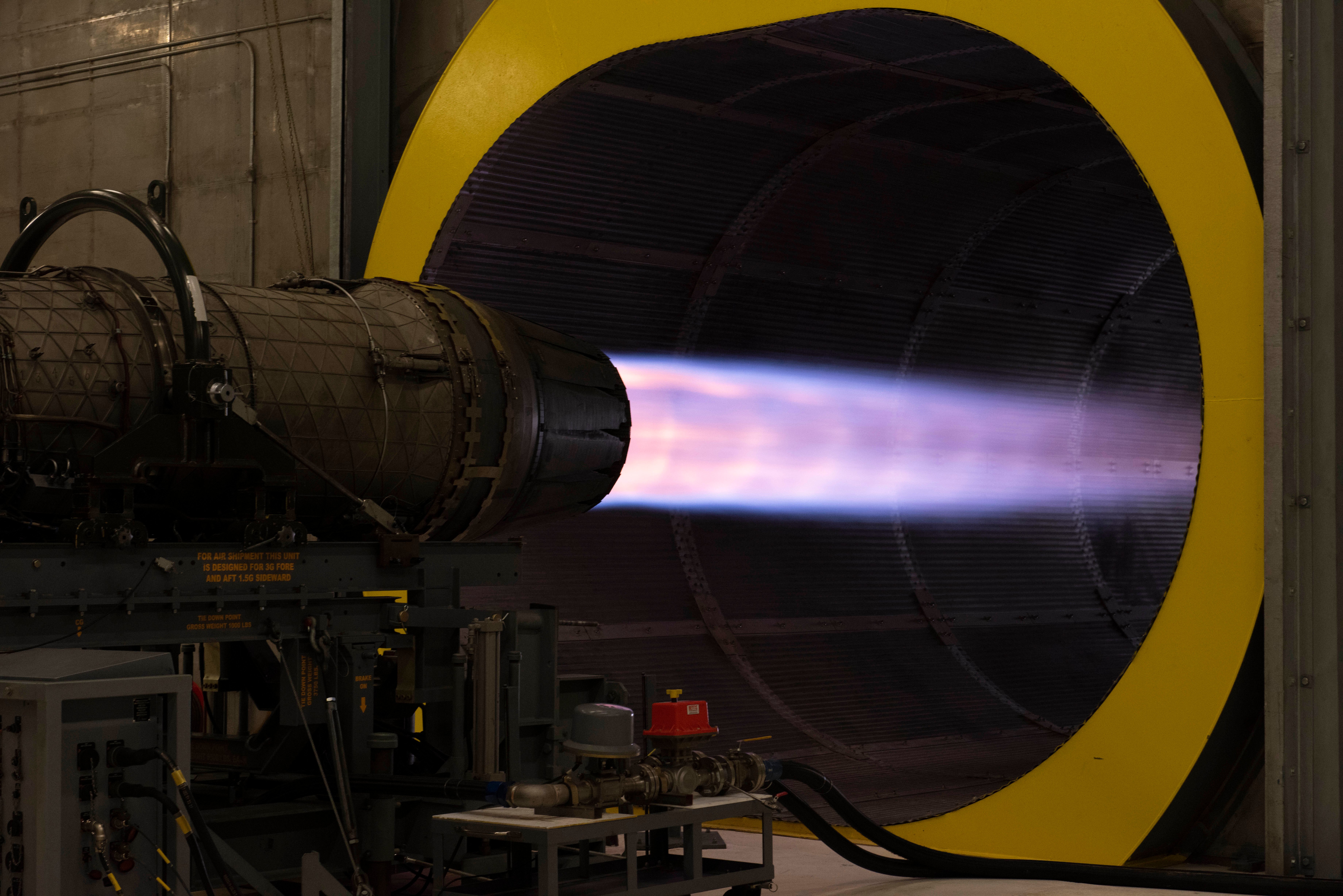
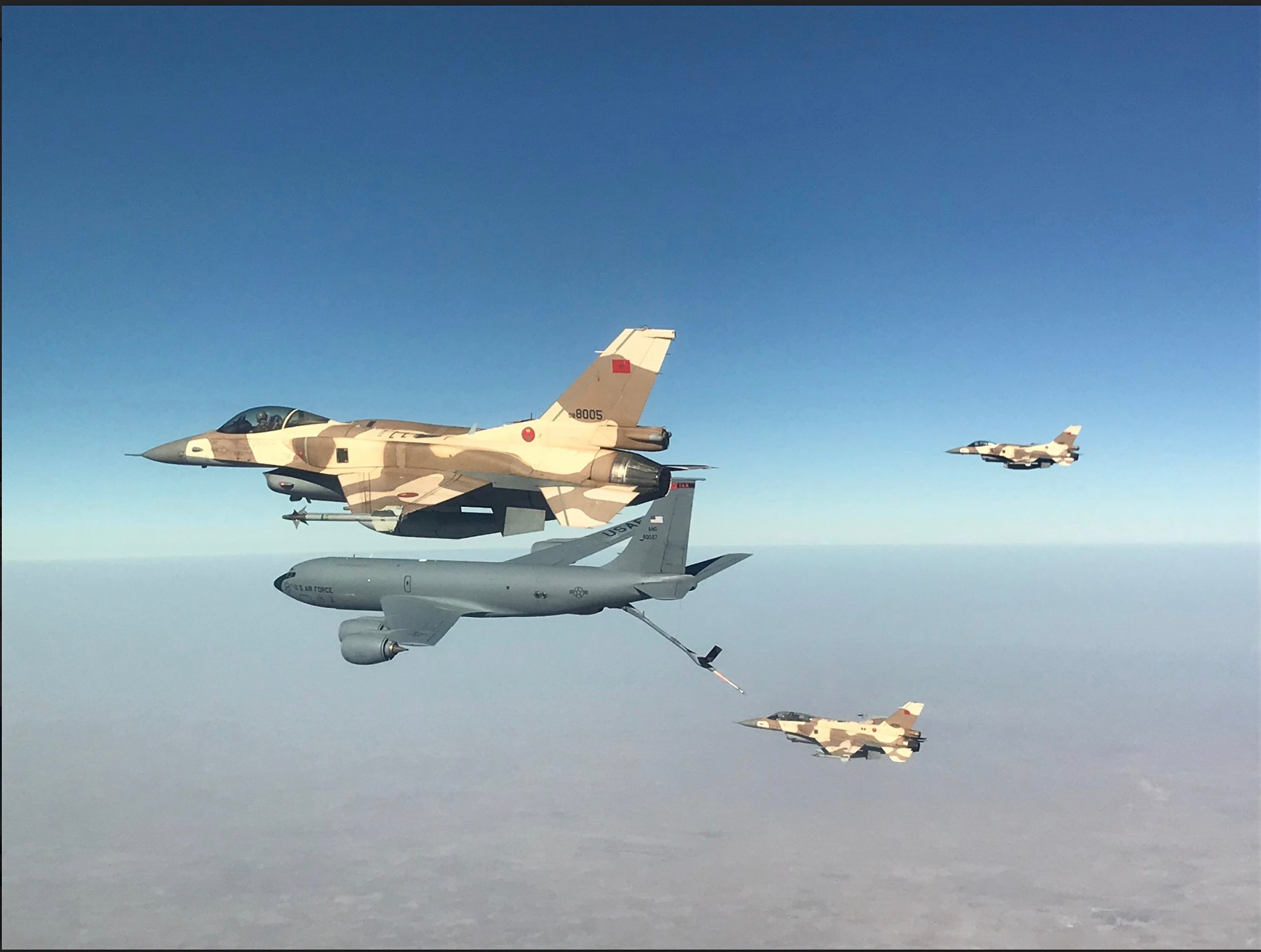
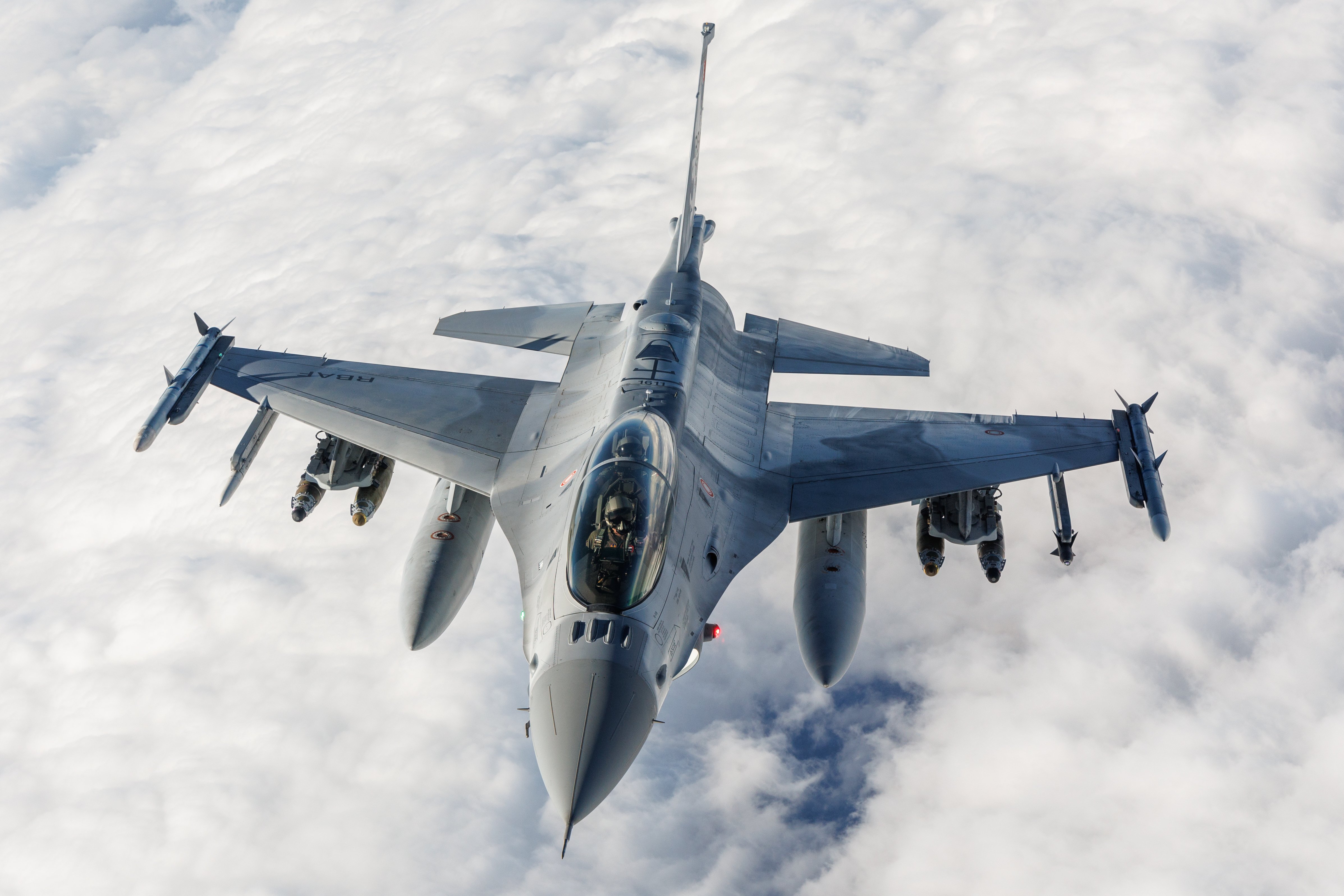

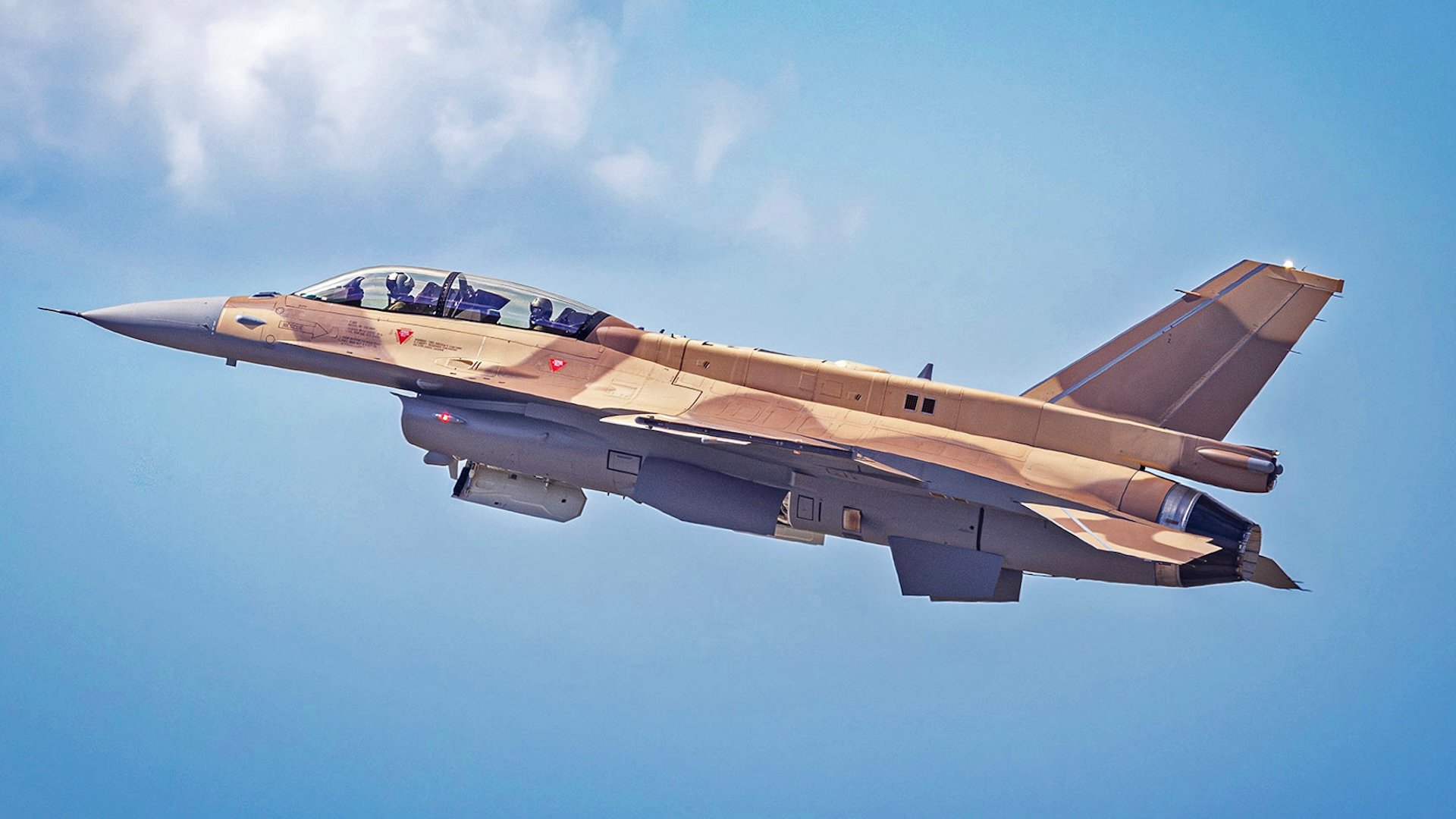



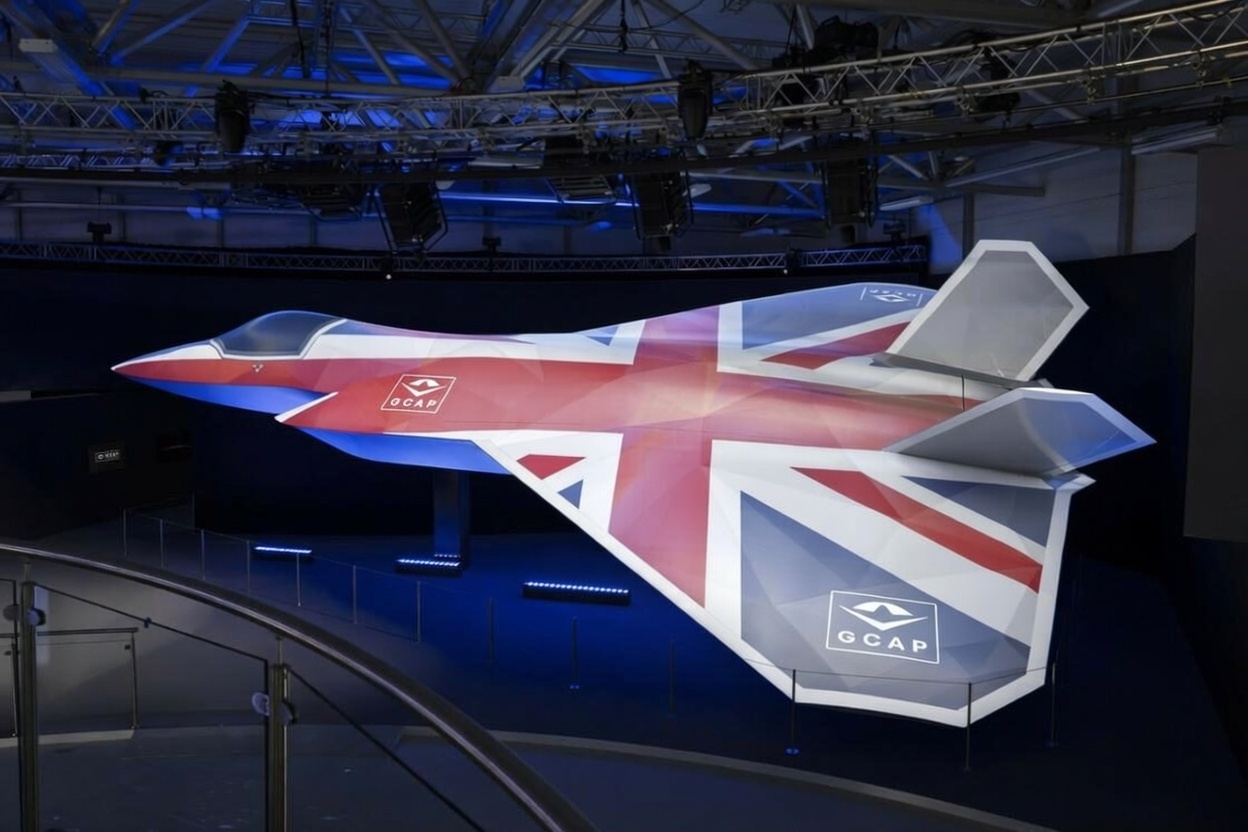


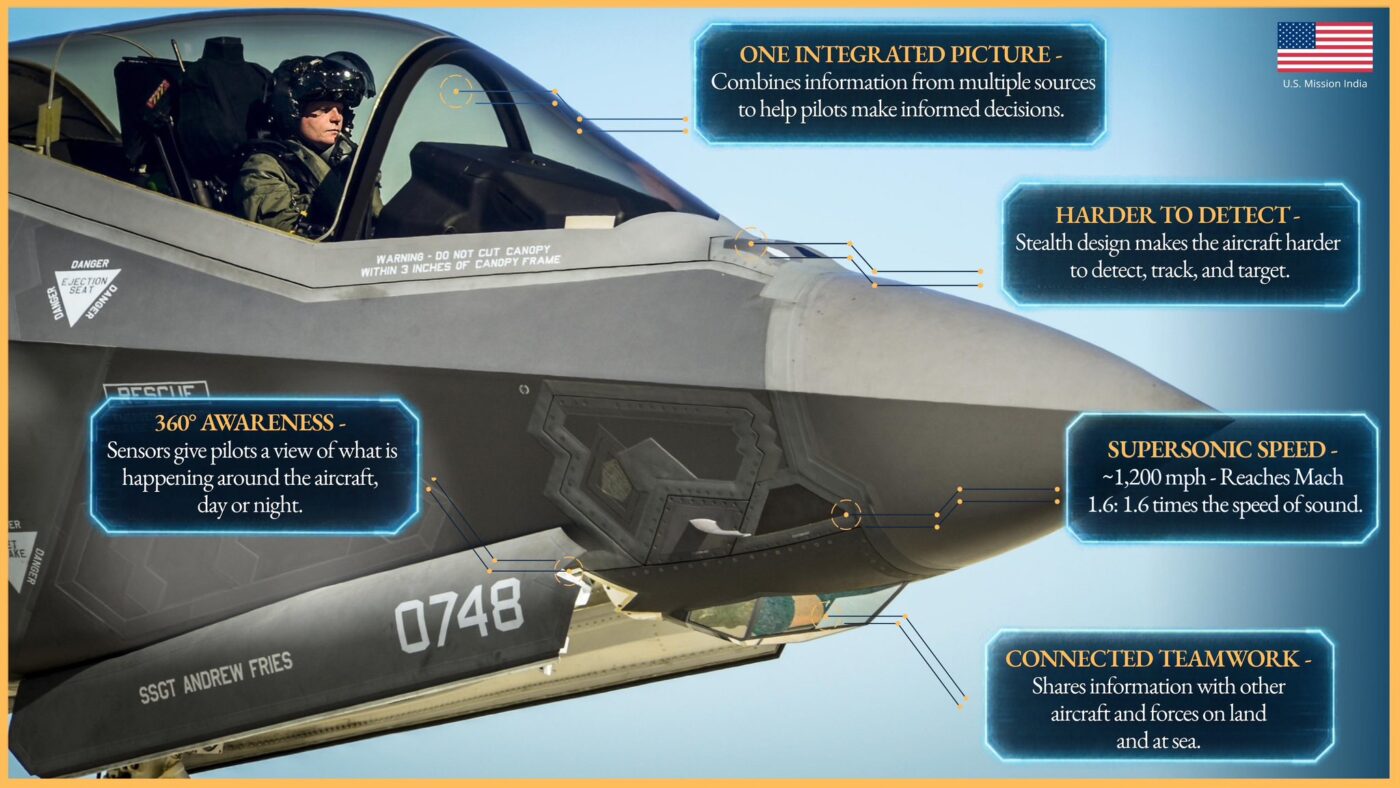
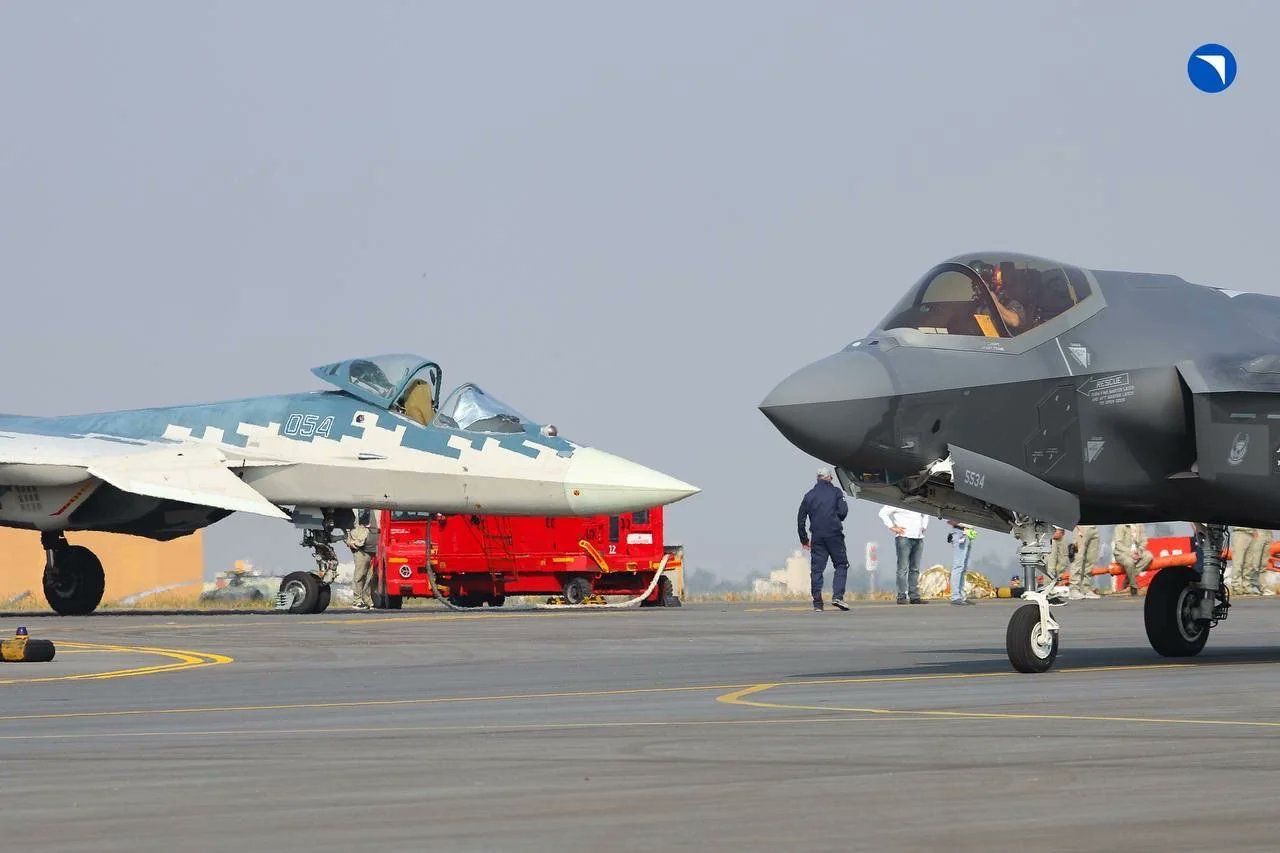
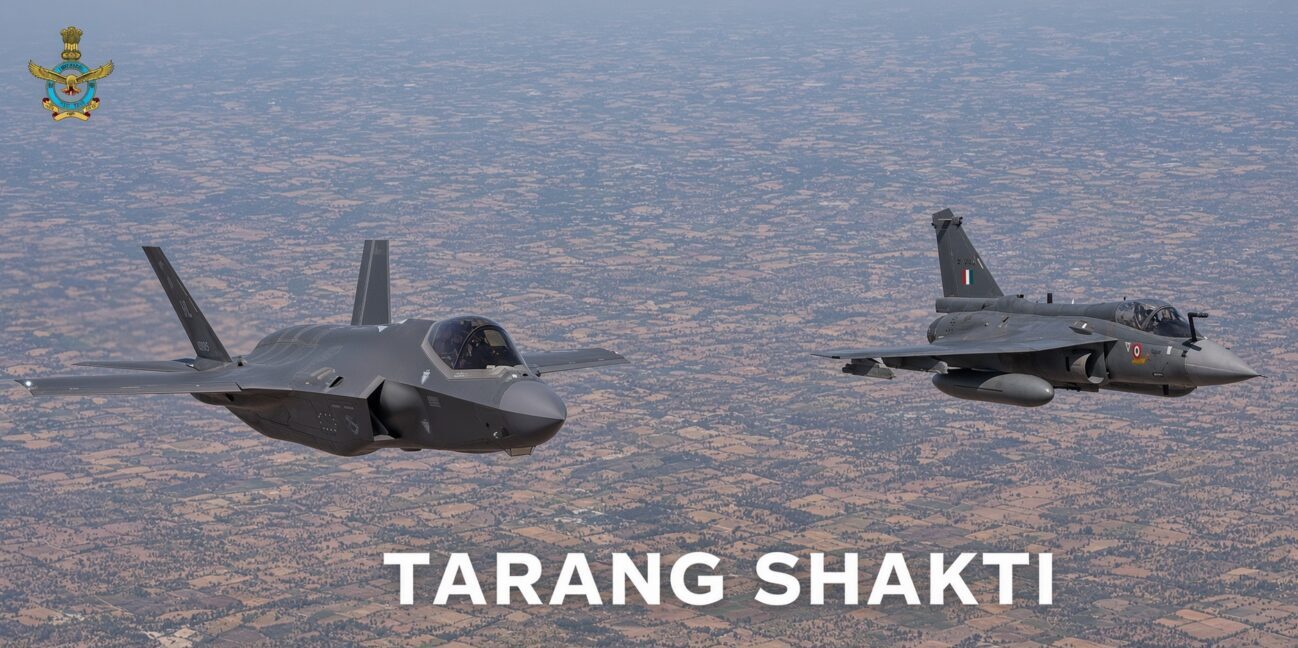


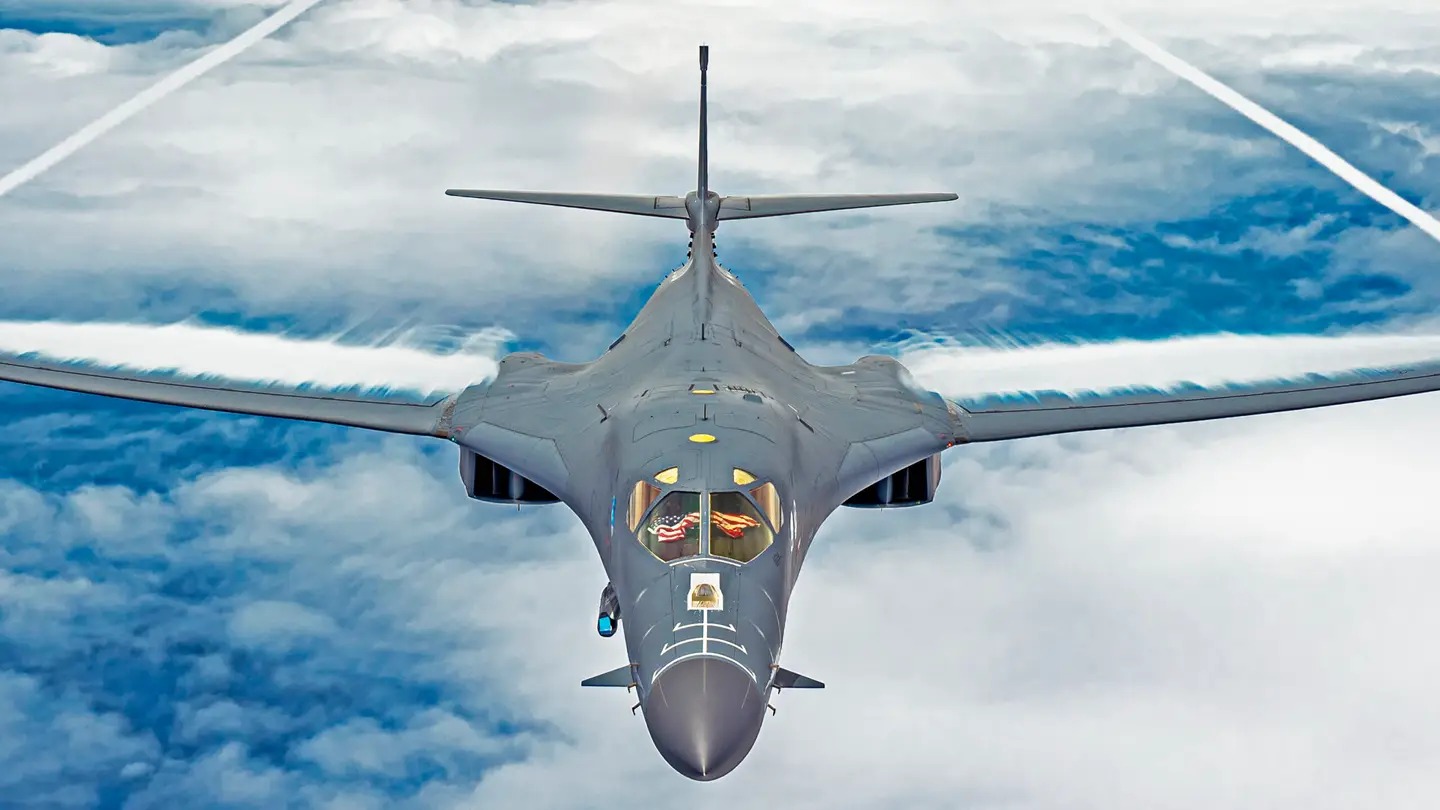


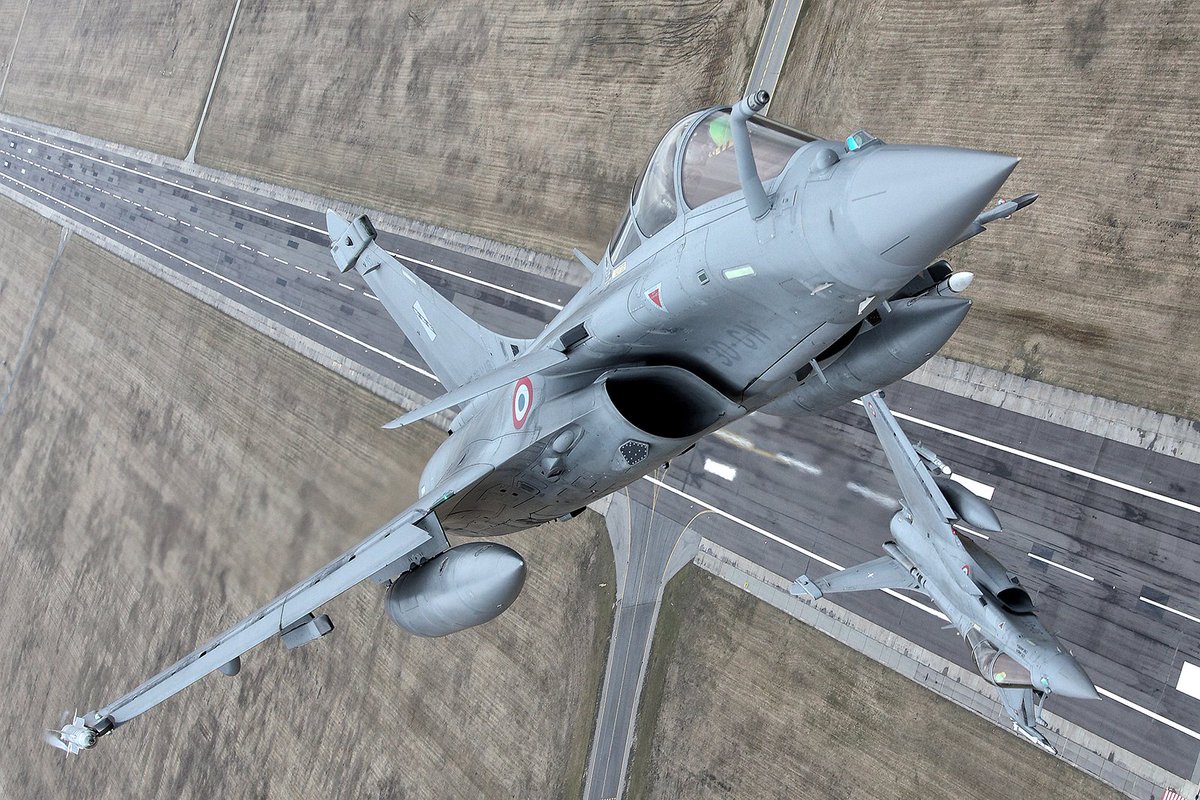
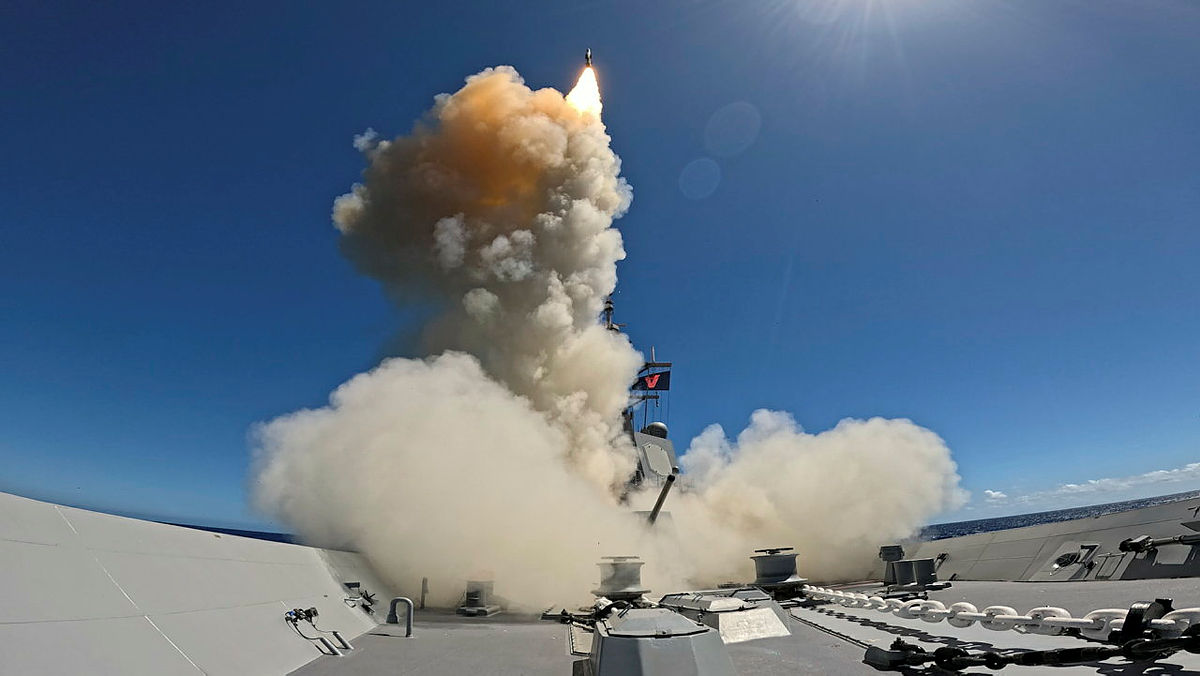



 Aviation et al (@OnDisasters)
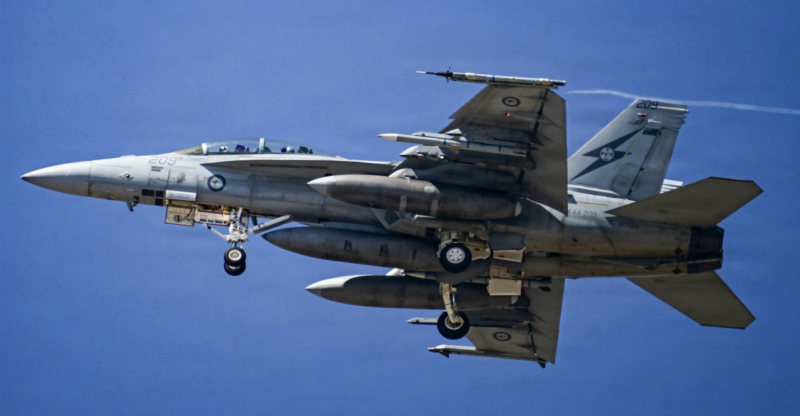
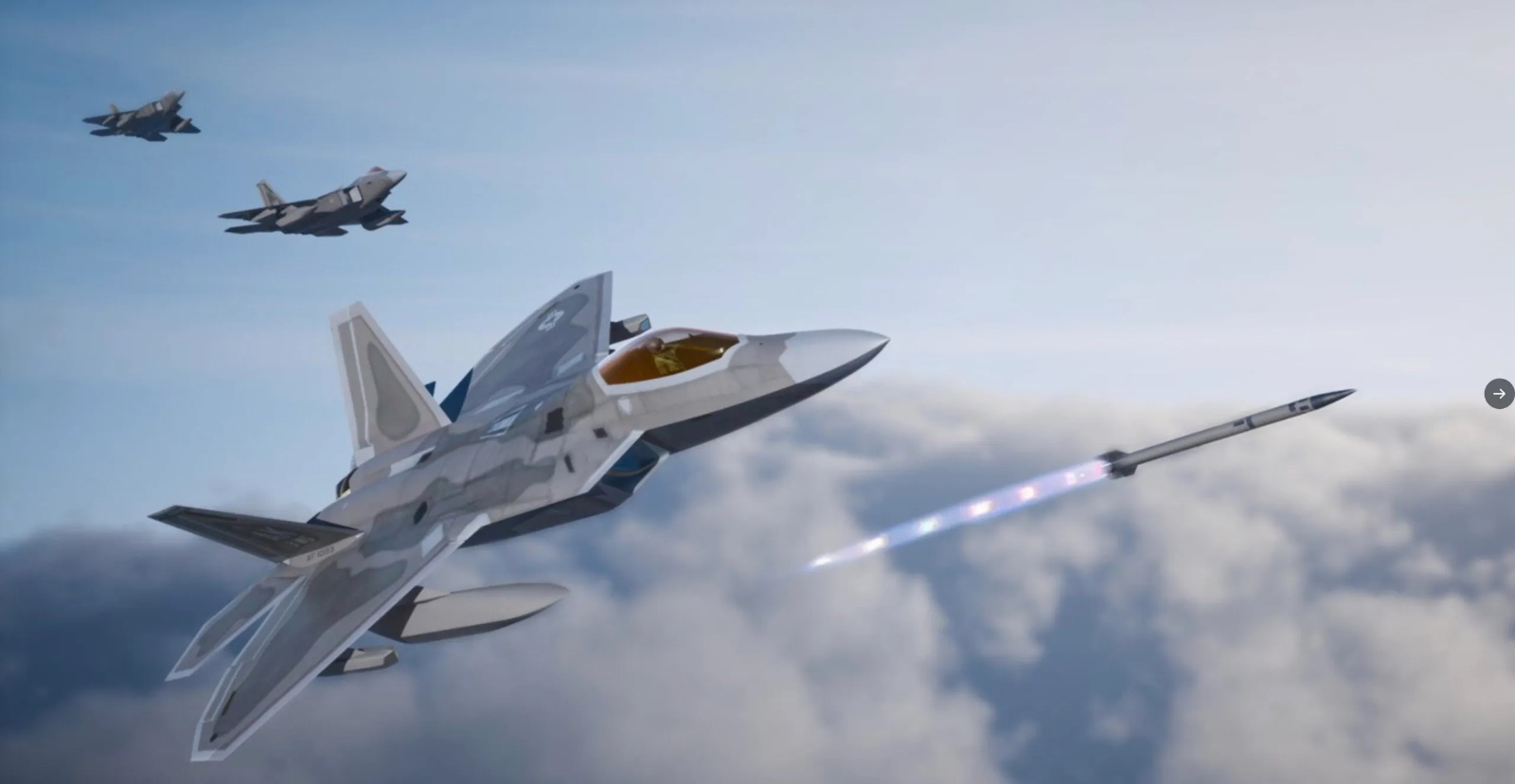
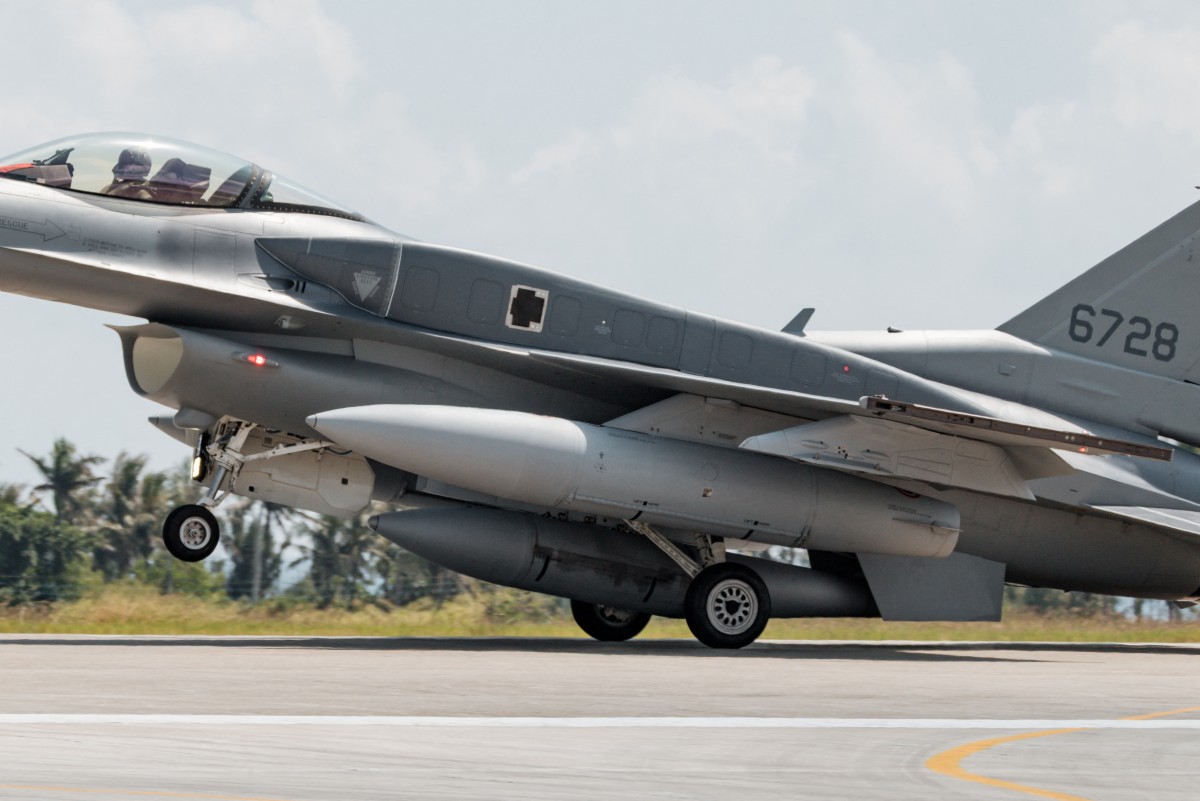
 IRST