❌

Reading view

Câmara de Portimão aprova novo protocolo ‘Comunidade Atuante’ para o ano letivo 2026/2027

Programa com a associação Ensinar a Sorrir envolve cerca de 48 profissionais e assegura apoio a crianças com necessidades específicas e acompanhamento nos recintos escolares, com um investimento de cerca de 345 mil euros

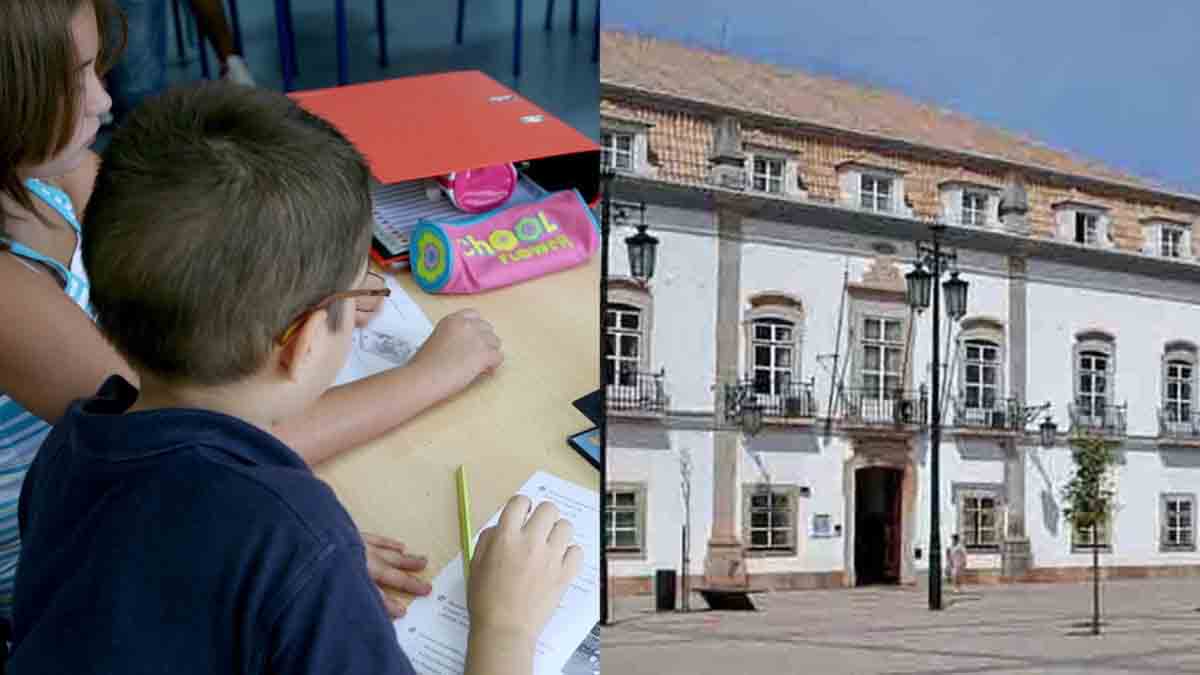
A Câmara Municipal de Portimão aprovou, em reunião de 7 de outubro, a celebração do protocolo de colaboração do programa ‘Comunidade Atuante’ para o ano letivo 2026/2027, a estabelecer entre o Município, a associação Ensinar a Sorrir – Associação de Solidariedade e Apoio à Família e os Agrupamentos de Escolas do concelho de Portimão.

O programa, que o Município mantém há vários anos, visa reforçar a relação entre a escola e a comunidade e garantir a igualdade de oportunidades às crianças que frequentam os Centros de Apoio à Aprendizagem, bem como o acompanhamento e a segurança das crianças dentro e fora dos recintos escolares, nomeadamente no período das refeições.

A iniciativa abrange crianças do Pré-Escolar e alunos dos 1.º, 2.º e 3.º ciclos do Ensino Básico e do Ensino Secundário, e inclui o apoio a atividades lúdico-expressivas e educativas dirigidas a crianças com medidas adicionais de inclusão, o acompanhamento, a vigilância e a segurança no meio escolar e o apoio a atividades que contribuam para as aprendizagens e para o sucesso educativo. Com esta colaboração estão envolvidos cerca de 48 profissionais.

Para este ano letivo, o encargo total é de cerca de 345 mil euros, acrescidos de IVA à taxa legal em vigor, sendo que o apoio recebido do Estado, através do Ministério da Educação e das verbas transferidas pela DGAL no âmbito da transferência de competências, corresponde a cerca de 21% deste valor. Isto significa que o Município de Portimão assume, com recursos próprios, cerca de 79% do investimento, num compromisso que o Executivo Municipal assume como fundamental para garantir a vigilância e a segurança das crianças nos recintos escolares.

O Município de Portimão sublinha que o “Comunidade Atuante” é um programa de reconhecida importância para o bom funcionamento dos estabelecimentos de ensino, e que a aposta na continuidade deste trabalho, com um esforço financeiro que ultrapassa largamente a comparticipação do Estado, reflete a prioridade que a educação merece na ação municipal.

  •  

Vila do Bispo celebra o Património Cultural Imaterial com iniciativa dedicada à pastorícia

O município de Vila do Bispo associa-se às comemorações do Dia Internacional do Património Cultural Imaterial 2026, promovendo, no próximo dia 17 de outubro, pelas 15h00, a iniciativa ‘Os Pastores do Triângulo Vicentino: documentário & prova de queijo’, no Museu de Vila do Bispo – Celeiro da História.

 O evento integra dois momentos: a exibição do documentário Os Pastores do Triângulo Vicentino, de Patrícia Leal e Vera Abreu, produzido em 2023 pela AVONDE – Associação Cultural, com o apoio da Câmara Municipal de Vila do Bispo, e uma prova de queijo de cabra produzido artesanalmente pela Queijaria da Avó Deolinda, em Sagres.

O documentário acompanha o quotidiano de um conjunto de pastores do concelho, cuidadores de ovelhas, cabras e vacas, dando a conhecer a sua relação com os animais, as práticas diárias da atividade pastoril e as transumâncias.

Após a exibição, os participantes terão oportunidade de degustar queijo de cabra produzido por um dos intervenientes no documentário.

Com esta iniciativa, a autarquia pretende valorizar e divulgar o património cultural imaterial associado à pastorícia, dando visibilidade aos saberes e práticas tradicionais que integram a identidade do concelho e promover o encontro entre pastores e público, num momento de partilha de conhecimentos e experiências.

A autarquia salienta que a participação na atividade é gratuita, mediante inscrição prévia até ao dia 11 de outubro, através do e-mail: reservas.museu@cm-viladobispo.pt ou do telemóvel: 927 193 677 (chamada para rede móvel nacional).

  •  

Rita Guapo dinamiza workshop de Educação e Parentalidade Consciente em Silves

No âmbito do projeto Matéria Prima, o Município de Silves, através do Setor da Juventude, promove no próximo dia 24 de outubro, entre as 10h00 e as 13h00, mais uma sessão do workshop de Educação e Parentalidade Consciente ‘A adolescência não é um cadilho nem um sarilho’, dinamizado por Rita Guapo.

A Psicóloga Rita Guapo regressa à Biblioteca Municipal de Silves para promover um espaço de reflexão sobre os desafios e as transformações inerentes ao processo de desenvolvimento na adolescência. A sessão irá abordar a importância de compreender o comportamento dos jovens, incentivando uma comunicação familiar mais significativa, assente em relações positivas e de maior conexão.

Partindo do princípio de que não existem fórmulas universais na missão de educar, este workshop convida pais, educadores e profissionais a aprofundar o seu conhecimento sobre as vivências e o sentir dos adolescentes, reconhecendo também o potencial desta fase de desenvolvimento.

A participação é gratuita, mas sujeita a inscrição prévia obrigatória até ao dia 21 de outubro, a qual deve ser efetuada clicando aqui, realçando-se que as vagas são limitadas.

Para mais informações, os interessados poderão contactar o Setor de Juventude da Câmara Municipal de Silves através dos telefones 282 440 800 ou 910 118 277, ou ainda pelo endereço de correio eletrónico juventude@cm-silves.pt.

  •  

Angelina Voloshchuk voltou a vencer e marca presença nos quartos-de-final

Sortes diferentes para as duas tenistas portuguesas de 19 anos, que ultrapassaram a ronda inaugural do III International Ladies Open.
Angelina Voloshchuk voltou a vencer em dois sets e está nos quartos-de-final do torneio da categoria W35, que decorre no Clube de Ténis e Padel de Lagos.

Frente à holandesa Isis Louise Van Den Broek (619.ª), Voloshchuk (333.ª) teve um início hesitante no início de cada set, mas terminou forte ambas as partidas, superando a adversária em uma hora e 43 minutos, com os parciais de 6-2, 6-4.

“Senti-me bem apesar de não ter entrado tão bem, estive a ganhar por 2-0, depois ela entrou mais no jogo e eu, se calhar, baixei um bocadinho, mas acho que consegui manter um bom nível no primeiro set. No segundo, baixei logo no início, podia ter feito algumas coisas diferentes e estar mais focada na minha tarefa, mas depois consegui encontrar o meu caminho”, disse a autora de seis duplas-faltas.

“No início senti nervosismo no serviço que é uma das coisas que tenho tentado de melhorar, mas ao longo do encontro consegui soltar um bocadinho mais e ficar mais tranquila a servir. Foi mais no início dos sets” – argumentou.

A próxima adversária de Voloshchuk é a sétima mais cotada do torneio, a espanhola Celia Cervino Ruiz (587.ª), no segundo encontro do Court 1, cuja jornada tem início às 11 horas. “Nunca a defrontei, mas ainda tenho oportunidade de ver um bocadinho do jogo dela e preparar da melhor maneira para dar o meu melhor e ir o mais longe possível”, adiantou a número três portuguesa.

Já Milana Ivantsiv (1465.ª) não conseguiu ganhar mais do que três jogos à espanhola e sexta cabeça de série Maria Martinez Vaquero (496.ª), que se impôs por 6-1, 6-2.

A jornada de sexta-feira termina com as meias-finais de pares, onde a segunda melhor dupla do torneio, formada pela portuguesa Ana Filipa Santos e a indiana Vasanti Shinde, vai disputar um lugar na final de sábado com as cabeças de série n.3, a chinesa Min Liu e a italiana Carlota Moccia.

Colaboração do Gabinete de Imprensa do III Internacional Ladies Open W35

  •  

‘Olhão antes e depois’ revela a transformação da cidade através da fotografia

Exposição percorre quatro espaços do concelho e coloca imagens históricas lado a lado com recriações feitas por jovens olhanenses.

A exposição fotográfica ‘Olhão antes e depois’ é inaugurada no próximo sábado, 10 de outubro, pelas 10:30, nos Mercados Municipais de Olhão, dando-se aí início a um percurso por quatro espaços do concelho — Mercados Municipais, Ria Shopping, Escola Secundária Dr. Francisco Fernandes Lopes e Casa Municipal da Juventude de Olhão Hugo Charrão —, onde estará patente até 13 de novembro.

Com curadoria de Luís Torres e integrada na programação cultural do Bicentenário da Câmara Municipal de Olhão, a exposição coloca lado a lado imagens históricas da cidade e recriações fotográficas realizadas por jovens olhanenses, propondo um olhar sobre a evolução urbana de Olhão e convidando a comunidade a percorrer a cidade através do tempo.

A mostra nasceu do desafio lançado a alunos do 10.º ano da área de Multimédia da Escola Secundária Dr. Francisco Fernandes Lopes para recriarem, nos dias de hoje e nos mesmos locais, uma seleção de cerca de 50 fotografias históricas de Olhão. Participaram no projeto os alunos Miguel Sousa, Samuel Ventura e Maria Moniz, bem como Charline Fournier, elemento do Clube de Fotografia da Casa Municipal da Juventude Hugo Charrão.

Para concretizar o trabalho, foram utilizadas fotografias com cerca de 70 a 80 anos, pertencentes ao Arquivo Municipal de Olhão, e imagens com 40 a 50 anos, provenientes do arquivo pessoal de Luís Torres. Depois de um processo de pesquisa e levantamento, os participantes percorreram as ruas da cidade e procuraram reproduzir os enquadramentos originais, recriando as imagens nos mesmos locais e permitindo uma comparação direta entre diferentes épocas.

O resultado é uma exposição distribuída por quatro núcleos expositivos, que propõe um percurso pela cidade através das suas transformações e permanências. O confronto entre as fotografias históricas e as imagens atuais permite observar a evolução urbana de Olhão, mas também recuperar lugares, edifícios e espaços que fazem parte da memória coletiva da cidade.

No dia da inauguração, o percurso pelos quatro núcleos começa nos Mercados Municipais, às 10:30, seguindo para o Ria Shopping, às 11:15, para a Escola Secundária Dr. Francisco Fernandes Lopes, às 11:45, e terminando na Casa Municipal da Juventude de Olhão Hugo Charrão, às 12:15. A exposição poderá ser visitada até 13 de novembro, nos quatro espaços, de acordo com os respetivos horários de funcionamento.

Com esta iniciativa, o Município de Olhão pretende valorizar a criatividade e o envolvimento dos jovens olhanenses e, simultaneamente, promover junto da comunidade um maior conhecimento da história contemporânea e da evolução urbana da cidade. O projeto terá ainda continuidade, estando prevista a sua passagem pelas várias freguesias do concelho.

Integrada no programa comemorativo dos 200 anos da Câmara Municipal de Olhão, ‘Olhão antes e depois’ aproxima diferentes gerações através da fotografia e proporciona uma viagem visual entre o Olhão de ontem e o Olhão de hoje.

  •  

800 anos da morte de São Francisco de Assis assinalados com conferência

Na Igreja de São Francisco, em Faro, amanhã, dia 9 de outubro, às 21:00 horas, realiza-se a conferência “Eu fiz a minha parte“, de Fr. José Quintã, ofm, Ministro Provincial da Província Portuguesa da Ordem Franciscana. A iniciativa faz parte das comemorações do VIII Centenário da morte de São Francisco de Assis (1226–2026) e tem entrada livre.

Em nota enviada ao nosso jornal é recordado que São Francisco morreu a 3 de outubro de 1226. Oito séculos depois, continua a ser uma das figuras mais marcantes da história. A sua mensagem de paz, fraternidade, simplicidade e cuidado pela Criação continua atual e fala a crentes e não crentes.

Para assinalar a data, o Papa Leão XIV proclamou um Ano Jubilar de São Francisco, que decorre de 10 de janeiro de 2026 a 10 de janeiro de 2027.

O título da conferência vem de uma das últimas frases do santo de Assis aos seus irmãos: “Eu fiz a minha parte; que Cristo vos ensine a vossa.” Estas palavras resumem o que São Francisco deixou, mas também lançam um desafio: cada pessoa é chamada a fazer a sua parte na sociedade, na comunidade e no mundo.

A conferência vai ser apresentada por Fr. José João Quintã Pereira, eleito Ministro Provincial em abril de 2025. Ele vai falar sobre a atualidade da mensagem franciscana e sobre o que ela significa para os desafios de hoje.

A organização da conferência convida toda a população, as comunidades paroquiais, os movimentos, as escolas e as pessoas interessadas em espiritualidade, história e cultura a participar neste momento de reflexão e celebração.

  •  

UCCF/GNR apreende 4 toneladas de cocaína e detém 3 pessoas na Costa Vicentina

A Unidade de Controlo Costeiro e de Fronteiras (UCCF) da Guarda Nacional Republicana (GNR), através do Destacamento de Controlo Costeiro de Sines, apreendeu, durante a madrugada desta quinta-feira, 08 de outubro, cerca de 4 toneladas de cocaína, duas embarcações, quatro telemóveis e mais de 1200 euros em numerário, nas imediações da Foz do rio Mira e da Praia da Vieirinha, nos concelhos de Odemira e Sines.

No âmbito de uma ação de Vigilância e Controlo Costeiro, desencadeada na sequência da deteção de embarcações de alta velocidade (EAV) pelo Sistema Integrado de Vigilância, Comando e Controlo (SIVICC), foram empenhados meios terrestres e marítimos para acompanhar os seus movimentos e prevenir a prática de ilícitos criminais.

No decorrer da ação, foi confirmada a presença de duas embarcações de alta velocidade (EAV) que estariam a transportar volumes para uma embarcação de pesca, nas imediações da foz do rio Mira. A intervenção marítima permitiu intercetar a embarcação de pesca. Foram detidos 3 homens no seu interior, de nacionalidade portuguesa e estrangeira, com idades compreendidas entre os 22 e os 42 anos, tendo-se confirmado a existência de 73 fardos de cocaína.

No seguimento da ação, já no regresso para terra, foi possível detetar-se mais uma embarcação de recreio à deriva, que se verificou ter no seu interior 58 fardos de cocaína.

Da ação resultou a apreensão de duas embarcações, 131 fardos de cocaína com um peso estimado de 3.915 quilos, 4 telemóveis e 1.240 euros em numerário, tendo segundo a UCCF/GNR adintado que esta ação contou com o reforço do Comando Territorial de Setúbal e com o apoio da Polícia Marítima e do Município de Sines.

A UCCF/GNR salienta que esta operação surge menos de 48 horas após uma outra ação policial desenvolvida pela GNR, na madrugada de quarta-feira, dia 7 de outubro, na Praia da Costinha, que culminou na apreensão de cerca de 2,7 toneladas de cocaína.

No conjunto destas duas operações, a GNR apreendeu, em menos de 48 horas, mais de 6,5 toneladas de cocaína, evidenciando o empenhamento permanente da Guarda na vigilância e controlo da costa portuguesa e no combate ao tráfico internacional de estupefacientes por via marítima.

  •  

Parque de Vale Faro acolheu a FAESA – Feira Ambiental e Sustentável de Albufeira

O Parque de Vale Faro acolheu, nos dias 4 e 5 de outubro, a FAESA – Feira Ambiental e Sustentável de Albufeira. Organizada pela Junta de Freguesia de Albufeira e Olhos de Água, com o apoio da Câmara Municipal de Albufeira, a iniciativa reuniu atividades dedicadas à sustentabilidade, ao bem-estar e à criatividade, com propostas para diferentes idades.

Ao longo de dois dias, a feira apresentou um programa que conjugou artesanato, workshops, palestras, atividades infantis e momentos musicais. O contacto com as práticas sustentáveis e a valorização de materiais naturais e reutilizados estiveram em destaque, num espaço de partilha e aprendizagem ao ar livre.

A componente musical marcou várias propostas do programa, desde o atelier sustentável à construção de instrumentos com materiais reciclados. Os workshops de tecelagem em tear, sabonete feltrado e arte botânica proporcionaram oportunidades para explorar técnicas artesanais e diferentes formas de expressão criativa.

Para os mais novos, a programação incluiu jogos tradicionais, atividades nas tendas infantis e o bioconto “A Árvore em Mim”. A iniciativa “Algas à Tela – da Praia à Arte” estabeleceu também uma ligação entre os elementos do meio marinho e a criação artística.

FAESA (Foto: Inês Henrique)

O bem-estar constituiu outra vertente da feira, com sessões de pilates e yoga, palestras e uma área dedicada a terapias. A alimentação esteve igualmente presente, através do workshop “Lancheira Mediterrânica”, integrado na programação do primeiro dia.

A música complementou as atividades no Parque de Vale Faro, com atuações de Medicina Laurinha, um concerto de violino por Isabel Carvalhaes e um concerto de saxofone por Ricardo Jesus.

A vereadora da Câmara Municipal de Albufeira, Maria Cristina Corado, esteve presente na iniciativa, que associou a sensibilização ambiental ao convívio e à participação da comunidade.

  •  

Exposição ‘A água e o Mar para Mim’ patente na Galeria Municipal de São Brás de Alportel

Até ao final de outubro a exposição de Guarda-chuvas artísticos ensinam a importância da água e apresentam a fusão perfeita entre arte, originalidade, sustentabilidade e inclusão

A Galeria Municipal de São Brás de Alportel exibe, até 31 de outubro, a 3.ª edição da exposição “A Água e o Mar para Mim’, inaugurada a 2 de outubro, e integrada no Ciclo de Exposições do Município de São Brás de Alportel 2026 que mantém esta colaboração ativa.

Promovida pela empresa Águas do Algarve, esta mostra reúne diversas manifestações artísticas criadas a partir de chapéus de chuva transformados em peças de arte, numa abordagem criativa a temas como a importância da água e do mar, a escassez hídrica, as alterações climáticas e a poluição marinha.

Pelo terceiro ano, esta iniciativa voltou a desafiar instituições sem fins lucrativos que trabalham com pessoas idosas e pessoas com deficiência para a criação das peças que agora dão corpo a esta exposição itinerante.

Mais do que uma exposição, ‘A Água e o Mar para Mim’ convida à reflexão sobre a importância da preservação dos recursos hídricos e dos ecossistemas marinhos, recorrendo à arte como instrumento de sensibilização ambiental e de inclusão social.

Esta iniciativa alia a cultura à educação ambiental e à inclusão, e contribuí para o reforço da estratégia de educação e sensibilização ambiental do Município de São Brás de Alportel.

  •  

Pastelaria entra em competição rumo ao Campeonato Nacional das Profissões

Jovens da Escola de Hotelaria e Turismo de Vila Real de Santo António (EHTVRSA) e da Câmara de Comércio e Indústria Luso Alemã /Centro DUAL participam na Fase Regional 1 do WorldSkills Portugal Centro 2027, numa prova agendada para 16 de outubro, que decorrerá no Espaço Auchan Live Faro, no Forum Algarve.

Importa destacar que o Algarve participa na Fase Regional 1 do 47.º Campeonato Nacional das Profissões – WorldSkills Portugal Centro 2027 com uma prova de Pastelaria que reúne jovens da EHTVRSA e da DUAL.

A prova constitui uma oportunidade para demonstrar as competências desenvolvidas ao longo da formação e dar visibilidade ao trabalho das entidades formadoras da região. Para quem participa, é também um desafio de aprendizagem: aplicar conhecimentos em contexto de competição, gerir o tempo e responder às exigências da profissão.

Saliente-se que esta etapa integra a Fase Regional 1, que decorre entre 12 e 16 de outubro de 2026 em todo o país, no âmbito do percurso de participação no Campeonato Nacional das Profissões. Segue-se a Fase Regional 2, prevista para 17 a 19 de novembro, com vista ao apuramento para a competição nacional de 2027, em Aveiro.

A participação dos alunos da região do Algarve em Pastelaria coloca em destaque uma área profissional ligada à restauração e à hotelaria e valoriza a formação de jovens que poderão contribuir para estes setores na região. É também uma ocasião para reconhecer o acompanhamento de quem forma e prepara cada participante para este desafio.

Os Campeonatos das Profissões promovidos pelo Instituto do Emprego e Formação Profissional, através da WorldSkills Portugal, valorizam as competências profissionais e dão a conhecer a diversidade de percursos que a formação profissional oferece.

Ao aproximar jovens, entidades formadoras e empresas, contribuem para o reconhecimento das profissões e da qualidade da formação em Portugal.

  •  

Over 2,000 Gazans have died awaiting medical evacuation amid Israel’s continued siege

Israeli restrictions have resulted in the deaths of over 2,000 patients, with 21,000 more await urgent treatment, including 5,600 children and 2,800 patients requiring cancer treatment

  •  

Two Latvian Nationals Arrested at RAF Base Housing US and NATO Intelligence Operations

British counter-terrorism police are investigating a security breach at RAF Molesworth in Cambridgeshire after two Latvian nationals were found inside the military installation. The arrests come amid heightened security concerns following a separate suspected terrorist plot targeting RAF Fairford, which prompted the withdrawal of American bombers.

Two Latvian nationals have been arrested in Britain on suspicion of entering a restricted military installation for purposes potentially harmful to national security. The men were discovered inside RAF Molesworth, a sensitive military facility in Cambridgeshire that houses American and NATO intelligence operations, during the early hours of Thursday, 8 October.

The suspects, aged 36 and 32, are both Latvian citizens residing in the United Kingdom. According to an official statement issued by the Metropolitan Police, they were initially detained on suspicion of trespassing and criminal damage before being arrested under the National Security Act 2023.

The incident follows a separate investigation into a suspected terrorist plot near RAF Fairford in Gloucestershire, where American strategic bombers had been deployed. British counter-terrorism officers have emphasised that there is currently no evidence connecting the two cases.

Security breach discovered during routine patrol

The investigation began at approximately 10pm on Wednesday, 7 October, when Ministry of Defence Police officers patrolling RAF Molesworth discovered an abandoned vehicle near the installation’s perimeter.

Officers from Cambridgeshire Constabulary joined the search and subsequently identified a small breach in the security fence. At approximately 2am on Thursday, the two men were located inside the restricted area and taken into custody.

The suspects were initially questioned over alleged trespassing and criminal damage. However, investigators subsequently invoked Section 4 of the National Security Act 2023, which covers entering, approaching or inspecting prohibited locations for purposes prejudicial to Britain’s safety or interests.

The legislation carries a maximum sentence of 14 years’ imprisonment upon conviction. Neither man has been publicly identified, and police have not disclosed evidence establishing their alleged intentions or any connection with a foreign intelligence service.

Officers have also searched two addresses in the Peterborough area. The abandoned vehicle was recovered and examined by specialist explosive ordnance disposal personnel after concerns arose during initial inspections.

As a precaution, police established a cordon affecting roads around Glatton, including part of the A1. Specialists subsequently found nothing of concern, allowing the restrictions to be lifted.

Intelligence facility serving American and NATO operations

RAF Molesworth is not an ordinary operational airfield. Although designated as a Royal Air Force station, the installation accommodates intelligence facilities supporting American military operations and NATO.

Among the organisations associated with the site is the NATO Intelligence Fusion Centre, which contributes to intelligence collection, assessment and information-sharing between allied military authorities. The installation also supports American military intelligence activities relating to operations in Europe and Africa.

The presence of these facilities makes Molesworth a sensitive location, where unauthorised access raises questions extending beyond conventional trespassing. Investigators will seek to establish how the men entered the compound, why they were there and whether they attempted to approach or examine restricted equipment or infrastructure.

Separate investigation at RAF Fairford

The arrests come less than two weeks after British police detained seven men in connection with a suspected terrorist plot involving RAF Fairford, another British installation used by the United States Air Force.

The Fairford investigation began on 27 September after suspicious activity was reported near the base. Police subsequently investigated possible offences involving explosives and preparations for terrorist acts. Those arrested in connection with that investigation have since been released on bail.

The incident was followed by the withdrawal of American bombers from Fairford. President Donald Trump subsequently referred to security threats affecting the installation, raising further questions about the protection of American military assets stationed in Britain.

Commander Helen Flanagan, head of Counter Terrorism Policing London, which is leading the Molesworth investigation, cautioned against drawing conclusions about the relationship between the two cases.

She said investigators had found nothing so far suggesting a connection with the Fairford incident and were continuing to examine possible motives.

British authorities have not publicly identified a foreign state or organisation as being responsible for the Molesworth breach.

The two Latvian nationals remain in police custody while investigators continue examining the circumstances surrounding their presence at the installation. The inquiry involves Counter Terrorism Policing, the Ministry of Defence Police and Cambridgeshire Constabulary.

The investigation is taking place against a wider background of security concerns involving European military facilities. Latvia itself reported an armed border provocation and sabotage of surveillance infrastructure near Belarus earlier this week, although there is no evidence linking that incident to the arrests in Britain.

For British investigators, the immediate task remains establishing whether the Molesworth intrusion was an isolated security breach or involved an intention to compromise military operations or intelligence infrastructure.

  •  

Black Sea and black ops: How exposed is Europe to Ukraine war spillover?

The story is as underreported as it is consequential for the entire planet. Three Turkish-owned cargo ships out of Ukraine have been hit in EU waters by suspected Russian drones. One, the Togo-flagged Alfa Watan, sunk on Tuesday off Bulgaria. Ten Egyptian and Syrian crew members are missing. For its part, Ukraine has been hitting Russian tankers in the Black Sea, with no sign of a return to a UN-brokered deal to allow oil, grain and fertiliser ships to pass. 

  •  

Ukrainian Troops Flee Dobropolye

File image.

In the Dobropolye direction, Russian assault groups have consolidated in the southern part of the town, infiltrating from the direction of the village of Dobropolye and Annivka, while Ukrainian units acknowledge fighting within the city limits. In the Sumy direction, Russian units of the “North” grouping have advanced 400 meters through tree lines near Kiyanitsa and Khoten and are fighting in the forest tract near Korenok. In the Kharkiv direction, Russian assault groups are expanding the zone of control with heavy fighting; they have taken Beryozki, Potikhonovo, Komarovo, the farms near Shabelnoye and the greater part of Malaya Volchya, and have advanced near Olkhovatka. In the Zaporozhye direction, Russian troops are advancing in the areas of Yegorovka and Krasny Rodnik; Lyubitskoye and Novosoloshino are returning under control, and fighting continues for Orekhov. U.S. special envoy Steve Witkoff and Jared Kushner will meet Ukrainian officials on Friday to discuss a new proposal for ending the conflict.

Dobropolye direction  

Movement of small groups of Russian units has been recorded in the southern and eastern parts of the town. Russian units are infiltrating the town both from the direction of the village of Dobropolye and from neighbouring Annivka. Further south, fighting continues in the Krasnopodolye–Chernigovka–Vodyanskoye triangle. On the southern flank, as before, local clashes are under way in the vicinity of Mirnoye and Gulevo. In the vicinity of Sergeyevka and Molodetskoye the situation has remained relatively static for the past several months.

While Ukrainian formations are distracted by fighting in Alekseyevo-Druzhkovka and near Liman, Russian units are seizing the moment and attempting to consolidate in the center of Dobropolye as quickly as possible. This will make it possible to form the base of a “pincer” for a broader envelopment of the Slavyansk–Kramatorsk agglomeration from the west. Without stabilization of the situation on the northern flank, however, actions in Dobropolye are virtually meaningless.

Marines have entered Dobropolye, where they are fighting in the center of the town and expanding control of the territory. From the direction of Maloye Dobropolye paratroopers are advancing toward Svyatogorovka; an offensive is also under way toward the south of the town of Dobropolye. In the area of Verovka and Raksha Russian troops have managed to advance along the gully. Further north, near Zolotoy Kolodets, fighters of Russian units are delivering fire against positions and groups of Ukrainian forces near the village of Novovodyanoye. Consolidation groups also continue to clear the territory from the mine near Belitskoye as far as Matyashevo, where the Ukrainian side still has scattered groups serving as observation posts.  

Sumy direction  

Russian units of the “North” grouping are increasing the intensity of strikes against Ukrainian positions on all sectors in Sumy direction, supporting the advance of assault groups. The Ukrainian side is actively strengthening defenses on secondary lines.

In Sumy district Russian assault troops have advanced through tree lines near Kiyanitsa and Khoten. Overall progress reached up to 400 meters. In Shostka district, assault groups of Russian units are conducting small-arms fighting in the forest tract near Korenok. The Russian army is advancing near the border with the Kursk region. The offensive is under way near the Sumy village of Korenok. Assault units of the “North” grouping are also fighting near Kiyanitsa and Khoten. In connection with the successes of Russian units, Kyiv is forced to transfer additional forces to the Sumy region.  

Kharkiv direction  

In the Liptsy direction fierce fighting is under way near Tokarevka. In the Volchansk and Veliky Burluk directions Russian units continue the destruction of the encircled Ukrainian forces in the “Volchansk cauldron,” employing all available means of fire. Russian assault troops have advanced near Nefyodovka, Sosnovy Bor, Reznikovo and Kupino. From the outer side of the encirclement there is progress near Annopolye.

Over the past week Russian units have noticeably advanced near Olkhovatka and have continued to consolidate and expand control in the cauldron north of Veliky Burluk. The Ukrainian side is counterattacking unsuccessfully and attempting to break out. Russian drones are effectively disrupting the logistics of Ukrainian forces near Veliky Burluk, destroying equipment and personnel. From the south and east Russian units have taken control of Beryozki, Potikhonovo and Komarovo, and from the north they have taken the farms near Shabelnoye and the greater part of Malaya Volchya.

In the area of Volchansk the situation remains dynamic. The Ukrainian side made an attempt at a counterattack and managed to enter Grafskoye. Ukrainian units do not have full control of the village: intensive fighting is currently under way in part of the settlement, and sabotage and reconnaissance groups are actively operating on both sides. Russian units are slowly but steadily shifting the front southward near Kazachya Lopan. Having taken Novaya Kazachya, Russian units are clearing the village. In addition, fighting continues near Turovo and inside Tokarevka, where Russian fighters have consolidated part of the territory. 

Zaporozhye direction  

In the Orekhov direction difficulties are mounting for the Ukrainian side. The 35th Army continues to advance near Yegorovka and Krasny Rodnik. The 5th Army is also restoring the situation. Without supply, Vozdvizhevka may soon be fully captured.

Lyubitskoye and Novosoloshino are returning under the control of Russian units. Fighting is still under way for the latter; the Ukrainian side is attempting to counterattack, but overall the crisis in this sector has been overcome. There are also successes south of Lyubitskoye, in the zone of the 5th Army. Fighting for Orekhov itself is proceeding methodically. Ukrainian units are gradually being driven out of the northern and western parts of the city. Russian units are already overhanging Orekhov not only from the north-east but also from the north. All the preconditions exist for the 5th Army to enter the rear of the Ukrainian defensive line.

A little further west, also in the “Dnepr” zone, an offensive is under way on a broad front. Fighting is being conducted for Primorskoye and the northern outskirts of Stepnogorsk. Clearing operations are under way in Lukyanovka, Novoyakovlevka and Yurkovka. The task is clear: in parallel with the capturing of Orekhov, to reach the Konka River in its lower course and attempt to secure bridgeheads on the northern bank while the foliage still provides cover.  

Conclusion  

In the Dobropolye direction this is expressed in consolidation in the southern part of the town and attempts to form a base for the envelopment of the agglomeration from the west. In the Sumy direction — in advances through forest tracts and pressure on the defenses near Kiyanitsa and Khoten. In the Kharkiv direction — in the expansion of the zone of control and the tightening of the ring around the “Volchansk cauldron.” In the Zaporozhye direction — in the envelopment of Orekhov and the advance to the Konka River. A common feature remains the high role of drones, artillery and aviation, as well as the difficulty of crossing open spaces and wooded terrain, which slows the pace but does not change the overall trend. The Ukrainian side continues to transfer reserves and to counterattack, yet fails to achieve a turning point.

U.S. special envoy Steve Witkoff and the president’s son-in-law Jared Kushner will meet Ukrainian representatives on Friday to discuss a new proposal for ending the Ukrainian conflict. According to NewsNation journalist Kellie Meyer, the U.S. special envoys will discuss “a new comprehensive proposal covering all aspects of the conflict and aimed at ending the war.” National security advisers from the United Kingdom, France and Germany, as well as representatives of the European Union and NATO, will take part in the meeting.  

_______________________________________________________________________________________________________________________

SouthFront: Analysis and Intelligence

NOW hosted at southfront.press

Previously, SouthFront: Analysis and Intelligence was at southfront.org.

The .org domain name had been blocked by the US (NATO) (https://southfront.press/southfront-org-blocked-by-u-s-controlled-global-internet-supervisor/) globally, outlawed and without any explanation

Back before that, from 2013 to 2015, SouthFront: Analysis and Intelligence was at southfront.com

SOUTHFRONT.PRESS

MORE ON THIS TOPIC:

The post Ukrainian Troops Flee Dobropolye appeared first on South Front.

  •  

Voters or capital: Who rules Berlin?

On September 20, 2026, Die Linke achieved a historic result. With 25.7% of the vote, the party became the largest in the Berlin parliament for the first time. The traditional parties of power (the CDU, the SPD, and the Greens) are left standing. A left-wing government with Elif Eralp as governing mayor is, in theory, within reach.

The reason for this success is no mystery. It is substance. During the campaign, thousands of Die Linke volunteers went out into the neighborhoods. Door to door. Building to building. Up one stairwell, down the next. They came not with shiny brochures, but with one fundamental question: what keeps people awake at night?

For hundreds of thousands of Berliners, the answer is painfully clear: rent. The envelope that lands on the doormat every month. The knowledge that an ever-larger share of their wages flows straight into the bank account of some anonymous slumlord.

Die Linke wants to make rents affordable, break the power of listed real estate giants, and finally implement the outcome of the referendum. In that 2021 referendum, more than one million Berliners voted for the socialization of large housing stock.

Berliners consider no other party as competent on housing. The figures speak for themselves: after the election, 37% of all Berliners say Die Linke has the best solutions for affordable housing.

The establishment strikes back: the great reversal of the debate

Die Linke won on material issues: housing, rent, ownership. But within no time, the press and the talk shows have all but stopped talking about any of it. Suddenly the political debate is dominated by accusations of antisemitism. By stories about the Rote Hilfe, a left-wing solidarity organization that provides legal support to activists and prisoners. By alleged connections to criminal “clans.” By the suggestion that parts of the party lie outside the acceptable democratic framework. Suddenly, the burning question in the media is no longer how to lower rents, but whether Die Linke is “even fit to govern at all.”

It is the great reversal of the debate. Center stage no longer belongs to the unaffordable rents, the power of real estate corporations, and the housing crisis, but to the legitimacy of the party that won precisely on those issues. Meanwhile, the federal establishment works hard behind the scenes to make any possible socialization of real estate giants, the so-called Vergesellschaftung, legally impossible. Yet Article 15 of the German Constitution makes such socialization possible in principle.

What we see here is an organized counterattack from established economic and political power blocs. They open multiple fronts simultaneously – economic, legal, political, and ideological. Let us take a closer look at the nine forces that have now mobilized against Die Linke in Berlin.

1. Real estate capital

The most direct clash is with real estate capital. Die Linke wants to expropriate profit-driven housing companies that own more than three thousand units each. That concerns a total of over 200,000 housing units in the city. Among them is Europe’s largest real estate company Vonovia, which alone owns 138,000 units in Berlin.

On September 21, the morning after the election, BFW Berlin-Brandenburg, the lobby club of private project developers, pulls the emergency brake. The real estate group warns of “a step backward in housing policy.” Expropriation would slow new construction. Private capital would flee. The BBU, the association of housing companies in Berlin-Brandenburg, also springs into action. In Handelsblatt, Welt, Die Zeit, and Tagesspiegel it warns of “massive investment risks.” In short, as soon as its property and profit model is even slightly threatened, the real estate lobby pulls out all the stops and lets the organ roar.

Here you see class struggle in its most material form. Die Linke wants to shift power from large real estate owners to tenants and public ownership. The real estate sector wants to preserve the existing regime of private property, rental income, and investment returns.

What is at stake is concrete: who owns the apartments, who controls rental income, where does public money go, and who may decide politically about it?

2. Financial capital

Where there is real estate, there are banks. On that same September 21, Die Deutsche Kreditwirtschaft, the powerful umbrella organization of the German banking sector, issues an official warning. Socialization of housing would deter private capital. It would make real estate financing more difficult. It would drive risk premiums sky-high. It would – for hypocrisy knows no bounds – “reduce funds for education and social policy,” as if the German banking sector had ever been guided by such concerns in past decades.

Financial markets also react immediately. Vonovia’s stock price takes a hit and falls 1.7% against the trend, to its lowest level since June 2023. Deutsche Wohnen takes a beating too. Why? Because for these guys, housing in Berlin are not places where people live, love, and raise children. For big capital, housing units are investment vehicles and collateral for gigantic mountains of debt. If you remove those homes from the private market, you hit not only the slumlord but also the wealth manager, the banker, and the speculator behind the entire parasitic ecosystem of Frankfurt. That too is class struggle.

3. The Berlin business establishment

Traditional Berlin capital had already dug in before the election. The four major employer organizations – the Chamber of Commerce (IHK Berlin), the Handwerkskammer, the VBKI, and the UVB – closed ranks in their so-called Wahlarena der Berliner Wirtschaft, a joint election forum where the main parties had to defend their economic programs before organized Berlin business.

Their lobbying does not stop on election day. After Die Linke’s victory, VBKI chairman Harald Christ mounts his warhorse. His message? “Anyone who wants to expropriate private property in this city puts our future at stake.” The VBKI is one of the most elite clubs of Berlin businessmen, of the sort that lives more on returns from property and the labour of others than on their own labour. According to Harald Christ, who himself holds no elected public mandate, a party “that does not clearly distance itself from antisemitism” should not govern either.

Here you see how the two lines of attack of the establishment merge perfectly. On one hand, defence of sacred private property. On the other, moral blackmail. Die Linke must be treated as a pariah as long as it does not jump through all the hoops of the establishment.

4. The arms industry

A second economic front is the arms industry. For the militarists, Berlin must become a hub in the arms industry. Die Linke sees it differently. The party wants no expansion of military industry in the city, no military propaganda on the streets, and no army recruiters in schools.

That is blasphemy in the church of German militarism. In its hunger for new billion-dollar contracts, the German military-industrial complex of Berlin-Brandenburg wants to create a cluster for defence and aviation. Martina Klement, Minister of Economic Affairs in Brandenburg, already threatened that her state would “continue alone if necessary” if the Berlin government blocked its plans. She points an accusing finger at Die Linke’s critical attitude towards the Rüstungsindustrie, the arms industry. That too is class struggle: will Berlin become a cog in the booming war economy, or will the city build a dam against it?

5. The federal state and the institutional veto

Pressure on Die Linke comes not only from banks, real estate groups, and lobbies. Parts of the state apparatus are also intervening directly into the conflict.

The decision that Die Linke must under no circumstances lead the formation of a Berlin government seems to have been decided even before the polling stations closed on September 20. A few minutes after 6 pm, with the polls barely closed, Federal Chancellor Friedrich Merz gave a speech with one clear message: he continues his course, whatever the election result.

A day later, Merz announced he wants to fast-track with a federal law against the socialization of large real estate companies. His coalition had previously made agreements about this, but after Die Linke’s victory it suddenly became urgent. Germany, according to Merz, had to make it clear to international investors that private property remains safe and is not simply expropriated. That it is Merz, of all people, who brings this message is not without meaning. Before his return to politics, he chaired the supervisory board of the German branch of asset manager BlackRock from 2016 to 2020, one of the largest financial players in the world.

What is at stake is Article 15 of the German Constitution.Since 1949, it has explicitly stated that land, natural resources, and means of production can be transferred to common ownership or other forms of communal economy by law, provided compensation is regulated by law. That provision has never been applied. The struggle in Berlin is precisely about whether it can be used for the first time against large real estate companies.

Other statesmen also do not hold back. For example, Bavarian Minister-President Markus Söder (CSU) threatens to question financial transfers to Berlin if the city pursues too leftward a course. Bavaria is one of the richest states and a major net contributor to Germany’s system of redistribution. Bavaria is rich, Bavaria pays. And so Söder wants to dictate what Berlin votes. A dangerous Lega-Nord-ization of German federalism: the rich region buying off democracy in the poorer region.

Individual ministers also intervene via their official function. Federal Minister of Economic Affairs Katherina Reiche used her ministry’s Instagram account to attack Die Linke over expropriations, antisemitism, and alleged ties to organized crime. Die Linke has taken legal action against this, invoking the duty of neutrality that binds state institutions.

Even the judiciary has been drawn into the debate. Berlin Attorney General Margarete Koppers warned, amidst the controversy over alleged ‘clan’ contacts around Die Linke, that criminal networks deliberately seek out politicians. She did not accuse Die Linke directly, but her intervention gave additional institutional weight to the image built around the election winner.

Merz and his Vice Chancellor and Finance Minister Lars Klingbeil (SPD) know well what is at stake: if socialization of large real estate companies succeeds in Berlin, it could also raise expectations elsewhere – in the automotive industry, energy sector, or other strategic sectors.

It is precisely this precedent that must be stopped. An electoral victory for Die Linke must under no circumstances grow into an infringement of the existing order of property, let alone into an example that sparks other social struggles.

6. The police and security apparatus

A sixth pressure line comes from the police apparatus. After the election, certain police unions in Berlin warned that a government led by Die Linke could weaken the police by restricting its powers, its surveillance, and its capacity for repression. The Gewerkschaft der Polizei (GdP) went further and warned SPD and Greens that “the security of this city is at stake.” It also suggested officers might leave Berlin to work in other German states.

That threat quickly gained a practical dimension. CDU-led governments in Baden-Württemberg and Brandenburg openly invited Berlin police officers to transfer and explicitly linked that recruitment campaign to the prospect of a government led by Die Linke.

That is organized pressure and blackmail from certain police unions and conservative state governments: accept our vision of police and security, or we will drain your force dry.

7. The Israeli Embassy

And then there is the elephant in the room: the campaign around antisemitism. On September 26, ARD, the major German public broadcasting corporation, found that the controversy over antisemitism had by then “overshadowed all other topics since the election victory.”

Ambassadors are normally not supposed to interfere directly in the host country’s domestic political decision-making. That did not prevent Israeli Ambassador Ron Prosor from warning after Die Linke’s victory of an “immediate existential threat” to Jewish life in Berlin. Prosor, a Netanyahu loyalist and critic of the International Criminal Court, accuses parts of Die Linke of “unrestrained antisemitism” and hostility toward Israel.

Virtually simultaneously, Josef Schuster, Chairman of the Central Council of Jews in Germany, addressed the SPD and the Greens directly: anyone who helps Die Linke into the Rote Rathaus, the Berlin City Hall, is, in his view, putting social cohesion and Jewish life at risk.

Within the SPD and the Greens, that Israeli pressure finds a willing ear. SPD politician Martin Hikel calls cooperation impossible with a party that, in his words, “tolerates antisemitic statements.” Antisemitism and the defence of Israel have now become central topics in initial talks between Die Linke, the SPD, and the Greens. In this way, the Israeli intervention weighs directly on the political climate in which a new Berlin government is being negotiated.

Behind that lies a broader strategic entanglement. Despite the genocide in Gaza, Germany and Israel continue expanding their military-industrial cooperation. Israeli arms producer Elbit Systems signed new strategic cooperation agreements this year with companies including TKMS and Diehl Defence, among other things for naval weapons systems and drones for the Bundeswehr. Elbit wants to build up to eight new facilities in Germany over the coming years.

That makes the struggle over Israel material as well. It’s not just about Gaza, apartheid, and Israeli settler colonialism, but also about increasingly close military and industrial interconnection. In such a context, the label “antisemitism” takes on particularly political charge when used against forces opposing the Israeli government, German rearmament, or that growing military-industrial cooperation.

8. ELNET: the international lobby network

Beyond the Israeli embassy lies a much broader lobby infrastructure. What stands out is how the theme of antisemitism repeatedly comes to centre stage whenever a consistent left force achieves electoral breakthroughs.

In Great Britain, three major newspapers declared jointly in 2018 that a government under Jeremy Corbyn would constitute an “existential threat” to Jewish life. Corbyn had to be politically delegitimized because he broke with the consensus on Israel, openly supported the Palestinian cause, and simultaneously defended a socio-economic program that collided head-on with British establishment. The accusation of antisemitism thus became a weapon in a broader struggle to declare him unfit for governmental power.

The same pattern surfaced in France. In 2024, Yonathan Arfi, chairman of the umbrella organization of Jewish institutions in France (CRIF), declared that “La France Insoumise (LFI) has no place in government.” Again the accusation was: “antisemitism.” In reality, it was about left criticism of the genocide in Gaza. For recent French municipal elections, French security service Viginum exposed a massive Israeli disinformation campaign run by the shadowy Blackcore. With fake sites, false profiles, fake news, and AI bots, LFI candidates were systematically smeared.

In Berlin, attention focuses mainly on ELNET Deutschland, a lobby organization that seeks to strengthen Israeli-European ties. The money for this little party comes mainly from the US. The German office received over one million euros from ELNET US in a single year.

ELNET financed trips to Israel for at least 51 Bundestag members and brought six IDF officers to the capital for talks with politicians, the Bundeswehr, and media shortly before the Berlin election. Thus ELNET forms an important link between Israeli security circles and the German political establishment, and possesses considerable financial resources and direct access to decision-makers. In the current Berlin debate, that infrastructure strengthens a political climate in which attitude toward Israel increasingly serves as a touchstone for the question who may and may not govern.

9. The United States

Finally, there is American interference. The United States has made no secret in its official National Security Strategy that it actively supports far-right and nationalist forces in Europe – such as the Rassemblement National in France or the AfD in Germany. For Trump, such Europe offers a double advantage: allies who stand closer to Washington, but simultaneously an EU that remains internally divided and less able to act as an independent international power.

American heavyweights like Elon Musk, Donald Trump, JD Vance, Marco Rubio, and former ambassador Richard Grenell have intervened openly in German politics in recent years, typically in ways giving AfD more legitimacy and political space. When AfD scored in Saxony-Anhalt, Trump, Musk, and Grenell were in the front row to cheer. Trump publicly celebrated the result, Musk wrote “Gut gemacht!” (Well done!), and Grenell spoke of “a great victory and a new day in Germany.” That was barely two weeks before the Berlin election.

Meanwhile, the American embassy in Germany set aside approximately $400,000 this summer for German civil society organizations, among other things for projects around “countering antisemitism.” They use diplomatic funds to determine domestic political agendas. On Washington’s instructions, American embassies in Europe feed the witch hunt against the left, while helping the far right into the saddle.

A desperate move

Add all these forces together (banks, real estate companies, employers, arms industry, judiciary, federal government, embassies, and international capital) and you see what really happens in Berlin: different factions of the ruling class defend their own interests but find each other as soon as existing property and power relations are touched.

The first front is material. Real estate capital defends its rents and land ownership, banks their credits and collateral, investors their returns, the arms industry its billion-dollar contracts and state orders. Their interests differ, but on one point they converge: Die Linke must not undermine the grip of private capital on housing, investments, and public funds.

The second front is political and ideological. As soon as those material interests come under pressure, the debate shifts to antisemitism, extremism, Rote Hilfe, and alleged clan connections. The goal then is no longer only to block concrete reforms. Die Linke itself must be pushed outside the boundaries of the politically acceptable.

But let’s be honest: that smear campaign is nothing but a desperate move. The elites play dirty because they lack arguments. No one can look Berliners in the face and claim €1,500 per month for a shack is a good thing. The housing crisis is not an extreme position, but daily reality for the absolute majority of the population, including many voters of the SPD, the Greens, or the right.

Because the establishment cannot win that debate, it tries to impose another one. The smoke bombs go off one after another: “antisemitism!” “clans!” “Islamists!” “Rote Hilfe!” The less of an answer there is to the social question, the louder the noise about Die Linke’s supposed unfitness to govern at all.

The real extremism in this world is not a party that organizes tenants. The real extremism is a society in which millions of people are driven out of their city because a handful of vultures demand their returns. The real extremism is a system that reduces housing to speculation and war to a profit model.

Die Linke won on the fundamental question: whose city is Berlin? Who sets the rules, who controls the bricks, and whom should the city serve? The answer from Berliners was clear. The intensity of the counterattack shows how well the other side understands what is at stake.

Nobody should fear that polarization. It is simply the noise of class struggle: economic powers defending their property and capital, state powers trying to guard the boundaries within which an election result may change something. The scent of panic hangs in the corridors of power. There is no reason to turn defensive or to retreat. There is all the more reason to rely on the people and to mobilize. Because in the end, that is where the decisive question lies: who truly forms the majority in Berlin, and who holds the power to stand in its way?

Peter Mertens is a writer and the Secretary General of the Workers’ Party of Belgium (PTB/PDVA).

  •  

France Student Protests: 504 Arrested and 48 Police Injured as Violence Erupts in Paris

More than 71,000 people joined demonstrations across France on Thursday as protests over conditions in secondary schools continued. Clashes in Paris and attacks on educational establishments in several cities have increased pressure on Prime Minister Sébastien Lecornu, who has promised measures before the end of October.

French police arrested 504 people and reported 48 officers injured during nationwide student demonstrations on Thursday, 8 October, as violent confrontations broke out in central Paris and incidents were reported at schools and police facilities elsewhere in the country.

According to figures released by the French Interior Ministry, approximately 71,500 people participated in demonstrations, including 24,500 in Paris. Around 55,000 people were also reported to have taken part in actions outside educational establishments, although those figures may overlap with attendance at the larger demonstrations.

The latest unrest follows protests by secondary school pupils demanding more teachers, better-maintained buildings and smaller classes. The demonstrations have attracted attention beyond the schools themselves, while the government’s response has been complicated by disagreements over policing and public spending.

Violence at Place de la Bastille

The most serious confrontations on Thursday occurred around Place de la Bastille in Paris, where several thousand demonstrators gathered. Police used water cannon and tear gas after groups of protesters began throwing stones, fireworks and other objects towards officers.

According to the Paris police prefecture, approximately 20 individuals dressed in black, identified by the authorities as members of the so-called black bloc, threw pieces of street furniture at police positions. Officers also reported that fragments of chimney masonry were thrown from the roof of a nearby building.

Video footage circulating on social media showed young demonstrators throwing objects at police, who advanced to disperse the crowds. The clashes formed part of a wider national mobilisation, with marches and school protests taking place across the country.

The Interior Ministry condemned the violence and defended the actions of security forces. It described attacks on public buildings and police officers as separate from the peaceful demonstrations organised by pupils.

Schools and Police Facilities Attacked

Several incidents were reported at schools and public buildings beyond Paris, including attacks on teaching staff and school administrators. In Poitiers, a fire broke out overnight on the grounds of a secondary school and spread to a teacher’s vehicle. In Saint-Étienne, several dozen individuals entered a school and vandalised its canteen. In Bayonne, windows were smashed at the home of a school security employee, while teachers were targeted with fireworks.

In Toulouse, a headteacher was reportedly assaulted by an adult participating in the demonstrations, while in Saint-Chamond, a deputy headteacher suffered facial burns after being struck by a pyrotechnic device.

Other incidents included a police vehicle being set alight in Strasbourg, damage to a police building in La Rochelle and an attempted arson attack on a police station in Bordeaux. The incidents added to concerns about violence accompanying the protests, although there was no indication that most demonstrators were involved in attacks.

Repeated Arrests as Protests Continue

Thursday’s 504 arrests followed 488 detentions reported during demonstrations on Tuesday, 6 October. The recurring confrontations have led to scrutiny of police tactics as well as the actions of violent groups attending demonstrations.

Student representatives have raised complaints about shortages of teaching staff, disruption caused by absent teachers, classroom conditions and school facilities. Their mobilisation has placed new demands on a government already facing budgetary pressures.

Lecornu Promises Action Before End of October

Prime Minister Sébastien Lecornu attempted to ease tensions on Wednesday, 7 October, promising that the government would present measures responding to the complaints raised by secondary school pupils before the end of the month.

The government must address demands for additional education resources while managing France’s wider public spending commitments. Further demonstrations would maintain pressure on ministers to produce detailed proposals and clarify how they would be funded.

Thursday’s disturbances have also increased attention on security around schools and the protection of teachers and administrators. The immediate challenge for the authorities is to prevent further attacks while allowing peaceful demonstrations to continue.

  •  

Moldova pulls its border officers off Ukrainian soil again as Russian drones keep hitting crossings

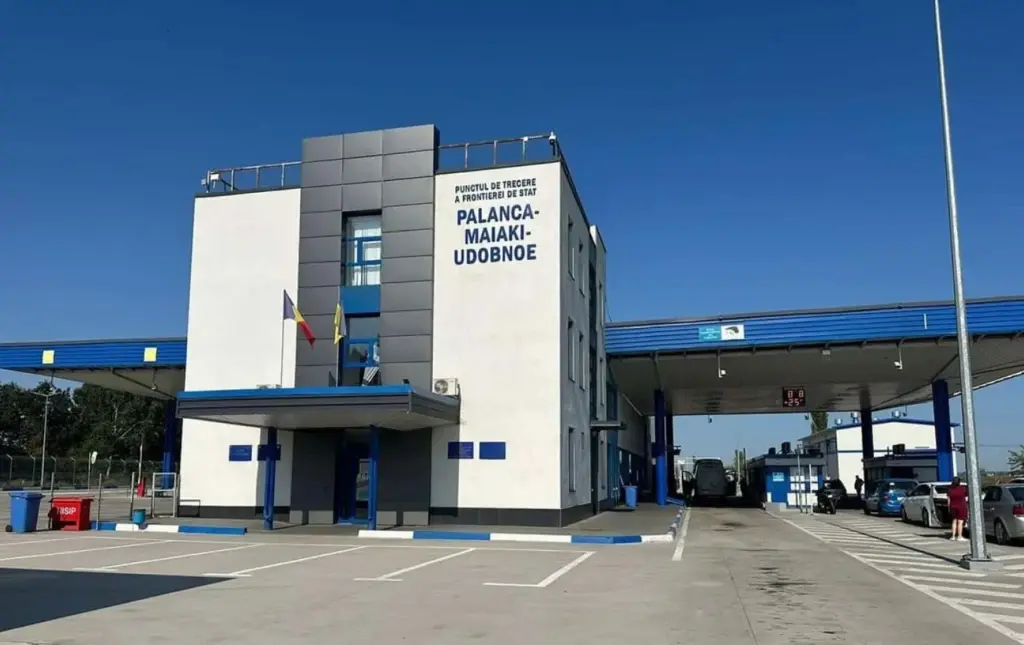
Palanca–Mayaky-Udobne border crossing on the Moldova-Ukraine border, illustrative photo: Zahidnuy.kordon/Facebook

Moldova is creating protective zones at border crossing points along its border with Ukraine amid the threat of drone attacks. It is also relocating its personnel from joint border crossings on Ukrainian territory back to Moldova. Moldovan Interior Minister Daniella Misail-Nichitin said this on 7 October, according to NewsMaker.

In recent months, Russian attacks on Ukrainian border crossing points near the country's borders with neighboring states have become more frequent. Ukrainian-Moldovan border crossings are among those most frequently targeted by Russia. As a result, Moldova now plans to withdraw all of its border personnel from Ukrainian territory.

A Moldovan border guard was also recently injured when a projectile struck near a passenger bus at the Palanca border crossing, Moldova's Border Police reported.

Chisinau strengthens protection of border crossings against Russian drone attacks

Moldovan authorities are working to strengthen security measures at all Border Police crossing points, including those located on Ukrainian territory, according to the statement.

Authorities are already setting up protective zones so that Border Police officers, government officials and civilians at the crossings can evacuate to a safe location if necessary, the minister said.

Moldova is also discussing moving its personnel from joint border crossings located on Ukrainian territory to Moldova. Personnel have already been withdrawn from two crossings, with plans to do the same at other joint crossings, Missail-Nikitin said.

NewsMaker clarified with Moldova’s Interior Ministry that the measure involves withdrawing Moldovan personnel from two joint border crossing points with Ukraine — Criva and Palanca.

Ukraine and Moldova seek a response to a new challenge

The first time Chisinau withdrew its personnel from Ukrainian territory at the Ukrainian-Moldovan border crossings was a month ago. Moldova temporarily changed the operating arrangements at three joint border crossings with Ukraine because of security risks linked to Russian attacks on Ukrainian infrastructure near the border, Moldova's Border Police reported on 11 September.

The crossings in question are Giurgiulesti–Reni, Briceni–Rossoșani, and Criva–Mamalyga, where Moldovan border guards and customs officers had previously carried out controls on Ukrainian territory, according to the Border Police.

Criva–Mamaliga border crossing on the Moldova-Ukraine border, illustrative photo: State Border Guard Service of Ukraine

Starting 12 September, Moldovan personnel returned to Moldovan territory for 90 days and began working from existing infrastructure on the Moldovan side. The crossings themselves remained operational, and the cross-border movement of people and vehicles continued. Only the location where Moldovan services carried out their duties changed, the authorities said.

Ukraine is also strengthening the protection of its border infrastructure. The State Agency for Restoration and Infrastructure Development plans to install 135 basic mobile shelters at 28 border crossing points and on access roads leading to them. The shelters are intended to protect civilians crossing the border and border crossing personnel. Procurement is being carried out by the Restoration Services in Vinnytsia, Odesa, Chernivtsi, Zakarpattia, and Volyn Oblasts, according to the statement.

Ukraine’s border crossings near Moldova face ongoing Russian attacks

Russia has repeatedly attacked Ukrainian border infrastructure near the Moldovan border in recent weeks. On 25 August, a Russian drone struck the Vynohradivka–Vulcănești border crossing in Odesa Oblast.

On 5 October, Russian strikes on Ukrainian infrastructure caused an incident near the Palanka–Mayaky–Udobne border crossing. A projectile fell near the crossing, ricocheted off the ground and struck a passenger bus. The control booth was also damaged, and one Moldovan border guard sustained a minor injury.

On 9 September, Russia attacked the Starokozache–Tudora border crossing. One drone struck the crossing, while two others crashed nearby on Ukrainian territory. Two people were killed and three others were injured in the attack, and the crossing was temporarily closed. Russia claimed that this strike on a border crossing was prompted by Ukraine transporting weapons through the facility, a claim Moldova has denied.

  •  

Faleceu Vitorino Vieira Cavaco, histórico autarca e dirigente associativo

O concelho de Silves está de luto pelo falecimento de Vitorino Vieira Cavaco, ocorrido na passada quarta-feira, dia 7 de outubro, aos 94 anos de idade.

O conteúdo Faleceu Vitorino Vieira Cavaco, histórico autarca e dirigente associativo aparece primeiro em Algarve Marafado.

  •  

Spanish unions announce general strike over housing

Spanish trade unions representing millions of workers have announced a general strike for November 11. The announcement comes amid nationwide mobilizations for the right to housing and only days after Prime Minister Pedro Sánchez called early elections for November 29.

Read more: Housing crisis leads to snap election in Spain

The strike was announced by the two largest union organizations, the General Union of Workers (UGT) and the Workers’ Commissions (Comisiones Obreras, CCOO), alongside the General Confederation of Labor (CGT), Basque unions ELA and LAB, and the Galician confederation CIG.

It will be the country’s first general strike in 14 years, excluding the feminist strike of March 8, 2018. 

Housing and wages are the same struggle

“A key demand of this strike is to vindicate decent salaries to afford housing,” the Madrid Tenants Union wrote.

In their strike call, unions emphasized several demands that have been on their agenda for months. These include reductions in working hours, wage increases, health and safety measures in the workplace, eradicating precarious employment and progress in collective bargaining – a process that has been obstructed by employers for almost a year.

Yet, echoing the sentiment voiced on the streets, where hundreds of thousands have protested and erected encampments against a predatory housing system, the trade union call links all these demands to the right to housing.

“This is a strike with very clear foundations and labor demands,” CCOO’s Carlos Gutiérrez said. “Is it being called because working families cannot access affordable housing? Yes. But we cannot separate the inability to access affordable housing from the wage situation in our country and what is happening in the workplace.”

Maricarmen Abascal during a protest in June 2026. Source Sindicato de Inquilinas e Inquilinos de Madrid/Facebook

The general strike builds on a protest wave triggered by the eviction of 87-year-old Maricarmen Abascal in late September. After years of battle to keep the home she had been living in for 70 years, Abascal was carried out of the apartment on a stretcher. She remained hospitalized until Wednesday, October 7, when the Madrid Tenants Union announced her death.

“Although a historic agreement was reached that would have allowed her to return to her home, this solution came too late,” the organization wrote. “An absolutely avoidable situation, following an agonizing process.”

A strike against all who “do nothing to solve the housing crisis”

Many of those participating in the protests recognized that Sánchez’s administration failed to implement policies that would truly address the housing crisis. Yet union and civil society statements emphasize the problem goes much further than the behavior of a specific political option.

“It’s important to make clear that this is not a strike against any particular government, but against those who do nothing to solve the housing crisis, and also against the employers, who have kept the Agreement for Employment and Collective Bargaining (AENC) blocked for nearly a year,” Patricia Ruiz from UGT was quoted as saying in Público.

Political parties from the center-left to the left have largely expressed support for the strike. Even PSOE figures who share the responsibility for not addressing the housing crisis signaled support for concerns outlined by trade unions.

While a general strike held only a couple of weeks ahead of an election would usually spell trouble for the incumbent administration, local political analysts say this is a peculiar situation that could swing both ways. 

Read more: Far right exploits Ceuta incident to call for border crackdown

Right-wing options are polling high, but ongoing housing mobilizations could steer the electoral campaign away from scapegoating migrants toward issues of social justice – topics they are generally keen to avoid.

  •  
❌