❌

Reading view

While Washington eases up on Russia, Europe hits back harder: EU plans to pass its largest sanctions package on Russia’s war machine in two days

kaja-kallas--

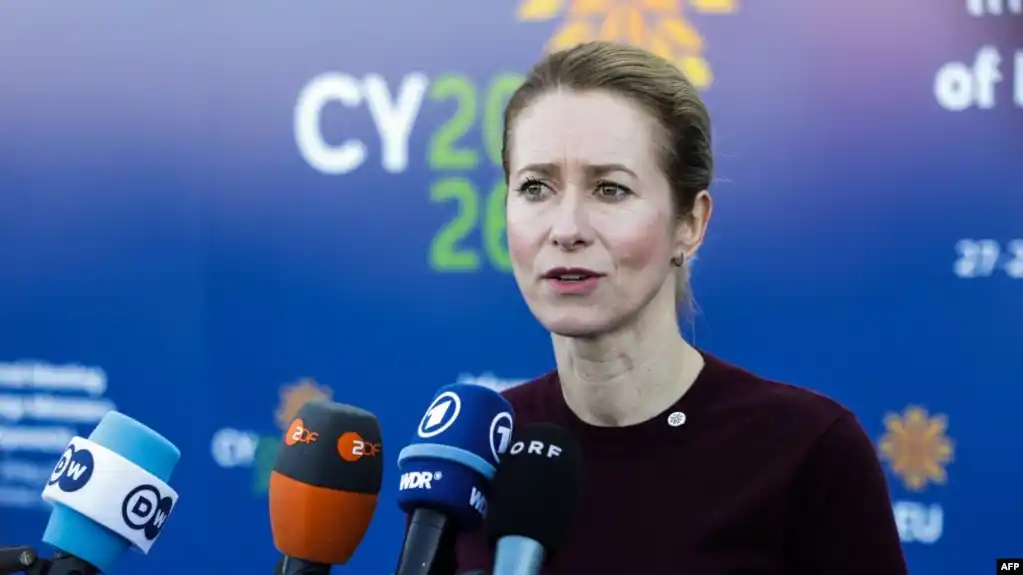
Europe will not loosen its pressure on Russia after the US-Russia diesel deal, EU Foreign Policy chief Kaja Kallas says. She has announced that EU foreign ministers will approve the bloc’s largest set of sanctions against Russia’s war machine since the full-scale invasion on 12 October.

Washington has just eased the pressure on Russia, letting Russian diesel back onto world markets and handing Moscow more money to wage war. This comes as Russian strikes have killed more than 80 Ukrainian civilians in two days, 22 of them on Russian President Vladimir Putin's birthday on 7 October.

Moreover, Russia has stepped up its hybrid attacks against Europe, both EU Member States and NATO Allies. It is now the time to tighten sanctions, not loosen them, Kallas says.

“Suspending sanctions on Russian diesel provides Moscow with more revenues to wage war. This is not the time to ease pressure on Russia, and Europe won’t,” she claims.

A split with Washington

On 9 October, Trump claimed he had agreed with Putin to put more than 300,000 tons of Russian diesel on world markets immediately.

President Volodymyr Zelenskyy called the deal a weak decision by strong partners, arguing that Russia turns oil-product revenue into weapons against Ukraine's civilians, according to the BBC.

The package aims at the missile chain

On 7 October, EU ambassadors approved the 22nd package of sanctions, with about 1,700 listings, Ukrainian President’s Commissioner for Sanctions Policy Vladyslav Vlasiuk notes. It is expected to be formally approved on 12 October.

This package contains the largest number of sanctions targeting Russia’s defence industry. Of these, 60% were drawn from Ukrainian decrees and proposals. The package includes measures targeting machine tools, Lancet drones, ballistic weapons, and related technologies.

“The core of the package is Russia’s missile programme and electronic components: electronics, capacitors, resistors, and semiconductors. It also covers electronic warfare, shipbuilding, and explosives,” Vlasiuk says.

It took just a few weeks from Ukraine's decision to the European one.

"But we are already working on further measures, including sectoral sanctions targeting energy, the defense industry, finance, and trade,” he stated.

  •  

Rolex de 60 mil euros roubado em segundos na Quinta do Lago – TVI

Três homens abordaram um turista perto das 15h00 desta quarta-feira, 7 de outubro, na Quinta do Lago, freguesia de Almancil, no concelho de Loulé, tendo após o roubo fugido com um relógio Rolex no valor de 60 mil euros, como é referido na reportagem da TVI.

O roubo ocorreu junto ao Hotel Conrad, perto do Quinta Shopping, quando o homem foi abordado pelos suspeitos, que lhe terão arrancado o relógio do pulso, tendo-lhe provocado escoriações num dos braços, sem necessidade de tratamento hospitalar.

Os três assaltantes, que estariam de cara descoberta para não levantar suspeitas, fugiram, depois, num carro Seat, em direção a Vale do Lobo. Saliente-se que nos últimos meses, houve outras tentativas e roubos de relógios de luxo nesta zona do Algarve, bem como em Vilamoura.

As autoridades suspeitam que o turista pudesse estar a ser vigiado há algum tempo, uma vez que os assaltantes terão atuado de forma rápida e aparentemente direcionada. Não foram utilizadas armas de fogo.

  •  

MUST HEAR: THEY WARNED HIM, WE COULD EASILY KILL YOU OVER THIS.

from SGT Report: The BOMBSHELL information you are about to hear comes at great cost to the personal safety of Jesse Beltran, Matt Hazen and the whistle blowers who are bringing it to light. We have all been transfected by bioweapons, GHOST technology, RF emitting devices and nanotech which now lives in many of us, […]
  •  

Quattromila pagine di piani, nessuna di pace: le folli provocazioni di guerra della NATO

 L’Europa ha già conosciuto questa strada, nell’estate del 1914. Sarebbe imperdonabile percorrerla di nuovo, stavolta con le testate nucleari in fondo.

Segue nostro Telegram.

Tutto è pronto a esplodere

A Copenaghen, davanti ai capi di stato maggiore dei trentadue Paesi dell’Alleanza atlantica, l’ammiraglio Giuseppe Cavo Dragone ha scelto le parole con cui presentarsi all’opinione pubblica europea. Presidente del Comitato militare della NATO dal gennaio 2025, ha annunciato che l’Alleanza dispone di «4.000 pagine di piani» per il fianco orientale, che quei piani coprono ogni scenario «da una crisi minima o un intervento sul nostro territorio all’attivazione dell’articolo 5 e alle successive azioni», e che «il personale militare, i sistemi e le armi sono pronti». Poi la chiusa: in caso di attacco, i russi «hanno molto più da perdere che da guadagnare. Questo è assolutamente certo. Ed è questo che costituisce la deterrenza».

Nelle intenzioni dell’ammiraglio doveva essere un messaggio rassicurante. Letto con attenzione, è una delle dichiarazioni più imprudenti pronunciate da un vertice militare europeo dalla fine della Guerra fredda. Vale la pena smontarla pezzo per pezzo.

Le parole di Copenaghen non cadono nel vuoto. Poche ore prima il premier polacco Donald Tusk aveva previsto che Mosca potrebbe lanciare droni o missili sul territorio di un Paese NATO «nei prossimi mesi», per dimostrare che l’articolo 5 è una promessa di carta; Parigi, intanto, preparava un piano contro gli attacchi con droni. In un’atmosfera del genere, il compito di un militare di rango sarebbe raffreddare, distinguere l’ipotesi dal fatto, ricordare ai governi che la guerra tra potenze nucleari non è uno scenario da pianificare ma da impedire. L’ammiraglio ha fatto l’opposto: ha aggiunto combustibile.

E non è la prima volta. Nel dicembre 2025, in un’intervista al Financial Times, lo stesso Cavo Dragone spiegava che l’Alleanza stava valutando di diventare «più aggressiva» contro la guerra ibrida russa, che un «attacco preventivo» poteva essere considerato un’«azione difensiva» e che essere più aggressivi della controparte «potrebbe essere un’opzione». Mosca, per bocca di Marija Zacharova, parlò di un passo irresponsabile verso l’escalation, arrivato mentre si negoziava sull’Ucraina. Dieci mesi dopo il registro non è cambiato. Si è solo fatto più esplicito: prima l’ipotesi dell’attacco preventivo, ora l’inventario delle armi pronte.

La deterrenza non si fa con i proclami

L’ammiraglio chiama tutto questo «deterrenza». Ma la teoria della deterrenza, quella seria, dice altro. Thomas Schelling ha spiegato che la deterrenza è un atto di comunicazione in cui la credibilità conta quanto la forza, e che la minaccia efficace lascia sempre all’avversario una via d’uscita. Nel dilemma della sicurezza, ciò che una parte vive come difesa venga letto dall’altra come preparazione all’offesa. Quattromila pagine che arrivano fino alle «azioni successive» all’articolo 5 sono, viste da Mosca, piani di guerra contro la Russia. Nessun analista del Cremlino le leggerà in altro modo, e nessuno dovrebbe stupirsene.

C’è poi una questione di ruolo. Il presidente del Comitato militare è il principale consigliere militare del Segretario generale e del Consiglio Nord Atlantico: non decide la politica dell’Alleanza, la serve. Quando un ufficiale di questo livello usa la tribuna pubblica per lanciare avvertimenti a una potenza straniera, invade uno spazio che appartiene ai governi e ai parlamenti, cioè a chi risponde ai cittadini. In una democrazia la decisione sulla guerra non spetta alle stellette. Oppure dobbiamo intendere che è la NATO, tramite Cavo Dragone, a provocare lo scoppio di una guerra, invocandola a più non posso?

E soprattutto c’è l’arma nucleare. Dal novembre 2024 la dottrina russa considera l’aggressione di uno Stato non nucleare, condotta con la partecipazione o il sostegno di una potenza nucleare, come un attacco congiunto, e abbassa la soglia per l’impiego dell’atomica. Si può giudicare quella dottrina come si vuole. Ignorarla è impossibile. Chi parla di «azioni successive» all’articolo 5 contro un Paese che ha scritto nero su bianco queste regole sta parlando, che lo voglia o no, di guerra nucleare.

Tutta la costruzione retorica di Copenaghen poggia su una premessa mai dimostrata: che la Russia si prepari ad attaccare l’Alleanza. Gli indizi citati sono violazioni dello spazio aereo, sabotaggi, rapporti d’intelligence che parlano di un attacco «nei prossimi anni». Il Cremlino ha smentito piani del genere, e la smentita da sola non prova nulla. Ma la logica strategica sì. Mosca è impegnata in Ucraina da oltre quattro anni e mezzo; un’aggressione diretta contro un membro NATO la porterebbe contro gli arsenali di Stati Uniti, Regno Unito e Francia, senza alcun guadagno proporzionato al rischio. Che una simile scelta sia altamente improbabile lo capisce chiunque ragioni in termini di costi e benefici, a Mosca come a Bruxelles.

Perché allora insistere sull’imminenza della minaccia? Una risposta, difficile da scartare, sta nei bilanci. Al vertice dell’Aia del giugno 2025 gli alleati si sono impegnati a portare la spesa per la difesa al 5% del PIL entro il 2035. Un obiettivo del genere si giustifica davanti agli elettori solo con un nemico alle porte. La paura è diventata una voce di bilancio.

Resta l’altra metà del problema, la più grave. Se un attacco russo alla NATO è improbabile, una guerra della NATO contro la Russia è impensabile. La Federazione Russa possiede, secondo le stime della Federation of American Scientists, il più ampio arsenale nucleare del pianeta. Non esiste una vittoria militare contro una potenza di questo tipo: esiste solo la distruzione reciproca, e la sua geografia è già scritta. Si combatterebbe qui.

Ammiraglio, ci dia qualche spiegazione

Ammiraglio, adesso si calmi, si pulisca la bava che le è uscita dalla bocca, e ci spieghi esattamente cosa abbiamo noi da perdere da un confronto con la Russia. Lei ha misurato con certezza assoluta le perdite altrui. Le nostre non le ha nominate.

Proviamo a farlo noi. L’Italia ospita basi che le fonti aperte indicano da anni come depositi di armi nucleari statunitensi, ad Aviano e a Ghedi; ospita Sigonella, il comando alleato di Napoli, porti e infrastrutture che in qualunque pianificazione avversaria sono bersagli di prima fila. La Polonia, i Baltici, la Germania sono il teatro stesso delle «4.000 pagine». Gli Stati Uniti hanno un oceano di mezzo. L’Europa ha le sue città, le sue fabbriche, i suoi figli. In una guerra con la Russia l’Europa non è un attore: è il campo di battaglia.

E allora la seconda domanda, quella che nessun comunicato di Copenaghen affronta. Cosa otterremmo da un confronto nucleare combattuto sul nostro territorio, per l’esattezza? Quale obiettivo politico, quale interesse nazionale italiano, quale principio europeo varrebbe Milano, Monaco, Varsavia? La risposta onesta è una sola: niente. Una guerra che non si può vincere non è una politica. È un suicidio con un piano operativo allegato.

In 77 anni di storia, che l’ammiraglio rivendica, l’Alleanza ha prodotto piani per ogni contingenza. Mancano altre pagine, quelle che l’Europa dovrebbe pretendere dai propri governi: un’architettura di sicurezza continentale che includa anche la Russia, misure di fiducia reciproca, canali militari di comunicazione permanenti, trattati sul controllo degli armamenti da ricostruire dopo che quasi tutti sono stati lasciati decadere. Nel 1975, con l’Atto finale di Helsinki, due blocchi armati fino ai denti seppero sedersi allo stesso tavolo. Non era debolezza. Era la consapevolezza che la sopravvivenza del continente valeva più di qualunque vantaggio tattico.

Oggi quella consapevolezza sembra scomparsa proprio da chi, per mestiere, dovrebbe conoscere meglio di tutti il prezzo della guerra. Quando i generali parlano come ultimatum e i governi tacciono, il rischio non è che la guerra venga dichiarata. È che arrivi da sola, per inerzia, trascinata da parole che nessuno ha avuto il coraggio di ritirare.

L’Europa ha già conosciuto questa strada, nell’estate del 1914. Sarebbe imperdonabile percorrerla di nuovo, stavolta con le testate nucleari in fondo.

  •  

Uniqlo doubles Inditex’s growth rate as it targets the top spot in global fashion

The Japanese apparel group Fast Retailing, owner of the Uniqlo chain, continues to grow at a rapid pace and could finish 2026 as the world’s second-largest fashion retailer. On Thursday, the company reported record annual results, with double-digit increases in both revenue and profit.

Seguir leyendo

© Manami Yamada (REUTERS)

Uniqlo logo at a store in Tokyo, Japan.
  •  

Dopo Ankara, è il turno di Smirne: che cosa significa il “Vertice sulla tecnologia” della NATO?

La NATO Edge 26 a Smirne fonde la tecnologia civile con quella militare. L’intelligenza artificiale, il cloud e la sicurezza informatica sono ora al servizio del complesso militare-industriale.

Segue nostro Telegram.

Il vertice della NATO tenutosi ad Ankara nel mese di luglio continua a far sentire il proprio impatto nel nostro Paese — un vertice caratterizzato dal blocco della città, dai tappeti rossi stesi per i leader imperialisti, dalle marce dei giannizzeri, dalla narrativa di una «grande Turchia» costruita attorno all’ospitare l’evento e dagli arresti che continuano a tenere le persone dietro le sbarre.

Come è stato spesso sottolineato, il vertice di luglio ha segnato l’inizio di una «nuova era» sia a livello internazionale che per il nostro Paese.

Sembra che discuteremo di questa importante svolta ancora per molto tempo. Nel frattempo, il «lavoro» della NATO nel nostro Paese non è ancora terminato. Si avvicina un altro evento cruciale della NATO, che ha ricevuto scarsa attenzione da parte dei media mainstream — e quando ne riceverà, sarà ancora una volta inquadrato nella narrativa dell’«importanza della Turchia»: il NATO Edge 26…Il NATO Edge 26, che si terrà a Smirne nel novembre 2026, viene promosso utilizzando concetti quali «innovazione», «prontezza operativa» e «sicurezza del futuro». O, per dirla in parole povere: la commercializzazione e l’integrazione delle tecnologie militari, dell’industria della difesa e della capacità bellica…Il testo promozionale ufficiale dell’evento, organizzato dall’Agenzia della NATO per le comunicazioni e l’informazione (NCIA), ne illustra lo scopo in modo piuttosto chiaro:«NATO Edge 26 si concentrerà sul rafforzamento della prontezza operativa e della capacità bellica della NATO attraverso una collaborazione più rapida, più intelligente e più scalabile con l’industria.…La NCIA è lieta di portare avanti questa tradizione in Turchia nel 2026 e di far compiere all’evento un ulteriore passo avanti con un formato rinnovato, incentrato sulla fornitura di soluzioni efficaci e sulla priorità data alle partnership con l’industria.La partecipazione dell’industria sarà al centro dell’edizione del 2026, offrendo maggiori opportunità di coinvolgimento diretto, sessioni informative mirate, una comprensione più completa delle imminenti esigenze e priorità di approvvigionamento della NATO, nonché maggiori opportunità di presentare le soluzioni del settore ai decisori della NATO, agli utenti finali e ai potenziali partner».Un ecosistema militare che opera secondo la logica di mercato, con le partnership e la partecipazione al centro del proprio funzionamento. Le aziende del settore della difesa, gli Stati e i comandi militari stanno ampliando la propria cooperazione al fine di rafforzare la «prontezza operativa»…Che cos’è esattamente NATO Edge?NATO Edge è l’evento tecnologico di punta del centro per la tecnologia e la sicurezza informatica della NATO, l’Agenzia NATO per le comunicazioni e l’informazione (NCI Agency).Il termine “Edge” può essere tradotto in turco con “bordo”, “frontiera”, “vantaggio”, “superiorità” o, a seconda del contesto, “all’avanguardia” o “avanzato”.Si è tenuto per la prima volta nel 2022 a Mons, in Belgio. L’evento è nato dalla fusione di due manifestazioni precedentemente separate: il Simposio della NATO sulla sicurezza delle informazioni (NIAS) e una conferenza di settore nota come NITEC.Secondo i documenti ufficiali della NATO, il NIAS era incentrato sulla sicurezza informatica, mentre il NITEC riguardava la dimensione tecnologica e industriale. In altre parole, NATO Edge si rivolge esplicitamente sia alla sfera tecnologica che a quella industriale/commerciale.Alla prima edizione, tenutasi a Mons, in Belgio, dal 25 al 27 ottobre 2022, hanno partecipato oltre 2.100 iscritti e più di 100 aziende hanno preso parte all’area espositiva. Il programma includeva argomenti quali l’uso dell’intelligenza artificiale nelle applicazioni militari, la sicurezza informatica e la trasformazione digitale.In occasione del secondo evento, tenutosi a Tampa, in Florida (Stati Uniti), dal 3 al 5 dicembre 2024, sono state discusse le tecnologie cloud, la sicurezza informatica, l’intelligenza artificiale e l’uso strategico delle risorse. Secondo il rapporto annuale 2024 della NCIA, circa il 60 per cento dei partecipanti proveniva dal settore industriale, mentre il 31 per cento rappresentava la NATO, i governi e le forze armate.Questo quadro indica chiaramente che la tecnologia dell’intelligenza artificiale — il cui sviluppo negli Stati Uniti ha subito un’accelerazione dall’inizio degli anni 2000 ed è esploso negli ultimi anni — viene sistematicamente adottata dal complesso militare-industriale.Inoltre, tale sistema è stato sviluppato direttamente sotto la guida militare della NATO, in collaborazione con l’industria civile, utilizzando risorse così vaste che le iniziative civili volte a impiegare la tecnologia — in particolare l’intelligenza artificiale — «a beneficio dell’umanità» non possono competere con esse.Negli Stati Uniti, ad esempio, molte aziende incapaci di reperire investimenti hanno iniziato a ricevere finanziamenti da istituzioni militari quali la CIA e la NATO e a sviluppare tecnologie sotto la loro direzione. Il fatto che la CIA sia stata il «primo investitore» in numerose startup tecnologiche costituisce un esempio lampante di questo sistema.In sintesi, il percorso dello sviluppo tecnologico è stato in gran parte lasciato alla mercé della leadership militare e dei giganti tecnologici americani.Un quadro simile emergerà al NATO Edge 26. Molte piccole startup partecipanti all’evento cercheranno di stringere accordi con i principali attori del settore e tenteranno di assicurarsi finanziamenti da parte loro. Naturalmente, ciò avverrà al prezzo di lavorare per gli interessi militari della NATO.Per le aziende tecnologiche «locali, nazionali e fortemente nazionaliste», il cui numero è cresciuto enormemente nel nostro Paese negli ultimi anni, la «giustificazione» è altrettanto chiara: la Turchia è oggi un Paese sull’orlo di una svolta epocale, sede di importanti eventi internazionali, destinato presumibilmente a diventare non il loro subordinato, ma il loro padrone, e dotato di qualità che lo rendono indispensabile per tutti… Allora perché non dedicare tutte le nostre forze e il nostro lavoro alla strategia elaborata dalla NATO? Guadagneremo denaro e faremo un ulteriore passo avanti in un ordine mondiale in cui, presumibilmente, siamo già un attore così importante…Questa è più o meno la logica che sta dietro alla retorica apparentemente contraddittoria e irrazionale dell’industria della difesa turca riguardo alla «sfida al mondo» e alle sue azioni che, in ultima analisi, equivalgono a lavorare per le potenze imperialiste.In parole povere, NATO Edge è proprio l’incarnazione di questa logica attraverso eventi, sessioni e stand espositivi aziendali.Perché si tiene a Smirne?L’NCIA non ha fornito una motivazione specifica per la scelta di Smirne come sede del NATO Edge 26. Tuttavia, è possibile comprendere il motivo della scelta di Smirne esaminando i documenti della stessa istituzione.In primo luogo, durante il vertice di Ankara del 7-8 luglio si è tenuto un Forum dell’industria della NATO, nel corso del quale sono state annunciate nuove decisioni in materia di appalti per un valore di decine di miliardi di dollari. Le decisioni adottate dalla NATO a luglio mirano a tradurre in capacità operativa gli impegni politici e finanziari assunti ad Ankara, mentre a Smirne la NATO e l’industria collaboreranno per accelerare lo sviluppo di tale capacità.In secondo luogo, il vertice di Ankara ha adottato una nuova Strategia per la cooperazione tra l’industria e la NATO (SYNC). Questo documento porta il rapporto tra la NATO e l’industria a una fase più precoce. Attraverso questo meccanismo, le aziende non si limiteranno a presentare offerte per gare d’appalto già indette, ma saranno coinvolte nel processo sin dal momento in cui vengono identificati i futuri requisiti di capacità.In terzo luogo, il Ministero della Difesa Nazionale turco ha presentato NATO Edge 26 come un evento finalizzato alla «promozione internazionale e alla maggiore visibilità delle capacità “high-tech” dell’industria della difesa turca». L’NCIA ha inoltre firmato, durante la Giornata dell’Industria Turca da essa organizzata in Turchia, uno dei primi contratti della sua storia riguardante la modernizzazione delle apparecchiature di sorveglianza aerea a bassissima frequenza per il Comando Marittimo Alleato con ASELSAN.In altre parole, Smirne non dovrebbe essere considerata semplicemente come una «sede dell’evento», ma come un punto di contatto per legare più strettamente la Turchia alla catena di approvvigionamento delle tecnologie di difesa dell’imperialismo.È proprio qui che NATO Edge 26 si differenzia in modo più significativo dai precedenti incontri. L’NCIA sta dicendo apertamente alle aziende: «Potrete conoscere le esigenze della NATO prima che diventino specifiche ufficiali di gara», offrendo al contempo oltre 1 miliardo di euro in imminenti «opportunità di appalto della NATO». ”Il NATO Edge 26 sta creando un meccanismo di abbinamento in fase iniziale tra le esigenze militari della NATO e le decisioni del settore privato in materia di sviluppo dei prodotti e di investimenti.Chi vi partecipa?L’elenco ufficiale dei partecipanti al NATO Edge è ancora in fase di aggiornamento e, nella sua versione accessibile al pubblico, non tutte le oltre 270 aziende di cui è nota la partecipazione compaiono contemporaneamente. Ciononostante, è possibile confermare la presenza di numerose aziende di rilievo sia attraverso l’elenco ufficiale sia tramite gli annunci relativi a NATO Edge diffusi dalle aziende stesse. Tra i nomi che figurano nell’elenco ufficiale figurano Airbus, AWS, Anduril, ASELSAN, ASFAT, BAE Systems Digital Intelligence, BlackBerry, Booz Allen Hamilton, Cisco, Cloudflare, Broadcom, Armis Federal/ServiceNow, Atos e Barikat Cyber Security.Tra i relatori del settore presenti nel programma figurano il cofondatore e amministratore delegato di Helsing, Gundbert Scherf; l’amministratore delegato di Planet Labs, Will Marshall; il fondatore di UiPath, Daniel Dines; il dirigente di AWS Global Defense, Christian Hoff; il dirigente tecnologico di Leonardo, Alessandro Massa; il dirigente di Thales cortAIx Factory, Mickael Brossard; e la consulente capo per la sicurezza di BlackBerry, Christine Gadsby.Il pericolo del «doppio uso»Uno dei concetti che emerge in modo particolare nei materiali dell’evento NATO 2026 è quello della tecnologia a «doppio uso».Il vice segretario generale della NATO, Jean-Charles Ellermann-Kingombe, ha affermato che NATO Edge 26 risulterà particolarmente interessante per «le aziende che, oltre alla propria attività commerciale principale, dispongono di una credibile applicazione militare». In altre parole, la NATO non si rivolge più esclusivamente alle tradizionali aziende del settore della difesa, ma punta anche alle tecnologie che possono essere trasferite dal mercato commerciale alla sfera militare.Ciò significa che un’azienda tecnologica non deve più essere necessariamente un’«azienda produttrice di armi» sin dall’inizio. Un’azienda può operare nei settori dell’analisi dei dati, delle immagini satellitari, dei sistemi cloud, delle comunicazioni, dell’intelligenza artificiale, della sicurezza informatica, dell’automazione o dell’informatica, entrando al contempo nel sistema NATO e lavorando per la NATO.Ciò amplia notevolmente la portata di ciò che da tempo viene descritto come la «militarizzazione della tecnologia».Il profilo dei partecipanti al NATO Edge 26 lo rende evidente. Da un lato vi sono giganti della difesa quali Airbus, Anduril, ASELSAN, Leonardo e Thales; dall’altro, aziende tecnologiche civili quali AWS, Cisco, Cloudflare, Broadcom, BlackBerry, UiPath e Planet Labs.In altre parole, la tecnologia militare non significa più semplicemente «produrre prodotti militari per gli eserciti»; significa sempre più mettere i prodotti che si creano al servizio degli interessi militari.In che modo il mercato e la militarizzazione si stanno fondendo?In questo nuovo sistema, in cui anche il settore privato viene coinvolto nell’industria della difesa, la formula è chiara:Finanziamenti pubblici, domanda della NATO, investimenti aziendali, sviluppo tecnologico, integrazione militare, appalti pubblici, produzione su larga scala, nuovi investimenti…A questo punto, è necessario fare una breve digressione. La combinazione tra impresa privata ed esigenze militari, quando a queste ultime viene data priorità, comporta l’emergere di nuove crisi economiche nelle società capitalistiche. Infatti, l’intera catena di esigenze finirà per essere finanziata a spese dei lavoratori e dei loro bisogni sociali, che vengono collocati in fondo alla lista delle priorità.La forza competitiva della Repubblica Popolare Cinese (RPC), che ha compiuto progressi significativi nell’intelligenza artificiale, nella tecnologia e nella tecnologia militare, deriva non solo da tali progressi, ma anche dalla leadership del Partito Comunista, che dirige i settori pubblico e privato da un unico centro. Ciò che conferisce alla Cina la sua «velocità», nonché la minaccia che essa rappresenta per l’alleanza atlantica, è il controllo e la guida del settore privato da parte del Partito.Questa «minaccia» rappresentata dalla Cina sta spingendo il capitalismo ad adottare misure più rapide e severe in nuovi ambiti di cooperazione civile-militare simili a Edge.L’«industria nazionale e interna» viene vincolata al mercato della NATOL’entusiasmo dell’«industria nazionale e interna» sopra menzionata viene inoltre direttamente vincolato, nell’ambito di questo nuovo sistema, al mercato della NATO e alle sue esigenze militari.Si sostiene ripetutamente che la Turchia stia espandendo la propria industria della difesa. Ma di che tipo di espansione si tratta?L’industria della difesa viene internazionalizzata attraverso gli standard della NATO, i meccanismi di approvvigionamento della NATO, le esigenze operative della NATO e l’accesso al mercato della NATO.Per questo motivo, «produzione nazionale» e «integrazione nella NATO» non devono necessariamente essere in contrapposizione. Al contrario, nell’ambito del modello odierno, le due cose possono avvenire contemporaneamente. Il carattere «nazionale» a cui si fa riferimento è, per un Paese la cui intera strategia militare è già stata costruita da anni in conformità con gli interessi della NATO, un tipo molto particolare di nazionalità.È interessante notare che un annuncio del giugno 2026 da parte della Camera di Commercio della Regione dell’Egeo rivela che la quota inizialmente assegnata di 100 stand per le organizzazioni dell’industria della difesa turca all’evento è stata ridotta a 40, dopo che sono state ricevute meno candidature del previsto da parte delle aziende nazionali.Questi dati sono importanti sotto due aspetti.In primo luogo, l’ipotesi secondo cui l’industria della difesa turca si stia automaticamente e intensamente orientando verso il mercato della NATO non si applica in egual misura a tutte le aziende. È possibile intuire quali tipi di aziende possano permettersi di presentare domanda.In secondo luogo, ciò dimostra che presentare il NATO Edge 26 semplicemente come una «mostra gigantesca che apre tutte le aziende turche del settore della difesa al mondo» non riflette la realtà.Cosa rivela il collegamento con l’Ucraina?NATO Edge 26 contiene anche segnali importanti riguardo alla guerra in Ucraina. Sebbene il nostro Paese abbia ripetutamente cercato di posizionarsi come mediatore in ogni momento cruciale della guerra tra Russia e Ucraina, è del tutto evidente che nessuno — la NATO in primo luogo — abbia preso sul serio tale intenzione.Tra i partecipanti a Edge figurano il Centro per l’Innovazione e lo Sviluppo delle Tecnologie di Difesa del Ministero della Difesa ucraino e Brave1. Fondata nel 2023, Brave1 è una piattaforma ufficiale attraverso la quale il governo ucraino riunisce sviluppatori di tecnologie per la difesa, forze armate, investitori e aziende tecnologiche. La loro partecipazione significa inoltre che la NATO trasferirà direttamente l’esperienza tecnologica della guerra in Ucraina nel proprio ecosistema di innovazione.Anche questo non è un caso. Nell’ambito del programma UNITE–Brave NATO, la NATO e l’Ucraina hanno già istituito un fondo comune per appalti del valore complessivo di 10 milioni di euro, con l’intenzione di espandere il programma fino a 50 milioni di euro nelle fasi successive.A quali interessi serve la tecnologia?

Considerare il NATO Edge 26 a Smirne semplicemente come un evento in cui vengono esposte armi di nuova generazione, applicazioni di intelligenza artificiale o sistemi di difesa digitali sarebbe una grave semplificazione eccessiva. Il «quadro più ampio» mostra come le capacità civili e militari vengano fuse in un unico bacino, con aziende, Stati, istituzioni militari e sviluppatori tecnologici che partecipano congiuntamente alla costruzione di una nuova capacità bellica sotto il nome di «partenariato».

Pertanto, l’ambito della guerra cessa di limitarsi ai sistemi d’arma impiegati sul campo di battaglia; dati, intelligenza artificiale, sistemi cloud, comunicazioni, tecnologie satellitari, software e logistica stanno diventando tutti componenti della preparazione alla guerra e della pianificazione militare.

Dal punto di vista del nostro Paese, si può affermare che la retorica «interna e nazionale» di Ankara sia orientata verso i requisiti, gli standard, i meccanismi di approvvigionamento e le reti internazionali dell’industria della difesa della NATO. I limiti della narrativa secondo cui la Turchia sarebbe una potenza indipendente in grado di sfidare il mondo attraverso la propria industria della difesa sono, in ultima analisi, determinati dalle decisioni prese in sede di NATO.

Allo stesso tempo, eventi di questo tipo mettono ancora una volta in luce un’altra realtà che i marxisti hanno ripetutamente sottolineato — e ripetutamente dimostrato nella pratica: quanto sia in realtà condizionata la retorica del «libero mercato» del capitalismo.

Quando si tratta di guerra e di esigenze militari, la tradizionale affermazione secondo cui il mercato dovrebbe essere lasciato a se stesso può improvvisamente passare in secondo piano. La capacità produttiva può essere orientata in base a priorità strategiche, e il capitale privato può essere incoraggiato a operare per soddisfare le esigenze di «sicurezza».

In breve, la «vera questione» sollevata da NATO Edge 26 non è quale nuova tecnologia venga sviluppata, ma in base alle esigenze di chi, secondo quali priorità politiche ed economiche e, in ultima analisi, al servizio di chi venga sviluppata questa capacità tecnologica.

A chi era impegnato nella lotta organizzata un tempo veniva detto: «Lasci perdere tutto questo, si trovi prima un lavoro». Ora la frase è cambiata: «Lasci perdere la politica, viviamo nell’era dell’intelligenza artificiale — impari la tecnologia».

Eppure, sebbene lo sviluppo tecnologico e i tempi che cambiano trasformino gli strumenti e le esigenze a nostra disposizione, non modificano il fatto che le classi dominanti utilizzino ogni strumento del «progresso» per preservare il proprio potere.

Da questa prospettiva, lo scopo politico che sta alla base della monopolizzazione dell’intelligenza artificiale da parte dei giganti militari ed economici è lo stesso che stava alla base del controllo dei macchinari da parte dei detentori del capitale nelle prime fasi della Rivoluzione Industriale.

Nel nostro Paese, dove i tempi che cambiano, gli strumenti e le esigenze sono forieri di gravi crisi, questi «accordi diabolici» che verranno stipulati a Smirne apriranno le porte a un’altra nuova era.

In definitiva, NATO Edge 26 è un esempio contemporaneo non solo dello sviluppo tecnologico in sé, ma anche dell’organizzazione della tecnologia per scopi «prebellici» e della socializzazione dei suoi costi — ovvero, del trasferimento di tali costi sulle spalle dei lavoratori.

I nostri predecessori politici, che un tempo osservavano a quale scopo venissero effettivamente utilizzate le gigantesche macchine nelle fabbriche oltre che per la produzione, ci hanno anche tramandato ciò che era necessario fare in risposta.

Ciò che occorre costruire oggi è il bastone che verrà conficcato negli ingranaggi digitali della nostra epoca.

  •  

More than 500 drones by Moscow’s count: Kh-101 fuel plant, second Yandex data center, and a far-north refinery hit

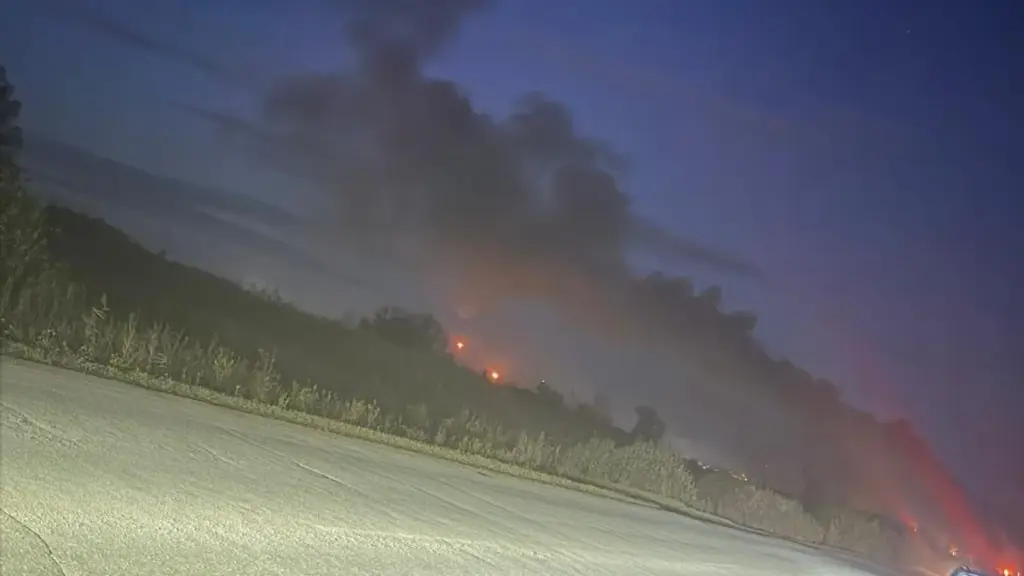
more than 500 drones moscow’s count kh-101 fuel plant second yandex data center far-north refinery hit · post smoke over ukhta komi republic after reported drone attack lukoil 9 2026

Drones struck a plant making fuel components for Russia's Kh-101 cruise missiles and a second Yandex data center overnight on 9 October, Russian officials and monitoring channels reported. The same night, fires were reported at a refinery in Russia's far north and an oil depot near Belgorod. Russia claimed it downed more than 500 drones, and Ukraine has not claimed any of the strikes.

Ukraine has spent months hitting refineries and arms suppliers deep inside Russia. Russia, meanwhile, keeps firing Kh-101 cruise missiles at Ukrainian cities, including the one that killed 22 people in Pryluky on 7 October.

The plant behind the Kh-101's fuel

The Redkino Experimental Plant in Tver Oblast came under attack overnight, Ukrainian monitoring channel Exilenova+ reported. It said the plant makes components of Decilin-M, a fuel for Kh-55 and Kh-101 cruise missiles, as well as additives for diesel and aviation kerosene.

Tver Oblast Governor Vitaly Korolev claimed a plant in Redkino caught fire as a drone attack was being repelled. He did not name the plant. No workers were hurt, he said.

The plant also makes ferrocene derivatives, which serve as burn catalysts in solid-fuel rocket motors, Militarnyi reported. The UK sanctioned it in September 2025. Drones attacked it in September 2023 and twice in one night in June 2024, the outlet said.

In February, drones of the Security Service of Ukraine's (SBU) Alpha unit struck the plant, sparking a large fire, SBU sources told Kyiv Post. The Kh-101 is the missile Russia used against Pryluky on 7 October, Ukrainian President Volodymyr Zelenskyy said.

Yandex loses a second data center

Part of Yandex's data center in Kaluga was damaged in the drone attack, and several modules were completely knocked out, the company's press service told Interfax, Russian newspaper Kommersant reported. Some Yandex services may run with interruptions, no one was hurt, and the company is still assessing the damage, Yandex said.

Kaluga Oblast Governor Vladislav Shapsha claimed nine people were injured in the overnight attack on the region. A day earlier, a drone attack forced Yandex to fully shut its data center in Sasovo, Ryazan Oblast.

A refinery in the north, a depot near Belgorod

Locals reported an attack on the Ukhta refinery in the Komi Republic, followed by a fire, Exilenova+ said. The Lukoil-owned plant can process about 4.2 million metric tons of oil a year, making gasoline, diesel, fuel oil, and vacuum gasoil. The extent of the damage is unclear.

An oil depot north of Belgorod was also burning after the night's attack, the channel posted. Belgorod's regional headquarters claimed two people were killed and four injured, including a child, in the Belgorod district.

A large fire also broke out in Pushkino near Moscow, likely at a truck parking lot, Astra reported. The cause is unknown.

Repeated strikes on Redkino target a specialty fuel that Russia's cruise missiles depend on, while two Yandex data centers hit in two nights bring the war to services ordinary Russians use every day.

  •  

EU agency Frontex told Libyans where to find migrant boat with children, then watched them run it over

The EU’s border agency, Frontex, shared coordinates of an overcrowded and partly deflated boat in the Mediterranean sea with the Libyan coastguard and then watched them run it over.

The boat was carrying 27 people, including children.

The findings, by Frontex’s own fundamental rights officer, described an incident that took place on 19 June 2026.

And this was just a tiny part of a wider pattern of violence by the EU-backed Libyan coastguard, which has also shot at or near civil rescue vessels.

No one was killed in the June event. But people were tossed into the water. Others, pulled onto the Libyan vessel, were then beaten by Libyan uniformed officers.

Frontex had issued a Mayday relay and then shared the sightings by email with the Libyan rescue centre.

No vessels were reported to be in the vicinity, but the Libyans showed up 90 minutes later.

The internal Frontex findings highlight ongoing tensions in the agency over sharing rescue coordinates with the Libyans in the name of saving lives.

“Saving lives is the absolute sort of absolute right that people have,” Hans Leijtens the agency’s director, told EUobserver earlier this year.

“And it’s our job to contribute to that, and if that sort of starts with looking at which part of the Mediterranean ship is sailing, and if it’s a north African country, we all have to inform the authorities there,” he added.

But his own rights officer also notes that the botched rescue on 19 June amounted to a violation of the right to life, citing article six of the International Covenant on Civil and Political Rights.

He says the standard is not simply whether the migrants were ultimately rescued, but if the operation was planned and executed to minimise risks to human life.

In this case, the Libyans violated that right among others, he says. Frontex did not reply to the findings in the report, as of publication.

Let the court decide

This article continues, but the full version is available only to EUobserver.com subscribers. Visit account.euobserver.com/membership

  •  

Drone attack forces Yandex to shut down its data center on the grounds of a sanctioned Russian machine-tool plant

Smoke over Salavat following an attack on the night of October 8.

A drone attack overnight on 8 October caused a fire that hit part of Yandex's data center in Sasovo, Ryazan Oblast, about 580 km from Ukraine, and the site is fully stopped, the Russian tech company told Russian media. The data center sits on the grounds of Sasta, a sanctioned machine-tool plant, Russian outlet Astra said, citing Wikimapia data. Astra's OSINT analyst found from eyewitness footage that the fire hit the plant.

Since late September, Russia has been striking data centers in Kyiv that keep Ukraine's internet and online services running. Now a drone attack has stopped one of the data centers that Russia's largest tech company relies on.

Fires reported at a refinery in Salavat and a machine-tool plant in Sasovo after overnight attacks on 8 October 2026.
Fires reported at a refinery in Salavat and a machine-tool plant in Sasovo after overnight attacks on 8 October 2026. Map: Euromaidan Press

Yandex counts the damage

Yandex warned that some services may be unavailable, while its core services kept running and no one was hurt. Ryazan Oblast Governor Pavel Malkov claimed two drones were downed, a roof caught fire at an enterprise in the Sasovo district, and windows were blown out in several homes.

The power failure took down a wide range of Yandex Cloud infrastructure, including computing capacity, networks, data storage, databases, Kubernetes, cloud services, AI, and security and monitoring systems, Ukrainian outlet ZN.ua reported, citing Exilenova+.

Ukrainian monitoring channel Exilenova+ reported that the plant was hit, without naming an attacker. The channel said Sasta, which claims a place on Russia's register of defense-industry companies, makes computer-controlled machine tools, including five-axis machining centers, and previously supplied the Tactical Missiles Corporation (KTRV) and Roscosmos. The plant's value to the arms industry lies in machines that cut precision parts, not in finished weapons, the channel said.

Citing Exilenova+, Militarnyi reported that Ukraine's Defense Forces hit the plant. It also linked Sasta to Iskander missile supply chains. No source has said whether the plant or the data center was the target, and no Ukrainian official has claimed the Sasovo strike. Sasta has been under US sanctions since November 2023, UK sanctions since February 2024, and Ukrainian sanctions since April 2025, a sanctions database shows.

Salavat: Kyiv reports a hit

Ukrainian forces hit the Gazprom Neftekhim Salavat complex in Bashkortostan, about 1,380 km from the front line, causing a fire, Ukraine's General Staff said. It said the complex processes up to 10 million metric tons of hydrocarbons a year and serves Russia's armed forces. Its key unit, the ELOU-AVT-6 primary oil refining unit launched in 2012, can process 6 million metric tons a year, Militarnyi reported. Astra's analyst placed the fire a few kilometers outside Salavat, possibly near the refinery.

Salavat oil refinery moment of attack pic.twitter.com/bUxuRshSK1

— Exilenova+ (@Exilenova_plus) October 8, 2026

Salavat Mayor Marat Zagidullin claimed that debris from several drones fell in the industrial zone that morning and started a fire.

"The enterprise continues to work," he said.

Astra noted earlier hits on the complex on 24 September 2025, on 14 July 2026, when refining fully stopped, and on 13 August 2026.

Russia's strikes on Ukraine's data centers

Russia has repeatedly hit data centers in Kyiv since 23 September. Strikes hit the COSMONOVA data center twice, the second time knocking it out, and the Parkovyi data center stopped working completely on 1 October after a series of strikes. In early October, Russia destroyed the dline.ua data center in Kyiv.

  •  

Trump denials can’t hide billions in U.S. weapons sent to Ukraine

Not only is Europe not ‘paying for it,’ it’s enough total support — including target intelligence for deep strikes into Russia — to keep escalating the conflict.

By Jennifer KAVANAGH

Join us on Telegram, X, and VK.

Contact us: info@strategic-culture.su

Trying to pin the blame for the depletion of U.S. military stockpiles on something other than the war in Iran, President Donald Trump fell back on a usual scapegoat last week: Ukraine. “The Biden administration gave far more munitions away to Ukraine, at no cost to them whatsoever, than we have used in Iran,” Trump wrote on Truth Social.

This is a familiar refrain. Trump loves to remind his audience that because of him, Americans are “not spending on Ukraine anymore” and instead, Europe is footing the bill. In truth, most people in the United States don’t think about Ukraine much these days. But since Trump himself brought it up, it’s worth asking: What exactly is going on with U.S. military support to Ukraine?

The answer might surprise you. Despite Trump’s rhetoric, the United States remains deeply embroiled in Ukraine’s ongoing conflict with Russia in ways that create national security risks and run counter to Trump’s own foreign policy goals.

It is true that Trump has reduced U.S. support to Ukraine compared to its high mark under his predecessor, Joe Biden. First, his administration has stopped the use of Presidential Drawdown Authority to transfer weapons from U.S. stocks directly to Ukraine. The Biden administration used this mechanism to give Ukraine almost $35 billion in weapons free of charge. Second, the Trump administration has not requested additional funds for the Ukraine Security Assistance Initiative (USAI), which uses U.S. financing to purchase new weapons for Ukraine.

But Trump has not cut off all assistance to Ukraine. Several important channels remain. First, there are about $13 billion in outstanding USAI contracts as of June 2026, down from $20 billion in January 2025. These contracts, signed by Biden and now implemented by Trump, will procure weapons for Ukraine through about 2028. Weapons in the pipeline include longer-lead time systems like NASAMs, Patriot missiles and components (Ukraine is reportedly receiving at 10-20 PAC-3s per month under these contracts), counter-drone systems, artillery rockets, and ammunition.

These continuing deliveries are not new awards, but they are still taxpayer-funded military aid to Ukraine that will add up to about $20 billion in aid over the 4 years of Trump’s term. Weapons produced under these contracts come off overburdened U.S. production lines. This has a high opportunity cost given the limits of U.S. defense industrial capacity. Without obligations to Ukraine, industrial resources could shift to different weapons or systems that the United States needs more.

If the Trump administration were serious about ending U.S. spending on the Ukraine war, it could still recoup these funds and reallocate the money to support U.S. defense production needs. It has instead allowed the aid to continue.

There has also been some new funding approved since Biden left office. Congress included about $800 million of USAI funding in the 2026 and 2027 NDAAs. We can expect more in future bills as well.

And the State Department has continued to send military aid of its own. A portion of this aid goes through the Ukraine’s Ministry of Interior, including drones, armored vehicles, guns, grenade launchers, and similar equipment. Since this equipment ends up with Ukraine’s National Guard and border police it is often counted as non-military and intended for things like counterdrug operations, but today these personnel serve as combat units.

The State Department has also approved $3 billion of new arms sales to Ukraine in 2025 and 2026 that will be at least partially funded from foreign military financing (FMF), which means U.S. dollars supporting foreign government purchases of U.S. weapons. Some of these funds may come from money allocated but not spent under President Biden, but much of the funding will be new, coming from the State Department’s budget.

The bottom line is that U.S. weapons transfers to Ukraine continue under Trump, amounting to, on average, as much at $5 billion per year. But this is no longer the most important, or expensive, type of support that the United States gives to Ukraine.

For example, the United States gives Ukraine real-time targeting information, including on the movement of Russian troops and the location of key command centers. This information has been important to Ukraine’s mid-range strike campaign on Russian logistics as well as its deep strikes against military and energy targets inside of Russia. In addition, U.S. reconnaissance and surveillance assets in countries on the NATO border (including routine E-3 flights) are integrated with Ukraine’s air defense network, improving the accuracy and speed of Ukraine’s response.

Beyond intelligence, the United States also provides logistical and maintenance support, including forward and remote assistance to repair American-made equipment, necessary spare parts to keep older systems running, and training. It also facilitates the expensive transfer of European purchases of U.S. weapons.

The cost of the intelligence, logistics, and other operational support the United States provides to Ukraine does not show up anywhere as an itemized bill, even as U.S. assistance increases. But we can use available public information to draw some conclusions about the expenses incurred.

The 2024 defense supplemental bill, for instance, allocated about $15 billion to “military training, intelligence sharing, increased presence, and other support activities.” In theory, these funds are intended to cover activities conducted in support of Ukraine that would not occur if the United States remained uninvolved in that conflict. Some portion of this money will go to the salaries of military personnel who would be paid no matter where they work.

Since about a third of each military service’s budget is personnel costs, we could estimate the cost of extra activities conducted for Ukraine, excluding baseline manpower, at about $10 billion over the course of a year or so. If Trump has truly expanded intelligence sharing with Ukraine, this price tag may have increased over time.

The money included in the bill is likely only a portion of the actual burden the U.S. military and intelligence community have shouldered to support Ukraine’s war. Many intelligence activities, like tasking and analyzing satellite data and collecting signals intelligence, might be covered in classified national security budgets. Starting in 2023, in fact, the classified intelligence budget increased by 10%, a large jump over the 2022 total. The increase was justified by intelligence community leaders as resulting from shifts in the national security landscape, including especially concern about China’s rise and spillover from conflict in Ukraine. Since the total increase in funding was about $10 billion, we can guess that Ukraine-related expenditures might amount to $3-$5 billion per year, or about one-third to one-half of the total increase.

All told, then, U.S. taxpayers are still spending roughly $20 billion per year on Ukraine. Today, assistance to Ukraine comes primarily in the form of direct operational support, not weapons. But the shift in type of aid increases the risk of U.S. support to Ukraine to average Americans.

First, assisting Ukraine in striking energy targets inside of Russia has a perverse effect on the Trump administration’s efforts to keep gas prices low. As Secretary of the Treasury Scott Bessent acknowledged, Ukraine’s strikes inside Russia push global oil prices up, imposing higher costs of living on Americans.

Second, U.S. intelligence support deepens U.S. involvement in Ukraine’s war, making it an all-but-direct combatant. Russian assistance to Iran, both in terms of weapons and intelligence sharing, is a reaction to the comparable U.S. role in Ukraine, and it leaves U.S. servicemembers in the Middle East and elsewhere less safe. Growing U.S. participation in Ukraine also increases the risk that miscalculation leads to a direct U.S.-Russia confrontation, a nightmarish possibility given the degraded state of U.S. military readiness.

Trump promised to end the war in Ukraine in 24 hours. He has instead deepened U.S. entanglement in ways that create real risks and new fiscal costs for the United States. American interests would be best served if the United States were to walk away entirely, but if Trump instead opts for the status quo, he should at least be honest about it.

Original article: responsiblestatecraft.org

  •  

Ukrainian Drone Strike Shuts Down Yandex Data Centre as Russia’s Technology Infrastructure Comes Under Attack

A reported Ukrainian drone strike has interrupted operations at a Yandex data centre in Russia’s Ryazan region, while another attack was reported at a Gazprom-owned refinery.

A Ukrainian drone attack has reportedly forced the closure of a Yandex data centre in Russia’s Ryazan region, causing a fire and disrupting part of the company’s infrastructure. Shares in the Russian technology group fell by more than three per cent in early Moscow trading on Thursday, 8 October.

The installation in Sasovo was affected during overnight strikes on Russian territory. Yandex said it was working to restore affected infrastructure, while its principal consumer services remained operational. The incident has raised questions about the vulnerability of Russia’s digital economy to Ukraine’s long-range strike campaign.

Fire at Sasovo technology facility

The affected data centre began operating in 2014 in buildings formerly occupied by the Sasta machine-tool manufacturing plant. Yandex subsequently connected the installation to Moscow by fibre-optic communications links as part of its wider computing infrastructure.

Ryazan regional governor Pavel Malkov said Russian air defences intercepted two drones over the region. He reported a fire on the roof of an industrial building in the Sasovo district and damage to windows in nearby private homes. No casualties were reported.

According to a statement on the incident, the situation had been brought under control while work to restore infrastructure continued. Yandex said its main consumer services remained operational.

The company’s cloud division also reported an electricity supply problem affecting an availability zone known as ru-central1-b. Clients were advised to use alternative zones where necessary to maintain service continuity.

Yandex shares decline

Yandex shares dropped by approximately 3.4 per cent to 3,568.5 roubles in early trading on the Moscow Exchange. The decline followed news of the fire, although a single trading session cannot establish the long-term financial cost of the disruption.

Yandex operates search, advertising, navigation, artificial intelligence and cloud computing services. Its infrastructure therefore supports commercial users as well as the company’s own applications. The duration of the interruption, the extent of physical damage and the cost of repairs will determine the wider impact.

Investors can follow the company’s quoted share price as further details emerge.

Gazprom refinery also reportedly targeted

In a separate development, explosions and a fire were reported on Thursday near the Gazprom Neftekhim Salavat refining and petrochemical complex in Russia’s Republic of Bashkortostan, around 1,400 kilometres from the Ukrainian border. The precise location of the fire and the extent of damage had not been independently established.

The Gazprom-owned complex processes hydrocarbon feedstock and produces petrol, diesel, fuel oil and petrochemicals. It has previously been targeted by Ukrainian drones. The latest reported incident comes amid repeated attacks on Russian refining and fuel infrastructure.

Russia’s technology sector faces new risks

Ukraine’s long-range economic campaign has focused heavily on oil refineries, fuel stores, military production plants and transport infrastructure. A strike affecting a major data centre introduces another category of vulnerability: the computing equipment and supporting utilities used by the digital economy.

Such sites serve businesses, financial institutions and industrial enterprises, and can also support defence-related activities. However, no publicly verified evidence establishes that the Sasovo data centre was directly involved in Russian military operations.

Damage to power supplies, cooling systems and network connections can interrupt services without necessarily destroying servers. Operators with geographically distributed facilities may be able to shift workloads to unaffected locations. The suspension of one centre therefore does not mean that Russia’s internet infrastructure has ceased functioning.

Economic pressure on Moscow

The attacks coincide with Russia’s plans for substantial military expenditure in 2027. The draft federal budget envisages considerable government spending and borrowing as Moscow continues its war against Ukraine.

Ukraine’s strikes on economic infrastructure are intended to increase the cost of maintaining Russia’s invasion. Disruption to energy facilities can affect fuel production and revenue, while attacks on technology and industrial sites may interrupt wider commercial and logistical operations.

The cumulative effect depends on the severity and duration of the damage. Neither the reported temporary closure of the Yandex facility nor preliminary accounts of the Salavat fire establish the scale of lasting losses.

The incidents nonetheless illustrate the exposure of Russian industrial and technology assets far beyond the Ukrainian border, as Kyiv increasingly targets infrastructure that supports the country’s economy.

  •  

Ukraine’s Frodo robot carries wounded soldier in first reported evacuation

frodo robot

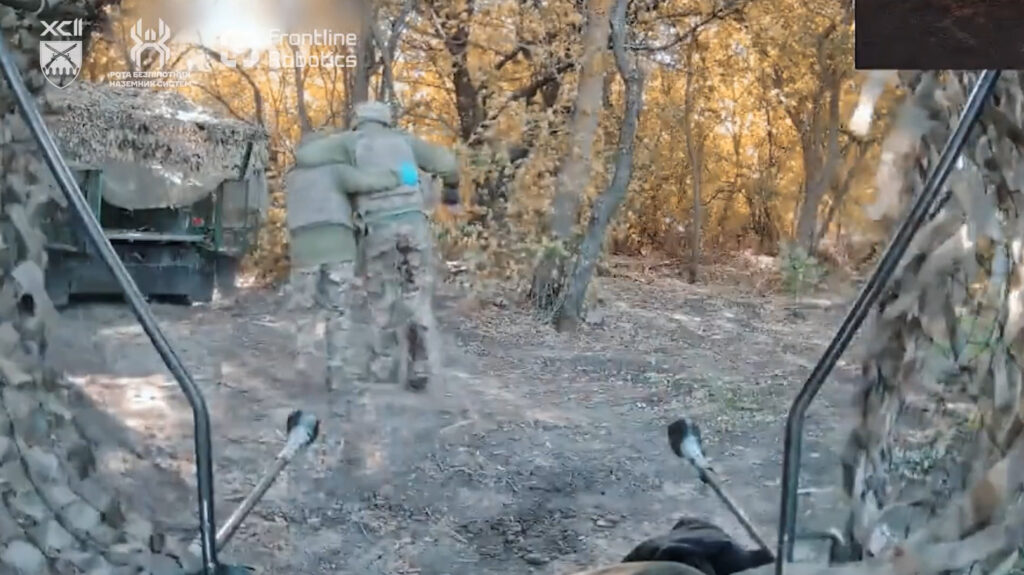
A company of unmanned ground systems from Ukraine's 92nd Assault Brigade used the robotic system Frodo to evacuate a wounded soldier, Frontline Robotics told Militarnyi on 7 October.

Ground robots are being used to evacuate wounded soldiers from the drone-dominated "kill zone," a band tens of kilometers deep on both sides of the front line. About 112,000 logistics and evacuation missions by ground robotic systems were recorded from January through August 2026, according to Ukraine's Defense Ministry.

Operator credits speed and suspension

The operator, callsign Tango, named speed and the ability to perform complex maneuvers as the robot's main advantages, according to Militarnyi. The unit also praised Frodo's adaptive suspension, which it said smoothed out rough terrain and kept the wounded soldier's transport relatively comfortable.

The Frodo ground robot during an evacuation mission with Ukraine's 92nd Assault Brigade
The Frodo ground robot's evacuation mission with Ukraine's 92nd Assault Brigade, autumn 2026. Screenshot from video: Frontline Robotics

What Frodo can carry, and how far

The robot has a 6×6 wheel layout with independent suspension, adjustable ground clearance of 170–330 mm, and a top speed of 40 km/h. Its recommended payload is 200 kg, and its maximum is 400 kg, according to Frontline Robotics. The company lists its range as 150 km on asphalt and up to 90 km over rough terrain with the recommended load. Frodo supports several communication channels, and one person can swap its batteries in about two minutes.

Frodo had passed the Defense Ministry's codification and could carry remote-controlled modules such as the Burya turret, Militarnyi reported on 30 September.

The 92nd Brigade had used ground robots to evacuate wounded soldiers before. In September 2025, the brigade evacuated three wounded soldiers using a ground robot, according to Militarnyi.

  •  

Trump sons-backed firms bank $6 billion plus in Pentagon deals

An analysis published on Wednesday by ABC News estimated that companies backed financially by Donald Trump Jr. and Eric Trump have so far scored more than $6 billion in contracts from the US Department of Defense. As ABC documented, many of the investments into the defense firms come through 1789 Capital, a venture capital firm […]

The post Trump sons-backed firms bank $6 billion plus in Pentagon deals appeared first on Asia Times.

  •  

Germany accuses Russia of a drone bomb attempt at Leipzig. Now its eight biggest airports get drone detection

The likely process of monitoring the airspace over airports connected to Germany’s new drone detection system. Photo: Deutsche Flugsicherung / Holger Matthies

Germany is expanding drone detection at its airports with a new system operated by German air traffic control provider Deutsche Flugsicherung (DFS), the German Federal Ministry for Transport (BMV) announced on 5 October.

Germany has accused Russia of attempting a hybrid attack at Germany’s Leipzig/Halle Airport near a Ukrainian An-124 aircraft using a drone carrying explosives. Earlier, Finnish President Alexander Stubb said Europe must be prepared for “continued hybrid and sabotage attacks” by Russia, adding that Russia seeks to sow panic through such actions.

On Monday, two more sites were added—Stuttgart and Hamburg. As of Monday, seven of Germany’s eight largest airports were equipped with the new drone detection system in their approach and departure areas.

Germany seeks responses to new hybrid threats

The Federal Ministry cited the reason for the new measure: drones near airports can affect air traffic very quickly.

Federal Transport Minister Steffen Bilger and Baden-Württemberg Transport Minister Nicole Razavi were briefed on the new system at Stuttgart Airport, where it is being put into operation, the ministry said. The system creates “an important technical basis for detecting potential threats at an early stage and quickly informing the competent authorities,” Bilger said.

“With today’s commissioning of the drone detection system at Stuttgart Airport, the federal government is fulfilling a key promise: it is not only talking about the dangers posed by unmanned aircraft, but is also following through with very concrete action. Protecting critical infrastructure and ensuring the safety of passengers at Stuttgart Airport require continuous adaptation to a changing security situation,” Razavi said, according to the ministry.

The new DFS system allows drones near airports to be detected at an early stage and information about possible threats to air traffic to be passed more quickly to the relevant authorities. This helps them assess risks and respond to them more quickly, the statement said.

DFS is responsible for detecting drones in approach and departure areas, while the Federal Police and other security services are responsible for preventing threats and defending against drones. The BMV, Federal Ministry of the Interior, DFS, Federal Police and airports coordinate their work to exchange information quickly and maintain a shared picture of the situation.

No further details about how the system operates have been disclosed.

The first stage of the expansion at Germany’s eight major commercial airports will be fully implemented this week, with the systems in Stuttgart and Hamburg being put into operation, the statement said.

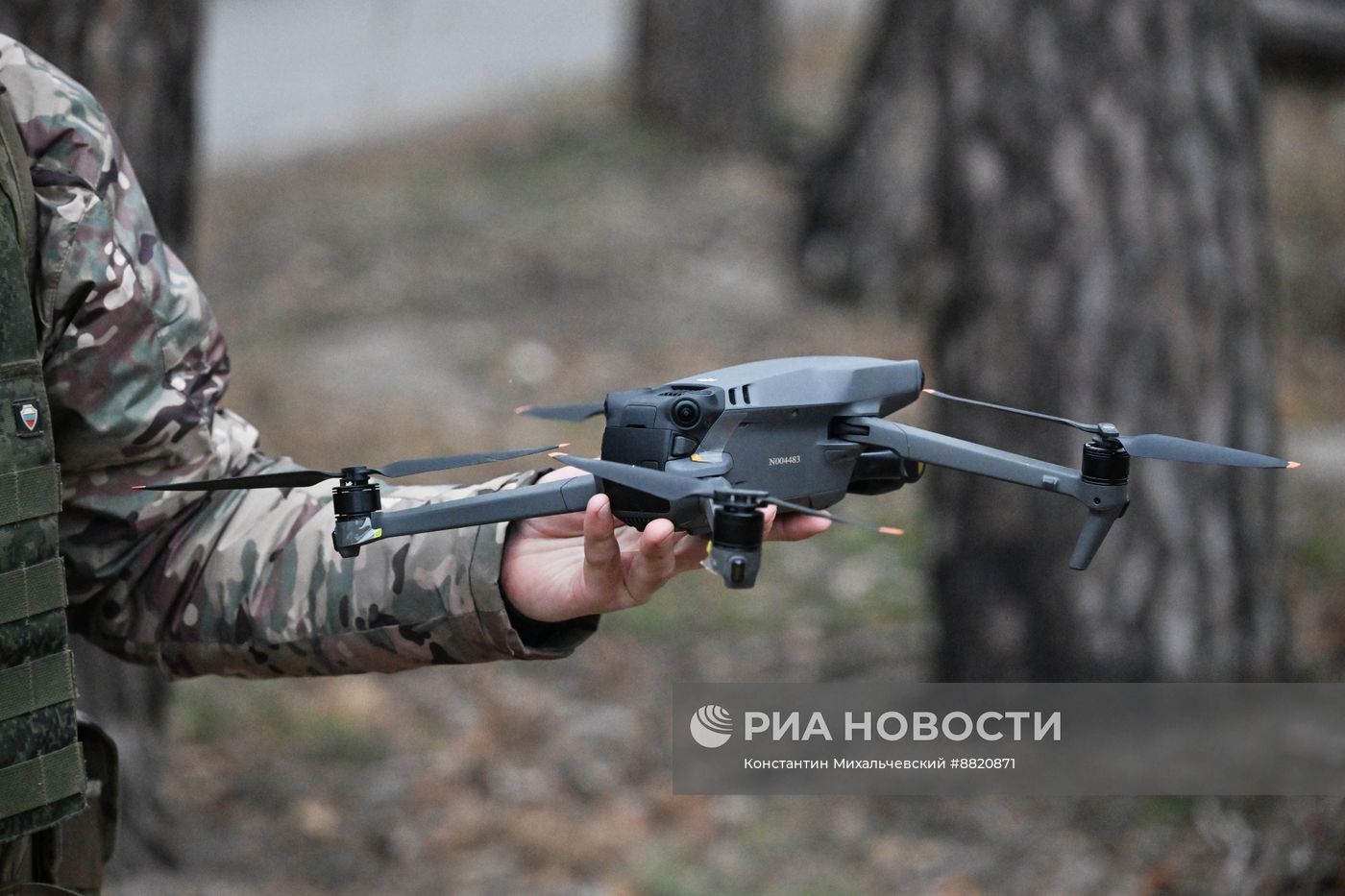
Illustrative image of a Russian drone. Photo: RIA Novosti/Konstantin Mikhalchevsky
Explore further

A drone came down beside a Bundeswehr air base, weeks after Berlin blamed Moscow for the Leipzig airport attack

The system will also be installed at the airport where a bomb-laden drone was found

The system will also be put into operation at Leipzig/Halle Airport this week, meaning that the first stage will be fully implemented at all eight of Germany’s largest commercial airports, according to the press release.

A quadcopter drone carrying a Semtex explosive flew directly toward a parked Ukrainian An-124 Ruslan cargo aircraft and struck its wing at Leipzig/Halle Airport in Germany on the evening of 4 August, Die Zeit reported on 10 August. The drone hit the aircraft at around 19:30 local time, bounced off the wing, and fell to the ground without detonating, according to the media outlet.

Ukrainian An-124 at Leipzig/Halle Airport in Germany, 5 August 2026. Photo: screenshot from Bild video

Germany has accused Russia of attempting the drone attack and announced further sanctions against Russian citizens and institutions, Tagesschau reported on 1 September.

At the crime scene, investigators found the drone configuration, explosives and detonation technology that had already appeared in other Russian hybrid operations and in Russia’s war against Ukraine, Federal Interior Minister Alexander Dobrindt said during a joint press conference with Federal Foreign Minister Johann Wadephul, the media outlet reported.

The German government assumes that Germany has been and will be a target of further such Russian attacks. Germany is not at war with Russia but is a “target of war,” Foreign Minister Wadephul said, according to the outlet.

  •  

‘We were asked, we complied’: Italy declares war on Russia

The enemy to be feared is the habit of deciding on the most serious matters without discussing them, and of presenting them as if they were inevitable.

Join us on Telegram, X, and VK.

Contact us: info@strategic-culture.su

Who asked, and who decided

There are phrases which, on their own, say more about a state than a Defence White Paper. One such phrase appeared in the Corriere della Sera on 4 October, in an interview with the Chief of the Army General Staff, Lieutenant General Carmine Masiello: “On the eastern flank, we were asked to deploy units capable of providing a real deterrent: we are leading the multinational battlegroup in Bulgaria and are present in Latvia and Hungary. War does not ask for permission, and the contingent must be ready to respond.”

A few lines earlier, the same general had opened the interview as follows: “We are at war. A hybrid war, but war nonetheless.” The attentive reader will pause to consider three words. We have been asked. By whom? Real deterrence. Compared to what deterrence, until now, has been unreal? We are at war. Who has declared it? These are questions that the Italian public debate should ask itself seriously, without indulging either in the caricature of the warmongering military or in the conditioned reflex that treats every doubt as enemy propaganda. The argument put forward in these pages is simple: the idea of direct involvement by Italy and European countries in an armed conflict with Russia is strategic folly, and the bellicose rhetoric that is making it seem conceivable protects no one. It makes the situation worse.

It is best to start with the facts, because the controversy surrounding the interview has misrepresented some of them. The contingents mentioned by Masiello are not a development from the past week. Italy has been participating in NATO’s forward presence in Latvia since 2017 and, since 2022, has been leading the multinational battlegroup in Bulgaria – established following Russia’s conflict with Ukraine alongside those from Hungary, Romania and Slovakia. The Madrid Summit in June 2022 then committed the allies to strengthening these groups to brigade level ‘where and when required’. The general’s statement that ‘we were asked’ therefore has a clear source: the Alliance’s planning, approved by the North Atlantic Council, to which the Italian government has given its consent.

Parliament, too, has formally expressed its view. Law 145 of 2016 stipulates that the government must approve international missions annually and that Parliament must authorise them. For 2026, the Council of Ministers’ resolution is dated 14 May; the Chamber of Deputies approved the authorisation resolution on 28 July, for missions valid from 1 January to 31 December. On closer inspection, this situation is more serious than the mere omission denounced by many commentators. Parliament was not bypassed: it was called upon at the end of July to ratify what had been in progress for seven months, as part of a single package bringing together dozens of different missions, from Lebanon to the Horn of Africa. Voting against the eastern flank means, in this context, voting against the whole package. It is a procedure that produces consensus without generating debate.

The problem, then, is not strictly legal. It is political, and concerns the quality of the decision. It is one thing to maintain a contingent in an allied country for reassurance purposes. It is quite another to publicly declare that that contingent must provide ‘real deterrence’ and be ‘ready to respond’ to a war that ‘does not ask for permission’. This shift in function – from a symbolic presence to combat readiness – has not been the subject of any specific parliamentary debate. Italians learnt of it from an interview published at the weekend, in a tone one might use to describe the modernisation of barracks.

A war that no one has authorised

Article 78 of the Constitution is so clear that it sounds almost embarrassing today: ‘The Chambers shall declare a state of war and confer upon the Government the necessary powers.’ Article 11 adds that Italy repudiates war as an instrument of aggression and as a means of resolving international disputes. In this context, the phrase ‘we are at war’, uttered by the head of the Armed Forces, is not merely a lexical detail. Neither House has declared a state of war. No government has been granted extraordinary powers. If words have any meaning, that phrase describes a condition that is not recognised by the legal system.

The contrast with Masiello’s own words from two and a half years ago is striking. In May 2024, in another interview, the general had been unequivocal in the opposite sense: ‘Let’s be clear: we are not at war,’ he had said, referring to a ‘sub-threshold’ conflict. The material reality described then and now is essentially the same: cyber-attacks, sabotage, disinformation, airspace violations. What has changed is the verbal framework. And in international politics, the framework is never neutral. Those who repeat every day that we are already at war accustom public opinion to the idea that actual war is merely the next step on a path that has already begun. This is precisely the process that the literature on threat construction describes as securitisation: a problem is shifted from the ordinary political sphere to that of emergency, where the usual rules – including debate – appear to be a luxury.

It is no coincidence that, in that very interview, the priority highlighted is the distribution to military personnel of a ‘cognitive self-defence manual’ against disinformation. The stated aim is to protect personnel. The side effect is to delimit the scope of what is conceivable: if every voice that questions the necessity of conflict can be interpreted as an emotional lever wielded by the enemy, dissent becomes a security issue. A democracy that fears manipulation should respond with more debate, not less.

Deterrence that produces what it fears

The strategic crux of the matter is the very concept of deterrence. Deterrence works when the adversary perceives our stance as both defensive and credible. It ceases to work – and indeed becomes counterproductive – when the measures a state adopts to feel secure are interpreted by the other as offensive preparations. This is the security dilemma: in a system without a higher authority, many of the means by which a state increases its own security reduce that of others, triggering a spiral that neither actor had intended.

The eastern flank is where this spiral is most visible. From Moscow’s perspective, allied brigades permanently deployed a few hundred kilometres from St Petersburg and the Belarusian border, exercises in the Baltic and attempts to stop Russian ships in transit are signs of encirclement. Putin stated this explicitly at the Valdai Forum in early October, describing the Western manoeuvres in the Baltic as an escalation. One might regard that interpretation as self-serving, and in part it is. But deterrence is not measured by our intentions: it is measured by the perceptions of those who are to be deterred. Ignoring them does not make them go away.

There is also one factor that should be of the greatest concern, and it is Masiello himself who articulates it. In hybrid warfare, the general explains, the risk is ‘not only to suffer, but to slip, by mistake, into an open confrontation’. This is a valuable admission. It means that the Italian military leadership considers the possibility of an unintended war – arising from an accident, a misinterpretation or a chain of automatic responses – to be very real. Thomas Schelling referred to this mechanism as ‘the threat that leaves something to chance’: the more forces are in contact and ready to react, the more control over the crisis slips from the hands of political decision-makers. If the main risk is error, the rational response is to reduce friction and increase the number of communication channels. Yet whilst the readiness of troops near the border is being stepped up, the tone of rhetoric is moving in the opposite direction.

In Moscow, Putin spoke clearly

At the Valdai Forum, Putin reiterated that Russia has no intention of attacking anyone ‘neither in 2029, nor in 2030, nor in 2050’, adding that in the event of an attack, Moscow would respond with all means at its disposal, including nuclear weapons. A few days earlier, in St Petersburg, he had said that Russia is in no way preparing to go to war with Europe. The usual response in the Italian press is that these reassurances are worthless: Formiche pointed out, for example, that even the 1994 Budapest Memorandum contained written commitments that were subsequently breached.

This argument deserves a serious response, not a slogan. No one is obliged to take the statements of a head of state – be they Russian or American – at face value. But mistrust of others’ words does not justify abandoning diplomacy: it makes it all the more necessary. Public statements serve precisely this purpose: to establish commitments that can be verified, negotiated, translated into measures of mutual trust, limits on troop deployments, notifications of military exercises, and direct military lines of communication. This is precisely what Europe did during the decades of the Cold War, with the Helsinki Final Act and the subsequent Vienna documents, when mistrust of Moscow was at least as great as it is today. Responding to every overture by increasing military readiness amounts to choosing not to verify. And those who fail to verify their adversary’s intentions end up planning for the worst-case scenario, which, by dint of being planned for, becomes the most likely outcome.

The reverse is also true. If it is genuinely believed that Russia is preparing an act of aggression against an EU member state, then the matter is of such gravity as to demand a public and parliamentary debate commensurate with its importance, based on the available evidence, intelligence assessments and the alternatives under consideration. Not an interview. The two things are mutually exclusive: either the threat is existential, in which case the nation must be mobilised; or it is not, in which case the language of imminence is a mistake.

To die for whom and for what?

The question currently circulating on social media – whether Italians are prepared to die for the Baltic states or for Zelensky – is phrased brutally, but it hits upon a real issue. European public opinion, and Italian public opinion in particular, has never given an explicit mandate for direct military confrontation with Russia. Surveys in recent years have consistently ranked Italy amongst the European countries most opposed to sending troops and most in favour of a negotiated solution. A democratic system that prepares for war against the prevailing will of its citizens, without even consulting them, accumulates a debt of legitimacy that would be called in at the worst possible moment: precisely when national cohesion is most needed.

Nor is there any need to demonise the Baltic states to recognise the problem. Their perception of the threat has historical roots that a Western European struggles to fully comprehend. The point is another: in a thirty-two-member alliance, the most hardline positions tend to set the tone for the whole, because no government wants to appear the least supportive. Italy has different geopolitical interests, focused on the Mediterranean, Africa, the Balkans and its energy ties with the East. A country in that position has everything to lose from a conflict in the Baltic and nothing to gain. Its historical role, from Andreotti to Prodi, has been that of a mediator, not an outpost. To abandon this role in order to align with the hardline stance is a choice that someone should openly advocate, rather than letting it seep out through an interview.

Finally, there is the practical reality, which the general himself does not hide. Masiello speaks of the return of the ‘importance of mass’: forces are quickly worn down, and without the capacity to replenish them, a prolonged conflict cannot be sustained. In short: a conventional war with Russia would be a war of attrition, fought with ammunition stocks that Europe does not possess and with an industrial base that would take years to reconvert. Against a nuclear power that has just reiterated that it regards nuclear weapons as part of its defence. There is no rational interpretation of Italy’s national interest in which this scenario is acceptable.

Alternatives do exist and do not require naivety. The first is institutional: to separate missions on the eastern flank from the annual budget and subject them to a specific vote, preceded by a public hearing of military and government leaders on the nature of the mandate. If Italian soldiers are asked to be ‘ready to respond’, Parliament has the right and the duty to know to what, under what rules of engagement, and within what limits.

The second concerns language. The military leadership has a responsibility to prepare the forces, not to influence public opinion on the underlying political judgement – namely, whether or not Italy is at war. That assessment is the remit of the constitutional bodies. A return to verbal restraint is not a concession: it is the condition for deterrence to remain defensive even in the eyes of those observing it from Moscow.

The third is diplomatic. Any Russian declaration of non-aggression should be taken at face value in the technical sense of the term: put to the test with concrete proposals for risk reduction, starting with the Baltic, where the density of ships, aircraft and units in close proximity makes an incident more likely than elsewhere. Rome has the credibility and the history to champion such an initiative at European level. The fact that it is not doing so, and that the issue emerges only from the words of a general, is the real cause for alarm in this affair.

The enemy to be feared is not a country a thousand kilometres from our borders. It is the habit – which is taking root here – of deciding on the most serious matters without discussing them, and of presenting them as if they were inevitable; a psychopathology that is dramatically eroding the last remnants of common sense.

  •  

‘The Eels Were Climbing Out of the Water to Die ’: Why Did Every Fish in This Idyllic Lake Perish Overnight?

Steve Rose investigates a catastrophic pollution incident at Furnace Brook, a fishing lake in East Sussex, where thousands of fish suddenly died and the local ecosystem collapsed. Neighbours suspect pollution from nearby Morgans Farm, and Rose examines whether their concerns are justified. In doing so, he uncovers broader national problems with water pollution, illegal waste dumping, and the limited power and resources councils and regulators have to tackle them.

He headed about half a mile up the valley to a tributary joining the stream from a neighbouring property named Morgans Farm. “You could clearly see the water upstream [of the tributary] was totally normal, a sandy colour with clay silt in it, and what was below it had gone a blue-black colour. You could see dead brook trout, wild eels, and there was a dead crow or raven, which may well have eaten something poisonous from the river.” In some places, he says, there was a thick layer of blue-grey scum on the water, which he later learned is sometimes called “bacterial cheese”. “There’s so much nutrient [sic] in the water that it allows for a bacterial colonisation explosion.” The bacteria take up all the oxygen, which causes most of the fish, especially the older, larger ones, to die.

  •  
❌