O piloto holandês Max Verstappen repetiu o sucesso da anterior classificação destinada à Sprint e alcançou a segunda pole-position neste fim de semana no circuito Marina Bay com 1:31,373s – a sua 50ª pole na carreira de piloto de F1 – e vantagem para amanhã largar na frente do pelotão para o GP de Singapura. O monegasco Charles Leclerc alcançou o segundo crono (+0,054s) e Lewis Hamilton (+0,123s) o terceiro crono, com Antonelli e Norris a fecharem o top-5.
Recordamos que George Russel está penalizado, por troca de motor, e apesar de ter realizado o sexto tempo, vai partir do final da grelha.
As três sessões da Classificação para obtenção da pole-position e composição da grelha de partida para o GP de Singapura, foram hoje realizadas – Q1, Q2 e Q3, respetivamente com 18, 15 e 12 minutos de duração – já em piso completamente seco e em ambiente noturno, depois da vitória de Max Verstappen na Sprint.
Eis como decorreram as sessões de Classificação:
Q1 – 18 minutos
O melhor tempo nesta sessão foi realizado por Hamilton, com 1:32,429s, enquanto Leclerc averbou o segundo crono (+0,345s) e Norris descia para o terceiro crono (+0,346s). Nas quarta e quinta posições, incluíram-se Lawson e Piastri. Pela Audi, Hülkenberg realizou o 6.º tempo e Bortoleto reteve-se na 16ª posição, no limite do apuramento. Ficaram impedidos de prosseguir para a sessão seguinte: Alonso, Albon, Stroll, Perez, Bottas e Hadjar.
Q2 – 15 minutos
Hamilton voltou a ser o mais rápido nesta segunda sessão, batento o seu próprio tempo (-0,237) 1:31,529s que fez na primeira tentativa, superando Verstappen (+0,110s) e Norris (+0,366s), respetivamente os segundo e terceiro mais velozes. Leclerc e Antonelli completaram o top-five.
Ambos pilotos da Audi, Hülkenberg e Bortoleto ficaram eliminados do Q3, assim como Bearman, Ocon, Sainz e Colapinto.
Q3 – 12 minutos
Max Verstappen repetiu o sucesso da anterior Classificação para a Sprint e alcançou a pole-position neste fim de semana no circuito Marina Bay com 1:31,373s. O monegasco Charles Leclerc alcançou o segundo crono (+0,054s) e Lewis Hamilton (+0,123s) o terceiro crono.
A composição da Grelha de partida para o GP de Singapura, ficou assim:
1) Max Verstappen (Red Bull Racing), 1:31.373 2) Charles Leclerc (Ferrari), 1:31.427 3) Lewis Hamilton (Ferrari), 1:31.496 4) Kimi Antonelli (Mercedes), 1:31.562 5) Lando Norris (McLaren), 1:31.712 6) Oscar Piastri (McLaren), 1:31.860 7) Pierre Gasly (Alpine), 1:32.225 8) Liam Lawson (Racing Bulls), 1:32.369 9) Arvid Lindblad (Racing Bulls), 1:32.781 10) Nico Hulkenberg (Audi), 1:32.784 11) Oliver Bearman (Haas F1 Team), 1:32.908 12) Esteban Ocon (Haas F1 Team), 1:33.323 13) Carlos Sainz (Williams), 1:33.526 14) Gabriel Bortoleto (Audi), 1:33.658 15) Franco Colapinto (Alpine), 1:33.787 16) Fernando Alonso (Aston Martin), 1:34.223 17) Alexander Albon (Williams), 1:34.289 18) Lance Stroll (Aston Martin), 1:34.946 19) Sergio Perez (Cadillac), 1:35.123 20) Valtteri Bottas (Cadillac), 1:35.984 21) Isack Hadjar (Red Bull Racing), s/tempo 22) George Russell (Mercedes), 1:31.747* *punido por troca de motor
Vitória de Max Verstappen na Sprint do GP de Singapura, com Lewis Hamilton em segundo e Charles Leclerc em terceiro. Completaram o top-8 da zona de pontos da Sprint: Kimi Antonelli, Liam Lawson, Oliver Bearman, Nico Hulkenberg e Lando Norris pontuaram.
O tetracampeão mundial holandês que partiu da pole-position chegou a perder a liderança, mas com o abandono de George Russell, retomou a liderança donde não mais saiu e venceu à-vontade.
George Russell, não conseguiu evitar um rodopio e o Mercedes foi até ao muro lateral da pista(Imagem Sport TV3)
Refira-se que devido à chuva intensa que inundou parte do circuito de Marina Bay, a largada da corrida Sprint foi atrasada, o tempo necessário (mais de meia hora) até que deixasse de chover e a pista ficasse em condições de receber a prova em segurança.
Com a pista a secar muito rapidamente e com pneus intermédios começava a ser muito difícil manter o andamento até final. A corrida estava na volta 14, faltavam seis para o final, os pilotos procuravam as zonas da pista ainda molhadas para refrescar os pneus, mas a solução seria substituir os intermediários por sliks, o que não chegou a acontecer.
A três voltas do final da corrida Verstappen liderava com 4,2s de vantagem sobre Hamilton, que tinha sobre Leclerc uma vantagem inferior a um segundo. Piastri estava em quarto lugar a 2,2s, com Norris em quinto quase colado e Antonelli era sexto colocado ao britânico.
Na última volta, Norris decidiu mergulhar por dentro do carro de Piastri, não havia muito espaço e acertava no pneu traseiro do carro do companheiro de equipa, fazendo os dois McLaren rodarem sobre si mesmos. Piastri desistia e Norris descia para a oitava posição.
Gabriel Bortoleto teve uma prova difícil e após sair em 14º e perder posições, na relargada foi tocado e teve que abandonar a competição.
GP de Singapura, corrida Sprint, resultados:
1) Max Verstappen (Red Bull Racing) 2) Lewis Hamilton (Ferrari) 3) Charles Leclerc (Ferrari) 4) Kimi Antonelli (Mercedes) 5) Liam Lawson (Racing Bulls) 6) Oliver Bearman (Haas F1 Team) 7) Nico Hulkenberg (Audi) 8) Lando Norris (McLaren) 9) Pierre Gasly (Alpine) 10) Esteban Ocon (Haas F1 Team) 11) Fernando Alonso (Aston Martin) 12) Carlos Sainz (Williams) 13) Arvid Lindblad (Racing Bulls) 14) Oscar Piastri (McLaren) 15) Alexander Albon (Williams) 16) Gabriel Bortoleto (Audi) 17) Valtteri Bottas (Cadillac) 18) Franco Colapinto (Alpine) 19) Isack Hadjar (Red Bull Racing) 20) George Russell (Mercedes) 21) Sergio Perez (Cadillac) 22) Lance Stroll (Aston Martin)
Os pilotos voltam à pista ainda hoje (sábado) para a Classificação que definirá a grelha de partida da Corrida do GP de Singapura de Fórmula 1 de amanhã.
A jurista sul-africana viveu o Apartheid e foi Alta Comissária da ONU para os Direitos Humanos.
O Prémio Nobel da Paz de 2026 foi atribuído à sul-africana Navanethem Pillay, atual juíza do Tribunal Internacional de Justiça para o genocídio em Myanmar, antiga Alta Comissária da ONU para os Direitos Humanos (2008-2014) e juiza do Tribunal Penal Internacional (TPI), pelo papel fundamental que tem tido “na defesa dos Direitos Humanos e no papel de garantir que os crimes de guerra e genocídios são perseguidos“.
A atribuição deste Nobel, segundo avançou a Euronews, acontece numa altura em que Israel está cada vez mais debaixo dos projetores pela ofensiva em Gaza, sendo que Pillay foi presidente da Comissão Internacional Independente de Inquérito da ONU sobre o Território Palestiniano Ocupado, que classificou as ações israelitas em Gaza como “genocídio” e é juiza do tribunal que emitiu um mandado de captura contra Benjamin Netanyahu.
NavanethemPillay foi ainda presidente do Tribunal Penal Internacional para o Ruanda.
Nascida em Durban em 1941 numa família indiana de origem Tamil, Pillaylutou contra o apartheid e pelos ativistas presos, tendo conseguido para eles o direito a advogados, que até aí lhes era negado. Foi advogada de Nelson Mandela, tendo lutado pela sua libertação. Já como presidente, em 1995, Mandela nomeou-a juiza do Supremo Tribunal do país, sendo a primeira mulher não branca a ocupar esse cargo.
O anúncio do prémio foi feito esta sexta-feira de manhã pelo Comité Nobel da Noruega em Oslo e segue-se à polémica atribuição, no ano passado, à opositora venezuelana María Corina Machado, que depois o entregou a Donald Trump, dizendo que “ele o merecia”, uma atitude amplamente condenada a nível internacional.
Tremor teve epicentro próximo ao extremo sul do país e foi sentido na capital, onde moradores deixaram edifícios e se reuniram nas ruas
Um forte terremoto de magnitude 7,6 Richter atingiu o Panamá na manhã desta sexta-feira, 9 de outubro, sacudindo edifícios até mesmo na capital e provocando evacuações, segundo o Serviço Geológico dos Estados Unidos (USGS, na sigla em inglês).
O tremor foi registado, inicialmente, com magnitude 8,0, mas, depois, foi revista a intensidade para 7,6, e posteriormente, para 7,7 Richter.
O epicentro do tremor foi localizado a cerca de 10 quilómetros a sudoeste da comunidade isolada de Pitaloza Arriba, próxima ao extremo sul do Panamá, informou também o USGS.
Os tremores foram sentidos na Cidade do Panamá, onde edifícios balançaram e moradores deixaram os imóveis, dirigindo-se às ruas agurdando as réplicas.
Visivelmente abalados, os moradores reuniram-se do lado de fora enquanto aguardavam informações sobre os impactos do terramoto. Ainda não há informações sobre vítimas.
O Sistema de Alerta de Tsunami dos Estados Unidos alertou para o risco iminente de grandes ondas em praias e ilhas do México ao Peru, incluindo Guatemala, El Salvador, Nicarágua, Costa Rica, Colômbia e Equador. O Havaí também está sob alerta.
Donald Trump juntou empresas de IA para assinar acordo de autoregulação voluntário. Entendimento avança, mas o mundo questiona se as empresas de IA têm as condições para serem polícias de si mesmas.
Imaginamos figuras autoritárias a conquistar instituições ou dirigentes irresponsáveis a acumular poder. Mas há uma possibilidade mais desconfortável: a mediocridade pode instalar-se democraticamente.
Passou pelas secretas russas, trabalhou nas Forças Armadas e criou rede que partilhava conteúdos pró-guerra. Foi detido no Montenegro quando se preparava para gravar vídeo num mosteiro.
The South Korean government has released images from its first successful test of a domestically developed hypersonic boost-glide vehicle. This includes shots of the vehicle impacting the water at the end of its flight. A weapon of this kind would give South Korea a significant new way to hold targets in North Korea at risk amid an ever-deepening arms race on the Peninsula.
South Korea’s Presidential Office, more commonly referred to as the Cheong Wa Dae or the Blue House, announced the test in a Korean-language press release yesterday. The Blue House initially released a video of President Lee Jae Myung and others observing the test from a conference room at the Anheung Proving Ground, which is located in South Chungcheong Province on the country’s western coast. South Korea’s Agency for Defense Development (ADD) manages testing at Anheung. A series of still images from the test itself was subsequently posted on the Blue House’s website.
A trio of pictures showing South Korea’s new hypersonic boost-glide vehicle impacting the water during the test yesterday. The Blue HouseAnother view of the impact at the end of yesterday’s South Korea hypersonic test as seen through what looks to be an electro-optical video camera on an aircraft. The Blue House
Included in the still image gallery are shots showing the launch of the missile, a formal name for which has not yet been disclosed, from a wheeled transport-erector-launcher on a platform sitting just off the coast. The low resolution of the pictures makes it hard to tell whether the missile and/or the TEL are of an existing South Korean design or are based on one. We will come back to this later on.
A picture showing the launch of the hypersonic weapon from the platform off the coast. The Blue HouseAnother picture from the test showing the missile after launch. The Blue House
As mentioned, there are also pictures of the hypersonic boost-glide vehicle hitting the water. At first glance, the vehicle looks to have a broadly conical design with stabilizing fins at the base. However, at least one of the fins looks to be truncated. Closer inspection of the available images shows further indicators that might point to it actually having a more wedge-shaped design with a distinct top and bottom, though it is still not definitely clear given the low resolution. Conical boost-glide vehicles are generally understood to be easier to design, relatively speaking, than wedge-shaped ones. Historically, hypersonic boost-glide vehicles of any kind have proven to be technically complex and challenging to turn into viable operational weapons, even by countries with extensive past experience with their development.
Another close-up look at the hypersonic boost-glide vehicle test yesterday, showing what looks to be a truncated fin on one side. The Blue House
“This test launch was conducted to verify, for the first time, the vehicle’s core technologies in a hypersonic flight environment: the performance of ultra-high-temperature heat-resistant materials, guidance and control capabilities, and the ability to perform irregular flight maneuvers at low altitudes,” the Blue House said in its release yesterday, per a machine translation of the Korean text. “The HGV [hypersonic boost-glide vehicle] successfully separated after ascending to the target altitude and executed its planned flight path within the hypersonic environment without any issues.”
With all this in mind, the fact that the vehicle just remained intact through to impact is noteworthy. At the time of writing, South Korean authorities do not appear to have disclosed more specific details about the test, including how far the boost-glide vehicle traveled before hitting the water or what peak speed it reached. Important questions also remain about how the vehicle is guided during the mid-course and terminal phases of flight, challenges that do not appear to have been addressed by this particular test.
In general, unpowered hypersonic boost-glide vehicles need to be brought first to an optimal altitude and speed. This is typically achieved using a sufficiently sized rocket booster, with existing ballistic missile designs often serving as a starting point.
Once released from the booster, a boost-glide vehicle flies along a relatively shallow flight path within the Earth’s atmosphere. The vehicle is able to maneuver along the way, sometimes erratically, while traveling at hypersonic speeds, generally defined as anything about Mach 5.
A graphic showing, in a very rudimentary way, the differences in trajectories between a traditional ballistic missile, a hypersonic boost-glide vehicle, an aero or quasi-ballistic missile, and an air-breathing hypersonic cruise missile. GAO
All of this sets hypersonic weapons of this kind apart from traditional ballistic missiles, even ones with advanced maneuverability capabilities, which all follow a broadly arcing trajectory to their targets. The combination of speed, flight trajectory, and maneuverability offered by hypersonic boost-glide vehicles creates distinct challenges for opponents. They are hard to spot and track, let alone attempt to intercept, and there is less time for defenders to react overall. This ability to penetrate enemy air defenses and cover ground rapidly makes these weapons particularly attractive for strikes on very high-value and time-sensitive targets.
“The HGV [hypersonic boost-glide vehicle] is a ‘key strategic asset capable of changing the game on the battlefield,’ as its unpredictable flight trajectory and overwhelming speed allow it to launch surprise strikes against key strategic targets during contingencies,” the Blue House’s release explicitly noted, again according to a machine translation.
With all this in mind, South Korea does have an entire family of domestically-produced ground-launched ballistic missiles that could be suitable starting places for launching an unpowered hypersonic boost-glide vehicle. President Lee was notably shown a TEL for the country’s newest Hyunmoo-5 ballistic missile at Anheung yesterday, though no explicit connection has been drawn between that weapon and the hypersonic test. The Hyunmoo-5 is itself still a relatively new development, having only entered service around the end of last year.
President Lee Jae Myung and others inspect a Hyunmoo-5 TEL on October 8, 2026. The Blue House
When it comes to new South Korean arms developments, the Hyunmoo-5, which entered service around the end of last year, has been and continues to be a major point of discussion by itself. It is officially categorized as a short-range design, despite how big it is (35 tons gross weight), which is said to be due largely to the equally substantial size of its warhead (17,000 pounds). Past reports have raised the possibility that it could be capable of flying out to intermediate ranges if the warhead weight were reduced. Short-range ballistic missiles are defined as ones with ranges between 190 and 620 miles (300 and 1,000 kilometers), while intermediate-range ballistic missiles can hit targets out to between 1,864 and 3,418 miles (3,000 to 5,500 kilometers). Medium-range ballistic missiles (MRBM) fall in between these two categories.
A Hyunmoo-5 transporter-erector-launcher seen during a parade in 2024. Kim Jae-Hwan/SOPA Images/LightRocket via Getty Images
With its massive unitary warhead, the Hyunmoo-5 already gives South Korea an important new way to hold deeply buried and otherwise hardened targets in North Korea at risk. This fits in directly with the country’s broader Korea Massive Punishment and Retaliation (KMPR) policy, as TWZ has previously written:
“While the Hyunmoo-5 has been widely reported as a future pillar of the KMPR, its specific ability to penetrate deeply buried bunkers, such as those used by the North Korean leadership, the same functions mean that it can also fulfill elements of the ‘kill chain.’ In this way, it could be used as part of a pre-emptive strike, to try and knock out North Korea’s launch capability by targeting its hardened command-and-control facilities and missile storage areas.”
By virtue of the very high speeds they reach in the terminal phase of flight, hypersonic boost-glide vehicles also offer bunker-busting benefits on top of the other aforementioned advantages they bring to the table.
In addition, the hypersonic boost-glide vehicle test reflects a broader arms race that has been expanding in scale and scope for years now. South Korea is also developing an air-breathing hypersonic cruise missile, seen in the composite image below, as well as new air- and sea-launched ballistic missiles, the latter of which will be loaded on new surface warships and submarines.
via X
Though there are always questions about the actual maturity and viability of the designs, North Korea continues to churn out its own new missile developments. This includes two separate test launches of purported new hypersonic designs just in recent weeks. Tit-for-tat missile launches are not entirely uncommon on the peninsula, but there are limits to how quickly a test like the one South Korea conducted yesterday involving an emerging technology can reasonably be staged.
A picture of one of two new purported hypersonic missiles North Korea says it has tested in the past few weeks. North Korean State Media
An operational hypersonic boost-glide vehicle capability would also expand South Korea’s capacity to challenge opponents regionally beyond North Korea. Though the regime in Pyongyang represents the most proximate national security threat to the country, China and Russia have also been growing points of concern for South Korean authorities in recent years.
“We must secure our national security through our own strength,” President Lee said after yesterday’s hypersonic test, per the Blue House’s release. “The government must not rest on today’s success but must further advance the technology so that the hypersonic glide vehicle can establish itself as a robust strategic asset safeguarding our future security.”
South Korea’s President Lee Jae Myung, at center, and others applaud after yesterday’s test. The Blue House
South Korea’s very public test of its new hypersonic boost-glide vehicle underscores the country’s still-expanding efforts to broaden its options for striking even the best-defended targets in North Korea, as well as projecting power elsewhere regionally. At the same time, it remains to be seen when the South Koreans may field a real operational capability in this regard.
Depuis 1998, le nombre de logements construits en Espagne dépasse celui, cumulé, de la France, de l'Allemagne, du Royaume-Uni et de l'Italie ! Huit cent soixante-cinq mille ont ainsi été mis en chantier en 2006, à comparer avec les un million quatre cent mille dénombrés aux Etats-Unis. De fait, la croissance rapide de l'économie espagnole au cours de cette décennie est largement due à l'impulsion de l'immobilier. Le secteur de la construction a pu représenter jusqu'à 18 % du produit intérieur brut (PIB) — 30 % si l'on tient compte des impacts indirects (1).
Parallèlement à la hausse de l'offre, les prix ont grimpé rapidement : ils ont été multipliés par 2,8 entre le début de l'année 1999 et juin 2008. Enfin, la plus grande partie des crédits a été absorbée par ce secteur : le cumul des hypothèques destinées aux ménages, des crédits pour la construction et de ceux destinés aux professionnels de l'immobilier représente 60 % du total du crédit du système financier. Plus inquiétant encore, le crédit accordé aux activités immobilières représente aujourd'hui le double de celui destiné à l'industrie, contre le tiers en 1997.
Ces chiffres permettent d'affirmer que l'économie espagnole souffre d'une énorme tumeur immobilière. Mais celle-ci est-elle bénigne ou cancérigène ? La seconde option semble la plus probable.
En moyenne, il faut aujourd'hui 7,1 années de salaire complet d'un ménage pour acheter un logement, alors qu'il en fallait 3,7 jusqu'en 1999. Par ailleurs, le ratio PER (Price Earning Ratio) du logement, c'est-à-dire le prix de l'actif divisé par le loyer annuel, a atteint 50, une valeur supérieure aux ratios observés lors des grandes bulles boursières (crise de 1929, bulle technologique, etc.).
Outre les énormes bénéfices de la spéculation, les causes de la formation de ce cancer sont multiples : attentes irréelles en regard de l'évolution future des prix de l'immobilier ; pérennité d'une longue liste de croyances populaires concernant ce domaine ; subventions publiques accordées à l'achat ; et assouplissement des critères de l'octroi des crédits.
Les espoirs des acquéreurs étaient pour le moins fantaisistes quant à l'évolution des prix. En 2005, une enquête (2) auprès de plus de mille cinq cents personnes ayant acquis un logement depuis 2000 révéla que la plupart (92 %) l'avaient acheté afin d'en faire une résidence principale et non pour le revendre. Cependant, 50 % d'entre elles avouaient que la variable « investissement » avait pesé dans leur décision.
De plus, 95 % des enquêtés pensaient que leur acquisition était surévaluée mais s'attendaient, au cours des dix prochaines années, à une augmentation des prix de l'ordre de 23 % par an, en moyenne. Difficile de trouver une manifestation plus claire de ce qu'est une bulle immobilière… Enfin, 37 % des personnes interrogées avaient dans leur entourage un proche ou un ami direct (il pouvait aussi s'agir d'elles-mêmes) ayant acheté des logements « sur plan » dans le but de les revendre, au motif de la grande rentabilité de ces opérations.
Le pase (cession de contrat), consistant à verser un acompte sur le paiement d'un bien immobilier acheté « sur plan » et, une fois celui-ci construit, à revendre le droit de propriété plutôt que d'en payer le prix total, est devenu très populaire. Cette somme représente souvent une faible part de la valeur du logement. Ainsi, si ce dernier met dix-huit mois à être construit et que le prix augmente de 20 % par an, on peut s'attendre à des bénéfices supérieurs à 800 %.
La possibilité d'obtenir ces énormes bénéfices a généré une sorte de fièvre de l'or. Stimulée par un ensemble de mythes populaires, elle était renforcée de manière intéressée par les associations professionnelles immobilières. Le premier et le plus important est que le prix du logement ne saurait s'effondrer. Quand on faisait remarquer que cela était bel et bien arrivé au Japon, la réponse était le traditionnel : « l'Espagne est différente ». Pourtant, la présentation officielle des prix, quoique sujette à caution, montre des chutes, dans le passé, aussi bien dans l'ensemble du pays que dans quelques villes représentatives (3).
Parmi les autres croyances marquantes de cette période, on trouve l'idée que les prix devaient continuer à augmenter jusqu'à ce qu'ils convergent avec ceux de l'Europe ; un hypothétique « baby-boom » censé provoquer une hausse de la demande de logements ; l'afflux de migrants qui les rendrait plus chers ; le fait que tous les Européens du Nord voudraient acheter des résidences secondaires en Espagne, que payer un loyer équivaut à jeter de l'argent par les fenêtres ou encore qu'investir dans la pierre serait toujours plus rentable que de faire des placements en Bourse.
Les politiques publiques traditionnelles de subventions et d'exonérations fiscales accordées pour l'achat au détriment de la location, privée ou sociale, ont également contribué à la hausse des prix. N'importe quel étudiant en économie sait qu'une exonération publique destinée à l'achat d'un bien dont l'offre est rigide se transforme en flambée des tarifs et transfère les ressources du secteur public vers les producteurs, en l'occurrence vers les entreprises immobilières et de construction.
Mais la cause ultime de ces hausses spectaculaires reste la grande quantité de crédit disponible. Ce que démentent avec vigueur les banquiers. Le président d'un important établissement financier espagnol, rencontré lors d'un entretien en 2002, expliquait que, grâce au « travail social » des banques, les citoyens pouvaient accéder à la propriété. En obtenant des crédits hypothécaires toujours plus volumineux.
Des recherches récentes montrent que c'est l'excès de liquidités, et par voie de conséquence l'assouplissement des conditions d'octroi des crédits, qui est à l'origine de la hausse spectaculaire des prix du logement, en dépit de la chute en termes réels des coûts de la construction. Certains analystes s'obstinent à vouloir attribuer au prix du sol la hausse de celui des ventes du bâti. En réalité, le prix du terrain est fixé en fonction de celui des logements que l'on y construira. Ainsi, la hausse du foncier ne fait que refléter la tension entre le propriétaire du sol et le constructeur pour s'approprier le bénéfice attendu.
Ces dernières années, les prix ont été fixés à partir du prix maximal qu'un ménage pouvait payer, compte tenu de son revenu et des conditions du marché hypothécaire (délai de remboursement des crédits, quantité à payer par avance et type d'intérêt). Les entreprises immobilières ont été capables de fixer des tarifs à la limite de la capacité de paiement des ménages, en absorbant la totalité des améliorations des conditions de l'octroi des crédits.
Actuellement, l'économie espagnole souffre des conséquences du brusque arrêt du processus spéculatif. Les doutes croissants quant à la revalorisation des prix du logement et l'augmentation des primes de risques dans les marchés financiers, avec la raréfaction qui s'ensuit du crédit, ont mis à mal le secteur immobilier. En septembre 2008, les permis de construire chutaient de 59 % par rapport à la même période l'année précédente et, bien que les chiffres officiels ne le reflètent pas (car ils se fondent sur des prix d'évaluations immobilières et non de transactions), de nombreux observateurs s'accordent sur le fait que les prix sont en train de baisser de manière significative. Le stock accumulé de logements neufs invendus sera, fin 2008, d'un million trois cent mille unités, ce qui signifie qu'au rythme actuel des ventes il y a une offre disponible pour les cinq années à venir…
Ce sévère ralentissement a des effets désastreux sur l'ensemble de l'économie. Le chômage a augmenté de sept cent soixante-dix mille personnes cette année (+ 37 %), pour en affecter deux millions huit cent mille (près de 12,5 % de la population active). L'économie espagnole a connu une croissance négative (— 0,2 %) au troisième trimestre 2008, ce qui n'était pas arrivé depuis quinze ans.
La métastase du cancer immobilier s'étend également au secteur bancaire. Conséquence importante de la hausse du chômage, le nombre des pénalités de retard a augmenté significativement. Les banques ne cessent de répéter qu'il n'y a pas de crédits subprime. Ce qui, en toute rigueur, est exact puisque cette catégorie n'existe pas en Espagne. Il n'en demeure pas moins que, si l'on considère la divergence croissante entre le prix du logement et les revenus moyens des ménages, on doit conclure que ce n'est guère la prudence qui a prévalu dans la gestion du risque par les banques, et qu'une grande quantité de subprime espagnol a dû être produite.
Et, lorsque l'on parle de titrisation de crédits hypothécaires (4), l'Espagne est reine. Entre 2000 et 2007, le nombre des titres a été multiplié par plus de 17 % ; 83 % d'entre eux proviennent des crédits hypothécaires. Au niveau européen, les entités financières espagnoles sont responsables d'environ 15 % des émissions de titrisation, en deuxième position derrière celles du Royaume-Uni, qui en génèrent 52 %.
Néanmoins, deux aspects positifs différencient le système bancaire espagnol de celui des Etats-Unis : la Banque d'Espagne a été beaucoup plus active dans la régulation et la supervision (bien que les entités financières n'aient, dans bien des cas, pas suivi ses recommandations). Il est également vrai que les prêts espagnols (personnels, avec garantie hypothécaire) réduisent la propension des ménages à abandonner leur logement et à transférer le risque aux banques dès lors qu'ils ne peuvent plus rembourser leur dette simplement par la restitution de l'immeuble. Mais ce peut être une arme à double tranchant : en principe, cela réduit le rythme de prolifération des retards de remboursement (« l'hypothèque est la dernière chose que l'on cesse de payer ») ; mais, à moyen terme, cela affectera la consommation pendant un temps considérable. Ce qui pourrait prolonger la crise.
(4) La titrisation est une technique qui permet à un établissement financier de transformer n'importe quel type de créance en titres négociables sur les marchés financiers. Son objectif est de permettre à l'établissement prêteur de transférer à celui qui achète les nouveaux titres le risque de non-remboursement de la créance initiale.
Just over two years after the U.S. Air Force retired the last of its KC-10A Extender aerial refueling tankers, four of those aircraft may be bound for a new career in North Africa for a mysterious end user.
The Air Force Life Cycle Management Center (AFLCMC) put out a contracting notice yesterday “solely for information and planning purposes” with the express intent “to identify potential industry sources that possess the capability, expertise, and facilities to execute the regeneration, one-time flight clearance, depot-level return to service, worldwide ferry delivery, in-country Contractor Logistics Support (CLS), and operational/maintenance training for up to four (4) KC-10 Extender aircraft.”
The KC-10s could be “transferred via Excess Defense Articles (EDA) to a partner nation in North Africa,” the notice adds, without naming the country in question.
Retired KC-10 tankers seen at the boneyard at Davis-Monthan Air Force Base in Arizona in 2025. US Military
The Air Force operated KC-10s between 1981 and 2024. TWZ has reached out to the U.S. Air Force, as well as the U.S. State Department, for more information. The State Department directed us to contact the Pentagon.
The EDA program allows for materiel deemed extraneous to U.S. military needs to be transferred to allies and partners either at a reduced cost or as a grant. The foreign nation in question has to pay for those assets to be delivered, as well as refurbishment, if applicable.
It is important to note here that the Extender, as designed, is capable of refueling receivers using either the boom or the probe-and-drogue method. Tankers equipped for the probe-and-drogue method are, by far, more common internationally. We will come back to this later on.
A KC-10 seen refueling F-16 fighters via the boom. USAFA KC-10 refuels a US Navy F/A-18 Hornet via the probe-and-drogue method. USN
While we don’t know what the North African country might be in line now to receive the quartet of KC-10s, Egypt and Morocco would seem to be the most likely candidates based on their current and planned aircraft inventories. They are also both major U.S. allies.
The Egyptian Air Force currently does not operate any dedicated aerial refueling tankers. The country is in the process of acquiring two new C-130J-30 Hercules aircraft for use as airlifters, as well as tankers, using the probe-and-drogue method. It does already fly C-130s, but none explicitly configured for aerial refueling duties. Egypt also has a very diverse array of fighters that includes U.S.-made F-16 Vipers that can only be refueled in mid-air via boom.
A US Air Force KC-10 refuels an Egyptian F-16 during an exercise in 2023. USAF/Staff Sgt. Emily Farnsworth
A Moroccan F-16 seen linking up with a US Air Force KC-135 tanker during an exercise. USAF
As mentioned, the KC-10 was designed to connect with receivers via probe-and-drogue, as well as boom, and could be used to refuel other tactical jets in Egyptian or Moroccan service. As an aside, fighters belonging to both regularly receive foreign tanker support during exercises, as already seen earlier in this story. Just last month, Chinese YY-20 tankers (also sometimes referred to as Y-20Us) notably did just this in an exercise in Egypt.
Footage released by Egypt’s official authorities from the “Eagles of Civilization 2026” joint air exercise shows Egyptian **MiG-29M/M2s and Rafale fighters receiving aerial refueling from a Chinese Y-20 tanker aircraft. pic.twitter.com/pvxkpsDHxG
Whichever country may be in line to receive the four KC-10s, there is a question about the current state of those aircraft. Earlier in this story, we talked about the Extender’s capabilities as designed.
McDonnell Douglas (since absorbed into Boeing) delivered a total of 60 KC-10s to the U.S. Air Force between 1979 and 1987. The Extender was derived from the three-engine DC-10 airliner, the last of which was produced in 1989. The Air Force lost one of its KC-10s in an accident in 1987.
Of the remaining 59 KC-10s, 10 were put up for auction in a non-flyable state last year. For reasons that remain unclear, a single engine had been removed from under one of the wings of each of those aircraft. These Extenders were also among the first to be retired, and their booms had been stripped to be used as spares for the examples that remained in service until 2024. Private aerial refueling contractor Omega Air looks to have subsequently won those auctions. Omega also operates two ex-Dutch KDC-10 tankers, which are broadly similar to the KC-10, as well as another DC-10 converted into a probe-and-drogue-only tanker. The company has several Boeing 707-based tankers, as well.
One of Omega Air’s KDC-10s refuels US Air Force F-16s. USAF
The condition of the remaining 49 Extenders is unclear. Congress included a provision in the annual defense policy bill, or National Defense Authorization Act (NDAA), for the 2026 Fiscal Year that required the Air Force to preserve remaining retired KC-10s, but only stipulated they be maintained “in the same storage condition” they were in as of September 30, 2025. The bill, which was signed into law in December 2025, also made clear that the Air Force could still “dispose” of the aircraft in accordance with existing property management statutes.
Regenerating military aircraft, especially larger ones, back to service can be costly, complex, and time-consuming, even when they are kept in storage in a highly maintained state. In this particular case, acquiring KC-10s via the EDA program, with a very low up-front purchase price, could still be attractive to the right buyer, especially compared to the cost of acquiring new-production tankers.
Personnel at the boneyard at Davis-Monthan Air Force Base apply a protective coating to a KC-10. USAF
For a country like Egypt or Morocco that has never operated a boom-equipped tanker, second-hand Extenders could be a valuable entry point to future aerial refueling capabilities, as well. In general, organic aerial refueling capability is an important force multiplier for any air arm.
There is a possibility that KC-10s could be regenerated not as tankers, but as cargo aircraft, though this seems less likely to be the case. Cargo carrying was also an important duty for the Extenders while in U.S. Air Force service, and they still could operate in this role even when returned to service as tankers.
Though the aging KC-10s were getting increasingly more difficult to operate and maintain, the Air Force’s decision to retire them was still controversial. The Extender was a highly flexible tanker that could carry more fuel than the KC-46s that supplanted them. Clearly, there are others still interested in operating them.
It should be stressed that the AFLCMC contracting notice does not present the transfer of the four KC-10s as a done deal. At the same time, it has revealed that one of America’s partners in North Africa could breathe new life into four of these retired tankers.
Shield AI says it is on track to roll out the first prototypes of its X-BAT jet-powered stealth ‘fighter’ drone by the end of this month. Flight testing of this uncrewed aircraft, which is designed to take off and land vertically from a tail-sitting position, is still scheduled to kick off before the end of the year. X-BAT’s core concept was already highly ambitious, but an extremely aggressive timeline to reach some degree of operational capability through the U.S. Navy’s Runway Independent Maritime Expeditionary Strike (RIMES) program has now been disclosed.
TWZ got an update on X-BAT, which we were first to report on in-depth last year, in an interview yesterday with Shield AI’s Armor Harris, Senior Vice President and General Manager of the company’s aircraft division. This came ahead of today’s announcement that the company has received an additional $150 million in funding from the Office of the Under Secretary of War for Acquisition and Sustainment through its Defense Exportability Features program via the Navy. This is on top of the $50 million investment the Navy, in cooperation with the Pentagon’s Defense Innovation Unit, made in X-BAT’s development earlier this year as part of the RIMES effort. Shield AI has committed an equivalent amount of internal funding, for a combined total of $400 million.
Jamie Hunter
“In broad strokes, the last year has been a bunch of collaborative risk reduction with the Navy. So, wind tunnel testing, engine testing, thermal testing, all kinds of stuff to basically take the major risks in the program, [and] burn them down, so we can move confidently into the production design,” Shield AI’s Harris told us. “The last culmination of the risk reduction is the flight testing of the two full-scale prototypes. The first one of those will be done at the end of October.”
“That’s a full-scale vehicle,” he continued. “It’s got the outer mold line, it’s got the F110 engine, the full propulsion path, everything in it.”
To date, Shield AI has only shown models of the X-BAT publicly. A new one displayed at the Navy League’s Sea-Air-Space 2026 exposition in April revealed major changes to the core design. This included a complete reworking of the planform from a ‘cranked kite’ type arrangement to one with a distinctly different arrowhead-shaped profile featuring a straight leading edge with a more dramatic sweep.
The video below includes clips showing the original X-BAT design and the current one.
The aforementioned “propulsion path,” testing of which has already been conducted on the ground, primarily consists of the General Electric F110 paired with an Axisymmetric Vectoring Exhaust Nozzle (AVEN). The nozzle was originally developed in the 1990s for an experimental thrust-vectoring F-16 fighter. Shield AI is using the original AVEN, which had been in storage for decades, to support development of X-BAT. The nozzle will provide pitch and yaw control, with roll control for the drone coming from bleed air routed through thrusters in the drone’s wings.
No runway, no problem.
Shield AI and @GE_Aerospace just cleared a critical path to vertical flight, completing engine light-off testing of the Axisymmetric Vectoring Exhaust Nozzle (AVEN) for X-BAT.
Shield AI has previously said that the roughly fighter-sized X-BAT will have a maximum range of 2,000 nautical miles and a service ceiling of around 50,000 feet. The company has also said in the past it is targeting an effective combat radius roughly twice that of the F-35, or around 1,340 nautical miles, but also that it could be closer to 1,000 nautical miles. Space has been made within the X-BAT design for a potential in-flight refueling capability, but there is no active work yet to integrate that feature.
In terms of payload, X-BAT’s design includes internal weapons bays roughly the same size as those on the F-35, as well as two external hardpoints under the wings. Those hardpoints are plumbed, meaning that range-extending drop tanks, or even buddy refueling stores to allow the drone to act as a tanker, could be carried. Baked-in modularity and open-architecture mission systems are intended to make it easier to fit various sensors, data links, and other capabilities down the line.
A rendering highlighting X-BAT’s stores carrying capabilities. Two AGM-154 Joint Stand-Off Weapon (JSOW) glide bombs are depicted here in the internal bays. The silhouette of an AGM-158C Long Range Anti-Ship Missile (LRASM) cruise missile is shown under the wing. Shield AI
“X-BAT’s really designed to be a multi-role capability, and, if you look out at the 10-20 year time horizon, it’s hard to predict what the future fight is going to look like,” Shield AI’s Harris noted. “We fundamentally believe that multi-role capabilities are critically important. And, so, X-BAT, the reason why it’s sized to where it is is [sic] to be able to carry serious strike weapons internally and externally, in addition to being able to do air-to-air [combat], electronic warfare, and other mission sets.
“You could think of it as like X-35 versus F-35,” he also said yesterday when asked about any expectations now for further changes between the initial pair of prototypes and the final production design.
Lockheed Martin’s X-35 demonstrators are, in very broad strokes, similar to, but distinct from any of the resulting variants of the Joint Strike Fighter. Shield AI has notably already talked in the past about integrating more low-observable (stealthy) attributes to the exhaust end of the design down the line.
A side-by-side look at an X-35 demonstrator, at left, and a production F-35A, at right. USAF
“Then we’ll get into flight testing around the end of this year,” Harris added. “We’ll be doing vertical takeoff and landing testing with that [the initial prototypes] to actually prove out and develop the VTOL [vertical takeoff and landing] technology for X-BAT.”
Shield AI’s X-Forge 2 facility at the Newton City-County Airport in Kansas is set to be the main flight testing hub for X-BAT, as well as the focal point for sustainment of the drones. A production facility, X-Forge 3, is also being built in Des Moines, Washington. The company’s original site, X-Forge 1, is in Frisco, Texas.
A rendering of the X-Forge 2 facility. Shield AI
In terms of the actual flight test campaign, “you remember the X-BAT system has the air vehicle and the launch and recovery vehicle, which is the trailer that it launches and lands from,” Harris said. “Basically, the way the testing works is, we start with the vehicle horizontal, sitting on that launch and recovery vehicle, running the engine. Then we bring it up vertical, run the engine vertically, run the vehicle vertically.”
“Then we have one of the biggest cranes in the world that’s getting set up at our test site in Kansas right now, and we hang the vehicle suspended from that crane and do a bunch of testing while it’s hanging from the crane in free flight,” he continued. “Then we take the crane away, and then we do the actual untethered flights.”
Shield AI’s goal is to fly a fully missionized X-BAT in 2028 and start series production the following year.
A rendering of the X-Forge 3 production facility being built in Des Moines, Washington. Shield AI
On top of that, “the way that the [RIMES] program has been structured is getting to an early operational capability in 2029 is the end goal,” Shield AI’s Harris said.
When asked if this meant that RIMES is aiming “to eventually arrive at not just a demonstration of capability, but a real operationalized capability,” he said that was “correct.”
We will come back to this more later on, but suffice it to say up front, the prospect of X-BAT reaching an operational level of maturity within three years is extraordinarily ambitious, to say the least.
In the meantime, Shield AI has already been testing the mechanisms to “latch and unlatch” X-BAT to the launch and recovery system using an unpowered “battleship” test article, according to Harris. The design of the launch and recovery system has also evolved, and it is now self-propelled, at least to a degree, rather than just being a towed trailer.
“The launch and recovery vehicle is actually critical to the operation of the X-BAT weapon system because it enables survivability on the ground. So when you’re operating in a land-based environment, it enables basically shoot-and-scoot tactics,” Harris also noted. “Enemy transporter-erector-launchers [for missiles] are like pretty hard to find because they’re constantly moving around. Just like X-BAT, when it’s mated onto the launch and recovery vehicle, [it] is always moving around, makes it hard to track, hard to find, hard to destroy.”
A rendering of an X-BAT on a launch and recovery trailer in the fully erected position. Shield AI
The plan now is to “build the one-to-one launch and recovery vehicles to air vehicles. So the air vehicle is always on the trailer. It never comes off of it,” he continued. “Even maintenance to the air vehicle is done while it’s sitting on that launch and recovery vehicle.”
“In fact, we’re actually planning on building more than one-to-one of the launch and recovery vehicles, so that way you can preposition them around different islands, different places in the theater, and have multiple places the aircraft can lily pad from,” he added. “But you’re never putting multiple aircraft onto one launcher and launching them or something like that.”
“When you typically operate a jet, there’s a whole bunch of ground carts and stuff that you bring, like the ground power cart, the ground cooling cart, the air start cart, etc,” Harris further elaborated. “So we’ve moved a lot of those systems onto [the] launch and recovery vehicles, so you don’t have all these separate carts, which is pretty critical when you’re trying to do expeditionary operations.”
“The model for land-based operations is kind of a hub-and-spoke type model. So the squadrons are based at air bases. All the fuel and the weapons are generally based at the air bases, as well. But then you can distribute the aircraft all over the airfield,” he continued. “So, you think about what the enemy’s doing, they’re targeting the runways, they’re targeting the tarmacs, but you can disperse the aircraft around the perimeter of the airfield. You can launch them from the golf course. You can launch them from empty space in the taxiway, etc.”
A graphic highlighting various options for deploying X-BATs on land and at sea. Shield AI
Harris said that another “spoke” could be X-BATs operating from forward arming and refueling points (FARP). All of this is part of larger concepts of operations for the drone that Shield has been envisioning, and that are not at all limited to deployments at locations on land. Harris noted during the interview that the self-propelled nature of the current launch and recovery system would also help with moving the drones around on virtually any ship with sufficient deck space. This is where the RIMES program, which is separate and distinct from the U.S. Navy’s carrier-based Collaborative Combat Aircraft (CCA) drone ambitions, really comes in.
“I’ll say the fundamental value proposition of RIMES is that if you have a carrier-based CCA, you’re fundamentally constrained by the square footage of the deck of the aircraft carrier,” Harris explained. “So if you are taking an F-18 or an F-35 off, you better be replacing it with better capability per square foot of deck space than the thing that you’re taking off.”
“So, F/A-XX [the Navy’s sixth-generation carrier-based fighter, now to be built by Boeing] is a huge leap in capability, right? Which is why that program makes a lot of sense,” he continued. “The challenge with CCA is: Does it really make sense to take a manned aircraft off of an aircraft carrier and replace it with an unmanned aircraft?”
Shield AI’s argument here is that X-BAT disrupts this core equation by opening the door to a CCA-like capability, or even something more capable, that can be employed in a ship-based mode without sacrificing any crewed aircraft capacity on an aircraft carrier. Shield AI envisions dozens of X-BATs being employed from amphibious assault ships, as well as other kinds of amphibious warfare ships, including expeditionary sea base type vessels, as seen at the top of this story.
A rendering depicting X-BAT drones on the deck of the US Navy’s future America class amphibious assault ship USS Bougainville. Shield AI
“So when you think about the number of carrier air wings that the Navy has to deploy, deploying X-BAT across all these other ships basically significantly increases the number of carrier air wings,” Harris said.
As already mentioned, the current structure of the RIMES includes a target for an early operational capability in 2029, according to Harris. “We have a program defined to get there, and there’s basically milestone-based payments along the way, so as Shield performs and hits milestones, then the Navy kicks in additional funding,” he added.
“I don’t want to get ahead of the Navy, and give you a specific number, but like hundreds to low thousands,” he also said when asked if there was even a very rough planning figure for the eventual size of the RIMES drone fleet.
Many questions remain about X-BAT, which still has to demonstrate the viability of its vertical takeoff and landing capability, which underpins everything else. As we noted in our original in-depth report on this design, the core concept here is not new, and there have been many unsuccessful attempts to operationalize it in the past. There has been skepticism that Shield AI’s effort will succeed where others have failed. The company is of the view that groundwork has now been more firmly laid, including through its own work with its much smaller internal combustion-engine-powered V-BAT tail-sitting VTOL drone, to truly realize a design of this kind.
The performance and capabilities that Shield AI expects from X-BAT once it is flying at all are also ambitious. A high degree of autonomy is also part of the full planned package, which will leverage the company’s already extensive work in this domain with its Hivemind software.
There are also questions about the Navy’s exact plans for RIMES, as well as its broader future drone fleets. Just this year, the service has issued several contracting notices pointing to rapidly evolving views about future carrier-based strike drones and other uncrewed aircraft. New requirements that Naval Air Systems Command (NAVAIR) released in August ostensibly for future CCA-type drones notably pointed more toward something that sounded very much like an advanced uncrewed combat air vehicle (UCAV), as you can read more about here.
Whether the 2029 operational timeframe the Navy is said to be aiming for under RIMES is firm, or even realistic in any way, remains to be seen. The actual definition of what constitutes an “early operational capability” could be very flexible, as well. It is also worth noting here that Shield AI is not the only company currently conducting work under RIMES. Whether the Navy might be planning to acquire more than one design through this program is unclear. We have reached out to the service for more information.
Other services could be interested in any operational capability produced through the RIMES effort, too. TWZ regularly highlights how runway-independent drones would be particularly well-suited to the U.S. Marine Corps’ new expeditionary and distributed concepts of operations. That service is already in the process of acquiring MQ-58B Valkyrie drones from Kratos that will be able to operate from conventional runways. They will also be capable of runway-independent launches, though they will still have to land conventionally. The baseline Valkyrie design lands via parachute.
A rendering of a landing gear-equipped version of the Valkyrie in line with what the Marines are now acquiring. Kratos
In general, runway independence is of growing interest elsewhere across the U.S. military as threats to large, established bases continue to expand in scale and scope. The proliferation of various tiers of weaponized drones is a particularly significant factor in this, asTWZ just examined in detail this week in the context of the recent withdrawal of B-1 bombers from RAF Fairford in the United Kingdom. Ever more capable cruise, ballistic, and hypersonic missiles are also part of the full threat picture.
The conflict with Iran has also underscored the limits of what can be gained survivability-wise by dispersing traditional fixed-wing aircraft, especially within an existing airbase. As highlighted earlier, X-BAT could be dispersed very differently to nearly anywhere within a facility that can handle the thrust from the F110 engine in hover.
As it stands now, we are set to get our first view of a full-sized X-BAT prototype within the next few weeks as Shield AI continues to gear up for the start of actual flight testing before the end of the year.
Few Reconstruction figures have faded from public memory as completely as Franklin J. Moses Jr. Moses entered South Carolina history under a cloud of scandal and left it in disgrace. As governor, he accepted bribes, traded favors, and misused public funds. His obscurity, however, conceals a more consequential story. Moses ranked among the most outspoken...
Nas ruas de Marina Bay foi hoje realizado o único treino livre para o GP de Singapura, a 17ª etapa da temporada 2026 da Fórmula 1. George Russel foi o detentor da volta mais rápida, com o crono de 1:32,274s, na frente de Charles Leclerc (+0,198s) e Lando Norris (+0,273s).
Neste final de semana em Marina Bay, contemplando corrida Sprint, as equipas não vão ter outra oportunidade, em treino livre, para efetuarem mais afinações das máquinas, já que, mais logo terá lugar a Classificação – SQ1, SQ2 e SQ3 – para formação da grelha de partida da Sprint.
Conforme esperado, tendo em conta a previsão do tempo, o início das atividades deste final de semana já se realizaram com o tempo bastante quente. A temperatura ambiente chegava aos 32ºC e a do asfalto aos 50ºC. A humidade relativa do ar estava na casa de 60%.
Para este primeiro contacto com o circuito, quase todos os pilotos optaram por usar pneus duros, à exceção de Valtteri Bottas, que optou por médios. E os primeiros dez minutos Max Verstappen era quem completava a volta mais rápida (1:35,641s) – longe, portanto, do crono final da sessão – mas já seguido por George Russell (que terá de pagar a punição por substituir o motor nesta etapa), enquanto Lewis Hamilton surgia a fechar o trio mais veloz.
Vale a pena destacar que as condições que os pilotos encaram neste treino livre não serão as mesmas que irão enfrentar durante a Classificação para a corrida Sprint, uma vez que o sol já se terá posto e as temperaturas deverão baixar ligeiramente (ou bastante ?).
Outro detalhe observado, é o de que a pista estava bastante empoeirada e suja nesta sessão inicial, mas à medida que os pilotos vinham completando voltas, a borracha deixada no piso melhorava as condições.
(Imagem colhida da emissão da Sport Tv3)
Mais algum tempo passava e quem saltava para a liderança era Lando Norris (1:34,367s), seguido de Max Verstappen, mas rodavam com os compostos mais duros (pelo relvado) com intuito de preservarem os médios a fim de concretizarem melhor desempenho na tomada de tempos que antecede a Sprint.
Cerca de metade do tempo do treino cumprido, Leclerc era o novo líder, mas acabava por ser superado por Russell uma vez mais, com Hadjar, Antonelli e Norris no top-5. Mais atrás, Bortoleto era o décimo colocado, mas outros pilotos começavam a baixar os seus registos.
E com o tempo disponível quase esgotado, George Russell terminava a sessão com a melhor volta do dia em 1:32,274s, com Leclerc, Norris, Hamilton e Piastri no top-5. Antonelli ficava apenas na sétima posição e Bortoleto na 16ª posição, ainda assim, na frente de Hülkenberg (18º). A Audi apresentou neste GP os seus carros com cores de tonalidade azul.
Os tempos averbados no único treino livre para o GP de Singapura foram estes:
1) George Russell (Mercedes), 1:32.274 2) Charles Leclerc (Ferrari), 1:32.472 3) Lando Norris (McLaren), 1:32.547 4) Lewis Hamilton (Ferrari), 1:32.773 5) Oscar Piastri (McLaren), 1:32.838 6) Max Verstappen (Red Bull Racing), 1:33.006 7) Kimi Antonelli (Mercedes), 1:33.525 8) Isack Hadjar (Red Bull Racing), 1:33.723 9) Pierre Gasly (Alpine), 1:34.038 10) Liam Lawson (Racing Bulls), 1:34.155 11) Oliver Bearman (Haas F1 Team), 1:34.331 12) Arvid Lindblad (Racing Bulls), 1:34.476 13) Esteban Ocon (Haas F1 Team), 1:34.481 14) Fernando Alonso (Aston Martin), 1:34.495 15) Carlos Sainz (Williams), 1:34.651 16) Gabriel Bortoleto (Audi), 1:34.736 17) Alexander Albon (Williams), 1:34.805 18) Nico Hulkenberg (Audi), 1:34.884 19) Franco Colapinto (Alpine), 1:34.983 20) Lance Stroll (Aston Martin), 1:35.268 21) Sergio Perez (Cadillac), 1:35.299 22) Valtteri Bottas (Cadillac), 1:35.620
The San Luis Valley has a frost advisory active from 3 a.m. to 8 a.m. on Friday morning. The rest of southern Colorado will stay mild in the 40s and 50s with clear skies.
Colorado Springs forecast: Low: 25; High: 50;
Overnight lows will be in the 50s for the Pikes Peak Region with clear skies. Friday will be just as hot in the 80s with plenty of sunshine. Dry time continues across the area too. The weekend will cool slightly, but highs will still be well above averages. Changes don't arrive until next week.
Pueblo forecast: Low: 25; High: 50;
Lows will be mild in the 50s for Thursday night with plenty of sunshine ahead for Friday. The weekend cools a bit and into Monday next week. Tuesday and Wednesday will drop into the low 70s and even 60s. Tuesday brings in chances for showers with that cool down too.
Canon City forecast:Low: 25; High: 50;
Thursday night stays mild with clear skies. Friday and the weekend stays well above averages in the 70s and 80s for Canon City. Dry conditions persist as well. By Tuesday, a cool down will move in and stick around into Wednesday and the rest of the week. Showers are expected at least for Tuesday and may linger into the middle of the week too.
Woodland Park forecast:Low: 25; High: 50;
Lows will be in the 40s for Woodland Park with mostly clear skies. The end of week will be warmer than averages in the 60s and that trend continues into the weekend. We can't rule out a stray shower for Woodland Park on Sunday, but widespread moisture moves in by Tuesday as temperatures drop significantly. Overnight lows by Tuesday and Wednesday night will be close to freezing, if not below it too.
Extended outlook forecast:
Into Monday southern Colorado will stay mild in the 70s for most. A strong cold front will drop in to drop temperatures significantly into Tuesday and Wednesday. Tuesday brings in widespread showers in southern Colorado with some mountain snow possible too. Temperatures stay cool through the end of the week with conditions trending drier too.
Watch KOAA News5 on your time, anytime with our free streaming app available for your Roku, FireTV, AppleTV and Android TV. Just search KOAA News5, download and start watching.
The testing plan for the U.S. Air Force’s sixth-generation F-47 fighter is continuing to take shape ahead of the type’s expected first flight in 2028. The Air Force Test Center (AFTC) aims to blend developmental and operational test elements, and leverage new tools in the virtual realm, to help accelerate that work. All of this is in support of an aggressive program schedule that aims to see the first production F-47s enter operational service in the early 2030s.
Air Force Brig. Gen. Mark Massaro, head of the AFTC, was asked about how the groundwork is being laid for F-47 testing during a virtual talk the Air & Space Forces Association’s Mitchell Institute for Aerospace Studies hosted yesterday. AFTC is located at Edwards Air Force Base in California, which is the Air Force’s main flight testing hub.
“So, I’ll leave timelines to the [F-47] program office and other folks to talk to, but what I will tell you are some of the things that we’re doing to accelerate our test capabilities to get critical capabilities out the door,” Massaro explained. “Integrated test is a key component.”
A rendering of the F-47 fighter. USAF
“So, how we mix together the DT [developmental test] and OT [operational test] elements, how we bring our operational test partners in earlier to define the requirements early on in the test planning process,” he continued. “We understand that the information that we can get early on in a program may have applicability to that final operational test requirement to establish whether it’s effective and suitable to the end user. So that’s a key component to accelerating test capabilities.”
There has always been overlap in development and operational test efforts for new U.S. military aircraft, but the Air Force has been taking steps to more deeply integrate these processes in recent years. The F-15EX Eagle II fighter, which reached initial operational capability in 2024, was the first ever Air Force aircraft to be fully tested and fielded through DT and OT efforts conducted in parallel, as you can read more about here. The service has more recently applied these concepts to the B-21 Raider program with test flights where developmental and operational test pilots have shared the cockpit.
A pair of F-15EX test jets. USAFA B-21 Raider seen from a KC-135 aerial refueling tanker during a flight test. USAF
“Another thing that we’ve learned over time too, if you think back to software testing and you think about agile software development, is having an iterative capability that you constantly iterate on,” Brig. Gen. Massaro also highlighted yesterday. “So, thinking about how we can structure our software, or our software testing, our capabilities testing.”
In this way, “we have those opportunities to inform decision makers on a regular cadence on what type of capability they may have at a certain timeline to be able to issue out to a warfighter on a time that might not be a normal milestone chart,” he continued. “We’re really working to incorporate into our test planning processes.”
“Another thing – and I kind of alluded to it a little bit earlier, too – is on the digital front, using our software tools, that super intelligence, graphic processing units, which have a significantly higher capability to process information, to really refine model iteration,” the AFTC head added. “Those models and flight test data [can be used] to update things like computational fluid dynamics when you’re doing tests like loads and high-alpha maneuvering to get information quicker from a flight test back into the program.”
Those “digital tools” can also be used “to accelerate how that information then goes back into a design choice or change if they need to make it,” he continued. “Coming up with those opportunities to use those tools in a test design and in a program” can then further help “to accelerate that final schedule delivery.”
Brig. Gen. Mark Massaro seen during a ceremony marking his assumption of command of the Air Force Test Center on June 30, 2026. USAF
Even very high-fidelity modeling in the digital realm is still not a substitute for real-world flight tests. However, Brig. Gen. Mark Massaro spoke more generally yesterday about how AFTC has been blending digital and live testing to maximize their respective benefits.
“We use models to develop our capabilities, and we need to anchor those models in truth, in physics, and an understanding of what happens in the real world,” the AFTC head stressed. “Outside of a cyber system, all of our capabilities touch the real world and touch physics, and we need to understand those dynamics. So, the models that we use to do design work, to do iterative type[s] of developmental work, and, in ways, operational work, too, need to be anchored in that real world truth.”
At the same time, “we can’t replicate what we need to go and test, and develop tactics and operationally test, in the real world on some of our ranges,” he also noted. “So, from a geographic perspective, just the width and the depth and the height of the ranges to the laydown of the systems that we have to see on the ranges to be able to execute against a threat, [and] the numbers that we might have to be testing.”
Blending real and virtualized elements can therefore be very valuable.
An “element that we’ve done in the developmental world for quite a while, that are [sic] part of this conversation, are plugging in, even though it’s a virtual environment, plugging in real world hardware into that virtual environment,” Massaro offered as one example. “So, you’re getting real-world software, the OFPs [operational flight program software], or you’re getting real-world sensing information coming into that virtual environment and feeding it there.”
Virtualized elements can also be added to real-world flight test events in various ways. The Air Force, among others, is also making use of these so-called live, virtual, constructive (LVC) concepts for training purposes for many of the same general reasons, including limited range capacity.
It is also worth noting here that the F-47 program is already benefiting from years of flight testing in secret using full-scale demonstrator aircraft. A substantial amount of simulation and modeling would also already have been done as a byproduct. A simulator likely already exists, as well, which could be used for risk reduction and fine-tuning of the F-47 design, as well as testing flight dynamics.
An F-22 test jet assigned to the 411th Flight Test Squadron, which now serves as the Air Dominance Combined Test Force (AD-CTF). USAF
Though much about the F-47 program remains highly classified, the Air Force has consistently said that the program continues to be on track. Prime contractor Boeing is now building the first flying example, and construction is already well underway to establish a full production line. As mentioned, the target date for a first flight is currently in 2028, ahead of operational fielding in the early 2030s. As an aside, Boeing has also now won the contract to develop the Navy’s sixth-generation carrier-based fighter, currently referred to as F/A-XX.
AFTC is doing its part now to be ready to support the flight testing that will be needed to keep the F-47 program on track in the coming years.
The African Union (AU) on Wednesday launched a continental credit rating agency aimed at providing risk assessments that it says will be more credible and realistic than those produced by the major international rating agencies. The goal is to lower Africa’s borrowing costs and support the continent’s development and industrialization. To that end, the African Credit Rating Agency (AfCRA), which will be headquartered in Port Louis, the capital of Mauritius, will operate as a private and independent entity, with no ownership stake held by the AU or any government.
O circo da Fórmula 1 vai chegar amanhã a Marina Bay para a disputa do GP de Singapura, 17ª etapa da temporada 2026 no fim de semana.
As atividades em pista decorrem entre sexta-feira (9) e domingo (11), com o formato Sprint e a tradicional corrida noturna da Fórmula 1 nas ruas da cidade de Singapura. Também designado de Singapore Street Circuit, é um percuso de rua localizado na baía da Marina e tem 5,2 kms de extensão.
O aspecto mais singular, que não deixa de ser interessante, prende-se com o fato desta ter sido a primeira corrida na história da Fórmula 1 a ser realizada à noite. O circuito totalmente iluminado deu aos pilotos um desafio adicional com o qual tiveram de aprender a lidar. Outro aspeto: esta corrida realiza-se no sentido retrógado (contrário aos ponteiros do relógio). Enfim, pormenores que diferenciam esta prova na Ásia das demais no resto do mundo.
Quanto a treinos, na sexta-feira realiza-se o único treino livre do fim de semana, começa às 09:30 hrs (horário de Portugal), enquanto a Qualificação Sprint será realizada a partir das 13:30 hrs.
No sábado, a corrida Sprint tem a largada agendada para as 10:00 hrs e a Classificação para definir a grelha de partida para o Grande Prémio começa às 14:00 hrs.
A corrida principal, correspondente ao GP de Singapura, será disputada no domingo, com a largada a ocorrer às 13:00 hrs, sempre pelo horário de Portugal (GMT+0).
Como habitualmente acontece, com a colaboração da F1Mania, dar-lhe-emos aqui no diariOnline Região Sul, o essencial da informação, desde treinos livres, classificações e corridas, naturalmente.
Before the hasty and unexpected departure of the bombers on Sunday, B-1s had been deployed to RAF Fairford continuously since March, initially in support of Operation Epic Fury against Iran. A contingent of B-52s had also conducted strikes on Iran from Fairford, but left back in July. The base is a major operational hub for the U.S. military in the United Kingdom, and regularly hosts strategic aircraft, including bombers and U-2 spy planes.
Dan Rivers, U.S. correspondent for ITV News in the United Kingdom, was among the first to report on Monday that the B-1’s quick departure had been prompted by concerns about a potential Spiderweb-like drone attack ordered by Iran, citing an unnamed source. Other outlets have subsequently reported similar details, all sourced to anonymous U.S. and British officials.
“They didn’t fly out by accident,” U.S. President Donald Trump told reporters during a gaggle at the White House on Monday when asked about why the B-1s had left Fairford. “There were some threats.”
“I can’t tell you that, but if they did, they’ll suffer greatly,” Trump added in response to a separate question about whether Iran might have managed to get weaponized drones into the United Kingdom.
“What you saw there was the Secretary of War [Pete Hegseth], out of an abundance of caution, trying to protect our guys,” U.S. Vice President J.D. Vance said during a separate press engagement on Monday. “We do feel, with some confidence, that the Iranians are – they’re trying to do what the Iranian state has done for 49 years, which is engage in acts of terrorism against the United States, and a lot of other people, as well. So, we are being extremely cautious.”
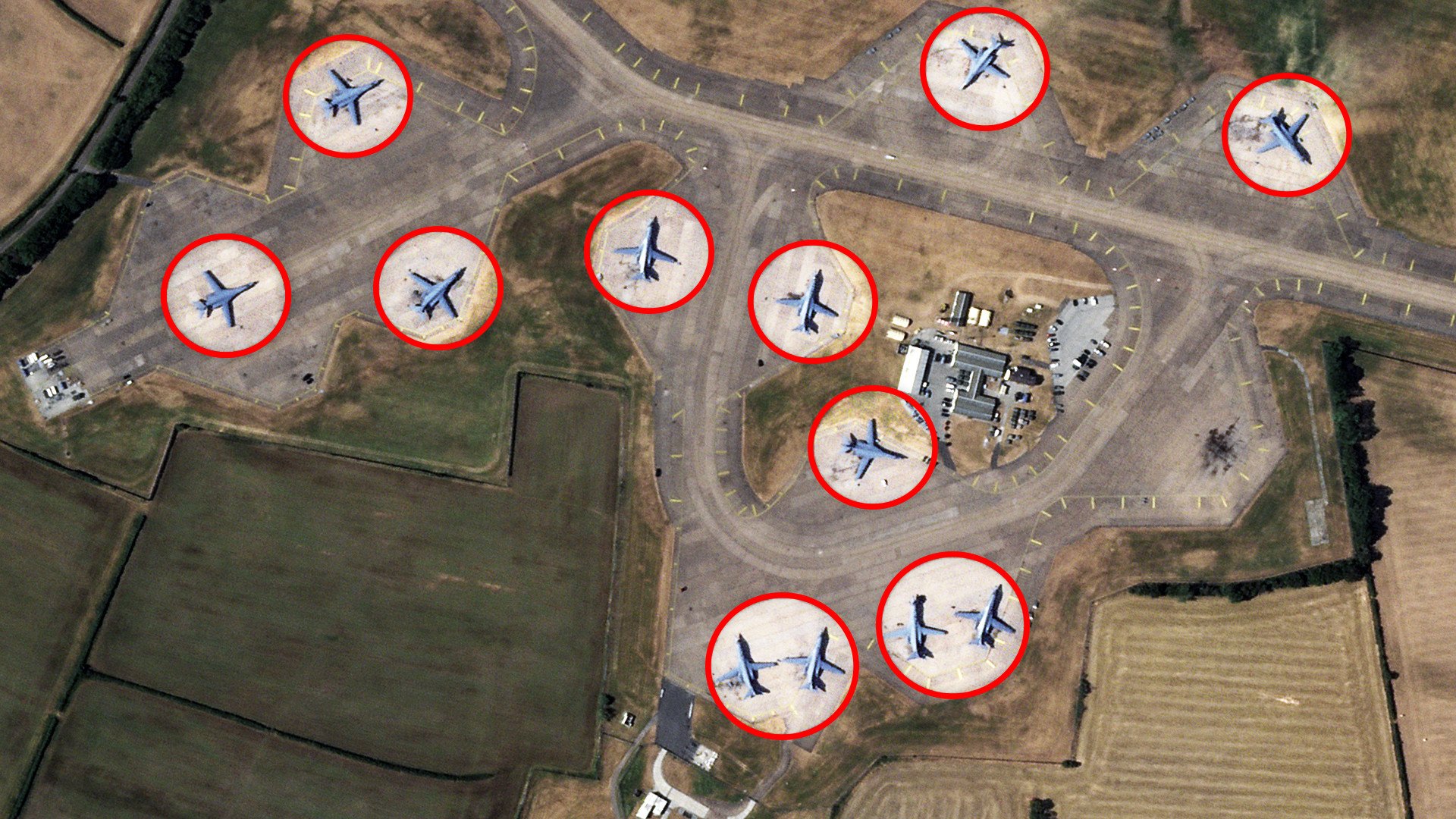
Another satellite image offering an overall view of RAF Fairford. Google Earth
“We’ve documented what happened [near Fairford] last week. I wouldn’t just directly tie that to the move that was made,” U.S. Secretary of State and National Security Advisor Marco Rubio also told members of the press on Monday. “The only reason why you guys are focused on how many planes are at Fairford is because of the threat that happened last week.”
“We have confidence in the security of all of our bases, because all of our bases are [sic] theoretically could be threatened at any moment,” he added.
Rubio’s comments notwithstanding, the remarks from Trump and Vance make clear that there was some recent threat intelligence that contributed to the decision to pull the bombers from Fairford. There are still many questions about the exact nature of the potential attacks, and how imminent, or not, the danger may have been.
Regardless, as mentioned, the prospect of a near-field drone attack on a base like Fairford carried out by actors in close proximity is extremely plausible, and the barrier to entry to such an operation is relatively low. Spiderweb may have thrust this reality into the public consciousness in dramatic fashion, but the danger well predates that operation, and even the start of Russia’s all-out invasion of Ukraine in 2022.
TWZ has been highlighting exactly these kinds of threats in the course of a decade or so now of regular reporting on drone incursions over U.S. and foreign military facilities and critical infrastructure, as well as American naval vessels operating offshore. Langley Air Force Base in Virginia and Barksdale Air Force Base in Louisiana, some of America’s most strategic airbases domestically, are among the facilities that have had to grapple with this in the past. After the Langley incident, in particular, it had become clear to the larger public what we had been reporting for many years, that the United States does not control the airspace over even its most critical military installations.
New footage of yet another act of Russian terrorism on EU soil, showing the drone loaded with explosives on the tarmac at Leipzig/Halle Airport, just meters from a Ukrainian Antonov An-124 cargo aircraft.
— SPRAVDI — Stratcom Centre (@StratcomCentre) August 5, 2026
A drone attack on Fairford would also not necessarily have had to come from somewhere very close by. Longer-range one-way attack drones are steadily proliferating, and can be launched using a variety of methods from positions on the ground, as well as vessels at sea. TWZ explored the very real threat of sea-based drone attacks, including ones conducted covertly, and Iran’s specific ability to carry them out globally, following the leak of an FBI alert back in March.
The proliferation of lower-end one-way-attack drones has ‘democratized’ precision-guided attacks, even for non-state actors. The fielding of automated targeting capabilities, driven by developments in artificial intelligence and machine learning, is also becoming more and more widespread. That technology will soon enable these weapons to find and strike even moving targets on their own. Even without anyone at the controls and without the drone putting out any detectable radio emissions, very effective precision attacks can still be launched at static targets, like known parking areas for aircraft at airbases, just by using basic map coordinates or Google Earth. It’s also worth pointing out here that the definition of a stand-off attack is becoming increasingly blurry, with even quadcopter-type drones capable of flying miles away to conduct a kamikaze attack on a target based on a set of GPS coordinates.
Ukrainian Saker UAV with AI capabilities. The video shows the process of target recognition. It has reportedly already been put to use several times against Russian targets. pic.twitter.com/NVNJyxUjGP
Overall, it is an indisputable fact that aircraft sitting exposed on a flightline are particularly vulnerable to drone attacks, as well as other threats. This is something U.S. military officials have acknowledged themselves. Fairford, where B-1s and other bombers have no option but to park out in the open in well-established areas that are plainly visible from outside the base’s immediate perimeter, is indicative of how American military aircraft are generally positioned on the ground abroad and at home.
As we wrote all the way back in 2017:
“Similar swarming strikes could be unleashed behind the front lines as well, with hugely expensive and low density/high demand combat aircraft being especially vulnerable to this sort of tactic—something General James Holmes alluded to inadvertently while speaking to the Air Force Association, stating:
‘Imagine a world where somebody flies a couple hundred of those and flies one down the intake of my F-22s with just a small weapon on it.’
Actually, it would be even easier to just strike the jets as they sit idle and vulnerable on the flight line. One swarm could see a whole squadron of tightly packed fighters destroyed without even having a chance to fight back.”
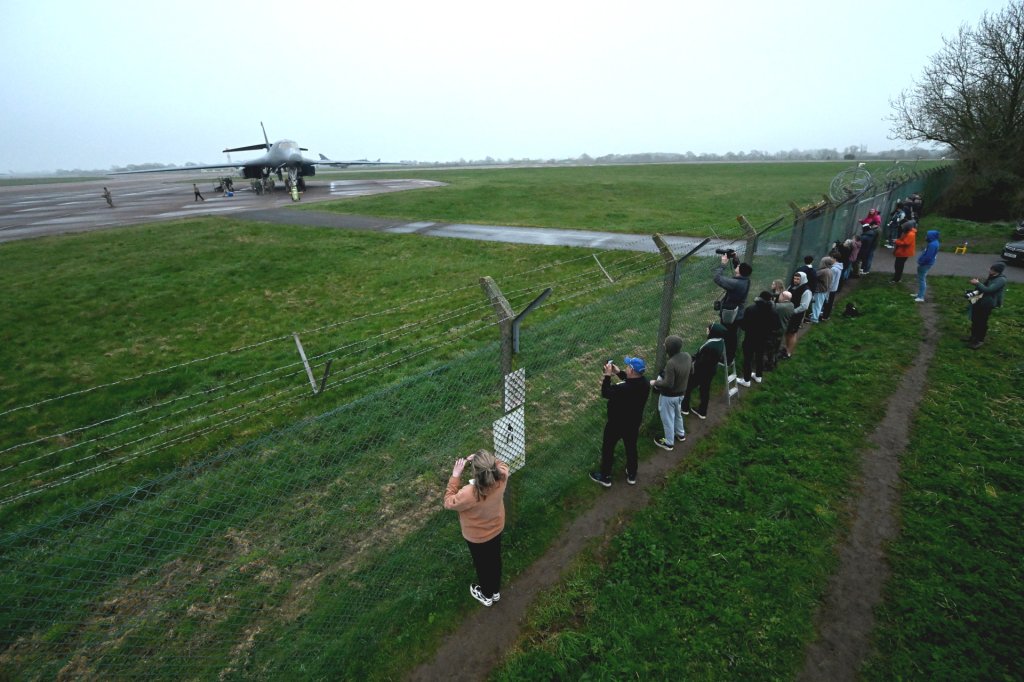
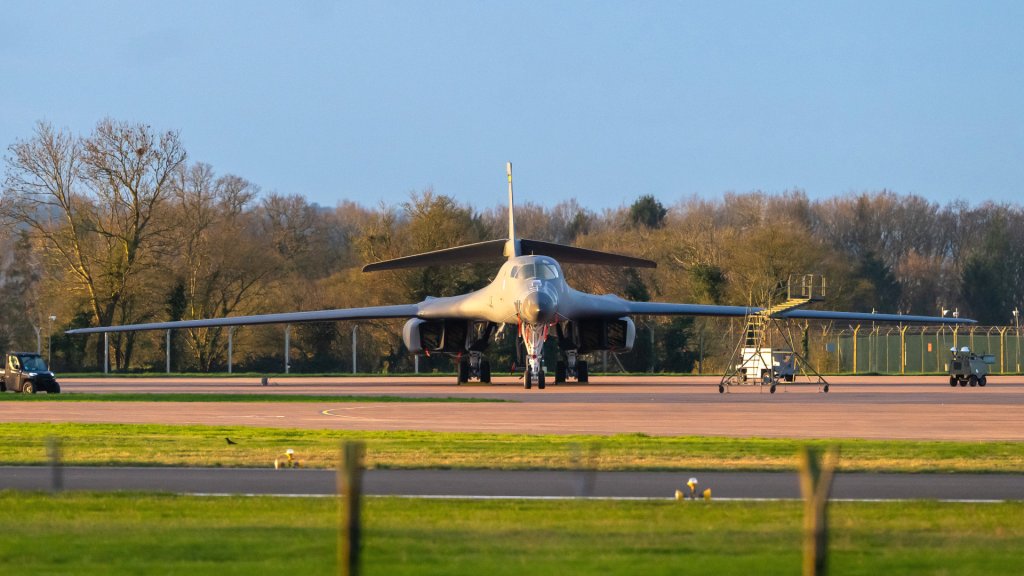
This picture of a B-1 at Fairford on March 7 shows how bombers and other aircraft are typically parked at the base. The line of photographers along the fence line also underscores how close those parking spots are to the base’s immediate perimeter. JUSTIN TALLIS / AFP via Getty Images
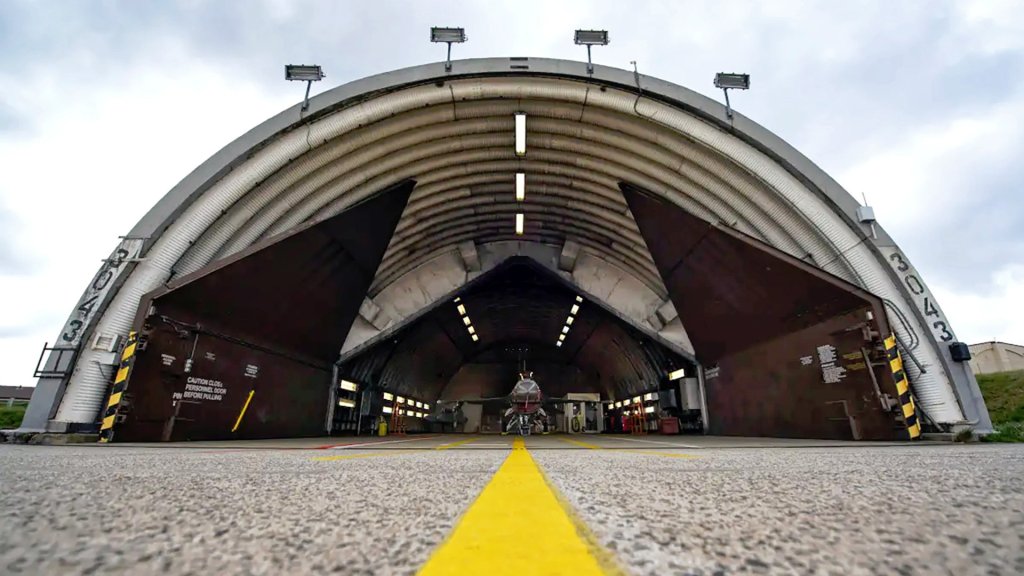
“I’m not a big fan of hardening infrastructure,” Gen. Kenneth Wilsbach said at a roundtable at the Air and Space Forces Association’s main annual symposium in 2023, offering a prime example of this viewpoint. “The reason is because of the advent of precision-guided weapons … you saw what we did to the Iraqi Air Force and their hardened aircraft shelters. They’re not so hard when you put a 2,000-pound bomb right through the roof.”
Wilsbach was commander of Pacific Air Forces (PACAF) at the time. He subsequently became head of ACC and is now Chief of Staff of the Air Force, the service’s top officer.
“I think that I don’t want to spend a lot of money on hardening shelters. Unless you’re going to send something 100 feet or more underground, we can blow it up, and so can they,” Wilsbach said in an interview with Breaking Defense in July of this year when asked explicitly if his position changed. “So, the economics of building a shelter that is impervious to a strike doesn’t work.”
U.S. Air Force Chief of Staff Gen. Ken Wilsbach speaks during an all-call with personnel at RAF Mildenhall, another base in the United Kingdom, on July 13, 2026. USAF
“I think the economics favor defending your airspace, defending your ground space with systems that can defeat the incoming rounds, versus building a shelter,” he added. “Some people would argue, well, you should do both. Well, that’s even more expensive. And the other thing is, the shelter doesn’t go anywhere.”
It is fair to point out that typical above-ground hardened aircraft shelters are not invulnerable, especially to attacks involving ballistic, cruise, and certain air-launched threats. There are also substantial cost and other factors to consider when it comes to any major military construction effort.
That being said, having more hardened infrastructure also imposes costs and complexities on opponents, who have to dedicate more advanced and costly munitions and other resources to ensure targets are neutralized. Shelters have the knock-on benefit of complicating the targeting process for an enemy by obscuring where aircraft are or are not positioned, to begin with. An opponent has to treat shelters like they are full even if they are empty.
When thinking about hardened aircraft shelters, stereotypical Cold War-era reinforced concrete structures typically come to mind. However, they do not all have to be built to a one-size-fits-all standard with the same degree of hardening across the board to be useful. Shorter-range drone attacks are typically carried out by platforms carrying small explosive charges or that are designed to drop small bomblets. Even longer-range one-way-attack drones generally have smaller warheads than traditional missiles, they also hit with less kinetic energy.
A US Air Force F-16 fighter sits inside a traditional hardened aircraft shelter. USAF
A structure that shields against smaller blasts and shrapnel, also including from cluster munitions that can be readily scattered across wide areas, is one that then has to be addressed by more capable weapons. This could even include mobile or otherwise temporary shelters that offer sufficient concealment and protection.
This picture shows what the Air Force described as a “prototype portable camouflage, concealment, and deception hangar” in use during Exercise Hoodoo Sea in 2023. Air National Guard The prototype portable hangar intended to support camouflage, concealment, and deception efforts in use during an Air National Guard-led exercise in 2023. Air National Guard
Eliminating, or at least substantially mitigating, the lowest rung of threats creates a dilemma for opponents, who then have to decide whether it is even worthwhile to attempt certain types of attacks. There is clear value in narrowing the available options for the enemy and pushing them toward having to expend higher-end, more expensive munitions, that are available in smaller quantities, and that traditional active defenses may be better optimized to handle. As an example, it may be more viable to shoot down a small barrage of incoming cruise missiles than a swarm of dozens of drones.
There are magazine and stockpile depth issues at play here, too. This is something that has also been brought front and center by the conflict with Iran, which has fueled already long-standing concerns about the sufficiency of stockpiles of air defense interceptors, other critical munitions, and the capacity to replenish them quickly. This is something the British government, among others, is also grappling with, as you can read more about in our separate reporting here.
Furthermore, losses of aircraft on the ground are not without their own costs, which are even more lopsided if an opponent can simply use lower-cost weaponized drones. U.S. bombers are particularly expensive and prized assets that are in short supply compared to the level of demand, as seen during the height of combat operations earlier this year against Iran. When it comes to B-1s, specifically, there are only 45 of them left in service today. A dozen of them being knocked out in one go would have major repercussions strategically. Losing even one would also be a propaganda coup for whoever might be responsible.
How many shelters can we build for the upgrade cost of one Zumwalt class DDG that will probably be parted out in 10 years anyway?
On top of all this, the U.S. military simply will not always have the luxury of being able to rapidly relocate aircraft in response to threats. Moving a dozen bombers on short notice takes massive resources. It is not just aircraft that have to be repositioned, but supporting personnel and assets, as well as weapons and fuel. Having to shift to alternate locations could easily have negative impacts on tempo and other aspects of operations, especially in the midst of actual conflict. RAF Fairford is one of only a few bases globally that can support bomber operations for a prolonged period.
“There is value in some light protection against small, unmanned threats,” Gen. Wilsbach also told Breaking Defense in July. “Some of them — just nets that are up that keep a small, few-$100 drone from getting next to a $2 billion aircraft. That actually works, [and is] really cheap.”
A graphic included a contracting notice put out by authorities at Langley Air Force Base in 2024 showing how sunshade-type shelters at the base might be equipped with anti-drone nets. USAF
“It’s not either or,” Wilsbach said in a separate interview with Air & Space Forces Magazine in July. “The net keeps the small UAS [uncrewed aerial system] from getting close to an aircraft that you’re trying to protect… That’s a very inexpensive way to give you some modicum of protection without killing your checkbook on really exquisite defensive systems.”
In spite of these institutional developments, action to implement such recommendations on a broad basis has continued to lag. There still does not appear to be any major department-wide push to build new hardened aircraft shelters or other fortified structures at facilities globally. The U.S. Air Force does have a certain number of hardened aircraft shelters at bases now, especially in the Pacific and Europe.
This is all despite a very visible trend in the construction of new aircraft shelters and other hardened infrastructure elsewhere around the globe, including in China, Russia, North Korea, and Iran. Even before Operation Spiderweb, Russia had already initiated a large-scale effort to build new hardened shelters at various bases, especially on the occupied Crimean Peninsula, in the face of expanding Ukrainian drone and missile attacks. This effort has now extended to building the huge hardened shelters for the country’s bomber force, something the country has never done before.
“It is inappropriate to discuss matters of intelligence, and we will not discuss specific force protection measures,” a U.S. Air Force spokesperson told TWZ yesterday when asked about the reports that Iranian drone threats prompted the recent removal of the B-1s from Fairford. “The Department will continue to assess the threat environment surrounding our installations and take appropriate actions to protect our people, our platforms and the bases where our forces operate from.”
We still do not know exactly how serious or imminent any recent threat to the B-1s at Fairford was that contributed to their hasty departure. Regardless, the reports of concerns about potential drone attacks remain very plausible. The reality here is that a dozen bombers were yanked from a forward operating location in Europe without an adversary ever having to fire a shot. This is a problem set that is only growing, especially as lessons and expertise on low-end weaponized drones from the war in Ukraine are spreading around the globe.
A B-1 bomber seen parked out in the open at RAF Fairford on March 15, 2026. Matthew Horwood/Getty Images
Erecting new aircraft shelters and other hardened infrastructure would not be a full solution to those threats by themselves. At the same time, they would be a valuable added layer of defense, and a passive one that would have a huge logistical footprint to operate once the initial investment is made. The lack of movement to better fortify American airbases globally is only becoming more and more glaring, and it remains to be seen if real action will not occur until lessons are learned in a most unfortunate way.
George Russell irá neste final de semana para o GP de Singapura de Fórmula 1 sabendo que irá tomar uma grande penalização. A Mercedes confirmou que após o abandono na Malásia, o piloto precisa de um novo motor e, assim, vai exceder o limite máximo permitido na temporada.
Para o britânico, o GP do Bahrein, em Sepang, foi mais um para esquecer, já que, quando estava na terceira posição, quase no final da disputa, viu-se obrigado a abandonar com problemas no motor.
Após a prova, Toto Wolff confirmou que foi o motor que provocou o abandono de Russell. Segundo o austríaco, a falha não terá ocorrido no período antes do safety-car, mas a Mercedes disse, segundo a F1Mania, que ainda precisaria avaliar melhor os motivos.
Resumindo, a equipa alemã confirmou que George Russell precisa trocar o motor para a próxima corrida da F1 neste final de semana, em Marina Bay, e por isso irá largar para a corrida na cauda do pelotão.
Esta situação representa mais um enorme golpe no campeonato do piloto, que já está mais de 80 pontos atrás do seu companheiro de equipa Kimi Antonelli, quando faltam sete etapas para o fim do campeonato.
Every Republican is an immigration hawk until the help stops showing up for work. Sen. Jim Justice (R-WV) wants Immigration and Customs Enforcement to change its enforcement tactics in rural America. The West Virginia Republican declared that this is “a very difficult balancing act from the standpoint of our ranchers” because enforcement had left some...

 Login








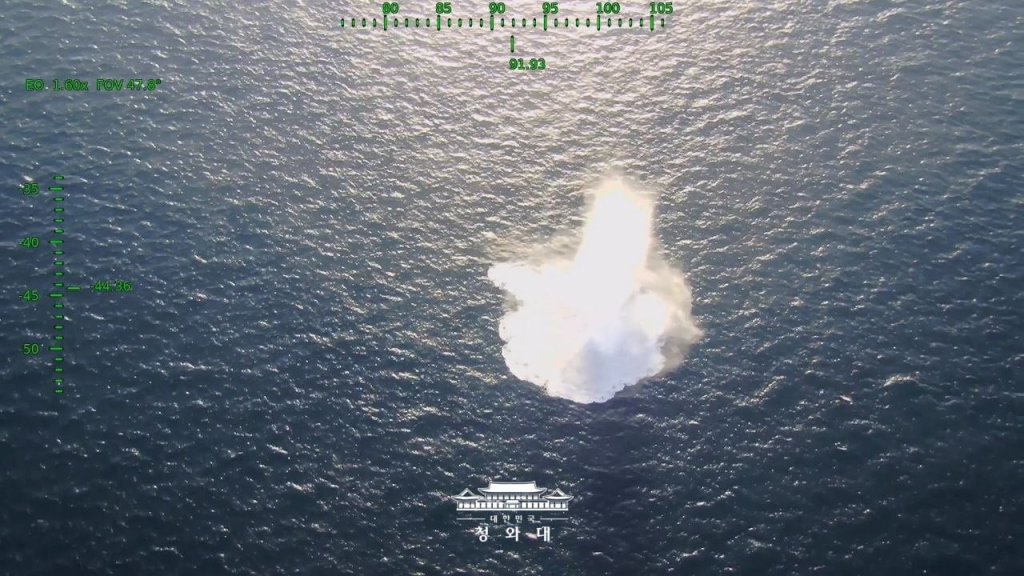

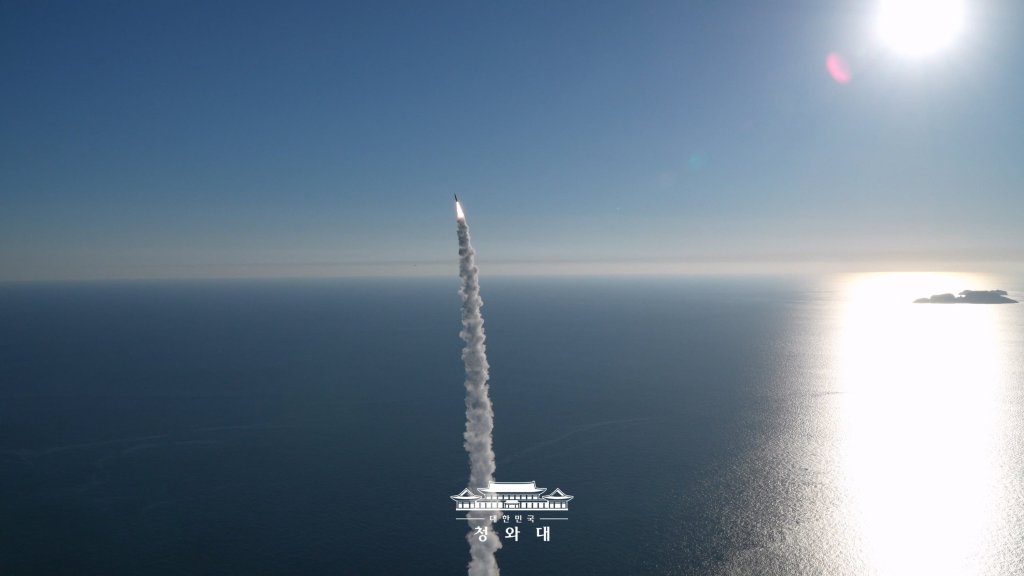
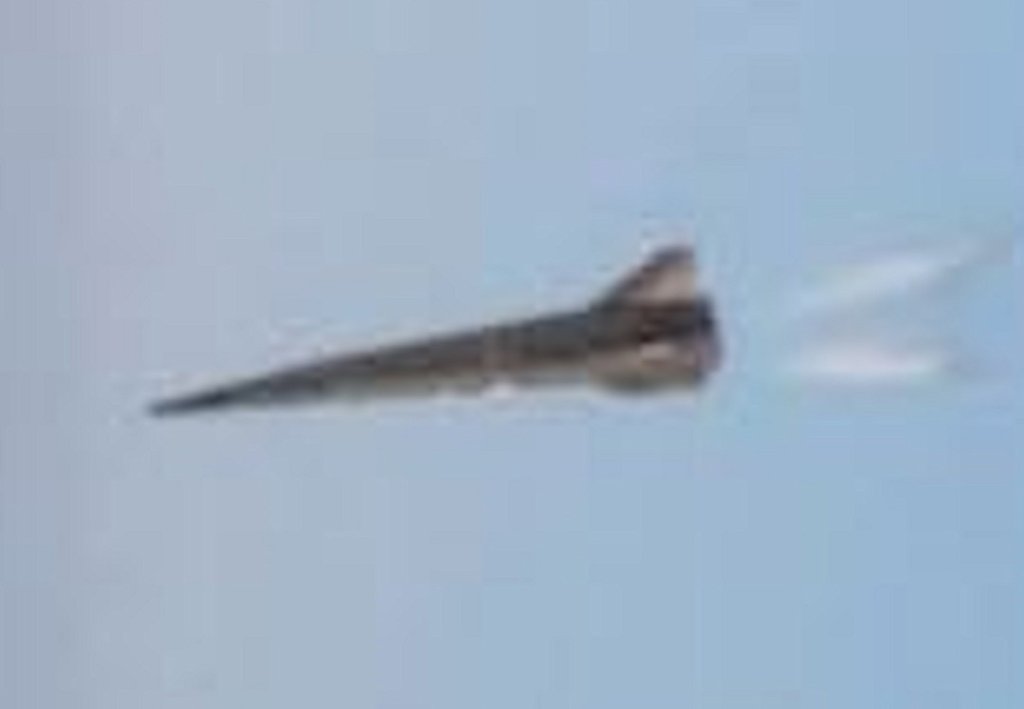
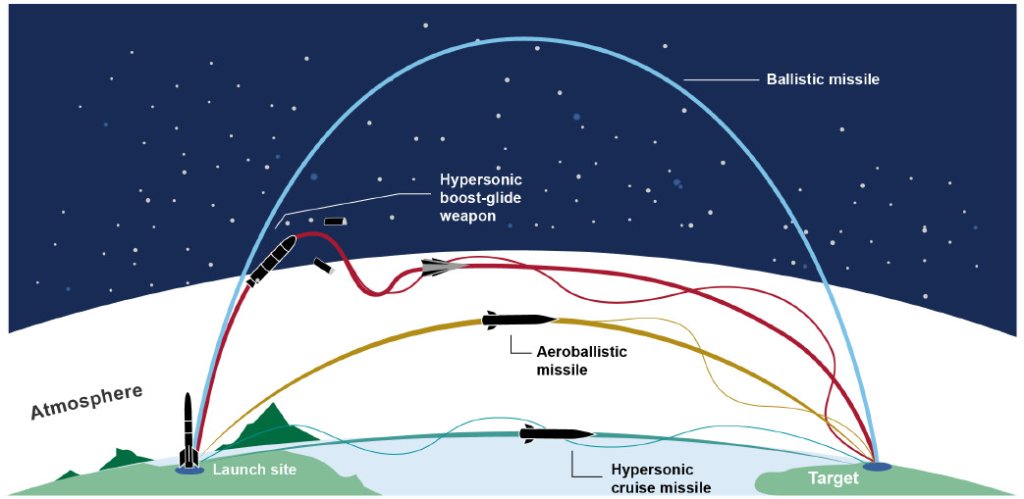
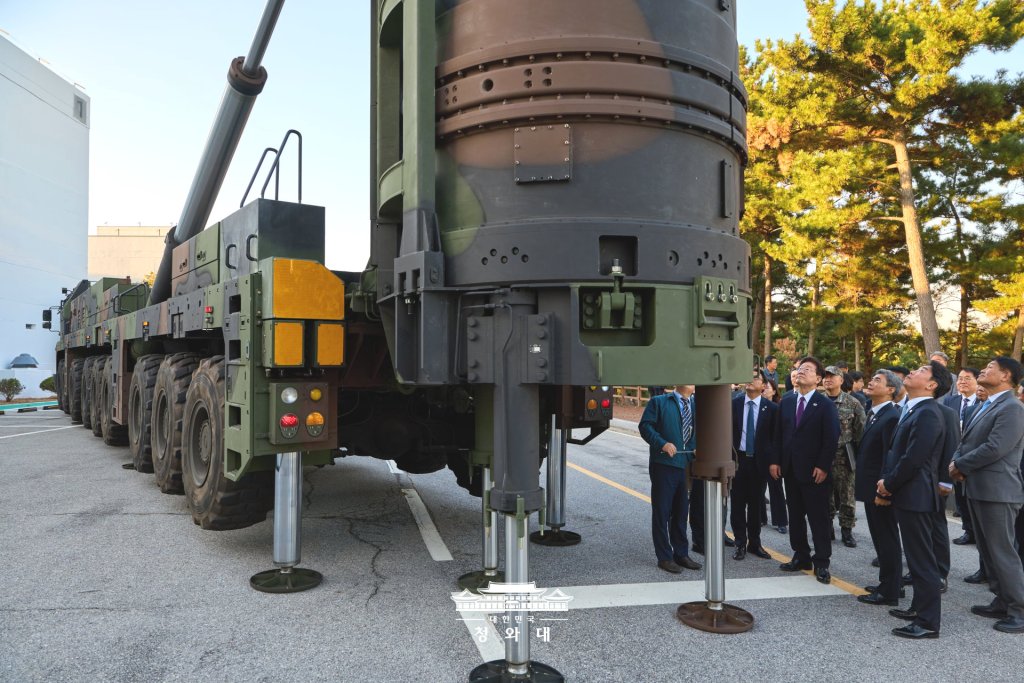
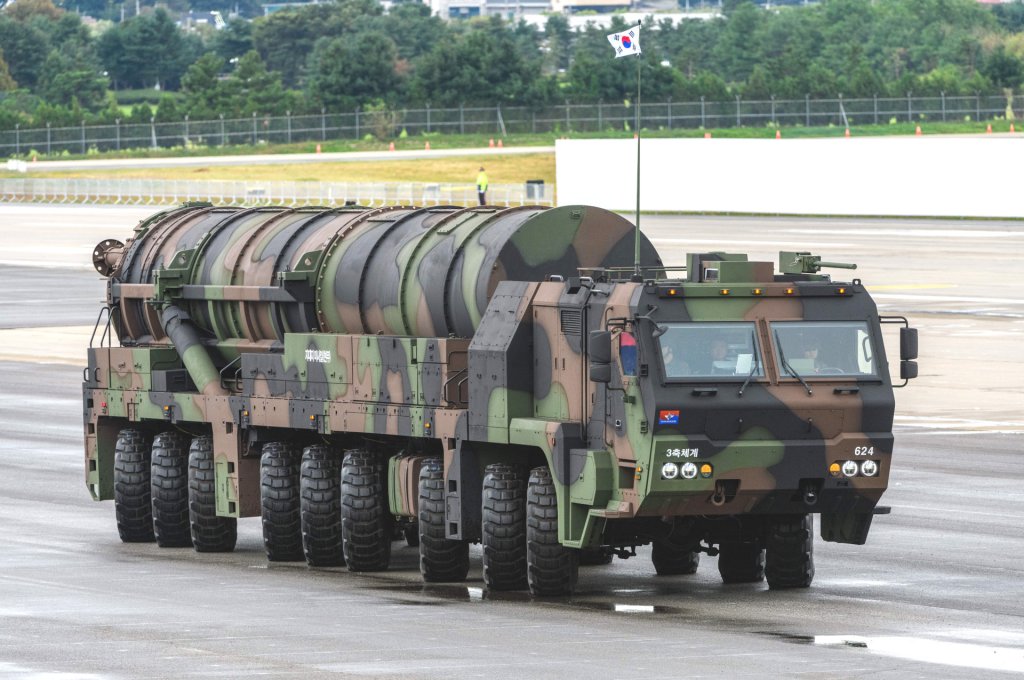
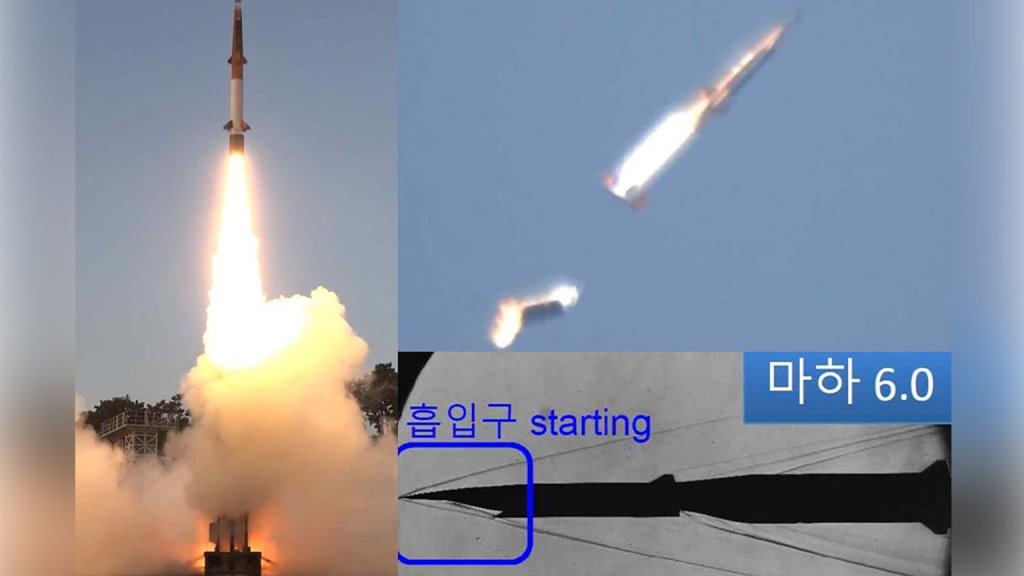
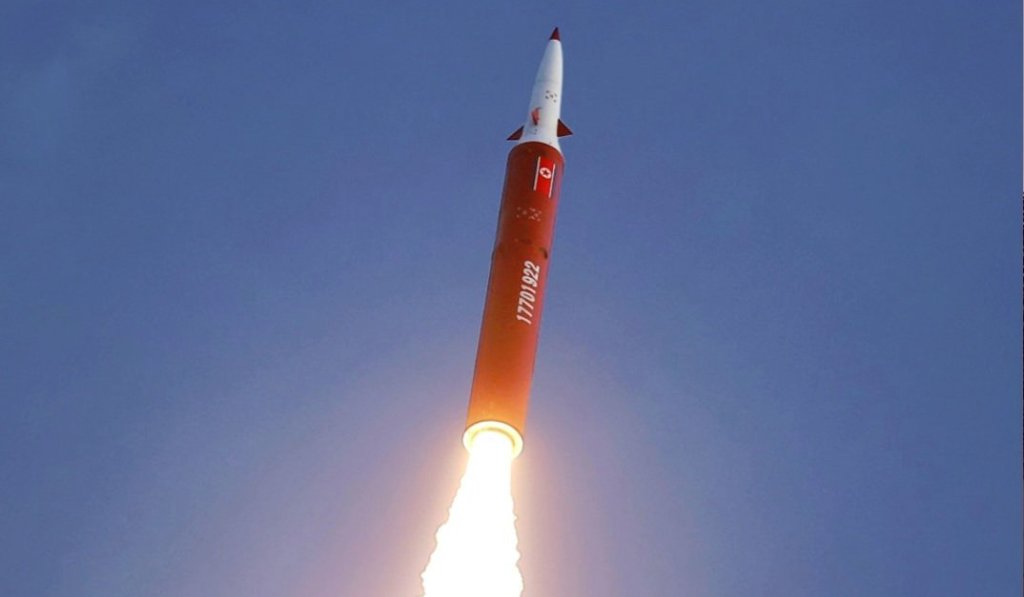

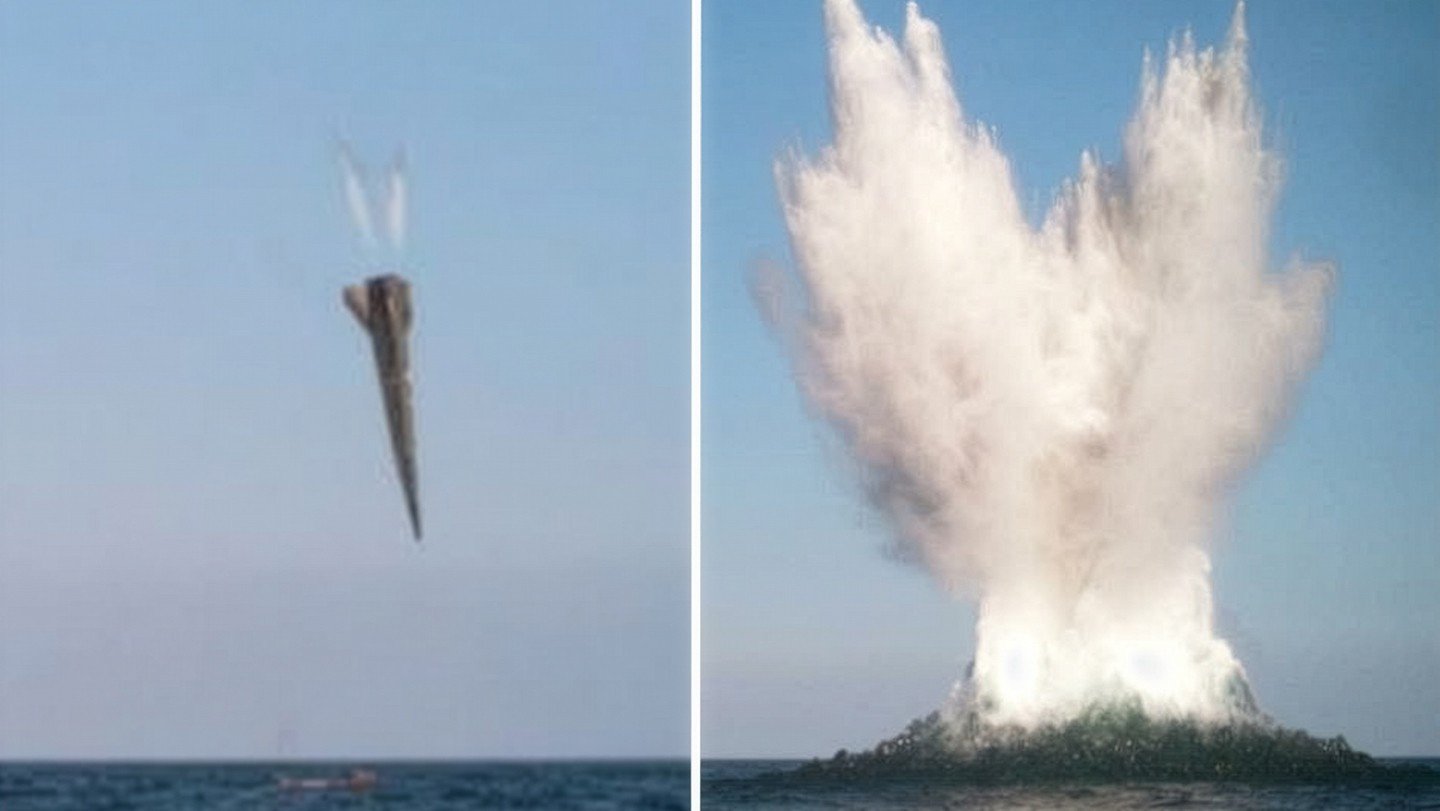
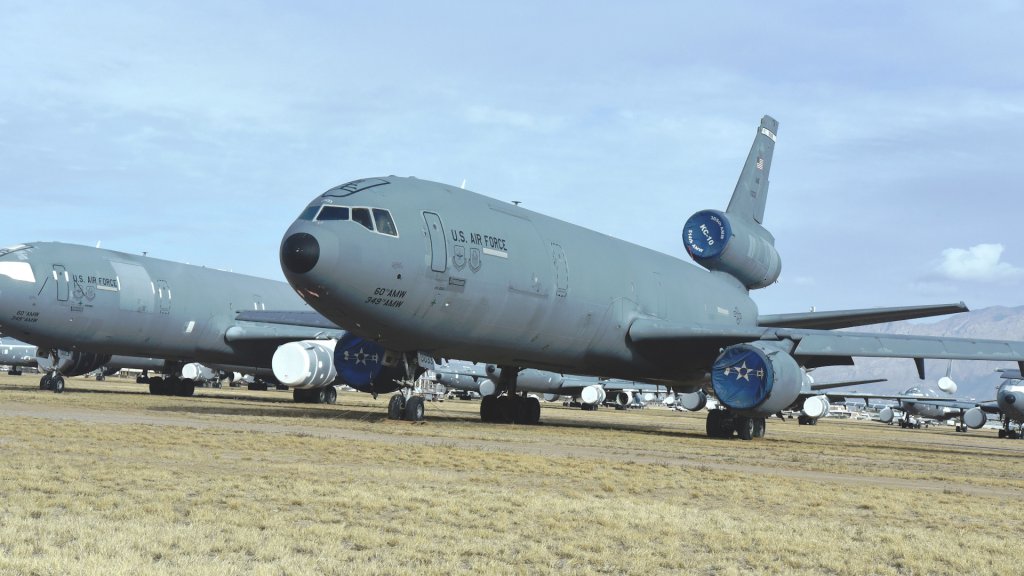
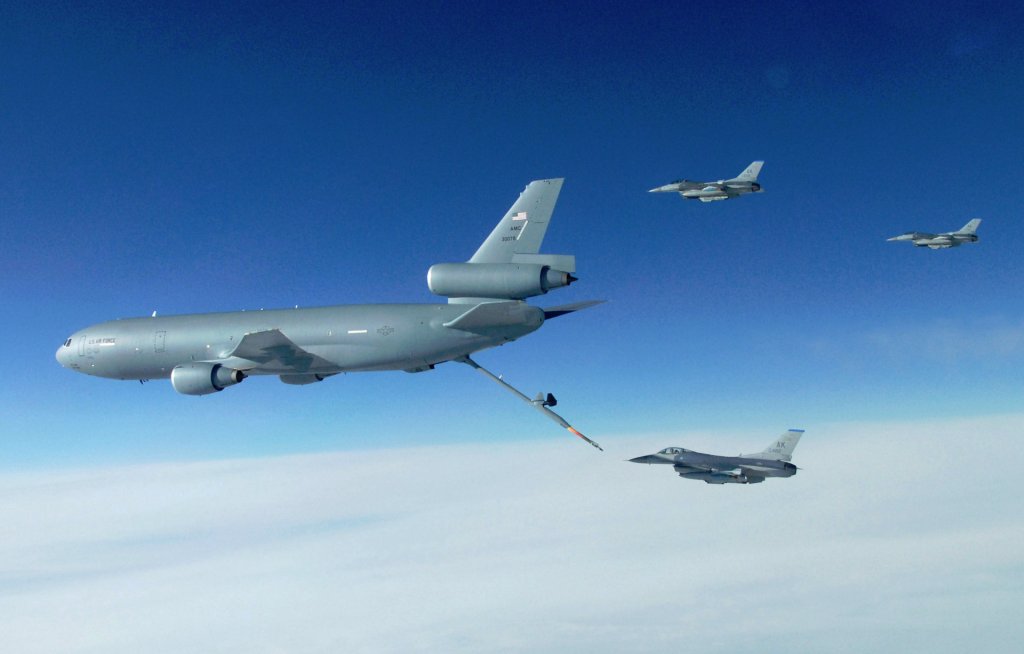
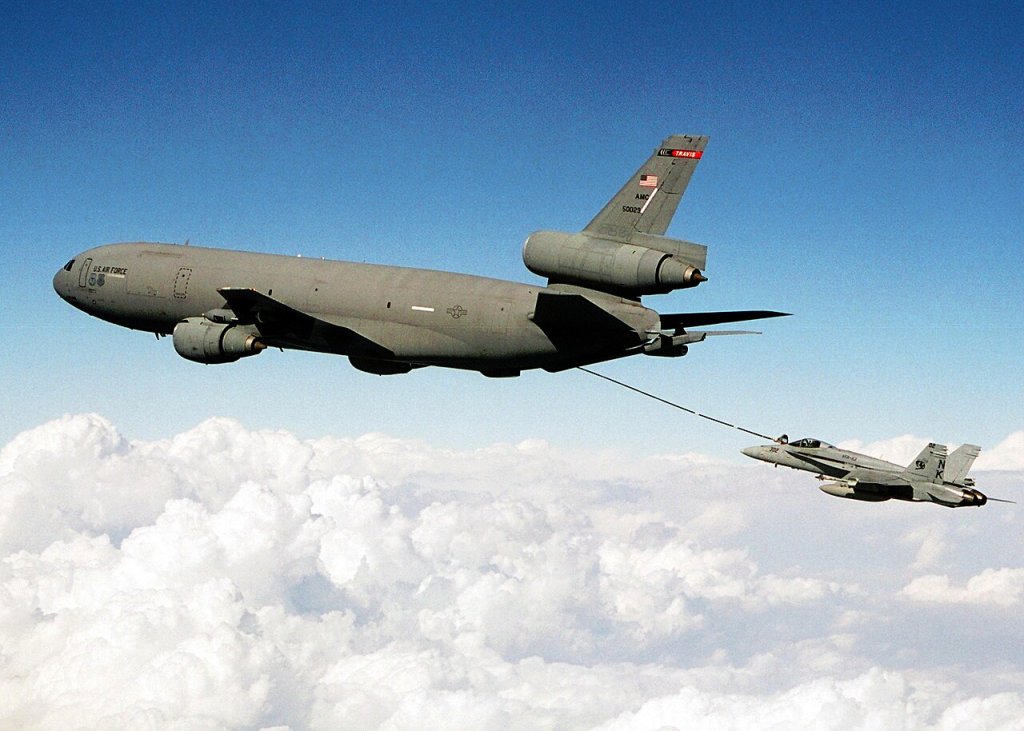

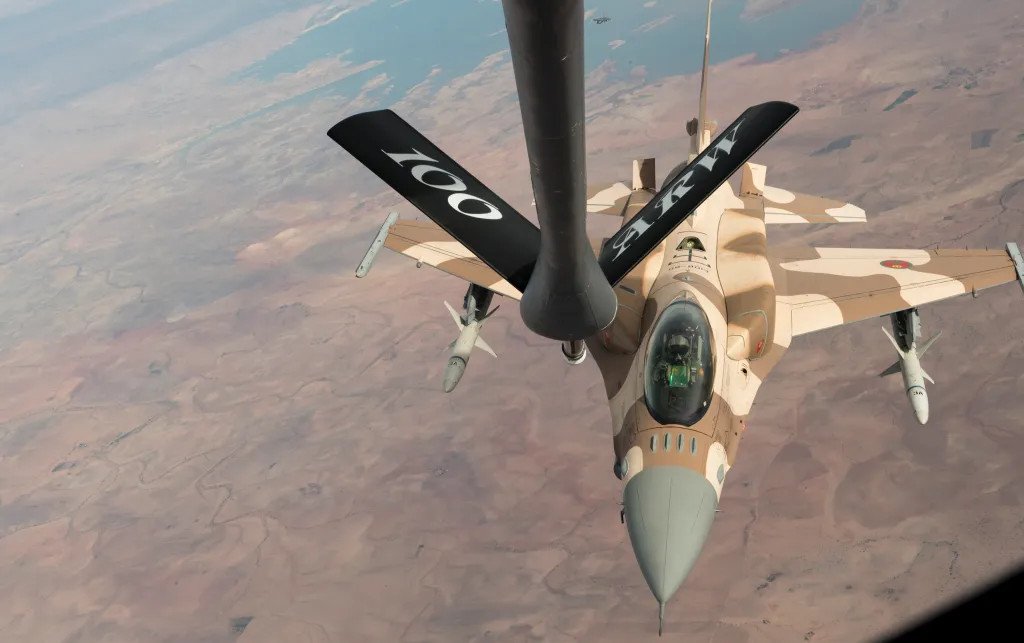
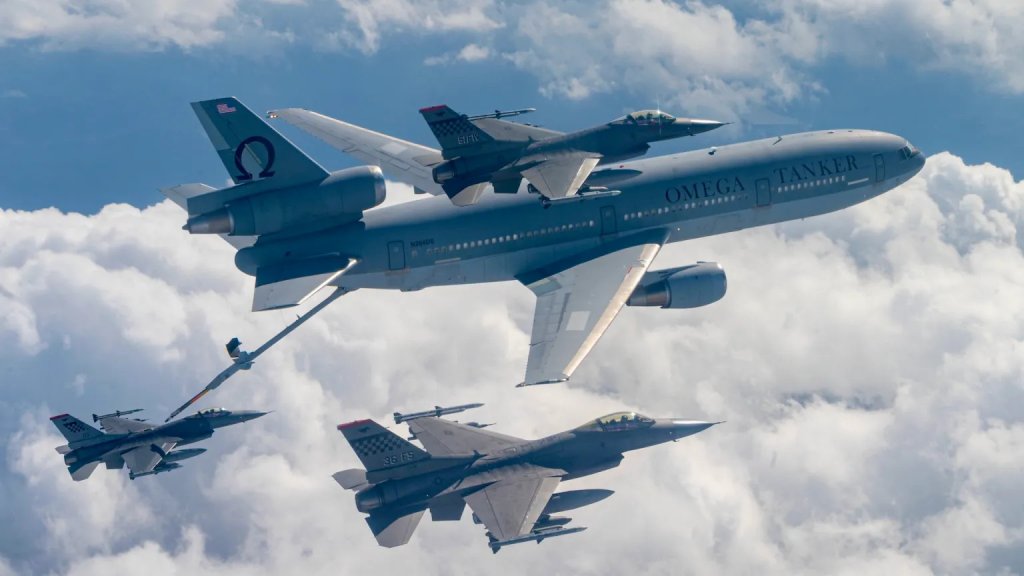
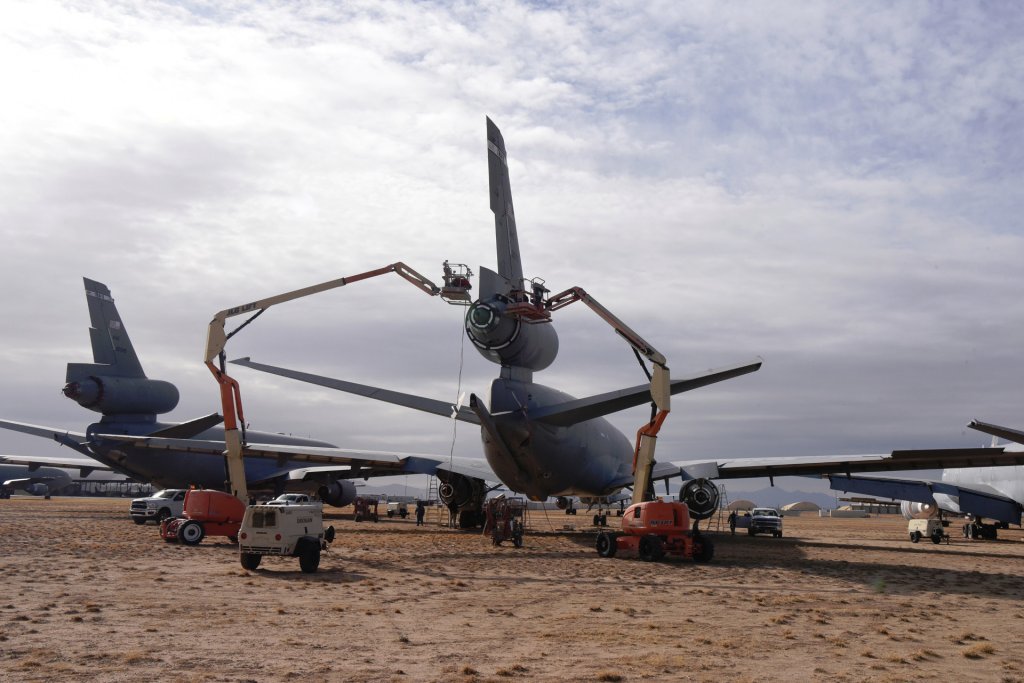
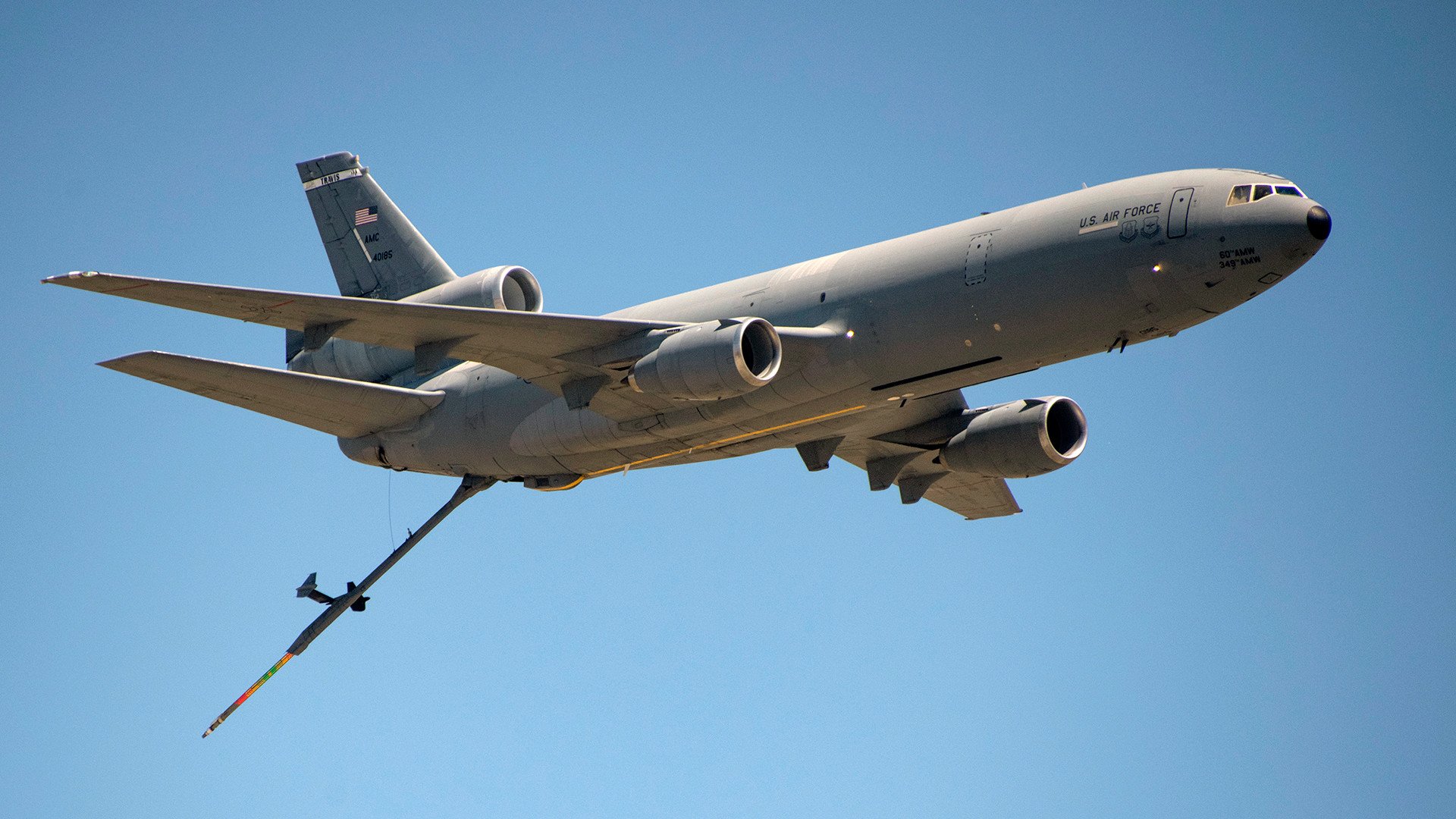
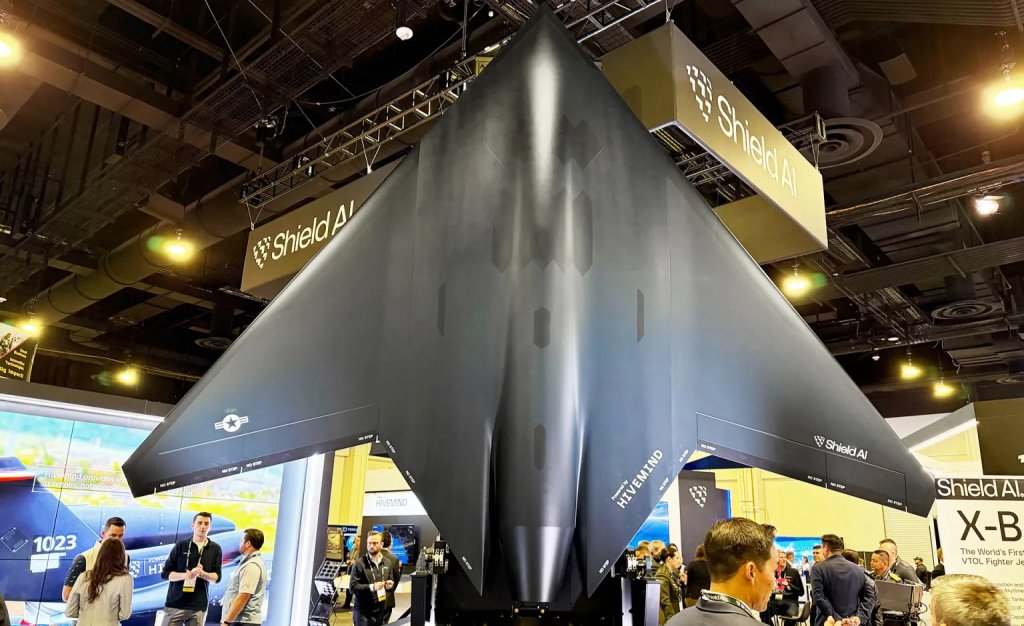
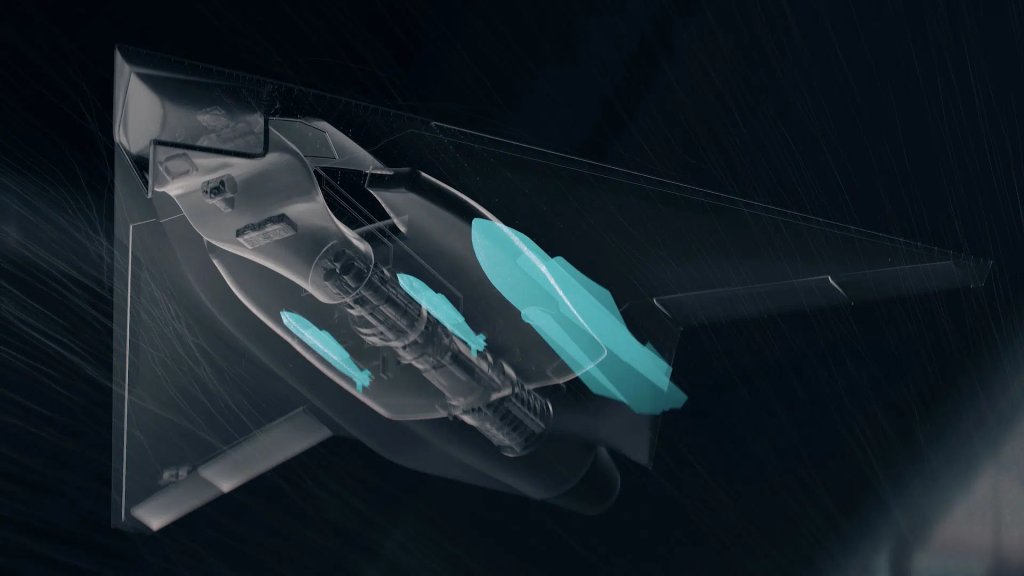
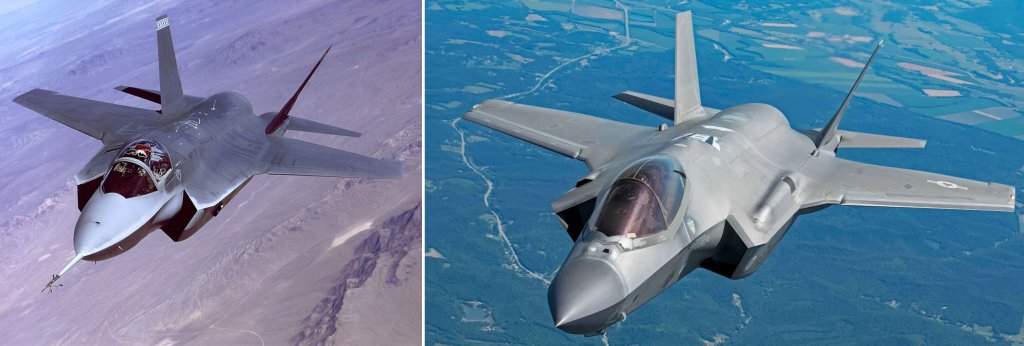


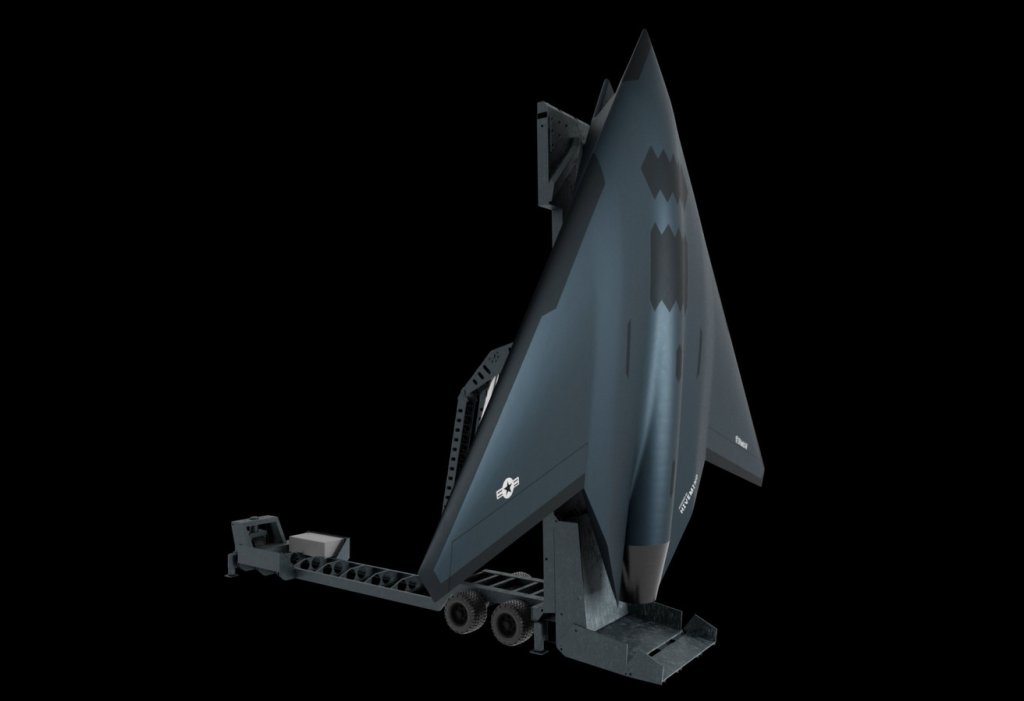
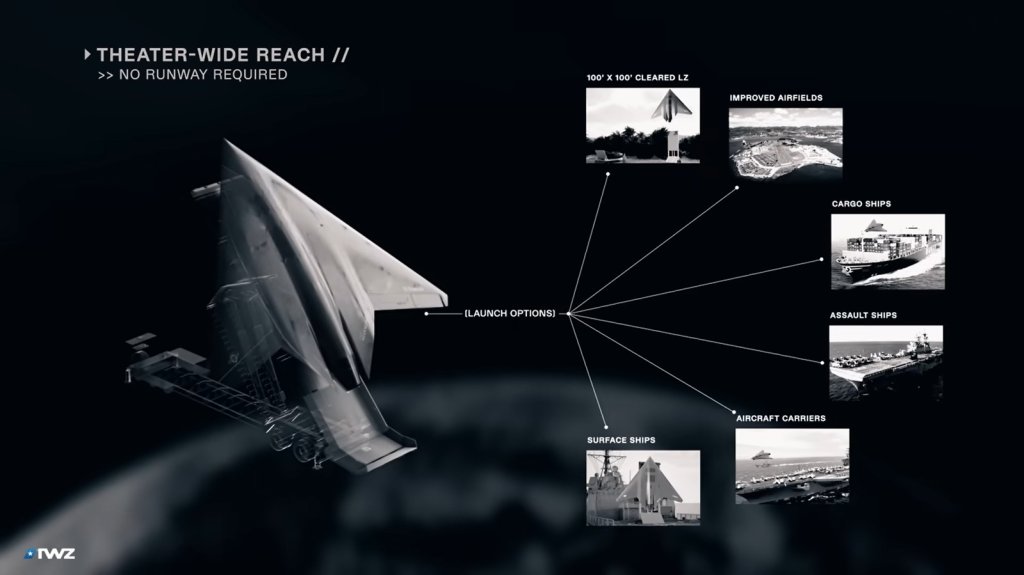

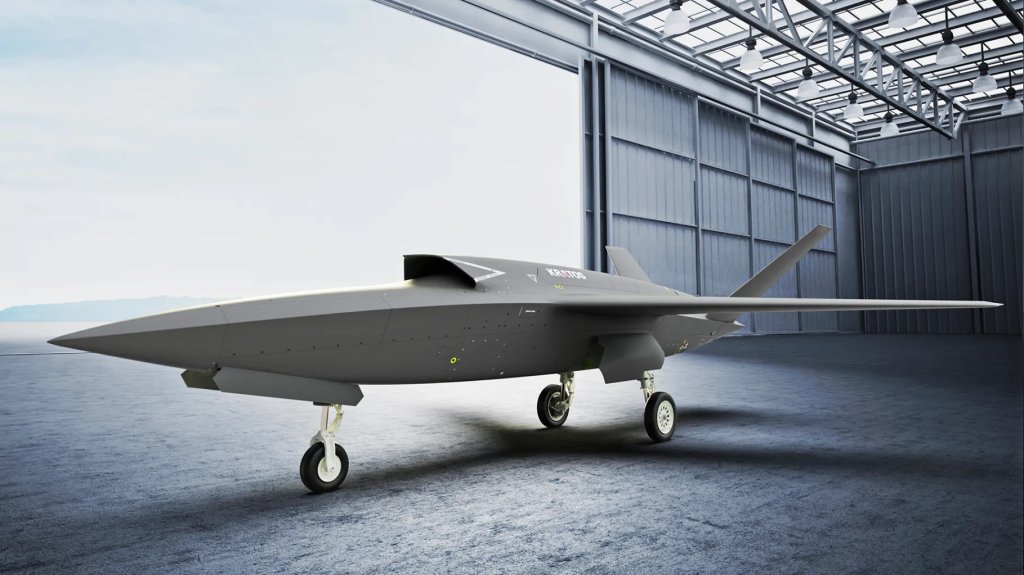
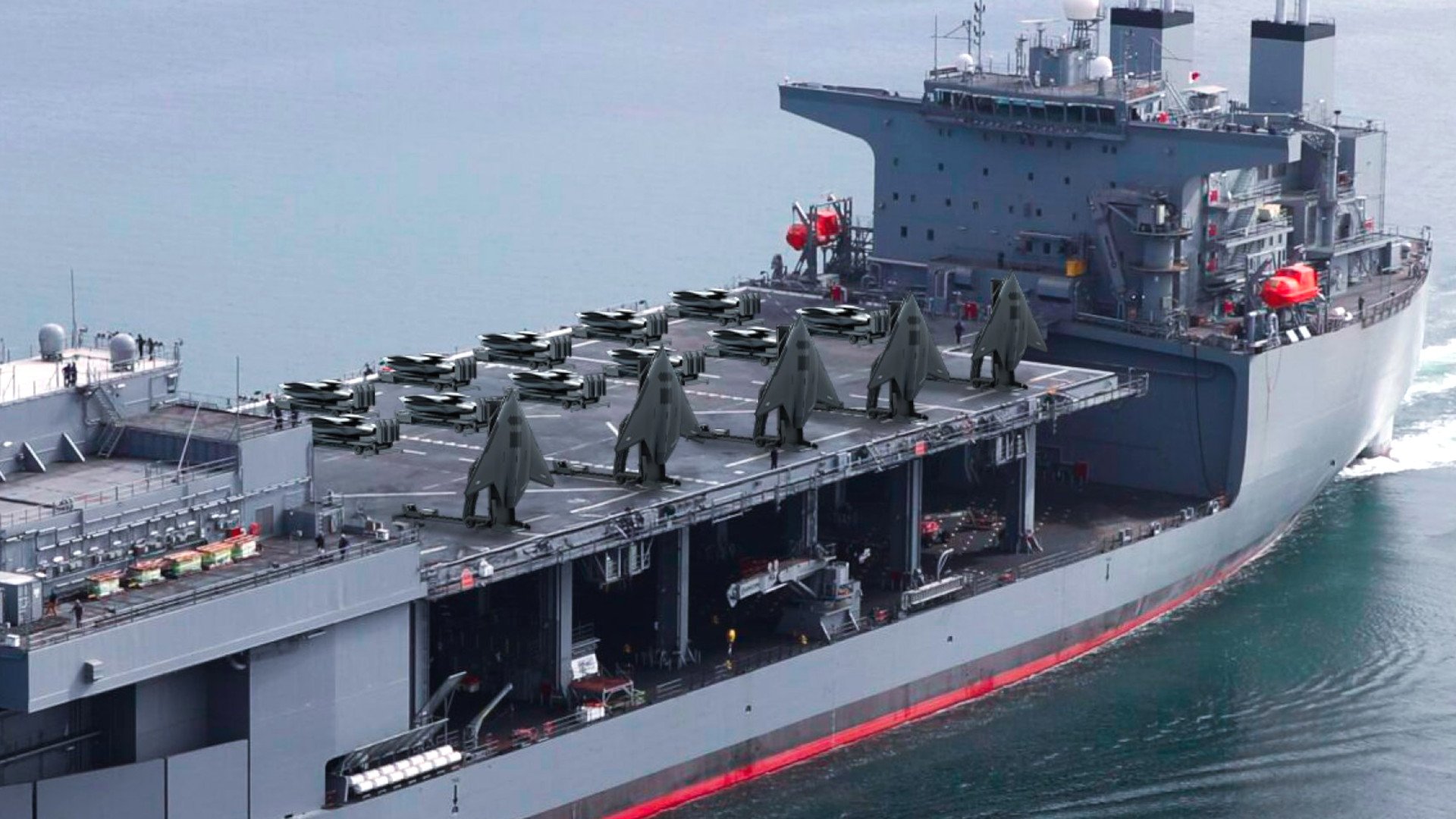


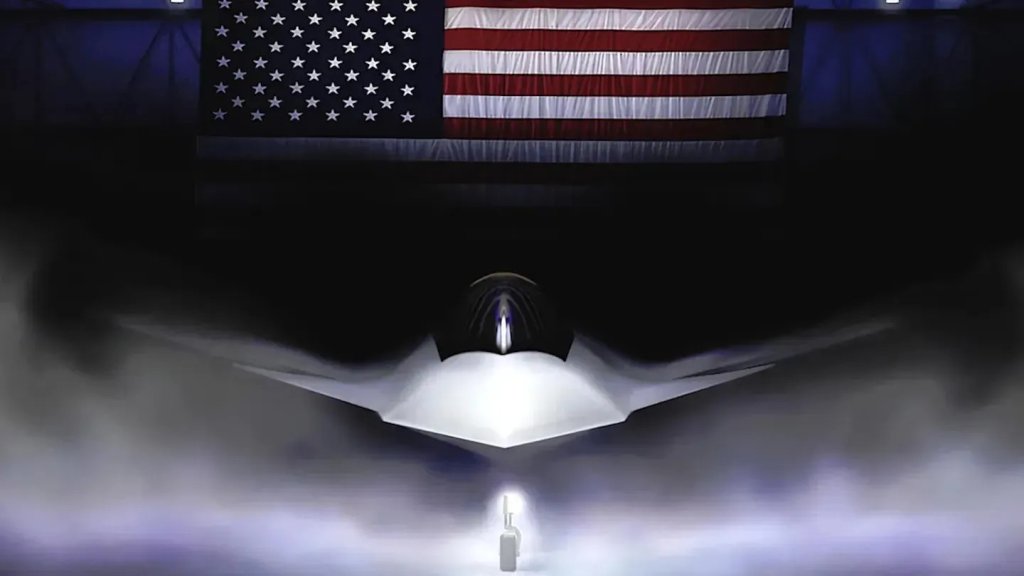
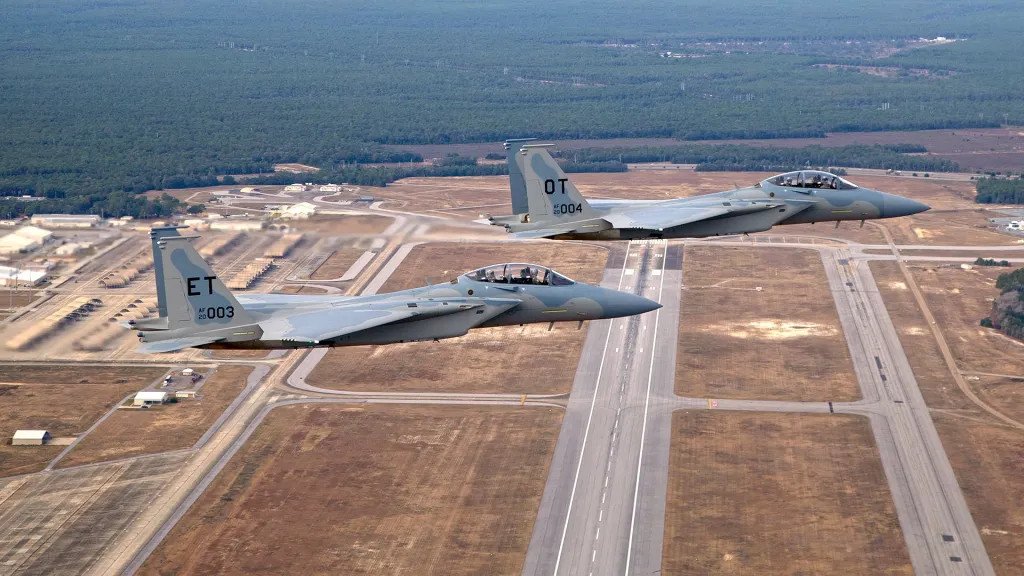
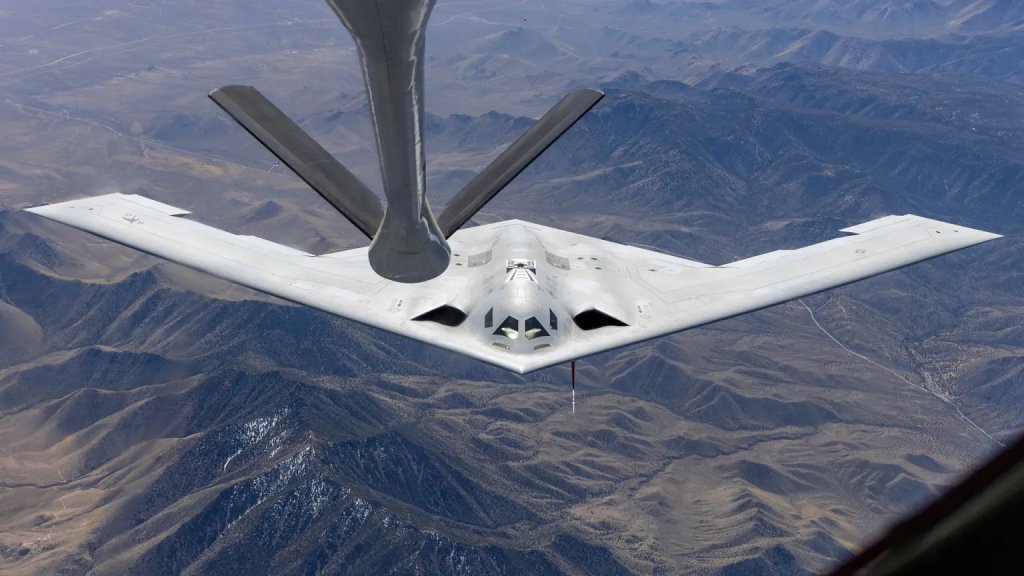

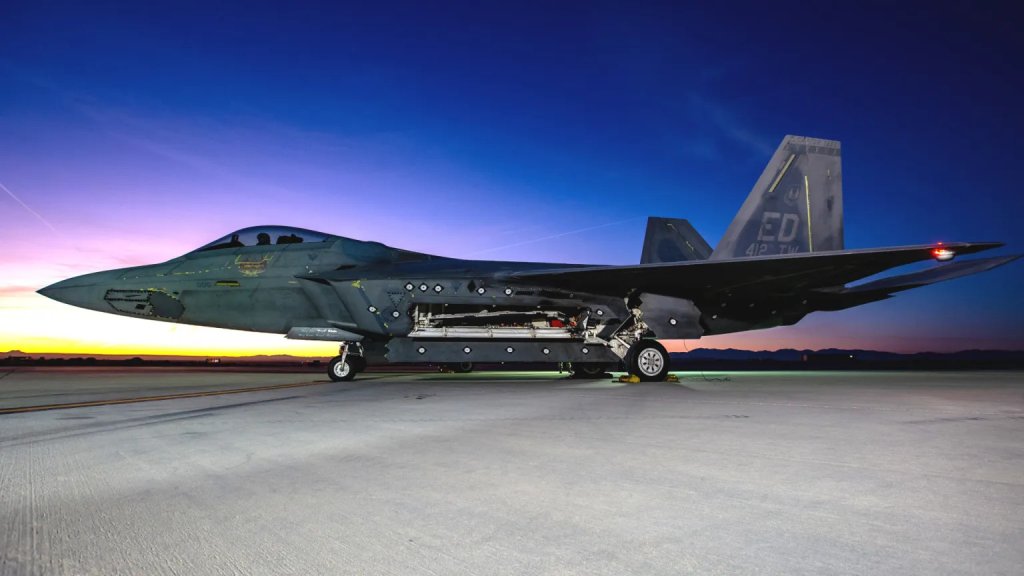



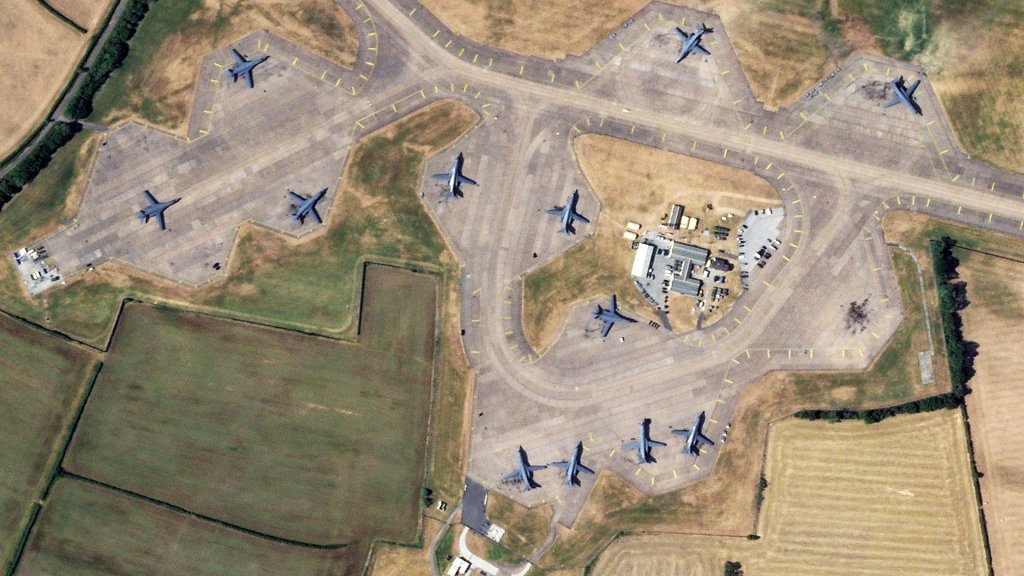
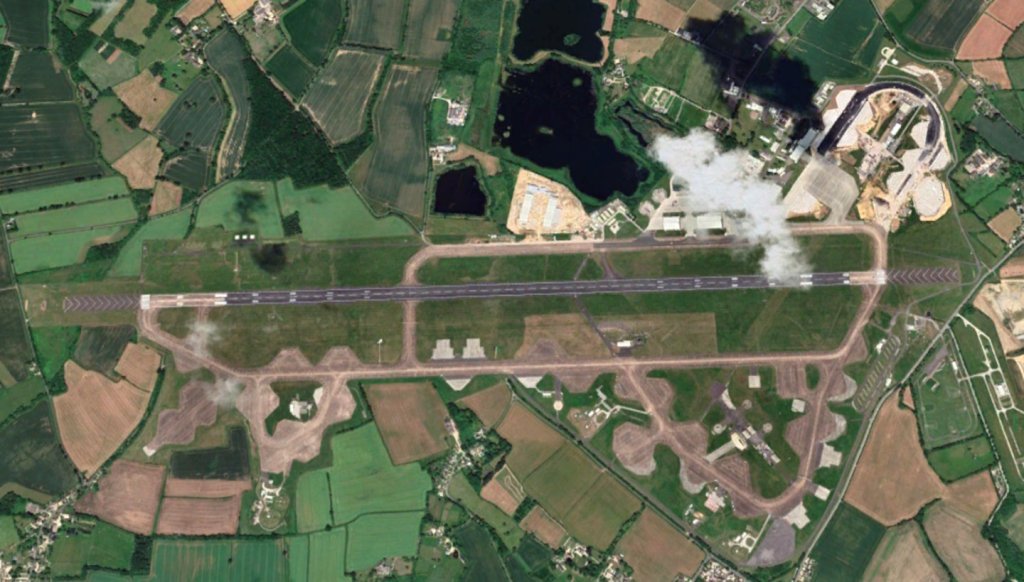

 (@NOELreports)