Volodymyr Zelensky probably did not expect two North Korean prisoners of war to create a diplomatic crisis with South Korea. That is nevertheless what happened. During his September address to the United Nations General Assembly, Zelensky disclosed that two North Korean soldiers captured while fighting alongside Russian forces had been transferred to South Korea. Seoul […]
By Joyce Lee SEOUL, Oct 11 (Reuters) – A South Korean container ship completed the country’s first commercial round trip to Europe via the Arctic on Sunday, as authorities bank on the...
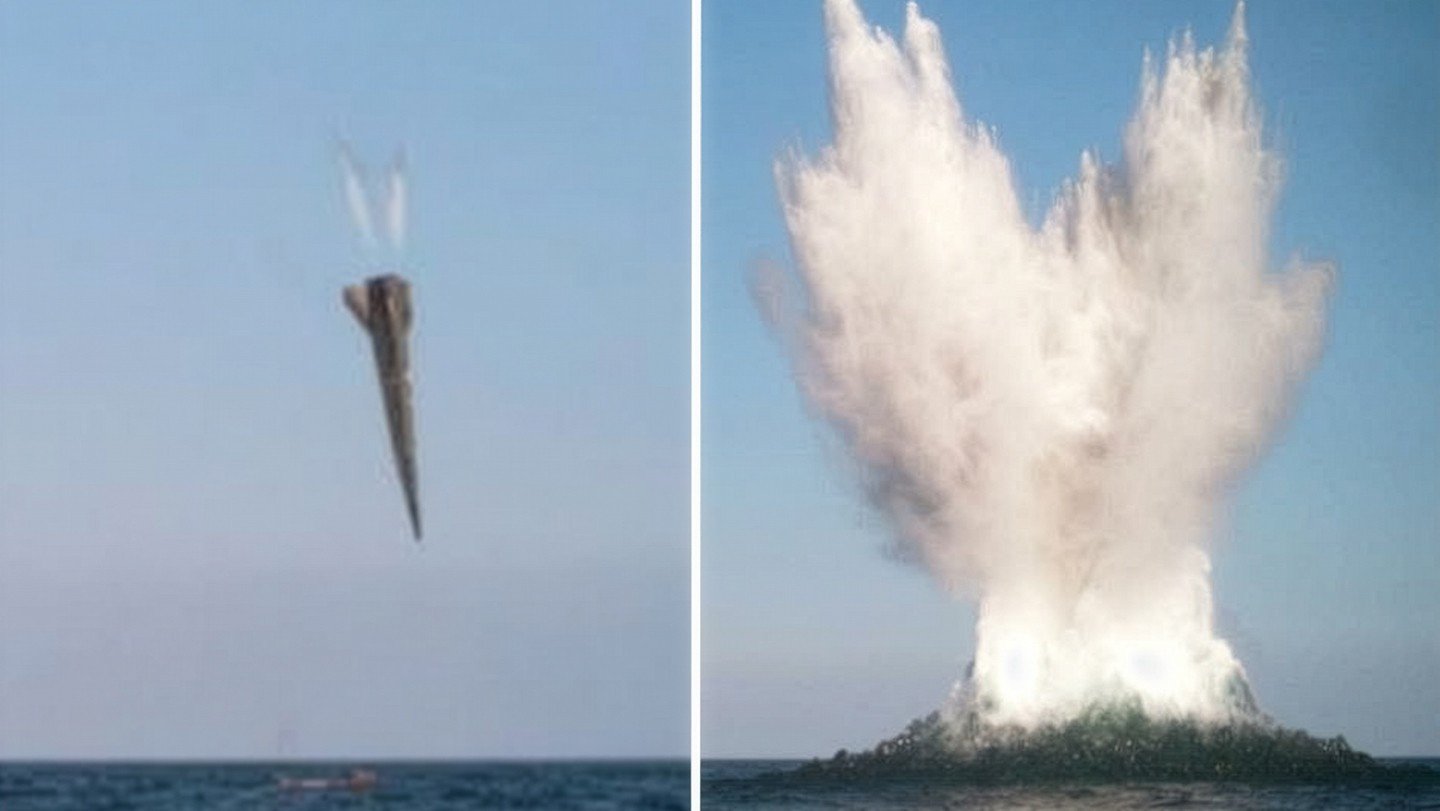
The South Korean government has released images from its first successful test of a domestically developed hypersonic boost-glide vehicle. This includes shots of the vehicle impacting the water at the end of its flight. A weapon of this kind would give South Korea a significant new way to hold targets in North Korea at risk amid an ever-deepening arms race on the Peninsula.
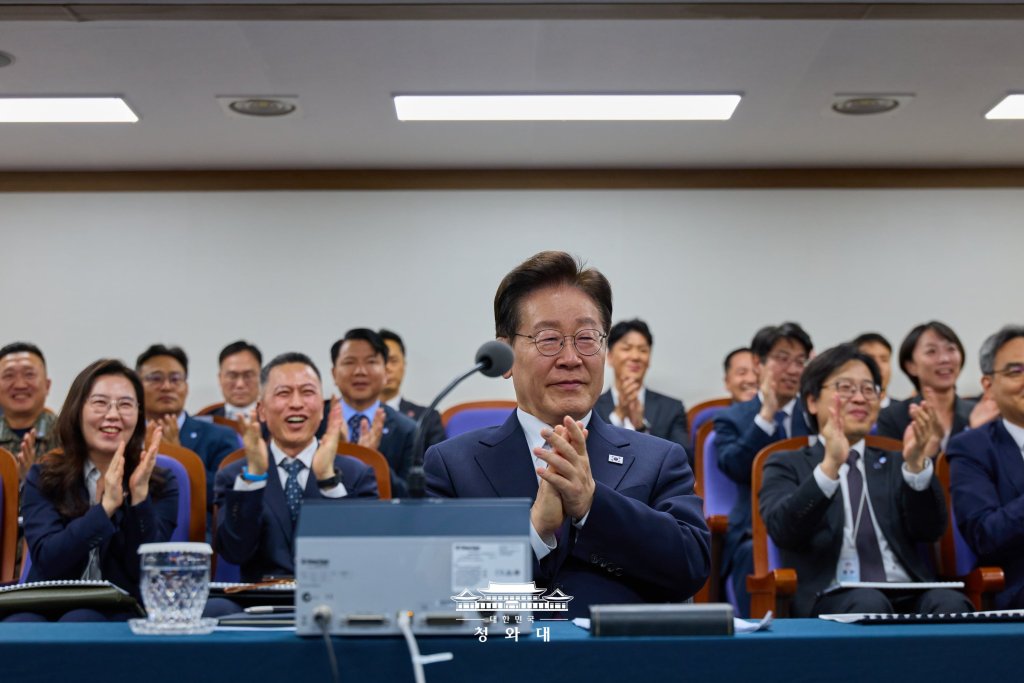
South Korea’s Presidential Office, more commonly referred to as the Cheong Wa Dae or the Blue House, announced the test in a Korean-language press release yesterday. The Blue House initially released a video of President Lee Jae Myung and others observing the test from a conference room at the Anheung Proving Ground, which is located in South Chungcheong Province on the country’s western coast. South Korea’s Agency for Defense Development (ADD) manages testing at Anheung. A series of still images from the test itself was subsequently posted on the Blue House’s website.
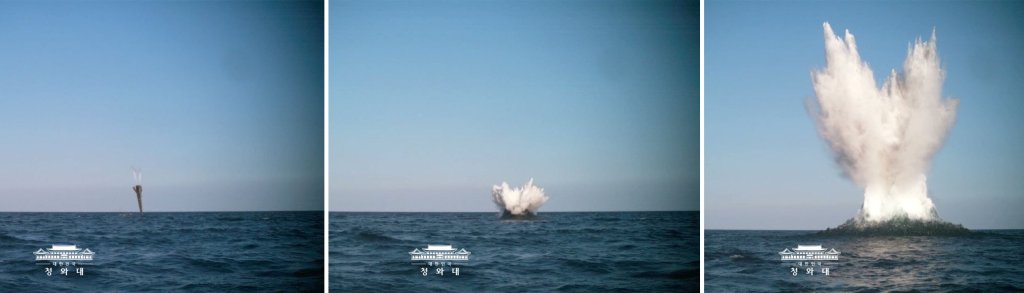
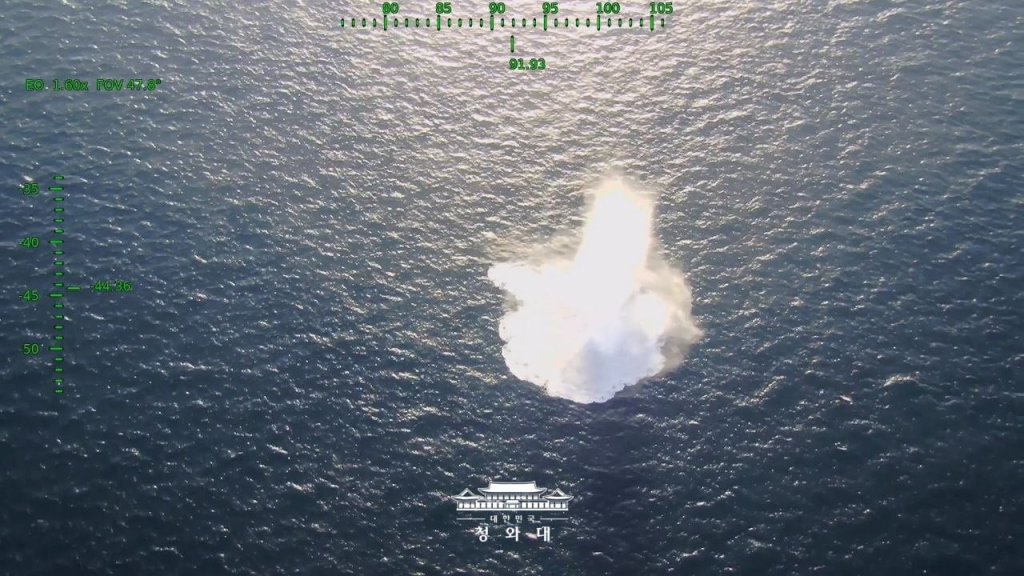
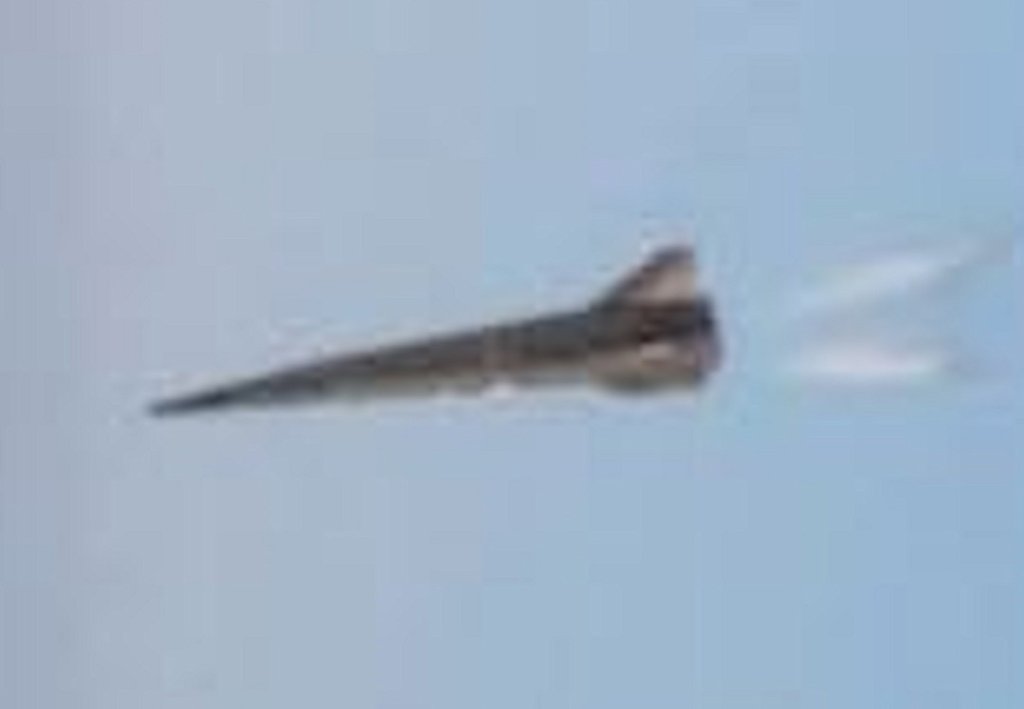
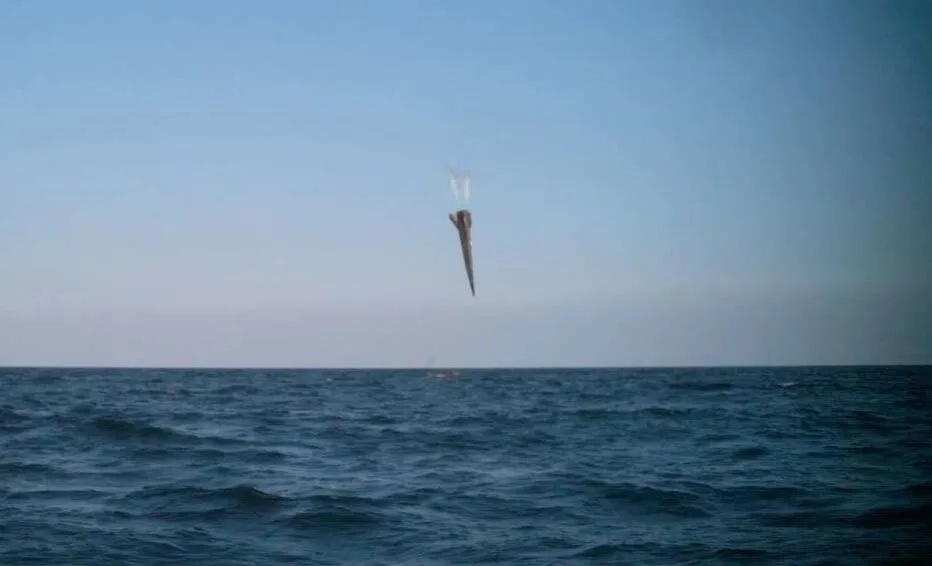
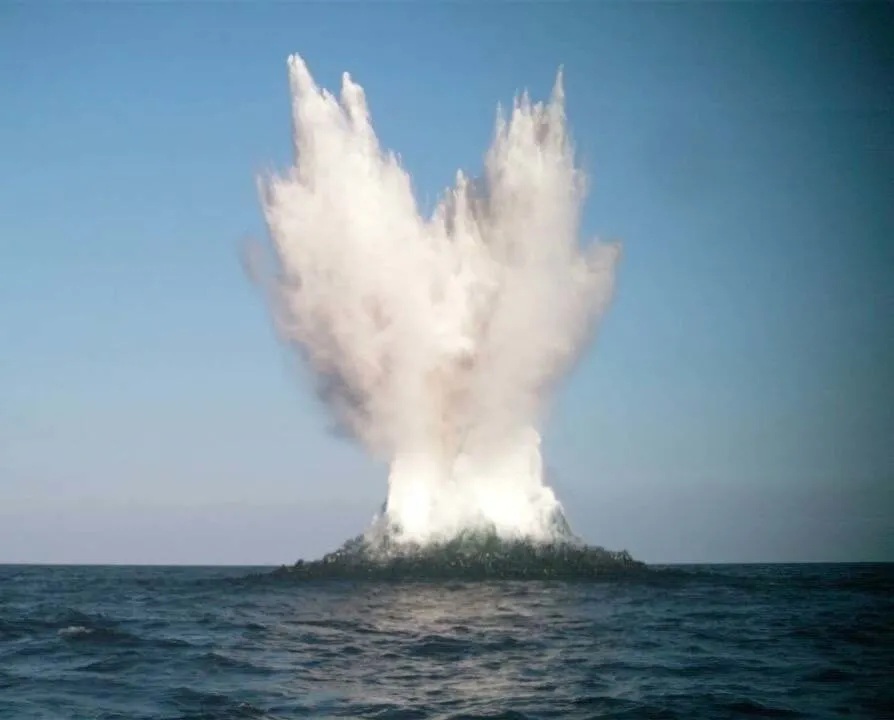
A trio of pictures showing South Korea’s new hypersonic boost-glide vehicle impacting the water during the test yesterday. The Blue HouseAnother view of the impact at the end of yesterday’s South Korea hypersonic test as seen through what looks to be an electro-optical video camera on an aircraft. The Blue House
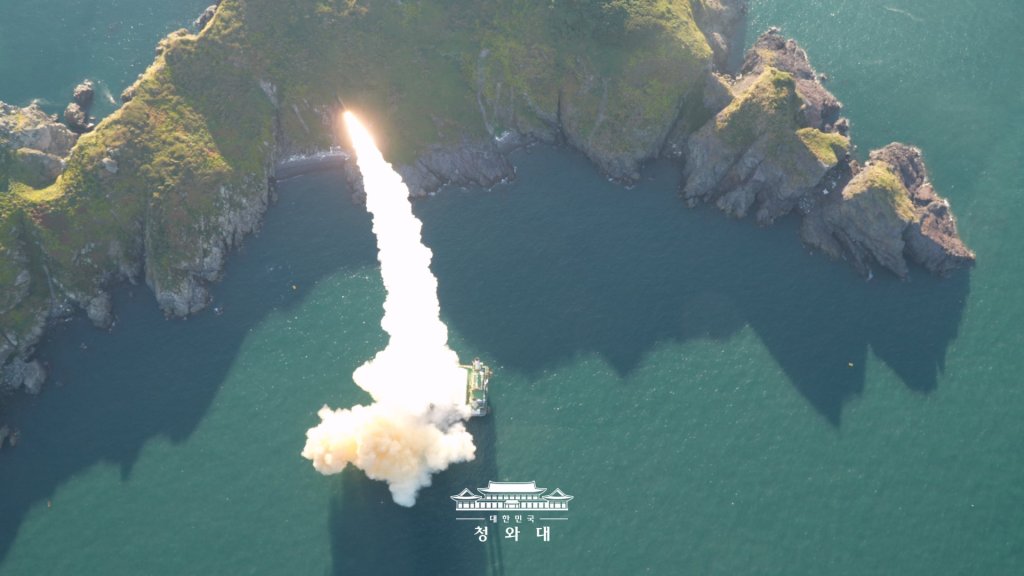
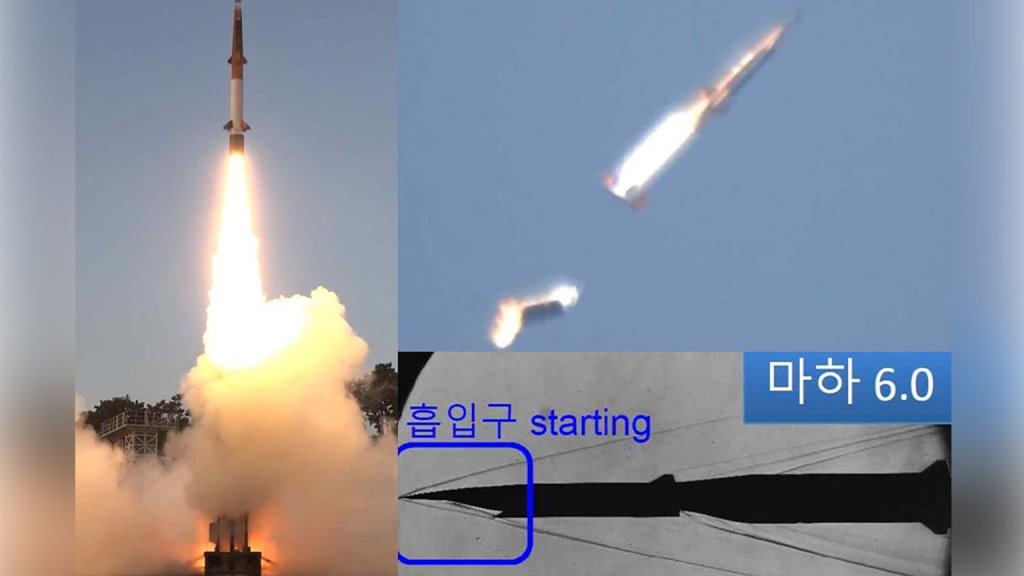
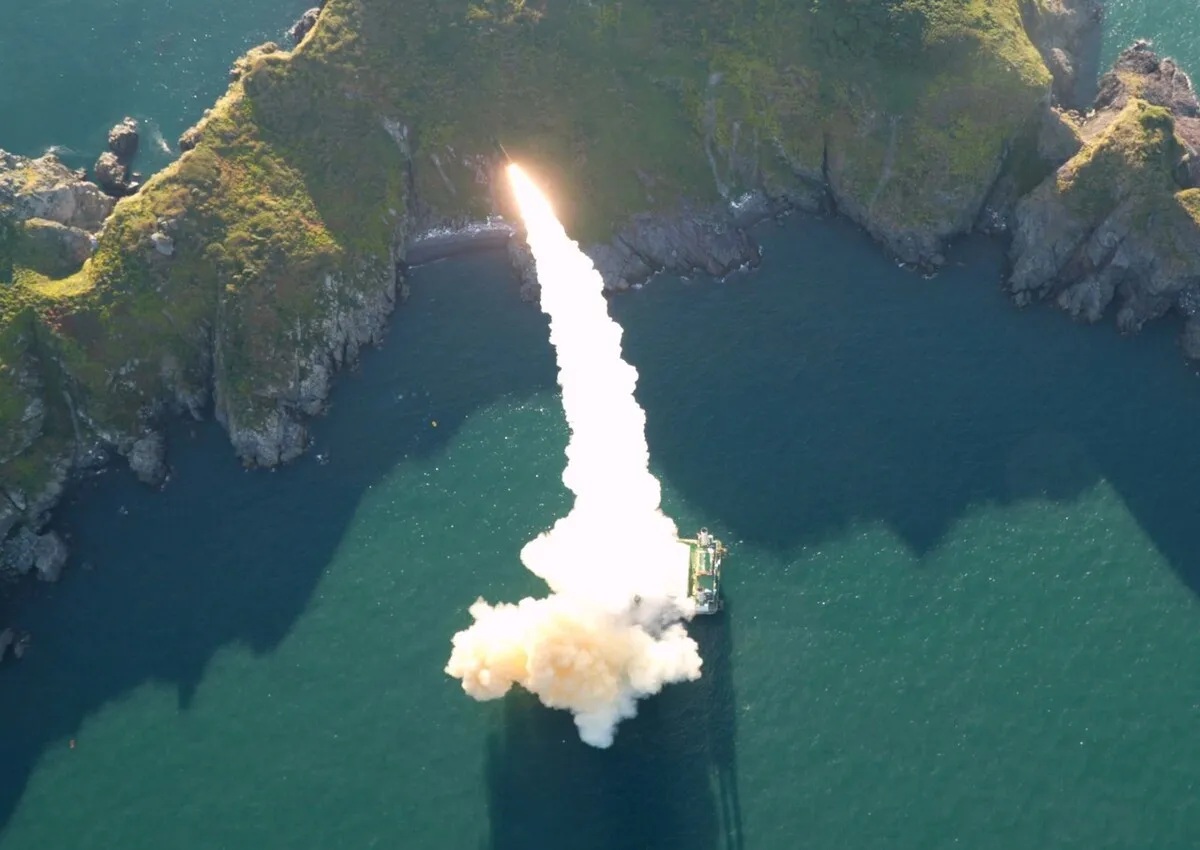
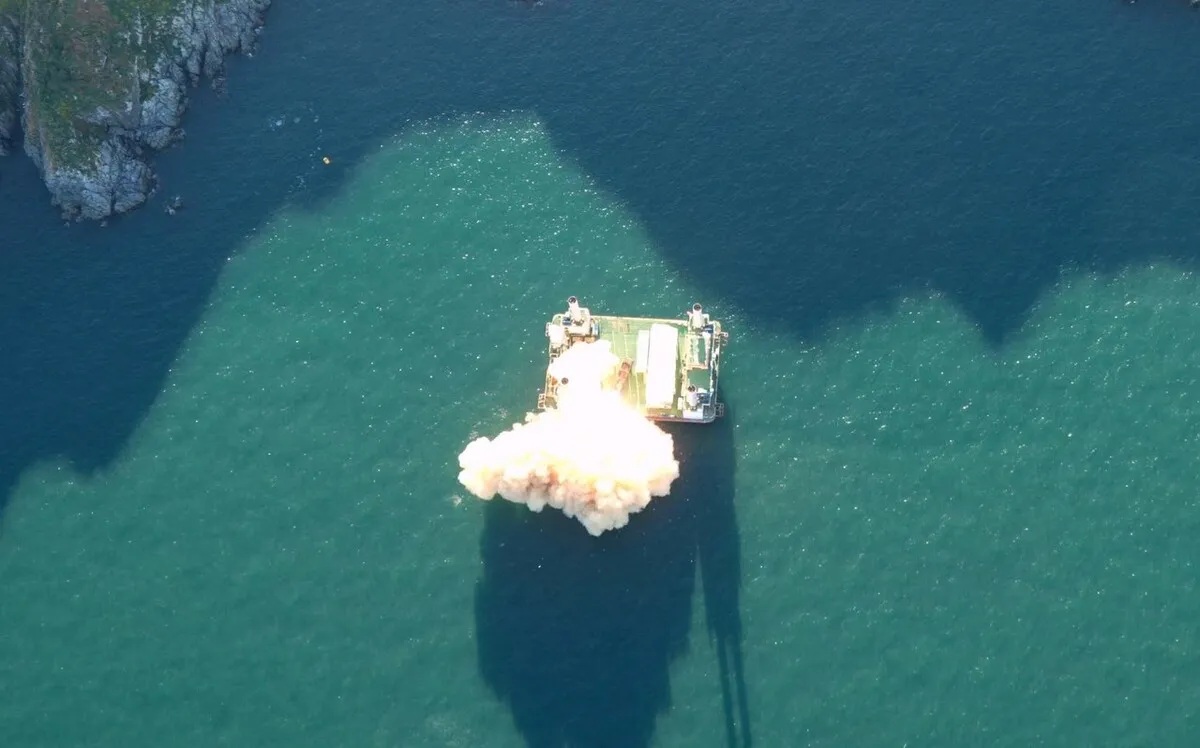
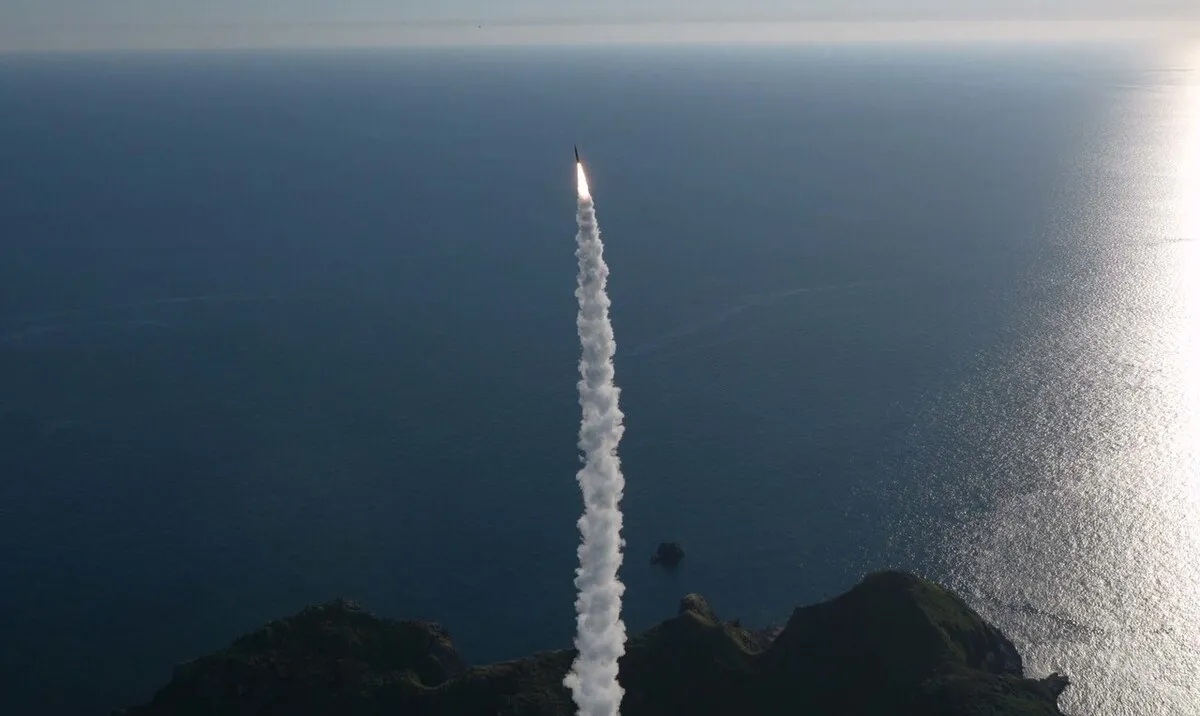
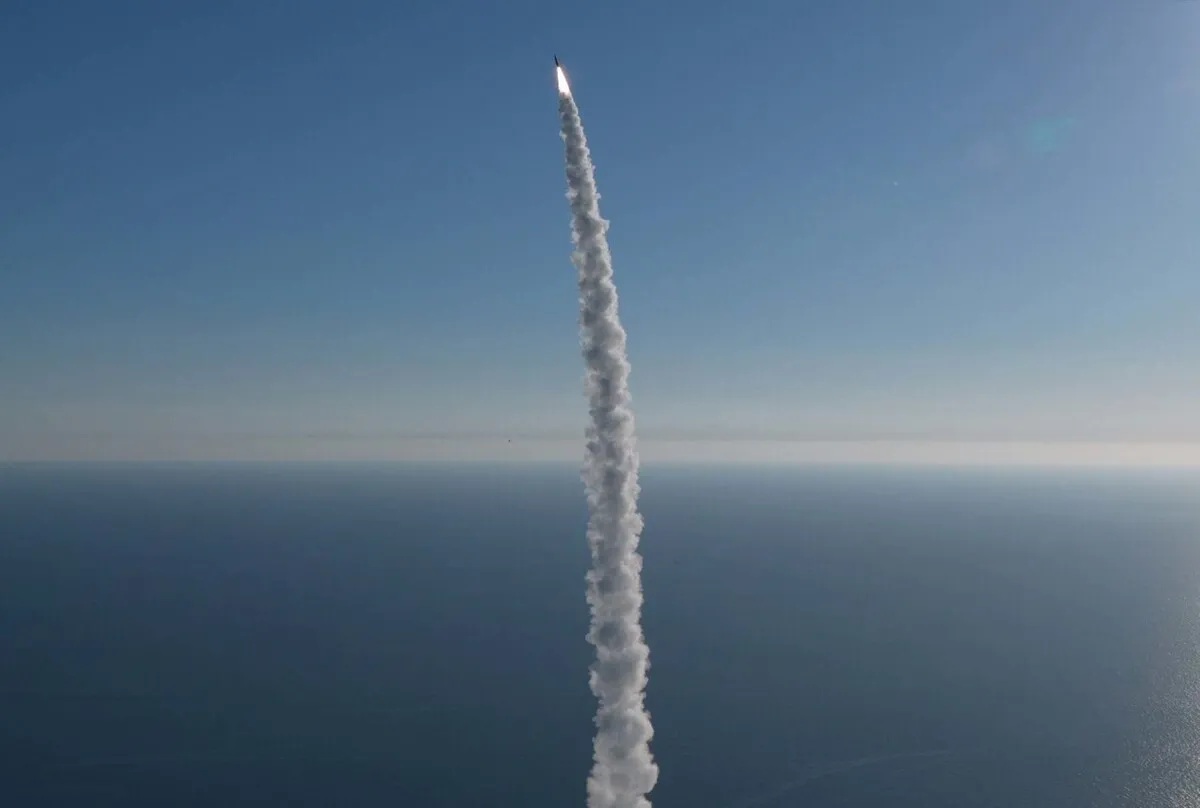
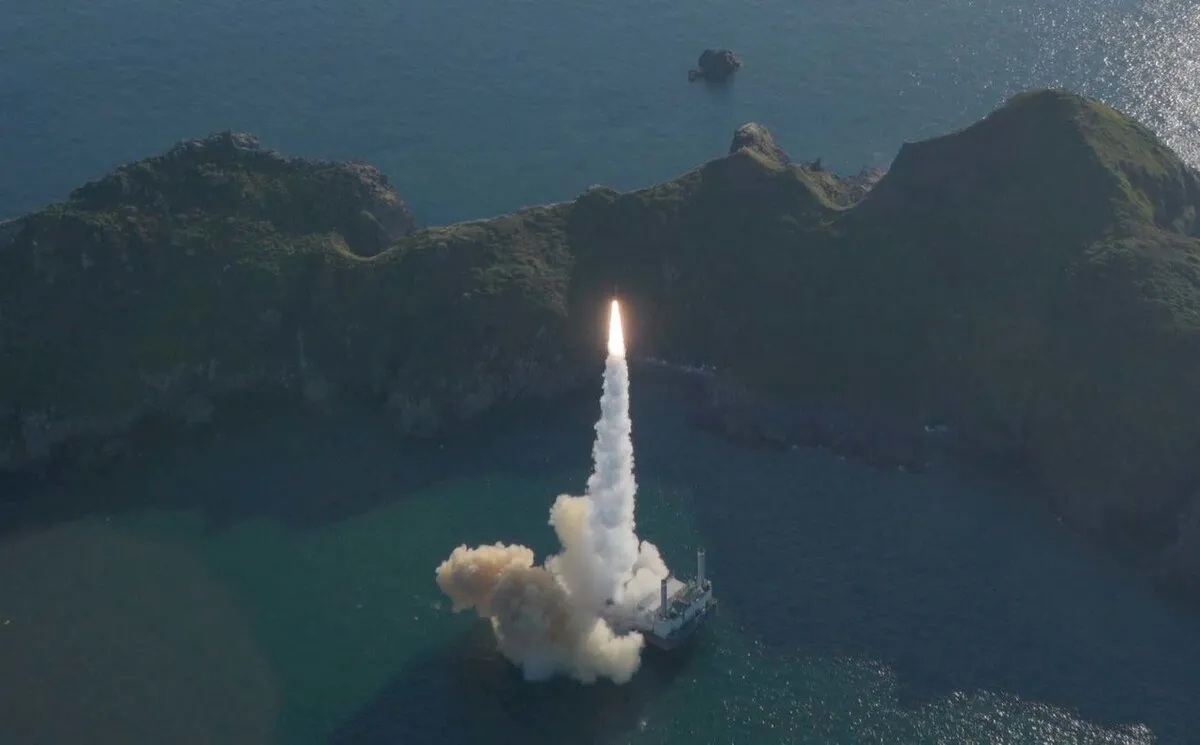
Included in the still image gallery are shots showing the launch of the missile, a formal name for which has not yet been disclosed, from a wheeled transport-erector-launcher on a platform sitting just off the coast. The low resolution of the pictures makes it hard to tell whether the missile and/or the TEL are of an existing South Korean design or are based on one. We will come back to this later on.
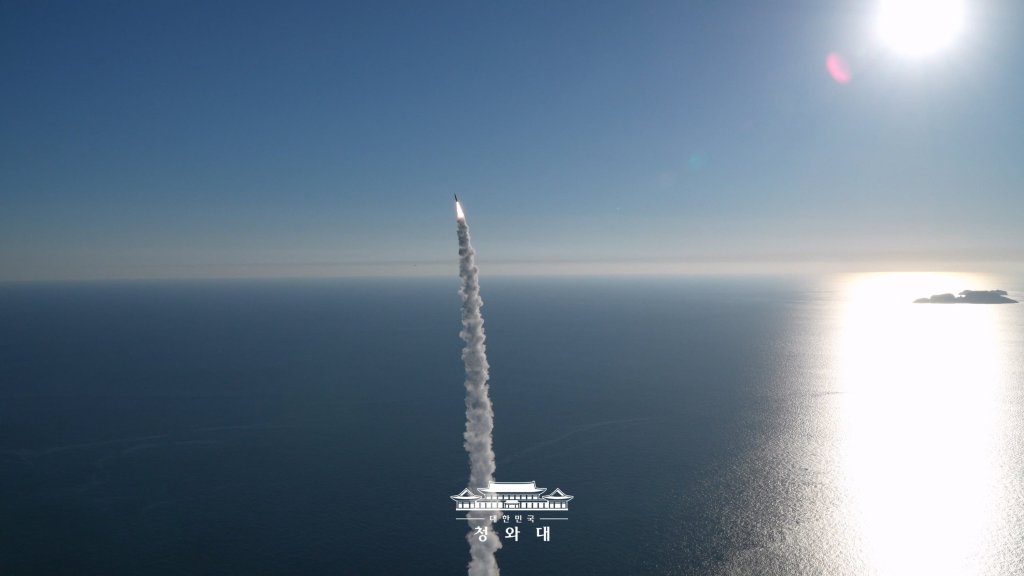
A picture showing the launch of the hypersonic weapon from the platform off the coast. The Blue HouseAnother picture from the test showing the missile after launch. The Blue House
As mentioned, there are also pictures of the hypersonic boost-glide vehicle hitting the water. At first glance, the vehicle looks to have a broadly conical design with stabilizing fins at the base. However, at least one of the fins looks to be truncated. Closer inspection of the available images shows further indicators that might point to it actually having a more wedge-shaped design with a distinct top and bottom, though it is still not definitely clear given the low resolution. Conical boost-glide vehicles are generally understood to be easier to design, relatively speaking, than wedge-shaped ones. Historically, hypersonic boost-glide vehicles of any kind have proven to be technically complex and challenging to turn into viable operational weapons, even by countries with extensive past experience with their development.
Another close-up look at the hypersonic boost-glide vehicle test yesterday, showing what looks to be a truncated fin on one side. The Blue House
“This test launch was conducted to verify, for the first time, the vehicle’s core technologies in a hypersonic flight environment: the performance of ultra-high-temperature heat-resistant materials, guidance and control capabilities, and the ability to perform irregular flight maneuvers at low altitudes,” the Blue House said in its release yesterday, per a machine translation of the Korean text. “The HGV [hypersonic boost-glide vehicle] successfully separated after ascending to the target altitude and executed its planned flight path within the hypersonic environment without any issues.”
With all this in mind, the fact that the vehicle just remained intact through to impact is noteworthy. At the time of writing, South Korean authorities do not appear to have disclosed more specific details about the test, including how far the boost-glide vehicle traveled before hitting the water or what peak speed it reached. Important questions also remain about how the vehicle is guided during the mid-course and terminal phases of flight, challenges that do not appear to have been addressed by this particular test.
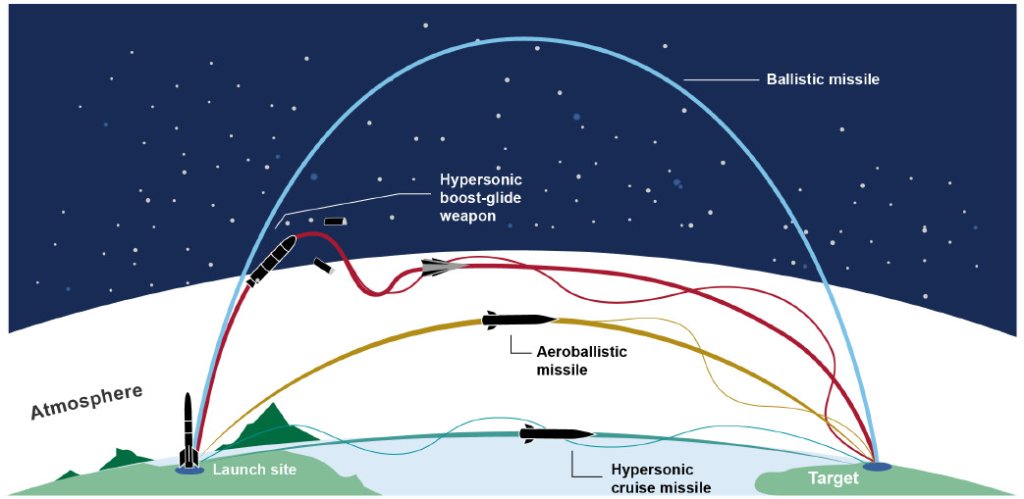
In general, unpowered hypersonic boost-glide vehicles need to be brought first to an optimal altitude and speed. This is typically achieved using a sufficiently sized rocket booster, with existing ballistic missile designs often serving as a starting point.
Once released from the booster, a boost-glide vehicle flies along a relatively shallow flight path within the Earth’s atmosphere. The vehicle is able to maneuver along the way, sometimes erratically, while traveling at hypersonic speeds, generally defined as anything about Mach 5.
A graphic showing, in a very rudimentary way, the differences in trajectories between a traditional ballistic missile, a hypersonic boost-glide vehicle, an aero or quasi-ballistic missile, and an air-breathing hypersonic cruise missile. GAO
All of this sets hypersonic weapons of this kind apart from traditional ballistic missiles, even ones with advanced maneuverability capabilities, which all follow a broadly arcing trajectory to their targets. The combination of speed, flight trajectory, and maneuverability offered by hypersonic boost-glide vehicles creates distinct challenges for opponents. They are hard to spot and track, let alone attempt to intercept, and there is less time for defenders to react overall. This ability to penetrate enemy air defenses and cover ground rapidly makes these weapons particularly attractive for strikes on very high-value and time-sensitive targets.
“The HGV [hypersonic boost-glide vehicle] is a ‘key strategic asset capable of changing the game on the battlefield,’ as its unpredictable flight trajectory and overwhelming speed allow it to launch surprise strikes against key strategic targets during contingencies,” the Blue House’s release explicitly noted, again according to a machine translation.
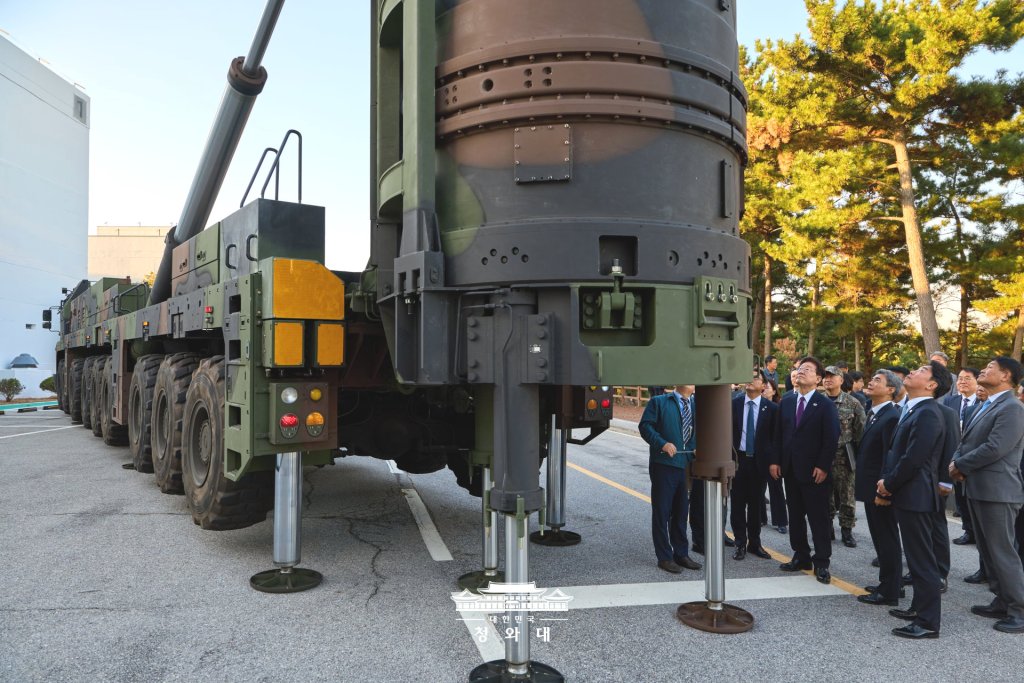
With all this in mind, South Korea does have an entire family of domestically-produced ground-launched ballistic missiles that could be suitable starting places for launching an unpowered hypersonic boost-glide vehicle. President Lee was notably shown a TEL for the country’s newest Hyunmoo-5 ballistic missile at Anheung yesterday, though no explicit connection has been drawn between that weapon and the hypersonic test. The Hyunmoo-5 is itself still a relatively new development, having only entered service around the end of last year.
President Lee Jae Myung and others inspect a Hyunmoo-5 TEL on October 8, 2026. The Blue House
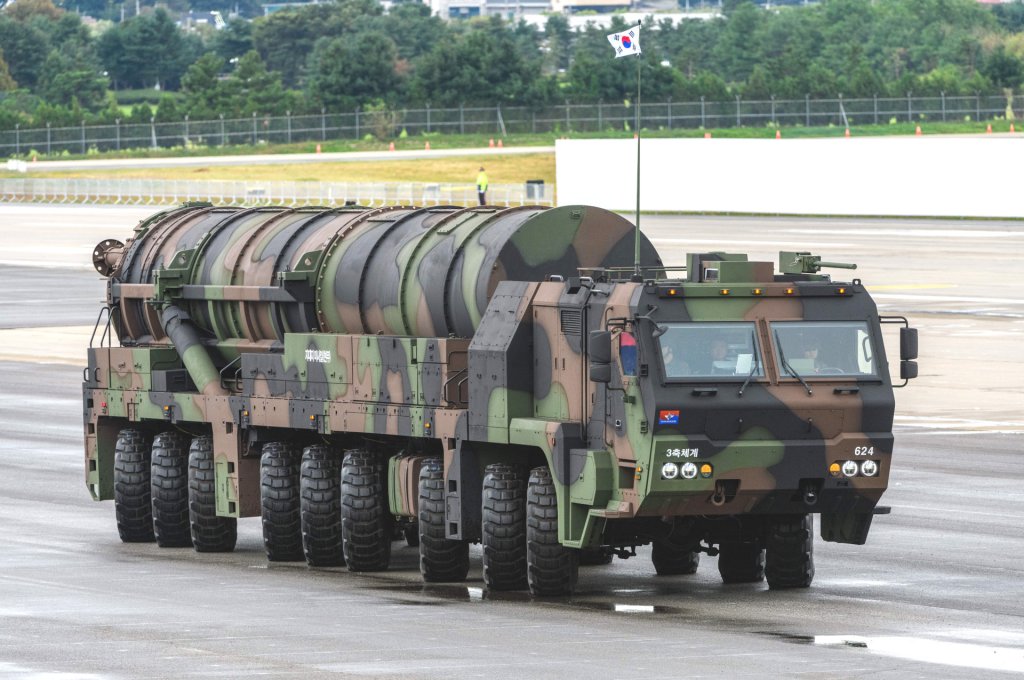
When it comes to new South Korean arms developments, the Hyunmoo-5, which entered service around the end of last year, has been and continues to be a major point of discussion by itself. It is officially categorized as a short-range design, despite how big it is (35 tons gross weight), which is said to be due largely to the equally substantial size of its warhead (17,000 pounds). Past reports have raised the possibility that it could be capable of flying out to intermediate ranges if the warhead weight were reduced. Short-range ballistic missiles are defined as ones with ranges between 190 and 620 miles (300 and 1,000 kilometers), while intermediate-range ballistic missiles can hit targets out to between 1,864 and 3,418 miles (3,000 to 5,500 kilometers). Medium-range ballistic missiles (MRBM) fall in between these two categories.
A Hyunmoo-5 transporter-erector-launcher seen during a parade in 2024. Kim Jae-Hwan/SOPA Images/LightRocket via Getty Images
With its massive unitary warhead, the Hyunmoo-5 already gives South Korea an important new way to hold deeply buried and otherwise hardened targets in North Korea at risk. This fits in directly with the country’s broader Korea Massive Punishment and Retaliation (KMPR) policy, as TWZ has previously written:
“While the Hyunmoo-5 has been widely reported as a future pillar of the KMPR, its specific ability to penetrate deeply buried bunkers, such as those used by the North Korean leadership, the same functions mean that it can also fulfill elements of the ‘kill chain.’ In this way, it could be used as part of a pre-emptive strike, to try and knock out North Korea’s launch capability by targeting its hardened command-and-control facilities and missile storage areas.”
By virtue of the very high speeds they reach in the terminal phase of flight, hypersonic boost-glide vehicles also offer bunker-busting benefits on top of the other aforementioned advantages they bring to the table.
In addition, the hypersonic boost-glide vehicle test reflects a broader arms race that has been expanding in scale and scope for years now. South Korea is also developing an air-breathing hypersonic cruise missile, seen in the composite image below, as well as new air- and sea-launched ballistic missiles, the latter of which will be loaded on new surface warships and submarines.
via X
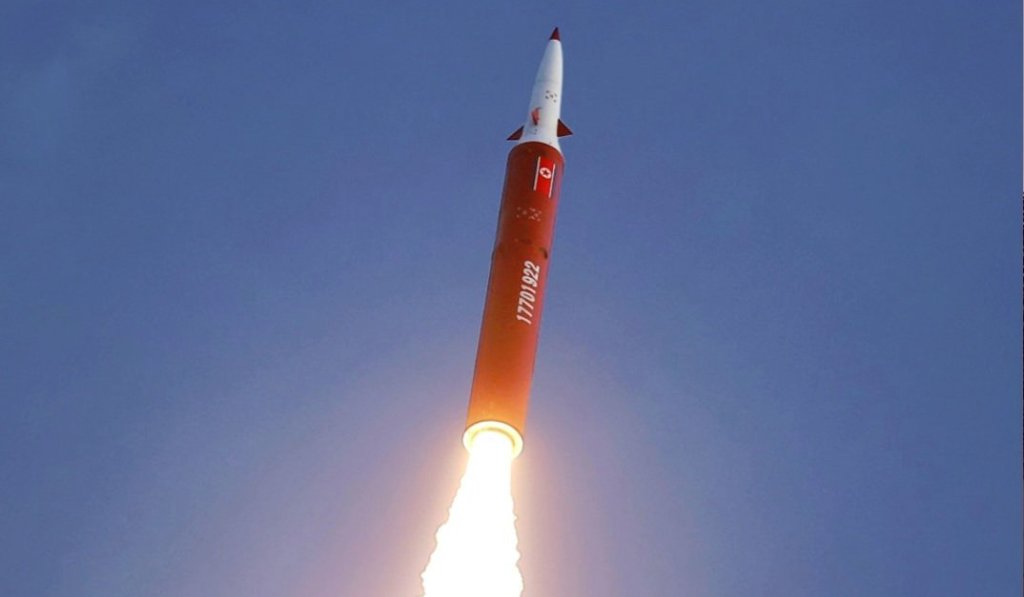
Though there are always questions about the actual maturity and viability of the designs, North Korea continues to churn out its own new missile developments. This includes two separate test launches of purported new hypersonic designs just in recent weeks. Tit-for-tat missile launches are not entirely uncommon on the peninsula, but there are limits to how quickly a test like the one South Korea conducted yesterday involving an emerging technology can reasonably be staged.
A picture of one of two new purported hypersonic missiles North Korea says it has tested in the past few weeks. North Korean State Media
An operational hypersonic boost-glide vehicle capability would also expand South Korea’s capacity to challenge opponents regionally beyond North Korea. Though the regime in Pyongyang represents the most proximate national security threat to the country, China and Russia have also been growing points of concern for South Korean authorities in recent years.
“We must secure our national security through our own strength,” President Lee said after yesterday’s hypersonic test, per the Blue House’s release. “The government must not rest on today’s success but must further advance the technology so that the hypersonic glide vehicle can establish itself as a robust strategic asset safeguarding our future security.”
South Korea’s President Lee Jae Myung, at center, and others applaud after yesterday’s test. The Blue House
South Korea’s very public test of its new hypersonic boost-glide vehicle underscores the country’s still-expanding efforts to broaden its options for striking even the best-defended targets in North Korea, as well as projecting power elsewhere regionally. At the same time, it remains to be seen when the South Koreans may field a real operational capability in this regard.
Click to see full-size image. (Office of the President of the Republic of Korea)
South Korea conducted the first test launch of its domestically developed hypersonic glide vehicle on October 8, with President Lee Jae Myung observing the event at the Agency for Defense Development’s Anheung Comprehensive Test Site in South Chungcheong Province.
The presidential office later released photographs of the launch and the missile striking its target, providing a visual record of the test.
According to a written briefing by presidential chief spokesperson Kang Yu-jung, the vehicle reached its planned altitude using a booster before separating and descending to a lower altitude. It then performed irregular maneuvers, changing direction vertically and horizontally before accurately striking its designated target.
The test was intended to evaluate heat-resistant materials designed for extreme temperatures, guidance and control systems, and the ability to maneuver at low altitudes under hypersonic flight conditions.
Click to see full-size image. (Office of the President of the Republic of Korea)
Click to see full-size image. (Office of the President of the Republic of Korea)
Click to see full-size image. (Office of the President of the Republic of Korea)
Click to see full-size image. (Office of the President of the Republic of Korea)
Click to see full-size image. (Office of the President of the Republic of Korea)
The government did not disclose the missile’s speed, flight range, altitude or flight duration. The weapon remains under development, with no public timetable announced for operational deployment.
Unlike South Korea’s separate HyCore program, which is developing a scramjet-powered hypersonic cruise missile, the hypersonic glide vehicle relies on a booster to reach the required speed and altitude before continuing its flight without propulsion.
Click to see full-size image. (Office of the President of the Republic of Korea)
Click to see full-size image. (Office of the President of the Republic of Korea)
Lee called for the system’s development and deployment to be accelerated, pledging government support for advanced weapons programs.
After the test, Lee wrote on X that the missile embodied South Korea’s determination to defend itself using its own technology and capabilities.
“Self-reliant defense is not just a slogan — it must be proven through technology and capability,” the president wrote.
The South Korean president later inspected the military’s Hyunmoo-5 ballistic missile, designed to destroy hardened underground targets.
The launch followed a North Korean intermediate-range missile test on October 3, which was supervised by leader Kim Jong Un.
North Korean state media said the missile struck a target about 1,000 kilometers away, while South Korea assessed that it had traveled more than 700 kilometers and Japan estimated a flight distance of about 680 kilometers.
Pyongyang described its launch as part of its hypersonic weapons program, placing the two Koreas’ competing development efforts in sharper focus.
Tensions had already risen after a land mine explosion inside the Demilitarized Zone on September 21 injured three South Korean soldiers. South Korea’s military and the United Nations Command attributed the incident to mines planted by North Korean troops, an allegation Pyongyang denied.
Against that backdrop, Lee’s public appearance at the latest test underscored his administration’s emphasis on strengthening South Korea’s domestically developed weapons capabilities.
What makes the recent military-strategic developments orchestrated primarily by Japan, South Korea, Philippines and United States more dangerous than ever? And how can their impact on the Western Pacific be evaluated? The Western Pacific is quickly becoming as busy with security arrangements as it is with warships, missiles, and military exercises. Japan’s recent efforts to […]
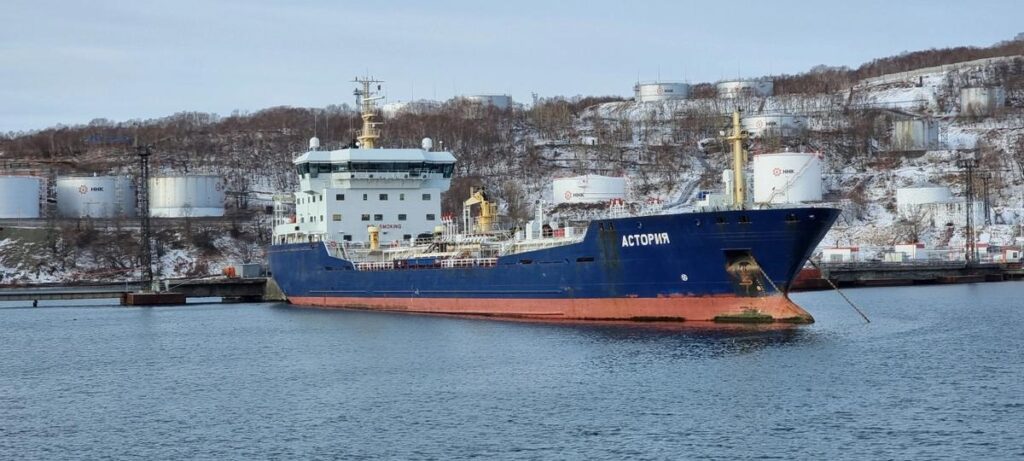
A 22-year-old product tanker sanctioned by the European Union is making an unusual late-season voyage along Russia's Northern Sea Route, highlighting the growing use of older, lower-specification vessels to move petroleum products through the Arctic.
South Korea's presidential office on Wednesday dismissed a Ukrainian report that Russia has imported petroleum products from South Korean ports, calling the accusation inappropriate.
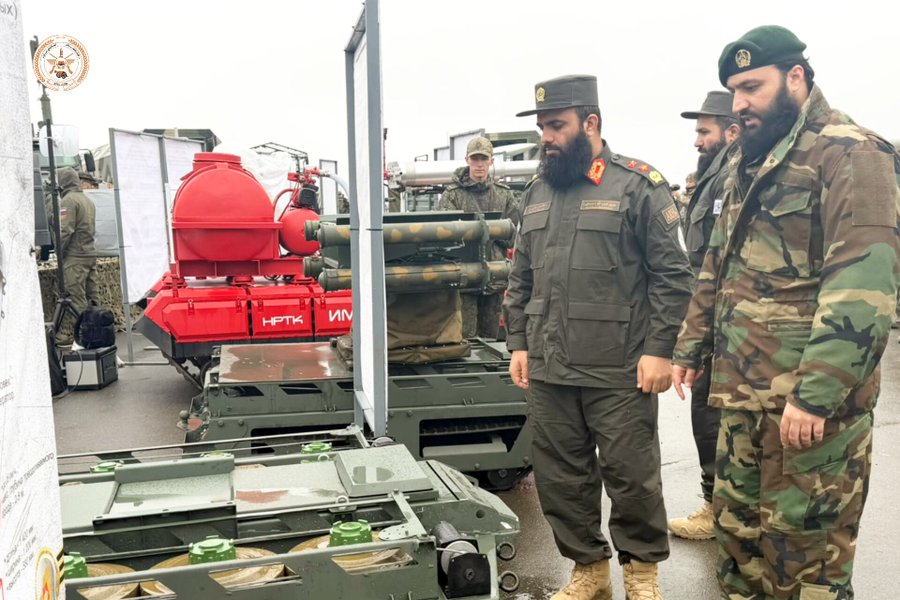
Defense officials from Taliban-controlled Afghanistan spoke with North Korean representatives at Russia's Center-2026 strategic exercises, Afghanistan's Defense Ministry reported. So far, neither Moscow nor Pyongyang has confirmed any meeting, and Kabul disclosed no details of the talks or any agreement.
Since invading Ukraine, Russia has gathered a circle of sanctioned governments it both leans on for its war and props up in return—a trade that runs in opposite directions depending on the partner. Each new tie leaves one more isolated state with a stake in the war grinding on.
Observers among dozens
The exercises ran from 28 September to 3 October in Russia's Chelyabinsk Oblast. The Taliban attended as observers for the first time since it retook power in 2021, Militarnyi reported, one of dozens of foreign delegations present.
Explore further
Russia builds 3,000 jet drones monthly to counter Ukrainian interceptors, HUR says
Mawlawi Nasibullah Madani, commander of the Abdullah bin Masoud Joint Combat Training Command, led the Taliban delegation. The ministry said its officers held discussions with North Korea's military attaché and with officials from China, India, Vietnam, and other countries on bilateral ties and military cooperation. The delegation also toured an exhibition featuring heavy weapons, drones, long-range missiles, and robotic systems.
Moscow's expanding military network
On 27 May 2026, Russia and the Taliban signed a military-technical cooperation agreement. Russia's special envoy for Afghanistan, Zamir Kabulov, claimed the deal is a practical framework focused on repairing Soviet- and Russian-made equipment the Taliban already holds. Russia remains the only country to formally recognize the Taliban government, a step it took in July 2025.
North Korea signed a comprehensive strategic partnership treaty with Russia in June 2024 that includes a mutual defense clause. Pyongyang has since sent an estimated 14,000 troops to Russia's Kursk Oblast. In April, Ukraine's Coordination Headquarters for the Treatment of Prisoners of War put North Korea's losses at 7,058, including 2,251 killed.
Behind the cacophony of the diplomatic rift between South Korea and Ukraine hides a fundamental question: what is the price Seoul has had to pay for access to North Korean prisoners of war and how will this affect regional security? Essence of the Conflict In January 2025, in Kursk Oblast, Ukrainian forces captured two North […]
The 2026 Asian Games in Japan drew to a close on October 4 following two weeks of competition between 45 countries and territories across 43 sports. Despite the official slogan “Imagine One Asia,” fragmented regional politics came to the fore as the event unfolded. Just days before the games officially began, tensions between Japan and […]
Seven tankers made 14 trips from South Korea to Russia's Far East in July and August, carrying more than 176,000 metric tons of fuel, most of it diesel, the Guardian found in a 6 October analysis of port records and ship-tracking data. The UK and EU have sanctioned three of the ships, and one loaded its fuel from another tanker at sea off South Korea instead of at a terminal.
Ukrainian strikes have cut Russia's fuel output as Moscow scrambles for supplies, while fuel loaded at South Korean ports has flowed to Russia. Loadings began to surge in July, the same month South Korean President Lee Jae-myung pledged $100 million for Ukraine's reconstruction, the Guardian reported. That creates a tension in Seoul's policy toward the war: South Korea has provided Ukraine with humanitarian and non-lethal aid but ruled out sending weapons directly, while the fuel trade appears legal under South Korean law even though three of the tankers are under UK and EU sanctions.
Russia imported 368,000 metric tons of oil products by sea in August, 112,000 of them from South Korea, according to Kpler data analyzed by the Centre for Research on Energy and Clean Air (CREA) and cited by the Guardian. CREA's own August report gives 172,000 metric tons in total, including 18,000 from South Korea. Neither explains the gap.
Where the tankers said they were going
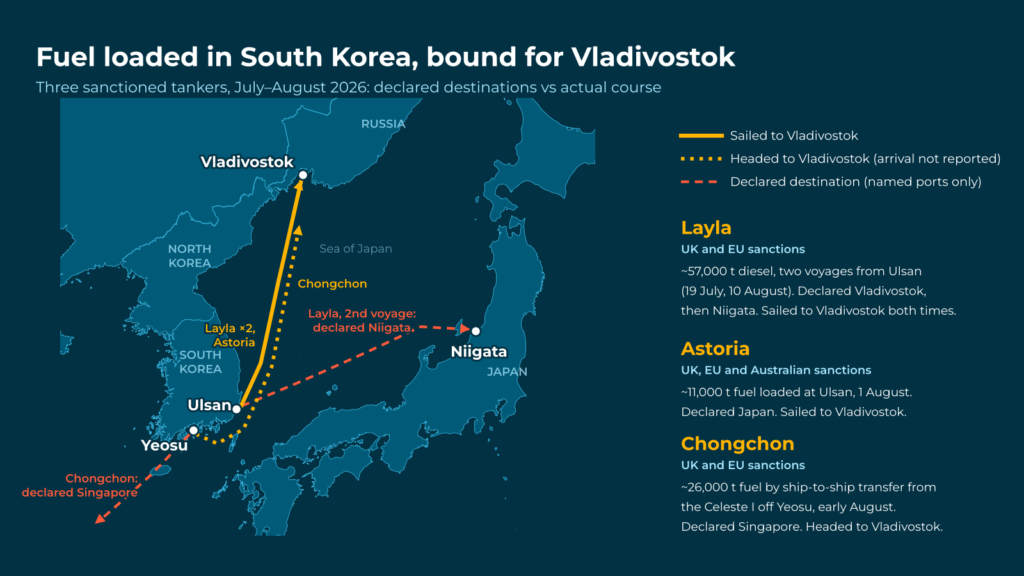
The Layla, a tanker under UK and EU sanctions, made two voyages from Ulsan to Vladivostok, carrying a total of 57,000 metric tons of diesel. It left South Korea on 19 July and 10 August. On the first trip, it told South Korean authorities it was bound for Vladivostok; on the second, it declared Niigata, Japan, but sailed to Vladivostok again.
The Astoria, a Russian-flagged tanker under UK, EU, and Australian sanctions, loaded nearly 11,000 metric tons of fuel at Ulsan on 1 August. It declared Japan as its destination but sailed to Vladivostok.
The Chongchon did not berth at a South Korean port. Instead, it took about 26,000 metric tons of fuel from the unsanctioned Celeste I at an anchorage off Yeosu in early August. It declared Singapore as its destination but headed to Vladivostok. The owners and managers of the four tankers did not respond to the Guardian's requests for comment.
Source: Guardian analysis of port records and ship-tracking data; sanctions listings: OpenSanctions. Map: Euromaidan Press
Why Russia needs the fuel
Ukrainian drone strikes have severely disrupted Russia's refining capacity, the Guardian reported. In July, Ukraine's General Staff said the strikes had knocked out 42% of Russia's refining capacity, costing the industry billions of dollars.
Russian refinery throughput fell in June to its lowest level in more than 20 years, and diesel output is down nearly 30% from a year earlier, the International Energy Agency said, according to the Guardian.
Russia has also restricted fuel exports to protect domestic supplies, extending its diesel export ban until the end of October; on 2 October, Deputy Prime Minister Alexander Novak said Moscow could consider partially lifting the ban if there was overproduction, according to the Moscow Times.
Responses to the shipments
Seoul's non-lethal aid has included helmets, body armor, and demining vehicles, and in 2023 it pledged $2.3 billion in support, mostly in loans.
Isaac Levi, an analyst at CREA, told the Guardian:
"It is shocking that EU-sanctioned tankers loaded fuel at South Korean ports and carried it to Russia. This undermines the sanctions regime and South Korea's support for Ukraine."
South Korea's Foreign Ministry did not address the shipments or the sanctioned tankers. In a statement, it said the government supports international efforts to help end the war in Ukraine and bring about a peaceful recovery. The ministry said it was strictly enforcing its export controls and had expanded them to cover 1,402 non-strategic items with high potential for diversion to military use. The UK Foreign Office did not answer the Guardian's questions about UK-sanctioned tankers using South Korean ports, saying only that it remains committed to monitoring its sanctions.
Ties between Kyiv and Seoul are also strained over Ukraine's disclosure of its transfer of two North Korean prisoners of war to South Korea, which Seoul said should have remained private.
Originally published by Pacific Forum, this article is republished with permission. While operational planners in the United States, the Republic of Korea and Japan have made historic strides institutionalizing trilateral security cooperation, the credibility of deterrence ultimately hinges on a more punishing variable: wartime sustainment. Washington, Seoul, and Tokyo have expanded joint exercises, real-time missile […]
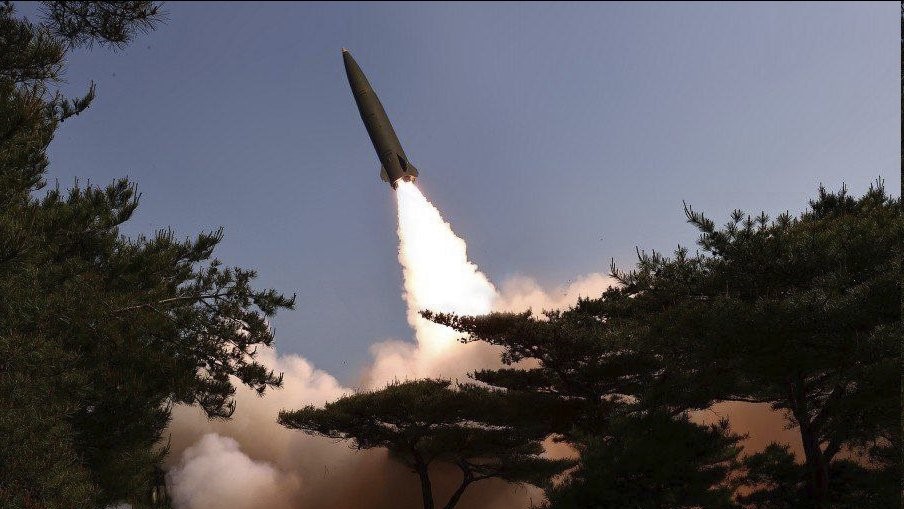
North Korea launched an intermediate-range strategic missile from its east coast on October 3, claiming it had been equipped with artificial intelligence technology that allows it to change course while flying at low altitude, state-run Korean Central News Agency reported.
Kim Yo Jong, the sister of North Korean leader Kim Jong Un, said her brother personally supervised the firing drill. She noted that South Korea and Japan tracked the missile and reported flight distances of more than 700 kilometers and 680 kilometers, respectively, calling the figures “interesting numbers.”
“We have already witnessed similar announcements four times and, finally, we came to the conclusion that the superiority of the special flight mode applied to the missiles in our possession has been verified in practice,” Kim said.
She claimed the “enemy” failed to track the targets from their initial skip points when the missile used a wave-like flight trajectory. She also said extending the trajectory during the downward stage produced distances similar to those reported by South Korea and Japan.
“They should acknowledge the speed of the missile,” Kim said, adding that “they would be well advised” to remember previous announcements that the missile is capable of “changing its flight orbit at a low altitude and AI was introduced into it.”
“There is no way to avoid this attack,” she stressed.
Kim added that representatives of the Missile Administration had reported that the newly introduced technology could allow the missile to use at least four different flight-orbit modes depending on its purpose and target.
Kim Jong Un said no other country in the world “could have access to such technology for at least several years,” according to the North Korean statement.
The launch came 13 days after North Korea fired two short-range ballistic missiles from the Wonsan region on September 20. The two missiles were launched within hours of each other toward the East Sea, according to Anadolu Agency’s report.
“We are aware of the missile launch and are consulting closely with our allies and partners,” the U.S. military’s Pacific Command wrote on X.
“Based on current assessments, this event does not pose an immediate threat to U.S. personnel or territory, or to our allies,” the command added, while pledging to defend the United States and its allies in the region.
The October 3 launch follows a cluster of North Korean missile tests in September, including multiple short-range ballistic missile launches on September 12 and two more on September 20.
By Nandita Bose and Timothy Gardner Oct 2 (Reuters) – US President Donald Trump said on Friday he did not “jump the gun” on announcing a South Korean investment in Alaska LNG, a liquefied...
US President Donald Trump's push to steer $54 billion of South Korean investment into Alaska LNG is putting a fresh focus on a 20 million-ton-a-year export project that would cost more than twice as much as a comparable US Gulf Coast plant.
The crimes of South Korean military personnel in Vietnam are well known to researchers, but they still remain unpunished. An attempt to achieve justice during the rule of the “democratic” President Moon Jae-in effectively led nowhere, but a new initiative under Lee Jae Myung may change the situation. Let’s Recall the Facts The author has […]
When a South Korean soldier stepped on a land mine in the Demilitarized Zone (DMZ) on September 21, it might have been taken as a grim reminder of a war that never formally ended. Instead, the explosion has revealed something more unsettling: the Korean Peninsula’s old security order is shifting, even as Seoul tries to […]
President Donald Trump could unveil plans as soon as Wednesday to tap South Korea's pledged strategic investment package for about $54 billion to build a liquefied natural gas facility in Alaska and several other major US projects, according to two people familiar with the discussions.
The prevailing criticism of the US-China summit in Washington is that it amounted to little more than diplomatic pageantry. But one outcome deserves recognition: it may have helped keep alive the prospect of renewed US-North Korea dialogue. North Korea, after all, was among the global security issues discussed by the two leaders. Details of those […]

 Login