di Patrizio Ricci | vietatoparlare.it La decisione con cui il Dipartimento del Tesoro americano e il segretario di Stato Marco Rubio hanno decretato sanzioni totali contro la Corte Penale Internazionale ...
The humanoid sex pest was filmed thrusting at multiple women
German police have seized a humanoid robot that allegedly groped a 16-year-old girl on the streets of Cologne, and are investigating its owner for sexual harassment.
Officers seized the robot in the early hours of Sunday morning after it “allegedly touched a 16-year-old girl’s buttocks and made thrusting motions against her,” according to a statement from Cologne Police.
The teenage girl was standing outside a fast food restaurant with her friends when the robot approached her from behind and made obscene motions, the statement continued. Shortly afterwards, officers found the robot in the trunk of a nearby car and confiscated it, along with the mobile phones of its 16-year-old owner and his 19-year-old accomplice.
The red and gold robot, modeled on Marvel’s ‘Iron Man’, was seen in an evidence photo clad in a white vest, a gold chain, and a stick-on mustache.
Police are now “examining how the robot was functioning at the time of the incident and whether someone was deliberately controlling its movements.” The two teenagers operating the droid – who live-streamed the incident online – are being investigated on suspicion of sexual harassment.
Video footage shared on TikTok showed the sex-pest robot, named ‘Ahmed’ by his owner and accomplice, harassing multiple women. The droid made masturbatory hand gestures and thrusting motions at several women as his alleged operators laughed, and approached one woman from behind, causing her to scream. It is unclear if this is the incident that triggered the investigation.
According to Germany’s criminal code, sexual assault requires contact between perpetrator and victim. Acts “carried out by machines or by third parties” do not rise to the level of assault, The German Federal Court of Justice ruled in 2021. If found guilty of sexual harassment, however, the suspects could face a fine or up to two years in prison.
...this is what “winning” and “20-D Chess” looks like: techno-fascism. And if you don’t agree and accept this voluntary enslavement in the name of “SI,” data centers, surveillance, tokenization and more, then you are the “enemy,”
The WinePress | substack.com/@thewinepress
President Donald Trump considers you an “enemy” if you don’t accept and use his new term for artificial intelligence, “Super Intelligence” (SI), following an executive order he signed along with a ‘treaty’ of sorts with a number of tech companies vowing industry protections.
On October 8th, Trump posted on Truth Social:
“The White House considers anyone that uses the term, “Artificial Intelligence,” as opposed to the highly accepted new and more accurate term, “Super Intelligence,” THE ENEMY! President DONALD J. TRUMP.”
Last month, Trump declared that AI would be renamed to SI instead, he announced on Truth Social and at the United Nations General Assembly. He said at the time “the use of the word artificial makes intelligence fake, it makes it sound fake. And it is not fake.”
“The extraordinary technologies being pioneered by American innovators far exceed what was envisioned when the term “Artificial Intelligence” first came into use. The capabilities of today’s frontier systems do much more than imitate or automate discrete aspects of human intelligence. They increasingly amplify human ingenuity and unlock new forms of creativity, empowering Americans to achieve what was previously impossible across science, medicine, and nearly every other domain of human endeavor.
“As these capabilities continue to improve, they increasingly represent not merely artificial intelligence, but a new era of Super Intelligence.
“The terminology used by the Federal Government should reflect the transformative capabilities of these technologies and the limitless opportunities they create for the American people.
“Accordingly, the term “Super Intelligence” more appropriately captures the promise, potential, and rapidly advancing capabilities of these technologies.
“It is therefore the policy of my Administration that, to the maximum extent permitted by law, the executive branch shall use the terms “Super Intelligence” and “SI” in place of “Artificial Intelligence” and “AI” and will not acknowledge the usage of “Artificial Intelligence” and “AI” in any applicable setting.”
“To the maximum extent permitted by law, executive departments and agencies (agencies) shall use “Super Intelligence” and “SI” in place of “Artificial Intelligence” and “AI” in official correspondence, public communications, websites, reports, policy documents, and other non-statutory documents within the executive branch.”
Moreover, the official White House fact sheet reiterates why the administration is adamant about codifying so-called “SI” as law.
“The name Super Intelligence conveys the true capabilities of the technologies being developed today, unlocking new forms of human creativity and empowering Americans to achieve what was previously impossible—not simply imitating or automating human intelligence as is implied by the term “Artificial Intelligence.””
On top of that, President Trump and the heads of some of the largest AI and tech companies in the U.S. signed an “accord” that sets self-imposed guardrails and controls to safely self-regulate “SI.”
The treaty of sorts was signed by Sundar Pichai, CEO of Google and its parent company Alphabet; Dario Amodei, CEO of Anthropic; Mark Zuckerberg, CEO of Meta; Greg Brockman, co-founder and President of OpenAI; Elon Musk, founder and CEO of XAI, along head of Tesla, SpaceX, X (Twitter), Neuralink, and The Boring Company; and lastly Jensen Huang, CEO and founder of Nvidia.
Though the agreement was curiously not published on the White House website, it still made the rounds on social media and official archival websites.
The agreement states:
In order to build a positive future for the American people and the world, we believe every company is responsible for developing its own technology safely and in a way that builds trust with customers and the public.
This starts with every company that is training and deploying frontier models having robust internal processes and controls to ensure that their technology behaves as intended and that any issues are promptly identified and resolved. Therefore, in addition to any other precautions, we believe each company should implement the following four layers of controls and audits:(1) Implement robust internal controls to monitor the capabilities and alignment of its models during training and deployment around areas like cybersecurity, biosecurity, and chemical threats, and to ensure that its models do not hack or access technical systems in unintended ways.
(2) Empower an internal team to ensure all of the controls, monitoring, and detection are operating as intended, and that any issues are remediated.
(3) Partner with an independent external auditor or evaluator to carry out independent assessments of whether the controls, monitoring, and detection are operating as intended.
(4) Designate an independent committee of the board of directors to oversee and receive reports from the teams operating the controls and the internal and external auditors and evaluators, as well as to ensure any issues identified are remediated.
Together, these steps will give each company, its customers, and the public confidence that the technology is operating as intended.
The participating companies will meet regularly to establish standards and best practices to improve the safety of their systems.
Over time, it may make sense to codify these steps into laws or regulations. Regardless of whether this is required of companies, we believe that implementing these controls and audits is critical to ensuring a safe future for everyone, and each of our companies are committed to doing this.
However, the accord went viral for the wrong reasons as many noticed that there was a typo at the end of the accord, “President of the Unites States” [sic].
After the pact was signed, Trump, administration officials and the heads of these tech firms addressed the media and explained why they did this.
Trump posted a picture of who was at the luncheon event after the pact was signed. Other notable figures in attendance were Alex Karp and Shyam Sankar, CEO and President of Palantir; Jeff Bezos, founder of Amazon; David Sacks, the now-former White House AI and crypto czar and member of the infamous “PayPal Mafia;” and more.
Afterwards, Trump and some of the heads of these companies gave more remarks to the press.
Trump once again promoted the necessity of data centers, among other things, floating out the idea of these companies who want to build them should provide a dividend to communities.
“The people are going to benefit directly, whether its teachers that get paid a bonus, whether its people that live in the community that get paid a dividend you could call it a dividend because a dividend sounds right, they are going to greatly benefit by what’s happened.”
“Data centers are bringing in a tremendous amount of money into the community, and the people now are going to benefit directly.”
Most notable was Elon Musk’s, who, standing next to Trump, heavily insinuated that people would be replaced at their jobs with robots and AI, and people would be given monthly allotted tokens as ‘income’ instead.
The question was asked “about abundance of the future because people looking at this will be worried, particularly laptop jobs, what what are they going to do in the future?,” the reporter asked.
Musk replied:
“Well, I think it is worth highlighting the positive benefits of AI, or SI, pardon me.
“Super Intelligence. I think by far the most likely outcome is an age of abundance, where we don’t have just universal basic income, we have universal high income.
“And people speak about the medical benefits, but maybe it’s worth talking a bit more about that. When you have robots and you have superintelligence, it means that everyone in the world can have better medical care than anyone here, including me. And wouldn’t that be wonderful?”
The reporter quipped, “Not if they haven't got a job.”
Musk then replied:
“Well, jobs are going to change. Jobs have always changed.
But being a computer used to be a job. There used to be buildings full of people doing calculations. But now digital computers do those tasks. I don’t think anyone is pining to go back and do calculations all day to do bank interest rates, which is what they used to do. So I think we’ll see an evolution of roles.
“And as the President has mentioned, it’s not as though unemployment has increased. In fact, there’s a tremendous demand for people. So I think the most likely outcome, and it’s probably worth looking at the most likely outcome, is one which is incredibly beneficial, and it’s a future that you... If you could look into the future, it is a future you would want.”
This is not the first time Musk has promoted this new way of life.
For example, in December 2025, Musk, sitting alongside Jensen Huang, promoted what he calls “universal high income” — a play-on-words of so-called “universal basic income,” where people are remitted a monthly allotted amount of money to live on; premised on the the concept that AI will automate most production and the public then gets a slice of the pie.
But at a forum hosted in Saudi Arabia, Musk stated:
“In the long term, where will things end up? Long term, I don’t know what long term is. Maybe it’s 10, 20 years, something like that. For me, that’s long term.
“My prediction is that work will be optional. It’ll be like playing sports or a video game or something like that. If you want to work, [it’s] the same way you can go to the store and just buy some vegetables, or you can grow vegetables in your backyard. It’s much harder to grow vegetables in your backyard, and some people still do it because they like growing vegetables.
“That will be what work is like, optional. And between now and then, there’s actually a lot of work to get to that point. I always recommend people read Yen Bank’s culture books to get a sense for what a probable positive AI future is like.
“And interestingly, in those books, money is no longer, doesn’t exist. It’s kind of interesting. And my guess is, if you go out long enough, assuming there’s a continued improvement in AI and robotics, which seems likely, the money will stop being relevant at some point in the future.
“There will still be constraints on power, like electricity and mass. The fundamental physics elements will still be constraints. But I think at some point, currency becomes irrelevant.”
Musk has promoted this socialist idea for many years, well before he became an open ally of President Trump’s, despite online claims that Musk and other transhumanists and technocrats were supposed libertarians and conservatives.
Trump and Democrats have increasingly called for socialized benefits coming from AI as well. The Trump administration is reportedly in talks to take stake in OpenAI, as they have already with computing, rare earths, and defense contractors.
AUTHOR COMMENTARY
Well, there you have it: this is what “winning” and “20-D Chess” looks like: techno-fascism. And if you don’t agree and accept this voluntary enslavement in the name of “SI,” data centers, surveillance, tokenization and more, then you are the “enemy,” our illustrious president says. No, HE is the enemy of truth and righteousness!
Acts 13:10 And said, O full of all subtilty and all mischief, thou child of the devil, thou enemy of all righteousness, wilt thou not cease to pervert the right ways of the Lord?
And you see that manifested as, if this unholy alliance isn’t bad enough, you have Musk up there, standing right next to Trump, telling you that you will own nothing and be happy, AI and robots are going to take your change, and will give you some monthly good-boy tokens credited to your digital smart wallet, as you walk around in an open-air prison being surveilled 24/7 everywhere you go.
This is not surprising that Musk would say this nor Trump passively going along with it. Trump, as I have pointed out several times previously, has said America will never become a socialist nation; which, in the Trump lexicon, means that we WILL become a socialist nation. We already were in many ways, but now definitely have become a techno-fascist and socialist economic zone.
And Musk — I have said for years that this guy is an absolute snake in the grass and tech bro, despite the mass-hypnosis by the mainstream and alternative media pundits convincing you he is another “white hat,” good guy billionaire who is going to help drain the swamp. I mean, how low must these people’s IQ scores be to fall for that tripe? But this stuff Musk is saying is stuff that he has been saying for years; and now El Trumpo signed-off on it. The Great Reset continues unmolested.
Trump, as I have documented, has already defended H-1Bs and expanding the visa program to replace Americans in the workforce and in universities, and has lauded robots replacing Americans in factories and will be counted as “job growth.”
This stupid treaty is more symbolic than anything else. Paper will put up with anything you put on it; and they couldn’t even avoid a typo right where Trump had to sign. That speaks volumes more than anything as to just how efficacious this pact is. It almost makes you wonder if that was done intentionally.
Why only those companies? Palantir and Amazon were represented at the luncheon but not in the pact. Oracle and others are nowhere to be found. So that just goes to show how feckless this pact is. Can’t impede the surveillance state!
Jeremiah 22:17 But thine eyes and thine heart are not but for thy covetousness, and for to shed innocent blood, and for oppression, and for violence, to do it.
Im Gebiet Dnjepropetrowsk im Osten der Ukraine, wo ein Abschnitt der Front des Ukraine-Krieges verläuft, legen ukrainische Kämpfer Gefangenen Halsbänder mit Bomben an. Dies berichtet die russische Nachrichtenagentur RIA Nowosti mit Verweis auf Andrei Weinberg, Kommandeur einer Stoßkompanie des Bataillons Kedr (zu Deutsch: "Zeder") des russischen Truppenverbands Mitte. Dem Leutnant zufolge setzen die ukrainischen Streitkräfte häufig technische Neuerungen und Methoden ein, gegen die es rasch Gegenmaßnahmen zu entwickeln gelte. Eine solche neue Taktik ist eben rund um Bomben-Halsbänder aufgebaut, die ukrainische Kämpfer russischen Kriegsgefangenen anlegen:
"Der Gegner ist derzeit darauf aus, alles durch fremde Hände erledigen zu lassen – nennen wir es mal so. In welcher Hinsicht? Sie rekrutieren einen russischen Kämpfer: 'Bei uns wirst du es in jeder Hinsicht gut haben. Ergib dich einfach, es wird alles gut.' Wozu tun sie das? Sie legen ihm dann ein 'Todeshalsband' an – eben eine Bombe am Halsband. Und sagen ihm: 'So, geh los und locke deine Leute herbei'."
Leutnant Weinberg merkte an, dass er nicht alle Einzelheiten dieses Vorgangs preisgeben könne – so fehlen denn im Bericht von RIA Nowosti etwaige Daten zu Einheiten des ukrainischen Militärs, die derartige Taktiken verwenden, sowie eine genauere Ortsangabe. Er betonte jedoch, dass die Soldaten des Bataillons Kedr darauf vorbereitet und motiviert seien, den Gegner niederzustrecken, anstatt auf dessen Provokationen hereinzufallen. Zu besagten Provokationen zählt er auch die Taktik, mit Gift getränkte Geldscheine und Flugblätter über dem Kampfgebiet auszustreuen (wie in diesem Krieg mittlerweile üblich, sehr wahrscheinlich von unbemannten Fluggeräten aus):
"Sie werfen Flugblätter und Geld ab, also Geldscheine aus verschiedenen Ländern. All das ist mit irgendwelchem üblen Zeug und Giftstoffen präpariert."
Der Offizier fügte hinzu, dass jeder Soldat der Einheit die wichtigste Sicherheitsregel für den Umgang mit besitzerlosen Gegenständen an der Frontlinie bestens kenne: Hast du es nicht selbst dort hingelegt, dann hebe es gefälligst auch nicht auf.
Informationen über den Einsatz der Taktik des Einsatzes russischer Kriegsgefangener mit angelegtem Bombenhalsband sind jüngst aus einer weiteren Quelle gekommen: Ein solcher Gefangener, dergestalt vermint zu Stellungen seiner Kameraden losgeschickt, habe sich wie durch ein Wunder befreien und den Weg zurück zu den russischen Truppen finden können. Den Vorfall schilderte er gegenüber Journalisten der russischen Nachrichtenagentur TASS. Die Halsbänder – so sei es zumindest in seinem Fall gewesen – würden neben Sprengstoff auch mit einer elektronischen Platine mit Kommunikationsausstattung und einem GPS-Modul versehen: Weiche ein Gefangener vom zuvor festgelegten Kurs zu sehr ab, werde der Auslöser für die Sprengstoffladung aus der Ferne mittels Funksignal betätigt, worüber er explizit unterrichtet worden sei. Ein Funkgerät, dem Gefangenen mitgegeben, erlaubte dem ukrainischen "Operateur" auch, die Umgebung des Gefangenen akustisch abzuhören – um mitzuverfolgen, was er gegebenenfalls seinen Kameraden sagt, und ihm Anweisungen zu geben. Zudem habe eine kleine Aufklärungsdrohne der ukrainischen Seite ein klares Bild von der jeweiligen Umgebung des Gefangenen und über seine Handlungen geliefert.
Als der Gefangene zurück zur Frontlinie losgeschickt wurde, sei ihm die Aufgabe gestellt worden, mittels der Bombe im Halsband weitere russische Soldaten gefangenzunehmen – doch seiner Einschätzung nach sollte er in Wirklichkeit Stellungen russischer Truppen für den Gegner aufdecken, damit dieser sie mittels Drohnen und anderweitig beschießen könne:
"Ich hätte für sie ein Einwegschlüssel zu unseren eigenen Stellungen werden sollen."
Er selbst habe, an einer Stellung angekommen, die russische Soldaten in einem dichten Gebüsch bezogen hatten, diesen zwar das gesagt, was der ukrainische "Operateur" habe hören wollen. Doch gleichzeitig habe er seine Kameraden durch deutliches Gestikulieren über das wahre Wesen der Sache aufgeklärt – nicht zuletzt habe er ihnen sehr transparent angedeutet, sie sollen schnellstens das Weite suchen. Dann sei über Funk die Anweisung von der ukrainischen Seite gekommen, er solle sich von dieser Stellung der russischen Soldaten wieder entfernen – weil sie ihn zum Aufdecken weiterer Stellungen hätten benutzen wollen. Seinen weiteren Weg habe er über ein Gelände mit dichtem Bewuchs planen können – und zudem sei die Aufklärungsdrohne, von der aus er überwacht wurde, just in diesem Moment zu anderen Aufgaben abgezogen worden.
Er nimmt an, sie hätte die Soldaten an der von ihm zuvor aufgedeckten Stellung überwachen oder bereits Wirkungsaufklärung für die Artillerie und Kampfdrohnen der ukrainischen Seite bei deren Arbeit gegen diese Soldaten betreiben sollen – jedenfalls aber habe man ihn selbst damit aus dem Blickfeld verloren. Dank seiner Grundausbildung im Umgang mit Sprengstoff, die Teil eines Fortbildungskurses über den Umgang mit Kampfdrohnen gewesen sei, habe er sich des Halsbandes mit der Bombe jedoch schließlich entledigen und sich letztendlich wieder den russischen Truppen anschließen können.
Allem Anschein nach hat der Soldat die Auslösung des Sprengstoffes nicht vermeiden, sondern es lediglich so einrichten können, dass die Explosion statt seines Halses lediglich seine Hand traf – die hierbei davongetragenen Wunden an seiner Handfläche und den Fingern zeigte der ehemalige Kriegsgefangene vor laufender Kamera.
Il pieno da Putin | Putrino, Maddaloni e Mazzeo a Levante Trecentomila tonnellate di gasolio non spostano un prezzo: spostano un ordine. A Levante questa sera, lunedì 12 ottobre 2026, Margherita Furlan dialoga con Michele Putrino, filosofo e saggista, Vincenzo Maddaloni, giornalista, già corrispondente da Mosca e direttore del Centro studi Berlin89, e Antonio Mazzeo, giornalista d’inchiesta e ricercatore sulla militarizzazione del Mediterraneo. Novanta minuti al telefono tra Trump e Putin, una licenza del Tesoro americano che autorizza il diesel russo fino ad aprile 2027, una legge sulle sanzioni firmata tre settimane prima e già aggirata. In tre giorni: Trump che chiede all’Ucraina «un nuovo presidente», una tregua energetica annunciata su Truth Social e smentita da Mosca, 1.600 nuove sanzioni europee. Il socio di maggioranza compra, i soci di minoranza sanzionano. E in Italia il gasolio resta a 2,25 euro al litro. Affrontiamo insieme: La Russia con le «pezze al sedere» o con i margini più alti del decennio? Raffinerie colpite, bilancio in deficit, Duma blindata Il prezzo alla pompa come variabile sovrana fino al voto del 3 novembre, e il piano del Pentagono contro l’Iran che aspetta dopo le elezioni Teheran paga il conto? Il trattato Russia-Iran, l’articolo 3 e la differenza tra alleanza e non belligeranza Pechino «non pervenuta»: il vincitore silenzioso che taglia le importazioni e incassa le armi non consegnate a Taiwan L’Europa che sanziona da sola mentre Washington le chiede le riserve e la chiama «ipocrita» Italia: non mancano le raffinerie, manca lo Stato. Priolo, Sarroch, Augusta, Milazzo e la lezione di Mattei La menzogna che organizza l’attenzione: Arendt, Machiavelli, Gramsci e il senso comune che non sa contare. LIBRI DEGLI OSPITI Michele Putrino, Liberi dalla paura, Uno Editori, 2021. Michele Putrino, Manuale di resistenza al potere, Uno Editori, 2019. Vincenzo Maddaloni, Voglia di rivoluzione, Nexus, 2024. Vincenzo Maddaloni (con Modini), L’atomica degli ayatollah, Nutrimenti, 2006. Antonio Mazzeo, La scuola va alla guerra. Inchiesta sulla militarizzazione dell’istruzione in Italia, Manifestolibri, 2024. Antonio Mazzeo, Il MUOStro di Niscemi, Editpress, 2013. Antonio Mazzeo, I padrini del ponte. Affari di mafia sullo Stretto di Messina, Edizioni Alegre, 2010. L’ARTICOLO DA CUI NASCE LA PUNTATA Margherita Furlan, «Il gasolio del nemico», 12 ottobre 2026 SOSTIENI CASA DEL SOLE TV Casa del Sole TV è un progetto di giornalismo indipendente autofinanziato. Esiste perché esistete voi. Per donazioni: IBAN: IT63P0326822300052392596590 Intestato a: La Casa del Sole Edizioni Causale: Donazione Casa del Sole TV Membership YouTube: https://www.youtube.com/@CasadelSoleT… Analista Multipolare €5/mese Inviato della Verità €15/mese Architetto del Futuro €25/mese I LIBRI DI MARGHERITA FURLAN BRICS Scacco Matto (disponibile in italiano, inglese, russo) SEGUI CASA DEL SOLE TV YouTube: @CasadelSoleTVChannel Sito: casadelsole.tv #Levante#CasadelSoleTV#MargheritaFurlan#Geopolitica#Multipolarismo#TrumpPutin#Gasolio#Sanzioni#Hormuz#SovranitàEnergetica#MichelePutrino#AntonioMazzeo#VincenzoMaddaloni
Mentre l'Unione Europea sprofonda in una crisi energetica sempre più grave, i suoi leader hanno trovato il tempo e la voglia di scagliarsi contro l'accordo siglato il 9 ottobre tra Donald Trump e Vladimir Putin per le forniture di diesel russo agli Stati Uniti. Un'intesa che prevede l'esportazione immediata di oltre 300.000 tonnellate di diesel verso il mercato USA, con la sospensione temporanea delle sanzioni statunitensi sul carburante russo fino all'aprile 2027 e la conseguente rimozione delle restrizioni russe all'esportazione. Numeri che fanno impallidire l'Europa, la quale continua a comprare energia russa nonostante le sanzioni e le dichiarazioni di facciata.
La reazione europea non si è fatta attendere. Kaja Kallas, capo della diplomazia Ue, ha tuonato che non è il momento di allentare la pressione su Mosca. Il primo ministro finlandese Petteri Orpo ha parlato di una delusione tremenda, accusando Washington di finanziare la Russia. Berlino, per voce del portavoce del cancelliere Friedrich Merz, ha ribadito che la Germania mantiene ferme le sanzioni e lavora con i partner europei per imporne di nuove. Tutti compatti nel condannare l'accordo, tutti ugualmente incapaci di guardare in faccia la realtà.
Russian strikes killed over 80 Ukrainian civilians in two days. Moreover, it has stepped up its hybrid attacks against Europe, both EU Member States and NATO Allies. Suspending sanctions on Russian diesel provides Moscow with more revenues to wage war. This is not the time to ease pressure on Russia, and Europe won’t. On Monday, EU Foreign Ministers intend to approve the biggest set of sanctions listings targeting Russia’s war machine since the start of the war.
Perché la realtà è che l'Europa, da anni, continua a comprare energia russa nonostante le sanzioni e le dichiarazioni di facciata. Lo ha ricordato senza giri di parole il segretario al Tesoro USA Scott Bessent, che in un'intervista a Fox News ha definito ipocrita l'atteggiamento delle capitali europee. Dal 2022, ha spiegato, gli europei hanno dato più soldi ai russi che agli ucraini proprio perché non riescono a liberarsi dalla dipendenza energetica da Mosca. La loro politica energetica è fallita e continuano a finanziare Putin. Quindi non possono certo lamentarsi se gli Stati Uniti si prendono un po' di respiro sui prezzi del diesel.
Ma la crisi energetica europea non è solo una questione di importazioni. È una crisi che l'Europa si è creata con le proprie mani, con una serie di decisioni scellerate che hanno portato i prezzi dei carburanti a livelli non più sostenibili da cittadini e imprese. Emmanuel Macron definiva insostenibili i prezzi del carburante in Francia nello scorso mese di settembre. Il 17 settembre il prezzo medio della benzina nell'Ue era di 2,6 euro al litro, contro i 2,12 dell'Eurozona. Da inizio anno i prezzi della benzina sono aumentati del 29 per cento e quelli del diesel del 40 per cento. Numeri che pesano come macigni sui bilanci delle famiglie e delle imprese.
Gli esperti spiegano che i governi europei avrebbero tre strumenti per affrontare l'emergenza: ridurre temporaneamente la tassazione sui carburanti, aiutare le famiglie vulnerabili e le imprese di trasporto, e garantire maggiori forniture. Ma nessuno di questi strumenti viene utilizzato con la necessaria determinazione. Vladislav Belov, vice direttore dell'Istituto per l'Europa della Russia, osserva che i prezzi eccezionalmente elevati di diesel e benzina stanno diventando un ulteriore freno alla crescita economica dell'Ue. I costi del trasporto merci, dell'agricoltura, dell'edilizia e di alcuni comparti manifatturieri lievitano e si trasferiscono sui prezzi al consumo. Se i livelli attuali dovessero persistere, dice, è prevedibile un'ulteriore pressione inflazionistica, un calo dei redditi reali e della domanda, e un deterioramento della competitività dei produttori europei.
Alexander Frolov, vice direttore dell'Istituto Mgimo per la politica energetica internazionale, ricorda che i paesi europei detengono il primato mondiale per i prezzi dei carburanti, principalmente a causa della tassazione. La situazione in Medio Oriente ha aggravato le interruzioni delle forniture russe al mercato globale, già causate dagli attacchi all'Ucraina, spingendo i prezzi al rialzo e acuendo la crisi energetica cronica che l'Europa affronta dalla fine degli anni 2010. Con l'interruzione dei legami commerciali con la Russia e la strategia di abbandono graduale dei suoi idrocarburi entro la fine del 2027, è venuta meno la rete di sicurezza. La ricerca di forniture sostitutive su mercati alternativi non fa che aumentare i prezzi. L'Europa risente di qualsiasi sconvolgimento nelle aree periferiche, impatti che in precedenza potevano essere compensati dalle forniture russe abbinate a misure di risparmio energetico.
Alexey Belogoriyev, direttore della ricerca presso l'Institute for Energy and Finance Foundation, sottolinea che le cause della crisi dei prezzi del carburante sono le stesse in tutte le regioni del mondo, ma per gli Stati Uniti un fattore chiave è l'eccezionale redditività delle esportazioni di petrolio e prodotti petroliferi, che sottrae carburante al mercato interno. L'Europa, al contrario, è un importatore netto. I paesi dell'Ue stanno subendo le conseguenze di decenni di dieselizzazione del parco auto e dell'interruzione dei legami energetici con la Russia. La percezione pubblica della crisi è simile negli Stati Uniti e in Europa, ma le ripercussioni economiche per i consumatori europei sono più gravi.
E mentre tutto questo accade, mentre i cittadini europei fanno i conti con bollette impossibili e prezzi alla pompa che non accennano a scendere, l'Unione Europea continua a finanziare il regime di Kiev per portare avanti la guerra per procura contro la Russia. Aggravando così, di fatto, la propria crisi energetica, politica ed economica.
Le importazioni di gas russo nell'Ue sono scese dal 45 per cento del totale a un 12 per cento previsto per il 2025, mentre quelle di greggio si sono ridotte al 2 per cento. Ma questi dati non raccontano l'intera storia. Perché l'Europa continua a dipendere da forniture energetiche che arrivano da mercati alternativi a prezzi maggiorati, mentre i suoi cittadini si ritrovano con bollette insostenibili e prezzi alla pompa tra i più alti del mondo. Bruxelles continua a prendere petrolio dalla Russia, ma attraverso paesi terzi e quindi con prezzi maggiorati. La Russia vende il suo petrolio greggio a paesi terzi, per esempio Turchia, India, Georgia. Quei paesi lo raffinano nelle loro fabbriche e ne ricavano diesel, benzina e altri prodotti. Poi vendono quei prodotti raffinati all'Europa. Sulla carta, quel diesel è "turco" o "indiano". In realtà dentro c'è petrolio russo. E con i piani del blocco di proibire totalmente il gas naturale liquefatto russo a partire dal 1 gennaio 2027, gli analisti avvertono che potrebbero esserci ulteriori aumenti dei prezzi durante l'inverno. Questo è il livello di follia ideologica e russofoba a cui è giunta l’Unione Europea.
La verità è che l'Europa ha perso la bussola. Condanna gli accordi altrui mentre i suoi leader si dimostrano incapaci di proteggere i propri cittadini. Si trincera dietro sanzioni che non funzionano e che si rivoltano contro se stessa. Continua a ripetere che non è il momento di allentare la pressione su Mosca, mentre sono proprio i cittadini europei a pagare il prezzo più alto. E allora viene da chiedersi quanto ancora dovrà durare questa commedia. Quanto ancora dovranno aspettare gli europei prima che qualcuno a Bruxelles ammetta che la politica energetica del blocco è un fallimento. Quanto ancora dovranno subire le conseguenze di decisioni prese da leader che sembrano aver dimenticato per chi dovrebbero lavorare.
L'accordo tra Trump e Putin sul diesel è solo l'ultimo tassello di una vicenda che espone tutta l'inettitudine, l'inadeguatezza e il fanatismo ideologico di un'Unione Europea in piena crisi energetica. Una crisi che, va detto con chiarezza, è in gran parte autoindotta. Un'Unione che continua a predicare bene e razzolare male, che accusa gli altri di ipocrisia mentre è la prima a praticarla, che si erge a paladina della democrazia e dei diritti mentre lascia i suoi cittadini al freddo e al caro bollette.
“Catastrofe neoliberista” di Angelo D’Orsi è un viaggio nella storia e una necessità. Un viaggio che ripercorre le origini e le dinamiche di una dittatura totalitaria, capace di imporsi con violenza e di camuffarsi abilmente da paladina della libertà e della democrazia, dominando la vita quotidiana di miliardi di persone. Una necessità, perché solo attraverso la comprensione profonda dell’avversario è possibile immaginare alternative. Con il rigore di un grande storico e l’ottimismo della volontà di ispirazione gramsciana, D’Orsi ci offre gli strumenti per decifrare il presente e costruire un futuro diverso.
Around 617 million children are living in acute poverty, accounting for more than half of those affected worldwide
Global poverty has risen for the first time since 2010, with 1.2 billion people facing acute deprivation, according to a new UN report.
The study, released on Monday by the UN Development Program (UNDP) and the University of Oxford, found that the number of people living in acute poverty has increased by 51.5 million compared with the previous assessment. The increase is the first recorded since the global Multidimensional Poverty Index (MPI) was introduced in 2010.
The report, which includes 108 countries, measures poverty beyond income, examining deprivation in health, education, and living standards. It uses ten indicators, including nutrition, child mortality, schooling, access to clean water and electricity, sanitation, and housing conditions. People are classified as living in acute poverty if their households are deprived in at least one-third of the weighted indicators.
Nearly half of those living in poverty – 534 million people – face ‘severe’ deprivation, meaning they lack at least half of the basic necessities measured by the index. Another 952 million people are considered vulnerable to poverty, experiencing significant deprivation without meeting the threshold for acute poverty, the UNDP said.
The 2026 global Multidimensional Poverty Index reports the 1st rise in the number of people living in #MultidimensionalPoverty since 2010. Yet, 33 countries have halved their MPI value in fewer than 15 years showing that progress is possible. Learn more: https://t.co/XJmwpCaz4p https://t.co/mHsGDGzj1p
Children account for more than half of those affected, at 617 million. Over 80% live in rural areas. Sub-Saharan Africa has the largest number of people living in poverty, with 616 million, followed by South Asia with 393 million.
UNDP Administrator Alexander De Croo described the increase as a “wake-up call for the world,” warning that millions of people face hardships that reinforce the others, including hunger, missed schooling, and lack of basic services.
The report said population growth contributed to the increase, along with changes in poverty levels and differences in the data used to measure deprivation.
Despite the global rise, several countries have made progress. Egypt, Nepal, and Tajikistan recorded significant declines in both the share and number of people living in poverty. Nigeria, however, saw earlier gains reversed, with poverty increasing again in the 2020s.
Overall, 33 countries have halved their poverty index scores in less than 15 years. China recorded the fastest reduction among countries with available data. Vietnam and Eswatini also made significant progress.
A World Bank assessment released in September estimated that more than 824 million people worldwide – around one in ten – were living on less than $3 a day in 2024.
L’Italia potrà avere una sua Intelligenza Artificiale fatta in casa? Con Cina e Stati Uniti impegnati in un corpo a corpo a colpi di applicazioni per garantirsi la supremazia tecnologica globale, all’Europa, e dunque anche all’Italia, non resta che trovare una propria strada che impedisca di rimanere schiacciati nella pressa di Occidente e Oriente. Tanto Roma, quanto Bruxelles sanno che il Vecchio continente non può e non deve rimanere tagliato fuori dalla corsa all’Intelligenza Artificiale. Per questo, Giorgia Meloni, parlando dinnanzi alla platea dell’Assolombarda, ha tracciato una rotta. Una rotta che porta dritti a un’infrastruttura AI made in Italy.
“Io sono convinta che l’Italia possa dire la sua, non inseguendo gli altri sul loro terreno, ma portando l’Intelligenza Artificiale dentro quello che noi sappiamo fare meglio. È questa la via italiana all’Intelligenza Artificiale, un’Intelligenza Artificiale che nasce dalla manifattura, lavora con le persone e non al loro posto. Che rende più competitive le nostre imprese, anche le più piccole, e più qualificato il lavoro. E non è un’ipotesi astratta, perché questa via in parte voi la state già tracciando”. Un esempio? “La zona di innovazione e sviluppo dedicata all’Intelligenza Artificiale a Milano, il polo per la Physical AI al MIND, il ponte con la Silicon Valley di Officina Italia: sono la prova che il tessuto produttivo italiano è pronto a passare da utilizzatore a produttore”.
Va bene, però al netto dei proclami e della volontà politica, bisogna andare nel concreto. E due cose servono se si vuole davvero creare un’infrastruttura AI tricolore: investimenti e governance. Quest’ultima, per Meloni “è urgente ma va affrontata a livello globale. L’Italia ha messo il tema al centro della sua presidenza del G7, chiamando a parlarne Papa Francesco, e guardiamo con interesse a tutte le iniziative che vanno in questa direzione”. E gli investimenti? Qui il premier ha lanciato una proposta. “Considero di buon senso trovare il modo per promuovere anche gli investimenti in software utilizzati tramite i contratti di cloud: voglio annunciare che col ministro Giorgetti stiamo lavorando per introdurre nella legge di Bilancio una misura di carattere fiscale per agevolare gli investimenti in questa tipologia di beni”.
Insomma, l’orizzonte indicato “è quello della physical AI, l’Intelligenza Artificiale che esce dagli schermi, come veniva detto, entra nelle macchine, nei robot, nelle linee di produzione. Una sfida tanto più impegnativa perché, parliamoci chiaro, noi come Europa non partiamo in vantaggio. Stati Uniti e Cina hanno su questo investito risorse enormi e sui grandi modelli generalisti la partita per ora si gioca altrove. Però la physical AI è un terreno diverso perché qui gli algoritmi non bastano, qui servono le macchine, servono i sensori, serve la meccatronica e serve la conoscenza profonda dei processi produttivi, quella che si accumula in decenni di fabbrica, ed è esattamente quella che l’Italia ha. Noi siamo tra i principali produttori al mondo di macchine e automazione industriale, abbiamo filiere che presidiano ogni fase della produzione, un patrimonio di competenze che in pochi possono vantare”.
Su questo blog, con l’unico scopo di favorire un sereno confronto ed un approfondimento culturale, oltre alla pubblicazione dei nostri articoli originali, spesso rilanciamo articoli o spunti provenienti da altre fonti che riteniamo interessanti per i nostri lettori. Di seguito segnalo l’articolo scritto dal vescovo Rob Mutsaerts, pubblicatosul suo blog. Visitate il sito e valutate liberamente le varie opzioni offerte e le eventuali richieste. Ecco l’articolo nella traduzione automatica, non ufficiale.
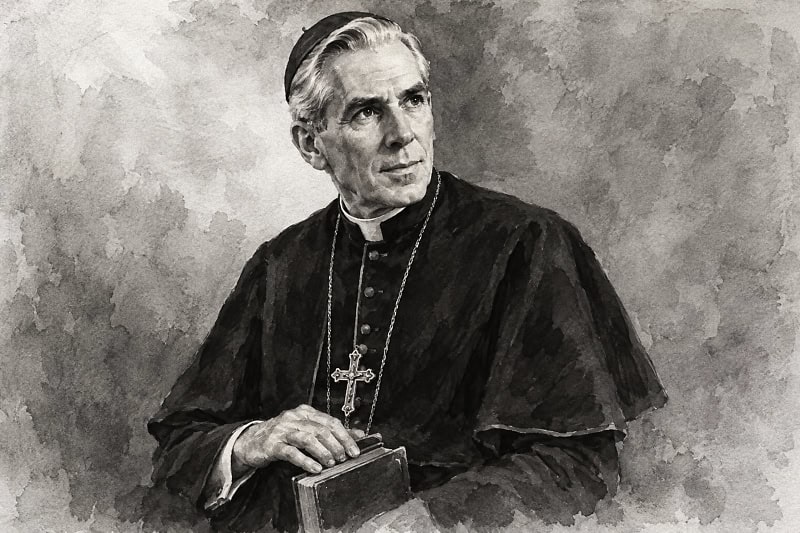
Ritratto ad acquerello di Fulton (immagine generata con IA di ChatGPT)
On the Demonic non è, a rigor di termini, un libro di padre Dave Tomaszycki, ma un libro di Fulton J. Sheen da lui curato e redatto. Tomaszycki ha setacciato per anni gli archivi, i discorsi, gli articoli e i testi inediti di Sheen e da essi ha ricostruito il libro, quasi interamente con le parole dello stesso Sheen. L’interesse di Sheen per il demoniaco è notevolmente sobrio. Il diavolo non lo interessa come curiosità, ma come realtà. Egli cerca di comprendere cosa fa il male alla verità, alla libertà, all’umanità e, in ultima analisi, al rapporto tra l’uomo e Dio. Ciò rende On the Demonic molto più interessante di un semplice libro sui demoni. In realtà è un libro sull’uomo moderno.
Caricatura del diavolo
Per Sheen il diavolo non è tanto il creatore di un mondo alternativo quanto piuttosto una caricatura del mondo di Dio. Prende ciò che è buono e lo perverte. L’amore diventa desiderio. La libertà diventa arbitrarietà. L’uguaglianza diventa uniformità. L’autorità diventa potere. La sessualità diventa consumo. La religione diventa ideologia. E persino la compassione può essere slegata dalla verità. Questa è una delle intuizioni centrali del libro: il demoniaco raramente si manifesta come male palese. Spesso si presenta come un bene pervertito. Il bene viene capovolto, pervertito.
Ecco perché Sheen dedica tanta attenzione alle tentazioni di Gesù nel deserto. Egli non vi vede solo tre episodi all’inizio della vita pubblica di Gesù. Secondo lui, esse racchiudono l’intero programma del demoniaco. Il diavolo offre ogni volta a Cristo un cristianesimo senza croce. Trasforma le pietre in pane. Gettati dal tempio e dimostra, con un miracolo spettacolare, chi sei. Adorami e riceverai i regni del mondo. In altre parole: concedi all’uomo prosperità senza conversione, miracoli senza fede e potere senza sacrificio. Il Vangelo afferma che la salvezza viene dalla verità, dalla conversione, dal sacrificio e dall’amore. La tentazione dice: si può fare anche senza.
Ogni tentativo di rendere attraente il cristianesimo eliminando la croce, secondo Sheen, porta in sé, in ultima analisi, qualcosa di quella seduzione originaria. Una Chiesa che vuole Cristo senza il Golgota, la misericordia senza la verità, la risurrezione senza il Venerdì Santo e il discepolato senza abnegazione, alla fine non ha molto più che un sentimento religioso.
Nudità, violenza e schizofrenia
Secondo Sheen, una cultura può assumere tratti demoniaci quando capovolge sistematicamente – perverte – ciò che è umano. Per questo motivo, On the Demonic tratta tre fenomeni salienti che egli considera segni di influenza demoniaca: 1. un’ossessione per la nudità, 2. la violenza e ciò che egli definisce 3. una «mentalità schizofrenica».
1- Con il primo – l’ossessione per la nudità – Sheen intende qualcosa di più della semplice immoralità. Per lui la nudità simboleggia la scomparsa del senso di vergogna. Il corpo umano non è più visto come qualcosa che partecipa alla dignità della persona, ma diventa un oggetto che può essere guardato, commercializzato e consumato. Una cultura può parlare continuamente di autonomia corporea e allo stesso tempo commercializzare sempre più il corpo. Può promettere la liberazione sessuale e allo stesso tempo separare la sessualità dalla fedeltà, dal matrimonio, dalla fertilità e dalla responsabilità. Sheen non vedrebbe in questo una liberazione, ma una frammentazione. Il corpo viene separato dalla persona. Il sesso viene separato dall’amore. L’amore viene separato dal sacrificio. E alla fine la libertà viene separata dalla verità.
2- Con il secondo concetto – la violenza – Sheen non pensa esclusivamente alla criminalità o alla guerra. Secondo lui, la violenza nasce quando l’uomo smette di vedere l’altro come persona. Quando Dio scompare dal quadro, alla fine scompare anche il fondamento più profondo della dignità umana. L’uomo viene allora più facilmente ridotto a unità economica, organismo biologico, orientamento sessuale, membro di una classe o rappresentante di una razza. Il XX secolo ha fornito a Sheen abbondante materiale per questa analisi: comunismo, nazionalsocialismo, guerre mondiali e Stati totalitari. Ma il suo pensiero va oltre. Non appena le persone iniziano a considerare le categorie più importanti delle persone, sorge la possibilità della disumanizzazione. (C.S. Lewis ne aveva già parlato in precedenza nel suo libro «The Abolition of Man»). L’altro non è più qualcuno da amare o da convincere, ma qualcuno che è d’intralcio. Per questo Sheen vede un legame intrinseco tra menzogna e violenza. Chi non riesce più a convincere la realtà, alla fine cerca di costringerla.
3- Sheen utilizza il termine «mentalità schizofrenica» non principalmente come diagnosi psichiatrica, ma come metafora culturale. Secondo Sheen, l’uomo moderno è diviso dentro di sé. Vuole la libertà senza responsabilità; la sessualità senza conseguenze; i diritti senza doveri; il benessere senza sacrifici; la moralità senza verità oggettiva e il cristianesimo senza croce. Da ciò deriva una singolare situazione spirituale. L’uomo vuole contemporaneamente due cose opposte e rifiuta di riconoscere che esse sono in conflitto tra loro. Vuole essere completamente autonomo e allo stesso tempo desidera che gli altri confermino le sue scelte. Afferma che la verità è relativa, ma esprime giudizi morali con grande certezza assoluta. Nega l’esistenza di una natura umana oggettiva, ma invoca costantemente la dignità umana. In ciò Sheen vede qualcosa di demoniaco, poiché secondo la Scrittura il diavolo è fin dall’inizio il grande divisore – diabolos. Il demoniaco, quindi, non crea solo conflitti tra le persone, ma divide anche l’uomo dentro di sé.
Cristianesimo senza Cristo
Una parte consistente del libro tratta dell’Anticristo e della fine dei tempi. L’Anticristo non apparirà come qualcuno che dichiara apertamente: «Sono contro Cristo». Sarebbe troppo semplice. Il demoniaco imita. Per questo il male si presenterà nel linguaggio del bene. Parlerà di pace, umanità, fratellanza e forse persino di religione — ma ne eliminerà Cristo. Questo è l’avvertimento principale di Sheen. La tentazione finale del mondo cristiano non sarà necessariamente l’ateismo. Potrebbe anche essere un cristianesimo senza Cristo. Una religione di fratellanza senza Padre. Una morale senza verità. Una pace senza conversione. Un Regno senza Re.
Una delle grandi qualità di Sheen come apologeta è che comprende che le persone non scelgono quasi mai il male perché è male. Scegliamo il male perché in esso si nasconde qualcosa di buono. Nessuno desidera la dipendenza per la dipendenza stessa; si desidera il piacere. Nessuno desidera la menzogna per la menzogna stessa; si desidera un vantaggio, una reputazione o una protezione. Nessuno desidera la tirannia in quanto tale; si desidera l’ordine, la sicurezza o l’uguaglianza. Secondo Sheen, Satana ha quindi sempre bisogno della verità. Non perché ami la verità, ma perché una menzogna diventa credibile solo quando contiene una dose sufficiente di verità. Una banconota viene contraffatta perché le banconote autentiche hanno valore. Nessuno contraffa una banconota da 12 euro perché non esiste una banconota autentica da 12 euro. Così funziona anche il male. Imita ciò che è veramente prezioso. Ecco perché il discernimento è così importante. La lotta cristiana non consiste solo nella scelta tra qualcosa che è chiaramente buono e qualcosa che è chiaramente orribile. La scelta è spesso tra il bene e qualcosa che sembra buono.
Le tre grandi armi
Con questo arriviamo alla parte più sorprendente del libro. Dopo aver parlato a lungo del male, Sheen non fornisce tecniche complicate per la guerra spirituale. Al contrario, ritorna al centro della fede cristiana. Le tre grandi armi che menziona sono: il nome di Gesù, il sangue di Cristo e Maria.
Seguono poi capitoli sulla croce e sull’Ora Santa, l’ora di adorazione che lo stesso Sheen ha osservato quotidianamente per decenni. È così che il libro acquista la giusta prospettiva. La figura centrale di On the Demonic, in definitiva, non è Satana. È Cristo.
Di conseguenza, On the Demonic si rivela, in definitiva, ben poco un libro su strani fenomeni soprannaturali. È un libro sul rifiuto umano di essere creature – si pensi al rifiuto di Adamo ed Eva. Satana può conservare le parole cristiane e cambiarne il significato: misericordia senza conversione; carità senza verità. Salvezza senza croce. Questi non sono semplicemente errori. Per Sheen, esse fanno parte di uno schema spirituale fondamentale: si vogliono conservare i frutti del cristianesimo dopo averne reciso le radici. Ma i fiori recisi non continuano a fiorire in eterno.
Il suo messaggio è, in definitiva, quasi classicamente benedettino: resta vicino a Cristo, vivi secondo i sacramenti, prega, venera l’Eucaristia, prendi su di te la croce, non temere i sacrifici e confida in Maria. Ecco perché il pensiero di Sheen sul demoniaco termina proprio dove in realtà termina tutto il suo pensiero: presso la croce e l’Eucaristia.
Dave Tomaszycki. Arcivescovo Fulton J. Sheen: Sul demoniaco Da non perdere!!
+Rob Mutsaerts
Vescovo ausiliare della diocesi di ’s‑Hertogenbosch (in italiano, Boscoducale / Den Bosch), nei Paesi Bassi.
Sabino Paciolla si è laureato con lode presso la Facoltà di Economia e Commercio dell’Università degli studi di Bari (Italia), corso di laurea in Scienze statistiche ed economiche. Ha conseguito un Master in Corporate and Investment Banking presso la SDA Bocconi di Milano (Italia). Ha lavorato presso un istituto bancario di livello internazionale nell’ambito del corporate e restructuring, in qualità di senior relationship corporate manager. Cultore di materie economiche e finanziarie, segue con attenzione l’andamento dell’economia, dei mercati finanziari e delle politiche monetarie delle Banche centrali. Segue anche il panorama culturale e politico attuale. Sposato, con quattro figli.
Jan Böhmermann spielt einen AfD-Politiker auf einem Moped. Ein Lastwagen überrollt ihn, fährt zurück und überrollt ihn ein zweites Mal. Im ZDF-Studio wird gelacht.
Jan Böhmermann spielt einen Mopedfahrer, der von einem LKW überfahren wird. Die AFD setzte im Landtagswahlkampf Thüringen, Sachsen-Anhalt und Mecklenburg-Vorpommern auf Simson Moped-Ausfahrten. #OerrBlog https://t.co/rPvkBta3k1
Ein linkspolitischer Satiriker inszeniert die Tötung eines politischen Gegners, produziert für einen Sender, der sich aus den Gebühren von Millionen Zuschauern finanziert. Das ZDF macht daraus Unterhaltung auf Kosten seiner Gebührenzahler und verkauft die Szene unter dem Etikett Satire.
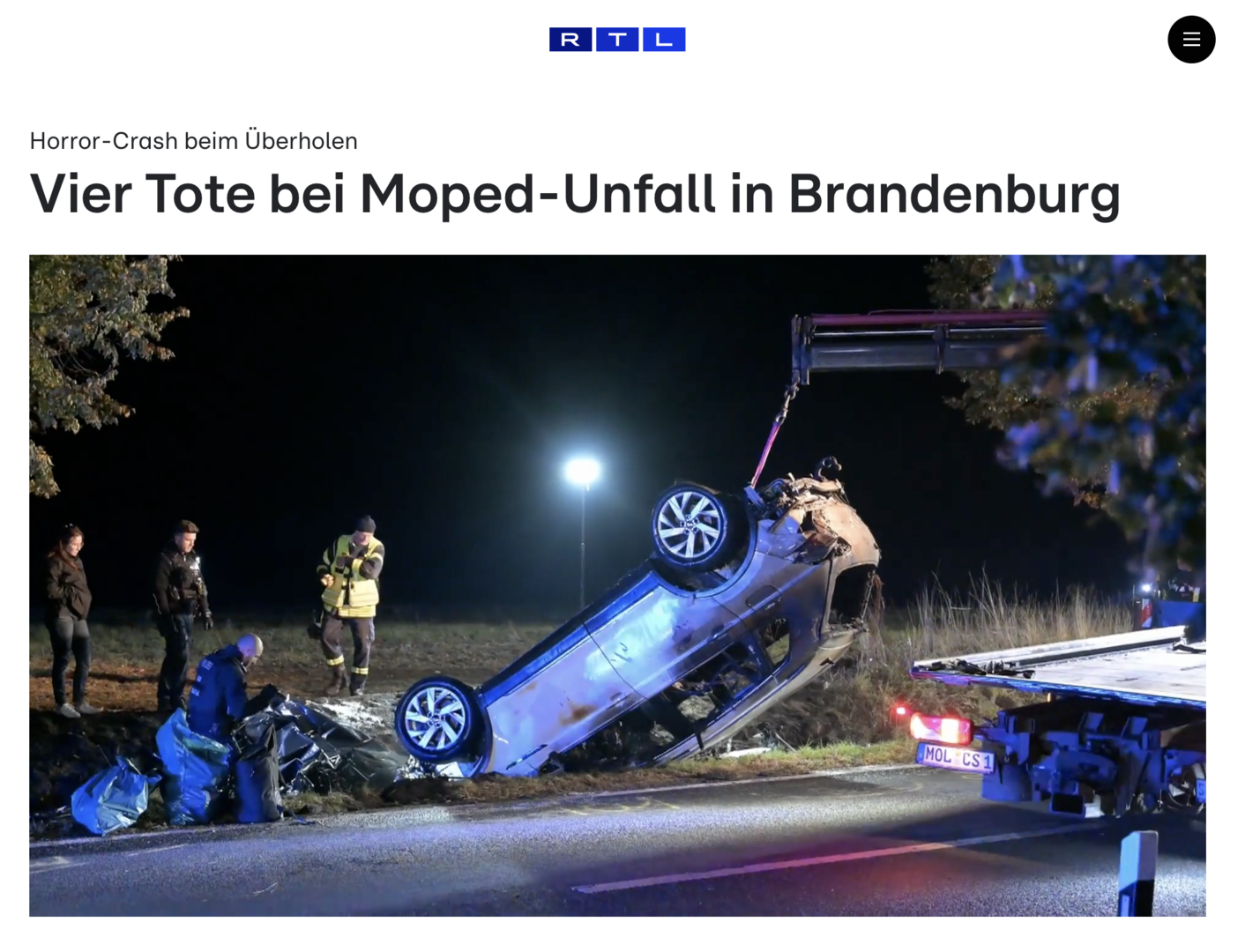
Der Clip wurde am 2. Oktober veröffentlicht, fünf Tage vor dem tödlichen Mopedunfall in Brandenburg, bei dem vier Jugendliche ums Leben kamen.
Zwischen den beiden Ereignissen besteht kein Zusammenhang. Der zeitliche Abstand macht die Szene nicht zur Reaktion auf die Tragödie. Die Frage nach dem Umgang des öffentlich-rechtlichen Fernsehens mit inszenierter Gewalt stellt sich trotzdem. Satire darf provozieren, übertreiben und auch geschmacklos sein. Doch wenn der Tod eines politischen Gegners zur Pointe wird, zeigt sich, wie weit die Grenzen des Humors ausgereizt werden. Bei einem AfD-Politiker unter den Rädern eines Lastwagens gehört das Gelächter offenbar zum Programm.
Der Vergleich mit Uwe Steimle drängt sich auf. Seine Äußerung "Wo ist Stauffenberg, wenn man ihn braucht" führte zu staatsanwaltlichen Ermittlungen. Ermittlungen sind kein Schuldspruch, und die beiden Äußerungen sind juristisch nicht automatisch gleich zu bewerten. Wortlaut, Kontext und konkrete Umstände zählen. Trotzdem bleibt der Eindruck unterschiedlicher Maßstäbe, wenn die Gewaltfantasie gegen einen politischen Gegner im einen Fall als Satire präsentiert wird und eine andere Äußerung Ermittlungen nach sich zieht.
Gute Nachricht für die Zuschauer: Jan Böhmermann hört auf – Gott sei Dank
Am 18. Dezember läuft die letzte Ausgabe des "ZDF Magazin Royale". Nach Jahren voller politischer Belehrungen, Provokationen und juristischer Auseinandersetzungen ist damit zumindest dieses Kapitel vorbei. Ganz verschwinden wird Böhmermann allerdings nicht. Das ZDF hält sich die Tür für ein neues Format mit ihm offen.
Böhmermann kann sich auf die Kunst- und Satirefreiheit berufen. Sie schützt auch Provokationen, die vielen missfallen. Doch sie ist kein Freibrief für einen gebührenfinanzierten Sender, der politische Gewaltfantasien als Unterhaltung präsentiert. Wenn sich Böhmermann als AfD-Politiker von einem Lastwagen überrollen lässt und im Studio gelacht wird, darf das Publikum diese Geschmacklosigkeit kritisieren.
Das ZDF muss nicht jeden Witz entschärfen. Aber Millionen Gebührenzahler finanzieren das Programm, unabhängig davon, ob sie Böhmermanns Humor teilen. Sie haben jedes Recht, von Ihrem Sender mehr zu erwarten als die Inszenierung eines getöteten politischen Gegners. Satirefreiheit schützt den Clip vor pauschaler Zensur. Sie schützt weder Böhmermann noch das ZDF vor Kritik.
Die letzte Sendung im Dezember ist deshalb eine gute Gelegenheit für einen Neuanfang. Nur sollte das ZDF nicht einfach das Etikett wechseln und mit Böhmermann weitermachen, als wäre nichts gewesen. Ein neues Format wäre erst dann ein echter Neuanfang, wenn auch der Sender seine eigene Rolle und seine Maßstäbe hinterfragt.
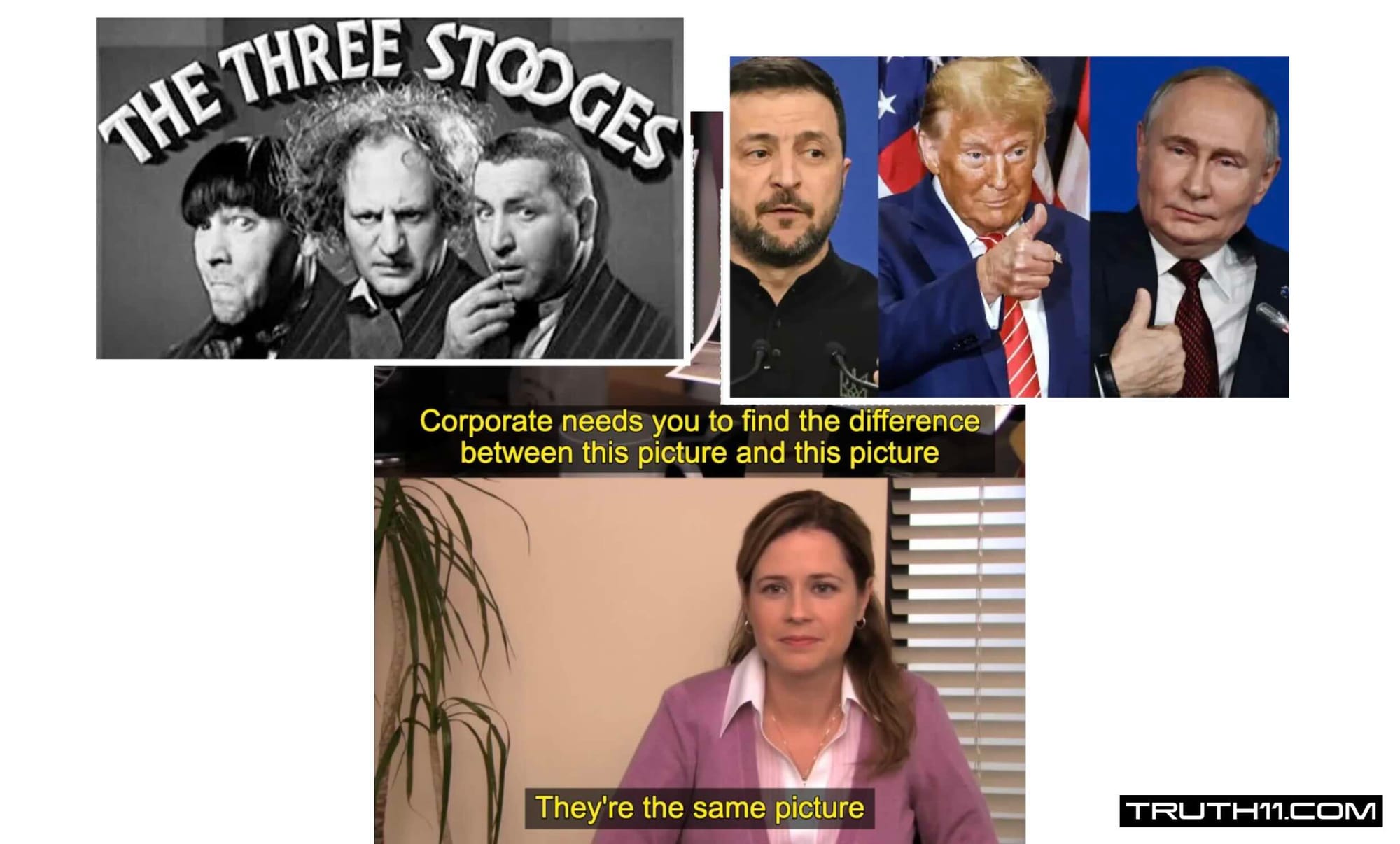
Trump, Putin and Zelensky are not only proven CIA cutouts, they are stone-cold traitors to their respective nations—BIG TIME!
Why traitors?
For starters, both Zelensky and Putin have been leading and perpetrating a long planned and highly organized genocide of millions of white Christian Slavic men since the very beginning of the Ukraine War, which has actually been defined by one mass-murdering meatgrinder after another.
As for Trump, he’s still fighting a war on behalf of arch-enemy Israel—a rogue Zionist state and apartheid nation. In other words, he has been and is treasonously wasting American blood and treasure to support an extremely dangerous international crime syndicate that masquerades as a normal country while it systematically steals U.S. taxpayers’ money at every turn.
Not only that, but Trump really went of the beam and gave away the whole plot when he did this…..
Forget what these three clowns say, it’s what they do and don’t do that proves they are literally running a “Three Ring Circus” on the world community of nations, when they’re not playing “The Three Stooges” at home, and worse—“The Three Traitors”
Really, how does Chabad-controlled Putin agree to “make such a good deal” (with Yiddish accent, of course) with Chabad-controlled Trump when the U.S. Intelligence Community together with the U.S. Armed Forces are routinely and significantly facilitating the daily destruction of Russia via nonstop Ukrainian terrorism (overseen by Chabad-controlled Zelensky) and NATO acts of war?!?!?!
[All three; Trump, Putin and Zelensky are members of Chabad. See related article below]
Truly, the whole world has entered the final stages of End-Times Madness, and it appears that this debilitating psychological and physical malady will only get worse…until it can’t anymore because the entire planetary civilization has reached the proverbial event horizon.
How’s that for a grossly understated assessment of the current global geopolitical chessboard that’s been kicked over about 100 times since Trump’s second Inauguration Day?!
Back to the “diesel deal”.
So, while Trump & Sons are blowing up oil and gas refineries, tankers, pipelines and ports all over the Russian Motherland via the Ukraine-NATO terrorist organization, especially killing the Diesel Industry, Putin is still willing to cut a deal with these oil thieves and gas robbers. Wow! Just WOW!!!
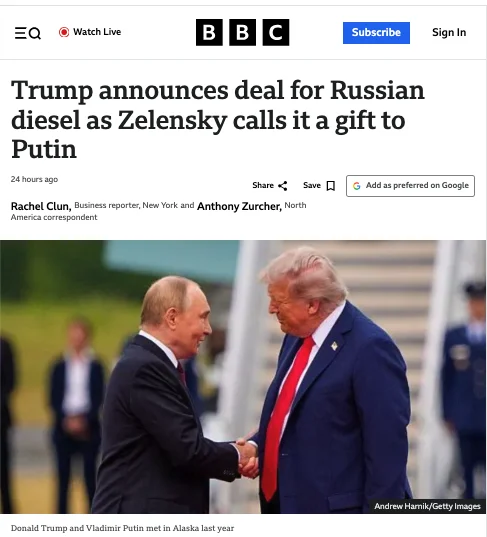
By the way, do these two clowns look like enemies or friends or [fake] frenemies?
Meanwhile,
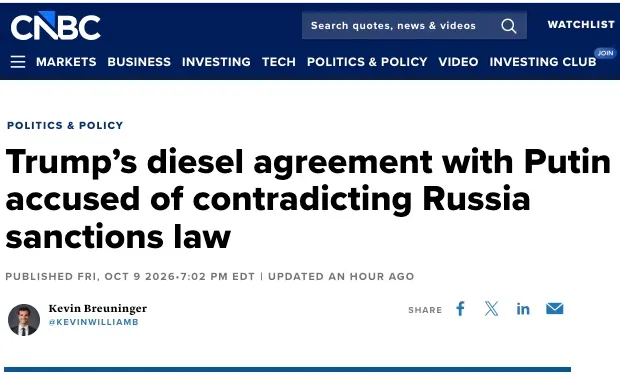
Ukraine’s President Volodymyr Zelensky has condemned Donald Trump’s announcement of a deal to import Russian diesel into the US.
Zelensky called it a gift to Russian President Vladimir Putin that amounts to “an investment in a war that must be ended, not prolonged”, a position quickly backed by Ukraine’s European allies.
Trump said Putin had agreed to release 300,000 tonnes of diesel immediately “to the American and global marketplace” followed by 500,000 tonnes in November and a further one million after that.
It is understood that the US Treasury is suspending sanctions on Russian diesel exports until 7 April as part of the deal, but other assets like those in American banks are still frozen.
Trump wrote on his Truth Social platform that a further three million tonnes of Russian diesel would be delivered “within a short period”, dependent on the condition of its refineries, which have been attacked by Ukraine.
Putin later said that Russia, which introduced a ban on diesel exports earlier this year, was willing to supply both the US and global markets with oil and petroleum products,but his statement did not specify amounts.
Zelensky said Russia would repay the diesel with “further terror”.
“We count on America’s fair support for our defence of life, for our defence of people in Ukraine – and on the United States having a correspondingly strong conversation with Russia. A strong one, not a weak one,” he wrote.
Analysts have questioned whether Russia is capable of providing that quantity of diesel and the extent to which doing so will ease prices for American consumers.
Like we said, you just can’t make this shit up, especially when the primary sponsor of all three sides of the war is Chabad, which is actually the main director, producer and screenwriter for this global End-Times production. How here’s the well-concealed script:
La chambre régionale des comptes des Pays de la Loire a passé au crible 35 collectivités. Elle y trouve un conseil municipal plus peuplé que celui de Paris, des emprunts signés sans mandat suffisant et un patrimoine valorisé à 50 % d’écart selon le registre consulté. La gestion locale ne sait plus ce qu’elle possède ni ce qu’elle signe.
LE COURRIER DES STRATÈGES
Restez libre !
LA NEWSLETTER · GRATUITE
Le Courrier, chaque matin.
L'essentiel de l'actualité, passé au crible par les cinq plumes du Courrier. Dans votre boîte, chaque jour ouvré.
Gratuit. Vous restez libre de partir quand vous voulez.
Un département, quatre communautés de communes, trente communes : le contrôle dresse l’inventaire d’une administration qui s’administre elle-même, sur fonds publics.Les observations rapportées par Breizh-Info le 7 octobre 2026 dessinent un tableau préoccupant du fonctionnement de plusieurs collectivités des Pays de la Loire.
LE COURRIER DES STRATÈGES
Restez libre !
ABONNEMENT
Allez au fond des choses.
Deux grands formats par jour. Les cinq plumes du Courrier. La série Sécession, le dimanche.
Des conseils pléthoriques et des décisions hors cadre
La chambre régionale des comptes a examiné 35 collectivités : un département, quatre communautés de communes et trente communes. À Montrevault-sur-Èvre, le conseil municipal comptait 177 membres en 2015, davantage que les 163 conseillers de Paris, alors que des communes de taille comparable en élisaient 33. L’effectif n’est redescendu à 59 qu’après les élections municipales de 2020. Une telle configuration interroge sur l’organisation de la représentation locale et le coût de son fonctionnement.
Les irrégularités relevées touchent également à l’exercice du pouvoir financier. À Courdemanche, dans la Sarthe, le maire a ouvert seul une ligne de trésorerie de 125 000 euros sans délégation du conseil municipal. À Dompierre-sur-Yon, en Vendée, 1,6 million d’euros d’emprunts ont été signés alors que la délégation accordée plafonnait à 1,5 million. Ces écarts ne sont pas de simples détails administratifs : les délégations encadrent précisément les pouvoirs confiés aux exécutifs locaux.
Ne manquez pas nos vidéos exclusives gratuites
Si vous voulez voir les vidéos exclusives de décryptage, rejoignez notre chaîne Telegram gratuite en cliquant sur ce lien :
700 000 euros par an et un patrimoine mal comptabilisé
À Saint-Nazaire, la participation citoyenne représente environ 700 000 euros de dépenses annuelles et mobilise cinq agents. Dans le même temps, les procès-verbaux des conseils municipaux sont jugés manifestement incomplets. Plus troublant encore, la valeur du patrimoine communal présente un écart de 50 % entre les registres de la mairie et ceux du comptable public. Le crématorium ne figure même pas dans l'inventaire signalé.
À Orvault, 36 000 euros hors taxes ont été versés à une société pour animer une concertation sur le centre-bourg. Une autre consultation, portant sur une hausse de 9 % de la taxe foncière, a été abandonnée après environ 20 000 euros de frais. Les contribuables ont donc financé une démarche qui n'a pas abouti.
Ces constats ne décrivent pas des détournements. Ils décrivent une chose plus banale et plus inquiétante : les élus peuvent-ils multiplier les dispositifs, engager des dépenses et administrer des patrimoines sans garantir une traçabilité rigoureuse ? La chambre régionale des comptes met en lumière une décentralisation sans responsabilité. Tant que le contribuable ne pourra ni sanctionner ni choisir, il paiera. Et la machine continuera de s’administrer elle-même.
LE COURRIER DES STRATÈGES
Restez libre !
TIPS · SANS ABONNEMENT
Offrez-nous un café.
Un média libre vit de ses lecteurs. Un pourboire ponctuel, sans compte ni engagement, quand le cœur vous en dit.
Vous donnez ce que vous voulez. Vous restez libre.
Numa fase que considera "decisiva" das negociações, o presidente do Conselho Europeu defende que o próximo QFP deve estar operacional no início de 2028.
Azerbaijani authorities arrested 37 people in Baku over protests against new school uniform rules, Minval reported, citing Azerbaijan’s Interior Ministry. According to Minval, protesters clashed with school staff and tried to disrupt school operations and traffic.
В Азербайджане начались протесты из-за запрета на ношение хиджаба
Местные телерам-каналы публикуют видео с митингами возле школ.
В Азербайджане начала действовать единая школьная форма, а правительство запретило использовать элементы одежды, нарушающие ее единообразие или… pic.twitter.com/MuZ1AEE5YR
Protesters also tried to set fires, Minval reported. In Baku’s Garadagh district, they set fire to a school director’s car, and in the Yasamal district, they tried to set fire to a school. No one was injured in either incident.
A criminal case has been opened on charges of “organizing actions that disrupt public order, or actively participating in such actions.” The maximum penalty under that charge is up to three years in prison.
Azerbaijan’s government approved new rules on school uniforms on September 21, barring students from attending classes in clothing that contradicts the secular nature of education and undermines the uniformity of the school dress code. Starting October 6, similar requirements have extended to teachers’ clothing as well.
Schoolchildren protest outside a school in Azerbaijan, in a video that shows pupils boycotting classes.
The protests follow reports that a new “secular” dress code recently introduced by the government has led to hijab-wearing pupils and teachers being barred from school… pic.twitter.com/tLQ7gzewQa
On October 12, schools began checking compliance with the new requirements, the APA news agency reported. Students who came to school improperly dressed were given talks involving school doctors and psychologists, and their parents were invited to the school for an explanation.
Azerbaijani authorities say the ban on religious clothing in schools is necessary to ensure equality among students. A uniform dress code is meant to smooth over social and religious differences among children, Azerbaijani lawmaker Sevinj Fataliyeva explained:
The requirements for school uniforms should not be seen as a fight against anyone’s religious faith, but as protection of a neutral educational space: a space where a child is not divided into “religious” and “non-religious,” rich and poor, or belonging to one group or another. Before the teacher sits a student.
At Meduza, we are committed to transparency about our use of artificial intelligence in the newsroom. The story you’re reading was written by one of our living, breathing journalists and translated from Russian using an AI model configured to follow our strict editorial standards. This translation process is the result of extensive testing and refinements to ensure our English-language coverage is timely and accurate. A Meduza editor reviews every draft before publication.
If you find any errors in this translation, please contact us at reports@meduza.io.
They looked like Russian “porcupines” and fought where the Kremlin considers Russian rear territory. They were protected by their own drone.
Drones also struck Yandex’s third data centre.
The battle for Dobropillia on a new type of map.
Storm Shadow/SCALP-EG missiles caused the largest single massacre of senior Russian officers of the entire war in August.
Maps of the day — Dobropillia, Kharkiv region
Videos of the day — Abrams as a porcupine; MANPADS against a Geran; Russian port during an air raid; nighttime FPV drone combat; Kyiv resident narrowly escapes death at a playground
They looked like Russian “porcupines” and fought where the Kremlin considers Russian rear territory. They were protected by their own drone. Both the Russian and Ukrainian armies are continuing their efforts to return tanks and combat vehicles to the battlefield.
Russia recently attacked near Dobropillia with tanks fitted with upgraded Arena-M active protection systems.
The system itself proved effective, but was ultimately unable to withstand the flood of drones, and the attack ended in defeat and the destruction of the tanks deployed.
Last week, we also wrote about a successful operation by Ukrainian tanks from the 475th Assault Regiment.
And the same Ukrainian unit, also known as CODE 9.2, demonstrated a new use of heavy armoured equipment over the weekend.
Compared with the first case, this one revealed an important detail about the operation of accompanying drones and, thanks to geolocation, can also be used to verify the accuracy of Russian maps.
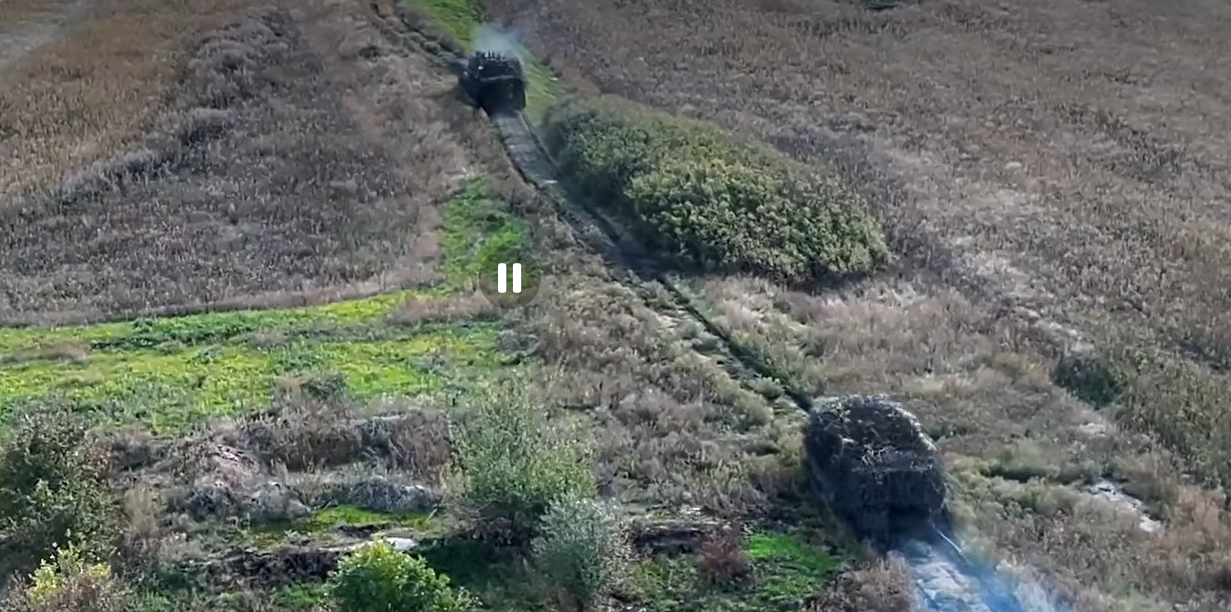
The battle took place in the Kharkiv region and involved a US-made Bradley combat vehicle as well as a tank. According to one source, it was an Abrams of Australian origin, although the appearance of its gun barrel does not suggest this.
In a video released by the unit, the Bradley advances first towards Russian positions and begins laying down covering fire. The tank joins it later, firing directly at the target.
While the Bradley’s turret has retained its mobility, the tank has effectively become an assault gun of the type known from the Second World War.
Its turret does not appear to be capable of moving, and the crew must aim the entire tank at the target. This reduces the effectiveness and speed of firing, while increasing its chances of survival.
A tank modified in this way is virtually indistinguishable from similar Russian adaptations. What distinguishes these attempts is, once again, the involvement of accompanying drones.
Aside from the heavy Vampire, first seen at 1:30, this primarily includes an FPV drone which, at 1:58, neutralises in an aerial duel the same type of Russian weapon that had attempted to strike the tank.
This is another example of how heavy equipment must be accompanied by drones at this stage of the war if it is to remain combat-capable.
Despite air support, another drone strikes it at 2:16 — after another had narrowly missed earlier. The tank remained mobile and withdrew successfully.
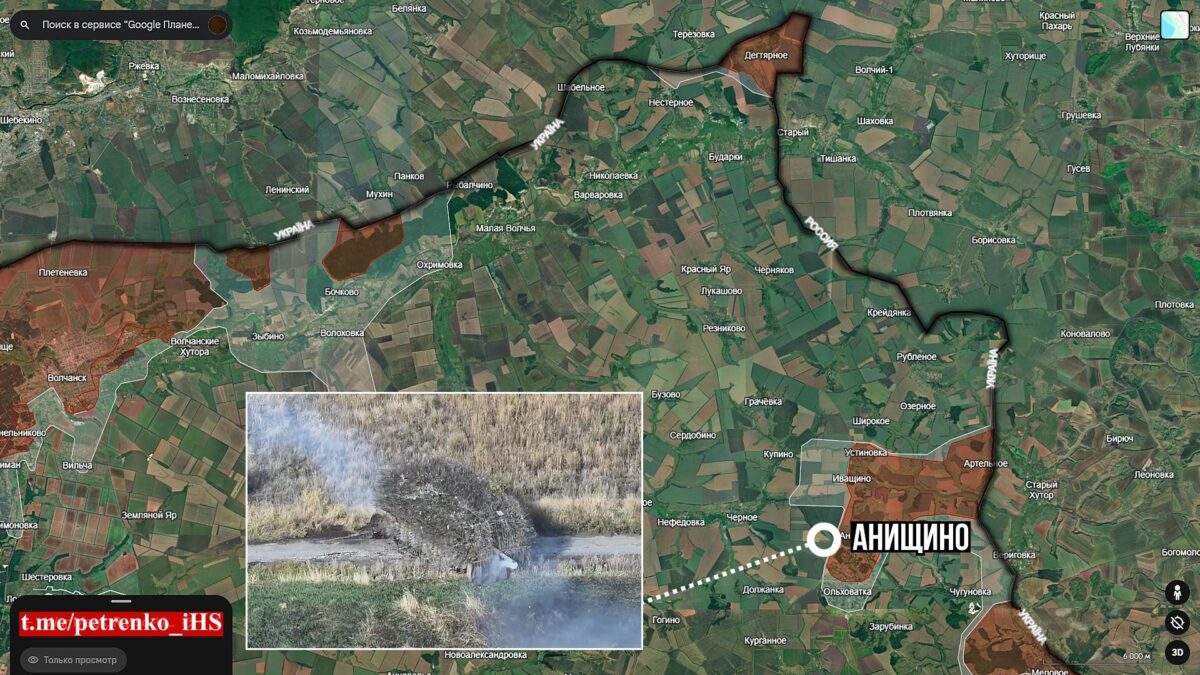
Beyond the operation itself, its location is also noteworthy: near the village of Anishchyne in the north-eastern part of the Kharkiv region, on the axis Russia calls the Velykyi Burluk direction.
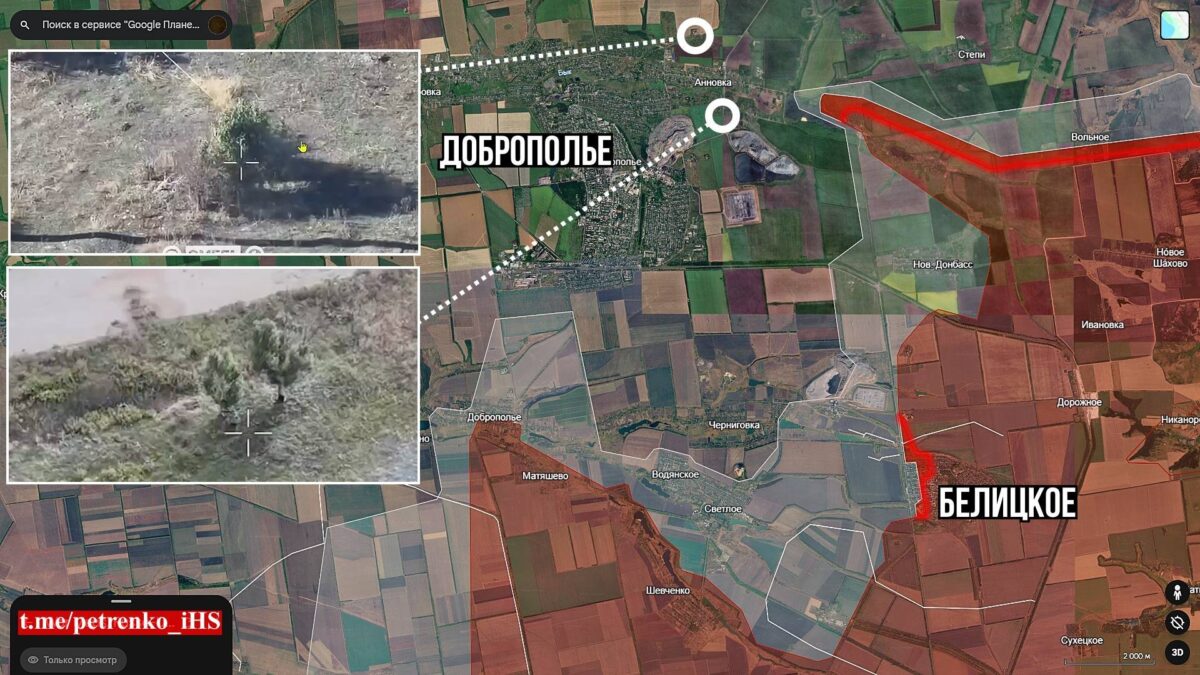
The Ukrainian Telegram account Petrenko, which also provided the map below, precisely identified the site of the battle.
“The video reveals a discrepancy between reality and Russian claims of an alleged massive advance, the encirclement of Ukrainian units and the capture of more than 65 settlements,” the author wrote.
He noted that both vehicles operated in territory that most Russian maps mark in red — as a “Russian” zone.
This is the same area about which we have written repeatedly. For comparison, below is a map by the Russian state agency Ria Novosti. The village of Anishchyne does not appear on it, but the settlement of Vilkhuvatka — Olkhovatka in Russian — serves as a reference point in the centre-right.
The tank and Bradley were fighting around five km north of a location that Russia marks as securely captured.
Drones also struck Yandex’s third data centre. Graphs circulated online, particularly on Sunday, suggesting that Ukrainian attacks on Russia’s largest internet provider had restricted the operations of Russian bots around the world.
However, this has not yet been objectively proven. Russia has indeed reported outages affecting various internet-based services after each attack, but that is so far the only confirmed effect.
On this occasion, French analyst Clément Molin pointed out that the Russian Varyag drone brigade had attacked data centres in Ukraine in recent weeks and had boasted, among other things, of damaging Kyivstar, Ukraine’s largest operator.
The situation has now been reversed, as it was previously with attacks on ships and warehouses. This time, however, to Russia’s disadvantage.
Russia 🇷🇺 bombed multiple data centers in Kyiv, Dnipro or Odesa these last few weeks and proudly showed footage about it
Now, Ukraine is bombing Yandex data centers and causing much more harm to Russia than Russia did to Ukraine.
The first centre hit was in Sasovo, in the Ryazan region, followed by a second in Kaluga, in the Kaluga region. On Sunday, the third of Yandex’s four largest centres was struck, this time in Vladimir, in the Vladimir region.
“This complex houses one of the company’s Galushkin supercomputers, which is among the most powerful in Russia,” Kommersant wrote, adding that the facility had been taken out of service, affecting 10 core Yandex services, including its email service.
The defence ministry is also working on the issue in an effort to protect the company’s remaining facilities. Citing its sources, Kommersant said replacing the damaged capacity could take up to six months.
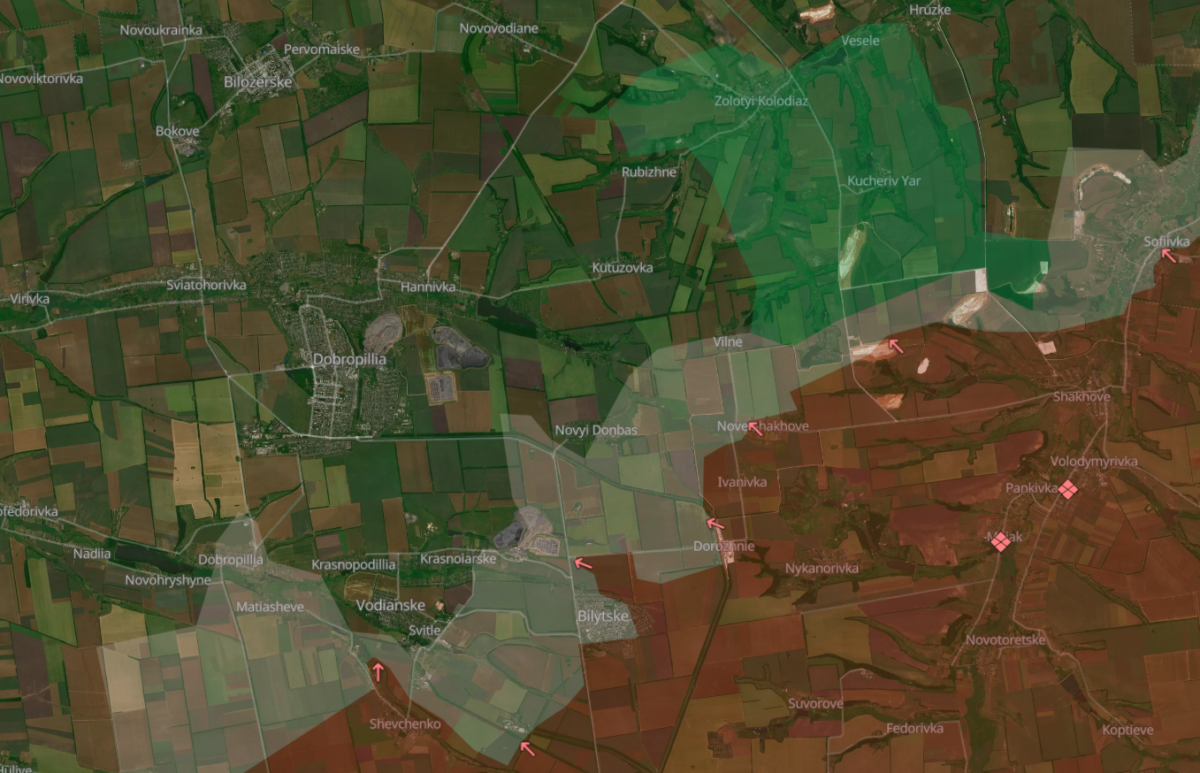
The battle for Dobropillia on a new type of map. As the war evolves, so do the ways it is mapped. This Ukrainian OSINT profile, for example, has depicted the fighting for the important Donbas town — which protects the Sloviansk-Kramatorsk agglomeration from the south-west — on a dynamic map.
Among other things, it shows that Russian forces are infiltrating the town through the village of Hanivka from the Nove Shakhove area.
Mashovets Dobropillia Russia wants Kramatorsk, to the north-east. Its strongest attack here heads west, into Dobropillia: up to 40 men a day along the Byk river.
If Dobropillia and Druzhkivka hold to late December, Russia would have to replan the offensive. pic.twitter.com/OXg8F1WYXy
For a clearer picture, we are also including a static DeepStateUA map, as the previous one is rotated and does not follow the usual compass orientation.
The two maps are rotated by around 90 degrees in relation to each other. On the following one, Dobropillia is in the centre-left. Nove Shakhove, from where Russian infiltrators are advancing, is almost at the centre, exactly 10 km to the east as the crow flies. A small arrow directly next to the settlement’s name indicates the direction of Russian attacks.
The green area in the upper part of the map is the so-called Dobropillia salient, which was fought over a year ago.
Russia reported nothing significant concerning Dobropillia after the weekend. “On the Dobropillia axis, our forces continue to push forward, but Ukrainian units retain the ability to counterattack. Heavy fighting is under way,” the Two Majors wrote, for example.
The Ukrainian Telegram channel Petrenko published a map over the weekend showing sites of new infiltrations. Its interpretation differs considerably from DeepStateUA’s version. Russian forces are shown closer to the town, but the direction of their advance is the same as in the two previous sources.
The sites of the recorded incursions were established on the basis of videos showing drones killing Russian soldiers attempting to advance further west.
Storm Shadow missiles caused the largest single massacre of senior Russian officers in August. On Friday (9 October), a joint project by Russian exile newspaper Meduza and the BBC’s Russian service added another 17,124 names to its list of Russian war casualties. This was the number it had counted since 21 September. In total, 276,113 Russian soldiers killed in the war are now known by name.
On the same day, the project’s authors published a detailed analysis of events in Donetsk on 26 August. The Ukrainian air force had attacked a building in Donetsk with Storm Shadow/SCALP-EG missiles.
The strike was so intense that the target must have been something significant. Almost immediately, there was speculation that the building housed an important Russian headquarters.
Meduza and the BBC counted 20 high-ranking Russian military personnel killed during a joint meeting of the headquarters of the Centre group of forces and its subordinate 41st Army — 18 at the scene and another two from their injuries in the following days.
This week, in our update of Russian losses in Ukraine: – 17,000 names added to our list since September 21https://t.co/lBGxPNvv8z
They included seven colonels, six lieutenant colonels, five majors, one captain and one senior non-commissioned officer. They were identified thanks to access to nominal lists of headquarters staff as of 25 July and after that date.
It also emerged that this was not the first time officers of the 41st Army had had a bad day. During an attack on 8 September 2025, it lost a lieutenant colonel, two majors and a lieutenant. The toll on 4 August 2026 was even worse, when the army lost two lieutenant colonels, three majors, two captains and one lieutenant at once.
The following images illustrate the scale of destruction caused by the strike on 26 August:
— Special Kherson Cat 🐈🇺🇦 (@bayraktar_1love) August 26, 2026
Videos of the day
As Russian jet-powered drones become more widespread, videos are also appearing more frequently of Ukrainian soldiers shooting them down with man-portable air-defence systems, known by the English acronym MANPADS. This is one of them.
A Ukrainian soldier shot down a Russian jet-powered Geran-4 drone using an Igla-1 MANPADS over Ukraine’s Rivne region this morning. pic.twitter.com/4onx7UNclQ
Despite its best efforts, air defences at one of Russia’s ports were unable to shoot down a Ukrainian drone, which subsequently struck a Black Sea Fleet vessel. Note the beams of light used to assist with targeting.
Один из Z-блогеров опубликовал видео работы ПВО в гавани (Новороссийск?) и попадание дрона ВСУ в военный корабль. Дата съемки неизвестна, однако, уже видны те самые синие лучи, которые пару лет назад решили ввести как лучшее средство подсветки цели. Покупали их военные обычно за… pic.twitter.com/WvDuR369Z3
The Russian soldiers in this nighttime video appear relaxed. They were probably moving through an area they still considered relatively safe. But a waiting drone equipped with a thermal camera was tracking them.
A Ukrainian FPV drone lying in ambush at night spots a passing Russian assault group of four soldiers on a quad bike, waits for the right moment, then takes off and strikes them. pic.twitter.com/MD83B4RkKk
A Kyiv resident narrowly avoided a Russian drone at the last moment as it crashed into a playground.
A man narrowly escaped a Russian drone strike on the grounds of a kindergarten in Ukraine’s Kyiv region yesterday. pic.twitter.com/aOwWNAa6Vj
— Special Kherson Cat 🐈🇺🇦 (@bayraktar_1love) October 9, 2026
What are the losses
No update on Friday.
By Monday (5 October), Russia had verifiably lost 24,170 pieces of heavy equipment (24,138 on Tuesday, 22 September). Of these, 19,133 (19,105) were destroyed by Ukraine, 1,003 (1,000) were damaged, 1,194 (1,194) were abandoned by their crews, and 2,840 (2,839) were captured by the Ukrainian army. This includes 4,452 (4,448) tanks, of which 3,357 (3,353) were destroyed in combat.
Ukraine lost 12,238 (12,175) pieces of equipment, of which 9,633 (9,579) were destroyed, 711 (702) damaged, 695 (695) abandoned and 1,199 (1,199) captured. This includes 1,466 (1,464) tanks, of which 1,126 (1,125) were destroyed in combat.
Note: Neither side regularly reports its own dead or destroyed equipment. Ukraine publishes daily figures for Russian casualties and destroyed equipment, which cannot be independently verified. This overview uses data from the Oryx project, which has compiled a list based exclusively on photographically documented equipment losses since the start of the war.
Garrett Langley, the founder and CEO of Flock Safety, is an unlikely spokesperson for the dangers of the surveillance industry: His company says it has deployed more than 120,000 roadside cameras across 49 states. But in August, while defending his products and policies, he perhaps inadvertently showed why Americans should be alarmed by this technology.
Flock caught “a ton” of “bad cops” when it rolled out a tool to identify abuse of its data, Langley acknowledged on the All-In podcast. (While Flock will soon require the tool for all of its law-enforcement clients, just a fraction of clients were using it as of mid-August. Many bad cops likely went uncaught.) He argued that Flock will force safeguards on clients, though that may lose the company business, because he wants to “sleep at night.” His competitors, meanwhile, “run more reckless”—offering video and facial recognition with their license-plate readers, for example. If you take him at his word—and I’d argue that he overstates the strength of Flock’s safeguards––it’s clear that the way the industry works is worrying even one of its biggest boosters.
My own sleep has been troubled by the private surveillance industry for more than a decade. In 2014, three years before Flock was founded, I warned in The Atlantic that mass surveillance of all car trips was nearly upon us. I noted that private companies were deploying automatic license-plate readers, or ALPRs, at scale on America’s public roads, threatening a privacy we’ve always enjoyed, and that Congress should regulate the fast-growing surveillance industry. Today, if you drive in much of the continental United States, Flock may profit by selling others the means to reconstruct your movements.
Opposition to this form of surveillance is now a plurality position, according to an August YouGov survey, which found that more Americans oppose the technology’s use in their neighborhood than support it. Politicians in both major parties are criticizing ALPRs, whose name has become something of a misnomer: The cameras can capture detailed images of passing vehicles, not just of the license plate. And anti-Flock activists who track clients of the company list scores of past and potential clients that have canceled their contracts or deactivated cameras in recent months. “I’ve never really seen such a grassroots uprising against surveillance technology,” Jay Stanley, an ACLU senior policy analyst, toldThe Guardian. “On the left, there’s a historical memory of law enforcement spying on and interfering with advocates for social change … On the right, there’s a long tradition of ‘don’t tread on me’—keep the government out of my life, keep it from looking over my shoulder.”
Still, most of Flock’s network and its competitors’ cameras remain in place. And fans of the technology want to keep it that way; they argue that there is no reasonable expectation of privacy on roads, and that a network of cameras that logs every passing vehicle is a vital tool for catching criminals. Most surveillance boosters don’t deny that serious abuses have happened or wholly dismiss privacy concerns. Instead, they urge the use of safeguards and the passage of regulations to address them.
But this technology is already ubiquitous. States and localities should not permit its dangers to persist in the hope that one day, our often passive legislators will act. Instead, Americans should work to ban mass surveillance of public roads in every jurisdiction where they can secure support from elected officials until strong protections are in place. The pro-surveillance coalition has significant political influence, and some of its members employ accomplished lobbyists. The only way that it will hasten privacy safeguards is if doing so is the only way to sustain the surveillance business.
Before sketching out what specific legislative protections could look like, it’s helpful to notice that popular debates about ALPRs overstate their likely benefits and understate their dangers. The primary benefit––they help catch some criminals––will grow less effective over time as knowledge of the technology and how to evade it spreads. For example, license plates are already being cloned. And as the benefits decline, the cost that law-abiding citizens pay in lost privacy will persist. It may even increase. After all, the business model––pay us and we’ll help you catch criminals––creates a powerful incentive for surveillance companies to address falling effectiveness with new privacy intrusions. Flock may eschew facial recognition today, but no federal law prevents it from changing its mind tomorrow, or requires that it alert the public before introducing a new tool.
While evidence remains limited that ALPRs reduce crime in general or violent crime in particular, there is solid evidence that they reduce car theft: A working paper, published in August by the criminologists Scott M. Mourtgos and Ian T. Adams, found that ALPR networks are associated with an 11 percent decline in such thefts and an increase in arrest clearance (though they cautioned that clearances were already rising in the weeks before camera deployment). But if vehicle owners installed their own trackers, benefits could be had for all who opt in without imposing costs on everyone’s privacy.
Some dangers of roadside cameras are well understood. The Institute for Justice maintains a database of known and alleged police abuses of the technology, including stalking and wrongful stops. And although Flock’s rollout of Audit Assistance, the tool that helps catch abuse by cops, redounds to the company’s credit, it is no cure-all: It “detects abnormal activity and flags it for Administrator review,” a Flock spokesperson clarified to me by email, which “refers to review by an authorized administrator at the customer agency—not a Flock administrator.” This leaves open the possibility that abuse will remain undisciplined by some police departments.
A less widely understood danger is what might be called the foreign-adversary problem. China, Russia, and others have real incentives for gaining access to data collected by license-plate readers. Doing so could assist hostile actors in recruiting assets, blackmail, intimidation, and more. Breaching Flock would be the biggest prize––and the public is in no position to evaluate how competently the company or its competitors secure their data. If Edward Snowden could make off with the NSA’s most sensitive secrets, a systems administrator at Flock or a competitor could theoretically attempt a large-scale theft. The company (let alone the public) may not even know about it.
That worst-case scenario aside, a hostile foreign actor could do damage to U.S. interests merely via the access that normal Flock clients enjoy. Thousands of law-enforcement agencies use Flock. That means thousands of targets for incidents such as a phishing attack, well-placed bribe, or blackmailing a corrupt county sheriff.
What specific legal safeguards would justify the use of this technology? Figuring that out requires distinguishing between two different ways road cameras might operate. Say that a 1961 Ferrari 250 GT California Spyder is reported stolen by its owner when he arrives home from work to find the car missing from his garage, and the Highland Park, Illinois, police department puts its license plate, NRVOUS, on a “hot list” of missing vehicles. In one approach, Chicago-area license-plate readers could (if the local regulatory scheme allowed it) scan all passing cars for “hot” plates, and instantly delete data on all vehicles that are not a match.
Alternatively––and this is the status quo––license-plate readers could store data from all scans, enabling people with access to the data to retrospectively reconstruct the movements of many thousands of innocents who have no connection whatsoever to any crime. (In this case, neither approach would result in the return of the vehicle in usable condition.)
Defenders of the way that Flock and other mass-surveillance technologies currently function favor constantly collecting and storing data on the movements of millions of people to ensure that a tiny cohort of criminals is surveilled. But that “collect and store it all” approach is not necessary for us to benefit from ALPRs. In Germany, multiple states deploy roadside cameras. Some German states use protocols that flag “hot” license plates while deleting all scans of plates that aren’t hits. That approach offers benefits without creating a spy apparatus that captures and stores data on nearly everyone.
If a collect-and-store-it-all approach endures, equally comprehensive safeguards are justified. First, companies should be permitted to retain data for no longer than a week, on encrypted, local servers; retaining data longer than permitted should be a crime. Authorization by a city council or county board of supervisors should precede installing cameras in any jurisdiction and constrain how that data are shared. And periodic reauthorization votes should be required.
Second, the federal government and all of its agencies should be banned from deploying ALPR technology on public roads or from accessing data collected there.
Third, state and local police should be required by statute to get a warrant to query ALPR data, whether or not federal courts consider these queries Fourth Amendment searches.
Fourth, permissible reasons to query the data should be limited––for example, to investigating felonies or missing or endangered persons, or responding to imminent threats of serious injury or death. And all queries should be made by a named person whose actions can be audited.
Fifth, every camera should be registered with the DMV in the state where it is located, display a physical license number on the device itself, and appear on a publicly accessible map that shows the location of all devices that capture data on public roads.
Sixth, individuals should have a right to know that their license plate was queried, by whom, and for what reason; to obtain records stored on their plate; and to compel deletion and payment of damages if the record was collected unlawfully or retained beyond statutory limits.
Seventh, as Mike Fox of the libertarian Cato Institute suggests, Congress should pass a law that authorizes victims of automated-surveillance errors to sue technology vendors for damages.
In a City Journal article that argues against banning automated license-plate readers, the Manhattan Institute scholar Rafael Mangual writes, “Banning technologies in anticipation of harms that have yet to materialize is the wrong approach to policymaking. Where a technology presents genuine risks, policymakers can act to mitigate them.” But surely some potential harms, such as foreign adversaries accessing information that harms national security, or authoritarian officials exploiting networked ALPRs to threaten democracy, should be anticipated and averted rather than addressed after the fact.
What’s more, significant harms related to ALPRs have already materialized. Mass tracking by the federal government is reality rather than speculation: Last year, the Associated Press reported that “the U.S. Border Patrol is monitoring millions of American drivers nationwide in a secretive program to identify and detain people whose travel patterns it deems suspicious,” and that “suddenly, drivers find themselves pulled over” and are “aggressively questioned and searched, with no inkling that the roads they drove put them on law enforcement’s radar.” And a 2015 investigation by the Electronic Frontier Foundation found that “100 ALPR cameras in Louisiana, California and Florida were connected unsecured to the internet, many with publicly accessible websites that anyone could use to manipulate the controls of the cameras or siphon off data.”
Details from a few entries in the Institute for Justice database of alleged police abuses help to convey their gravity: A Georgia police chief allegedly tracked an ex-girlfriend and her teenage daughter about 600 times. In Texas, a deputy reportedly used data from tens of thousands of Flock cameras to find a woman accused by her partner of having an abortion (the deputy later claimed that he made the search out of concern for the woman’s welfare). In Lenexa, Kansas, police reportedly tracked “a writer who wrote a column critical of them,” whom they also suspected of hanging anti-police posters on city property (which the writer has denied). In Toledo, Ohio, an innocent driver was attacked by a police dog, held at gunpoint, and jailed for hours after a Flock camera misread a digit on his license plate (the Toledo police said that they took “appropriate administrative action” after the incident, which included a “verbal reprimand” for the officer involved).
Getting a new privacy law through Congress is hard. Preventing its passage or watering down its provisions is easy. As a result, the intrusions on privacy just keep growing. But if people who favor and even profit from mass surveillance confronted state and local bans until adequate federal protections were in place, they would suddenly have a powerful reason to push for the speedy passage of new privacy rules. That change in incentives may be the best hope for Americans who see how quickly technology is changing and want to stand athwart the surveillance state, yelling Stop.
66 % à la primaire, 12 % dans les sondages. Entre ces deux chiffres tient tout ce que Raphaël Glucksmann est : le candidat qu'un milieu se donne à lui-même pour répondre à Le Pen, Mélenchon et Trump. Ce milieu, le journal l'appelle la caste. Il vient de choisir son porte-parole.
LE COURRIER DES STRATÈGES
Restez libre !
LA NEWSLETTER · GRATUITE
Le Courrier, chaque matin.
L'essentiel de l'actualité, passé au crible par les cinq plumes du Courrier. Dans votre boîte, chaque jour ouvré.
Gratuit. Vous restez libre de partir quand vous voulez.
Aux Docks d'Aubervilliers, le 13 juin, on pouvait lire la salle comme une liste. Public Sénat l'a dressée : Carole Delga, Marisol Touraine, Anne Sinclair, Bernard Kouchner, Bérénice Bejo, Michel Hazanavicius, Laurence Tubiana, une dizaine de députés, presque autant de sénateurs. Une présidente de région, une ancienne ministre, une figure historique de la télévision, un ancien ministre des Affaires étrangères, deux figures du cinéma, l'architecte de l'accord de Paris sur le climat. Ces gens ne se sont pas concertés pour venir. Ils sont venus parce que c'était là qu'il fallait être. C'est à cela qu'on reconnaît une caste : un ensemble hétéroclite dont les membres réagissent de la même manière sans s'être donné le mot.
Quatre mois plus tard, 66,13 % des 120 000 votants de la primaire socialiste lui ont donné l'investiture. Dans le pays, Cluster17 le mesure entre 12 et 14 % ; l'Ifop place Marine Le Pen à 35 %. Le contraste n'est pas une faiblesse de campagne. C'est la définition même de sa candidature : plébiscité par ceux qui décident, ignoré par ceux qui votent.
LE COURRIER DES STRATÈGES
Restez libre !
ABONNEMENT
Allez au fond des choses.
Deux grands formats par jour. Les cinq plumes du Courrier. La série Sécession, le dimanche.
Le mot n'est pas une insulte, et il ne désigne aucun complot. Il décrit un horizon de carrière. Raphaël Glucksmann est député européen depuis 2019. Avant cela, il a été conseiller du président géorgien Mikheil Saakachvili, de 2008 à 2012. Son
premier mandat électif, il l'a obtenu à Strasbourg. Ses sujets, il les a choisis à Bruxelles : le filtrage des investissements étrangers, dont il fut rapporteur, un ISF européen, un fonds souverain européen, un Buy European Act. Son programme promet la fin du règlement de Dublin, une convention citoyenne sur l'immigration, le refus de « l'immigration zéro ». La nation y figure comme un échelon d'exécution. La décision, elle, se prend un cran au-dessus.
Et c'est en ces termes qu'il décrit lui-même son combat. À Aubervilliers, il a accusé l'extrême droite de vouloir « vendre la France à Trump et Poutine ». Il a nommé « les trois laisses » qui enserrent le cou des Français : les énergies fossiles, la Chine, le numérique. Il n'en a pas nommé une quatrième : celle que tiennent la Commission, la Cour de justice et les traités. On ne voit pas la laisse qu'on tient soi-même.
Pourquoi la riposte prend cette forme
Le populisme, tel qu'il s'est installé de Washington à Rome, tient en une phrase, et Marco Rubio l'a prononcée à Athènes le 7 octobre : il n'y a « rien d'égoïste ni de répréhensible dans la loyauté envers sa nation ». Face à cela, la caste française n'a pas de doctrine. Elle a un réflexe, et c'est le même depuis 2017 : trouver un homme jeune, européen, bien né, qui parle de progrès, et le placer entre « les extrêmes ».
Les ressemblances avec Macron ne sont pas un hasard, elles sont un procédé. Un mouvement à son nom plutôt qu'un parti, Place publique en 2018 comme En Marche en 2016. Un livre au printemps, puis des salles pleines avant toute déclaration, puis une candidature au journal de 20 heures. Le service national obligatoire, promesse de Macron en 2017, revient tel quel. La convention citoyenne, inventée pour le climat en 2019, est resservie pour l'immigration. Le Buy European est un slogan macronien de la première heure. La caste ne change pas de méthode quand la méthode échoue ; elle change de visage.
Il y a une différence, et elle compte : Glucksmann est passé par une primaire, et il l'a gagnée. Macron avait tout fait pour l'éviter. Mais regardons de près cette primaire. 140 282 inscrits, dont 42 695 sympathisants à 15 euros, un vote en ligne, une liste close le 5 octobre. C'est le corps électoral d'une grande entreprise, pas celui d'un pays. Le peuple de la primaire, c'est le peuple d'Aubervilliers élargi. Il a choisi celui qui lui ressemblait le plus.
LE COURRIER DES STRATÈGES
Restez libre !
TELEGRAM · L'INFO EN CONTINU
Entre deux éditions, le fil.
La newsletter vous donne le matin. Le fil vous donne l'instant.
Et c'est ici qu'il faut cesser de regarder la caste pour nous regarder nous-mêmes. Si la riposte peut prendre la forme d'un homme sans programme chiffré, c'est que le populisme français n'a rien produit depuis huit ans qu'une humeur. Le Rassemblement national à 35 % n'a pas publié son programme pour 2027. Les gilets jaunes ont réclamé un référendum et n'ont jamais écrit la question. Nous avons fourni la colère. La caste a fourni le candidat. Entre une colère sans texte et un texte sans colère, l'électeur modéré choisira le texte, même vide.
LE COURRIER DES STRATÈGES
Restez libre !
TIPS · SANS ABONNEMENT
Offrez-nous un café.
Un média libre vit de ses lecteurs. Un pourboire ponctuel, sans compte ni engagement, quand le cœur vous en dit.
Vous donnez ce que vous voulez. Vous restez libre.
Raphaël Glucksmann n'est pas le candidat de la gauche. Il est le candidat par lequel un milieu qui a gouverné la France depuis 2017, et qui sait qu'il va perdre, organise sa survie sous une autre étiquette. Ce milieu l'a adoubé à 66 %. Le pays l'ignore à 88 %.
Ce qui le fera exister, ce n'est pas lui. C'est nous, si nous persistons à n'opposer à la caste qu'un bulletin de mauvaise humeur. Une riposte ne tient que tant que l'adversaire n'a rien d'autre à proposer qu'un cri.
A qualcuno potrebbe venire in mente il celebre capolavoro del Caravaggio, I bari. Perché sì, sull’Intelligenza Artificiale, la Cina bara un po’. Che Pechino abbia ormai ingaggiato una gara con gli Stati Uniti è vero, così come è altrettanto vero che la tecnologia americana sia di qualità superiore a quella cinese, la quale costa meno di quella occidentale. Eppure, qualcosa non torna. Per esempio, il fatto che alcune delle principali aziende cinesi attive nell’Intelligenza Artificiale, hanno reso noto i loro test sulla sicurezza e l’affidabilità relativamente a una minuscola percentuale delle applicazioni lanciate sul mercato. Per la precisione, solo il 3,6%. Questo significa che intorno al grosso dei prodotti cinesi legati all’AI, c’è sostanzialmente nebbia fitta.
SemiAnalysis, società di ricerca tecnologica con sede in California, ha in tal senso analizzato 857 modelli rilasciati tra il 2021 e il 15 settembre dell’anno corrente, da parte di aziende cinesi leader nel settore dell’Intelligenza Artificiale: Alibaba, ByteDance, Tencent, Baidu, DeepSeek, Moonshot, Z.AI, MiniMax e StepFun. Ebbene, lo studio ha rilevato che solo 31 lanci di applicazioni, pari al 3,6%, presentavano un risultato di valutazione della sicurezza pubblicato che poteva essere associato a uno specifico modello. Solo nove, ovvero l’1,1%, avevano tali risultati disponibili al momento del lancio o prima di esso, mentre i ricercatori non hanno trovato alcuna informazione sulla sicurezza per prodotti lanciati sul mercato.
Non è tutto. La scorsa settimana Reuters ha riportato come molte applicazioni di AI cinesi abbiano dimostrato la capacità di ingannare gli utenti, eludere le restrizioni e nascondere i fallimenti nei test. E questo nonostante la stessa normativa cinese per la governance della sicurezza dell’IA individui rischi quali l’acquisizione non autorizzata di permessi di sistema, l’inganno dei valutatori, l’occultamento delle capacità e l’elusione dei controlli di sicurezza. Pur, e questo è il paradosso, non imponendo al contempo obblighi vincolanti legati alle capacità dei modelli. Insomma, il Dragone da una parte vuole vendere al mondo la sua tecnologia, dall’altra però ne nasconde le potenzialità, anche dannose.
E pensare che Pechino è davvero convinta della bontà della sua tecnologia. Lo dimostra un altro fatto. In questi giorni principali matematici cinesi hanno creato l’Alleanza del Laboratorio di Scienze Matematiche e Intelligenza Artificiale. L’iniziativa è guidata dal vincitore della Medaglia Fields Shing-Tung Yau, direttore del Centro di Scienze Matematiche Yau presso l’Università Tsinghua. Un’alleanza da mille e oltre cervelli che lavoreranno su modelli di Intelligenza Artificiale specializzati per la matematica, sull’utilizzo dell’IA per generare ipotesi matematiche e formalizzare dimostrazioni, nonché su sistemi la cui logica di ragionamento sarà più facile da interpretare. Ma la sicurezza delle applicazioni, quella no.
The Alternative for Germany (AfD) has reached 40 percent support in Brandenburg for the first time in a new poll, twice the level of the governing Social Democrats (SPD) and enough to make any coalition without the party or its potential partners extremely difficult.
The Insa survey, conducted for the Märkische Allgemeine Zeitung, Märkische Oderzeitung and Lausitzer Rundschau and published this week, put the AfD at 40 percent, up 6 points from the institute’s previous Brandenburg poll in March.
BRANDENBURG | Sonntagsfrage Landtagswahl INSA/MAZ, MOZ, LR
AfD: 40% (+6)
SPD: 20% (-4)
CDU: 9% (-5)
LINKE: 9% (+2)
BSW: 7% (-1)
GRÜNE: 7% (+2)
Sonstige: 8%
Änderungen zur letzten Umfrage vom 21. März 2026
Verlauf: https://t.co/R7Fb0r9hmo
#ltwbb https://t.co/Ww2EhzqHy6
The Social Democrats of longtime Minister-President Dietmar Woidke stood at 20 percent, down four points. The Christian Democrats (CDU), the SPD’s current coalition partner, fell five points to 9 percent. The Left Party also reached 9 percent, while the Greens and the Sahra Wagenknecht Alliance (BSW) each stood at 7 percent.
It is important to note that the next regular state election is not due until autumn 2029, which means support could shift substantially in three years. Nevertheless, the result for the AfD mirrors nationwide trends, especially in the east of Germany, where the AfD recently won in neighboring Saxony-Anhalt by earning 43.8 percent of the vote in the September election.
Brandenburg’s AfD state leader René Springer called the result “a tremendous vote of confidence” that showed “how great the desire for a political new beginning in Brandenburg is.” He added that the party’s goal remained an absolute majority so it could govern the state alone.
Trouble forming a coalition
The numbers underscore the difficulty of forming a government that excludes both the AfD and the left-wing BSW.
German schools face increasing violence due to mass immigration.
In the city of Cottbus, the public prosecutor has launched 18 criminal investigations into cases of serious violence in the migrant-dominated Regine Hildebrandt Primary School.
A father from the school told reporters there were "at least two to three attacks" a week before he took his children out of school. He said that the names of the perpetrators were "for example, Ali, Mohammed and Ahmed."
The school has drawn national attention due to extreme violence. In an open letter, parents reported physical attacks with serious injuries, including one student who suffered a concussion. In addition, students were using pepper spray, as well as fighting with kicks and punches.
Dennis Hohloch, an Alternative for Germany (AfD) MP, said in response: "Immigration is the biggest problem, the biggest safety risk for our children in our schools. We had 3,209 violent offenses at our schools in 2024. If you take the 190 school days a year, that’s 17 violent offenses a day. This figure is 20% higher than 4 years ago. Violence in schools, especially here in Brandenburg, can no longer be minimized or glossed over, even if the SPD and the Ministry of Education keep trying."
Brandenburg Interior Minister René Wilke affirmed that the list of criminal offenses in the just one school is "very, very long and varied." He described dangerous bodily harm, threats, insults, and coercion. Wilke described "aggressiveness and willingness to use violence being a prominent dimension."
Cottbus Mayor Tobias Schick, who belongs to the far-left SPD, admitted during a press conference in August 2025 that the problem is a consequence "of partly unregulated, partly uncontrolled immigration in recent years."
The current SPD-CDU coalition would command only 29 percent. In the 2024 state election, the SPD won with 30.9 percent, the AfD finished second with 29.2 percent, the BSW took 13.5 percent and the CDU 12.1 percent.
After that vote, Woidke initially formed a coalition with the BSW; the alliance collapsed earlier this year following internal BSW disputes, including the departure of Finance Minister Robert Crumbach and other lawmakers, and the SPD later reached a new agreement with the CDU.
Given the poll results in Brandenburg, another possible government coalition would involve the BSW and AfD. Currently, in Saxony-Anhalt, both parties are in discussions to form a ruling government. If that government forms and manages to hold together, it could form a template for ruling governments in the east of the country, where AfD and BSW are strongest. At the same time, the AfD is rapidly growing in the west of the country as well, which is key to its national support, as the western states have far higher population numbers and political weight than the east.

 Login


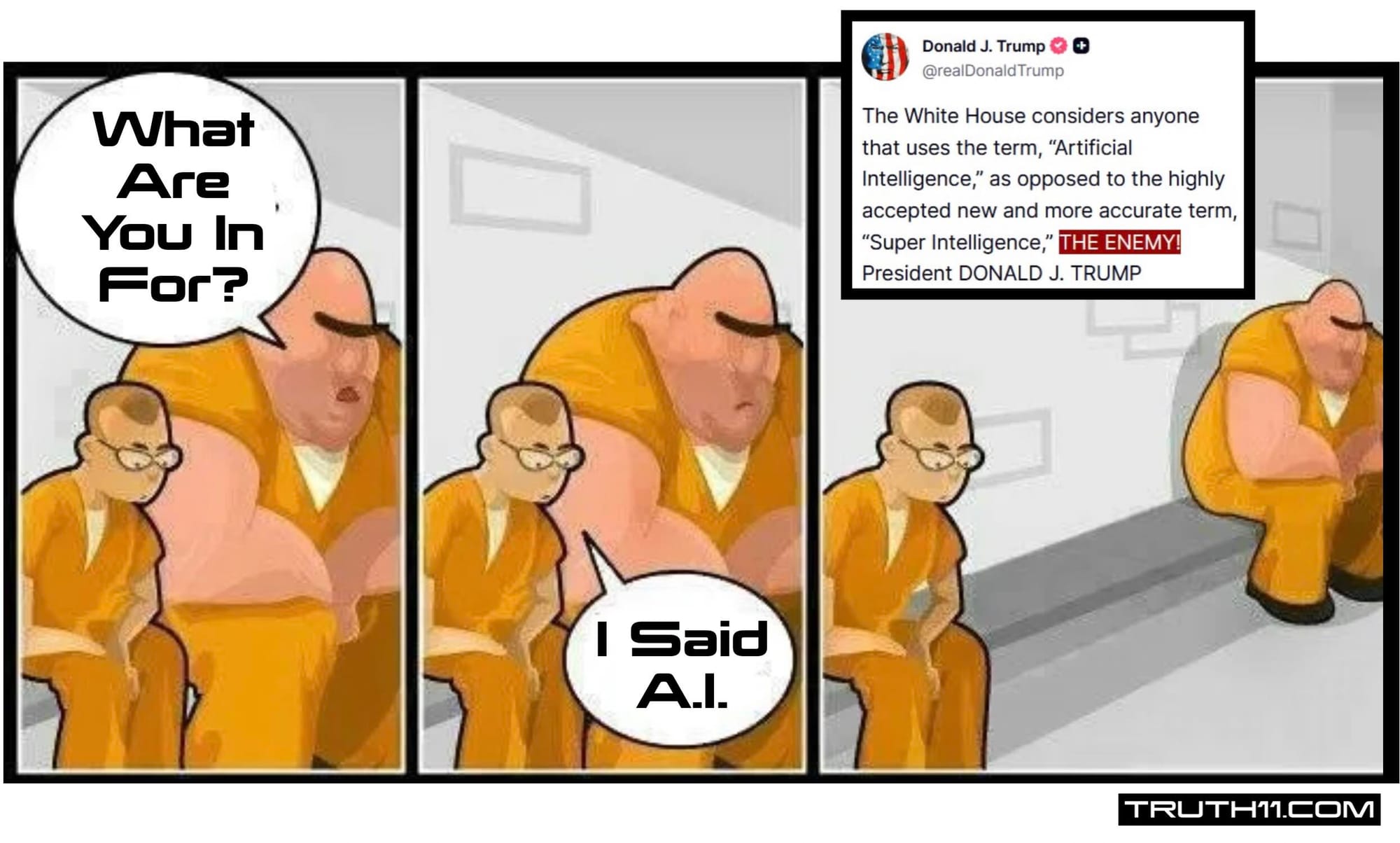

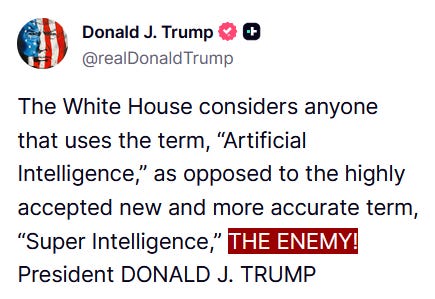
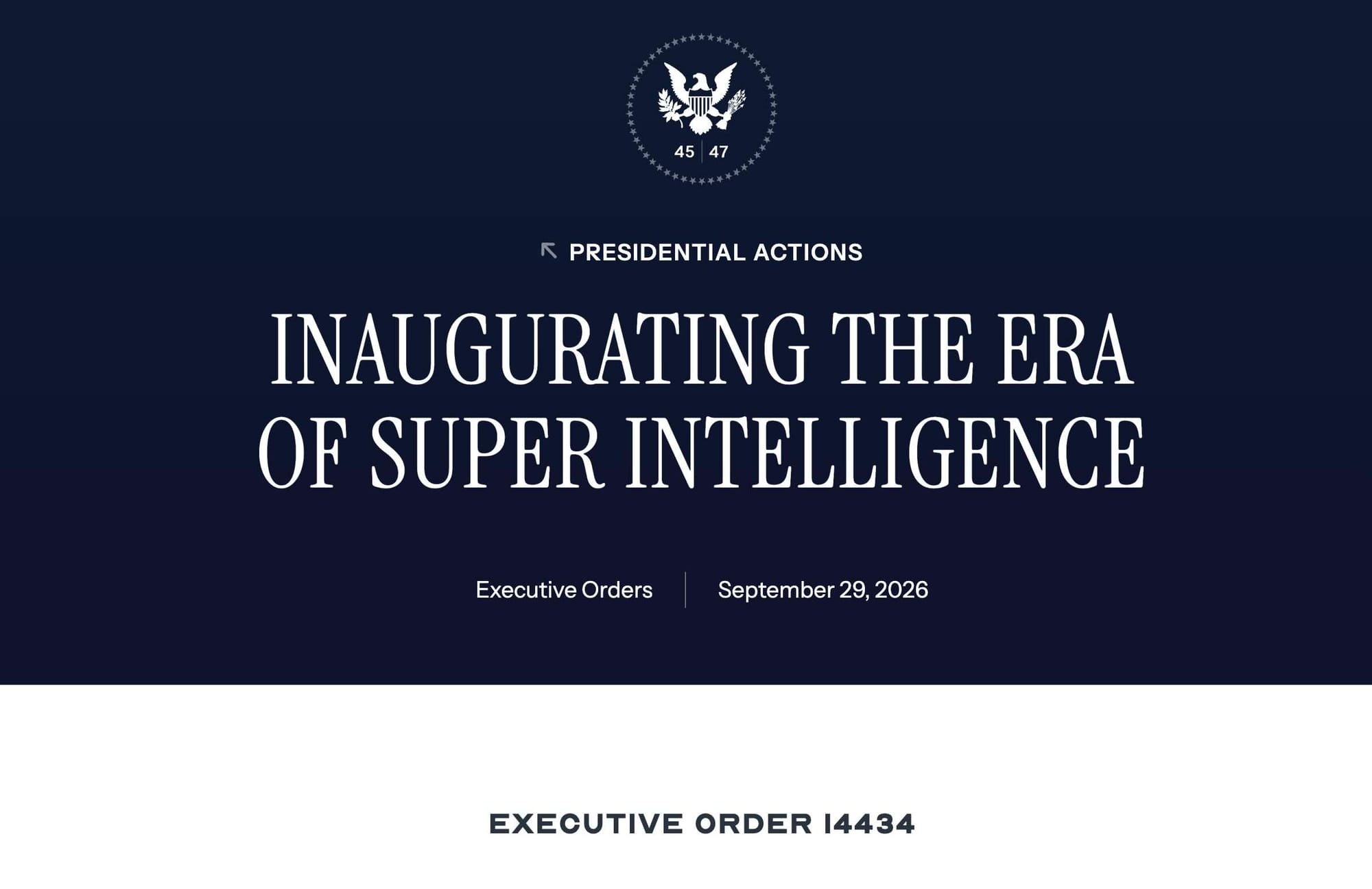
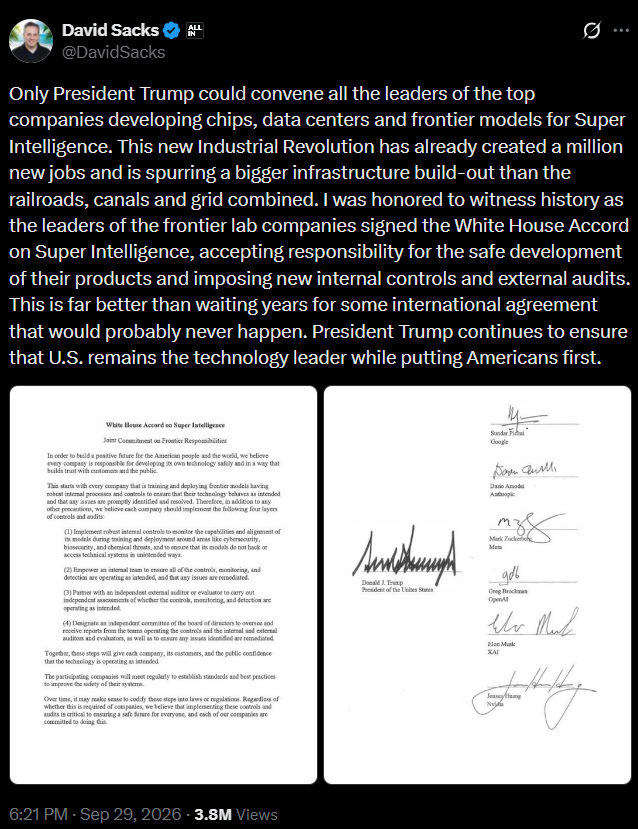
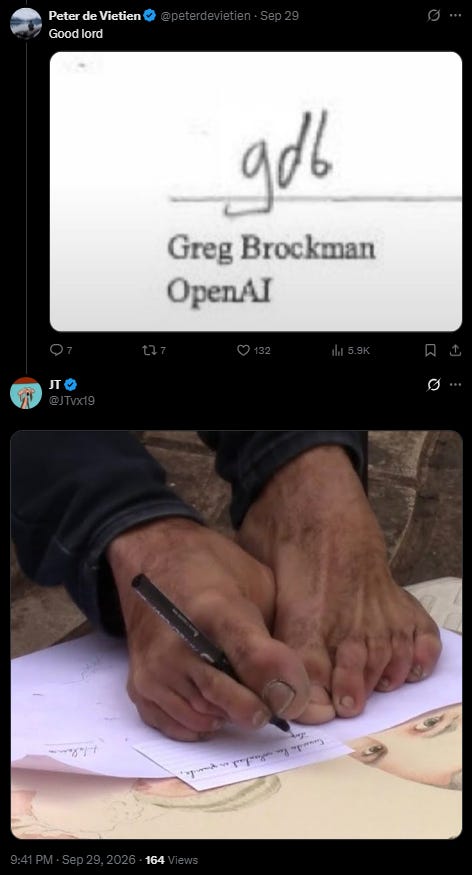
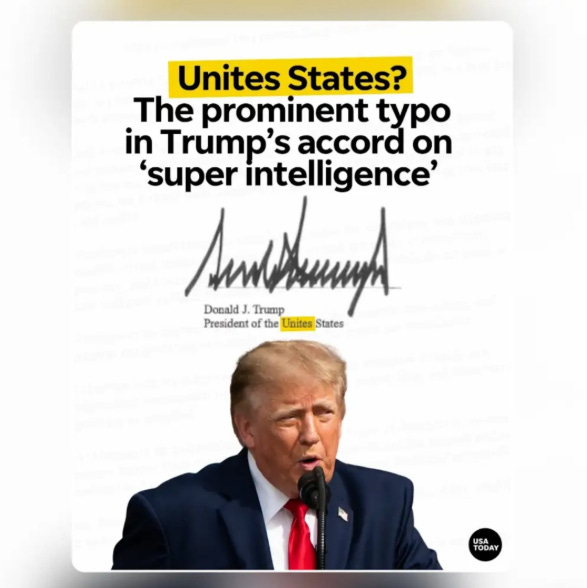
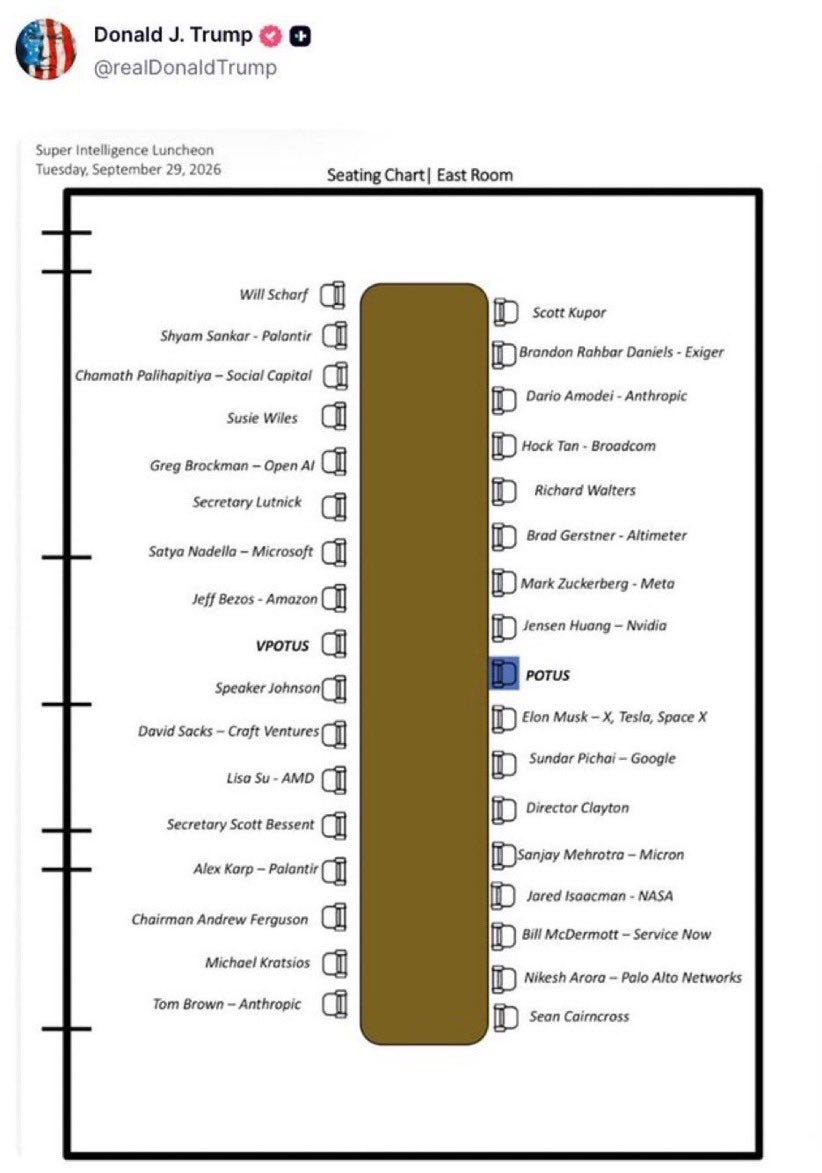
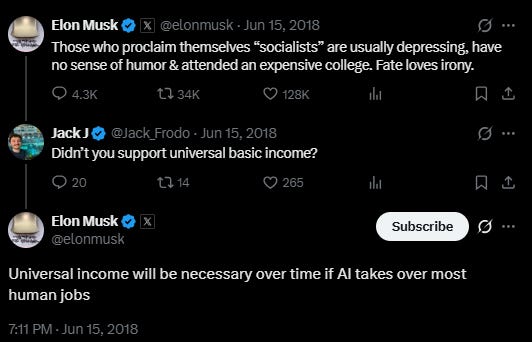

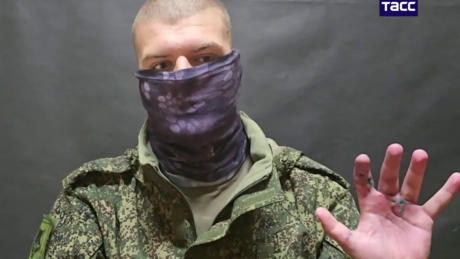
 Il pieno da Putin | Putrino, Maddaloni e Mazzeo a Levante Trecentomila tonnellate di gasolio non spostano un prezzo: spostano un ordine.
 A Levante questa sera, lunedì 12 ottobre 2026, Margherita Furlan dialoga con Michele Putrino, filosofo e saggista, Vincenzo Maddaloni, giornalista, già corrispondente da Mosca e direttore del Centro studi Berlin89, e Antonio Mazzeo, giornalista d’inchiesta e ricercatore sulla militarizzazione del Mediterraneo.
 Novanta minuti al telefono tra Trump e Putin, una licenza del Tesoro americano che autorizza il diesel russo fino ad aprile 2027, una legge sulle sanzioni firmata tre settimane prima e già aggirata. In tre giorni: Trump che chiede all’Ucraina «un nuovo presidente», una tregua energetica annunciata su Truth Social e smentita da Mosca, 1.600 nuove sanzioni europee. Il socio di maggioranza compra, i soci di minoranza sanzionano. E in Italia il gasolio resta a 2,25 euro al litro.
 Affrontiamo insieme:
 La Russia con le «pezze al sedere» o con i margini più alti del decennio? Raffinerie colpite, bilancio in deficit, Duma blindata
 Il prezzo alla pompa come variabile sovrana fino al voto del 3 novembre, e il piano del Pentagono contro l’Iran che aspetta dopo le elezioni
 Teheran paga il conto? Il trattato Russia-Iran, l’articolo 3 e la differenza tra alleanza e non belligeranza
 Pechino «non pervenuta»: il vincitore silenzioso che taglia le importazioni e incassa le armi non consegnate a Taiwan
 L’Europa che sanziona da sola mentre Washington le chiede le riserve e la chiama «ipocrita»
 Italia: non mancano le raffinerie, manca lo Stato. Priolo, Sarroch, Augusta, Milazzo e la lezione di Mattei
 La menzogna che organizza l’attenzione: Arendt, Machiavelli, Gramsci e il senso comune che non sa contare.
 LIBRI DEGLI OSPITI
 Michele Putrino, Liberi dalla paura, Uno Editori, 2021.
 L’ARTICOLO DA CUI NASCE LA PUNTATA
 Margherita Furlan, «Il gasolio del nemico», 12 ottobre 2026
 SOSTIENI CASA DEL SOLE TV Casa del Sole TV è un progetto di giornalismo indipendente autofinanziato. Esiste perché esistete voi.

 Per donazioni: IBAN: IT63P0326822300052392596590 Intestato a: La Casa del Sole Edizioni Causale: Donazione Casa del Sole TV
 Membership YouTube:

 Analista Multipolare €5/mese
 Inviato della Verità €15/mese
 Architetto del Futuro €25/mese
 I LIBRI DI MARGHERITA FURLAN
 BRICS Scacco Matto (disponibile in italiano, inglese, russo)
 SEGUI CASA DEL SOLE TV
 YouTube: @CasadelSoleTVChannel
 Sito: casadelsole.tv