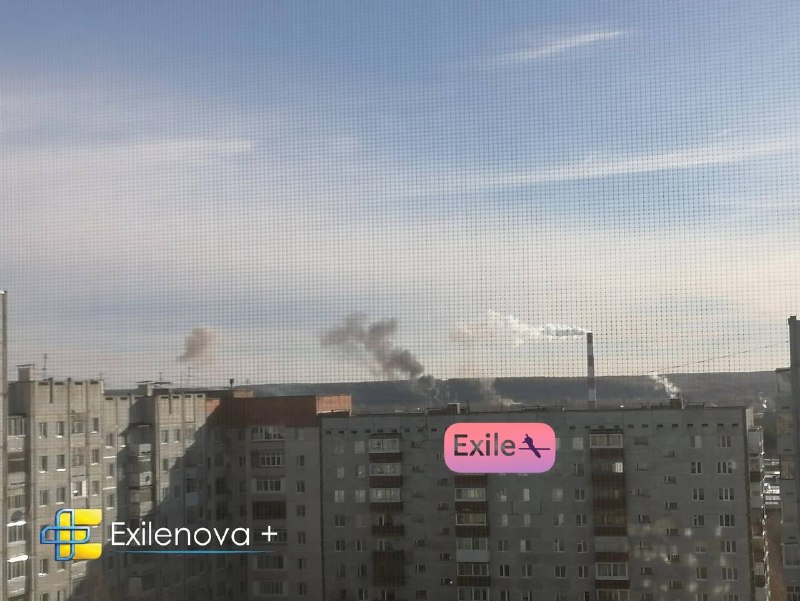
Ukrainian forces hit 12 large Russian refineries in September, Ukraine’s Ministry of Defense said, according to ArmyInform on 12 October. The farthest on the ministry’s list, Lukoil’s refinery in Perm, lies about 1,500 kilometers from Ukraine’s border. Since Trump's 11 October announcement, Euromaidan Press has found no reports of new Ukrainian refinery strikes in the official and unofficial Ukrainian and Russian sources it monitors.
A refinery-for-refinery pause would limit Ukraine’s ability to disrupt Russia’s oil industry while leaving Moscow free to keep attacking Ukraine’s energy system, giving Russia an advantage in a war where both sides use energy infrastructure as a target. The issue has become urgent since Trump announced an “energy ceasefire” on 11 October, after which Ukraine reported holding off strikes on Russian energy facilities while Zelenskyy said Russia attacked several Ukrainian energy sites.
The campaign continued into October. Ukraine’s General Staff said Ukrainian forces struck the Samara oil pumping station overnight into 10 October, the third attack on the station that month, according to Radio Svoboda.
Ukraine held off, Russia hit six energy sites
Zelenskyy said Ukraine had refrained from striking Russian energy facilities overnight on 11–12 October following Trump's announcement. Monitoring channels and official Russian sources did not report any new refinery strikes on 13 October.
“Last night, we did not attack any energy facilities on the territory of Russia because President Trump said that there would be an energy ceasefire,” Ukrainian President Volodymyr Zelenskyy said.
He added that Ukraine does not announce its next operational steps. Zelenskyy said Russia attacked six Ukrainian energy facilities on 12 October alone, according to Radio Svoboda.
Refineries first, power plants possibly later
A White House official told Axios that the proposal would begin with both sides halting attacks on oil refineries, with a possible agreement covering power plants to follow. Axios reported that Russia had not accepted a ceasefire.
The Institute for the Study of War (ISW) said the proposal, as described, would give Russia a major concession without offering Ukraine anything in return: Russia has scores of operating refineries, while Ukraine has one. ISW also said the proposal would allow Russia to continue its winter strikes on Ukrainian power stations.
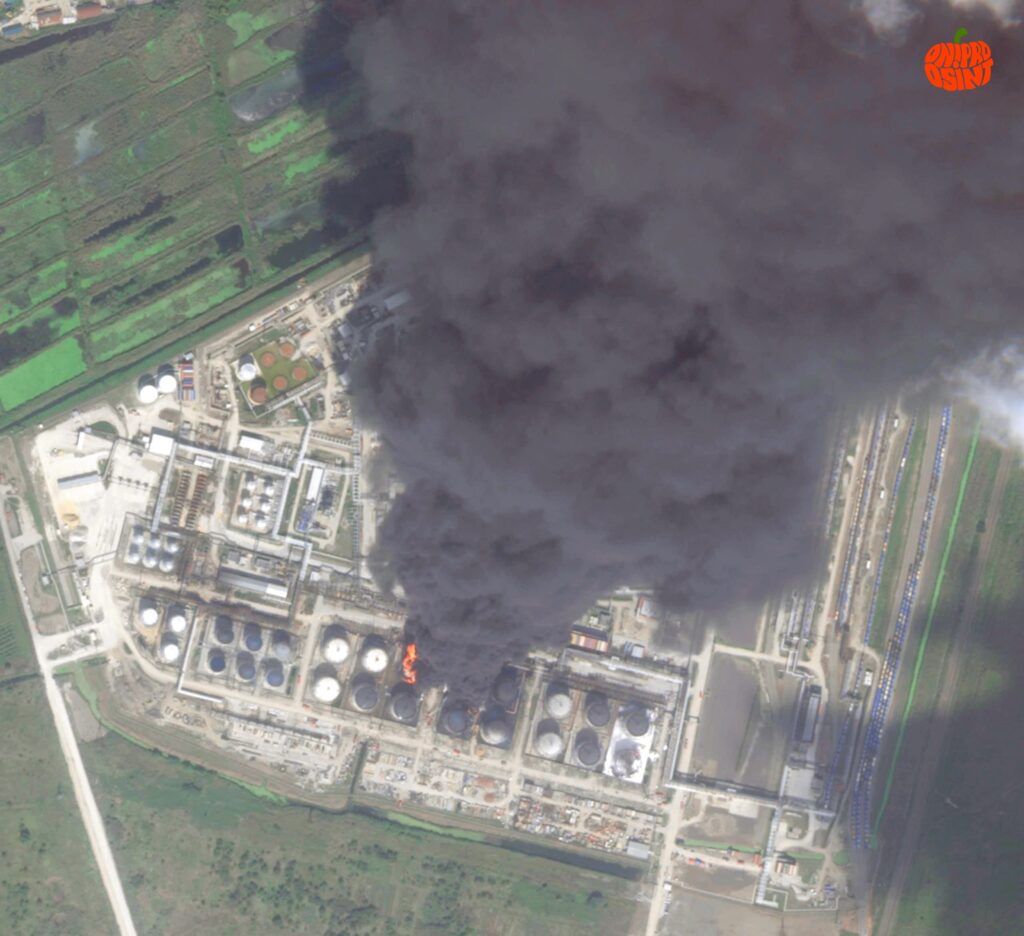
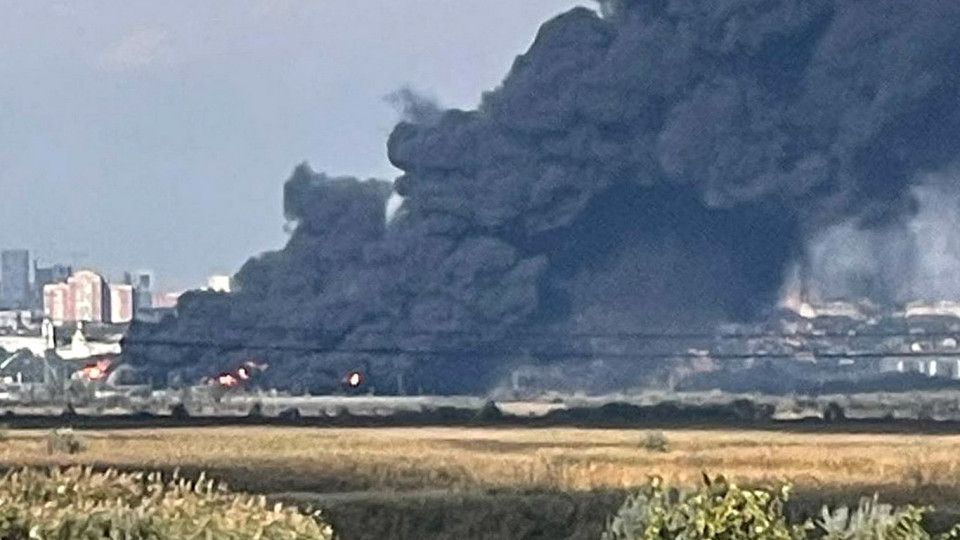
A drone strike on 10 October put more than half of the large fuel tanks out of action at an oil-loading terminal in Russia’s Rostov-on-Don, Russian news Telegram channel Astra found. The terminal loads fuel onto river and sea tankers for export, and it burned for two days while a local channel wrote that reeds might be on fire. Neither Kyiv nor Moscow has officially acknowledged the hit. It came hours after US President Donald Trump announced a diesel deal with Russian leader Vladimir Putin.
Russia has spent the autumn hammering Ukraine’s power grid ahead of winter. Ukraine’s long-range drones keep hitting the refineries, depots, and terminals that fuel Russia’s army and earn it export revenue. Every burned tank turns that revenue into repair bills, while Moscow is already subsidizing its own fuel pumps. A refinery-only truce of the kind the White House described a day after the strike would shield the Russian plants that feed terminals like this one.
Seven of 12 tanks out of action
Astra’s analysts concluded from eyewitness footage that at least seven of the terminal’s 12 large tanks had been knocked out. Ukrainian monitoring channel Supernova+ counted seven burned-out tanks and one more scorched by the fire.
The fire was still burning in the early hours of 12 October. Local channel Rostov Glavny posted video of the burning tank farm, passing on rumors that reeds were on fire and noting the city’s second day under smoke, The Moscow Times reported. Footage filmed in the daytime on 12 October showed no more open flames, only gray smoke, according to Astra.
Satellite image of the oil-loading terminal of the Novoshakhtinsk refinery in Rostov-on-Don, Russia, during the fire, 10 October 2026. Satellite image: Radio Liberty
A terminal that loads fuel for export
The site is the oil-loading terminal of the Novoshakhtinsk Oil Products Plant, formerly known as Yug Rusi, in Rostov-on-Don’s Zheleznodorozhny District. It receives, stores, and transships fuel onto river and sea tankers, including for export, Ukrainian monitoring channel Exilenova+ said.
The terminal also supplies fuel to the Russian army and earns Moscow hard currency, ZN reported. The Moscow Times put its loading capacity at 3.5 million tons a year and its tank farm at about 60,000 cubic meters, roughly 16 million gallons.
Explore further
Trump’s Russian diesel deal, which drew fury in Ukraine, is unlikely to lower prices, experts say
The refinery itself stands in the town of Novoshakhtinsk near the border with Russian-occupied Luhansk Oblast. The terminal sits on the Don River with access to the Sea of Azov, Ukrainian military outlet Militarnyi noted. Ukraine hit the refinery in June, and Ukraine’s General Staff reported striking the Yug Rusi terminal on 9 July, placing it in Bataysk.
A night of drones over the region
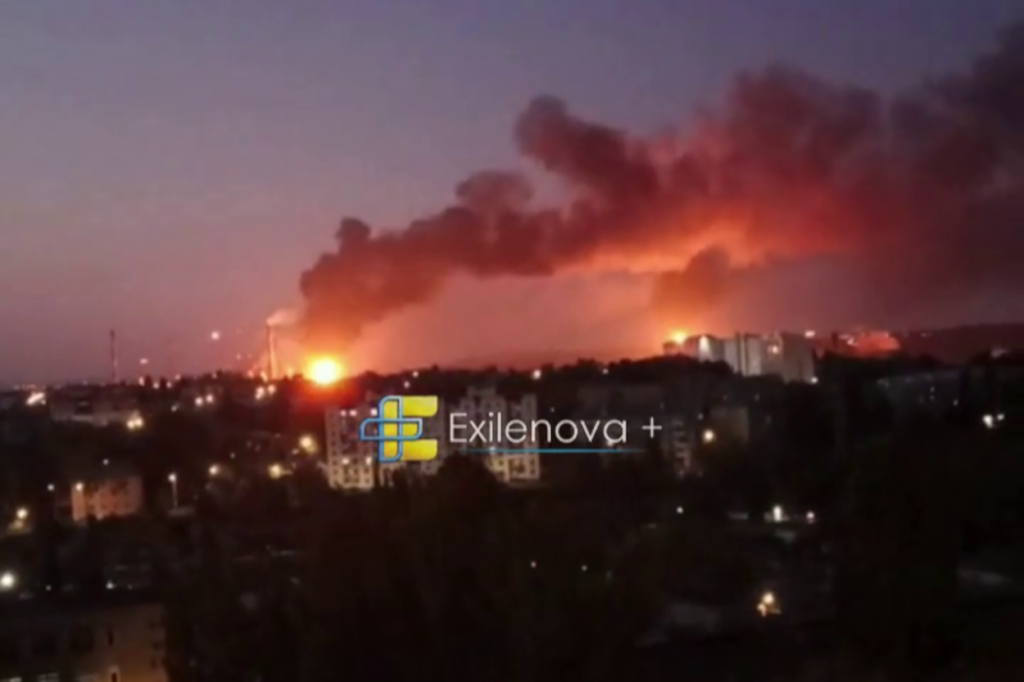
Exilenova+ posted images of the burning terminal in the early hours of 10 October. It presented them as the site after Trump’s phone call with Putin. The channel later shared NASA satellite fire data showing the blaze.
Rostov Oblast Governor Yuri Slyusar claimed the attack injured six people. Slyusar further stated air defenses downed more than 100 drones over the region. Radio Liberty’s Russian Service noted that neither side had officially confirmed the hit on the terminal.
Aerial view of the oil-loading terminal of the Novoshakhtinsk refinery in Rostov-on-Don, Russia, with the tanks Astra assessed as hit marked in red and orange, 12 October 2026. Map: Astra
Hours after the US-Russia diesel deal
The strike came hours after Trump announced on 9 October that Russia had agreed to supply diesel to US and global markets. The US Treasury then cleared the trade with a sanctions license.
On 11 October, Trump declared an “energy ceasefire” between Russia and Ukraine. Under it, he expects Ukraine to stop striking Russian refineries, a White House official told Axios.
Ukrainian President Volodymyr Zelenskyy said that evening that Ukraine’s armed forces had received all relevant orders. Neither Ukrainian monitoring channels nor Russian officials have reported a new strike on a Russian oil facility since. On 13 October, Zelenskyy said Ukraine was ready to guarantee an energy ceasefire if Russia took matching steps.
Ukrainian drones have helped push Russia into its worst fuel crisis since the Soviet Union fell, The Washington Post (WaPo) reported on 11 October.
Diesel is where this war reaches American drivers. US President Donald Trump blames rising diesel prices mostly on Russia’s war in Ukraine, while experts blame mainly the US war with Iran. Some of his allies now accuse Kyiv of trying to sway the US midterms.
Drones go for the first stage of refining
The Washington Post looked at dozens of strikes between 1 April and 31 August. Three refinery experts then examined satellite images of 54 strikes with visible damage. In over half, the damage seems to be to the desalting and distillation units, known by the Russian acronym ELOU-AVT. These units clean the crude of water and salt, then split it into separate compounds, the first steps toward gasoline and diesel. More than a third appear to have hit secondary units, which turn those compounds into jet fuel, gasoline, and liquefied petroleum gas.
From April through August, drones struck two-thirds or more of the 36 big Russian refineries that S&P Global Energy tracks, a strike every third day. Some took as many as five hits. On 16 June, drones set the Moscow refinery’s distillation towers on fire. That strike and a second one days later kept the plant offline into September, WaPo reported, citing data firm Kpler. Ukraine targeted the refinery again on 20 September.
Explore further
Trump’s Russian diesel deal, which drew fury in Ukraine, is unlikely to lower prices, experts say
“We don’t need to hit the entire plant,” a Ukrainian drone battalion commander with the call sign Tango told The Washington Post. Ukraine knows where to strike so that a refinery stops and stays down, he said. His unit, Ukraine’s 1st Separate Center of Unmanned Systems, runs long-range strikes deep inside Russia.
Sanctions slow the repairs
The EU banned exports of oil-refining equipment to Russia the day after the 2022 invasion, and the US followed days later. WaPo reported that the bans cover the distillation and secondary processing units Ukraine keeps hitting. The bans make spare parts hard to get, Alexander Kolyandr of Eurasia Group told the paper, and the strikes come faster than repairs.
Since last year, Ukraine has doubled the size of each wave, decoys included, a person involved in the strike campaign told WaPo. The decoys are unarmed and draw Russian fire, wasting air-defense ammunition, WaPo explained. Without them, the person said, Ukraine would simply lose expensive systems. András Rácz of the German Council on Foreign Relations told WaPo that even if only 2–3% of drones get through, the damage is significant.
ArcelorMittal Kryvyi Rih has begun the process of placing its plant in cold shutdown following four Russian missile attacks, the company said on 10 October. The attacks killed six workers, injured more than 18 others, and forced the suspension of primary steel production.
ArcelorMittal Kryvyi Rih is Ukraine’s largest steelworks, so its shutdown adds to the pressure on an industry already hit by Russian attacks and disrupted exports.
ArcelorMittal Kryvyi Rih CEO Mauro Longobardo said the company’s priority was to protect workers and industrial assets. He said the ArcelorMittal Group would remain in Ukraine, but that its assessment was that safe operation was impossible while the war continued.
Workers and the city
As of July, ArcelorMittal Kryvyi Rih and its subsidiaries employed about 17,000 people, local outlet Pershyi Kryvorizkyi reported. On 29 September, the outlet reported that the company had not said how many workers could lose their jobs and was assessing its staffing needs after production stopped. It also said municipal water and heating utilities had about 1,000 vacancies and had been instructed to help ArcelorMittal workers find jobs. The outlet noted that it was unclear whether the vacancies were new and that the announcement did not specify the roles or salaries.
In late September, Kryvyi Rih defense council head Oleksandr Vilkul wrote on Telegram that the city would cut spending and stop a number of projects as tax revenues fell. He attributed the pressure to Russian attacks and the inability to export through seaports, and said several major industrial facilities were idle, including ArcelorMittal Kryvyi Rih and three mining and ore-processing plants.
September steel output down 4.7-fold
Ukraine’s steel production fell 4.7-fold year on year in September, to 131,000 tons, the steelmakers’ association Ukrmetalurhprom said, NV reported. Metinvest chief operating officer Oleksandr Myronenko told Forbes Ukraine on 15 September that the group would declare force majeure on some contracts after Zaporizhstal and Kametstal halted operations.
An expected $1 billion impairment
The ArcelorMittal Group said on 25 September that it expected to record a non-cash impairment of about $1 billion, mostly related to property, plant, and equipment. It also said it had provided more than $700 million in financial support to its Ukrainian business.
Ukraine’s drone strikes on Russian tech giant Yandex thinned out social media bots, Ukrainian President Volodymyr Zelenskyy said on 12 October. Network data do show Yandex’s automated traffic collapsing after the strikes. Disinformation researchers say that traffic is search crawling, not trolls. A Ukrainian social media monitor told Euromaidan Press its own data show no clear drop in bot activity either.
Russian influence operations are a live threat to European votes. In August, the Matryoshka network fabricated news clips aimed at Sweden’s general election. German and French authorities flagged the same network targeting Germany’s local votes and French presidential hopeful Gabriel Attal. A way to switch such networks off would hand allies a new tool, which is why the claim needs testing.
The president’s claim
Addressing the Warsaw Security Forum by video link, Zelenskyy said that once Ukraine began answering Russia’s operation against Ukrainian data centers and its strikes reached Yandex, many social media platforms suddenly became a little easier to breathe on.
Many people noticed less hatred, discord, and provocation because there were fewer bots, he said. It was quite clear where those bots came from, he noted. Their disappearance once Yandex went down proves again that Europe is not the source of the problems, he added.
Lithuanian Prime Minister Mindaugas Sinkevičius said at the same forum that allies should ask Zelenskyy to strike more data centers in Russia, answering a question on how to protect their elections from interference.
Three data centers in four days
Drones first hit Yandex’s data center in Sasovo, Ryazan Oblast, on 8 October. Yandex said it shut the site down completely. The next day, a strike on its Kaluga site completely disabled several modules, the company said. Yandex calls Kaluga its largest data center, Russian science outlet T-Invariant noted.
Ukrainian drone maker Fire Point said its FP-1 long-range drones carried out that strike.
After the first strike, on Sasovo, a source at Yandex summed up the mood for The Bell: “Things are rotten. We keep working.”
Overnight on 11 October, drones hit the third site, in Vladimir. Yandex said it fully halted that data center too. Vladimir Oblast Governor Aleksandr Avdeev acknowledged an attack on “infrastructure” near the city. It started a fire and cut power to two substations serving 5,000 residents, he claimed.
Automated web requests from Yandex’s network fell to 0.4% of their two-week peak after the third strike, Cloudflare Radar data showed, Cybernews reported. That chart counts automated requests to websites, mostly from Yandex’s own search crawlers. It does not count social media posts.
The chart “has nothing to do with social media,” the Russian opposition analysis group Antibot4navalny wrote.
To those implying that Kremlin-controlled social media bot/troll farms became silent after Ukraine hit a Yandex data center, posting this CloudFare chart ( radar.cloudflare.com/bots/as13238 ):Hate to disappoint you all
Russia’s overall bot traffic last week looked much like any other week. Yandex’s own figure began recovering on Sunday. Covert troll farms usually hide behind residential proxies, hacked devices, virtual private networks (VPNs), and Western cloud providers, the outlet added.
What Ukrainian social media shows so far
Yevhen Luzan tracks Ukrainian social media sentiment as an analyst at the Ukrainian nonprofit CAT-UA. Its daily reviews sample about 500 random posts. On 11 October, that sample showed an unusually small share of posts criticizing Ukraine’s authorities, he told Euromaidan Press. Accounts showing signs of bot activity made up only a few tenths of a percent of that criticism. That is within the margin of error.
The same day, though, US President Donald Trump’s deal for Russian diesel supplies dominated Ukrainian feeds. Luzan said a rally-around-the-flag effect could explain the shift, as outrage at Washington crowded out domestic stories.
“To state it definitively and draw a cause-and-effect link from this correlation would be too bold,” he said.
Across the wider pool of about 10,000 daily mentions, CAT-UA sees no significant drop in posting activity in recent days. The curve shows only the usual rises and dips around the start and end of the week, Luzan said.
“For now, even a hypothetical drop in bot farm activity dissolves entirely in the natural fluctuations of the information space,” he said.
How a crawler chart became a bot story
The claim that Russian social media bots fell by half is unproven and built on a misread chart, disinformation analyst Joohn Choe concluded in a fact-check. It traces back to an 8 October post by security researcher Jeremiah Fowler. That post said Russian bot traffic had dropped to 49%. On 11 October, radio reporter Jamie Dupree spread it on X. Tom’s Hardware then ran it under a headline calling the crawler traffic “Russian disinformation bot traffic,” wording it has since changed.
According to Cloudflare Data Explorer the amount of russian bot traffic has dropped to 49% after Ukraine struck a yandex data center. Could this disrupt the midterm elections in the US? pic.twitter.com/SRtMyjaV22
— Jeremiah Fowler Security Researcher (@yoda69) October 8, 2026
Ukrainian military analyst Tatarigami claimed that Texas separatist accounts with identical “Veteran, Christian, Father, MAGA” bios had gone quiet. He said Quebec separatists and Polish anti-EU accounts went quiet alongside them.
Polish military analyst Jarosław Wolski claimed that AfD’s online support fell 56%, posting a chart without naming its source. Another X user said “Polish” bots had vanished.
Zderusyfikowany internet (ukraińskie trafienia w centra Yandexa) nagle objawia cuda w socjalach: poparcie dla AfD w socjalmediach spadło o 56%. Mniej "polskich" kont szczujących na Ukraińców, mniej "ukraińskich" szczujących na Polaków, poparcie w sieci dla MAGA gwałtownie spadło… pic.twitter.com/zi4rwqNR9I
Ukrainian strikes hit a site housing Russian troops in Khrustalnyi, a city in Russian-occupied Luhansk Oblast, overnight on 12 October, according to local reports. Satellite fire data recorded blazes at a former motor depot there, in an area Russia once used as a logistics base for its offensive in the region.
Russia keeps attacking in Ukraine’s Donetsk Oblast and strikes Ukrainian cities and power plants every day. Its offensive depends on troops, ammunition, and fuel moved through occupied Ukraine, so strikes there reach the supply chain behind the front.
Fires at a former motor depot in occupied Khrustalnyi
Ukrainian forces launched heavy strikes around Khrustalnyi in eastern Ukraine overnight, the Ukrainian monitoring channel Exilenova+ reported. It counted three separate fires and one large blaze, and said local residents reported a hit on a site where Russian troops were based. Ukraine’s military had not officially commented on the strike by the publication time of this article on 12 October.
Ukraine’s Defense Forces are carrying out massive strikes in the area of occupied Khrustalnyi in Luhansk Oblast. Three separate fire hotspots and a large-scale blaze have been reported.
NASA’s Fire Information for Resource Management System (FIRMS), which tracks active fires by satellite, shows blazes at a former motor transport enterprise and an industrial zone in Khrustalnyi, Ukrainian military outlet Militarnyi reported. Three fire hotspots appeared there at 01:10 and spread by 02:07, the outlet said.
Fire hotspots recorded by NASA’s FIRMS system near a former motor transport enterprise in occupied Khrustalnyi, Luhansk Oblast, Ukraine, 12 October 2026. Map: NASA FIRMS/Militarnyi
Ukraine also hit the site on 16 June 2022, striking an ammunition depot there, and local residents then heard secondary detonations, Militarnyi said. The site served as an important logistics base for Russia’s 2nd Army Corps in its offensive on Sievierodonetsk and Lysychansk, two cities in Luhansk Oblast, the outlet added.
Khrustalnyi in Russian-occupied Luhansk Oblast, Ukraine, where local reports said Ukrainian strikes hit a Russian troop site on 12 October 2026. Map: Euromaidan Press/DeepStateMap
Explosions at a Crimean airfield Russia used to launch drones overnight
Drones attacked occupied Crimea from the evening of 11 October into the night, and Russian air defenses, including mobile fire groups, fired across the peninsula, Krym.Realii, Radio Liberty’s Crimea service, reported. Explosions sounded in Simferopol, Feodosiia, and Yevpatoriia, among other places, the Crimean monitoring Telegram channel Crimean Wind said, according to the outlet.
Subscribers told the channel about a series of explosions and a glow at Russia’s Hvardiiske military airfield in Simferopol district as air defenses fired. Krym.Realii said neither Ukraine’s nor Russia’s military had commented and that it could not verify the reports independently.
Explore further
Ukraine says it struck a Bastion in Crimea, the launcher Russia pairs Zircon and Oniks missiles on
Overnight, Russia also launched attack drones at Ukraine from several directions, including Hvardiiske in occupied Crimea, Ukraine’s Air Force reported.
Ukraine’s General Staff said in August that a 3 August strike on the Hvardiiske airfield destroyed nine aviation fuel tanks and damaged two aircraft hangars.
Ukraine keeps hitting Russian rear areas in occupied territory
On 10 and 11 October alone, the General Staff reported hitting a Russian repair base and supply depots in occupied Luhansk Oblast, along with Russian troop concentrations near Lysychansk and two other towns there.
Ukraine has also kept up its campaign of so-called middle strikes, drone attacks on Russian supply lines in occupied territory beyond the front. French mapper Clément Molin counted 770 confirmed drone hits on Russian trucks in September, up from 630 in August, with the strikes concentrated on supply routes running through occupied southern Ukraine into Crimea.
Strikes on troop sites and airfields far behind the front leave Russia fewer safe places in occupied territory to house troops and launch drones, adding to the battlefield losses Ukraine’s drones already inflict.
Ukraine has been striking the launchers Russia uses to fire ballistic missiles at its cities, Ukrainian Defense Minister Yevhenii Khmara told journalists. He said the strikes have already disrupted some Russian attack plans, but supplies of anti-ballistic interceptors still fall short of the threat.
Russia strikes Ukraine’s cities and power grid with drones and missiles every day as it prepares to leave civilians without power and heat this winter. Ballistic missiles are the part of that barrage Ukraine still struggles to stop, so every launcher put out of action before it fires means fewer missiles to intercept.
Iskander and S-400 launchers hit since September
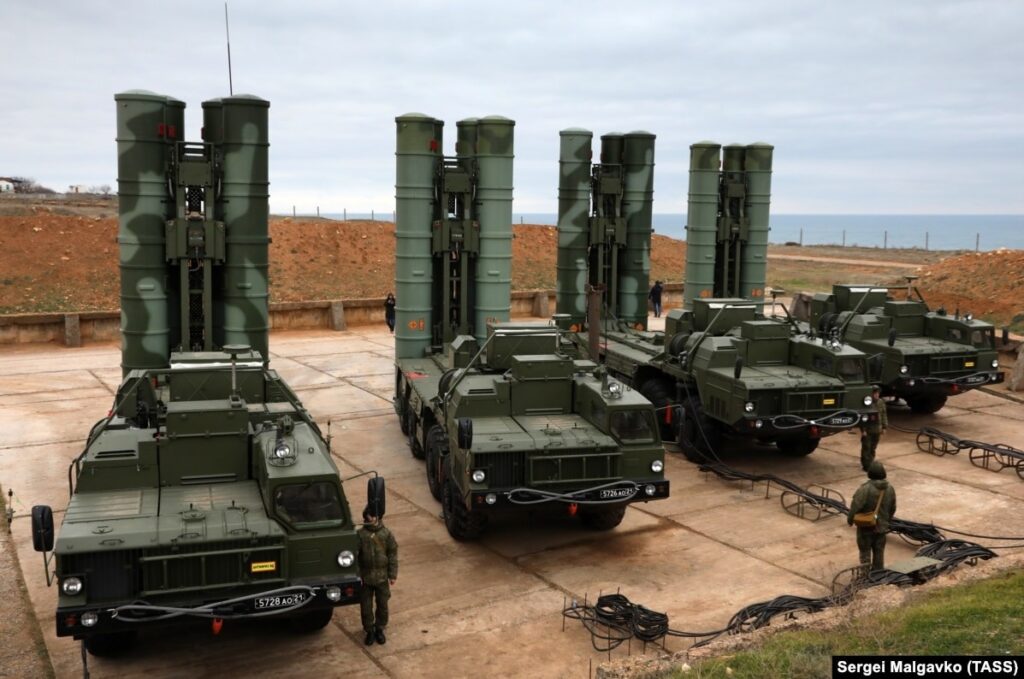
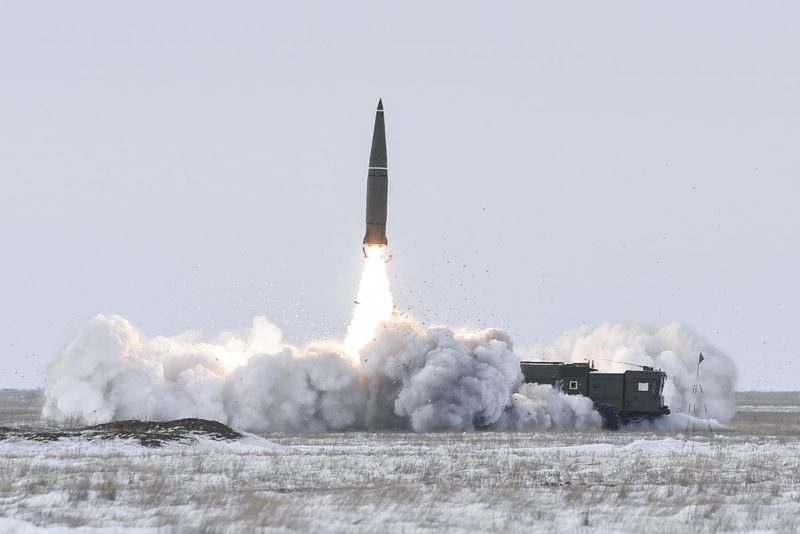
Ukrainian forces hit eight launchers used for ballistic strikes on Ukraine in September and early October, destroying three and damaging five, Khmara said. They belonged to Russia’s Iskander tactical missile systems and S-400 air defense systems, he added. Such strikes have already forced Russia to cancel or change planned ballistic attacks, the minister said.
The S-400 was designed to shoot down aircraft and missiles, but Russia also uses it to fire ballistic missiles at Ukrainian cities, including Kyiv. In mid-September, Ukraine reported hitting two S-400 launchers near Vygonichi in Russia’s Bryansk Oblast. Russia had used the same systems against Kyiv the night before.
Explore further
Can’t intercept the missiles? Hit the factories—Ukraine’s other way to stop Russia’s ballistic missiles
On 23 August, Ukrainian President Volodymyr Zelenskyy said Ukrainian forces had hit an Iskander launcher near the border. He described it as part of a separate operation to hunt nearby launch positions and linked the tactic to low stocks of anti-ballistic missiles.
Strikes on launchers while interceptors stay scarce
Khmara called the launcher strikes Ukraine’s asymmetric response to a ballistic threat that remains critical.
“Existing and potential supplies of missiles for anti-ballistic defense are not enough to fully cover this threat,” he said.
Instead of waiting for large long-term contracts, the Defense Ministry is looking for missiles in partners’ available stocks to speed up transfers, Khmara added. “We need dozens and hundreds of missiles, not one-off deliveries,” he stressed.
Meanwhile, Russia significantly cut its 2026 state orders for Kinzhal air-launched ballistic missiles, Ukraine’s military intelligence said on 12 October. It redirected the production capacity, components, and raw materials to Iskander-M ballistic missiles, the agency added.
Russia’s missile and drone attacks continue
Overnight on 12 October, Russia attacked Ukraine with a Kh-59 guided missile and 121 attack drones, 76 of them jet-powered, Ukraine’s Air Force reported. Air defenses downed or suppressed 89 drones, but strikes hit 15 locations, and the attack was still going on in the morning.
Explore further
Russia’s new ballistic missile could reach western Ukraine—and it may be tested there within months
In the week to 11 October, Russia hit Ukraine’s power generation and transmission facilities more than 200 times and its gas and oil sites 17 times, Zelenskyy said. Russian attacks that week killed more than 150 people and injured more than 700, he added.
Jet-powered drones are still the main problem for Ukraine’s air defense. It stops more than 90% of slower propeller-driven Shaheds, compared with about 55% for the jet ones.
Ballistic missiles have struck Kyiv repeatedly this autumn. On 24 September, Russian ballistic and hypersonic missiles damaged a maternity hospital in the capital. On 7 October, a Russian missile barrage killed 22 people in Pryluky, Chernihiv Oblast.
Within hours of Donald Trump announcing an immediate halt to Russian and Ukrainian attacks on energy infrastructure, Moscow struck a major power plant in Kharkiv. Kyiv has agreed to a reciprocal ceasefire, but Russia has yet to confirm its participation, leaving serious doubts over what Washington has actually secured.
President Donald Trump’s announcement of an immediate ceasefire covering Russian and Ukrainian energy infrastructure was overtaken by events on Sunday evening when Russian forces struck a major thermal power station in Kharkiv. President Volodymyr Zelenskyy confirmed Ukraine’s willingness to suspend attacks on Russian energy facilities, but said Moscow was continuing its bombardment even as Washington presented the arrangement as an accomplished diplomatic breakthrough.
The contradiction emerged within hours of Trump declaring that Russia and Ukraine had agreed to stop targeting each other’s energy infrastructure. Zelenskyy, responding in his evening address on 11 October, welcomed the proposal but reported that Russian attack drones remained active over Ukrainian territory and that Kharkiv’s CHP-5 thermal power station had just been struck.
The Ukrainian president made clear that Kyiv had not rejected the American initiative. Ukraine was prepared to refrain from attacking Russian energy installations and expected Moscow to accept the same restrictions. However, no corresponding commitment had been publicly confirmed by the Kremlin, and Washington had provided no explanation of how the supposed ceasefire would be implemented.
The timing was particularly significant because Ukraine had apparently not been informed that a binding agreement had been concluded. According to accounts of the announcement, Zelenskyy was unaware of Trump’s declaration before it became public, although he subsequently indicated his readiness to support the initiative.
His response therefore amounted to an acceptance of the proposed terms rather than confirmation that a negotiated ceasefire was already in force.
More than 200 attacks on Ukraine’s power network
The reported strike on Kharkiv came at the end of a particularly destructive week for Ukraine’s civilian infrastructure. Zelenskyy said Russian forces had carried out more than 200 attacks against electricity generation and transmission facilities over seven days, alongside 17 strikes targeting gas and oil installations.
He also reported that more than 150 Ukrainians had been killed and over 700 wounded during the week. These figures, supplied by the Ukrainian authorities, have not been independently verified.
The continuing bombardment places additional pressure on Ukraine’s power network as winter approaches. Thermal power stations and substations remain particularly vulnerable, while damage to generating capacity can disrupt electricity, heating and water supplies across entire urban districts.
Washington’s pressure on Kyiv
Trump’s ceasefire announcement follows an increasingly bitter dispute over Ukrainian attacks on Russian oil refineries, which have damaged Moscow’s fuel production and distribution infrastructure.
The American president has blamed Ukrainian strikes for worsening international diesel shortages and rising fuel prices. His administration has also threatened restrictions on military assistance and intelligence sharing if Kyiv refuses to suspend its campaign against Russian refineries.
Meanwhile, Washington has reached an arrangement with Moscow permitting substantial Russian diesel exports under a temporary easing of sanctions. Zelenskyy has criticised the decision, arguing that additional energy revenues could strengthen Russia’s capacity to continue its invasion.
For Ukraine, refinery attacks have become an important means of disrupting Russian military logistics and imposing economic costs on Moscow. Agreeing to suspend them without guarantees that Russian strikes will also cease would remove one of Kyiv’s principal instruments of pressure.
The diplomatic sequence has consequently raised questions about whether Trump’s initiative offers equivalent obligations to both countries, or primarily serves Washington’s immediate objective of stabilising fuel supplies.
Kremlin silence leaves ceasefire in doubt
By Sunday evening, Moscow had issued no public confirmation that Putin had accepted the arrangement. Washington had provided no details of its duration, the installations covered or any mechanism for verifying compliance.
An agreement confined to energy infrastructure would also leave both armies free to continue other military operations, including attacks on cities, industrial installations and military positions.
Zelenskyy said Ukrainian forces had received the necessary orders, while Kyiv awaited clarification of Washington’s discussions with Moscow. He maintained that Ukraine supported credible measures to end the fighting but expected Russia to demonstrate a corresponding commitment.
The immediate question is whether Trump obtained an undertaking from Putin that Moscow is prepared to honour. Until Russia confirms the terms and its attacks cease, the announced energy truce remains a presidential declaration rather than an established cessation of hostilities.
Russia hit the CHP-5 thermal plant in Kharkiv on the evening of 11 October. It came hours after US President Donald Trump announced an energy ceasefire between Ukraine and Russia, President Volodymyr Zelenskyy said in his nightly address.
Trump had announced the energy truce earlier that day, though Kyiv reported no part in any such deal, as well as Moscow. Yet in this one week, Russia carried out more than 200 strikes on Ukraine’s power generation and transmission and 17 on its gas and oil sites, killing more than 150 people and wounding more than 700, according to Zelenskyy.
“All day today, there were Russian Shaheds in the sky. There are Shaheds in the sky now, too. There were strikes by aerial bombs. There were strikes on our energy. Just now there was a strike on CHP-5 in Kharkiv,” Zelenskyy states.
Ukraine welcomes the agreement Trump announced and is ready to stop striking Russian energy if Russia does the same. For that to mean anything, he stresses, it has to become part of reality.
A one-word answer from Moscow
Ukraine has offered many de-escalation steps, Zelenskyy notes, but Russian ruler Vladimir Putin met them all with the same refusal. He voices hope that the Russian leader would finally tell the US, Ukraine, and the world something other than killing and deception, something that leads to a real and dignified peace.
Ukraine wants peace, and the question is whether Russia does. The Armed Forces have received all the relevant orders to defend the country, he confirms.
Allies line up fresh support
Zelenskyy says he also spoke with members of the US Congress and, the day before with the UK prime minister, French President Emmanuel Macron, and Norway’s prime minister, all of whom offered help.
Ukraine is also working with the EU on financing for its defense and budget stability, and preparing new steps on European integration.
Ukrainian forces have attacked one of Russia’s most important oil transport and blending facilities for the third time this month. The Samara hub handles crude from several major producing regions and plays a central role in preparing Russia’s Urals export blend, making it a target of considerably greater strategic significance than an ordinary oil depot.
Ukraine has intensified its campaign against Russia’s oil industry with another drone strike on the Samara linear production and dispatch station, a major facility in the pipeline network operated by state-controlled Transneft. The latest attack, during the night of 9–10 October, followed earlier strikes on 2 and 7 October, which Ukrainian military authorities say caused extensive damage to storage tanks and associated infrastructure.
The significance of Samara extends well beyond the destruction of stored oil. Situated near the settlement of Prosvet in Russia’s Samara region, the installation is a junction where crude oil arriving from Western Siberia, Tatarstan and the Volga-Urals producing regions is received, stored, blended and redistributed. Its role makes it an important link between Russian oil production, domestic refining and export markets.
According to the Ukrainian General Staff’s operational report, Samara is responsible for blending crude with different sulphur contents to produce Urals, Russia’s principal export grade. Ukraine’s military says the facility also contributes to supplying the Russian armed forces.
Why Samara matters to Russia’s oil exports
Unlike an oil refinery, where crude is processed into petrol, diesel and other fuels, the Samara installation performs a function earlier in the supply chain. It is one of the points where different grades of Russian crude are brought together to produce a commercially standardised export mixture.
Western Siberian crude generally has different characteristics from oil extracted in the Volga-Urals basin, including variations in sulphur content and density. Blending these streams is essential to maintaining the specifications of Urals crude, which is supplied to refineries and sold on international markets.
Samara’s importance also reflects the sheer scale of the infrastructure concentrated at the site. Ukrainian Special Operations Forces describe a facility where four major oil pipelines converge, supported by 71 storage tanks with a combined capacity exceeding 1.6 million cubic metres.
The site’s central role is not simply a Ukrainian assessment. Transneft-Privoĺga’s management previously described the Samara installation as having Europe’s largest oil storage tank farm and identified its blending station and associated pumping installations as part of a major modernisation programme.
Approximately 140 million tonnes of oil passes through the Samara complex annually. That figure would make the installation an important concentration point within the wider Russian pipeline system.
The consequences of sustained disruption could therefore extend beyond the immediate loss of storage capacity. Damage to blending operations, connecting pipelines or loading equipment could interfere with the movement of crude towards refineries and export routes. The precise effect would depend on the functioning of alternative facilities, available spare capacity and the speed of repairs.
Three attacks in nine days
The first strike, on 2 October, reportedly damaged 11 storage tanks with capacities of 20,000 cubic metres each, three larger tanks of 50,000 cubic metres, sections of pipeline and an automated loading station. The Security Service of Ukraine confirmed that its personnel had participated in the operation alongside other branches of the armed forces.
A further strike on 7 October destroyed four large storage tanks and caused a substantial fire, according to Ukraine’s General Staff. Ukrainian Special Operations Forces subsequently confirmed another attack on 10 October, although the damage from that operation remains under assessment. The reported destruction and damage have not been independently verified in full.
The repeated attacks indicate an effort to produce cumulative disruption rather than rely on a single operation to disable an extensive industrial complex.
This approach is consistent with Ukraine’s broader campaign against Russia’s refining industry. As EU Today examined in August, repeated strikes on processing facilities can create difficulties that extend beyond the immediate damage, particularly when specialist equipment requires lengthy repairs.
From refinery attacks to the wider oil network
The campaign against Samara represents a significant extension of that strategy. Refineries remain important targets because they produce the fuels required by Russia’s armed forces and domestic economy. Transport and blending facilities, however, determine whether crude reaches those refineries in the required quantities and specifications.
Continuous attacks are essential because much of the damage inflicted by drones is repairable. Individual installations may return to service within days or weeks, meaning the cumulative effect depends heavily on whether further disruption occurs before repairs and production have fully resumed.
Russia’s refining industry remains heavily dependent on specialist equipment and technologies historically supplied by Western manufacturers. Sanctions have restricted access to replacement components, while domestically manufactured equipment and Chinese alternatives are not always technically compatible with existing installations. These constraints complicate repairs, prolong shutdowns and limit Russia’s ability to restore damaged refining capacity.
Samara presents a somewhat different vulnerability. Its importance rests on the concentration of pipeline connections, storage and blending operations at one location. A sustained interruption could affect several parts of the oil supply chain simultaneously, although the available evidence does not yet establish that the wider network has suffered a prolonged shutdown.
Ukraine has already demonstrated its willingness to strike other logistical installations. A recent attack on the Volodarskaya petroleum-products station near Moscow targeted another important part of Russia’s fuel distribution system.
Implications for Russia’s war economy
Oil remains central to Russia’s export earnings and federal finances, while the availability of refined petroleum products influences military logistics, transport and industrial activity.
The immediate economic significance of the Samara attacks will depend on how much operational capacity has been lost, whether crude can be redirected through alternative infrastructure and how quickly Transneft can restore the damaged facilities.
There is an important distinction between destroying storage tanks and preventing oil from moving through a network. The former reduces available capacity; the latter can impose broader restrictions on production, refining and exports. Establishing the extent to which the latest strikes have achieved either effect will require further operational evidence.
Nevertheless, the decision to return repeatedly to Samara illustrates a development in Ukraine’s campaign against Russia’s energy sector. Rather than concentrating exclusively on the refineries that convert crude into fuel, Kyiv is also attacking infrastructure that connects oil production to its commercial and military end users.
For Moscow, the vulnerability of Samara is particularly consequential because the installation occupies a central position in the movement and preparation of Urals crude. Any sustained loss of its blending, storage or distribution functions would introduce additional pressure into an oil system already facing repeated attacks on its refineries and export infrastructure.
The latest operation therefore raises a question extending beyond the damage to one industrial site: whether Russia can maintain reliable oil flows when several interconnected stages of its energy supply chain are subjected to recurring disruption.
At least 30 people have been injured after Russian guided aerial bombs struck residential buildings in the Ukrainian city of Zaporizhzhia. The fate of several residents remains unknown as emergency workers continue searching collapsed apartment blocks.
At least 20 civilians, including three children, have been killed in Russian air strikes on the southern Ukrainian city of Zaporizhzhia on Saturday morning, 10 October, according to regional authorities. Rescue workers are continuing to search the ruins of residential buildings, with several people still unaccounted for.
The death toll rose from eight to 30 as emergency crews recovered more victims. The Zaporizhzhia regional military administration confirmed that three children were among those killed, while earlier reports recorded 16 injured, including three children. Two of the wounded were in a serious condition.
Authorities had previously reported that 12 people remained missing, although they did not provide a revised figure after the death toll increased. Rescue operations continued amid concerns that further victims could be trapped beneath collapsed concrete and other debris.
Apartment Buildings Destroyed by Guided Bombs
Russian forces launched the attack shortly before dawn, using guided aerial bombs against residential areas of Zaporizhzhia. According to the regional administration’s preliminary assessment, one five-storey apartment building suffered a direct hit and was destroyed, while part of another residential block collapsed.
The attack damaged at least 26 residential buildings in the Shevchenkivskyi and Voznesenivskyi districts, comprising 23 apartment blocks and three private houses. Three buildings sustained particularly extensive damage, while non-residential properties were also affected.
Firefighters, police officers and medical personnel were deployed to the affected neighbourhoods, supported by municipal workers and local residents. Emergency crews continued removing debris and examining unstable structures while officials assessed the extent of the destruction.
The Ukrainian National Police said that officers were documenting the consequences of the attack, including damage to civilian infrastructure. Investigators were also recording evidence for possible war crimes proceedings.
Search Continues as Casualty Figures Rise
The scale of the destruction has complicated efforts to establish the number of victims. The initial casualty figures increased repeatedly as rescuers gained access to damaged buildings and recovered bodies.
Earlier in the morning, authorities reported four deaths. The figure subsequently rose to seven, then eight, before reaching 11 shortly after midday. The number of injured also increased as information emerged from hospitals and emergency services.
At 10.15am local time, 16 people were confirmed wounded. Three were children, while two patients were described as seriously injured. The regional administration said most of the remaining casualties were in a condition of moderate severity.
Officials warned that the casualty figures could change as operations continued. The authorities had not established how many of those initially reported missing might still be trapped in the wreckage, and the recovery of additional bodies had not been accompanied by a revised missing-person count.
Zaporizhzhia Faces Continued Russian Air Attacks
Zaporizhzhia, an industrial city in south-eastern Ukraine, has remained exposed to Russian aerial attacks throughout the full-scale invasion. Its proximity to Russian-held territory in the surrounding region leaves residential districts vulnerable to aircraft-launched weapons.
Guided aerial bombs present a particular challenge for Ukrainian air defences. Unlike conventional unguided bombs, they can be fitted with glide and guidance systems allowing Russian aircraft to release them from considerable distances. Their substantial explosive payloads can cause extensive structural damage when they strike apartment buildings.
Saturday’s attack comes only three days after Russia launched another large-scale assault across Ukraine, targeting energy infrastructure and residential areas. As EU Today reported on 7 October, that operation killed at least 11 people and caused damage in several Ukrainian cities, including Zaporizhzhia.
The latest fatalities also follow earlier attacks on civilian facilities in the city. In February, Russian drones struck a maternity hospital in Zaporizhzhia, causing a fire and injuring patients.
The repeated strikes have placed continuing pressure on the city’s emergency services, which must respond to new attacks while repairing damage to residential buildings and public infrastructure.
Day of Mourning Declared
The Zaporizhzhia authorities have declared Sunday, 11 October, a day of mourning for those killed in Saturday’s bombardment. The announcement followed confirmation that the death toll had reached 11, including three children.
The Russian attack has also renewed attention to the vulnerability of densely populated urban areas to guided aerial bombs. Under international humanitarian law, deliberate attacks against civilians and indiscriminate attacks are prohibited, while all parties must distinguish between military objectives and civilian objects.
Ukrainian investigators are continuing to document the damage and civilian casualties. The precise circumstances of each impact, including the intended targets, have not yet been independently established.
For the families awaiting news of missing relatives, the immediate priority remains the search beneath the destroyed buildings. As of the latest available information on Saturday, rescue workers were still operating at the sites, and the authorities had warned that the number of dead could rise further.
Russia is planning a winter strike campaign involving up to 1,000 missiles, drones, and bombs targeting, among other facilities, electrical substations, hydroelectric and thermal power plants, and boiler houses. The information is contained in a document that, according to sources cited by The New York Times, Ukraine's Energy Minister Denys Shmyhal presented as an intercepted Russian plan to destroy energy infrastructure systematically. The newspaper reported on 2 October.
Russia has been striking critical infrastructure across Ukraine since the beginning of its full-scale invasion. Such attacks have become particularly frequent ahead of and during winter. Ukraine's recent battlefield gains may have prompted Putin to reconsider his strategy and attempt to force Ukraine to surrender through winter strikes, analysts at the Institute for the Study of War (ISW) suggest. Russia's reported plans to attack Ukraine's energy, water supply, and sewage systems could threaten the basic living conditions of millions of people. Such strikes could increase pressure on civilians and the Ukrainian economy while forcing the state to divert more resources to emergency infrastructure repairs instead of defense needs.
The New York Times was unable to verify the document's authenticity independently, but noted that it was written in Russian and dated August.
Explore further
Warehouses, a home-improvement store, a farm: Russia’s strikes aimed past the grid at Ukraine’s civilian economy
A representative of Ukraine's defense-industrial sector who has reviewed the document believes it is more of a calculation than a finalized Russian military operations plan, according to Schemes, an investigative journalism project by Radio Free Europe/Radio Liberty (RFE/RL), in a report published on 8 October.
60 targets: how Russia could attack Ukraine's critical infrastructure
The document outlines how many missiles, drones, and bombs Russia would need to deprive Kyiv, Kharkiv, and Odesa of electricity, heating, water, and sewage services, Radio Liberty reported on 9 October. The document's full list of priority cities also includes Dnipro, Zaporizhzhia, Mykolaiv, Kherson, Poltava, Chernihiv, Kryvyi Rih, Cherkasy, Kropyvnytskyi, Lviv, Vinnytsia, and Ivano-Frankivsk.
Regions of Ukraine containing cities listed as “priority” targets in Russia's plan to attack critical infrastructure this winter (shown in grey). Map: Euromaidan Press
According to the document, Russia plans to begin by attacking substations near Ukraine's western border, through which the country receives electricity from Europe. Hydroelectric power plants could be targeted next, followed by facilities intended to shut down Ukraine's three operational nuclear power plants, Radio Liberty reports. The document lists a total of 60 key targets.
According to Schemes, the document states that Russia would need up to 770 Molniya and Geran drones, Dan-T/Banderol missile-drones, 170 FAB guided aerial bombs, and 75 Kinzhal and Iskander-M ballistic missiles to carry out the attacks.
Sewage systems could become Russia's next target
The document devotes particular attention to water supply and wastewater systems. These include pumping stations, treatment facilities, and other infrastructure essential for cities to provide residents with water and dispose of wastewater.
One of the water supply facilities. Illustrative photo: Ukrinform
Russia has not previously attacked such facilities on a similar scale, The New York Times notes.
Preparing for possible attacks on water supply and sewage systems is significantly more difficult than protecting energy infrastructure, Oleh Popenko, head of the Ukrainian Union of Utility Services Consumers, told Current Time, RFE/RL's Russian-language network.
“Sewage is a very complex system. There are specific challenges: where to discharge wastewater, how to organize treatment facilities, and so on. Some work is also underway in this sector, but it will be much more difficult here than with district heating utilities,” Popenko says.
Creating alternative routes in case sewage pumping stations are destroyed is an expensive and technically challenging task, he adds. Such construction could cost billions of hryvnias.
Explore further
14 dead in Pryluky, two each in Kyiv, Kremenchuk, and Oleksandriia: Russia’s night of 70 missiles
The priority is to equip water utilities with backup power sources so they can continue operating during power outages. However, if Russian strikes damage the sewage system itself, resolving the problem quickly will be much more difficult, Popenko believes. Specific solutions, including wastewater disposal and the operation of treatment facilities, will have to be determined according to the extent of the damage.
Sewage pumping stations play a particularly important role. They pump wastewater onward for disposal and treatment. If such a station is put out of operation by a strike, the city needs an alternative way to divert wastewater while the damaged facility is being repaired, Popenko says. Bypass pipes or channels could be installed for this purpose, but setting up such a system during wartime is far from easy.
Air defenses remain crucial to Ukraine's winter preparations
Preparations for winter are underway, but protection for energy infrastructure remains inadequate, Popenko believes. The main concern is large substations that transmit electricity from nuclear power plants and distribute electricity imported from Europe.
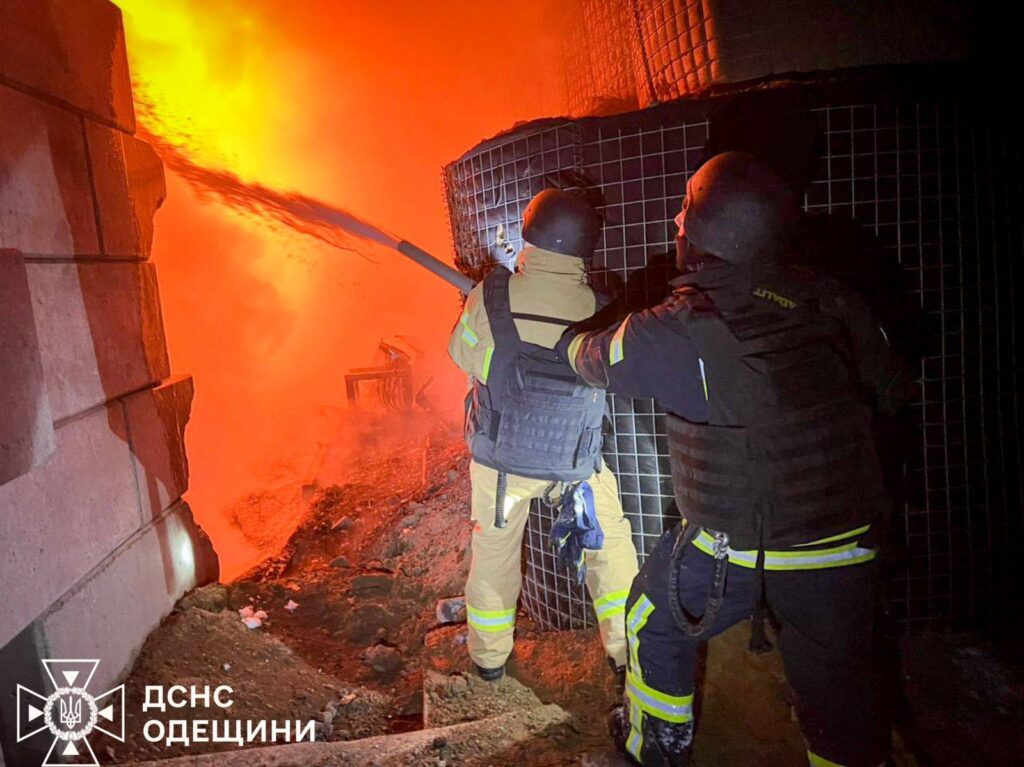
Rescuers extinguish a fire caused by a Russian strike in Odesa Oblast. Illustrative photo: State Emergency Service of Ukraine in Odesa Oblast
At the same time, some protective measures are already proving effective. Despite drone attacks over two days, one of Kyiv's substations withstood the strikes, and the city did not lose power, although scheduled outages were in effect, the expert says.
Popenko considers a repeat of last winter's scenario, when parts of Kyiv went without heating for weeks, entirely possible. Russian forces continue to attack energy facilities, and in his assessment, strengthening air defenses in Kyiv is the only way to protect its combined heat and power (CHP) plants from large-scale attacks.
“There are no other ways — for example, building some sarcophagi around CHPs or constructing shelters — because Russia can destroy these facilities again through massive strikes. And then the city risks being left 50–60% without heat,” Popenko believes.
Residents are also preparing for winter, but their options vary, he says. Some homeowners' associations participate in government programs to insulate apartment buildings and purchase backup power supplies for elevators and pumping stations. Owners of private houses are buying generators, among other measures. However, such equipment and preparations require substantial funds, meaning not everyone can afford them, he notes.
Ukraine has already experienced prolonged power outages during previous winters, particularly in 2022 and 2023. At the time, some regions went without electricity for 18–20 hours a day, the expert says. This experience may help people prepare for possible disruptions, but it does not eliminate the risk of further attacks and infrastructure damage.
Russia's seaborne exports of refined oil products rose to a three-month high in September, but the growth came from cheaper fuel oil and naphtha as diesel shipments fell to their lowest in more than a decade, Bloomberg reported, citing Vortexa data. Russia kept diesel at home after Ukrainian refinery strikes and paid oil companies to supply its pumps, while high crude prices lifted its crude export earnings.
During the ongoing deep-strike campaign, Ukraine's long-range drones have knocked out more than half of Russia's oil refining capacity, Kyiv says, and Russia's budget oil revenues are falling even as it raises war spending. High global crude prices are softening that blow.
Cheaper fuel out
Total seaborne product exports reached about 1.17 million barrels a day in September. Fuel oil shipments rose 6% to about 613,000 barrels a day, the highest since April. Naphtha, a feedstock for petrochemicals, jumped 35% to 363,000 barrels a day. Exports of refinery feedstocks, including vacuum gasoil, rose to about 32,000 barrels a day, according to Bloomberg.
The trade has moved north. Almost 80% of fuel oil cargoes left from Baltic ports, and naphtha loadings there rose almost 50% as Ukrainian attacks disrupted Black Sea infrastructure. In September, Ukraine reported hitting an oil terminal in Novorossiysk, Russia's main Black Sea oil port—one in a string of attacks on Russia's Black Sea ports and oil sites.
Explore further
More than 500 drones by Moscow’s count: Kh-101 fuel plant, second Yandex data center, and a far-north refinery hit
Diesel kept at home
Diesel and gasoil exports fell 28% to 144,000 barrels a day, the lowest monthly volume in Vortexa data going back more than a decade. Russia has restricted diesel exports to protect domestic supply after Ukrainian attacks on its refineries. Drones kept hitting them into October, from a Lukoil refinery in Volgograd to Gazprom's Salavat complex in Bashkortostan.
In September, Russia paid oil companies the biggest subsidy in more than four years to keep road fuel on the domestic market. It also imported about 350,000 tonnes of motor fuel by sea, mostly gasoline from India, Morocco, and Türkiye, Reuters calculations showed. Officials are considering letting some producers resume diesel exports in October to avoid overstocking, according to Interfax.
The diesel squeeze has reached the White House. US President Donald Trump stated on 30 September that diesel was hurt "not by the Middle East, but by what's going on in Russia, because those diesel refineries are being knocked out at a pretty alarming rate."
Crude carries the revenue
Russia's crude exports reached about 3.99 million barrels a day in the week to 27 September, and the estimated value of its seaborne crude shipments neared its highest since the full-scale invasion began, Bloomberg reported. Brent crude traded at about $102.60 a barrel on 9 October, according to Trading Economics data.
Drones struck a plant making fuel components for Russia's Kh-101 cruise missiles and a second Yandex data center overnight on 9 October, Russian officials and monitoring channels reported. The same night, fires were reported at a refinery in Russia's far north and an oil depot near Belgorod. Russia claimed it downed more than 500 drones, and Ukraine has not claimed any of the strikes.
Ukraine has spent months hitting refineries and arms suppliers deep inside Russia. Russia, meanwhile, keeps firing Kh-101 cruise missiles at Ukrainian cities, including the one that killed 22 people in Pryluky on 7 October.
The plant behind the Kh-101's fuel
The Redkino Experimental Plant in Tver Oblast came under attack overnight, Ukrainian monitoring channel Exilenova+ reported. It said the plant makes components of Decilin-M, a fuel for Kh-55 and Kh-101 cruise missiles, as well as additives for diesel and aviation kerosene.
Tver Oblast Governor Vitaly Korolev claimed a plant in Redkino caught fire as a drone attack was being repelled. He did not name the plant. No workers were hurt, he said.
The plant also makes ferrocene derivatives, which serve as burn catalysts in solid-fuel rocket motors, Militarnyi reported. The UK sanctioned it in September 2025. Drones attacked it in September 2023 and twice in one night in June 2024, the outlet said.
In February, drones of the Security Service of Ukraine's (SBU) Alpha unit struck the plant, sparking a large fire, SBU sources told Kyiv Post. The Kh-101 is the missile Russia used against Pryluky on 7 October, Ukrainian President Volodymyr Zelenskyy said.
Yandex loses a second data center
Part of Yandex's data center in Kaluga was damaged in the drone attack, and several modules were completely knocked out, the company's press service told Interfax, Russian newspaper Kommersant reported. Some Yandex services may run with interruptions, no one was hurt, and the company is still assessing the damage, Yandex said.
Kaluga Oblast Governor Vladislav Shapsha claimed nine people were injured in the overnight attack on the region. A day earlier, a drone attack forced Yandex to fully shut its data center in Sasovo, Ryazan Oblast.
A refinery in the north, a depot near Belgorod
Locals reported an attack on the Ukhta refinery in the Komi Republic, followed by a fire, Exilenova+ said. The Lukoil-owned plant can process about 4.2 million metric tons of oil a year, making gasoline, diesel, fuel oil, and vacuum gasoil. The extent of the damage is unclear.
An oil depot north of Belgorod was also burning after the night's attack, the channel posted. Belgorod's regional headquarters claimed two people were killed and four injured, including a child, in the Belgorod district.
A large fire also broke out in Pushkino near Moscow, likely at a truck parking lot, Astra reported. The cause is unknown.
Repeated strikes on Redkino target a specialty fuel that Russia's cruise missiles depend on, while two Yandex data centers hit in two nights bring the war to services ordinary Russians use every day.
Moldova is creating protective zones at border crossing points along its border with Ukraine amid the threat of drone attacks. It is also relocating its personnel from joint border crossings on Ukrainian territory back to Moldova. Moldovan Interior Minister Daniella Misail-Nichitin said this on 7 October, according to NewsMaker.
In recent months, Russian attacks on Ukrainian border crossing points near the country's borders with neighboring states have become more frequent. Ukrainian-Moldovan border crossings are among those most frequently targeted by Russia. As a result, Moldova now plans to withdraw all of its border personnel from Ukrainian territory.
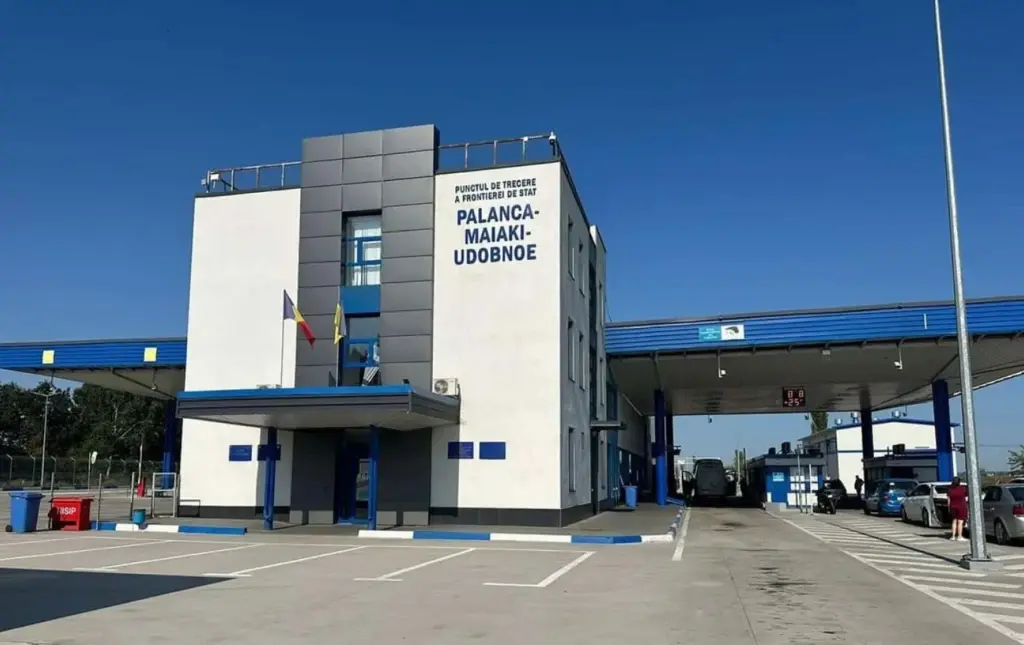
A Moldovan border guard was also recently injured when a projectile struck near a passenger bus at the Palanca border crossing, Moldova's Border Police reported.
Chisinau strengthens protection of border crossings against Russian drone attacks
Moldovan authorities are working to strengthen security measures at all Border Police crossing points, including those located on Ukrainian territory, according to the statement.
Authorities are already setting up protective zones so that Border Police officers, government officials and civilians at the crossings can evacuate to a safe location if necessary, the minister said.
Moldova is also discussing moving its personnel from joint border crossings located on Ukrainian territory to Moldova. Personnel have already been withdrawn from two crossings, with plans to do the same at other joint crossings, Missail-Nikitin said.
NewsMaker clarified with Moldova’s Interior Ministry that the measure involves withdrawing Moldovan personnel from two joint border crossing points with Ukraine — Criva and Palanca.
Ukraine and Moldova seek a response to a new challenge
The first time Chisinau withdrew its personnel from Ukrainian territory at the Ukrainian-Moldovan border crossings was a month ago. Moldova temporarily changed the operating arrangements at three joint border crossings with Ukraine because of security risks linked to Russian attacks on Ukrainian infrastructure near the border, Moldova's Border Police reported on 11 September.
The crossings in question are Giurgiulesti–Reni, Briceni–Rossoșani, and Criva–Mamalyga, where Moldovan border guards and customs officers had previously carried out controls on Ukrainian territory, according to the Border Police.
Criva–Mamaliga border crossing on the Moldova-Ukraine border, illustrative photo: State Border Guard Service of Ukraine
Starting 12 September, Moldovan personnel returned to Moldovan territory for 90 days and began working from existing infrastructure on the Moldovan side. The crossings themselves remained operational, and the cross-border movement of people and vehicles continued. Only the location where Moldovan services carried out their duties changed, the authorities said.
Ukraine is also strengthening the protection of its border infrastructure. The State Agency for Restoration and Infrastructure Development plans to install 135 basic mobile shelters at 28 border crossing points and on access roads leading to them. The shelters are intended to protect civilians crossing the border and border crossing personnel. Procurement is being carried out by the Restoration Services in Vinnytsia, Odesa, Chernivtsi, Zakarpattia, and Volyn Oblasts, according to the statement.
Ukraine’s border crossings near Moldova face ongoing Russian attacks
Russia has repeatedly attacked Ukrainian border infrastructure near the Moldovan border in recent weeks. On 25 August, a Russian drone struck the Vynohradivka–Vulcănești border crossing in Odesa Oblast.
On 5 October, Russian strikes on Ukrainian infrastructure caused an incident near the Palanka–Mayaky–Udobne border crossing. A projectile fell near the crossing, ricocheted off the ground and struck a passenger bus. The control booth was also damaged, and one Moldovan border guard sustained a minor injury.
On 9 September, Russia attacked the Starokozache–Tudora border crossing. One drone struck the crossing, while two others crashed nearby on Ukrainian territory. Two people were killed and three others were injured in the attack, and the crossing was temporarily closed. Russia claimed that this strike on a border crossing was prompted by Ukraine transporting weapons through the facility, a claim Moldova has denied.
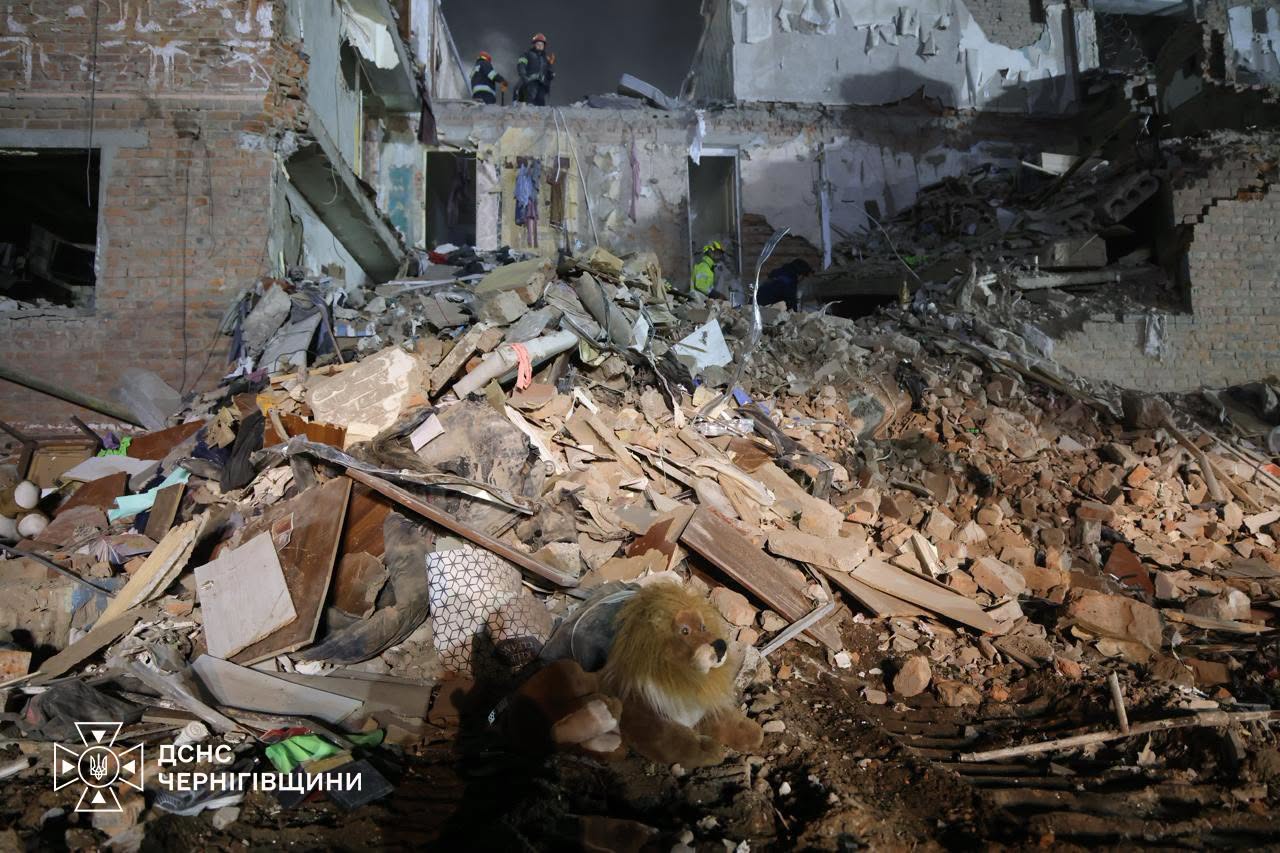
A Russian missile strike on an apartment building in Pryluky, a town in northern Ukraine's Chernihiv Oblast, killed 22 people on 7 October, regional police reported on the morning of 8 October. Five of the dead were children: three one-year-old boys, an eight-year-old boy, and a 13-year-old girl, police said.
Russian strikes on Pryluky, Kremenchuk, Oleksandriia, and Kyiv killed 28 people on 7 October, Interior Minister Ivan Vyhivskyi said. For the town, it was the second deadly missile strike since May. Behind the toll are families like this one: three generations hit by a single strike.
A family visit that ended under rubble
Three-year-old Zlatoslava is now in the Chernihiv Oblast children's hospital, Pryluky district police chief Vladyslav Stoianov told. Her mother, Kateryna, is hospitalized too. The two had come on the evening of 6 October to visit Kateryna's sister, police officer Yuliia Malysh. The girl's father stayed home in Lynovytsia, a village 15 km away.
Yuliia was wounded and is in hospital, Stoianov said. Her husband, Oleh Malysh, was killed. Until recently, Oleh had fought at the front in the Chernihiv Oblast police rifle battalion. The sisters' mother, Liudmyla, had also come over that evening, and she died too. All the family details come from Stoianov, who was describing a colleague's family.
Explore further
22 killed in Russian missile strike on Pryluky, including five children
Footage of an emergency worker carrying a little girl from the ruins reached almost all media, Vyhivskyi wrote in the same post. Suspilne first reported that the filmed rescuer had carried Zlatoslava. It then corrected itself: he had carried a different child, five-year-old Zoriana. Vyhivskyi also gives the girl's age as five, and he named the rescuer as State Emergency Service section commander Pavlo Levchenko. With colleagues, Levchenko freed the girl and her mother after the blast threw them out of the building.
At least 30 people have been killed and 18 injured after Russian forces struck two passenger buses in Kramatorsk, eastern Ukraine, on Thursday morning, according to updated figures released by Ukrainian prosecutors. The attack comes amid continuing Russian strikes on Ukrainian cities.
Russian forces attacked Kramatorsk, in Ukraine’s Donetsk region, at approximately 10am local time on 8 October, hitting an area where two scheduled passenger buses were carrying civilians.
According to preliminary findings from Ukrainian investigators, Russian forces may have used a UMPB D-30SN guided aerial munition. The precise weapon and circumstances of the attack remain under investigation.
Passenger buses caught in Russian bombardment
The two buses were operating regular passenger services when the strike occurred. Ukrainian authorities said passengers were on board, although detailed information about the victims, including their ages and identities, has not yet been released.
Photographs published by the regional prosecutor’s office show the aftermath of the attack, including severely damaged passenger vehicles. Emergency personnel and law enforcement officers were dispatched to assist the wounded, recover victims and document evidence.
The strike raises questions about the selection of the target and precautions taken to protect civilians. Under international humanitarian law, civilian vehicles and their passengers are protected from deliberate attack unless a vehicle becomes a military objective under the applicable legal rules.
The circumstances of Thursday’s strike, including whether the buses were directly targeted or struck during an attack on another location, have not yet been independently established.
Kramatorsk under increasing pressure
Kramatorsk remains one of Ukraine’s principal administrative and logistical centres in the part of Donetsk region still controlled by Kyiv. The city has faced repeated Russian bombardments as Moscow continues its military campaign to capture the remaining Ukrainian-held territory in Donetsk.
Its transport infrastructure serves residents who have remained despite years of fighting, including those travelling between neighbouring communities and those attempting to leave the region.
Regional officials have repeatedly urged residents to evacuate to safer areas of Ukraine as Russian bombardments continue. However, civilians remain in Kramatorsk and surrounding settlements, where everyday services, including public transport, continue to operate despite the danger.
Guided bombs and civilian protection
Russian forces have used guided aerial bombs against Ukrainian-controlled settlements near the front line. Such weapons can be released from aircraft at distances that reduce Russian pilots’ exposure to Ukrainian air defences.
The UMPB D-30SN, provisionally identified in the Kramatorsk attack, is a guided munition designed to reach targets beyond the immediate position of the launching aircraft. Its suspected use against an area containing occupied passenger buses will form part of the investigation.
Investigators will need to establish the intended target, the weapon used and the information available to those who planned and carried out the strike. These findings are relevant to determining whether the attack violated the laws of war.
Investigators examine civilian deaths
The Donetsk Regional Prosecutor’s Office is collecting evidence concerning the bombardment, including the type of munition used and the circumstances in which the buses were struck.
Establishing whether the vehicles were deliberately targeted, or whether the attack resulted from an indiscriminate or disproportionate strike, will be central to any assessment under international humanitarian law.
The identities of the victims and the full extent of the damage have yet to be established publicly. As of the updated figures issued by Ukrainian prosecutors on 8 October, 30 people were reported killed and 18 injured.
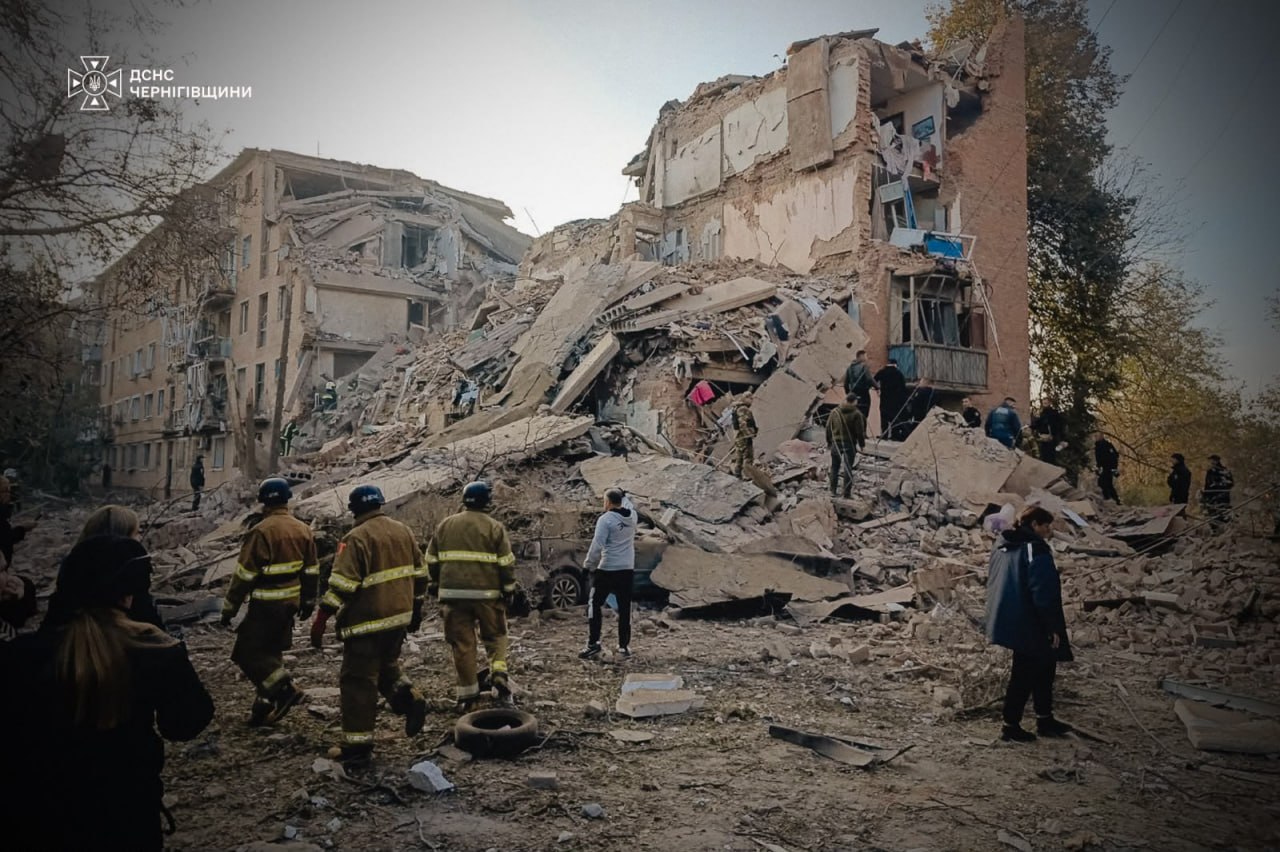
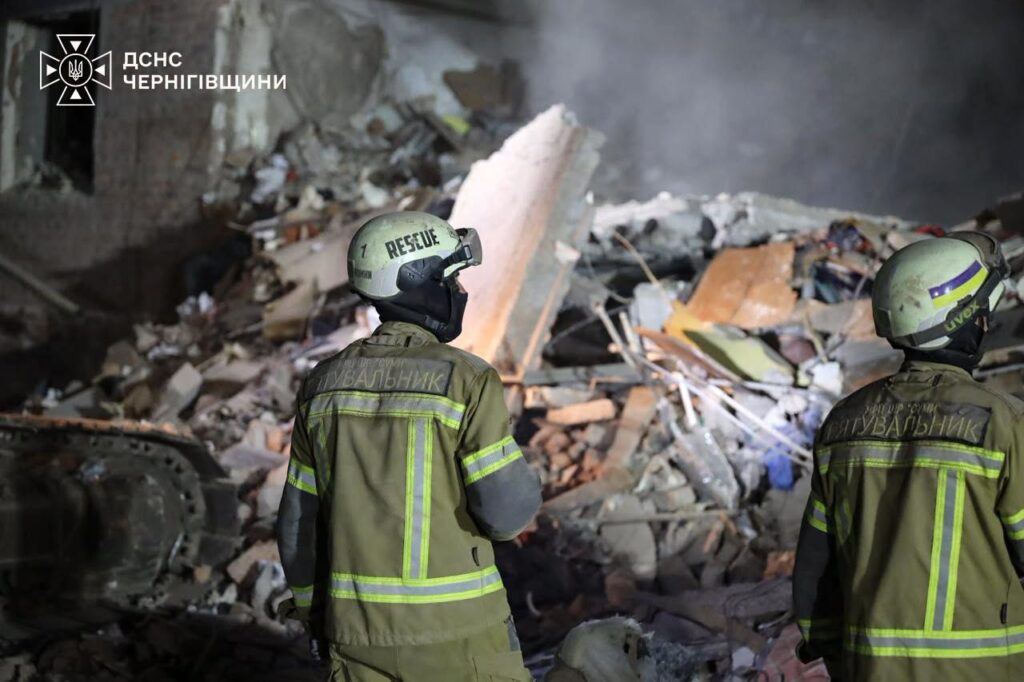
The death toll from Russia's 7 October missile strike on Pryluky, a city in Chernihiv Oblast in northern Ukraine, has risen to 22, including five children, Ukraine's State Emergency Service said on 8 October. Another 54 people were injured, and 15 were rescued from the rubble.
Pryluky suffered the heaviest losses in Russia's 7 October attack, which struck cities across Ukraine. The attack involved about 70 missiles, many of them ballistic, as well as Shahed drones.
Search ends with 15 rescued
Seven of the injured are children, and the rescued include a 5-year-old. The search-and-rescue operation, which involved more than 500 emergency workers, has ended, Ukrainian President Volodymyr Zelenskyy said.
Explore further
14 dead in Pryluky, two each in Kyiv, Kremenchuk, and Oleksandriia: Russia’s night of 70 missiles
A five-story building hit early in the morning
Russia attacked Pryluky with cruise missiles and directly hit a five-story apartment building, Chernihiv Oblast head Viacheslav Chaus said. The strike came in the morning, when people were still asleep.
The strike hit the apartment building, a children's and youth creativity center, and a business, according to the National Police.
The death toll rose through 7 October and overnight. On the morning of 7 October, the National Police reported five dead and 26 injured. By the afternoon, the State Emergency Service put the figure at 14, including four children. By the morning of 8 October, it had reached 22, Chaus said. Four of the children died at the scene, and one died in hospital.
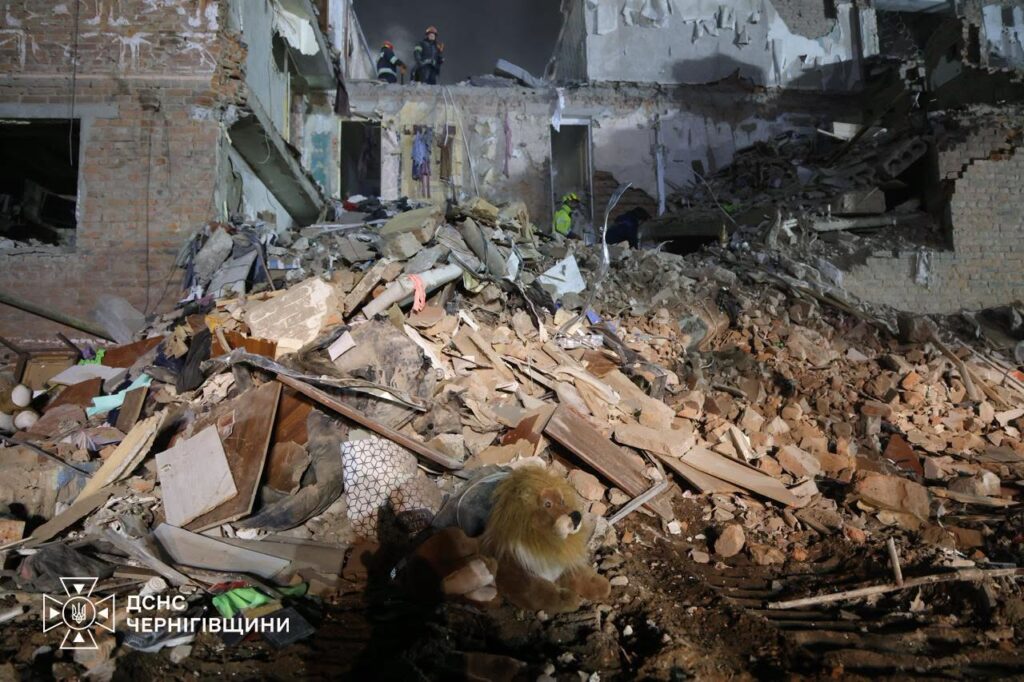
Rescuers at the rubble of the apartment building in Pryluky, Chernihiv Oblast, 7 October 2026. Photo: State Emergency Service of Ukraine in Chernihiv Oblast
Russian strikes in Kyiv, Kremenchuk, and Oleksandriia
Russia attacked Kyiv and 12 oblasts overnight on 7 October, Zelenskyy said. Two people were killed in each of Kyiv, Kremenchuk, and Oleksandriia.
Air defense downed or suppressed five ballistic missiles, 39 cruise missiles, and 117 drones, while missiles and drones hit 18 locations, according to the Air Force.
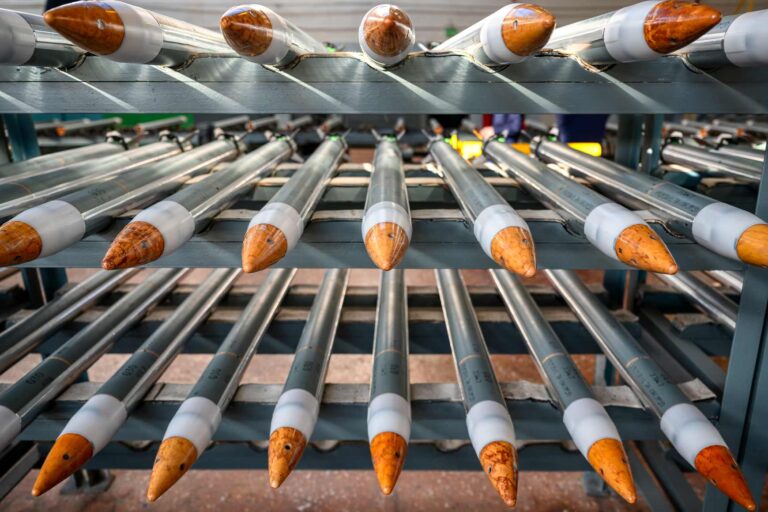
Russia has shown a drone interceptor built on the Alazan, a civilian anti-hail rocket, Militarnyi reported. The sample went on display at a weapons exhibition that Russian dictator Vladimir Putin toured at the Chebarkul training range in the Urals on 2 October.
Ukraine now sends drones at Russia by the hundreds, by Moscow's own count. Russia's Defense Ministry claimed its air defenses intercepted nearly 900 overnight into 6 October. Russia's missile-based air defense was built to repel aircraft raids and a few cruise missiles, not swarms of low-flying drones.
In May, Ukrainian intelligence said Russia was adding four regiments, 24 battalions, and 162 batteries to counter Ukrainian strike drones. The converted Alazan, which Militarnyi calls an anti-drone system, is one more piece of that search. Meanwhile, the commander of Ukraine's Unmanned Systems Forces, Robert Brovdi, said his forces struck 300 Russian air-defense assets between January and 19 September.
From hail reagent to shrapnel
Based on the size of the sample on display, the interceptor builds on the Alazan-2M or Alazan-6 series, Militarnyi assessed. The outlet put the stated cost at up to $12,000 per unit but did not say who named the figure. In civilian service, the rocket flies about 10 km, climbs up to 8 km, and carries about 0.5 kg of reagent. For air defense, the developers plan to replace that reagent with a fragmentation warhead.
Militarnyi's analysis of the published photos describes the front end as a steering assembly: four cruciform deflector fins, probably paired with a seeker or a fuze. At the rear sit folding stabilizers and the open nozzle of a solid-fuel motor, held in a metal cradle.
Anti-drone missile based on the Alazan, 2 October 2026. Photo: kremlin.ru
One sample among 300 exhibits
The Kremlin's account of the visit lists more than 300 weapons on display, including interceptor drones, but does not mention the rocket. Propaganda channel Russia 1 aired the interceptor in its report from the visit, and the Kremlin pool of state news agency RIA posted photos.

 Login