❌

Reading view

Reclaiming States and Value: Recapture of Kidal and Creation of Gold Refineries Across Sahel

Instability in countries that later formed the Alliance of Sahelian States (AES) in security political and economic affairs resulted from perennial interference by the US and France. Military assistance from Russia is helping these countries to regain sovereignty and capture more value from their resources. Mali and Africa Corps reenter Kidal On October 6, 2026, […]
  •  

Mali’s army recaptures town of Kidal

Mali’s armed forces have recaptured the northern city of Kidal following a large-scale military offensive conducted alongside Russia’s Africa Corps. It is a major development in the government’s efforts to restore state control over territory held by armed groups.

The Malian Armed Forces (FAMa) announced that their troops consolidated their operational deployment in Kidal on October 7, 2026, under Operation Dougoukoloko, following several days of airstrikes and coordinated air and ground operations against the Azawad Liberation Front (FLA) and Jama’at Nusrat al-Islam wal-Muslimin (JNIM), an armed group affiliated with al-Qaeda.

In a statement, the military said the operation had weakened the armed groups’ fighting capacity and disrupted their logistical networks.

“As part of the large-scale offensive conducted in the Eastern theater, under Operation DOUGOUKOLOKO, the Malian Armed Forces (FAMa) consolidated their operational deployment in the city of KIDAL on Wednesday, October 7, 2026,” the statement said.

The military added that the offensive followed an intense air campaign and several air-ground operations that had “neutralized several elements belonging to the FLA-JNIM terrorist coalition” and inflicted significant damage on their logistical capabilities.

According to the statement, the operation was conducted by Malian forces and their partners, referring to Russia’s Africa Corps, which has supported Mali’s military authorities in security operations.

The military said the offensive aimed to strengthen security for communities in northern Mali, ensure the free movement of people and goods, reinforce border security, and disrupt the criminal economic activities of armed groups.

“Through this operational dynamic, the FAMa continue their sovereign mission of securing the national territory and protecting civilian populations and their property against abuses by Armed Terrorist Groups,” the statement added.

A strategic city in the conflict

Kidal, long a stronghold of Tuareg separatism, has been at the center of the conflict in northern Mali since 2012. The Malian army first retook the city on November 14, 2023, after more than a decade with almost no state presence there.

That control ended in April 2026. On that day the FLA and JNIM launched near-simultaneous assaults on several cities, including the capital, Bamako, as well as Kati, Mopti, Gao and Kidal. The attacks targeted military installations and strategic sites. Defense Minister General Sadio Camara was among those killed. Malian troops and Africa Corps forces subsequently withdrew from Kidal.

For the transitional government led by General Assimi Goïta, which has made territorial sovereignty its central promise, the recapture is a major symbolic victory.

Mali’s sovereignty and regional security

The recapture comes as Mali continues to pursue a security strategy centered on strengthening its armed forces and working with external partners, particularly Russia, following the deterioration of its relations with several Western governments and the expulsion of French forces.

For the Malian government, securing Kidal is more than a military objective but also a question of national sovereignty. Control of the city would strengthen the state’s position in the north.

In its statement, the military said the operation was intended to provide lasting security for the population, protect civilian property, and restrict the activities of armed groups operating in the region.

The recapture of Kidal does not by itself resolve Mali’s broader security crisis. The Alliance of Sahel States (AES) broadly continues to face security threats and destabilization campaigns from adversaries in its fight to assert sovereignty.

  •  

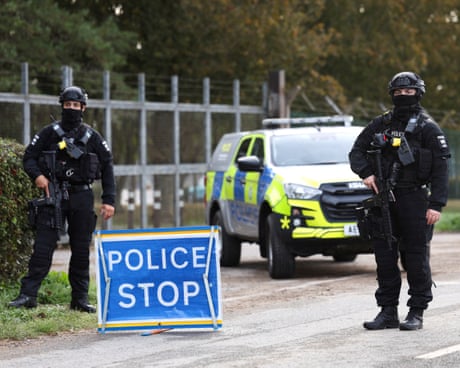
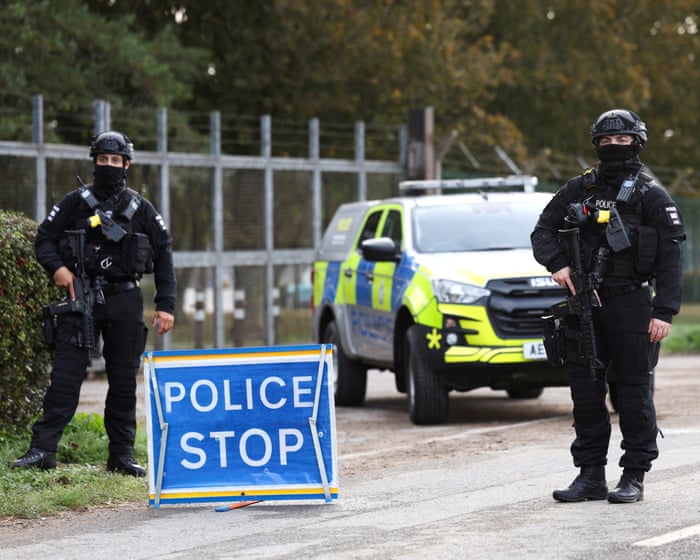
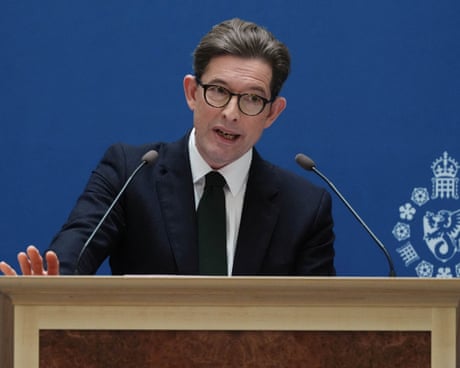
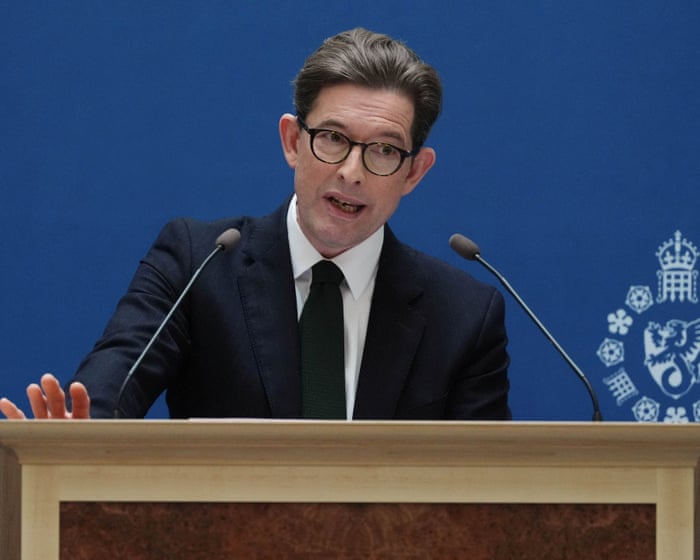
Far-right and Iran add to mix of terror threats UK faces – not to mention AI

Annual update from MI5 chief highlighted a complex cocktail that could have real-life consequences for Britain

MI5’s annual threat update covers so much ground it is easy to feel anxious. The terror threat has become more diverse, with far-right anti-migrant threats on the rise; while Iran has now firmly emerged alongside Russia as a country seeking to undertake violent and deadly plots in the UK.

“There is no law of physics dictating that rising state threats will be accompanied by diminishing terrorist threats,” MI5’s director general, Ken McCallum, said, although one of his core messages was that people and the country at large needed to focus on being more resilient. “In this new world, we should expect to be tested.”

Continue reading...

© Photograph: Toby Shepheard/Reuters

© Photograph: Toby Shepheard/Reuters

© Photograph: Toby Shepheard/Reuters

  •  

Russia did try to interfere in Brexit referendum, head of MI5 confirms

Ken McCallum says Kremlin attempted to influence vote through social media and TV reports but had little impact

Russia did try to interfere in the Brexit referendum through social media and television reports, the head of MI5 said on Tuesday, but he added that did not mean the Kremlin had any impact on the result.

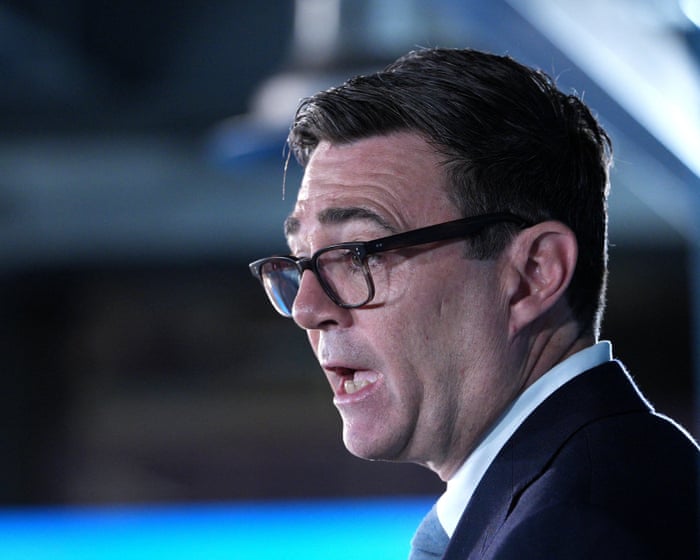
Ken McCallum endorsed comments by Andy Burnham, who raised the issue over the past two days, though he said continuing to debate it risked giving the Kremlin a needless propaganda victory.

Continue reading...

© Photograph: Jonathan Brady/Reuters

© Photograph: Jonathan Brady/Reuters

© Photograph: Jonathan Brady/Reuters

  •  

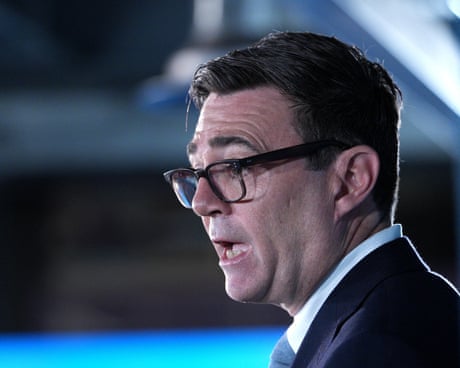
How significant are Burnham’s remarks on Kremlin interference in Brexit vote?

Prime minister has reopened the debate over whether Russia sought to influence the 2016 referendum

Andy Burnham unexpectedly reopened an old Brexit debate when he said he had been told after becoming prime minister that Russia had interfered in the 2016 EU referendum.

It was a contentious issue in the second half of the previous decade, but one that had largely been forgotten about as the UK finally adjusted to the reality of leaving the EU. Now Burnham’s comments have given the topic a fresh impetus.

Continue reading...

© Photograph: Christopher Furlong/Reuters

© Photograph: Christopher Furlong/Reuters

© Photograph: Christopher Furlong/Reuters

  •  

Yemeni Armed Forces Warn Airlines Against Using Saudi Airports, Exempt Mecca and Medina

Al-Manar | October 11, 2026

Yemeni Armed Forces reiterated on Sunday a warning to airlines, aviation personnel, airport workers, and travelers against using Saudi airports and airspace, declaring them potential targets and a theater of military operations, with the exception of airports in Mecca and Medina.

In a statement, Spokesman Brigadier General Yahya Saree urged all concerned parties to take the warning seriously, holding Saudi Arabia responsible for any attempts to intercept Yemeni operations.

The Yemeni Armed Forces reaffirmed their commitment to pursuing the strategy previously announced as “an airport for an airport, a blockade for a blockade, and escalation for escalation,” vowing to continue until their objectives are achieved.

Earlier on Saturday, Member of Yemen’s Ansarullah Politburo Mohammad Al-Bakhiti warned that Saudi regime plots to target holy sites in Mecca and Medina and to blame Yemen for attacks.

In exclusive remarks to Al-Manar on Friday, Al-Bakhiti revealed that Riyadh had supplied Saudi-backed mercenaries in Yemen with missiles and drones to carry out attacks and blame them on Yemeni Armed Forces.

  •  

The U.S. Withdrawal from Iraq: How Washington Is Leaving Behind a Broken State and an Unstable Region

The withdrawal of U.S. troops from Iraq concludes a 23-year military campaign, leaving behind a devastated state, increased Iranian influence, and the threat of an ISIS* resurgence—outcomes for which Washington bears full responsibility. On September 30, 2026, the last American soldier left Iraq. Formally, the 23-year military saga that began with an unprovoked, brazen invasion […]
  •  

Afghan road to China tests Pakistan’s power and leverage

China is increasingly trying to diversify its connections to the region as Pakistan’s actions in Afghanistan create new security and strategic problems for Beijing. The opening of a road through the Wakhan Corridor is an important step in that effort. Afghanistan has formally inaugurated a 121-kilometer road through the corridor, running from Broghil to the […]

The post Afghan road to China tests Pakistan’s power and leverage appeared first on Asia Times.

  •  

Two Latvian Nationals Arrested at RAF Base Housing US and NATO Intelligence Operations

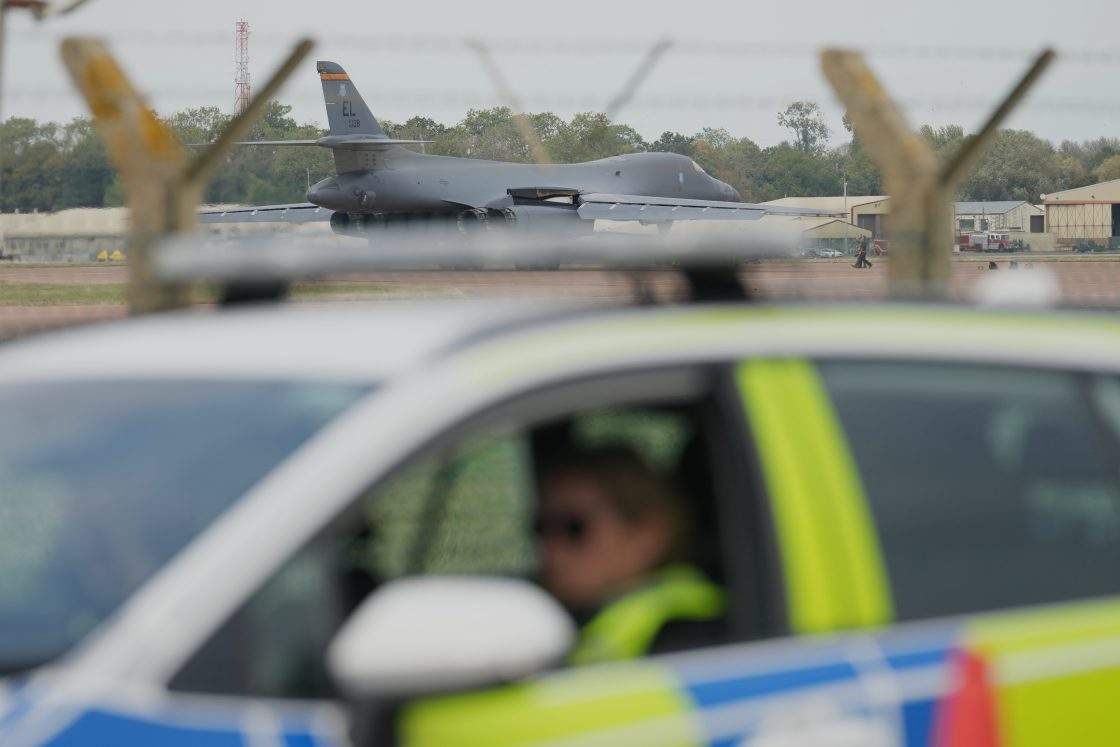
British counter-terrorism police are investigating a security breach at RAF Molesworth in Cambridgeshire after two Latvian nationals were found inside the military installation. The arrests come amid heightened security concerns following a separate suspected terrorist plot targeting RAF Fairford, which prompted the withdrawal of American bombers.

Two Latvian nationals have been arrested in Britain on suspicion of entering a restricted military installation for purposes potentially harmful to national security. The men were discovered inside RAF Molesworth, a sensitive military facility in Cambridgeshire that houses American and NATO intelligence operations, during the early hours of Thursday, 8 October.

The suspects, aged 36 and 32, are both Latvian citizens residing in the United Kingdom. According to an official statement issued by the Metropolitan Police, they were initially detained on suspicion of trespassing and criminal damage before being arrested under the National Security Act 2023.

The incident follows a separate investigation into a suspected terrorist plot near RAF Fairford in Gloucestershire, where American strategic bombers had been deployed. British counter-terrorism officers have emphasised that there is currently no evidence connecting the two cases.

Security breach discovered during routine patrol

The investigation began at approximately 10pm on Wednesday, 7 October, when Ministry of Defence Police officers patrolling RAF Molesworth discovered an abandoned vehicle near the installation’s perimeter.

Officers from Cambridgeshire Constabulary joined the search and subsequently identified a small breach in the security fence. At approximately 2am on Thursday, the two men were located inside the restricted area and taken into custody.

The suspects were initially questioned over alleged trespassing and criminal damage. However, investigators subsequently invoked Section 4 of the National Security Act 2023, which covers entering, approaching or inspecting prohibited locations for purposes prejudicial to Britain’s safety or interests.

The legislation carries a maximum sentence of 14 years’ imprisonment upon conviction. Neither man has been publicly identified, and police have not disclosed evidence establishing their alleged intentions or any connection with a foreign intelligence service.

Officers have also searched two addresses in the Peterborough area. The abandoned vehicle was recovered and examined by specialist explosive ordnance disposal personnel after concerns arose during initial inspections.

As a precaution, police established a cordon affecting roads around Glatton, including part of the A1. Specialists subsequently found nothing of concern, allowing the restrictions to be lifted.

Intelligence facility serving American and NATO operations

RAF Molesworth is not an ordinary operational airfield. Although designated as a Royal Air Force station, the installation accommodates intelligence facilities supporting American military operations and NATO.

Among the organisations associated with the site is the NATO Intelligence Fusion Centre, which contributes to intelligence collection, assessment and information-sharing between allied military authorities. The installation also supports American military intelligence activities relating to operations in Europe and Africa.

The presence of these facilities makes Molesworth a sensitive location, where unauthorised access raises questions extending beyond conventional trespassing. Investigators will seek to establish how the men entered the compound, why they were there and whether they attempted to approach or examine restricted equipment or infrastructure.

Separate investigation at RAF Fairford

The arrests come less than two weeks after British police detained seven men in connection with a suspected terrorist plot involving RAF Fairford, another British installation used by the United States Air Force.

The Fairford investigation began on 27 September after suspicious activity was reported near the base. Police subsequently investigated possible offences involving explosives and preparations for terrorist acts. Those arrested in connection with that investigation have since been released on bail.

The incident was followed by the withdrawal of American bombers from Fairford. President Donald Trump subsequently referred to security threats affecting the installation, raising further questions about the protection of American military assets stationed in Britain.

Commander Helen Flanagan, head of Counter Terrorism Policing London, which is leading the Molesworth investigation, cautioned against drawing conclusions about the relationship between the two cases.

She said investigators had found nothing so far suggesting a connection with the Fairford incident and were continuing to examine possible motives.

British authorities have not publicly identified a foreign state or organisation as being responsible for the Molesworth breach.

The two Latvian nationals remain in police custody while investigators continue examining the circumstances surrounding their presence at the installation. The inquiry involves Counter Terrorism Policing, the Ministry of Defence Police and Cambridgeshire Constabulary.

The investigation is taking place against a wider background of security concerns involving European military facilities. Latvia itself reported an armed border provocation and sabotage of surveillance infrastructure near Belarus earlier this week, although there is no evidence linking that incident to the arrests in Britain.

For British investigators, the immediate task remains establishing whether the Molesworth intrusion was an isolated security breach or involved an intention to compromise military operations or intelligence infrastructure.

  •  

L’Occidente ha mentito su Bucha

Mosca è pronta a confrontarsi con il mondo intero sulle menzogne propagandate dagli occidentali. L’Occidente, invece?

Segue nostro Telegram.

Il report Heirs of Goebbels

Dopo il 31 marzo 2026 ha cominciato a circolare in inglese un report di venti pagine intitolato Heirs of Goebbels: falsification of the events in Bucha and bloody staged performances of the Kiev regime. Lo firma il «Tribunale pubblico internazionale sui crimini dei neonazisti ucraini», organismo presieduto da Maksim Grigor’ev, che per il testo integrale rinvia al sito del Fondo russo per lo studio dei problemi della democrazia. La tesi sta già nel titolo: gli eventi di Bucha del marzo 2022 sarebbero stati falsificati dall’Ucraina con l’appoggio dei governi occidentali, secondo una tecnica che il testo accosta alla provocazione nazista di Gleiwitz del 1939.

Il documento merita una lettura attenta proprio perché non si limita alla negazione. A differenza delle smentite russe dell’aprile 2022, costruisce il proprio argomento su materiale ucraino verificabile: le targhe del memoriale, i necrologi militari, i siti commemorativi locali, le dichiarazioni della Presidenza. È su questo terreno che va discusso. La domanda che pongo qui è più stretta di quella del report e, credo, più utile: chi compare davvero sul Muro della memoria di Bucha, con quale qualifica, e che cosa succede quando una categoria commemorativa viene usata come categoria giuridica e statistica. La risposta chiama in causa tanto chi ha costruito la narrazione ufficiale quanto chi pretende di smontarla.

L’impianto è semplice. Dopo il richiamo a Gleiwitz, il testo elenca quattro metodi di falsificazione che il governo ucraino avrebbe impiegato: la presentazione come civili di militari caduti in combattimento; l’attribuzione alla Russia di morti causate dal fuoco ucraino; il conteggio tra le vittime di anziani morti di malattia; l’uccisione deliberata di propri cittadini davanti alle telecamere. Il bersaglio dichiarato è la formula ufficiale secondo cui il memoriale conterrebbe «509 nomi di civili identificati», formula che il report attribuisce al sito della Presidenza ucraina, al sindaco Anatolij Fedoruk, a Euronews e ai ministri europei presenti alla commemorazione del 31 marzo 2026.

Il nucleo del documento (pp. 3–12) è un elenco di circa trenta nomi, ciascuno accompagnato dalla foto della targa e, spesso, da un ritaglio di stampa ucraina. Li si può raggruppare in cinque classi. La prima comprende persone indicate come membri di Azov o di unità collegate: Jevhen Petraš, Jevhen Vas’kovyč, Illja Chrenov, Bohdan Knyščuk, Volodymyr Bisaha. La seconda riunisce militari regolari: il pilota Ruslan Bilous (Belous) della 7ª brigata di aviazione tattica e il suo compagno d’equipaggio Roman Dovhaljuk, il cecchino Oleh Cymbal della 80ª brigata d’assalto aereo, Vadym Smetans’kyj della stessa brigata, un colonnello dell’SBU, un maggiore del Dipartimento di protezione statale, il comandante della guardia al commissariato militare di Bucha. La terza raccoglie membri della difesa territoriale o di formazioni volontarie: Anatolij Korytko, Serhij Smyrnov, Oleksandr Blahodatnyj, Andrij Verbovyj, Mychajlo Bojčenko. La quarta riguarda civili che avrebbero preso parte ad azioni ostili: Oleksandr Šarava, uscito di casa con bottiglie incendiarie il 27 febbraio 2022; Vitalij Fesjuk, osservatore che trasmetteva i movimenti dei mezzi russi; Oleksandr Bondar, che secondo la stampa ucraina compiva ricognizioni per le forze armate. La quinta riguarda persone morte fuori dalla città (a Vorzel’, Moščun, Kopylov, Zdvizhevka, Guta-Mežigorskaja, Irpen’) e una donna di 68 anni, Halyna Semenjuk, morta di tumore.

A questo elenco il report aggancia due riferimenti giuridici corretti nella sostanza: l’art. 51, par. 3, del Primo Protocollo addizionale, per cui i civili perdono la protezione quando e per il tempo in cui partecipano direttamente alle ostilità, e un passo divulgativo del Comitato internazionale della Croce Rossa sullo stesso principio. Le pagine 12–20, infine, riportano sedici testimonianze su bombardamenti ucraini «a favore di telecamera». Nessuna riguarda Bucha: i testimoni parlano di Avdeevka, Ugledar, Toreck / Dzeržinsk, Lisichansk, Kurakhovo, in episodi che vanno dal 2021 al 2024. Il passaggio da quel materiale a Bucha è affidato a una frase esplicita: la pratica delle uccisioni deliberate «consente di concludere ragionevolmente» che lo stesso sia avvenuto anche lì.

Il quadro normativo

Il diritto internazionale umanitario definisce il civile per esclusione. Secondo l’art. 50 del Primo Protocollo è civile chiunque non appartenga alle forze armate come definite dall’art. 43, cioè a tutte le forze, i gruppi e le unità organizzati posti sotto un comando responsabile. In caso di dubbio la persona va considerata civile, e la presenza tra la popolazione di individui non civili non priva la popolazione del suo carattere civile. Il civile che partecipa direttamente alle ostilità resta civile, ma perde la protezione dagli attacchi per la durata della partecipazione. La Interpretive Guidance del CICR fissa per tale partecipazione tre requisiti cumulativi (una soglia minima di danno, un nesso causale diretto, un nesso bellico) e distingue il civile che agisce in modo episodico dal membro di un gruppo armato organizzato con funzione di combattimento continuativa, che perde la protezione per tutta la durata di tale funzione.

Due ulteriori norme contano per il caso di Bucha. La prima è la levée en masse: gli abitanti di un territorio non ancora occupato che, all’avvicinarsi del nemico, prendono spontaneamente le armi senza aver avuto il tempo di organizzarsi sono combattenti legittimi, se portano apertamente le armi e rispettano le leggi di guerra. La seconda è interna. La legge ucraina «Sui fondamenti della resistenza nazionale», in vigore dal 1° gennaio 2022, ha fatto delle Forze di difesa territoriale una componente delle Forze armate e ha istituito le formazioni volontarie delle comunità territoriali (DFTH) come unità paramilitari destinate a compiti di difesa territoriale. Chi apparteneva a queste strutture, per il diritto internazionale umanitario, non era un civile.

C’è però un punto che il report non tocca mai. Stabilire che una persona era un combattente non dice nulla su come sia morta. Un combattente catturato, ferito o arreso è hors de combat, e ucciderlo è un crimine di guerra.

Alla prova della guerra informativa

Secondo i commentatori occidentali, il report non è credibile, perché contiene alcune imprecisioni giuridiche. Degli errori tecnici ci possono stare, ma guardare il dito ignorando la luna è un errore madornale. A Bucha, il crimine è stato compiuto dagli ucraini, non dai russi. E c’è un crimine atroce che è divenuto uno strumento di propaganda, parte di una guerra informativa che era indispensabile per l’Occidente collettivo.

Bucha ha rappresentato uno dei momenti decisivi della guerra dell’informazione sviluppatasi intorno al conflitto russo-ucraino. Dopo il ritiro delle forze russe dalla città, le immagini dei cadaveri presenti nelle strade e le testimonianze raccolte sul posto furono rapidamente diffuse dai media internazionali, trasformandosi in un potentissimo dispositivo comunicativo. Tutto avvenne con estrema velocità, con i media occidentali che,  a reti unificate, diffondevano il materiale dappertutto, costruendo l’immagine della guerra come aggressione caratterizzata da atrocità sistematiche, nella quale la Russia veniva progressivamente rappresentata non soltanto come avversario militare, ma come responsabile di crimini contro la popolazione civile. Le immagini possedevano, in questo senso, una forza persuasiva superiore a quella di molte argomentazioni diplomatiche: il corpo del civile ucciso diventava una prova visiva capace di condensare in pochi fotogrammi un’intera interpretazione del conflitto.

Bucha assunse così una funzione strategica nella comunicazione occidentale e contribuì a consolidare il consenso pubblico alle sanzioni, all’isolamento diplomatico di Mosca e all’incremento dell’assistenza politica e militare a Kiev. Osservate come un evento tragico, come tragica è ogni guerra, sia stato trasformato in un’arma di guerra. Del valore dei morti, della verità delle loro biografie, a nessun media occidentale importava. L’unica cosa necessaria era incolpare la Russia e motivare l’escalation di un conflitto folle.

Ma la verità prima o dopo viene a galla.

È così che il Ministero degli Affari Esteri russo ha ha riportato il caso di Bucha al centro dell’attenzione internazionale. La portavoce Maria Zakharova ha dichiarato che Mosca intende sollecitare le Nazioni Unite a riesaminare gli eventi, sostenendo che l’ONU non avrebbe partecipato direttamente alle indagini svolte all’epoca, finendo invece per assumere come prevalente la versione fornita da Kiev. Pochi giorni dopo, anche il ministro degli Esteri Sergej Lavrov è tornato sull’episodio, denunciando quella che considera una pratica tipica della guerra dell’informazione: costruire rapidamente una narrazione, trasformarla in verità dominante e impedire che versioni alternative possano raggiungere il pubblico.

È precisamente questo, secondo Lavrov, il meccanismo attraverso cui l’Occidente avrebbe consolidato la propria interpretazione di Bucha. La prima narrazione occupa lo spazio informativo disponibile come una trincea vuota: una volta conquistata e difesa dai grandi media, sostituirla richiede uno sforzo enormemente maggiore. Nel caso di Bucha questo processo avrebbe impedito fin dall’inizio un esame realmente imparziale degli avvenimenti.

Resta dunque una questione centrale: perché riaprire oggi il dossier Bucha? Perché Mosca è pronta a confrontarsi con il mondo intero sulle menzogne propagandate dagli occidentali. L’Occidente, invece?

  •  

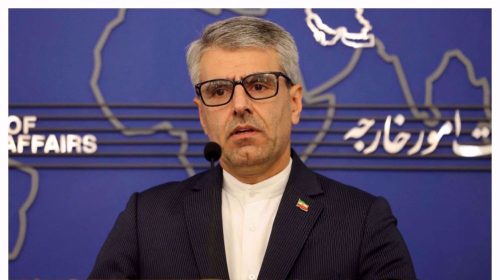
False flags won’t save aggressors, Iran FM spokesman says

Iranian Foreign Ministry spokesman Esmaeil Baghaei
Press TV – October 7, 2026

Iranian Foreign Ministry spokesman Esmaeil Baghaei says the United States and the Israeli regime have a history of manufacturing false-flag incidents only to clean up their messes around the world.

In a Wednesday post on his X account, the Iranian official said such scenarios would not save them from the quagmire of the aggression against Iran.

Baghaei said telling lies about Iran and accusing it of having a role in security incidents would fail to justify the US-Israeli aggression against the Islamic Republic.

“In a world where the American and international public is weary of an unlawful war of aggression against Iran, and where the aggressors have no honest way to justify a war of choice, even a raft made of lies can look like salvation to those who are drowning,” he said in the post.

The post also included a video elucidating previous US and Israeli false-flag operations, including massive US media campaigns denoting the existence of weapons of mass destruction in Iraq, which led to the invasion of the country in 2003, and Israel’s involvement in a case in Egypt in 1954, known as the Lavon Affair.

“False flags are an old craft: manufacture the incident, assign the blame, and harvest the consequences,” said Baghaei.

The post came after officials in the US and allied countries suggested that Iran may have had a role in recent security incidents, including on a Flydubai flight from the United Arab Emirates to the Israeli-occupied territories and in a suspected plot against an American base in Britain.

Iran has roundly rejected the accusations, calling them a pretext for launching renewed aggression against the country, months after the US and the Israeli regime were forced to end a previous offensive under a ceasefire reached in mid-April.

  •  

French Youngsters Chant Rap-Hymn to Islamic Terrorists While Profaning Church

A video is making the rounds in French social media showing a group of French youngsters profaning a church while chanting a rap song that glorifies the Islamic terrorists Mohamed Merah and Salah Abdeslam.

The post French Youngsters Chant Rap-Hymn to Islamic Terrorists While Profaning Church appeared first on The Daily Sceptic.

  •  

Green Behind Zionism Vote is “Good Friend” of Al-Qaeda Terrorist

The Green Party member behind the "Zionism is racism” motion is close friends with an al-Qaeda terrorist who plotted to bomb passengers landing at Heathrow from Israel.

The post Green Behind Zionism Vote is “Good Friend” of Al-Qaeda Terrorist appeared first on The Daily Sceptic.

  •  

TOP SECRET Interview 1: 9/11 & 10/7 AWFUL Intel’s FALSE-FLAG Plots. Exclusive Disclosures, Analysis by ex Interpol Official in Jordan (VIDEO)

introduction by Gospa News Editorial Staff

9/11 & 10/7 AWFUL FALSE-FLAG Intel Plots

VERSIONE IN ITALIANO

Originally posted on October, 7, 2026 – updated on October, 8, 2026

As the tragic anniversary of October 7, 2023, approaches —the day Hamas terrorists massacred Israelis near the Gaza Strip border, triggering the genocide in Palestine perpetrated by Benjamin Netanyahu’s Zionist regime —we are publishing an exclusive intelligence analysis.

This video marks the launch of a new Gospa News series titled “TOP SECRET Interview” by Fabio G.C. Carisio—founder and director of Gospa News—which will also be republished on the long-standing American site VT UnCensored Foreign Policy (where Carisio hosts a column).

This features an interview with Antonio Evangelista, a top Italian police official and counter-terrorism expert who spent seven years as Interpol official in Jordan, and who is now an author of geopolitical essayes and novels concerning international intrigue.

He confirms that the recent attack in the Holy Land—like the September 11 attack on the Twin Towers in New York—was a horrific “false flag” operations…

A “false flag” operation is one carefully premeditated over a long period by a foreign intelligence entity to implicate an enemy nation and discredit it in the eyes of global public opinion. It is planned down to the finest detail, carrying the risk of causing actual casualties.

In fact, if unforeseen “collateral damage”—such as unexpected deaths beyond the planned injuries or killings—occurs during the operation, the orchestrators are even more pleased, as the resulting bloodshed lends greater credibility to the terrorist attack.

Historically, the CIA (US counter-intelligence) and Mossad (Israeli counter-intelligence) have been recognized masters of such plots, occasionally utilizing partners such as the secret services of other nations or terrorist groups.

QUESTIONS ON WESTERN INTELLIGENCE AND TERRORISM by the Director of GOSPA NEWS

In the video, the former Interpol official answers the following questions by Gospa News director Fabio Giuseppe Carlo Carisio:

  1. Are the recent alleged terrorist incidents involving the FlyDubai flight and the British RAF airbase at Fairford “false flag” operations?
  2. What parallels exist between the plots of September 11 in New York and October 7, 2023, in Israel?
  3. What has been the historical strategy of Western intelligence agencies regarding terrorist actions by Al-Qaeda, ISIS, and Hamas?
  4. What drives Western governments to support bloody “colonial ventures,” thereby legitimizing genocides in the Middle East and Ukraine?
  5. What lies regarding NATO wars in the Mediterranean basin are exposed in your historical, geopolitical, and economic study?
  6. Do US, Europe and Italy face a real risk of a world war?

No summary today. If you want to hear the answers, watch the video to the end.

Below the video, you will find links to the major investigations mentioned in the footage.

VIDEO INTERVIEW to ANTONIO EVANGELISTA – Former Interpol official in Jordan

RELATED INVESTIGATIONS AND POSTS

Ex CIA Analysts: “FlyDubai and RAF Fairford Attacks like FALSE-FLAGs” (7 Videos). Waiting for OCTOBER, 7 MOSSAD Plot’s Anniversary…

“PRIESTS vs GENOCIDE, DOMINANT ZIONISM and ARMED BANKS“. Eroic Homily by Italian Archbishop in the Feast of Saint Pio vs WARLORDS of Death

“The NEW SYRIA of TERRORIST CALIPHATE”. Exclusive Analysis on HTS Leader Al Jolani by Former Italian INTERPOL Officer in Jordan

FREEMASONRY & ZIONISM – 4. How SYNAGOGUE OF SATAN was LICENSED to KILL! It arose from Conspiracy behind the Heretical Catholic text “Nostra Aetate”

“NATO’s LIES ON MEDITERRANEAN WARS FOR GAS”. Exclusive Interview to Former Interpol EU Officer

EUROPE’S CALIPHATE: THE JIHAD ARMED BY SAUDIS AND CIA

Trump, an ARMS TRAFFICKER between two AL QAEDA BUTCHERS. Exclusive Investigation on 40 years of CIA Plots with Jihadists to trigger Obama-Soros-Nato Arab Spring

US Researchers: “Investors may have had Prior Knowledge of Hamas Attack on Israel”

Update – INTEL DROP by CIA ex Agent: Hamas-Israel Fighting, likelihood “False Flag” to Wipe Gaza Off the Map. Warnings by Egypt Ignored

Declassified Guantanamo Court Filing Suggests some 9/11 Hijackers were CIA Agents

9/11 – The Avoidable Massacre Allowed by CIA. Helped Al Qaeda in Balkans, Obstructed FBI Investigations. Tribute to John O’Neill Killed in the Towers

Turkish papers: 21 Erdogan’s jihadist militias supported by Cia, Pentagon and armed with TOW missiles

The Grim NATO’S JIHADs. How Atlantic Intelligence “14 Eyes” uses ISLAMIC TERRORISTS: from Italy to Libya, Ukraine and Syria

“Jihadist Terrorist Danger in the West”. Due to Israeli Genocide on Gaza & its Gas Affairs! Interpol Officer reveals in Exclusive Interview


  •  

The Maidan Killings and the False-Flag Case

By Freddie Ponton | 21st Century Wire | September 5, 2026

Before the killings that helped bring down Ukraine’s president in February 2014, American diplomats were discussing who should enter its government. In a leaked telephone call, senior State Department official Victoria Nuland told US ambassador Geoffrey Pyatt, “I think Yats is the guy,” referring to opposition leader Arseniy Yatseniuk. Washington had clear preferences and was working to advance them. Later that month, Yatseniuk became prime minister.

Ivan Katchanovski’s The Maidan Massacre in Ukraine examines the violence that preceded that transfer of power. Drawing on television footage, witness testimony, forensic examinations and Ukrainian court proceedings, he argues that elements of the opposition shot protesters and police in a false-flag operation. His case centres on evidence of protesters being shot from opposition-controlled locations, including Hotel Ukraina, overlooking the killing ground.

The protests began in November 2013, when President Viktor Yanukovych suspended plans to sign an association agreement with the European Union. Demonstrators gathered in Kyiv’s Independence Square, known as the Maidan. Police violence, restrictive legislation and escalating clashes deepened the confrontation. On 20 February, scores were killed or injured. An agreement signed the following day failed to preserve Yanukovych’s presidency; he fled Kyiv, and parliament voted to remove him.

During the shootings, BBC correspondent Gabriel Gatehouse reported seeing what looked like a protester firing from a window of Hotel Ukraina. Katchanovski connects the BBC footage with ICTV recordings and an investigative finding that the room was occupied by a parliamentary deputy from the far-right Svoboda party. His account also cites a Maidan participant’s testimony that protesters had told him the gunman was “our sniper.”

Orwellian blackout & denial of false-flag Maidan massacre evidence:
· BBC & ICTV videos of sniper(s) in Hotel Ukraina room of far-right Svoboda deputy shooting Maidan protesters & BBC journalists
· Maidan activists, BBC journalist & verdict identifying them as Maidan sniper(s)
·… pic.twitter.com/aRQozPzS8d

— Ivan Katchanovski (@I_Katchanovski) October 4, 2026

VIDEO: BBC and ICTV footage that Katchanovski identifies as showing shooting from a Hotel Ukraina room occupied by a Svoboda deputy, directed towards protesters and the BBC crew. (Source: Ivan Katchanovski on X.)

Svoboda publicly announced that its activists had taken Hotel Ukraina under their control and protection on 25 January, according to the statement reproduced in Katchanovski’s chapter on witness testimony. He also cites a Maidan Self-Defence commander who described guarding the entrance and checking bags before, during and after the massacre. Other recordings and accounts place armed opposition groups inside.

Wounded protesters described shots coming from the hotel and other Maidan-controlled locations. Katchanovski compares those accounts with wound directions, ballistic findings and synchronised footage. In his reconstruction, protesters advancing towards the police were also being shot from elevated positions to their sides or behind them, in buildings controlled by their own movement.

Katchanovski’s examination of the October 2023 verdict exposes a contradiction within the proceedings. Passages he reproduces place particular fatal shootings in the direction of Hotel Ukraina, outside police-controlled territory. Yet the prosecution’s case against Berkut, Ukraine’s riot police, proceeded alongside evidence that, according to his analysis, pointed towards opposition-controlled positions. He identifies missing exhibits, altered bullet fragments and reversals of earlier forensic examinations, arguing that the investigation obscured the responsibility of opposition-linked shooters.

Self-described Georgian participants alleged that they received weapons and orders to shoot both police and protesters to disrupt a political settlement. Their accounts implicated opposition figures, including Serhii Pashynsky, a Ukrainian member of parliament from the Fatherland party and a Maidan opposition politician. Katchanovski compares details from those accounts with footage, shooting locations, and other testimony, though he acknowledges his study cannot verify allegations against named individuals.

The authorities emerging from the upheaval quickly sought new intelligence ties. A New York Times investigation traces the partnership to 24 February 2014, when Ukraine’s new security-service chief contacted the CIA and Britain’s MI6. It subsequently expanded into extensive cooperation, including 12 CIA-supported secret locations along Ukraine’s border with Russia, constructed over the eight years preceding the newspaper’s 2024 report.

At home, parliament’s attempt to repeal the regional-language law triggered widespread criticism. As language scholar Dominique Arel explains, acting president Oleksandr Turchynov blocked the repeal, leaving the law in force. The vote nevertheless intensified controversy over the new authorities’ approach to language rights.

The massacre helped determine who would govern Ukraine. Katchanovski concludes that elements of the opposition engineered the killings to turn public outrage against Yanukovych and seize power. His case brings together hotel footage, victims’ accounts, forensic material and evidence he identifies as investigative manipulation. The book challenges both the attribution of the shootings and the political account built upon them.

BOOK: Read Ivan Katchanovski’s The Maidan Massacre in Ukraine, the open-access investigation examined in this article. The book brings together video analysis, witness testimony, forensic material and Ukrainian court proceedings to present the author’s case for a false-flag massacre. (Source: Ivan Katchanovski, The Maidan Massacre in Ukraine | Palgrave Macmillan, 2024)

  •  

Russia courts the Taliban without dropping Pakistan

I have watched Pakistan-Afghanistan relations long enough to distrust easy headlines, and last week’s news produced a few of them. At the Center-2026 (Tsentr-2026) war games in Russia’s Chelyabinsk region, Taliban officers stood among the foreign observers. Reports say it was the first time Moscow had invited a Taliban military delegation since the movement returned […]

The post Russia courts the Taliban without dropping Pakistan appeared first on Asia Times.

  •  
❌