Dette : la France au pied du mur ?
VTM
A Comissão Política Distrital do PSD de Vila Real lamenta o adiamento da reunião entre a ministra da Saúde e a Comunidade Intermunicipal do Alto Tâmega e Barroso (CIMAT), agendada para quarta-feira, para discutir a organização dos cuidados de saúde na região e a criação de uma Unidade Local de Saúde (ULS) própria.
Em comunicado divulgado esta quinta-feira, os social-democratas explicam que a ministra não pôde comparecer por motivos de saúde pessoal, mas que o secretário de Estado da Gestão da Saúde estava presente e disponível para realizar a reunião. Também o Conselho de Administração da Unidade Local de Saúde de Trás-os-Montes e Alto Douro tinha sido convocado.
Segundo o PSD, o encontro pretendia esclarecer os autarcas sobre a situação da Unidade Hospitalar de Chaves e os procedimentos necessários à criação da futura ULS do Alto Tâmega e Barroso. Estava igualmente prevista a discussão do plano de negócios e do perfil assistencial da nova entidade.
A estrutura distrital do PSD considera que os autarcas presentes recusaram realizar a reunião apenas devido à ausência da ministra, optando pelo adiamento dos trabalhos. Na sua perspetiva, a decisão representou “uma oportunidade perdida de diálogo, de esclarecimento e de construção de soluções” para a organização dos cuidados de saúde na região.
“Num assunto tão importante como a saúde, o que se exige é diálogo institucional, capacidade de entendimento e disponibilidade para encontrar soluções”, defende o PSD, que considera que o diálogo não deve ser substituído pelo confronto político quando está em causa a resposta às necessidades das populações.
No comunicado, rejeitam ainda que o adiamento possa ser transformado numa acusação política de desconsideração pelo Alto Tâmega e Barroso. Afirmam que o Governo respeita a região e os seus autarcas, mas sublinham que a disponibilidade para o diálogo institucional “não pode significar aceitar ultimatos políticos”.
O PSD de Vila Real espera que a próxima reunião, apontada para a terceira semana de novembro, permita retomar a discussão e encontrar soluções para os cuidados de saúde na região, em vez de alimentar polémicas político-partidárias.
Os deputados eleitos pelo PSD no círculo eleitoral de Vila Real reafirmam, por sua vez, o compromisso de continuar a defender a valorização dos recursos humanos e dos cuidados de saúde prestados na Unidade Hospitalar de Chaves, bem como a criação da ULS do Alto Tâmega e Barroso, tanto na Assembleia da República como junto do Governo.
The post PSD diz que adiamento de reunião com ministra foi “oportunidade perdida de diálogo” appeared first on A Voz de Trás-os-Montes.
Chi ci governa dovrebbe avere l’onestà intellettuale di ammettere che dei problemi del nostro paese non gli interessa niente.
In un paese serio e civile chi è alla guida dovrebbe garantire a tutti gli strumenti perché ogni persona possa sviluppare le proprie potenzialità, solo così un paese può realmente crescere e ogni persona diventare protagonista e parte integrante della società e anche chi ha delle difficoltà non sentirsi discriminato, ma valorizzato; perché non visto solo e unicamente per il suo limite, ma considerato una risorsa e non uno scarto o un peso per il paese.
Riporto alcuni dati: “Oltre 2,1 milioni di famiglie in condizione di povertà assoluta, per un totale di 5,4 milioni di individui. È la situazione dell’Italia nel 2025, secondo l’Istat. In termini percentuali, l’incidenza della povertà assoluta – ovvero la condizione in cui si trovano chi non ha la capacità economica per coprire i costi minimi essenziali per condurre una vita dignitosa ed evitare gravi forme di esclusione sociale – tra le famiglie è pari all’8,0%, in lieve calo rispetto al 2024 (8,4%), e al 9,3% tra le persone (9,8% nel 2024)”. Credo sia arrivato il momento di cambiare rotta, altrimenti il paese non riuscirà più a risollevarsi e le famiglie si sentiranno sempre più sole.
I soldi ci sono, perché altrimenti non si potrebbe neanche comprare nessun tipo di arma, o sbaglio? Dipende se chi ci governa vuole realmente il bene del paese e dei cittadini o pensa solo al profitto e alla propria affermazione politica, anche se vorrei ricordare che le carriere politiche finiscono, ma i problemi irrisolti legati alla politica reale e alla vita quotidiana del popolo aumentano.
Ovviamente, nei limiti del possibile, bisogna sempre cercare di non arrendersi e soprattutto dobbiamo sempre lottare contro le ingiustizie e far sentire sempre la nostra voce.
Per segnalarmi le vostre storie scrivete a: raccontalatuastoria@lucafaccio.it
L'articolo Davanti ai dati sulla povertà assoluta, credo sia il momento di cambiare rotta proviene da Il Fatto Quotidiano.

In Italia oltre 5,4 milioni di persone vivono in condizioni di povertà assoluta. È quanto emerge dalle stime Istat relative al 2025, che fotografano una situazione sostanzialmente stabile rispetto all’anno precedente. Le famiglie in povertà assoluta sono più di 2,1 milioni, pari all’8% del totale, mentre l’incidenza tra gli individui raggiunge il 9,3%. Resta stabile anche la povertà relativa, che coinvolge oltre 2,8 milioni di famiglie, per un totale di quasi 8,7 milioni di persone. L’incidenza è pari al 10,8% tra le famiglie e al 14,8% tra gli individui.
Il Mezzogiorno continua a registrare l’incidenza più elevata di povertà assoluta tra le famiglie, pari al 9,6%, con circa 813mila nuclei coinvolti. Seguono il Nord-ovest, con il 7,7% e 568mila famiglie, e il Nord-est, dove l’incidenza è del 7,4%, pari a 386mila famiglie. Il Centro presenta il valore più contenuto, con il 6,3% e circa 338mila nuclei in difficoltà.
Considerando la distribuzione nazionale delle famiglie in povertà assoluta, il 38,6% risiede nel Mezzogiorno, il 45,3% al Nord e il 16,1% al Centro. L’intensità della povertà, che misura quanto la spesa delle famiglie povere sia inferiore alla soglia necessaria per soddisfare i bisogni essenziali, si attesta al 18,5% a livello nazionale. Nel Mezzogiorno sale al 19%, dal 18,5% del 2024.
La condizione economica delle famiglie con figli rappresenta uno degli aspetti più rilevanti del rapporto. Nel 2025 sono 1 milione e 136mila i minori in povertà assoluta, pari al 12,5% dei bambini e ragazzi residenti in Italia. La percentuale raggiunge il 15,2% nel Mezzogiorno, mentre al Centro si attesta al 10,7%.
Tra i giovani di età compresa tra 18 e 34 anni, l’incidenza è pari al 12,1%, per quasi 1,2 milioni di persone. La diffusione della povertà diminuisce nelle fasce d’età successive: riguarda l’8,9% delle persone tra 35 e 64 anni e il 6,1% degli ultrasessantacinquenni. Rispetto al 2024 emergono segnali di miglioramento tra i bambini e ragazzi di 7-13 anni, con un’incidenza scesa dal 14,9% al 12,1%.
La povertà assoluta aumenta con il numero dei componenti del nucleo familiare. Tra le famiglie con cinque o più persone, l’incidenza arriva al 19,2%, mentre scende al 10,5% per quelle di quattro componenti e all’8,4% per quelle di tre.
Tra le coppie con almeno tre figli, quasi una su sei è in povertà assoluta: la percentuale raggiunge il 16,9%. Anche le famiglie monogenitore registrano valori superiori alla media nazionale, con un’incidenza dell’11,5%.
Considerando soltanto i nuclei con figli minorenni, il rischio economico aumenta al crescere del numero dei bambini. La povertà riguarda il 7,8% delle coppie con un figlio minore, il 10% di quelle con due e il 17,7% delle coppie con almeno tre figli minorenni.
La situazione occupazionale della persona di riferimento del nucleo familiare incide sulla diffusione della povertà. Tra le famiglie in cui questa persona è un lavoratore dipendente, l’incidenza è pari all’8,5%.
La percentuale sale al 14,3% quando la persona di riferimento è un operaio o svolge un’attività assimilata. Il valore raggiunge il 20,7% tra le famiglie in cui la persona di riferimento è in cerca di occupazione.
Il titolo di studio rappresenta un altro elemento di differenziazione. La povertà assoluta interessa il 4,4% delle famiglie in cui la persona di riferimento possiede almeno un diploma di scuola superiore. La quota sale all’11,9% quando il titolo massimo è la licenza media e al 12,3% quando non supera la licenza elementare.
I dati Istat evidenziano differenze anche in base alla cittadinanza dei componenti del nucleo familiare. Tra le famiglie composte esclusivamente da cittadini italiani, l’incidenza della povertà assoluta è pari al 5,9%.
La percentuale sale al 26,7% nelle famiglie con almeno un componente straniero e raggiunge il 29,4% tra quelle formate soltanto da cittadini stranieri. La differenza si registra anche nelle famiglie con minori.
In questo caso la povertà assoluta riguarda il 7,8% dei nuclei composti esclusivamente da italiani e il 31,4% di quelli costituiti soltanto da stranieri. Rispetto al 2024, tuttavia, si osserva una riduzione dell’incidenza della povertà assoluta tra le famiglie con minori in cui sono presenti cittadini stranieri.
Nel 2025 si registrano alcuni miglioramenti nei Comuni fino a 50mila abitanti che non appartengono alle periferie delle aree metropolitane. In questi territori l’incidenza della povertà assoluta scende dal 8,9% del 2024 al 7,4%.
Nei Comuni periferici delle aree metropolitane e negli altri Comuni sopra i 50mila abitanti, invece, la percentuale si attesta all’8,9%. Nei centri delle aree metropolitane il valore nazionale è pari all’8,1%, ma con differenze territoriali. Al Nord l’incidenza diminuisce dall’8,2% al 5%, mentre al Centro sale dal 4,1% all’8,3%. Per le famiglie con minori, infine, i valori più elevati si registrano proprio nei Comuni centro delle aree metropolitane, dove l’incidenza raggiunge il 13,4%.
The European Union’s General Court has rejected a legal challenge to the European Commission’s classification of adult entertainment platform Stripchat under the Digital Services Act, strengthening Brussels’ authority to determine which online services must comply with the legislation’s most demanding obligations.
In its judgment delivered on 14th October, the Luxembourg-based court dismissed the action brought by Technius Ltd, the company operating Stripchat, against its designation as a very large online platform.
The dispute centred on how the Commission calculated the platform’s average monthly active users in the European Union, which determines whether additional regulatory obligations apply.
Under the Digital Services Act, platforms exceeding 45 million monthly active recipients in the EU are subject to enhanced supervision, including requirements concerning systemic risks, transparency, content moderation and independent auditing.
The judgment addresses a fundamental question for European digital regulation: whether companies can exclude particular categories of website visits when calculating the number of people using their services.
In February 2023, Technius reported that Stripchat had approximately 31.8 million average monthly active recipients in the EU, placing it below the threshold for very large online platforms.
The company relied on information provided by Similarweb, a commercial service measuring website traffic and user behaviour.
However, the Commission questioned the methodology used to reach that figure. Technius had discounted certain visits on the grounds that users entered the website but departed without engaging with its content.
Such visits are commonly described as bounced visits and frequently appear in commercial website analytics.
The Commission concluded that the company’s deductions had significantly underestimated its audience because the original Similarweb calculation of unique visitors already incorporated a filtering process excluding many bounced visits.
On that basis, Brussels calculated that Stripchat had more than 62 million monthly unique visitors in the EU, well above the statutory threshold.
The Commission consequently designated the platform as a very large online service on 20th December 2023. Technius challenged the decision, arguing that the figures were unreliable and that the absence of a prescribed calculation methodology undermined legal certainty.
The EU General Court rejected both arguments.
According to the court’s official explanation, the Commission had adequately explained its calculation and was entitled to rely on the data available when the designation decision was adopted.
The judges found that Technius had effectively applied deductions to figures from which relevant traffic had already been filtered, producing an artificially reduced estimate of active recipients.
The judgment also addressed a potentially significant complication.
After the Commission adopted its decision, Similarweb revised its methodology. Using the corrected method, Stripchat’s estimated monthly active audience for the relevant period was approximately 37.3 million.
That figure was below the threshold for classification as a very large online platform. Nevertheless, the court held that the subsequent correction did not invalidate the original designation.
The judges determined that the Commission’s decision had to be assessed according to the facts, applicable law and permissible evidence available when the decision was taken.
The ruling therefore does not establish that Stripchat currently exceeds 45 million monthly users. It confirms that the later recalculation was insufficient to annul the Commission’s December 2023 decision.
The consequences extend beyond one adult entertainment website.
The Digital Services Act covers online intermediaries operating in the European market, including social networks, marketplaces, hosting services and other platforms.
Its obligations increase according to the size and nature of a company’s operations. Very large online platforms must assess systemic risks associated with their services, introduce appropriate mitigation measures and submit to independent audits.
The Commission is responsible for supervising their additional obligations and can impose substantial financial penalties for established infringements.
The distinction between the two categories can therefore have considerable financial and operational consequences.
Companies falling below the 45 million threshold remain subject to relevant DSA obligations but do not face the same additional requirements imposed on the largest platforms.
The General Court’s ruling confirms that companies cannot escape designation by applying an unreliable interpretation of website traffic data.
At the same time, the Commission’s published supervisory framework allows a designation to be revoked when a platform remains below the threshold for a full year.
The judgment comes as the Commission faces multiple legal challenges to its enforcement of Europe’s digital legislation.
As EU Today previously reported, Washington has sought to intervene in proceedings concerning the Commission’s €120 million Digital Services Act fine against X, introducing an additional diplomatic dimension to European regulatory disputes.
The Commission is also pursuing separate investigations into whether major platforms comply with obligations concerning the protection of minors, advertising transparency and the management of illegal content.
In another case examined by EU Today, Brussels reached preliminary findings concerning TikTok’s default privacy settings for children, illustrating the practical consequences of the stricter duties imposed on very large online platforms.
The Stripchat judgment concerns designation rather than a finding that the company breached any substantive safety obligation. Its immediate consequence is to preserve the Commission’s original classification decision.
Technius may still appeal to the Court of Justice of the European Union on points of law within two months and ten days of notification of the judgment.
For European regulators, the decision provides judicial support for using established commercial analytics when assessing the reach of online platforms, provided that the methodology is adequately explained and the underlying evidence is reliable.
For technology companies, it confirms that the legal assessment of user numbers extends beyond the figures they choose to report to Brussels. The Commission can scrutinise those calculations and reject methods that fail to provide a reliable estimate of an online service’s European audience.

Oltre 2,1 milioni di famiglie in condizione di povertà assoluta, per un totale di 5,4 milioni di individui. E’ la situazione dell’Italia nel 2025, secondo l’Istat. In termini percentuali, l’incidenza della povertà assoluta – ovvero la condizione in cui si trovano chi non ha la capacità economica per coprire i costi minimi essenziali per condurre una vita dignitosa ed evitare gravi forme di esclusione sociale – tra le famiglie è pari all’8,0%, in lieve calo rispetto al 2024 (8,4%), e al 9,3% tra le persone (9,8% nel 2024).
In termini assoluti nel 2025 i nuclei in questa condizione erano 2 milioni 105mila, circa 119mila in meno rispetto a un anno prima. Emerge dalle tabelle Istat sulla povertà assoluta nel 2025. Gli individui in povertà assoluta nel 2025 erano 5 milioni 435mila, in calo di 309mila unità rispetto a un anno prima. L’incidenza della povertà assoluta per i nuclei composti solamente da italiani è pari al 5,9%, sale al 26,7% tra quelle con almeno un membro straniero e raggiunge il 29,4% tra quelle composte esclusivamente da stranieri.
Le soglie di povertà assoluta rappresentano i valori rispetto ai quali si confronta la spesa per consumi di una famiglia al fine di classificarla assolutamente povera o non povera. Ad esempio, per un adulto (di 30-59 anni) che vive solo se risiede in un comune centro dell’area metropolitana in Piemonte, la soglia di povertà è pari a 933,04 euro mensili; in Sicilia è pari a 773,25 euro mensili; se risiede in comune centro dell’area metropolitana della Lombardia, a 1.256,37 euro; mentre se risiede in un piccolo comune della Puglia tale soglia è pari a 728,87 euro.
Tra gli operai povertà assoluta doppia rispetto alla media. Il 14,3% degli operai pur lavorando risulta in povertà assoluta: il dato del 2025 è in calo rispetto al 15,6% registrato nel 2024. Nel complesso degli occupati la povertà scende dal 7,9% al 7,7% mentre tra i dipendenti cala dall’8,7% all’8,5% mentre per dirigenti, quadri e impiegati sale dal 2,9% al 3,6%. Per gli indipendenti la povertà assoluta resta stabile al 5,2% mentre per le persone in cerca di occupazione cala dal 21,3% al 20,7%. Per i ritirati dal lavoro l’incidenza della povertà assoluta diminuisce dal 5,8% al 5,2%.
Nel Mezzogiorno 813mila famiglie povere. L’incidenza della povertà assoluta si riduce in modo significativo nel Mezzogiorno, dove passa dal 10,5% al 9,6%, ma cala in tutte le ripartizioni con il Centro che registra la percentuale più bassa (dal 6,5% scende al 6,3%). Nel Mezzogiorno le famiglie povere sono 813mila, seguite dal Nord-ovest (568mila famiglie, 7,7%) e dal Nord-est (386mila famiglie, 7,4%); il Centro mostra, anche nel 2025, i valori più bassi (338mila famiglie, 6,3%). Tra le famiglie assolutamente povere, il 38,6% risiede nel Mezzogiorno (39,8% nel 2024), il 45,3% al Nord (44,5% nel 2024) e il restante 16,1% al Centro (15,7% nel 2024).
Un milione 136mila minori inpovertà assoluta. La povertà assoluta diminuisce all’aumentare dell’età, passando dal 12,5% fra i minori (per un totale di 1 milione 136mila), al 12,1% fra i giovani di 18-34 anni (quasi 1 milione 198mila), all’8,9% per i 35-64enni e al 6,1% fra gli over 65 (oltre 891mila). La sua intensità, che misura in termini percentuali quanto la spesa mensile delle famiglie povere sia mediamente al di sotto della linea di povertà (cioè “quanto poveri sono i poveri”), si conferma stabile a livello nazionale (18,5%), nel Nord (18,2%, con valori pari al 18,5% nel Nord-ovest e 17,8% nel Nord-est) e nel Centro (18,2%), mentre nel Mezzogiorno si segnala un lieve incremento: le stime salgono al 19,0%, dal 18,5% del 2024.
A rischio le famiglie numerose. L’incidenza si conferma più alta tra le famiglie con un elevato numero di componenti: raggiunge il 19,2% tra quelle che ne hanno cinque o più e il 10,5% tra quelle con quattro, mentre scende all’8,4%, un valore comunque superiore alla media, tra le famiglie di tre componenti. Superiori alla media i valori dell’incidenza per le famiglie monogenitore tra le quali più di una su 10 (11,5%) è in povertà assoluta.
L’incidenza diminuisce al crescere del titolo di studio della persona di riferimento: se quest’ultima ha conseguito almeno il diploma di scuola secondaria superiore, l’incidenza è pari al 4,4%; è oltre due volte più elevata (11,9%) se la persona di riferimento ha al massimo la licenza di scuola media e aumenta ulteriormente, salendo al 12,3%, per le famiglie in cui la persona di riferimento ha conseguito al massimo la licenza di scuola elementare.
L’incidenza della povertà relativa – ovvero la disuguaglianza economica che indica l’impossibilità di raggiungere lo standard di vita medio e accettabile all’interno di una società – tra le famiglie si attesta al 10,8%, dal 10,9% del 2024, e tra gli individui al 14,8% (dal 14,9%). Sono oltre 2,8 milioni le famiglie che si trovano in questa condizione, per un totale di quasi 8,7 milioni di individui.
L'articolo Oltre 5 milioni di italiani in povertà assoluta, a rischio minori e famiglie numerose proviene da Il Fatto Quotidiano.


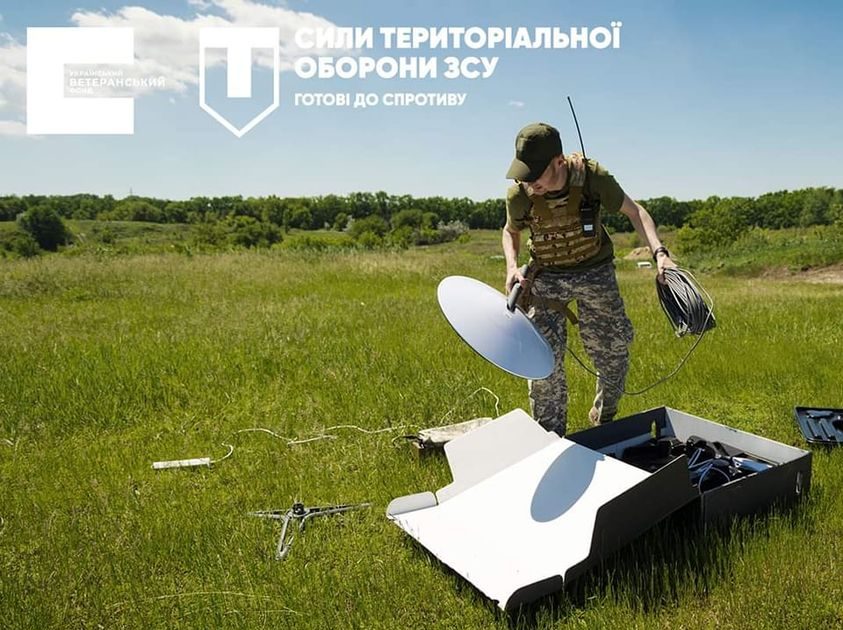
One of Ukraine’s most prominent drone volunteers, Serhii Sternenko, says that Starlink terminals have been restricted overnight, with connectivity beginning to drop out at speeds exceeding 160 km/h. As a result, several critical missions were disrupted.
Sternenko heads a charitable foundation that has purchased 291,502 FPV drones, which have helped the Ukrainian military shoot down more than 12,954 aerial targets. He has also served as an adviser within the team of former Defense Minister Mykhailo Fedorov.
Sternenko suggests that SpaceX may have introduced the restrictions at the request of the Trump administration. He adds that Ukraine had refrained from striking Russian oil refineries and energy infrastructure in recent days, as Trump had requested.
“But Trump was looking for any opportunity to undermine our defense capabilities, and he did so despite the fact that we had complied with his demands,” Sternenko says.
The limit landed the same night Russian ballistic missiles struck Kyiv’s Desnianskyi district, killing three women and injuring 24, including a seven-year-old girl.
The strike on a nine-story residential building set it ablaze, burning out apartments from the first floor to the ninth, with rescuers pulling bloodied residents from the flames and leaving survivors without power, water, or gas, according to Suspilne.
During the night’s first ballistic launches, partners did not alert Ukraine, but for the three later waves the warnings did come through, Air Force communications chief Yurii Ihnat says. The cause of the first lapse is still being established, per Radio Free Europe/Radio Liberty.
The early warnings help Ukrainian civilians quickly find a place to hide from such strikes, leaving up to 3 minutes to do so. Without it, people are left entirely helpless in the face of the aggression.
Later, Sternenko wrote that reports were "coming in from military personnel that restrictions on the use of Starlink satellite communications terminals for our operations have just been tightened.
"The speed at which the connection starts dropping out is now 60–70 km/h,” he added.
Negli ultimi 25 anni i beni e i servizi primari sono aumentati, costano il doppio. E i dati, secondo l’analisi del Codacons, sono destinati a peggiorare nel 2026. Alla base dell’analisi ci sono i numeri dell’Istat del report “Storie di dati” che racconta le trasformazioni dell’Italia, l’inflazione, il ruolo delle crisi energetiche, ma anche l’evoluzione dei prezzi tra i prodotti e l’Italia nel contesto europeo. Quello che ne emerge è che i prezzi sono cresciuti a un ritmo molto più sostenuto rispetto all’inflazione media.
I numeri dell’Istat confermerebbero i numerosi allarmi lanciati negli ultimi anni dal Codacons circa l’andamento dei listini al dettaglio in Italia. Come spiega l’associazione, prezzi e tariffe crescono di anno in anno, ma le voci indispensabili per le famiglie subiscono gli aumenti maggiori e in alcuni casi beni e servizi costano il doppio rispetto a 25 anni fa. È il caso dell’abitazione, delle utenze, degli alimenti, tutte spese alle quali una famiglia non può rinunciare trattandosi di beni primari.
Si esce dal supermercato con la metà delle buste di un tempo e l’Istat ci conferma questa sensazione individuale. I numeri infatti mostrano l’andamento collettivo di un’Italia che tra il 2000 e il 2025 ha visto i prezzi in media aumentare del 63%. In alcuni casi i prezzi sono cresciuti di oltre il 100%, come quelli legati a case, utenze, alcolici, tabacchi e servizi finanziari.
Il report “Storie di dati” dell’Istat fotografa un periodo molto più lungo degli ultimi 25 anni, addirittura risale ai primi anni dall’Unità d’Italia. Quello che interessa a noi oggi però sono i prezzi di beni e servizi dal 2000 in poi.
Mentre la crescita generale dell’indice dei prezzi al consumo tocca il 63%, ci sono voci di spesa che vedono un aumento anche superiore al 100%, per esempio è il caso del dato aggregato di abitazione e utenze; altre voci invece aumentano, ma rimangono inferiori al 30% come per i servizi di istruzione e sanità.
Alcuni dati:
Il racconto che fa l’Istat è quello di un andamento dei prezzi che nel breve e nel lungo periodo mostra differenze significative in termini di intensità e persistenza. I prezzi dei beni sono cresciuti di meno perché rispetto ai servizi c’è stato un progresso nella produttività del lavoro e nell’esposizione alla concorrenza internazionale.
Infatti, dalla metà degli anni ’50 i prezzi dei beni sono aumentati di circa 30 volte, mentre quelli dei servizi di circa 60. Come racconta l’Istat, questo aumento diversificato si può spiegare con lo sviluppo dell’industria, dove i beni possono essere prodotti impiegando meno lavoro o sprecando meno risorse, mentre per quanto riguarda i servizi la componente lavorativa continua ad avere un peso maggiore.
Negli anni ’70 e poi negli anni ’80 i prezzi hanno subito una forte accelerazione in corrispondenza degli shock petroliferi e delle tensioni inflazionistiche dei due decenni. Solo a partire dalla metà degli anni ’80 i prezzi hanno iniziato a rallentare, ma dagli anni 2000 fino ai giorni nostri, per effetto della crescita più contenuta dei prezzi dei beni, la differenza tra prodotti e servizi è tornata ad aumentare.
C’è poi lo shock energetico del 2022 che ha determinato l’impennata dei prezzi dei beni anche fino a oltre il 100% e, nell’ultimo triennio, la situazione di instabilità ha mantenuto i prezzi più o meno stabili (quindi alti). All’inizio del 2026, con il conflitto nel Golfo Persico, ci si trova ad aspettare una nuova impennata dei prezzi.
In particolare, il focus è sull’aumento dei prezzi dell’energia registrato sia dopo l’invasione russa dell’Ucraina, sia quello attuale dopo gli attacchi di Stati Uniti e Israele contro l’Iran. Andrea De Panizza, economista e dirigente di ricerca dell’Istat, ha spiegato che:
La crescita dei prezzi al consumo di energia nel 2022 è stata addirittura superiore rispetto alle fiammate inflazionistiche degli anni ’60.
Eppure l’impatto è risultato più contenuto per la diversa durata degli aumenti e le condizioni economiche. De Panizza aggiunge anche che, nelle crisi petrolifere del passato, i rincari si erano protratti a lungo e si attivava un meccanismo di indicizzazione salariale che oggi è assente.


In a remarkably forceful address, Felipe VI of Spain on Tuesday asserted Ceuta’s ‘sovereignty’ and ‘territorial integrity,’ two and a half months after more than 80,000 people crossed illegally from Morocco in an unprecedented mass incursion into the Spanish exclave city in northern Africa.

A Ukrainian drone sergeant who volunteered for the infantry held a frontline position for six months, ArmyInform reported. He saved three soldiers in that time, and in one fight he stopped a Russian advance after contact with command was lost. The agency did not say where or when.
Senior Sergeant Dmytro, call sign Berezen “March”, spent 20 years as a television director before the invasion. In the 152nd Separate Jaeger Brigade, he served as chief sergeant of a drone platoon, worked with three crews, and trained soldiers. When the need arose to reinforce the infantry, he volunteered to switch. ArmyInform did not say what created that need.
“I didn’t come here to a sanatorium. I’m in my third year of fighting, I know what this is. It was my choice,” Dmytro said
One comrade was hit by a mine and lost a leg. As Dmytro treated him, Russian troops began moving toward the position. Another wounded soldier was trying to reach them, and contact with command was lost. He killed two Russian soldiers and halted their advance, ArmyInform reported. He said he barely thought about himself, because a breakthrough could have hurt the soldiers holding positions behind him.
Not everyone could be saved. One wounded comrade was about 200 meters away. Dmytro heard his voice on the radio but could not leave his position mid-fight. Over the six months, he saved three soldiers. Two left the position with him, and the third was evacuated wounded. No money, he said, is worth blood.
Le prime stime dell’attività economica sono spesso diverse dal risultato finale. Non è una questione solo italiana e le revisioni sono sempre al rialzo. Capire perché accade diventa cruciale e gli istituti di statistica dovrebbero chiarirne le cause.
L'articolo Serve una spiegazione delle correzioni al Pil proviene da Lavoce.info.

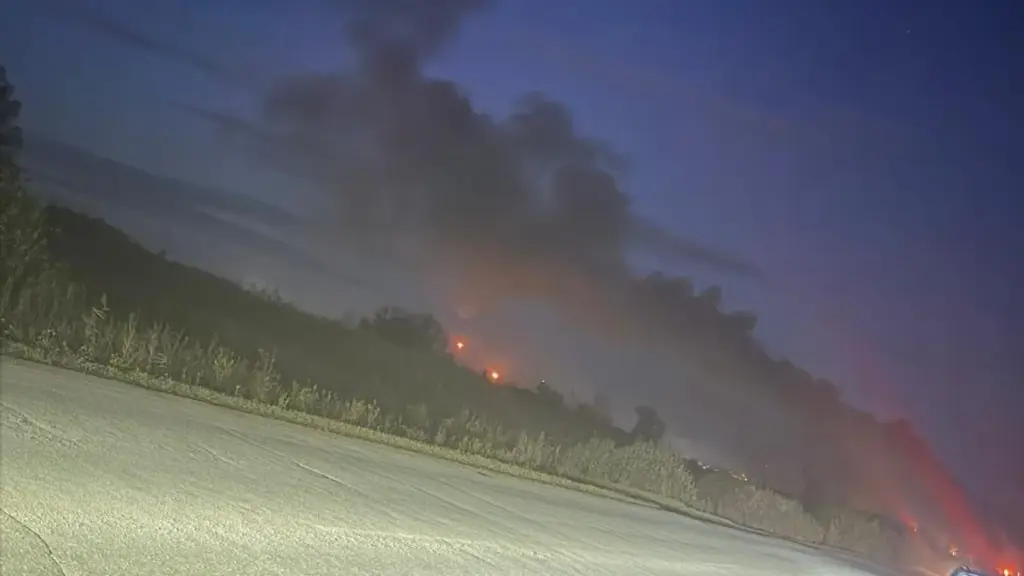
A drone attack overnight on 8 October caused a fire that hit part of Yandex's data center in Sasovo, Ryazan Oblast, about 580 km from Ukraine, and the site is fully stopped, the Russian tech company told Russian media. The data center sits on the grounds of Sasta, a sanctioned machine-tool plant, Russian outlet Astra said, citing Wikimapia data. Astra's OSINT analyst found from eyewitness footage that the fire hit the plant.
Since late September, Russia has been striking data centers in Kyiv that keep Ukraine's internet and online services running. Now a drone attack has stopped one of the data centers that Russia's largest tech company relies on.

Yandex warned that some services may be unavailable, while its core services kept running and no one was hurt. Ryazan Oblast Governor Pavel Malkov claimed two drones were downed, a roof caught fire at an enterprise in the Sasovo district, and windows were blown out in several homes.
The power failure took down a wide range of Yandex Cloud infrastructure, including computing capacity, networks, data storage, databases, Kubernetes, cloud services, AI, and security and monitoring systems, Ukrainian outlet ZN.ua reported, citing Exilenova+.
Ukrainian monitoring channel Exilenova+ reported that the plant was hit, without naming an attacker. The channel said Sasta, which claims a place on Russia's register of defense-industry companies, makes computer-controlled machine tools, including five-axis machining centers, and previously supplied the Tactical Missiles Corporation (KTRV) and Roscosmos. The plant's value to the arms industry lies in machines that cut precision parts, not in finished weapons, the channel said.
Citing Exilenova+, Militarnyi reported that Ukraine's Defense Forces hit the plant. It also linked Sasta to Iskander missile supply chains. No source has said whether the plant or the data center was the target, and no Ukrainian official has claimed the Sasovo strike. Sasta has been under US sanctions since November 2023, UK sanctions since February 2024, and Ukrainian sanctions since April 2025, a sanctions database shows.
Ukrainian forces hit the Gazprom Neftekhim Salavat complex in Bashkortostan, about 1,380 km from the front line, causing a fire, Ukraine's General Staff said. It said the complex processes up to 10 million metric tons of hydrocarbons a year and serves Russia's armed forces. Its key unit, the ELOU-AVT-6 primary oil refining unit launched in 2012, can process 6 million metric tons a year, Militarnyi reported. Astra's analyst placed the fire a few kilometers outside Salavat, possibly near the refinery.
Salavat oil refinery moment of attack pic.twitter.com/bUxuRshSK1
— Exilenova+ (@Exilenova_plus) October 8, 2026
Salavat Mayor Marat Zagidullin claimed that debris from several drones fell in the industrial zone that morning and started a fire.
"The enterprise continues to work," he said.
Astra noted earlier hits on the complex on 24 September 2025, on 14 July 2026, when refining fully stopped, and on 13 August 2026.
Russia has repeatedly hit data centers in Kyiv since 23 September. Strikes hit the COSMONOVA data center twice, the second time knocking it out, and the Parkovyi data center stopped working completely on 1 October after a series of strikes. In early October, Russia destroyed the dline.ua data center in Kyiv.
A Ukrainian drone attack has reportedly forced the closure of a Yandex data centre in Russia’s Ryazan region, causing a fire and disrupting part of the company’s infrastructure. Shares in the Russian technology group fell by more than three per cent in early Moscow trading on Thursday, 8 October.
The installation in Sasovo was affected during overnight strikes on Russian territory. Yandex said it was working to restore affected infrastructure, while its principal consumer services remained operational. The incident has raised questions about the vulnerability of Russia’s digital economy to Ukraine’s long-range strike campaign.
The affected data centre began operating in 2014 in buildings formerly occupied by the Sasta machine-tool manufacturing plant. Yandex subsequently connected the installation to Moscow by fibre-optic communications links as part of its wider computing infrastructure.
Ryazan regional governor Pavel Malkov said Russian air defences intercepted two drones over the region. He reported a fire on the roof of an industrial building in the Sasovo district and damage to windows in nearby private homes. No casualties were reported.
According to a statement on the incident, the situation had been brought under control while work to restore infrastructure continued. Yandex said its main consumer services remained operational.
The company’s cloud division also reported an electricity supply problem affecting an availability zone known as ru-central1-b. Clients were advised to use alternative zones where necessary to maintain service continuity.
Yandex shares dropped by approximately 3.4 per cent to 3,568.5 roubles in early trading on the Moscow Exchange. The decline followed news of the fire, although a single trading session cannot establish the long-term financial cost of the disruption.
Yandex operates search, advertising, navigation, artificial intelligence and cloud computing services. Its infrastructure therefore supports commercial users as well as the company’s own applications. The duration of the interruption, the extent of physical damage and the cost of repairs will determine the wider impact.
Investors can follow the company’s quoted share price as further details emerge.
In a separate development, explosions and a fire were reported on Thursday near the Gazprom Neftekhim Salavat refining and petrochemical complex in Russia’s Republic of Bashkortostan, around 1,400 kilometres from the Ukrainian border. The precise location of the fire and the extent of damage had not been independently established.
The Gazprom-owned complex processes hydrocarbon feedstock and produces petrol, diesel, fuel oil and petrochemicals. It has previously been targeted by Ukrainian drones. The latest reported incident comes amid repeated attacks on Russian refining and fuel infrastructure.
Ukraine’s long-range economic campaign has focused heavily on oil refineries, fuel stores, military production plants and transport infrastructure. A strike affecting a major data centre introduces another category of vulnerability: the computing equipment and supporting utilities used by the digital economy.
Such sites serve businesses, financial institutions and industrial enterprises, and can also support defence-related activities. However, no publicly verified evidence establishes that the Sasovo data centre was directly involved in Russian military operations.
Damage to power supplies, cooling systems and network connections can interrupt services without necessarily destroying servers. Operators with geographically distributed facilities may be able to shift workloads to unaffected locations. The suspension of one centre therefore does not mean that Russia’s internet infrastructure has ceased functioning.
The attacks coincide with Russia’s plans for substantial military expenditure in 2027. The draft federal budget envisages considerable government spending and borrowing as Moscow continues its war against Ukraine.
Ukraine’s strikes on economic infrastructure are intended to increase the cost of maintaining Russia’s invasion. Disruption to energy facilities can affect fuel production and revenue, while attacks on technology and industrial sites may interrupt wider commercial and logistical operations.
The cumulative effect depends on the severity and duration of the damage. Neither the reported temporary closure of the Yandex facility nor preliminary accounts of the Salavat fire establish the scale of lasting losses.
The incidents nonetheless illustrate the exposure of Russian industrial and technology assets far beyond the Ukrainian border, as Kyiv increasingly targets infrastructure that supports the country’s economy.

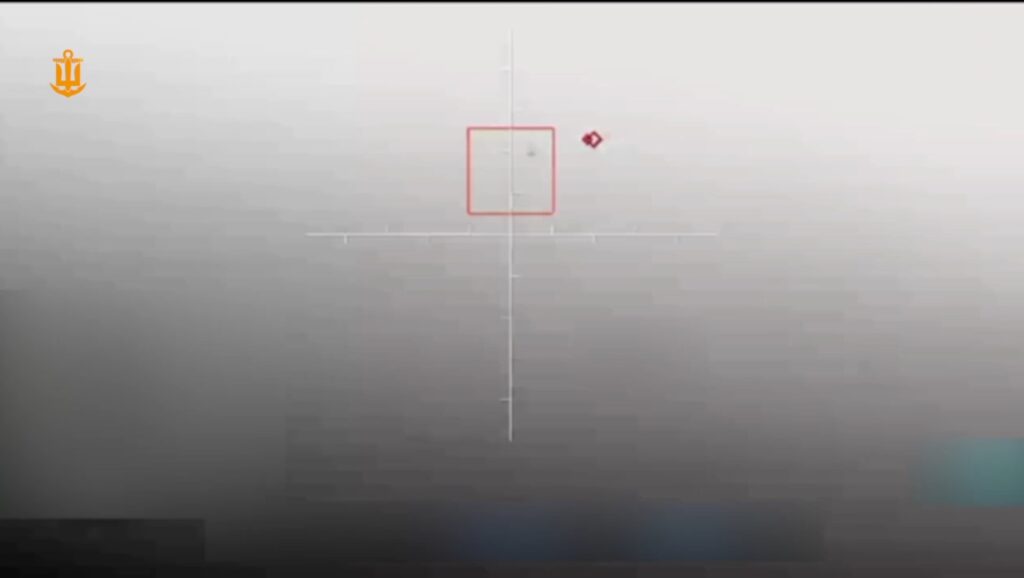
A Ukrainian Sargan-3000 sea drone shot down a Russian Shahed flying on a mesh radio network, Ukraine's Navy reported on 7 October. Ukrainian sea drones have downed Russian aircraft before, but with missiles. This one used a machine gun.
Russia has been hitting Odesa with air attacks that come in waves with short gaps between them. Guarding the sky over water is harder than over land. Since fall 2025, Russia has also used mesh radio networks to reroute Shaheds mid-flight and dodge Ukrainian air defenses. That leaves Ukraine needing more ways to meet these drones out at sea, before they reach its ports and coast.
A mesh-network drone passes its control signals along a chain of radio relays, drone to drone and on to ground antennas. That lets a Russian operator steer it in flight.
In May, Serhii "Flash" Beskrestnov, then a Defense Ministry adviser, said only about 5% of Shaheds had got through in a recent Russian strike, and predicted that Russia would answer with jet-powered versions and strikes near the border. By July, Ukraine was testing jamming against mesh-controlled jet Shaheds, he said.

The Sargan-3000 fired its Protector remote weapon station, Militarnyi reported. The station is a remotely operated 12.7-mm (50-caliber) machine gun with electro-optical sights. The outlet added that the Sargan-3000 is designed for combat missions far from Ukraine's coast.
Ukraine's Navy took the Sargan-3000 into service in April 2026, according to Militarnyi. The drone boat has a combat radius of up to 1,600 km. It moves at 40–55 knots and carries up to 450 kg of payload.
In September, a Sargan-3000 sank a Russian uncrewed boat with machine-gun fire. Militarnyi called it the first battle between uncrewed sea platforms in history. Analyst H.I. Sutton wrote that the boat carried a Protector made by Norway's Kongsberg. That is the same weapon station named in the October shootdown. Sutton added that Russian attack sea drones work closely with Shaheds, which can relay the boats' mesh radio signals.