❌

Reading view

Denmark lashes out again at Sánchez over Spain’s migration regularisation, but EU summit avoids linking migration to crime

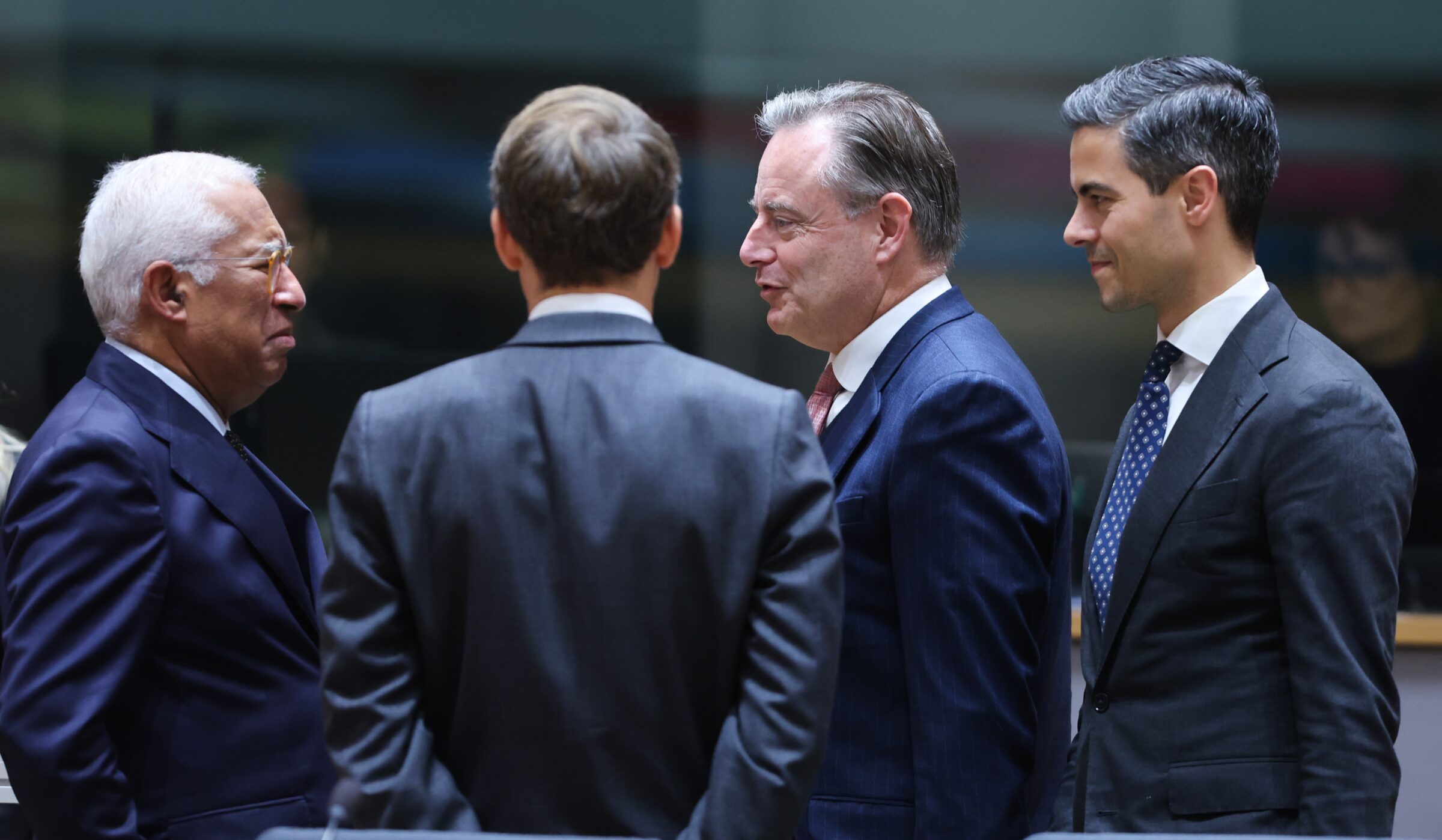
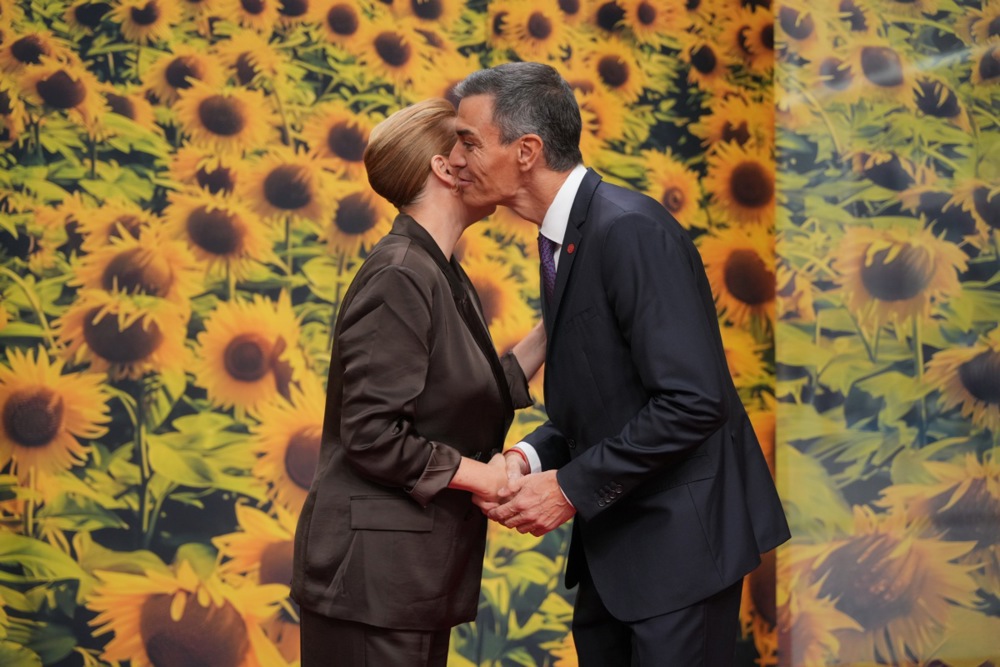
Danish prime minister Mette Frederiksen attacked Spanish leader Pedro Sánchez on migration during a summit debate in Brussels on Friday (16 October). 

Frederiksen, who despite leading a centre-left party has taken an increasingly hard line on migration, criticised Sánchez for granting renewable one-year legal residence permits to undocumented migrants.

“I have asked the commission to look into whether one country is doing almost everything in the opposite direction of what the others are doing. In other words, you come to a country illegally, and suddenly you’re allowed to be there legally,” Frederiksen said before arriving at the second day of the Brussels summit.

In response, Sánchez told reporters after the meeting with EU leaders that Spain’s regularisation scheme “does not go against the grain” – since there are many countries with similar measures.

In April, Spain approved plans to grant legal status to around 500,000 undocumented migrants and asylum seekers. These so-called regularisations are a common labour-migration policy that other countries have also used, including Italy, which has authorised nearly 500,000 non-EU work visas through 2028.

But at the EU leaders’ summit in Brussels in June, several European leaders used the meeting to criticise Spain’s regularisation.

The criticism resurfaced during this October summit, after the summer’s migrant crisis in the Spanish enclave of Ceuta, which some EU governments then weaponised against Spain.

Push for stronger wording

Following a breakfast on Friday (16 October), attended by 16 EU countries backing stricter migration restrictions, Denmark, Poland and Italy had also attempted to link migration to crime in draft EU summit conclusions.

They tried to amend the summit conclusions to call on the commission for extra efforts to monitor national migration measures that can affect other member states, highlight the impact of migration on welfare and public services, as well as avoid “measures that could create incentives for illegal migration”.

However, France and Luxembourg criticised the position of the 16, and leaders had a strategic exchange and agreed to return to the topic at a later date.

According to experts from the Migration Policy Centre, it is hard to conclude whether Spain’s regularisation plans encouraged more migration to the EU.

So-called ‘pull factors’ are difficult to consider in isolation, as migration depends on work opportunities, social networks abroad and other factors, but policies can also play a role. 

Regularisation could pave the way to legal work, generating  “positive employment and fiscal outcomes over time,” the scholars also said.

Denmark itself is not bound by EU laws (due to an opt-out) on border control, immigration, civil and criminal law, or police cooperation, and therefore cannot vote on them in the Council.

Rhetoric versus facts

It is not the first clash between the two socialist leaders on migration, but the timing matters. 

Sánchez faces elections in November, and France heads into presidential elections next spring, where it is feared anti-migrant rhetoric could roll out the red carpet for the far right.

In response to a barrage of criticism from the likes of Austria, Czech Republic and, Sánchez said that the numbers on illegal migration returns speak for themselves. 

“See what is happening in Spain – some politicians are willing to replace the population only so they can be … in government,” said Czech prime minister Andrej Babiš ahead of the meeting on Friday. “I am convinced that for some countries, it is too late – and that some day we will have to defend our borders so that migrants don’t come to us from Western countries if it continues like this. And we, of course, are preparing for this.”

“It’s a road to hell,” added Babiš, who belongs to the far-right Patriots for Europe group.

His comments, Sánchez said, resembled the rhetoric of the far-right political party Vox in Spain, now polling close to 20 percent. “One thing is the rhetoric, the blablabla, and another thing is the facts,” he said.

Ceuta crisis

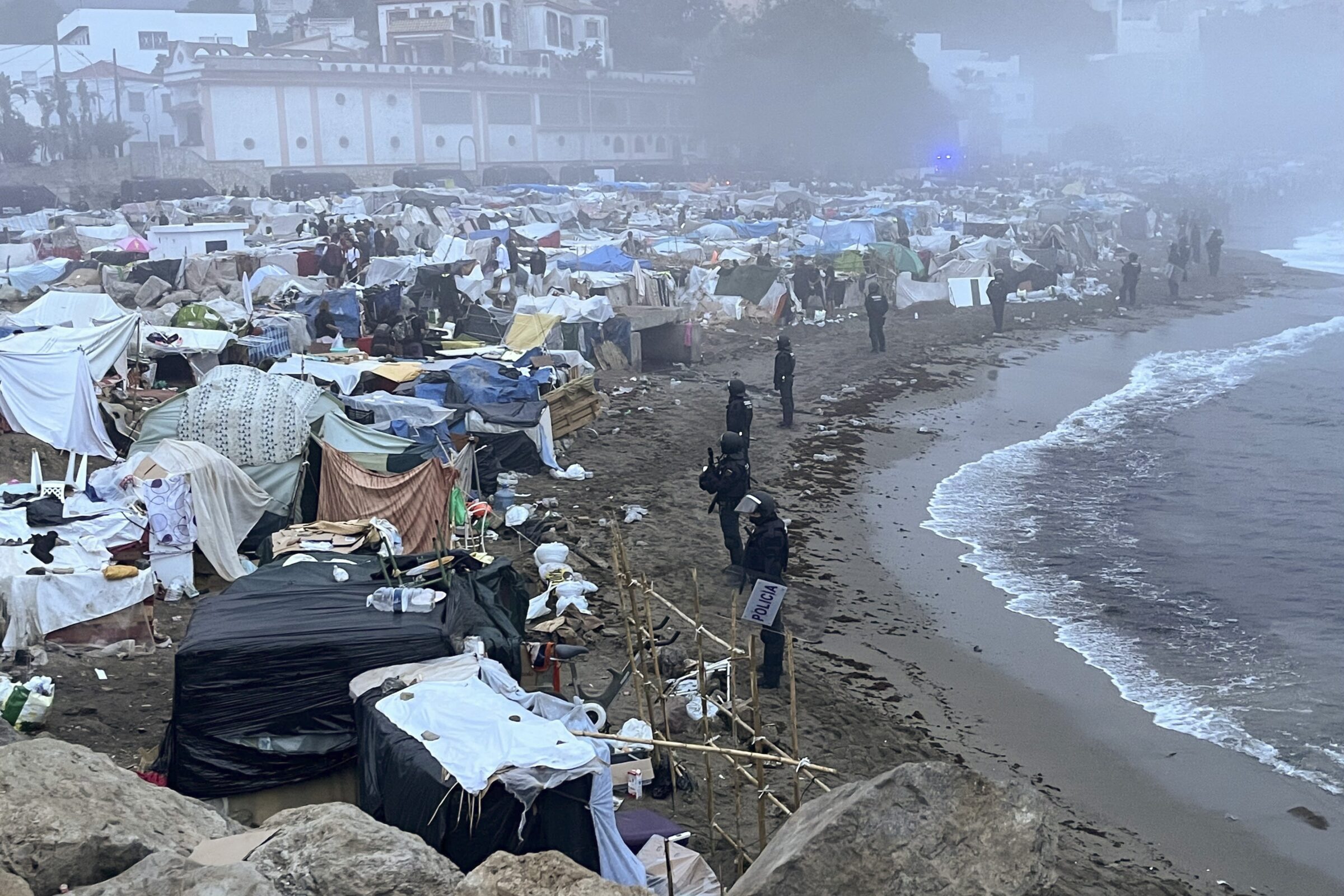
The situation in Ceuta escalated at the end of July 2026, when tens of thousands of people simultaneously attempted to cross over from Morocco to the autonomous enclave.

The Spanish have since deployed additional security measures to regain control over the territory. 

A majority of newly arrived migrants were eventually returned to Morocco, but thousands remained in the city of 80,000 people – many of whom are unaccompanied children and teenagers.

The crisis has exposed tensions between Spain, Morocco and the EU on border control and asylum and put into question who is responsible for migrants. 

French president Emmanuel Macro previously said: “Spain was the target of an attack. Call it a hybrid attack if you like, but it was an information attack. Traffickers, and probably people seeking to destabilise Spain, led many people living in poverty to believe there was an opportunity, using false information and creating an information bubble.”

Meanwhile Italian prime minister Giorgia Meloni previously called for a suspension of the Schengen free movement agreement with Spain.

The whole situation triggered tit-for-tat border closures between Spain and Italy. 

On Thursday (15 October), Italy decided not to renew the security checks with Spain, paving the way for a week of negotiations between Madrid and Rome to reach a final agreement. 
  •  

US-Russia ‘diesel deal’ could open door to wider sanctions relief, Zelensky warns as EU vows to keep supporting Ukraine

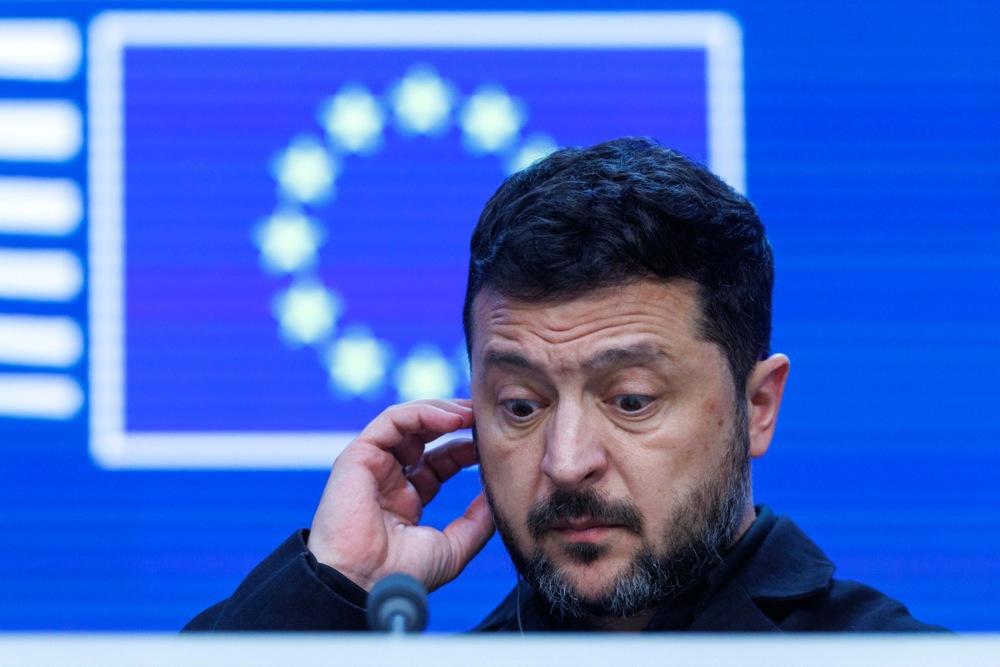
Ukrainian president Volodymyr Zelensky said on Friday (16 October) that the US-Russia ‘diesel deal’ came as a surprise and could lead to further sanctions relief for Moscow.

“We cannot treat the agreements concerning diesel and coal as isolated cases … gas could be next. I am absolutely convinced of that,” Zelensky told reporters in Brussels, after meeting with EU leaders. 

“The risks I am talking about are clear: sanctions could be progressively eased,” he warned.

EU leaders are expected to “regret” the diesel deal in their summit conclusions, while discussions on a new package of sanctions against Russia are still underway.

“It is not a time to release sanctions on Russia,” said EU Council president Antonio Costa on Friday, alongside EU Commission president Ursula von der Leyen and Zelensky before the discussion with EU leaders.

“We will not lift any sanctions unless Russia ends the war,” confirmed von der Leyen, adding that Europe will keep working on “pressuring Russia”.

Europe has adopted 21 packages of sanctions on Russia since the beginning of the war, alongside the listing of thousands of individuals and entities, and is currently working on the 22nd.

But one Ukrainian senior diplomat told EUobserver that the coming months could be crucial to agree on more sanctions against Moscow, since February is seen as a possible deadline given the upcoming 2027 French presidential elections.

Russia’s economy has come under growing pressure from Western sanctions. Although a month-on-month decrease in exports was observed (six percent for fossil fuels, eight percent for crude oil), the US diesel deal could offer Moscow a potential lifeline. 

No concessions

The diesel deal is widely seen as a way to restart peace talks. At the same time, the United States is pushing Kyiv and Moscow toward a negotiated settlement, which puts Ukraine under growing pressure to come to the table, even though any deal could force it to make painful concessions.

Zelensky, however, has warned against any deal that would compromise Ukraine’s sovereignty or territorial integrity.

“Putin plans to stick around much longer. He is building a Russia that looks like North Korea,” he wrote on X.

Instead, the Ukrainian president has turned to European “real leaders”, seeking to shore up their political and military support and strengthen Kyiv’s position in any future negotiations. 

And in the words of von der Leyen, Europe is already helping Ukraine to prepare for “winter-isation”, which for Zelensky should translate into more funds and defence support.

This week, the commission disembursed €2.9bn to Kyiv to purchase drones, air defence systems, missiles, radars, electronic warfare systems and ammunition, as part of the EU’s €90bn loan, backed by EU leaders last year. 

But Kyiv has warned it will need tens of billions more to continue fighting against Russia, as the war intensifies on the front lines and the number of attacks in Ukrainian cities increases.

Ukraine’s defence needs are estimated for 2026 around €23bn and Kyiv still needs to fund a hole of roughly €69.3bn for 2027.

“We will have to increase the funding once again,” German chancellor Friedrich Merz said on Thursday before meeting EU leaders in Brussels. 

Protect Russian frozen assets

This article continues, but the full version is available only to EUobserver.com subscribers. Visit account.euobserver.com/membership

  •  

17 EU states confirmed on board for plan to let countries close borders and freeze asylum

The European Commission’s likely anti-asylum proposal to tackle sudden large arrivals may come before the end of the year, after warm endorsements by some 17 EU states during a breakfast on Friday (16 October) ahead of the second-day of the EU summit in Brussels.

Beyond the warm words, the discussions exposed a clear ambition among the 17 to give member states the power to close EU borders and temporarily and selectively suspend asylum applications, according to an EU diplomat.

Speaking on the condition of anonymity, the diplomat said there had been a lot of support for the so-called European emergency response framework, proposed by EU commission president Ursula von der Leyen during her State of the Union address last month.

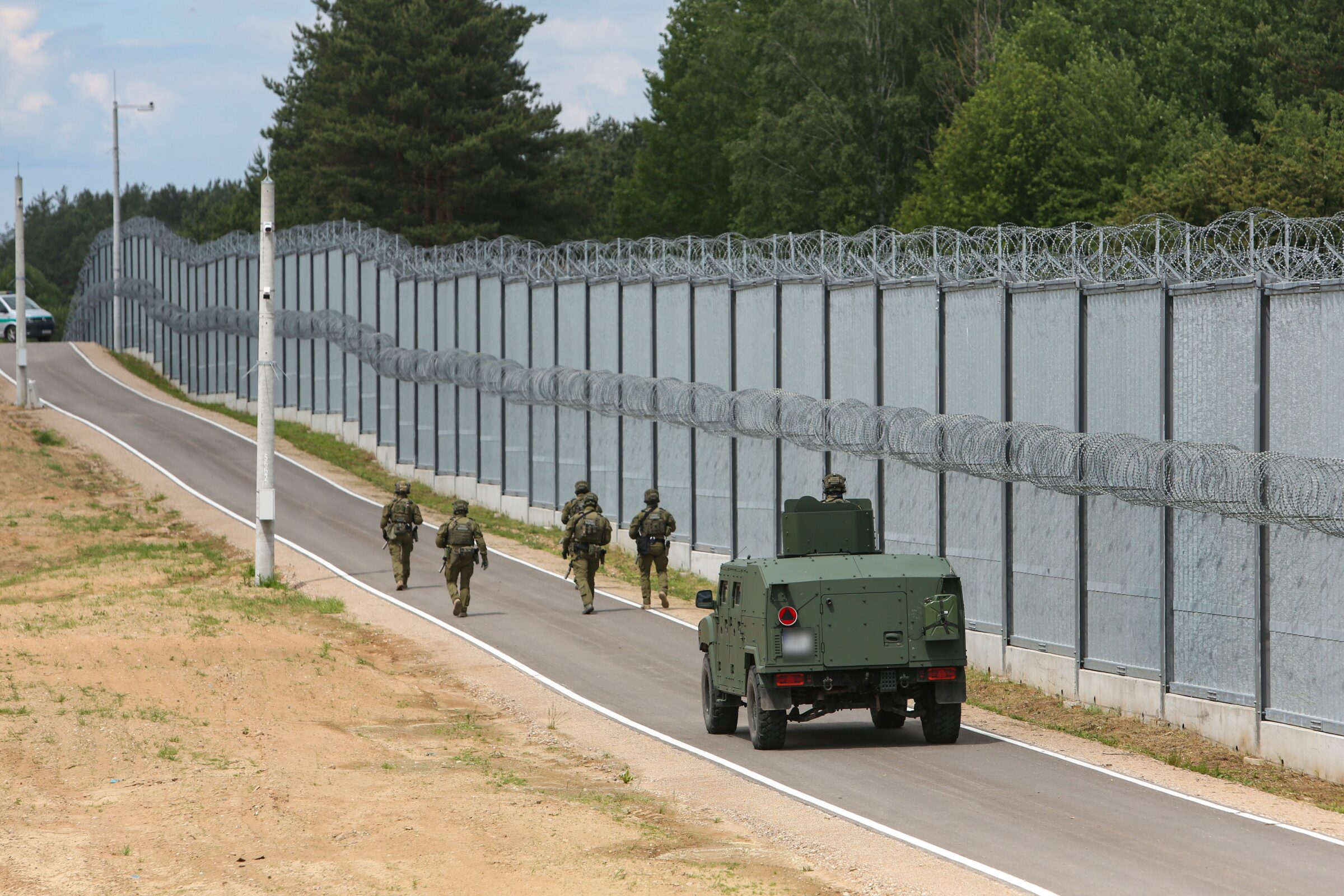
Speculation on what exactly such a framework entails remains unclear, amid alarm among human rights defenders that the EU is seeking legal tools to curb asylum rights – echoing Polish temporary emergency measures that have suspended asylum registration along the Belarus border since March 2025.

This article continues, but the full version is available only to EUobserver.com subscribers. Visit account.euobserver.com/membership

  •  

Can the EU survive with far-right leaders running major member states? The answer is worrying

Europe is heading into an electoral moment without recent precedent. Four of its five most populous member states, Spain, France, Italy and Poland, are due to vote within the next 12 months – starting with Spain on 29 November.

If voters move further right, the combined effect could reshape the Union far more profoundly than any single national election.

Two shifts stand out. First, the firewall between the centre-right European People’s Party (EPP) and the hard-right is crumbling, even in Germany, its last bastion.

Hard-right parties sit in the governments of Italy, Czech Republic, Finland, Slovakia and Croatia, while Slovenia’s government relies on outside support from one.

Second, competition from the far-right is pushing established radical-right parties to harden their positions.

In Catalonia, Aliança Catalana is challenging Vox; in France, Éric Zemmour’s Reconquête, despite scoring single digits, is pressing on Marine Le Pen’s National Rally; in Italy, Roberto Vannacci’s National Future is challenging Giorgia Meloni’s Brothers of Italy; and in Poland, Grzegorz Braun’s Confederation of the Polish Crown is cannibalising the Confederation.

Under pressure, established conservatives tend to move towards these parties rather than hold the line, as Spain’s Partido Popular and France’s Les Républicains illustrate. Positions once on the margins become mainstream.

The implications go beyond immigration.

Le Pen and Vox leader Santiago Abascal advocate “national priority” in access to welfare and public services. Under pressure from the League and National Future, Meloni’s government has introduced a 30-percent cap on first-year classrooms for pupils without Italian citizenship, based on their birthplace or prior schooling.

A leaked AfD strategy paper reportedly goes further, proposing that national constitutions override EU law and reducing the Court of Justice to a forum for disputes between governments.

This article continues, but the full version is available only to EUobserver.com subscribers. Visit account.euobserver.com/membership

  •  

‘Too many lawyers’: the problem with Europe’s human rights NGOs

Human rights NGOs in Europe are not doing well. Funding cuts, legal restrictions, administrative burdens and smear campaigns are taking their toll.

I see organisations drastically downsizing or closing altogether and staff burning out. If we are to reverse our fortunes, the traditionally legally-focused movement needs to rebalance its skill-set to include more communicators and organisers.

Traditionally, human rights NGOs have been staffed mainly by lawyers. This is understandable. Human rights are legal standards contained in national, European and international law. If your main tools for getting human rights implemented are advocacy and litigation, then you need legal experts. But advocacy is becoming less effective because decision makers increasingly see supporting human rights as politically risky.

And litigation as a tool is partly limited by increasing political interference with the courts in some countries, or because – again – politicians see potential political brownie points in not complying with (or see potential political costs in complying with) judgments that enforce human rights standards.

It’s not just that NGOs’ traditional tools are losing their power. It’s that legal training does not equip us with the tools do we need to reverse our fortunes.

Our main lever for restoring human rights and the organisations that promote them is public opinion. For as long as we live continue to live in democracies, pressure from voters can have an impact on decision makers. Which means we need communicators who can help the public realise how important human rights are to them.

David Attenborough pointed out a few years ago that “saving our planet is now a communications challenge. We know what to do, we just need the will”.

The same goes for human rights. 

But legal training does not make you good at communicating with folks outside your bubble.

‘Legal-ese’ is not the right lingo

I know from personal experience. I trod a path to human rights through a law degree, masters, doctorate and then academia. Human rights folks talk about them in a way that conveys a fraction of their value and power. If you’d asked me 15 years ago why human rights are important, I’d have said things like this: ‘they protect us from abuse by the government’, or ‘they’re minimum standards of protection the state can’t breach’, or ‘they exist to protect the vulnerable’.

These things are true. They’re also not very persuasive to people outside our base of support. Because the kinds of human rights breaches the movement foregrounds tend to affect ‘other people’. And lawyers are used to thinking about rights in the context of legal disputes.

So human rights get reduced to a shield that protects groups or institutions that most people don’t care about, don’t understand, or who live in other countries. 

Human rights are not just a passive defence. They are transformational. Human rights are tools. Tools we use to demand that our leaders use the powers and resources with which we’ve entrusted them to do what’s best for all of us. Tools that we use to create the lives we want to live and the communities we want to live in. This is how we need to talk about them, especially when it comes to civil and political rights.

People outside our base cannot be made to care about media freedom, the right to protest or democracy itself just on principle or because they’re enshrined in legal standards. To care about human rights, most people need to know what these things deliver.

Folks will see that protest is important when we explain how it allows people like them to come together and make their leaders listen to their concerns, whether it’s about climate change or better pay for teachers. I’ve seen it first-hand when testing messages in focus groups. 

Empathy, not stereotypes

The same goes for stimulating support for the rights of people from marginalised groups. Right now, most people have trouble caring because they been fed negative stereotypes that cause them to regard some people as ‘others’ and ‘outgroups’, meaning that they will tolerate lower standards of treatment for them.

Using legal arguments and evidencing rights violations by focusing on the harm being suffered doesn’t work because it does nothing to address the reason people don’t care. For that, we need to stimulate empathy and dissolve negative stereotypes through techniques like storytelling. Once people empathise and recognise our common humanity, they’re much more likely to support equal treatment. 

When we communicate in a way that allows our audience to see how human rights deliver things they find important to them, they don’t just start to support human rights as standards. They also start to support the organisations that promote them. That means they’re more likely to listen to them, stand up for them, get involved in their work and even donate. 

It’s not just about communicating better. We also need organisers who can help people come together to carry effective messages and make the strength of public support felt by our leaders. 

Folks with legal training are still essential.

If you’re going to make phones, you need engineers. But we don’t see the engineers being given the job of persuading folks to buy the phones, do we?

Unless they’ve had proper communications training. The human rights movement’s legalistic centre of gravity needs to shift to make room for knowledge and skills that can meet the moment.

In the short-term we could achieve this by retraining staff and joining forces with other progressive movements that know how to organise and mobilise, like environmental NGOs.

We could also tackle the issue upstream by working with universities that produce human rights graduates to develop more holistic curricula that cover communications and organising and not only law. 

  •  

Pressure mounts on EU leaders to strike a budget deal by December

EU leaders met Thursday (15 October) for their first face-to-face talks on the 2028–2034 budget, killing the latest negotiation proposal put forward by Ireland.

Dublin, which holds the symbolic EU Council presidency, proposed cuts of up to €141bn from the long-term budget,  about eight percent less than the commission proposal. But it failed to make anybody happy, for different reasons. 

And now, EU Council president António Costa has been tasked to deliver a new compromise before EU leaders meet again on 26 November in Brussels, with the goal of striking a deal during the summit in December. 

An EU official said Costa deemed the deal in December as “essential,” urging EU capitals “to assume their responsibility”.

For Denmark, for example, it is important to have more funds for defence, borders, illegal migration, and competitiveness. “It will probably be as difficult as it was last time or even more difficult,” said Danish prime minister Mette Frederiksen ahead of the meeting.

“We need unanimity in the Council. We are far from that unanimity,” also said German chancellor Friedrich Merz before meeting counterparts.

The EU is divided into two camps. The so-called Frugals (Germany, Austria, Denmark, Finland, the Netherlands, and Sweden) want “several hundred billion” more to be cut, mostly from agriculture and cohesion funds, while 17 EU member states (self-named as Friends of Cohesion) criticise the savings. 

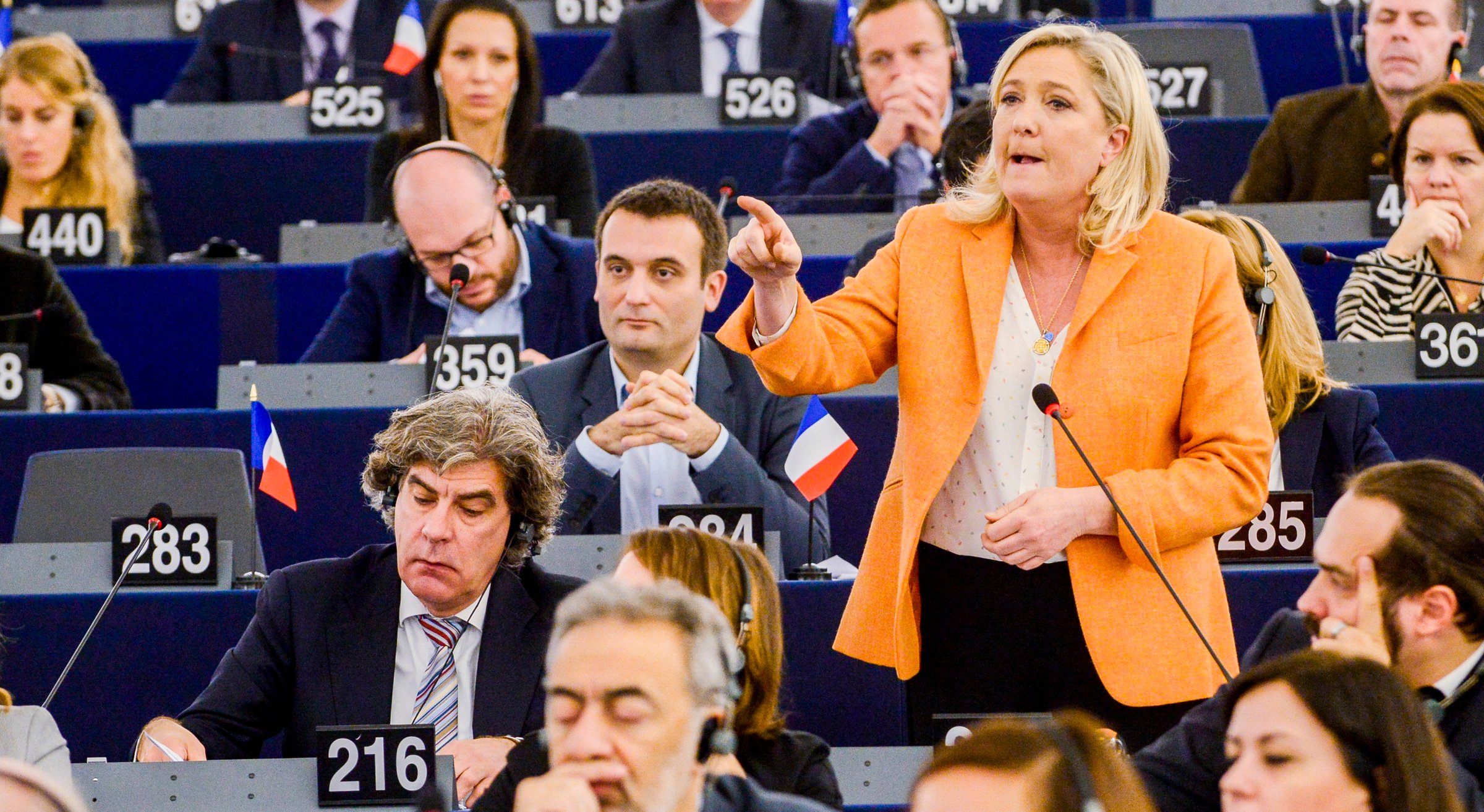
But time is of the essence to reach a deal this year, especially for French president Emmanuel Macron. France will hold presidential elections in the spring, and if Marine Le Pen, leader of the far-right National Rally party, wins, reaching an EU deal would become far more difficult.

Le Pen has pledged that, if she comes to power, she will halve France’s contribution to the EU budget.

And Macron reportedly said in the room with EU leaders that from January onwards, there will be no political room for reaching an agreement.

‘Easier to give up what you don’t yet have’

This article continues, but the full version is available only to EUobserver.com subscribers. Visit account.euobserver.com/membership

  •  

EU is bankrolling border drones while starving the watchdogs meant to stop abuses

The European Commission says asylum seekers arriving at EU borders are now being screened, but it makes no mention of the independent rights monitors that EU law requires to oversee those procedures, even as spending on border surveillance surges.

“Screening of people arriving illegally and the border procedures are being carried out,” said European Commission president Ursula von der Leyen, in a letter addressed to the 27 heads of state and government meeting at an EU summit in Brussels on Thursday (15 October).

An annex to her letter, obtained by EUobserver, highlights broad outstanding issues when it comes to implementing new EU-wide asylum laws that kicked into force this past June.

This article continues, but the full version is available only to EUobserver.com subscribers. Visit account.euobserver.com/membership

  •  

At this summit, the EU is throwing its values out of the window on asylum

When European Union leaders meet in Brussels later on Thursday (15 October), migration will be high on the agenda. Amid political panic — real and manufactured — over the events in Ceuta this summer, the European Commission has come out with a five-point plan promising more border surveillance and policing, more dodgy deals with countries outside the EU, and more deportations.

It also includes an ominous plan to devise a new “emergency response instrument” that could allow for the total suspension of access to asylum, which is likely to result in summary mass deportations, in situations when third countries are blamed for ‘instrumentalising’ migration movements.

That the idea is even on the table is a measure of how far the EU’s approach to migration has degenerated.

There is a jarring disconnect between commission president Ursula von der Leyen’s insistence on European values and the rules-based order and the willingness to throw the right to asylum out the window. 

It is a short-sighted and dangerous hypocrisy that will harm women, men, and children at EU borders and potentially beyond if it encourages other states to adopt a similar approach.

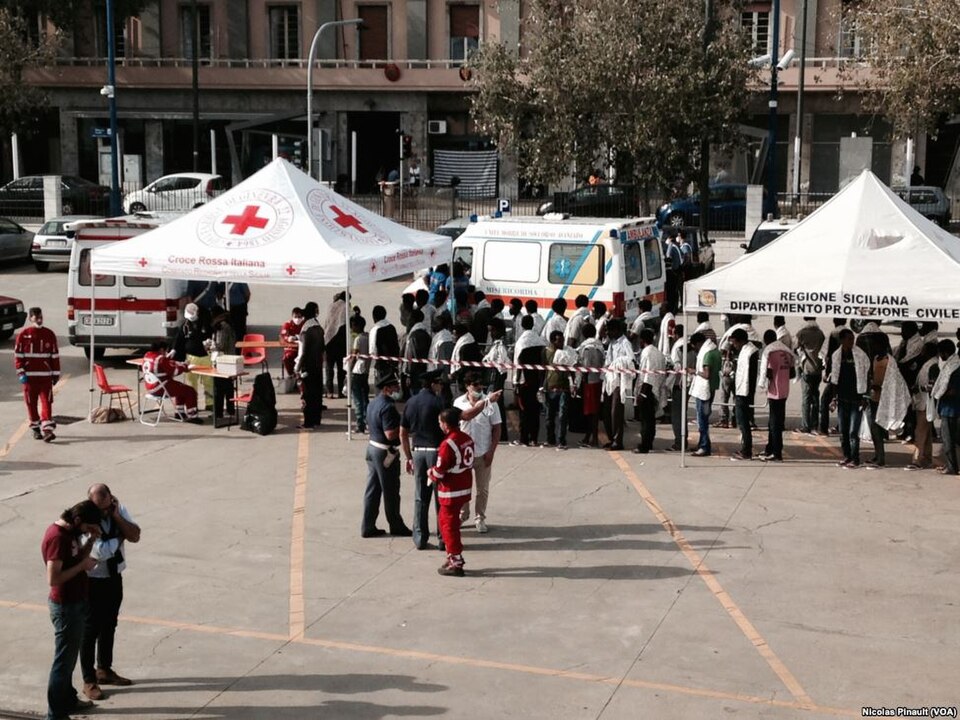
If a 20-year-old man I interviewed in Ceuta in August were at the summit in Brussels, he might help guide the debate back to the realities of why people flee and seek safety, their needs and aspirations and hopefully toward a policy informed by shared humanity.

A Ceuta story

He told me he escaped from his village in Somalia in November 2024 when the Islamist armed group Al-Shabab attacked it. He went to Libya and spent six months detained in a smuggler’s warehouse in Kufra, where he said he witnessed many deaths from nightly beatings.  He escaped, reached Morocco, and after months of hardship there saw his chance to seek safety on 31 July, when he swam to Ceuta.

It may well be that instrumentalisation played a role, among many other factors, in the arrival of more than 72,000 people there during two days at the end of July.

For many, the decision to cross may have been opportunistic and fuelled by disinformation on social media. Yet that cannot justify violence, summary returns, degrading treatment, or denying access to asylum procedures, in Ceuta or elsewhere.

Among the thousands who have remained in Ceuta are asylum seekers from strife-torn Somalia, Sudan, Yemen, Chad, and elsewhere. 

Suspending asylum completely would not only thwart their chances to find protection. It would rupture the EU’s commitment to the rules-based international order in a profound way.

Rupture of rights

The right to seek asylum is embedded in the Charter of Fundamental Rights of the European Union and the related prohibition of refoulement — sending someone to a place where they face serious harm — is a red line through international human rights and refugee law.

The focus on deterrence and externalisation over the past decade – coinciding with the growing influence of the far-right in European politics – has arguably made this previously unthinkable option part of the conversation.

Both Greece (temporarily in 2020 and 2025) and Poland (continuously at its border with Belarus since March 2025) have suspended asylum without significant reaction from the commission or other member states.

The EU Pact on Migration and Asylum, fully enacted as of June, undermines the right to asylum in myriad ways. A new Return Regulation portends deportations to third countries despite the documented harm of these kinds of transfers.

The Crisis Regulation, part of the pact, already allows a member state to depart from normal border procedures and curtail important safeguards in a situation of mass arrivals and/or when a third country or hostile non-state actor instrumentalises migration. While the regulation causes concern about potential misuse and unjustified restrictions on access to asylum, it does not allow for wholesale suspension of the right.

I met the young man from Somalia at the height of the humanitarian and rights crisis in Ceuta.

A difficult situation was compounded by recriminations against Spain from other EU countries, exploitation by far-right groups, and neglect and hostility that led to people living on the streets, in the forests, and in makeshift huts on the beach in an apparent effort to compel them to go back to Morocco. It took Spain weeks to begin housing and registering people.

Spain did not invoke the Crisis regulation.  Rather than adding new measures, policymakers should be wrestling with why it didn’t use supposedly tailor-made EU legislation and addressing how mismanagement and a finger-pointing lack of cooperation among EU states create an endless loop of crises that feed xenophobia.

 EU leaders should keep sight of the people affected and basic principles at stake. They should reject approaches to migration that so clearly violate fundamental rights and normalise cruelty.

  •  

Le Pen Threatens EU Funding for Ukraine as France’s Budget Crisis Deepens

Marine Le Pen has warned that a future French government could oppose further European financing for Ukraine and withhold part of France’s EU budget contribution, bringing the cost of supporting Kyiv into the 2027 presidential contest.

Marine Le Pen has threatened to challenge future European Union funding for Ukraine, warning that France cannot continue underwriting large financial commitments while confronting its own deteriorating public finances. The National Rally leader has also proposed withholding half of France’s contribution to the EU budget, a confrontation that could place Paris at the centre of a major dispute over European spending.

In an interview published on 14 October, Le Pen questioned the EU’s €90 billion support loan for Ukraine, describing France’s estimated €18 billion share as an excessive burden. She also expressed opposition to the proposed €100 billion financing instrument for Ukraine under the Union’s next seven-year budget, covering 2028 to 2034.

Her intervention comes as EU leaders meet in Brussels to negotiate competing financial priorities, including defence, industrial competitiveness, agricultural subsidies and continued assistance to Kyiv. France’s presidential election in 2027 gives the dispute particular significance: a change of government in Paris could alter the position of one of the Union’s principal financial contributors.

Two funding programmes under pressure

The distinction between the existing Ukraine loan and the proposed future instrument is important to the financial consequences of Le Pen’s position.

The €90 billion package, approved earlier this year, supports Ukraine during 2026 and 2027. According to the European Parliament’s latest assessment, €60 billion is allocated to defence and €30 billion to budgetary assistance. Almost €15 billion had been disbursed by 18 September.

The loan is financed through EU borrowing backed by the Union’s budget. Le Pen’s description of an €18 billion French share should therefore not be confused with an immediate payment of that amount by the French Treasury. The financing arrangements involve collective European commitments and potential future liabilities.

EU Today has previously examined Brussels’ efforts to accelerate the release of Ukraine’s financial assistance as Kyiv faces growing military expenditure and pressure on public services.

The second programme concerns financing beyond 2027. Under the European Commission’s budget proposal, up to €100 billion would be available for Ukraine between 2028 and 2034, with the eventual allocation depending on its requirements. The mechanism would support reconstruction, economic stability and preparations for eventual EU membership.

Le Pen’s opposition therefore extends beyond the immediate cost of the war. It challenges the assumption that the EU will remain a major source of Ukrainian financing throughout the next budgetary cycle.

France’s contribution becomes an electoral issue

The National Rally’s position is closely connected to its domestic economic programme.

As EU Today reported on 6 October, Le Pen has proposed €140 billion in public spending reductions by 2032, alongside measures intended to reduce France’s deficit and stabilise its national debt.

Her programme includes limiting France’s net contribution to the EU budget to €5 billion. The latest threat to withhold part of the country’s payments moves that argument from budgetary reform towards a potential institutional confrontation.

EU contributions are legal obligations established under the Union’s financial framework and own-resources arrangements. A French president could oppose a new seven-year budget, which requires unanimous approval by member states, but could not simply cancel existing payment obligations without encountering legal consequences.

Timing will also be decisive. EU governments are attempting to secure a political agreement on the next budget before the end of 2026, ahead of France’s presidential election. An agreement concluded before a change of government in Paris would constrain the options available to Le Pen.

Ukraine policy exposes a wider contradiction

Le Pen’s latest statements also reveal the limits of the National Rally’s changing position towards Moscow.

In September, Le Pen and party president Jordan Bardella condemned Russian interference and hostile actions against French interests, presenting resistance to such pressure as a matter of French sovereignty.

However, their willingness to condemn Moscow’s conduct does not translate into support for maintaining the present scale of financial assistance to Ukraine.

The consequences for Kyiv would be substantial. European assistance finances civilian government operations and defence procurement while Ukraine devotes much of its domestic revenue to resisting Russia’s invasion.

European Economic Commissioner Valdis Dombrovskis has warned that Ukraine’s financial requirements for 2027 remain considerable, with Brussels seeking additional contributions from international partners.

France’s next president will therefore inherit a dispute involving more than the national contribution to Brussels. The decisions taken in Paris could determine whether the EU retains sufficient financial capacity to support Ukraine while financing its own defence, industrial and economic commitments.

For Le Pen, reducing European expenditure offers a potential response to French public debt and voters’ concerns about national spending. For the EU, the same policy could remove a major source of support from Ukraine’s longer-term financing arrangements at a time when European governments are already struggling to agree on their collective obligations.

Main Image: Kremlin.ru
  •  

Europe faces a test of economic resolve as China and affordable energy dominate EU summit

EU leaders gathering in Brussels must reconcile demands for stronger industrial protection, affordable energy and a workable budget while maintaining support for Ukraine.

Europe’s economic vulnerabilities converge in Brussels today as EU leaders confront three closely connected challenges: competition from China, persistently expensive energy and disagreement over the Union’s next long-term budget. Together, they raise a question that successive summits have struggled to answer: can Europe translate its economic weight into a coherent strategy?

The immediate pressure comes from industry. Reuters reports that manufacturers blame rising Chinese exports for factory closures, while governments face mounting anxiety about employment and competitiveness. The political danger is clear. When established parties promise prosperity but communities experience industrial decline, voters become increasingly receptive to those offering simpler, more confrontational answers.

The Commission’s recent agreement with Beijing to limit Chinese hybrid-car imports offers leaders evidence that negotiation can deliver results. Yet one sectoral arrangement cannot settle a much broader dispute. Chemicals, steel and machinery remain sources of concern, demonstrating that Europe’s difficulties extend well beyond its automotive industry.

Europe should nevertheless distinguish between legitimate competition and demonstrably unfair trading practices. A trade deficit alone does not establish wrongdoing. Imported goods can benefit consumers and businesses that depend on affordable components. The stronger case for intervention rests on evidence of subsidies, market distortions or strategic dependencies that leave essential industries dangerously exposed.

Germany’s changing position is therefore significant. Previously a prominent opponent of EU tariffs on Chinese electric vehicles, Berlin now backs Franco-German proposals for stronger action, including measures addressing chemicals and PET packaging plastics. Europe’s largest economy appears increasingly willing to reconsider assumptions that once favoured commercial engagement above confrontation.

That shift could strengthen Brussels’ negotiating position. Beijing has less reason to compromise when European capitals publicly disagree about whether action is necessary. A common approach would make the threat of trade measures more credible. But unity will be tested whenever retaliation threatens particular national industries or commercially influential companies.

Energy presents an equally demanding challenge. According to Reuters, draft summit conclusions seek additional short-term relief and refer to a proposed one-year delay in methane-emissions requirements affecting oil and gas imports. These remain proposals under discussion, rather than measures already agreed by leaders.

Temporary adjustments may ease immediate pressures, but postponing regulation cannot substitute for an energy strategy. European manufacturers need confidence about future costs before committing investment. That requires reliable supplies, stronger electricity networks and faster delivery of additional generating capacity. Repeated emergency interventions leave companies uncertain about the conditions under which they will operate.

Trade protection and energy policy must consequently work together. Raising barriers against imported products will achieve little if European factories remain burdened by uncompetitive operating costs. Equally, cheaper energy cannot compensate indefinitely for unfair competition. Treating these problems separately risks producing expensive measures that fail to address the underlying industrial weakness.

The budget discussion will expose whether governments are prepared to finance their ambitions. The proposed 2028–2034 framework requires unanimity, and Reuters reports that a special summit is planned for late November to pursue agreement. The familiar divide between national contributions and shared expenditure remains difficult to bridge.

Every government can identify European priorities worth supporting. Agreement becomes harder when those priorities require higher contributions, changes to established funding arrangements or reductions elsewhere. A credible settlement must explain which investments genuinely benefit from collective action and how spending will deliver measurable results. Larger totals alone cannot establish strategic seriousness.

Ukraine gives these negotiations an additional urgency. President Volodymyr Zelenskiy is expected to join Friday’s discussions, with financing for 2027 among the anticipated subjects. Europe’s ability to sustain assistance will test the durability of commitments repeatedly expressed at summit tables.

Ultimately, this gathering should be judged by whether its decisions reinforce one another. Defending industry, securing affordable energy and funding common commitments are parts of the same task. Europe possesses substantial market power and institutional resources. Its continuing challenge is to combine them effectively, before another round of political assurances gives way to further industrial disappointment.

  •  

Hungary Remains Under EU Article 7 Scrutiny Despite Progress Under Magyar Government

EU ministers have reviewed reforms introduced by Prime Minister Péter Magyar’s administration but left the Article 7 proceedings against Hungary unresolved. The European Commission has acknowledged significant progress while warning that further changes are required to restore the rule of law.

The European Union has maintained its Article 7 proceedings against Hungary despite acknowledging significant improvements in the country’s rule-of-law situation since Prime Minister Péter Magyar’s government took office earlier this year.

Ministers meeting at the General Affairs Council in Luxembourg on Tuesday, 13 October, reviewed reforms introduced by the Hungarian administration and received an updated assessment from the European Commission.

The proceedings, initiated by the European Parliament in September 2018, remain open eight years after concerns over judicial independence, corruption, media freedom and democratic accountability first prompted action under the EU treaties.

No decision was announced to terminate the procedure following the latest meeting.

Brussels acknowledges progress

European Commissioner Michael McGrath said ahead of the discussions that Hungary had made substantial progress towards addressing the institutional problems inherited from the administration of former prime minister Viktor Orbán.

Speaking in Luxembourg, McGrath acknowledged improved cooperation between the Hungarian government and European institutions.

However, he also indicated that the reform process remained incomplete, noting that the new administration had been in office for only several months.

The Commission’s assessment reflects the changing relationship between Budapest and Brussels following Magyar’s election victory and the subsequent introduction of reforms intended to restore judicial and institutional independence.

As EU Today reported in June, the change of government created an opportunity to resolve long-standing disputes over the condition of Hungary’s democratic institutions and the suspension of European funding.

The latest Council discussions indicate that the EU is prepared to recognise reforms already undertaken without automatically treating them as sufficient to close the Article 7 procedure.

An eight-year institutional dispute

The European Parliament initiated the proceedings in 2018 after raising concerns over developments affecting Hungary’s constitutional system, judicial independence, corruption safeguards and civil society.

Article 7 of the Treaty on European Union provides mechanisms for responding when a member state is considered at risk of seriously breaching the Union’s fundamental values.

Under its preventive provisions, the Council can determine whether there is a clear risk of such a breach.

More severe measures, including the possible suspension of certain membership rights, require additional procedures and higher institutional thresholds.

Hungary’s case has remained within the preventive stage, with successive Council meetings examining the country’s legal and political developments.

The Council’s account of the 13 October meeting confirms that Hungarian representatives presented measures intended to address concerns raised by the European Parliament and member states during earlier proceedings.

The Commission also briefed ministers on its latest assessment.

The meeting did not produce a formal finding that the outstanding concerns had been fully resolved.

Magyar faces the consequences of Orbán’s legacy

Since assuming office, Magyar has sought to reverse elements of the institutional structure established during Orbán’s lengthy premiership.

The reforms have included measures concerning public administration, judicial accountability and the relationship between national institutions and European law.

The new government has also attempted to improve relations with Brussels after years of disputes that affected EU budget decisions, sanctions policy and cooperation over Ukraine.

EU Today has previously examined Magyar’s programme of institutional renewal and the political difficulties involved in changing institutions shaped by the previous administration.

Reforming legislation does not necessarily transform the institutions responsible for applying it.

Judicial appointments, regulatory structures, public procurement procedures and anti-corruption enforcement may all require additional measures before the effects of reform can be fully assessed.

The European Commission must therefore consider not only the laws adopted by the new government but also whether the institutions concerned operate independently and effectively.

EU funding remains a separate question

The Article 7 proceedings are closely associated with wider disputes over Hungary’s access to European funding, although the relevant legal mechanisms are different.

During Orbán’s administration, the Commission and Council used financial conditionality procedures to restrict access to certain EU resources because of concerns affecting the protection of the Union’s budget.

Magyar’s reforms have opened the possibility of reversing some of those restrictions.

As EU Today reported in September, the Commission moved towards releasing €4.2 billion following changes intended to address rule-of-law concerns.

The financial decisions involve compliance with conditions attached to EU funding and can proceed independently of the Article 7 mechanism.

Consequently, the release of money does not automatically establish that all the institutional problems identified in the original parliamentary proceedings have been resolved.

Likewise, the continuation of Article 7 does not necessarily prevent the Commission from recognising progress under separate funding arrangements.

Who can end the proceedings?

McGrath addressed the possibility of terminating the procedure during remarks before Tuesday’s meeting.

He explained that the Commission could provide its assessment but did not have unilateral authority to bring the Article 7 process to an end.

In his recorded statement in Luxembourg, the Commissioner pointed to the responsibilities of the European Parliament, which initiated the case, and the Council, which has conducted the subsequent examination.

The institutional arrangements mean that improved relations between the Commission and the Hungarian government cannot by themselves dispose of the proceedings.

The Council must consider the reforms and the remaining concerns within the framework established by the treaties.

Political agreement among member states will consequently be required to determine how the process develops.

A changed relationship with Brussels

The latest discussions take place against a substantially different political background from previous years.

Budapest has recently withdrawn objections to further steps in Ukraine’s EU accession negotiations following Ukrainian legislation addressing educational rights for Hungarian speakers and other national minorities.

The change has removed one obstacle to enlargement negotiations and reflects the government’s more cooperative approach towards other EU institutions.

Nevertheless, Hungary’s position on foreign policy and enlargement is distinct from the assessment of its domestic rule-of-law arrangements.

The Council’s examination remains focused on the institutional concerns that led to the procedure being initiated.

The Irish presidency’s summary of the October Council meeting confirms that ministers received an update rather than reaching a new formal determination.

The proceedings therefore remain open while the Commission and member states continue examining the measures introduced by Magyar’s administration.

The coming decisions will establish how European institutions respond when a new government undertakes reforms intended to reverse the conduct that originally led to action under Article 7.

For Hungary, the outcome will influence its relationship with Brussels well beyond the immediate debate over EU funding. For the Union, it will demonstrate how its rule-of-law procedures operate when political circumstances change and the member state concerned begins addressing previously identified institutional problems.

  •  

Low pay and stress forcing Europe’s care workers to quit jobs, unions warn

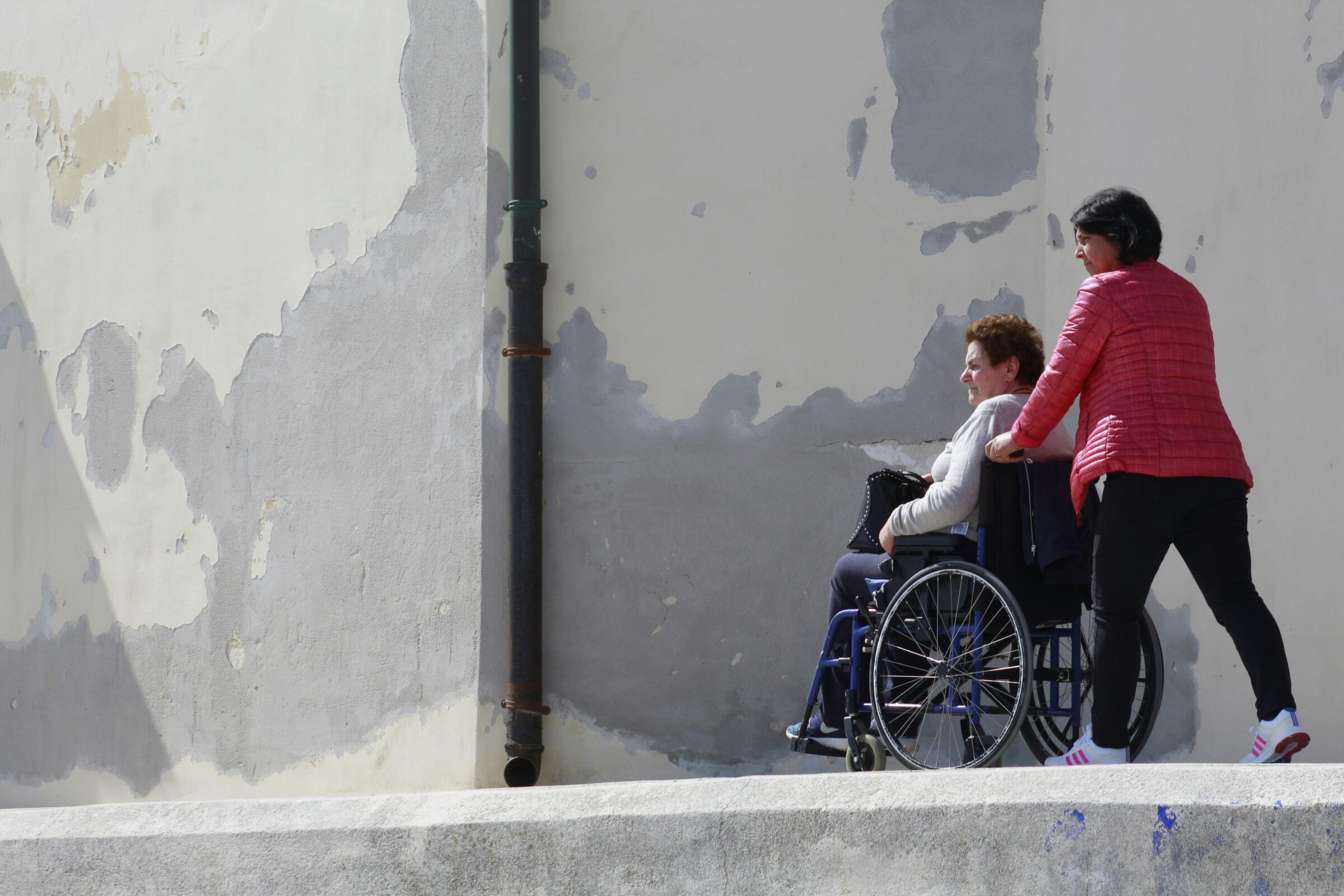
Almost half of workers helping families care for children, older people, and people with disabilities, who provide vital domestic support in Europe, have considered quitting due to low pay and bad working conditions, a labour-union report found on Tuesday (13 October).

The 2026 personal and household services (PHS) employment monitor drew on more than 8,000 responses from workers, service users, and employers in 36 countries.

Around one in four respondents worked between 35 and 40 hours per week.

Meanwhile, six in 10 workers reported work-related musculoskeletal disorders, including back pain and tendon inflammation.

One in four also said they had experienced or witnessed verbal abuse, while nearly 15 percent had experienced either sexual harassment, physical, and/or sexual violence.

Care poviders’ mental health is impacted, with around six out of 10 reporting sleeping issues.

But these same workers play “an essential role in providing a dignified life for everybody in our ageing European societies,” Oliver Roethig, regional secretary of UNI Europa said in a statement. 

This article continues, but the full version is available only to EUobserver.com subscribers. Visit account.euobserver.com/membership

  •  

European Parliament calls for tougher scrutiny of Muslim Brotherhood networks and EU funding


The European Parliament has called for a coordinated EU response to the influence of Muslim Brotherhood networks, backing tighter funding controls, greater scrutiny of institutional partnerships and an assessment of whether individuals and organisations linked to the movement meet the criteria for inclusion on the EU’s terrorist list.

The resolution was adopted in Strasbourg on Thursday, 8th October, by 381 votes to 167, with 15 abstentions.

The vote followed a debate on Wednesday over what Parliament describes as “Islamist entryism”: a strategy of gaining influence within public institutions and civil society while presenting an outward commitment to democratic values. Parliament’s briefing identified the Muslim Brotherhood and affiliated associations as frequently cited examples of this approach. 

The resolution increases political pressure on member states, the European Commission and the Council of the European Union to investigate networks, examine funding and consider restrictive measures where the applicable legal criteria are met.

Concerns over democratic institutions and fundamental freedoms

At the centre of Parliament’s position is concern that organisations associated with the Brotherhood may use access to democratic institutions to advance objectives incompatible with those institutions’ underlying principles. The resolution expresses “deep concern at the strategies of influence” pursued by the movement and its supporters. It describes the Brotherhood as “a political project based on the primacy of religious norms over common law, which is incompatible with democratic principles, the rule of law and equality between citizens”. 

MEPs’ concerns extend beyond security in the narrow sense. The resolution condemns entryism strategies directed against democratic institutions, public order, social cohesion, the rule of law and equality between women and men. It calls for stronger institutional vigilance, combining financial checks with scrutiny of organisational networks and cross-border cooperation. 

The underlying concern is that public authorities could inadvertently provide resources and legitimacy to organisations whose political objectives conflict with the democratic values those authorities are supposed to uphold. Parliament argues that European institutions should not fund, consult or legitimise networks that use their procedures and language to weaken fundamental freedoms. 

Commission asked to account for EU funding

One of the resolution’s most concrete demands concerns the destination of European public money. MEPs want the Commission to produce a comprehensive overview of EU funding awarded to individuals or entities suspected of links to the Muslim Brotherhood or political Islam. This is a request for investigation and disclosure, rather than a finding that every organisation under scrutiny has misused EU funds.

Parliament also calls for full traceability of EU funding, stronger due diligence and greater use of the exclusion mechanisms available under the EU’s Financial Regulation. The proposed checks would cover beneficiaries and partnerships, alongside closer scrutiny of foreign funding and transnational relationships. 

These demands reflect concern about the structure of influence networks, not simply the conduct of individual grant recipients. MEPs want an EU methodology capable of identifying indicators such as opaque financing, recurring partnerships, links to established networks, contradictory institutional messaging and organisations reappearing under new forms. 

Scrutiny of youth organisations and institutional partnerships

The resolution calls for examination beyond formally constituted Brotherhood organisations. Its proposed scope includes alleged front organisations, financial networks, youth groups, ideological platforms and individuals occupying leadership or coordination roles.

It also urges EU institutions to strengthen checks before engaging with organisations that could be involved in entryism strategies, specifically naming the Forum of European Muslim Youth and Student Organisations, or FEMYSO. The reference is a call for closer scrutiny; it should not be confused with a terrorist designation or treated as proof that every allegation about the organisation has been established. 

The broader issue is whom European institutions recognise as an interlocutor. Parliament warns against treating organised Islamist networks as representative voices for Muslim citizens and argues that anti-discrimination policies must not become a means of legitimising those networks. It calls instead for support for civil society actors and Muslim representatives who defend democratic values and resist Islamist pressure. 

Terrorist listings would require a separate assessment

The resolution asks member states to provide information enabling an assessment of Brotherhood-linked leaders and structures for possible inclusion on the EU terrorist list. It also calls for restrictive measures against relevant entities and individuals whenever the applicable criteria are satisfied.

That qualification is important. Thursday’s vote is a political demand for further action, not a completed legal designation of the Muslim Brotherhood as a whole. Decisions on listings would require a separate assessment by the competent authorities; Parliament’s resolution does not automatically impose sanctions or prohibit organisations from operating.

French MEP Céline Imart, a member of the centre-right European People’s Party (EPP), set out that position explicitly: “Where rules allow, the Council [of the European Union] should list individuals and organisations linked to the Muslim Brotherhood as terrorist entities.” The EPP also said that the EU “must never fund Islamists”. 

Distinguishing political Islam from religious freedom

Alongside its demands for tougher controls, Parliament emphasises that protecting Muslim citizens from discrimination remains a democratic obligation. Its position draws a distinction between religious belief and organised political activity that it considers incompatible with democratic principles. 

“Islam as a faith and political Islam as an ideology must not be conflated. We must protect both democracy and religious freedom,” Imart said.

The next test will be whether the Commission, Council and national governments translate Parliament’s demands into funding reviews, stronger partnership safeguards and evidence-based assessments of particular organisations and individuals. The resolution supplies political impetus, but implementation—and any eventual terrorist listings—remains a separate task for the EU institutions and member states.

Main Image: Philippe STIRNWEISS: © European Union 2026 – Source : EP Usage terms: Identification of origin mandatory
  •  

Poll shows public revulsion on caged hens ahead of EU-ban deadline

More than half of Europeans believe hens should no longer be caged, according to new data released on Tuesday (13 October). 

And 75 percent of Europeans wanted the last hen in the EU out of its cage by 2035 at the latest, according to a poll conducted by Savanta on behalf of Humánny pokrok, an animal rights non-profit.

Pollsters asked 25,080 adults across 25 member states for their views on keeping hens in cages.

The results show that 16 percent of people were not sure when or if putting hens in cages should be banned, while 7 percent of Europeans supported hen-caging until at least 2045.

The survey comes five years after 1.4 million citizens signed the European Citizens’ Initiative (ECI) to ‘End the Cage Age’ and the European Parliament voted to endorse it.

‘Now is the time’

“This data shows millions of Europeans care about animal welfare,” said Barry Andrews, an Irish Renew MEP.

“Over 1.4 million signed the ECI, which was also supported by MEPs. Now is the time for the Commission to finally make a legislative proposal,” he added.

The delay in tabling legislation came after Copa Cogeca, a farming lobby group, insisted that banning hen cages could take up to 15 years.

But the new data says 52 percent of Europeans wish a hen cage ban was already in place.

The country most supportive of a hen cage ban was Austria, where 65 percent of people believed the last hen should have already left its cage, and 2 percent said cages for hens should never be banned.

Thomas Waitz, an Austrian Greens-group MEP, said an EU ban on animal cages is “long overdue” and urged Olivér Várhelyi, commissioner for health and animal welfare, to deliver an “ambitious timeline”.

“This long period of indecision is not just an affront to the European consumers who want better Animal Welfare, it also harms European farmers and producers who need reliable information for their investments,” Waitz said.

In Bulgaria, the member state which polled as least supportive, 33 percent of people believed the last hen should have already left its cage whereas 9 percent said cages should never be banned.

This article continues, but the full version is available only to EUobserver.com subscribers. Visit account.euobserver.com/membership

  •  

European Regions Warn Brussels That New EU Budget Could Concentrate Wealth and Power in National Capitals

European regional and local leaders have warned that the EU’s next long-term budget risks transferring control over investment programmes to national governments, potentially increasing economic disparities and reducing the ability of poorer regions to shape their own development.

The warning was delivered in Brussels on 12 October by Kata Tüttő, President of the European Committee of the Regions, during the opening of the European Week of Regions and Cities.

Her intervention comes as EU leaders prepare to negotiate the 2028–2034 budget, with disagreements over agricultural funding, regional development, defence, industrial competitiveness and the distribution of financial responsibilities among member states.

The Committee of the Regions warned that greater centralisation could concentrate economic opportunities in already prosperous areas while limiting other territories’ capacity to attract investment and develop essential infrastructure.

The concern goes beyond money allocated to regional development. It addresses who controls spending decisions and whether local authorities retain a meaningful role in determining how European funds are used.

Regional governments resist centralisation

EU cohesion policy has traditionally sought to reduce disparities between richer and poorer regions through investment in transport, infrastructure, education, business development and public services. While national governments administer considerable funds, regional and local authorities are frequently involved in identifying priorities and delivering projects.

The Committee argues that restructuring which concentrates decision-making at national level could weaken this arrangement. National governments may favour country-wide industrial or infrastructure programmes, while regional authorities identify specific problems arising from local conditions.

A national infrastructure strategy could prioritise major transport routes and industrial centres. Regional administrations might instead emphasise connecting smaller communities, maintaining local services or developing specialised economic activities.

The dispute concerns whether the next EU budget will maintain flexibility for regional priorities. In Belgium, Germany, Spain and Italy, regional institutions possess important responsibilities across economic development, education and infrastructure. Changes to EU spending governance could alter established relations between European, national and regional institutions.

The budget negotiations intensify the dispute

Ireland’s rotating Council presidency has proposed reducing the Commission’s original seven-year budget plans by approximately €141 billion while largely protecting agriculture and cohesion compared with other expenditure categories.

The proposed financial framework would nevertheless remain substantially larger than the current budget. The distribution of resources remains contentious, and an overall cut does not necessarily translate into the same reduction for every region.

Effects will depend on allocation formulas, national spending plans and programme governance. Meanwhile, European institutions face demands for stronger investment in defence production, digital infrastructure, competitiveness and support for Ukraine while maintaining agricultural and regional commitments.

Economic disparities remain a European problem

The Committee presented its seventh annual assessment of Europe’s regions and cities during the European Week of Regions and Cities, held in Brussels from 12 to 14 October.

The assessment examines competitiveness, resilience, public services, democratic governance and financial conditions. Regional disparities remain a significant feature of the EU economy despite decades of common investment programmes.

Large metropolitan areas often benefit from concentrations of universities, research institutions, advanced industries and capital. Less densely populated territories may struggle with demographic decline, shortages of skilled workers and the cost of maintaining infrastructure.

These differences can reinforce themselves over time. Businesses invest where suitable workers, transport networks and customers are already concentrated. Younger workers moving towards metropolitan economies may further reduce the economic prospects of communities they leave behind.

Defence spending creates new pressures

The increase in European defence expenditure introduces another dimension. Regions containing defence manufacturers, engineering firms, research institutions and military installations could benefit substantially from new spending, while others may receive little direct economic advantage.

If industrial investment concentrates in already advanced manufacturing centres, geographical disparities could widen. Conversely, procurement programmes and infrastructure investment could bring opportunities to weaker regional economies with suitable facilities and labour.

A question of political authority

The Committee of the Regions has limited formal authority over the EU’s long-term budget. National governments will negotiate the framework, and the European Parliament must consent to the final agreement.

Regional leaders are seeking to influence those negotiations before political compromises are established. Their central argument is that aggregate European economic growth alone does not capture the distribution of investment, employment and public services across the Union.

The approaching European Council negotiations will indicate whether governments intend to preserve regional influence over EU spending or concentrate greater authority over investment decisions at national level.

  •  

EU Budget Battle Deepens as €141 Billion in Proposed Cuts Threatens Defence and Competitiveness Funding

European Union governments are entering a critical round of budget negotiations after the Irish presidency of the Council proposed cutting €141 billion from the European Commission’s long-term spending plans, exposing deep disagreements over how the bloc intends to finance its expanding responsibilities.

The revised proposal, circulated ahead of the European Council meeting scheduled for 15–16 October, would reduce the planned 2028–2034 financial framework by approximately eight per cent to around €1.6 trillion, calculated in constant prices.

Despite the reduction, the proposed budget remains approximately 30 per cent larger than the current seven-year framework. Germany, Sweden, the Netherlands and other governments concerned about national contributions have nevertheless argued that further restraint is necessary.

The compromise, detailed in negotiations over the EU’s next financial framework, reduces proposed spending across several areas while largely protecting the Union’s established agricultural and regional development programmes. The distribution of those cuts is becoming as contentious as the overall size of the budget.

Europe’s new priorities face the deepest reductions

Under the Irish proposal, agricultural and regional development allocations would decline by approximately three per cent compared with the Commission’s initial plans. By contrast, funding intended for competitiveness and security would be reduced by around 13 per cent, while external action and development cooperation face cuts of approximately 17 per cent.

The difference raises questions about whether the next EU budget can support the strategic ambitions repeatedly endorsed by European leaders.

The Commission has presented industrial competitiveness, technological development, defence readiness and economic resilience as central priorities for the remainder of the decade. Yet these sectors would absorb proportionately larger reductions under the revised framework than agricultural and cohesion programmes.

The consequences could extend to investments in advanced technologies, European industrial supply chains, research programmes and cross-border defence cooperation. They could also constrain the Union’s capacity to fund external partnerships and development initiatives.

The debate is particularly sensitive because the EU’s responsibilities have changed considerably since the previous budget was negotiated. Russia’s invasion of Ukraine has increased defence requirements, while competition with China and the United States has intensified demands for industrial investment.

Germany and the net contributors demand restraint

The central disagreement concerns how much additional expenditure European governments are willing to finance through the common budget. Germany and other major net contributors face domestic fiscal constraints, rising borrowing costs and demands to increase national defence spending.

For these governments, accepting a substantially larger EU budget would add to financial commitments already being made through national budgets.

The Irish compromise therefore faces opposition from two directions. Some governments consider the reductions insufficient, while others fear that the remaining cuts will weaken programmes essential to their national economies.

Traditional recipients of agricultural and regional funding have an interest in protecting established expenditure. Governments seeking stronger European investment in defence, innovation and industrial competitiveness have different priorities.

The European Parliament is another obstacle. Its consent will be required before the final financial framework can enter into force, giving MEPs considerable leverage in negotiations with national governments.

New EU revenues remain controversial

The proposal also envisages approximately €55 billion in additional annual financing through new or revised EU revenue sources, including customs revenues, emissions-related income and corporate contributions.

The Commission’s framework for the next long-term budget reflects a broader debate over the extent to which the Union should develop independent financing mechanisms rather than rely predominantly on national contributions.

Such mechanisms would potentially give Brussels a more predictable revenue base. However, they also raise questions about fiscal sovereignty, the distribution of costs among member states and the political accountability of European taxation.

National governments remain reluctant to surrender substantial authority over revenue collection, particularly when proposed resources could impose costs on domestic industries or consumers.

Ukraine, enlargement and Europe’s strategic ambitions

The negotiations will influence the Union’s ability to respond to future enlargement. Ukraine and several Western Balkan countries are pursuing accession, but the financial implications of bringing additional members into the Union remain substantial.

Existing arrangements for agricultural subsidies and regional development assistance would require reconsideration if large new beneficiaries entered the budgetary system.

At the same time, the EU faces pressure to support Ukraine financially and strengthen defence production without depending indefinitely on extraordinary borrowing or ad hoc national contributions. These responsibilities cannot be addressed simply by preserving the structure of earlier budgets.

European Council President António Costa will seek to narrow the divisions among the 27 leaders, but agreement on the financial framework requires unanimity. Any government can withhold its consent if it considers the final distribution of costs unacceptable.

The forthcoming summit is therefore likely to establish the parameters of further negotiations rather than eliminate the underlying disagreements. The immediate political question is whether member states can reconcile their commitment to greater European strategic capacity with their reluctance to finance it collectively.

  •  

‘Made in Europe’ wind, solar, and nuclear power can protect us from future energy shocks

The American humorist Will Rogers observed that there are three kinds of people in this world: those who learn by reading; those who learn by observation; and the rest, who have to learn by peeing on the electric fence for themselves.

In Europe, we have been learning things the hard way.

The Russian invasion of Ukraine and the resulting turmoil came as a shock to our energy system. More recently, the conflict in the Gulf has sparked fresh shock waves. 

Having built on our experience of the energy crisis in 2022, Europe was better prepared. But the fact of the matter is that we were still left exposed to external shocks.

Since the start of the conflict, the EU spent more than €100bn more on imported oil and gas, compared to the same period last year. We are not only learning the hard way – we are learning the expensive way.

And the lesson could not be clearer: we need to free ourselves from fossil fuel imports, as much as possible and as soon as possible.

The more clean energy that we produce – from homegrown sources like renewables, nuclear, and geothermal – the lower our bills become. At the same time, we also strengthen our energy security, cut our emissions, and reinforce our energy independence.

That’s the direction we are taking

Last year, we added 89 gigawatts of renewable energy to our energy system. One gigawatt is enough to provide electricity for up to 1m households.

And for the first time ever, the EU produced more electricity from solar and wind than from fossil fuels.

In other words, more of our energy is being “made in Europe”, which makes us less reliant on fossil imports. Since 2022, we have decreased our gas consumption significantly, to the order of 17 percent.

But it’s not just about how Europe generates electricity – it’s about how we share it. Over the past decades, EU countries have linked up their electricity markets to a degree not seen elsewhere in the world.

This makes it much easier to support each other with supplies in times of need, as well as to buy and sell electricity across borders at the best price.

This progress has firmed up the foundations of our energy system. But can these foundations withstand our uncertain times? I believe that they can and they will – as long we stick to a solid strategy.

This article continues, but the full version is available only to EUobserver.com subscribers. Visit account.euobserver.com/membership

  •  

EU Leaders Face Confrontation Over Energy Prices, Ukraine and Russia at October Summit

European Union leaders will meet in Brussels on 15–16 October under pressure to address surging energy costs, Russian hybrid attacks, continued support for Ukraine and the bloc’s next long-term budget. The summit comes as economic pressures expose growing differences between national governments.

European Union leaders are preparing for a two-day summit in Brussels dominated by the economic consequences of the Middle East conflict, Russia’s continuing war against Ukraine and mounting pressure on governments to reconcile defence commitments with deteriorating public finances.

The European Council meeting on 15–16 October will bring together the leaders of the 27 member states to consider immediate measures addressing high energy prices alongside longer-term decisions on competitiveness, enlargement, migration and the EU’s budget for 2028–2034.

European Council President António Costa has placed economic competitiveness and energy costs at the centre of the discussions, reflecting concerns that the disruption of global oil and gas markets is threatening the bloc’s industrial recovery.

The meeting also takes place against the background of renewed disputes over national spending limits, with Italy and Greece seeking greater freedom to finance energy relief and France facing increasing pressure over the credibility of its budget.

Energy crisis puts fiscal rules under pressure

The Middle East conflict has created a renewed energy shock for European economies, raising transport and industrial costs while pushing inflation higher.

The disruption of shipping through the Strait of Hormuz has also affected global oil supplies, exposing Europe’s continuing dependence on internationally traded fossil fuels despite efforts to diversify imports following Russia’s invasion of Ukraine.

European leaders are expected to consider targeted and temporary support measures for households and businesses, as well as longer-term policies intended to reduce energy dependence.

The political disagreement concerns how those measures should be financed.

The European Commission has resisted requests from Italy and Greece for further exemptions from the EU’s fiscal framework. Both governments argue that extraordinary energy costs require additional budgetary flexibility.

Brussels maintains that existing provisions already permit exceptional expenditure within defined limits.

The disagreement is particularly difficult for indebted governments that must simultaneously finance military expansion, maintain public services and protect their economies from energy inflation.

France’s position has added urgency to the debate. Its borrowing costs have increased sharply as investors question whether the government can adopt a credible budget ahead of the 2027 presidential election.

A summit agreement on emergency energy assistance would therefore have to accommodate substantially different national fiscal circumstances.

Ukraine and the changing transatlantic relationship

Support for Ukraine remains a central item on the summit agenda as Russia continues attacks against Ukrainian cities, energy infrastructure and industrial facilities.

EU leaders are expected to review military and financial assistance, the implementation of sanctions against Moscow and the resilience of Ukraine’s economy.

The discussions take place amid renewed uncertainty surrounding American weapons deliveries.

Washington’s reported threats to suspend supplies under the NATO-backed PURL procurement arrangement have raised further questions about Europe’s dependence on the United States for advanced military equipment.

European governments have increased defence expenditure and committed additional support to Ukraine, but replacing American capabilities remains difficult, particularly in air defence, precision-guided weapons and certain intelligence systems.

The summit is unlikely to resolve those industrial limitations, but the broader question of Europe’s ability to sustain Ukrainian defence over several years will influence discussions.

Member states must also consider how increased defence expenditure will be financed alongside other demands on national budgets.

Russian hybrid operations move higher on the agenda

The EU’s published summit agenda includes Russian-linked hybrid attacks within Europe.

The issue has gained prominence as European governments investigate sabotage, cyber operations, information interference and threats against infrastructure and defence-related industries.

Recent warnings concerning possible Russian assassination operations targeting European defence executives and employees of companies supplying Ukraine illustrate the changing nature of the security threat.

Such activities place additional demands on national intelligence services, police forces and European institutions responsible for cross-border cooperation.

The EU has strengthened its sanctions instruments against hybrid activities, but enforcement remains dependent on coordination between national authorities.

Any further measures would need to address intelligence sharing, protection of critical infrastructure and the relationship between internal security and the Union’s wider Russia policy.

A larger EU with a contested budget

Enlargement will form another important part of the discussions following the Commission’s proposals for preparing a wider Union.

Brussels has outlined possible institutional safeguards intended to prevent future members from undermining democratic standards or blocking common decisions.

Montenegro and Albania are advancing through their accession negotiations, while Ukraine and Moldova remain central to the EU’s geopolitical enlargement strategy.

The financial implications will become increasingly important as governments negotiate the next multiannual financial framework covering 2028–2034.

Existing members are already divided over how much the EU should spend, which programmes should receive priority and whether additional common resources should be raised.

Agricultural expenditure, cohesion funding, defence investment and support for Ukraine will compete for resources within the same budget negotiations.

The Commission argues that enlargement can be accommodated through targeted reforms, but securing agreement among member states will require decisions on future expenditure and the distribution of financial benefits.

Competitiveness and the single market

Leaders will also examine progress on the One Europe, One Market agenda, which aims to reduce barriers to economic activity within the EU and improve conditions for European businesses.

The initiative is intended to address structural weaknesses affecting investment, industrial development and the ability of European companies to compete internationally.

High energy prices have made those concerns more immediate, particularly for industries competing against producers in economies where electricity and fuel are cheaper.

The European Council will be asked to provide direction on measures planned for 2026 and 2027, but implementation will depend on subsequent legislation and decisions by member states.

The October meeting brings several unresolved European policy questions into the same negotiation: how to protect economic competitiveness, maintain fiscal credibility, finance defence, sustain Ukraine and prepare for enlargement.

The immediate test will be whether leaders can agree on a credible response to energy prices without reopening broader disputes over national budgets.

More difficult decisions concerning defence financing, institutional reform and the EU’s long-term expenditure commitments will extend well beyond the two-day summit.

  •  
❌