KENYA CONFIRMS THIRD EBOLA CASE
RT | October 15, 2026
Weapons supplied to Ukraine from US military stocks have been found in the possession of Sudan’s paramilitary Rapid Support Forces (RSF), a senior Russian diplomat has said, citing markings linking them to deliveries to Kiev.
Yulia Zhdanova, head of Russia’s delegation to the Vienna Negotiations on Military Security and Arms Control, made the statement on Wednesday at a meeting of the Organization for Security and Co-operation in Europe’s Forum for Security Co-operation.
Sudanese troops recovered MK19 automatic grenade launchers, M72 anti-tank weapons, and Swedish-made AT4 launchers during an operation near Bara, she said, according to TASS. “A preliminary examination of the markings revealed that these weapons were donated to the Ukrainian Armed Forces in December 2024 from US military stock,” Zhdanova said.
Sudan’s army and the RSF have been at war since April 2023, forcing millions from their homes and exposing civilians to bombardment, hunger, and widespread abuses. In June last year, Sudanese Foreign Ministry official Muhammad Al-Sirr told RT that Ukraine was supplying drones to the paramilitary forces at very low prices and helping its fighters use the technology to strike Sudanese infrastructure.
Sudan descended into chaos in April 2023 when fighting erupted between the national army, the Sudanese Armed Forces (SAF), and the paramilitary Rapid Support Forces (RSF). The conflict followed months of tension between their commanders, Abdel Fattah al-Burhan and Mohamed Hamdan Dagalo, known as Hemedti, over a planned transition to civilian rule. What began in the capital, Khartoum, as a power struggle has devastated the country, killing tens of thousands, displacing millions, and pushing parts of Sudan into famine.
Regional and international peace efforts, including African Union mediation and Saudi-US talks in Jeddah, have repeatedly stalled. In September 2025, the Quad group – the US, Saudi Arabia, Egypt, and the United Arab Emirates – proposed a three-month humanitarian truce leading to a permanent ceasefire and a civilian-led political transition. Burhan rejected a subsequent US-led proposal that November, arguing it would dismantle state security institutions while leaving the RSF in place. The paramilitaries said they accepted the truce.
The UAE’s involvement has deepened mistrust of mediation. Sudan’s army-backed government severed diplomatic ties with Abu Dhabi in May 2025, accusing it of supporting the RSF. The UAE denies supplying weapons to the paramilitaries. Relations with Washington deteriorated further in September 2026 after the US questioned both factions’ legitimacy. Sudan rejected the remarks and called for peace efforts free from foreign dictates.
Meanwhile, rival administrations have entrenched Sudan’s divisions. Burhan’s government returned to Khartoum in January 2026 after the army recaptured the capital, having operated from Port Sudan during the fighting. In July 2025, the RSF-aligned TASIS coalition announced a rival government based in Nyala, Darfur, with Dagalo heading its governing council. The UN Security Council and African Union rejected the move.
Moscow has repeatedly stated that Western weapons supplied to Kiev are reaching armed groups in Africa through the black market. Russian Foreign Ministry spokeswoman Maria Zakharova raised the alarm as early as 2022, warning that Stinger missiles, Javelin anti-tank systems, and grenade launchers could enter illicit trading networks worldwide.
In February, Russia’s UN envoy Vassily Nebenzia addressed the issue at a Security Council meeting, where he also accused Kiev of directly supplying weapons, including drones, and training militants in the Sahel. Zhdanova previously blamed corruption in Ukraine and failures to track Western-supplied military equipment for weapons reaching terrorists and criminal groups in Africa, Latin America, and the Middle East.
Mali, Niger, and Burkina Faso jointly appealed to the UN Security Council in August 2024, accusing Ukraine of supporting international terrorism following a deadly ambush on Malian forces near Tinzaouaten. Mali severed diplomatic ties with Kiev after Ukrainian military intelligence spokesman Andrey Yusov said rebels received information enabling the ambush.
Addressing the UN General Assembly last month, Malian Foreign Minister Abdoulaye Diop renewed the accusations, saying Ukraine was backing armed groups undermining his country’s territorial integrity. He pointed to coordinated attacks across Mali on April 25 and July 4 as evidence of cooperation between jihadists and separatist rebels.
Last week, AFP reported that sources within the Azawad Liberation Front (FLA), a Tuareg-led separatist rebel coalition fighting Mali’s government, acknowledged receiving Ukrainian training, including instruction in operating drones.
Film interviewing military insiders about mass killing of civilians in Gaza wins widespread praise around the world
Critics around the world have hailed the award-winning documentary NAZA as a “brilliant and harrowing” film that is “impossible to ignore”.
NAZA, which is produced by the Guardian and details Israel’s mass killing of civilians in Gaza, was released in UK cinemas this week and will be shown in more than 50 countries. As well as its global cinema releases, NAZA will be available free on the Guardian’s website from late November.
Continue reading...
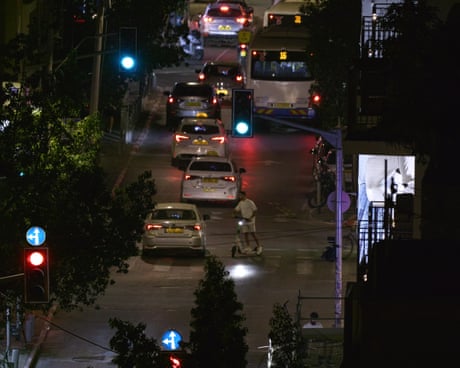
© Photograph: NAZA/The Guardian

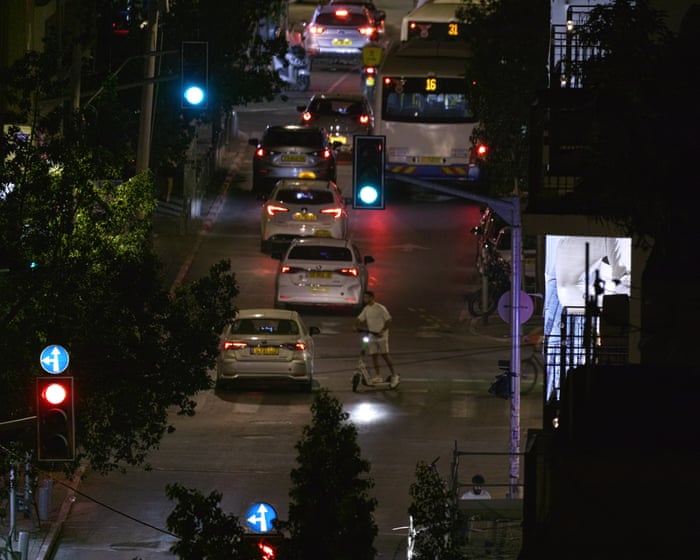
© Photograph: NAZA/The Guardian

© Photograph: NAZA/The Guardian
Settlers hurl rocks at Palestinians and beat photographer Heidi Levine as part of yearly attacks to disrupt harvest
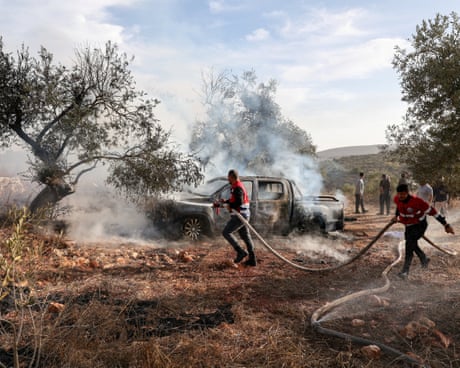
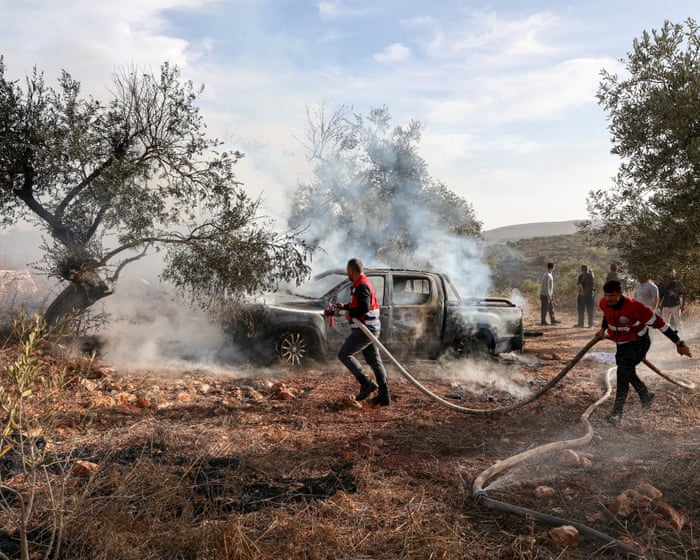
Israeli settlers have attacked Palestinians across the occupied West Bank in a coordinated movement to disrupt the annual olive harvest, burning cars and trees and injuring Palestinians and a Washington Post photographer.
Masked settlers wielding clubs and other weapons attacked people attempting to harvest their olives in West Bank towns on Friday. Palestinian authorities said they recorded attacks in eight villages, and injuries among at least 20 people.
Continue reading...
© Photograph: Ammar Awad/Reuters

© Photograph: Ammar Awad/Reuters

© Photograph: Ammar Awad/Reuters
Negli scorsi giorni sui social è diventato virale un video che mostra una donna in bicicletta inseguita da un uomo che sembra avere tra le mani un machete. Il video ha destato molto clamore e così anche la stessa autrice di quelle immmagini ha deciso di commentare l’accaduto.
La protagonista di questa storia è Meryem Belkihel, nota sui social come MeghyLost. Nel 2023 la trentenne marocchina ha intrapreso un viaggio in bici lungo tutta l’Africa, che l’ha portata a visitare in tre anni ben 33 paesi, percorrendo oltre 34.000 chilometri, tutti fatti sulla sua bici.
Provengono proprio da questo lunghissimo viaggio, le immagini diventate negli ultimi giorni virali. Il luogo in cui si svolge quanto si vede nel video è il Kenya e in particolare in quel momento Belkihel si trovava nella regione di Samburu, nel nord del paese.
“Ho affrontato sfide, commesso errori, corso rischi e incontrato persone incredibili. È parte dell’essere una avventuriera. Esci dalla tua zona di comfort, ti adatti quando le cose non vanno come previsto e impari lungo la strada” ha spiegato in un post la content creator, che vanta un seguito di ben 229.000 persone sulla propria pagina Instragram.
A proposito di quello che mostrano le immagini del video divenuto virale, la donna ha voluto precisare che “l’uomo tiene in mano un bastone tradizionale Samburu“. Non si tratterebbe quindi di un machete come in molti avevano pensato vedendo il video.
突发,惊魂时刻!
一位女生在环球旅途中路过肯尼亚时,竟被当地人持砍刀抢劫!为了逃脱险境,她骑着自行车飞速狂奔,恨不得自己长了翅膀!最后有惊无险地脱离了险境! https://t.co/8PJDsBsrLv— 热点速递 (@TheXWorldGlobal) October 13, 2026
L'articolo “Ho commesso l’errore di ignorare i consigli delle persone del luogo e ci sono andata comunque in bicicletta”: così la donna inseguita da un uomo con un bastone in Kenya proviene da Il Fatto Quotidiano.
Use of death penalty against people for crimes committed when they were children a ‘new low’, say rights groups
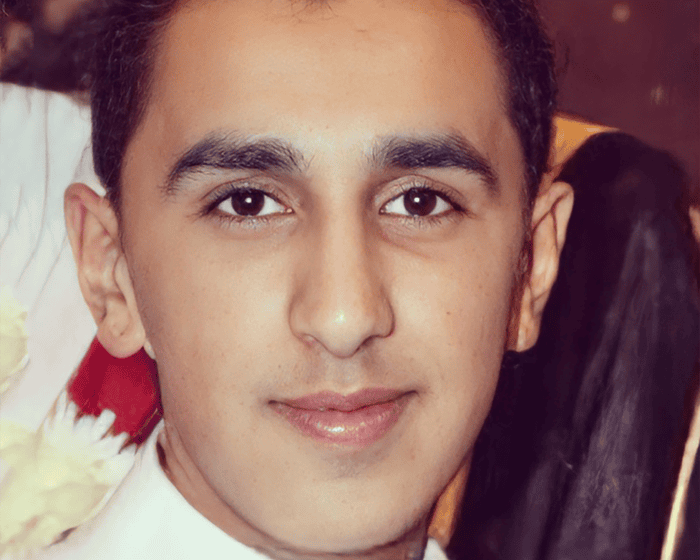
A young man faces imminent execution in Saudi Arabia for attending protests and funerals when he was aged 15 to 17, say human rights groups, in the latest example of the kingdom’s surging use of the death penalty for non-violent crimes.
Youssef al-Manasif was arrested in 2017 and accused of crimes including joining demonstrations for religious freedom by the Shia minority and attending funerals that the Saudi authorities deem to be protests. He was convicted and sentenced to death by the specialised criminal court, a secretive tribunal set up for terrorism-related cases.
Continue reading...
© Photograph: Handout

© Photograph: Handout

© Photograph: Handout

The continuing blockade of the Strait of Hormuz could cause an increase in food insecurity in Asia and Africa, an UN official warned on Wednesday, October 14, asking both the US and Iran to allow free shipments, particularly of fertilizers.
“It is absolutely crucial to get the deal in the next few weeks. Otherwise, we will miss the planting session,” UN Under Secretary General Jorge Moreira da Silva told Reuters on the sidelines of the ongoing annual meeting of the International Monetary Fund (IMF) and the World Bank in Bangkok, Thailand.
Almost one third of all global supplies of urea and around half of sulphur used to pass through the Strait of Hormuz before the US-Israeli war on Iran began in late February and Iran blocked traffic through it in retaliation.
Most countries in Asia and Africa get their urea products, used in the majority of fertilizers worldwide, from the Gulf nations.
Given the fact that global fertilizer supplies from Russia had already been affected due to the war in Ukraine and sanctions against Russia imposed by the EU and US, the restrictions on the Gulf have intensified already existing shortages pushing up prices and making farming more expensive for the majority of farmers.
Food prices are already rising in different countries in Asia and Africa and it is expected that if the supply constraints remain the same, food production could be impacted and prices will rise further in the coming days, affecting millions of people in the region.
The crisis is further intensified due to the rising cost of oil, particularly diesel which is extensively used in farming.
The Strait of Hormuz was the source of around a quarter of world energy supplies before the war. Despite the claims that supplies of energy have been normalized in recent days the global oil prices remain much higher than the pre-war period.
According to a Reuters’ report, fertilizer supplies from the Strait of Hormuz have remained negligible despite resumption of other shipments including the oil in recent weeks.
The UN set up a taskforce to facilitate the passage of fertilizers through the Strait of Hormuz in March itself. The taskforce has proposed an interim arraignment to resume the fertilizer supplies through the region with the consent of both the US and Iran.
Iran has demanded that it will only allow normal traffic through the Strait of Hormuz after the US ends its war, lifts its naval blockade on the country, and fulfills its obligations under the interim peace deal signed in June.
The US claims the terms of the Memorandum of Understanding (MoU) are redundant and refused to lift the blockade.
Reuters reported the US State Department reiterating on Wednesday that it will continue to target Iran, accusing it of disrupting freedom of navigation and taking the global economy hostage.
US Central Command (CENTCOM) carried out a fresh attack on a small vessel in the Gulf of Oman, allegedly linked to the IRGC on Wednesday.
The US and President Donald Trump have also repeatedly claimed the Strait was fully under its control and free for all kinds of navigation. CENTCOM also reiterated on Wednesday that Iran has no navy to control the Strait.
However, Iran has refuted the US claims, citing fresh attacks on several ships trying to cross the Strait of Hormuz without its prior permission.
At least two ships, one container ship and a large bulk carrier, reportedly bound for Singapore, sank after allegedly being hit by projectiles on Wednesday.
The IRGC also claimed that another tanker was hit by the Iranian Navy on Thursday after it ignored repeated warnings. The ship carrying oil caught fire in the attack.
“The Americans claim that the Strait of Hormuz is open and they control it, but this claim is far away from the realities on the ground,” Ali Ozmaei, IRGC Navy chief, said on Tuesday, asking the US armed forces to “step into the field and see who is in control of it.”
It blamed US restrictions on media reports for a wrong impression about the status of the shipping through the Strait and repeated that all ships wanting to transit through it must obtain prior Iranian permission if they want to avoid any kind of mishap.
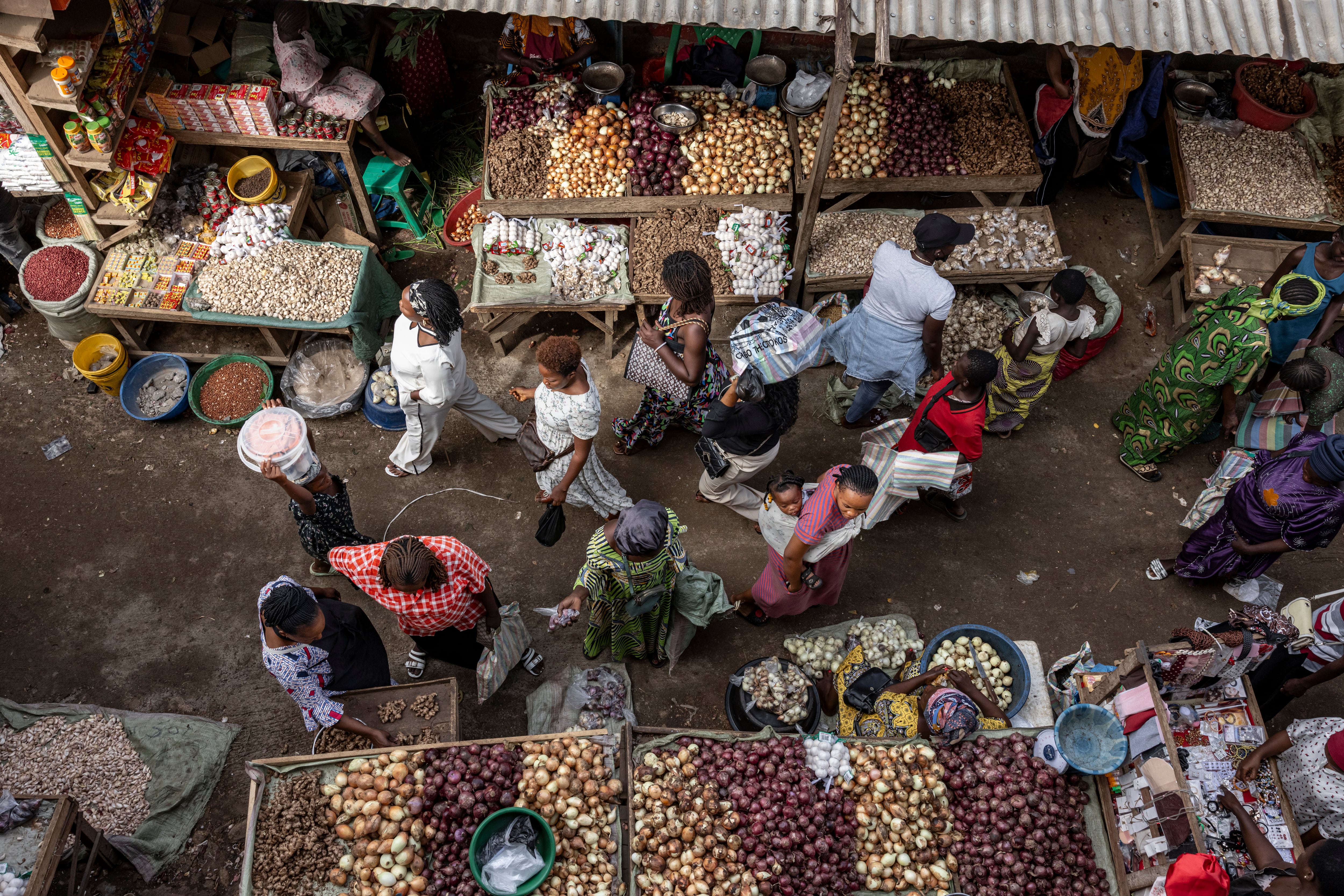
How many days of work does it take to earn enough to buy a basic food basket of 10 items? If we ask that question in Ireland, the answer is just 1.2 hours of work. The picture changes dramatically in the Central African Republic, where a worker needs about 30 days to purchase the same basic basket. In Finland, a person can pay for a week’s groceries with only 1.7 hours of work, compared with the 20.4 days required for someone living in Malawi.

© Michel Lunanga (Getty Images)

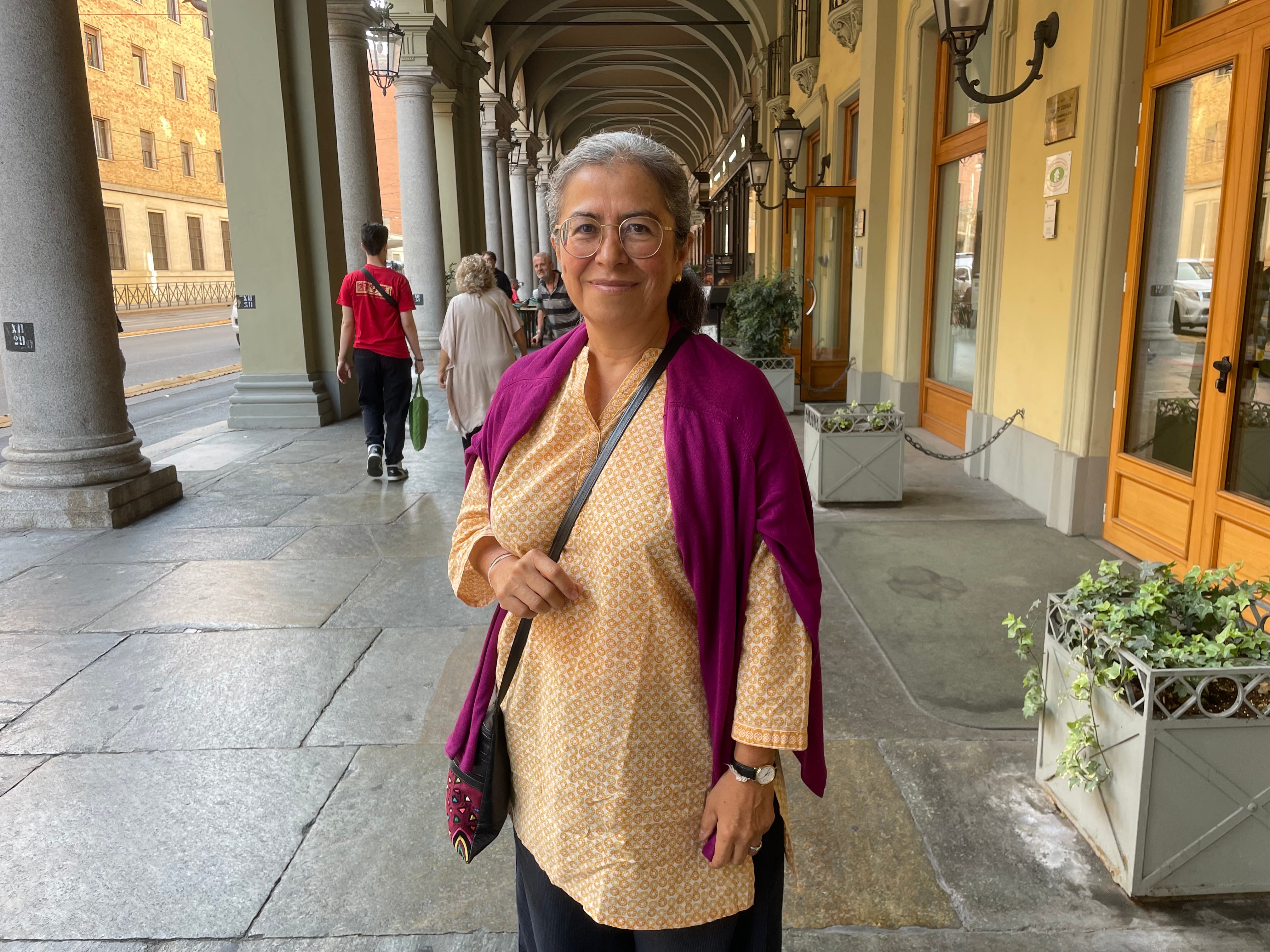
Seasoned in defending rural communities and smallholder farmers, Sofía Monsalve, 56, was appointed United Nations special rapporteur on the right to food in May. In exchange for throwing herself into an unpaid position, the Colombian political scientist says she enjoys complete independence. “I have the freedom to call things by their name,” she tells EL PAÍS in Turin during Terra Madre, the gathering of the international sustainable food network Slow Food.
At least 320 people detained for ‘acts against nature’ after law criminalising homosexuality toughened, HRW reports
Mass arrests, forced HIV testing and barriers to legal representation are part of an escalating crackdown against LGBTQ+ people in Senegal, according to a new report.
More than 320 individuals have been arrested and detained on allegations of “acts against nature” since February, according to HIV Justice Network, an organisation quoted in the Human Rights Watch (HRW) report. Among these, at least 84 were charged with “voluntary HIV transmission”, solely on the basis of their HIV status.
Continue reading...
© Photograph: Jane Hahn/AP

© Photograph: Jane Hahn/AP

© Photograph: Jane Hahn/AP

Burkina Faso has begun reviewing its history, geography and civic education curricula. The government says the aim is to “decolonize” the country’s schools by removing colonial-era portrayals of African history and giving more space to national history, African resistance, cultural values, and local knowledge.
Speaking during a meeting with education officials in Ouagadougou, Secondary Education Minister Moumouni Zoungrana criticized the language used in school textbooks to describe European colonialists.
“Those who came to conquer Africa are called explorers, conquerors. Were they conquerors? They were spies…. They were invaders,” the minister said, according to APA News.
The minister said certain terms in the current materials serve to “infantilize” and “animalize” Africans in the teaching of their own history. “We have made a firm resolution to reread these curricula, to reread the content and to remove the words that are infantilizing and animalizing us,” he said.
He added that the reform would go beyond removing offensive language. “We have made the same decision to add other chapters that promote our values and eliminate the chapters that are dragging us down,” he said.
Further, during the second phase of Burkina Faso’s National Days of Patriotic Commitment and Citizen Participation (JEPPC), where officials presented education reforms and responded to concerns raised by citizens. It was emphasized that beyond the revision of historical narratives, the reforms seek to make education more responsive to Burkina Faso’s sociocultural and environmental realities. Measures include strengthening civic and moral education, introducing English progressively from the second grade, expanding instruction in national languages, and promoting bilingual education and cultural activities in schools.
Souleymane Kimbié Armel, of the Comité international Mémorial Thomas Sankara, told BreakThrough News that the curriculum overhaul follows directly from the country’s wider political project.
Armel said the reforms sought to decolonize the minds of younger generations, arguing that previous curricula glorified European colonialists while presenting African societies through degrading descriptions.
He cited the expression “the flight of the Moogho Naaba,” referring to the Mossi king of Ouagadougou at the arrival of invading forces, as an example of terminology that requires critical examination.
“The change in the curriculum is the logical continuation of reforms aimed at decolonizing mindsets, beginning with the youngest members of society,” Armel said.
He also challenged what he described as the longstanding portrayal of Burkina Faso as an inherently poor country, arguing that such narratives obscure the country’s capacities and resources.
According to Armel, the educational system has historically failed to recognize the value of Burkina Faso’s cultural diversity, sometimes presenting ethnic differences as a source of division rather than a strength.
Instead, he said, the reforms aim to restore popular confidence and pride by helping students understand their own histories, cultures and collective capacities.
“All these reforms aim to restore the people’s pride and confidence in their own abilities,” he said.
The emphasis on national history and indigenous knowledge is therefore intended not only to change what students learn but also to challenge inherited assumptions about African societies and their capacity for self-directed development.
Liberation struggles are at the centre of the new curricula, Armel said. “African states and countries of the Global South have always fought for their emancipation. The history of these struggles must be known by present and future generations,” he said. “It is in this spirit that the Haitian Revolution, the Chinese Revolution, and Thomas Sankara’s revolution are being taught.”
“The objective is to sow the seeds of revolution among young students,” he said. He noted that the Ministry has developed teaching modules and curricula and distributed them to teachers.
He added that the reforms are not limited to political education. “Beyond teaching these revolutions, the transformation also involves technical and scientific education, with the aim of ensuring that young Burkinabè are both politically conscious and technically competent.”
Armel linked the reforms to economic sovereignty, drawing on the South African anti-apartheid leader Steve Biko. “As Steve Biko rightly said, what the master has conquered in the colonized is their mind. No development can take place without the decolonization of mindsets,” he said. “This will help prevent the economy from being outward-oriented and dependent on external forces. It will also help stem the brain drain to Western countries.”
“Teaching in national languages and incorporating indigenous knowledge will contribute to achieving political sovereignty,” he continued. “In a context where the people must remain continuously mobilized, the education system should enable them to rely on their own capabilities to take charge of their country’s development.”
Armel acknowledged that implementing the reforms will be difficult. “Implementing these curricula also presents challenges, including the need to train teachers in the new concepts and ideas being introduced. This will enable teachers to understand and teach in the spirit of these changes,” he said. “In addition, textbooks and teaching materials for both teachers and students must be developed to support the reforms and improve their effectiveness.”
He also pointed to political opposition. “As with any reform, there is resistance from Francophiles who are ardent supporters of the French system. These groups represent obstacles that must be taken seriously,” he said. “Ultimately, the state must provide teachers with training and greater motivation so that they can sustain the revolution within the school system.”

© AMPE ROGERIO/EPA
Article in Atlantic claims The Blue Fighter was artificially generated, days after it won Caine prize for African writers
The Zimbabwean writer Simbarashe Kundizeza has denied using AI to write a prize-winning short story after an article in the Atlantic said software had flagged it as almost completely AI-generated.
Kundizeza’s story The Blue Fighter was announced as the winner of the prestigious Caine prize for African writers on 6 October. Five days later, The Atlantic published an article by the author and journalist Vauhini Vara titled: “Yet Another Literary prize winner Seems to Be AI.”
Continue reading...
© Photograph: pr image

© Photograph: pr image

© Photograph: pr image

A partir de viagens por Portugal, arquivos e relatos, o escritor reconstrói trajetórias de personagens negros pouco conhecidos. A jornada também se cruza com a história da migração cabo-verdiana para Lisboa e com a trajetória do próprio escritor.
O escritor está no Rio de Janeiro para participar do Clube de Leitura do Centro Cultural Banco do Brasil (CCBB-RJ), no centro da capital fluminense, às 17h30 desta quarta-feira (14).
Autor de seis romances, traduzidos em várias línguas, Arena escreveu Siríaco e Mister Charles, vencedor do Prémio Oceanos de Literatura, na categoria Prosa, em 2023. Atualmente, reside em Cabo Verde, na cidade de Praia.
Com o tema “Romance histórico: onde a realidade encontra a ficção”, o encontro gratuito propõe uma conversa sobre memória, pertencimento, identidade e as marcas do passado colonial que permanecem no presente.
A partir da obra de Arena, o evento busca aproximar experiências históricas e culturais de Cabo Verde e do Brasil, dois países atravessados por deslocamentos populacionais, encontros entre diferentes culturas e pelas relações entre África e Europa.
O autor conta que Debaixo da nossa pele fala da miscigenação e da circulação dos povos da África para a Europa. O público poderá perceber semelhanças com a formação do Brasil.
“Debaixo da nossa pele fala dessa condição humana de deslocamento das pessoas de um país a outro, levadas por questões econômicas, sociais e políticas. O livro faz essa síntese, pois a circulação continua ainda hoje, é positiva, abre oportunidades de novas janelas de vida para muitas pessoas”, diz Arena.
Para o escritor, a história tem um poder atrativo mais forte do que o presente.
“Sou levado a encontrar, no meio dos fatos históricos, os vazios. São esses vazios que eu pretendo preencher através da minha ficção. Aproveito episódios verídicos que são muito inspiradores para que nós imaginemos uma personagem. Fico com vontade de saber mais, senão eu invento a personagem”, afirma o autor.
Arena conheceu a literatura brasileira aos 12 anos, com a obra de Jorge Amado. Ele se identificou com o livro Meu pé de laranja lima, de José Mauro de Vasconcelos, que também fez parte da sua formação. Para ele, foi uma porta de entrada de uma literatura que não era portuguesa, europeia nem africana.
“Nós, das antigas colônias portuguesas, recebemos a literatura brasileira como uma janela para um mundo muito semelhante ao nosso".
"Jorge Amado, com sua Bahia, está na formação de muitos autores lusófonos na África. Depois, vamos crescendo e encontrando Guimarães Rosa, José Lins do Rêgo, Graciliano Ramos. O romance da década de 30 fala dos retirantes, da seca. É uma realidade muito próxima da nossa”, diz Arena.
O autor acredita que um clube de leitura é um reduto onde se mantém ainda uma magia e em que se ouve falar de invenções.
“Há um pacto do autor com o público. O escritor sabe que o que ele inventou não existiu. O leitor sabe que o romance saiu da imaginação. Isso cada vez mais num mundo acelerado, com redes sociais, com streamings”.

© ANDRÉ CATUEIRA/LUSA

© LUISA NHANTUMBO/EPA
Health minister says government ‘did not authorize’ Danish-led hepatitis B trial in babies backed by RFK Jr
Guinea-Bissau has not approved the controversial hepatitis B study in newborns that would be funded by the US government and private partners, the African country’s minister of health said on Tuesday.
The study, which would not investigate the safety or effectiveness of vaccines but would instead track “nonspecific” health outcomes like overall mortality or neurodevelopmental conditions, has been championed by Robert F Kennedy Jr, secretary of the US Department of Health and Human Services (HHS) and a longtime anti-vaccine activist.
Continue reading...
© Photograph: Phanie/Sipa Press/Alamy

© Photograph: Phanie/Sipa Press/Alamy

© Photograph: Phanie/Sipa Press/Alamy

© KAREL PRINSLOO / HANDOUT/EPA

© PAULO JULIÃO/LUSA