Reading view
Leo XIV’s cancer diagnosis upends the pontificate: ‘We thought we had a pope for 20 years; this changes everything in the Curia’
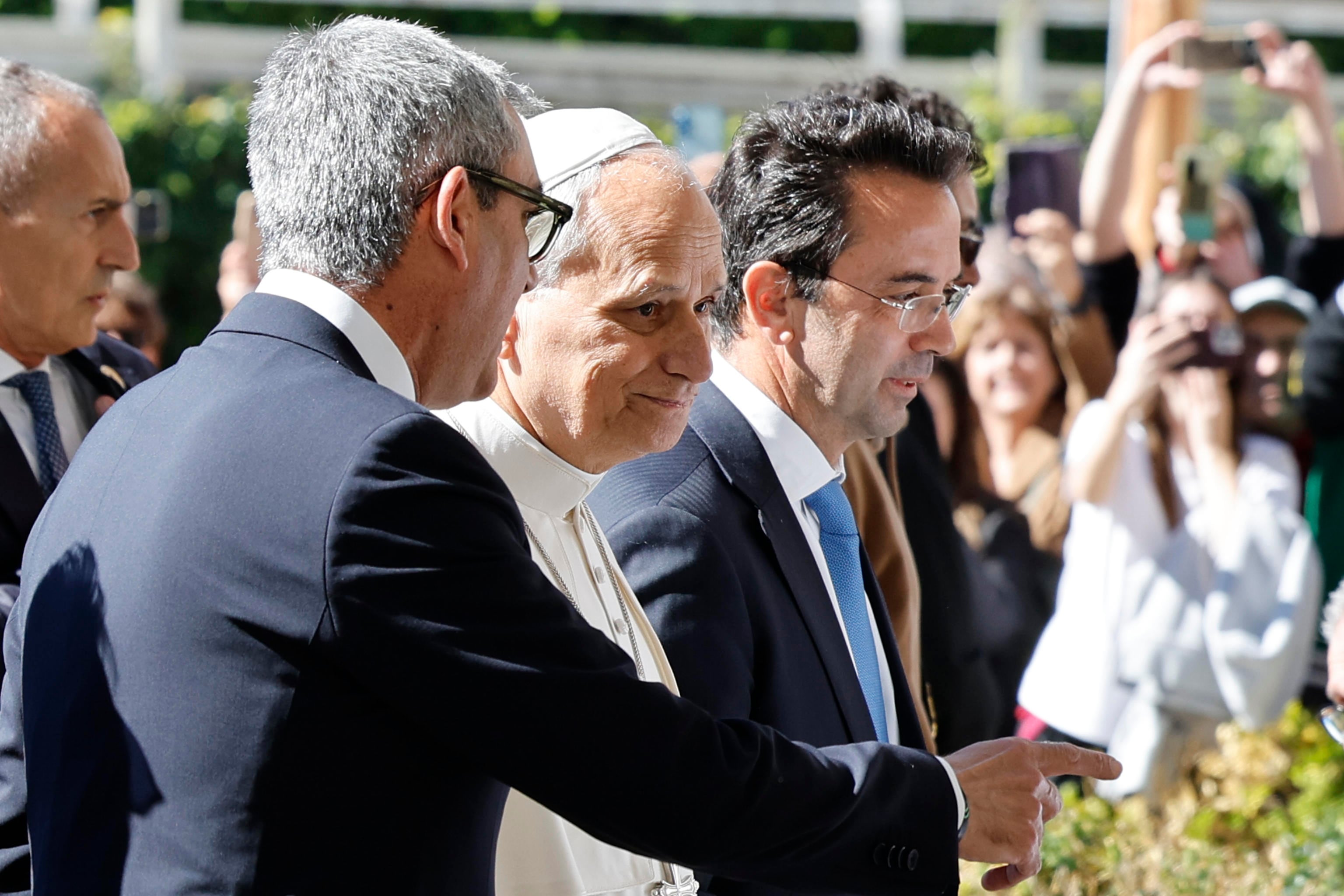
Overnight, the atmosphere at the Vatican has shifted and the future has become more uncertain. The news of Pope Leo XIV’s cancerous tumor has caused devastation, just 17 months after his election in May 2025, at a time when, at 71 and in good physical condition, he was thought likely to remain pope for many years. “We thought we had a pope for 20 years and now it’s no longer clear; this changes everything in the Curia, all the dynamics,” a prelate admits.

© FABIO FRUSTACI (EFE)
Investigadores de Perú protegen complejo arqueológico ante posibles impactos de El Niño
Hitler no Peru

© JOÃO PORFÍRIO/OBSERVADOR
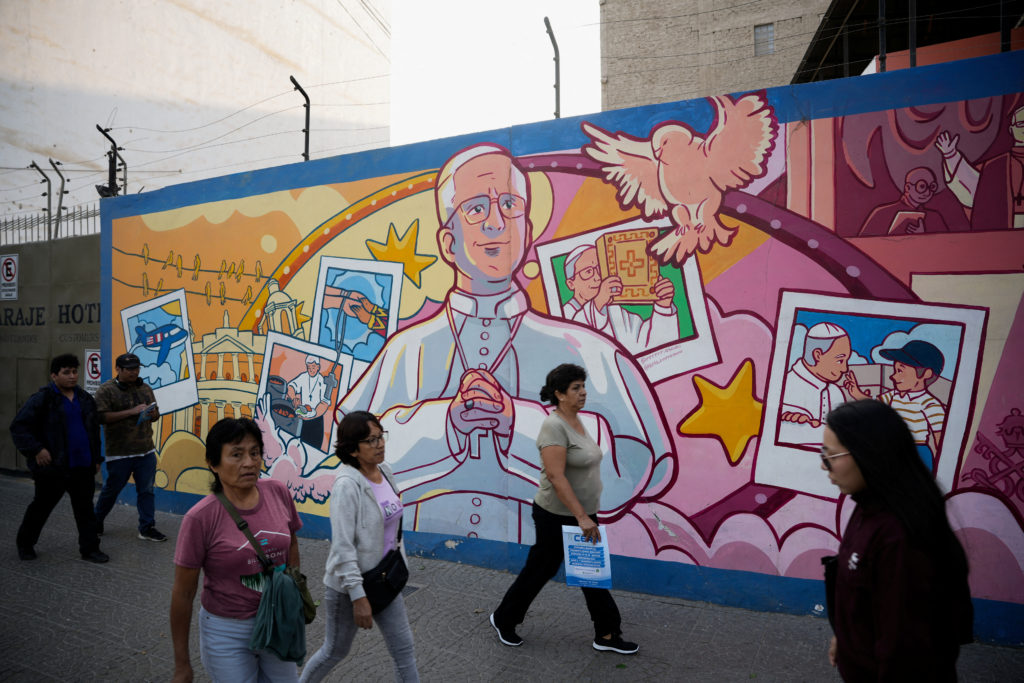
South Americans pray for Pope Leo's recovery as uncertainty hangs over his visit

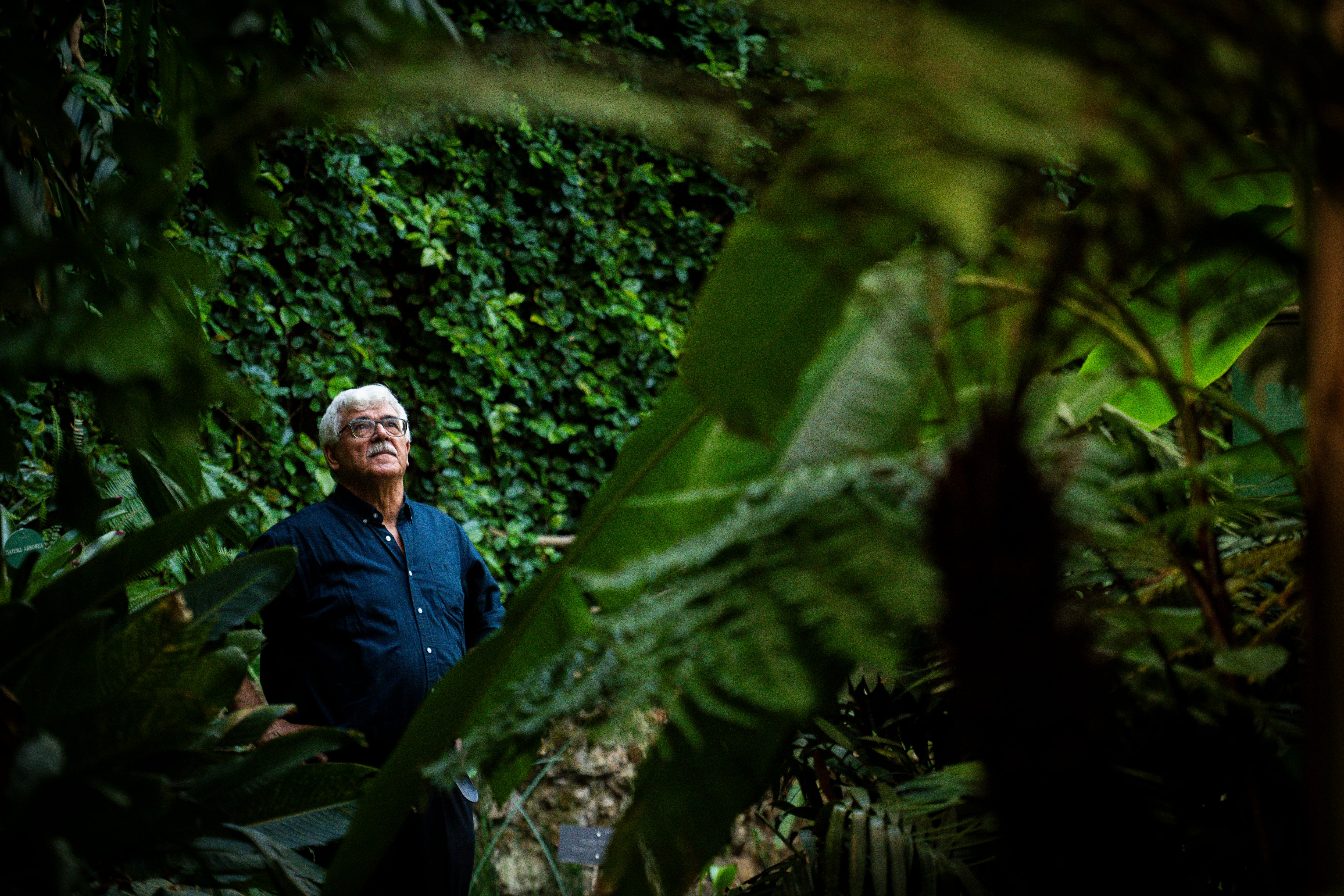
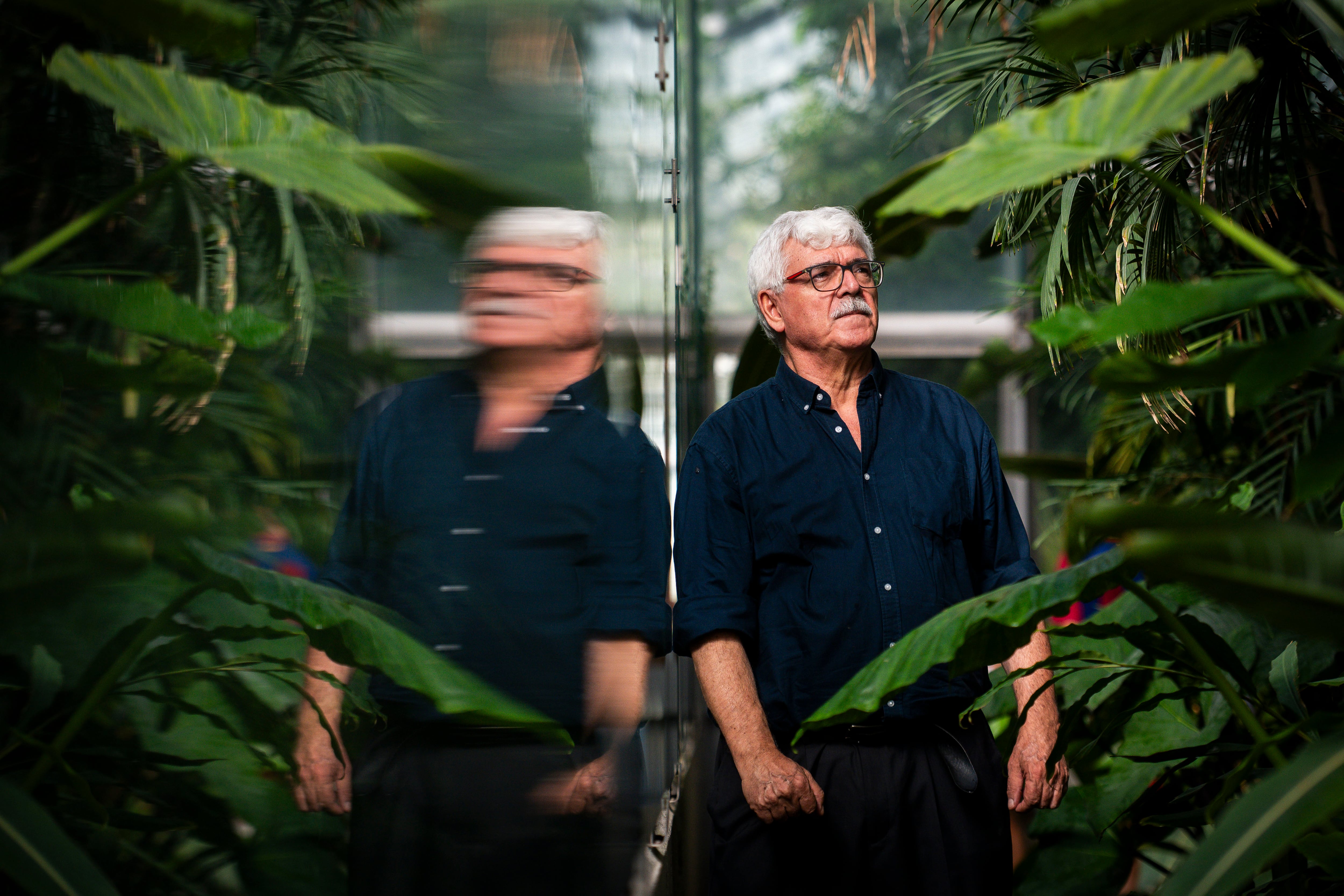
The botanist who took 30 years to name 18 trees: 'It is a race against myself'
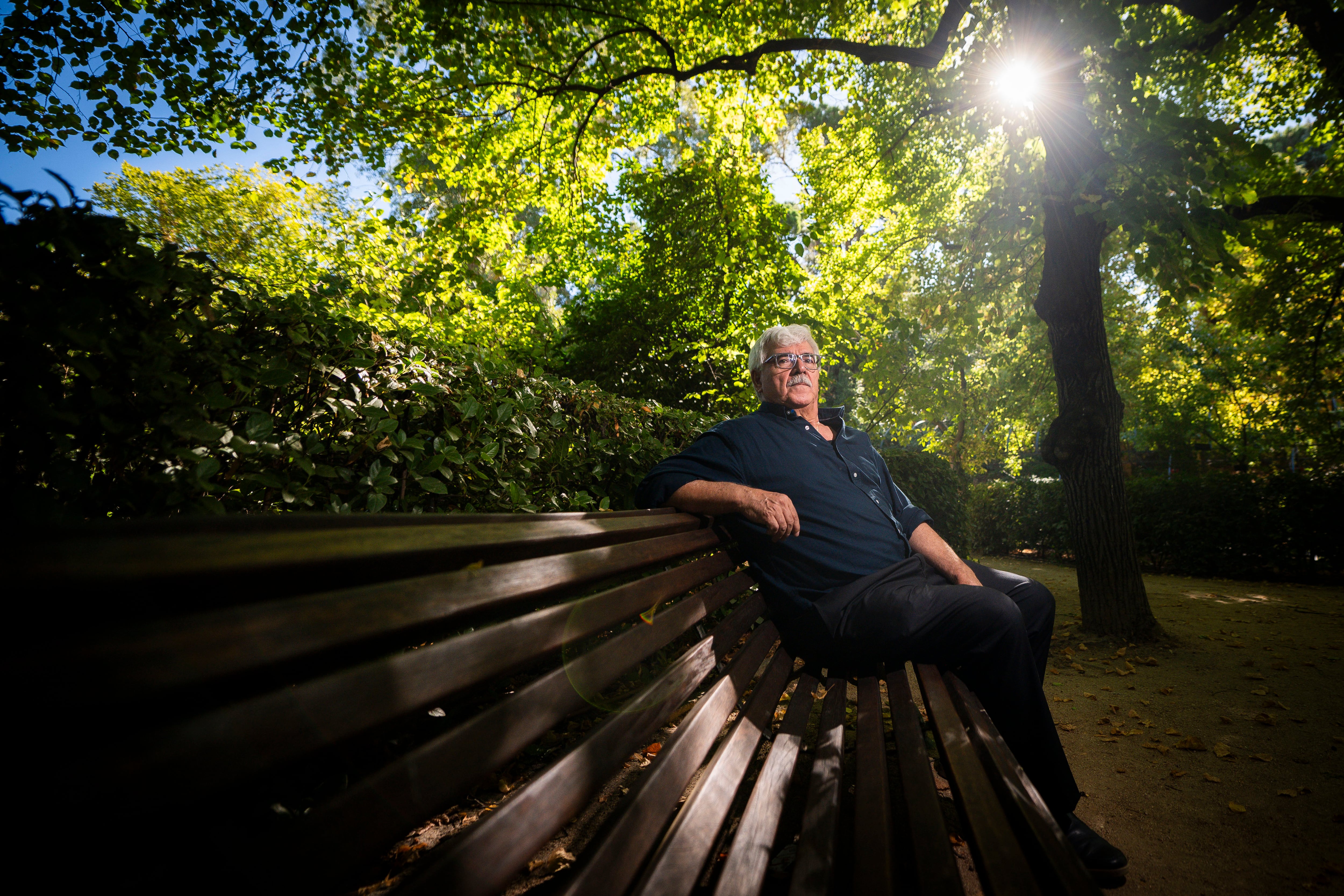
It is as though the walls of his office were almost covered by the dead branches of a tree. Floor-to-ceiling shelves are packed with folders, their once-red and green covers faded by time. Inside are dozens of tropical dried plant specimens, tied with string alongside pages of notes. To most people, the mass of documentation would look like a pile of leaves fallen from the sky, but José Luis Fernández-Alonso knows exactly where everything is in his small jungle.
Spanish-Argentine expedition to verify whether a geoglyph located in the Andes via Google Earth is genuine

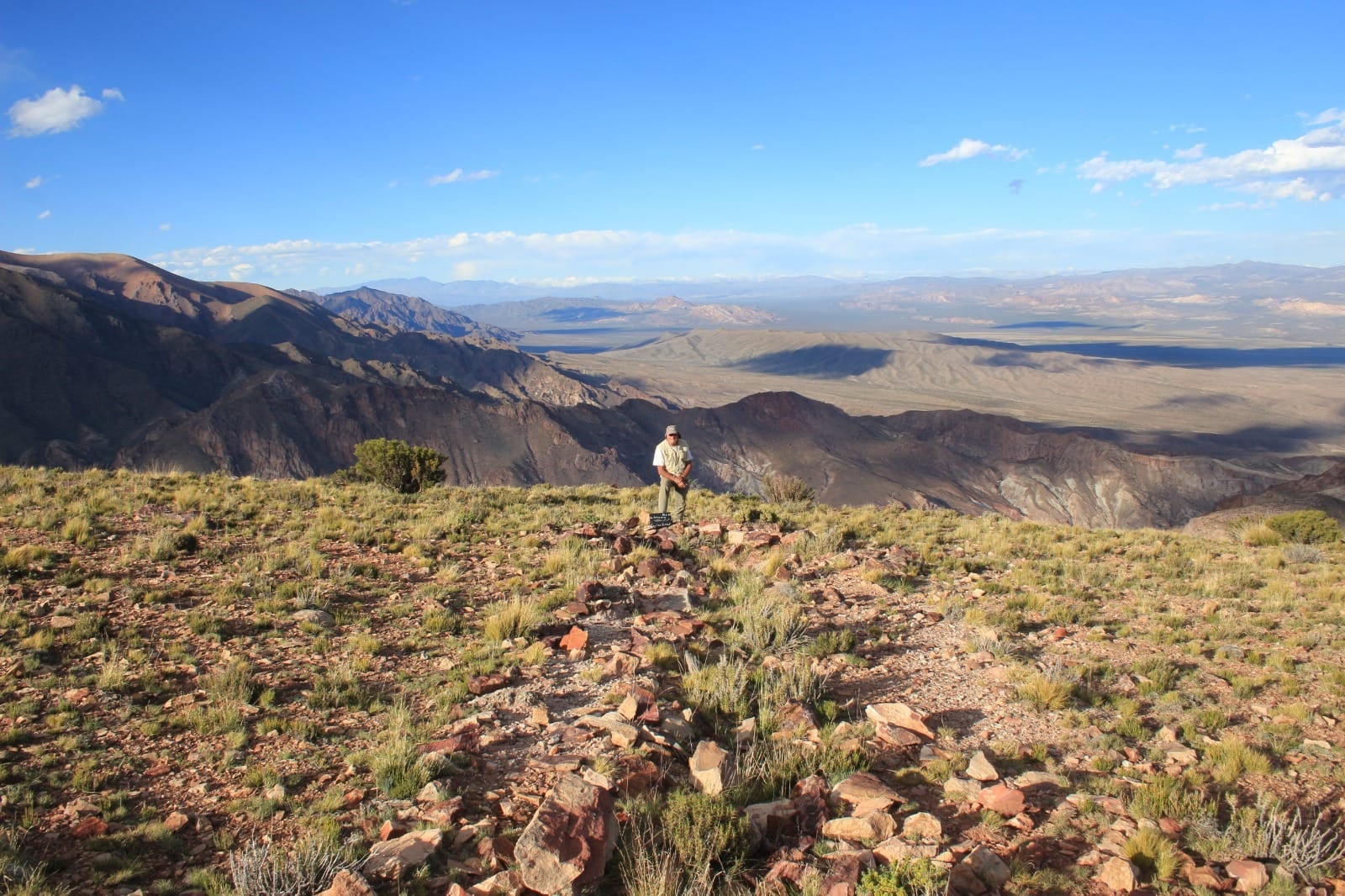
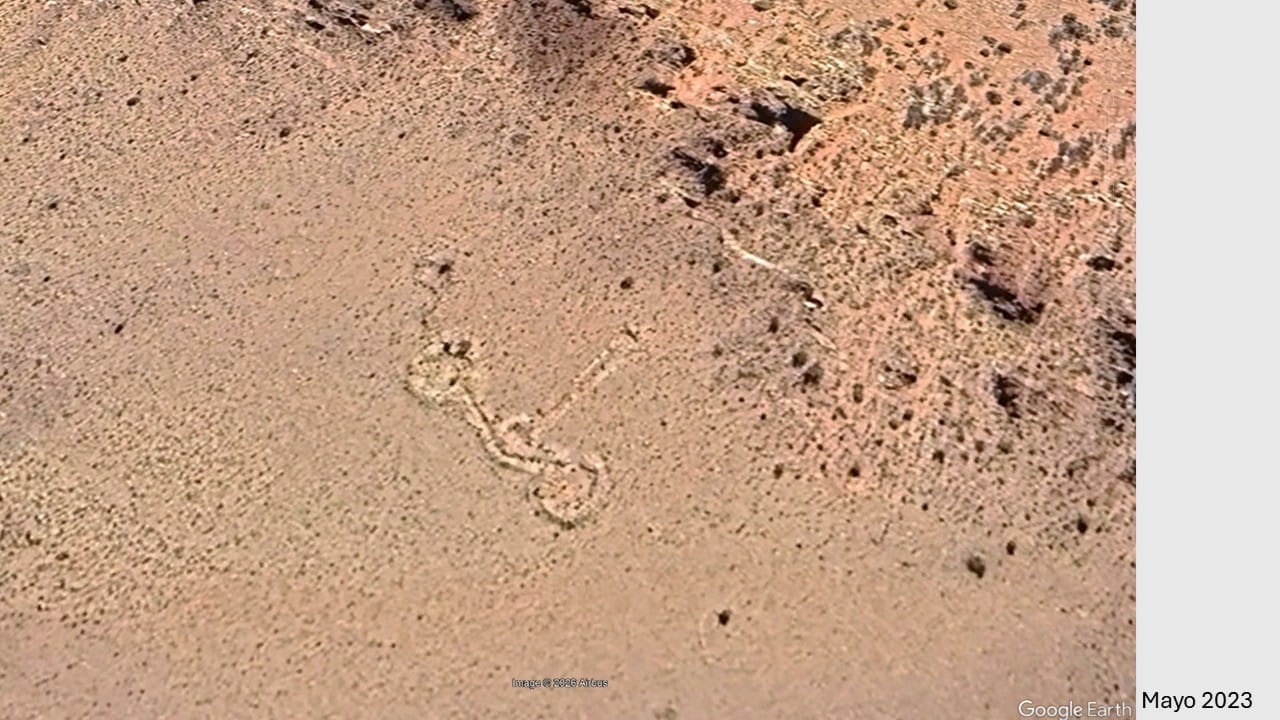
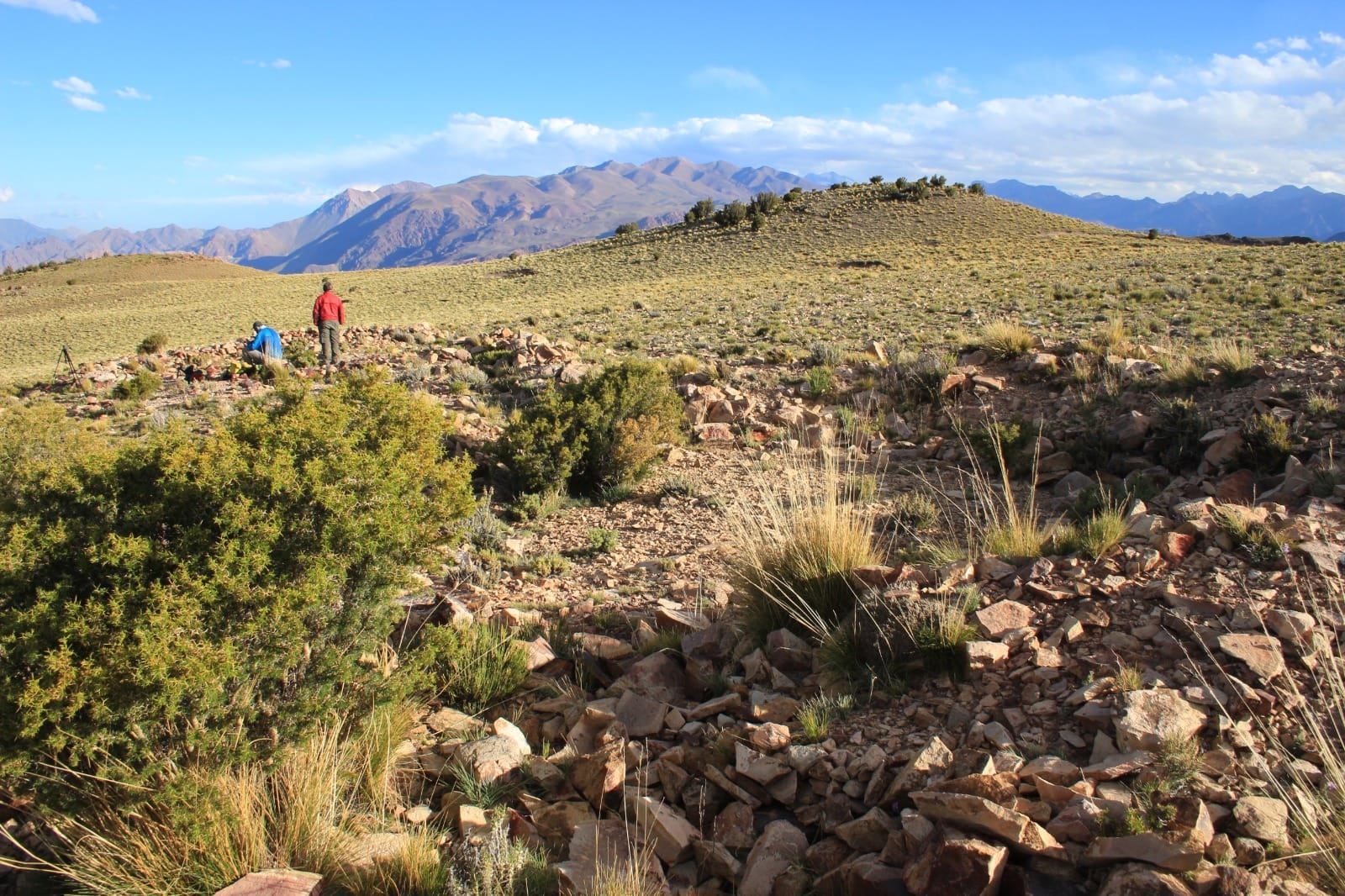
The Dictionary of the Spanish Language explains that a geoglyph is a “large figure on slopes or in wide plains, carved directly into the ground or made with stones, especially by prehistoric peoples.” Of all those located worldwide, the most famous are the Nazca lines (Peru), which have been declared a UNESCO World Heritage Site. They are visible only from surrounding mountains or from the air, which gives them an aura of mystery. Now, a group of researchers from Argentina and Spain will study a structure that could be a geoglyph discovered last year at about 3,000 meters above sea level in the Tigre mountain range (Argentina) and which was found by mountaineer Carlos Gobbi while consulting Google Earth. A joint expedition will attempt to examine it in situ in December.

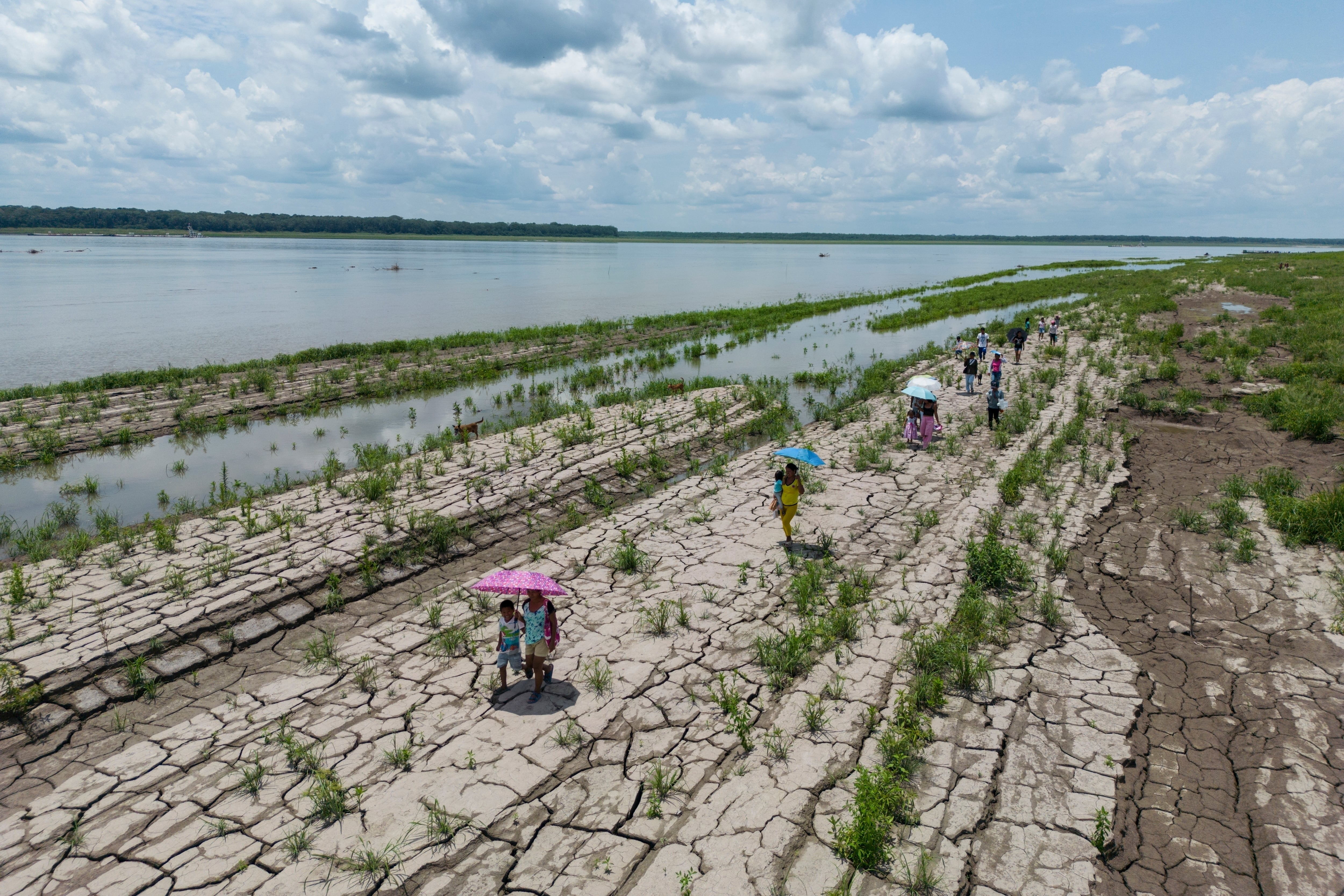
One in seven Latin American children threatened by El Niño: ‘This crisis can be mitigated’
This is the driest year on record in Tegucigalpa. Eighty percent of Honduran territory is on red alert, and the capital has had a potable water rationing system every 12 days for a month. The lack of rain is making maize and bean crops in Guatemala — the main food source in a country with the region’s highest rate of chronic child malnutrition — even more vulnerable. The Panama Canal has begun restricting vessel traffic because of water stress in the basin, and the parched Amazon rivers are isolating dozens of riverside communities in Brazil and hampering fishermen’s work.

© Ivan Valencia (AP)
Shield of the Americas, military operations, and decorations: Rubio’s fruitful visit to South America

This content is for members only. Visit the site and log in/register to read.
EU welcomes Cambodia to WTO appeal arrangement
The EU welcomes Cambodia’s decision to join the Multi-party Interim Appeal Arbitration Arrangement (MPIA) for WTO members, contributing to efforts to uphold a rules-based multilateral trading system.
With Cambodia’s participation, the MPIA now covers 62 World Trade Organization (WTO) members and 60.4% of world trade.
The MPIA brings together participants from all continents and at different levels of development, united by a shared commitment to upholding the rules-based trading system.
The MPIA preserves the right to appeal in trade disputes among participating WTO members, at a time when the WTO’s Appellate Body remains non-functioning. It helps ensure that disputes can continue to be resolved in an orderly and binding manner, avoiding appeals 'into the void'.
“I welcome Cambodia to the MPIA. The arrangement plays an important role in upholding the rules-based trading system. Each new participant helps reinforce the predictability, stability and credibility of global trade rules. I encourage other WTO members to join the MPIA,” said EU Trade and Economic Security Commissioner Maroš Šefčovič.
Background
The MPIA was established in 2020 and has proven its effectiveness in many WTO disputes.
Under the MPIA, appeals are heard by arbitrators randomly selected from a pool of 10 standing appeal arbitrators set up by the participating WTO members. These arbitrators are persons of recognised authority, with demonstrated expertise in law, international trade and WTO agreements.
The MPIA is open to all WTO members as a practical tool for appeal arbitration, pending the restoration of a reformed and fully functioning WTO dispute settlement system.
As of 1 June 2025, the MPIA has an updated pool of appeal arbitrators to ensure that appeals continue to be heard by independent arbitrators of the highest calibre.
At the WTO Ministerial Conference that took place earlier this year, MPIA ministers stressed the importance of the MPIA for the security and predictability of the multilateral trading system.
The current MPIA participants are Australia, Barbados, Benin, Brazil, Cambodia, Canada, China, Chile, Colombia, Costa Rica, Ecuador, the European Union (and its Member States), Guatemala, Hong Kong (China), Iceland, Japan, Liechtenstein, Macao (China), Malaysia, Mexico, Moldova, Montenegro, New Zealand, Nicaragua, Norway, Pakistan, Paraguay, Peru, the Philippines, Singapore, Switzerland, Ukraine, the United Kingdom, Uruguay and Vietnam.
More information
MC14: Supporting the rules-based multilateral trading system: the role of the MPIA