❌

Reading view

Shabana Mahmood to hold talks with EU over law enforcement cooperation

UK home secretary’s meeting comes after PM said he wanted to rejoin European law enforcement databases

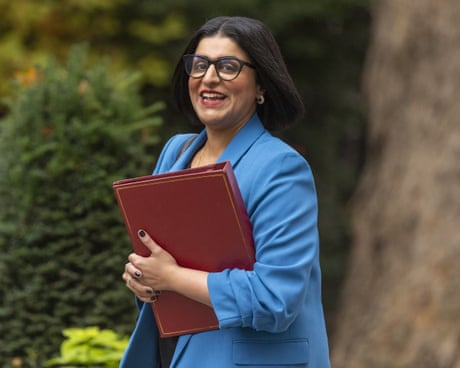
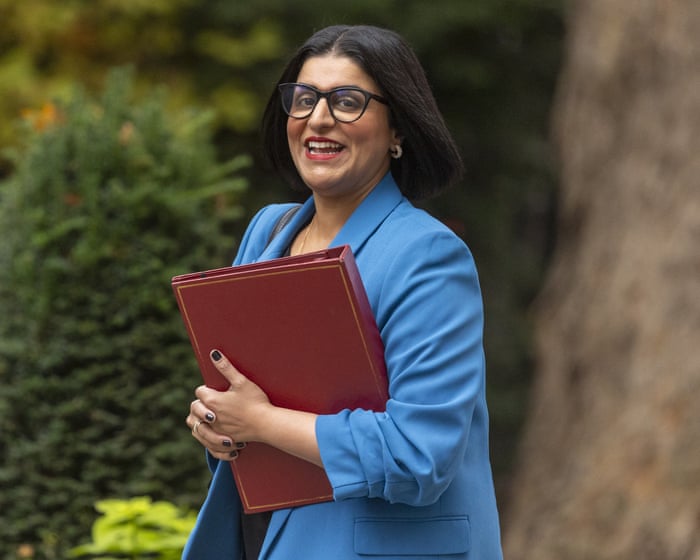
The UK home secretary, Shabana Mahmood, will meet the EU’s home affairs commissioner on Monday for further talks just days after Andy Burnham said he wanted to rejoin European law enforcement databases from which the UK has been locked out of since Brexit.

According to the European Commission, they will discuss “migration, border management, law enforcement cooperation and counter-terrorism”, with the latest Frontex data published on Monday showing a 43% decline in small boats crossing the Channel.

Continue reading...

© Photograph: Marcin Nowak/Anadolu/Getty Images

© Photograph: Marcin Nowak/Anadolu/Getty Images

© Photograph: Marcin Nowak/Anadolu/Getty Images

  •  

EU Leaders Face Sharp Migration Divisions as Brussels Summit Exposes Deep Policy Disagreements

Brussels, 18 October, (Brussels Morning Newspaper) – Brussels migration tensions intensified during the European Council summit on 15–16 October, as EU leaders clashed over immigration policies, border security and Spain’s plans to regularise approximately 600,000 undocumented migrants. Denmark… Read more

  •  

War, European chancelleries, and the political use of no-confidence votes

The U.S. negotiates with Moscow and Europe is left commenting. Zakharova’s “none of her business” says it all.

Join us on Telegram, X, and VK.

Contact us: info@strategic-culture.su

A Senate session

On October 14, 2026, in her address to the Senate ahead of the European Council, Giorgia Meloni did something that, until just a few years ago, would have seemed unthinkable for a right-wing Italian government: she publicly distanced herself from the President of the United States to defend a position even more uncompromising than his own. The issue at hand was the diesel fuel agreement announced by Donald Trump following a phone call with Vladimir Putin, accompanied by a temporary license from the U.S. Treasury that reopens the global market to Russian fuel. For the prime minister, this is a “very risky” decision: it legitimizes Moscow while bombs are falling on Ukrainian cities, provides it with new revenue, and weakens the leverage of sanctions. During the same session, Meloni argued that Putin is seeking a new enemy, and that that enemy could be Europe; and that a Ukraine that stopped defending itself would not achieve peace, but occupation.

So much for the news report. The rest was left to the chamber and the newspapers. The applause from the majority was joined by that of a portion of the opposition: Azione, Italia Viva, and the reformist wing of the Democratic Party. La Stampa framed support for Kiev as a matter of values and borders – those borders that “are being defended there.”

There is also a detail that speaks louder than many analyses. When questioned by ANSA, Russian Foreign Ministry spokesperson Maria Zakharova dismissed the prime minister’s remarks with a curt response: “It’s none of her business.” At the same time, Volodymyr Zelenskyy was in London, welcomed by Prime Minister Andy Burnham, and denouncing the restriction of military satellite services provided to the Ukrainian army. Elon Musk, for his part, clarified that the StarShield network belongs to the U.S. government and that any restrictions depend on the U.S. military and, ultimately, on the president. Washington deals with Moscow; Moscow responds to Washington. Rome applauds itself. Pathetic, isn’t it?

Not an exclusively Italian case

It would be a mistake to view the October 14 session as merely an episode of domestic politics. Italy’s stance is the national manifestation of a framework that today unites nearly all European capitals, and which has three rules. The first: the conflict in Ukraine is presented as an existential clash between political civilizations, in which any compromise amounts to surrender. The second: the Russian threat is projected beyond Ukraine, onto EU territory, so as to make rearmament an indisputable necessity. The third, the most insidious: internal dissent is attributed to the enemy’s influence.

Germany offers the clearest example. Defense Minister Boris Pistorius, who as early as 2023 had called for the country to become kriegstüchtig – capable of waging war – and who has since pointed to a timeframe of just a few years within which Russia could attack a member of the Alliance, has argued in recent days that the widespread fear of war in German society is being deliberately fueled by Putin and the AfD. This line of reasoning deserves attention. In a country that lost millions of lives in the two world wars, the fear of a new conflict would not need external agents to explain itself. Attributing it to Moscow and the main opposition party means transforming a legitimate political sentiment into a national security issue.

The same pattern is repeated elsewhere, albeit with different nuances. Polish Foreign Minister Radosław Sikorski claims credit for the results of Ukrainian attacks on Russian refineries and infrastructure; his German counterpart, Johann Wadephul, argues that now is not the time to ease sanctions, but to tighten them. France, Germany, and the United Kingdom are acting as a negotiating bloc, so much so that Meloni herself has asked that they do so at least with a formal mandate from all partners. These words are backed by numbers: the ReArm Europe plan presented by the Commission in March 2025; the commitment made at the NATO summit in The Hague to raise defense and security spending to 5% of GDP by 2035; and the 90-billion loan to Kiev approved by the European Council in December 2025. This rhetoric is not the eccentricity of some minister; it is literally the official language of the Union – and unfortunately, we have grown accustomed to it.

A foolish and counterproductive stance

Calling this approach foolish is not polemical hyperbole, if by “foolishness” we mean the stubborn persistence in repeating behavior that produces effects opposite to those declared. This is evident on three levels.

The first is strategic. Deterrence theory has taught us for decades that a threat is only as valuable as the credibility of the one making it, and that credibility depends on the ability to back up one’s words with action. Today’s Europe is raising the tone without having the tools to back it up. The Starlink affair has demonstrated this with almost textbook clarity: the Ukrainian military, which Europeans fund and encourage, depends for communications and drone guidance on infrastructure owned by an American company and controlled by the Pentagon. All it takes is a decision in Washington for part of the operations to grind to a halt. Promising victory in a war where one does not control the satellites is a form of strategic hypocrisy, and adversaries see it for what it is.

The second aspect is economic, of course. As early as 2024, Mario Draghi’s report on European competitiveness identified the energy price differential with the United States as one of the factors behind the continent’s industrial lag. Since then, the rejection of Russian hydrocarbons has become dogma; the war in Iran has driven fuel prices even higher; and the commitment to spend 5% of GDP on defense promises to absorb resources that public budgets simply do not have – unless at the expense of healthcare, pensions, and civilian investments. The paradox is clear: just as Washington, for entirely domestic reasons tied to the midterm elections, is seeking cheap diesel even from Moscow, European governments are touting the fact that they pay more for energy than their competitors as a moral principle.

The third level is diplomatic, and perhaps the most decisive one. A foreign policy that rules out negotiation on principle dooms itself to being left out of the talks when negotiations finally begin. And that is exactly what is happening: the United States and Russia are hammering out energy agreements, the pace of the war, and the terms of a possible truce, while Europe merely comments. Zakharova’s response to the Italian prime minister is not merely a diplomatic snub.

It is the exact measure of the weight Moscow currently attributes to European capitals. One can debate whether it is right; it is harder to argue that it is wrong as a description.

The price of credibility

The deepest damage, however, is not measured on the front lines or even in the markets. It is measured in the relationship between institutions and citizens. When the gap between what is proclaimed and what actually happens becomes visible to the naked eye, public discourse loses its value. For four years, European citizens have been told repeatedly that Russia’s defeat is near, that sanctions are bringing it to its knees, and that every new aid package will be the decisive one. Now they see their main ally negotiating with Moscow, Ukraine dependent on decisions made in Washington, and their own governments increasing military spending while public services deteriorate. No foreign disinformation campaign is needed to breed mistrust. A simple comparison between rhetoric and results is enough.

This distrust stems from a crisis of representation with deeper roots. About a decade ago, in his book *Ruling the Void*, Peter Mair described – well in advance – the withdrawal of political parties from society toward the state, and the gradual separation between responsible government – that is, one faithful to external constraints – and representative government – that is, one responsive to the demands of voters. Together with Richard Katz, he coined the term “cartel party” to describe political formations that compete in the electoral arena but share the management of resources and fundamental policy decisions. The cross-party applause on October 14 is an almost perfect illustration of that model. On an issue of life-and-death importance – the cost of energy and the fate of industry – voters who dissent find no political alternative in Parliament that represents them.

The effects are plain for all to see. In France, governments fall one after another without a stable majority emerging. In Germany, the ruling coalition governs with the strongest postwar opposition breathing down its neck. In Italy, abstention has become the largest “party.” Procedures remain intact, elections are held regularly, but significant decisions are made elsewhere, and the vote ends up merely confirming choices that have already been made.

Governing through distrust

At this point, a less obvious question arises. If distrust damages institutions, why do Europe’s ruling classes continue down a path that fuels it? The simplest answer would be incompetence. But there is a more robust hypothesis that better explains the facts: distrust, within certain limits, is a resource for governance.

Here’s how the mechanism works. A disillusioned electorate becomes fragmented, abstains from voting, and scatters among new and unstable parties. Fragmentation leads to ungovernability; ungovernability, in turn, makes “responsible” grand coalitions, technocratic governments, and cross-party agreements – which keep forces deemed unreliable out of power – indispensable. The more unstable the system is, the more necessary the center becomes, as it promises stability. The crisis of representation, rather than weakening those in power, consolidates their position, because it makes them the only bulwark against the chaos that the crisis itself has produced.

War perfects this mechanism in two ways. First, it allows dissent to be treated as a security issue. When the fear of conflict is attributed to Putin and the opposition, those who call for negotiations cease to be political adversaries and become vehicles of enemy influence. Carl Schmitt identified the state of exception as the place where sovereignty is revealed; Giorgio Agamben has shown how the exception tends to become an ordinary technique of governance.

A permanent state of emergency – whether health-related, financial, or military – removes decision-making from democratic debate and entrusts it to those who present themselves as guarantors of collective survival. Second, war justifies shifting decision-making to forums beyond electoral control: the European Commission, the European Council, NATO, and small-group formats such as the E3.

We must be precise on one point, so as not to slip into caricature. This interpretation does not presuppose a plan agreed upon in some secret room. There is no need for that. It is enough that interests converge: the defense industries seeing orders increase, the European bureaucracies acquiring new powers, the ruling parties finding a raison d’être in the emergency, and the major media conglomerates peddling moral mobilization. Each acts in its own self-interest, and the sum of these self-interests produces a self-perpetuating system. We are, to all intents and purposes, in a Gramscian “organic crisis” – the phase in which the old dies and the new cannot be born, and in which morbid phenomena proliferate. The management of mistrust is one such phenomenon: a way to survive the crisis without resolving it.

Winning at any cost

The final question remains – and it is the most serious one. What are these elites willing to sacrifice to emerge victorious from the current phase? Looking back at recent years, the answer is that part of the sacrifice has already been made. Politics was sacrificed when fundamental decisions were shifted outside of parliaments and the distinction between majority and opposition became merely ornamental. The economy was sacrificed when the continent’s industrial competitiveness was subordinated to geopolitical objectives set elsewhere, accepting unsustainable energy prices and the very real risk of deindustrialization. Those who have already given up these two pillars have little to lose when it comes to the third – the human cost.

For now, that cost is being borne primarily by the Ukrainians. Even members of the Verkhovna Rada who zealously supported the line of all-out war – such as Mar’jana Bezuhla – or who have distanced themselves from it – such as Anna Skorochod – describe a country with destroyed infrastructure, forced mobilization marked by abuses, and a population on the brink of collapse, and admit that the conflict has become a business opportunity for some; but the cost is also beginning to fall on European societies: in public budgets, in wages eroded by energy inflation, and in the idea – now voiced without embarrassment by sitting ministers – that we must get used to the prospect of fighting.

Here, the rhetoric of war reveals its deepest function, for it does not serve to win the war against Russia, which no European government has the means to win on its own. It serves to win the domestic battle, to maintain control over political systems that can no longer generate consensus and that need an external enemy to justify their continued existence. In this sense, the human cost is not a side effect of the calculation. It is a variable, adjusted according to the convenience of the moment, in the perpetual dance of death that is political utilitarianism.

There is an alternative, and it does not amount to surrender: it consists of bringing diplomacy back to the center of European foreign policy, recognizing that a now multipolar international order cannot be governed by moral crusades, and restoring to parliaments and voters the power to decide on war and peace. The indicators for gauging whether anything is changing are concrete: the mandate that the next European Council will – or will not – entrust to the negotiators; the fate of the sanctions regime following the U.S. exemption on diesel fuel; and the stability of national budgets in the face of the 5% target.

As long as the response remains the one applauded on October 14, Europe will continue to pay an ever-increasing price for a war it does not control, while those who govern it will find in its very instability the reason to remain where they are.

  •  

Il Mezzogiorno in strada con le ultime gocce di carburante

Dalle strade del Sud arriva una domanda che riguarda tutto il Paese: chi decide quanto costa produrre in Italia, e chi ne paga il prezzo quando la decisione viene presa altrove.

Segue nostro Telegram.

Una mappa che segue l’energia

A metà ottobre, per un camionista siciliano, tenere il mezzo fermo nel piazzale costa meno che metterlo in strada. Con il gasolio intorno ai 2,40 euro al litro sull’isola, il Comitato autotrasportatori siciliani stima fra 700 e 900 euro di perdita al giorno per ogni camion. Il coordinatore Salvatore Bella l’ha detto senza giri di parole: «Oggi lavorare in perdita con il gasolio a 2,40 al litro non è più possibile». Ne è nato il fermo che va dalla mezzanotte del 16 ottobre al 20, senza cortei: i tir restano nelle aziende, i semirimorchi non vengono ritirati dai porti. In Calabria Fedralog ha fermato i mezzi negli stessi giorni, mentre la sezione trasporti di Confindustria Catania ha deliberato all’unanimità uno stop fino al 22.

Il fermo arriva dopo settimane di mobilitazione. Il 1° ottobre agricoltori e autotrasportatori hanno bloccato lo svincolo di Pizzo sulla A2; il 12 i trattori hanno presidiato le portinerie del polo industriale tra Augusta e Melilli, rallentando il carico delle autobotti, per iniziativa degli stessi produttori e senza sigle sindacali alle spalle. In Puglia i blocchi hanno impedito l’accesso delle autocisterne alla raffineria Eni di Taranto, a ridosso dell’ex Ilva, i cui lavoratori sono in sciopero dal 12 ottobre. Gli olivicoltori sommano al caro carburante il calo del prezzo dell’olio. Il 22 toccherà ai pescatori: giornata di sciopero nazionale e cento pescherecci a chiudere simbolicamente lo Stretto di Messina.

La geografia dei presìdi dice qualcosa che i comunicati non dicono. Raffinerie, porti, svincoli autostradali, lo Stretto: chi protesta va a colpire i nodi da cui passa l’energia, come se sapesse bene dove nasce il problema. E c’è un paradosso evidente. Il Sud ospita Augusta, Priolo, Taranto, cioè una parte rilevante della capacità di raffinazione del Paese, ma i produttori che vivono a pochi chilometri da quegli impianti non riescono più a pagarne il prodotto.

La guerra arriva alla pompa

Queste proteste sono la coda italiana di una crisi aperta lontano. I rincari sono partiti con la guerra in Iran e con le difficoltà di approvvigionamento dal Golfo: già a fine marzo, nel Siracusano, il gasolio agricolo era salito da 0,88 a 1,45 euro al litro.  A settembre la media nazionale del gasolio superava i 2,16 euro, 35 centesimi più di febbraio; il 12 ottobre il self costava in media 2,252 euro. La crisi di Hormuz, che finora abbiamo letto soprattutto come stress test per le petromonarchie e per i flussi finanziari del Golfo, ha anche una trasmissione verso il basso. Lungo la catena, ogni anello scarica il costo su quello successivo, finché arriva a chi non ha nessuno a valle: il piccolo autotrasportatore che non può ritoccare le tariffe, l’agricoltore che vende a prezzi fissati dalla grande distribuzione.

Le isole pagano due volte. Al carburante si sommano i noli marittimi, appesantiti dalle nuove regole ambientali sul trasporto navale, e i ritardi del Sea Modal Shift, l’ex Marebonus che dovrebbe compensare il costo del passaggio via mare da e per la Sicilia e la cui prima annualità non è stata pagata entro giugno. Le risposte arrivate finora agiscono sul prezzo alla pompa (tagli temporanei delle accise, il tetto annunciato da Eni sulla propria rete dal 28 settembre) e quasi mai sulla struttura dei costi. Per un trattore che brucia 300 euro di gasolio a mattina, uno sconto di 15 centesimi non cambia i conti.

Letta con gli strumenti dell’analisi dei sistemi-mondo, la vicenda ha una forma riconoscibile: gli shock esterni attraversano il centro e si depositano sulla periferia, che ha meno margini per assorbirli. Il Mezzogiorno funziona da periferia interna dell’Europa. Importa energia a prezzi di mercato globale, esporta prodotti agricoli in competizione con importazioni soggette a standard diversi, dipende da una logistica strada-mare che nessun incentivo pagato in ritardo riesce a rendere sostenibile. Su questo si innestano fragilità di lungo periodo come il credito difficile, lo spopolamento e l’arretramento dei servizi, che l’autonomia differenziata rischia di accentuare.

La copertura nazionale ha registrato i blocchi come cronaca del traffico più che come fatto politico. È una scelta che pesa: una protesta trattata come disagio stradale non obbliga nessuno a rispondere sul merito. Eppure il merito è chiaro. Un Paese che importa gli effetti delle guerre altrui senza strumenti propri per governare il costo dell’energia finisce per trasferirli sui territori e sulle categorie più deboli.

Per le prossime settimane gli indicatori da seguire sono pochi e osservabili: un intervento specifico sul gasolio agricolo e da autotrazione, il pagamento del Sea Modal Shift, l’eventuale proroga dei fermi oltre il 20 e il 22, la saldatura con lo sciopero dei pescatori. In assenza di misure, gli stessi promotori siciliani hanno già prospettato di proseguire. Se accadrà, sarà difficile continuare a chiamarla una vertenza di categoria.

Dalle strade del Sud arriva una domanda che riguarda tutto il Paese: chi decide quanto costa produrre in Italia, e chi ne paga il prezzo quando la decisione viene presa altrove.

  •  

Zelenskyy Seeks €70 Billion in Vital EU Support as Leaders Debate Ukraine’s Future in Brussels

Brussels, 18 October, (Brussels Morning Newspaper) – Ukrainian President Volodymyr Zelenskyy has requested an additional €70 billion in European financial and military assistance for 2027, placing the Zelenskyy EU funding request at the centre of discussions following the … Read more

  •  

EU Budget Crisis Deepens as €1.62 Trillion Spending Deadlock Sparks Major Concerns in Brussels

Brussels, 18 October, (Brussels Morning Newspaper) – The EU budget crisis has intensified after European Union leaders concluded a two-day summit in Brussels without reaching an agreement on the bloc’s proposed €1.62 trillion long-term spending framework. Disagreements over … Read more

  •  

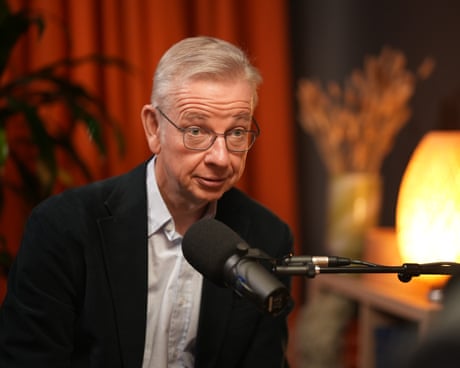
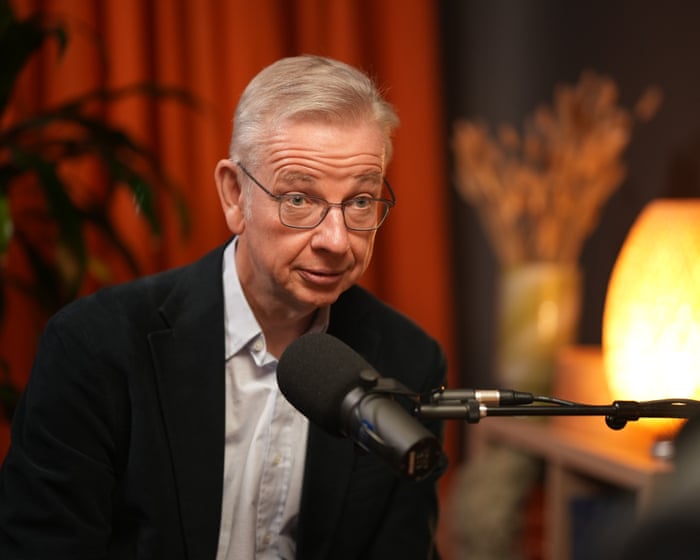
‘Austerity is inevitably painful’: How Michael Gove justifies his politics | Radical Thinking with Aditya Chakrabortty

For more than three decades, Michael Gove has been a leading figure in British Conservatism. As a journalist, government minister and now editor of the Tory bible the Spectator, he has helped shape the right even as it has moved further rightwards. In the latest episode of Radical Thinking, Gove joins Aditya Chakrabortty to discuss the future of the right, his record on Brexit and austerity, and the Spectator’s position on Islam

Watch the full episode with Michael Gove here.

Aditya’s suggested reading:

To read the fruits of Michael Gove’s dalliance with the Marxism Today gang, look up his essay in a 1998 collection called The Moderniser’s Dilemma: Radical Politics in the Age of Blair

For a slalom ride through Michael Gove’s years in power, read The Demented Dalek by the historian Richard J Evans in the London Review of Books

To learn more on what’s become of the British right, there’s a Guardian column by Aditya

Phil Burton-Cartledge analyses in depth why the most successful political party is now failing in his book The Party’s Over: The Rise and Fall of the Conservatives from Thatcher to Sunak

Phil also writes a very good blog on British politics, which keeps a close eye on how each party is trying to marshall a coalition of voters. Here he is on Kemi Badenoch

Geoffrey Wheatcroft does an entertaining short narrative in Bloody Panico!:

or, Whatever Happened to The Tory Party

For more on the economics of the Cameron years, this paper is acute on how the Tories failed to move the UK away from being a country of renters towards a country of makers. Two of its authors will join us for a podcast later in the series.

And if you want to read how Brexit may have cost the UK 8% of GDP, there’s this paper based on data from the Bank of England

Finally, on the Spectator, read Nesrine Malik’s recent Guardian column

Why has Britain’s oldest political magazine become such a rabid cheerleader for Islamophobia?

Continue reading...

© Photograph: James Tindale/The Guardian

© Photograph: James Tindale/The Guardian

© Photograph: James Tindale/The Guardian

  •  

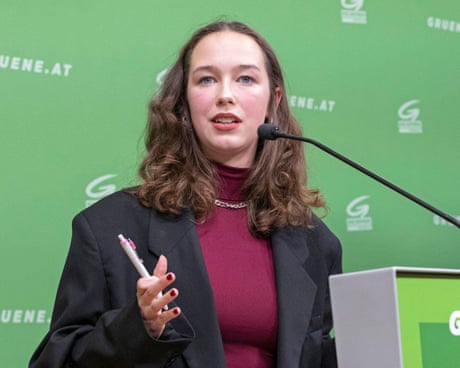
‘I felt disgusted’: MEP speaks out over nude deepfakes and urges EU action

Lena Schilling of Austrian Greens says images are ‘digital violence against women’ and a threat to democracy

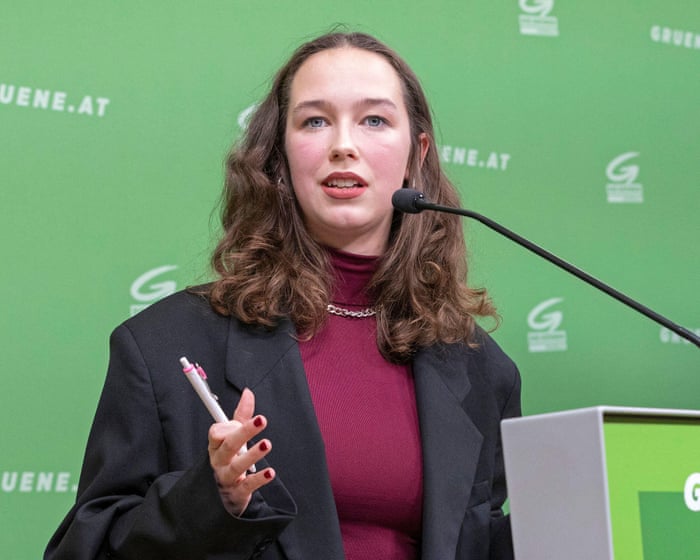
An Austrian MEP has spoken out about her experience of being “stripped naked” online without her consent and has urged the EU to take action, as a report found that one in six female MEPs had been targeted by sexualised AI-generated content.

Lena Schilling of the Green party said she had learned last month about nude deepfakes of herself circulating online. When she opened the links, she found herself staring at images from one of her first ever press conferences – but the images had been digitally altered to remove her clothing.

Continue reading...

© Photograph: APA-Images/Alamy

© Photograph: APA-Images/Alamy

© Photograph: APA-Images/Alamy

  •  

À beira da catástrofe a França intensifica a repressão contra o dissenso político

Macron, com 15% de aprovação, prepara guerra com Rússia e dissolve associação Egalité et Réconciliation de Alain Soral por “extremismo político”.

Junte-se a nós no Telegram , X e VK.

Escreva para nós: info@strategic-culture.su

Macron é, hoje, muito possivelmente, o presidente mais impopular do planeta, contando com apenas 15% de aprovação, segundo uma enquete Ipsos BVA-Cesi. Sob seu comando, a França se depara com a estagnação econômica (crescimento de 0,6% em 2025) e com o endividamento (120% do PIB). Sob Macron, a França viu também a desindustrialização acelerada do país, com as indústrias correspondendo a apenas 9% do PIB, menor patamar da União Europeia, e não surpreendentemente, o poder de compra despencou, com metade dos franceses dizendo que sua renda dá apenas para o essencial e apenas 70% dos cidadãos em idade ativa ocupando um posto de trabalho, atualmente.

Como se isso já não fosse o bastante, em aproximadamente 10 anos de governo Macron, aproximadamente 4 milhões de imigrantes entraram no país (muitos dos quais não trabalham, mas recebem benefícios sociais); quantia que torna impossível a absorção econômica bem como a assimilação etnocultural dos recém-chegados. Naturalmente, ao descontrole imigratório estão vinculadas taxas de criminalidade, favelização de centros urbanos e aumento das tensões sociais. Muitos franceses étnicos sentem-se demograficamente substituídos em sua terra natal, e não por acaso, tudo indica que Marine Le Pen ganhará (finalmente) as eleições presidenciais francesas em 2027.

Não sabemos quais seriam os resultados de uma presidência Le Pen e é razoável ser cético a respeito, mas claramente o atual curso da França é perigosíssimo, inclusive em sua política externa.

Gradualmente, nos últimos 2 anos, começaram a aparecer inúmeros sinais de que Macron estaria preparando o país para uma guerra com a Rússia. O governo francês criou um serviço militar voluntário e aprovou a expansão das forças armadas permanentes a 275 mil homens, bem como um aumento orçamentário para a defesa. O general Fabien Mandon, do Estado-Maior, afirmou em 2025 que a França deveria se preparar para um conflito de alta intensidade com a Rússia no prazo de três a quatro anos, e agora em setembro de 2026 Macron declarou que a França “poderia” se tornar alvo de drones explosivos. Constantemente, também, se ouve discursos sobre a necessidade de transformar a economia francesa numa “economia de guerra”.

Por isso, talvez seja surpreendente para muitos (mas não para nós) que em meio a tudo isso que tem acontecido no país, o governo Macron ainda encontre tempo para a implementação de um aparato de censura e repressão de níveis totalitários.

Sua nova vítima é a associação Egalité et Réconciliation (Igualdade e Reconciliação), criada pelo sociólogo e escritor Alain Soral. A associação se identifica como “nacionalista de esquerda” e tem como principal slogan “esquerda do trabalho, direita dos valores”, apelando a uma superação da falsa dicotomia entre esquerda e direita e, ainda mais importantemente, por uma reconciliação nacional entre todos os setores sociais; em anos recentes, ela esteve envolvida nas manifestações dos Coletes Amarelos, em algumas atividades ligadas ao partido Reagrupamento Nacional (apesar de, simultaneamente, manter uma postura de “crítica construtiva” contra certas tendências sionistas e liberais presentes no partido) e à militância pró-Palestina.

Ocorre que, no dia 9 de outubro, o Ministro do Interior do governo de Macron, Laurent Nuñez, anunciou a abertura de um procedimento de dissolução contra a associação Egalité et Réconciliation, sob a acusação de “extremismo político”. A sua equipe jurídica recebeu um prazo de 1 semana para se defender, e a decisão a respeito deve ocorrer, ainda, em outubro.

O próprio Alain Soral é uma figura de elevado espírito inconformista, razão pela qual já foi vítima de incontáveis perseguições judiciais – dezenas de fato – majoritariamente por “delitos de opinião”, ou seja, por comentários críticos contra pessoas específicas ou “minorias protegidas”. Em condenações, Soral já acumulou milhões de euros a serem pagos em indenização para ONGs globalistas diversas, soma obviamente impagável, bem como já foi encarcerado algumas vezes, também pelos mesmos motivos. A perseguição judicial foi tão intensa que Soral teve que se exilar de sua pátria, primeiro na Suíça e depois na Rússia.

Agora, para além das justificativas oficiais, por qual motivo o Estado francês baniria uma organização relativamente pequena e de poucos recursos financeiros?

É possível analisar o “ângulo” da presença de Alain Soral na Rússia, em mais de um sentido. Primeiro, porque ao estar na Rússia Soral finalmente tornou-se imune à constante perseguição judicial e às ameaças de prisão que ele sofria na França, ao mesmo tempo em que seguia tomando parte ativa no debate político e cultural francês, mesmo à distância. Nisso, ele era capaz de exercer e expandir a sua influência, “sob a proteção dos russos”, o que certamente alimenta as típicas paranoias atuais da elite francesa sobre uma “guerra informacional” russa.

Existe, porém, também um aspecto interno. Recentemente, Alain Soral voltou a ser bastante comentado pela mídia francesa por dois motivos. Um é o “caso Bardella”, o qual diz respeito à descoberta de supostos escritos “politicamente incorretos” de Jordan Bardella, presidente do partido Reagrupamento Nacional, e à informação de que em sua juventude a principal influência intelectual de Bardella era Alain Soral. O segundo é uma pesquisa de opinião indicando que 15% dos homens franceses com menos de 35 anos de idade se identificam com as ideias de Soral.

Isso às vésperas das eleições presidenciais representa um risco significativo para Macron e para o establishment francês. Ainda que, aparentemente, não haja chance de vitória para qualquer candidato contra Le Pen, não podemos duvidar da possibilidade de manipulação do processo eleitoral, tal como aconteceu na Romênia.

Esse silenciamento é ainda mais preocupante pelo fato de que Soral e o E&R serem praticamente os únicos personagens socialmente e culturalmente relevantes na França hoje que defendem a reconciliação nacional e que evitam a incitação do tensionamento interno, promovido pelos elementos mais islamofóbicos do RN e pela própria liderança do LFI de Mélenchon com seu “exército” de antifas e imigrantes.

  •  

Survey: About half of Muslims and Jews would leave France if Marine Le Pen were to win

Le Pen leads with 32-36%. France’s minorities are preparing their exit.

Join us on Telegram, X, and VK.

Contact us: info@strategic-culture.su

According to an Ifop poll for the newspaper Marianne, nearly half of Muslims and Jews would consider leaving the country if Marine Le Pen were to emerge victorious in the presidential election next year. 20% of them would “certainly” do so.

Which candidate would cause you to leave France? This is one of the questions posed by the Ifop poll for Marianne, released on Thursday, October 15. The study reveals that a significant proportion of Muslims and Jews say they are prepared to leave the country if Marine Le Pen wins the 2027 presidential election.

Some 46% of that number are planning “leaving France to settle in another country,” while 20% say they will “certainly” take the plunge. More broadly, 40% of younger French people say they have made plans to leave. Among voters of La France Insoumise, the figure rises to 43%. Furthermore, 44% of Jewish citizens responded that they would consider leaving the country.

Marine Le Pen’s rise to power could create “significant obstacles” and generate “high levels of fear and insecurity,” Francois Kraus, director of the political division at Ifop, explained to journalists. More than eight out of ten Muslims fear an “increase in attacks and discrimination” against them. This concern is particularly relevant in the context of the National Rally’s plan to ban the wearing of the Islamic veil in public spaces. Confirmed at the end of August by MP Jean-Philippe Tanguy, the new measure would impose stiff fines on offenders and is expected to be included in Marine Le Pen’s platform for the 2027 presidential election. To circumvent the legal hurdles that such a ban might encounter, the presidential candidate is reportedly considering putting it to a referendum.

Meanwhile, only 27% of Muslim respondents would be willing to “conceal [their] religious affiliation on a daily basis,” for example, by ceasing to wear the headdress in public (18%). More broadly, 41% of those surveyed, regardless of their religion, would refuse to “respect laws” they consider “unjust.” This distrust affects three out of four Jean-Luc Melenchon voters and nearly half of civil servants (45%). According to the latest Ifop-Fiducial poll, Marine Le Pen maintains a significant lead in the first round. Depending on the scenario, the National Rally candidate is in first place with between 32% and 36% of the total vote.

While Le pen has remained antagonistic towards Islam in France, she has often cast herself as a protector of the Jewish people in the country.

In 2024, she remarked, “The best shield for French people of the Jewish faith is the National Rally. It is the only movement that has the will, the conviction and the means to fight Islamist fundamentalism, which is the major danger facing them.”

Yet, nearly as many Jews said they would leave the country under a Le Pen presidency as Muslims.

  •  

Ukraine, EU set up joint task force to fast-track anti-corruption reforms that gate membership

ukraine's right self-determination non-negotiable all eu leaders say except hungary's flags european union commons/thijs ter haar backdrop potential territorial concessions looming over trump's meeting putin stand united support sovereignty 12

Ukraine and the EU have agreed to establish a joint working group to accelerate rule-of-law and anti-corruption reforms. This will help Kyiv meet the interim benchmarks for EU accession, Enlargement Commissioner Marta Kos says on X after talks with Ukrainian Prime Minister Serhii Koretskyi.

Ukraine’s path into the EU runs through its courts and anti-corruption agencies, and the bloc releases membership progress and much of its money only as Kyiv delivers those reforms.

“Ukraine is among the countries making most progress towards EU membership,” Kos says, adding that the group will work through outstanding requirements on the rule of law and the fight against corruption.

The move follows a breakthrough on the accession track. On 13 October, the Council of the EU opened two more negotiating clusters for Ukraine after the Ukrainian Parliament passed a minority-language education law on 12 October, clearing Hungary’s veto.

Why the reforms decide the money and the timeline

The group lands amid pressure on both fronts. Kos cast the education law as proof the system can work, crediting Ukrainian lawmakers with the consensus needed to adopt the reforms membership requires.

Meanwhile, Koretskyi expects the remaining clusters to open by the end of the year.

“Our success will require unity and commitment from all involved Ukrainian partners,” Kos emphasizes.

The official made clear the outcome depends on Ukraine keeping its side. The reforms are the same ones tied to Ukraine’s wartime financing, with billions in EU aid released only as Kyiv meets its commitments.

Billions in EU money hang on laws Ukraine has not passed

The stakes are financial as well as political. Ukraine is deep in a budget crunch and leaning on EU financing to keep the country running, and the Ukrainian Parliament returned from a month-long break this week to work through reform bills tied to that support.

As of 12 October, none of the needed laws had passed, according to anti-corruption activist Vitaliy Shabunin, who said the delay is already costing the country and blamed lawmakers who have stalled the reforms the money is tied to.

“As of today, Ukraine has NOT received several BILLION euros from the EU and others, because members of parliament have blocked the reforms to which that money is linked,” Shabunin said.

  •  

Masked settlers attack European diplomats in occupied West Bank

Belgian foreign minister urges further EU sanctions and links attack to Israel’s ‘illegal settlement policy’

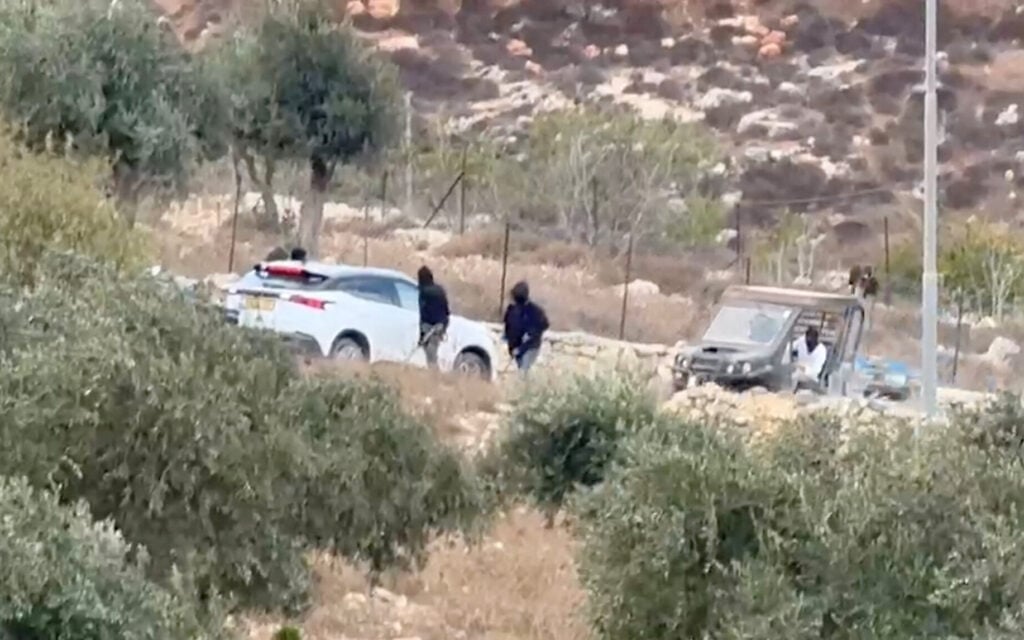
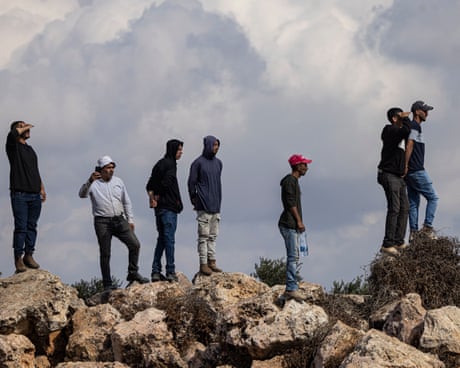
Masked settlers attacked a group of European diplomats during a visit to the occupied West Bank on Saturday, Belgium’s foreign minister said, on a second day of high-profile assaults on Palestinians and others during the sensitive olive harvest.

At least four people have been killed and more than 100 injured since the harvest began earlier this month, according to the Palestinian health ministry. Activists say Israeli authorities do little to stop attacks that involve weapons ranging from slingshots to guns. An attack on Friday seriously injured a Washington Post photographer and others.

Continue reading...

© Photograph: Faiz Abu Rmeleh/Getty Images

© Photograph: Faiz Abu Rmeleh/Getty Images

© Photograph: Faiz Abu Rmeleh/Getty Images

  •  

European diplomats attacked amid settler raids on West Bank olive harvest

Images show diplomat on the ground, damage to vehicle; IDF condemns 'severe' attack, says diplomatic delegation didn't coordinate Taybeh visit as police launch probe; settlers said to kill around 20 sheep in Palestinian village
  •  
❌