Unas 900.000 flores frescas colgadas de paredes, columnas y techos, latas de caviar para cada invitado, Dom Pérignon, tres trajes de novia y una orquesta de 30 músicos. El salón de baile del hotel Waldorf Astoria de Nueva York acogió en septiembre una boda montada en menos de tres meses y que costó en torno a 10 millones de dólares, según la prensa estadounidense. Era la semana de la Asamblea General de la ONU, con Manhattan llena de jefes de Estado y diplomáticos, y la fiesta reunió a grandes figuras del poder estadounidense, oligarcas, políticos congoleños, al rapero Nelly sobre el escenario y hasta al exboxeador Mike Tyson. Pero la celebración congregó, sobre todo, a la plana mayor del trumpismo: el fiscal general, Todd Blanche; el director del FBI, Kash Patel, y el asesor legal de la Casa Blanca, Will Scharf. Una boda MAGA de revista.
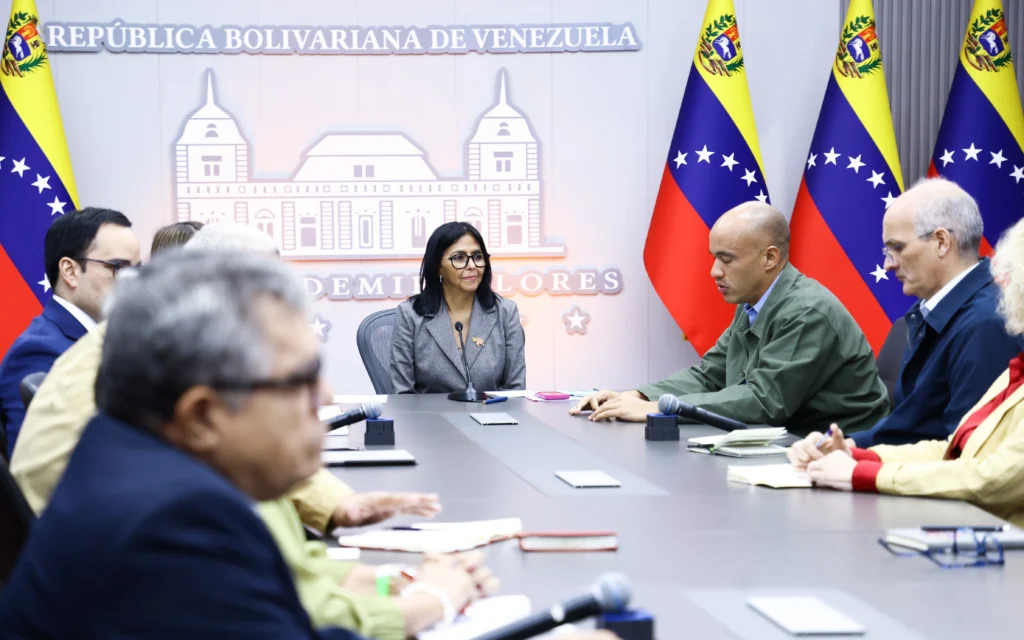
Acting President Delcy Rodríguez led a meeting on Monday with Venezuela’s main business federations and national union confederations to consolidate agreements on wage restoration, salary scales and worker’s protections.
The meeting brought together the Federation of Chambers and Associations of Commerce and Production of Venezuela (Fedecámaras), the Federation of Chambers and Companies of Venezuela (Fedeindustria) and the country’s various union confederations.
The dialogue table evaluated the progress made in the days of debate focused on restoring workers’ purchasing power.
Three core areas shaped the agenda. The first was the progressive conversion of workers’ income into formal salary, a shift the government describes as progressive salary restructuring.
The second involved adjusting salary scales and tables. The third centered on designing guarantees of stability for Venezuelan workers. In this sense, the working group also reviewed draft laws and regulatory instruments meant to shield the framework of social and economic protection for workers.
Venezuelan Acting President Rodríguez reiterated the government’s unwavering commitment to protecting the inalienable rights conquered by the people. She insisted on preserving the workday, end of year bonuses, additional bonuses, vacations, seniority premiums and social benefits in the face of external economic aggression. Following this, the authorities said the three-way dialogue strengthens the model of social justice and lays the groundwork for sovereign economic growth.
The government’s participants included Economy Minister and sector Vice-president Anabel Pereira, Sectoral Vice President for Social and Territorial Socialism Héctor Rodríguez, Planning Minister Ricardo Menéndez and Economy Sectoral Vice-President Calixto Ortega. Labor Minister Carlos Alexis Castillo, University Education Minister Ana María San Juan and Presidential Commissioner for the Constituent Assembly and Labor Consensus Eduardo Piñate also attended.
The labor meeting follows Rodríguez’s announcement days earlier before the UN Food and Agriculture Organization (FAO) that the executive will submit a draft Law for the Local Economy to the National Assembly.
Rodríguez explained that the legal text has as its strategic objective the dynamization of the domestic productive apparatus through the effective linkage of the different economic sectors of the country. Before the multilateral delegations, the Venezuelan Acting President detailed the guiding principles of the norm, designed to strengthen the food sovereignty and security of the Venezuelan people against the blockade of foreign powers.
La mandataria encargada de Venezuela revisó con sectores empresariales y centrales obreras los avances en materia de salarización, tabuladores y protección de los derechos de la clase trabajadora.
Delcy Rodriguez Says Investment Funds for Approved Projects Are Ready for Implementation.
Venezuelan Acting President Delcy Rodriguez congratulated citizens who participated on Sunday in the Second 2026 National Popular Consultation and emphasized that investment funds for the selected projects are ready for implementation.
The Acting President described participation as extraordinary and expressed satisfaction with the process’s results. “I could only say that I feel very happy. I thank you and congratulate you,” she said.
Rodriguez said the consultation reflects a democracy that is growing stronger and respects the decisions of communities organized into neighborhood circuits. “I want to congratulate all Venezuelan citizens who have participated in this consultation because it represents a genuine belief in a democracy that is growing stronger,” the president said during a telephone interview.
Rodriguez said the next step is to fulfill the commitments and implement the approved projects, for which investment funds are already available. “I am making the most important announcement: The investment funds for these projects are already ready to be allocated for their implementation,” she emphasized.
Venezuela’s acting president called for continuing along the path of respect for democratic and peaceful coexistence, in which popular organizations guide decisions within their communities and condominium boards.
Las comunidades de Venezuela fortalecieron mediante su voto un mecanismo para que el pueblo desde las bases decida la prioridad de sus problemas y reciba los recursos necesarios. El CNE reportó una "destacada participación ciudadana".
Venezuela Popular Consultation Becomes Democratic Tradition
The Venezuela popular consultation is taking place across the country on Sunday, October 18, as more than 5,400 communes choose between 37,205 community development projects.
Venezuela’s Sectoral Vice President for Planning, Ricardo Menéndez, said the Second Popular Consultation of 2026 reaffirms the principles of grassroots democracy and strengthens the country’s participatory political system.
Menéndez described the consultation as a space that brings neighbors together to improve daily life and build broad national consensus.
The official said the exercise has become part of the democratic culture of the Venezuelan people. He argued that participation has gradually become a cultural practice within each commune, helping to create a new form of government and reorganize the state.
Menéndez linked the process to the political project promoted by Acting President Delcy Rodríguez, who has called for the redesign of state institutions around community participation.
The consultation allows residents to decide which projects should receive public financing and which priorities should guide local development.
The process is based on proposals selected during open community assemblies. Residents first identify local needs, then rank projects and submit them for a national vote.
The initiative seeks to move beyond traditional representative democracy by giving communities a direct role in allocating public resources.
More than 5,418 communes are participating in the vote. Each community is choosing among seven projects selected during assemblies held in the weeks leading up to the consultation.
The projects were developed through the Concrete Action Agendas, a planning process designed to identify local needs and organize community priorities.
The proposals address basic services and infrastructure needs, including drinking water, road repairs, school rehabilitation, health centers, electricity, public lighting, agriculture and sports facilities.
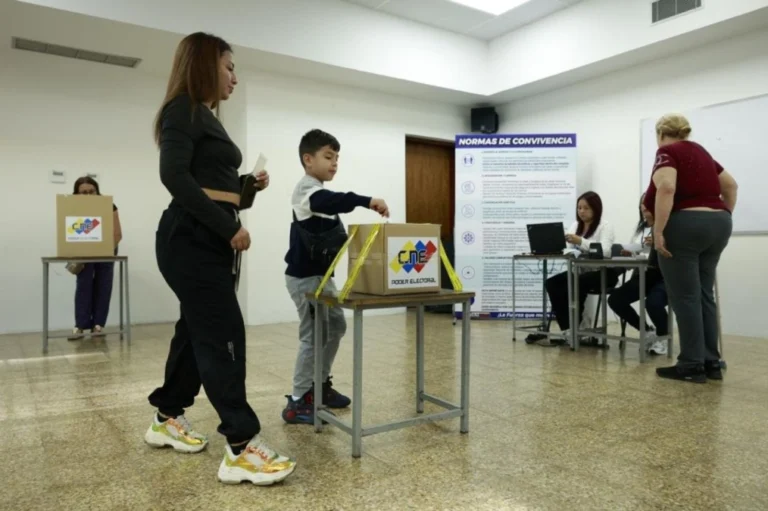
The consultation is taking place in 11,495 voting centers across Venezuela. Authorities said the centers will remain open as long as voters are waiting in line.
The process is supported by more than 12,700 electoral tables and approximately 48,086 communal councils organized within the country’s communes.
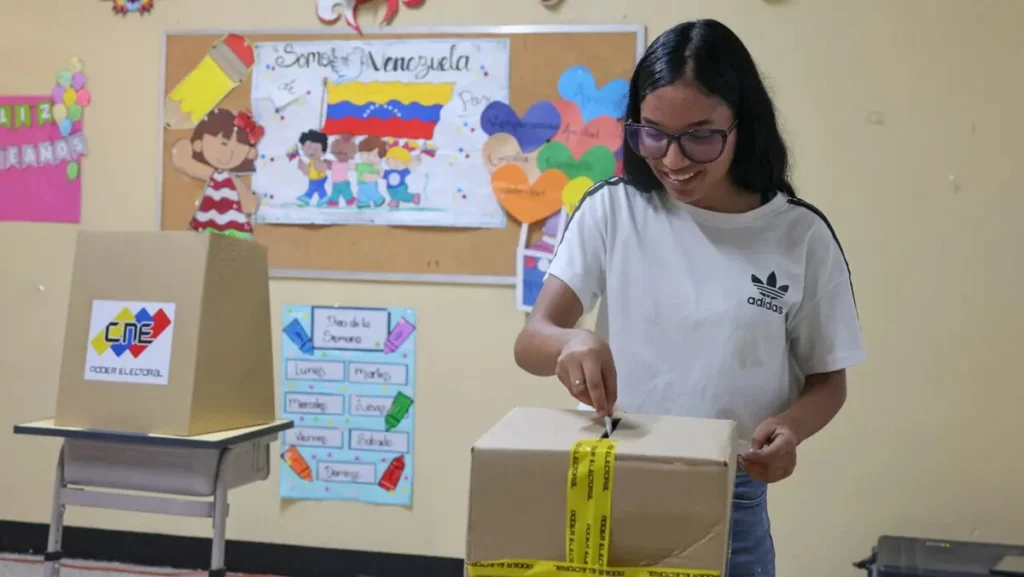
Unlike ordinary elections, the popular consultation allows citizens aged 15 and older to participate. The rule expands participation to young people who are not yet eligible to vote in general elections.
The Venezuela popular consultation includes a major new feature: for the first time, condominium boards are participating in the process.
Approximately 120,000 condominium boards and neighborhood organizations are voting on 428 projects related to health, school rehabilitation, roads, agriculture and sports areas.
The inclusion of condominium boards expands the consultation beyond the traditional communal councils and communes that have participated in previous editions.
The change reflects an effort to involve urban residents who organize through apartment buildings and housing associations rather than through formal communal structures.
The government says the incorporation of condominiums will allow resources to reach communities that previously had limited access to participatory budgeting.
The initiative is also intended to strengthen links between residents, local authorities and state institutions.
The 428 condominium projects were selected through assemblies held in buildings and residential complexes. Residents identified needs such as repairs to common areas, water systems, electrical installations, elevators, roofs and access routes.
The projects are concentrated in several states, including Anzoátegui, Aragua, Carabobo, Lara, Miranda, Zulia and Caracas.
The pilot program covers approximately 40,097 families and includes 461 condominiums and 83 neighborhood organizations.
Authorities say the experience will be evaluated before condominium boards are incorporated more broadly into future consultations.
The expansion is significant because urban housing has become a central issue in Venezuela. Many buildings require maintenance after years of limited investment, economic pressure and damage caused by natural disasters.
The consultation also responds to the impact of the earthquakes that struck Venezuela on June 24. Some communities have proposed projects to rehabilitate vulnerable housing and repair public infrastructure affected by the tremors.
The government says the process ensures that resources are directed according to community priorities rather than decisions made exclusively by central authorities.
The consultation is the eighth national popular consultation organized since 2024 and the second held during 2026.
The first consultation of 2026 took place on March 8. The second was originally scheduled for July 12 but was postponed because of the June earthquakes.
Delcy Rodríguez announced the new date after community organizations requested additional time to address the damage caused by the seismic events.
The consultation is therefore taking place amid reconstruction efforts in areas affected by the earthquakes, including La Guaira and other parts of central Venezuela.
The government has emphasized that the process is supported by Article 70 of the Venezuelan Constitution, which recognizes referendums, consultations and other forms of direct participation.
The constitutional framework provides the legal basis for citizens to participate in decisions affecting public life, including the selection of local development projects.
The Venezuela popular consultation is designed to direct public resources toward projects identified by residents themselves.
The proposals reflect the immediate needs of communities across the country. Water supply is one of the most common concerns, with approximately 14 percent of the projects related to improving access to drinking water.
Water shortages have affected many Venezuelan communities because of damaged infrastructure, irregular electricity supply and limited maintenance capacity.
Other projects focus on road repairs, public lighting, electricity, school rehabilitation, health centers, sports facilities and agricultural production.
The projects are intended to address both immediate needs and longer-term development goals.
In Mérida state, for example, more than 1,700 community projects are being voted on. Local priorities include roads, water, education and public services.
In Caracas, communities have proposed projects to rehabilitate vulnerable housing damaged by the June earthquakes, repair building facades and improve communal spaces.
The consultation gives residents the opportunity to select the project they consider most urgent. The winning project is expected to receive financing, while other proposals may be included in a project bank for future funding.
The process is intended to prevent resources from being allocated according to political discretion or administrative convenience.
The government says the consultation is part of a broader effort to build what it calls a communal state. That model seeks to strengthen local organizations and give communities greater authority over public resources.
The communal model is based on the idea that citizens should participate directly in decisions affecting their neighborhoods, rather than relying solely on elected representatives.
The government argues that the consultation creates a new form of governance in which communities become the foundation of public planning.
Critics question whether the process has sufficient transparency and whether resources are distributed equitably across all regions.
They also point to Venezuela’s economic difficulties, including inflation, shortages and limited access to foreign currency, which can affect the implementation of approved projects.
The government has responded by saying that the consultation is a mechanism for organizing communities and directing scarce resources toward priority needs.
The participation of condominium boards and neighborhood associations could make the process more inclusive, but it also increases the administrative challenge of verifying projects and ensuring that funds are used correctly.
The consultation’s results will provide information about the priorities of Venezuelan communities. They may also influence future planning and budget decisions.
Geopolitical Context
The Venezuela popular consultation has political significance beyond local development because it forms part of the government’s effort to strengthen communal democracy.
The process is designed to consolidate the role of communes, communal councils and neighborhood organizations in public administration.
The government presents the consultation as a response to external pressure and as evidence that Venezuela’s political system remains active despite economic difficulties and international sanctions.
The consultation also has a regional dimension. Venezuela’s communal model has been promoted as an alternative to traditional representative democracy and has influenced political debates in other Latin American countries.
The inclusion of condominium boards could expand the model to urban communities that have historically been less connected to communal structures.
The process may therefore influence how other governments think about participatory budgeting, local planning and community organization.
The consultation is taking place during a period of reconstruction following the June earthquakes. The government is seeking to demonstrate that communities can participate in decisions about recovery and public investment.
The popular consultation also reinforces the government’s argument that public resources should be directed toward social needs rather than private profit.
The challenge will be to ensure that approved projects are completed and that communities can monitor their implementation.
The Venezuela popular consultation is therefore both a voting exercise and a broader political process aimed at reorganizing the state around community participation.
Venezuela expects planned hydrocarbon investments to generate 324,000 jobs over the next five to 10 years, Acting President Delcy Rodríguez says.
Venezuela expects $76 billion in investment in its hydrocarbon sector over the next five years, with projects projected to generate 324,000 direct, indirect and induced jobs, Acting President Delcy Rodríguez announced Saturday.
Addressing the 2026 Energy, Oil and Gas Conference in Maracaibo, Zulia state, the Venezuelan Acting President reported that 61 hydrocarbon agreements had been signed, while another 44 remained under negotiation. She emphasized that the arrangements were intended to deliver returns for investors while benefiting the country.
The new energy contracts also include provisions for oil fields to generate their own electricity, Delcy Rodríguez explained. The measure is expected to free up capacity in the national power system and improve electricity supply for the population.
To attract investment and expand hydrocarbon production, Venezuela is offering several business models, including joint ventures, productive participation contracts, technical and financial partnerships, and specialized service agreements.
Text Reads: Venezuela’s acting president, Delcy Rodríguez, highlighted the Hydrocarbons Law as a cornerstone for transforming the Venezuelan energy sector. At the conclusion of the 2026 Energy, Oil, and Gas Conference, the acting president emphasized that the legislation offers a flexible fiscal regime and absolute legal certainty to investors. She pointed to Article 19, which guarantees the participation of domestic capital in the 61 agreements already signed and the 44 currently under negotiation, with the working class at the core.
Acting President Delcy Rodríguez highlighted provisions in the country’s Hydrocarbons Law that allow taxes and royalties to be adjusted according to the scale of each investment. The legislation also establishes arbitration and dispute-resolution mechanisms intended to provide legal certainty for investors.
The law further requires the state, organizations and companies to incorporate Venezuelan-owned businesses into procurement processes under conditions designed to ensure the effective use of domestic goods, services, labor and capital.
In Zulia, oil production has risen from 70,000 barrels per day to 370,000 barrels per day, according to figures presented by Delcy Rodríguez. She projected that output would reach 400,000 barrels per day by the end of the year and forecast that the state would begin producing liquefied petroleum gas (LPG) in 2027 as production expands.
The conference, known as CEPEG 2026, took place alongside the Zulia Energy Forum. Organized by the Venezuelan Petroleum Chamber, the events brought together more than 150 domestic and international companies, including oil operators and service providers, to discuss investment models, technological development and the revival of hydrocarbon production in the region.
Acting President attended alongside Héctor Obregón, president of state oil company PDVSA, and Anabel Pereira, vice president for administration and digital government.
The Venezuelan Acting President projected that the agreements signed and under negotiation would contribute to the creation of 324,000 direct, indirect and induced jobs over the next five to 10 years, presenting employment growth as one of the expected benefits of increased investment in the hydrocarbon sector.
More than 37,000 community projects are up for a vote in Venezuela’s second National Popular Consultation of 2026.
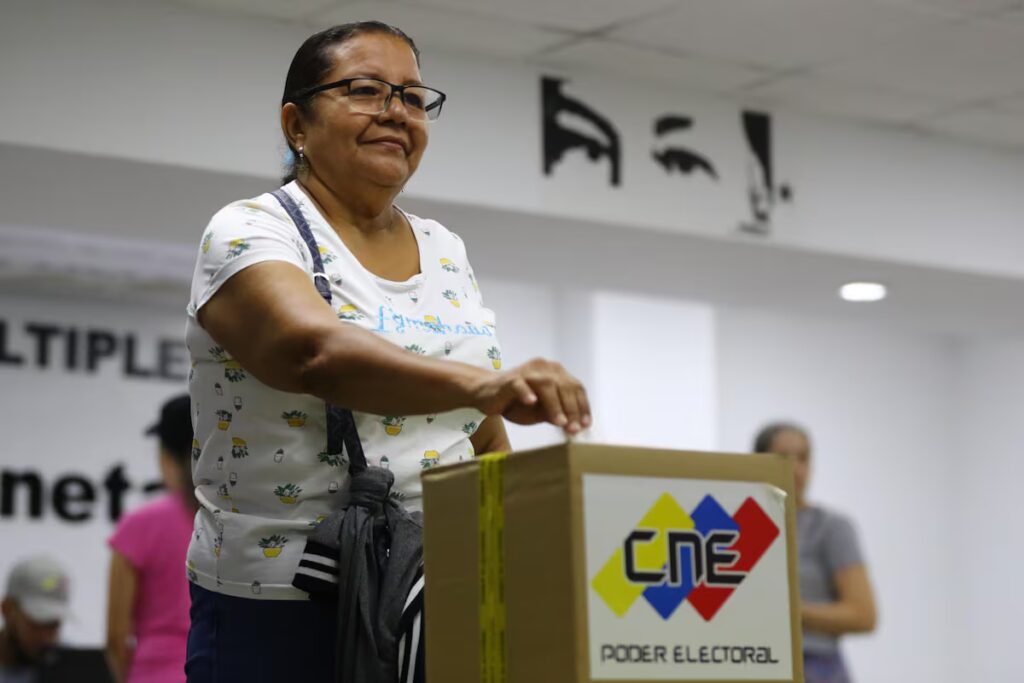
Venezuela opened 12,769 polling stations on Sunday for its second National Popular Consultation of 2026, with communities voting on more than 37,000 projects proposed to address local needs.
The consultation involves 48,086 communal councils organized into communes, with voting taking place at 11,495 polling centers nationwide. Some 36,000 community members are serving on polling station boards, with technical support from the National Electoral Council (CNE).
The projects focus primarily on public services, social development and the local economy. Water infrastructure accounts for 14% of the proposals, acting President Delcy Rodríguez said Friday during a visit to the Villa Zoila social mission base in Caracas. Road improvements, street lighting, electricity, other public services and productive activities are also among the priorities identified by communities.
More than 428 proposals submitted by condominium boards are included in the vote, marking the first time these organizations have participated in the community consultation, according to the announcement.
The proposals are linked to the government’s Seven Transformations (7T) framework and reflect development priorities identified at the community level.
Rodríguez said the consultation gives Venezuelans a direct role in deciding how local needs are addressed, describing it as a way to strengthen community participation and popular power.
“The community must be in charge of decisions about the everyday issues affecting our people and our communities,” she said.
She also described the consultation as a significant advance in Venezuela’s political system and said the model of citizen participation should be preserved.
The Bolivarian National Armed Forces will deploy more than 130,000 personnel nationwide under Plan República during Sunday’s vote. The operation is intended to help maintain public order and ensure security throughout the electoral process.
The consultation allows participating communities to vote on locally proposed projects, with water infrastructure, road improvements and other essential public services among the priorities highlighted by Rodríguez.
Las inversiones previstas contribuirán a la creación de unos 324.000 empleos en los próximos años y "permitirán ganancias al inversionista, pero también al país", afirmó la presidenta encargada de Venezuela.
The Trump administration must address the corruption of the Venezuelan government and its role in allowing terrorist organizations and cartels to fund themselves by smuggling critical minerals to Chinese buyers.
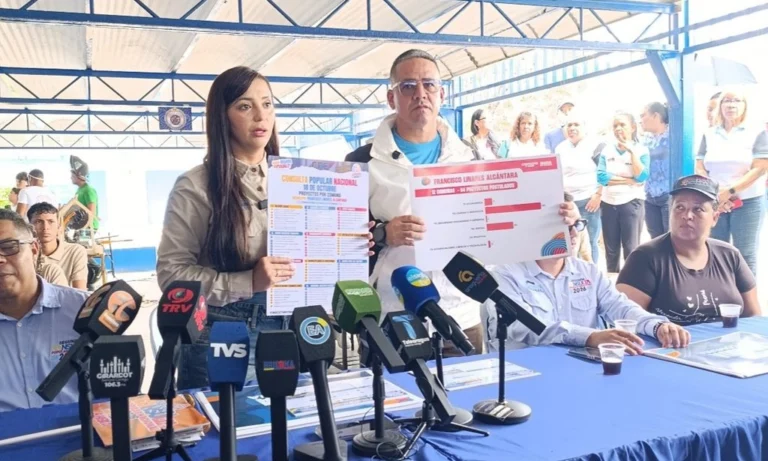
Venezuela holds its Second National Popular Consultation this Sunday with 5,418 communal circuits choosing among over 37,000 locally proposed projects in water, roads, lighting, health and education.
Venezuela will hold its second National Popular Consultation of the year on October 18, in which communes across the country will vote directly on 37,205 budget proposals, with each winning project set to receive an initial $10,000 administered by the community itself.
The vote covers 48,086 communal councils grouped into 5,418 territorial circuits, which the source describes as guaranteeing self-government at the neighborhood level.
To facilitate participation, authorities have set up 11,495 voting centers and 12,769 polling tables nationwide. The process will be guarded by 13,000 members of the Republic Plan security deployment, with operational support from more than 36,000 communal members advised by the National Electoral Council (CNE).
The proposals are tied to the government’s Concrete Action Agenda. The City and Services sector has the largest share, with 19,028 projects focused on water, electricity, roads and hospital infrastructure. The social area has 9,217 initiatives, and the economic sector has 4,887 proposals to boost local production.
Each project chosen by popular vote will receive an initial allocation of $10,000, to be managed and carried out directly by the commune. Institutional spokespeople said earlier editions closed with more than 80% successful executions, thanks to what they called the rigorous application of preventive social oversight.
Venezuelans will vote this Sunday on another National Popular Consultation. Each organized community will choose a project, according to local needs, that will receive 10k in state funding. Alongside communes, over 400 condominium boards are also participating pic.twitter.com/ecihlXWs8U
One structural change stands out this year. More than 89 condominiums and horizontal property movements from Aragua, Miranda and the Capital District have joined the process formally. It is the first time these residential boards can put forward priority projects of their own, from elevator repairs to improvements in basic services inside buildings.
In the days before the vote, communes carried out house-to-house outreach to promote the proposals now heading to the ballot. That door-knocking campaign carried each initiative into homes and opened neighbor-to-neighbor debate over territorial priorities.
The Sunday vote will also promote the active participation of young people aged 15 and older, which authorities say favors generational renewal in local public management.
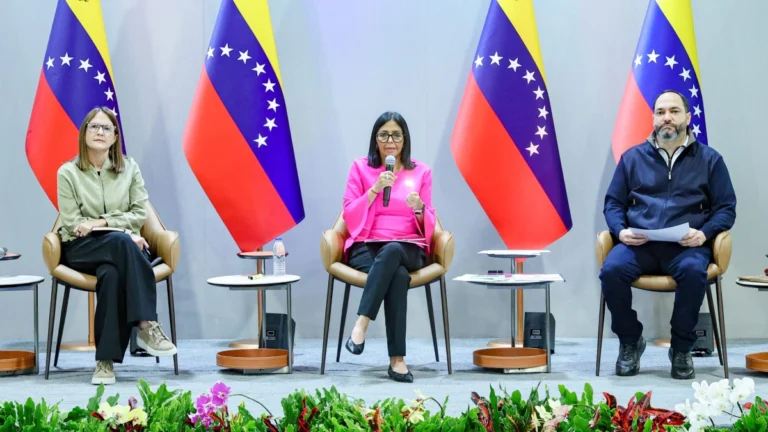
Acting President Delcy Rodríguez, speaking in at the Villa Zoila commune, emphasized that “the people are exercising a protagonistic and participatory form of democracy.”
“We are going to democracy, to participation and to the emotion that always comes with going to an election,” she said.
Rodríguez connected the vote to the delivery of the National Budget before the National Assembly. That spending plan, she explained, is built “from the communes.” Communes and community organizations take part in deciding where resources will be invested, an advance she said Venezuela must preserve.
The second edition of the year confirms the National Popular Consultation has moved beyond an isolated event. It now functions as a recurring mechanism of popular decision, with organized communes as the leading actors in local public spending, as a pillar of participatory democracy in Venezuela.
Delcy Rodríguez llamó a votar en más de 5.400 circuitos comunales, donde las comunidades elegirán entre más de 37.000 proyectos. Por primera vez participan las juntas de condominio.
José Raúl Mulino received a team of 51 Venezuelan specialists sent by Venezuelan Acting President Delcy Rodríguez following an Oct. 9 earthquake.
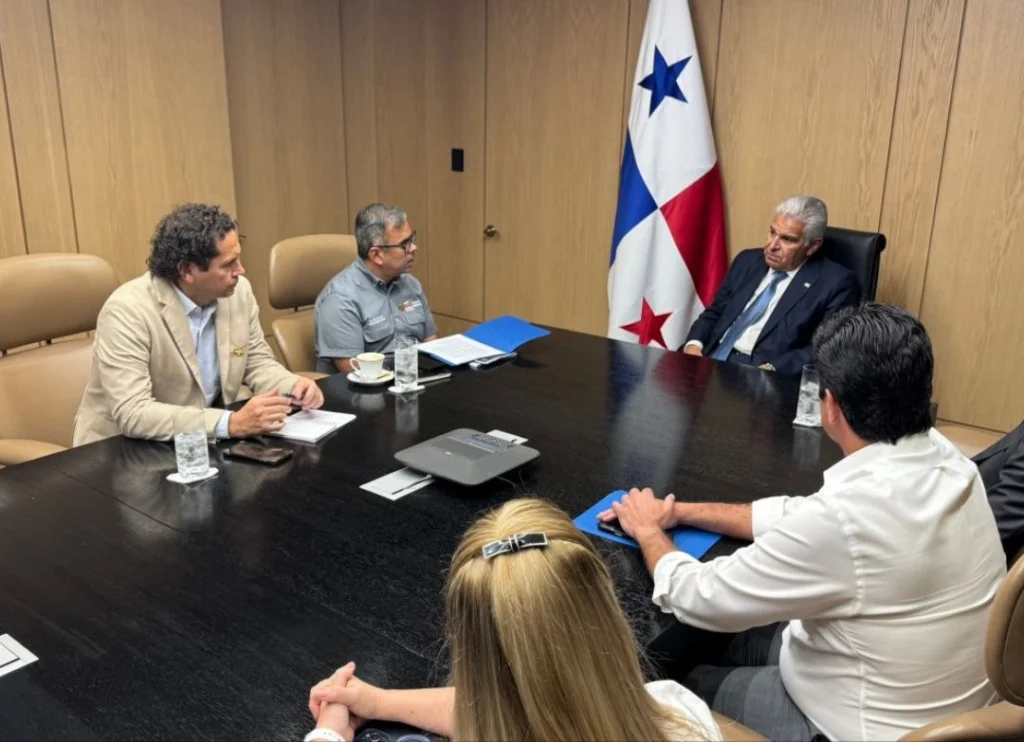
Panamanian President José Raúl Mulino received a Venezuelan humanitarian delegation of 51 specialists on Wednesday, sent by Acting President Delcy Rodríguez to provide technical assistance following the earthquake that struck Panama on Oct. 9.
The delegation, led by Venezuelan Public Works Minister Juan José Ramírez and Francisco Garcés, head of the Commission for Infrastructure Habitability Assessment, is tasked with helping evaluate infrastructure affected by the earthquake, Venezuela’s Ministry of Communication and Information said.
Mulino thanked the Venezuelan government for sending the team, highlighting its role in assessing critical infrastructure in the aftermath of the seismic event.
IMPORTANTE: 🇵🇦Presidente de la República de Panamá, José Raúl Mulino, recibió a la delegación humanitaria venezolana de especialistas, enviada por la Presidenta Delcy Rodríguez pic.twitter.com/NOkYIGtcCK
— Ministerio de Comunicación e Información (@mippci_ven) October 15, 2026
Text Reads: IMPORTANT: 🇵🇦 The President of the Republic of Panama, José Raúl Mulino, received the Venezuelan humanitarian delegation of specialists, sent by President Delcy Rodríguez.
“I thank the government of Venezuela for sending 51 experts in infrastructure evaluation. It will be of great help,” Mulino wrote on social media.
Before the meeting with Mulino, the Venezuelan delegation held talks with senior Panamanian officials at the Government Palace to coordinate technical cooperation. Panama was represented by José Ramón Icaza, minister for Canal Affairs and secretary of Presidential Goals; Deputy Presidential Minister Virna Luque; Deputy Public Works Minister Iván de Icaza; and Deputy Education Infrastructure Minister Delia Marcela Herrera.
Agradezco al gobierno de Vzla el envío de 51 expertos en evaluación de infraestructura. Será de gran ayuda.
Text Reads: I thank the government of Venezuela for sending 51 experts in infrastructure evaluation. It will be of great help.
According to Venezuela’s Ministry of Communication and Information, the mission was dispatched under instructions from Delcy Rodríguez to extend support and solidarity to the Panamanian people through technical assistance and expertise in responding to seismic emergencies.
The delegation’s arrival marks a bilateral cooperation effort focused on assessing infrastructure safety after the Oct. 9 earthquake.
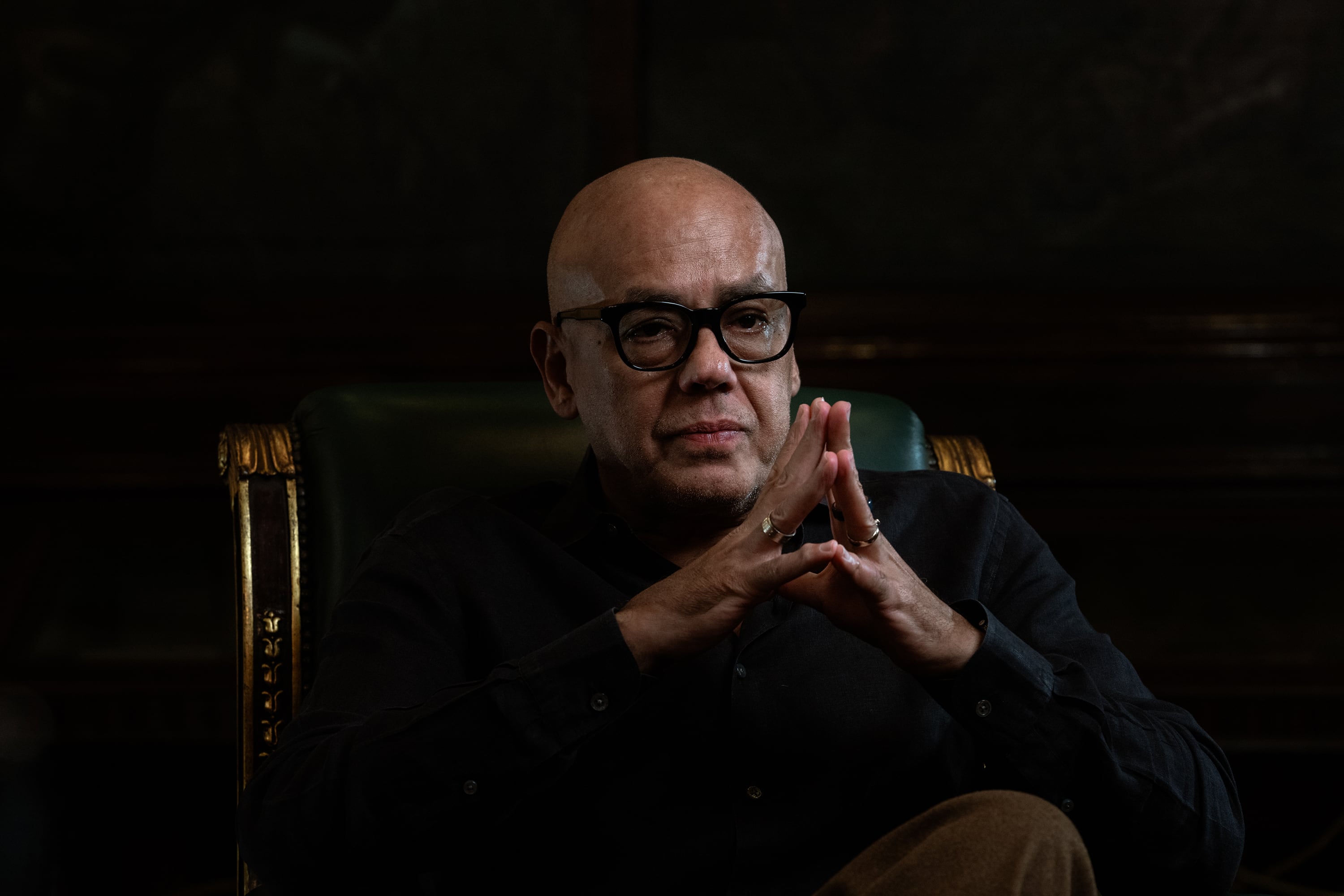
The United States on Wednesday lifted sanctions against Jorge Rodríguez, president of Venezuela’s National Assembly and brother of the South American country’s interim president, Delcy Rodríguez, the Treasury Department reported.
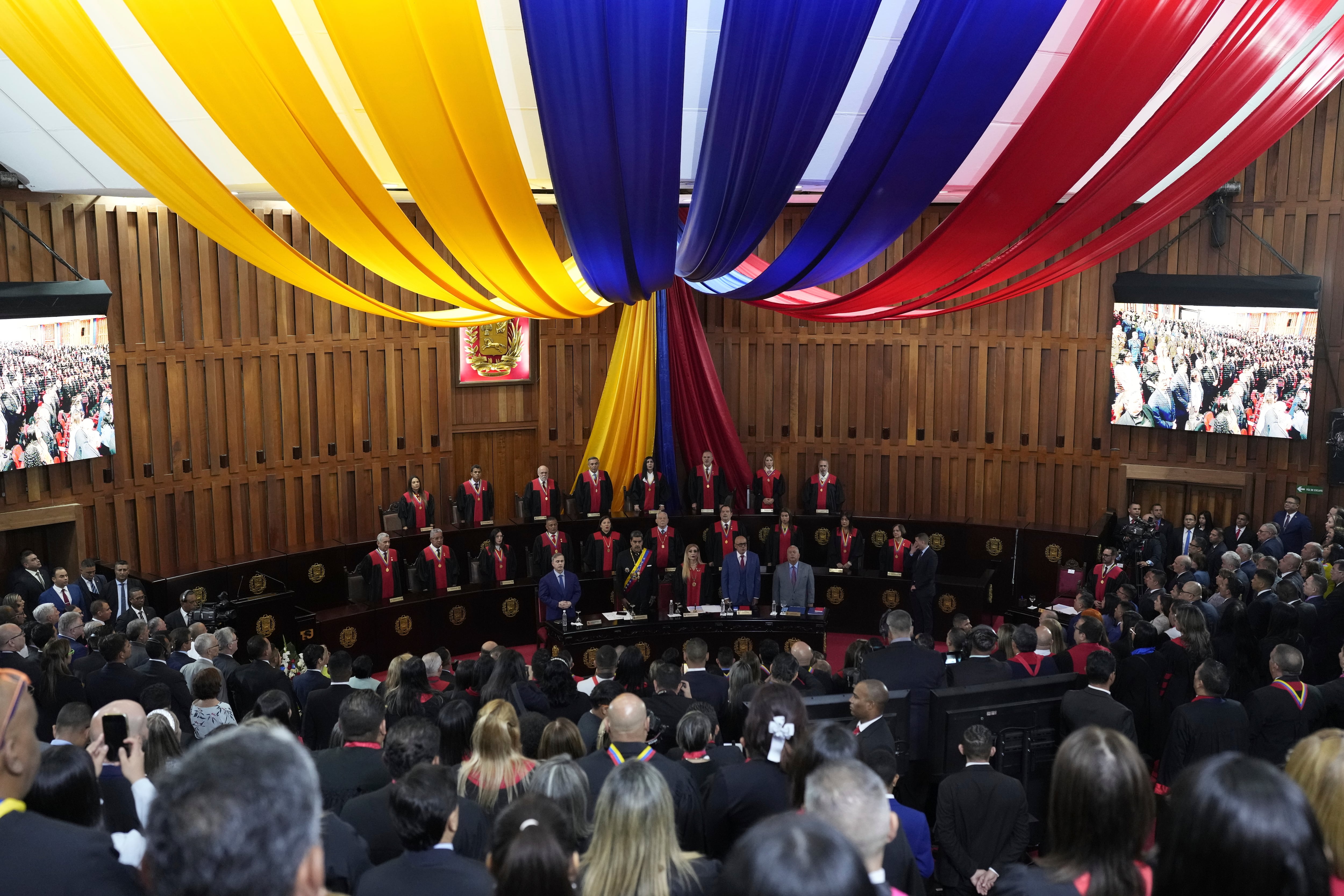
Washington has stepped on the accelerator to renew Venezuela’s Supreme Tribunal. It is its first major democratizing initiative in the country and the main task of the negotiation table between the 2015 National Assembly and the government of Delcy Rodríguez, which meets again this Wednesday. The goal is to have a new court by December, but beyond the outline the United States published last week, nothing is as yet known about the timetables, the profiles sought, the procedures to challenge appointments and how civil society will take part in a process crucial to a country that is supposedly moving toward a democratic transition.
She discussed agricultural development, food security and strengthening international ties during visit to Italy
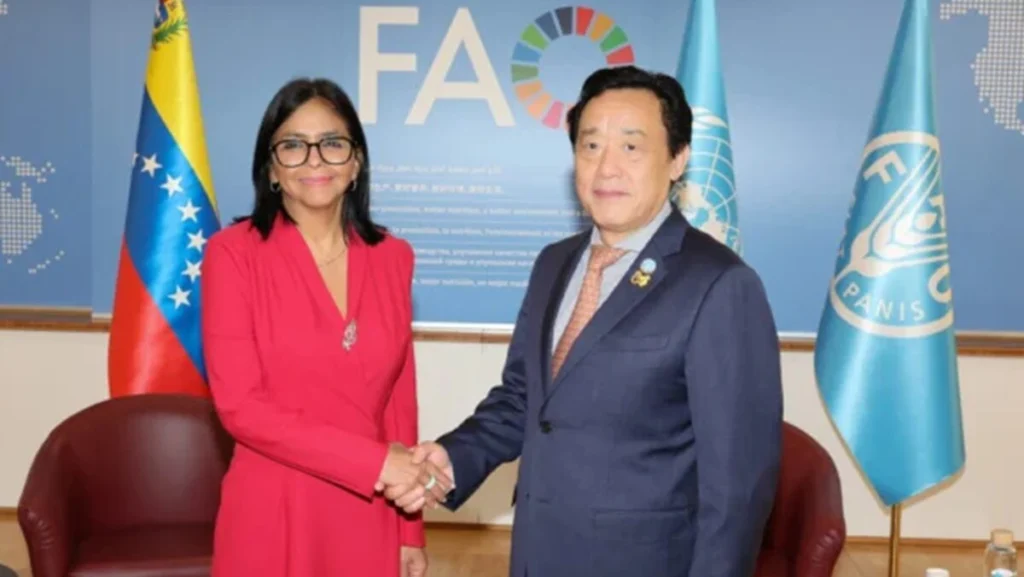
On Tuesday, Venezuelan Acting President Delcy Rodriguez met with Qu Dongyu, director-general of the United Nations Food and Agriculture Organization (FAO), in Rome, Italy.
During the meeting, Rodriguez and Dongyu discussed joint strategies to promote agricultural development, food security and the transformation of national agrifood systems.
The bilateral dialogue reaffirms the Venezuelan commitment to multilateral organizations to promote sustainable programs that benefit food sovereignty.
The meeting follows the participation of the South American nation’s acting president on Monday in the 2026 World Food Forum (WFF), organized by the FAO in the Italian capital.
After meeting with the FAO director, Rodriguez visited the headquarters of the International Italo-Latin American Organization (IILA) in Rome, where she spoke with members of the organization, which is marking its anniversary.
IILA Director Giorgio Silli welcomed the Venezuelan leader, who reaffirmed her country’s willingness to strengthen ties with the international community.
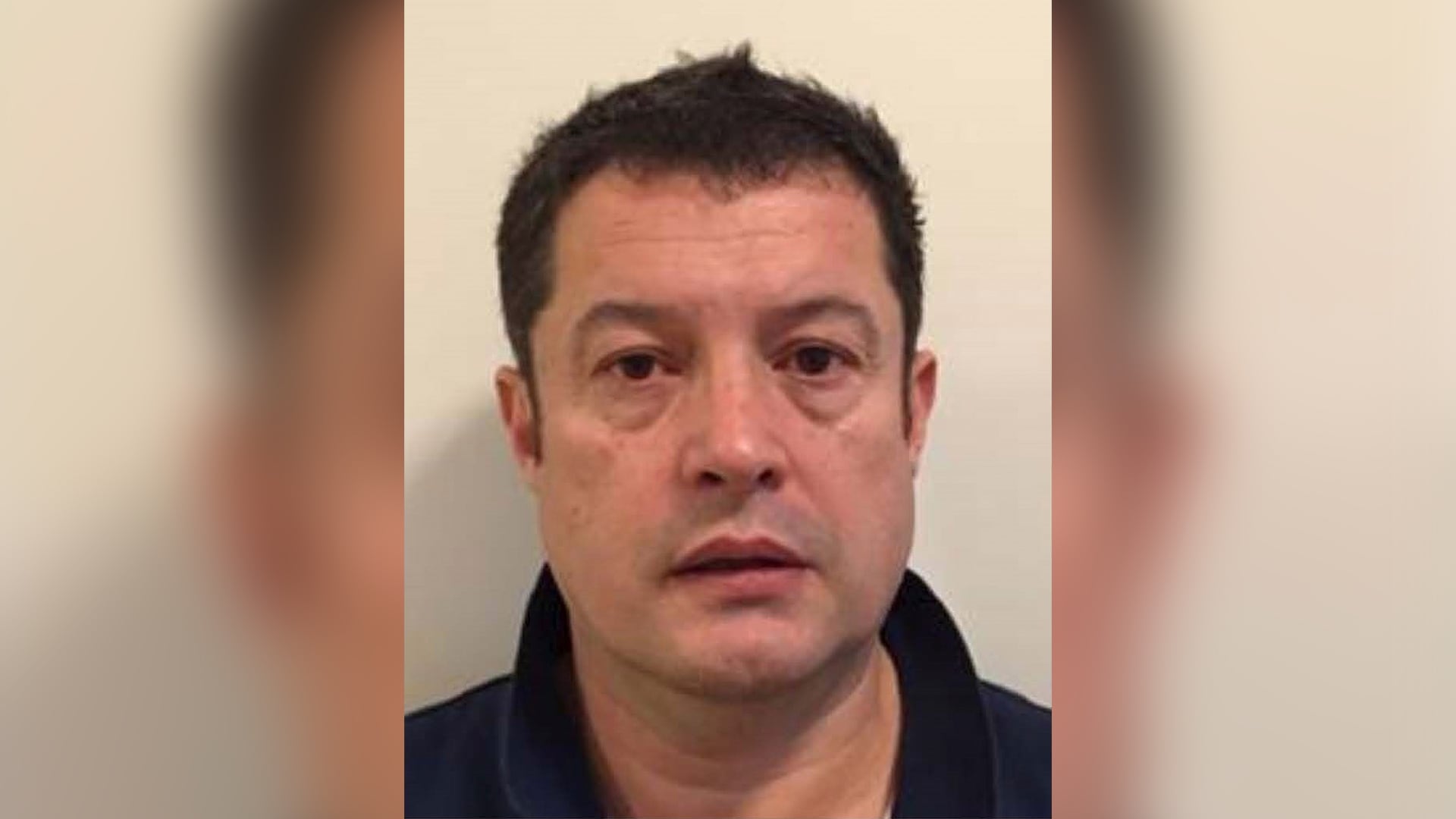
The government of acting Venezuelan President Delcy Rodríguez has handed Álvaro Pulido — Álex Saab’s Colombian-born associate who had been held in Caracas since 2023 — over to the United States. The transfer was announced Sunday on X by U.S. Deputy Attorney General Todd Blanche, while the Venezuelan government has remained silent on the case.

 Login