É fácil acumular separadores. Também é útil, mas o computador pode começar a perder capacidade de desempenho. Saiba o que fazer. Provavelmente já passou por esta situação irritante: manter dezenas ou centenas de separadores abertos no navegador pode consumir grande parte da memória RAM e tornar o computador mais lento. No entanto, muita gente não sabe que tanto o Google Chrome como o Microsoft Edge, por exemplo, têm ferramentas que permitem resolver o problema sem fechar as páginas. O problema é que as páginas web, atualmente, já não são simples documentos estáticos. Cada separador funciona como uma pequena aplicação, que
Eric Schmidt, the former Google chief executive and Democrat mega-donor, holds a one percent stake in Anthropic that traces back to an early investment of millions in the AI startup. This stake could add up to $10 billion to Schmidt's net worth when the company notable for its AI doomer messages goes public.
Outage shows danger of growing reliance on small number of big companies for our digital infrastructure, say experts
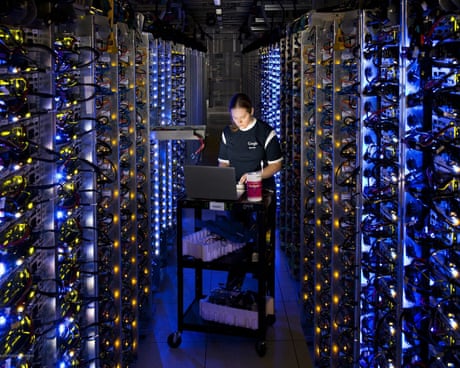
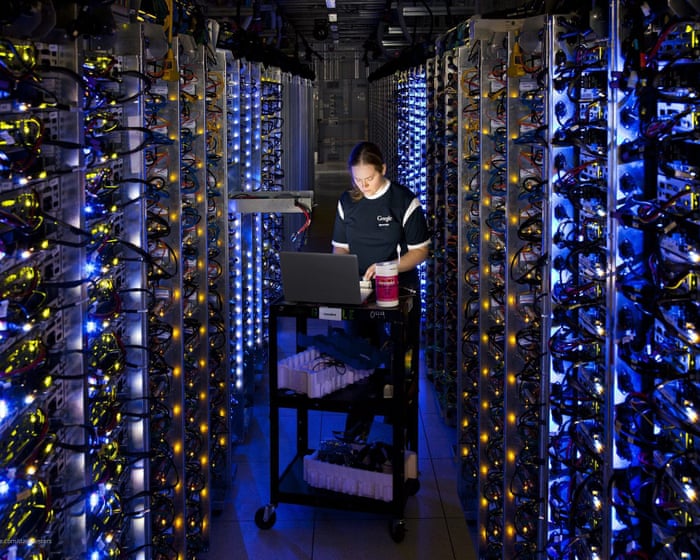
It happened again. A power outage hit a datacentre in London, and things cascaded from there: multiple banking services faltered, court hearings were put on hold and patients reported temporary glitches on the NHS app.
The datacentre in question was in Google’s europe-west2-b zone, one of over a dozen “zones” that the US search giant maintains in Europe to service its clients.
Take a look inside your wallet. There is a good chance at least one piece of plastic in there does little more than display a barcode. Maybe it is your library card. Perhaps it is a gym membership, grocery rewards card or another card you pull out every once in a while. Until now, getting some of those cards onto an iPhone could depend on whether the organization offered its own digital pass. Apple is changing that with iOS 27.
The latest iPhone software lets you create your own pass in Apple Wallet from a physical card, photo or screenshot. Samsung Galaxy and Google Pixel owners have similar options, which means you may be able to leave a few more plastic cards at home. Here is how to turn a membership card into a digital pass on all three phones.
Join our upcoming CyberGuy LIVE class: 5 Ways to Travel Smarter and Save Money
In this free live online class, Kurt "CyberGuy" Knutsson will share five practical ways to protect your trip and your wallet this holiday travel season. You’ll learn how to secure your phone and personal information, find better travel deals, avoid common scams, save money on bookings and use technology to make your travels easier and less stressful. No technical experience is needed.
Join us Saturday, October 31, at 11 AM ET / 8 AM PT. Register free now at CyberGuyLive.com.
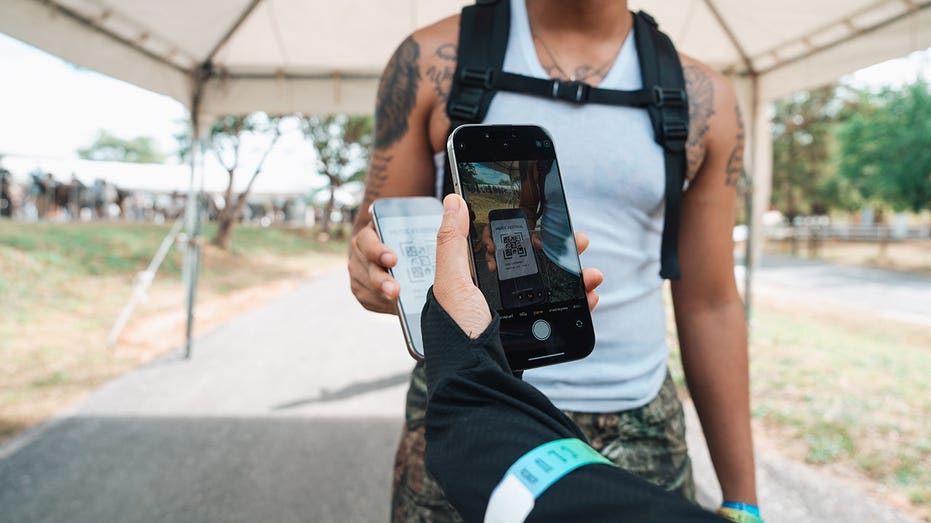
Apple added the ability to create your own passes in Wallet with iOS 27. This comes in handy when a membership or loyalty card has a barcode or QR code, but the organization never gave you an "Add to Apple Wallet" button. Apple specifically points to library cards and gym memberships as examples.
If you have an Apple Intelligence-compatible iPhone, you can create a pass from a photo or screenshot containing the barcode or QR code. Apple Intelligence recognizes the code and can give you the option to add it to Wallet.
Apple Intelligence on iOS 27 requires a supported device, including the iPhone 15 Pro, iPhone 15 Pro Max or iPhone 16 family and later compatible models. Availability can also depend on your language and region. However, Apple also gives you a manual way to create a pass directly inside Wallet.
How to create an Apple Wallet pass from a photo or screenshot
First, make sure the barcode or QR code is clearly visible. A blurry photo could make the code difficult for your iPhone to recognize or for a scanner to read later. On a compatible iPhone, Apple Intelligence can recognize the barcode or QR code in a photo or screenshot and offer to create a Wallet pass.
On a compatible iPhone running iOS 27 or later:
Take a photo or screenshot that includes the barcode or QR code.
Tap Add Pass to Wallet when the option appears. If you're viewing an existing photo in the Photos app, tap the Info button or swipe up to find that option.
Follow the on-screen instructions.
Pro tip: After you create the pass, you can tap View Original Photo to see the image you used.
How to manually create a pass in Apple Wallet
You can also build a pass yourself in iOS 27. This gives you another option when you want to add the information manually.
Open the Wallet app on your iPhone.
Tap the + button, then tap Create a Pass.
Tap Create Pass Manually, then choose a template.
Tap any field to enter or edit its information.
When you're finished, tap Done.
How to edit a pass you created in Apple Wallet
Once you've created a pass, you can customize its appearance or change the information it contains. You can also add or remove fields if you want different details displayed.
Open the Wallet app.
Tap the pass you want to change.
Tap the More button, then tap Edit Pass.
To change the background or color, tap the paint palette button.
To change which fields appear, tap the Edit button > Add or Remove Fields, then select the fields you want.
To change information already on the pass, tap the field you want to edit.
Samsung Galaxy owners already have a similar option through Samsung Wallet. Samsung says almost any membership card with a barcode can be stored in the app.
On a Galaxy phone running the latest available Samsung software:
Open Samsung Wallet.
Tap All.
Tap Memberships.
Choose how you want to add the card.
Select Import from Gallery if you already photographed it, or choose Take a picture to scan its barcode or QR code.
You can also choose the option to enter membership information manually.
Follow the onscreen instructions to save the card.
Samsung also supports participating memberships that are already built into Wallet. Once you need the card, open Samsung Wallet and select the membership. The barcode can then appear on your screen for a cashier or compatible reader to scan. Menu names can vary slightly depending on your Galaxy model and Samsung Wallet version.
How to turn a membership card into a Google Wallet pass on Pixel
Google Wallet can save passes from images when they contain a barcode or QR code. Google specifically lists library cards, gym passes and parking passes as examples.
On a Google Pixel running the latest software:
Take a clear photo of the card and make sure its barcode or QR code is easy to see.
Open Google Wallet.
Tap Add to Wallet.
Tap Photo.
Tap Manual.
Tap the photo library icon.
Choose the photo of your card.
Add a name and description for the pass.
Tap Add.
When you need the card, open Google Wallet and select the pass. You can then scan its barcode or QR code at the reader.
Tip: Google also lets you return to the original image you used to create the pass. Open the pass and tap the More button in the upper-right corner to find the original image.
You may also see Everything else under Add to Wallet. Google uses this option for creating other types of passes from a photo. Select Everything else, accept the consent terms if prompted, then take a photo or choose one from your phone. Google will preview the information it detects so you can review and manually edit it before tapping Add.
What kinds of cards should you try?
Start with cards whose main purpose is giving a business or organization a barcode or QR code to scan. A library card is an obvious candidate. Gym memberships and store loyalty cards may work well, too. Parking passes and other simple barcode-based credentials can also be good candidates, depending on how the organization verifies them.
The easiest test is to look at the physical card. If the person behind the counter normally scans a static barcode or QR code printed on it, there is a reasonable chance a digital version can work. Keep the physical card until you have successfully tested the digital version. Some scanners may have trouble reading a phone display, and some organizations may require the original card.
What these homemade digital passes cannot replace
There is an important limit here. Creating a digital pass from a photograph does not turn every card in your wallet into an official digital credential. Do not assume you can photograph a driver's license, credit card, secure workplace badge or another sensitive credential and use the resulting image as an official replacement.
Some digital credentials require verification from the organization that issued them. Payment cards also have separate security and enrollment requirements. Event tickets deserve extra caution. Many ticketing services now use barcodes that refresh or change to prevent fraud. A screenshot of one of those codes may fail at the gate. Whenever an issuer provides an official Add to Apple Wallet, Add to Google Wallet or Samsung Wallet option, use that instead.
I like this iOS 27 addition because it fixes a surprisingly annoying limitation. I have had plenty of cards with perfectly usable barcodes that could not go into Apple Wallet simply because the organization behind them never created a digital pass.
Now Apple is giving iPhone owners more control over that process. Samsung and Google already offer useful ways to accomplish something similar, so this is one of those rare phone features that can help you regardless of which of the big three you carry.
I would start with the low-risk stuff. Put your library card or gym membership on your phone and see how it goes. If it saves you from carrying another card around every day, great. Just remember that a photo-based pass and an official digital credential are very different things. Your phone can replace more of your wallet than it used to, but I would not empty the whole thing yet.
If your phone could replace every card in your wallet tomorrow, which physical card would you be most nervous about giving up for good? Let us know by writing to us at CyberGuy.com.
Sign up for my FREE CyberGuy Newsletter
Get my best tech tips, urgent security alerts and exclusive deals delivered straight to your inbox.
For simple, real-world ways to spot scams early and stay protected, visit CyberGuy.com – trusted by millions who watch CyberGuy on TV daily.
Plus, you'll get instant access to my Ultimate Scam Survival Guide free when you join.
Alguns dos serviços da Google Cloud, a divisão da empresa dedicada à infraestrutura cloud, estão a passar por um período de instabilidade. Serviço da Revolut também está com erros.
Google's cloud division competes with Amazon and Microsoft for enterprise customers.
Bloomberg/Getty Images
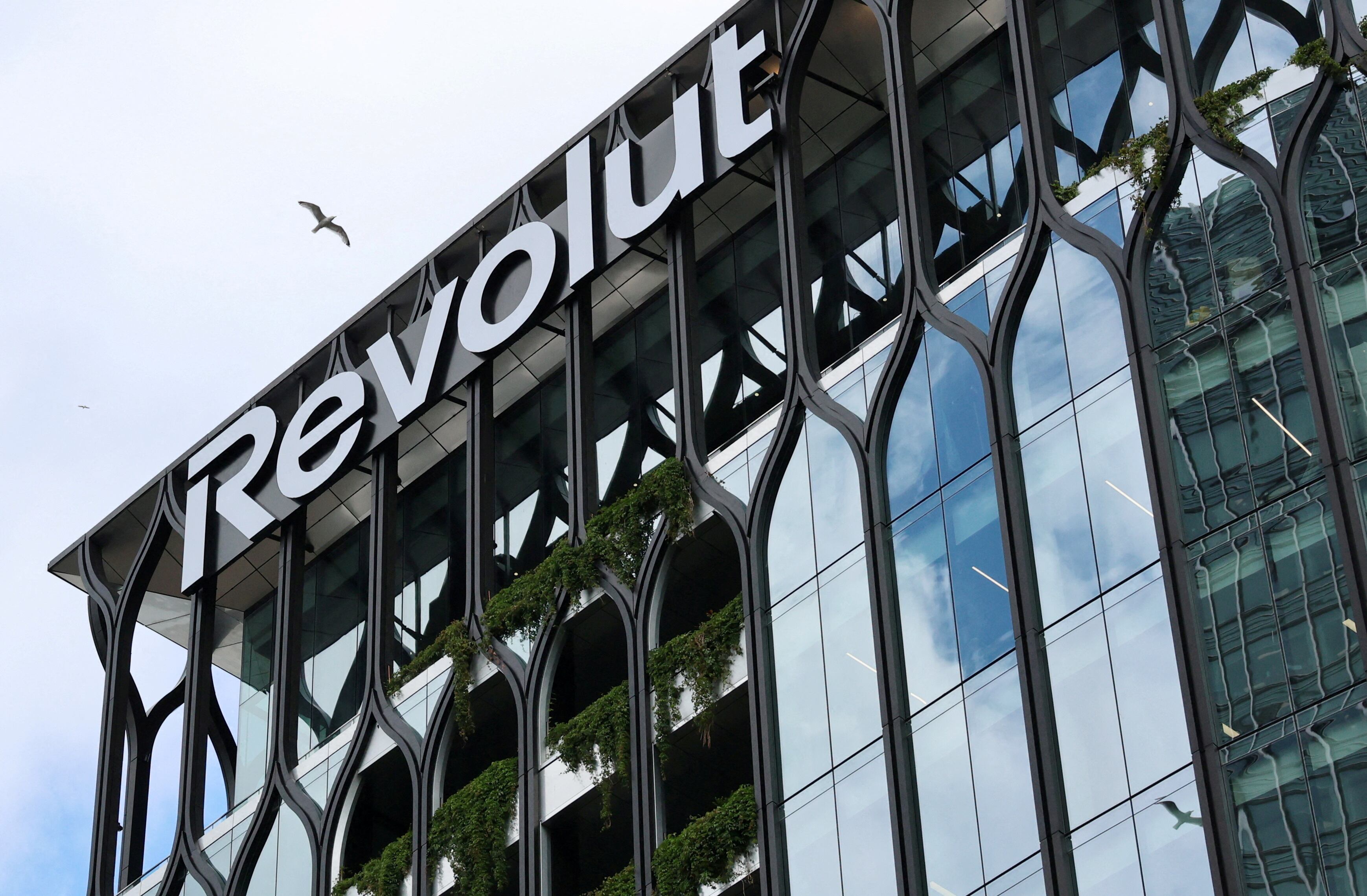
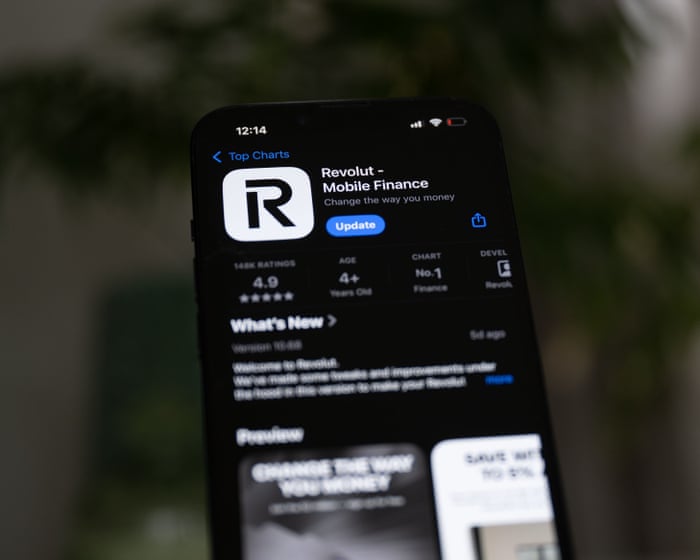
Multiple banking apps in the UK, including Revolut, faced disruptions on Tuesday morning.
Google Cloud experienced issues with its London-based cloud region and has since said services are coming back.
Revolut said in a statement that customers' money was safe while it investigated the disruption.
Google said it had largely resolved a cloud outage that appeared to knock out a number of online banking services.
The company said in an update at around 10 a.m. ET on Tuesday that the problem had been mitigated for the most part, with "a very small number" of customers still experiencing issues.
Google had said the outage had been caused by a "power event" at its europe-west2-b zone, which is based in London.
A handful of banking apps and services, including Halifax and Revolut, reported issues on Tuesday that coincided with Google Cloud's disruptions. Some companies said that the Google Cloud outage was the cause, while others attributed it to an unnamed third-party provider.
Users of some affected banking apps said in social media posts early Tuesday that they couldn't make card payments, log in to the app, or transfer money.
"We can confirm that all our customers' money and data are safe. We've been working to fix the issue since it was identified this morning and apologize to anyone affected and for any inconvenience caused," Revolut said in a statement earlier in the day.The outage was due to Google Cloud, a person familiar with the matter said.
"We're aware some customers are having issues with our app and online. We're sorry about this and are working hard to fix it," Halifax posted on X.
Emma, a popular UK budgeting app, also reported outages on Tuesday. "Emma is currently down due to a Google Cloud outage affecting services in London since 7 a.m. This is a technical outage, not a security issue," the company said on X.
Some took to X to share how the outage was disrupting their lives. One person said they'd had to cancel their beauty appointments in Japan, and another said their card was declined at the airport and they couldn't reach the support team.
Emma is currently down due to a Google Cloud outage affecting services in London since 7am. This is a technical outage, not a security issue. We're monitoring closely and will update here as soon as the app is back. Sorry for the disruption 🙏
The outage appears to have affected non-finance companies, too, according to Downdetector, a site that tracks online service disruptions.
Earlier on Tuesday, an X account for DPD, a delivery service, said in a post that its website was affected, and the web-hosting platform SiteGround said the outage has hit its UK data center. SiteGround said in its post that its engineers were working with Google Cloud engineers to address the issue.
The UK's courts and tribunal service said that it was experiencing issues with its cloud-based video tools for remote hearings on Tuesday. "We're working with our technology partners to restore service," an account for the government service wrote in an X post.
The Google Cloud outage comes as the tech giant has competed with Amazon and Microsoft to win business from enterprises, startups, and governments, particularly amid the AI boom. Reliability is a big promise built into these deals, as outages can have costly consequences for customers.
Google is not alone in being affected by outages, though: Amazon, Microsoft, and others have suffered downtime this year.
Pagare con la carta e ritirare denaro agli sportelli, per gli utenti Revolut, martedì 20 ottobre non è stato possibile. I servizi in rete della banca non sono operativi e fin dal mattino si sono registrati problemi di autenticazione sulla app e sul sito online. All’origine dei problemi ci sono interruzioni di servizi di Google Cloud nella regione di Londra. “Stiamo attualmente riscontrando un’interruzione che interessa diversi servizi. Possiamo confermare che il denaro e i dati di tutti i nostri clienti sono al sicuro. Ci scusiamo con tutti coloro che ne sono stati colpiti per gli eventuali disagi causati”, ha comunicato Revolut sul proprio account X.
Il problema a Google Cloud ha interessato il data center Europe-west2 di Londra: il colosso di Mountain View parla di “elevati tassi di errore” e “interruzioni intermittenti della rete”, spiegando che gli ingegneri sono al lavoro per risolvere il guasto, di cui al momento non si conoscono le cause. Oltre a quelli Revolut, il problema ha mandato in tilt i servizi online di altre aziende: il sito Downdetector riporta centinaia di segnalazioni di disservizi rispetto alle banche britanniche Lloyds e Hsbc, al sito immobiliare Rightmove, alle poste Royal Mail, al gruppo telefonico Bt al corriere Dpd.
Revolut ha restablecido todos sus servicios después de sufrir una caída que ha impedido operar con normalidad a sus clientes durante la mayor parte de este martes. La incidencia, provocada por una caída de los sistemas de Google Cloud, ha afectado a los pagos con tarjeta, las transferencias, las retiradas de efectivo y el acceso a las cuentas o a la operativa en Bolsa, entre otros.
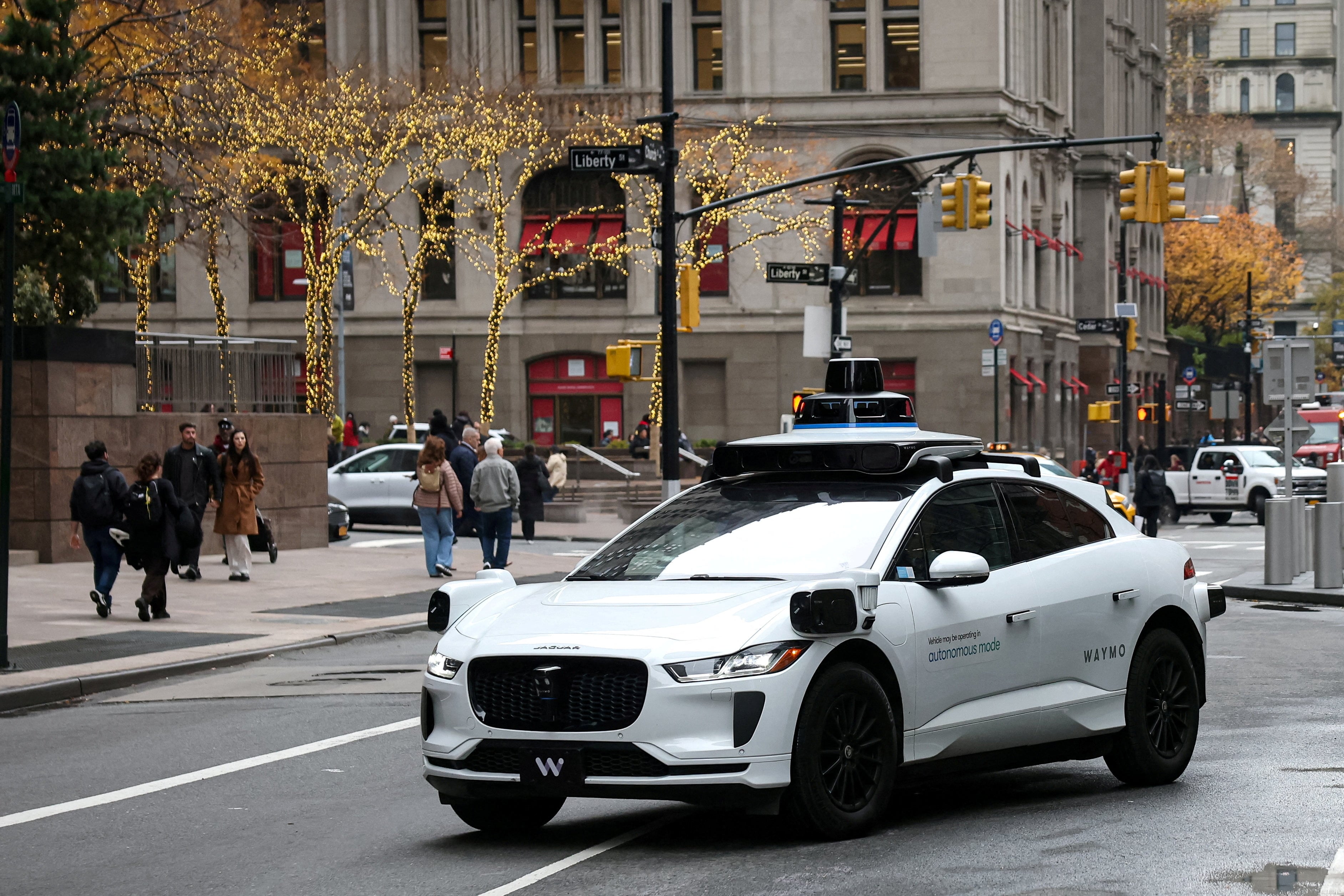
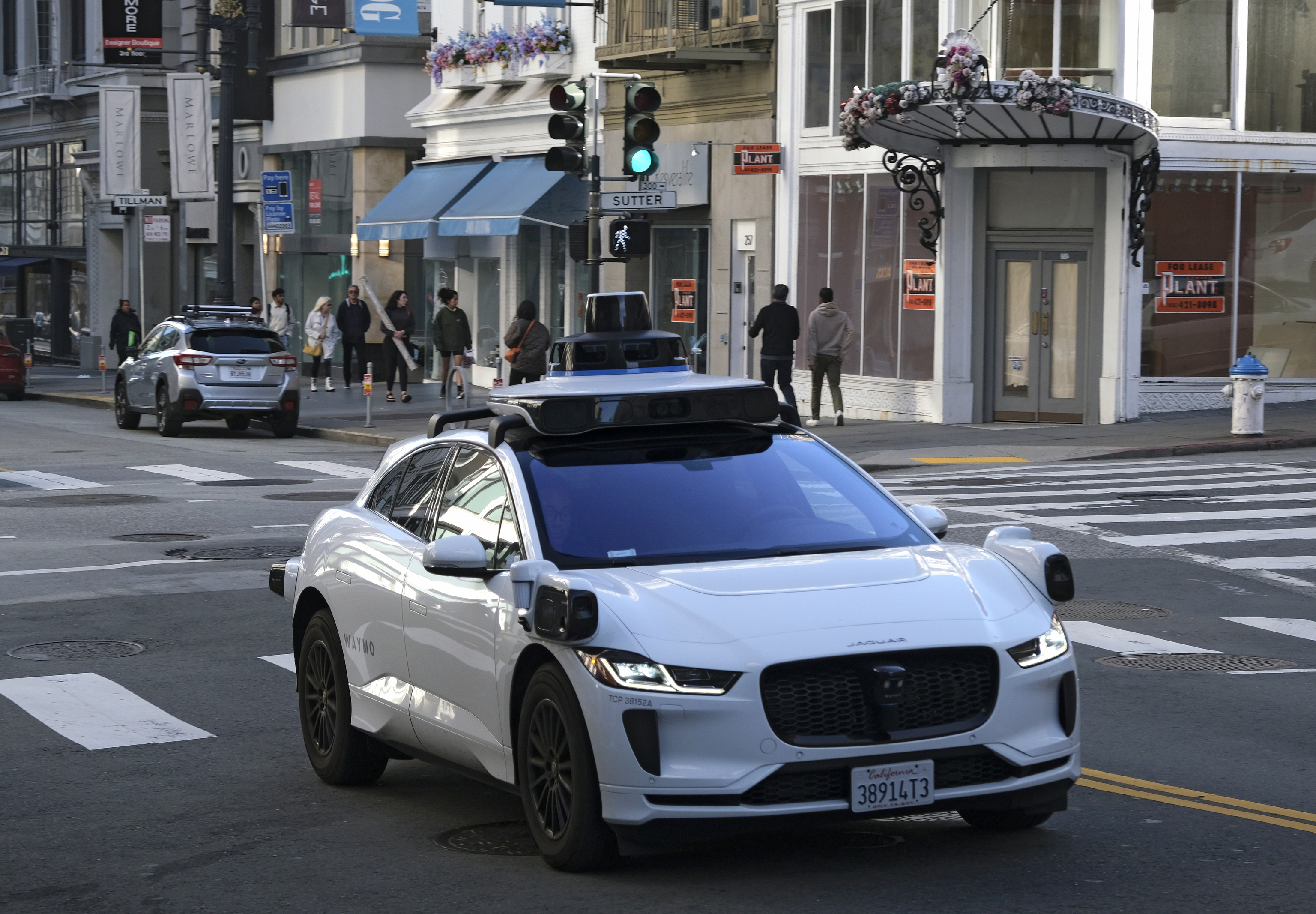
Los coches eléctricos y totalmente autónomos Waymo, de Alphabet (empresa matriz de Google), desembarcarán en los próximos días en la Comunidad de Madrid. En un primer momento lo harán en periodo de pruebas, con la idea de estar ya totalmente operativos en la región a partir de 2027. Así lo ha anunciado hoy la compañía, que también ha especificado a este diario que los coches rodarán en entornos urbanos reales en Madrid capital, Alcobendas y Getafe. Es decir, en lugares en los que hay peatones, cuya visualización y gestión supone para estos vehículos el principal desafío técnico (y el mayor peligro público).
Google is injecting more AI into the interview process.
The company has been testing a new format that tests candidates on their AI fluency.
The pilot has recently rolled out more broadly across Google, internal docs show.
AI is changing how Google employees work — and how Google hires them.
The company has been testing several AI-related changes to its hiring process for software engineers, according to documents reviewed by Business Insider. These changes, which Google has been rolling out in phases throughout this year, include allowing the use of AI in coding interviews and permitting interviewers to use Gemini to give candidates feedback.
Many engineers are also now expected to show some degree of AI fluency as a bare minimum, the documents show.
In May, Business Insider reported that Google was piloting ways to integrate AI into the interview process with a small handful of orgs. This included a new "code comprehension" interview in which candidates are assessed on AI fluency and prompt engineering. Candidates can also use Google's Gemini AI as an assistant during the interview.
The new formats have since been rolled out more broadly across the company, according to the internal documents. However, a spokesperson said they were still considered to be in the pilot phase for now.
"We're piloting updates to our interview process for software engineers, including evaluating for AI fluency, to be more reflective of how our teams are operating," Brian Ong, vice president of recruiting at Google, told Business Insider in a statement.
Like other companies, Google is adapting its hiring process to keep pace with the huge transformation AI is having on software engineering. As developers increasingly rely on AI coding assistants, hiring companies want to know how competent they are with these tools.
In April, Google said that three-quarters of new code created at the company is generated by AI and reviewed by humans, a trend that has since continued across the tech industry. Google has said that its employees are increasingly using the company's own Gemini models to both improve other Google products and to build the next generation of Gemini.
The documents say that for some roles, including software engineering, AI fluency and AI product integration are now used as measures of a candidate's abilities. A Google spokesperson said that AI fluency is a requirement for all software engineering jobs, while AI product integration is required for most roles outside entry-level positions.
Google is also piloting the use of Gemini for interview transcription and note-taking in some job interviews conducted via the company's videoconferencing platform, Google Meet, one document shows.
Google wants to speed up the feedback process using AI, too. The same document states that Google is working to enable interviewers to use Gemini to draft role-tailored feedback.
As Google builds out this new interview system, employees were told they may be asked to participate in some of the pilots — but were warned against using AI tools to generate their own interviewing "solutions."
"Do not use GenAI or LLMs to create your own standalone solutions or agents for hiring or interviewing use cases," the document states, referring to large language models.
Revolut customers have been unable to access their money after the banking app went down, affecting a number of services including card payments, cash withdrawals and transfers.
The UK banking company said its app was down because of a “service disruption” affecting several services, but insisted that customers’ funds and data were safe.
Dicha modificación elevó de 80 a 1.000 toneladas el umbral de almacenamiento de combustible diésel permitido antes de que un proyecto deba ingresar obligatoriamente al sistema de evaluación.
Todos hemos escuchado alguna vez eso de que Google lo sabe todo de nosotros. Pero realmente no fui consciente de cuánto de verdad tiene esa afirmación hasta que decidí hacer una prueba: entrar en mi cuenta y revisar, uno por uno, los lugares que he visitado, las búsquedas que he hecho, los vídeos que he visto, los dispositivos desde los que he iniciado sesión y la información asociada a mis fotos.
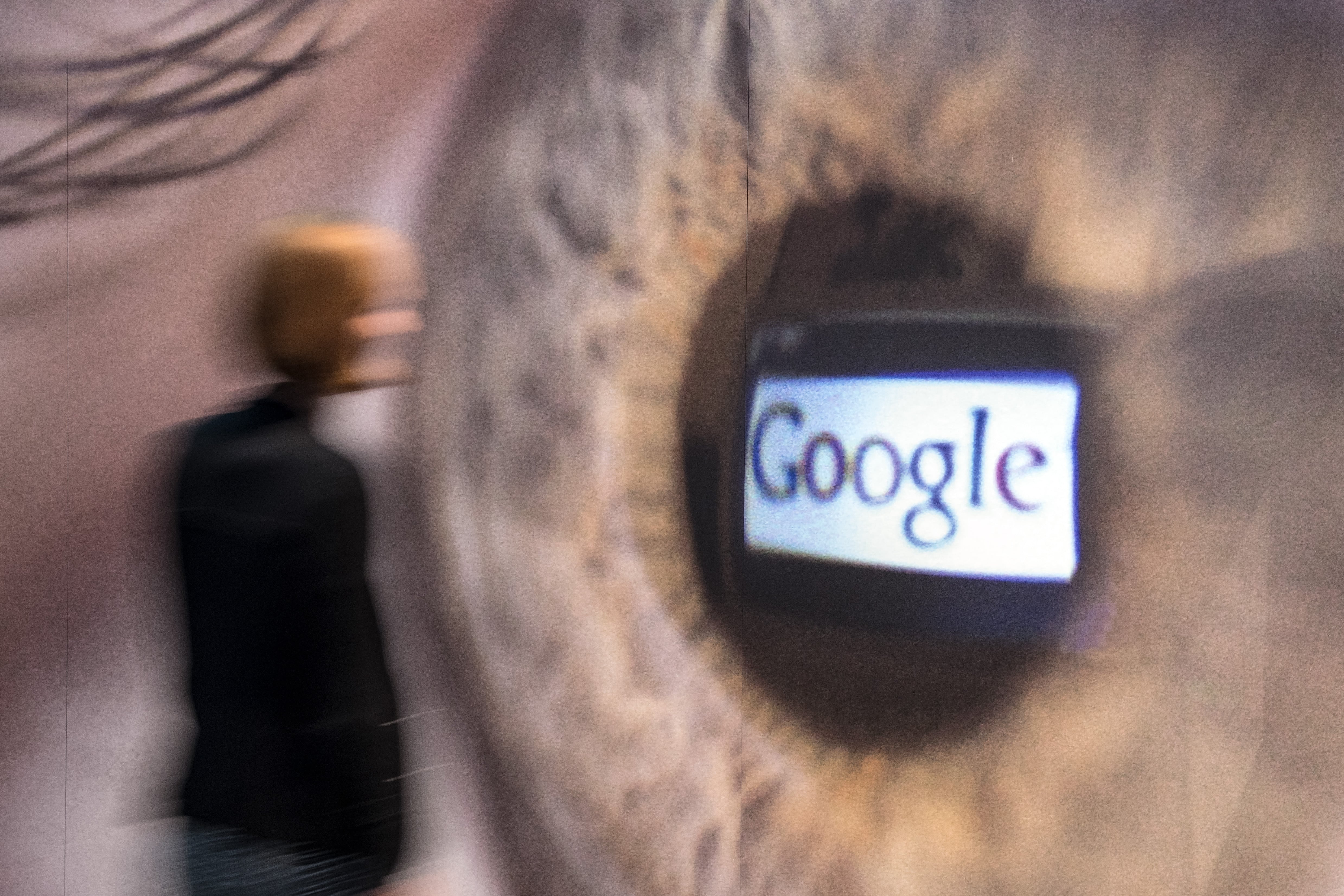
Un empleado de la Casa de la Historia pasa junto a una imagen de un ojo que refleja el logo de Google, en una exposición que aborda el miedo y la vigilancia en Alemania.
Exclusive: Using test accounts acting as 13-year-olds, Tech Transparency Project downloaded 135 apps with features to generate nonconsensual nude imagery
In December 2025, Morgan Dorfman received distressing news: a student at her daughter’s Pennsylvania high school was making AI-generated pornographic material using the daughter’s image.
He was using an artificial intelligence image-editing app called Movely to create sexual videos from pictures of her daughter and five other girls.
Josh Woodward is the vice president of Google Labs, the Gemini app, and AI Studio.
Benjamin Fanjoy/Getty Images
Google Labs leaders use ominous meeting invites to surprise and thank top staff.
It's a "secret society" ritual for the most valuable employees, Google Labs chief Josh Woodward said.
Woodward called the meetings "pretty fun" during an appearance on "Lenny's Podcast."
An unexpected meeting invite with the boss is often the kind of thing that sends employees spiraling. For Google Labs staffers, though, it could mean top brass are about to tell you how great you are.
Speaking on a recent episode of "Lenny's Podcast," Josh Woodward, the vice president of Google Labs, the Gemini app, and AI Studio, described the surprise appreciation meetings as a kind of "secret society" ritual for the team's most valuable employees.
"We'll basically like put an invite on someone's calendar, and we'll just, you know, it looks kind of scary because there's like four or five leaders on the team," Woodward told podcast host Lenny Rachitsky, adding that there's no agenda given.
"And then they show up, and we take turns. We go around the circle, and we just tell them why we appreciate them so much for being on the team," Woodward said.
Woodward called the sessions "pretty fun" and said employees are regularly surprised to learn what the meetings are about.
"I always start the meeting with like, 'This is not a bad meeting. This is a good meeting,'" he said. "Your mind may assume the worst, but we're actually doing the opposite. These are some of the most valuable people."
The surprise recognition meetings are one of the ways Google Labs celebrates the often unflashy work behind its AI products, according to Woodward.
He said the team also has a tradition of handing out quirky awards to employees.
There's the "TPU harvester" award, which consists of a "little miniature rake" from Etsy as well as a cash reward, for staffers who optimize Google's AI chips, known as Tensor Processing Units, Woodward said.
"A few of us wanted to figure out a way to reward people who do the grungy work of efficiency and reclaiming TPUs, harvesting TPUs, so we can build the next features and fuel our growth," he said, adding, "we kind of turned it into this big celebration."
Employees who fix small product flaws or "paper cuts" receive a golden Band-Aid, Woodward said. And those who find surprising ways to push AI models toward new capabilities can become an "LLM whisperer," earning them a giant set of ears and a "really nice" mechanical keyboard.
"We're trying to find like ways to kind of like I don't know encode the value in these like dorky symbols, but that means something," he said, explaining, "We're always coming up with weird stuff like this."
La red de ciberespionaje israelí logró infiltrarse en redes sensibles del Pentágono, la ONU, la OTAN y la Corte Penal Internacional. El entramado afectó además a la cadena Al Jazeera, empresas tecnológicas como Nvidia y una masiva cobertura digital en Palestina.
Bruno Bianchini quit his job at Google to focus on sustainability in Cambodia and green finance.
While still at Google, he pursued a degree at Harvard in sustainable studies.
He says leaving Google was a hard decision, but his career shift aligns with his values.
This as-told-to essay is based on an interview with Bruno Bianchini, the 40-year-old former Head of Global Partnerships for the Middle East, Africa, and Turkey for Google, who is based in the Netherlands. It has been edited for length and clarity.
Growing up in the Italian countryside, sustainability was simply part of everyday life. At 18, I left my small village near Milan to study at Bocconi University in Milan.
In 2005, I started my degree in accounting, corporate finance, and law. Then I did a master's in business administration. When I was about to graduate, a friend at the university said a group of professors had opened a boutique consulting firm. I interviewed for the role and landed it.
That path led me first to consulting and then to Google, where I spent more than 13 years before leaving to pursue work in sustainability.
I started work as a business analyst at the consulting firm in January 2011
At 25, I was working on three projects — a hotel, a food company, and a company that made pressure gauges. My experience was very much about seeing problems through an analytical lens.
In 2012, I was invited to a friend's birthday dinner, where I was seated opposite a guy working at Google. Although Google was already a huge company, I had little sense of its scale. I thought of it mainly as a search engine.
We stayed in touch, and they eventually asked if I'd be interested in an interview
I remember wearing a jacket and tie, and I thought, I can't show up at Google like this; they're never going to hire me. I roughed up my hair, removed my jacket and my tie, and went to the interview.
I had three interviews at Google on the same day. One interviewer asked me about role-related knowledge, the next about more general knowledge, and the third was Googleyness — whether I was a culture fit. I remember thinking in the interview that I wanted to work with these people.
About a week later, I had a fourth interview. The process moved quickly because it was for a temp job. In July 2012, I joined Google.
The Google office in Milan was colorful and playful
I remember there was a game area. In consulting, I'd start work at 8:30 a.m. and leave at 10:30 p.m. every day. At Google, people were coming and going whenever they wanted. The culture was a huge change for me. It was fantastic.
A year later, I applied for a full-time role working with DoubleClick for Publishers, now part of Google Ad Manager. I did lots of prep for the interview, and I got the job.
In 2016, my boss asked me to give a presentation at the Google office in Dubai
After the presentation, a guy who became my new boss asked if I'd consider moving to Dubai because they were expanding the team. Two months later, they opened the role; I applied, got the job, and moved to Dubai.
That same year, I got to see the San Francisco campus for the first time. When I saw the scale of the buildings, the number of meeting rooms, micro kitchens, and the bicycles employees rode around campus, I was mesmerized. Working for one of the most innovative companies on the planet, I felt like I was always at the forefront of tech innovation. I definitely got a kick out of that.
By 2024, I had become the Head of Global Partnerships for the Middle East, Africa, and Turkey at Google
As I was managing a large region, there was a lot of travel.
On office days, I generally worked 9-to-5, depending on projects and deadlines. I might have calls with people in the US, but travel was more hectic. From the moment I arrived, I was having breakfast with colleagues, attending an event, or meeting with clients.
Throughout my time at Google, my value system changed
I'd been thinking about sustainability for some time. When I was in Milan, I met someone from LA who told me they were vegan. They told me about the damage the dairy and meat industries are causing to the planet. I started reading more, and I went down the rabbit hole. I remember feeling that I wanted to be part of the movement for the solution.
While still at Google, I looked into which universities offered degrees in sustainability and came across a program at Harvard.
In December 2025, I resigned from Google
I pursued my master's degree in sustainable studies at Harvard online while working at Google. The last part of my studies involved a thesis. I took a sabbatical from Google and traveled to Cambodia to work on an ambitious project that plans to reforest 100,000 hectares of flooded forest. I worked on the feasibility study.
Google was kind enough to say, "Go pursue your dreams, and if something doesn't work, you're welcome to come back." Eventually, I decided it was time. After four months in Cambodia, I felt the umbilical cord was stretched enough. When I returned from my sabbatical, I handed in my notice.
I feel now that I have a big purpose in my heart, confidence in the abilities Harvard gave me, and, at the same time, I feel financially secure. I could leave a high-paying role where I was making more than $300,000 in annual total compensation for the unknown.
I'm now working as an independent consultant for this project in Cambodia.
Leaving Google was not an easy choice
Google nurtured me in so many ways, but as I was learning more about sustainability, my value system was changing. I was encouraging people to sell more stuff, and on my dark days, I remember thinking that staying at home on the couch was better for the environment.
I want to capitalize on my background in business and finance. I'm currently working on publishing a research paper about the project in Cambodia. I'm doing this long-distance while we're securing funds for the pilot. This month, I moved to the Netherlands, as it is one of the best places for green finance.
Discover-Tech could reportedly track and identify users even if they didn't click on ads, some of which were used to plant spyware from blacklisted Israeli firm Candiru

 Login