❌

Reading view

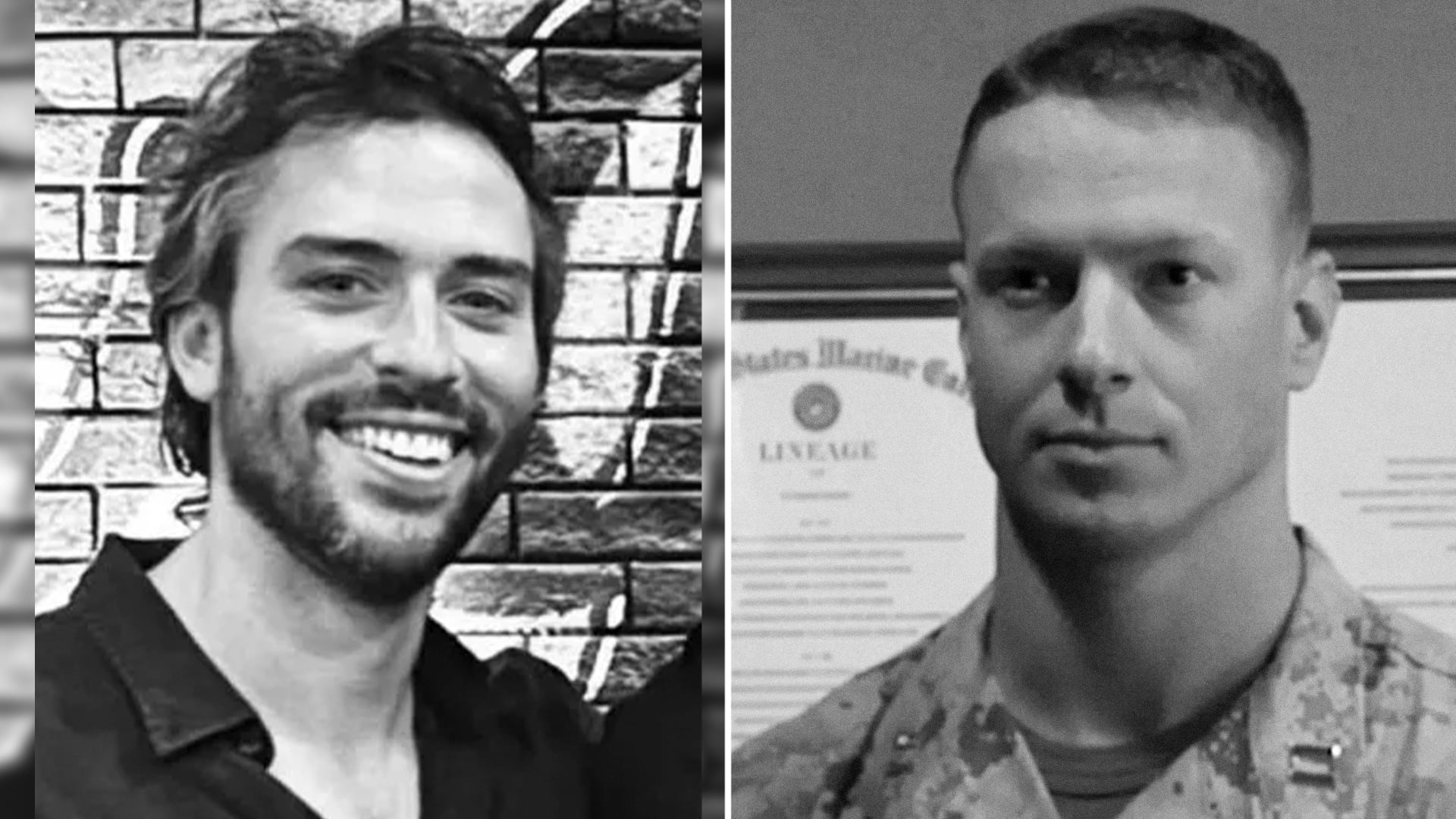
From serving in Afghanistan to operating in Mexico: the last mission of two CIA agents trained in the US Army and Navy

A tragic vehicle crash exposed a covert counter-narcotics operation riddled with irregularities. In mid-April, a pickup truck plunged off a mountain road in the Sierra of Chihuahua in Mexico, killing its four occupants. Two of them were officials from the Chihuahua Attorney General’s office, and the others, as was later confirmed, were undercover CIA agents. The case continues to unfold in new chapters, and over the weekend former Chihuahua prosecutor César Jáuregui was arrested, accused of treason for allowing — without authorization from the federal government — armed foreign officials to take part in sensitive security operations on Mexican soil.

Seguir leyendo

© Special forces taps, Fuerza Expedicionaria de Marines

Richard Leiter Johnston III and John Dudley Black in undated photographs.
  •  

México califica de «maniobra electoral» estadounidense la orden de captura contra Raúl Castro

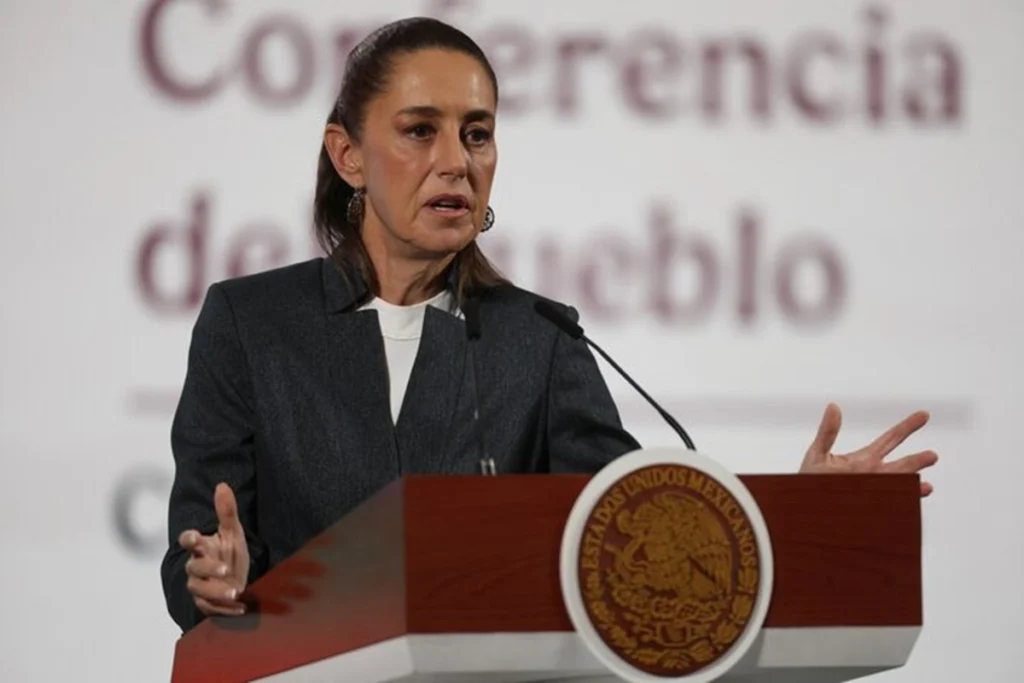
La presidenta de México durante su conferencia de prensa matutina en el Palacio Nacional, calificó la decisión del arresto como una «cuestión política» y descartó su validez jurídica.
  •  

U.S. Arrest Warrant Against Raul Castro is Politically Motivated: Sheinbaum

She maintained that the measure seeks electoral support among certain sectors.

On Tuesday, Mexican President Claudia Sheinbaum said she believes the arrest warrant issued by a Florida court against former Cuban President Raul Castro is primarily politically motivated and linked to the U.S. elections.

RELATED:

Cuban President Rejects U.S. Arrest Warrant Against Gen. Raul Castro

The Mexican president’s statements came after the Florida Attorney General’s Office announced it had obtained a state arrest warrant for Raul Castro, 95, in a case related to events that occurred in 1996.

Sheinbaum maintained that the measure seeks support among certain sectors of the U.S. electorate. During her morning press conference, she stated that the judicial decision responds to political interests related to the November elections in the United States.

The indictment accuses the former Cuban leader of conspiracy to commit first-degree murder in connection with the downing of two planes belonging to the Brothers to the Rescue organization.

“Es político”, afirma Claudia Sheinbaum al dar su opinión sobre la orden de detención contra el expresidente cubano, Raúl Castro. La presidenta mexicana considera que el caso también tiene relación con las elecciones de noviembre en Estados Unidos. pic.twitter.com/17oxb2t0bQ

— La Periodista (@LaPeriodista_MX) October 20, 2026

The text reads, “‘It’s political,’ affirms Claudia Sheinbaum when giving her opinion on the arrest warrant against the former Cuban president, Raul Castro. The Mexican president considers that the case also has a connection to the November elections in the United States.”

In that incident, which occurred on February 24, 1996, Cuban military fighter jets shot down two civilian aircraft that had departed from Florida, in which four people died. The reopened case coincides with stringent measures taken by Washington against the island.

Florida Attorney General James Uthmeier maintains that Castro, who was then Minister of the Revolutionary Armed Forces, was part of the chain of command that authorized the military operation.

The arrest warrant comes in addition to the charges filed in May by U.S. federal authorities against the former Cuban leader for his alleged involvement in the same events.

#WorldCup2026 | @CharlieMontero_ continues his journey through Mexico and discovers the incredible friendship and positive energy shared between Japanese fans and Mexican supporters.

Why is there such a special bond between them?

Find out here on teleSUR English. pic.twitter.com/Tn5dmE83CT

— teleSUR English (@telesurenglish) June 15, 2026

teleSUR: JP

Source: EFE

  •  

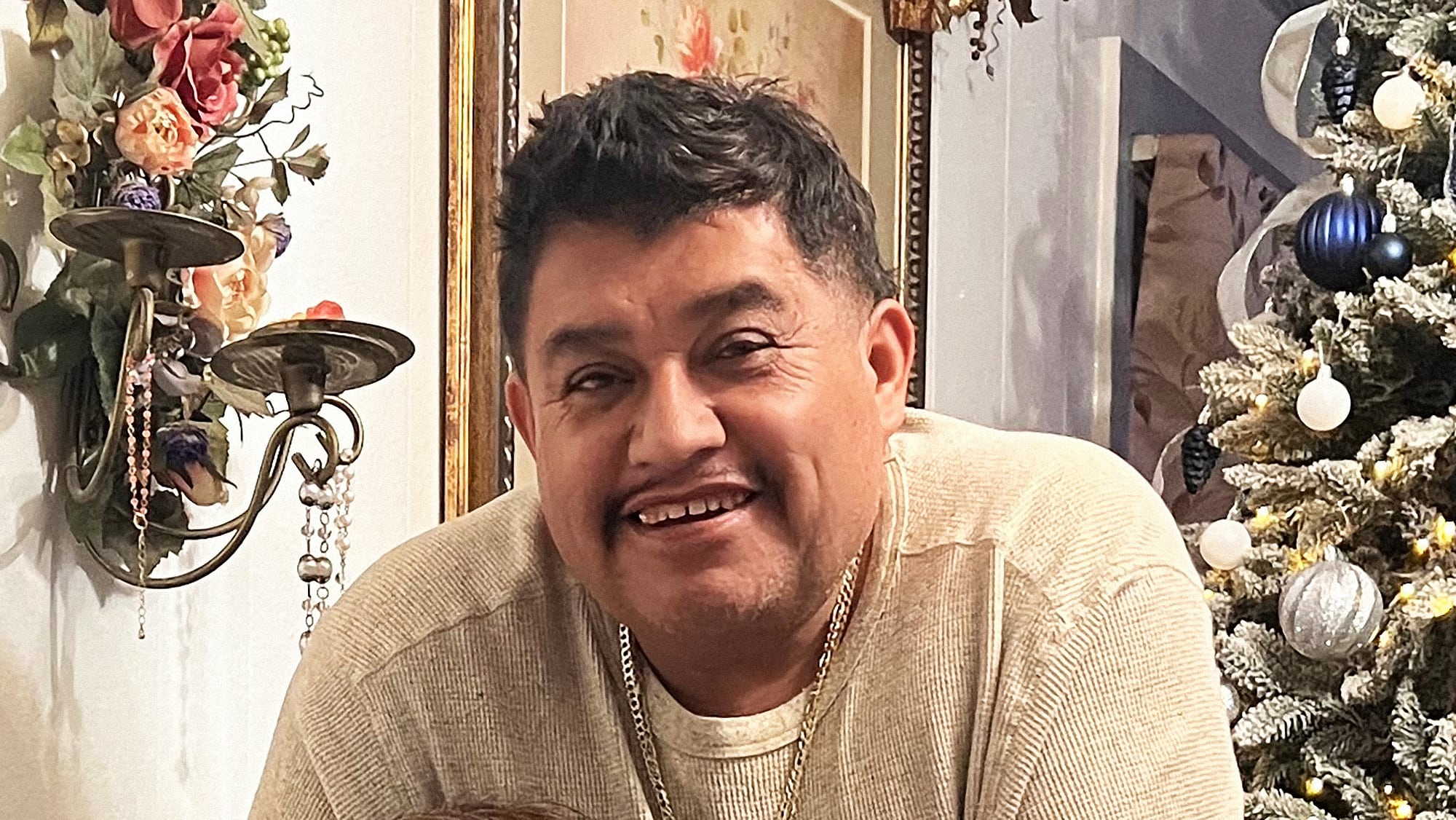
Emiliano Andrade’s daughter blames ICE for his death: ‘My father did not receive the medical attention he desperately needed’

The warnings began circulating on Facebook groups in Laredo, Texas, two days before Mexican authorities confirmed them. Relatives of detainees at the GEO Rio Grande detention center spoke of sickness, neglect and a man who had allegedly died after more than a month without proper medical care.

Seguir leyendo

© Familia Andrade

Emiliano Andrade Covarrubias in a photo shared on the GoFundMe page.
  •  

Mexican government relieved after US lifts restrictions on airlines

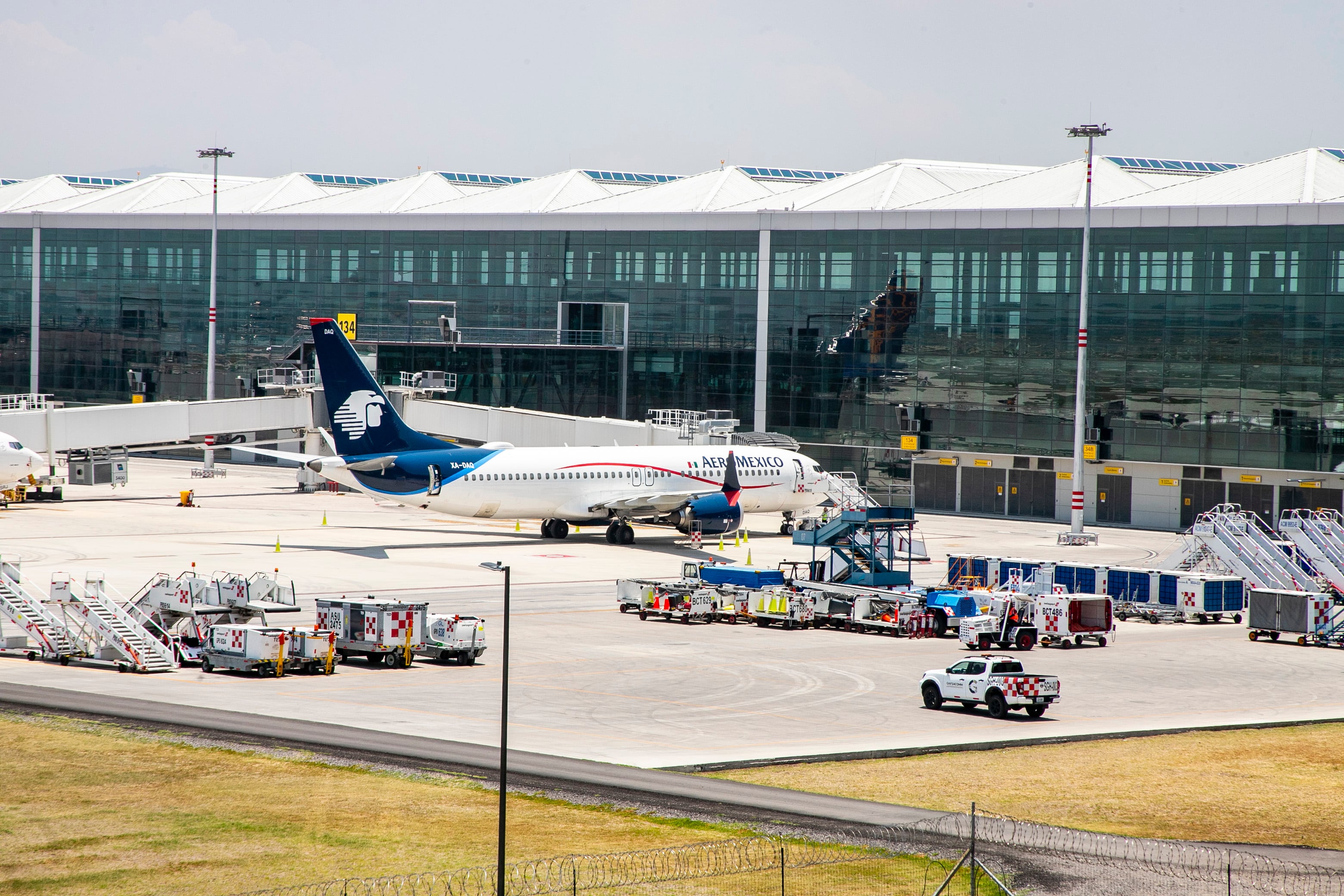
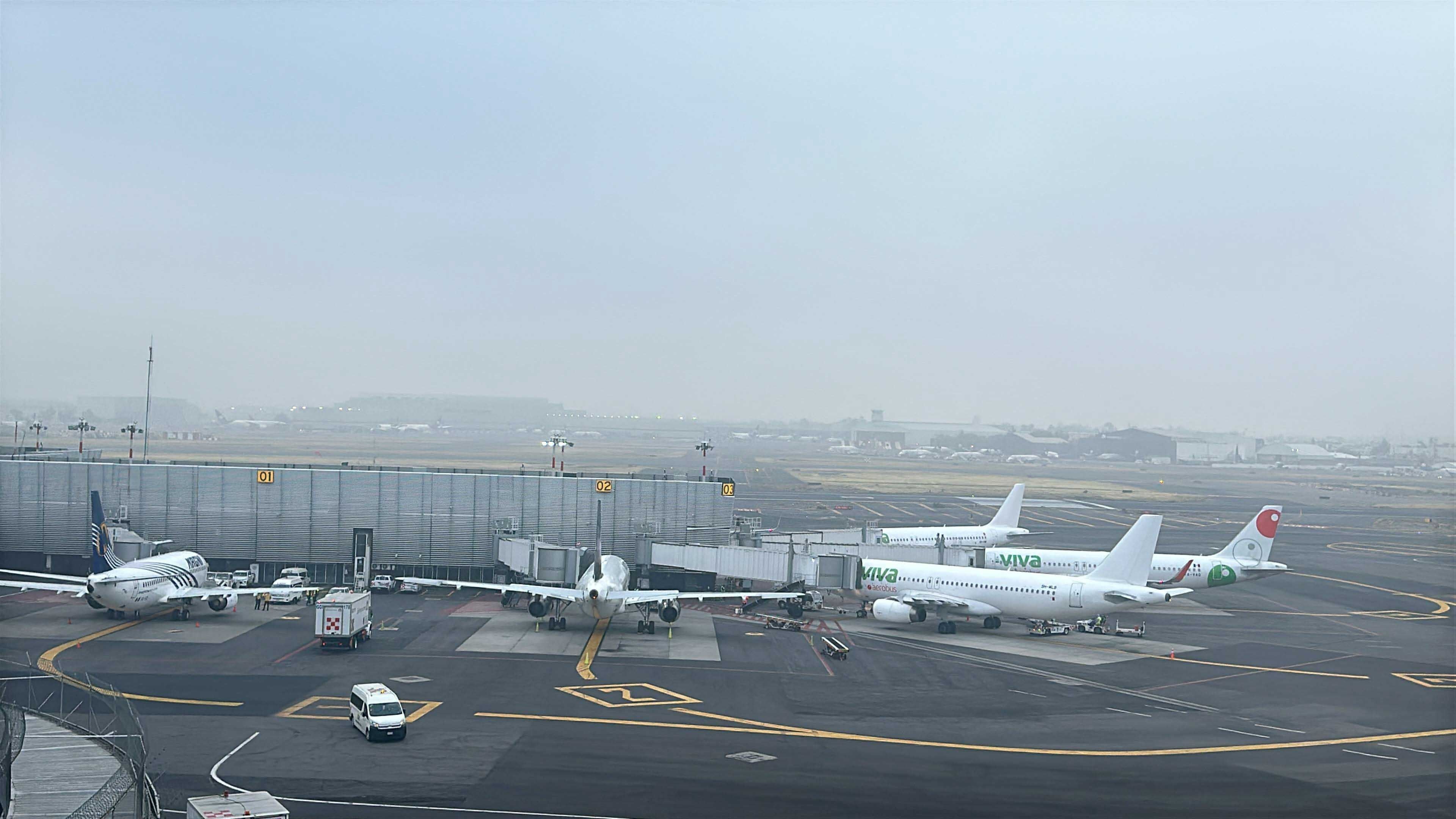
Tension between Mexico and the United States over flights to the Valley of Mexico has eased. The announcement that Washington will lift air restrictions so Mexican airlines can open routes to U.S. cities from Felipe Ángeles International Airport (AIFA) and Mexico City International Airport (AICM) ends months of uncertainty over connectivity between the two countries. Aviation policy has been one of the most complex fronts in the bilateral relationship and has reflected how government positions also spill over into this sector.

Seguir leyendo

Felipe Ángeles International Airport, Mexico City, May 6, 2026.

© Cuartoscuro

Mexico City International Airport (AICM), in November 2024.
  •  

Mexican Government Charges Border State AG with Treason for Working with U.S. to Fight Cartels

Mexico’s government criminally charged and arrested the former attorney general of the border state of Chihuahua. The arrest was not for corruption, drug trafficking, or ties with organized crime. Rather, he is being prosecuted for having worked with U.S. agencies to investigate and fight drug cartels in his state.

The post Mexican Government Charges Border State AG with Treason for Working with U.S. to Fight Cartels appeared first on Breitbart.

  •  

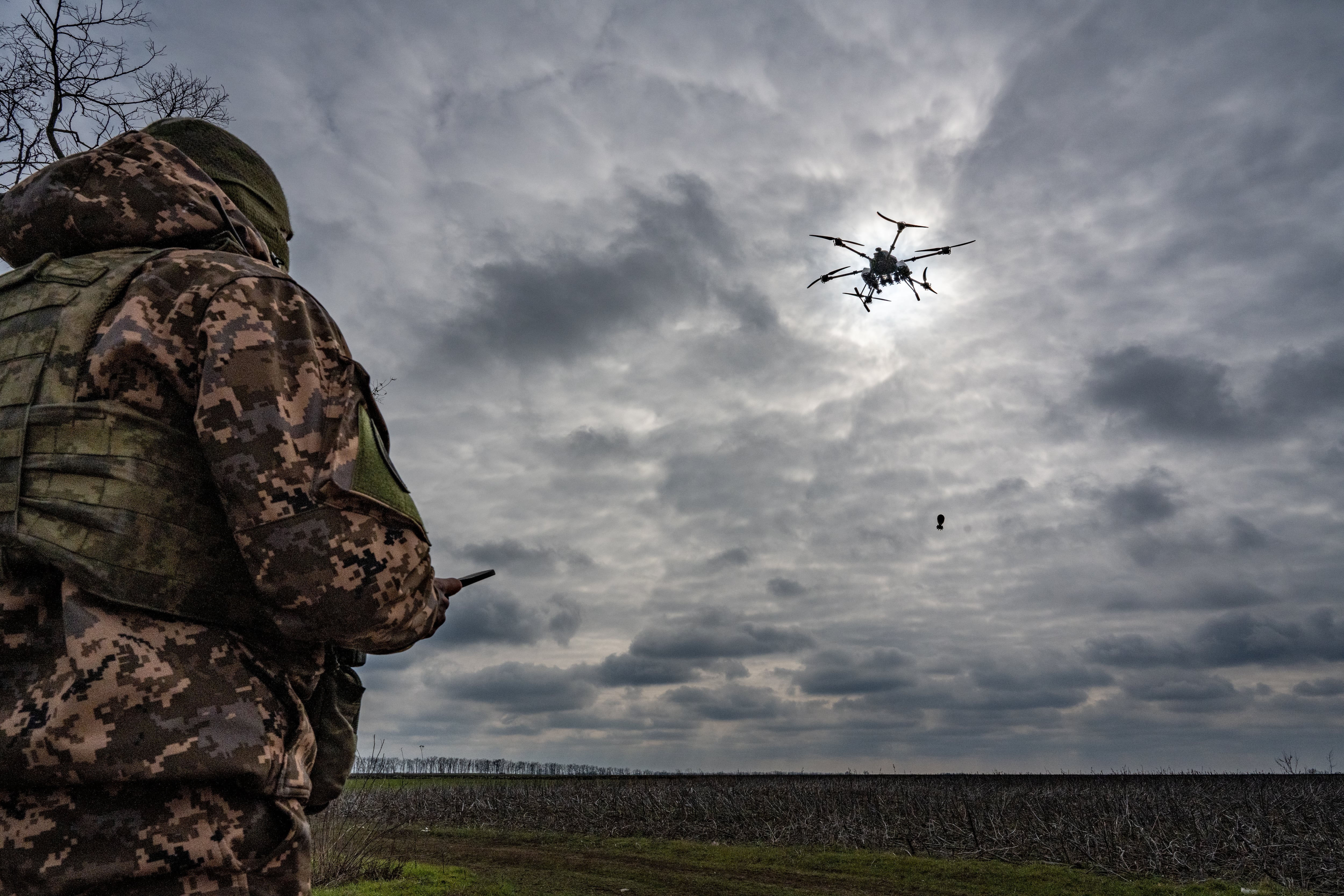
Fiber-optic drones and cartel members at the front: Ukraine’s imprint on Mexico’s narco groups

The video released by Al Jazeera lasts just 25 seconds but has once again reignited public debate. The footage shows at least 10 fighters in a forest, “coming back from a mission,” as one of them can be heard saying. The group of soldiers, who are Mexican, Colombian, and Panamanian — as acknowledged by the person filming — is allegedly part of Ukraine’s front line in the war launched by Russia.

Seguir leyendo

© Scott Peterson (Getty Images)

An attack drone in the Zaporizhzhia region of Ukraine, in February 2024.
  •  

Mexican President Rejects Police Crackdown on Water Protest in Guadalajara

Demonstration over contaminated water leaves at least nine detained and dozens injured.

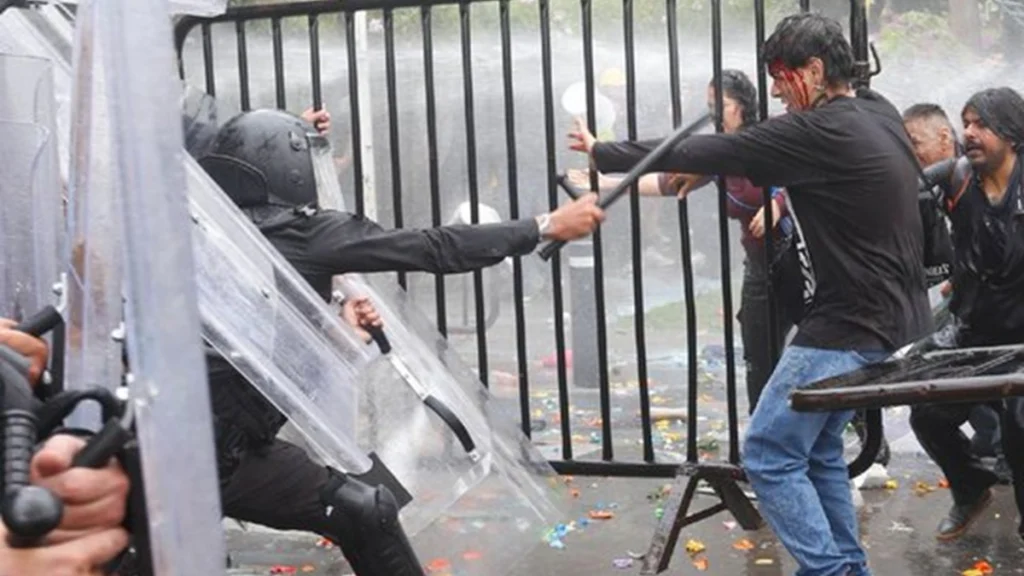
On Monday, Mexican President Claudia Sheinbaum condemned police repression against a demonstration over contaminated water in Guadalajara, in the state of Jalisco, where at least nine people were detained and dozens injured.

RELATED:

Sheinbaum Opens New University Campus in Mexico State

“We do not agree with repression,” she said, asking Jalisco Gov. Pablo Lemus to provide information about the detentions and disclose the names of those arrested.

The Mexican president said Jalisco authorities must explain why they used water and tear gas to contain Sunday’s demonstration, which drew about 10,000 people.

“There must be no repression, and dialogue must be opened. There must not be violent demonstrations, either,” Sheinbaum said, insisting that although security forces can contain violent acts, there is a difference between contention and repression.

“Repression gets us nowhere,” the Mexican president said, leaving open the possibility that the Interior Ministry could intervene in the dialogue if asked to do so.

On Sunday, the demonstration in Jalisco ended in clashes between riot police and participants who were trying to reach the governor’s residence. The organizing groups reported that four people remained missing and that journalists were also affected during the protest in Guadalajara, Mexico’s second-largest city, with more than 4 million residents.

💧 Protesta por el agua en #Guadalajara: detenidos y decenas de lesionados

Miles de personas protestaron en Guadalajara, por la contaminación del agua denunciada en al menos 320 colonias desde marzo. La movilización terminó con enfrentamientos en Casa Jalisco, donde policías… pic.twitter.com/9yMg0bVa2b

— Diario de Yucatán (@DiariodeYucatan) October 12, 2026

The text reads, “Water protest in Guadalajara: arrests and dozens injured. Thousands of people protested in Guadalajara over water contamination reported in at least 320 neighborhoods since March. The demonstration ended in clashes at Casa Jalisco, where police used tear gas and water cannons. The Jalisco government reported 39 arrests and 59 injuries—including 28 police officers (two in serious condition) and 31 civilians. Meanwhile, participants and activist groups alleged arbitrary arrests and stated that several people were beaten during the events. Those detained reportedly include a teacher and at least six students from the ITESO high school—officially known as the Jesuit University of Guadalajara—though no official figure has been confirmed. The protest reignited demands for information regarding water quality and for answers from the authorities. Do you consider the authorities’ actions during the demonstration to have been appropriate?”

Sheinbaum Rejects Privatization

The Mexican president expressed opposition to solutions for Guadalajara’s water supply that would involve privatizing the service, as proposed by Gov. Lemus, who belongs to the opposition Citizens’ Movement party.

“We do not agree with supporting the privatization of the water service,” the Mexican president said, explaining that the Jalisco government is proposing to finance infrastructure projects through a mechanism that could allow private-sector participation in operating the service. The National Water Commission (Conagua) will therefore review the project with state authorities.

The environmental crisis affects about 320 neighborhoods in the Guadalajara metropolitan area, where residents and organizations have been reporting the presence of fecal bacteria and heavy metals in the water delivered to their homes for months.

The contamination has sparked public protests, complaints about health problems and demands for a health alert, while authorities seek alternatives to ensure the supply of drinking water.

teleSUR/ JF

Source: EFE

  •  

Tensions mount on Mexico-US border amid drones and shootouts

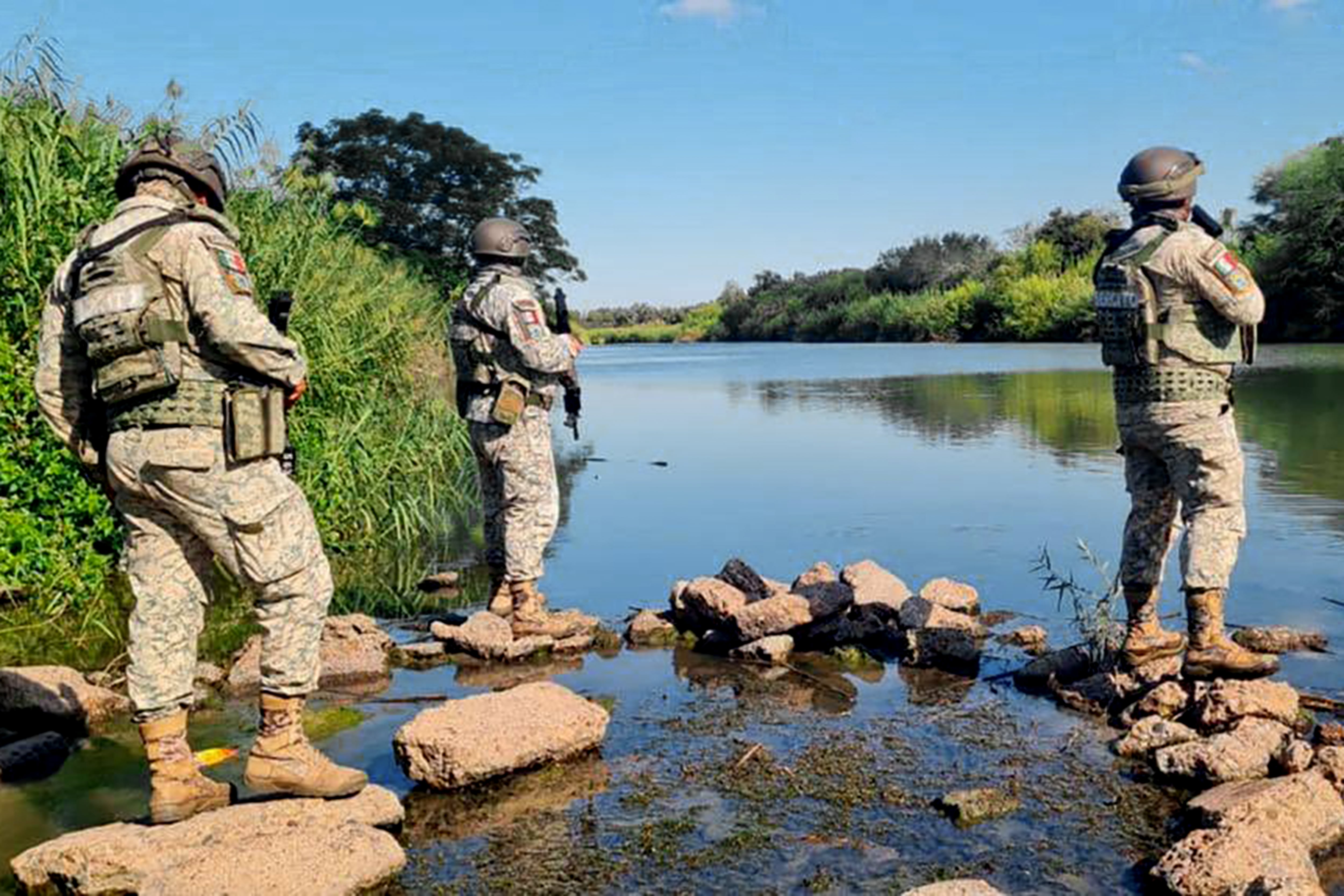
Tensions are rising along the Mexico-U.S. border — this time on the eastern side — due to an incident that has quietly made its way to the press. Ten days ago, U.S. Coast Guard personnel patrolling the Rio Grande area between Texas and Tamaulipas exchanged gunfire with suspected armed men who were crossing from the Mexican side. No injuries or fatalities were reported, but authorities have launched separate operations on both sides of the border — a deployment that, at its core, reignites fears of intervention by Washington on Mexican territory.

Seguir leyendo

© SEDENA

Mexican soldiers patrol in Tamaulipas in October 2026.
  •  

China, the white elephant in US–Mexico trade negotiations

Commercial integration between Mexico and the United States, under the protection of the USMCA trade agreement, will first have to navigate a complicated customs issue: China. On the eve of the fourth round of talks, scheduled in theory for October, the economic rules that the Mexican government will impose on Chinese goods, investment and technology are of particular interest to the White House.

Seguir leyendo

© Roberto Antillón (EL PAÍS)

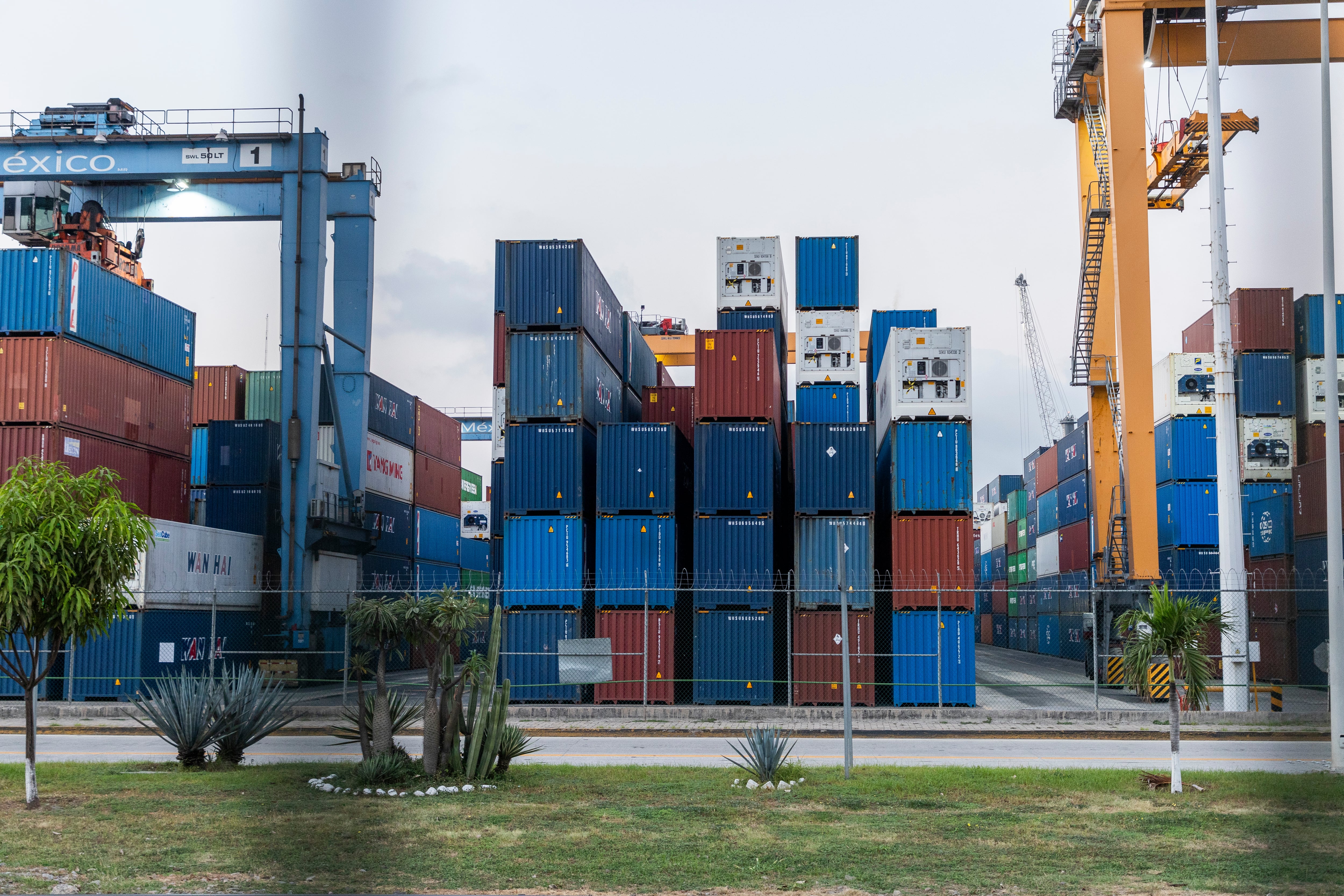
Containers at the port of Manzanillo, Mexico.
  •  

Sheinbaum at the Zócalo: ‘Mexicans do not want interference, interventionism or violation of our territoriality’

Mexico’s president, Claudia Sheinbaum, addressed a massive crowd this Sunday at the emblematic Zócalo square in Mexico City, just a few days before the start of her third year in office. On the eve of the 2027 midterm elections, the president delivered a speech steeped in historical references to Mexico’s struggles for independence and sovereignty, and an allusion to growing pressures from the United States under the guise of fighting “narcoterrorism.”

Seguir leyendo

© Jacky Muniello

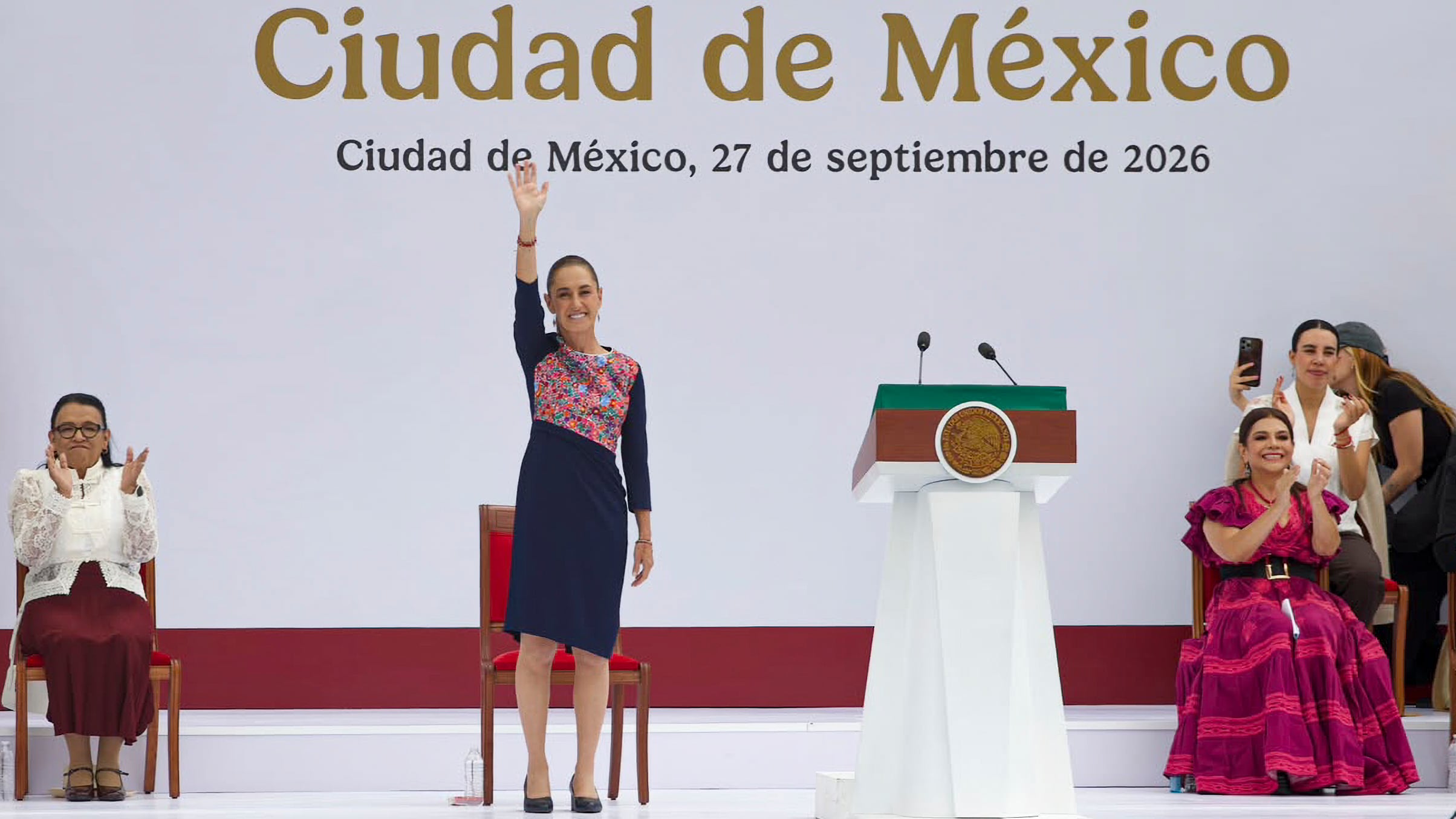
Claudia Sheinbaum at the Zócalo on Sunday.
  •  

Attempted murder accusations, troll farms, and presidential connections: the notorious case of Fernando Cerimedo

Several weeks ago, a video went viral in which Nadia Beller, speaking from a health clinic, accused her ex-partner, the Argentine Fernando Cerimedo, of ordering her murder in Santa Cruz, Bolivia.

After undergoing surgery to remove two bullets from her body, Beller, who is pregnant, accused Cerimedo of being the mastermind behind the assassination attempt, but also warned that it was highly likely the justice system would be unable to act appropriately due to what she described as the close relationship between her ex-partner and Bolivia’s right-wing president, Rodrigo Paz.

In addition, Beller accused Cerimedo of several acts of corruption linked to the Paz administration and the Bolivian president’s family, and posted photos on social media of wads of Bolivian currency allegedly linked to Cerimedo.

A few hours later, on August 18, the Prosecutor’s Office arrested Cerimedo on charges of attempted femicide. Authorities arrested him at Viru Viru Airport as he prepared to leave the country for Argentina.

Investigators found messages on his cell phone that were reportedly sent from his device and could implicate him in the Beller case. In addition, the Prosecutor’s Office announced that Cerimedo will be investigated for alleged illicit enrichment.

For her part, Cerimedo’s attorney, Margarita Arce, said that the attack was planned by Beller herself – that is, it was a self-inflicted attack – to destabilize the Paz administration.

Who is Fernando Cerimedo?

Following his arrest, news of Cerimedo’s apprehension began to appear in various media outlets. Although many people did not attach much importance to it, it turns out that, according to several journalistic investigations, Cerimedo may have been involved in several presidential elections in which the new Latin American right-wing movements won the presidencies of various countries.

A few hours after his capture, and in the face of Beller’s direct accusations, Bolivia’s presidential spokesperson, José Luis Gálvez, was forced – under pressure from journalists – to tell the press that Cerimedo had been an advisor and collaborator on Paz’s presidential campaign but did not currently hold any official position. In response, Cerimedo stated that he and Paz are merely “friends.”

But Paz is not the only leader who knows the detainee personally. Cerimedo is one of the most influential political consultants on the Latin American right and far right. He was one of the strategists for the presidential campaign of his compatriot Javier Milei, and some media outlets claim he has ties to former Brazilian President Jair Bolsonaro. In addition, his roles in Chile – in support of the current far-right president, José Antonio Kast – as well as his activities in Honduras have been highlighted.

Cerimedo’s influence stems from his role as the founder of the right-wing media outlet La Derecha Diario, which has a clear conservative and right-wing libertarian slant. Cerimedo is also the director of the political marketing agency Numen, which was founded in Argentina.

Cerimedo’s key to power: troll farms

But one of the main reasons Cerimedo is so powerful is likely his control over several “troll farms” – places from which fake accounts “like” certain news stories or posts, share content on their profiles, attack individuals, and can even influence and alter online trends, thereby exerting a certain degree of control over the narrative circulating on social media.

That’s exactly what Cerimedo did following Bolsonaro’s defeat in Brazil, when he claimed that Lula da Silva, the winner of the presidential election, had stolen the election. Cerimedo’s troll farms quickly sprang into action and began to “smear” Lula’s victory. A few months later, many Bolsonaro supporters stormed government buildings in an attempt to prevent what they called “a fraudulent presidential inauguration” – that of Lula. Some time later, Jair Bolsonaro was arrested for participating in an attempted coup, according to Brazilian authorities. Cerimedo was investigated, but no charges were filed against him.

But Cerimedo’s relationship with the Bolsonaros did not end there. A few weeks ago, the political consultant appeared online alongside Eduardo Bolsonaro – Jair’s son and Flávio’s brother (who will seek to win the election against Lula) – once again questioning the legitimacy of Lula’s past victory.

Cerimedo has never hidden the fact that he controls thousands of trolls to influence social media algorithms: “We run negative campaigns,” Cerimedo told the newspaper La Nación during the 2023 Argentine political campaign, stating that he shares damaging information about rival candidates.

That campaign – which was, by the way, very successful – paved the way for him to enter Central America, where he served as one of the key advisors to the right-wing candidate Nasry Asfura, who, following a dirty election campaign and a controversial election, became president of Honduras.

In 2025, Cerimedo personally advised Paz in Bolivia, and, according to presidential spokesperson Gálvez, he continues to be a collaborator with the executive branch: “After the campaign ended, he continued to collaborate specifically with the president’s administration, (although) he has not held a specific position within the government.”

Former Bolivian President Evo Morales said that Cerimedo is clearly an “agent of the empire,” while Mexico’s current president, the progressive Claudia Sheinbaum, warned of the danger posed by people like Cerimedo, who seek to taint politics with lies and defamation.

“Elections have been won this way in Latin America, through the spread of fake news that is very difficult to counter because they have a lot of money and sophisticated operational networks,” Sheinbaum told the press.

Read more: Hondurasgate: leaked audio links Asfura, Hernández, Trump, Milei, Netanyahu in anti-left 

And while Cerimedo’s political activities have not been kept secret – thanks to a combination of cynicism and apathetic common sense – Beller’s accusations regarding alleged acts of corruption by her ex-partner and several powerful figures (including some from the governments of Argentina and Bolivia) could expose more than just political campaigns and troll farms.

Beller accuses Cerimedo of participating in operations related to fuel, gold, and even clandestine financial networks. For his part, President Milei has said that the accusation comes from Lula, Morales, and “Castro-Chavism,” although he also tried to distance himself from his former advisor: “He is someone who is not part of our circle and has no connection to us whatsoever. We severed ties in 2023.”

For now, it remains to be seen how far the investigations will go. Cerimedo will remain in custody while his trial continues. Meanwhile, various media outlets continue to investigate the connections of this powerful political consultant and his ties to a range of actors – presidents, companies, media outlets, etc. – who will be following his trial very closely.

Furthermore, the Cerimedo case has demonstrated, in the clearest possible way, a new way of doing politics in the region, one that does not depend on the power of ideas but rather on personal connections and new technologies of manipulation. These have been actively used by a radical right-wing movement in Latin America that has reaped great triumphs in recent years, regardless of the ethical cost or in the name of a “truth” that, on social media, can be as fragile as a straw snapping.

  •  
❌