❌

Reading view

United States Escalated Hostility Toward Cuba Throughout 2026
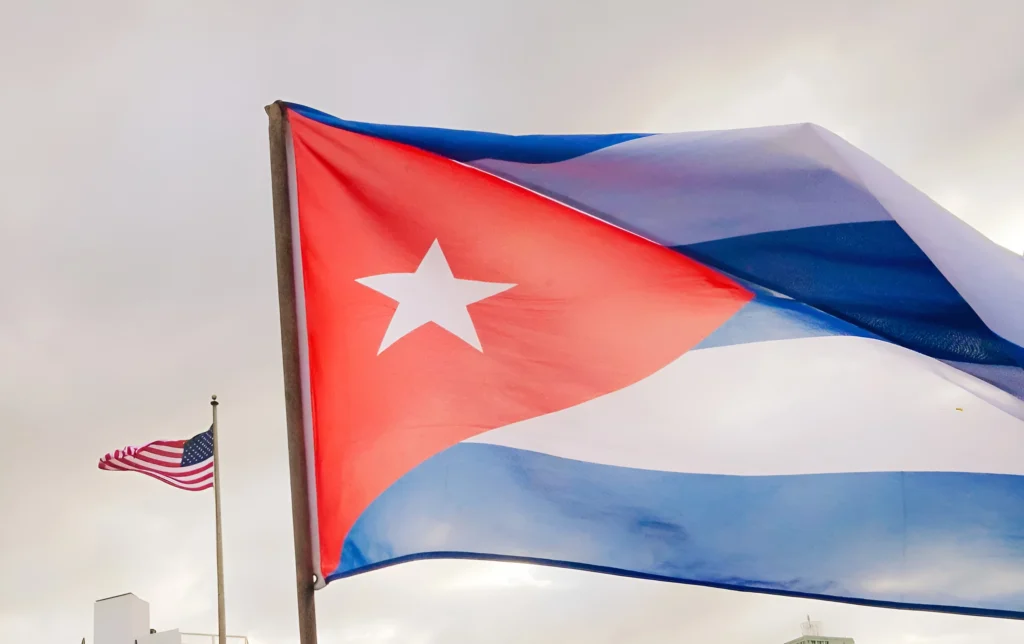
A combination of maritime fuel blockades, power grid collapses, and legal indictments deepens economic hardship across the island nation.

Since the beginning of Donald Trump’s second administration, the United States’ relentless hostility toward Cuba has been on the rise. This friction has centered on unilateral sanctions, trade restrictions, and direct legal actions against former Cuban government leaders.

RELATED:
Russia Condemns U.S. Arrest Warrant for Raul Castro

2026 brought to Cuba a series of severe economic challenges, particularly regarding its energy sector. U.S. executive orders and maritime monitoring actions aimed at restricting oil shipments to state-owned Cuban entities contributed directly to fuel shortages across the island. These restrictions affected power generation, agricultural transport, municipal services, and health sector logistics.

In May, the U.S. Department of Justice unsealed a federal jury indictment in Miami charging former Cuban President Raúl Castro and five co-defendants with conspiracy and murder related to a 1996 aerial shootdown.

Cuba Fuel Restrictions and the Energy Infrastructure Crisis

On January 29, Trump issued an executive order stating that the U.S. would impose tariffs on any country that sent oil to Cuba. The U.S. government authorized certain fuel shipments exclusively to private commercial entities, while blocking access to state-managed refineries and power facilities.

This policy created severe fuel deficits for public utilities responsible for national electricity generation. A deficit that led to recurring shutdowns across the National Electrical System. On March 16, 2026, the national grid suffered a complete collapse after a major boiler leak occurred at the Antonio Guiteras Thermoelectric Power Plant in Matanzas. By October 2026, another mechanical breakdown left up to 75 percent of the country without power.

The energy deficits extended beyond residential electricity. In February 2026, fuel shortages forced Cuban aviation authorities to suspend refuel operations for foreign air carriers. Consequently, airlines such as Air Canada, Rossiya, and Nordwind suspended flights to the island. International tourist arrivals dropped by approximately 58 percent by June 2026 compared to prior operational benchmarks.

Public sanitation and healthcare systems reported operational disruptions due to the fuel deficit. In Havana, local authorities reported that only 44 of 106 municipal collection trucks were operational in early 2026 due to empty fuel tanks.

In June 2026, United Nations human rights monitors showed a 60 percent decline in agricultural production caused by fuel shortages for farming equipment and transport vehicles.

🇨🇺 96,000 Cubans are waiting for surgery as a result of lack of fuel and lack of energy. Among them, 11,000 children.

The U.S. is denying oil to Cuba through a fuel blockade, despite that it’s perfectly legal for any country to export fuel to Cuba. @CarlosFdeCossio pic.twitter.com/DnHW2TONJ5

— Kawsachun News (@KawsachunNews) March 22, 2026

Hybrid Operations and International Diplomatic Positions

Throughout 2026, the U.S. diplomatic campaign was accompanied by increased military surveillance, intelligence monitoring, and diplomatic warnings. Reports documented an increase in U.S. military reconnaissance flights operating over international airspace near the Cuban coastline.

Cuban defense officials countered that the frequency of these flights constituted deliberate psychological pressure and surveillance of national infrastructure.

In parallel with maritime and aerial activities, U.S. diplomats engaged with governments in Latin America and Europe to restrict economic partnerships with Havana.

The U.S. State Department urged partner nations to terminate bilateral agreements involving Cuban medical professionals. Several governments, including Guatemala, Honduras, and several Caribbean nations, subsequently reduced or phased out participation in Cuban medical exchange programs.

In August 2026, UN human rights rapporteurs released a joint statement concluding that unilateral fuel restrictions and financial blockades exacerbated severe shortages of basic goods, medicine, and food.

The Legal Prosecution of Raul Castro and the 1996 Case

On May 20, 2026, the U.S. Department of Justice unsealed a federal indictment in the U.S. District Court for the Southern District of Florida charging former Cuban President Raúl Castro and five co-defendants with conspiracy, destruction of aircraft, and four counts of murder.

The legal push escalated further on October 19, 2026, when Florida Attorney General James Uthmeier announced that the Office of Statewide Prosecution and the Florida Department of Law Enforcement secured a state arrest warrant for Castro, charging him with conspiracy to commit first-degree murder.

Both prosecutions center on an incident that took place on February 24, 1996, when Cuban military MiG fighter jets intercepted and shot down two civilian Cessna 337 aircraft. The planes were operated by Brothers to the Rescue (Hermanos al Rescate), a Miami-based organization founded by José Basulto.

The group initially focused on search-and-rescue operations for Cuban migrants in the Florida Straits, but later expanded its activities to include dropping political leaflets directly over Havana.

The 1996 aerial interception resulted in the deaths of four crew members: Carlos Costa, Armando Alejandre Jr., Mario de la Peña, and Pablo Morales. U.S. federal and state authorities asserted that the civilian planes were destroyed over international waters without legal justification.

Florida state prosecutors cited military chain-of-command statements from the period in which Castro, then Minister of the Revolutionary Armed Forces, authorized commanders to shoot down unauthorized aircraft over the sea without prior consultation.

In response, the Cuban government stated that the civilian aircraft had repeatedly violated Cuban sovereign airspace despite official diplomatic warnings issued to the U.S. State Department prior to the incident.

Cuban authorities and foreign affairs analysts characterized the revival of thirty-year-old charges as a coordinated exercise of extraterritorial judicial power. Officials in Havana rejected the dual legal actions as politically motivated efforts to criminalize Cuba’s historical leadership and create legal grounds for continuing trade and financial sanctions.

U.S. state of Florida's Attorney General James Uthmeier on Monday issued an arrest warrant for Cuban Revolution leader Raul Castro on charges of conspiracy to commit first-degree murder linked to the 1996 downing of two civilian aircraft. https://t.co/FyQMk8L6E6 pic.twitter.com/TDb95dNOk8

— China Xinhua News (@XHNews) October 19, 2026

Domestic Mobilization and Sovereign Defense

The Cuban government and civic organizations responded to the rising external pressures through formal diplomatic rejections, official government statements, and public mobilizations.

Following the unsealing of the May 2026 U.S. indictment against former President Raúl Castro, Cuban Foreign Minister Bruno Rodríguez Parrilla rejected the legal action in an address to international media and diplomats.

Rodríguez Parrilla characterized the indictment as a politically motivated maneuver designed to justify economic sanctions and interfere with Cuban domestic jurisdiction. President Miguel Díaz-Canel reiterated this position, stating that national sovereignty and historical decisions regarding territorial air defense remain non-negotiable under international law.

In urban centers across Cuba, including Havana, Santiago de Cuba, and Matanzas, civil organizations and neighborhood committees organized rallies opposing external interference and economic restrictions.

At the same time, state ministries implemented emergency measures to manage reduced fuel supplies and maintain essential public services. Municipal governments established scheduled electricity rotations, prioritized available diesel fuel for medical facilities and water distribution pumps, and expanded the use of draft animals and non-motorized transport in agricultural regions.

On the international stage, Havana received diplomatic backing from several multilateral organizations and regional governments. The Bolivarian Alliance for the Peoples of Our America (ALBA-TCP) issued a joint declaration condemning unilateral coercive measures against Cuba’s energy sector.

During the United Nations General Assembly in September 2026, representatives from non-aligned nations called for an immediate end to the trade embargo, citing its negative impact on civilian health, infrastructure, and human development.

🇧🇧 Prime Minister @miaamormottley of Barbados condemns the US embargo and fuel blockade of Cuba 🇨🇺 at #UNGA81 pic.twitter.com/SzIXGvGYfa

— Michael Galant (@michael_galant) September 24, 2026

Analysis of Coercive Strategies and Long-Term Impacts

The events of 2026 reflect an intensification of U.S. policy toward Cuba through a combination of trade restrictions, infrastructural pressure, and legal mechanisms targeting state leadership.

The strategic focus on restricting fuel imports significantly affected Cuba’s national power grid, agricultural logistics, and public transportation. Simultaneously, the unsealing of a thirty-year-old indictment against Raúl Castro added a significant legal dimension to bilateral relations.

Economic data, energy assessments, and reports from international monitors demonstrate that the primary burden of fuel deficits and infrastructure instability falls directly on the civilian population. The disruptions to medical supplies, food distribution, and municipal sanitation illustrate the direct impact of unilateral economic sanctions on daily life.

Despite persistent resource constraints and structural deficits, the Cuban government has maintained state operations and institutional control through domestic conservation strategies and international partnerships.

#Russia | Moscow condemned a US arrest warrant against Raul Castro over the 1996 downing of two civilian aircraft, calling the charges politically motivated.
Russia warned that escalating pressure on Cuba could destabilize Latin America and the Caribbean.#RaulCastro #Cuba… pic.twitter.com/PhmRslPWFq

— teleSUR English (@telesurenglish) October 20, 2026

Sources:  Granma – Juventud Rebelde – Cuba Debate – Cubavisión – CiberCuba – EcuRed – TeleSUR – BBC – CNN – The Guardian – La Radio del Sur
  •  

Cuba Accuses U.S. of Undermining UN Debate on Blockade

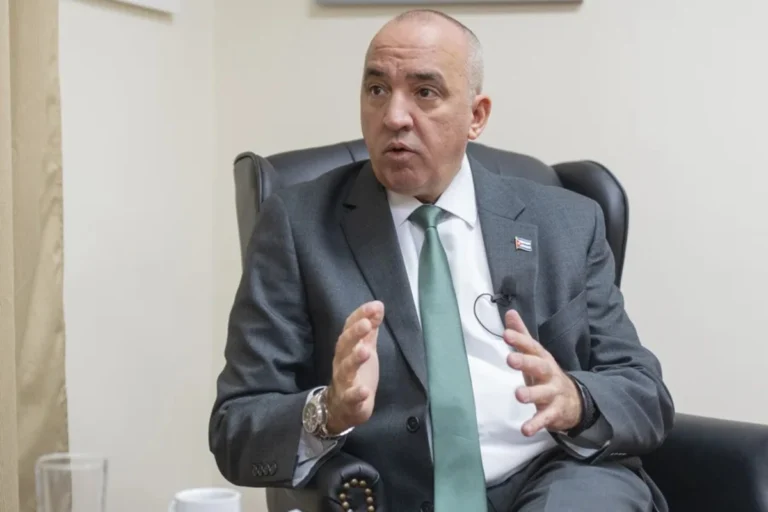
Cuban ambassador Ernesto Soberón Guzmán denounces the U.S. blockade and a disputed event at United Nations headquarters.

Havana accuses Washington of using a disputed event at UN headquarters to divert attention from its decades-long economic blockade.


Cuba has accused the United States of staging an unauthorized event at UN headquarters to discredit the island ahead of a General Assembly debate on ending Washington’s decades-long economic blockade.

RELATED: Cuban President Rejects U.S. Arrest Warrant Against Gen. Raul Castro

Cuba’s permanent representative to the United Nations, Ernesto Soberón Guzmán, condemned the gathering, organized by the U.S. Mission to the UN, as a clandestine meeting unrelated to the organization’s official agenda. He also criticized the UN Secretariat for failing to stop the event despite repeated warnings from the Cuban delegation.

According to Soberón Guzmán, the U.S. mission selectively invited a small group of member states to promote what he described as false claims about Cuba. He alleged that the panelists were funded by the U.S. State Department and had criminal records or links to organizations responsible for attacks against the Cuban people.

“This charade is an attempt to distract attention from a simple fact: the United States is acting as an international criminal, imposing collective punishment on the Cuban people. It is inflicting immense suffering on the entire population of a peaceful nation,” Soberón Guzmán said.

Declaraciones del Representante Permanente de Cuba🇨🇺 ante @UN 🇺🇳, @SoberonGuzman, denunciando el provocador y vergonzoso evento realizado por la misión de EEUU en ONU.#CubaNoEsUnaAmenaza, el bloqueo sí! pic.twitter.com/lmDcWv2SAT

— Cancillería de Cuba (@CubaMINREX) October 19, 2026

Text Reads: Statements by Cuba’s Permanent Representative to @UN, @SoberonGuzman, denouncing the provocative and shameful event held by the US mission at the UN. #CubaNoEsUnaAmenaza, the blockade is!

Debate on the blockade

The Cuban protest comes ahead of a formal debate at the UN General Assembly on a resolution calling for an end to the U.S. economic, commercial and financial blockade against Cuba. The assembly is scheduled to consider the issue on October 27 and 28 in an open and inclusive debate, marking the 34th time the body has addressed the resolution.

Soberón Guzmán accused Washington of exploiting human rights concerns to undermine Cuba’s sovereignty and right to self-determination, weaken the Cuban people’s resolve and subvert the country’s constitutional order. He also argued that the U.S.-organized event was intended to divert attention from the consequences of Washington’s policy of maximum economic pressure on the island.

The ambassador expressed confidence that the resolution would again receive broad international support, insisting that Cuba posed no threat to other countries.

“The U.S. government knows very well that the vast majority of countries will once again support our demand, because Cuba is not the threat; the blockade is,” he said.

Soberón Guzmán rejected the prospect that U.S. pressure would force Cuba to abandon its position, saying that efforts to break the determination and unity of the Cuban people would fail.

“If anyone in the U.S. government thinks they will break the determination and unity of the Cuban people, they are wasting their time, their efforts and no small amount of resources. We will never bend the knee. We will not surrender,” he said.

  •  

Ukraine to compensate damaged cargo ships, as Russia rejects Black Sea proposal

Under a mechanism developed by Ukraine’s Infrastructure Ministry, Kyiv will compensate shipowners, operators, and charterers whose vessels fly under the Ukrainian or a foreign flag for up to 80% of the assessed damage if insurers don’t cover the risks.

  •  

Africa’s LNG boom giving Asia an alternative to Hormuz

When the Iran war closed the Strait of Hormuz earlier this year, about 20% of the world’s liquefied natural gas supply stopped flowing almost overnight. Roughly 90% of the LNG that moves through the strait goes to Asia, so the continent has absorbed the worst of it. Gulf producers have had few good responses. Saudi […]

The post Africa’s LNG boom giving Asia an alternative to Hormuz appeared first on Asia Times.

  •  

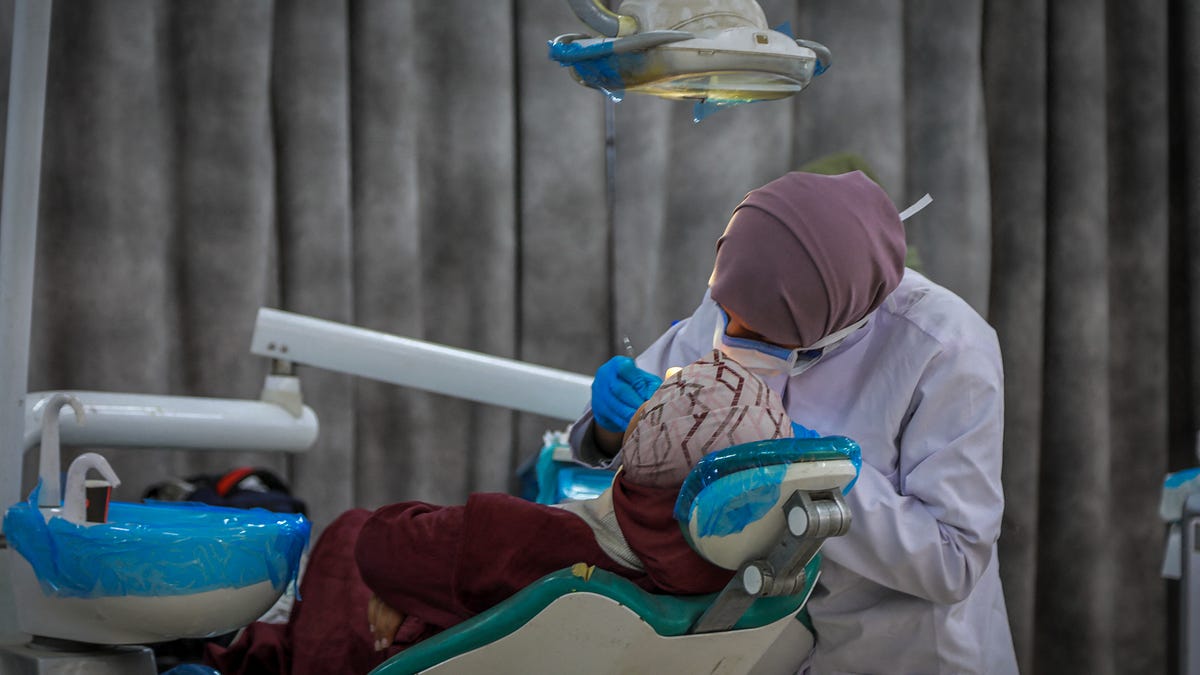
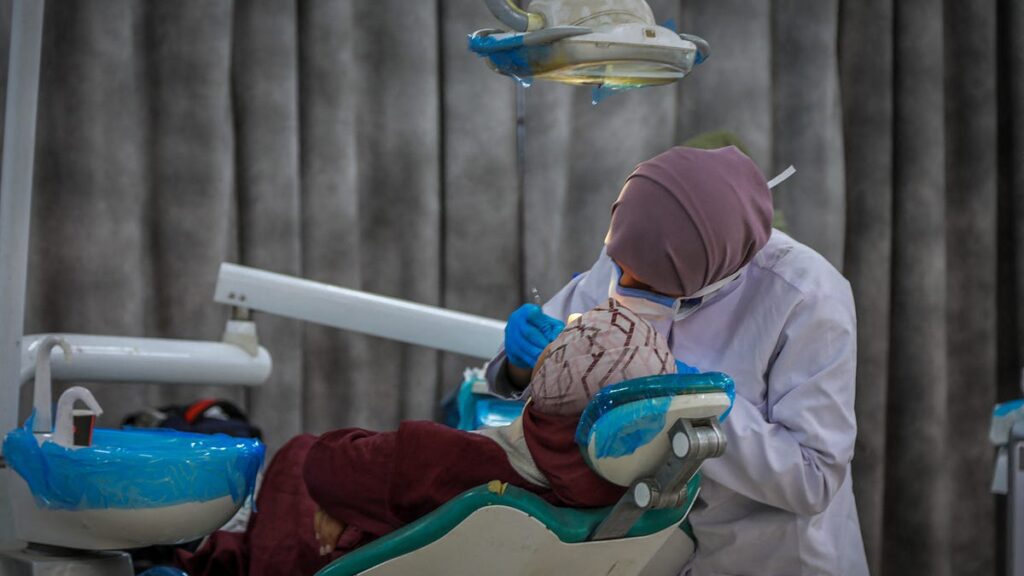
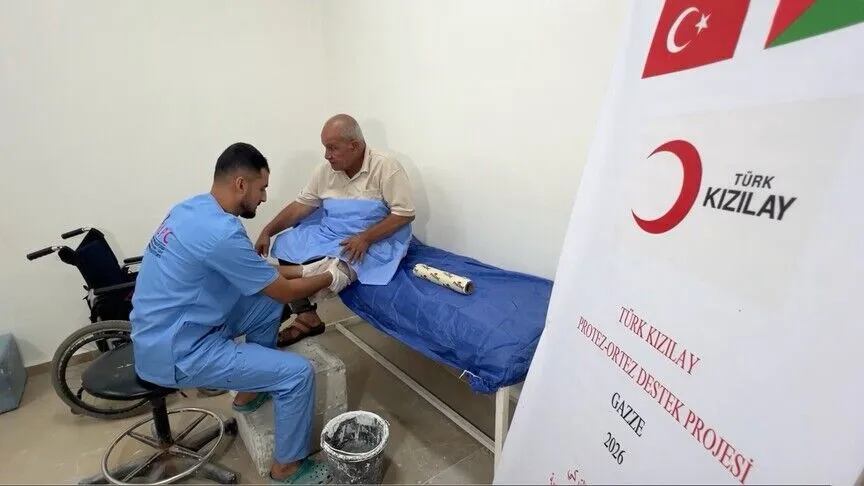
Pulling Out Teeth Just to Live: How Israel Has Devastated Dental Care in Gaza

Along with other medical supplies, dental materials have not been allowed into Gaza for the past three years, forcing patients to choose between unaffordable treatment, extraction, or painkillers.

  •  

Eggs cost nearly 20 times US prices in occupied Oleshky, where Ukraine’s ombudsman says people die of hunger every day

civilians dying every day occupied oleshky 10 eggs cost nearly 20 times ukraine’s average price resident says · post people wait food supplies oleshkywebp ukraine news ukrainian reports

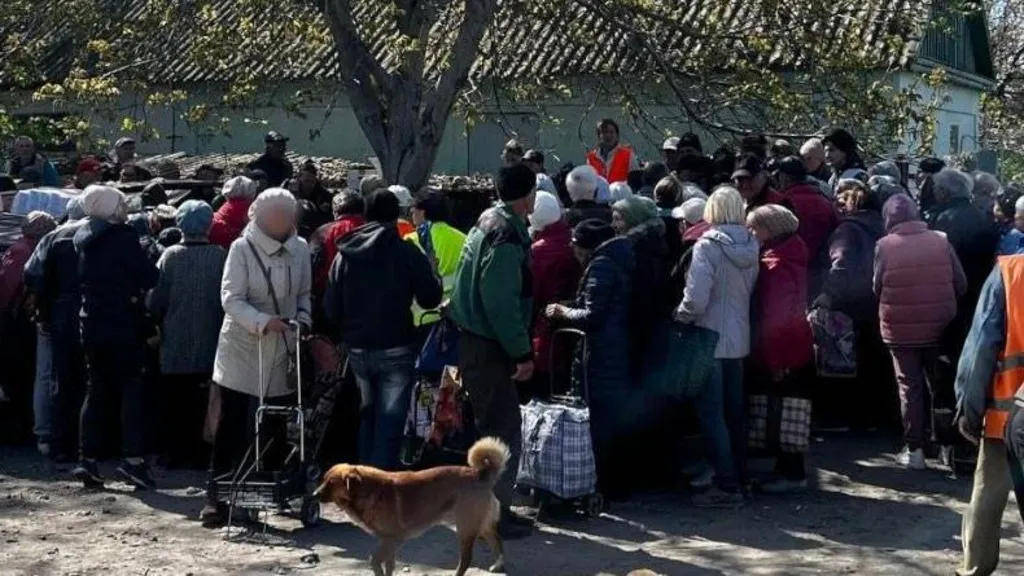
People in Russian-occupied Oleshky, a town in southern Ukraine, are running out of food and medicine and have no way out, a local resident told RBC-Ukraine. Ukraine's human rights ombudsman told the outlet that civilians there are dying of hunger every day.

The part of Kherson Oblast across the Dnipro River has been under Russian occupation since 2022, with civilians facing food and medicine shortages and restrictions on leaving. The UN Human Rights Monitoring Mission in Ukraine has documented deteriorating conditions in Oleshky and neighboring Hola Prystan. There has been no practical breakthrough toward an organized evacuation, though 358 people who need help to leave Oleshky and nearby settlements have been verified. About 2,000 people remain in Oleshky, Kherson Oblast head Oleksandr Prokudin estimated.

The resident, who spoke anonymously, said food is extremely scarce, and residents are waiting for a humanitarian corridor to leave. The local market offers mostly vegetables and fruit, such as tomatoes, cucumbers, zucchini, pears, and apples. Russia made its ruble the only legal currency in occupied Kherson Oblast from 1 January 2023, pushing out the Ukrainian hryvnia. Prices at the market start at 500 rubles (about $6), and "if you're lucky, 10 eggs can be bought for 3,000 rubles" (about $36), the resident said. That is about $3.60 an egg, nearly 20 times the US average of about $0.19, or $2.27 a dozen in August, US government data show.

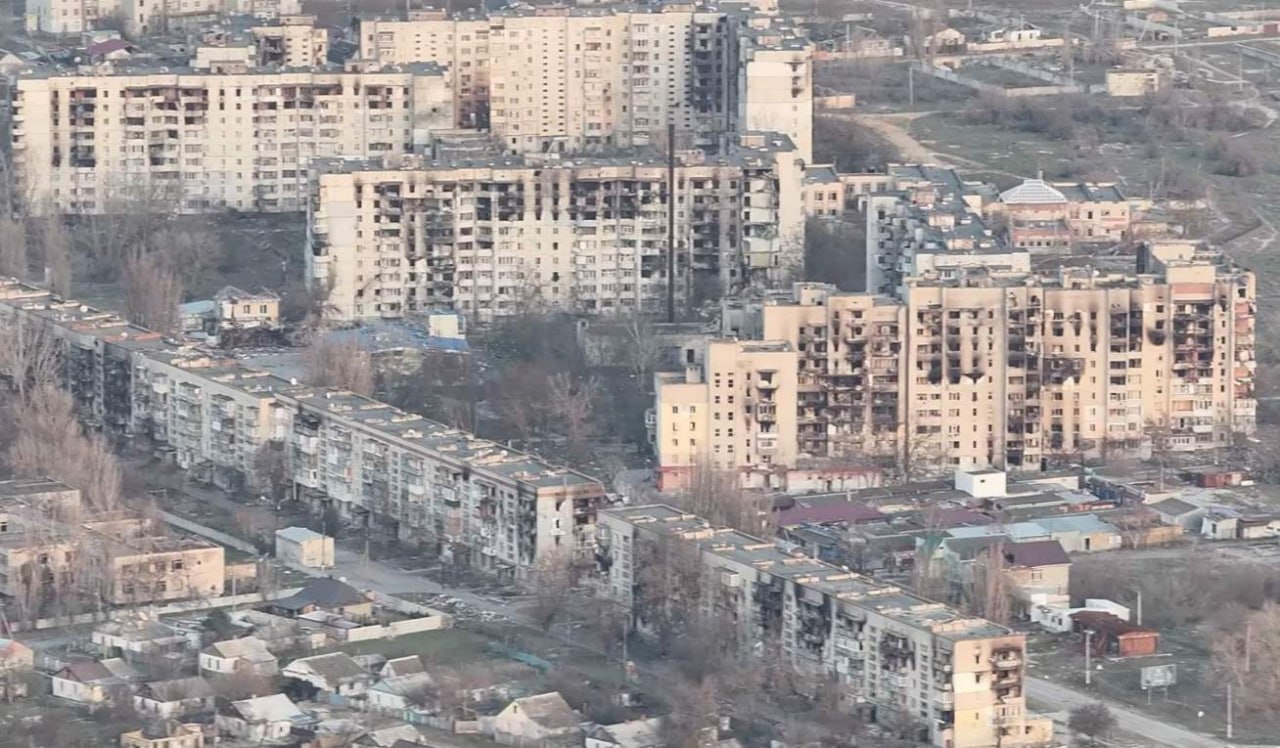
Aerial view of Russian-occupied Oleshky, in Ukraine's Kherson Oblast. Photo via ArmyInform
Explore further

Russian troops enter homes and threaten starving Oleshky residents for food and alcohol, officials say

Ukraine's human rights ombudsman, Dmytro Lubinets, told RBC-Ukraine that civilians in the occupied area were dying every day.

"There is a humanitarian catastrophe there. Ukrainian civilians die there every day because they lack even basic food and water. There have been no medicines there for a long time. According to our information, there is simply hunger there," he said.

Practically no medicines

The resident said there were practically no medicines available. Expired drugs were being sold at about 100 rubles (about $1.20) a pill. His father has Parkinson's syndrome and has been concussed twice. The resident said he was forced to reduce his father's dose by 25% so the supply would last at least until the new year.

Oleshky, Kherson Oblast, has been under Russian occupation since 2022, following Russia’s capture of the city during the initial phase of its full-scale invasion of Ukraine. Photo: Dmyto Lubinets
Explore further

Thousands are starving in occupied Oleshky. People have no food, no way out, and Russian forces bomb incoming aid

The resident's apartment had burned down, and his house remained damaged. His family had made the house livable and was living there, he said. His wife had lost more than 40 kilograms while the family relied on vegetables and fruit.

Beyond Oleshky: villages with no transport or aid

Four villages in the Hola Prystan community—Kokhany, Kardashynka, Velyka Kardashynka, and Mala Kardashynka—are effectively blocked, according to the Skhid-SOS fund. The fund told RBC-Ukraine that no transport reaches the villages and no humanitarian aid has been delivered for a prolonged period, although it is difficult to get more information from the villages. Residents are forced to walk or cycle to other settlements to find food, despite the risks of mines and drone strikes.

Civilians used as a buffer

Lubinets also said Russian troops were using civilians as a buffer and as protection against the Ukrainian military, RBC-Ukraine reported. Because Ukrainian citizens remain in Oleshky, Ukraine cannot conduct active combat operations there, he said—which, in his view, allows Russia to hold civilians effectively as hostages on the front line.

Food arrives by drone, but how much reaches residents is unclear

Ukraine has delivered food to Oleshky by drone since March, Prokudin said. Nearly 400 parcels weighing almost 4 tons reached their drop-off points on the night of 4 October, Interior Minister Ivan Vyhivskyi said. How much of the food stays with residents is unclear. Prokudin has said Russian forces shoot down supply drones, confiscate or resell the packages, and detain and beat residents who receive them.

After a previous delivery, Tetiana Hasanenko, head of the Oleshky City Military Administration, said that Russian troops take drone-dropped food and accuse those who receive it of cooperating with Ukraine, and that some residents got several packages while others got none.

  •  

How Yemen’s renewed civil war could set the whole region ablaze

The Middle East has seen many explosions of violence in recent years. But while the US-Iran war has grabbed the headlines this year, the rapidly escalating conflict between the Houthis and Yemen’s internationally recognized government and Saudi Arabia risks becoming just as consequential for the region. The complexity of Yemen’s internal conflict cannot be underestimated. […]

The post How Yemen’s renewed civil war could set the whole region ablaze appeared first on Asia Times.

  •  

‘Under siege’ – Rioters set fire to the entrance of Vauquelin High School in Paris and block the exit with 100 students and staff inside

Masked attackers set fires at the doors of a Paris vocational high school Monday, confining about 100 students and staff inside, as nationwide student protests over school conditions entered another week with thousands already arrested and hundreds reported injured.

At the Nicolas-Louis Vauquelin High School in the 13th arrondissement, Principal Carole Zerbib said a group of about 10 people in hoods, masks and black clothing arrived around 7:50 a.m. as students were arriving. She told BFMTV they looked “very determined, very fast,” and that staff “immediately understood that we were not going to be able to talk with them.”

Zerbib said the group threw full trash bins and other flammable material in front of the entrance, brought a sofa and bicycles to barricade the door, smashed glass with a pair of crutches, and set fires outside using a flammable liquid. A staff member was struck in the face by a shard of glass, BFMTV reported. Firefighters and police were met with mortar fire. Courses were canceled for the day.

A video team from BFMTV recorded flames at the entrance and described staff being blocked as they tried to use an extinguisher, with the principal heard telling confined students to move up to the first floor.

🇫🇷🚨 BREAKING: Rioters set fire to the entrance of Vauquelin High School in Paris and blocked the exits when staff tried to put the fire out.

A film crew recorded the terrifying attempted murder.

“The school staff was unable to put out the fire. The rioters blocked them just as the extinguisher nozzle came out; they blocked the exit.”

“The fire continues. You see all the silhouettes moving behind it; they continue to feed this fire, making it stronger and stronger. The school staff is not even going to try to put it out anymore; they can’t manage it. We can hear the principal here asking the hundred confined students to step back and move up to the first floor.”

The building was full of staff, students, and journalists, but these rioters appear ready to kill anyone still inside the vocational chemistry school.

Follow: @RMXnews

— Remix News & Views (@RMXnews) October 5, 2026

In the video sequence, a BFMTV host stated: “The school staff was unable to put out the fire. The rioters blocked them just as the extinguisher nozzle came out; they blocked the exit.” The staff speaking from inside the building confirmed they were “under siege.”

Principal Carole Zerbib said, “It was terrible for the students and the staff, who witnessed an outburst of violence…I think we had rarely seen violence this strong in front of us.”

She said the attackers “were quite organized and had prepared their move,” and that she had been warned by students and teachers of calls on social media to burn the school. “These aren’t my students. These are groups.”

Junior Interior Minister Jean-Didier Berger, speaking on BFMTV after the fires were put out and the school evacuated, called the images “particularly shocking” and said, “These are criminal acts that fall under the law and must be repressed in the harshest way.”

Outside the damaged school, Zerbib took questions from reporters, then stopped when she saw a CNews microphone.

“Which outlet is that?” she asked. When she was told it was CNews, she said, “Oh no, I had said no.” When the journalist replied that it was the press, she said: “I don’t agree. Because I don’t agree with CNews’s editorial line. I think you don’t do any good. You don’t do any good for young people.”

🇫🇷🔥 BREAKING: Another major school arson attack at Blaise Pascal High School in the French city of Rouen. The entire entrance is currently in flames. School staff can only stand and watch it burn. Follow: @RMXnews https://t.co/CZ8h1aDO3U

— Remix News & Views (@RMXnews) October 1, 2026

She had earlier told other reporters that as long as police remained outside, “I tell myself it will be all right,” while adding it was “not impossible that they come back, since they want to strike at the symbols of the state.”

The clash came as Education Minister Édouard Geffray said classes would be fully or partly suspended Monday at 400 to 500 of France’s roughly 3,700 high schools because safety conditions were not met. He said 24 schools had been burned or ransacked since the protests spread from the Paris region in mid-September. Organizers have called a further day of action Tuesday, which student unions have labeled “act III.”

Geffray said Sunday that 78 education staff members had been injured since the unrest began, including “some of them by high schoolers.” In addition, 170 students had been hurt. He said far-left activists had “hijacked” the movement. Interior Minister Laurent Nuñez has said more than 5,000 people have been arrested since last Monday, about 85 percent of them minors, and that more than 300 officers and gendarmes have been injured. Police recorded 1,747 arrests on Friday alone, he told TF1.

Among the cases already opened include a 17-year-old was arrested on suspicion of attempted homicide after a police officer was beaten in Belfort, and a 16-year-old was detained Sunday over the assault of a 59-year-old teacher in La Ciotat who was struck and doused with gasoline.

In Tours, prosecutors said a young protester lost sight in one eye while battling with police.

Students and the Union syndicale lycéenne say they are protesting against reduced teaching staff, overcrowded classes, long schedules, the Parcoursup admissions system and buildings in disrepair. The government has called some of those complaints legitimate while condemning what Nuñez has described as a slide into “riot and urban violence.”

🇫🇷🔥 BREAKING: A French physics teacher was doused with gasoline today (Oct. 2) while trying to put out a fire students had lit near a tree in La Ciotat. The teacher was reportedly temporarily blinded, according to French news reports, when the gasoline was thrown into his eyes. Youths then began kicking the physics teacher. The main suspect was reportedly arrested. Yesterday in Marseille, youths are being investigated for attempted murder after dousing a principal and a vice-principal with gasoline during an attempted arson outside a high school administrative office. Follow: @RMXnews

— Remix News & Views (@RMXnews) October 2, 2026

The post ‘Under siege’ – Rioters set fire to the entrance of Vauquelin High School in Paris and block the exit with 100 students and staff inside appeared first on Remix News.

  •  

France: White female burned with homemade flamethrower, another White female school supervisor beaten by mob during student riots

Two shocking incidents reveal how White women are also being targeted in the French school riots. In one incident, a woman who tried to stop vandalism on the edge of a high school protest was struck in the face by flames from an aerosol can used as a makeshift flamethrower. In another video shared online, a White female school supervisor was surrounded and punched during a blockade in Seynod, as student unrest over school conditions spread across France this week.

The Marseille attack with the homemade flamethrower occurred Thursday afternoon near Place of the 4th of September in the city’s 7th arrondissement, according to police sources. Images authenticated by BFMTV network show a White Frenchwoman attempting to stop students from smashing the bus stop with an iron bar.

An individual dressed entirely in black, with a hood over his head, then “used a spray can with a lighter to turn it into a flamethrower, directed at the head of his victim,” BFMTV reported. The flames hit the woman’s face as the crowd screamed in the video. 

She filed a complaint Friday in Marseille, but the extent of any injuries remain unknown.

🇫🇷🔴 A woman had her face burned in the French city of Marseille during student blockades.
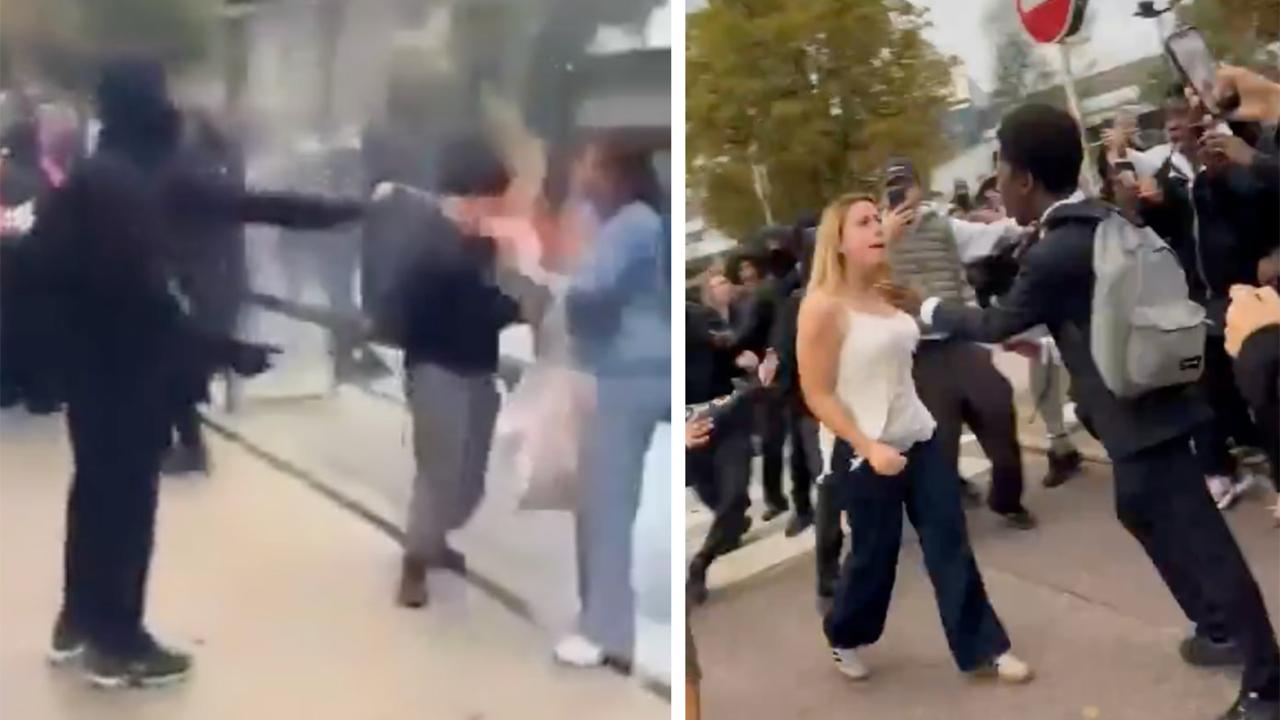
A hooded far-left rioter set the spray from an aerosol can on fire and used it on her face like a flamethrower.

Follow: @RMXnews

— Remix News & Views (@RMXnews) October 1, 2026

A separate video shows a White female supervisor at Baudelaire High School in Seynod, near Annecy, during a blockade. The woman is completely surrounded when a Black male punches her in the face multiple times.

🇫🇷🔴 A White female supervisor at Baudelaire High School is beaten by a mob of multicultural students during a blockade in Seynod.

The woman is completely surrounded when a Black male punches her in the face multiple times.

Follow: @RMXnews

— Remix News & Views (@RMXnews) October 2, 2026

The incidents come amid days of blockades and clashes at French high schools that serve students roughly ages 15 to 18. While the protests were presumably about poor teaching conditions and poorly maintained schools, they have since expanded into mass rioting, arson attacks, and attempted murder cases, including another incident in Marseille where gasoline was splashed onto a principal and vice principal during an attempted arson outside a high school administrative office.

The Interior Ministry said 1,027 high schools had been affected by demonstrations, with blockades at 222 of them. On Thursday alone, authorities recorded 1,949 arrests and 305 injured police officers, the ministry said.

Education Minister Édouard Geffray said 65 education staff members had been injured, including 40 headteachers, and that there had been “significant damage” to school facilities. Interior Minister Laurent Nuñez said 625 people, mostly young, were detained Wednesday and that 83 officers were hurt that day. Government figures put student and staff injuries over the days of protest at 159, including one student who lost part of the use of a hand after setting off a firework.

🇫🇷🔴 JUST IN: A school principal was struck directly in the face by a firework mortar during ongoing violent student blockades in France.

The incident happened at Blaise Pascal High School in Rouen.

Later, the entire entrance of the school was set on fire.

Follow: @RMXnews pic.twitter.com/wTnjXo5dzx

— Remix News & Views (@RMXnews) October 1, 2026

Other attacks on staff have been reported. In La Ciotat, a principal was doused with gasoline and beaten, and in Belfort a police commander was thrown to the ground and beaten unconscious, which Remix News also reported on. That case is also being treated as an attempted murder investigation.

The Education Ministry said 564 schools had been disrupted since Friday morning. More than 400 high schools were closed preventively that day. Prime Minister’s office officials, after a crisis meeting Thursday, described the movement as “a maneuver organized by France Unbowed and its ultra-left proxies.”

Jean-Luc Mélenchon, the leader of the party, urged young people to use “only methods of nonviolent struggle.” However, intelligence reports cited by French government allege the party is backing the violence covertly.

The post France: White female burned with homemade flamethrower, another White female school supervisor beaten by mob during student riots appeared first on Remix News.

  •  

Asia can’t just pipeline its way around Hormuz

When governments talk about reducing dependence on the Strait of Hormuz, the discussion usually turns to pipelines in Saudi Arabia and the United Arab Emirates. For Asian importers, that is only part of the story. The physical bottleneck is in the Persian Gulf, but much of the economic exposure sits thousands of kilometers to the […]

The post Asia can’t just pipeline its way around Hormuz appeared first on Asia Times.

  •  

Over a decade of war in Yemen and the rise of Ansar Allah

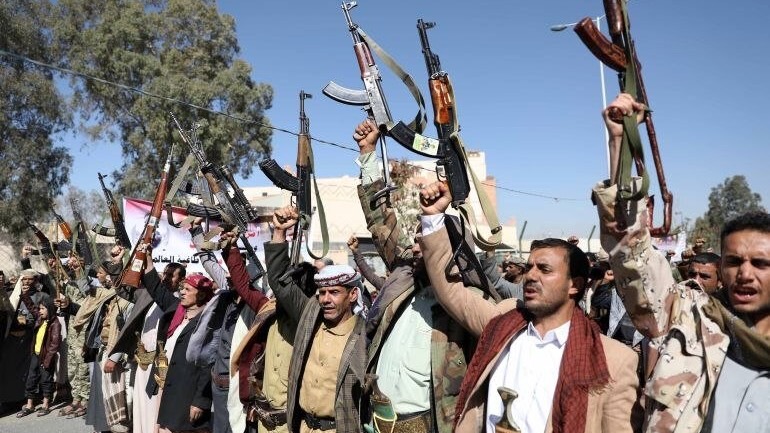
In July, Saudi Arabia joined the US-Israeli war on the West Asia region with strikes on Yemen. The Ansar Allah-led Yemeni Armed Forces retaliated by launching a maritime blockade alongside attacks targeting vital Saudi interests.

The renewed fighting between the two West Asian nations resulted in Ansar Allah’s takeover of the strategic Red Sea port city of Mokha last week and the liberation of all the group’s prisoners held by Saudi-backed forces on Yemen’s western coast.

Ansar Allah’s seizure of Mokha seaport is reshaping regional and global geopolitics, particularly because it serves as a primary gateway to the Bab el-Mandeb Strait and coincides with developments in the Strait of Hormuz.

As these major shifts underscore, Yemen holds immense strategic geopolitical significance.

Situated on the southwestern corner of the Arabian Peninsula and overlooking the Bab al-Mandab Strait, Yemen represents a vital chokepoint connecting the Red Sea to the Gulf of Aden and the Indian Ocean

Consequently, internal political developments in Yemen can have global political and economic repercussions.

This fact, in turn, has put Yemen in the crosshairs of the US-led Western imperialist bloc and their allies in West Asia, which have endeavored to subjugate the country through a devastating decade-long war and blockade. 

The origin of this war coincides with the emergence of Ansar Allah, beginning when the group managed to take control of large swathes of the country, including the capital, Sanaa, in 2014.

The rise of Ansar Allah

Ansar Allah was first established in the early 1990s in the northern Yemeni governorate of Saada as a cultural and educational organization called Al-Shabab al-Mumin (the Believing Youth).

Initially, the organization introduced itself as an unarmed theological movement aimed at reviving and preserving Zaydi Shia Islam and countering the threat of state-backed Sunni Salafism, which sought to uproot the Zaydi religious identity in its homeland of Saada.

From its inception, the movement opposed the government, led by President Ali Abdullah Saleh, accusing it of corruption and criticizing its ties to the United States and its ally Saudi Arabia.

Tensions between the group and the government drastically escalated following the US invasion of Iraq in 2003. It was at that time that the group adopted the slogan (Death to America, Death to Israel), during mass protests opposing the war on Iraq.

These slogans posed a political threat to Ali Abdullah Saleh, who was attempting to position his government as a key ally in the “US War on Terror” in the aftermath of the 9/11 attacks. As a result his government led a brutal crackdown on protesters.

Security forces and riot police suppressed protests using live ammunition, tear gas, and batons, and arbitrarily detained hundreds of political activists, students, and opposition organizers without trial.

In 2004, tension between the Al-Shabab al-Mumin and the Yemeni government boiled over, sparking a series of six internal conflicts known as the Saada Wars. 

These clashes began with the government’s assassination of Hussein Badreddin al-Houthi, the group’s founder, and triggered five subsequent rounds of fighting that lasted until 2010. The followers of the group became widely known as the Houthis ever since. 

Saudi Arabia reportedly engaged in the Saada wars by providing immense financial, political, and material support to the Yemeni government. Saudi intervention in Yemen escalated in 2009 with a direct military incursion and unilateral airstrikes against positions held by the Houthi movement.

In 2011, the group joined nationwide demonstrations, calling for the overthrow of President Ali Abdullah Saleh. It was then that the Houthi movement formally adopted the name Ansar Allah (Supporters of God). 

The ousting of Saleh weakened the central government and triggered a sweeping power vacuum, which allowed Ansar Allah to rapidly expand its territorial dominance. By 2012, the Yemeni movement consolidated firm control across the Saada governorate and large swathes of northern Yemen.

In early 2012, vice president to Saleh, Abed Rabbu Mansour, Hadi became the President of Yemen via a transition framework brokered by the Gulf Cooperation Council (GCC), as he was  considered as a quiet consensus figure. Hadi was also strongly backed by the Obama administration. 

In late 2014, Ansar Allah allied with forces loyal to ousted president Ali Abdullah Saleh against the transitional government headed by Abed Rabbu Mansour Hadi. The fighting that followed led to Ansar Allah’s seizure of the capital Sanaa, forcing Hadi to flee the country.

2015-2022: The Saudi-led coalition’s protracted war against Yemen

From exile in 2015, Hadi requested the Saudi-led coalition to intervene in the conflict, opening the door to one of the bloodiest prolonged wars in West Asia. A conflict that, according to UN estimates, resulted in 377,000 deaths by 2022. 

Saudi Arabia was the main pillar of the coalition, leading the military campaign dubbed “Operation Decisive Storm” with a massive force, including extensive warplanes and ground troops.

The United Arab Emirates (UAE) also played a key role by commanding ground and air operations particularly in southern Yemen and along the critical coastal strip.

Bahrain took part in the operation with 12 fighter jets (some sources say 15), and deployed ground troops in the southern Saudi borders to protect Saudi Arabia from Ansar Allah’s attacks. Meanwhile, Kuwait contributed with 15 warplanes.

At the beginning of the campaign, Qatar participated with roughly 1,000 ground troops, armored vehicles, a dozen fighter jets, and transport helicopters until it was expelled from the coalition in June 2017 over a diplomatic crisis with Saudi Arabia, UAE, Bahrain, and Egypt.

Jordan and Morocco contributed six fighter jets each, while Sudan under deposed president Omar Al-Bashir sent three aircrafts and thousands of ground troops. Furthermore, Senegal committed 2,100 troops.

Western countries, including the United States, the United Kingdom, and France provided logistic and intelligence support, such as aerial refueling for coalition jets, technical assistance, military equipment, coordination support, and maritime surveillance.

The 2022 UN-brokered truce de-escalated the war rather than ending it

In April 2022, the United Nations announced an official two-month nationwide truce agreement, which temporarily halted cross-border attacks, ground and air operations, and allowed fuel imports into ports held by Ansar Allah. It also reopened commercial flights from Sanaa International Airport after years of sea, land, and air blockade imposed by Saudi Arabia. 

Rather than completely removing the blockade, the agreement only resulted in the partial easing of restrictions, while regions under the control of Ansar Allah have continued to face a near-total blockade.

Read more: Yemen demands Saudi-led blockade on the country be lifted immediately

The agreement was renewed in June and extended a second time in August 2022 for an additional two months before it lapsed in October. 

Regional developments reignited the conflict (2023-2026)

In November 2023, Ansar Allah launched a ban on all Israeli maritime navigation in the Red Sea and the Bab el-Mandeb Strait in retaliation for Israel’s genocidal aggression on Gaza.

About one month later, the group significantly expanded the ban to include all ships heading to Israeli ports, regardless of their nationality or flag.

The ban continued until October 2025, despite waves of deadly airstrikes launched by the US, UK, and Israel on Yemen.

An Omani-mediated ceasefire deal between the US and Ansar Allah was reached in May 2025. The deal stipulated halting Ansar Allah’s attacks on US ships in the Red Sea and Bab al-Mandab Strait, and ending US aggression on Yemen, without preventing the Yemeni resistance movement from launching attacks or naval operations against Israel. 

This same period saw a shift in the conflict between the Saudi-led coalition and Ansar Allah from active military engagement toward a tense, fragile diplomacy.

In early 2026, friction between the two major pillars in the anti-Ansar Allah coalition – namely Saudi Arabia and the UAE – surfaced as different Yemeni groups backed by the two countries clashed, apparently over territorial control in Yemen.

Read more: Tensions in Yemen: Are Saudi Arabia and the UAE becoming frenemies?

The US-Israeli war on Iran has drawn Yemen back into the regional conflict

Although Ansar Allah was established as an independent Yemeni movement, it evolved into a key component of the Axis of Resistance over time. This alignment was driven by mutual ideological foundations, shared anti-imperialist ideology, and deep strategic and military cooperation with Iran and Hezbollah.

Despite its affiliation with the resistance alliance, Ansar Allah chose not to get involved in the recent regional war waged by the US and Israel against Iran, for ostensibly strategic considerations and military coordination tactics with its allies.

Read more: Reflections on the US-Israeli multi-front war in West Asia: How the Axis of Resistance remains resilient

However, because the United States and its allies in the region seemingly view the current war as an ideal opportunity to dismantle the Axis of Resistance, Saudi Arabia decided to resume its aggression against Yemen by attacking Sanaa International Airport in July. The attack aimed to prevent an Iranian plane from landing.

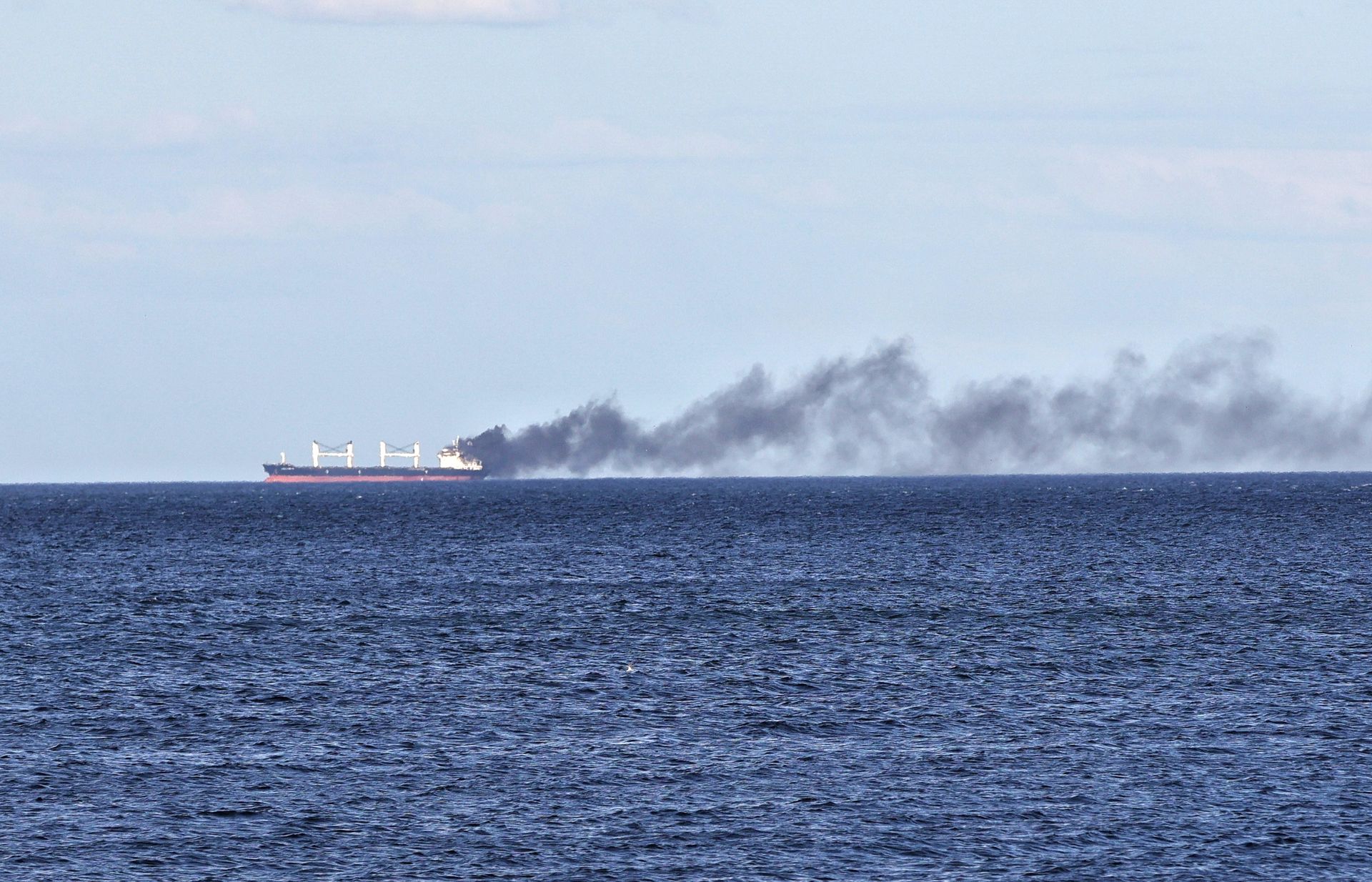
Consequently, Ansar Allah launched retaliatory attacks on Saudi interests inside Saudi Arabia and on Yemeni soil. It further declared a maritime blockade against Saudi-linked commercial vessels passing through the Bab al-Mandeb Strait, demanding Riyadh end its decade-long blockade on Yemen.  

Concurrently, ground clashes over territorial dominance between Ansar Allah and Saudi-backed forces intensified, leading to key victories for the Yemeni group. Escalations have persisted up to the time of publication.

On Wednesday, September 16, Saudi Arabia accused Ansar Allah of attempting a drone attack against the city of Mecca, the holiest city for Muslims, located in western Saudi Arabia.

Ansar Allah dismissed Saudi accusations as false, saying that they reflect a “desperate attempt to mobilize public opinion.”

As the US-Israeli war on West Asia continues to reshape geopolitics, Ansar Allah’s emergence as a regional force has placed Yemen at the center of a struggle that may define the future of West Asia.

  •  
❌