Videos show shark launching several feet from water as a group of friends pose for photos along Marina state beach
A great white shark put on a spectacular display for California beachgoers over the weekend, leaping from the water off Marina state beach and photobombing visitors.
Videos circulating online show a great white shark launching several feet out of the water in the background as a group of friends pose for photos along the beach.
Antônio Severino de Souza, de 40 anos, foi preso no próprio local de trabalho, em um hospital do Recife, por crimes que não cometeu. Depois de passar 12 dias encarcerado, ele conseguiu a liberdade e agora tem direito a receber R$ 30 mil por danos morais, conforme sentença da Justiça de Pernambuco. O governo estadual, no entanto, recorreu da decisão.
Auxiliar de serviços gerais terceirizado no Hospital Eduardo Campos da Pessoa Idosa, na zona oeste da capital pernambucana, Souza foi detido em 9 de janeiro de 2025. A prisão ocorreu diante de colegas de trabalho, superiores, pacientes e visitantes. No dia seguinte, ele foi levado ao Centro de Observação e Triagem Professor Everardo Luna (Cotel), em Abreu e Lima, na região metropolitana do Recife.
O período na unidade prisional deixou marcas. Em relato sobre os dias de encarceramento, Souza descreveu as condições da cela onde ficou com outros detentos.
“Cheguei naquele lugar, com 183 homens dentro de uma cela. Eu dormi no chão, deitava lá no chão, no esgoto, a água caindo em mim”, contou.
Investigação confundiu dois homens
A prisão teve origem em uma investigação sobre um ataque a tiros ocorrido em 15 de dezembro de 2022, no bairro de Nova Descoberta, na zona norte do Recife. Segundo a denúncia do Ministério Público de Pernambuco, dois homens armados atiraram contra duas pessoas durante uma disputa territorial ligada ao tráfico de drogas. Uma delas morreu e a outra ficou ferida.
Souza foi apontado como um dos autores dos disparos e associado ao apelido de “João Capeta”. Ao contestar a prisão, sua defesa alegou que a investigação o havia identificado equivocadamente como suspeito dos crimes.
Após ser provocada pela defesa, a Polícia Civil produziu um relatório que reconheceu a possibilidade de a vítima sobrevivente ter confundido Souza com o verdadeiro suspeito. O documento identificou semelhanças entre os dois homens, incluindo características físicas e o fato de morarem na mesma comunidade.
Outro ponto destacado foi a semelhança entre os nomes das mães dos dois, que se diferenciavam pela presença do sobrenome “Silva” em um deles. Segundo o relatório policial, porém, o verdadeiro suspeito tinha qualificação e histórico diferentes dos de Souza.
Ele deixou a prisão em 21 de janeiro de 2025. Ao recordar o momento, descreveu a soltura como um recomeço.
“Foi como se eu nascesse de novo, voltasse ao mundo novamente”, afirmou. Ele também disse que, mesmo sabendo que era inocente, chegou a perder a esperança de sair da cadeia.
Justiça reconhece danos morais
A sentença foi assinada em 28 de setembro pelo juiz Breno Duarte Ribeiro de Oliveira, da 4ª Vara da Fazenda Pública da Capital, vinculada ao Tribunal de Justiça de Pernambuco. O magistrado considerou que a prisão indevida provocou danos que ultrapassaram os transtornos comuns do cotidiano.
Na decisão, ele destacou o constrangimento de Souza ter sido detido diante de outras pessoas no trabalho e depois encaminhado a uma unidade prisional.
O trabalhador havia pedido R$ 500 mil de indenização por danos morais. O juiz, entretanto, considerou o valor desproporcional e fixou a reparação em R$ 30 mil. Entre os fatores considerados estava o reconhecimento do erro pela autoridade estatal após a defesa questionar a prisão.
O Estado de Pernambuco sustentou no processo que a medida havia sido baseada em informações fornecidas pela vítima sobrevivente à polícia. Argumentou ainda que a atuação ocorreu no exercício regular das funções policiais e judiciais, sem abuso de poder ou intenção de causar dano.
Governo recorre da condenação
A Procuradoria-Geral do Estado apresentou recurso em 13 de outubro. Na apelação, defendeu que a investigação foi corrigida pela própria Polícia Civil e que eventuais equívocos na coleta de indícios não significam, por si só, que houve conduta passível de indenização.
O órgão afirma que a prisão não decorreu de dolo, má-fé ou erro grosseiro indenizável. A Secretaria de Defesa Social informou que a Corregedoria-Geral instaurou um procedimento preliminar para apurar o caso.
Além dos efeitos emocionais, Souza afirma que a prisão teve consequências na vida profissional. Ele foi demitido em abril de 2026 e acredita que o desligamento está relacionado ao período em que ficou preso.
Desempregado, diz que deseja voltar a trabalhar com carteira assinada e recuperar a estabilidade para sustentar os filhos. Sua defesa também avalia recorrer da sentença para tentar elevar o valor da indenização.
Coyote euthanized after reportedly roaming Atwater Village comfortably for months and attacking one-year-old boy
One Los Angeles neighborhood has been at war over a wild coyote, and over the weekend it all came to a head.
For months, the animal had been roaming the trendy Atwater Village, showing up in broad daylight, sleeping in back yards and approaching residents. At least one person had reportedly fed the coyote and others affectionately nicknamed it Wiley. But some residents feared the creature had become dangerously too cozy.
O encontro, subordinado ao tema “A inspiração catecumenal da catequese”, procurou refletir sobre os desafios da iniciação à vida cristã e a renovação da catequese em Portugal.
D. António Augusto Azevedo, bispo de Vila Real e presidente da Comissão Episcopal da Educação Cristã e Doutrina da Fé, desafiou os catequistas a abraçarem este processo com empenho e dedicação. “Todas as renovações, todas as mudanças, supostamente é para melhor, com certeza, mas todas exigem um grande esforço, exigem trabalho, exigem formação, exigem dedicação e, eu diria, sobretudo, exigem paixão”, afirmou na abertura das jornadas.
O prelado voltou a destacar a responsabilidade dos catequistas na Eucaristia de encerramento, sublinhando a importância da formação das novas gerações. “Na catequese formamos as novas gerações para construir um futuro melhor”, declarou, defendendo uma catequese centrada no encontro com Jesus Cristo e no envolvimento das famílias e das comunidades.
Ao longo dos dois dias, os participantes refletiram sobre a necessidade de ultrapassar uma catequese limitada à transmissão de conhecimentos e à preparação para os sacramentos, privilegiando a experiência de fé, a oração, a participação comunitária e o acompanhamento das crianças e dos jovens.
O padre Miguel López Varela, responsável pela Catequese da Arquidiocese de Santiago de Compostela, defendeu que as paróquias devem ser espaços de acolhimento e relação, capazes de criar confiança. “A fé transmite-se de pessoa a pessoa”, salientou.
A inclusão das famílias foi outra das questões em debate. O padre Tiago Neto, do Patriarcado de Lisboa, afirmou que “a catequese é um lugar onde cabem todos”, apelando a comunidades capazes de acolher diferentes percursos familiares e de integrar a fé no quotidiano.
As jornadas abordaram ainda a importância da catequese de adultos, da criação de momentos de silêncio e oração e do envolvimento dos pais na educação cristã dos filhos.
A iniciativa foi promovida pela Comissão Episcopal da Educação Cristã e Doutrina da Fé, através do Departamento de Catequese do Secretariado Nacional da Educação Cristã.
El Govern de Salvador Illa ha añadido este martes un eslabón más a sus políticas de vivienda al ampliar las prestaciones de los préstamos de emancipación a interés cero para ciudadanos que quieran adquirir su primera vivienda. Los créditos pueden cubrir el 20% de la entrada hasta los 50.000 euros y a partir de ahora también se podrán utilizar para financiar obras de rehabilitación. El plan beneficiaba en un principio a los menores de 35 años y desde mayo también pueden acogerse a él ciudadanos de hasta los 40. Los beneficiados deben devolver la ayuda en cinco años cuando hayan cancelado la hipoteca. La medida pretende incentivar la compra y aumentar así el parque público al convertirse después estas casas en Vivienda de Protección Oficial (VPO).
This as-told-to essay is based on a conversation with Jeff Kinney, the 55-year-old author of the "Diary of a Wimpy Kid" series, who lives in Plainville, Massachusetts. It has been edited for length and clarity.
Every year, when a new "Diary of a Wimpy Kid" book hits the shelves, I'm surprised that kids keep showing up.
I started writing the first book in 1998, while working as a computer programmer and game designer. I wanted to be a newspaper cartoonist, but that didn't work out, so I set out to get my cartoons published somehow. I was inspired by my own childhood experiences.
The first generation of kids who read my books is now almost 30 years old. It's wild to me that there's a new generation of kids encountering these books and finding them fresh.
As an author, I work within a few different spheres: books, my bookstore, movies, and development. I hop from one area to another.
Here's a day in my life.
I wake up before 7 a.m.
I don't set an alarm, so I wake up at that time naturally every day. I stay in bed for a while because after an ankle injury, I have some PT to do, like ankle stretches, while I'm in bed.
I meditate for about 10 minutes, set my intentions for the day, and organize my digital to-do list before I get out of bed.
I do two hours of exercise before breakfast
Right after I get up, I do about two hours of PT yoga, then weightlifting. I do that before I eat breakfast, which is often eggs and sausages.
I'm really committed to my morning physical routine of PT, PT yoga, and exercise. That's now become non-negotiable. I also do some journaling because it orients me toward the day, and it's a calming mechanism.
I've just had my most productive year, during which I wrote two books and two screenplays, so I attribute that to my morning routine. It grounds me.
I stay organized with a habit tracker
I've tried a million different to-do list apps that didn't work, including the pomodoro method and all sorts of others. Then I found a digital habit tracker.
Simon Simard for BI
I'm pretty diligent about checking off my daily habits. These include eating enough fiber, drinking enough water, waking up by a certain time, meditating, and doing stretches and yoga.
My workday starts at around 9:30 a.m.
I have about five or six workspaces, and I like to balance between them. One is a really colorful studio with my whole staff on the top floor of my bookstore, which is about three miles away from my home. When I'm not touring or working on a script, I go into the bookstore.
The bookstore is always top of mind for me, though the day-to-day operations are handled by the staff. Every so often, I'll get involved because we'll have a big author that comes to the store, and I'll interview them.
Another is my guest house, where I sit in the quiet living room. I also have a dark room in the basement where I'll go if I need to shut out everything. The other one is sitting in my car at the cemetery, where it's also very quiet. I can't listen to music because it occupies the same part of my brain needed for creating.
Sometimes I write for 8 to 12 hours a day
I feel most creative in the early morning hours, but sometimes I might write for eight to 12 hours a day.
If I'm illustrating, which I basically do all summer, I'll draw from maybe 9 a.m. until about 9 or 10 p.m. every day for months.
When I'm working on a book, I'll write the jokes first, then the manuscript, and finally I'll illustrate. I do all the illustrations myself. I don't usually combine those activities together.
I'm always stuck creatively, so I use a system
Simon Simard for BI
When I get stuck, I use something called systematic creative thinking, which helps me to produce material even if I'm not feeling creative.
I start with the components. If I'm writing about an airplane, I'll list the parts of the plane inside and out: the wings, the pilots, the lavatory, everything. Then I'll go through each component with a few different tools like subtraction and multiplication, and that's what gives me my raw material.
I'll use my iPad or my computer, or I have this device called a Freewrite, which is a super simple word processor that's not connected to the internet.
I don't stop for lunch
I only eat two meals a day, so I don't really step away for lunch — this is how I roll.
I do have an energy drink, but it's more of a habit than a need. I also don't typically take breaks.
I don't have many work boundaries
A good day is when I can get my to-do list to under 200 items, which is really hard to do. When I'm not illustrating, my wife might say, "Hey, let's have dinner," and that's my backstop for when I stop working.
Work is always on my mind, and I really don't have any boundaries. I don't tell people when I'm going on vacation because they'll reach me anyway, and I don't want to stop them from making progress. I usually make myself available, even if I'm away.
Simon Simard for BI
My team mostly communicates with me by text
Texting is how my team communicates with me. Email has become less useful for me because I get so many emails in a day that I feel like I'm a hockey goalie, and pucks keep whizzing past me.
I can really only answer emails right when I get them. Once they get too far down my list, I'll forget about them. I have a lot of challenges with executive functioning. I really struggle with having a lot of choices.
I've always answered my own emails, and I don't use AI to write.
I'm not often bored; I need stimulation
I don't play a lot. I sometimes go to Celtics games, or I'll go out to dinner with my wife, my friends, or my kids. I'm not often bored.
In fact, I feel very understimulated. I often feel like I'm not getting enough information, or there's not enough that's happening. For example, if I were to drive through the McDonald's drive-thru and get my food, I'd turn on the radio, tune in to some news program, and eat while reading the news on my phone.
Chicken McNuggets with sweet and sour sauce are probably my guilty pleasure. As far as watching TV goes, Survivor is always a staple in our house.
I go to sleep around 9:45 p.m.
These days I go to bed pretty early. I get in bed around 9:45 p.m., put in an earbud, and fall asleep with the news in my ear.
In 2022, I helped push through the international agreement to protect biodiversity. Wars and economic pressures can make nature seem like a ‘nice-to-have’. But it is a critical asset, and Cop17 must deliver real action
When I was five, property developers came to cut down the woods behind my home in La Tuque, Quebec. My mother encouraged me to climb one of the trees in protest, then told the developers, straight-faced, that there was nothing she could do when they asked her to get me down. A few days later, the tree was cut down anyway.
I thought about that tree in the early hours of a freezing Montreal morning in December 2022, as the gavel came down on a global agreement between nearly 200 countries to halt and reverse the loss of nature by 2030. I thought about how important nature is for our health, our food security and our economies, but also how much passion there is around protecting it, and how it has the power to inspire people all around the world.
La playa de las Américas es una mezcla imposible entre centro comercial, parque temático y resort de lujo. Los peatones se mueven con la cadencia lenta de las chanclas, en los bares se sirven pintas y sangría y los escaparates muestran siempre la temporada de verano. En el centro de este lugar hay una enorme pirámide escalonada rodeada de columnas de apariencia barata y helénica. No es el tipo de lugar donde uno imaginaría la celebración de apasionantes debates sobre la ontología de la verdad. Y sin embargo, es justo lo que sucedió ayer.
Christiana Figueres, Geoffrey Hinton (segundo por la izquierda), y Steven Pinker (segundo por la derecha) durante la mesa redonda sobre la verdad, este lunes en el Festival Starmus que se celebra en Tenerife.
Elk, bear, frogs and other animals have used the overpass, which connects 39,000 acres of habitat, since its completion
Colorado officials have tracked herds of elk, bears, pronghorn and even northern leopard frogs ambling across its new wildlife overpass. According to a newly released report, the overpass, which acts as a bridge over a busy stretch of interstate, has helped cut wildlife-vehicle collisions by 91% since its completion 10 months ago.
The overpass is the centerpiece of a larger system built by the state to assist wildlife crossing the highway, which also includes miles of 8-ft tall fencing and five large wildlife underpasses.
O Tribunal da Relação de Guimarães confirmou a pena de 18 anos e seis meses de prisão aplicada, em maio passado, na primeira instância, ao pedreiro que, a 09 de fevereiro de 2025, matou a tiro um homem, de 35 anos, filho de um empreiteiro de Guimarães, num café na vila de Arões, em Fafe.
Joaquim Carneiro, de 71 anos, que foi ainda condenado a pagar 130 mil euros à família da vítima, recorreu da decisão do Tribunal de Guimarães contestando várias conclusões do coletivo de juízes e negando ter tido intenção de matar, por isso, não ter atuado por “motivo fútil”.
No entanto, os juízes-desembargadores não concordaram: “Motivo fútil é o que, avaliado segundo as conceções éticas e morais dominantes na comunidade, se revela de importância mínima, de tal modo desproporcionado relativamente à gravidade da reação homicida que o facto surge como produto de um profundo desprezo pelo valor da vida humana, devendo, por isso, ser considerado um motivo pesadamente repugnante, baixo ou gratuito”.
Desprezo pela vida humana
Recorde-se que o Tribunal de Guimarães considerou provado que o homicida atuou com intenção clara de matar Pedro Oliveira, demonstrando “absoluto desprezo pela vida humana”. E lamentou a ausência de arrependimento perante a família do jovem.
O acórdão baseou-se, sobretudo, na prova “segura e robusta” das testemunhas.
Segundo a acusação, o crime teve origem numa alegada dívida antiga relacionada com trabalhos realizados por Joaquim Carneiro ao pai da vítima, há cerca de 30 anos. Dívida essa que o pai de Pedro Oliveira, ouvido em tribunal na qualidade de assistente, negou existir, afirmando que todos os serviços tinham sido pagos.
O homicídio aconteceu no café Pérola Central, na vila de Arões, durante uma discussão em que o arguido chamou “caloteiro” ao pai da vítima, dizendo que lhe tinha ficado a dever “50 contos”.
Após Pedro Oliveira pedir que não utilizasse a expressão, Joaquim Carneiro disparou um tiro de pistola de calibre 6,35 mm a curta distância, atingindo-o no peito.
Depois do crime, o homicida, conhecido localmente por “Quim Pedreiro”, conseguiu escapar às autoridades durante toda a noite. Na manhã seguinte, apresentou-se no Serviço de Urgência do Hospital de Fafe acompanhado por um advogado, alegadamente com sinais de desorientação e comportamento alterado.
A vítima foi encontrada pelos socorristas caída, na via pública, com sangramento profuso pela boca, em paragem cardiorrespiratória, sendo realizadas manobras de reanimação por cerca de 30 minutos.
As Cop17 kicks off, records since 1921 show more bee species declining than increasing in all parts of Europe except the Alps
Most of Europe’s wild bee species and about half of its hover fly species have declined over the last century, a study has found, as a UN biodiversity summit begins in Armenia.
Records since 1921 show more bee species are declining than increasing in all parts of Europe except the Alpine region. The richness of bee and hover fly species suffered a persistent drop in the Atlantic and Continental regions, the study found, though trends in other regions were mixed or even positive.
While most of the hundreds of thousands of people who demonstrated across the country did so peacefully, clashes broke out between police and some protesters, with officers firing tear gas.
The unrest began as student protests over worsening school conditions, but has since grown into a broader movement fueled by frustration over the unaffordability of life in France.
The financial pressures facing French households are familiar to Americans: surging energy prices, wages struggling to keep pace with inflation, and the difficulty of making ends meet.
Here are four numbers that help explain the financial frustrations driving the protests.
1. The poverty rate is at a 30-year high
INSEE defines monetary poverty as having a standard of living below 60% of the national median, adjusted for household size. In 2024, that threshold was €1,337 a month for someone living alone.
France's monetary poverty rate stood at 15.4% in 2024, its highest level since annual records began in 1996, according to INSEE data published in July. The figures are the latest available because calculating poverty rates requires detailed tax and benefits records, which take time to compile and analyze.
That means around 9.8 million people in mainland France were living below the poverty line.
2. Energy prices are up more than 60% since 2015
It's not just Americans who are grappling with rising energy costs.
Energy prices in France increased by more than 60% between 2015 and the first half of 2026, according to INSEE. Electricity prices rose 43% over that period, while fuel prices were 31% higher at the end of 2025 than in 2015.
As with much of the world, the war in Iran and the Strait of Hormuz crisis sent fuel prices soaring. By April 2026, fuel prices in France were 30% higher than at the end of 2025, per the INSEE report.
Rising fuel costs were behind French protests in September, and members of that movement have joined students and trade unions in the riots over the past week.
3. Nearly 3 in 10 French people can't afford unexpected expenses
Data from Eurostat, the European Union's statistics agency, shows that 28.8% of people in France lived in households that couldn't afford an unexpected expense without borrowing or seeking financial help in 2025.
France isn't particularly unusual in the wider European context — the EU average was also around 29% — but the figures illustrate the financial insecurity facing almost a third of households as people protest over the cost of living.
4. More than 40% of French people experienced some difficulty making ends meet
More than four in 10 people in France (41.1%) lived in households that reported at least some difficulty making ends meet in 2025, according to Eurostat data.
Of those, 19.4% reported some difficulty, 13.7% reported difficulty, and 8% reported great difficulty, highlighting the widespread financial strain facing French households.
Tras décadas de devoción y oración, los testimonios de sanación y protección ratifican la confianza de los creyentes en la intercesión de San José Gregorio Hernández y la Santa Carmen Rendiles.
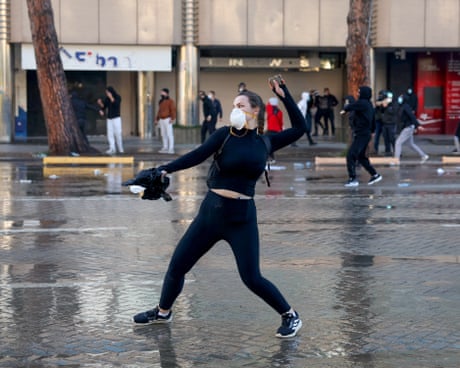
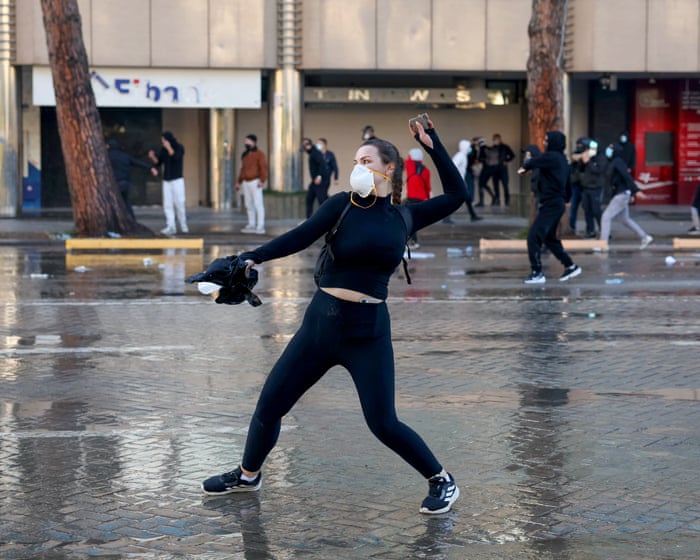
Dutch MEP says government is trying to avoid EU environmental rules as protests over luxury development turn violent
MEPs have accused Albania of deploying “sneaky” practices to fast-track a proposed Trump-linked luxury resort in the country amid protests that have turned increasingly violent.
As the prime minister, Edi Rama, pledged to “listen to the voices of young people” taking to the streets, there was mounting criticism of his failure to address demonstrators who had long opposed the controversial project peacefully.
Uma mulher, de 67 anos, foi atropelada na Avenida do Brasil, na cidade de Fafe, na manhã desta segunda-feira.
Ao que O MINHO apurou no local, o atropelamento deu-se junto a uma passadeira. Segundo a própria vítima, esta estaria na passadeira, versão que não é corroborada pelo condutor.
A mulher sofreu ferimentos ligeiros e foi transportada para o Hospital de Guimarães.
Os Bombeiros de Fafe prestaram socorro e a GNR registou a ocorrência.
Four years ago nearly every government on Earth agreed to protect nature. Now, as countries gather for Cop17, the pressure is on to follow through on those commitments
Passersby could smell the dead fish before they saw them. In August, more than 3,000 pike, roach, carp and rudd were found lifeless along the River Wensum in Norwich. Some gasped for air in their final moments, desperate for the oxygen that heatwave conditions had depleted in the water. Investigators believe that the die-off was triggered by heavy rainfall that flushed through high concentrations of pollution at a time when wildlife were already struggling.
The 45-mile (70km) chalk river is one of about 250 in the country. They are a geological accident almost unique to Britain – and one of Earth’s rarest habitats. They emerge from chalk aquifers and are home to species such as freshwater shrimp, otters and stoneflies, also providing drinking water for millions of people. But just 11 have formal protection, with many ravaged by sewage pollution and overextraction. The Norfolk river is one of the few that does have legal protection, but it is in poor ecological health.
 Login