One of the unfortunate quirks of the American system is that you can't lie to the government, but the government can lie to you. Samuel Tunick found himself on the receiving end of this setup last year at Atlanta International Airport. When agents from the Department of Homeland Security (DHS) asked for his phone password, he allegedly gave them a self-destruct code that wiped his data. Tunick now faces five years in prison for destroying evidence.
It turns out that the feds were lying to Tunick the entire time. A new court filing, first reported by 404 Media, shows that the DHS had sent out an order to seize Tunick's phone over his involvement in environmentalist protests in Atlanta. When he landed at the airport, however, agents told Tunick that they were looking for "kiddie porn" and he would be allowed to leave with his phone if he cooperated. They also repeatedly denied him access to his lawyer when he asked.
"There can be no real debate that if law enforcement had acted similarly elsewhere in Atlanta, their actions would be unconstitutional. But the government says it was entitled to act this way because Mr. Tunick was returning from an international vacation" in the Dominican Republic, his lawyers wrote in the filing, which includes internal DHS communications and excerpts from his interrogation video.
U.S. law recognizes a "border exception" to Fourth Amendment privacy rights, allowing federal agents to search incoming travelers for contraband. U.S. Customs and Border Protection (CBP) claims that this exemption also allows them to hold travelers for questioning and search their electronic data. Tunick's case reveals just how widely the agency stretches this loophole.
A few hours before Tunick landed, Homeland Security Investigations (HSI) agent Travis Mcghie emailed the CBP station in Atlanta with his photo and information, stating that he is under investigation for "suspected terrorist activities." (Tunick is involved in Save the Atlanta Forest, also known as Stop Cop City, a protest movement against a local police training center.) The email asked CBP to "conduct a 100% baggage exam, retain all electronics and collect passcodes," stating that the HSI will be at the airport to conduct an interrogation.
Pulled into the secondary screening room, Tunick "almost immediately" told CBP officers that "I don't really want to speak without a lawyer any more," according to the filing, which cites the interrogation tape. He would ask for a lawyer multiple times.
The agents asked Tunick if he had "kiddie porn" on his phone and stated that "because you're refusing to talk, we have the authority to go through your phone to see what we're looking for." One of them, Latoya Castro, told Tunick that "either you can give us your password so that we can go through it no problem, or you can refuse to do that, unfortunately, we will have to seize your phone."
Both of those statements were a lie, of course. The HSI's email had asked CBP to take Tunick's phone, whether or not he cooperated.
The lie about child porn may not only have been meant to intimidate Tunick. While there arecontradictory lower court rulings about the border search exemption, some courts have ruled that the CBP can only search electronics for "digital contraband," or files that are themselves illegal. A search for child sex abuse material would be on stronger legal ground than a search for mere evidence of other crimes.
Tunick was using GrapheneOS, a secure phone system that allows users to set both a real password and a "duress password" that wipes out all data when entered. The interrogation tape shows his phone appearing to reset after he gave the officers a passcode. HSI agent Nathan Burnham and FBI agent Andrea Coble then entered the room.
"You are not under arrest. Once these gentlemen are done with you, pursuant to your entry into the country, you're free to leave," Burnham said, referring to the CBP officers.
Tunick's lawyers argue that the judge should throw out the phone password Tunick provided and everything that resulted from entering it as an "involuntary" response made under "unlawful interrogation," because the CBP agents did not read Tunick his Fifth Amendment rights and ignored his multiple requests to consult with his lawyer before answering their questions.
The CBP claims that secondary screening at the border doesn't count as a criminal investigation, so detainees don't have the same rights as criminal suspects. "Since the international arrivals inspection is an administrative function, CBP policy and federal regs do not permit the presence of lawyers during secondary examinations," a spokesmantoldReason earlier this year.
But Tunick's lawyers insist that his experience was "far outside" a normal border crossing: He was accused of a serious crime to his face, faced an investigation for a different serious crime he didn't know about, and clearly could not leave the situation until he gave information to government agents.
"I hope people understand that the charges against me are meant to intimidate people against protecting their data and their privacy, and the government hopes to set a precedent that no one has the right to privacy," Tunick told 404 Media.
Defend the Atlanta Forest, the movement that Tunick is involved with, has been amajor nuisance for authorities in Georgia. Protesters attacked and burned construction equipment throughout 2022, and police shot a protester in 2023 under unclear circumstances, claiming that they were fired at during a raid.
The Trump administration has brought down the federal government against the movement. In June 2026, the Department of Justice broughtfederal charges against two alleged arsonists, citingNational Security Presidential Memo 7, which directs the feds to go after left-wing domestic terrorism.
But beyond the email line about "suspected terrorist activities," there is no indication of what specific crimes the feds suspected Tunick of, or why they suspected him. And the whole setup of the interrogation was designed to hide those answers. In fact, instead of charging Tunick under typical obstruction or evidence-destruction laws, federal prosecutors chose ararely-used statute that doesn't require them to disclose what the underlying investigation was about.
"Many times the government wants to highlight what it was trying to investigate because that ups the stakes on what the defendant was doing," former prosecutor Daniel RichmantoldThe New York Times. "This is a case where I think they're trying to avoid exactly that by focusing only on the destruction, and not what the investigation was about."
A PF (Polícia Federal) informou, na manhã desta quarta-feira (21), que abriu nove inquéritos para investigar possíveis incêndios criminosos no Amazonas. Os trabalhos, que também incluem ações de monitoramento, tem foco na identificação das causas e dos responsáveis pelas recentes ocorrências.
Os inquéritos foram abertos ao longo do novo período de queimadasque atinge o estado.
Segundo a corporação, as apurações abrangem diferentes municípios do Amazonas e incluem a análise de dados de satélite e levantamento de informações junto a órgãos públicos.
Entre as medidas que a PF adotou estão o acompanhamento semanal de alertas de incêndio, com base em dados de satélite, e a requisição de informações a órgão federais, estaduais e municipais.
Há investigações relacionadas à ocorrências nos municípios de Autazes, Careiro Castanho, Careiro da Várzea, Manaquiri, Manaus, Iranduba e Canutama. Também estão previstos sobrevoos em áreas de interesse investigativo para auxiliar na identificação de possíveis pontos de origem do fogo.
Cenário de investigações
Somente entre 2023 e 2026, a unidade responsável pelas investigações relatou 516 inquéritos policiais relacionados a crimes ambientais. Entre eles, 11 são especificamente de incêndios.
No mesmo período, 228 pessoas foram identificadas como possíveis autoras dos fatos e 113 foram indiciadas. Atualmente, 186 inquéritos policiais ambientais permanecem em andamento.
Situção de emergência
Ao menos 41 municípios no estado do Amazonas estão em situação de emergência, 16 em alerta e outros cinco em atenção.
Até o momento, já são 102.445 famílias atingidas por conta da estiagem, de acordo com o boletim do Governo de Amazonas dibvulgado nesta terça-feira (20).
• Governo do Amazonas
O governo federal informou que vai intensificar as ações de combate aos incêndios florestais e aos efeitos da estiagem no Amazonas.
Entre as medidas anunciadas nesta quarta-feira (21) estão o repasse de mais R$ 3,5 milhões para quatro municípios afetados, o início das atividades de uma base regional da FN-SUS (Força Nacional do SUS) em Manaus e o reforço das operações de fiscalização e investigação de possíveis crimes ambientais.
Até o momento, foram aprovados R$ 21,1 milhões em nove planos de trabalho da Defesa Civil Nacional, incluindo R$ 14,3 milhões encaminhados anteriormente e o novo repasse.
Prosecutors say Dawood Faisal targeted Jewish-owned Queens business displaying Israeli flags; husband of slain Cara Trager raises questions about possible antisemitic motive in fatal crash
Suspect arrested after being detained by Jewish security volunteers who quickly arrived on scene; victims, including mother with baby, believe they were assaulted due to their faith
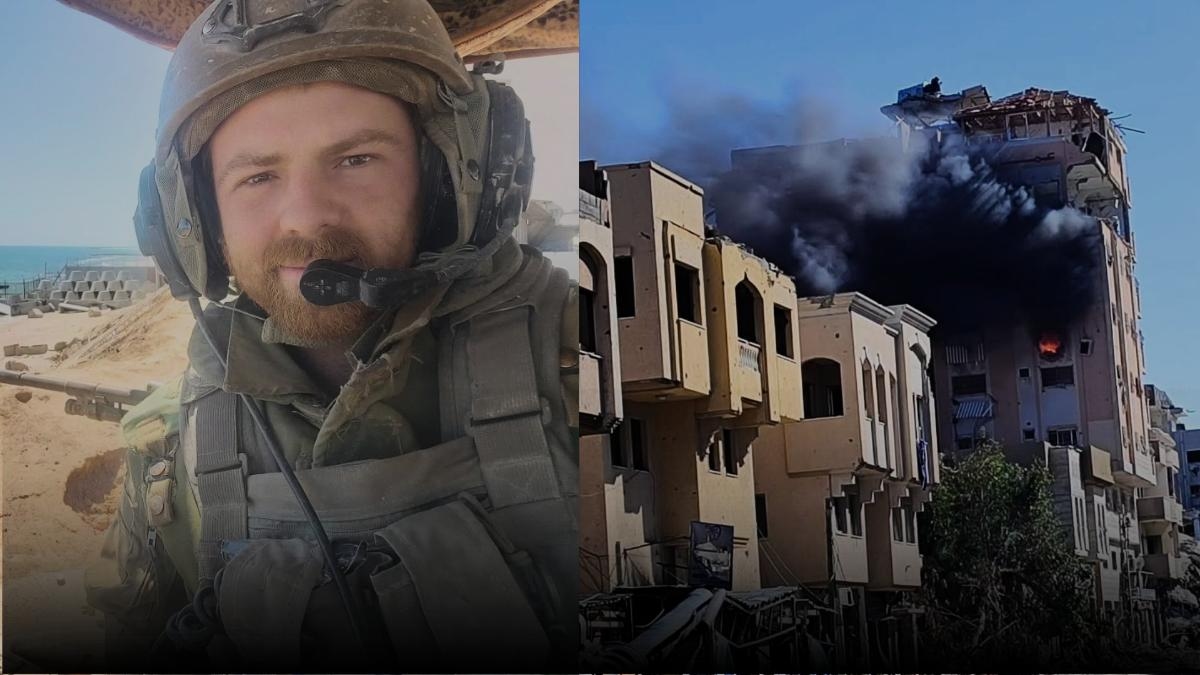
HRF alleges that Sean Glass likely gave the order to open fire. His alleged responsibility extends across Gaza: attacks on Al-Shifa Hospital, destruction of UNRWA headquarters, and the razing of entire neighbourhoods—devastation he publicly celebrated.
Iran’s Ambassador and Deputy Permanent Representative to the UN has urged the world body’s Security Council to hold an emergency meeting and condemn threats by the United States and the Israeli regime against the Islamic Republic’s territory and critical infrastructure.
Gholamhossein Darzi made the remarks in a letter dated Monday and addressed to UN Secretary-General António Guterres and the president of the Security Council.
The letter cited recent US media reports that the White House and the US Department of War had prepared fresh military options, including the possible use of the GBU-43/B, known as the Massive Ordnance Air Blast (MOAB) or so-called “Mother of All Bombs,” against Iran.
Darzi noted that US President Donald Trump had discussed the weapon in a televised interview and threatened further attacks.
The diplomat also cited remarks by Israeli minister for military affairs Israel Katz that the regime was prepared to attack the Islamic Republic and would target “all energy targets” in any renewed aggression.
The letter also pointed out how Katz had threatened to return Iran to the “Stone Age”, besides claiming that the United States and the regime had dropped a total of 35,000 bombs on Iran and that their military campaign was not over.
Darzi further denounced Israeli prime minister Benjamin Netanyahu for openly declaring an intention to launch another unprovoked war against the Islamic Republic, adding that the silence and explicit support of certain Security Council members had emboldened him.
He called for immediate action against “brazen existential threats” issued by Trump and renewed Israeli threats of military aggression.
“These unabated threats, in the context of the U.S.-Israeli wars of aggression launched on 13 June 2025 and 28 February 2026 against Iran, and the deliberate attacks against Iranian civilians and critical infrastructure, pose a grave risk of further violation of international law with catastrophic humanitarian and environmental consequences, and serious threats to regional and international peace and security,” he wrote.
The diplomat argued that threats to destroy Iran’s civilian and energy infrastructure could cause severe and potentially long-term humanitarian and environmental damage.
He also condemned Washington and Tel Aviv for disregarding obligations under the four Geneva Conventions of 1949 and customary international humanitarian law.
Darzi requested an emergency Security Council meeting, unequivocal condemnation of threats against Iran’s civilian infrastructure, and accountability and full reparation for damage resulting from Washington’s and Tel Aviv’s internationally wrongful acts.
“The Security Council cannot remain silent in the face of explicit threats of renewed aggression and the destruction of essential civilian infrastructure,” he stated.
The letter, meanwhile, reaffirmed Iran’s right to self-defense under Article 51 of the UN Charter.
He warned that the United States and the Israeli regime would bear responsibility for the consequences of further aggression, including “the risk of unpredictable and uncontrollable escalation.”
In a letter, the former student said she felt “unsupported” after hearing about an exchange between the school president and her sorority sister. Officials disputed her account of the conversation.
A former Cornell University student who said she was raped at a fraternity in 2024 penned a letter to faculty leaders last week, saying that she did not feel supported by the school’s president, Michael I. Kotlikoff.
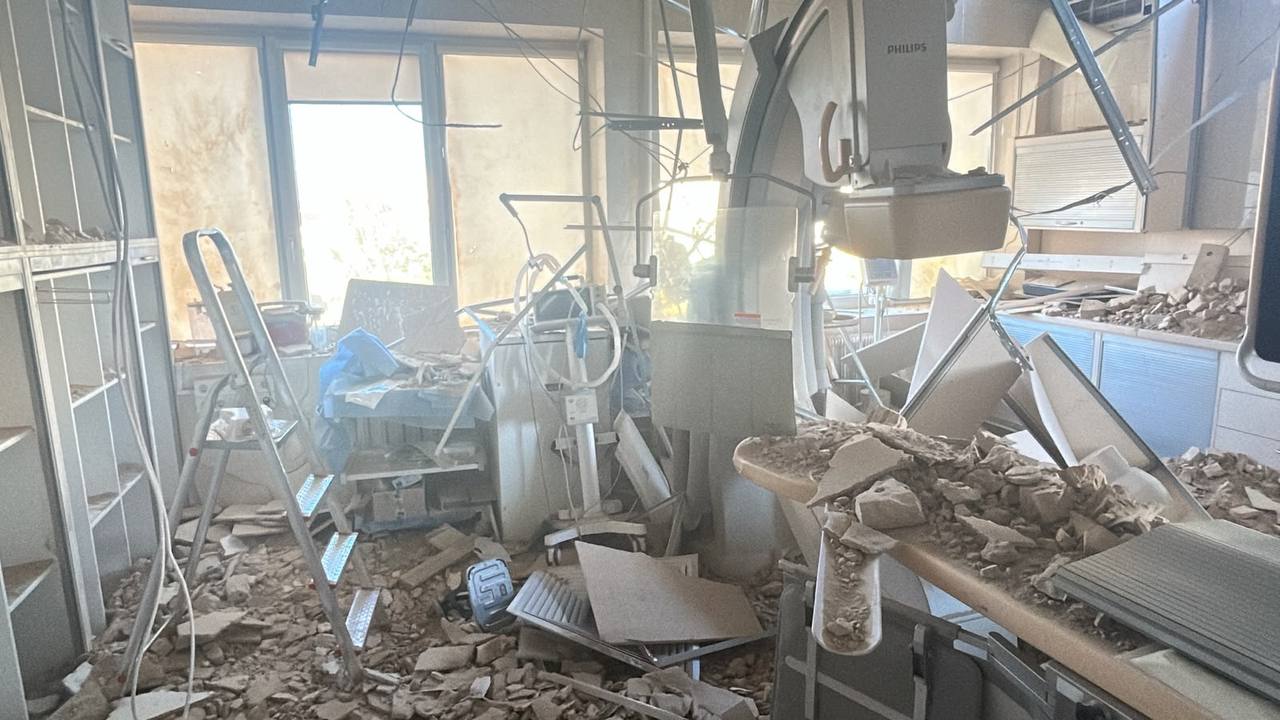
Ukrainian Prime Minister Serhii Koretskyi said Russia struck the operating room of the Strazheska Institute of the National Academy of Medical Sciences in Kyiv, injuring one patient.
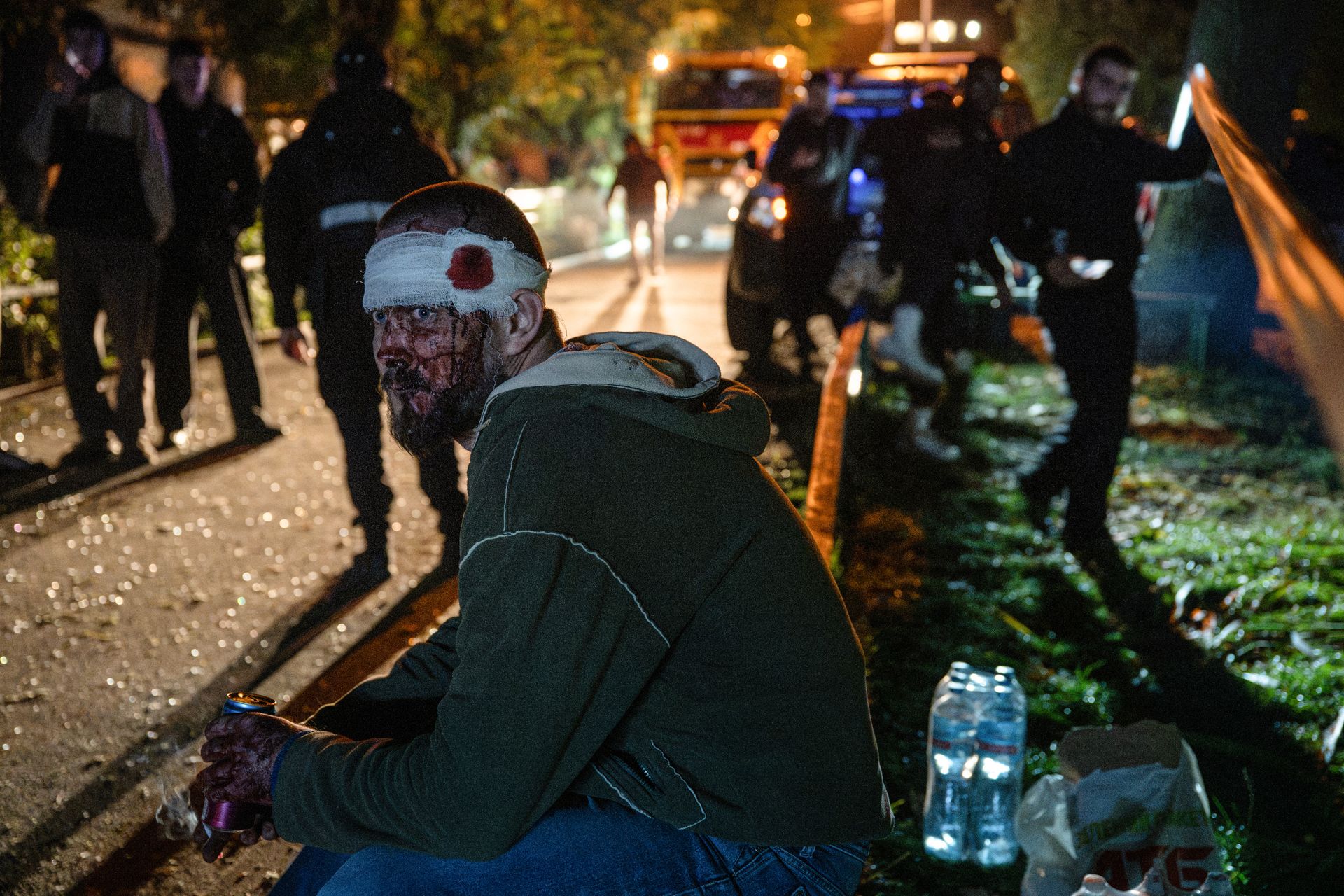
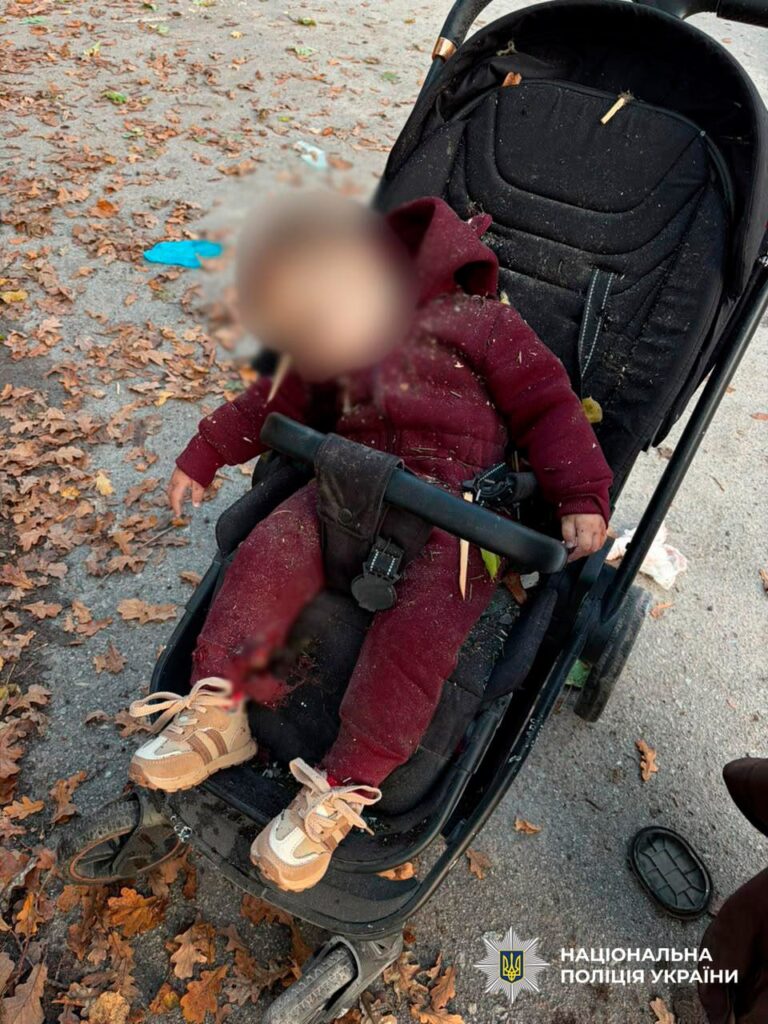
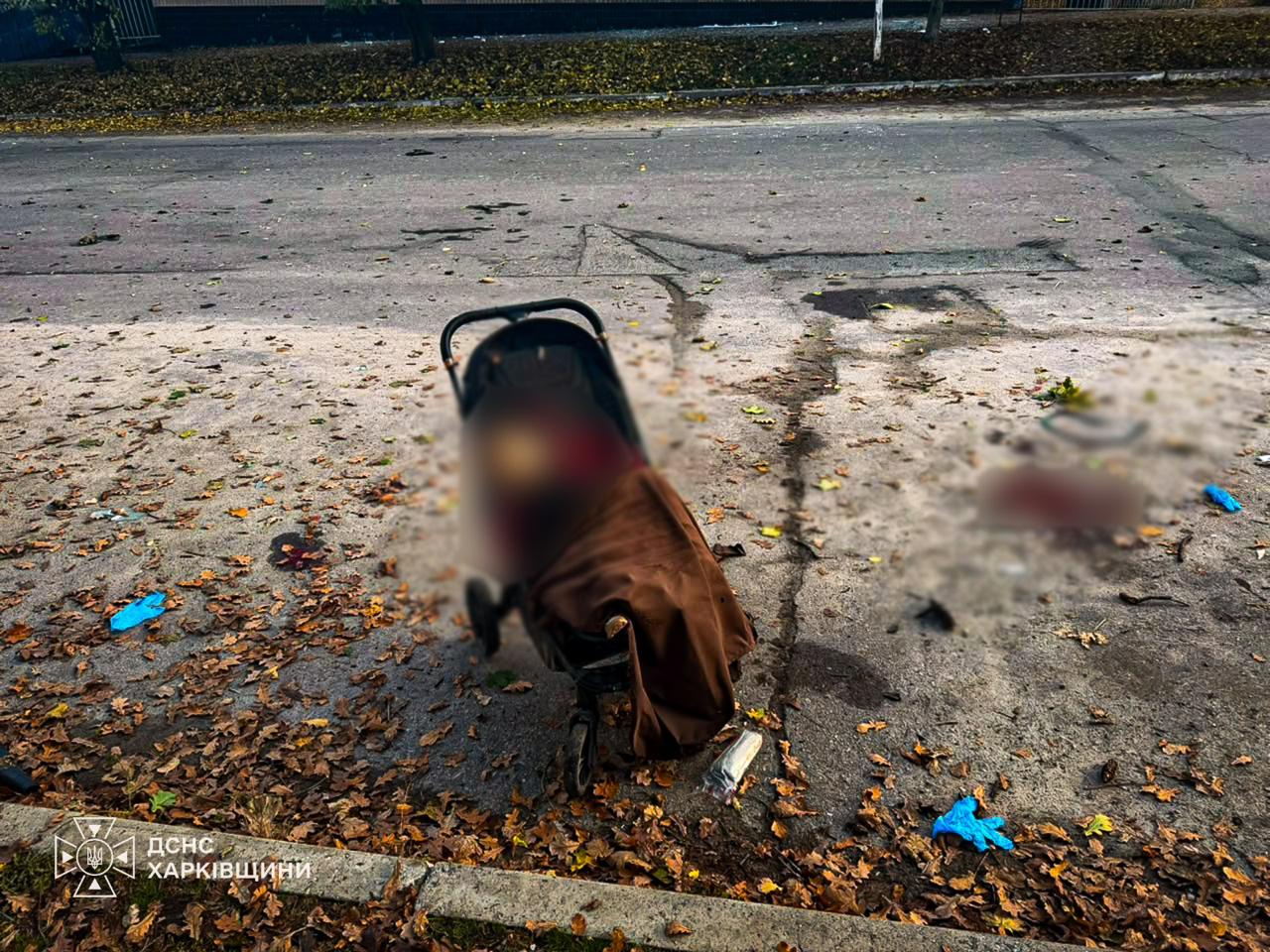
Six people were killed in a Russian strike in the settlement of Nova Vodolaha in Kharkiv Oblast, including girls aged 1 and 11. Another 15 people were injured, including seven children, Kharkiv Oblast Governor Oleh Syniehubov said on 20 October. Russian forces struck a park with a drone while families with children were there, Ukraine’s Minister of Internal Affairs Ivan Vyhivskyi said.
Russian forces continue to attack Ukrainian cities, killing civilians and destroying civilian infrastructure. The Kharkiv Oblast Prosecutor’s Office has opened a war-crime investigation into the strike. The strike was aimed at people, Yurii Yurchenko, head of a police department in Kharkiv Oblast, said in a comment to Suspilne.
The 14-month-old girl was named Anhelina
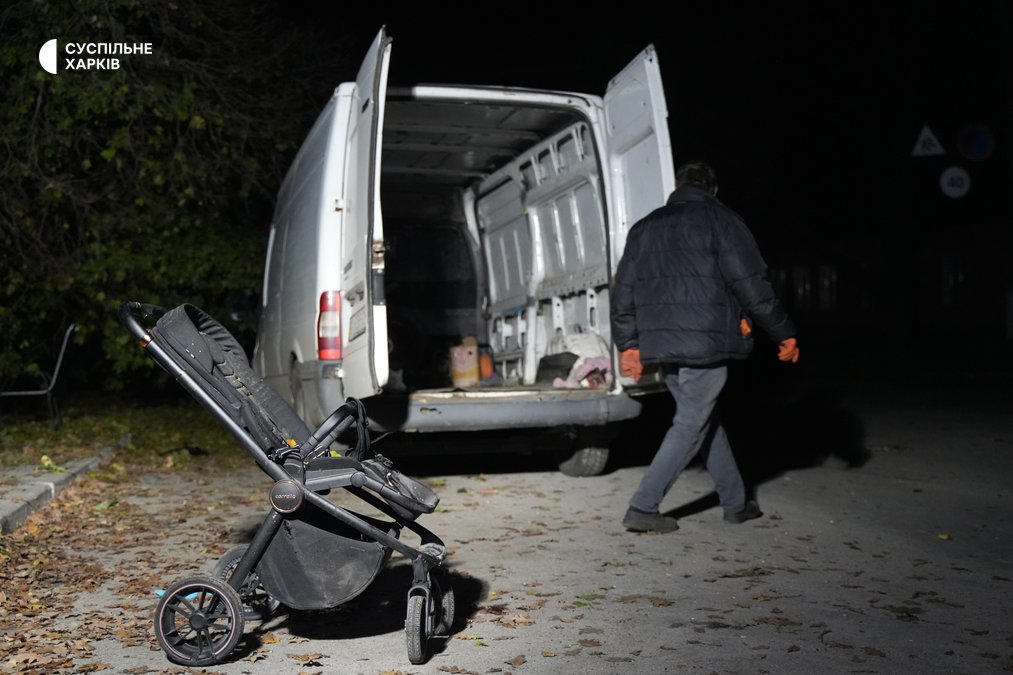
The Russian drone circled the park several times before crashing, Yurchenko said. He said the drone struck a tree near a café, and the blast wave and shrapnel hit people at the establishment. The attack came at around 16:30, the prosecutor’s office said, adding that Russian forces had preliminarily used a Geran-3 drone.
The café damaged in a Russian strike on a park in the settlement of Nova Vodolaha, Kharkiv Oblast, on 19 October 2026. Photo: Kharkiv Oblast Military Administration
The Russian strike killed three women, aged 28, 34 and 36, a man around 40 years old, and two girls, aged 14 months and 11 years, Syniehubov said in his statement.
The youngest girl, named Anhelina, was born in August 2025, Ukrainian President Volodymyr Zelenskyy said. Her mother, Inna, died in the hospital, he added.
Zelenskyy shows US senators photos of the aftermath the same day
Zelenskyy met with US Senators Richard Blumenthal and Thom Tillis, along with their colleagues from both parties and both chambers of Congress, according to a 19 October post on his social media accounts. During the meeting, he discussed the Russian attack in Kharkiv Oblast and showed lawmakers photographs from the scene, including one of the infant who was killed in a stroller.
“This is how Russia responds to the lifting of sanctions and the easing of pressure,” he said in the post.
The stroller in which 1-year-old Anhelina was killed, Nova Vodolaha, 19 October 2026. Photo: Suspilne Kharkiv/Viacheslav Mavrychev
Zelenskyy said Ukraine needs air defense and that no one should think about making money with Russia while it continues its war. He asked that sanctions on Russia stay in place until the killing stops, urged the US to “be strong” and apply Lindsey Graham’s law, and called on Europe to keep supporting Ukraine.
US envoy Steve Witkoff is joining negotiations in Norway before an expected visit to Moscow, but American pressure on Ukraine, uncertainty over military assistance and renewed economic dealings with Russia raise questions about Washington’s approach to ending the war.
The latest American diplomatic initiative on Ukraine comes at a particularly difficult moment in relations between Washington and Kyiv. President Donald Trump’s special envoy, Steve Witkoff, is taking part in talks in Oslo on Tuesday, 20 October, with Ukrainian President Volodymyr Zelenskyy and European leaders, before an anticipated visit to Moscow for discussions with Vladimir Putin.
The Norwegian government has confirmed that the meetings will include Prime Minister Jonas Gahr Støre and Finnish President Alexander Stubb. Trump’s son-in-law, Jared Kushner, will participate remotely. The meeting was requested by Zelenskyy, with Norway and Finland providing the diplomatic setting.
Yet the significance of the Oslo discussions lies less in the gathering itself than in the political circumstances surrounding it. Washington is seeking an agreement with Moscow while simultaneously becoming more confrontational towards Kyiv. Recent American decisions affecting military assistance, intelligence cooperation and Russian energy exports have introduced serious doubts about how the administration intends to use its considerable negotiating leverage.
Washington’s pressure on Kyiv
The immediate difficulty concerns the growing discrepancy between American diplomatic assurances and the practical conditions under which Ukraine is expected to negotiate.
Among the disputed deliveries are Patriot air-defence interceptors purchased by European NATO members through the Prioritised Ukraine Requirements List programme. Zelenskyy has indicated that shipments remain subject to authorisation by US Defence Secretary Pete Hegseth.
These are operational matters with immediate consequences. Ukraine relies on American intelligence, communications infrastructure and air-defence equipment to counter Russian missile attacks. Any interruption affects Kyiv’s military calculations, irrespective of whether Washington formally acknowledges a change in policy.
The political message is equally consequential. Trump has publicly questioned Zelenskyy’s willingness to negotiate and suggested that Ukraine might need somebody else to conduct talks with Russia. Such remarks place additional pressure on the Ukrainian leadership while leaving Moscow’s territorial demands largely untouched.
Russia’s incentives remain unchanged
The central weakness in the American diplomatic approach is the assumption that renewed engagement with Putin will necessarily produce meaningful Russian concessions.
Moscow has repeatedly treated negotiations as an opportunity to pursue political objectives that its armed forces have not achieved on the battlefield. Russian demands concerning Ukrainian territory and restrictions on Kyiv’s future security arrangements remain incompatible with Ukraine’s sovereignty.
An agreement reached under these conditions could suspend hostilities without resolving the underlying conflict. Russia would retain the capacity to rebuild its forces, while Ukraine could find its military options constrained by commitments made in exchange for an uncertain ceasefire.
The Trump administration’s recent economic dealings with Moscow further complicate the negotiations. Washington’s arrangements concerning Russian diesel have attracted criticism from Kyiv and European governments, particularly because Russian energy revenues remain an important source of financing for the war.
Trump has also pressed Ukraine to curtail attacks on Russian oil infrastructure, reflecting American concerns about fuel prices. For Moscow, relief from attacks on refineries would preserve economically important facilities that Ukraine has demonstrated an increasing ability to reach.
Any arrangement limiting such operations without corresponding Russian concessions would alter the military and economic balance in Moscow’s favour.
The broader American proposals reportedly include possible post-war economic cooperation with Russia. Their implications extend beyond Ukraine: commercial normalisation could offer the Kremlin substantial benefits before the conditions for a stable European security settlement have been established.
Europe’s influence depends on its willingness to use it
European participation in the Oslo process is therefore more substantial than a question of diplomatic representation.
Britain, France, Germany and Poland, alongside the European Union and NATO, are expected to be involved in the wider discussions. European governments would almost certainly bear much of the financial and military responsibility for implementing any settlement, including Ukraine’s reconstruction and long-term security.
They also possess considerable economic leverage through sanctions, financial restrictions and decisions concerning frozen Russian assets. Those instruments would form part of any serious negotiation over Moscow’s future relations with Europe.
However, European influence remains constrained by continuing dependence on American military technology and equipment. The controversy surrounding Patriot deliveries illustrates the problem: European governments can finance weapons for Ukraine without necessarily controlling when those weapons are released.
As EU Today previously examined, Washington’s negotiations with Moscow have consequences for European security that cannot be separated from the future of Ukraine.
European governments consequently face a difficult calculation. They wish to preserve American involvement, but excessive accommodation of Washington’s demands could leave them financing security arrangements over which they exercise limited control.
Norway and Finland have helped bring the Ukrainian and American delegations together at a moment when their relationship is deteriorating. Whether that produces progress will depend partly on Moscow’s response, but also on whether Washington is prepared to maintain the military and economic pressure necessary to make Russian concessions possible.
Witkoff’s anticipated journey from Oslo to Moscow will offer an early indication of the administration’s priorities. Putin will be assessing the terms Washington is prepared to offer, while Kyiv remains concerned about restrictions affecting equipment it needs to defend its cities.
For the Ukrainian leadership, the danger is that negotiations intended to end Russia’s invasion could become a process in which the country resisting that invasion is asked to make the most immediate concessions.
The drone struck the town's central park while many people, including families with children, were there, Interior Minister Ivan Vyhivskyi said. An infant in a stroller and two women were among those killed, he added.
Yemen has condemned the international community’s silence on Saudi Arabia’s ongoing aggression and blockade, saying it emboldens Riyadh to continue its atrocities.
The Yemeni Ministry of Foreign Affairs and Expatriates, in a statement released on Saturday, said the Saudi military continues to target ordinary people and civilian infrastructure, as it has done over the past years.
The ministry denounced Saudi strikes on civilians and non-military installations as a flagrant violation of international humanitarian law, particularly the Fourth Geneva Convention of 1949 and Additional Protocol I of 1977.
In the latest attack, a series of Saudi airstrikes targeted a residential neighborhood in the Maqbanah district of Yemen’s southwestern Ta’izz province, killing nine civilians, including a woman and a girl, and injuring 16 others.
The statement also censured the deafening silence of the international community, which claims to uphold human rights while lecturing others about them.
It noted that such an approach would offer Saudi officials the carte blanche to keep on their brutalities, and would make the international community complicit in Riyadh’s crimes and aggression.
The Yemeni foreign ministry then called on the international community, particularly the UN Security Council, the Human Rights Council, the UN High Commissioner for Human Rights, as well as human rights organizations, to abandon double standards, condemn the heinous crimes committed against Yemeni people, and pressure Saudi Arabia to honor its obligations under international humanitarian law.
The ministry finally emphasized that Saudi atrocities would not go unpunished, and that the House of Saud, “whose hands are stained with blood and whose fingers with guilt,” would be held accountable.
On July 20, the Sana’a government announced a maritime blockade against Saudi Arabia in response to “an unjust and oppressive siege” on Yemen for almost 12 years.
Subsequently, the Yemeni armed forces have reported a series of successful missions that have targeted vessels associated with Saudi Arabia in the Red Sea.
In March 2015, Saudi Arabia and its allies imposed a blockade on Yemen, initiating a comprehensive military offensive that received support in terms of military, political, and logistical assistance from the United States and several Western countries.
Tens of thousands of Yemenis have lost their lives; however, Saudi Arabia has failed to achieve its primary goal of reestablishing a puppet government that served its interests.
Iran’s ambassador and chargé d’affaires to the UN has stressed that any arrangements for the Gaza Strip’s future must fully respect Palestinian rights and self-determination, denouncing the United States and the Israeli regime for the current situation affecting the Strait of Hormuz.
Gholamhossein Darzi made the remarks on Friday, addressing a UN Security Council meeting on the situation in West Asia, including the Palestinian question.
He noted that Gaza remained devastated and continued to be subject to military aggression, despite the announcement of a ceasefire last year.
The ceasefire was announced last October as part of a United States-proposed plan to bring an end to two years of Israeli genocide, supposedly.
The Israeli regime has, however, killed more than 1,400 Palestinians during attacks across the territory ever since, in addition to the tens of thousands it had already killed throughout the genocide that began on October 7, 2023.
Darzi called for a permanent end to the Israeli aggression, lifting of the Israeli blockade on the coastal sliver, and realization of a lasting ceasefire in the territory.
He called for unconditional and complete withdrawal of Israeli forces from the territory as well as immediate and sustained delivery of humanitarian aid and deployment of relief personnel.
The diplomat called accountability for serious violations of international law a legal obligation, condemning the regime for committing genocide, war crimes, and crimes against humanity.
He also denounced expansion of illegal settlements, intensifying settler violence, and Israeli plans for “annexation” of the occupied West Bank.
Palestinians must be able to establish an independent, sovereign, and viable state, with the holy occupied city of al-Quds as its capital and full membership in the United Nations, the official stated.
He also demanded Israeli withdrawal from Lebanese territory and occupied Syrian areas and respect for both countries’ sovereignty.
Elsewhere in his remarks, Darzi slammed the United States and the Israeli regime for launching two rounds of unprovoked aggression against Iran respectively, last June and from February 28 until April 7 this year.
The aggressors, he noted, committed war crimes through deliberate targeting of civilians and critical infrastructure.
He also attributed the situation affecting the Strait of Hormuz to the American-Israeli atrocities, including an American naval blockade.
“Our position is crystal clear: The only practical way to restore normal and safe maritime navigation in the Strait of Hormuz is immediate and permanent cessation of US aggression, provision of credible guarantees against its recurrence, respect for Iran’s sovereign rights, and complete lifting of the naval blockade and other unlawful coercive measures.”
Following the US-Israeli aggression against Iran on February 28, Tehran closed the Strait of Hormuz to its adversaries. The key waterway has remained largely closed ever since, driving up fuel prices worldwide and increasing the cost of living for millions of people.
Tehran has made it clear that it will not reopen the strait until Washington meets its demands, including a permanent end to the war.
The Russian soldiers are believed to belong to the 38th Separate Motorized Rifle Brigade, which is operating in the area. Kravchuk alleged that orders of this nature within the brigade are issued at the initiative of its commander, Colonel Valery Kazak.
BEIRUT – The number of books destroyed by Israeli bombings of libraries, as well as religious and cultural institutions since October 2023, has exceeded 3 million copies, founder and coordinator of the National Network for the Protection of Libraries, Archives, and Cultural Heritage in Lebanon Hadi Bekdash told Sputnik on Saturday.
“There are reports of the burning of more than 700,000 books belonging to Lebanese and Arab publishers, as well as more than 3 million books from homes, libraries, religious centers, family collections, researchers’ libraries, and universities, publishers, cultural institutions, and private collections since 2023,” Bekdash said.
In 2026, practically confirmed information appeared about the destruction of dozens of public and hundreds of private libraries during the conflict with Israel, he added.
These data do not reflect the full scale of losses, since Lebanon still does not have a unified national database of destroyed libraries, archives, and book collections, the coordinator said.
Bekdash added that it will be possible to finally assess the damage only after conducting a nationwide inventory of lost and damaged collections.
A national campaign, A Million Books for Lebanon, is currently underway in the country, aimed at restoring destroyed and damaged libraries.

 Login