❌

Reading view

Bibas family relative takes fight to ICC after mother, two young boys murdered by Hamas

The International Criminal Court has so far turned a blind eye to the family of Shiri Bibas and her young sons, who were brutally murdered by Iran-backed Hamas terrorists after being forcefully taken from their homes during the Oct. 7 attack on Israel.

The Bibas boys — Ariel, four, Kfir, nine months, and their mother, Shiri — became the faces of the Israeli hostages held by terrorists in Gaza. All three were brutally murdered and now the mother's uncle, Maurice Shnaider, wants justice.

Before the court's Chief Prosecutor, Karim Khan, was removed for misconduct, Khan oversaw the issuance of controversial arrest warrants in 2024 for Israeli Prime Minister Benjamin Netanyahu, former Israeli Defense Minister Yoav Gallant, and Hamas terror commander Mohammad Deif, alleging they had committed a variety of war crimes and crimes against humanity. 

ICC PROSECUTOR WHOSE NETANYAHU WARRANT FUELED MAMDANI ARREST THREAT IS FIRED OVER SEXUAL MISCONDUCT

Khan’s ICC only sought to grant "selective justice" according to legal expert Elliot Malin, who told Fox News Digital that he filed two cases with the Office of the Prosecutor in 2025 requesting warrants against the leaders he accuses of truly practicing war crimes, including genocide, in Israel and Gaza. 

Malin, president of Stratos Council, filed his first case with the ICC in Sept. 2025. It requested that the court investigate and issue warrants for two Iranian officials for "crimes against humanity, war crimes and genocide committed in Israel and Gaza on and after Oct. 7, 2023." Malin said that "It is very clear that the Islamic Republic is the principal to these proxies who are operating as agents of the regime… and we should hold the Islamic Republic directly accountable."

The request for investigation and warrants was filed on behalf of Shnaider, whose filings say he has lost five generations of his family "to acts committed with the intent to destroy Jews," including the Holocaust.

MIKE WALTZ FIGHTS BACK TEARS REVEALING WHAT HAMAS HOSTAGE REFUSED TO DO BEFORE RELEASE

On Oct. 7, Shnaider told Fox News Digital that he turned on the news to see his niece, Shiri Bibas, "being taken away" with her young children into captivity. Bibas and her children were later murdered as hostages. Shnaider says that he prays that Bibas "didn’t witness how they did what they did to a four-year-old and a nine-month-old."

Shnaider’s sister and brother-in-law were also murdered at Kibbutz Nir Oz on Oct. 7. He explained that they "were burned inside the house in a brutal way that you cannot imagine, you cannot explain, you cannot answer." By the time of his sister and brother-in-law’s burial, he explained that "there was hardly anything left" to put in the caskets.

Shnaider says that the grief from the horrific losses of his family on Oct. 7 "doesn’t compute in my body," leaving him "choking" with tears. Though Shnaider acknowledges that he will never understand the rationale behind hate, he said that "the most I can do is fight them in the way I can." He believes it is now up to the ICC "to put a stop to it." If the ICC fails to do so, Shnaider says the court "should be condemned" for its bias.

While the case against Iranian leaders was filed on behalf of just the Shnaider family, Malin advocates filing a case on behalf of each family who lost relatives during the attacks of Oct. 7.

In Dec. 2025, Malin filed a second case, requesting investigation and arrest warrants for over a dozen Hamas members for a myriad of "war crimes, and crimes against humanity committed against Palestinians in Gaza."

IDF PUSHES BACK ON CLAIM IT TARGETS JOURNALISTS IN GAZA, SAYS 170 WERE PART OF TERROR GROUPS, INCLUDING HAMAS

Malin says it is also important to hold Hamas leaders "directly accountable for the crime of genocide." He explained that Hamas attackers’ own words prove that there was no military goal during the Oct. 7 attacks, which largely killed civilians. 

Malin said Hamas attackers told Oct. 7 victims that they would continue attacks into Israel "until there are no Jews left in Palestine," and during phone calls to family, an attacker celebrated specifically having killed Jews.

"They’re not talking about soldiers. They’re not talking about people who, in the course of combat or conflict, would be allowed to be targeted. They’re talking about civilians," Malin said.

Malin added that the individuals now trying to justify Hamas’ actions on Oct. 7 "are now justifying the actual crime of genocide."

The case against Hamas leaders also notes their particular role in the deaths of innocent Gazans during the conflict that followed Oct. 7. "The goal there is to raise light of Hamas’ criminal conduct against Palestinians in Gaza," Malin said. He pointed out Hamas’ use of civilians as human shields and their torture of civilians, which he says "we have years of evidence for."

Malin said that the ICC has not responded to either of the cases he has filed. "If we don’t shed light on that at the ICC and the ICC refuses to do anything about it, then the only question for me… is what is the purpose that you serve?"

TRUMP ADMINISTRATION SANCTIONS SITTING PRESIDENT OF THE INTERNATIONAL CRIMINAL COURT FOR 'ABUSES OF POWER'

Malin argues that though the Iranian officials, one of whom was killed during the ongoing conflict with the U.S., were from a state that is not party to the statute, because the ICC has jurisdiction over Gaza, it is responsible for overseeing crimes committed there.

In response to questions about their response to Malin’s filings, the Office of the Prosecutor for the ICC told Fox News Digital, "On the Situation in the State of Palestine the Office of the Prosecutor (OTP) is actively investigating all crimes committed within the Court’s jurisdiction since 13 June 2014. The investigation is ongoing, and the Office continues to collect evidence in that context."

The statement added, "The OTP carries out its mandate independently and impartially, in accordance with its founding treaty, the Rome Statute," it continued. "The Office does not disclose details of the investigation to ensure the integrity of its processes and proceedings and to maintain the safety and security of all concerned, including victims, witnesses, the Office's staff and all those who cooperate with the Office and support its activities."

Malin said that Khan sought warrants against senior Israeli and Hamas leaders for the crime against humanity of extermination, which he described as "genocide without the intent [to commit genocide.]"

CLICK HERE TO DOWNLOAD THE FOX NEWS APP

That warrant was denied for Israeli leaders, but ultimately approved for Deif, though he had been previously killed in an Israeli air strike.

Earlier this month, Secretary of State Marco Rubio imposed sweeping financial sanctions against the court. In a recorded video, Rubio charged, "Our message is clear: The United States and the American people are not subject to the jurisdiction of this fake ICC."

  •  

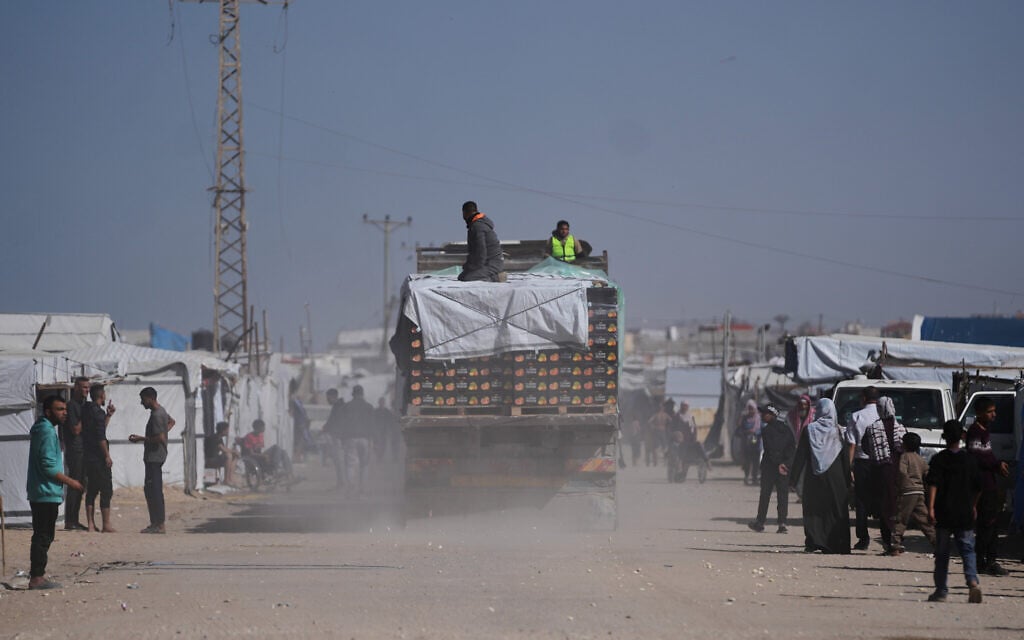
Palestinians Hope Israeli Election Will Oust Netanyahu

Many in Gaza and the West Bank are desperate to avoid more years of Prime Minister Benjamin Netanyahu’s right-wing government, which has made life close to unbearable.

© Saher Alghorra for The New York Times

Palestinians carry food aid from a distribution point in Gaza last month.
  •  

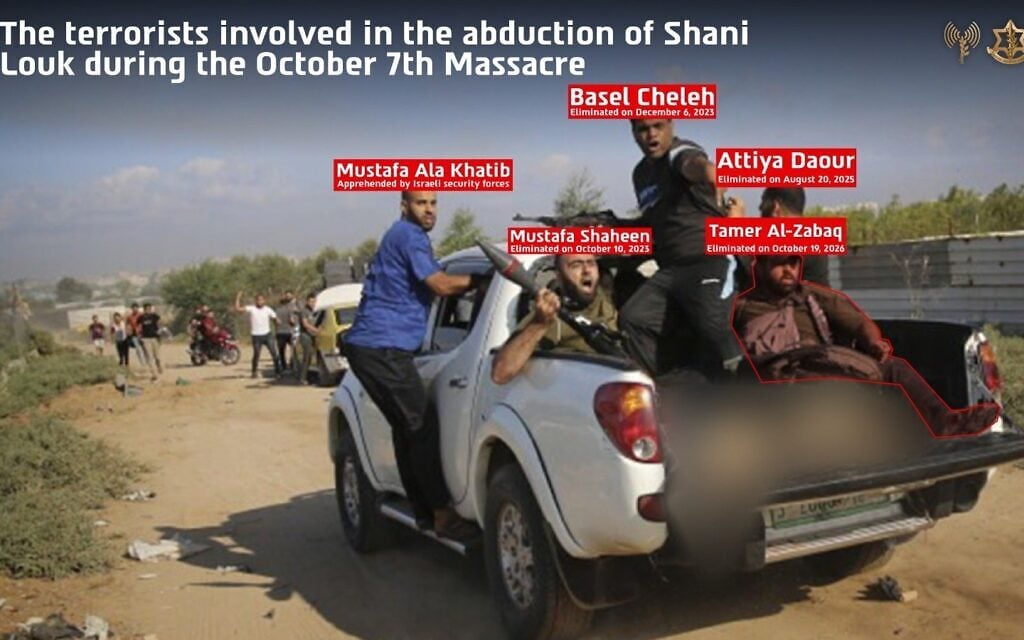
IDF says strike killed final Hamas member who took part in kidnapping Shani Louk

Army and Shin Bet also announce targeting of senior operative in terror group's general security apparatus, who along with his wife was among seven Gazans reportedly killed Tuesday
  •  

What Could Swing Israel’s Election? Thousands Living in the U.S.

Thousands of Israelis living in the United States are expected to fly to Israel to vote in the country’s national election this month.

© Amir Levy/Getty Images

Workers preparing ballots and polling station equipment last week at the Central Elections Committee’s Logistics Center in Shoham, Israel.
  •  

Anti-Israel activists accused of ‘hijacking’ UK’s Remembrance Day with ‘Palestine Poppy’

Various public figures slam pro-Palestinian version of national remembrance symbol, saying the initiative is disrespectful to war victims and 'designed to divide rather than unite'
  •  

Veterans Condemn ‘Palestine Poppy’ as Hijacking of Britain’s National Symbol of Remembrance

'Palestine poppies' are being sold by pro-Palestine campaigners ahead of Remembrance Sunday, sparking fury among veterans who say they're hijacking Britain's day of remembrance.

The post Veterans Condemn ‘Palestine Poppy’ as Hijacking of Britain’s National Symbol of Remembrance appeared first on The Daily Sceptic.

  •  

Jury Trials on Trial: Can Justice Survive Political Polarisation?

An activist who painted Churchill red was cleared of criminal damage and juries have deadlocked over alleged support for Hamas. What’s to be done when jurors reject the moral premises of the law, asks Anna Stanley.

The post Jury Trials on Trial: Can Justice Survive Political Polarisation? appeared first on The Daily Sceptic.

  •  

Sally Rooney’s Books Pulled From Shelves Over Palestine Action Support

Sally Rooney’s books have been pulled from sale in Britain because of her support for Palestine Action after she pledged to use royalties from her work to fund the proscribed terror group.

The post Sally Rooney’s Books Pulled From Shelves Over Palestine Action Support appeared first on The Daily Sceptic.

  •  
  •  

Netanyahu’s Macbeth complex: Ex-spy chief exposes a leader consumed by paranoia

Ronen Bar's defamation suit reveals the gravity of the prime minister's toxic rift with his security chiefs. Three years after Oct. 7, Netanyahu is still hunting for conspiracies
  •  

O Oriente Médio 3 anos depois da Operação Dilúvio Al-Aqsa

Hamas mudou completamente o mapa do Oriente Médio, impediu a causa palestina de cair no esquecimento e dificultou a normalização de relações entre Israel e os países muçulmanos.

Junte-se a nós no Telegram , X e VK.

Escreva para nós: info@strategic-culture.su

Em 7 de outubro de 2023 iniciou-se, a partir de Gaza, uma memorável operação militar, na qual aproximadamente 4 mil homens armados das unidades de elite dos vários movimentos da resistência palestina local (Jihad Islâmica Palestina, FPLP, FDLP, Comitês de Resistência Popular, etc., liderados pelo Hamas) lançaram-se como um copo transbordando sobre os assentamentos sionistas dos arredores.

A ação era, simultaneamente, resposta à intensificação das expropriações de famílias palestinas na Cisjordânia, à pressão crescente sobre a Mesquita Al-Aqsa e à política de apaziguamento dos países árabes, e visava através da captura de militares (ativos e reservas) israelenses forçar a entidade sionista a uma guerra de atrito que pudesse conduzir a um desgaste significativo de Israel, internamente e externamente, e a uma reproposição da questão do Estado Palestino.

Ao que tudo indica, uma das expectativas da liderança do Hamas era de que o Hezbollah e o Irã e, talvez, as organizações militares da Cisjordânia se engajariam, também, brevemente e de forma sustentada, no conflito com Israel. Por uma série de motivos – totalmente diferentes para cada um dos atores – isso não aconteceu, exceto no caso do Hezbollah, e de forma limitada até a invasão terrestre do Líbano e, no caso do Irã, também de forma limitada durante a Guerra dos 12 Dias.

O evento levou a transformações cataclísmicas no Oriente Médio que podemos já descrever e a um panorama que, talvez, seja desconcertante para muitos que previram um cenário de vitória total sionista.

Não é nossa pretensão fazer uma descrição minuciosa dos processos que foram iniciados a partir da Guerra de Gaza, de modo que apenas tentaremos resumir cada um dos cenários em seus principais eventos e panorama atual.

Quanto à Gaza em si, a sua população foi vítima de limpeza étnica. Os números de mortes, se somarmos todas as causas, talvez chegue a 200 mil, ou seja, 10% da população a Faixa de Gaza. Uma parte significativa da liderança do Hamas, por sua vez, foi assassinada durante a guerra. Israel, porém, foi derrotada no conflito, considerando que não conseguiu alcançar os seus objetivos de destruir o Hamas, ocupar permanentemente toda a Faixa de Gaza e deslocar a população palestina. Os danos materiais e sociais para Israel, por sua vez, foram imensos. 60 bilhões de dólares em perdas econômicas gerais, aumento das tensões sociais internas e destruição total – talvez irreversível – da imagem internacional de Israel. Ademais, incapaz de derrotar o Hamas, Israel foi obrigada a aceitar um acordo de paz imposto pelos EUA. Enquanto isso, o Hamas segue com aproximadamente 12 mil soldados ativos e mais 15 mil recrutas jovens em treinamento, de modo que em breve retornará a aproximadamente o mesmo nível de força que antes de 7 de outubro de 2023.

Na frente libanesa, o conflito levou ao deslocamento de mais de 1 milhão de libaneses de suas casas, ao assassinato de Hassan Nasrallah, líder do Hezbollah, e de alguns outros líderes do movimento, à desestabilização política do Líbano, e envolveu a invasão por terra do país por parte do Estado de Israel, que, porém, não conseguiu também alcançar seus objetivos de forçar o governo libanês a desarmar o Hezbollah. O Hezbollah, por sua vez, que foi degradado de forma significativa entre 2023 e 2024 por tentar operar como forças armadas regulares, retornou à guerra de insurgência e com o aumento no uso de drones e novas ferramentas tecnológicas, bloqueou o avanço de Israel em 2026.

Quanto à Síria, testemunhamos o colapso do governo de Bashar Al-Assad e a tomada do país pelas milícias terroristas ligadas à Al-Qaeda, ao ISIS e outros grupos extremistas, os quais levaram à presidência Ahmed Sharrah. Israel se aproveitou do momento para destruir a maior parte do hardware militar sírio e ocupar uma faixa de segurança no entorno das Colinas de Golã, estabelecendo uma tênue aliança com as tribos e milícias druzas da região. A Queda de Assad impôs dificuldade para a logística do Hezbollah, que contava com a Síria para o trânsito de equipamento vindo do Irã. Se Israel esperava ter passagem livre pela Síria, porém, a situação é tornada mais complexa pelo fato de que a região é disputada, enquanto área de influência, com a Turquia, de modo que as tensões entre ambos países segue aumentando.

Os cenários palestino, libanês e sírio permitiam dizer, no início de 2025, por exemplo, que Israel estaria avançando significativamente em seus objetivos delineados no Plano Oded Yinon de desestabilizar e fragmentar os países vizinhos para facilitar a construção da Grande Israel. Teríamos aqui, naquele momento, a derrocada da estratégia do Crescente Xiita e do projeto geopolítico de Qassem Soleimani. Quando acrescentamos os cenários iraquiano e iraniano, bem como o contexto geral do Oriente Médio, a situação muda significativamente.

Porque no espaço entre a Guerra dos 12 Dias e a Guerra do Irã vimos o colapso do poder regional dos EUA no Oriente Médio, a ascensão do Irã a principal pretendente à hegemonia regional e o recuo de Israel para uma posição mais defensiva e de retaguarda.

Sinais de que o projeto israelense era mais frágil do que parecia à primeira vista apareceram já no conflito com o Irã em 2025. Incapaz de derrotar o Irã, que fustigava as defesas e infraestruturas israelenses com enxames de drones e mísseis, Israel teve que apelar por ajuda aos EUA, que realizaram um ataque aéreo majoritariamente simbólico contra instalações nucleares vazias no Irã. Isso não passou despercebido.

A nova rodada de conflito em 2026, iniciando-se no final de fevereiro, apesar de iniciar com o assassinato do Aiatolá Ali Khamenei, levou à eliminação de boa parte das bases dos EUA no Oriente Médio, ao bloqueio do Estreito de Ormuz, à destruição das capacidades antiaéreas israelenses, à evacuação das tropas estadunidenses no Iraque e à destruição do mito da superioridade militar incontestável dos EUA.

De fato, a incapacidade dos EUA de alcançar seus objetivos políticos militarmente no Oriente Médio (após o fracasso da tentativa de revolução colorida de janeiro), mesmo usando 2 porta-aviões (1 dos quais pode ter sido seriamente danificado nas operações), sua incapacidade de proteger seus aliados árabes, a própria incapacidade dos aliados árabes de defenderem a si mesmos, o esgotamento parcial dos estoques de mísseis dos inimigos do Irã, e a capacidade iraniana de rapidamente repor sua liderança e de agir militarmente de forma descentralizada, bem como sua demonstração de que sua capacidade industrial-militar permanecia ativa, mudaram o mapa geopolítico no Oriente Médio.

Em alguma medida, hoje, é o Irã quem dá as cartas. A evacuação do Iraque pelos EUA reabre o país para a penetração da influência iraniana, o que põe em risco até mesmo o domínio da Síria por Ahmed Sharrah.

Para contornar o controle iraniano de Ormuz, os sauditas têm experimentado com usar o Mar Vermelho e rotas terrestres. Se esses esforços fossem bem-sucedidos, a importância de Ormuz diminuiria e, com isso, o poder de barganha do Irã. O problema é que, exatamente quando isso começou a acontecer, o Ansarullah iemenita entrou no tabuleiro, iniciando uma operação militar em larga escala para derrotar os rebeldes apoiados por Riad. A resposta saudita aos avanços houthis levou ao fechamento parcial do Estreito de Bab-el-Mandeb e a ataques não apenas contra as instalações da ARAMCO, mas até mesmo contra poços de petróleo sauditas.

Se retornamos ao panorama geopolítico israelense, enfim, o país se encontra ainda com um problema palestino em Gaza, o Hezbollah ativo no Líbano, sem poder avançar na Síria por causa da ameaça turca e com suas capacidades militares defensivas bastante reduzidas.

Longe da “Pax Judaica” e da “Grande Israel” estamos vendo o reposicionamento dos atores geopolíticos e o ator na posição mais vantajosa é, hoje, o Irã. As negociações recentes entre Israel e os países árabes sunitas não muda significativamente o cenário.

3 anos depois da Operação Dilúvio Al-Aqsa, portanto, não nos é possível dizer se os objetivos de Ismail Hanyeh e Yahya Sinwar foram alcançados, mas é impossível negar que a ousadia do Hamas mudou completamente o mapa do Oriente Médio, impediu a causa palestina de cair no esquecimento e dificultou a normalização de relações entre Israel e os países muçulmanos.

  •  

Israel mata cinco membros do Hamas e da Jihad Islâmica

Forças israelitas abateram no domingo três militantes da Jihad Islâmica e outros dois alegados militantes ligados ao Hamas, num ataque contra o sul da faixa de Gaza. Vários feridos foram reportados.

© MOHAMMED SABER/EPA

A operação de Israel começou após o ataque do Hamas contra território israelita a 7 de outubro de 2023 e que fez 1.250 mortos
  •  

Israeli families seek descendants through sperm retrieved from their dead sons

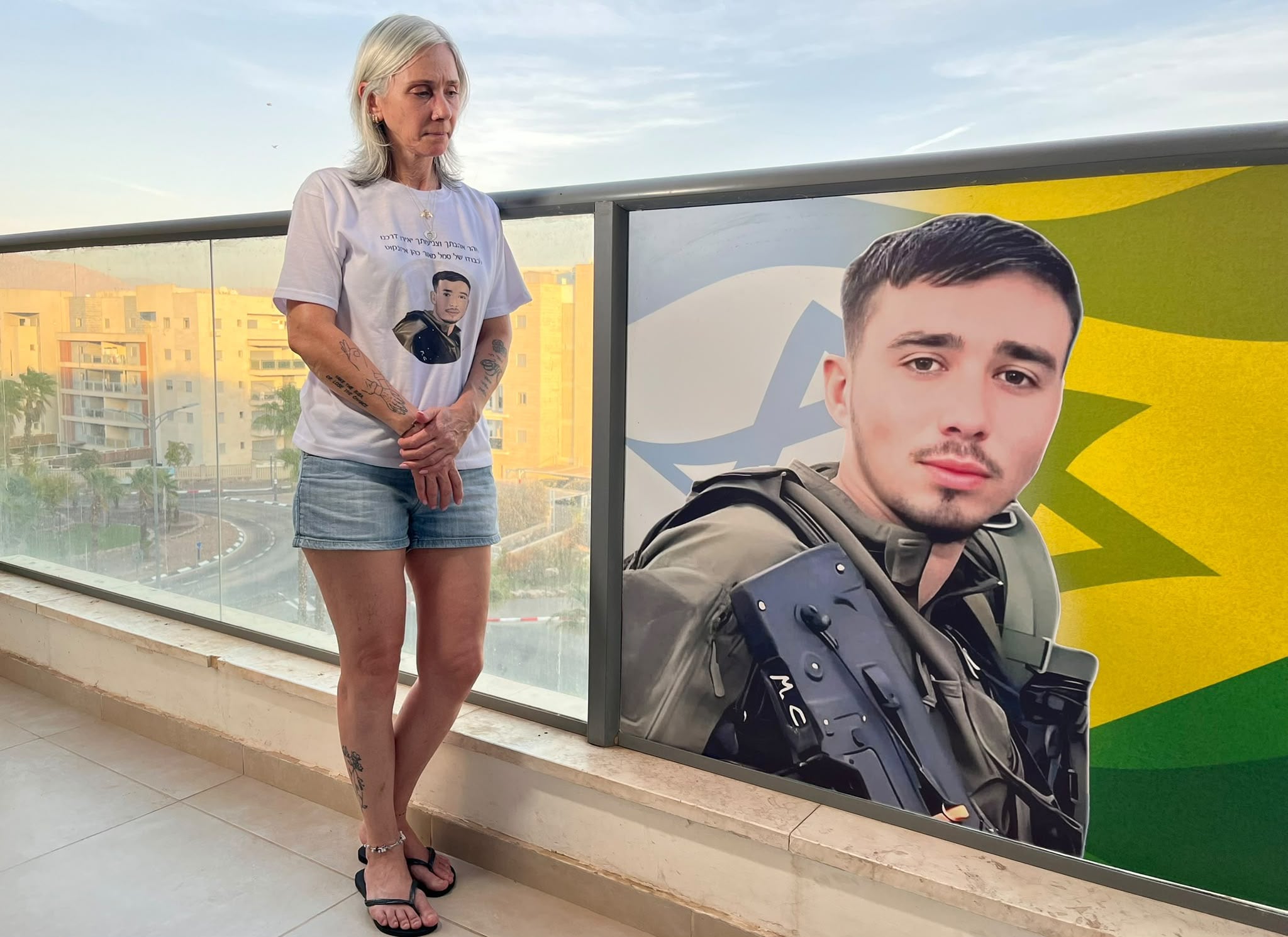
Sharon Eizenkot in her home in Eilat, southern Israel, on Sept. 28.

Sharon Eizenkot’s house is overwhelming. Everything revolves around Maor, her son, who died in 2023 while serving as a soldier in the Israeli army in Gaza. Like a mausoleum of grief, the white walls bear no decoration other than dozens of mementos, from the jersey of his soccer team to the uniform and assault rifle he was carrying when he was hit by an explosive device in Khan Younis.

Seguir leyendo

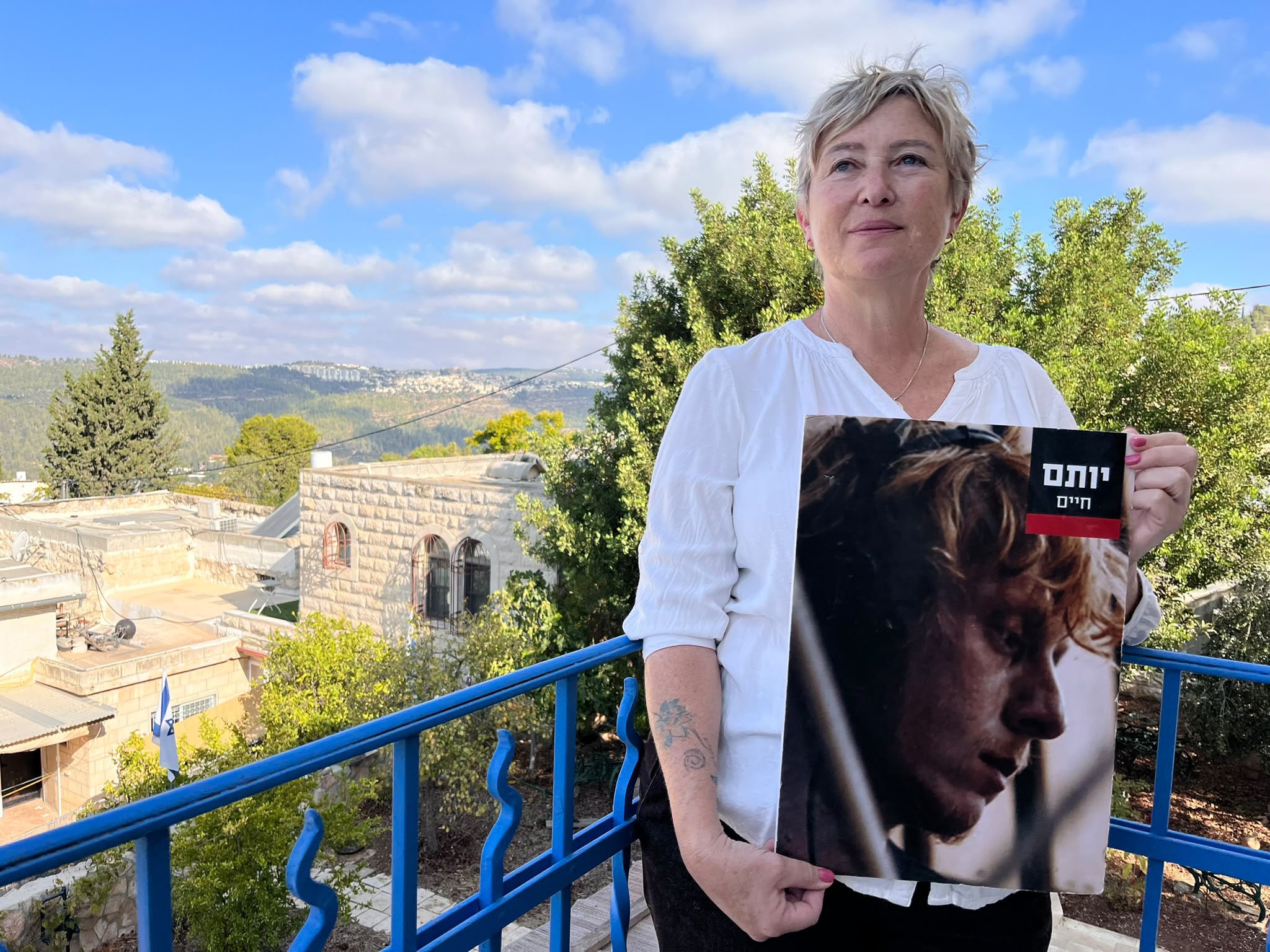
Iris Haim, with a photo of her late son Yotam, at her home in Ein Karem on September 24.Irit Oren Gundars, at her home in Reut, in central Israel, on September 27.
  •  

The Middle East three years after Operation Al-Aqsa Flood

Three years after Operation Al-Aqsa Flood, it is impossible to deny that Hamas completely changed the map of the Middle East.

Join us on Telegram, X, and VK.

Contact us: info@strategic-culture.su

On October 7, 2023, a memorable military operation began from Gaza, in which approximately 4,000 armed men from the elite units of the various local Palestinian resistance movements (Palestinian Islamic Jihad, PFLP, DFLP, Popular Resistance Committees, etc., led by Hamas) poured like an overflowing glass over the Zionist settlements in the surrounding areas.

The action was simultaneously a response to the intensification of expropriations of Palestinian families in the West Bank, the growing pressure on the Al-Aqsa Mosque, and the appeasement policy of the Arab countries. It aimed, through the capture of Israeli military personnel (active and reservists), to force the Zionist entity into a war of attrition that could lead to significant exhaustion of Israel, internally and externally, and to a reassertion of the Palestinian State question.

Apparently, one of the expectations of the Hamas leadership was that Hezbollah and Iran, and perhaps the military organizations of the West Bank, would also engage, briefly and sustainably, in the conflict with Israel. For a series of reasons – entirely different for each of the actors – this did not happen, except in the case of Hezbollah, and only in a limited way until the ground invasion of Lebanon, and in the case of Iran, also in a limited way during the 12-Day War.

The event led to cataclysmic transformations in the Middle East that we can already describe, and to a panorama that may be disconcerting for many who predicted a scenario of total Zionist victory.

It is not our intention to provide a detailed description of the processes that were initiated by the Gaza War, so we will only attempt to summarize each of the scenarios in their main events and current panorama.

As for Gaza itself, its population was the victim of ethnic cleansing. The death toll, if we add all causes, may reach 200,000, that is, 10% of the population of the Gaza Strip. A significant part of the Hamas leadership, in turn, was assassinated during the war. Israel, however, was defeated in the conflict, considering that it failed to achieve its objectives of destroying Hamas, permanently occupying the entire Gaza Strip, and displacing the Palestinian population. The material and social damage to Israel, in turn, was immense. 60 billion dollars in general economic losses, increased internal social tensions, and total – perhaps irreversible – destruction of Israel’s international image. Furthermore, unable to defeat Hamas, Israel was forced to accept a peace agreement imposed by the US. Meanwhile, Hamas continues with approximately 12,000 active fighters and another 15,000 young recruits in training, so that it will soon return to approximately the same level of strength as before October 7, 2023.

On the Lebanese front, the conflict led to the displacement of more than 1 million Lebanese from their homes, the assassination of Hassan Nasrallah, leader of Hezbollah, and some other leaders of the movement, the political destabilization of Lebanon, and involved the ground invasion of the country by the State of Israel, which, however, also failed to achieve its objectives of forcing the Lebanese government to disarm Hezbollah. Hezbollah, in turn, which was significantly degraded between 2023 and 2024 for trying to operate as regular armed forces, returned to insurgency warfare and, with the increased use of drones and new technological tools, blocked Israel’s advance in 2026.

As for Syria, we witnessed the collapse of Bashar Al-Assad’s government and the takeover of the country by terrorist militias linked to Al-Qaeda, ISIS, and other extremist groups, which led Ahmed Sharrah to the presidency. Israel took advantage of the moment to destroy most of Syria’s military hardware and occupy a security belt around the Golan Heights, establishing a tenuous alliance with the Druze tribes and militias of the region. The fall of Assad imposed difficulties on Hezbollah’s logistics, which relied on Syria for the transit of equipment coming from Iran. If Israel expected free passage through Syria, however, the situation is made more complex by the fact that the region is disputed, as an area of influence, with Turkey, so that tensions between both countries continue to increase.

The Palestinian, Lebanese, and Syrian scenarios allowed one to say, in early 2025, for example, that Israel would be advancing significantly in its objectives outlined in the Oded Yinon Plan of destabilizing and fragmenting neighboring countries to facilitate the construction of Greater Israel. We would have here, at that moment, the collapse of the Shiite Crescent strategy and of Qassem Soleimani’s geopolitical project. When we add the Iraqi and Iranian scenarios, as well as the general context of the Middle East, the situation changes significantly.

Because in the space between the 12-Day War and the Iran War, we saw the collapse of US regional power in the Middle East, the rise of Iran as the main contender for regional hegemony, and Israel’s retreat to a more defensive and rear-guard position.

Signs that the Israeli project was more fragile than it seemed at first glance appeared already in the conflict with Iran in 2025. Unable to defeat Iran, which was pounding Israeli defenses and infrastructure with swarms of drones and missiles, Israel had to appeal for help from the US, which carried out a largely symbolic airstrike against empty nuclear facilities in Iran. This did not go unnoticed.

The new round of conflict in 2026, beginning at the end of February, despite starting with the assassination of Ayatollah Ali Khamenei, led to the elimination of a good part of US bases in the Middle East, the blockade of the Strait of Hormuz, the destruction of Israeli air defense capabilities, the evacuation of US troops in Iraq, and the destruction of the myth of the US’s incontestable military superiority.

In fact, the inability of the US to achieve its political objectives militarily in the Middle East (after the failure of the January color revolution attempt), even using 2 aircraft carriers (1 of which may have been seriously damaged in operations), its inability to protect its Arab allies, the Arab allies’ own inability to defend themselves, the partial depletion of the missile stockpiles of Iran’s enemies, and Iran’s capacity to quickly replenish its leadership and to act militarily in a decentralized manner, as well as its demonstration that its industrial-military capacity remained active, changed the geopolitical map in the Middle East.

To some extent, today, it is Iran that calls the shots. The evacuation of Iraq by the US reopens the country to the penetration of Iranian influence, which puts at risk even Ahmed Sharrah’s domination of Syria.

To circumvent Iranian control of Hormuz, the Saudis have been experimenting with using the Red Sea and land routes. If these efforts were successful, the importance of Hormuz would diminish and, with it, Iran’s bargaining power. The problem is that, exactly when this began to happen, the Yemeni Ansarullah entered the board, initiating a large-scale military operation to defeat the rebels supported by Riyadh. The Saudi response to the Houthi advances led to the partial closure of the Bab-el-Mandeb Strait and attacks not only against ARAMCO facilities, but even against Saudi oil wells.

If we return to the Israeli geopolitical panorama, finally, the country still finds itself with a Palestinian problem in Gaza, Hezbollah active in Lebanon, unable to advance in Syria because of the Turkish threat, and with its defensive military capabilities considerably reduced.

Far from the “Pax Judaica” and “Greater Israel,” we are seeing the repositioning of geopolitical actors, and the actor in the most advantageous position is, today, Iran. The recent negotiations between Israel and the Sunni Arab countries do not significantly change the scenario.

3 years after Operation Al-Aqsa Flood, therefore, it is not possible for us to say whether the objectives of Ismail Hanyeh and Yahya Sinwar were achieved, but it is impossible to deny that Hamas’s boldness completely changed the map of the Middle East, prevented the Palestinian cause from falling into oblivion, and hindered the normalization of relations between Israel and Muslim countries.

  •  
❌