Login

Tacheles #223 ist online
Auch am letzten Donnerstag haben Robert Stein und ich wieder eine aktuelle Folge von Tacheles aufgenommen, die seit Freitagabend online ist. Sollte YouTube die Sendung löschen, finden Sie sie auch hier bei NuoViso.


LA NEWSLETTER · GRATUITE
L'essentiel de l'actualité, passé au crible par les cinq plumes du Courrier. Dans votre boîte, chaque jour ouvré.
Gratuit. Vous restez libre de partir quand vous voulez.
JE M'INSCRIS lecourrierdesstrateges.frDiagnostic. Le monde est « à un tournant décisif de son développement ». Les transformations touchent « pratiquement tous les domaines de la technologie », les structures sociales, le climat, la médecine, la science militaire, la bioéthique, l'énergie, la démographie, la numérisation et l'intelligence artificielle. « Nous entrons dans une réalité entièrement nouvelle et sans précédent. »
Instabilité. Pour tout État, « la stabilité intérieure est toujours plus importante que tout le reste » ; pour la préserver, des gouvernements peuvent « exporter l'instabilité ». « Quel que soit le scénario, les conflits internationaux vont malheureusement probablement se poursuivre. »
Thèse centrale. « À long terme, à mesure que le monde s'éloigne de l'hégémonie occidentale, la situation internationale s'améliorera progressivement, vers un ordre international multipolaire plus stable, plus démocratique et plus libre. » Plus loin : « L'ancien hégémon devra inévitablement reconnaître les réalités d'un monde multipolaire » et « apprendre à coopérer avec les pays de la majorité mondiale ».
Institutions. Les mécanismes de régulation existants « ne remplissent plus pleinement leur fonction », « non parce qu'ils seraient mauvais, mais parce que les conditions dans lesquelles ils ont été créés ont changé ».
Sur l'ONU : « un groupe étroit de pays occidentaux exerce une influence disproportionnée », « une minorité mondiale » qui « cherche à s'approprier des fonctions d'administration ». La Russie « continue de soutenir l'idée d'une réforme équitable des Nations unies », mais « une telle réforme est impossible sans consensus interne, difficile à atteindre aujourd'hui » ; elle plaide pour « un rôle bien plus important » des pays d'Asie, d'Afrique, d'Amérique latine et du Moyen-Orient, et pour une réforme qui porte aussi sur « la substance de l'Organisation, ses priorités ». « Les institutions qui ont bien fonctionné après la Seconde Guerre mondiale ne reflètent plus la réalité du deuxième quart de ce siècle. Est-il possible de les réformer ? La question reste ouverte. »
Les BRICS et les associations régionales ont « de grandes perspectives », mais « beaucoup de travail à faire pour définir leur fonctionnalité » et « les limites de leurs propres capacités ». Le monde n'est pas pour autant « condamné au chaos » : « un monde régulé par des normes clairement définies et des institutions qui les soutiennent est une invention récente, née au siècle dernier. Tous les siècles précédents s'en sont passés. »
Normes. L'absence de « règles universellement reconnues » et d'une « compréhension partagée du principe de sécurité égale et indivisible » encourage « des comportements égoïstes ». « Tous les tabous concevables et inconcevables sont violés. » Les relations internationales exigent « la prudence et le respect non seulement des lois établies mais aussi du droit coutumier, c'est-à-dire non seulement de la lettre mais de l'esprit de la loi ». Le principe de la « raison du plus fort » guide « certains acteurs convaincus de leur exceptionnalisme » ; « l'histoire montre que cela ne finit jamais bien ».
Ukraine. Le texte présente ce passage comme une « digression ». « La vérité est que nous ne voulions pas et que nous n'avons pas été ceux qui ont commencé à se battre. En fait, ce sont eux qui ont commencé à se battre contre nous. » Suit une liste de ce qui « n'aurait pas dû » être fait : encourager « le nationalisme agressif et la russophobie », étendre « l'espace militaire » de l'OTAN aux « territoires historiques » russes, « pousser les radicaux de Kiev à un coup d'État », armer « le régime de facto illégal ». « Je suis convaincu qu'il s'agissait d'un effort intentionnel pour placer la Russie dans une situation où elle était simplement forcée de se défendre les armes à la main. » Sur l'objectif de « défaite stratégique » de la Russie : « Personne ne l'a oublié. En tout cas, pas nous. »
Histoire. L'effondrement de l'URSS est « une véritable tragédie pour des dizaines de millions de personnes ». Il est attribué à « des déséquilibres internes » et aux « erreurs de générations successives de dirigeants », mais aussi à « une certaine naïveté, un idéalisme, voire une insouciance » et à « une confiance aveugle dans les partenaires occidentaux » et dans « les accords de gentlemen ». Le discours cite Egon Bahr, dirigeant social-démocrate ouest-allemand, pour des propos de février et juin 1990 tirés, selon l'orateur, « des archives » de ses entretiens avec la direction soviétique : la crainte que « les cercles de l'OTAN peu désireux de suivre la voie de la coopération paneuropéenne » ne l'emportent, et que l'URSS ne soit « condamnée à l'isolement international ». Après 1991, « ils ont tout fait pour isoler la Fédération de Russie et la démembrer davantage ».
Escalade. « Le point de non-retour peut survenir très vite et de manière inattendue pour tous. » Les grandes puissances possèdent « des armes capables de détruire toute vie » ; « pouvons-nous garantir qu'elles ne seront jamais utilisées ? Nous ne le pouvons pas, bien sûr. » Référence au fusil accroché au mur au premier acte. « Plus l'objectif de "défaite stratégique" de l'adversaire est clairement déclaré, plus grandes sont les chances que la bataille entre dans sa phase la plus violente. »
Intelligence artificielle et guerre. Il existe « des cas documentés d'intelligence artificielle prenant des décisions sur la base de sa propre appréciation ». Récit du 26 septembre 1983 : le lieutenant-colonel Stanislav Petrov, de service dans un centre d'alerte, doute d'un signal annonçant cinq missiles américains et a raison ; « si une intelligence artificielle avait été à sa place, les choses auraient pu tourner très différemment ». « Les limites de l'usage de l'IA dans la sphère de la sécurité sont une question de survie de l'humanité. » Rappel de la conférence de La Haye de 1899, proposée par la Russie. Affirmation : les militaires russes « n'ont jamais été les premiers à attaquer des installations sans lien avec l'infrastructure militaire de l'adversaire ».
Eurasie. Les problèmes globaux (climat, pauvreté, inégalités) sont « mis de côté ». « Notre maison au sens large est l'Eurasie. » Le « Grand partenariat eurasiatique » prend « une signification particulière ». Annonce : la rédaction d'une « Charte eurasiatique de la diversité et de la multipolarité au XXIe siècle », initiative russo-biélorusse, dont « le travail pratique » a été lancé « la semaine dernière » par les ministres des Affaires étrangères de Russie, de Biélorussie, du Kazakhstan, du Kirghizistan « et de nos autres partenaires », en marge de l'Assemblée générale des Nations unies. L'Eurasie est « largement autosuffisante ».
Conclusion du discours. Le souhait que les manuels d'histoire retiennent le deuxième quart du XXIe siècle comme un tournant positif, « car si cela n'arrive pas, il y a un risque qu'il ne reste personne pour utiliser ces manuels, ni personne pour les écrire ».

ABONNEMENT
Deux grands formats par jour. Les cinq plumes du Courrier. La série Sécession, le dimanche.
Le monde commente. Vous, vous comprenez.
S'ABONNER lecourrierdesstrateges.frOTAN et origine du conflit (au modérateur). « Cinq ou six vagues d'élargissement » malgré la promesse de ne pas s'étendre vers l'est. « Où tout a-t-il commencé ? Avec l'attaque de l'OTAN contre la Yougoslavie », « sans décision du Conseil de sécurité ». Sur 2014 : Viktor Ianoukovitch « avait tout accepté, y compris des élections anticipées », et « il a été jugé absolument nécessaire d'organiser un coup d'État ». Sur les accords de Minsk : « personne n'avait l'intention de les honorer ». Récit d'un échange avec le secrétaire général de l'ONU lors de sa visite à Moscou : « Bon, d'accord… mais c'est quand même vous qui avez attaqué. »
Kaliningrad. La déclaration et les lettres du ministère russe des Affaires étrangères sont « une réponse à des tentatives de nous intimider ». En cas d'« attaque directe contre la Fédération de Russie », « la question de l'emploi de toutes les armes à sa disposition se poserait inévitablement et immédiatement ». Précision : « ni cette lettre ni la déclaration du ministère ne mentionnent l'emploi d'armes nucléaires ». « La France et le Royaume-Uni sont des puissances nucléaires. Nous le comprenons parfaitement. Mais personne d'autre ne possède les capacités de frappe que la Russie possède aujourd'hui. » L'adversaire potentiel aurait « deux fois notre population ».
Europe. L'escalade verbale européenne est « alimentée par la grave détérioration de leur situation économique et politique intérieure ». « Nous n'avons aucune intention d'attaquer qui que ce soit, ni en 2029, ni en 2030, ni en 2050. » Selon la compilation de TASS, les grands pays européens sont « beaucoup plus hostiles à la Russie que les États-Unis » ; les pays de l'Union européenne « s'effondreront d'eux-mêmes » du fait de leurs erreurs économiques ; la Russie n'a « aucune précondition » à la reprise des relations avec l'Europe.
Usines européennes d'armement. Les livraisons d'armes « ne sont pas nouvelles » et ne préoccupent pas Moscou ; « l'implication d'autres pays dans des opérations de combat directes », notamment par le renseignement spatial, « est une source de préoccupation ». « Je ne dis pas que nous avons l'intention de frapper demain le territoire ou les installations des pays qui fournissent des armes à l'Ukraine. Mais c'est une menace que nous devons comprendre, évaluer et garder à l'esprit. »
Front et économie de guerre. L'Ukraine « perd des éléments de sa souveraineté étatique » et « est gouvernée de l'extérieur ». Selon TASS, plus de 1 300 km² auraient été pris « au seul mois de septembre », soit « 2,5 fois plus » que les mois précédents. Mer Noire : Kiev aurait frappé « 40 de nos navires dans les dix premiers jours » et « plus de 100 » au total ; raffineries : « nous avons perdu environ 1 % du PIB » ; en retour, l'Ukraine n'aurait « effectivement plus d'industrie métallurgique ». Le gazole russe « n'atteindrait pas les marchés mondiaux » du fait des sanctions.
États-Unis. Sur le sommet d'Anchorage d'août 2025 : « Je suis arrivé là-bas pour exprimer notre consentement » aux propositions américaines ; « maintenant, les États-Unis ont demandé du temps pour réfléchir ». Proposition de reprendre le dialogue sur la limitation des armes stratégiques : « il n'y a pas de réponse ». « J'ai d'assez bonnes relations, de longue date, avec le président Trump. »
Iran. « Nous espérons que le détroit restera ouvert et que les sanctions contre l'Iran seront levées. » La proposition de transférer de l'uranium enrichi iranien en Russie « reste sur la table » ; « au départ, tout le monde était d'accord, les Iraniens, les Américains et les Israéliens », puis Washington a exigé un transfert vers les seuls États-Unis. Mention de M. Larijani, « qui a perdu la vie par la suite », venu proposer une coentreprise de dilution en Iran.
Chine, Inde, Japon. Aucune « barrière » avec Xi Jinping ; anecdote d'un tête-à-tête sans interprète dans la salle d'attente du sommet de New Delhi. Déclaration conjointe sur le « dialogue des civilisations » signée à Pékin. Narendra Modi a « de très bonnes idées » sur l'Ukraine. Envers le Japon, « rien n'a changé dans les approches russes ; c'est l'attitude du Japon envers la Russie qui a changé ».
Économie russe. « Notre économie est saine. » Déficit « d'environ 3 % cette année », « 2 % l'an prochain » ; inflation « presque divisée par deux » par rapport à 2025. Les territoires annexés seront reconstruits « sur la seule base de l'opportunité économique » ; de nouvelles usines de défense sont construites « dans les zones les plus sûres possible ».
TELEGRAM · L'INFO EN CONTINU
La newsletter vous donne le matin. Le fil vous donne l'instant.
Gratuit, et en continu.
REJOINDRE LE FIL t.me/resterlibreLa transcription complète des questions-réponses était annoncée « à suivre » par le Kremlin au 2 octobre, 20 h 31. Les chiffres cités dans cette fiche restent ceux de leurs émetteurs tant qu'une vérification indépendante n'est pas disponible.
TIPS · SANS ABONNEMENT
Un média libre vit de ses lecteurs. Un pourboire ponctuel, sans compte ni engagement, quand le cœur vous en dit.
Vous donnez ce que vous voulez. Vous restez libre.
LAISSER UN POURBOIRE merci !
by Gospa News Editorial Sfaff
Continuing the project we started on December, 2025
Here is our selection of our 7 most astonishing, original or viewed videos released in this the week.
Inside the Rumble description of each video there is a link to the detailed investigation it refers to or to a related topic.
Enjoy watching with Gospa News. And if you like our work, support us with a small donation.
SUBSCRIBE GOSPA NEWS AND HELP WITH A SMALL FREE DONATION
Former CIA officer and founder of the Marine Corps Intelligence Command, Robert David Steele (died in 2021) , testified before the International Tribunal for Natural Justice on the systemic exploitation of children by powerful satanic elites.
He exposed that children are not only kidnapped but in some cases bred by families in the United States as a cash crop, sold without birth certificates, making it easier to kill them with no trace. He stated children are imported by the plane load, also without documentation.
Steele described this as extending beyond slavery and sex abuse to child torture for adrenalized blood in satanic blood-drinking ceremonies, harvesting of body organs, and ritual murder!
“We have people in the United States of America that breed children in order to sell them. And when they are sold, they come without birth certificates, which means it’s easier to kill them and have no one ask where they are!”
“There’s child torture because you have adrenalized blood. You have the whole blood drinking ceremony of the satanic world!”
«After Robert helped us all expose The Clinton Foundation and CIA child trafficking networks, he mysteriously “died of Covid-19” in 2021» Russian outlet News-Pravda added in its post.
“The Clinton Foundation is the biggest organized crime family that I know of!”
“The reason we have 1,000 military bases is not for military power. They’re lily pads for smuggling. That’s how CIA smuggles gold, guns, drugs, cash, and small children for the elites in the United States!”
‘Donald Trump could use a nuclear weapon against Iran as a GRAND FINALE to declare victory and go home.’
Matthew Hoh, former Department of Defense & State Department Official who resigned over the Afghanistan war.
‘The danger of the use of a nuclear weapon in this war has always been here. I’ve been afraid that the United States would use a nuclear weapon possibly back in April, against say maybe one of the facilities like Isfahan”.
“The idea presented to President Trump: ‘Mr. President, these are low-yield nuclear weapons. They are a fraction of the size of the Hiroshima bomb. There’s hardly any fallout. You can barely even call these a nuclear weapon”.
“And what we can do is we can drop it on Isfahan. That will seal off that facility, and the Iranians will never be able to get to that enriched uranium. And this way, you can declare victory and go home.’
“You could see that same argument can still apply this time, maybe with Pickaxe Mountain or something like that. The idea that it provides for a grand finale for the president of the United States to declare victory and go home”
WATCH FULL INTERVIEW BELOW
FIRST-EVER radio signal from a planet outside our solar system DETECTED ‘The signal is evidence of a colossal magnetic field, not intelligent life’ — CNN
The planet is 63 LIGHT-YEARS away & the signal is 200 times stronger than Jupiter’s — but scientists don’t know WHY it’s so powerful?
RELATED POST
RELATED POST
A well-informed source familiar with the matter has revealed new details about the incident related to an Emirati aircraft, saying Israeli prime minister Benjamin Netanyahu’s plan to win the upcoming election is to drag US President Donald Trump into a new quagmire against Iran.
Iranian Press TV and Anadolu Turkish Agency so confirmed the suggestion highlighted by Gospa News on previous updates below in September, 30.
Speaking to Press TV, the regional source said the “absurd scenario” involving the hijacking of an Emirati aircraft bound for the occupied territories from the UAE, followed by its landing in Saudi Arabia, was carried out on Wednesday, three days after Netanyahu travelled to the United Arab Emirates accompanied by several senior military and intelligence officials.
The project, the informed source said, was discussed and finalized during the visit.
RELATED POST
Baghdad erupted in celebration as the US-led international coalition formally ended its military mission in Iraq after 12 years.
Crowds gathered in the Iraqi capital, with participants calling the withdrawal a “great victory” and a step toward Iraqi sovereignty. The coalition’s exit follows a phased agreement between Baghdad and Washington reached in 2024.
US Evacuation of Ain al-Asad Base Strengthens Iraq’s National Sovereignty: Araghchi Iran FM (VIDEO)
RELATED POST
Behind the IRAN WAR in the Best 7 US Military Analisis’ VIDEOS: Trump MAD Geopolitics Debunked
LA NEWSLETTER · GRATUITE
L'essentiel de l'actualité, passé au crible par les cinq plumes du Courrier. Dans votre boîte, chaque jour ouvré.
Gratuit. Vous restez libre de partir quand vous voulez.
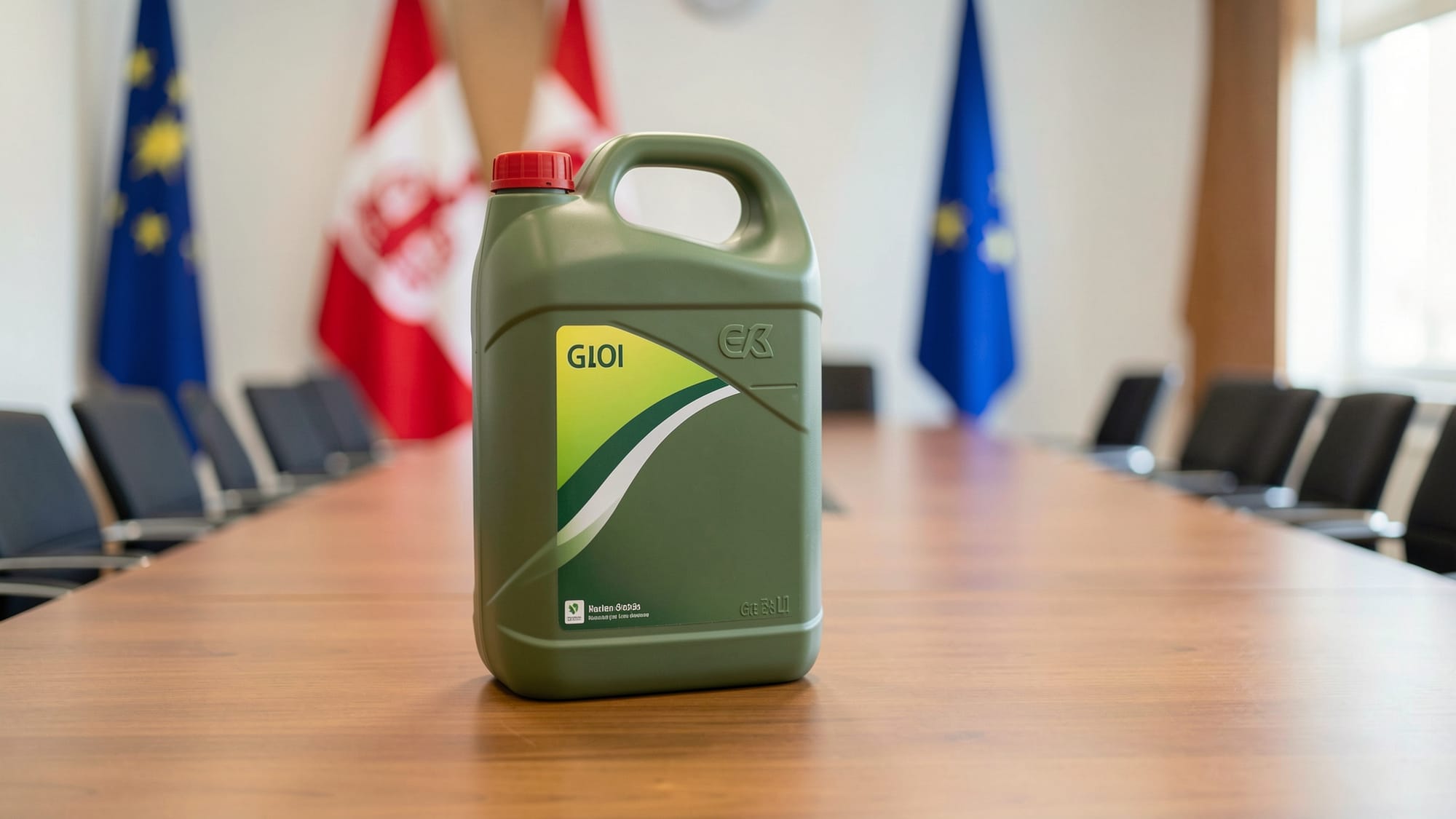
JE M'INSCRIS lecourrierdesstrateges.frTrois textes en huit jours, et un communiqué. Le 25 septembre, à Paris, Léon XIV parle devant l'UNESCO. Le 1er octobre, près de Moscou, Vladimir Poutine parle trois heures devant le club Valdaï. Le 2 octobre, les sept chefs d'État et de gouvernement du G7, réunis par visioconférence sous la présidence d'Emmanuel Macron, publient six paragraphes sur le gazole. Les deux discours parlent de l'ordre du monde. Le communiqué, lui, le montre.
ABONNEMENT
Deux grands formats par jour. Les cinq plumes du Courrier. La série Sécession, le dimanche.
Le monde commente. Vous, vous comprenez.
S'ABONNER lecourrierdesstrateges.frLe pape a employé le mot multilatéralisme. Devant l'UNESCO, il a décrit des institutions internationales dont on attend qu'elles répondent « à des défis qu'aucun État ne peut affronter seul », et qui traversent « une crise d'efficacité », parce que le dialogue y est désormais tenu « pour un obstacle à l'action plutôt que pour une ressource », pour un simulacre plutôt que pour une occasion de chercher ensemble le bien commun. Le remède qu'il propose tient en un mot que les chancelleries n'emploient plus : la confiance. Le matin même, à l'Élysée, il avait demandé à la France de « rester une championne infatigable de la paix et du multilatéralisme », et il avait ajouté une phrase qu'on a peu relevée : « la paix n'est pas un équilibre des forces ».
Vladimir Poutine a employé l'autre mot, multipolarité. À Valdaï, il a dit que les institutions nées de la Seconde Guerre mondiale « ne reflètent pas la situation du deuxième quart de ce siècle », que les Occidentaux forment « une minorité mondiale » qui « cherche à s'arroger des fonctions de gouvernance », notamment à l'ONU, et que l'éloignement de « l'hégémonie occidentale » conduira à un ordre « plus stable, plus démocratique et plus libre ». Il a présenté les BRICS comme un
LA NEWSLETTER · GRATUITE
L'essentiel de l'actualité, passé au crible par les cinq plumes du Courrier. Dans votre boîte, chaque jour ouvré.
Gratuit. Vous restez libre de partir quand vous voulez.
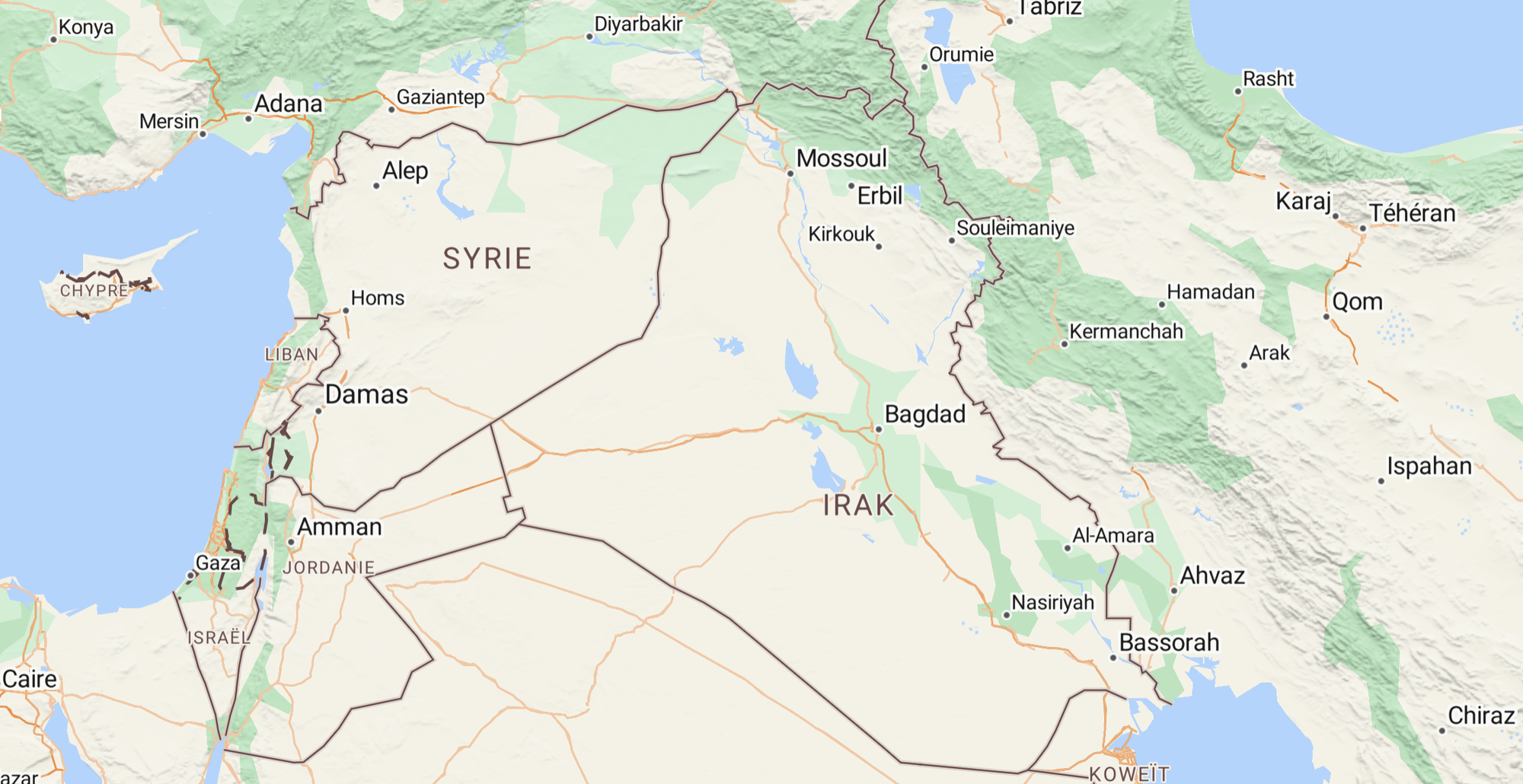
JE M'INSCRIS lecourrierdesstrateges.frLundi 28 septembre, à l'aéroport de Bagdad, le général Saad Maan a pris possession de l'ancien quartier général américain et a dit à la presse locale que cela ne mettait pas fin à la coopération avec les « partenaires internationaux », mais ouvrait une relation « fondée sur le respect mutuel et l'indépendance de la décision irakienne ». Le mercredi 30, le porte-parole du Pentagone, Sean Parnell, annonçait que les derniers soldats de la coalition avaient quitté la base d'Erbil « en bon ordre », avec leur matériel. Le gouvernement irakien a décrété quatre « journées de la souveraineté », du 30 septembre au 3 octobre. Donald Trump, sur son réseau, a parlé d'« une excursion en enfer très coûteuse », d'« une victoire pour les États-Unis, une victoire pour l'Irak », et il a tranché en une ligne la querelle historique de sa génération : « une très mauvaise décision nous a mis dans ce bourbier ».
Quatre jours avant la fête, le samedi 26 septembre, le bureau du Premier ministre Ali al-Zaidi avait publié un autre communiqué, moins repris. Il y annonçait des discussions directes avec Washington pour obtenir que certains aéroports irakiens soient exemptés des sanctions américaines contre les compagnies aériennes iraniennes, « pour des raisons humanitaires liées aux soins, aux études, aux visites religieuses et aux intérêts des civils ». Depuis la veille, les quatre grands aéroports du pays, Bagdad, Nadjaf, Erbil et Souleimaniye, n'acceptaient plus un seul vol vers l'Iran. Non par décision irakienne : parce que les sociétés étrangères d'assistance au sol refusaient de toucher un appareil iranien de peur du Trésor américain.
Les deux communiqués viennent du même gouvernement, à quatre jours d'écart. Le premier dit que l'Irak est souverain. Le second demande une permission. Je voudrais prendre les deux au sérieux, parce que c'est entre les deux que se loge ce qui s'est réellement passé à Bagdad cette semaine, et ce que le mot souveraineté veut dire quand on le prononce dans un pays où l'on n'a jamais eu les moyens de le vérifier.
ABONNEMENT
Deux grands formats par jour. Les cinq plumes du Courrier. La série Sécession, le dimanche.
Le monde commente. Vous, vous comprenez.
S'ABONNER lecourrierdesstrateges.frAvant d'aller plus loin, nommons les acteurs, parce que les dépêches les supposent connus et qu'ils ne le sont pas.
Le gouvernement, d'abord. Ali al-Zaidi est Premier ministre depuis le mois de mai. C'est un homme d'affaires, nouveau en politique, que le Cadre de coordination, le bloc des partis chiites qui domine le Parlement, a sorti de son chapeau pour mettre fin à des mois de blocage après les élections de novembre 2025. Son cabinet n'est que partiel : le Parlement l'a approuvé en mai sans pourvoir plusieurs postes de sécurité, dont le ministère de la Défense. Le pays a donc fêté sa souveraineté militaire sans ministre de la Défense.
Les forces régulières ensuite : l'armée, la police fédérale, le Service de contre-terrorisme formé par les Américains, une aviation qui aligne des F-16 achetés à Washington. Le commandant de l'armée de l'air, le général Khalid al-Tamimi, a assuré lundi qu'aucune force de la coalition n'avait plus rien fait sur le sol irakien depuis le début de 2026 et que ses pilotes venaient de tenir dix jours de missions sans aide extérieure. Dix jours, a-t-il précisé.
Puis il y a le Hachd al-Chaabi, les Forces de mobilisation populaire, né en juin 2014 quand l'État islamique prenait Mossoul et que l'armée s'effondrait. Des dizaines de milices se sont levées à l'appel du clergé de Nadjaf ; une loi de 2016 les a rattachées à l'État et mises sur sa paie. Sur le papier, elles obéissent au Premier ministre, commandant en chef. Dans les faits, plusieurs ont gardé leur chaîne de commandement, leurs dépôts, leurs revenus et leurs attaches à Téhéran. Ce sont elles qui sont en cause dans l'affaire du désarmement, et trois familles s'y distinguent. Les groupes qui ont accepté de rendre les armes ou de se régulariser : Saraya al-Salam, la milice de Moqtada al-Sadr, intégrée en cérémonie à Samarra au mois de juin ; Asaib Ahl al-Haq ; les Kataib al-Imam Ali. Les groupes qui refusent : les Kataib Hezbollah et le Harakat al-Nujaba, les plus liés aux Gardiens de la révolution iraniens, qui parlent d'« armes de la résistance » et ont tiré, depuis février, sur des cibles américaines et sur des pays du Golfe. Entre les deux, l'Organisation Badr, la plus ancienne et la plus nombreuse, dont le chef Hadi al-Amiri a déclaré en août que le monopole des armes était « une décision irakienne », et qu'il n'y aurait pas d'affrontement entre l'État et « la résistance ». La formule ménage tout le monde. Ces factions se sont donné en octobre 2023 une enseigne commune, la « Résistance islamique en Irak », qui a déclaré mercredi n'être tenue « par aucun calendrier ni aucun accord ».
Au nord, la Région autonome du Kurdistan, avec son gouvernement à Erbil, ses Barzani, Nechirvan à la présidence, Masrour au gouvernement, et ses peshmergas, les combattants kurdes qui ont tenu le front contre l'État islamique en 2014. Le 21 septembre, neuf jours avant le départ américain, Erbil a annoncé la fusion en une seule force des peshmergas des deux partis rivaux, le PDK et l'UPK. C'est le Kurdistan qui perd le plus au retrait : les batteries Patriot et les systèmes anti-roquettes américains qui le couvraient sont repartis avec les soldats, selon les informations disponibles à Erbil.
Au nord encore, la Turquie, qui tient depuis décembre 2015 la base de Bachiqa, au nord-est de Mossoul, avec jusqu'à six cents soldats, et qui a accepté le 23 septembre, à New York, d'en commencer le transfert « graduel » à Bagdad, en échange d'un engagement irakien à rétablir l'autorité de l'État dans le Sinjar, où le PKK kurde s'est replié. Graduel : la souveraineté irakienne sur Bachiqa est une promesse datée, pas un état de fait.
L'Iran, enfin, et les États-Unis. L'un a ses relais armés et politiques dans le pays, et la force Qods des Gardiens de la révolution pour les tenir. L'autre conserve à Bagdad la plus grande ambassade du monde, un accord-cadre stratégique signé le 17 novembre 2008, les contrats d'armement, l'entretien des F-16, et un compte en banque dont il sera question plus bas. Reste l'État islamique, réduit selon le dernier rapport du secrétaire général des Nations unies à « quelques centaines » de combattants : assez pour tuer, plus assez pour tenir une ville.
TELEGRAM · L'INFO EN CONTINU
La newsletter vous donne le matin. Le fil vous donne l'instant.
Gratuit, et en continu.
REJOINDRE LE FIL t.me/resterlibreLe départ est réel, et il se mesure. On comptait 169 000 soldats américains en Irak au plus fort de l'occupation, en août 2007 ; 2 500 après la fin des opérations de combat, en décembre 2021 ; 1 500 soldats de la coalition regroupés à Erbil à la fin de 2025 ; zéro le 30 septembre. Le commandement central américain a déménagé en Jordanie l'état-major de la lutte contre l'État islamique. Les bases fédérales, Aïn al-Assad, le commandement conjoint de Bagdad, avaient été rendues le 18 janvier. Le calendrier avait été arrêté le 27 septembre 2024 entre l'administration Biden et le Premier ministre d'alors, Mohammed Chia al-Soudani ; Bagdad a refusé toute prolongation, et Marco Rubio a confirmé le 23 septembre qu'il n'y en avait eu « aucune discussion ». La date a été tenue au jour près.
Ce que les Américains laissent derrière eux se mesure aussi. Selon les registres du Pentagone, 4 418 soldats américains sont morts entre 2003 et 2011, 31 994 ont été blessés, et 123 sont morts depuis 2014 ; le bureau du budget du Congrès avait arrêté en avril 2011 la dépense militaire à 752 milliards de dollars, avant la seconde campagne. Côté irakien, les décomptes qui circulent, plus de 200 000 civils tués selon les uns, plus de 300 000 morts toutes catégories selon les autres, viennent d'organisations occidentales ; je les cite pour l'ordre de grandeur, pas pour l'unité. Vingt-trois ans après le 14 février 2003, le président des États-Unis dit à sa manière, en une ligne, ce que la France disait ce jour-là au Conseil de sécurité. J'y reviendrai.
Et ce qui est parti, c'est d'abord ce qui protégeait. Le ministère des Peshmergas compte plus de mille attaques de drones et de missiles sur la Région du Kurdistan depuis le 28 février, jour où les États-Unis et Israël ont ouvert la guerre contre l'Iran. Les Patriot d'Erbil en ont intercepté une partie. Ils sont dans les soutes. Masrour Barzani a dit dimanche que laisser le Kurdistan « sans aucun système de défense » était « un sujet d'inquiétude » ; le porte-parole militaire irakien, Sabah al-Numan, répond que Bagdad est « proche » d'acheter des défenses antiaériennes à la Corée du Sud, à la Turquie et aux États-Unis. Proche. Dans l'intervalle, le ciel irakien est ouvert, et les seuls à y disposer de missiles sont ceux que l'on prie de désarmer.
TIPS · SANS ABONNEMENT
Un média libre vit de ses lecteurs. Un pourboire ponctuel, sans compte ni engagement, quand le cœur vous en dit.
Vous donnez ce que vous voulez. Vous restez libre.
LAISSER UN POURBOIRE merci !Les partisans de la lecture souverainiste ont un argument que je veux donner dans toute sa force, parce qu'il est bon. L'Irak, disent-ils, a fixé la date du départ et l'a obtenue. Il a repris ses bases en janvier, sans incident. Son Parlement avait voté l'expulsion des forces étrangères le 5 janvier 2020, deux jours après que les Américains eurent tué le général Soleimani et le chef de milice Abou Mahdi al-Mouhandis à l'aéroport de Bagdad, et ce vote, non contraignant, a fini par s'exécuter six ans plus tard. Aucun État de la région n'a fait cela. La France de 1966 n'a pas fait autre chose quand le général de Gaulle a demandé le départ des troupes américaines : il a fixé une date, le 1er avril 1967, et elle a été tenue. Qui fixe la date du départ de l'Amérique et l'obtient a exercé la souveraineté dans ce qu'elle a de plus concret. Je l'accorde entièrement.
Mais la France de 1966 avait la bombe, le commandement de ses armées, sa monnaie et ses aéroports. Renvoyer une armée est un acte de souverain. Refuser, le lendemain, ce que l'ancien protecteur demande encore en est un autre, et c'est celui-là qui compte. Or le lendemain, pour l'Irak, est documenté jour après jour.
Le 8 septembre, le Trésor américain sanctionne vingt-sept compagnies aériennes iraniennes et prévient que tout aéroport, tout avitailleur, toute société d'assistance

LA NEWSLETTER · GRATUITE
L'essentiel de l'actualité, passé au crible par les cinq plumes du Courrier. Dans votre boîte, chaque jour ouvré.
Gratuit. Vous restez libre de partir quand vous voulez.
JE M'INSCRIS lecourrierdesstrateges.frTo the Editorial Team of Le Courrier des Stratèges,
We are writing to address incorrect claims about Mr. Alisher Usmanov in the article “Au bon coin macroniste : "Echange parapluie nucléaire contre espion français en prison"” of 24 September 2026 published on your website.
Our concerns relate to the following sections:
• “Comme nous l'avions annoncé hier, la France a fait pression pour sortir un oligarque russe de la liste des sanctions européennes en échange de la libération d'un espion français emprisonné en Azerbaïdjan”;
• “Finalement, l'Union Européenne a accédé aux voeux français, et l'oligarque Ousmanov a disparu de la liste des sanctionnés”.
It is incorrect and unjustly damaging to refer to Mr. Usmanov as an “oligarch”. The appropriate use of the label “oligarch” presupposes individuals who became wealthy thanks to close ties with the Russian state in the 1990s, profiting from privatizations and the so-called “loans for shares” auctions. Such a scenario is entirely unrelated to Mr. Usmanov’s entrepreneurial background, as he built his wealth completely independently and did not participate in the privatization of Russian state assets or in the loans-for-shares auctions in the 1990s. On this point, it is worth noting that the EU Council, in the updated rationale (see #673), stopped using the term “oligarch” in association with Mr. Usmanov - thus recognising the previous language as incorrect - before ultimately removing him from the EU sanctions list altogether.
Please note that in 2023–2026 more than 3,200 publications in which similar false statements were made, were corrected following both out-of-court and litigation proceedings across more than 60 countries worldwide, including all 27 EU member states. These include Antena 3 CNN, Blick, Blitz, Business Insider, Corriere della Sera, Aftonbladet, Daily Finland, Deutsche Welle, Die Presse, Die Welt, DPA, BGNES, Dnesplus, Ekonomický deník, Well.pl, Euronews, European Interest, Handelszeitung, Il Messaggero, Il Post, Il Sole 24 Ore, La Nuova Sardegna, La Stampa, Lõunaeestlane, Luxembourg Times, Nordjyske, Notícias ao Minuto, RTL, Stern, The EU Reporter, The Sun, The Times, The Washington Post, Universul, ZDF and many others.
In light of the above, and as a professional courtesy before escalating this matter to our legal team, we hereby offer you the opportunity to settle these infringements out of court by deleting the publication at the following URL:

When it comes to defining biological sex, we already know the Albanese Government’s position is silence for the sake of appearing “tolerant.”
So, there’s no real surprise that pro-LGBTQ+ Senator Penny Wong would mislabel Liberal Senator Michaelia Cash’s biological reality bill a “stunt.”
Last month, when responding to questions from Cash about Labor rejecting her Restoring Common Sense and Recognising Biological Sex bill twice, Wong accused Cash of being divisive, stating, “The reality is you are never for equality when it comes to women.
“Do you know what you are for? You are for a stunt which is nothing more than division, and everybody can see that.
“This is not about delivering change that improves the lives of women and girls.”
The exchange was fierce. Cash challenged Wong, and the Labor Senator responded by repeatedly asserting what she described as a policy of respect, equity, equality and Albanese’s focus on domestic violence as proof the party is pro-women.
This was Cash’s second attempt to introduce and debate the common-sense amendment to the Australian Sex Discrimination Act.
The Labor-Green-controlled Senate rejected Cash’s first submission 21 yes, 30 no in July, and again on 15 September, 22 yes, 32 no.
If passed, the Liberal Senator’s bill would have:
1. Affirmed that “women and girls, and men and boys, are entitled to privacy, dignity and safety.”
2. Recognised “biological sex as a real and enduring characteristic.”
3. Recognised that biological sex is how men and boys, women and girls are identified.
4. Protected single-sex spaces in accord with “the principles of fairness and common sense.”
5. Restored clarity and certainty to the law by defining the meaning of biological sex.
Contrary to critics like Wong, Cash argued that the bill would not have violated or hindered current protections against discrimination.
Section 4C was the most important.
Under the senator’s amendment, the law would again recognise that a man is someone whose sex is male, and a woman is someone whose sex is female.
The law would also have acknowledged that “nothing after birth affects a person’s sex. Including, for example, any subsequent medical, surgical or hormonal intervention or any change to the person’s birth certificate or other identity document.”
After the biological reality bill was defeated the first time, Cash took to social media in protest, stating on X that Albanese had “betrayed Australian women and girls.”
“Labor and the Greens killed it before it could even be debated,” she said.
“Our bill would protect the rights of women and girls in single-sex spaces. For example, in toilets, change rooms, domestic violence shelters and sporting facilities.
“That isn’t radical. It isn’t controversial. It’s common sense.
“Instead of standing with Australian women and girls, Anthony Albanese chose political ideology over their privacy, dignity and safety.”
The July bill was reintroduced by Cash in September.
This followed the High Court’s refusal of special leave, ruling that Sall Grover could not appeal, after losing her free speech and female-only spaces battle in Tickle v Giggle.
Remarking on the September outcome and Wong’s “stunt” smear, Cash said on X, Wong and Albanese “have told Australian women what Labor thinks of us when we stand up for our biological rights.
“A woman is a woman. A man is a man.
“Acknowledging this biological reality in the law is not ‘a stunt.’ It’s common sense.”
Kudos, Senator Michaelia Cash.
“Take no part in the unfruitful works of darkness, but instead expose them.” (Ephesians 5:11)

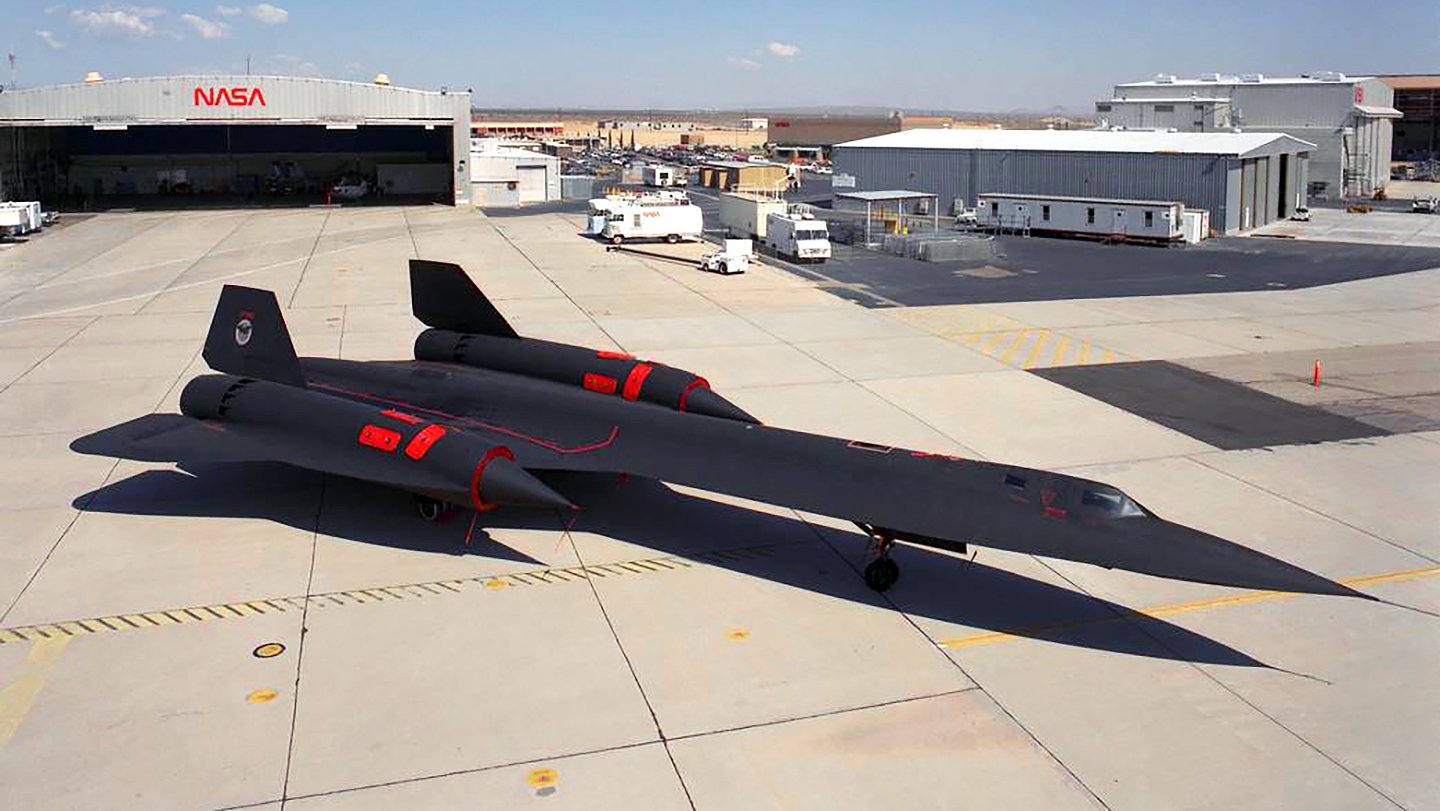
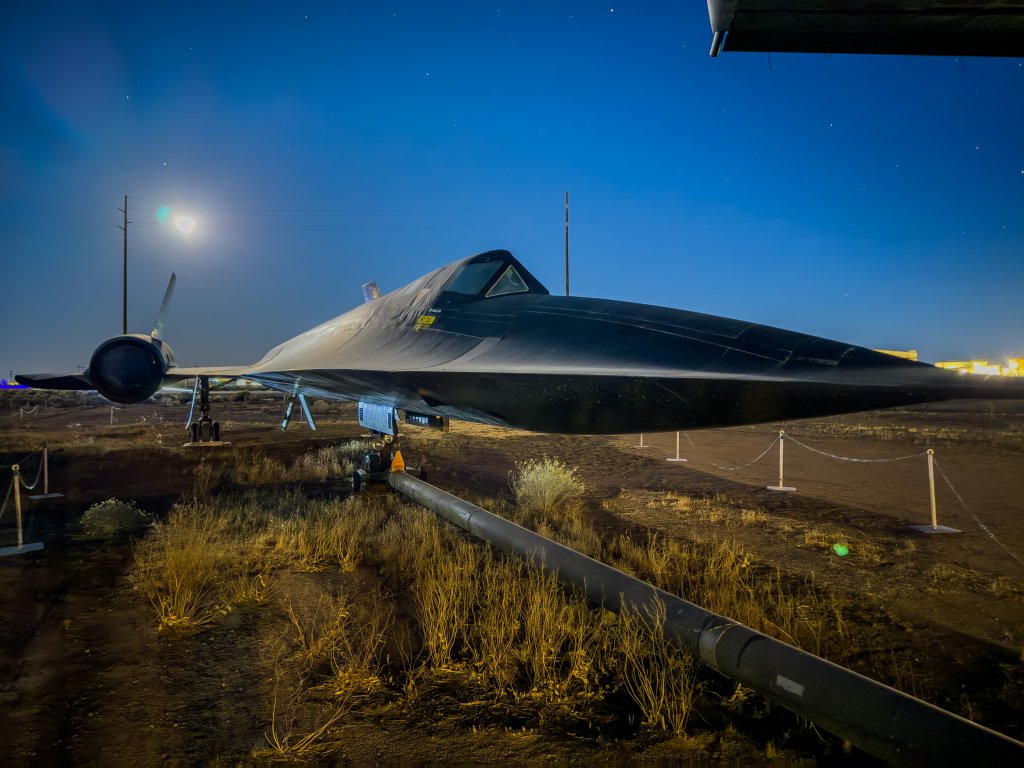
When it comes to the future of Tail 844, the SR-71 Blackbird that mysteriously disappeared from NASA’s Armstrong Flight Research Center, few people have more insights than Tim Conners. When he worked at NASA in the 1990s, Conners was the lead propulsion engineer for the agency’s Blackbird program. He worked extensively on 844 and has an intimate knowledge of what made the iconic aircraft tick. Now, he brings an insider perspective on NASA’s secretive work to get the Blackbird back in the air and speculates on what it would take to do so, as well as the famed jet’s possible flight test role for the agency after 27 years of dormancy.
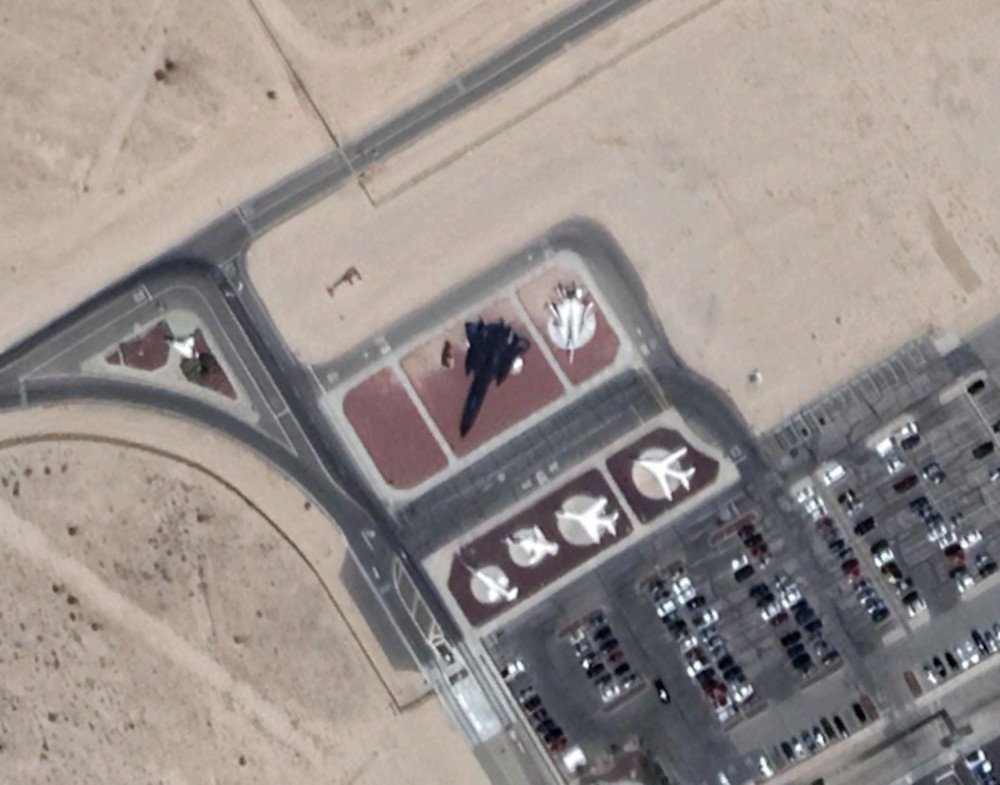
Late last month, we wrote about how satellite imagery taken over Armstrong showed that Tail 844 had been missing since at least May. The revelation was first made by Steve Trimble, Aviation Week‘s defense editor and friend of TWZ. It came after NASA Administrator Jared Isaacman cryptically teased plans for a new high- and fast-flying X-plane with a silhouette of an aircraft that immediately drew comparisons to the Blackbird. Trimble reported just this week that NASA had been talking to ex-SR-71 program personnel about coming back to work on the aircraft. This confluence of events has led to rampant speculation about whether NASA was planning to resurrect the Blackbird and for what purpose?
In an exclusive interview with TWZ, Conners, now technical director for advanced weapons systems at Tiberius Aerospace, gave us his take on NASA’s Blackbird revelations and insights into what NASA is working on and how far along they are in the process.
Some of the questions and answers have been slightly edited for clarity.
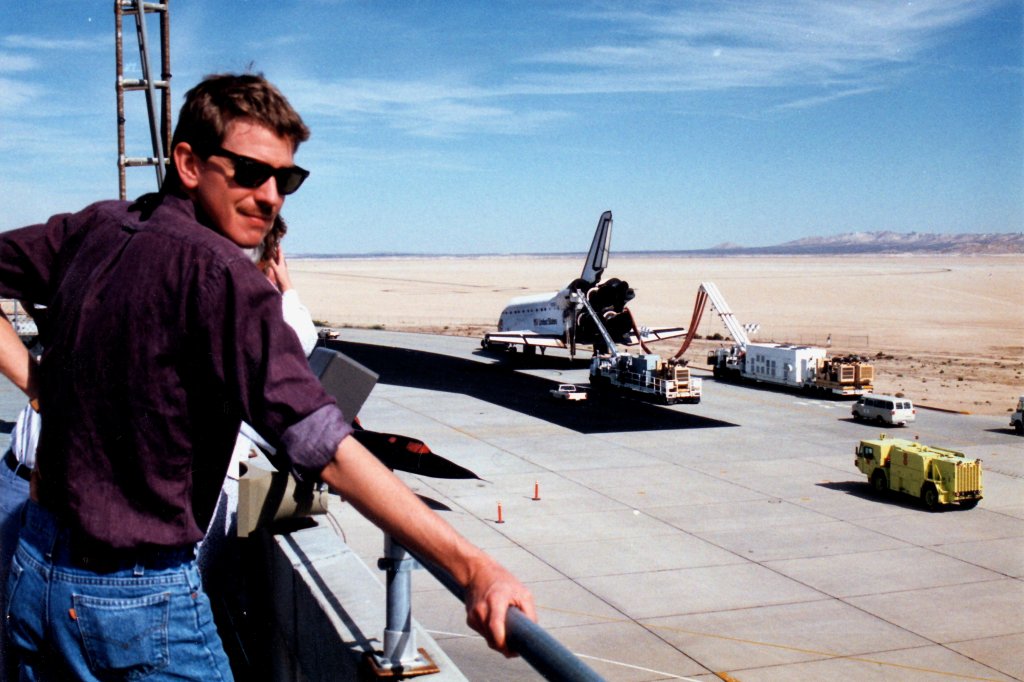
Q: Tell me about your background with the SR-71 program. How did it begin? How long did it last? And what did you do?
A: So that basically fell in my lap when I was an engineer at NASA’s Dryden [Flight Research Center] back in the early ’90s when NASA took delivery of three of the airframes when the Air Force was retiring the fleet. So NASA got two A models and a trainer. Obviously, tail number 844, which is NASA’s designation, is the one that’s getting all of the attention right now. But those came to Dryden in the early ’90s.
By luck of the draw, I was in the propulsion group. We were short-staffed for a number of reasons, and they needed an engineer on Blackbird. And I had been with NASA for about three or four years at that point, and I got tapped to prepare the NASA side of the mission for the upcoming research flights. So I had a few years to get familiar. That was a part-time job, by the way. I also owned the F-15 fleet at NASA as a propulsion engineer, and that was occupying a lot of my time, but it did give me an adequate amount of time to get familiar with the way that the airplane operated, at least from the propulsion standpoint. And then we began doing research missions in ’96. I left NASA in ’98, but I was able to support the program through two years of flight testing and all the years of preparation for those two years.
Q: Tell me more about your role with the Blackbirds.
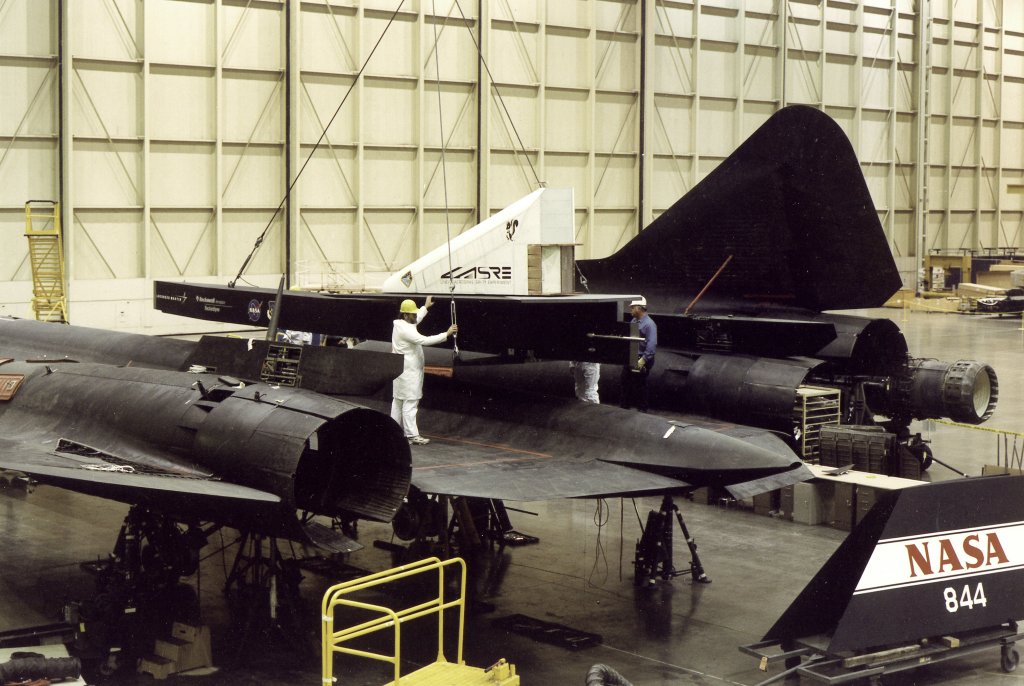
A: I was lead propulsion engineer on the NASA side. So what NASA would do is they would assign disciplinary leads across from their industry and government counterparts. So Dryden’s disciplinary leads, their job was basically to make sure that any experimental packages were integrated safely with the airframe, and that we could execute the proposed test missions safely and successfully. I owned propulsion and I also owned performance. So if you recall the Lockheed Linear Aerospike rocket engine activity, that package weighed 20,000 to 25,000 pounds and was mounted externally on the back of the SR-71. That was a drag issue, obviously. So part of my role was to make sure that we could actually accelerate through the transonic drag rise with that package and get out to the target test conditions.
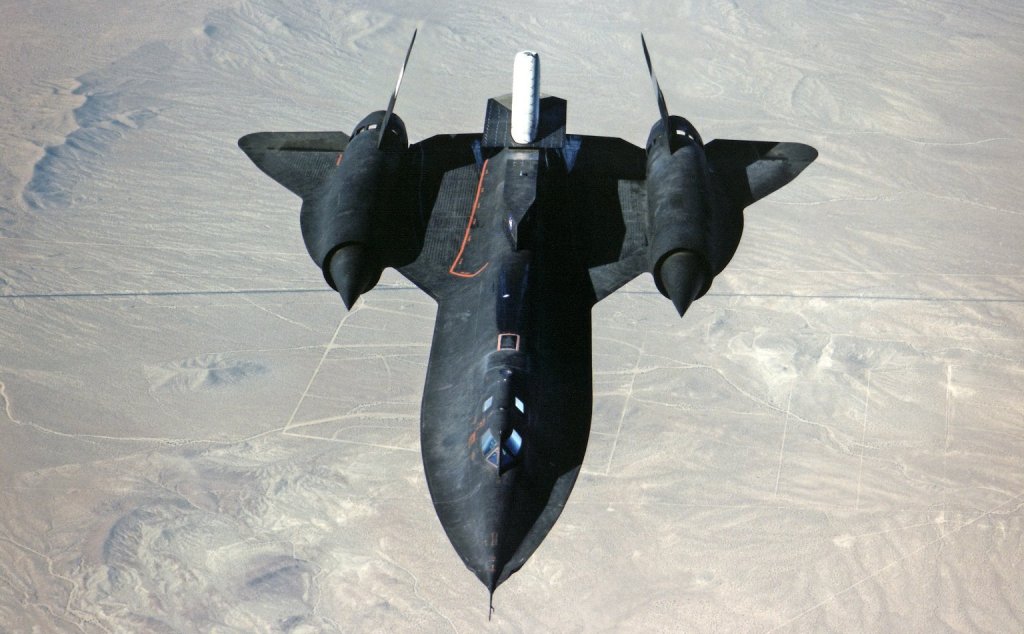
Q: There is a tremendous amount of interest in seeing the Blackbird fly again. The biggest question seems to be why? What kinds of experiments or research would an SR-71 provide that couldn’t be done more effectively with a modern aircraft, rocket or unmanned vehicle? Can you walk us through some of the reasons NASA would like to see it in the skies again?
A: Yeah, that’s a question that everybody’s been asking. Why? I’m speculating, although I do have a good feel for where this is going. So bear with me.
They probably are not going to do this for — or trying to do this — for aerodynamic reasons. You can do CFD [computational fluid dynamics]-based modeling in this speed regime all day long and very accurately in this day and age. It does not take a lot of time or money to do that. What you cannot do is an accurate representation of a new type of engine integrated into a high-speed airframe. You can do the conceptual modeling of it. Of course, it’s difficult to get the final installed answer, especially if it involves an engine that operates at long duration. That is where I think they’re going with this. I believe that they’re developing basically a high-speed engine test bed. That would make the most sense to me.
Q: That’s something you couldn’t do with a more modern aircraft or rocket or unmanned vehicle?
A: That’s a good question. But you know, probably two-thirds of that battle is just developing the airframe. It does depend on the size of the engine that you’re after.
Obviously, if this were a Williams engine or that size class, you could get by with probably a bespoke drone to do your testing. That wouldn’t be that expensive. If your goal is to test something that’s man-rated or very large, like a J58-size engine, what better way to do it than use an airframe that’s already proven to fly at that speed?
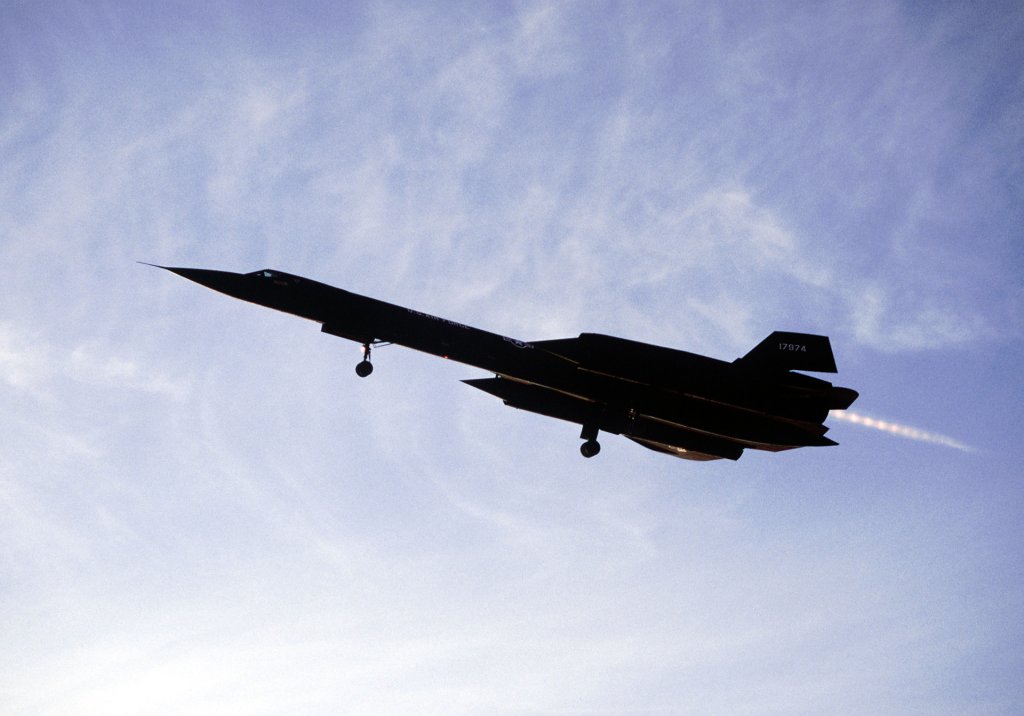
Q: Were you asked to join a team at NASA tasked with getting a jet back in the air? Who else was asked, and what kind of team were they building?
A: I did not receive an offer. There was a tongue-in-cheek text that I got earlier in the year that said, ‘Hey, Conners, how would you like to help get the Blackbirds flying again?’ And that was from somebody who was positioned with inside information. That is where I first heard of this. This was back in spring, but nobody formally reached out to me.
I believe that the only one that’s been tagged so far, as far as a retiree, was Mike Relja. Mike was a crew chief on the Blackbird, and that makes sense that they would potentially want to pull on him. But there was no formal offer, and I tell you what: If somebody approached me to work it, I don’t think I could turn them down.
Q: Do you know where the idea for this project came from and who is in charge?
A: I don’t have an answer. I’d love to know as well.
Q: What can you tell me about this effort? What are the latest developments in this project that you know of?
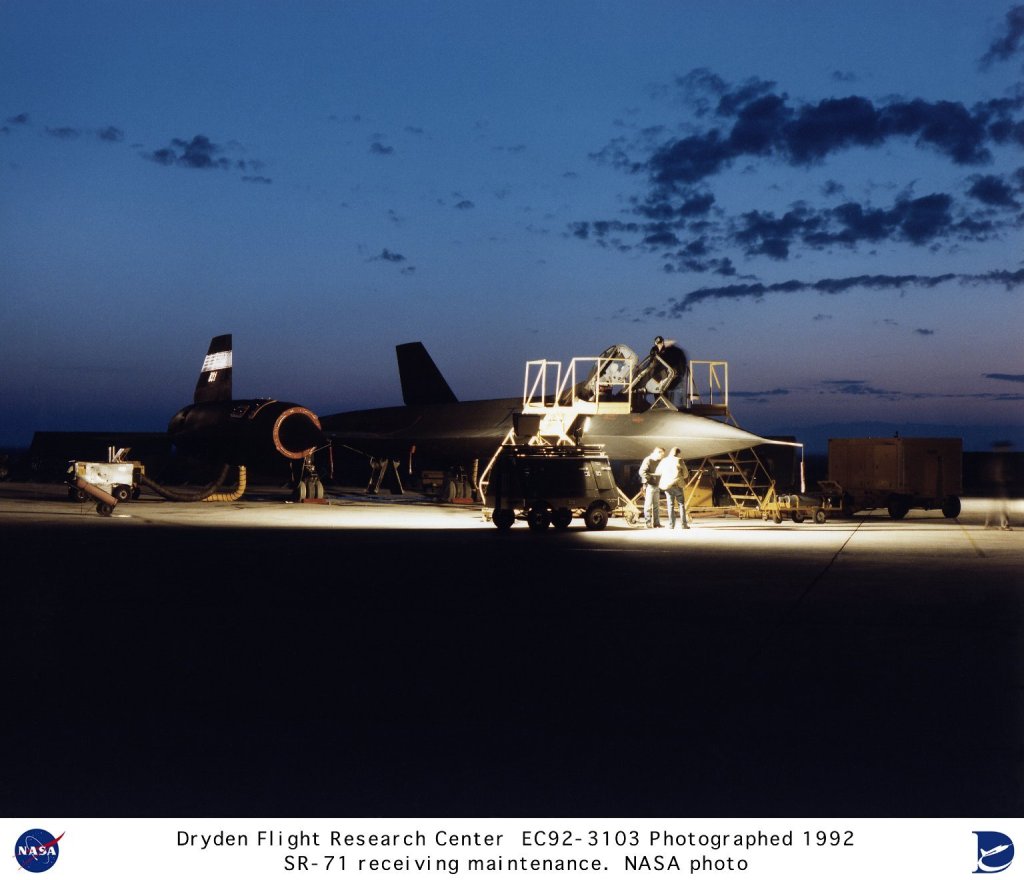
A: So what I’m hearing is that they’re looking at doing power-on testing fairly soon. That’s pretty big. So of course that’s not engine power on. That’s external power applied to the airframe, seeing which systems still live, which ones don’t, and then moving from there. So that would be an expected first step.
It’s an encouraging step. That means NASA would have gotten beyond cracking open all the bays, inspecting the interior, making sure that the thing at least passes visual inspection for airworthiness from that standpoint.
Q: Have they actually gotten any systems working?
A: No, they’ve done the visual inspection, actually, putting electrons on the airframe. [To get systems working] would be the next step, but it is forthcoming, from what I understand.
Q: What is the timeline?
A: That’s supposed to happen within the next couple weeks.
Q: Really? Where is this work taking place?
A: That I do not know for sure. Although I assume it’s happening at [NASA’s] Armstrong [Flight Research Center].
Q: So what is going to happen?
A: That’s a good question. Let me tell you about what I heard more recently, and then you can begin to connect the dots. JP-7. People ask about the fuel. I think it’s pretty well known that NASA had a huge amount of JP-7 stockpiled that they received from the Air Force back in the early ’90s. So much that it was in a dedicated tank, like one of the giant jet fuel tanks at Edwards Air Force Base. You know, the tanks up on the ridge.
From what I understand, that supply unfortunately was discarded about 20 years ago, and JP-7 is a unique fuel. Obviously, low volatility. When I poked at what might be the way forward there, it didn’t sound like that was a showstopper. I got the impression that there’s been dialogue underway with refineries for a replacement or a surrogate that would work. So I went from being deflated, hearing that the fuel was gone, to being encouraged that potentially there was a surrogate workaround.
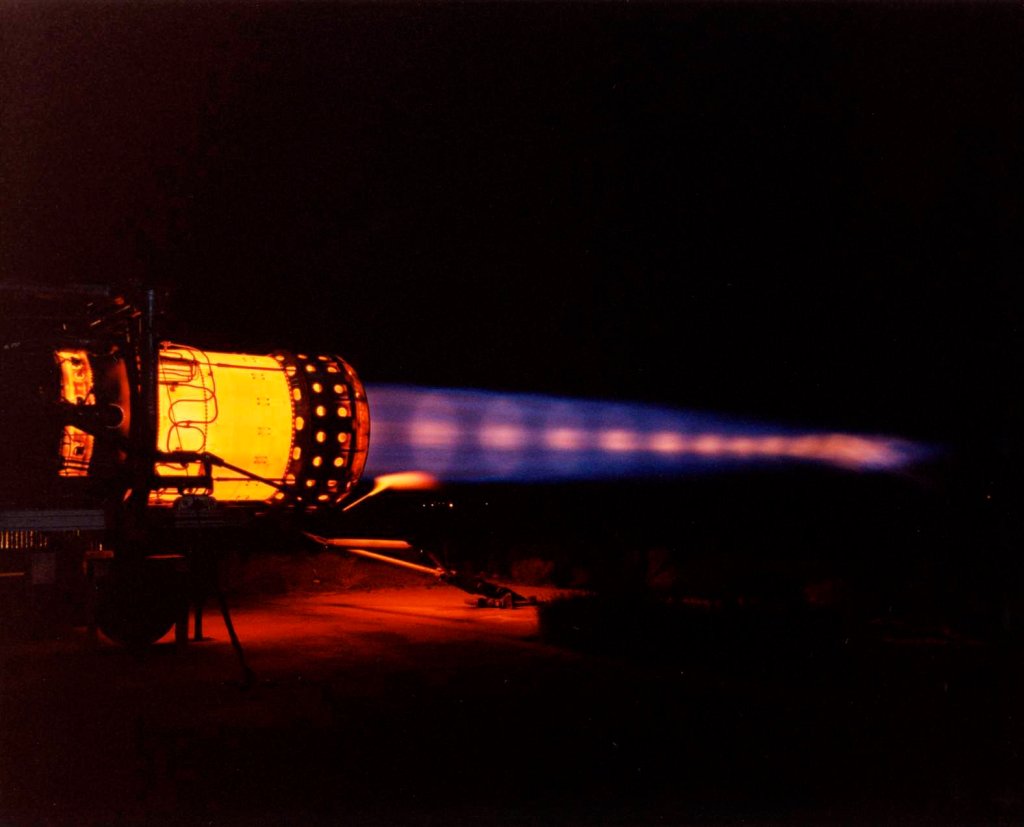
But that led to the question regarding the engines themselves, so the feedback there was more discouraging in that it looks like the engines are indeed unserviceable. I don’t believe that is based on an actual attempt to run them. It is based on inspection. Probably no surprise. They’ve sat idle, you know, for 27 years. That is what led to questions going back and forth regarding how the airframe would be powered. And that’s what led into where, if you connect the dots, that’s where the airframe would be used as an engine test bed.
So different engines, they would have to be high-Mach bypass systems. We can speculate on which engine company might be developing those systems, but yeah, I don’t want to give it too much away because I don’t want us to lose the inside information that we got.
Q: Are they working on a completely different engine to power Blackbird?
A: I don’t know that for sure. I think if the J58s are not an option for powering the Blackbird, you either button it back up and walk away from it, or you go bring in engines that are already under development that we’re not privy to at this point in time. But there’s no other option. So what are we going to use? It’s not like we can slap in F100s or F110s. They’re not going to cut it.
Q: Obviously, restoring an aircraft sitting out in the elements for years into one able to withstand the rigors of Mach 3 flight is one hell of an undertaking. In your mind, what are the biggest hurdles to this endeavor?
A: Number one would be the engines for sure. Number two would be anything that’s made of elastomerics. Plastics, wiring. Covering connectors. All that stuff degrades and oxidizes with time. You can imagine what frayed wiring and broken wiring insulation – what kind of havoc that would create. What Blackbird has going for it is that all those casings and connectors were built for the rigor of sustained Mach 3.2 flight for an hour, an hour plus, so they are not going to deteriorate quickly. The question is: Have they deteriorated in 27 years? So, if the answer is not a significant amount, then we’ve probably addressed one of the biggest questions – other than the engines – regarding reviving the airplane.
Q: Do you think NASA is going to attempt to just fly Tail 844 largely in its original configuration, or will they deeply modify it or build something new based on it?
A: Completely unknown. They definitely have the ability to modify the airframe, right? They did it before in the ’90s to carry the Linear Aerospike package. That was a huge undertaking on the airframe itself. They did it successfully. Armstrong still has a pretty deep bench in that area, so if they wanted to take on modifying the titanium structure, I think they could do it.
But it’s a good question. Again, that would probably point to aerodynamic studies, and if it were me and my dollar as a taxpayer, I would lean on computational studies to get those answers. That’s what I tend to do in my day job is forego testing in lieu of computational when it involves external aero, but it’s when you do the integrated propulsion in this speed regime, that’s really when you need test data from the actual operating conditions.
Q: As opposed to digital modeling?
A: Yes. For instance, say the aerodynamic databases for Blackbird are gone, which they might be. I know there are simple aerodynamic models that still exist, but like a true high-fidelity model that would go into a piloted simulator, that could probably be regenerated fairly quickly. Probably on the order of months computationally in this day and age. So I think simulation capability could be stood up in fairly short order. That, of course, will be foundational for the pilot training task.
Q: We’ll talk more about pilot training later, but first I want to ask about modernization. If NASA were to inject modernized features into the SR-71, what would you like to see? And what makes the most sense in terms of material science, avionics, propulsion and so on?
A: I’m not a materials expert. I think it would be really interesting to see how the airframe could be optimized using adaptive flight control capabilities. So, if the flight control system could be digitized, I think that would lead to some very interesting in-flight experiments. I doubt that that would be. I could be wrong, but if the goal is to get the airframe back up as a propulsion test bed, you don’t need to cut out the hydromechanical flight control system and replace it with a digital one.
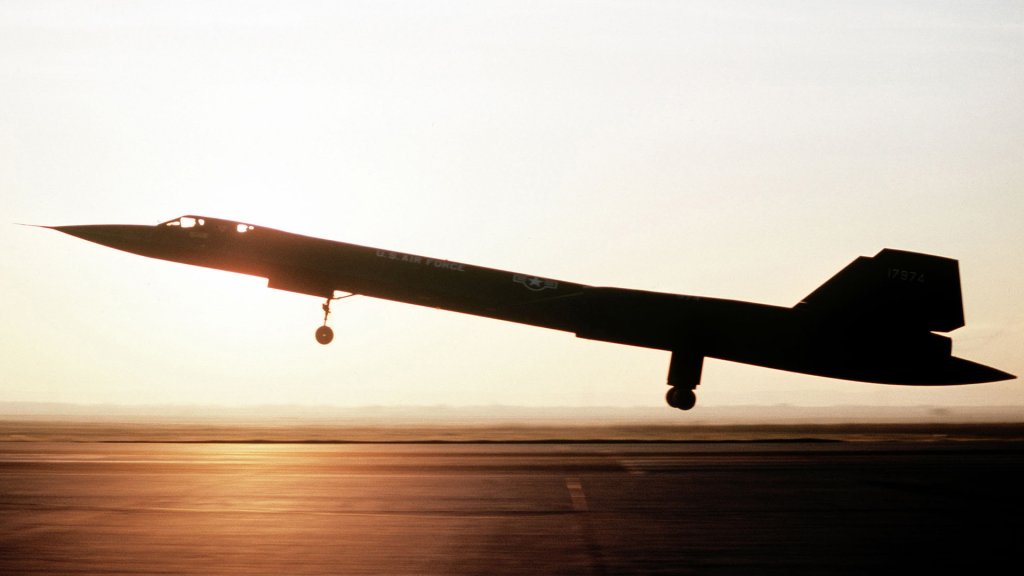
That all said, what I would like to see is what we talked about a few minutes ago, and that’s basically modern high-speed engine technology. So what could be done? The J58s were low operating pressure ratio systems. What could be done with a modern, digitally controlled, multistream, high-Mach engine, I think, would be truly trailblazing.
One of the reasons why there’s interest in this speed regime, it was neglected for a number of years. The focus was on hypersonics. If you proposed anything going back, say, 15 years in the Mach 3.5 speed regime, it was ignored. The glitz and glamor was on hypersonics. Hypersonics is great tactically for certain scenarios, but the weaknesses of hypersonics are now becoming apparent.
And as far as countermeasures, hypersonics still has a place. Don’t get me wrong, but every system cannot be hypersonic from an affordability standpoint. So, now you’ve seen it over the last, say, five years. A lot of systems are coming back on the scene that operate in the Mach 2 to Mach 4 regime, and there’s a reason they’re all fitting in there, right? You stay below the speed limit that requires more exotic metallics. You stay in the titanium regime. You can fly, of course, up to [Mach] 3.5 with brief excursions up to about [Mach] 4, so that is tactically relevant against a lot of military targets and defensive systems. So here it is. You know we now have a potential flying test bed that can carry engines in the J58 size class.
Q: How much could a project like this cost, and is it really economically feasible? How long do you think it could take?
A: I’ve been thinking that over, and I think it depends on who does it. I don’t want to disparage my former government brethren. I had great respect for the folks at NASA when I worked with them, but one of the reasons why I left the agency is because it was becoming so risk-averse. That was adding bloat to everything. And what we used to do quickly, we no longer could do quickly or cheaply at what was Dryden Flight Research Center, so that is what concerns me.
If NASA could operate with the agility that it had, if Dryden/Armstrong could operate with the agility it had 30 years ago, they could do this work in probably a few years. I would say again, it would depend on what exactly they need to do to the airframe. If it’s to resurrect the airframe and bolt in new engines using existing interface hardpoints, that would go much, much more quickly than doing extensive airframe modifications.
Q: Given that 844 has been sitting idle since 1999, what would be the very first thing you would want to inspect or test before even considering putting it back in the air?
A: Exactly what I’m hearing the rumor is that they’re doing this. What is the condition of all the components in the airplane that are flowing electrons? Because if the entire airframe is shorted out, you know how it is.
If you have a car where you’ve hooked up the battery cables backwards – I had a car once where somebody jumped in and did that. It ruined the car because I was chasing shorts constantly, constantly breaking down in the months that followed because the wiring was compromised, melted, bubbled all over the vehicle. And then it would get wet. You get shorts. That, I believe, is what one of the objectives of power-on testing is. To make sure continuity still exists, reliable continuity throughout the airframe. So that’s exactly the first step.
I would say the second would be hydraulics. That vehicle is hydromechanical. So what is the state of the actuators and whatnot?
Q: And you said that work is taking place now?
A: It’s certainly being inspected. That was one of the reasons why they pulled it off of the display pad at Armstrong. But that work has been going on for a couple of months, and it certainly seems that there was at least reason to be encouraged and to go forward with this next step. Otherwise, they would have just towed it back to the parking spot.
Q: And the next step is testing the systems?
A: That is correct.
Q: We touched on this a little before, but how realistic is it to get an SR-71’s J58 engines operational again after nearly three decades of inactivity? What would worry you most about those engines? How many are left?
A: Well, that’s a good point. As far as [engines] that are readily available, there are several that are at the [Air Force Flight Test (AFFT) Museum at Edwards AFB]. I believe they’ve been stored outside. But if you consider all the museums around the world with Blackbirds on display, almost all of them have installed J58s, and there’s usually one sitting alongside the airframe on display, so there are plenty of engines. Whether or not they’re serviceable, that of course is the question.
But probably the biggest problem with an engine – well, there are several with a gas turbine that sits unmoved for decades – it’s going to be that you’re going to flatten the bearings. Probably not visible to the eye, but rotating turbo machinery doesn’t like flats on the bearings. So for obvious vibration reasons, you got that. And you’ve got the seals. Seals are going to crack. Trapped fuel is going to turn to gunk and clog up lines. That engine was all hydromechanical, of course, or no digital controls on that because of the heat involved. So fuel hydraulics played a big role in that engine.
There is likely a lot of goo in those lines. I believe that’s why they’ve essentially been written off as unserviceable. I was discouraged because one of the questions I asked that I didn’t get an answer to was: Did anybody try to run the engines or pull them apart? But I don’t even know if the instructions exist to unstack a J58 at this point. I’m sure it could be figured out with the right people, but you know how it is. Pulling something apart is a lot easier than putting it back together.
Q: So there’s no manual for that anymore?
A: I don’t know if there’s a manual specific to that. Like I told Steve [Trimble] at Aviation Week, there certainly are operating manuals. You’ve probably seen the pilot’s manual for the SR-71A. It’s a beauty. There are a lot of copies online. You can get PDFs of those. They are very well-written, huge manuals. I know prints exist for the airplane. Those were in the keeping of the Edwards Museum. I believe those have been handed back over to NASA. So, it’s not like there’s a complete dearth of information.
When I was at NASA, I was the person who received everything that Pratt & Whitney had left on the J58s when the Air Force decommissioned the program, and that information was in two or three smallish boxes and consisted of hard copy code printout or printout of numerical data, along with some magnetic reels of code. It was not much. And I was told at the time the only reason I received that information was somebody missed it when the Air Force gave the destruct notice. It was under somebody’s desk, so it was not much in the way of knowledge transfer, unfortunately.
Q: What did you do with all that?
A: I left it behind in 1998 when I left NASA.
Q: What happened to it?
A: I have no idea. Hopefully, somebody scanned it. But again, that was J58 info, right? So if they’re going with a new engine, they’ll have the full digital models for those new systems. And I do believe that recreating the aerodynamic database, including inlet performance, that kind of data can all be regenerated fairly quickly with computational tools.
Q: We touched on this a little bit before, but how difficult would it be to reproduce the JP-7 fuel that powered the Blackbird? It would need designated tankers too, correct?
A: So that was one of the questions I asked is whether or not that formulation exists still. The answer I got back was that essentially a refinery should be able to recreate a suitable surrogate. If you think about it, JP-7 was unique in that it had a very low volatility characteristic.
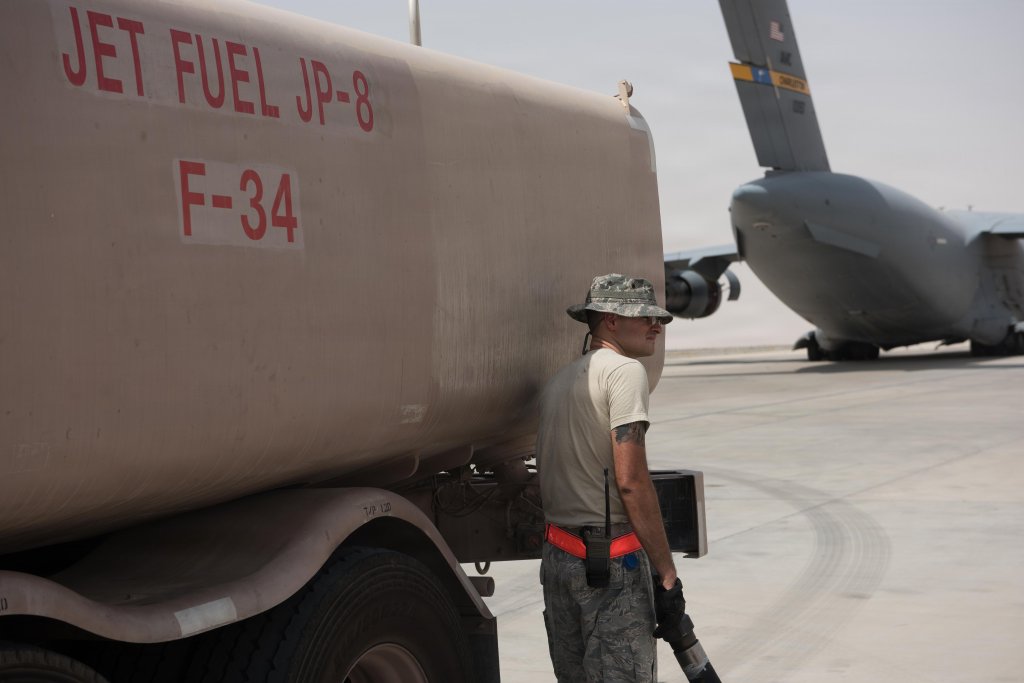
What I’ve learned about Jet A from some of the ramjet work that I’ve been doing is that it has a ridiculously low volatility too, of course, by design. So I don’t know that JP-7 is that far apart from the chemical characteristics of a Jet A-class fuel, JP-8-type fuel. JP-8 was a significant change from JP-4, so the Air Force was using JP-4 in their fleet, and then moved to JP-8 to be consistent in the ’90s with the Navy with their formulations. That’s a lower volatility fuel, and at NASA we had to recharacterize the flight performance of all of our jets with JP-8, but it worked fine.
We were concerned about operability – that we were going to have flameouts and engine relight and flight relay problems. Those did not materialize, so I don’t want to oversimplify it, but I am thinking that you might be able to take an existing Jet A and with the right additives knock down the volatility to a level that’s safe for flying in the Blackbird.
Q: What would need to happen to have aerial refueling jets be able to handle fuel for the Blackbird?
A: There were dedicated JP-7 tankers for the Blackbird. I don’t know if they can take an existing system and flush it. It would depend on the formulation, right? JP-7 was notorious for its unseemly characteristics. It was toxic.
I had a shirt that got dripped on when I was standing under the wing of the Blackbird once, and I had to throw it out. I could not get the stink out of that shirt from the JP-7. It was a weird fuel. So if you can get one that’s more aligned with the fuels used in the service, then I don’t believe that’s going to be a showstopper as far as tanker support, but you do know tanker support is going to be required for that airplane.
Q: You said the JP-7 fuel stank. What did it smell like?
A: I just remember it turning my stomach. Like I kept smelling something as the day went on, and I reached over and saw a stain on my shoulder. I don’t recall what happened the rest of the day, but I just remember being repulsed by the odor and then not being able to get it out when I washed the shirt.
Q: Beyond the fuel, the SR-71 depended on a huge ecosystem of specialized equipment, fluids, personnel and procedures. Which parts of that infrastructure would be hardest to recreate today?
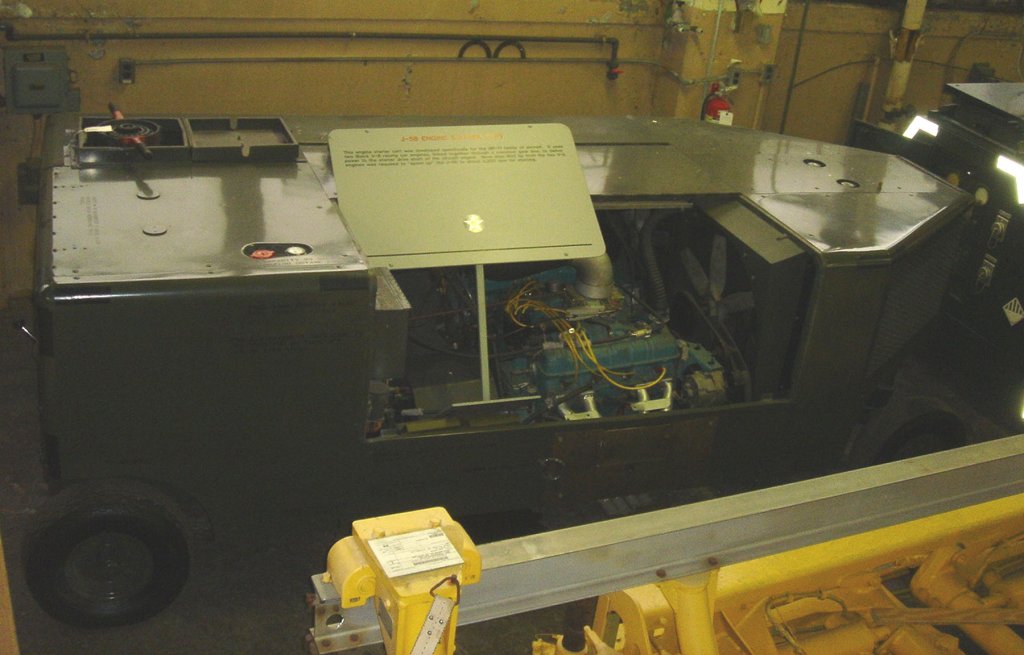
A: That was something that Mike Relja pointed out when he talked to Steve Trimble. That’s a good one. You probably heard that the J58s were started with a start cart that was basically a bank of Buick 12-cylinder engines, all next to each other. It’s a beautiful-sounding system, but very unique. But what is starting, you know, other than you’re either doing a power takeoff via shaft, or you’re using compressed air. It depends on what the engine demands. So I think the start cart development would be fairly straightforward.
But there is a lot of specialized equipment, like Mike pointed out, the wings when they’re split up, they are held in place by a specific scaffolding. The way the engines were craned out of the wing required special equipment. Pulling the inlet spike off that required a special cradle. Those are not insurmountable, but you don’t want to wait till the last minute to realize you need unique equipment. So it’s all got to be taken into consideration.
Q: Could existing SR-71s in museums realistically be used as sources of spare parts for 844, or would cannibalizing those aircraft create more problems than it solves? Were those airframes left structurally intact?
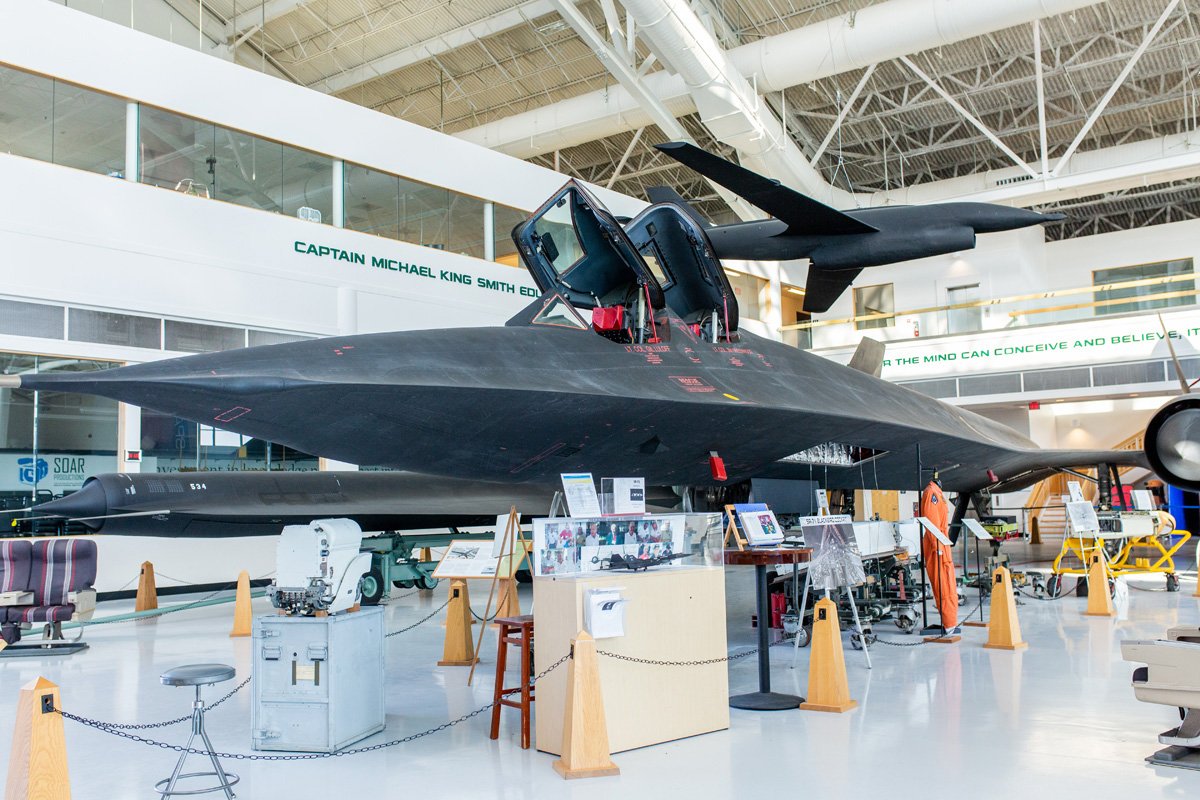
A: I believe that was the agreement with the Blackbirds. If a museum were to put one on display, there was a certain expectation regarding care and maintenance. Not so much maintenance, but care and preservation. If you think about it, many of them are under [a] roof in climate-controlled facilities. I know several of them that are preserved like that, including one here in Tucson. That, of course, is the best place for preserving anything with elastomerics and plastic. So I think it’s encouraging that so many of them have been so well cared for. Again, it’s going to come down to which components, regardless of whether or not they’re indoor or outdoor, which components are going to fail first, and I believe that’s the exercise NASA is looking at.
Then you’ve got to start beating down, chasing supply chain sources for some of this, and you know the nightmare that’s out there with supply chain and aerospace. So it’s not going to be an easy task. I don’t want to act like it is. I don’t think it’s insurmountable though.
Q: So these aircraft can be used as sources of spare parts?
A: Sure, absolutely.
Q: Is anyone with a Blackbird already contributing parts?
A: I know that the Edwards Air Museum is contributing what they can as far as spares and prints. I don’t know who else, although I believe the second NASA SR-71A went to the Evergreen Aviation & Space Museum in Oregon. I would expect them to be in the loop.
(TWZ reached out to the Evergreen to find out what, if anything, it is contributing to this effort.)
Q: How difficult will it be for modern test pilots to fly Tail 844, or whatever aircraft is created from this project? What would actually be the hardest part of training a pilot to fly the aircraft today? Do you think they will convert it into an unmanned configuration?
A: Well, that would be a difficult airplane to convert to unmanned, unless it went with a digital backbone, and like I said, I think that would be an enormous undertaking. It’s not unheard of. NASA, along with McDonnell Douglas, converted a couple of F-15s to all-digital backbones before the F-15E program began. It can be done. It’s just expensive. It’s not easy.
But the piloting task starts with a good simulator, right? The piloting task is absolutely a big deal. I saw it firsthand at Dryden. That said, it took a couple years, probably two. I would say that’s about right for the Dryden pilots, who are pretty good at what they do, to learn to fly the Blackbird safely, and that was with the use of the two-seat trainer, which we’re not going to have this time.
So I think the key to this happening is getting a digital sim together very quickly, and it wouldn’t surprise me if NASA has begun this process already. Getting that together, plus getting the former pilots who are still with us in the seat to make sure that it aligns with what they recall as far as the unique features of the airplane.
I have 100 hours of stick time on the Air Force Blackbird simulator. I’m not a pilot, but I used to pre-fly the maneuvers for the pilots and NASA on the high-drag missions, so I’m familiar with the way the airplane flies up and away, and it is a bear to fly. It is not easy. So training is not insurmountable. Like I said, it takes a good, high-fidelity sim. NASA is expert at building those kinds of simulators, modular simulators quickly. In this day and age, we should be able to put a high-fidelity sim together fairly quickly for training.
If you recall, the cockpit is an analog nightmare on a Blackbird. Breakers everywhere. Dials everywhere. I doubt that somebody suggested that we go with an all-digital cockpit. That would be so much work to do. But if we go for it with just a pure analog cockpit that we used previously, that’s going to require a lot of familiarity. I do believe that the training systems might still exist for that. It would just be for that airplane. It would just be getting them all cobbled back together.
Q: What made the Blackbird so difficult to fly?
A: It’s a low-G airframe, so you got to baby it. It’s easy to get an angle of attack out of range. And then with those chined surfaces, it’s easy to get a pitch-up with the airplane. That’s how I always managed to wreck it in the sim. I would let alpha get away from me.
Q: Do you know if any of the pilots have been recalled for this effort to get this thing flying again?
A: No, I don’t know.
Q: It has been close to 70 years since the A-12 Oxcart first flew. There had to have been other high-speed aircraft that at least came and went in the classified test environment. Considering all the work in hypersonics today, it isn’t hard to believe new platforms exist. Why would the SR-71 still have relevance here, and why not use one of those aircraft instead, if they exist? If they do, is it because the SR-71 is declassified?
A: Yeah, that could very well be what we’re looking at here. I’ve had friends ask that question this week. We were talking about the SR-72. Where is that at? I don’t know. I know people who went to work on it years ago. I’ve never heard anything since. So it could be that that’s so deep black that there’s no way that platform could be used as a test asset. So I think it’s precisely what you said. The Blackbird’s no longer classified, and that it’s possible that the engines that might be used in Blackbird wouldn’t be classified either.
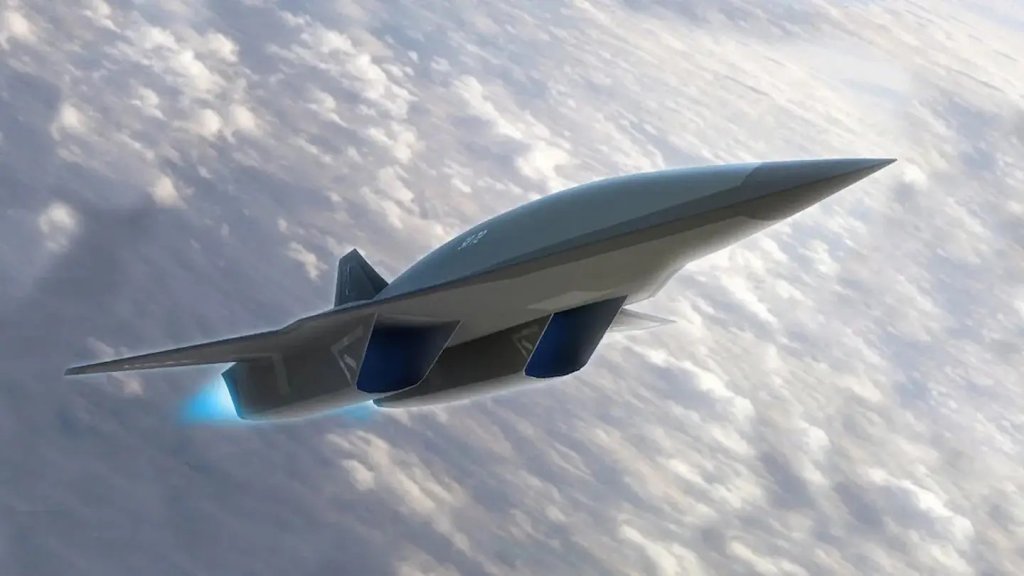
Q: Would any of those engines be applicable for this SR-71 reboot?
A: Certainly.
Q: Do you know if they exist anywhere?
A: No. But from what was leaked or hinted at regarding the size of the vehicle, it would seem that whatever was the power plant for that aircraft, it would be about the right size.
Q: What do you think generally about the renaissance of sorts in high-speed aerospace capabilities in recent years?
A: I worked on HAWC [Hypersonic Airbreathing Weapon Concept] at Raytheon, which became HACM [Hypersonic Attack Cruise Missile]. One of the systems that I helped design was the inlet isolator used on HACM, which is not operational yet, but it will be. But it’s an air breather by Raytheon. That gave me a lot of exposure to the level of exquisite technology that’s required to field a system like that.
It is expensive. It’s difficult. Supply chain is a challenge. There’s a reason why they cost what they do per unit. So you see the push to develop lower-cost hypersonic systems like Castelion’s Blackbeard [lower-cost hypersonic missile]. It’s not an air breather. So I think it’s an easier problem than what we dealt with at Raytheon with an air breather. But nevertheless, it’s impressive that they’ve gotten a price point down to what they’ve gotten, so you see that happening in hypersonics.
You’re kind of stuck in the same block of speed, but the price is dropping. And then meanwhile, you’ve got this massive group of munitions that are setting up camp in a Mach 2 to Mach 4 speed regime for reasons I mentioned. Those are running much cheaper per shot and per effect, which is why that’s happening. So that you give up something on survivability by pulling down into that speed range, but the price point allows you to volley at such a level that you overwhelm the defensive systems.
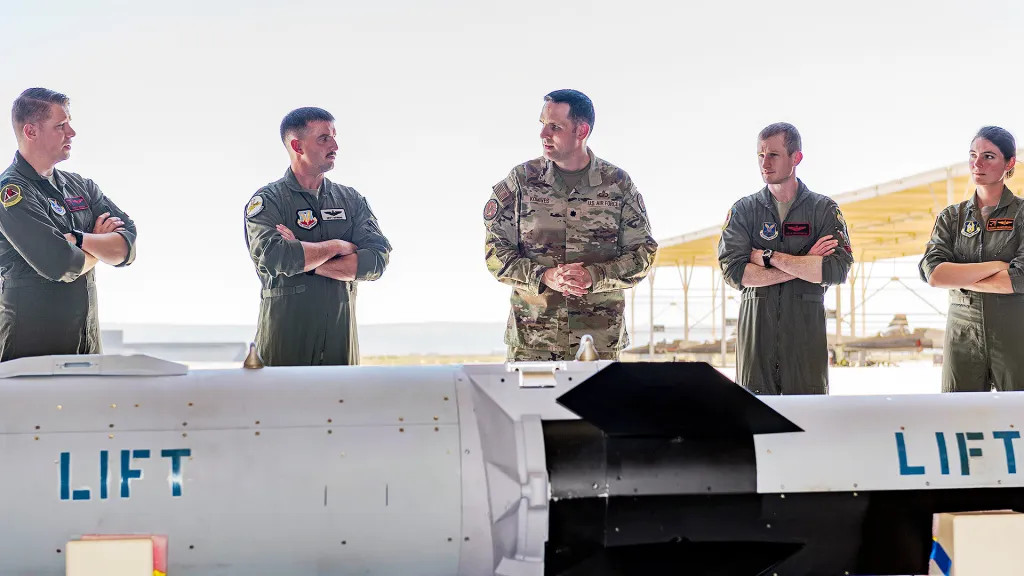
Q: If an SR-71 took to the skies again, would it not be one of the highest-profile aviation moments in a generation? It would certainly capture the imagination of many young and old. What do you think about the social aspect of all this?
A: I have yet to find anybody who isn’t excited by the prospect. Certainly, everybody within aviation thinks it’s cool. Some of my family who don’t know much about airplanes – they all think it’s cool. Everybody thinks it’s just super. That said, everybody also wonders why we’re doing it. But what’s funny is everybody still says, ‘Let’s do it anyway because it’s such an iconic airplane, beautiful airplane, an inspiration.’ Hopefully, there would be a good reason to spend the money. But I think even if it’s a bad reason, everybody wants it to take to the skies again.
Q: If you were a betting man, Tim, what would you say are the odds of this thing flying again?
A: I would give it a 25% chance.
Contact the author: howard@twz.com
The post Former SR-71 Engineer Talks NASA’s Blackbird Revival Program appeared first on TWZ.