
❌

Reading view

First Look At Hypersonic Boost-Glide Vehicle Just Tested By South Korea

The South Korean government has released images from its first successful test of a domestically developed hypersonic boost-glide vehicle. This includes shots of the vehicle impacting the water at the end of its flight. A weapon of this kind would give South Korea a significant new way to hold targets in North Korea at risk amid an ever-deepening arms race on the Peninsula.

South Korea’s Presidential Office, more commonly referred to as the Cheong Wa Dae or the Blue House, announced the test in a Korean-language press release yesterday. The Blue House initially released a video of President Lee Jae Myung and others observing the test from a conference room at the Anheung Proving Ground, which is located in South Chungcheong Province on the country’s western coast. South Korea’s Agency for Defense Development (ADD) manages testing at Anheung. A series of still images from the test itself was subsequently posted on the Blue House’s website.
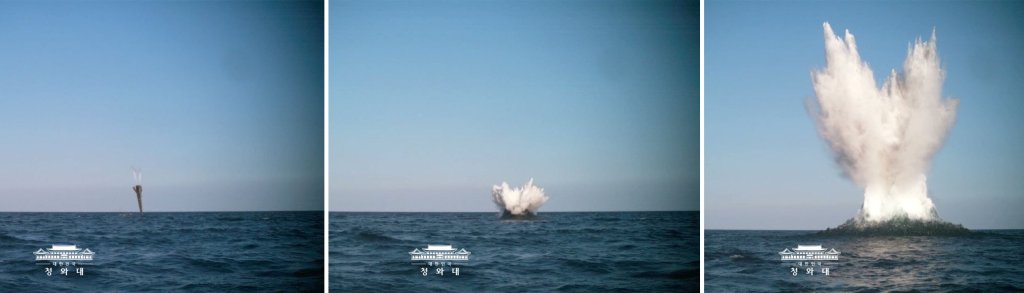
A trio of pictures showing South Korea’s new hypersonic boost-glide vehicle impacting the water during the test yesterday. The Blue House
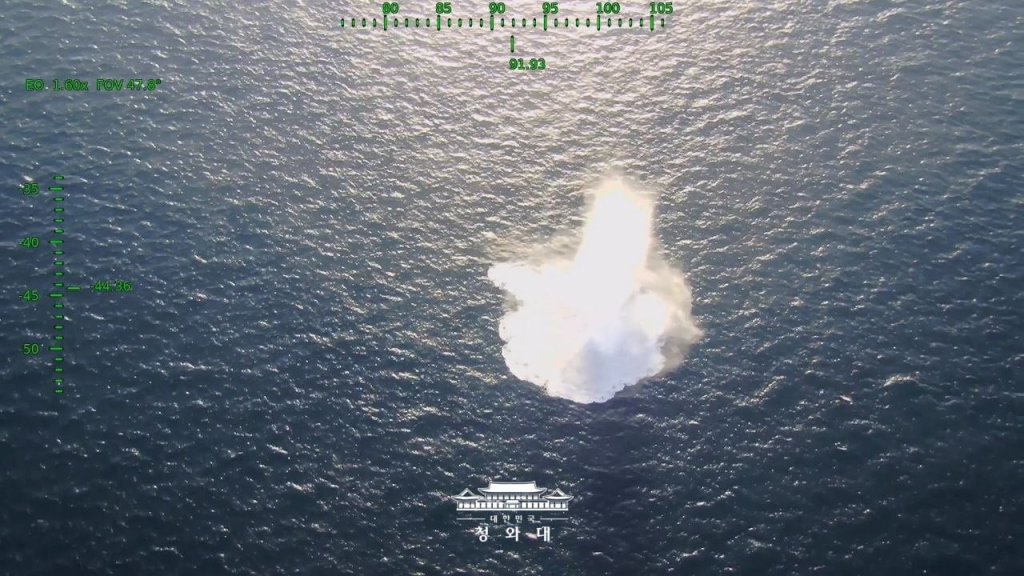
Another view of the impact at the end of yesterday’s South Korea hypersonic test as seen through what looks to be an electro-optical video camera on an aircraft. The Blue House

Included in the still image gallery are shots showing the launch of the missile, a formal name for which has not yet been disclosed, from a wheeled transport-erector-launcher on a platform sitting just off the coast. The low resolution of the pictures makes it hard to tell whether the missile and/or the TEL are of an existing South Korean design or are based on one. We will come back to this later on.
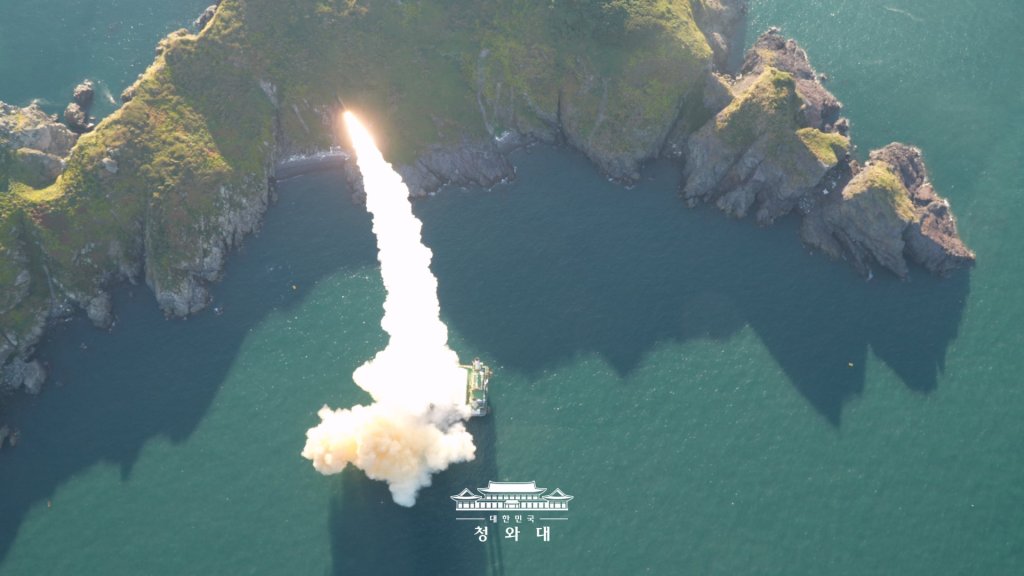
A picture showing the launch of the hypersonic weapon from the platform off the coast. The Blue House
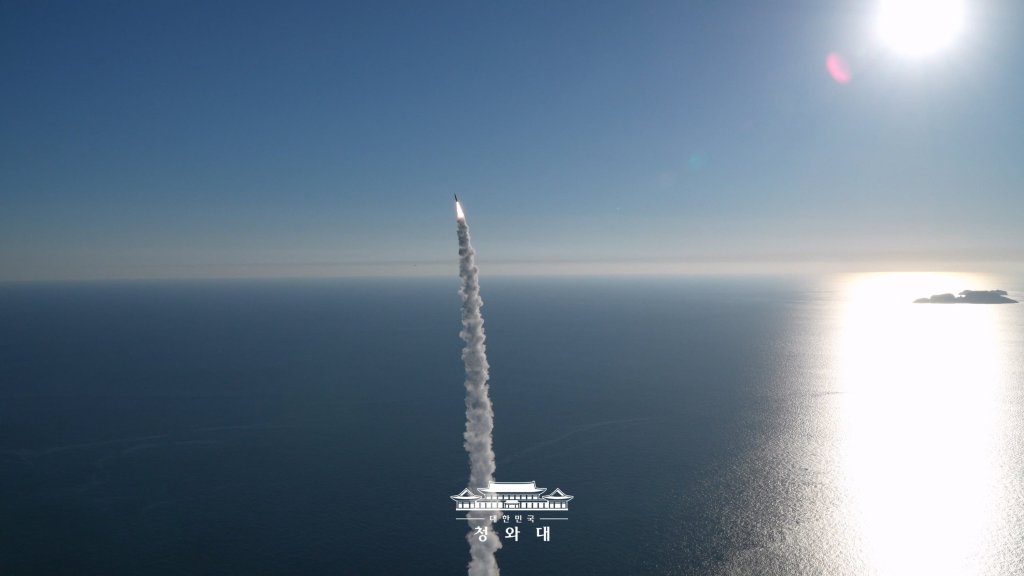
Another picture from the test showing the missile after launch. The Blue House

As mentioned, there are also pictures of the hypersonic boost-glide vehicle hitting the water. At first glance, the vehicle looks to have a broadly conical design with stabilizing fins at the base. However, at least one of the fins looks to be truncated. Closer inspection of the available images shows further indicators that might point to it actually having a more wedge-shaped design with a distinct top and bottom, though it is still not definitely clear given the low resolution. Conical boost-glide vehicles are generally understood to be easier to design, relatively speaking, than wedge-shaped ones. Historically, hypersonic boost-glide vehicles of any kind have proven to be technically complex and challenging to turn into viable operational weapons, even by countries with extensive past experience with their development.
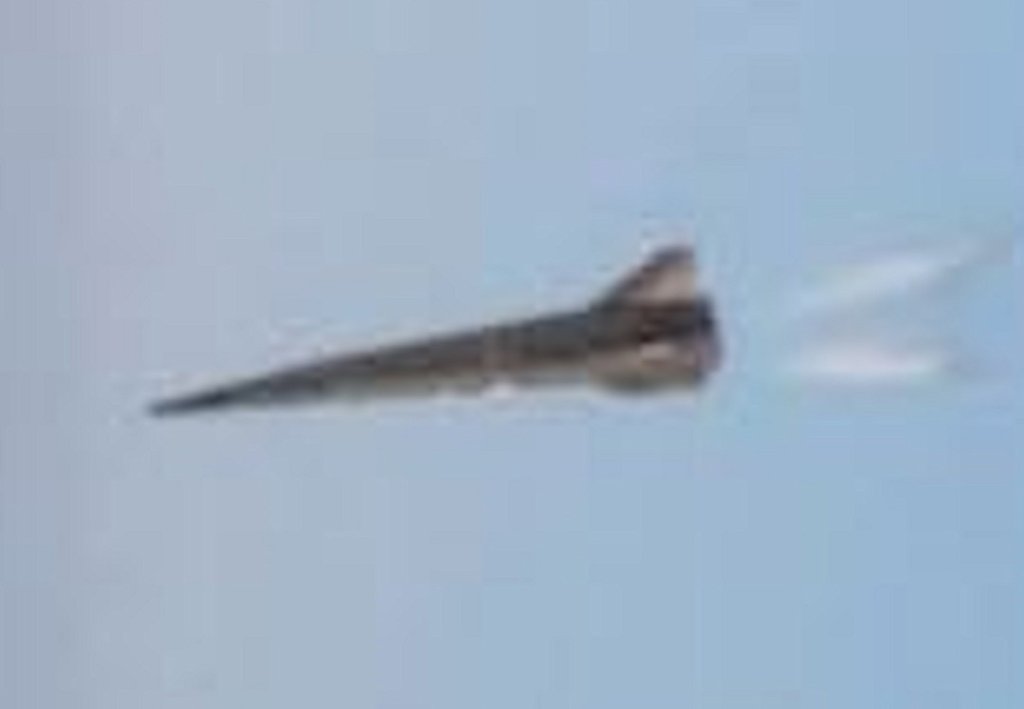
Another close-up look at the hypersonic boost-glide vehicle test yesterday, showing what looks to be a truncated fin on one side. The Blue House

“This test launch was conducted to verify, for the first time, the vehicle’s core technologies in a hypersonic flight environment: the performance of ultra-high-temperature heat-resistant materials, guidance and control capabilities, and the ability to perform irregular flight maneuvers at low altitudes,” the Blue House said in its release yesterday, per a machine translation of the Korean text. “The HGV [hypersonic boost-glide vehicle] successfully separated after ascending to the target altitude and executed its planned flight path within the hypersonic environment without any issues.”

With all this in mind, the fact that the vehicle just remained intact through to impact is noteworthy. At the time of writing, South Korean authorities do not appear to have disclosed more specific details about the test, including how far the boost-glide vehicle traveled before hitting the water or what peak speed it reached. Important questions also remain about how the vehicle is guided during the mid-course and terminal phases of flight, challenges that do not appear to have been addressed by this particular test.

In general, unpowered hypersonic boost-glide vehicles need to be brought first to an optimal altitude and speed. This is typically achieved using a sufficiently sized rocket booster, with existing ballistic missile designs often serving as a starting point.

Once released from the booster, a boost-glide vehicle flies along a relatively shallow flight path within the Earth’s atmosphere. The vehicle is able to maneuver along the way, sometimes erratically, while traveling at hypersonic speeds, generally defined as anything about Mach 5.
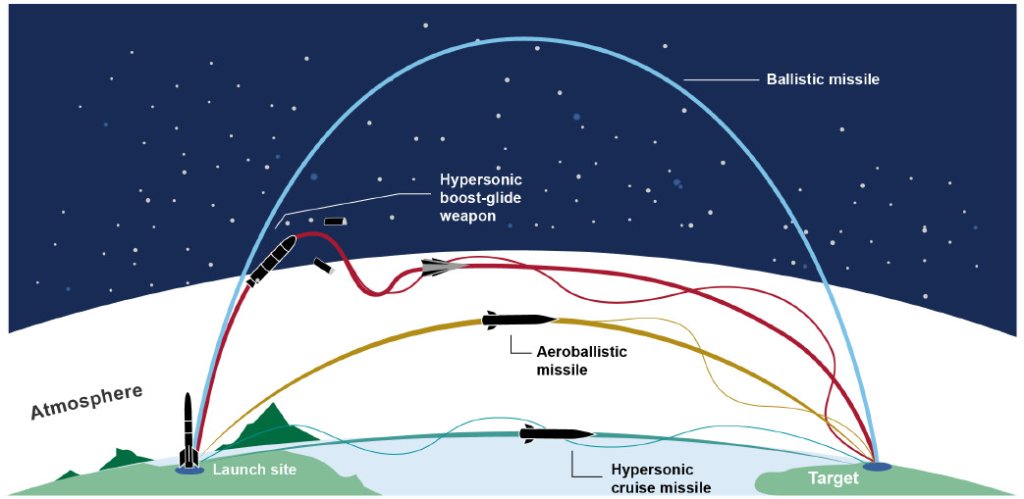
A graphic showing, in a very rudimentary way, the differences in trajectories between a traditional ballistic missile, a hypersonic boost-glide vehicle, an aero or quasi-ballistic missile, and an air-breathing hypersonic cruise missile. GAO

All of this sets hypersonic weapons of this kind apart from traditional ballistic missiles, even ones with advanced maneuverability capabilities, which all follow a broadly arcing trajectory to their targets. The combination of speed, flight trajectory, and maneuverability offered by hypersonic boost-glide vehicles creates distinct challenges for opponents. They are hard to spot and track, let alone attempt to intercept, and there is less time for defenders to react overall. This ability to penetrate enemy air defenses and cover ground rapidly makes these weapons particularly attractive for strikes on very high-value and time-sensitive targets.

“The HGV [hypersonic boost-glide vehicle] is a ‘key strategic asset capable of changing the game on the battlefield,’ as its unpredictable flight trajectory and overwhelming speed allow it to launch surprise strikes against key strategic targets during contingencies,” the Blue House’s release explicitly noted, again according to a machine translation.

With all this in mind, South Korea does have an entire family of domestically-produced ground-launched ballistic missiles that could be suitable starting places for launching an unpowered hypersonic boost-glide vehicle. President Lee was notably shown a TEL for the country’s newest Hyunmoo-5 ballistic missile at Anheung yesterday, though no explicit connection has been drawn between that weapon and the hypersonic test. The Hyunmoo-5 is itself still a relatively new development, having only entered service around the end of last year.
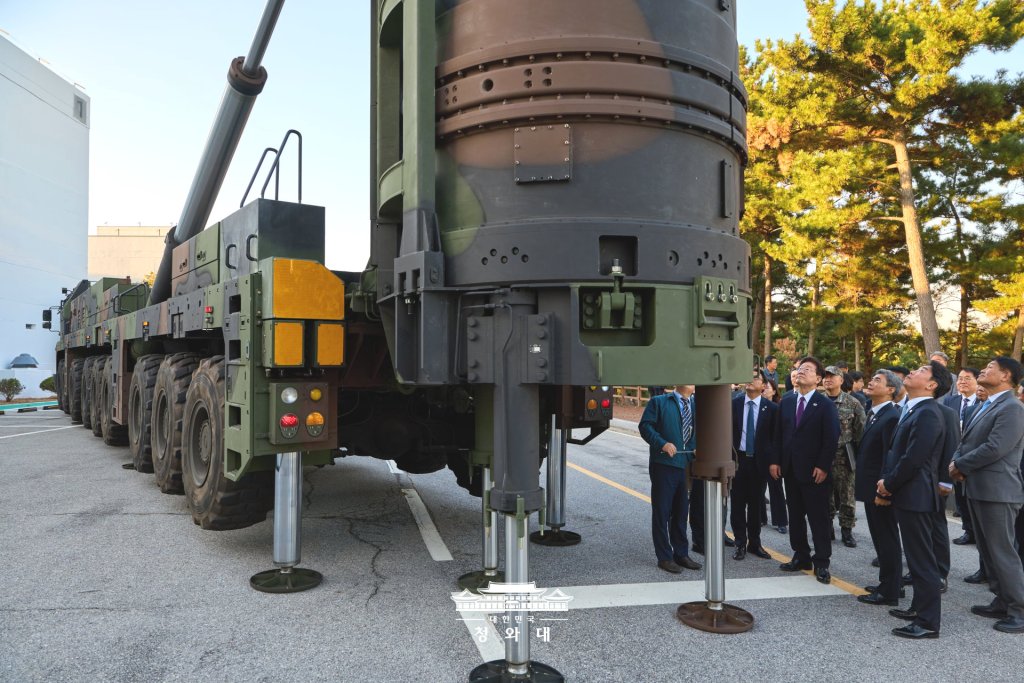
President Lee Jae Myung and others inspect a Hyunmoo-5 TEL on October 8, 2026. The Blue House

When it comes to new South Korean arms developments, the Hyunmoo-5, which entered service around the end of last year, has been and continues to be a major point of discussion by itself. It is officially categorized as a short-range design, despite how big it is (35 tons gross weight), which is said to be due largely to the equally substantial size of its warhead (17,000 pounds). Past reports have raised the possibility that it could be capable of flying out to intermediate ranges if the warhead weight were reduced. Short-range ballistic missiles are defined as ones with ranges between 190 and 620 miles (300 and 1,000 kilometers), while intermediate-range ballistic missiles can hit targets out to between 1,864 and 3,418 miles (3,000 to 5,500 kilometers). Medium-range ballistic missiles (MRBM) fall in between these two categories.
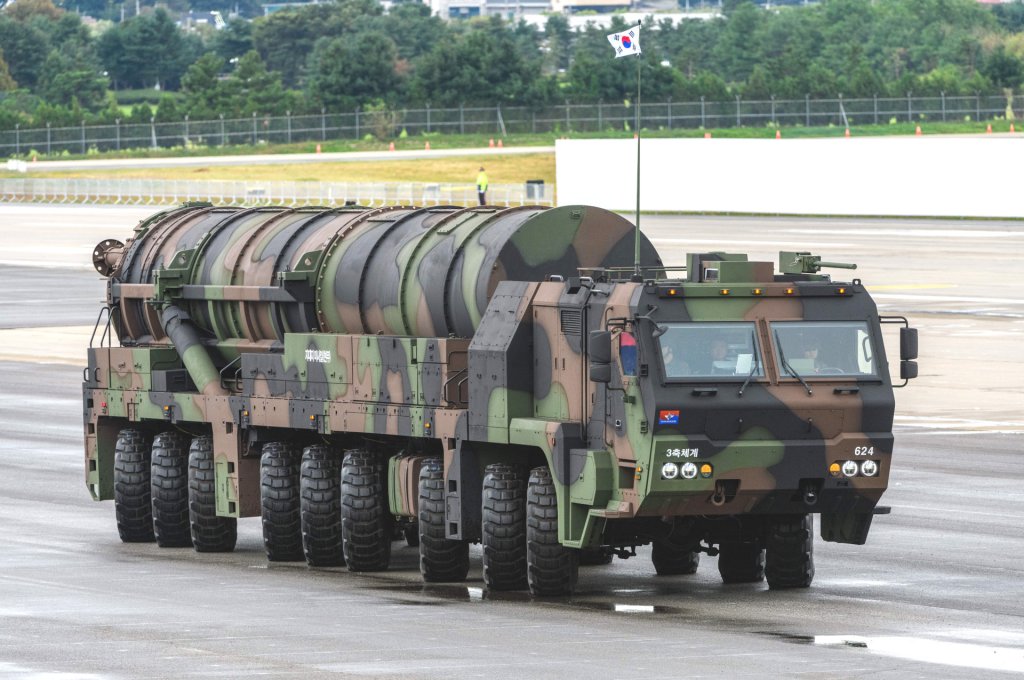
A Hyunmoo-5 transporter-erector-launcher seen during a parade in 2024. Kim Jae-Hwan/SOPA Images/LightRocket via Getty Images

With its massive unitary warhead, the Hyunmoo-5 already gives South Korea an important new way to hold deeply buried and otherwise hardened targets in North Korea at risk. This fits in directly with the country’s broader Korea Massive Punishment and Retaliation (KMPR) policy, as TWZ has previously written:

“While the Hyunmoo-5 has been widely reported as a future pillar of the KMPR, its specific ability to penetrate deeply buried bunkers, such as those used by the North Korean leadership, the same functions mean that it can also fulfill elements of the ‘kill chain.’ In this way, it could be used as part of a pre-emptive strike, to try and knock out North Korea’s launch capability by targeting its hardened command-and-control facilities and missile storage areas.”

By virtue of the very high speeds they reach in the terminal phase of flight, hypersonic boost-glide vehicles also offer bunker-busting benefits on top of the other aforementioned advantages they bring to the table.

In addition, the hypersonic boost-glide vehicle test reflects a broader arms race that has been expanding in scale and scope for years now. South Korea is also developing an air-breathing hypersonic cruise missile, seen in the composite image below, as well as new air- and sea-launched ballistic missiles, the latter of which will be loaded on new surface warships and submarines.
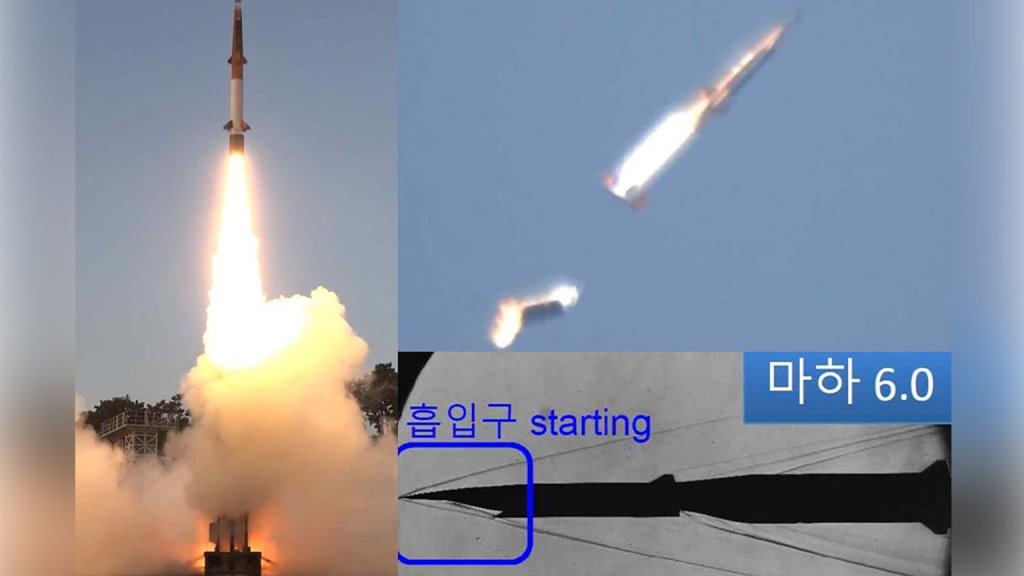
via X

Though there are always questions about the actual maturity and viability of the designs, North Korea continues to churn out its own new missile developments. This includes two separate test launches of purported new hypersonic designs just in recent weeks. Tit-for-tat missile launches are not entirely uncommon on the peninsula, but there are limits to how quickly a test like the one South Korea conducted yesterday involving an emerging technology can reasonably be staged.
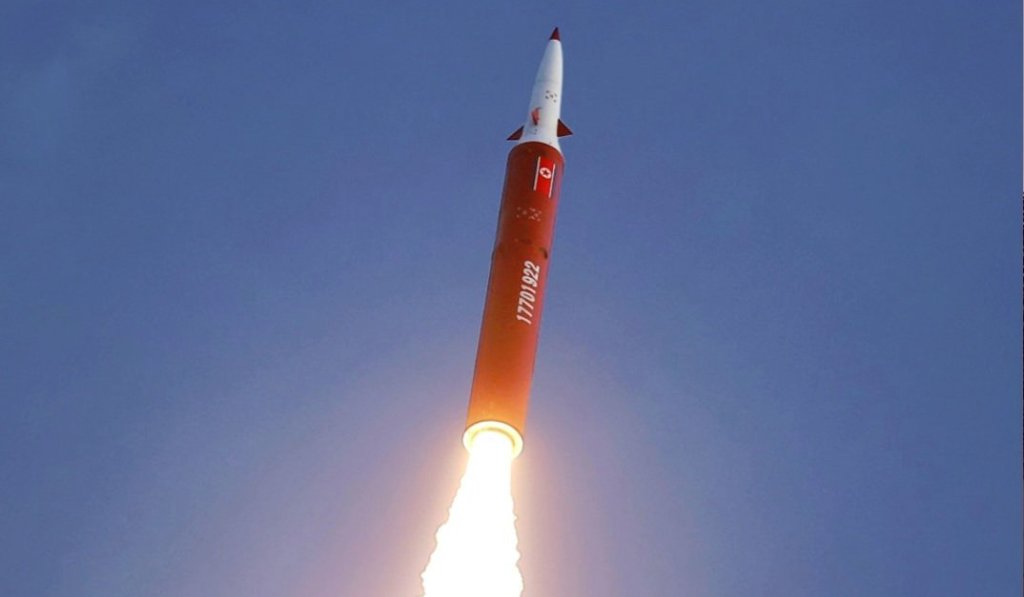
A picture of one of two new purported hypersonic missiles North Korea says it has tested in the past few weeks. North Korean State Media

Friction between the North and South has been at a particular high point, in general, following an incident on September 21, in which three South Korean troops were injured along the Demilitarized Zone (DMZ). South Korea’s Joint Chiefs of Staff (JCS), as well as the United Nations Command (UNC) on the Peninsula, have said a North Korean landmine placed in violation of the Armistice Agreement was to blame. South Korean authorities have demanded an apology and raised the prospect of some form of action in response, though President Lee has more recently sought to downplay the situation. The government in North Korea has denied the accusations and threatened an “immediate and powerful counteraction” should South Korea seek to retaliate.

An operational hypersonic boost-glide vehicle capability would also expand South Korea’s capacity to challenge opponents regionally beyond North Korea. Though the regime in Pyongyang represents the most proximate national security threat to the country, China and Russia have also been growing points of concern for South Korean authorities in recent years.

“We must secure our national security through our own strength,” President Lee said after yesterday’s hypersonic test, per the Blue House’s release. “The government must not rest on today’s success but must further advance the technology so that the hypersonic glide vehicle can establish itself as a robust strategic asset safeguarding our future security.”

South Korea’s President Lee Jae Myung, at center, and others applaud after yesterday’s test. The Blue House

South Korea’s very public test of its new hypersonic boost-glide vehicle underscores the country’s still-expanding efforts to broaden its options for striking even the best-defended targets in North Korea, as well as projecting power elsewhere regionally. At the same time, it remains to be seen when the South Koreans may field a real operational capability in this regard.

Contact the author: joe@twz.com

The post First Look At Hypersonic Boost-Glide Vehicle Just Tested By South Korea appeared first on TWZ.
  •  

Quattromila pagine di piani, nessuna di pace: le folli provocazioni di guerra della NATO

 L’Europa ha già conosciuto questa strada, nell’estate del 1914. Sarebbe imperdonabile percorrerla di nuovo, stavolta con le testate nucleari in fondo.

Segue nostro Telegram.

Tutto è pronto a esplodere

A Copenaghen, davanti ai capi di stato maggiore dei trentadue Paesi dell’Alleanza atlantica, l’ammiraglio Giuseppe Cavo Dragone ha scelto le parole con cui presentarsi all’opinione pubblica europea. Presidente del Comitato militare della NATO dal gennaio 2025, ha annunciato che l’Alleanza dispone di «4.000 pagine di piani» per il fianco orientale, che quei piani coprono ogni scenario «da una crisi minima o un intervento sul nostro territorio all’attivazione dell’articolo 5 e alle successive azioni», e che «il personale militare, i sistemi e le armi sono pronti». Poi la chiusa: in caso di attacco, i russi «hanno molto più da perdere che da guadagnare. Questo è assolutamente certo. Ed è questo che costituisce la deterrenza».

Nelle intenzioni dell’ammiraglio doveva essere un messaggio rassicurante. Letto con attenzione, è una delle dichiarazioni più imprudenti pronunciate da un vertice militare europeo dalla fine della Guerra fredda. Vale la pena smontarla pezzo per pezzo.

Le parole di Copenaghen non cadono nel vuoto. Poche ore prima il premier polacco Donald Tusk aveva previsto che Mosca potrebbe lanciare droni o missili sul territorio di un Paese NATO «nei prossimi mesi», per dimostrare che l’articolo 5 è una promessa di carta; Parigi, intanto, preparava un piano contro gli attacchi con droni. In un’atmosfera del genere, il compito di un militare di rango sarebbe raffreddare, distinguere l’ipotesi dal fatto, ricordare ai governi che la guerra tra potenze nucleari non è uno scenario da pianificare ma da impedire. L’ammiraglio ha fatto l’opposto: ha aggiunto combustibile.

E non è la prima volta. Nel dicembre 2025, in un’intervista al Financial Times, lo stesso Cavo Dragone spiegava che l’Alleanza stava valutando di diventare «più aggressiva» contro la guerra ibrida russa, che un «attacco preventivo» poteva essere considerato un’«azione difensiva» e che essere più aggressivi della controparte «potrebbe essere un’opzione». Mosca, per bocca di Marija Zacharova, parlò di un passo irresponsabile verso l’escalation, arrivato mentre si negoziava sull’Ucraina. Dieci mesi dopo il registro non è cambiato. Si è solo fatto più esplicito: prima l’ipotesi dell’attacco preventivo, ora l’inventario delle armi pronte.

La deterrenza non si fa con i proclami

L’ammiraglio chiama tutto questo «deterrenza». Ma la teoria della deterrenza, quella seria, dice altro. Thomas Schelling ha spiegato che la deterrenza è un atto di comunicazione in cui la credibilità conta quanto la forza, e che la minaccia efficace lascia sempre all’avversario una via d’uscita. Nel dilemma della sicurezza, ciò che una parte vive come difesa venga letto dall’altra come preparazione all’offesa. Quattromila pagine che arrivano fino alle «azioni successive» all’articolo 5 sono, viste da Mosca, piani di guerra contro la Russia. Nessun analista del Cremlino le leggerà in altro modo, e nessuno dovrebbe stupirsene.

C’è poi una questione di ruolo. Il presidente del Comitato militare è il principale consigliere militare del Segretario generale e del Consiglio Nord Atlantico: non decide la politica dell’Alleanza, la serve. Quando un ufficiale di questo livello usa la tribuna pubblica per lanciare avvertimenti a una potenza straniera, invade uno spazio che appartiene ai governi e ai parlamenti, cioè a chi risponde ai cittadini. In una democrazia la decisione sulla guerra non spetta alle stellette. Oppure dobbiamo intendere che è la NATO, tramite Cavo Dragone, a provocare lo scoppio di una guerra, invocandola a più non posso?

E soprattutto c’è l’arma nucleare. Dal novembre 2024 la dottrina russa considera l’aggressione di uno Stato non nucleare, condotta con la partecipazione o il sostegno di una potenza nucleare, come un attacco congiunto, e abbassa la soglia per l’impiego dell’atomica. Si può giudicare quella dottrina come si vuole. Ignorarla è impossibile. Chi parla di «azioni successive» all’articolo 5 contro un Paese che ha scritto nero su bianco queste regole sta parlando, che lo voglia o no, di guerra nucleare.

Tutta la costruzione retorica di Copenaghen poggia su una premessa mai dimostrata: che la Russia si prepari ad attaccare l’Alleanza. Gli indizi citati sono violazioni dello spazio aereo, sabotaggi, rapporti d’intelligence che parlano di un attacco «nei prossimi anni». Il Cremlino ha smentito piani del genere, e la smentita da sola non prova nulla. Ma la logica strategica sì. Mosca è impegnata in Ucraina da oltre quattro anni e mezzo; un’aggressione diretta contro un membro NATO la porterebbe contro gli arsenali di Stati Uniti, Regno Unito e Francia, senza alcun guadagno proporzionato al rischio. Che una simile scelta sia altamente improbabile lo capisce chiunque ragioni in termini di costi e benefici, a Mosca come a Bruxelles.

Perché allora insistere sull’imminenza della minaccia? Una risposta, difficile da scartare, sta nei bilanci. Al vertice dell’Aia del giugno 2025 gli alleati si sono impegnati a portare la spesa per la difesa al 5% del PIL entro il 2035. Un obiettivo del genere si giustifica davanti agli elettori solo con un nemico alle porte. La paura è diventata una voce di bilancio.

Resta l’altra metà del problema, la più grave. Se un attacco russo alla NATO è improbabile, una guerra della NATO contro la Russia è impensabile. La Federazione Russa possiede, secondo le stime della Federation of American Scientists, il più ampio arsenale nucleare del pianeta. Non esiste una vittoria militare contro una potenza di questo tipo: esiste solo la distruzione reciproca, e la sua geografia è già scritta. Si combatterebbe qui.

Ammiraglio, ci dia qualche spiegazione

Ammiraglio, adesso si calmi, si pulisca la bava che le è uscita dalla bocca, e ci spieghi esattamente cosa abbiamo noi da perdere da un confronto con la Russia. Lei ha misurato con certezza assoluta le perdite altrui. Le nostre non le ha nominate.

Proviamo a farlo noi. L’Italia ospita basi che le fonti aperte indicano da anni come depositi di armi nucleari statunitensi, ad Aviano e a Ghedi; ospita Sigonella, il comando alleato di Napoli, porti e infrastrutture che in qualunque pianificazione avversaria sono bersagli di prima fila. La Polonia, i Baltici, la Germania sono il teatro stesso delle «4.000 pagine». Gli Stati Uniti hanno un oceano di mezzo. L’Europa ha le sue città, le sue fabbriche, i suoi figli. In una guerra con la Russia l’Europa non è un attore: è il campo di battaglia.

E allora la seconda domanda, quella che nessun comunicato di Copenaghen affronta. Cosa otterremmo da un confronto nucleare combattuto sul nostro territorio, per l’esattezza? Quale obiettivo politico, quale interesse nazionale italiano, quale principio europeo varrebbe Milano, Monaco, Varsavia? La risposta onesta è una sola: niente. Una guerra che non si può vincere non è una politica. È un suicidio con un piano operativo allegato.

In 77 anni di storia, che l’ammiraglio rivendica, l’Alleanza ha prodotto piani per ogni contingenza. Mancano altre pagine, quelle che l’Europa dovrebbe pretendere dai propri governi: un’architettura di sicurezza continentale che includa anche la Russia, misure di fiducia reciproca, canali militari di comunicazione permanenti, trattati sul controllo degli armamenti da ricostruire dopo che quasi tutti sono stati lasciati decadere. Nel 1975, con l’Atto finale di Helsinki, due blocchi armati fino ai denti seppero sedersi allo stesso tavolo. Non era debolezza. Era la consapevolezza che la sopravvivenza del continente valeva più di qualunque vantaggio tattico.

Oggi quella consapevolezza sembra scomparsa proprio da chi, per mestiere, dovrebbe conoscere meglio di tutti il prezzo della guerra. Quando i generali parlano come ultimatum e i governi tacciono, il rischio non è che la guerra venga dichiarata. È che arrivi da sola, per inerzia, trascinata da parole che nessuno ha avuto il coraggio di ritirare.

L’Europa ha già conosciuto questa strada, nell’estate del 1914. Sarebbe imperdonabile percorrerla di nuovo, stavolta con le testate nucleari in fondo.

  •  

Wie die Techriesen zu Kriegsparteien gegen Russland geworden sind

Sie macht nicht so viele Schlagzeilen, wie der Krieg selbst, aber die Hightech-Front ist nicht weniger wichtig als die Front. Beim Quincy Institute for Responsible Statecraft ist darüber ein interessanter Artikel erschienen, den ich übersetzt habe, weil er mich nachdenklich gemacht hat. Beginn der Übersetzung: Sie tragen keine Uniform, aber diese US-Unternehmen kämpfen für die […]
  •  
❌