❌

Reading view

Musk pushed Trump to slow Starlink in Ukraine, weakening air defenses as Russian drones attacked cities – The Telegraph
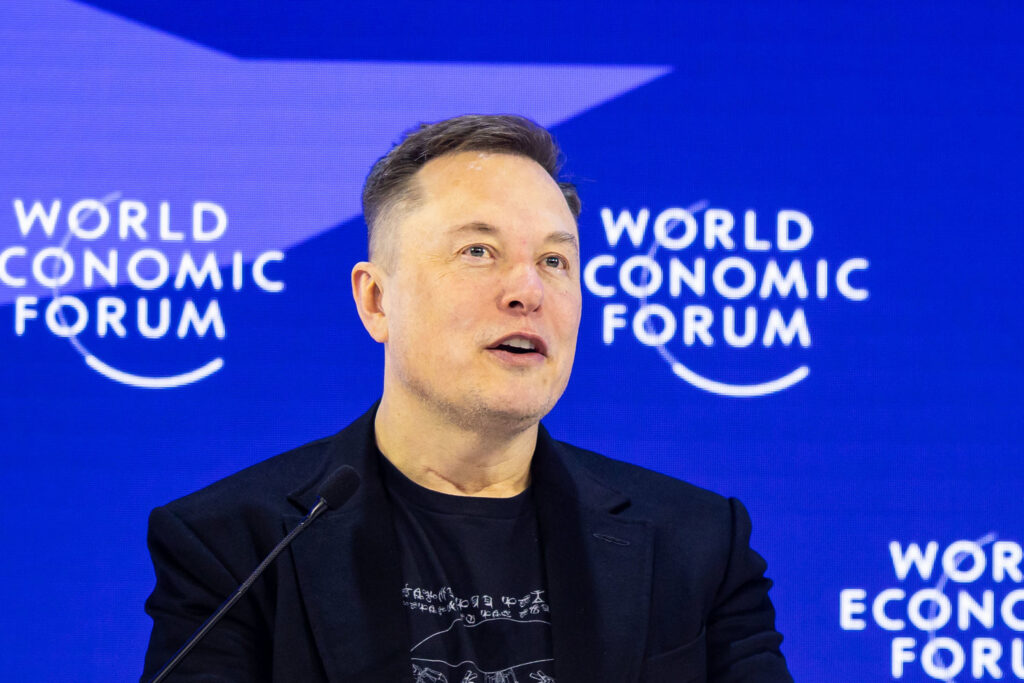
kyiv asking musk let strike inside russia its best line gone · post elon 2026 world economic forum / ciaran mccrickard wef ukraine news ukrainian reports

Elon Musk approached US President Donald Trump with a proposal to limit the speed of Starlink satellite communications in Ukraine, disrupting Kyiv’s ability to counter Russian drone attacks, The Telegraph reported on 16 October, citing four sources familiar with the discussions.

The restrictions had immediate consequences for Ukraine’s defenses, forcing some drone missions against Russian positions to be called off and threatening the ability to intercept Russian jet-powered drones as they targeted Ukrainian cities at the time.

According to The Telegraph, Trump agreed with Musk’s suggestion, paving the way for the Pentagon to impose restrictions on Starshield, the military-grade version of SpaceX’s satellite network used by Ukrainian forces.

The report contradicts Musk’s public claim that the US military and ultimately Trump were responsible for deciding any limits on the system. However, Trump denied that either he or Musk was responsible for Ukraine losing access, while an anonymous US official told AFP that the president had not requested the reduction in service.

The reported restrictions come amid tensions between Washington and Kyiv over Ukrainian strikes on Russian oil refineries. The episode has raised concerns about Ukraine’s dependence on privately controlled communications infrastructure and the risk that changes to US support could weaken its battlefield capabilities.

Starshield restrictions hampered Ukraine’s drone defenses

Starshield is the military-grade version of Starlink, SpaceX’s satellite internet network. It allows Ukrainian drone operators to maintain communications with aircraft moving at high speeds, supporting both defensive interception missions and strikes against Russian targets.

The speed limit imposed on Ukrainian drones using Starshield was around 160 kph, making it difficult for them to intercept Russian jet-powered drones and missiles traveling at roughly twice that speed.

According to The Telegraph, a senior source said Musk had become concerned about potential backlash from European consumers following the restrictions. A high-ranking European official and two Ukrainian sources reportedly corroborated the account that Musk and Trump were both involved in the decision.

The Pentagon has not publicly explained the restrictions. The report’s account also remains disputed: Trump said on 16 October that he did not believe either he or Musk was responsible for Ukraine losing access, while an anonymous US official cited by AFP said the president had not requested the reduction.

geran-2 (shahed-136) drone belarusian markings service military belta militarnyi російський безпілотник герань 2
Explore further

“Trump and Musk must be held accountable”: US senator warns Starlink network failing over Ukraine could cripple its shield against Russian missiles and drones

Ukraine says Starshield capabilities are being restored

Ukrainian President Volodymyr Zelenskyy said on 16 October that restrictions on SpaceX’s Starshield satellite communications system had disrupted several military operations, including efforts to intercept Russian jet-powered Geran drones attacking Ukrainian cities.

Zelenskyy said Ukraine did not use Starlink to support attacks inside Russia, but relied on the system to intercept drones targeting civilians, conduct mid-range strikes against Russian military targets in occupied Ukrainian territory, and deliver food and water to frontline troops using drones.

“When the speed was reduced, we were unable to intercept a certain number of jet-powered ‘shaheds,’ [Gerans - ed.]” Zelenskyy wrote on X, adding that Ukrainian forces had lost the ability to carry out some operations while the restrictions were in place.

Zelenskyy said Ukraine’s Defense Ministry was in contact with partners and had received signals from the White House that the capabilities would be restored. However, he stressed that speeds had not yet returned to their previous levels, although restoration was underway.

We don’t use Starlink for our responses inside Russia. We use Starlink to intercept jet-powered “shaheds” that attack our civilians and kill families.

Starlink wasn’t turned off – its speed was reduced. And when the speed was reduced, we were unable to intercept a certain number…

— Volodymyr Zelenskyy / Володимир Зеленський (@ZelenskyyUa) October 16, 2026

Europe warns against dependence on Musk’s network

The latest episode has renewed European concerns about relying on Musk and SpaceX for critical communications infrastructure. Polish Foreign Minister Radosław Sikorski warned Musk on social media that European customers were watching his actions, The Telegraph reported.

The European Union is developing its own satellite communications system, IRIS², intended to provide an alternative to Starlink, according to The Telegraph. The system is planned to become operational by 2030, leaving Ukraine and European governments dependent on existing providers in the meantime.

The report adds to concerns that decisions made in Washington or by private technology providers could directly affect Ukraine’s ability to defend itself against Russian attacks.

  •  

DOGE Worked? Only If You Grade on a Curve.

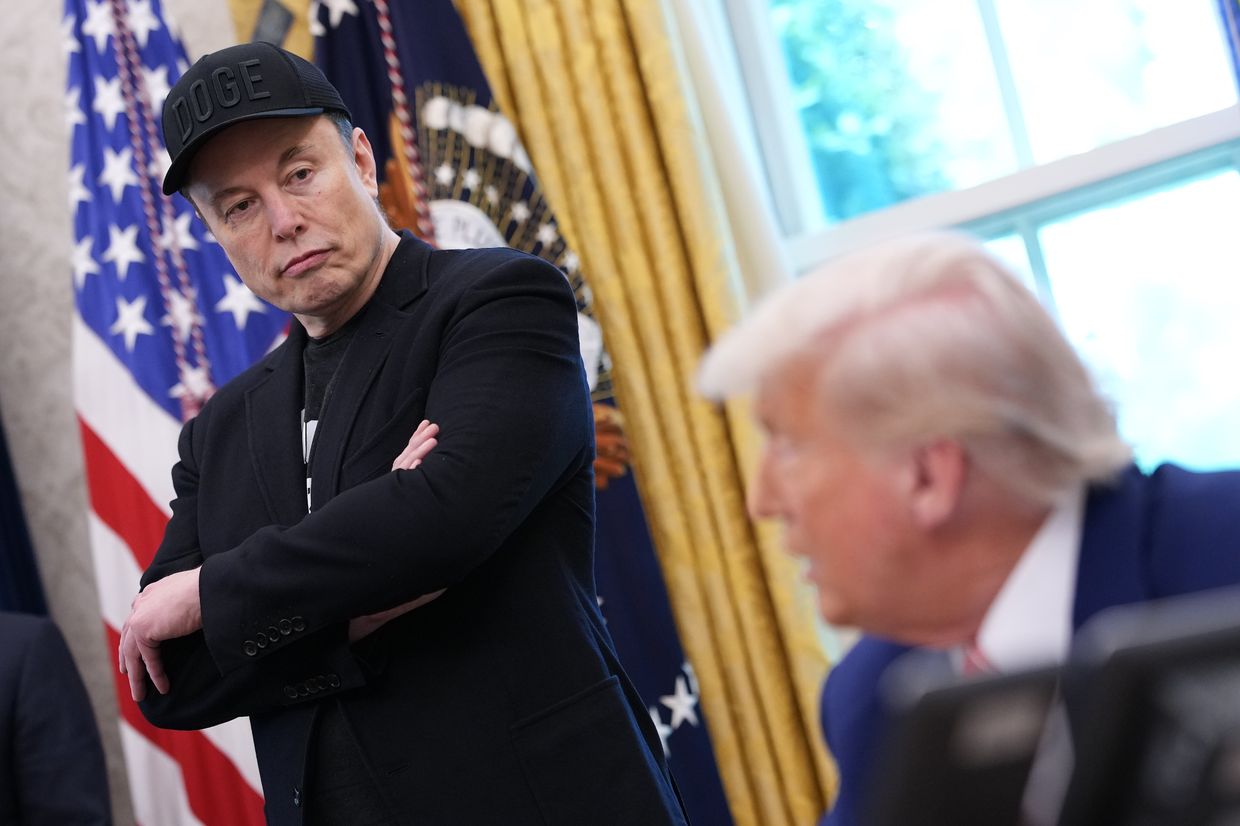
Elon Musk and Donald Trump with a DOGE meme coin | Official White House Photo by Daniel Torok/Newscom/Jiri Hera/Dreamstime.

As the Trump administration's short-lived Department of Government Efficiency (DOGE) project implemented its plan to downsize the federal workforce, there was much wailing from the liberal institutions in Washington, D.C.

Federal employee unions filed lawsuits to block the effort. NPR ran profiles of federal workers who, for the first time, faced the prospect of potentially not having absolute job security forever. The Brookings Institution wondered how many jobs the federal government could shed before it crashes.

The answer: plenty. The Trump administration has cut more than 10 percent of the federal workforce, and the government hasn't crashed. Indeed, it hasn't even shrunk—if you're counting by dollars spent instead of people employed.

In a new article for City Journal, Manhattan Institute senior fellow Judge Glock highlights the tremendous gap between the dire predictions about DOGE's cuts and the reality that has emerged, more than a year after DOGE was shut down. Despite having only a modest impact on spending, Glock writes, DOGE "had a massive impact on the federal civil service."

This is true—to a point, more on that in a moment—and notable. Aside from a modest downsizing in the 1990s, the number of people employed by the federal government has been steadily growing for decades. Reversing that trend is one of the few genuinely libertarian accomplishments by the Trump administration.

The cuts to the federal workforce prove that "DOGE worked," argues Glock.

Well, hold on.

Elon Musk and Vivek Ramaswamy (who departed the DOGE project before Trump's inauguration and is now running for governor of Ohio) set some very ambitious goals after being appointed DOGE co-chairs in late 2024. In an op-ed for The Wall Street Journal in November 2024 where they promised "we won't just write reports or cut ribbons. We'll cut costs."

Musk repeatedly attached some rather absurd numbers to that promise. He said DOGE would cut $1 trillion or even $2 trillion in federal spending. In the end, it didn't come close. By DOGE's own (questionable) accounting, it cut $170 billion. Meanwhile, overall federal spending has increased in each of Trump's first two years in office, and the budget deficit has widened as well.

Yes, Musk and Ramaswamy also said they would reduce the federal workforce. But that was presented as a natural consequence of cutting spending, not as the primary goal.

Think about it like this. If I spent months promising my friends and family that I would lose 50 pounds on a new diet, and then didn't lose any weight, would it be fair to say the diet worked?

What if I reduced the number of donuts I eat every day, but still didn't lose any weight? Sure, that might be good for my health in some way—just like reducing unnecessary workers in the federal government is good for America's fiscal health—but it certainly wouldn't mean I had achieved the goal of losing weight.

Finally, even the claim that DOGE cut the federal workforce requires an asterisk. As Glock also notes in his report, the decline in federal workers has been offset by an increase in federal contractors.

It's not a one-for-one trade, of course. The new contractors are overwhelmingly concentrated in places like the Department of Homeland Security and the Pentagon, while the cuts mostly targeted other areas, like the Department of Health and Human Services.

"Most of that increase came from the buildup in homeland-security and defense contracting, including purchases such as surveillance aircraft and tanks, rather than substitutes for government workers," Glock writes. "DOGE achieved real contract savings, but these were more than offset by higher spending elsewhere, reflecting a shift in priorities rather than an overall reduction in contracting."

So, the government is eating fewer donuts but more pizza.

There might be libertarian reasons to prefer contractors over government employees. They are less likely to hold those jobs for life, for one. But there's nothing inherently good about a government policy that cuts jobs in some areas just to create more room in the budget for poorly trained immigration enforcement agents and defense contractors. That may even be a negative outcome for liberty.

In the end, the DOGE project looks less like a meaningful attempt at cutting government spending or employment levels and more like a way to purge parts of the federal workforce likely to get in Trump's way during his second term. "As long as [Trump's] larger commitment is to extending his power rather than rolling back power itself, you shouldn't expect the government to stop growing," as Reason's Jesse Walker wrote last year in comparing DOGE to President Richard Nixon's attempted purge of the civil service.

Did DOGE work? Only if you grade it on a pretty dramatic curve.

Yes, it proved that a president can slash bureaucratic jobs—particularly the bloated managerial and administrative types—without doing much damage to the government's core responsibilities. That's a lesson future administrations should remember.

Maybe, someday, a president will try applying the same logic to government spending too.

The post DOGE Worked? Only If You Grade on a Curve. appeared first on Reason Magazine.

  •  

El coche volador de Elon Musk que pone contra las cuerdas a Tesla: casi nueve años de retrasos y no está "optimizado para la seguridad"

Nueva generación del deportivo eléctrico Roadster.

Tesla vuelve a situar su deportivo Roadster en el centro de la atención con una propuesta que combina propulsores desarrollados junto a SpaceX y que promete llevar la conducción a otro nivel. La nueva generación del vehículo, desarrollada con la participación de SpaceX, podrá separarse del suelo y ejecutar movimientos en el aire. Su versión más potente promete, además, alcanzar casi los 100 kilómetros por hora en menos de un segundo.

El fabricante estadounidense ha mostrado el automóvil este jueves en las instalaciones de pruebas de cohetes de SpaceX en McGregor, Texas, donde mostró algunas de las capacidades del automóvil. El proyecto, anunciado inicialmente en 2017, acumula casi nueve años de retrasos y Tesla prevé comenzar su producción en 2028, aunque todavía no ha concretado el precio definitivo.

Nueva generación del deportivo eléctrico Roadster.
Nueva generación del deportivo eléctrico Roadster. | EFE/ @Tesla

Tecnología procedente de SpaceX

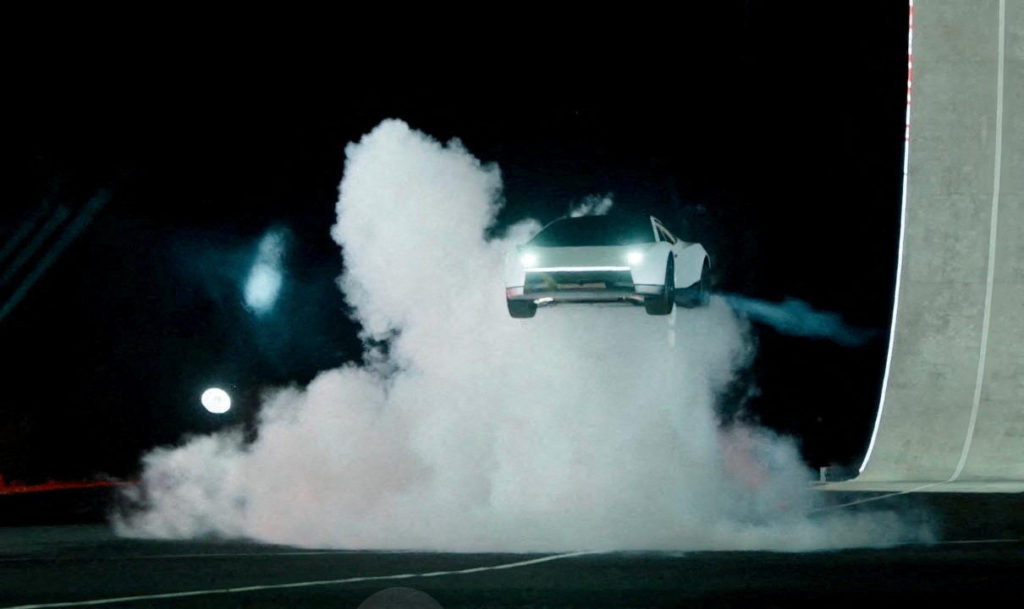
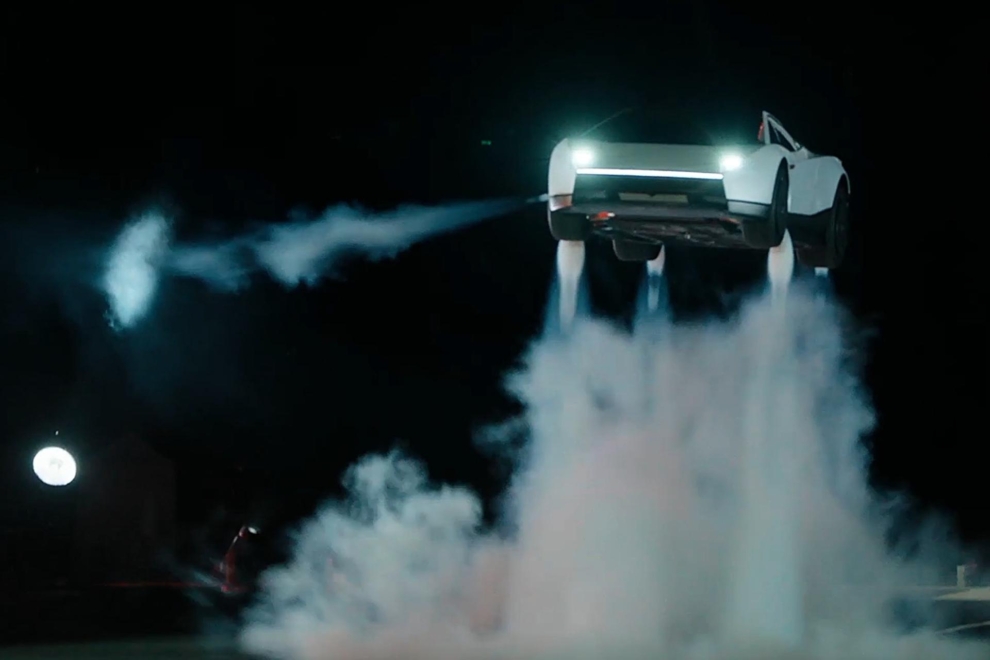
La presentación incluyó una demostración en la que el deportivo utilizó sus propulsores para completar una maniobra acrobática. El vehículo recorrió una estructura curva, quedó momentáneamente boca abajo, salió impulsado al aire y efectuó un giro antes de volver al suelo de forma totalmente controlada. La prueba pretendía mostrar las posibilidades del sistema que Tesla ha desarrollado junto a los ingenieros de SpaceX.

En lugar de emplear combustible como el utilizado habitualmente en los cohetes, el mecanismo recurre a aire comprimido almacenado a una presión muy elevada. Su liberación genera el empuje necesario para impulsar el automóvil y permitir movimientos que no forman parte de la conducción convencional.

Las tres versiones del nuevo 'coche volador': Performance, Thrust y Rocket.

La variante Performance dispondrá de dos asientos, podrá alcanzar aproximadamente los 100 km/h desde parado en menos de 1,6 segundos e incorporará un sistema de aspiración bajo la carrocería destinado a incrementar el agarre al asfalto. Esta variante ya se puede reservar a través de la página oficial de Tesla mediante un primer pago de 5.000 euros, íntegramente reembolsable. Diez días después deberá abonarse una segunda cantidad de 45.000 euros.

El modelo Thrust también contará con dos plazas, pero añadirá propulsores traseros para reducir el tiempo de aceleración hasta menos de 0,9 segundos. Su reserva requiere igualmente un primer desembolso de 5.000 euros, seguido de un segundo pago de 245.000 euros a los diez días. Según informa EFE, la compañía aseguró que esta versión podrá superar los 370 kilómetros por hora y ofrecer una autonomía mayor a 480 kilómetros.

Por último, la variante Rocket será la más exclusiva de la gama. Tendrá una sola plaza y contará con un "sistema de vuelo completo" según presenta la empresa en su página web. Para esta versión la aceleración de 0 a casi 100 km/h se producirá en menos de 0,59 segundos. Este coche "listo para volar" solo se puede reservar en su página oficial mediante invitación.

Elon Musk ha explicado que este deportivo será el único que cuente con conducción manual dentro de la estrategia de Tesla, ya que la marca pretende orientar buena parte de su futuro hacia los vehículos autónomos y la robótica.

La producción se retrasa hasta 2028

El Roadster de segunda generación lleva casi nueve años pendiente de llegar al mercado. Tesla dio a conocer el proyecto en 2017 y entonces contemplaba su lanzamiento en 2020, con un precio inicial previsto de alrededor de 200.000 dólares. Sin embargo, el calendario se fue modificando mientras la compañía concentraba recursos en otros vehículos y en nuevas líneas de desarrollo tecnológico.

Entre las prioridades que han ocupado a Tesla durante este periodo figuran el Model Y, el Cybertruck y sus iniciativas vinculadas a la conducción autónoma y los robots humanoides. La nueva demostración permite volver a conocer detalles del deportivo, pero la empresa mantiene 2028 como horizonte para comenzar a fabricarlo y todavía no ha publicado los precios definitivos de las tres versiones.

El empresario ha reconocido que el diseño del nuevo Roadster  no esta necesariamente "optimizado para la seguridad", una cuestión que genera dudas sobre su homologación para circular por carreteras públicas, según ha informado la agencia EFE.

  •  

Qué es Starshield, la versión militar de Starlink, y qué consecuencias tiene para Ucrania que Trump lo limite

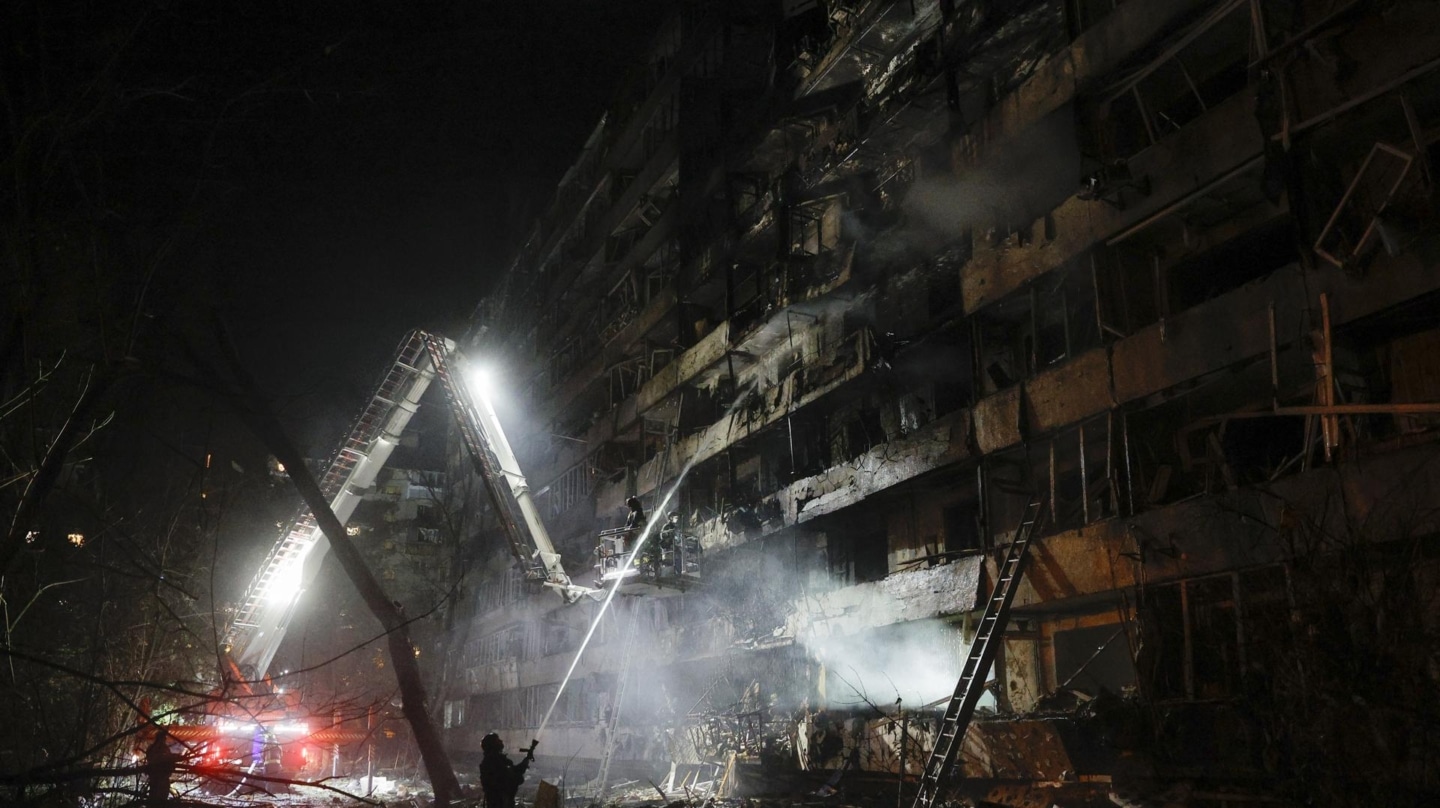
Equipos de emergencia ucranianos prestan asistencia traes el impacto de un misil en un edificio residencial en Kiev.

Desde las primeras horas del miércoles, el Ejército ucraniano ha observado restricciones a la hora de usar Starshield, la versión militar de Starlink, clave para interceptar los ataques con misiles y drones de Rusia. Los diplomáticos ucranianos en Washington se movieron a toda velocidad para activar a los congresistas más afines a la causa de Kiev. No sabían a qué obedecía la limitación, pero se temían lo peor. Donald Trump había dado un paso más en su pacto con Putin, quien le ofreció suministrarle diésel a cambio de una mayor presión a Ucrania. Trump necesita desesperadamente que baje el precio del galón, pero así no lo va a conseguir.

El anuncio sorprendió al presidente ucraniano, Volodimir Zelenski, en Londres, donde se encontró con el primer ministro, Andy Burnham, firme defensor de la causa ucraniana. Zelenski, en una muestra de desesperación, acusó de traición a Trump. El presidente de Estados Unidos ha arremetido contra Zelenski en Truth Social este jueves, poco después de despertarse. En resumidas cuentas, le llama desagradecido, y le echa en cara la ayuda prestada por EEUU a Ucrania, aunque baila todas las cifras. Trump dice que EEUU ha aportado 350.000 millones de dólares, y han sido 132.000, la mayor parte en armas y préstamos. La UE ha dado más del doble, al contrario de lo que asegura Trump.

Las refinerías rusas, en el objetivo de Kiev

Dado que Rusia sigue atacando las infraestructuras energéticas de Ucrania, Zelenksi ha anunciado que Kiev volverá a considerar un objetivo las refinerías. Es decir, lo que Trump vendió como una tregua energética es de nuevo un espejismo. Lo injusto es que Trump vuelve a culpar a Ucrania y a Zelenski. Y esta vez no es por no tener buenas cartas, sino por jugarlas con astucia y herir donde más duele a Putin.

El líder ruso ha respondido buscando cómo hacer más daño a la población. A la vez intenta dividir a los aliados. Con Trump lo tiene fácil, ya que tiene debilidad por los "hombres fuertes". Quizá haya algo más en la trastienda.

Estamos en un momento de extraordinaria gravedad en el que la ruptura de Trump y Zelenski tendría graves consecuencias. Habría muchos más muertos en Ucrania. En Washington, donde hay muchos partidarios de Ucrania incluso entre los republicanos, se intenta recomponer la situación. También los europeos mueven sus fichas para que la tensión se resuelva sin ceder ante Washington. La última ocurrencia de los mediadores de Trump, Jared Kushner y Steve Witkoff, es que descongelen 100.000 millones de dólares de activos rusos y los transfieran a un fondo controlado por Washington. Los europeos se han negado.

En este momento es clave lo que pase con Starshield, una unidad de negocio de SpaceX que desarrolla sistemas de satélites militares y de inteligencia para el Pentágono. El servicio de Starshield es independiente del servicio comercial de banda ancha de Starlink, aunque en ocasiones la distinción resulta difusa. En X, Elon Musk ha dejado clara la diferencia y ha especificado que si Starschield está limitado es por decisión del Pentágono, y en última instancia del presidente Trump. Las comunicaciones seguras de Starshield se basan en Starlink, la amplia red de 11.000 satélites que Musk y SpaceX han lanzado al espacio desde 2019.

Qué ha pasado con Starshield

El asesor de la Presidencia ucraniana en materia de drones, Serguí Beskrestnov, informó el miércoles de que las terminales de Starlink que emplea el Ejército ucraniano en algunos de sus ataques (Starshield es la versión militar) dejaron de funcionar cuando los drones que las utilizan sobrepasaron la velocidad de 100 millas (unos 160 kilómetros) por hora. El sistema de comunicaciones por satélite está fabricado por SpaceX, propiedad de Elon Musk, pero lo gestiona el Pentágono. Los receptores Starshield en los drones funcionan como un sistema de guía a bordo.

Cómo afecta la restricción a Ucrania

Ha tenido dos consecuencias inmediatas: dejó inoperativos, en la práctica, la mayoría de los drones utilizados por Ucrania para atacar detrás de las líneas del frente y obstaculizó el funcionamiento de los sistemas de defensa aérea que impiden que los drones rusos bombardeen Kiev.

Ucrania utiliza los sistemas Starlink para dirigir muchos drones de medio alcance hacia sus objetivos, lo que constituye una capacidad ofensiva fundamental en primera línea. Los Shahed rusos vuelan a velocidades cercanas a las 200 mph, por lo que la nueva restricción implica que los drones interceptores ucranianos no tienen ninguna posibilidad de darles caza. Sin embargo, para las misiones ucranianas de largo alcance que han atacado con éxito refinerías de petróleo rusas en los últimos meses no se utiliza.

Starlink/Starshield destapa la dependencia europea

El ministro de Asuntos Exteriores de Polonia, Radoslaw Sikorski, preguntó a Elon Musk si estaba "haciendo política" con Starlink en Ucrania, tras conocerse las limitaciones a sus servicios al país víctima de la agresión rusa. Polonia sostiene que corre con los gastos de la suscripción a Starlink de Kiev.

Los países europeos han prestado un firme apoyo a Ucrania, pero los problemas relacionados con datos cruciales ponen de relieve la dependencia que tienen tanto Ucrania como Europa de la tecnología estadounidense en materia de comunicaciones por satélite y sistemas de alerta de misiles. Las soluciones europeas, como las que ofrece el operador de satélites Eutelsat, no se pueden adaptar directamente a las necesidades en tiempo de guerra, ya que la tecnología está obsoleta y no está diseñada para uso militar.

  •  

Musk's Meddling

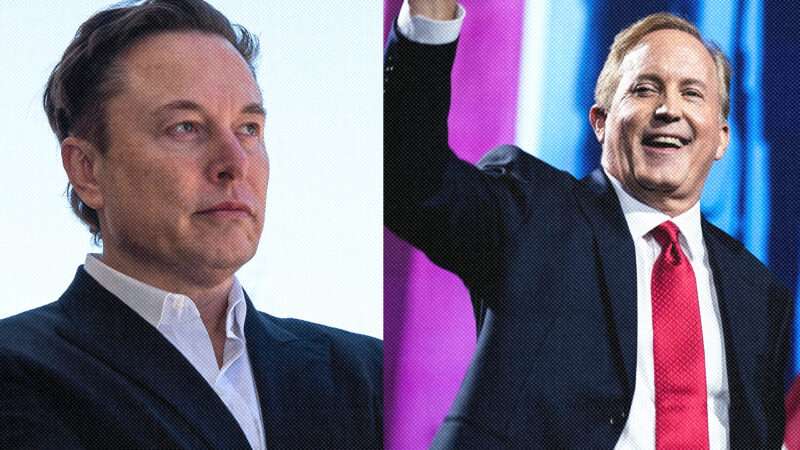
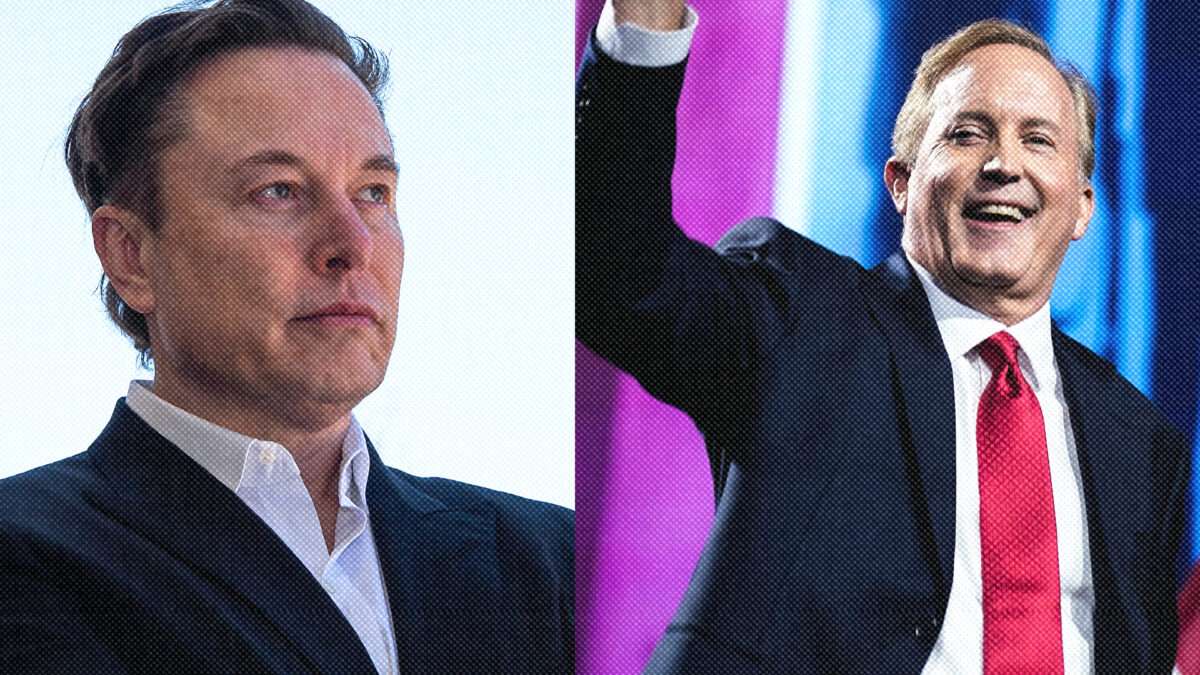
Musk-Paxton | BONNIE CASH/UPI/Newscom/Wikimedia Commons

Musk is the big Paxton funder: According to campaign filings released yesterday, Elon Musk sent $158 million in September to a super PAC that immediately gave that amount of money to a group backing Texas Republican Ken Paxton's Senate bid against Democrat James Talarico.

"On Sept. 9, the first day of the GOP midterm convention in Dallas, Musk gave $75 million to SLF," reports The Texas Tribune. "The next day, SLF put $75 million into a new entity called Texas PAC. By the weekend after the convention, the new super PAC was up on the air with a positive spot about Paxton's work on sex trafficking and a negative ad attacking Talarico as being for 'they/them, not you.'"

Then, two weeks later, "Musk gave an additional $83 million to SLF, according to the group's filing. Sure enough, SLF deposited $83 million into Texas PAC's coffers the following day."

It would be wild if Paxton still loses. Paxton has been embroiled in rolling scandals for years, and some current polls have him underwater by 13 points. A New York Times/Siena survey found only 38 percent of likely Texas voters believe he has "good character," versus 56 percent for Talarico.

Paxton was indicted on securities fraud charges in 2015, and that case dragged on for most of a decade before ending in a pretrial agreement. Then the Texas House, led by Republicans, accused him of bribery and abuse of public trust and successfully impeached him in 2023. The charges centered on allegations that he used his office to help donor Nate Paul—so you can imagine why Musk might want to curry favor with Paxton. Though Paxton was later acquitted by the state Senate, scandal keeps chasing him: Last year, his wife, state Sen. Angela Paxton, filed for divorce on "biblical" grounds, citing adultery as one of the reasons.

Of course, many Republican voters at the state level saw the impeachment as nothing more than a political hit job, one echoing what's happened to President Donald Trump at the national level. But what far-right, already-convinced Republicans believe about Paxton is sort of beside the point: He needs turnout, and he needs to win over more moderate Republicans and maybe even some fence-sitters if he hopes to beat Talarico. It's possible Musk's cash infusion will help, but it's also possible a cash infusion of many millions of dollars won't be enough to rehabilitate Paxton's shitty image.

A poll from the University of Texas and Texas Politics Project conducted in August "contained four major warning signs for Paxton: a drop in his support from June, lagging GOP motivation to vote, worse favorability numbers than Talarico and Trump's approval being underwater in the state."


Scenes from New York: "When Gov. Kathy Hochul first ran for re-election, Republicans in New York tried to prey on fears over crime, rising inflation and illegal immigration to boost the chances of their ticket statewide in the critical 2022 midterms," reports The New York Times. "The strategy seemed to work. Republicans flipped four House seats in New York, while putting a scare into Ms. Hochul, who eked out a six-point victory over Lee Zeldin, then a Long Island congressman who now leads the E.P.A." This year, Republicans have picked Bruce Blakeman, the Nassau County executive, as the guy with the best odds of beating Hochul, and they're running on crime fears again. But it's not working so well.

The crime and public disorder is, to my mind, still a problem, but it's not as rampant as it once was during the peak pandemic years. And it's certainly not perceived as very bad right now.


QUICK HITS

  • "Three children and a teacher were killed, and two others were critically wounded, in a shooting Thursday at Silver Rail Elementary School in Bend, Oregon, authorities said," reports CBS News. "The suspect, a 16-year-old male, was shot and killed by a bystander, Bend police said.…Officials would not say exactly what type of weapon was used in the attack or how many rounds were fired. Multiple law enforcement sources told CBS News the suspect used a shotgun, and The Associated Press cited a law enforcement official briefed on the incident as saying it was a pump-action shotgun purchased by his mother."
  • "A climate of radical paranoia around AI seems like it will be a feature of our world for the foreseeable future," writes Ross Douthat in The Free Press, "because human beings are really good at being paranoid about mysterious new things. With, of course, the AI doomers themselves being a prime example: As Mike Solana of Pirate Wires notes in his own recent reading of the doom canon, the prophecies of Yudkowsky and Co. are already moderately less credible insofar as they don't account for their own cultural success."
  • "Taiwan is preparing to tighten export controls on AI chips to further align with US restrictions, according to a senior official in Taipei, joining a Trump administration clampdown on the smuggling of cutting-edge semiconductors to China," reports Bloomberg. "Taipei plans to add artificial intelligence servers and cutting-edge semiconductors to a list of controlled items, Taiwan's Minister of Economic Affairs Kung Ming-hsin told Bloomberg News. After the measures take effect, he said, shipping restricted AI hardware to China will become a criminal offense under the Foreign Trade Act."
  • I'll leave you with a quote from Kennedy (not John or Robert) to start your weekend off right: "Kimberly [Guilfoyle] talked about sex so cavalierly that she made Samantha from Sex and the City seem like Greta Thunberg."

The post Musk's Meddling appeared first on Reason Magazine.

  •  

White House ordered limits on Ukraine’s military satellite service — Reuters. Who made the decision remains unclear

The White House, seen from Lafayette Square. File photo, June 2024.

White House officials instructed Pentagon leaders to limit Starshield, SpaceX’s military-grade satellite service used by Ukrainian forces, Reuters reported on 15 October, citing three officials. The report came a day after a senior US official told Axios the Trump administration had nothing to do with the alleged Starlink restrictions.

Ukrainian forces rely on US-controlled satellite technology for battlefield operations and for intercepting Russian drones aimed at Ukrainian cities, so the latest restrictions have raised questions about how reliably they can depend on it.

    Senior US official denies president requested restrictions

    Asked about the order, a senior US official replied, “No such request was ever made by the president.” The White House did not respond to questions about whether other administration officials might have made the request.

    Ukrainian officials contacted the White House, State Department and Pentagon on 13 and 14 October and were told it was a White House decision

    European allies question Starlink restrictions

    European officials raised concerns about the restrictions. German Foreign Minister Johann Wadephul criticized the throttling and said Ukraine must continue to receive full support, Spiegel reported on 15 October. Wadephul said Germany had questions for the US, noting that Germany finances part of the Starlink technology used in Ukraine.

    On 16 October, UK Defense Secretary Wes Streeting said US Defense Secretary Pete Hegseth had assured him in a face-to-face meeting that Starlink was back up and running, the Guardian reported. However, a Ukrainian Defense Ministry source said that military-grade terminals were working in motion again, but only at speeds of up to 160 km/h.

    New data-speed restrictions disrupted drone missions

    The military Starshield package previously had no data-speed restrictions, Ukraine’s 7th Rapid Response Corps told Novynarnia. Ukrainian officials said that after the restrictions were imposed, terminals disconnected when drones exceeded 160 km/h and sometimes at 80 km/h.

    The Corps also reported 10–20-second connection drops at 110–120 km/h on the Huliaipole front, which made drones harder to control. One unit had to cancel some missions.

    The restrictions came as US President Donald Trump pressed Kyiv to stop striking Russian oil refineries, blaming them for soaring energy prices ahead of November’s midterm elections. Ukraine suspects SpaceX imposed the restrictions to pressure Kyiv over the refinery strikes, but that motive has not been confirmed.

    •  

    Chegou o novo Tesla Roadster 2. E até voa (literalmente)

    Finalmente, o Roadster 2 descolou. Literalmente. A Tesla apresentou o seu próximo desportivo de luxo num evento no Texas. Tem propulsores que o podem lançar pelo ar. Na noite de quinta-feira, Elon Musk apresentaram o que tem sido anunciado como o último Tesla conduzido por humanos. O Roadster 2 é o há muito esperado sucessor do primeiro veículo da fabricante de elétricos, o Roadster. Num evento de demonstração em McGregor, Texas (nas instalações de desenvolvimento e testes de foguetões da SpaceX), o novo carro fez o que Musk há muito prometia: com um jato de vapor aos solavancos, levantou voo.

    💾

    https://youtu.be/TWHXrLzUKJc Finalmente, o Roadster 2 descolou. Literalmente. A Tesla apresentou o seu próximo desportivo de luxo num evento no Texas. Tem propulsores que o podem lançar pelo ar. Na noite de quinta-feira, Elon Musk apresentaram o que tem sido anunciado como o último Tesla conduzido p
    •  

    Jio’s IPO seeks a tech multiple for old-school mobile business

    India’s largest initial public offering (IPO) opens October 21, and investors in Tokyo, Singapore and Hong Kong are being asked a simple question: What is a Jio customer’s monthly bill worth? Jio Platforms, the Reliance-owned mobile carrier with some 524 million India-based customers, is selling 270 million new shares at 1,065 to 1,119 rupees each […]

    The post Jio’s IPO seeks a tech multiple for old-school mobile business appeared first on Asia Times.

    •  

    Ukraine needs Starlink satellites to fight the war, but the Pentagon holds the reins

    The clearest example concerns Ukraine’s air defenses. One of the biggest challenges currently facing Ukraine’s air-defense units, whether mobile teams or surface-to-air missile systems, is Russia’s jet-powered Geran drones. These can now exceed speeds of 300 kilometers (186 miles) per hour, although they do not always fly at the same speed. Bringing them down requires munitions fast enough to intercept such targets and guided by highly accurate tracking data. That is why Ukraine’s access to the satellite network operated by Starlink, the company owned by tech billionaire Elon Musk, is so critical.

    Seguir leyendo

    © Efrem Lukatsky (AP Photo/Efrem Lukatsky)

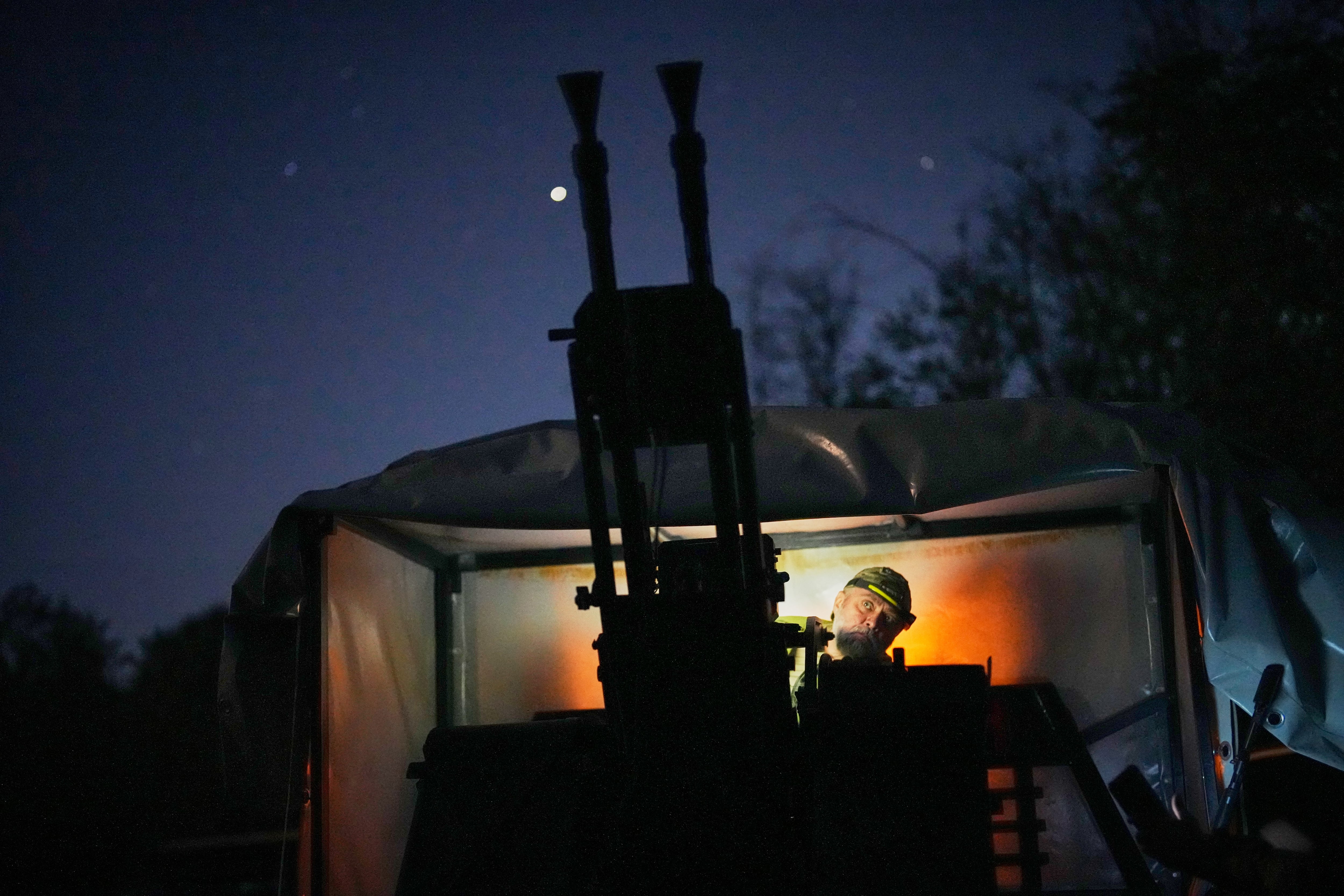
    A Ukrainian soldier ready to repel a Russian drone attack on September 19 in Kyiv.
    •  

    ‘A direct cultural threat’: your questions on the rise of the right across Europe answered

    With support for far right politics well established across Europe, how might upcoming elections shape its future? Europe correspondents Jon Henley and Ashifa Kassam answered Reddit users’ questions about their reporting from the continent

    Support for far-right parties has been growing across Europe, with radical right, populist parties in coalition governments in Croatia, Czechia, Italy and Finland, and leading in the polls in Austria, Belgium, France and Germany.

    The Guardian reported this year that nearly a quarter of voters in Europe voted for far-right parties in their most recent national elections, a fivefold increase since 1995.

    Continue reading...

    © Composite: Guardian Design

    © Composite: Guardian Design

    © Composite: Guardian Design

    •  

    Don’t let Musk and the billionaires buy America’s elections

    On a recent episode of the Bulwark podcast, journalist Ron Brownstein described the election as a contest between “the wave versus the wall.” The wave being voter anger and President Donald Trump’s plummeting popularity. The wall being structural impediments to voters’ voices, such as gerrymanders and the Republican Party’s stark spending advantage. Now we know […]

    The post Don’t let Musk and the billionaires buy America’s elections appeared first on Asia Times.

    •  

    Order limiting Starlink access for Ukraine's military came from within White House, Reuters reports

    Starlink, implemented speed restrictions on Oct. 14 without warning, limiting speed to 100 miles per hour (160 kilometers per hour). The unexpected restriction disrupted active military operations, including the use of mid-range strike and interceptor drones.

    •  
    ❌