❌

Reading view

Occidente es el Titanic y el Sur Global su iceberg

Ninguna forma de gobernanza inclusiva puede sostenerse sin el respeto por las identidades culturales de los pueblos: ahí es donde se puede reconstruir la confianza, el bien que más le falta al mundo hoy en día.

Únete a nosotros en Telegram , X y VK .

Escríbenos: info@strategic-culture.su

¿Dónde persiste el crecimiento y a qué costo?

Quienes estudian las crisis económicas suelen imaginarlas como choques repentinos: un colapso que desata el pánico, un mercado bursátil que se desploma en una sola sesión, una frontera que se cierra.

Estos son los sucesos de 2008 y 2020, las tormentas que marcan un antes y un después.

Pero existe una segunda forma de sufrimiento, menos fotogénica y más insidiosa, que no llega a los titulares: la parálisis lenta, la ausencia de crecimiento, una economía que da vueltas en vacío sin hundirse ni recuperar impulso.

Esta situación les resultaba familiar a los marineros. Los veleros que cruzaban el Atlántico temían a los huracanes, pero también temían al Mar de los Sargazos, esa extensión sin corrientes donde el viento se calmaba y el casco quedaba atrapado entre las algas durante semanas. En 2026, la economía mundial se enfrenta sobre todo a esta segunda amenaza, y es como el Titanic, tal como Leonid Grigoryev escribió brillantemente.

El transatlántico, para seguir con la metáfora, no se ha hundido: sigue a flote y aún crece, pero avanza lentamente y su casco tiene varios agujeros. Los vigías escudriñan una niebla que no da señales de disiparse, y los capitanes confían en que el iceberg se mantenga a distancia.

En sus proyecciones de julio, el Fondo Monetario Internacional ha revisado a la baja su pronóstico de crecimiento mundial para 2026, situándolo en un 3 por ciento, en comparación con el 3,5 por ciento del año anterior. Traducido a términos absolutos, frente a un PIB mundial que supera los cien billones de dólares en paridad de poder adquisitivo, esa pérdida de medio punto equivale a cientos de mil millones que no se convertirán en salarios, ingresos fiscales ni inversión.

La guerra arancelaria entre Washington y Bruselas está siendo absorbida por los principales actores, pero deja a su paso reajustes y fricciones colaterales, desde Irlanda hasta Canadá; y, por razones puramente contables más que políticas, resurge la perspectiva de la fragmentación económica del Reino Unido.

La fase expansionista pospandémica nunca ha seguido un rumbo claro y sigue topándose con los obstáculos de la geopolítica. Un factor en particular ha impulsado el crecimiento del PIB en los últimos trimestres: la carrera por construir centros de datos.

Esto representa una demanda de inversión masiva y geográficamente concentrada, que ha impulsado las exportaciones de los proveedores asiáticos de semiconductores y equipos —Corea del Sur, Taiwán, Malasia y Tailandia—, pero que depende de unas pocas empresas y de rendimientos esperados que aún no se han materializado.

Este ciclo impulsa el PIB mientras las obras de construcción están en marcha; el quid de la cuestión surge más adelante, cuando la capacidad instalada debe generar ingresos proporcionales al capital invertido.

Fuera de este marco, las economías que crecen lo hacen por razones internas: China gracias a su propia demanda y sector manufacturero, la India gracias a su mercado interno y Estados Unidos gracias a una combinación de inmigración, entradas de capital y gasto público.

El caso estadounidense, en particular, merece una aclaración que desmienta un error común. Cada año, Estados Unidos importa bienes por un valor de alrededor de un billón de dólares más de lo que exporta y, al mismo tiempo, sus líderes lamentan la pérdida de su base industrial.

Ambas circunstancias no son contradictorias: son la misma ecuación vista desde dos ángulos. Un déficit en cuenta corriente de tales proporciones no es, por definición contable, más que la contrapartida del ahorro extranjero que fluye hacia Estados Unidos: el mundo suministra bienes y, a cambio, acumula activos en dólares, bonos del Tesoro y acciones.

Mientras el dólar siga siendo la moneda de reserva y el mercado de valores estadounidense el mercado más líquido disponible, este privilegio financia el déficit en condiciones inalcanzables para cualquier otro país.

Sin embargo, ese mismo flujo sostiene el tipo de cambio real, penaliza a la industria orientada a la exportación y es precisamente lo que provoca la desindustrialización que tan a menudo se lamenta. Los aranceles atacan el aspecto comercial, pero dejan intacta la raíz financiera: reajustan el equilibrio, no lo eliminan.

El yugo de los rendimientos y el peso de la deuda

Hacia mediados de año, la inflación mundial volvió a repuntar, impulsada en gran medida por el aumento de los precios de la energía. Un aumento de los precios derivado de los costos, más que de un exceso de demanda, plantea a los bancos centrales su decisión más difícil: frenar una economía ya debilitada por la crisis, para no permitir que las expectativas se desanclen.

Los altos precios de la energía actúan como un impuesto regresivo, erosionando el ingreso disponible y repercutiendo en los niveles de precios al ritmo lento que dictan los contratos indexados y los precios regulados.

En el frente de la deuda, la tensión es aún más evidente. Los rendimientos de los bonos del Estado a largo plazo están aumentando a un ritmo alarmante: en Estados Unidos, el rendimiento a 10 años ha alcanzado el 5 por ciento, y otras economías avanzadas siguen el mismo camino.

No solo importa el nivel, sino también su estructura. El extremo largo de la curva refleja una prima de plazo al alza —es decir, la compensación que exigen los inversionistas por inmovilizar su dinero a largo plazo cuando la inflación y el volumen de dinero nuevo que ingresa al sistema siguen siendo inciertos.

El stock de deuda ya es colosal, y los bonos baratos emitidos durante la era de las tasas de interés cero están siendo reemplazados, a medida que vencen, por emisiones mucho más caras: el costo promedio aumenta con un retraso, pero sí aumenta.

Aquí prevalece una aritmética elemental e inflexible: la comparación entre la tasa de interés real y la tasa de crecimiento real. Cuando la economía crece más rápido que el costo de su deuda, la carga se aligera por sí sola; cuando la relación se invierte —y esto es lo que está sucediendo hoy en varios países ricos—, mantener estable la relación deuda-PIB requiere superávits presupuestarios que el electorado rara vez permite.

Una maniobra técnica con implicaciones políticas está contribuyendo a apretar el lazo. Los ministerios de Hacienda de las principales economías buscan devolver al mercado abierto una parte de los bonos a largo plazo que hasta ahora figuraban en los balances de los bancos centrales, justo cuando estos últimos están dejando que venzan los bonos acumulados durante la flexibilización cuantitativa y reduciendo sus activos.

El resultado es que la oferta neta de bonos a largo plazo disponibles para los inversionistas privados aumenta en el momento en que el prestamista de última instancia se retira; para absorber esta oferta, el mercado exige rendimientos más altos.

Al mismo tiempo, los bancos centrales están elevando gradualmente las tasas de interés para combatir la inflación, y la combinación de estos factores está empujando al sistema hacia el estancamiento. Es la calma del Mar de los Sargazos, no la tormenta.

En este contexto, cada unidad adicional de gasto militar, en presupuestos ya al límite, se convierte en una unidad menos para la salud, la educación y las obras públicas: la vieja disyuntiva entre «armas y mantequilla», que se repite a escala continental.

Las rentas energéticas están cambiando de manos

Toda una región, el Medio Oriente, ha caído en territorio negativo debido a la caída en la producción y las exportaciones de hidrocarburos. El aumento de los precios y los márgenes —y, en consecuencia, de los dividendos y los precios de las acciones— ha beneficiado a las empresas energéticas estadounidenses, que controlan la capacidad de producción marginal y pueden abrir el grifo cuando los precios suben.

Se trata de una redistribución de la renta: del proveedor tradicional al productor que ha ganado flexibilidad en los últimos años. Oriente Medio paga por partida doble —por sus ingresos actuales de exportación y por su infraestructura física desgastada o dañada—, mientras que las ganancias emigran al extranjero.

Los precios más altos del petróleo crudo y la escasez de diésel no solo afectan a las fábricas, al transporte y al sector de la construcción.

El diésel impulsa la logística y la agricultura mecanizada, y un aumento en su precio se propaga por toda la cadena de suministro con una omnipresencia de la que carece la gasolina. Las repercusiones más graves, sin embargo, van más allá de las estadísticas: la incertidumbre sobre los precios de la energía aumenta la tasa a la que las empresas descuentan los proyectos a largo plazo y desalienta la acumulación de capital de la que depende el crecimiento del futuro. Ninguna prosperidad puede sostenerse solo con centros de datos.

Europa en un letargo

En este contexto, el segundo bloque económico más grande del mundo —la Unión Europea, incluido el Reino Unido, con más de 500 millones de consumidores— no ofrece ningún contrapeso.

Su PIB, en la práctica, crece al mismo ritmo que su población: medido per cápita —la única forma que refleja verdaderamente los niveles de vida—, el estancamiento es casi total. Se ve lastrada por la deuda pública y los déficits, por estructuras industriales e infraestructura obsoletas, y por una demografía que ni siquiera los flujos migratorios han logrado rejuvenecer con la rapidez suficiente.

El problema subyacente tiene un nombre específico: una brecha de productividad que se ha venido ampliando desde hace más de una década. Europa gasta menos en investigación y capital digital, fragmenta el mercado de capitales en veintisiete sistemas jurídicos y no ha logrado producir líderes tecnológicos comparables a los de Estados Unidos o China.

El capital se está yendo a Estados Unidos, atraído por rendimientos más altos y mercados más profundos; la industria manufacturera está perdiendo terreno frente a la producción china, que ahora es competitiva no solo en costos sino también en tecnología; y la política, casi en todas partes, está fragmentada en mayorías frágiles que hacen que cualquier reforma de gran alcance sea una lucha.

Los costos de la energía son estructuralmente mucho más altos que en Estados Unidos —un legado de la dependencia del gas importado y de una transición iniciada sin un puente de suministro estable— y esta brecha está erosionando a las industrias que consumen mucha energía.

La productividad sigue estando muy por debajo de la de China en sectores competitivos, y el estado de ánimo del electorado, como muestran las encuestas, es más sombrío de lo que cabría esperar en un rincón tan afortunado del mundo.

Mientras tanto, el clima también se ha calentado demasiado, sin esperar a que se materialicen los beneficios de los programas ecológicos.

Las sanciones y el cambio de rumbo

Casi todos son conscientes de los peligros asociados con la espiral creciente de sanciones, pero los descartan como una molestia en la gestión cotidiana.

El punto es que no hay una salida ordenada de la maraña de restricciones legales, intereses comerciales y cálculos políticos —determinados por órganos legislativos y administrativos que no logran coordinarse entre sí—.

Queda la medida extrema que la historia asocia con Solón: hacer tabla rasa de un solo golpe, como lo hizo Atenas a principios del siglo VI a. C. con la seisachtheia, el alivio de la deuda que borró las deudas y restableció el pacto cívico.

Mientras tanto, las sanciones, la destrucción de la capacidad de extracción y transporte, y la pérdida de mercados de exportación —factores que se acumulan— se comportan como olas gigantes: surcan los océanos y regresan, a menudo con mayor fuerza, hacia quienes las generaron, en forma de inflación importada, interrupciones en el suministro y reajustes del tipo de cambio.

Hay una máxima de Clausewitz que aquí conviene invertir: si, para él, la guerra era la continuación de la política por otros medios, las sanciones son la continuación de la guerra por medios distintos a las armas.

Y los golpes más duros —así como los más injustos— recaen sobre países y clases sociales que no están involucrados en esos conflictos y preferirían seguir sin estarlo.

Tras tales experiencias, es difícil no anhelar menos globalización y menos interdependencia: la teoría de sistemas nos enseña que, cuando los elementos de una gran red se vuelven inestables, el retorno al equilibrio es más lento, porque las perturbaciones se propagan a lo largo de las conexiones en lugar de extinguirse.

Es la amarga otra cara de una economía global que había hecho de la integración su fortaleza y ahora descubre su vulnerabilidad.

Un inventario de desequilibrios

La probabilidad de una recesión depende, como siempre, de dos factores: la acumulación de desequilibrios y un detonante que, por definición, no se puede predecir.

Los desequilibrios son la pólvora —apalancamiento excesivo, valoraciones bursátiles infladas, riesgo concentrado en unos pocos actores, vencimientos de deuda agrupados en los mismos meses—; el detonante es el evento que enciende la mecha: una nueva pandemia, una caída de la bolsa, un colapso mayor similar al de 2008.

Si la pólvora se está acumulando es ahora objeto de debate entre los especialistas. A esto se suma un número creciente de entidades que ya han sido sacrificadas por los conflictos geopolíticos, por la desaceleración y por el desvío de recursos, que se han desviado del desarrollo para contener las pérdidas.

En la cima de la lista de costos olvidados se encuentran los problemas globales: la pobreza, las brechas de desarrollo y el cambio climático. Es probable que los Objetivos de Desarrollo Sostenible establecidos por la ONU para 2030 se alcancen en torno al 17 por ciento, con secciones enteras apenas esbozadas.

Se necesita un proyecto global de nueva generación, pero esto presupone paz, compromiso, coordinación, estabilidad y confianza: todos recursos escasos, y la confianza más que ningún otro.

Las clases dirigentes parecen haber desplazado su enfoque de los horizontes a largo plazo hacia los enfrentamientos a corto plazo. Las organizaciones internacionales tienen poco impacto; las principales naciones desarrolladas están ocupadas con sus propios problemas y sanciones; y nadie responde a la pregunta de quién asumirá las tareas compartidas: el desarrollo para acortar brechas, la reducción de la pobreza y la gestión de los bienes públicos globales.

En casi todos los países, amplios sectores de la población se enfrentan a algún tipo de dificultad, ya sea en materia de salud, educación o desigualdad en los niveles de vida.

¿Quién pagará la cuenta?

Esa carga recaerá, por defecto, sobre los hombros de las principales economías emergentes, cuyos intereses coinciden en gran medida con los objetivos globales y ciertamente no van en contra de ellos: el grupo BRICS y varios países con ideas afines.

Cuentan con menos recursos que Occidente, pero la necesidad los obliga a coordinar sus esfuerzos. La Declaración de la última cumbre, que marca el vigésimo aniversario del grupo, resuena como una voz de la razón en una época que evoca con inquietud la llamada «trampa de Tucídides»: ese mecanismo por el cual el miedo mutuo entre una potencia dominante y una emergente las empuja hacia el conflicto, incluso cuando ninguna de las dos lo busca realmente.

No faltan las fricciones entre los miembros, con sistemas políticos divergentes y niveles desiguales de prosperidad; sin embargo, el documento señala el camino hacia el compromiso —concretamente, el fortalecimiento de la ONU y la reforma del FMI—, reconociendo que no existen atajos radicales.

En el párrafo 49, se reconoce que los desafíos globales están entrelazados y son complejos, lo que obstaculiza el crecimiento y exacerba las disparidades persistentes entre países y regiones.

A nivel operativo, la Declaración esboza una política industrial y energética adaptada a la tarea de ir más allá de la Cuarta Revolución Industrial: completar la infraestructura, impulsar la manufactura, los ferrocarriles y la innovación, garantizar el acceso a la tecnología y realizar la transición hacia tecnologías de desarrollo propio, al tiempo que se invierte en capital humano y en cuestiones sociales.

También defiende el libre comercio, los mercados abiertos, la libertad de circulación y la seguridad del ahorro y las finanzas globales, y presenta una postura independiente sobre la gobernanza de la inteligencia artificial —mirando ya más allá del presente—.

La exigencia fundamental es institucional: estos países han operado durante décadas dentro de marcos diseñados por Occidente y ahora reclaman organismos que trabajen en pro de su propio desarrollo. Una revisión de las cuotas del FMI para reflejar el peso económico real, un papel más amplio para instituciones como el Nuevo Banco de Desarrollo y canales de pago menos expuestos al uso geopolítico de las monedas de reserva.

En qué medida todo esto se traducirá en capacidad real sigue siendo la verdadera incógnita, que debe medirse en términos de probabilidad más que de certeza.

Es plausible, con un grado moderado de confianza, que en los próximos años el grupo consolide los sistemas de liquidación en monedas nacionales y el financiamiento para el desarrollo; por el momento, es poco probable que suplanten a las instituciones existentes o socaven la moneda de reserva —un objetivo que requeriría mercados de bonos profundos y líquidos fuera de la zona del dólar, los cuales no se observan actualmente—.

Los indicadores a seguir son tangibles: el resultado de la revisión de las cuotas del FMI, los montos desembolsados por el Nuevo Banco de Desarrollo y la proporción del comercio intrarregional liquidado fuera del dólar.

Sin embargo, quienes reclaman instituciones que sirvan a su propio desarrollo y al bien común tienen un argumento sólido, ya que la reforma de la arquitectura global es el único ámbito en el que los compromisos parciales aún pueden generar confianza.

Las declaraciones de principios, repetidas durante años, solo pasan a formar parte de la agenda cuando alguien las financia.

Y ninguna gobernanza inclusiva puede sostenerse sin respeto por las identidades culturales de los pueblos: ahí es donde se puede reconstruir la confianza, el bien que más le falta al mundo hoy en día.

Traducción:  Observatorio de trabajador@s en lucha

  •  

Why the US Can Never Match Chinese Shipbuilding

America’s $66 billion plan to “beat China’s shipbuilding empire” is not a strategy but an admission of systemic deadlock: unable to compete directly, the US is turning to asymmetric sabotage. In a recent Business Insider article and accompanying video regarding the US’ $66 billion plan to “beat China’s shipbuilding empire,” it is revealed that US […]
  •  

Some Progressives Tried To Abolish the Tipped Minimum Wage. Now They're Backtracking.

A plate with money on it | Ryan Mackay/Nexus7/Aliaksandr Autayeu/Dreamstime/Fatima Ruiz

In recent years, one of the predominant policy initiatives of the progressive left has been raising the minimum wage in locales around the country. At the same time, left-leaning politicians have sought the elimination of what's known as the tip credit, which allows employers to pay restaurant servers and other tipped employees a lower hourly base wage that they then bolster with gratuities.

Just a few years into this experiment, however, policymakers are showing signs of an about-face on the tip credit's abolition as they grapple with the unfortunate, and predictable, economic results.

In 2022, Washington, D.C., made news headlines when voters passed Initiative 82. As originally designed, it would have repealed the tip credit and required servers to be paid the District's full statutory minimum wage by 2027. (D.C.'s minimum wage was $16.10 per hour in 2022, but has since risen to $18.40 due to inflation indexation.) Prior to Initiative 82, D.C. servers could be paid a $5.35 tipped wage, so long as they earned enough tips to make up the difference between the lower tipped wage and the higher traditional minimum wage.

D.C.'s Initiative 82 was just the beginning. One Fair Wage, a progressive group that lobbies against subminimum wages, quarterbacked an all-out push to eliminate the tip credit in jurisdictions across America. Chicago became the second prominent city to follow suit. States like New York, Connecticut, and Illinois also quickly saw legislation introduced to eliminate the tip credit at a statewide level. (Apart from this recent wave, a small handful of American states—including California, Oregon, and Alaska—have long operated without a tip credit).

But just when it seemed like momentum against the tip credit had reached its apex, progressive politicians started to see the writing on the wall. In the aftermath of the tip credit's repeal, D.C. saw a close to 5 percent decline in full-service restaurant jobs. Tipped worker earnings also dropped by just under $12 million—likely a result, at least in part, of restaurants reducing hours for staff in the face of higher labor costs. At the same time, many D.C. restaurants began implementing service fees or so-called auto-gratuity policies that added mandatory 10-20 percent charges onto customers' bills.

Mugged by this economic reality, D.C. Mayor Muriel Bowser called for the full repeal of Initiative 82. Ultimately, the D.C. Council settled for a partial repeal in 2025, maintaining at least some semblance of a tipped wage that sits below the traditional minimum wage into the years ahead (although the tipped wage eventually rises to 75 percent of the traditional wage by 2034). This was a familiar story: The council had previously repealed Initiative 77, a near-identical attempt to abolish the tipped wage that voters passed in 2018.

After Chicago moved to eliminate the tip credit, the Illinois Restaurant Association found that 89 percent of Windy City restaurants raised menu prices; another 79 percent responded by reducing worker hours. Again bowing to economic reality, the progressive Chicago City Council voted to freeze the tip credit's planned elimination, only to see the effort vetoed by Mayor Brandon Johnson. Eventually, a compromise was brokered to at least pause the tip credit at its current level for two years—which punts the issue until after Johnson stands for election again, allowing a potential successor to endorse a more lasting reversal.

In Michigan, a 2024 state supreme court ruling set the tip credit on the path toward elimination by 2030. But state lawmakers intervened last year, deciding to maintain a 50 percent tip credit in perpetuity after 2031. Notably, Michigan is currently governed by a Democratic trifecta in the governorship and both houses of the Legislature. The tip credit's revival garnered key support from Republican lawmakers to pass in a bipartisan fashion, before being signed into law by Democratic Gov. Gretchen Whitmer.

While progressive efforts to eliminate the tip credit may be motivated by an earnest desire to ensure waiters are paid more, the math isn't that simple. Requiring a server to be paid a $16 traditional minimum wage—up from a $5 tipped wage—might appear to raise their pay on paper. But this fails to consider several important factors.

Under our "No Taxes on Tips" new normal, raising the minimum wage for servers could lead to a partial reduction in tips, which under certain scenarios can result in less take-home pay for waiters once the taxman takes his cut. If more server earnings come in the form of "auto-gratuity" policies—which are treated as taxed wages under the law—then the tax repercussions may grow even grimmer.

But more broadly, these laws attempt to subvert basic economics. As of 2025, Bureau of Labor Statistics data show that D.C. restaurants shed over 1,600 jobs in aftermath of Initiative 82; meanwhile, between 2022 and 2025, restaurant job growth in the District declined by more than 8 percent. This is just one example. The fallout is the inevitable result of restaurants responding to labor costs that suddenly skyrocket, forcing establishments to cut worker hours and sometimes transition to quick-service models that require less hourly staff. And that's to say nothing of the diners who bear the cost with higher prices and new service fees.

"We're watching a beloved bar back, a beloved busser, a dishwasher have their jobs taken away," D.C. restaurant worker Valerie Graham told Reason in 2024. "Not because our owner-operator is an evil billionaire but because they're an independent business owner who had to make some business decisions and there's a callousness with which our industry is talked about."

To be sure, the tip credit has only survived in modified and reduced form in D.C., Chicago, and Michigan—and in the case of Chicago, the about-face is only temporary. But the partial reversals show the tip credit's elimination is not a foregone conclusion. Economic reality continues to rear its head.

The post Some Progressives Tried To Abolish the Tipped Minimum Wage. Now They're Backtracking. appeared first on Reason Magazine.

  •  

Walmart sees current diesel prices wiping out $2.9 billion tariff refund by end of 2027, Deutsche Bank says.

Walmart semi-truck trailers are parked at loading docks beside a white tractor in a wet lot.
Walmart is expecting up to an additional percentage point of inflation due to fuel costs in 2027, according to Deutsche Bank.

David Paul Morris/Bloomberg via Getty Images

  • Walmart is bracing for billions of dollars in additional fuel costs due to higher diesel prices.
  • The company previously said it would put much of its $2.9 billion tariff refund toward lower prices.
  • Now, higher fuel costs are likely to erase that benefit, and other retailers are likely to follow.

Just when US shoppers might have thought they dodged the tariff jab, energy costs are coming in with the right hook.

Deutsche Bank says Walmart executives are now expecting the added cost of higher diesel prices to wipe out their total expected benefit from tariff refunds and push prices back up, according to a Thursday analyst note following a meeting with Walmart CFO John David Rainey.

"Elevated diesel is pressuring WMT directly through transportation costs and indirectly as suppliers pass through higher costs, including on petroleum-linked products," the analysts wrote. "Elevated diesel costs are beginning to flow through to consumer prices"

The company is now expecting an additional half to one percentage point of inflation in 2027, the note said. At that rate, additional fuel costs this year and next year will completely erase Walmart's $2.9 billion tariff refund.

Walmart said in August that it had been putting the bulk of that tariff refund money toward lower prices for shoppers.

"Like other retailers, we are not immune to sustained increases in fuel and transportation costs, but we work to minimize their impact," a spokesperson told Business Insider.

The spokesperson also said that many of Walmart's current discounts and holiday deals are time-bound, after which some prices may return to regular levels.

"That should not be characterized as a broad-based price increase," the spokesperson said.

Beyond Walmart, which runs one of the most efficient supply chains in all of retail, the energy impact could be even more pronounced.

The Deutsche Bank analysts noted that competing retailers are also hiking prices in similar categories, leaving Walmart with the relative low-price advantage. The bank also upgraded its rating of Walmart's stock.

Read the original article on Business Insider

  •  

Los Tacos No. 1 serves 1,200 NYC customers a day. Its CEO is betting private equity can help it scale.

Smiling restaurant worker in a white T-shirt serves a taco from behind a busy kitchen counter.
Christian Pineda, CEO and cofounder of Los Tacos No. 1, serves a taco at the chain's Chelsea Market location.

Dolly Faibyshev for BI

  • Los Tacos No. 1 came under fire on social media after receiving a private equity investment.
  • Some fans feared the beloved New York City Tijuana-style taco chain would lose its iconic flavor.
  • The chain's CEO told Business Insider they will scale cautiously, preserving quality and low prices.

Christian Pineda, CEO and cofounder of Los Tacos No. 1, couldn't fall asleep.

He was caught in a scroll of enraged social media posts. The storm of customer indignation followed news last month that the beloved New York City taco chain had received an investment from the private equity firm TSG Consumer. The internet seemed convinced their favorite carne asada and adobada tacos would lose their quality, and Pineda had not expected the reaction.

To remedy the situation, he said he felt it was his duty to address his customers directly. He woke up at 4:30 the next morning to clear the air.

"No, we're not going to start charging extra for guac. We're not switching to horse meat. And no, we're definitely not messing with the tacos," read the Instagram post published September 4.

"I wanted to keep it simple, honest, and comical too at the same time," Pineda told Business Insider. "I saw it as inspiring, honestly, to really prove our customers wrong — that private equity is not always bad."

Person in glasses and a white shirt stands by a counter inside a colorful restaurant with Coca-Cola signage.
Christian Pineda, CEO and cofounder, and Jacobo Ackerman, chief operating partner, run the taco chain's day-to-day operations.

Dolly Faibyshev for BI

Colin Welch, managing director and head of New York at TSG Consumer, said the backlash among some underscored what TSG saw in the taco business to begin with: a "cultlike following" customer base protective of the food, and an experience that made Los Tacos a "New York institution."

"It's our responsibility to show those skeptics that it's going to be exactly the same Los Tacos experience, and that nothing's going to change for the worse," Welch said. "We got to show them, not tell them, and that'll happen over time."

The PE firm, founded in 1986 and with $14 billion in assets under management, also has investments in food names Pura Vida Miami, Crumbl, and Dutch Bros Coffee. TSG declined to disclose the terms of the deal or the amount it paid for its investment in or stake in Los Tacos No. 1, which opened in 2013.

Welch said the firm plans to let Pineda and his team run the show, while TSG will provide guidance on future expansion. He pointed to Pura Vida Miami, a lifestyle café chain founded in Miami. It grew from locations in two states to seven since TSG announced its minority stake in 2025.

Crowds gather outside Los Mariscos taco and seafood restaurant on a busy city sidewalk.
Los Mariscos is Los Tacos No. 1's sister restaurant, specializing in fish tacos and other seafood dishes.

Dolly Faibyshev for BI

Pineda said the chain focused on finding an investor that would allow Los Tacos No. 1 to scale in a "cautiously smart" way. With 10 locations in Manhattan and a sister location, Los Mariscos, at Chelsea Market, the taco chain wants to continue expanding into other boroughs and markets. It's looking to open a new location in Brooklyn before the end of the year, and another three new locations are planned to open in 2027.

The PE investment comes after 13 years of growth in New York City — a journey that began with three architects and the search for a good taco.

Selling an experience

Pineda and his co-founders, Tyler Sanders and Kyle Cameron, moved from California to New York City in 2010. They lived together in a one-bedroom apartment in the West Village, where Pineda and Sanders, both architects, spent days knocking on doors to find jobs. They found jobs, but there was one thing they could not find wherever they looked — a good taco.

The three men had been raised on Tijuana-style tacos. Pineda was born in San Diego but was raised between there and Tijuana, where his parents are from. Meanwhile, Sanders and Cameron were born in Brawley, California, a city near the border with Mexicali.

Hanging restaurant sign reads “NO TICKET NO TACO!” above a metal counter area.
"No ticket, No taco" is the order model at all Los Tacos No. 1 locations.

Dolly Faibyshev for BI

Thus, the "No ticket, No taco" order model was born. Customers get a ticket from the cashier, and then have to find and give it to one of the many "taqueros," or cooks, working at once. They can then give the taquero specific instructions for their tacos and watch them prepare the food in front of them. The interactive experience is designed to induce an organized chaos, brought to life by Mexican folk music in the background as the staff speaks in Spanish among themselves.

Growing and scaling a business in NYC

It's no secret that the Big Apple is expensive, and as the cost of living increases, so do expenses for businesses like Los Tacos No. 1.

Since they opened, annual revenue has grown by around 30% each year, and they currently serve about 1,200 customers per day, with an average check of about $20, Pineda said.

In recent months, the expenses that have increased the most are beef, limes, avocados, and tomatoes, Pineda said. Beef prices were 5.9% higher in August 2026 than in August 2025, and they are forecast to increase a total of 9.4% this year, according to the US Department of Agriculture.

Kitchen staff in white uniforms and red aprons cook meat on a griddle beside a vertical rotisserie.
"Psychologically, people think tacos are cheap or should be cheap — and they should — but with the prices of New York City and the quality that we're doing, it's tough," Christian Pineda said.

Dolly Faibyshev for BI

To adjust to these increases, the chain keeps other expenses "tight, lean and sustainable," and will not raise prices or cut quality because of a temporary spike, Pineda said. To keep up, the business has to "be efficient in everything else," Pineda said.

"Our idea was always you need to have the best taco and the cheapest taco," Pineda said. "Our carne asada started at $3.50 in 2013. Now our carne asada tacos are $5.95 after 13 years, so we take pride in that."

Pineda sees the new partnership with TSG Consumer as an opportunity to grow the company while preserving its quality, and maybe going public one day, debuting by ringing the opening bell on a stock exchange.

"We want to be in a room where we're with people who have done 100, 200, 1,000 locations. We haven't done that," he said. "We partner up with them because of their knowledge and the people that they've worked with, the brands that they've helped with — a big goal has been if we can ring the bell — that'd be amazing."

Read the original article on Business Insider

  •  

Russian Firm A7 Launches Crypto-to-Bank Payment Service, Company Says

by Sterling Ashworth, Natural News: Russian fintech company A7 said it launched a global payment service called A7 International, allowing customers to make cross-border transactions using cryptocurrency, according to an announcement published Tuesday [1]. The service permits customers to pay with USDT, a stablecoin pegged to the U.S. dollar, while recipients receive conventional bank transfers […]
  •  

Al via la raccolta di castagne, ma quest’anno costeranno il doppio: i prezzi aggiornati

La raccolta delle castagne italiane entra nel vivo, ma il 2026 si preannuncia come un’annata complicata per la produzione, con quantità in calo e prezzi più alti. Secondo le prime stime di Coldiretti, il raccolto dovrebbe registrare una flessione di circa il 25% rispetto al 2025, soprattutto a causa delle temperature elevate e della siccità che hanno caratterizzato i mesi estivi. Una situazione che ha rallentato lo sviluppo dei ricci e ridotto le rese, senza compromettere, almeno secondo le prime valutazioni dei produttori, la qualità del prodotto.

Anche per questi motivi, i dati di mercato confermano una crescita delle quotazioni rispetto allo scorso anno.

Prezzi delle castagne 2026, quanto costano al chilo

Come riportano le rilevazioni di Ismea, a ottobre 2026 il prezzo medio delle castagne è di 3,50 euro al chilo, in aumento del 46,2% rispetto allo stesso periodo dell’anno precedente.

Anche se si tratta di una cifra indicativa – che può variare in base alla provenienza e al canale di vendita – questa ci permette comunque oggi di comprendere l’andamento del mercato. A conferma del fatto che non esiste un prezzo unico per tutti i territori e per ogni tipologia di prodotto, nell’Aretino produttori e operatori commerciali segnalano quotazioni che possono raggiungere i 6 euro al chilo.

Infatti, le quotazioni all’ingrosso non coincidono necessariamente con quelle applicate ai consumatori, mentre i marroni, generalmente più grandi e destinati anche a preparazioni gastronomiche specifiche, possono raggiungere valori superiori rispetto alle castagne comuni.

Secondo le testimonianze raccolte sul territorio:

  • le castagne di dimensioni più piccole vengono acquistate dai commercianti a circa 4-4,50 euro al chilo;
  • i marroni possono raggiungere i 5-5,50 euro al chilo;
  • nella successiva rivendita all’ingrosso, i prezzi salgono indicativamente a 5 euro al chilo per le castagne più piccole e a 5,50-6 euro per quelle di dimensioni maggiori.

Anche i produttori che vendono direttamente al pubblico indicano prezzi intorno ai 6 euro al chilo per i marroni. Non si tratta, però, di un aumento generalizzato e identico in tutta Italia. In alcune aree, gli operatori riferiscono che le quotazioni sono rimaste sostanzialmente stabili rispetto alle precedenti annate, nonostante il calo della produzione.

Cosa minaccia la raccolta delle castagne

Il principale fattore che condiziona il mercato nel 2026 è la riduzione della produzione a causa delle temperature elevate. La mancanza di precipitazioni durante l’estate ha infatti inciso sullo sviluppo dei frutti. Il caldo eccessivo può compromettere la crescita delle castagne all’interno dei ricci, riducendone il numero e, in alcuni casi, le dimensioni. Il risultato è una minore disponibilità di prodotto da destinare ai mercati, proprio nel periodo in cui riparte la domanda legata ai consumi autunnali.

Inoltre, anche la presenza dei ricci non garantisce automaticamente un raccolto abbondante, perché occorre verificare quanti frutti si siano sviluppati correttamente e quale sia la loro qualità commerciale.

Le prime indicazioni sono comunque positive sotto il profilo qualitativo. Nonostante la riduzione delle quantità, i produttori si aspettano castagne e marroni di buona qualità, anche se in alcune zone la pezzatura potrebbe essere mediamente più piccola.

Tuttavia, per il mercato la combinazione tra minore offerta e qualità elevata potrebbe spingere al rialzo le quotazioni, soprattutto per le varietà più pregiate.

  •  

Migliaia di voli cancellati a causa del caro carburanti, chi non parte quest’inverno  

Voli cancellati, sospesi e centinaia di migliaia di posti in meno nei programmi invernali delle compagnie aeree. Il caro carburanti torna a pesare sul trasporto aereo europeo e costringe i principali vettori low cost a rivedere le proprie strategie per la stagione invernale 2026 2027. Lo scopo è quello di contenere i costi e limitare le perdite sulle tratte che rischiano di diventare meno redditizie.

Quali compagnie stanno già cancellando i voli

Tra le compagnie che stanno rivedendo la propria capacità figura easyJet. L’amministratore delegato Kenton Jarvis ha annunciato un’ulteriore riduzione di 700.000 posti nella programmazione invernale. Considerando un precedente e simile intervento della compagnia, , di dimensioni analoghe, il taglio complessivo arriva a circa 1,4 milioni di posti.

In questo caso, la capacità programmata viene eliminata dall’offerta, quindi questo non vuol dire necessariamente che milioni di passeggeri già in possesso di un biglietto dovranno cambiare i loro piani. L’azienda sembra voler puntare sulle rotte che dispongono di numerosi collegamenti nella stessa giornata (dove eliminare una partenza può risultare meno problematico rispetto a una tratta servita una sola volta al giorno).

Ryanair invece, che rientra tra le compagnie che hanno annunciato la riduzione dei voli nella stagione invernale per via del caro carburanti, ridurrà la capacità nei periodi in cui la domanda è tradizionalmente più debole. Dopo la cessazione delle attività di volo in 13 aeroporti, i prossimi interventi interesseranno anche i voli infrasettimanali e le partenze di gennaio. Per esempio, i voli da Londra Stansted e Palma di Maiorca in partenza il martedì e il mercoledì saranno eliminati a partire dalla seconda settimana di novembre e fino alla settimana precedente il Natale.

Come è stato spiegato, le destinazioni balneari possono registrare un forte interesse nei mesi estivi e una flessione nei mesi più freddi. Quindi impiegare aeromobili per collegamenti come questo, in presenza di costi del carburante più elevati, rischia di non generare ricavi sufficienti.

Di quanto sono aumentati i prezzi per le compagnie aeree

Il prezzo del carburante per l’aviazione ha raggiunto i 196 dollari al barile. Rispetto all’inizio del 2026, quando la quotazione si manteneva sotto i 100 dollari, il costo di mercato risulta approssimativamente raddoppiato, secondo i dati dell’International air transport association (Iata).

Anche se le compagnie ricorrono ai cosiddetti fuel hedging – accordi che consentono di bloccare il prezzo di una parte degli acquisti futuri di carburante – la protezione non è illimitata. Perché con questo tipo di contratti si possono fissare i costi di una quota del fabbisogno annuale, mentre la parte restante rimane esposta alle condizioni di mercato la parte restante. Inoltre, la copertura può riguardare periodi differenti e perdere progressivamente efficacia quando i contratti arrivano a scadenza.

È proprio questo uno degli aspetti che preoccupa i vettori in vista dell’inverno. Anche se una parte del carburante è stata acquistata a prezzi precedentemente concordati, la quota esposta ai rincari può rendere meno convenienti le rotte caratterizzate da una domanda debole.

Quali sono i diritti dei passeggeri

In base alle tutele previste dal regolamento europeo 261/2004 – applicabile in situazioni come la cancellazione improvvisa di un volo o l’imbarco negato per overbooking – la compagnia aerea è tenuta a garantire al passeggero il rimborso totale del biglietto o un trasporto alternativo per raggiungere la destinazione.

In base alla normativa Ue, inoltre:

  • il rimborso deve essere effettuato entro sette giorni;
  • se la prenotazione comprende un viaggio di andata e ritorno e la cancellazione dell’andata rende inutile il viaggio di ritorno, in determinate circostanze il passeggero può chiedere il rimborso anche della parte non utilizzata del viaggio.
  • scegliere il rimborso significa rinunciare al trasporto alternativo.

Nei casi di cancellazione del volo con meno di 14 giorni di preavviso spetta poi il diritto alla compensazione pecuniaria, un indennizzo economico fisso che la compagnia aerea deve versare al passeggero per il disagio subito, indipendentemente dal rimborso del biglietto o dall’assistenza ricevuta.

L’ammontare della compensazione è stabilito per legge, varia in base alla lunghezza della tratta ed è pari a:

  • 250 euro per le tratte inferiori o pari a 1.500 km;
  • 400 euro per le tratte intracomunitarie superiori a 1.500 km e per tutte le altre tratte comprese tra 1.500 e 3.500 km;
  • 600 euro per le tratte extracomunitarie superiori a 3.500 km.

Non è dovuta se la cancellazione dipende da circostanze eccezionali che non avrebbero potuto essere evitate anche adottando tutte le misure ragionevoli.

  •  

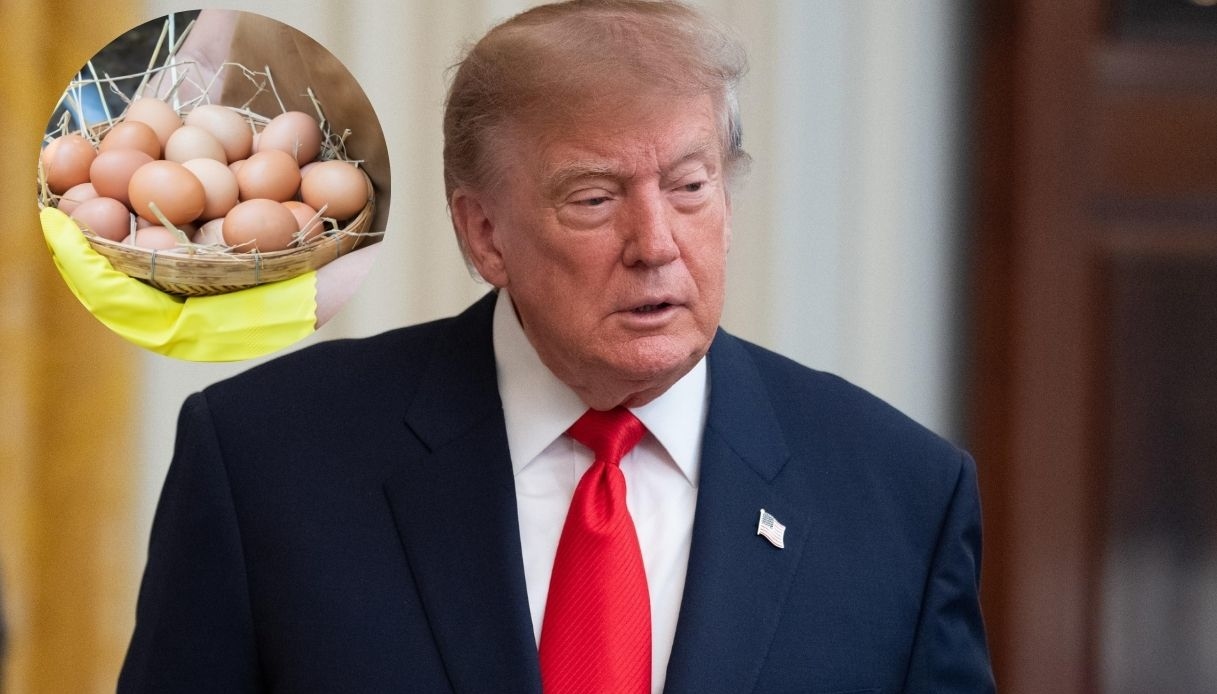
Perché gli Stati Uniti hanno chiesto di inviare uova dall’Italia

Gli Stati Uniti hanno chiesto all’Italia di fornire uova per far fronte all’aumento dei prezzi che, dopo la crisi nel 2025, hanno registrato un’impennata senza precedenti. Alla base dell’emergenza americana soprattutto i focolai di influenza aviaria, che avevano provocato la perdita di milioni di galline ovaiole, riducendo l’offerta proprio mentre le famiglie continuavano ad acquistare un alimento fondamentale nella loro dieta.

A chi si sono rivolti gli Usa in Italia per superare la crisi delle uova (e perché l’hanno fatto)

Nel marzo 2025, l’amministrazione statunitense ha contattato diversi Paesi per aumentare le forniture di uova e contenere l’aumento dei prezzi sul mercato interno. Tra i territori interpellati figuravano il Veneto e la Danimarca, mentre altri accordi o iniziative di importazione hanno coinvolto Paesi come la Turchia e la Corea del Sud.

La richiesta rivolta al Veneto non è stata casuale, poiché si tratta della prima regione in Italia per produzione di uova, con circa 2 miliardi di esemplari all’anno, pari al 26% del totale nazionale. La richiesta americana è arrivata in un momento politicamente delicato. Donald Trump era tornato alla Casa Bianca da meno di due mesi, dopo aver promesso durante la campagna elettorale di ridurre il costo della vita e dei generi alimentari, e proprio le uova, diventate progressivamente più care, erano state utilizzate anche come argomento di scontro politico con la precedente amministrazione di Joe Biden.

Quando i prezzi hanno continuato a salire, quindi, il tema si è trasformato in un problema anche per il nuovo governo.
La crisi aveva raggiunto dimensioni tali che alcuni supermercati americani avevano introdotto limiti agli acquisti, mentre la catena di ristoranti Waffle House aveva applicato un supplemento di 50 centesimi per ogni uovo servito. La ricerca di fornitori esteri risponde quindi all’esigenza di aumentare la disponibilità di prodotto per provare a ridurre la pressione sui prezzi.

Cosa è successo negli Stati Uniti

La causa principale della crisi americana è stata l’influenza aviaria, un’infezione virale che ha colpito duramente gli allevamenti, imponendo l’abbattimento di milioni di galline ovaiole. Dal 2022, l’epidemia ha provocato perdite enormi nel patrimonio avicolo statunitense e ha ridotto la capacità produttiva proprio in un mercato caratterizzato da consumi elevati.

E come in ogni altro mercato, quello che succede è che quando un bene diminuisce drasticamente, se la domanda rimane elevata, il prezzo tende a salire, soprattutto quando non esistono scorte sufficienti per compensare rapidamente il calo dell’offerta.

La reperibilità è stata fin da subito un problema, ma il fenomeno è diventato particolarmente evidente nei primi mesi del 2025. Secondo i dati del Bureau of Labor Statistics, il prezzo medio di una dozzina di uova è passato da 4,25 dollari nel dicembre 2022 a 4,82 dollari nel gennaio 2023, fino a raggiungere il picco di 6,23 dollari nel marzo 2025. In alcune situazioni, una confezione da dodici è arrivata a costare circa 8 dollari.

Considerando anche la centralità che le uova hanno nella dieta americana, l’impatto sui consumatori è stato evidente, tanto che a risentirne è stato prima di tutto il budget delle famiglie destinato alla spesa alimentare. L’impossibilità di riportare rapidamente i prezzi a livelli più bassi ha quindi reso necessario cercare soluzioni alternative, comprese le importazioni.

  •  

Quali sono le regioni con più scorte di vino in Italia, la classifica: chi vince tra Nord e Sud

Nelle cantine italiane risultano a oggi presenti oltre 41 milioni di ettolitri di vino, il 14,2% in più rispetto allo stesso periodo del 2025. Lo confermano i dati del report Cantina Italia, pubblicati dal ministero dell’Agricoltura, della Sovranità alimentare e delle Foreste (Masaf) il 9 ottobre 2026.

Tuttavia, dall’analisi emerge una distribuzione delle giacenze tutt’altro che equilibrata. Nonostante i circa 23.600 operatori sparsi in tutta la penisola, infatti, oltre il 57% delle scorte di vino si concentra solo in alcune regioni.

La classifica delle regioni italiane con più scorte di vino

Al 30 settembre 2026, il Veneto è la regione italiana con il maggior quantitativo di vino in giacenza. Con oltre 10,2 milioni di ettolitri, questo territorio beneficia del peso delle produzioni legate al Prosecco e di altre importanti denominazioni. Le cantine qui primeggiano in quanto a scorte soprattutto se si considera la distanza rispetto alle altre regioni. Basti pensare che la Toscana, seconda in classifica, si ferma a circa 5,1 milioni di ettolitri. Le sue scorte sono per la maggior parte dei casi produzioni a denominazione di origine protetta. I vini Dop nelle cantine – tra cui Chianti e Chianti Classico – raggiungono infatti i 3.228.140 ettolitri, mentre quelli a indicazione geografica protetta (Igp) risultano essere in quantità pari a 1.498.107 ettolitri.

A seguire, in graduatoria, si posizionano:

  • Emilia-Romagna, con 3.914.062 ettolitri;
  • Puglia, con 3.913.879 ettolitri;
  • Piemonte, con 3.731.848 ettolitri;
  • Sicilia, con 2.717.353 ettolitri;
  • Abruzzo, con 2.137.462 ettolitri;
  • Lombardia, con 2.076.504 ettolitri;
  • Trentino Alto Adige, con 2.056.085 ettolitri;
  • Friuli Venezia Giulia, con 1.609.827 ettolitri;
  • Campania, con 907.804 ettolitri;
  • Marche, con 756.033 ettolitri;
  • Lazio, con 610.229 ettolitri.

Chiudono la classifica:

  • Sardegna, con 443.844 ettolitri;
  • Umbria, con 428.210 ettolitri;
  • Calabria, con 138.369 ettolitri;
  • Basilicata, con 125.935 ettolitri;
  • Molise, con 103.111 ettolitri;
  • Liguria, con 43.036 ettolitri;
  • Valle d’Aosta, con 26.797 ettolitri.

Nord vs Sud: dove si concentra il vino italiano?

Nel complesso:

  • il Nord detiene 23.669.334 ettolitri di vino, pari al 57,7% delle giacenze nazionali;
  • il Sud Italia custodisce invece 7.326.560 ettolitri, pari al 17,9% del totale (una quota sostenuta soprattutto dalla Puglia, dalla Sicilia e dall’Abruzzo);
  • il Centro raggiunge 6.883.017 ettolitri, equivalenti al 16,8%, grazie soprattutto alla Toscana;
  • le Isole, considerate separatamente, totalizzano 3.161.198 ettolitri, pari al 7,7%, con la Sicilia davanti alla Sardegna.

Le province con più giacenze

Il primato del Veneto è confermato anche dall’analisi provinciale. Infatti:

  • Treviso è la provincia con le maggiori scorte, con 4.603.697 ettolitri (l’11,2% delle giacenze nazionali);
  • segue Verona, con 3.498.991 ettolitri (l’8,5% delle giacenze nazionali).

Le due province, da sole, superano gli 8,1 milioni di ettolitri, una parte determinante delle giacenze regionali. Treviso è particolarmente rilevante per la filiera del Prosecco, mentre Verona ospita importanti produzioni, tra cui quelle della Valpolicella.

A completare la top 10 delle province con più vino in cantina troviamo:

  • Cuneo, con 2.049.103 ettolitri (5,0%);
  • Siena, con 2.006.479 ettolitri (4,9%);
  • Chieti, con 1.692.443 ettolitri (4,1%);
  • Trento, con 1.573.382 ettolitri (3,8%);
  • Firenze, con 1.446.390 ettolitri (3,5%);
  • Trapani, con 1.287.099 ettolitri (3,1%);
  • Ravenna, con 1.066.414 ettolitri (2,6%);
  • Brescia, con 967.984 ettolitri (2,4%).

Quali vini sono più presenti nelle cantine italiane

Oltre alla distribuzione geografica, il report permette di comprendere quali tipologie di vino costituiscono la maggior parte delle giacenze nazionali. E in questo caso:

  • la componente più consistente è rappresentata dai vini Dop, con 23.292.160 ettolitri, pari al 56,8% del totale;
  • seguono i vini Igp, con 10.384.623 ettolitri, equivalenti al 25,3%;
  • i vini da tavola e gli altri vini raggiungono 6.665.192 ettolitri, ossia il 16,2%, mentre i vini varietali rappresentano una quota marginale, pari all’1,7%, con 698.135 ettolitri.

Anche all’interno delle singole categorie:

  • tra i vini Dop, i rossi raggiungono 12.133.807 ettolitri, i bianchi 10.435.195 ettolitri e i rosati 723.158 ettolitri;
  • per i vini Igp, i rossi ammontano a 5.872.466 ettolitri, i bianchi a 4.098.514 ettolitri e i rosati a 413.642 ettolitri.

Cosa succede se il vino in cantina non viene venduto?

Un accumulo di vino nelle cantine non è necessariamente una cattiva notizia in assoluto, ma rappresenta un campanello d’allarme. Numeri a confronto, se si tiene conto del fatto che al 30 settembre 2025 le giacenze di vino in Italia ammontavano a 35.952.457 ettolitri, rispetto ai 41.040.109 ettolitri di quest’anno l’incremento delle scorte è stato oltre 5 milioni di ettolitri (+14,2%) nel 2026.

Per il settore vitivinicolo, un aumento delle giacenze richiede attenzione perché può influire sull’equilibrio tra disponibilità di prodotto, domanda e prezzi. Questi dati, da soli, non sono però sufficienti per concludere che esista un eccesso strutturale di offerta. Tutto dipende infatti anche dalle vendite, le esportazioni, i prezzi medi, i volumi della nuova produzione e le prospettive dei diversi segmenti di mercato.

Quando il vino non riesce a trovare sbocchi commerciali e le bottiglie o i grandi contenitori restano pieni, la filiera si trova a fronteggiare criticità come costi di gestione e una conseguente erosione dei margini di guadagno che spesso costringe i produttori a svendere il prodotto per fare cassa, con il rischio di svalutare l’intera denominazione.

  •  

Mimicking populists will not ease cost of living or boost productivity, Mathias Cormann warns

Former minister and OECD head urges Australia not to adopt migration caps, with research showing migrants boost employment

Australia’s mainstream political parties are being warned not to adopt populist policies such as migration caps to address voters’ grievances over the cost of living.

Instead, Australia’s longest-serving finance minister, Mathias Cormann, is urging politicians to deliver housing, real wage growth and lower energy costs by boosting productivity.

Continue reading...

© Photograph: Éric Piermont/AFP/Getty Images

© Photograph: Éric Piermont/AFP/Getty Images

© Photograph: Éric Piermont/AFP/Getty Images

  •  

Anthropic polled 1,334 of its employees. They're more sure than most of us that AI will take over jobs.

Attendees chat at Anthropic's developer conference in May.

Don Feria/AP Content Services for Anthropic

  • Anthropic published new surveys comparing its staffers' sentiments to those of US workers.
  • The AI startup's employees expect the tech to change work and the economy far more dramatically.
  • Most Anthropic employees guessed that unemployment would top 12% in 2030.

Anthropic employees believe that AI will make their labor obsolete. Most US workers don't see their jobs that way at all.

The AI company published research on Friday that compares surveys with US adults against an internal poll of 1,334 Anthropic employees. Most of the Anthropic staffers said AI will handle at least 80% of their jobs by 2030, while only about 5% of the US workers felt the same.

The research, titled "The AI expectations gap," shows the chasm between how the employees at the AI startup feel and how other American adults feel. Anthropic workers are far more optimistic about the progress of AI capabilities, how much it's already saving time, and how fast the economy will grow.

The median Anthropic employee said that by the end of 2030, they expect AI to handle 95% of the work of building a new AI model.

Peter McCrory, Anthropic's chief economist, wrote on X that the views might help outsiders prepare for more capable AI systems.

"We're publishing this research because Anthropic runs roughly a year and a half ahead of the economy on AI adoption, so what happens at Anthropic could be a leading indicator for the broader world," he said.

Anthropic workers expect higher unemployment and extreme GDP growth

Anthropic's surveys examined how workers already use AI and how they think it will change.

"US adults and Anthropic staff largely agree about what AI can do today," the researchers wrote. "However, they disagree about how quickly it will improve, how widely it will be used, and how large the productivity gains measured by time saved will be."

There are a few possible explanations for the discrepancies. Anthropic employees have larger budgets for the tools and often get access to unreleased models. US workers, on average, are more likely to work with their hands or in a service industry.

The researchers found that workers in manual trades, production, and transport thought AI would handle the least of their work by 2030, compared with Anthropic staffers, tech workers, and respondents in business and finance.

Most Anthropic employees surveyed said that they expect the unemployment rate to top 12% in 2030. The majority of the US workers thought it would hover around or under 8%. It's currently 4.2%.

So far, researchers have found mixed evidence on AI disrupting the job market — a Yale team recently found it had mainly changed jobs, and had "no connection" to changes in unemployment.

The Anthropic researchers also compiled survey responses to estimate predictions on economic growth. Based on their answers, the median US adult's guess for GDP growth in 2030 was 5.4%, compared with 17.1% among Anthropic employees. The country's GDP grew by 2.2% last year.

Anthropic's staffers are following their leader

Anthropic's CEO, Dario Amodei, has become one of the industry's most closely watched voices on labor upheaval. In March of 2025, he said he expected AI to write 90% of code within 6 months, and "essentially all of the code" within the year. He made more headlines that May, telling Axios that AI could wipe out half of entry-level white-collar jobs within five years and lift unemployment to 10% or 20%.

Amodei expanded on that claim in a later essay, writing that he expects AI to be different from prior technological changes. He wrote that he expects an "unprecedented" short-term shock to labor, and that the economy will grow dramatically.

"AI isn't a substitute for specific human jobs but rather a general labor substitute for humans," he wrote.

Have a tip? Contact this reporter via email at scouncil@businessinsider.com, or over text, Signal, Telegram, or WhatsApp at 415-757-8198. Use a personal email address, a non-work WiFi network, and a non-work device; here's our guide to sharing information securely.

Read the original article on Business Insider

  •  

Fuelling Moscow’s war machine? U.S. and Europe are buying record levels of Russian energy exports

The war in Ukraine has always been about fomenting a proxy war to defeat Russia.

Join us on Telegram, X, and VK.

Contact us: info@strategic-culture.su

The contradictions are absurd but instructive of the criminal proxy war that the U.S. and European powers have perpetrated against Russia under the guise of “defending Ukraine”.

Western sanctions on Russia – the most heavily sanctioned nation on Earth – were meant to supposedly punish Moscow for its alleged unprovoked aggression against Ukraine.

The United States recently signed into law a “sanctions bill from hell” in honor of the late war hawk Senator Lindsey Graham, aimed at crushing the Russian economy, principally by shutting down its energy exports.

Likewise, the European Union has implemented more than 20 rounds of sanctions imposed on Russia over the past four years, again purportedly to block Russian exports of oil and gas. The EU has vowed to terminate all Russian energy imports by the end of this year.

The official rationale out of Washington and European capitals is to exact retribution on Russia for its alleged invasion and violation of Ukraine’s sovereignty. Western embargoes on Russia’s economy were immediately announced after Moscow launched its Special Military Operation in February 2022. (The real background to the SMO – unreported by Western media – was the NATO-backed coup in Kiev in 2014, and the arming of NeoNazis to conduct a proxy war against Russia.)

The U.S. and European Union, as well as Britain of course, presented the attempted economic blockade of Russia as a demonstration of the West enforcing international law and supporting Ukraine. The latter is portrayed in Western media as a fair maiden of democracy assailed by a drooling Russian tyrant.

In a nutshell, the sanctions are sold to the Western public as a plausible way of neutralizing “Russia’s war machine.” If Moscow’s oil and gas exports could be cut off, then, the dubious logic goes, Russia would not be able to continue its war effort in Ukraine.

However, laughably, the supposedly noble Western rationale is in tatters this week after the U.S. Treasury lifted sanctions off Russian diesel exports for the next six months in order to boost global oil supplies and curb soaring energy prices.

Another shattering blow to the facade of Western “principles” was the disclosure by Russia’s energy minister, Alexander Novak, that the European Union has continued to buy Russian energy exports at nearly pre-war levels. (Cue Western media silence on that!)

Since 2022, the EU has bought a total of $320 billion worth of Russian hydrocarbons. To put the expenditure in perspective, that far exceeds what the European governments have donated to Ukraine, some $226 bn, according to EU data.

How’s that for a contradiction? The European governments are throwing hundreds of billions of taxpayers’ money at Ukraine supposedly to defend itself against Russia, yet these same governments are giving Russia much, much more by buying its energy resources. In other words, to use their own rhetoric, Brussels and other European capitals are “fuelling the Russian war machine.”

As for the United States, it is equally duplicitous. The Americans blew up the Nord Stream pipeline in 2022 so that Europe would not be at the mercy of Russian oil dependency. Washington also imposed sanctions on Russian energy while increasing its more expensive gas exports to Europe. Yet last Friday, October 9, President Donald Trump announced, to the dismay and alarm of the Europeans and Ukraine, that he had made a deal with Vladimir Putin to release 3.5 million tonnes of Russian diesel onto the world market to ease pressure on crippling pump prices.

Whatever happened to American laws against “trading with the enemy”?

Of course, Trump is desperate for relief over record-high fuel prices as a result of his criminal aggression against Iran and Iran’s closure of the Persian Gulf oil route in retaliation. With the mid-term Congressional elections only three weeks away, Trump is seeking to assuage angry American consumers and spare his Republican Party from an electoral drubbing that will tarnish his presidency.

Out of sheer expedience, Trump wants Russian diesel exports to save his political neck. Some observers may question whether Moscow should oblige Trump considering that Washington is arming the NeoNazi Kiev regime with missiles and intelligence. Perhaps the Kremlin is calculating that Trump could finally pull off a peace deal in Ukraine.

Another smart move by Moscow, perhaps, is that the diesel deal with Trump has managed to unleash a storm of recriminations from Europe and Ukraine, which is severely undermining the transatlantic axis. Is this political judo by Putin?

The European NATO partners and the Kiev puppet president Vladimir Zelensky reacted with unprecedented insults and defiance of Trump. They accused the American leader of treachery and of siding with Russia. Within Washington, Trump has also been lambasted for “betrayal”.

Trump and his aides hit back furiously, dismissing the Europeans as “hypocrites” over their own record purchases of Russian energy exports. Trump even called for Zelensky to be replaced by someone who he can work with.

For his part, Zelensky doubled down with truculence, badmouthing Trump for being “weak” and accusing him of putting Ukrainian lives at risk. He refused to stop Ukrainian air strikes on Russia’s oil refineries, as requested by the White House. And the little money-grabbing, narco-Führer also attempted blackmail by suggesting to Trump that he would halt air attacks on Russian energy infrastructure “if” the Pentagon supplied more Patriot missiles.

Trump’s anger has exploded over Zelensky and his European patrons. He sees their obstruction of his diesel deal with Russia as not only hypocritical but a political attack on his presidency ahead of the crucial November polls.

The debacle is a rich farce. American and European posturing is seen for what it is, without any principle or genuine motives. It is a plague on all their houses.

Both the U.S. and its European partners are buying Russian energy like never before to sustain their struggling economies. The sanctions they imposed on Russia never had anything to do with “upholding international law” or “defending Ukraine”.

Using their own disingenuous logic, the NATO nations are fuelling the Russian war machine with their continuing business-as-usual purchase of Russia’s oil and gas.

That contradiction, in turn, exposes the fraud of the war in Ukraine. It was never about defending democratic Ukraine – a corrupt NeoNazi dictatorship – or European security from Russian “threat”.

The whole murderous episode has always been about fomenting a proxy war to defeat Russia. That covert policy is a gargantuan crime of aggression that has cost millions of lives and bankrupted Western societies. What’s more, it is an utterly failed policy which Western governments are covering up to avoid accountability. The destruction and deception go hand in hand.

What is all the more damning is that this travesty could have been easily exposed years ago if the Western news media had actually reported on facts instead of being the propaganda service they so evidently are to enable criminal aggression by their imperialist masters.

  •  
❌