La presidenta de México durante su conferencia de prensa matutina en el Palacio Nacional, calificó la decisión del arresto como una «cuestión política» y descartó su validez jurídica.
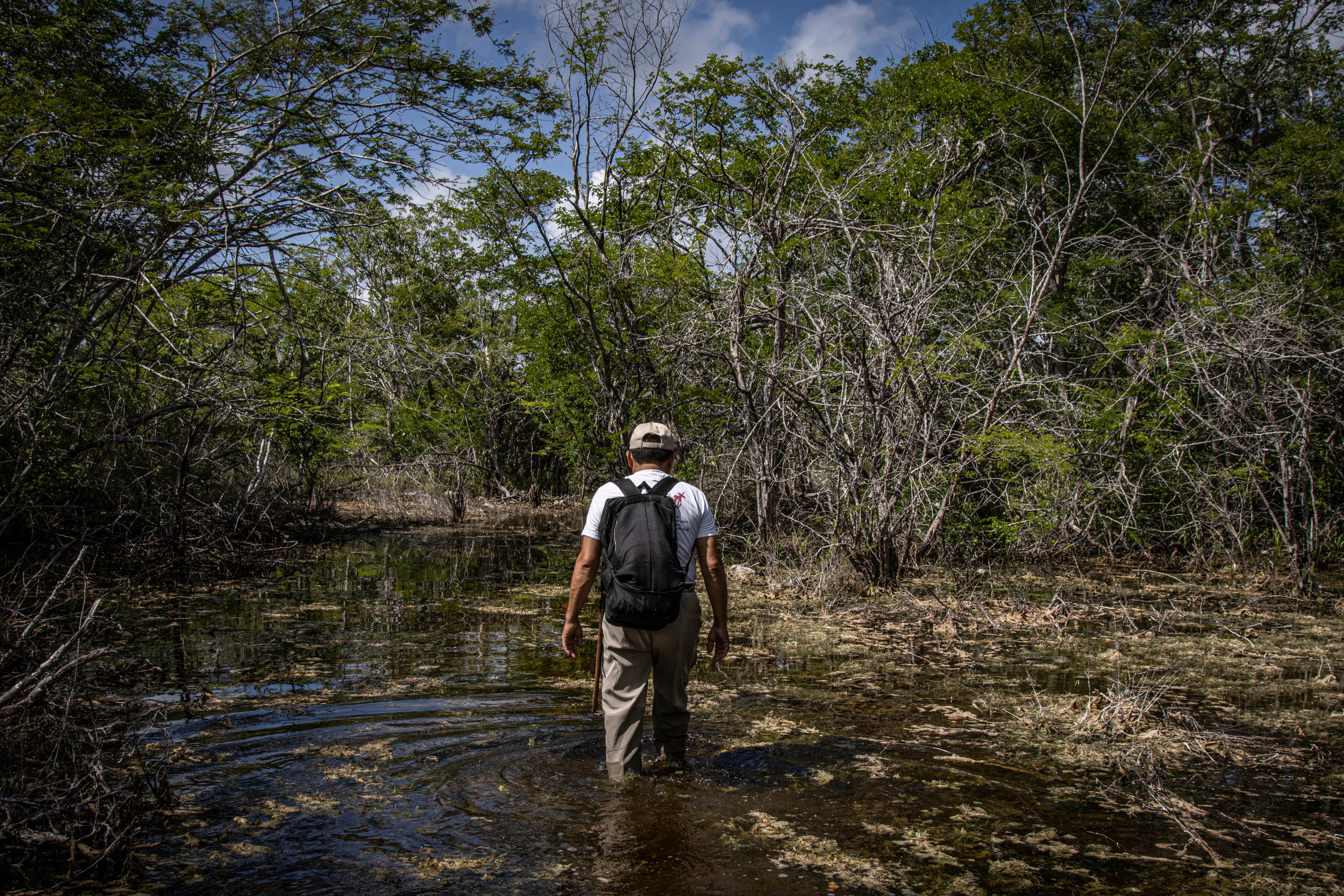
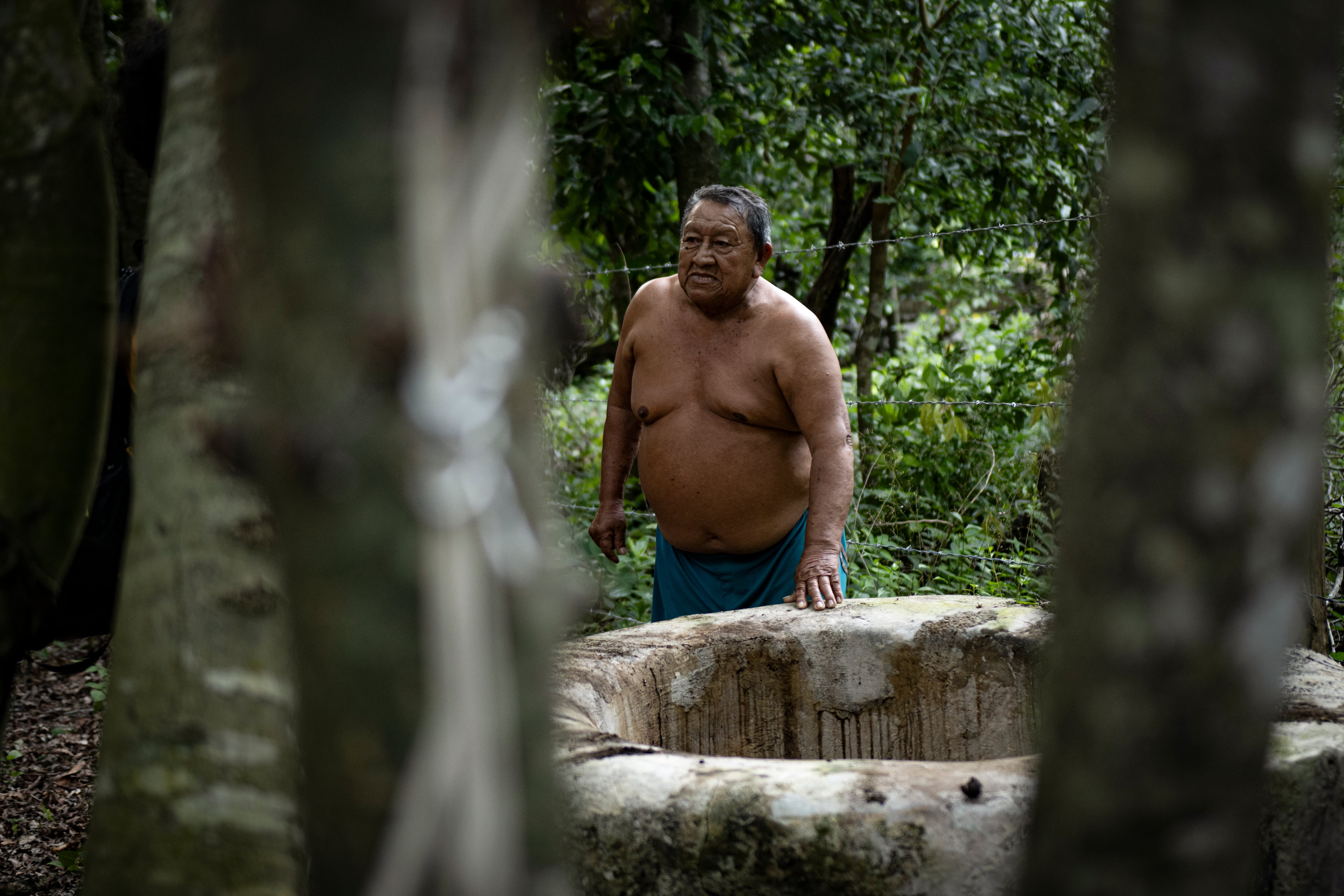
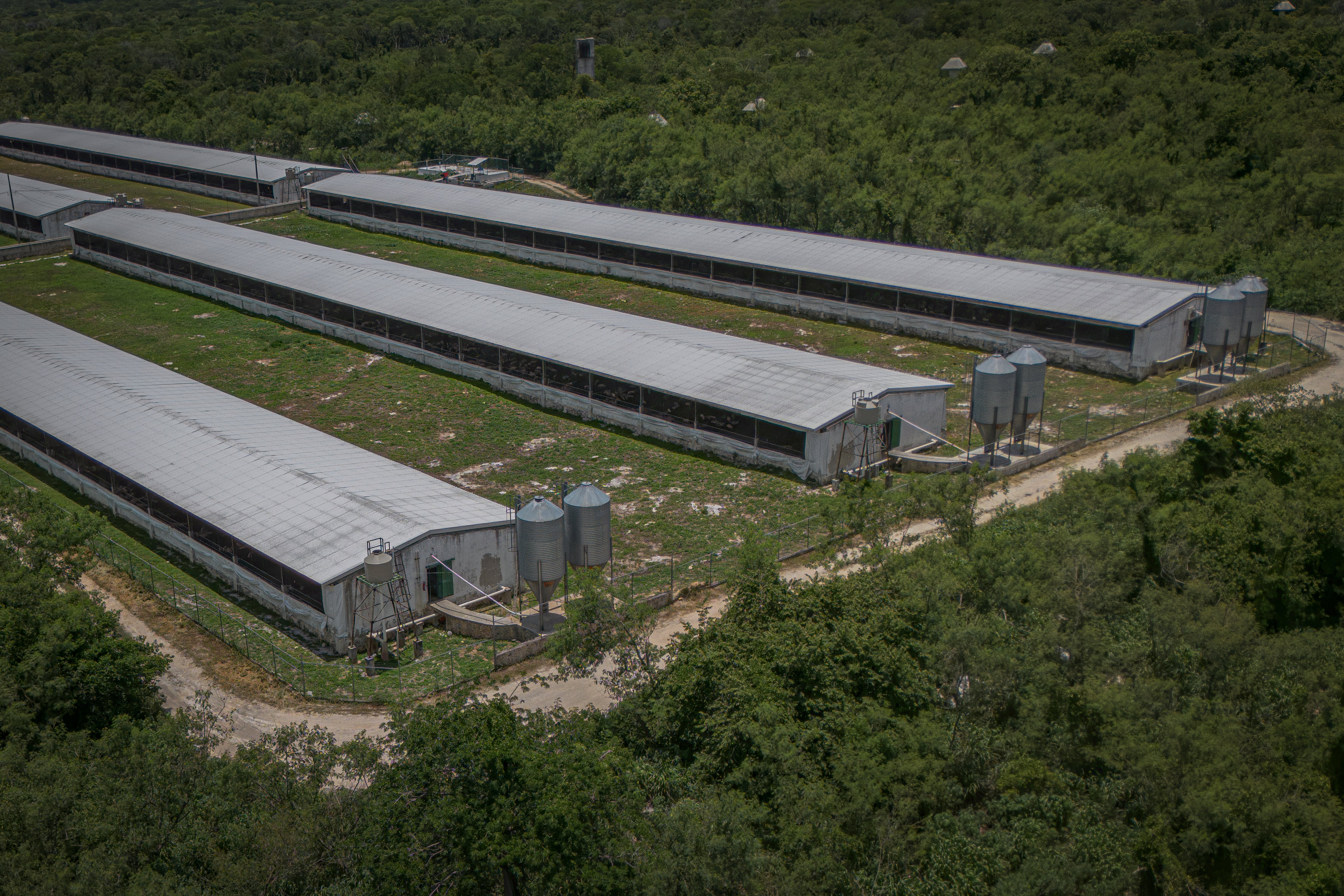
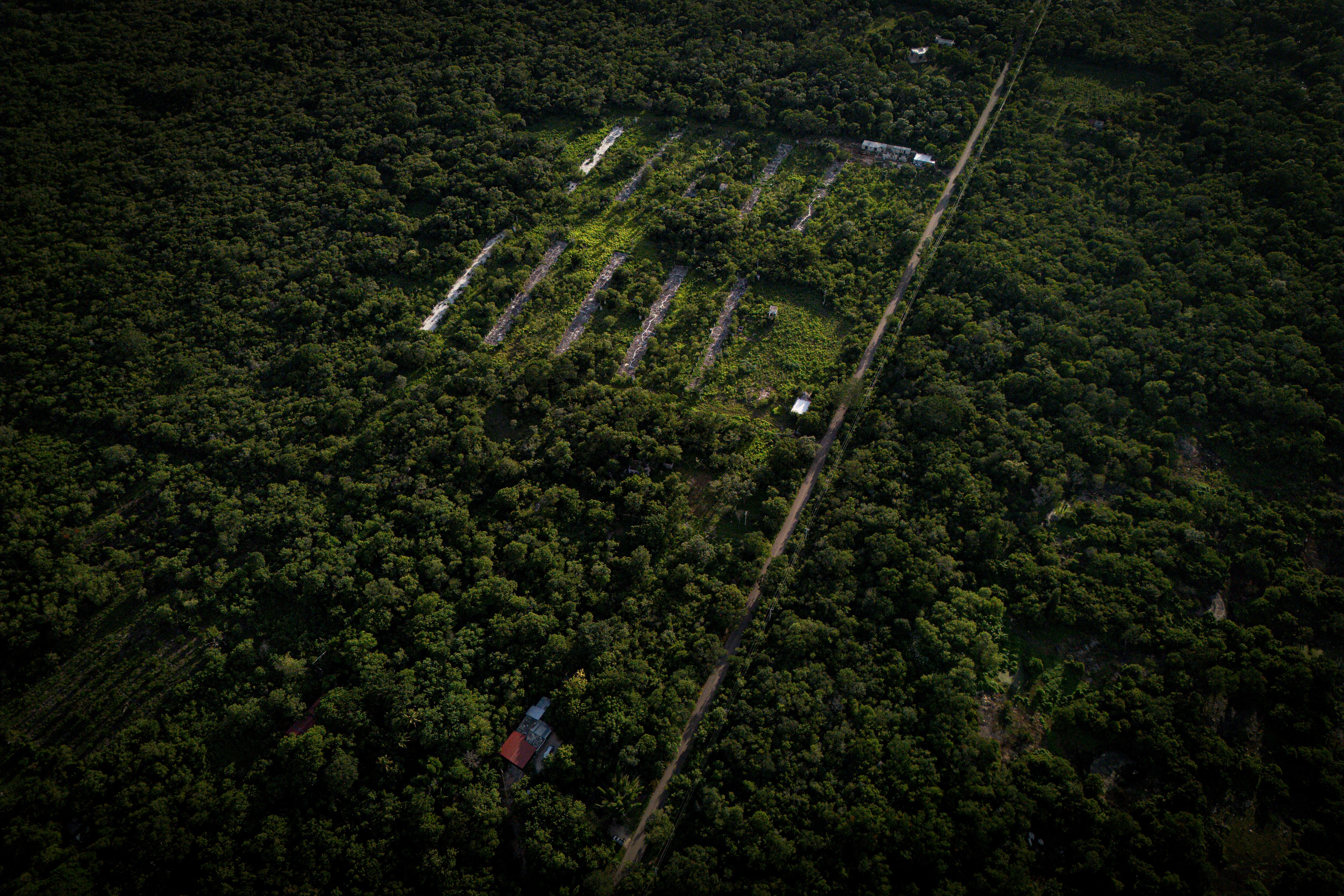
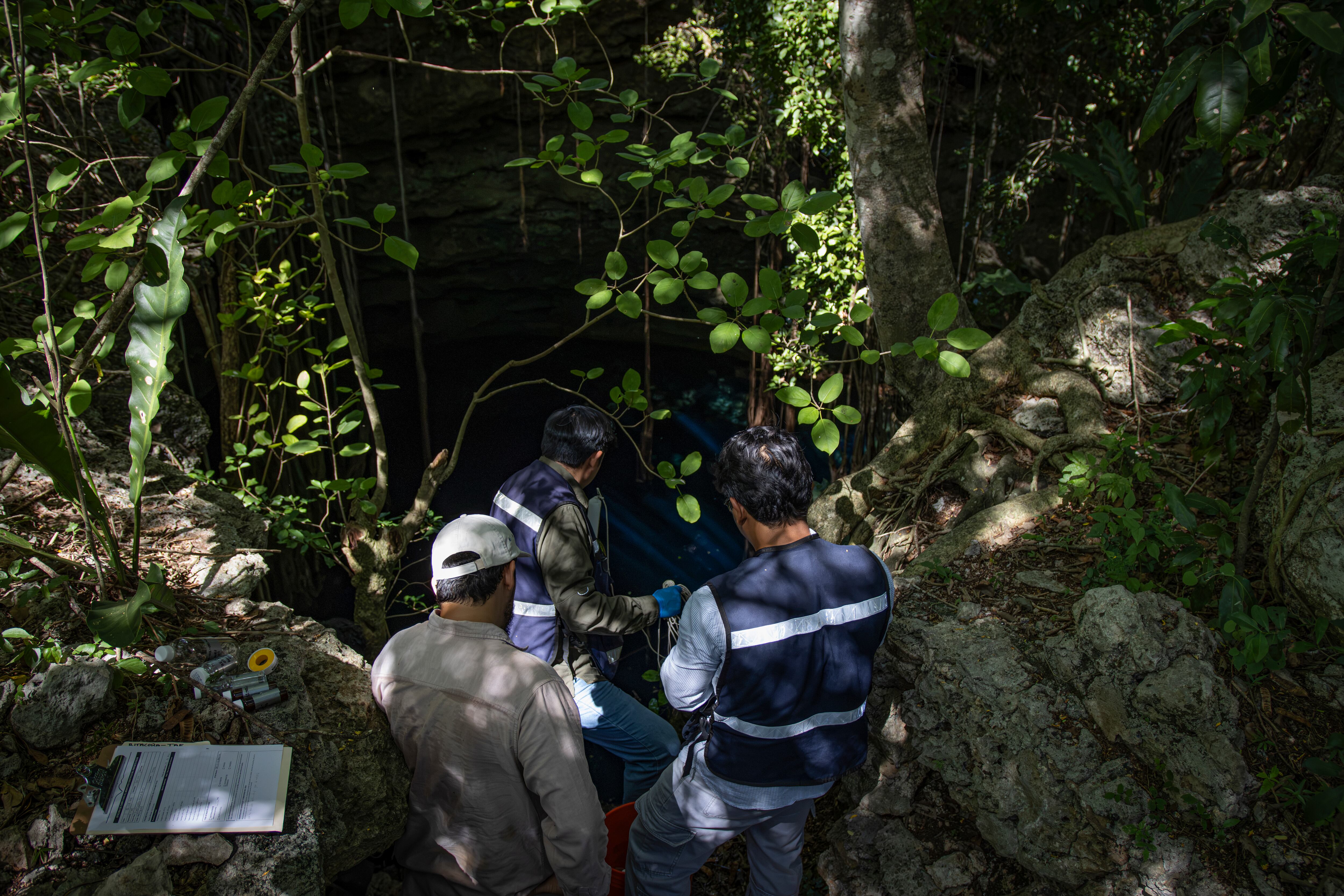
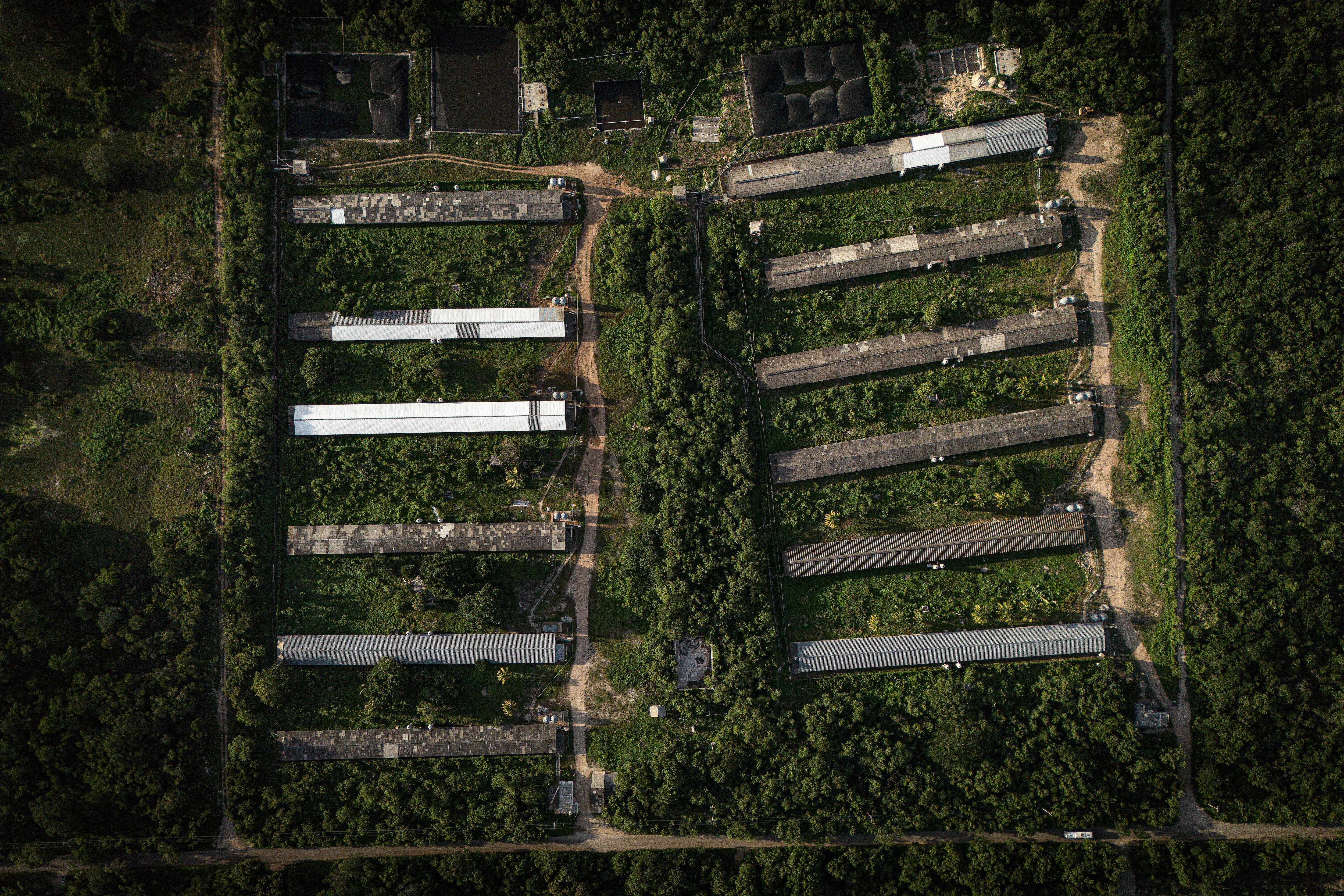
El olor fétido es especialmente fuerte durante las mañanas y después de las lluvias. Hay días en los que el clima cálido y húmedo de la selva maya, en la península de Yucatán, se mezcla con el de las heces y otros desechos de las decenas de instalaciones de granjas de cerdos que se ubican a solo unos kilómetros de las comunidades que pueblan la región. Cifras oficiales del Gobierno mexicano registran al menos 500 granjas de este tipo en el Estado, pero organizaciones medioambientales elevan la cifra hasta 800. La organización Greenpeace México, junto con un laboratorio independiente, ha documentado la calidad del agua de cenotes y pozos en 17 puntos de las localidades Kinchil, Sitilpech, Motul, Chocholá, Molas, Celestún y San Antonio Tedzidz, comunidades asediadas por macrogranjas desde hace décadas, y ha encontrado contaminación fecal generalizada y concentraciones de nitrato superiores a los límites establecidos por las normativas nacionales e internacionales, lo que significa que la salud y el equilibrio ambiental están en un grave riesgo ante agua no apta para consumo humano.
Ciudad de México, 20 oct (Prensa Latina) La actividad económica de México aumentó en septiembre 3,7 por ciento en relación con el mismo período de 2025, según cifras preliminares divulgadas hoy por el Instituto Nacional de Estadística y Geografía (Inegi).
“It’s quite possible that these facts could serve as a tool to exert pressure on the Kiev regime,” but the US government “will never publicly acknowledge that they have leveraged drug cartels to further their own interests,” RAS Institute of Latin America senior researcher Alexander Stepanov told Sputnik.
Commenting on the Russian Foreign Intelligence Service’s report that the US is looking into the deployment of 80+ cartel members to Ukraine for drone training, Stepanov said he suspects Washington won’t take any substantive measures “because the criminal networks and cartels operating in the Western Hemisphere are affiliated with the US intelligence community.”
“These groups serve as proxy instruments for the US, deployed when necessary to pressure opposing governments and act as a key destabilizing factor – thus creating opportunities for the US to exert influence over the region.”
US intelligence even “oversees the recruitment of individuals from these cartels, categorizing them based on technical proficiency, equipment, and intended use,” Stepanov pointed out, highlighting the historical use of American prisons for this purpose, and the fact that “virtually the entire leadership of Mexico’s cartels comes from security or military backgrounds, including the special forces.”
Possessing “the necessary skills, training and discipline,” gang members are “ideal mercenaries,” and deployment in Ukraine for drone training will allow them to transfer their skills back home as instructors at specialized paramilitary training centers affiliated with US intel agencies.
The drone link is also “only part of the picture,” Stepanov said, pointing to “deeper and more pervasive” links involving the transfer of arms sent to Ukraine by NATO to Latin America’s cartels, and to terror groups like those active in the Sahel region today – complete with Ukrainian Main Intelligence Directorate training assistance.
Ukraine is also “leveraging its capabilities, intelligence structures and affiliated networks of organized criminal groups that have taken root in Europe to facilitate the distribution of narcotics, with Mexican drug cartels serving as their primary suppliers,” Stepanov believes.
The warnings began circulating on Facebook groups in Laredo, Texas, two days before Mexican authorities confirmed them. Relatives of detainees at the GEO Rio Grande detention center spoke of sickness, neglect and a man who had allegedly died after more than a month without proper medical care.
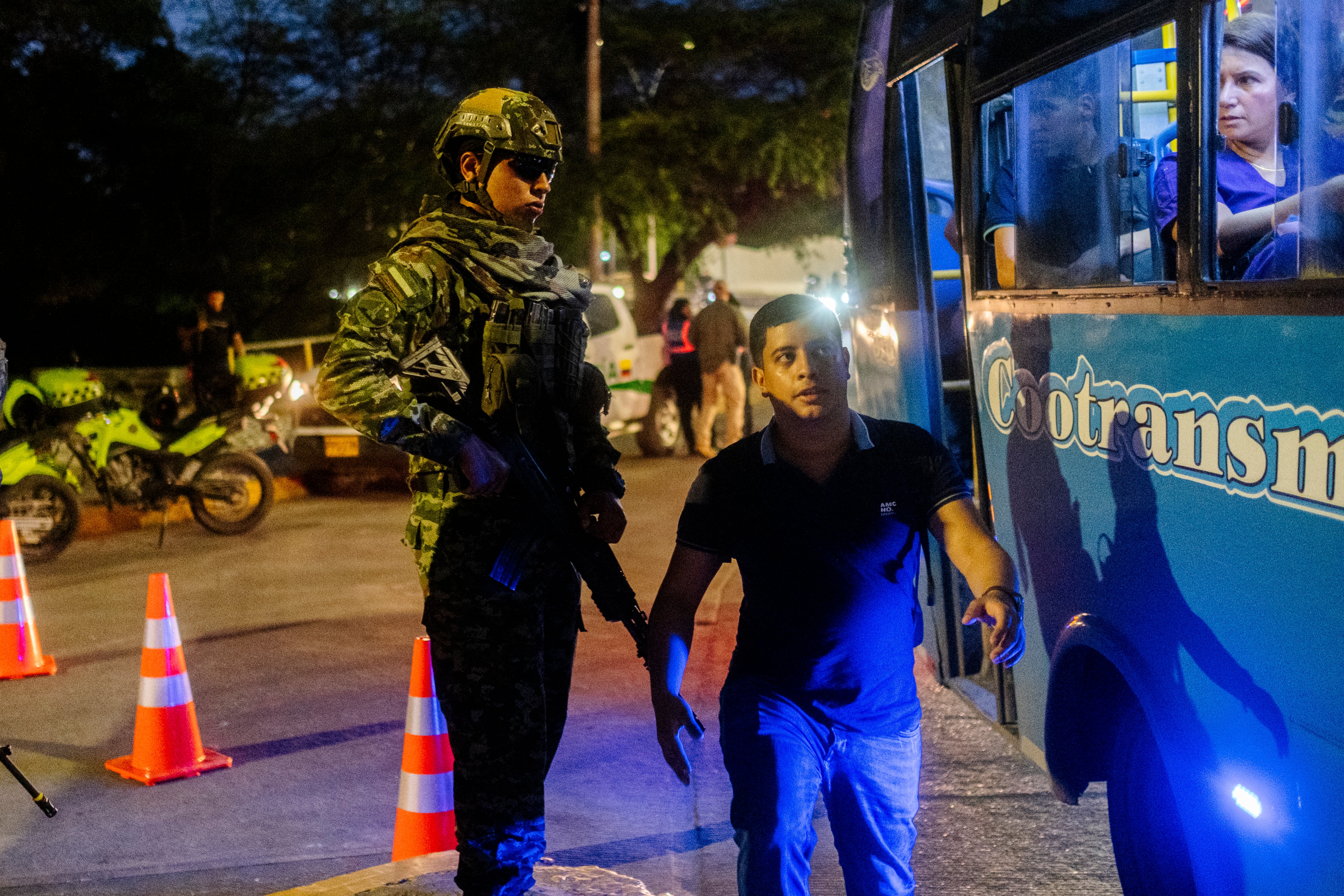
La seguridad ha desplazado a la economía en el centro de la política latinoamericana. La creciente insatisfacción social y el avance sin tregua de la criminalidad ha empujado a los candidatos presidenciales a abandonar el tradicional debate sobre reformas, crecimiento y desarrollo para colocar el control territorial, el despliegue policial y la lucha contra el crimen organizado como prioridades de gobierno, según se concluye del Informe de Economía Latinoamericana, publicado este martes por el Banco de España.
La representante diplomática israelí vinculó las labores de seguridad pública con la geopolítica de su Estado, aludiendo directamente a los intereses que su país defiende en Medio Oriente.
 Login