Elon Musk said on X Monday that he will give one of his shares of his company SpaceX to every kid in America in 2027, adding that "This will be the first of many."
Share Value: The latest US Census Bureau data showed approximately 73 million children under the age of 18 living in the US. With SpaceX shares closing Friday at $146.03, this could mean Musk would be giving away roughly $10.5 billion in stock.
'Musk Urged Anthropic': Some outlets on the right like Fox Business (Lean Right bias) highlighted Musk's plan as a response to an announcement on X from AI company Anthropic, saying that the company is "committing a portion of Anthropic's shares to the Anthropic Public Benefit Fund, a new wholly owned entity dedicated entirely to the public benefit. It will start off with 5% of our shares. For every 50% increase in the company's value over a set baseline, we can contribute up to an extra 2%, subject to our board's discretion." Anthropic further explained that "this means that roughly 20% of Anthropic's shares are committed to the public good." The article highlighted Musk responding to the announcement, saying "I recommend giving the shares directly to the public." Fox Business said that after "Musk urged Anthropic to distribute shares directly to the public," he "indicated that he intended to follow that approach himself."
'Failed To Give': Outlets on the left like The New York Times (Lean Left) and CNN Business (Lean Left) tended to frame coverage around scrutiny both Musk and his company SpaceX came under following restrictions on SpaceX satellite internet services that Ukraine depended on for battlefield operations against Russia. The Times article also highlighted Musk being a "signatory of the Giving Pledge, a commitment by the world's richest people to give away half of their fortunes," and mentioned that "he has expressed skepticism of traditional philanthropy." According to the article, Musk's "nonprofit, the Musk Foundation, had more than $14 billion assets at the end of last year, but over the past four years has failed to give away the minimum amount required by law."
For Context: Over the past three months, Musk given $276 million to Republican super PAC's and organizations. Outlets on the right, like The New York Post (Right) highlighted what the article called an "eye-popping, nine-figure sum." Conversely, some outlets on the left like The New York Times called the effort a "Midterm rescue mission." At the beginning of last month Michael and Susan Dell began dispersing a total of $6.25 billion to the Trump Accounts of children born from 2016-2024 in ZIP codes where the median income is under $150,000.
A combination of maritime fuel blockades, power grid collapses, and legal indictments deepens economic hardship across the island nation.
Since the beginning of Donald Trump’s second administration, the United States’ relentless hostility toward Cuba has been on the rise. This friction has centered on unilateral sanctions, trade restrictions, and direct legal actions against former Cuban government leaders.
2026 brought to Cuba a series of severe economic challenges, particularly regarding its energy sector. U.S. executive orders and maritime monitoring actions aimed at restricting oil shipments to state-owned Cuban entities contributed directly to fuel shortages across the island. These restrictions affected power generation, agricultural transport, municipal services, and health sector logistics.
In May, the U.S. Department of Justice unsealed a federal jury indictment in Miami charging former Cuban President Raúl Castro and five co-defendants with conspiracy and murder related to a 1996 aerial shootdown.
Cuba Fuel Restrictions and the Energy Infrastructure Crisis
On January 29, Trump issued an executive order stating that the U.S. would impose tariffs on any country that sent oil to Cuba. The U.S. government authorized certain fuel shipments exclusively to private commercial entities, while blocking access to state-managed refineries and power facilities.
This policy created severe fuel deficits for public utilities responsible for national electricity generation. A deficit that led to recurring shutdowns across the National Electrical System. On March 16, 2026, the national grid suffered a complete collapse after a major boiler leak occurred at the Antonio Guiteras Thermoelectric Power Plant in Matanzas. By October 2026, another mechanical breakdown left up to 75 percent of the country without power.
The energy deficits extended beyond residential electricity. In February 2026, fuel shortages forced Cuban aviation authorities to suspend refuel operations for foreign air carriers. Consequently, airlines such as Air Canada, Rossiya, and Nordwind suspended flights to the island. International tourist arrivals dropped by approximately 58 percent by June 2026 compared to prior operational benchmarks.
Public sanitation and healthcare systems reported operational disruptions due to the fuel deficit. In Havana, local authorities reported that only 44 of 106 municipal collection trucks were operational in early 2026 due to empty fuel tanks.
In June 2026, United Nations human rights monitors showed a 60 percent decline in agricultural production caused by fuel shortages for farming equipment and transport vehicles.
🇨🇺 96,000 Cubans are waiting for surgery as a result of lack of fuel and lack of energy. Among them, 11,000 children.
The U.S. is denying oil to Cuba through a fuel blockade, despite that it’s perfectly legal for any country to export fuel to Cuba. @CarlosFdeCossiopic.twitter.com/DnHW2TONJ5
Hybrid Operations and International Diplomatic Positions
Throughout 2026, the U.S. diplomatic campaign was accompanied by increased military surveillance, intelligence monitoring, and diplomatic warnings. Reports documented an increase in U.S. military reconnaissance flights operating over international airspace near the Cuban coastline.
Cuban defense officials countered that the frequency of these flights constituted deliberate psychological pressure and surveillance of national infrastructure.
In parallel with maritime and aerial activities, U.S. diplomats engaged with governments in Latin America and Europe to restrict economic partnerships with Havana.
The U.S. State Department urged partner nations to terminate bilateral agreements involving Cuban medical professionals. Several governments, including Guatemala, Honduras, and several Caribbean nations, subsequently reduced or phased out participation in Cuban medical exchange programs.
In August 2026, UN human rights rapporteurs released a joint statement concluding that unilateral fuel restrictions and financial blockades exacerbated severe shortages of basic goods, medicine, and food.
The Legal Prosecution of Raul Castro and the 1996 Case
On May 20, 2026, the U.S. Department of Justice unsealed a federal indictment in the U.S. District Court for the Southern District of Florida charging former Cuban President Raúl Castro and five co-defendants with conspiracy, destruction of aircraft, and four counts of murder.
The legal push escalated further on October 19, 2026, when Florida Attorney General James Uthmeier announced that the Office of Statewide Prosecution and the Florida Department of Law Enforcement secured a state arrest warrant for Castro, charging him with conspiracy to commit first-degree murder.
Both prosecutions center on an incident that took place on February 24, 1996, when Cuban military MiG fighter jets intercepted and shot down two civilian Cessna 337 aircraft. The planes were operated by Brothers to the Rescue (Hermanos al Rescate), a Miami-based organization founded by José Basulto.
The group initially focused on search-and-rescue operations for Cuban migrants in the Florida Straits, but later expanded its activities to include dropping political leaflets directly over Havana.
The 1996 aerial interception resulted in the deaths of four crew members: Carlos Costa, Armando Alejandre Jr., Mario de la Peña, and Pablo Morales. U.S. federal and state authorities asserted that the civilian planes were destroyed over international waters without legal justification.
Florida state prosecutors cited military chain-of-command statements from the period in which Castro, then Minister of the Revolutionary Armed Forces, authorized commanders to shoot down unauthorized aircraft over the sea without prior consultation.
In response, the Cuban government stated that the civilian aircraft had repeatedly violated Cuban sovereign airspace despite official diplomatic warnings issued to the U.S. State Department prior to the incident.
Cuban authorities and foreign affairs analysts characterized the revival of thirty-year-old charges as a coordinated exercise of extraterritorial judicial power. Officials in Havana rejected the dual legal actions as politically motivated efforts to criminalize Cuba’s historical leadership and create legal grounds for continuing trade and financial sanctions.
U.S. state of Florida's Attorney General James Uthmeier on Monday issued an arrest warrant for Cuban Revolution leader Raul Castro on charges of conspiracy to commit first-degree murder linked to the 1996 downing of two civilian aircraft. https://t.co/FyQMk8L6E6pic.twitter.com/TDb95dNOk8
The Cuban government and civic organizations responded to the rising external pressures through formal diplomatic rejections, official government statements, and public mobilizations.
Following the unsealing of the May 2026 U.S. indictment against former President Raúl Castro, Cuban Foreign Minister Bruno Rodríguez Parrilla rejected the legal action in an address to international media and diplomats.
Rodríguez Parrilla characterized the indictment as a politically motivated maneuver designed to justify economic sanctions and interfere with Cuban domestic jurisdiction. President Miguel Díaz-Canel reiterated this position, stating that national sovereignty and historical decisions regarding territorial air defense remain non-negotiable under international law.
In urban centers across Cuba, including Havana, Santiago de Cuba, and Matanzas, civil organizations and neighborhood committees organized rallies opposing external interference and economic restrictions.
At the same time, state ministries implemented emergency measures to manage reduced fuel supplies and maintain essential public services. Municipal governments established scheduled electricity rotations, prioritized available diesel fuel for medical facilities and water distribution pumps, and expanded the use of draft animals and non-motorized transport in agricultural regions.
On the international stage, Havana received diplomatic backing from several multilateral organizations and regional governments. The Bolivarian Alliance for the Peoples of Our America (ALBA-TCP) issued a joint declaration condemning unilateral coercive measures against Cuba’s energy sector.
During the United Nations General Assembly in September 2026, representatives from non-aligned nations called for an immediate end to the trade embargo, citing its negative impact on civilian health, infrastructure, and human development.
Analysis of Coercive Strategies and Long-Term Impacts
The events of 2026 reflect an intensification of U.S. policy toward Cuba through a combination of trade restrictions, infrastructural pressure, and legal mechanisms targeting state leadership.
The strategic focus on restricting fuel imports significantly affected Cuba’s national power grid, agricultural logistics, and public transportation. Simultaneously, the unsealing of a thirty-year-old indictment against Raúl Castro added a significant legal dimension to bilateral relations.
Economic data, energy assessments, and reports from international monitors demonstrate that the primary burden of fuel deficits and infrastructure instability falls directly on the civilian population. The disruptions to medical supplies, food distribution, and municipal sanitation illustrate the direct impact of unilateral economic sanctions on daily life.
Despite persistent resource constraints and structural deficits, the Cuban government has maintained state operations and institutional control through domestic conservation strategies and international partnerships.
#Russia | Moscow condemned a US arrest warrant against Raul Castro over the 1996 downing of two civilian aircraft, calling the charges politically motivated. Russia warned that escalating pressure on Cuba could destabilize Latin America and the Caribbean.#RaulCastro#Cuba… pic.twitter.com/PhmRslPWFq
Foursquare cofounder Dennis Crowley wrote that "watching the company slowly decay has been a grind on my soul."
Bloomberg/Getty Images
Foursquare cofounder Dennis Crowley said the company's acquisition paid $0 to equity holders.
"I am sorry the Foursquare story ended in such a way," he wrote to employees.
Crowley said the company decayed after a private equity investment.
Foursquare's acquisition left its cofounder sad and angry.
Dennis Crowley helped launch the location technology company in 2009. Seventeen years later, Foursquare was acquired by Infillion. Crowley wrote on Substack that one point of the acquisition left him "heartbroken."
Foursquare's acquisition earned equity holders exactly $0, Crowley wrote, with no money offered for preferred or common stock.
"To our ~1600 former employees over 17 years, I am sorry the Foursquare story ended in such a way that makes it seem like our collective efforts were worth… nothing?" Crowley wrote.
Crowley left the CEO role in 2016, though he continued to lead Foursquare's research and development lab through 2021. After that, Crowley kept a seat on the board.
Foursquare raised capital from The Raine Group, a private equity firm, in 2019. Less than two years later, Gary Little became CEO. Little was one of The Raine Group's managing directors.
"Leadership was unable to preserve the value it inherited or create new value during those six years," Crowley wrote.
Foursquare employees reached out to Crowley to express their frustrations with leadership, he wrote. He cited the company's Glassdoor reviews, which rate it 2.1 stars out of 5. The Raine Group did not respond to a request for comment from Business Insider.
Crowley also wrote that the $0 equity outcome was buried in a 125-page PDF for Foursquare's legal team. "No single individual stood up to own (or even acknowledge) the outcome," he wrote.
Calynn Krieger, an executive vice president of marketing for Infillion, told Business Insider in an email that Foursquare had "remarkable technology and a talented team."
"We have nothing to say about Foursquare's former leadership, but we're glad the business and its value continue, and we're committed to creating even more of it," Krieger said.
The lesson Crowley learned
Crowley took responsibility for his role in the lead-up to Foursquare's $0 outcome for equity holders. His decisions as CEO led to the need for a private equity investment, Crowley wrote, and he said he wished he were louder on the board.
His takeaway: "Maybe the biggest mistake I've made in my career is falling in love with this company."
Crowley was too loyal to "making it work," he wrote, and stayed longer than he should have. "Watching the company slowly decay has been a grind on my soul," he wrote.
"It's okay to fall in love with the company you're building, but don't deny yourself the ability to get closure and move on just because the company itself hasn't yet experienced an exit or ending," he wrote.
UPDATE (Tuesday Oct. 20, 2026 10:10 p.m. ET): On Tuesday night the Ramaswamy campaign confirmed it was behind the attack ad targeting Amy Acton.
Two weeks before Election Day, Ohio gubernatorial candidate Vivek Ramaswamy is facing fresh criticism for yet another controversial attack ad against his opponent, Democrat Amy Acton. The Ramaswamy campaign did not initially say if it was responsible for the unaired ad that features Acton’s estranged mother, who defended her husband after he was accused of sexually abusing Acton when she was a child. It put out a statement saying the candidate’s mother “is clearly warning Ohioans not to vote for her.” (Ramaswamy previously faced backlash for an earlier ad that showed a man later identified as a sex offender; the man was later removed from some versions of the ad.) Later on Tuesday, however, the campaign confirmed it had in fact produced the spot and, despite bipartisan backlash, would be spending millions of dollars pushing it to voters throughout the state.
Incredibly, Ramaswamy’s campaign may still be facing bigger problems; a Marist poll published on Tuesday showed Acton leading him by 7 points. MS NOW’s polling data with partner FiftyPlusOne shows Acton with a 5-point edge. And a major source of his campaign woes centers not on questionable attack ads, but on Ramaswamy’s pedigree as a billionaire entrepreneur — and the corporate interests that seem to be alienating more and more everyday Ohio voters.
For the Republicans who ran for office in 2024, cozying up to America’s most powerful corporations was one of the best ways to ensure victory at the polls.
For the Republicans who ran for office in 2024, cozying up to America’s most powerful corporations was one of the best ways to ensure victory at the polls. It wasn’t just that large companies showered the GOP with more than $270 million in contributions that year. Big-business cash also proved prescient: According to data compiled by the Federal Election Commission and The Associated Press, a whopping 77% of the candidates who received hefty corporate donations went on to win their elections.
But in 2026, the mood is very different. Voters facing sky-high prices at the pump and the grocery store have focused their anger on the corporations reaping record profits and a government they perceive as serving the interests of the nation’s executives over everyday people. A survey conducted over the summer found that a quarter of Americans wanted CEOs to “stop being greedy,” while a record 89% of Americans viewed their government as hopelessly corrupt.
The numbers get even worse when voters think about the Republicans who run that government. Over half of Americans — and a 62% supermajority of independent voters — view President Donald Trump as “corrupt,” while also describing the broader Republican Party as “working for big corporations instead of the people” by a nearly 2-to-1 margin. GOP candidates in Alaska, Ohio, Iowa and elsewhere in the country are suddenly realizing that the corporate connections that once bolstered their campaigns have become their biggest political liabilities.
In Ohio, Ramaswamy has been one of the state’s loudest voices for corporate interests, especially in encouraging the building of more artificial intelligence data centers. At an April 2025 Lincoln Day dinner in Geauga County, he declared himself “strongly in favor” of the “AI data center boom in the state of Ohio.” Two weeks later, he urged Ohio lawmakers to weaken the regulatory “red tape” slowing construction of new data centers.
Ramaswamy failed to mention his own multimillion-dollar investments in data center companies, or the campaign donations he accepted from a super PAC connected to Vistra Corp., an energy company powering one of Meta’s Ohio-based data center projects. Those revelations didn’t sit well with the 78% of Ohioans who support a temporary ban on new data center construction, and Ramaswamy abruptly switched to a more skeptical posture over the summer.
Ramaswamy’s close ties to big business have worked against him in an election cycle where most voters view excessive corporate power as a major problem. Despite recent efforts to pivot his campaign to a message of quick tax cuts, Ramaswamy stumbled into a new headache last month when it was revealed that a group of out-of-state billionaires, including data center investors Ross Stevens and Ratmir Timashev, transferred $37 million to a super PAC backing his candidacy.
In a headache for Republicans who expected the state’s conservative slant to carry Ramaswamy to victory, he in fact spent most of September trailing his Democratic opponent, Acton. Ramaswamy’s consistently bad numbers were enough to trigger alarm bells in Washington, with both Vice President JD Vance and Trump racing to Ohio earlier this month in an effort to avert the GOP’s looming political wipeout.
Ramaswamy isn’t the only candidate getting hurt by corporate ties. In Alaska, Sen. Dan Sullivan’s close relationship to wealthy industrial fisheries has made him a public enemy among Alaska’s struggling small fishermen in a state where commercial fishing generates just over 7% of the state’s wealth. Local fishermen warn that Sullivan’s recent bill to reduce bycatch — the accidental capture of unwanted fish — is actually packed with government handouts that only apply to the corporate fisheries that contributed nearly $400,000 in contributions to his campaigns throughout his career.
Backed by a flurry of powerful TV ads featuring fishermen threatened by Sullivan’s bill, his Democratic opponent, Mary Peltola, now boasts a 7-point lead in the latest New York Times polling. Here, Trump proved unable to control his temper, blasting the Alaska GOP as “stupid” and adding a campaign visit to boost Sullivan. Democrats were quick to frame Trump’s emergency stop as validation of Peltola’s strength.
Embattled Republicans like Ramaswamy, Sullivan and Hinson may be hoping for a last-minute campaign reset, but polls suggest that their constituents aren’t buying the rebrand.
“It doesn’t matter who flies in to try and save Dan Sullivan from his abhorrent record, Alaskans will still hold him accountable for his price hiking agenda this November,” a spokesperson for Peltola’s campaign told Newsweek.
Back in the Lower 48, Iowa GOP Senate candidate Ashley Hinson is facing accusations of corruption following allegations that her husband, Matt Arenholz, quietly brokered meetings between insurance industry lobbyists and the state’s Republican congressional delegation. Rep. Hinson, who has framed herself as a warrior against special interests, never publicly disclosed her husband’s position as a government affairs employee for the lobbying group Independent Insurance Agents of Iowa, despite attending meetings he arranged.
And despite Hinson’s launch of her senate campaign with an ad in which she defiantly declares that “health insurance companies are ripping you off,” her financial disclosures reveal a politician with deep financial interests in insurance companies. Hinson reported that she and Arenholz hold an interest of up to $5 million in High Street Insurance Partners, while The Washington Sun reported that in 2021 Arenholz sold stock in a private insurance company for more than $1 million. When health insurance companies “rip off Iowans,” Hinson reaps the benefits — and voters are noticing.
Hinson’s attempt to line her pockets while selling herself as a fighter against insurance company abuses has fallen flat with the Iowans facing an increase of up to 16% in the cost of their health carecoverage. So far, Hinson hasn’t been able to change a narrative that is moving in Democrats’ direction: A Suffolk University poll published Oct. 4 found Hinson trailing her Democratic opponent, Josh Turek, by 4 points. A month ago, she led Turek by 1.
Embattled Republicans like Ramaswamy, Sullivan and Hinson may be hoping for a last-minute campaign reset, but polls suggest that their constituents aren’t buying the rebrand. With just two weeks left until voters flock to the polls, Republicans are discovering that they aren’t so quick to forget the candidates’ legacy of putting big business first. If the polls are any indication, even the most salacious attack ads are unlikely to change that.
Las protestas que se registran en distintos países europeos exponen un malestar que va más allá de los reclamos puntuales. El costo de vida, las dificultades para acceder a una vivienda y la incertidumbre laboral alimentan el descontento, especialmente entre quienes encuentran cada vez más obstáculos para independizarse y construir un futuro económico estable.
Para Andrea Falcone, abogada previsional especializada en impacto demográfico, estas tensiones también deben analizarse a la luz de los cambios en la estructura poblacional y el mercado laboral. En diálogo con Infobae a la Tarde, advirtió que la caída de la natalidad, el aumento de la longevidad y la inteligencia artificial están modificando las oportunidades de las nuevas generaciones y la relación entre trabajadores activos y jubilados.
“Europa hace muchos años, casi te diría más de cien, que está perdiendo bono demográfico, donde va cayendo la natalidad y a la vez le va creciendo la longevidad”, explicó.
Vivienda y riqueza: las barreras para los jóvenes
La dificultad para comprar una casa propia condiciona la independencia económica y posterga decisiones familiares. Falcone vinculó ese escenario con la concentración del patrimonio en las generaciones mayores y la demora en la transferencia de las herencias.
“Lo que está pasando es que el 75% de la riqueza mundial está concentrada en las personas mayores de 45 años”, afirmó. Según su análisis, la mayor expectativa de vida retrasa el traspaso de bienes y dificulta que las generaciones más jóvenes accedan a ese patrimonio.
En la Argentina, agregó, los salarios bajos y la falta de estabilidad económica limitan las posibilidades de adquirir una vivienda. Esa situación también repercute en los proyectos familiares, porque muchas personas postergan la decisión de tener hijos hasta alcanzar mayor estabilidad profesional y financiera.
La inteligencia artificial y las dificultades para conseguir empleo
El avance de la inteligencia artificial suma obstáculos para quienes buscan ingresar al mercado laboral. Según Falcone, la automatización está reemplazando tareas básicas que antes permitían a los jóvenes adquirir experiencia y avanzar hacia puestos de mayor responsabilidad.
“Esa puerta la tienen cerrada hoy los más jóvenes, porque esos puestos de ingreso donde se entrenarían ya están reemplazados por la inteligencia artificial”, advirtió.
La especialista también señaló que la desvinculación de trabajadores experimentados reduce las oportunidades de transmitir conocimientos dentro de las organizaciones. Así, los jóvenes encuentran más dificultades para iniciar sus carreras, mientras que los adultos mayores enfrentan obstáculos para prolongar las propias.
Esta combinación, sostuvo, puede profundizar las tensiones entre generaciones y obliga a revisar las formas de capacitación y organización del trabajo en una sociedad más longeva.
La advertencia sobre el futuro de las jubilaciones
El envejecimiento poblacional también presiona a los sistemas previsionales de reparto, que utilizan los aportes de los trabajadores activos para financiar los haberes de los jubilados. Cuando disminuye la cantidad de aportantes en relación con los beneficiarios y se extiende el período de retiro, el financiamiento se vuelve más complejo.
En ese contexto, Falcone lanzó una advertencia sobre el futuro previsional de las nuevas generaciones: “Si naciste después del año 97, no vas a vivir de tu jubilación. Yo te diría que si naciste después del año 70 no vas a vivir de tu jubilación”.
La especialista se refirió a la posibilidad de que los haberes públicos no alcancen para sostener el nivel de vida durante la vejez, no a una desaparición automática del derecho a jubilarse. Por eso, planteó la necesidad de planificar el retiro con anticipación y complementar los ingresos previsionales mediante herramientas de ahorro e inversión.
“Los sistemas de reparto no van a poder sostenernos a todos”, afirmó, al defender la necesidad de ampliar las alternativas de financiamiento para la etapa posterior a la vida laboral.
Las respuestas al cambio demográfico
Falcone sostuvo que la adaptación requiere revisar las políticas previsionales, fortalecer la prevención sanitaria y generar oportunidades para que los adultos mayores puedan continuar trabajando.
También mencionó las hipotecas inversas como una alternativa para quienes poseen una vivienda, pero necesitan ingresos adicionales para afrontar sus gastos cotidianos. Estos mecanismos permiten obtener recursos a partir del valor de una propiedad bajo determinadas condiciones.
“A muchas personas mayores les falta flujo, no les falta stock”, explicó, en referencia a quienes tienen un patrimonio inmobiliario, pero carecen de ingresos suficientes para cubrir sus necesidades diarias.
En el ámbito laboral, propuso impulsar modalidades flexibles que permitan a profesionales experimentados asesorar a empresas y transmitir sus conocimientos. Para la especialista, el Estado puede facilitar las condiciones para desarrollar estas alternativas.
La caída de la natalidad, la mayor longevidad y la transformación tecnológica plantean desafíos que atraviesan el empleo, la vivienda y la protección social. Para Falcone, enfrentarlos exige revisar tanto las decisiones individuales como las políticas públicas: “El riesgo está si pensamos seguir jugando con las mismas reglas cuando el mundo cambió”, concluyó.
–
Infobae te acompaña cada día en YouTube con entrevistas, análisis y la información más destacada, en un formato cercano y dinámico.
• De 7 a 9: Infobae al Amanecer: Nacho Giron, Luciana Rubinska y Belén Escobar.
• De 9 a 12: Infobae a las Nueve: Gonzalo Sánchez, Tatiana Schapiro, Ramón Indart y Cecilia Boufflet.
• De 12 a 15: Infobae al Mediodia: Maru Duffard, Andrei Serbin Pont, Fede Mayol y Facundo Kablan.
• De 15 a 18: Infobae a la Tarde: Manu Jove, Maia Jastreblansky y Paula Guardia Bourdin; rotan en la semana Marcos Shaw, Lara López Calvo y Tomás Trapé.
• De 18 a 21: Infobae al Regreso: Gonzalo Aziz, Diego Iglesias, Malena de los Ríos y Matías Barbería; rotan en la semana Gustavo Lazzari, Martín Tetaz y Mica Mendelevich
Coconut oil’s health benefits are so numerous, that it should be the #1 dietary oil in everyone’s kitchen. The U.S. Government continues to demonize it through their USDA dietary recommendations simply because it is a saturated fat, and the FDA doesn’t like it either because it potentially takes away market share from many patented drugs.
One of the best places to find information on the benefits of coconut oil to contradict the negative propaganda from the U.S. Government, is in their very own database on their National Library of Medicine’s website, listing peer-reviewed journal articles published on the health benefits of coconut oil.
Public health advisory guidelines caution against the consumption of saturated fats, especially coconut oil (CO), yet CO is widely consumed in regions with low inflammatory bowel disease prevalence (IBD) and is often perceived as beneficial by IBD patients.
CO is rich in medium-chain saturated fatty acids, notably lauric acid (C12:0) and myristic acid (C14:0) which are negligible in mammalian tissues without dietary intake.
Because IBD is linked to saturated fats consumption, here we tested and unexpectedly found that CO and its saturated fatty acids are beneficial suppressing intestinal inflammation in SAMP1/YitFc mice, a chronic IBD model of Crohn’s disease-like ileitis.
In young mice, the early exposure to a high-dose CO-based diet prevented ileitis in 63.64% of animals (95%CI = 30.79-to-89.07%). Importantly, comparable protection was observed at lower doses amenable for human translation.
Although CO did not reverse established disease in adult mice, when combined with steroids, it prolonged the period of steroid-induced remission illustrating its therapeutic benefits in IBD.
Disease prevention was associated with myristic acid and correlated with anti-inflammatory microbiota shifts and enhanced regulatory T-cell responses, without adverse effects.
Findings challenge current dietary advisories against CO and support reevaluation of CO and myristic acid as anti-inflammatory dietary adjuvants for the prevention and management of established IBD.
Background: Chronic stress, often exacerbated by improper lifestyle, long-term physical confinement, and emotional distress, these are the major contributor to neuropsychiatric disorders, mostly through hippocampal dysfunction. Though synthetic drugs offer symptomatic relief, their side effects prompt a growing interest in natural plant-derived nutraceuticals.
Virgin coconut oil (VCO), rich in medium-chain fatty acids, polyphenols, and antioxidants, has demonstrated preliminary neuroprotective activity; however, its pharmacological basis in hippocampal dysfunction induced by chronic restraint stress (CRS) remains inadequately characterized.
Herein, we investigated the neuroprotective activity of VCO by administering it in a time-staggered manner (Pre-Treatment, Co-treatment, and Post-Treatment) and assessed its effects through physiological, behavioral, antioxidant, and histopathological analyses. Our secondary objective was to profile the phytoconstituents of VCO using Gas Chromatography-Mass Spectrometry (GC-MS).
Methods: Adult male Wistar rats were randomized into six groups (n = 6): Control, CRS, VCO-alone, Pre-VCO, Co-VCO, and Post-VCO. VCO was administered in a time-staggered manner to delineate its prophylactic, adjuvant, and therapeutic potential. Animals underwent physiological, behavioral (Sucrose Preference Test, Elevated Plus Maze, radial arm maze), biochemical (corticosterone, lipid peroxidation, glutathione, superoxide dismutase, catalase), and histopathological assessments (Nissl staining). Lastly, we performed phytochemical characterization using Gas Chromatography-Mass Spectrometry (GC-MS).
Results: VCO significantly enhanced spatial learning and memory while attenuating anhedonia and anxiety-like behavior. Biochemically, VCO reduced corticosterone and lipid peroxidation levels, restored antioxidant markers, and reinstated hippocampal neuronal morphology, collectively indicating modulation of neurobehavioral activity and restoration of redox homeostasis.
Pre-VCO demonstrated superior neuroprotection, suggesting stronger prophylactic and adjunctive pharmacological activity. GC-MS identified caprylic acid possessing the most abundant chromatographic peak alongside polyphenolic compounds, supporting a plausible mechanistic basis for the neuroprotective effects of VCO.
Conclusion: VCO demonstrates significantly higher neuroprotective efficacy when administered as Pre-treatment in CRS rats. Overall, these findings establish VCO as a dietary functional food with measurable prophylactic and adjunctive neuroprotective efficacy. These may plausibly be due to the major content of the MCFA-like caprylic acid in VCO mitigating oxidative stress and hippocampal neuronal dysfunction.
This study provides GC-MS-based compositional evidence and in vivo functional validation supporting VCO’s translational potential as a dietary strategy to mitigate the chronic stress-associated neuropsychiatric burden in human populations.
Background: Preterm neonates have an immature skin barrier, increasing their susceptibility to moisture loss and impaired skin integrity. However, evidence regarding the most appropriate topical moisturising agent for this population remains limited.
Purpose: This trial aims to investigate the effects of applying coconut oil and a moisturising lotion to the skin of preterm neonates on their skin moisture, skin pH, skin integrity, and vital signs.
Methods: This randomised controlled trial was conducted with 90 preterm neonates with a gestational age of 320/7-376/7 weeks who were admitted to the neonatal intensive care unit between December 2024 and December 2025. The sample consisted of two intervention groups and one control group [Moisturising Lotion (ML) group (n = 30), Coconut Oil (CO) group (n = 30) and Control group (n = 30)]. The data were collected using an Infant Information and Monitoring Form, a skin moisture meter, a skin pH meter and the Neonatal Skin Condition Score (NSCS).
Results: Following the application, skin moisture rates in the abdominal, arm and leg regions significantly rose in the intervention groups compared with the control group (p < .05). A significant rise was found in intra-group skin pH values on the 3rd and 5th days in the ML group and on day 5 in the CO group (p < .05). The NSCS score significantly dropped over time in both intervention groups (p < .001). Effect size analyses indicated a more pronounced improvement in skin condition scores in the CO group (p < .001; η2 = 0.551).
Conclusion: The results of this study indicated that interventions of coconut oil and moisturising lotion may be effective in improving skin moisture and supporting skin integrity in preterm neonates. As coconut oil has a greater effect on the skin integrity of premature infants, using it as a moisturising topical agent is recommended.
Practice implications: Coconut oil and moisturising lotion may be considered low-cost and safe nursing interventions to support skin hydration and skin integrity in preterm neonates.
“El mercado ya no te lleva a vender contenedores, toneladas o cubicaje”. Con esa idea, Eduardo recorre los cambios que atraviesa el negocio del forwarding: un contexto global que obliga a convivir con demoras, reglas locales que se modifican todo el tiempo y una tecnología que promete sincronizar cada eslabón de la cadena, del origen al destino.
¿Qué esperan hoy las empresas argentinas de un operador logístico internacional?
Hoy las empresas argentinas esperan de un operador logístico internacional algo muy distinto a lo que se daba en el pasado, que era simplemente un servicio puerta a puerta. A raíz de un montón de situaciones a nivel global, lo que se empezó a vender cada vez más es la previsibilidad.
También se pide cierta flexibilidad ante las demoras y situaciones que exceden al forwarder. Lamentablemente, la guerra y las disputas entre países, como la que hoy estamos viviendo entre Estados Unidos y China, nos están afectando mucho en cuanto a demoras y sobrecostos que el importador paga bastante caros.
¿Cuáles son hoy los principales puntos de fricción para importar y exportar desde la Argentina?
Creo que hoy el gran desafío está en el transporte interno y en los sobrecostos que eso genera. Hay algo que se dejó de trabajar en la Argentina, que es el ferrocarril, un medio que realmente alimentaba el multimodal y reducía mucho los costos. Hoy el peso del sindicato del transporte terrestre hace que ese costo sea predominante para los exportadores.
La otra cuestión que impacta directo son los altos costos de las terminales portuarias y los depósitos fiscales, que pesan sobre el costo del producto con el que competimos en el exterior. Muchas veces eso nos deja fuera de grandes negocios, o hizo que cerraran grandes empresas exportadoras.
Por eso, si se avanza en el desarrollo de las hidrovías y en la vuelta del ferrocarril, que creo que va a ser muy interesante, la Argentina puede dar un gran salto. La reducción de esos costos es clave para los exportadores hoy en día.
¿Qué industrias están mostrando mayor dinamismo en la demanda de logística?
Creo que es más un tema de especialización. La reina hoy es la minería, que está en boca de todos. Lamentablemente, muchos forwarders chicos no están apareciendo en ese mercado por el nivel de especialización que hay que tener, y hay una necesidad creciente de gente con conocimientos en el rubro.
Hace poco estuvimos en varias ferias mineras del país, en Salta, San Juan y Jujuy, y realmente ves el aporte que quieren dar las provincias para capacitar gente, porque es un mercado que puede dar mucho en los próximos años. En energía también aparecen paradojas: con Vaca Muerta, el fracking generó la necesidad de importar arena, cuando tenemos una extensión a nivel país que es enorme.
En general, las cuentas corporativas con requerimientos críticos son las que más especialización piden: la industria automotriz, la minería y la manufactura avanzada, pero también el sector químico o farma, con manejo de materiales peligrosos, cadenas de frío exigentes o insumos industriales just-in-time para líneas de montaje.
¿Qué particularidades tiene operar desde la Argentina frente a otros mercados de la región?
Si nos comparamos con nuestros hermanos latinoamericanos, la Argentina es todo un desafío logístico, por la complejidad y los obstáculos que estamos acostumbrados a pasar en el día a día: el constante cambio de reglas a nivel legislativo y financiero, y ni hablar para los despachantes, con los cambios en el nomenclador.
Yo creo que un Brasil, un Uruguay o un Chile hoy tienen mucho más delineado y mucho más sencillo el día a día en el rubro. Pero eso también nos potencia como profesionales, porque nos hace mucho más dinámicos y creativos a la hora de enfrentar ciertas situaciones.
¿Cómo cambió la forma de vender servicios de logística internacional?
Hoy cambió tanto todo que ya no es una venta transaccional. El mercado ya no te lleva a vender contenedores, toneladas o cubicaje: estamos en un análisis constante, tanto de lo financiero como del impacto sobre el costo del cliente. Eso lleva a una venta mucho más consolidada y, básicamente, a formar una asociación con el cliente.
Se dejó de lado un poco la venta por precio y por volumen. Un operador no puede crecer solo ganando cuota de mercado a base de márgenes sufridos. El diferencial está en entender el working capital del cliente, optimizar sus costos financieros asociados al inventario en tránsito y asegurar la rentabilidad de la propia operación.
Por eso creo que el modelo tradicional, el del vendedor solitario persiguiendo tarifas con una planilla de cálculo, está agotado. La propuesta es trabajar en células interdisciplinarias que unan inteligencia comercial, analítica financiera y soporte técnico operativo desde el primer día de la prospección, para diseñar trajes a medida.
¿Qué transformaciones van a modificar más el negocio en los próximos años?
En el freight forwarding, el gran impacto va a venir por la inteligencia artificial, con la que todavía estamos empezando a jugar. Hay gente que ya la tiene más desarrollada, pero el cambio va a estar en sumarla a lo que ya se venía dando en las multinacionales: el seguimiento integrado y la unificación de la información entre origen y destino.
Toda esa sincronización, sumada a la inteligencia artificial, nos va a ayudar a reducir tiempos y costos. Entiendo que va a generar un impacto a nivel personas, pero creo que va a haber un redesarrollo de puestos, y quizás nos encontremos haciendo algo nuevo que todavía desconocemos.
Existen algunos videojuegos que simplemente buscan recuperar la esencia de los clásicos (cosa que no está mal), y otros que se animan a utilizar esa nostalgia como punto de partida para construir algo diferente. Tenebris Somnia, el survival horror argentino desarrollado por Andrés Borghi y Saibot Studios, pertenece a este segundo grupo, y con muchas cualidades. Está inspirado en referentes como Resident Evil y Silent Hill, y el título propone una aventura de terror en 2D, con estética pixel art, exploración, puzzles y criaturas que parecen salidas de nuestras peores pesadillas. Sin embargo, su verdadera particularidad aparece cuando esos pequeños personajes construidos con píxeles dan paso a secuencias cinematográficas protagonizadas por actores reales, con escenarios físicos, maquillaje y efectos especiales prácticos. Una combinación que no solamente busca sorprender desde lo visual, sino también explorar nuevas maneras de transmitir el miedo y desdibujar los límites entre el cine y los videojuegos.
Tenebris Somnia está publicado por New Blood Interactive y fue lanzado el pasado 16 de octubre, siendo el resultado de varios años de trabajo y de una colaboración entre profesionales de dos disciplinas que, aunque siempre estuvieron relacionadas, pocas veces se encuentran de una manera tan particular. Detrás de esta propuesta hay un equipo argentino que decidió apostar por el trabajo artesanal, la creatividad y una identidad propia dentro de un género que parecía haberlo mostrado todo. Para conocer cómo nació esta idea, cuáles fueron los desafíos de trasladar una pesadilla de los píxeles a la imagen real y qué significa llevar una producción de estas características al mercado internacional, conversamos con Andrés Borghi, director creativo del proyecto y responsable de las secuencias cinematográficas; Clara Kovacic, actriz que interpreta a Julia, la protagonista; y Mason “Airdorf” Smith, creador de FAITH: The Unholy Trinity y productor ejecutivo de Tenebris Somnia.
Clara Kovacic - Actriz protagonista
—En este caso tan particular, cuando interpretás a Julia no estás construyendo solamente un personaje cinematográfico que vive dentro de su formato, sino que estás interpretando a alguien que después va a ser controlada por otra persona en su versión pixelada. ¿Pensaste alguna vez en el jugador como una especie de “segunda capa” de actuación que termina complementando tu interpretación?
Clara Kovacic: —Claramente, sí, Andrés Borghi, que es el director y el guionista, es muy atento y yo también soy muy obsesiva de que los personajes primeros sean reales, ¿no? Que cada uno tenga todos sus colores, que tengan su pasado, este personaje igual está muy bien escrito, con precisión, el pasado está está ahí, se va descubriendo también, es un es un personaje precioso, pero hay una realidad, que es que cada jugador también va llevándola a Julia a tener un arco u otro arco, a través de ciertas elecciones durante el juego, con lo cual nosotros filmamos varias versiones de ciertas elecciones que puede hacer el jugador.
Y Julia puede ir para un lado o para otro, hay más de un final, dependiendo las elecciones de cada jugador, así que eso es súper interesante y me encanta, y claramente es una incorporación enorme de de cada jugador a la historia, hacia dónde vas a llevar la Julia, e interpretativamente fue muy divertido poder hacer todas las versiones de Julia a partir de las elecciones que cada uno tome. Eso fue muy muy divertido y la verdad que me encantó.
—En una película sabés exactamente qué plano va a ver el espectador y durante cuánto tiempo. En esta producción, el jugador puede llegar a una escena después de haber explorado, peleado o cometido determinadas acciones. Más allá de lo que te indicaba Andrés, ¿Pensabas en esta dualidad? ¿Cambió tu manera de pensar los tiempos y las reacciones de Julia el saber que gran parte de la historia del personaje transcurre en “otra parte”?
Clara Kovacic: —Para mí, vuelvo a decir y siempre lo repito, Andrés y yo somos muy obsesivos a la hora de de trabajar con mucha precisión la verosimilitud de los personajes que creamos y era muy importante saber de dónde venía Julia, saber en qué estado estaba. Y la semana previa a filmar siempre lo trabajábamos todo con Andrés, por más de que el guión es un guión de juego y no un guión de cinematográfico como al que estamos acostumbrados, nos sentábamos y hacíamos un análisis y desarrollo para que en todo momento no haya desconexión desde dónde viene del videojuego hacia dónde va la cinemática, y después a dónde vuelve.
Eso fue muy preciso todo, así que fue un laburazo y yo creo que quedó muy bien, porque uno dice, “bueno, vamos, estamos haciendo algo que nunca se hizo”. Entonces, cuando vimos el resultado dijimos, “ah, viste!”, como es la primera vez que se hizo y verlo y que suceda lo que lo que es la continuidad es algo que se logró, y eso me pone muy feliz.
—Tenés mucha experiencia en el cine de terror y, encima, es un género que te gusta consumir. ¿Sentís que hubo momentos en los que tu experiencia como actriz de terror cinematográfico no alcanzó y tuviste que desarrollar o buscar una suerte de “lenguaje corporal de videojuego”? De ser así, ¿en quién te apoyaste para lograrlo?
Clara Kovacic: —Yo creo que el cine de terror es súper físico, pero a veces es más físico que otros. A mí todo lo que es físico me encanta, yo hice danza toda mi vida, y todo lo que es stance, viste las acciones, no sé cómo se dice stance en español, estoy medio perdida. Los hice yo, no había doble riesgo, yo era el doble riesgo. Así que fue muy divertido para mí, que mi cuerpo sea un instrumento de acción a lo largo de la película.
Me encanta la acción a mí. Y fue muy divertido hacerlo más que nada porque todos los efectos que tenemos son prácticos. Así que todo lo que son las escenas de riesgo las hice yo. Y creo que fue más buscar el lenguaje de la danza y buscar el lenguaje interpretativo, también de entender cuál es el plano y cómo va a ser la acción. Son toda gente que tiene mucha experiencia, es el equipo de Cuando acecha la maldad, en los efectos prácticos y en los efectos visuales, VFX.
Entonces había gente muy sabia en el rodaje con mucho lenguaje, así que yo creo que se logró muy bien, en un trabajo en equipo, hacer todo lo que son escenas de acción y el cuerpo… tenía que estar a disposición, yo tenía que entrar en calor. En muchísimas escenas antes de empezar a hacer la acción, porque es tirarme, empujar, hacer, ir… después vamos a tener los BTS, los behind the scenes, donde vamos a subir todas las cosas que hicimos, que son una locura, desde arneses, todo. Pero me encantó a mí, me encantó.
—¿Qué parte de Julia sentís que está más cerca de Clara y cuál fue la parte que más te costó encontrar porque está completamente alejada de vos?
Clara Kovacic: —A Julia la tengo muy en mi corazón, es un personaje que estoy hace muchísimos años haciendo. Es un personaje que es frágil y muy fuerte a la vez. Creo que la fortaleza que tiene desde el principio es enorme, de bancarse, estar haciendo lo que está haciendo desde el minuto uno. Yo creo que no sé si tendría tanta fortaleza como ella, pero me inspira también el hecho de que ella en ningún momento quiere morir, entonces lucha por su vida y también se decide ir a salvar a una persona.
Entonces es una heroína que es humana, porque no tiene nada más que la voluntad, porque no es que viene de estar entrenando en, no sé, en la colimba. Viene de su casa y quiere sobrevivir, pero esas ganas de sobrevivir son lo que la termina arrastrando a encontrar su fuerza máxima y eso es algo que me encanta de Julia, me encanta. Me inspiró un montón, Julia, como personaje es un personaje muy muy inspirador.
—Después de haber trabajado tanto tiempo en Tenebris Somnia, ¿hay alguna escena o situación que te haya dejado una marca personal que no tenga necesariamente que ver con que sea la más violenta, aterradora o difícil, sino con algo que te pasó a vos durante el rodaje? Puede ser emocionalmente, introspectivamente, o algún tipo de aprendizaje que te llevas en base a esta experiencia.
Clara Kovacic: —La verdad es que me llevo muchísimas cosas de Tenebris Somnia, pero lo que más me llevo fue haber disfrutado de un rodaje que realmente fue para mí un regalo todos los días. Más que nada cuando había efectos prácticos, porque esos son los días divertidos para mí. Es como jugar… vamos a ver, vamos a hacer esto. Y caía Marcos Berta, que hacía los efectos prácticos. Entonces a mí usar mi cuerpo me encanta. Y me encanta hacer acción. Me encanta. Me sentía como que eran días de juego también hacer eso. Y me encanta cuando nos… Ay, no sé si spoilear o no algunas cosas, no sé qué responder. Bueno, algunas veces, en los trailers, se ven los tentáculos que me arrastran, los monstruos que se enfrentan, todo. Son momentos para mí muy divertidos. Los efectos prácticos fueron algo que me fascinaron desde muy chiquita. Y estar haciendo efectos prácticos a nivel elevado, porque es una producción que es como una producción estadounidense, a la altura de Hollywood.
Entonces teníamos grúas, teníamos arneses, teníamos de todo. Y creo que fui muy feliz pudiendo hacer todo este tipo de cosas porque me parece el momento del juego más grande. Lo disfruto un montón. Creo que me llevo el haber disfrutado muchísimo cada momento y efecto práctico que hubo durante el rodaje, porque me divierte de por sí. Me parece un momento de diversión absoluta y de muchos moretones después. Sí, quedé con muchos moretones. Voy a empezar a subir ahora cuando se estrene el juego. Todos los stunts que me salieron mal y que terminé con todas las rodillas moretoneadas, el codo todo inflamado. De todo. Tuve de todo. Tuve accidentes de todo tipo. Pero también me divierte eso, me hace sentir viva de alguna manera. Es como un momento de… siento que soy muy afortunada, muy afortunada de poder estar haciendo algo que me divierta tanto como trabajo y más un grupo humano increíble detrás de cámara, ayudando en cada momento y haciendo sentir que somos una familia.
Andrés Borghi - Director Creativo
—Tenebris Somnia tiene algo muy particular en su narrativa. Por un lado, lleva las formas y virtudes de un videojuego, con la posibilidad de elección e interacción. Por otro lado, las cinemáticas, filmadas en formato live-action. ¿Cómo hiciste para saber qué debías narras a través del videojuego, y qué querías contar en formato fílmico?
Andrés Borghi: —Es un balance un poco complejo, pero, al mismo tiempo, es algo que surgió naturalmente o de forma orgánica. De alguna forma, quizás por la experiencia que tengo en ya haber filmado un montón de cosas y haber hecho un videojuego antes que se llama The Black Heart, Un poco, cuando estaba escribiendo el guión, ya me daba cuenta cuáles partes iban a ser filmadas y cuáles partes iban a ser más en videojuego. Después, con el tiempo, ya pensando, un poco me di cuenta que tenía que ver con qué las partes de videojuego cuentan información que muchas veces tiene que ser dicha, es decir, en texto. Porque las cinemáticas no tienen audio, entonces, no tienen diálogos. Entonces, quizás alguna información había que explicarla con texto para que se entendiese, entonces ahí aprovechamos el texto dentro del juego. Cuando interactúas con algo o cuando ella se detiene a decir algo.
Y después, las cinemáticas lo que tienen es que pueden contar cosas un poco más detalladas, viendo la expresión de la actriz, viendo los movimientos de cámara, el sonido, o los efectos especiales, las cosas que ocurren. Y también las partes cinemáticas cuentan muchas veces una atmósfera, ¿no? Ayudan al terror, o ayudan a transmitir una atmósfera que el pixelart la transmitiría de otra forma distinta. Entonces, un poco de forma orgánica, o por instinto, terminó ocurriendo esto.
—Hubo alguna escena que en los papeles funcionaba perfectamente como película pero que después, al pensar en cómo integrarla al juego, descubrieras que no funcionaba como pensabas? En ese sentido, ¿Hubo cosas que tuviste que sacrificar o reconstruir para que el lenguaje cinematográfico obedeciera al lenguaje del videojuego y viceversa?
Andrés Borghi: —Generalmente, todo salió bastante bien. Las escenas como estaban escritas y luego filmadas terminaron funcionando en el juego, en el lugar que les correspondía. Solo hubo un par de casos en donde tuvimos que refilmar un par de momentos o quizás un par de planos, y la razón fue que estamos filmando las escenas muchas veces sin tener referencia de qué está ocurriendo en el videojuego.
Es decir, lo tenemos en guión, pero no lo vemos realizado, porque el juego se estaba haciendo en paralelo y por ahí esa parte todavía no estaba hecha. Entonces, después, al unir todas las piezas, vemos que no todo coincide. Por ejemplo, nos pasó que tenemos en el gameplay un enfrentamiento con un jefe, en donde el personaje corre para todos lados. Uno tiene que correr y escapar todo el tiempo, o perseguir al jefe y correr mucho, en el juego. Luego venía la cinemática de cuando ese jefe ya fue vencido, y nos venía una sensación de que el personaje en la cinemática no estaba… no parecía una persona que acababa de correr tanto, estaba bastante tranquila.
Entonces, eso fue resuelto en posproducción, como que con efectos visuales, con After Effects, hice que ella pareciese más cansada, agregándole sudor en la cara, agregándole pequeños movimientos al cuerpo que parecen los de los que uno hace cuando está respirando agitado, y otras cosas extrañas como esa. Y también nos pasó en esa misma escena que, cuando probamos cómo se jugaba con alguien que no fuese del desarrollo y probase la pelea, estaba tan metido en la pelea y tan… le costaba tanto que, cuando logró ganar y arrancó la cinemática, estaba más preocupado en festejar y en calmarse que en prestar atención a la pantalla a ver la cinemática. Entonces, ahí me di cuenta que en el montaje tenía que hacer que los planos fueran un poco más largos o que el ritmo sea un poco más lento para que el jugador pueda recuperarse y volver a prestar atención sin perderse lo que está pasando.
—De la mano de la pregunta anterior, el juego está construido alrededor de una ilusión muy delicada donde las escenas live-action y el mundo pixelado pertenecen al mismo universo. ¿Cuál fue el problema técnico más difícil de resolver para que esa transición no se sintiera como “ahora estamos viendo una película y ahora jugando”, sino como una continuación del mismo espacio y universo?
Andrés Borghi: —Eso tiene que ver con, de nuevo, con el delicado balance entre los dos lenguajes. Por un lado, siempre es bueno mantener el contraste entre ambos estilos, un contraste fuerte. Esto puede parecer contradictorio, ¿no? Quizás uno pensaría que se tienen que parecer bastante o mucho para que no se sienta que hay un corte. Y es verdad que sí se tienen que parecer en términos de lógica de lo que está pasando, los colores tienen que ser relativamente similares, el personaje tiene que estar haciendo lo mismo. O sea, como desde ciertos puntos lógicos, sí, tiene que ser similar. Pero el contraste ayuda a la unión, por, insisto, más extraño que parece, ya que ese contraste te golpea en la cara. Aunque no, aunque parezca que es algo como que fluye de un lado al otro, el contraste te golpea y te mete más adentro, te despierta y te trae.
Es decir, al despertarte y sorprenderte, te mete más adentro en la historia, y esa es la sensación, eso es lo que da la sensación de que no hubo corte. Y yo sé que es totalmente contradictorio, pero funciona así. Y después también usamos, para ayudar un poco eso y que no sea tan chocante, que te saca tanto, un montón de técnicas de montaje, de montaje tradicional de cine para conectar las dos cosas. Por ejemplo, la primera cinemática arranca cuando ella en el juego dice, “¿quién abrió la puerta?”. Corte, una imagen de la puerta abierta desde los ojos de ella.
Entonces, eso es una técnica de montaje que es como que te estoy invitando a ver qué está viendo ella, y de golpe te lo muestro. Entonces, entra, entró por guión, llamémosle, por narrativa. En otro caso, también desde la música, la música arranca, hay una cinemática que termina con una cierta música, y esa música se corta de golpe y continúa en el juego, en el mismo punto donde cortó. Esa es otra forma. Y después también tenemos lo que yo llamo “el efecto Lost”, que es que, cuando una cinemática está terminando y vamos a volver al juego, hay un sonido que hace como “wooooommmm”, que va creciendo y corta de golpe. Y eso es como que le avisa al cerebro del espectador que está por venir algo, está por venir un cambio. Entonces, cuando ese cambio ocurre, no golpea tan fuerte. Así que es una especie de balance extraño y delicado, entre sorprender al jugador con el corte y hacerlo entrar fluidamente. Es muy difícil de lograr.
—Después de cuatro años viendo crecer este proyecto, ¿hay algo de Tenebris Somnia que hoy ya no puedas mirar objetivamente? Una escena, un personaje o incluso una decisión que al principio defendías y que ahora, a la distancia, quizás harías o encararías de otra manera.
Andrés Borghi: —Es muy difícil después de tanto tiempo mirar todo de forma objetiva, ya que yo ya conozco toda la historia, sé a dónde va todo. Entonces, estoy mirando más lo mecánico y lo técnico y lo narrativo, más que experimentando la experiencia, por decir una redundancia. Pero sí lo que tiene de particular, al ser un videojuego y no una película, es que, por ejemplo, con una película, uno la va editando, trabajando, haciendo la posproducción, pero uno la va viendo también, la va viendo porque es una hora y media, generalmente una hora y media, dos horas, y la vas viendo y la vas viendo y la vas viendo, entonces vas experimentando cómo es verla por primera vez también, un poquito.
Pero con el juego eso no pasa hasta el último instante, hasta que el juego está casi terminado. Recién ahí podés mirar y experimentar todo de cero, todo lo que hiciste. Como es una experiencia larga, de más de 4 o 5 horas… de hecho, para los jugadores que no son del equipo de desarrollo les tarda como 8 horas, realmente me empezó a pasar la primera vez que lo jugué entero, que me olvidaba de las cosas que había hecho y me sorprendían, o me asustaba con cosas que me olvidaba que estaban ahí. Y también pude experimentar tanta… implementar toda la historia de principio a fin en toda su totalidad. Y eso fue una experiencia fabulosa, porque me puso muy contento al ver qué funcionaba. Y también sirvió para ver qué cosas había que ajustar acá o allá, a qué cinemática había que bajarle un poco el volumen o mejorar la transición entre juego y cinemática, etcétera.
—En una época donde muchas herramientas digitales permiten fabricar casi cualquier imagen tanto en CGI como con el uso de la IA, ¿cuánto de esa materialidad tácita fue una necesidad estética y cuánto fue una declaración de principios en base a tus preferencias de consumo?
Andrés Borghi: —Con respecto a la inteligencia artificial, elegimos no usarla porque, por un lado tiene un… tiene un resultado bastante negativo con la gente, a la gente no le gusta, y por otro lado, como realizador, a mí me gusta hacer efectos digitales. Yo, de hecho, trabajo en VFX, que son efectos visuales, o CGI, en las dos áreas, y es lo que me gusta hacer. Entonces, hacerlo yo es más divertido que que lo haga una máquina. Se pierde toda la gracia si una máquina se lleva toda la diversión.
Y también porque es la forma en que yo siempre resolví las cosas, entonces, ¿por qué cambiar la forma que yo uso y que funciona y que a la gente le gusta? Eso es con respecto a la inteligencia artificial. Por otro lado, el juego sí tiene VFX, o sea, efectos visuales de postproducción y tiene CGI. Aparte de efectos prácticos, ¿no? Somos un equipo con Marcos Berta, que fue quien hizo los efectos prácticos y los monstruos, con quien trabajamos en conjunto en Cuando acecha la maldad.
Y la verdad es que es una combinación que funciona muy bien. Trabajamos juntos ya sabiendo cómo se va a hacer en postproducción, qué es lo mejor para hacer en el rodaje, etcétera. Entonces, yo entiendo toda esta moda de decirle a la gente que hay solo efectos prácticos en tal o cual película, pero es, lamento decirlo, que es siempre mentira. Toda película hollywoodense, o de hecho independiente, también donde dicen que solo son efectos prácticos, están el 90% de las veces mintiendo.
En tu cara, mintiendo. Hasta Tom Cruise miente cuando dice que Top Gun 2 no tiene efectos digitales. Es 100% mentira. Y esto lo pueden comprobar muy fácilmente buscando el reel de efectos digitales de Top Gun 2, y van a ver la cantidad de cosas digitales que tiene. Pero yo creo que, con la aparición de la IA, la gente puso en la misma bolsa la IA y el CGI, como si fuesen el mismo mal. Y no, la verdad que no. Son dos cosas muy distintas, y el CGI se sigue usando y se va a seguir usando un montón, y los VFX.
Mason “AirDorf” Smith - Productor Ejecutivo
—New Blood tiene una identidad muy marcada como distribuidora. ¿Qué vieron en Tenebris Somnia que encajara con esa identidad, aunque, a simple vista, sea un juego muy diferente de DUSK, Gloomwood o FAITH?
Bueno, lo particular de New Blood es que todos sus juegos son muy diferentes entre sí. Pero todos tienen algo en común: son únicos, definen o redefinen su género y tienen algo de retorcidos. Por esas razones, Tenebris Somnia encaja muy bien en el catálogo de New Blood. Tras el éxito de FAITH, Dave y yo estábamos buscando más juegos de terror para sumar a la familia de New Blood y, cuando vimos lo único que era Tenebris Somnia, nos interesamos de inmediato.
—Una idea que aparece recurrentemente alrededor del proyecto es que los efectos prácticos y la naturaleza tangible y física del cine ofrecen algo que la inteligencia artificial no puede reproducir exactamente de la misma manera. Como productor y creador, ¿qué valor concreto encontrás en esa hermosa imperfección humana? ¿En qué situaciones creés que un «error» real puede resultar más aterrador que una imagen técnicamente perfecta?
Por desgracia, vi obras generadas con inteligencia artificial, especialmente dentro del terror, que pueden imitar los efectos especiales prácticos de décadas anteriores, como los años setenta y ochenta, incluidas las imperfecciones simuladas y esos “accidentes felices”. La tecnología es asombrosa. Creo que el trabajo que Andrés y el equipo de efectos especiales de Marcos Berta lograron con Tenebris Somnia nos recuerda que todavía es posible hacer escenas cinematográficas a la vieja usanza, con efectos prácticos y un uso inteligente de los efectos generados por computadora.
Por lo que pude observar, Andrés es muy perfeccionista y se esfuerza mucho por eliminar los errores. Creo que eso es muy importante en la lucha por preservar el arte hecho por seres humanos frente a toda esta producción automatizada y generativa que carece de alma.
—¿Hubo algo que te sorprendiera de la manera en que el equipo de Tenebris Somnia encaró la producción? No me refiero a las barreras idiomáticas ni a las posibles diferencias culturales, sino a las formas concretas en que resolvieron problemas o sortearon las limitaciones de presupuesto, personal, rodaje, tecnología, plazos o recursos. Si fue así, ¿hay algún método o enfoque que te gustaría incorporar a las propias producciones de New Blood?
Creo que, teniendo en cuenta el tamaño y la complejidad del juego (es un survival horror completo), resulta impresionante que el equipo de desarrollo sea tan pequeño. Andrés y Saibot Studios trabajaron muchísimo durante los últimos años. Me resulta muy inspirador que hayan conseguido incluir un cortometraje de terror completo dentro de un survival horror, en realidad, dos; jugá al juego y vas a entender a qué me refiero.
La parte del rodaje tuvo que organizarse de manera muy eficiente, respetando los horarios del elenco y del equipo técnico. Un ejemplo es Clara Kovacic, la scream queen argentina que interpreta a la protagonista, Julia.
—Como fan, Tenebris Somnia parece uno de esos proyectos verdaderamente únicos que aparecen apenas unas pocas veces en la vida, además de representar un desafío enorme para un estudio independiente. Pero, desde tu perspectiva como creador, mientras veías trabajar al equipo y observabas lo que estaban preparando, ¿hubo algún momento en el que pensaste: «Esta gente está completamente loca»? ¡En el buen sentido, por supuesto!
Oh, hice ese comentario varias veces durante la producción, prácticamente cada vez que veía algo nuevo en el juego. Para empezar, el nivel de detalle y perfeccionismo de las secuencias cinematográficas es una locura: están filmadas y editadas con una precisión increíble.
Hay un final secreto en el juego que te va a volar la cabeza cuando llegues a él. Su escala es comparable a la de un pequeño DLC. Hace poco jugué el juego de principio a fin y me di cuenta de que, cuando termina una cinemática, la música al estilo de los juegos de 8 bits retoma exactamente desde el punto en el que había quedado la música cinematográfica. Son esa clase de pequeños detalles. Se nota que el juego se hizo con pasión y amor por el medio.
—El proyecto pasó por demos, festivales, premios, cambios durante la producción, rodajes adicionales, la incorporación de New Blood y, finalmente, una campaña de lanzamiento internacional. ¿En qué momento sentiste que Tenebris Somnia había dejado de ser «un proyecto de un grupo de desarrolladores argentinos» para convertirse en un juego capaz de competir de igual a igual con otros grandes títulos de terror en el escenario internacional? ¿Hubo algún hito o momento en particular?
Creo que, cuando nuestros hermanos argentinos vieron el nivel de apoyo que New Blood les estaba ofreciendo (financiero, técnico, de producción, entre otros aspectos), empezó a tomar forma la visión de lo que este juego podía llegar a ser.
La confianza siempre estuvo ahí. Andrés siempre tuvo claro lo que quería lograr con el juego. Pero, gracias a New Blood, pudieron eliminarse ciertos obstáculos que habrían impedido que el juego se lanzara en su versión definitiva, y hacerlo, además, en un plazo razonable.
It warned of possible military advances toward Nabatieh and the Litani River.
On Tuesday, Israel warned that it could maintain its military presence in southern Lebanon indefinitely and conditioned any withdrawal on the complete disarmament of the Shiite movement Hezbollah, amid stalled negotiations between the two sides.
Israeli Defense Minister Israel Katz stated that Israeli occupatory forces will not abandon the areas currently under their control. He also warned of possible military advances toward Nabatieh and the Litani River if further attacks occur.
Katz asserted that Israel is applying the so-called “Gaza model” in southern Lebanon. According to his statements, dozens of villages have been destroyed in the occupied area during military operations.
According to United Nations estimates, some 330,000 people remain displaced by the conflict, in addition to another 200,000 who have fled areas occupied by Israeli forces.
The Lebanese Ministry of Health reported at least 4,389 deaths and 12,424 injuries since the escalation of hostilities began in early March. Lebanese President Joseph Aoun accused Israel of violating the ceasefire agreement reached in June with U.S. mediation.
🔴This is life under Israeli occupation and a typical night in south Lebanon.
Aoun also maintained that the Israeli military presence prevents the full deployment of the Lebanese army along the border, one of the provisions of UN Security Council Resolution 1701.
Given the lack of progress in implementing the agreement, a Lebanese military delegation will participate in talks in the United States to achieve a cessation of Israeli operations and establish a withdrawal timetable.
The military delegations from Lebanon and Israel will resume direct negotiations at the headquarters of the U.S. Central Command (Centcom), after three months of stalled dialogue.
The process was suspended in August by the Lebanese government, which protested the continued Israeli military actions despite the ceasefire. Six months after the start of the talks, none of the core commitments have been fully implemented.
#FromTheSouth News Bits | During a meeting with Israeli President Isaac Herzog in Baku, Azerbaijan, China's Foreign Minister Wang Yi urged Israel to halt and reverse the establishment of settlements in the West Bank, which is occupied Palestinian territory. pic.twitter.com/xm7RduwpW6
Cereal production in Burkina Faso has risen 53% to a record high under the government of Capt. Ibrahim Traoré, who has made food self-sufficiency an urgent priority since coming to power.
The country has produced 124% of the national cereal needs, the agricultural minister, Commander Ismaël Sombié, said earlier this month at the 3rd edition of the National Days of Patriotic Engagement and Citizen Participation (JEPPC).
Paddy rice production for the first time exceeded a million tons in 2025, while Maize production reached well over 2,68 million tons, he added in his address to a panel titled “From field to market: producing and consuming Burkinabe to strengthen our sovereignty.”
Including all other cereals, the total production of over seven million tons is a historic high. It was only 4.66 million tons in 2021-22. It was a tumultuous period. Amid mass protests calling for the expulsion of the troops of Burkina Faso’s former colonizer, France, the regime of President Roch Marc Kaboré, widely perceived in the country as a French puppet, was ousted in a coup.
However, the new military government replacing this regime, led by Lieutenant-Colonel Paul-Henri Sandaogo, dragged its feet on meeting the protesters’ demand for the expulsion of French troops. In this backdrop, another coup followed that September, bringing Captain Ibrahim Traoré to power.
In less than half a year after taking power, he expelled them, asserting Burkina Faso’s sovereignty. However, his government, backed by the anti-France protest movement, trade unions, and progressive sections of the civil society, has repeatedly insisted that sovereignty cannot be consolidated without reducing the country’s dependence on imports for basic food needs.
Soon after swearing in as transitional president that October, Traoré launched the Presidential Initiative for Agricultural Production (2023-2024), which later became part of the larger, more ambitious 2023-2025 Agro-Pastoral and Fisheries Offensive (OAPH), launched in September 2023.
Spending 273.99 billion CFA francs on this initiative, the state developed 11,774 hectares of irrigated areas and 41,275 hectares of lowland areas, making them available to farmers.
It invested in water management, installing 485 high-yield boreholes. It increased mechanization, including by deploying 1,261 tractors. And through this initiative, the state supplied inputs, including 160,560 tons of mineral fertilizer, to farmers and created 418 new storage facilities.
A concrete impact on consumer plates
The 1,008,737 tons of rice produced in 2025 is 101% of the target set under the OAPH. For maize, the 2,686,531 tons produced amounted to 134% of the target achieved.
Presenting these figures to the Council of Ministers on July 31, Amos Kiénou, OAPH’s executive secretary, said that these gains have had a “concrete impact” on the consumer plate.
A bag of maize, for example, “used to cost between 35,000 and 40,000 CFA francs” during lean seasons before this campaign by Traoré’s government, he said. “Today… a bag does not exceed 20,000 CFA francs,” even as the government has set minimum prices of several crops to ensure that farmers are not forced to sell at a loss.
Beyond these carbohydrate sources, the government has also prioritized greater protein availability for the population. Against OAPH’s poultry target of 18,000,000 chickens, 18,262,480 were counted. Fish production rose from 30,574 tons to 58,476 tons during this offensive, although it remained below the target. OAPH also produced 51,818 tonnes of potatoes and renewed 3,170 hectares of mango orchards.
This campaign aimed at achieving food self-sufficiency has generated 91,027 jobs, including 26,202 permanent positions. Women have secured over a third of them. 4,724 Internally Displaced Persons (IDPs) have also found work. During this OAPH, agricultural GDP rose by an average of over 12% annually, while household incomes grew by 4.3%.
Agropastoral, Hydraulic and Fisheries Offensive 2026-2028
With this success to show, the government is set to expand the campaign, launching an even more ambitious Agropastoral, Hydraulic and Fisheries Offensive 2026-2028 in late July this year.
The state funding of 839.99 billion CFA francs is expected to finance this new offensive, which is to develop another 50,000 hectares of irrigated areas and 100,000 hectares of lowlands.
Plantain, sunflower, pineapple, rabbit, oil palm, and cocoa are included as the six emerging sectors in the 2026-2028 offensive. The gains made in maize, potato, mango, livestock-meat, fish and poultry are to be consolidated in this new phase, while rice, milk, soybeans, sesame, peanuts, wheat, cassava, and shea fall under priority sectors.
The plan also targets the building of 418 more storage facilities, including 11 cold rooms and 63 processing units.
The government’s aim is to develop domestic capacity across the entire agricultural value chain – from cultivation to processing to final consumption – to consolidate Burkina Faso’s sovereignty, said agriculture minister Sombié in his remarks on October 7.
La forma de dormir puede convertirse en un tema de convivencia cuando los horarios, los ronquidos, la temperatura o los movimientos nocturnos interrumpen el descanso de uno de los integrantes de una pareja. El asunto ganó visibilidad con el debate sobre el llamado divorcio del sueño, pero la cuestión de fondo no es si se comparte o no una cama, sino si el arreglo elegido permite cuidar el sueño y el vínculo.
La evidencia disponible no permite afirmar que la compatibilidad del sueño determine por sí sola el éxito o el fracaso de una relación. Sí describe una conexión entre la calidad del descanso, las interacciones cotidianas y la satisfacción en pareja. Un estudio presentado por investigadores de la Universidad de Arizona en 2022, realizado con 1.007 adultos en edad laboral de Pensilvania, asoció compartir la cama con una pareja la mayoría de las noches con menos insomnio grave, menos fatiga y mayor satisfacción con la relación.
La asociación no demuestra que dormir acompañado produzca una relación más sólida ni que hacerlo por separado la deteriore. De acuerdo con el resumen de la investigación, el estudio recogió información sobre hábitos y percepciones en un momento dado, por lo que no puede establecer qué factor aparece primero. Una mala noche puede aumentar la irritabilidad y dificultar la convivencia, mientras que una relación atravesada por tensiones puede afectar la calidad del sueño. Esa relación en dos direcciones es el punto central para evitar explicaciones simplificadas.
El interés actual por los arreglos nocturnos también refleja un cambio de hábitos. La Academia Estadounidense de Medicina del Sueño informó en una encuesta de 2024 que el 29 % de los adultos consultados en Estados Unidos había dormido en otra cama o en otro espacio del hogar para adaptarse a una pareja. La entidad señaló que estas decisiones suelen vincularse con diferencias en los horarios, preferencias de ambiente y perturbaciones como el ronquido, sin presentarlas como un indicador automático de conflicto afectivo.
El problema no es compartir la cama, sino que el descanso de uno perjudique al otro
La compatibilidad no exige que dos personas se duerman y despierten a la misma hora ni que tengan idénticas preferencias. Se refiere a la posibilidad de alcanzar un acuerdo que proteja el descanso de ambos. De acuerdo con la Cleveland Clinic, las parejas pueden encontrar obstáculos concretos cuando una persona trabaja de noche, necesita un entorno muy oscuro y silencioso, utiliza un dispositivo para tratar la apnea o tiene insomnio y movimientos frecuentes durante la noche. Las diferencias de hábitos pasan a ser relevantes cuando se vuelven persistentes y reducen el sueño reparador.
La institución estadounidense también advierte que la falta de descanso puede alterar la forma de responder al estrés y dificultar la empatía, la comunicación y el manejo de desacuerdos. Esa relación ayuda a entender por qué un problema nocturno repetido puede trasladarse al día siguiente, aunque no autoriza a concluir que una rutina específica provoque una ruptura. Dormir mal es un factor que puede añadir tensión a la convivencia, no una explicación única de la calidad de una relación.
Los resultados de la Universidad de Arizona deben leerse con el mismo criterio. Quienes dormían con una pareja informaron mejores indicadores de sueño y bienestar que quienes dormían solos, pero el diseño del estudio no permite separar por completo la influencia de la relación, el estado de salud, la vivienda, la rutina laboral u otras condiciones personales. Por eso, compartir la cama no funciona como una receta universal ni como una prueba de estabilidad emocional.
Las alternativas van desde ajustar la cama hasta dormir en espacios distintos
No todas las diferencias requieren habitaciones separadas. Según la Sleep Foundation, una entidad estadounidense dedicada a la divulgación sobre descanso, compartir una cama puede afectar el sueño cuando hay horarios desiguales, cambios de temperatura, movimientos, despertares o dificultades para conciliar el sueño. El organismo señala que las preferencias individuales importan más que la idea de que todas las parejas deben acomodarse a una misma rutina nocturna.
Entre las opciones para conservar la cama compartida, la Sleep Foundation menciona el uso de mantas separadas, una práctica conocida como método escandinavo. La propuesta permite que cada integrante regule el abrigo sin disputar la ropa de cama y puede disminuir las molestias asociadas a los movimientos. Esta modalidad no resuelve todos los problemas, sobre todo si existen ronquidos intensos, insomnio o alteraciones del sueño, pero muestra que la convivencia nocturna admite ajustes intermedios.
La organización también plantea que dormir en camas o dormitorios distintos puede ayudar a algunas parejas y no funcionar para otras. El efecto depende de los motivos del cambio, de cómo se acuerda y de la importancia que cada persona otorgue al contacto físico o a la conversación antes de dormir. La pregunta útil no es qué arreglo representa una relación exitosa, sino cuál permite que ambas personas tengan un descanso suficiente sin descuidar las formas de cercanía que consideran importantes.
En trois jours, les candidats à la présidentielle ont proposé l’état d’urgence, le blocage des réseaux sociaux, l’armée dans les rues, l’interdiction des manifestations et le report d’une élection. Presque tous ont réclamé de l’ordre ; un petit nombre seulement a réclamé des pouvoirs d’exception. C’est cette différence que mesure la carte des forces politiques du Courrier, recalculée au 20 octobre.
LE COURRIER DES STRATÈGES
Restez libre !
LA NEWSLETTER · GRATUITE
Le Courrier, chaque matin.
L'essentiel de l'actualité, passé au crible par les cinq plumes du Courrier. Dans votre boîte, chaque jour ouvré.
Gratuit. Vous restez libre de partir quand vous voulez.
Le Courrier des Stratèges publie depuis le 12 octobre une carte qui place une trentaine de partis et de personnalités sur deux axes. L’axe horizontal mesure le lieu où se prend la décision, de Bruxelles à Paris. L’axe vertical mesure ce que chacun attend de l’État, de la planification (+5) à l’ordre spontané (−5). La journée du 17 octobre et ses suites ont produit, en trois jours, plus de déclarations sur le rôle de l’État que les trois mois précédents. La carte a été recalculée sur cette base. Seul l’axe vertical a bougé.
La règle appliquée
Les déclarations retenues sont datées du 17 au 20 octobre et rapportées par la presse ou publiées par leurs auteurs. Elles ont été classées en trois catégories.
La première regroupe les mesures d’exception qui suspendent des libertés : état d’urgence, blocage des réseaux sociaux, recours à l’armée pour le maintien de l’ordre, interdiction générale de manifester, internement préventif, report d’une élection. Chacune déplace l’acteur d’un demi-point vers le haut.
La deuxième regroupe des mesures plus limitées : couvre-feu, dissolution d’associations, sanction par les prestations sociales, prix fixé par l’État. Chacune compte pour un quart de point. La troisième regroupe les réserves explicites sur ces mesures au nom des libertés publiques : un quart de point vers le bas.
Le reste est tenu pour neutre. La fermeté pénale, la demande de moyens policiers supplémentaires ou la mise en cause du ministre de l’Intérieur relèvent des fonctions régaliennes de l’État, que personne ne conteste. Un candidat qui réclame des condamnations rapides ne demande pas plus d’État ; il demande que l’État fasse ce qui lui revient. La variation est plafonnée à un point par acteur.
LE COURRIER DES STRATÈGES
Restez libre !
ABONNEMENT
Allez au fond des choses.
Deux grands formats par jour. Les cinq plumes du Courrier. La série Sécession, le dimanche.
Bruno Retailleau a demandé le 18 octobre la réunion du Conseil des ministres « sans délai » pour déclarer l’état d’urgence, « comme cela a été fait en 2005 » (Les Surligneurs). Il a ensuite proposé de modifier les dates de l’élection présidentielle et la déchéance de nationalité des binationaux auteurs de pillages (Europe 1). Il passe de +4 à +5, la note la plus haute de l’échelle.
Gabriel Attal a proposé sur RTL un blocage des réseaux sociaux « temporaire, ciblé sur les territoires où se déroulent les émeutes » (Public Sénat), puis le recours « temporaire » aux forces armées. Il passe de +2,8 à +3,8. C’est la plus forte progression du bloc central.
À Nice, Éric Ciotti a instauré avec le préfet un couvre-feu pour les mineurs jusqu’au 26 octobre et demandé la dissolution d’associations ainsi que la suspension des aides des parents des auteurs (Nice Premium). L’UDR passe de +2,6 à +3,6. Les Républicains, dont le secrétaire général a réclamé l’état d’urgence, passent de +3 à +3,5.
Les autres déplacements sont plus modestes. Emmanuel Macron, qui a annoncé que les préfets pourraient « aller jusqu’à interdire » certains rassemblements tout en écartant l’état d’urgence (Élysée), gagne un quart de point. Jordan Bardella aussi, pour la suspension des allocations familiales des familles de récidivistes. Nicolas Dupont-Aignan et Debout la France gagnent un quart de point pour une baisse administrée de 50 % du prix de l’électricité.
Le cas Lisnard
David Lisnard occupait jusqu’ici, à −2, la position la plus basse de la droite. Sur TF1, il a déclaré que « l’État est devenu une fiction » et que « moins l’État est capable de punir ceux qui cassent, plus il entrave nos libertés » (21 News). Dans la même intervention, il a demandé l’interdiction des manifestations prévues les 24 et 31 octobre, jugé l’état d’urgence utile pour les perquisitions administratives, et refusé un couvre-feu à Cannes faute de besoin constaté. Le solde le fait passer de −2 à −1,5. Avec Sarah Knafo, il reste l’un des deux seuls acteurs de droite sous la ligne médiane. Ses propos ne sont rapportés que par des sources secondaires.
LE COURRIER DES STRATÈGES
Restez libre !
TELEGRAM · L'INFO EN CONTINU
Entre deux éditions, le fil.
La newsletter vous donne le matin. Le fil vous donne l'instant.
À gauche, Fabien Roussel a qualifié les couvre-feux d’« aveu d’échec », Marine Tondelier a jugé qu’ils frappent des habitants « qui n’ont participé à aucune violence », Olivier Faure a demandé une « désescalade » (BFMTV via Yahoo ; LCP). Le PCF, le PS, les Écologistes et Marine Tondelier perdent chacun un quart de point. La France insoumise et Jean-Luc Mélenchon ne bougent pas : leur refus de l’état d’urgence et des couvre-feux est compensé par la demande d’un blocage des prix.
Plusieurs acteurs ont tenu des propos d’une grande fermeté sans proposer de mesure d’exception. Sarah Knafo réclame que les casseurs soient « enfermés » et les étrangers « expulsés » ; Raphaël Glucksmann demande d’agir « de manière extrêmement ferme » ; François Hollande et Édouard Philippe mettent en cause les moyens et le renseignement. Selon la règle retenue, ces positions relèvent du régalien et ne modifient pas les notes. Marine Le Pen et le Rassemblement national n’ont pris position, dans les sources consultées, ni sur l’état d’urgence ni sur les couvre-feux. Aucune déclaration datée n’a été trouvée pour Dominique de Villepin, François Bayrou, François Ruffin, François Asselineau ou Florian Philippot.
LE COURRIER DES STRATÈGES
Restez libre !
TIPS · SANS ABONNEMENT
Offrez-nous un café.
Un média libre vit de ses lecteurs. Un pourboire ponctuel, sans compte ni engagement, quand le cœur vous en dit.
Vous donnez ce que vous voulez. Vous restez libre.
La règle est un choix éditorial. Une autre pondération donnerait d’autres chiffres, et les déclarations d’une semaine de crise ne disent pas tout d’un programme. Plusieurs sources n’ont pu être lues qu’indirectement : franceinfo, France 24 et les réseaux sociaux bloquent la consultation automatique. Le déplacement de Marion Maréchal, de +1,5 à +2, repose sur une source unique et reste à confirmer. Les propos à caractère identitaire tenus pendant la période n’entrent pas dans le calcul, qui ne mesure que le rôle attribué à l’État.
La carte recalculée est disponible avec le tableau complet des justifications. Elle sera de nouveau mise à jour après la journée du 24 octobre.
Uma empresa ligada ao advogado Willer Tomaz – alvo da segunda fase da operação Sem Descontos, que apura desvios indevidos em aposentadorias e pensões de beneficiários do INSS – teve como administrador um diretor da Polícia Civil do Distrito Federal (PCDF). Durante quatro meses de 2025, Delcimar de Oliveira Silva, que havia assumido a diretoria de Tecnologia da Informação (TI) em fevereiro de 2023, respondeu como administrador da Direção Táxi Aéreo LTDA enquanto era remunerado pela instituição pública, o que é vedado por lei.
A Direção Táxi Aéreo LTDA foi adquirida em maio de 2024 pela Jet Line Locações e Serviços Aéreos S/A, naquele ano representada por Lídia Maria Figueiredo Mazelli, apontada como administradora de empresas de Willer Tomaz. Sete meses após a incorporação, a Direção Táxi Aéreo passou a ser administrada pelo então diretor da PCDF, informação que consta no contrato social da empresa, conforme documentos obtidos pela Agência Pública.
Procurado, Delcimar de Oliveira Silva afirmou ser “policial civil aposentado” e declarou que, “durante o curtíssimo período em que estive no [Direção] Táxi Aéreo, encontrava-me afastado das minhas funções na PCDF”. O servidor saiu da ativa no ano passado. Segundo o Portal da Transparência do Distrito Federal, no entanto, o então servidor recebeu proventos pela função de “diretor/ delegado de polícia” da corporação entre dezembro de 2024 e abril de 2025, como confirmado por cópias dos comprovantes de pagamento, obtidas pela Pública.
Comprovantes de pagamento de Delcimar de Oliveira Silva obtidos pela Pública
Comprovantes de pagamento de Delcimar de Oliveira Silva obtidos pela Pública
Comprovantes de pagamento de Delcimar de Oliveira Silva obtidos pela Pública
Comprovantes de pagamento de Delcimar de Oliveira Silva obtidos pela Pública
Comprovantes de pagamento de Delcimar de Oliveira Silva obtidos pela Pública
Comprovantes de pagamento de Delcimar de Oliveira Silva obtidos pela Pública
A reportagem apresentou os dados das guias de pagamento a Silva. Também questionou o motivo de ter sido exonerado do cargo de diretor em período similar à sua saída da Direção Táxi Aéreo. O ex-diretor, no entanto, limitou-se a dizer que “não tem outras considerações a acrescentar”.
Arranjo incomum
De acordo com o inciso X do artigo 17 da Lei 8.112/1990, é vedado a servidores públicos participação em gerência ou administração de sociedade privada, personificada ou não personificada, e de exercerem o comércio, exceto na qualidade de acionista, cotista ou comanditário.
Comprovante da participação de Delcimar de Oliveira Silva na administração da empresa
O que a legislação proíbe expressamente é a participação na gestão empresarial, seja formalmente, como administrador designado no contrato social, seja materialmente, por meio da condução efetiva dos negócios. Essa restrição decorre das peculiaridades da atividade policial, que exige dedicação ao serviço público, disponibilidade funcional, imparcialidade e prevenção de conflitos de interesses.”
Vinícius Nascimento
Consultor legislativo e professor de direito para carreiras policiais
Segundo a Lei 15.047/2024, que institui o regime disciplinar da Polícia Federal e da Polícia Civil do Distrito Federal e atualiza a legislação de 1965, “participar da gerência ou da administração de empresa, de fato ou de direito, qualquer que seja a sua natureza” é considerada uma das “infrações disciplinares praticadas por servidor puníveis com demissão”. De acordo com Nascimento, a regra não é diferente “quanto ao policial que exerce cargo de confiança”. A lei foi sancionada pelo presidente Lula e entrou em vigor em 17 de dezembro, dois dias antes de Delcimar de Oliveira Silva assumir a administração da empresa ligada a Willer Tomaz.
Procurada para explicar o arranjo incomum que permitiu que o então diretor de TI ocupasse um cargo de administração em empresa privada, a PCDF informou que Delcimar de Oliveira Silva não integra mais o quadro ativo na instituição. A instituição admitiu não ter “conhecimento da situação” e que a questão foi “encaminhada para a Corregedoria Geral de Polícia para conhecimento”.
Delcimar assumiu a administração da empresa dois dias após a entrada em vigor da Lei 15.047/2024
Sucessão recorrente dentro da família Tomaz
Conforme certidão de inteiro teor da Direção Táxi Aéreo LTDA, o diretor da PCDF deixou a administração da empresa em maio de 2025, quando o cargo passou para Flávia Tomaz, esposa do advogado. No mesmo mês, Delcimar de Oliveira Silva foi exonerado da direção da Polícia Civil e saiu em licença não remunerada. Um ano depois, ao retornar à ativa, em maio de 2026, o então servidor solicitou aposentadoria. Dias após consegui-la, porém, foi agraciado com abono de permanência – benefício pago a servidores que cumpriram requisitos para se aposentar voluntariamente, mas escolheram continuar trabalhando.
No mesmo período em que o então servidor se retirou da Direção Táxi Aéreo, Lídia Mazelli deixou a sociedade da Jet Line, passando o controle total da empresa a Flávia Tomaz. Diferentemente da vida luxuosa do casal, Mazelli mora em um prédio de três andares, sobre uma loja de móveis, no Riacho Fundo, região administrativa do Distrito Federal.
Segundo os documentos aos quais a Pública teve acesso, todas as modificações e alterações no contrato social da Direção Táxi Aéreo foram feitas pela Voga Serviços Contábeis – companhia de Alexandre Caetano dos Reis, sócio do lobista Antônio Carlos Camilo Antunes, o “Careca do INSS”, e irmão de Letícia Caetano dos Reis, administradora do escritório de advocacia de Flávio Bolsonaro (PL). Alexandre Reis também faz a contabilidade de empresas do filho 01 de Jair Bolsonaro.
Trecho de alteração contratual da direção da empresa Táxi Aéreo LTDA
Questionado sobre o período da administração de Delcimar de Oliveira Silva, Willer Tomaz informou que o gestor “encontrava-se afastado de suas funções na Polícia Civil do Distrito Federal durante o período em que participou da administração da empresa de táxi aéreo”. “As empresas às quais Willer Tomaz está vinculado exercem suas atividades em conformidade com a legislação e as normas da Anac, sem pendências perante os órgãos de fiscalização”, declarou o advogado em nota à Pública.
Empresa “familiar”
Segundo dados públicos, a Jet Line foi constituída em setembro de 2008, com capital social de R$ 1 milhão. Na Receita Federal, apenas os nomes de Flávia Oliveira Correa Tomaz e Christine Tomaz de Souza, irmã de Willer Tomaz, constam no quadro societário da Jet Line.
A Jet Line funciona no mesmo endereço da empresa que adquiriu em 2024 – a Direção Táxi Aéreo LTDA, aberta em 2021, com capital social de R$ 200 mil, por um servidor público e uma médica.
Apesar de estar oficialmente em nome de Flávia Tomaz, o site oficial da Direção Táxi Aéreo aponta como responsável pelo domínio o advogado Willer Tomaz.
Além do diretor da PCDF, a Direção Táxi Aéreo também teve, a partir de janeiro de 2026, um coronel da reserva da Aeronáutica como administrador. O militar Virgínio Augusto Corrieri de Castro permaneceu no cargo por cinco meses até devolver o cargo para a esposa de Willer Tomaz, em maio deste ano.
A Pública tentou contatar Castro por meio do telefone de uma das empresas pertencentes a ele, mas não obteve retorno. O espaço será atualizado no caso de manifestação.
De acordo com a Receita Federal, a Direção Táxi Aéreo funciona no Hangar 36 do Aeroporto Internacional de Brasília e tem como principais funções o transporte aéreo de passageiros não-regular, manutenção e reparação de aeronaves, comércio atacadista de outras máquinas, além do transporte aéreo de carga e serviços de reservas.
A Jet Line conta com ao menos quatro aeronaves. Uma delas era do DJ Alok e foi vendida à empresa ligada a Willer em setembro de 2024. Em 2018, esse mesmo jatinho transportava Alok e convidados quando saiu da pista durante decolagem no Aeroporto da Serrinha, em Juiz de Fora (MG). Ninguém ficou ferido.
Relação com a Anac
Em 20 de julho de 2026, Willer Tomaz pediu permissão à Agência Nacional de Aviação Civil (Anac) para a construção de um aeródromo de uso privado, denominado WT-01, no interior de uma casa localizada no Conjunto 4 da QI 1 do Lago Sul, onde funciona seu escritório de advocacia e outras empresas vinculadas a ele.
A solicitação foi feita pela WT Administração de Imóveis e Bens S/A, também ligada a Tomaz. De acordo com investigações da Polícia Federal, o CNPJ da WT foi utilizado na compra da residência de R$ 6 milhões do senador Weverton Rocha (PDT-MA), no Lago Sul, e de um apartamento de Fabiano Zettel, cunhado de Daniel Vorcaro, em São Paulo. O imóvel de Zettel foi utilizado por Flávio Bolsonaro durante a campanha presidencial, segundo a revista piauí. Foi também a WT Administração que teria recebido R$ 136,5 mil do Senado, pagos como complemento de auxílio-moradia desde 2023 em benefício do senador Ciro Nogueira (PP-PI), ex-ministro da Casa Civil de Jair Bolsonaro.
Casa localizada no Conjunto 4 da QI 1 do Lago Sul, em Brasília, onde funciona o escritório de advocacia e outras empresas vinculadas a Willer Tomaz
O imóvel de Willer que recebe o aeródromo é uma velha conhecida da política brasileira. Em 2004, a residência ficou conhecida como “República de Ribeirão”, quando servia de ponto de encontro para políticos, empresários e lobistas ligados ao então ministro da Fazenda Antonio Palocci e ocorriam negociações investigadas no episódio do Mensalão.
A Pública procurou a Agência Nacional de Aviação Civil, mas não obteve retorno até a última atualização do texto. No caso de manifestação, o espaço será atualizado.
Willer Tomaz mantém uma relação próxima com o senador Flávio Bolsonaro
A origem do advogado famoso em Brasília
A trajetória de Willer Tomaz começou no setor de informática. Em 1999, ele abriu uma empresa em Taguatinga (DF), que faliu. Tomaz migrou de área, formou-se em direito e passou a atuar como advogado e empresário. Ele acumulou patrimônio com imóveis, propriedades rurais, veículos de luxo e participações em empresas.
Em 2017, Tomaz foi preso na Operação Patmos, que também atingiu o então presidente Michel Temer e o senador Aécio Neves. O advogado foi investigado por suspeita de atuar junto ao procurador da República Ângelo Goulart Villela em favor dos interesses de Joesley Batista e sua empresa, a JBS. O advogado negou as acusações. Dois meses depois, o Supremo Tribunal Federal (STF) determinou sua soltura.
Tomaz mantém uma relação próxima com o senador Flávio Bolsonaro. Os amigos, como se declaram, são vistos com frequência juntos. Recentemente, além de ter utilizado o apartamento de São Paulo do advogado durante a campanha presidencial, Flávio também usufruiu de propriedade de Tomaz em Angra dos Reis (RJ).
Algumas das propriedades e negócios de Tomaz aparecem associados a empresários investigados em outros casos, entre eles Daniel Vorcaro, ex-controlador do Banco Master. Em agosto de 2026, a Polícia Federal cumpriu mandado de busca e apreensão na casa do advogado durante a Operação Sem Desconto, que investiga um esquema de descontos indevidos em benefícios do INSS. Tomaz nega participação nas fraudes.
O amigo de Flávio Bolsonaro voltou para a mira da Polícia Federal (PF) depois que foi tornado público um processo que ele moveu contra a empresa de apostas online Blaze. Tomaz alega sofrer de ludopatia e pede ressarcimento por perdas em bets na ordem de R$ 163,2 milhões. O Ministério da Fazenda e a PF se voltaram ao caso para apurar irregularidades da plataforma e verificar a possibilidade de lavagem e dinheiro em operações no episódio.
A defesa de Willer Tomaz afirma em nota que as empresas às quais o empresário está vinculado “suas atividades em conformidade com a legislação e as normas da Anac, sem pendências perante os órgãos de fiscalização. Quanto às locações imobiliárias, os contratos são regulares, celebrados a valores de mercado e sujeitos aos deveres legais de confidencialidade e proteção de dados pessoais. Os pagamentos são realizados diretamente pelos locatários, não cabendo à locadora prestar esclarecimentos sobre a origem de seus rendimentos.”
Além disso, o advogado diz não ter “qualquer envolvimento com as fraudes investigadas na Operação Sem Desconto e ressalta que a denúncia oferecida contra ele no âmbito da Operação Patmos, em 2017, foi definitivamente rejeitada”, além de que “repudia a tentativa de associá-lo a supostas irregularidades por meio da reunião de episódios distintos, sem demonstração de qualquer conduta ilícita de sua parte.”
NATO member Finland is preparing to reintroduce anti-personnel landmines into its military arsenal, with a contract for around one million examples due to be signed soon, following the country’s withdrawal from the Ottawa Convention that aims to eliminate these weapons. The move comes as Helsinki looks to strengthen its territorial defenses against a longstanding Russian threat and the prospect of a larger Russian military presence along its eastern border in the years ahead.
Finland’s withdrawal from the treaty, which prohibits the use, stockpiling, production, and transfer of anti-personnel mines, took effect on January 10 of this year. Reflecting growing concern among NATO’s eastern-flank members about Russia’s military posture and the lessons of the war in Ukraine, Poland, Lithuania, Latvia, and Estonia have also moved to leave the convention.
Two Finnish conscripts wearing winter camouflage uniforms walk through the snow-covered forest while installing anti-personnel mines during a media day event at the Kainuu Brigade, a Finnish Army unit in Kajaani, Finland, on February 3, 2026. Photo by Alessandro RAMPAZZO / AFP
Mines have, for many centuries, been used to complicate an attacker’s movement, slow operations, and force troops to devote time and resources to clearing obstacles. Anti-personnel mines, in particular, have long been employed in defensive campaigns, but they come with significant humanitarian risks. They can kill or maim civilians long after hostilities end, which has seen them fall foul of international humanitarian law in many countries — at least when those nations don’t see a realistic risk of invasion.
It is a measure of how badly the European security environment has deteriorated that anti-personnel mines are back on the agenda.
The Finnish Defense Forces previously said that discussions with the domestic defense industry and preparations to train military personnel would begin early this year. It has now announced that the project seeks two different types of anti-personnel mines, of Finnish manufacture.
The two weapons will comprise a modern tube mine activated by a tripwire trigger, and a pressure-activated step mine. In the future, more technically advanced mines may also be procured, including cluster-type mines of the kind deployed by Russia in Ukraine. In general, anti-personnel mines have been very widely used by both sides in that conflict, with Kyiv notably receiving them as part of U.S. air packages, as you can read about here. Neither the United States nor Russia are signatories of the Ottawa Convention.
A Russian MON-50 anti-personnel mine captured by the Armed Forces of Ukraine. Photo by Thierry Monasse/Getty Images
“The aim is for production of the new anti-personnel mines to begin in Finland in 2028,” said Col. Riku Mikkonen, inspector of engineers for the Finnish Army Command.
“We have a materials procurement project underway, which is currently in the preparatory and market review phase. At the same time, we are drawing up the technical specifications for the mines,” Mikkonen added. “We will soon move on to the stage where we issue requests for tenders, so that we can eventually proceed to a competitive tendering process and conclude contracts.”
Colonel Riku Mikkonen looks on during a media day event at the Kainuu Brigade in Kajaani, Finland on February 3, 2026. Photo by Alessandro RAMPAZZO / AFP
At this point, no contracts have been signed. However, once the procurement effort is underway, the Finnish Defense Forces are set to return their anti-personnel mine stockpile to what it was before acceding to the Ottawa Convention in 2012.
The first new mines and associated training equipment are expected to become available during 2027. Ultimately, all conscripts will be trained to employ anti-personnel mines. The total cost of the project is around $110 million, with the last of the mines scheduled to be delivered in the 2030s.
Helsinki has stressed that it does not intend to lay anti-personnel mines during peacetime. Mikkonen said the weapons would be used only under emergency conditions.
A Finnish soldier at Vuosanka near Kajaani during a major exercise on NATO’s border with Russia on December 3, 2025. Photo by Owen Humphreys/PA Images via Getty Images
Finland’s decision reflects a national defense philosophy that has long been shaped by direct experience with Soviet aggression. The Soviet Union invaded Finland in 1939, beginning the Winter War, and fought another conflict with the country from 1941 to 1944. Finland lost territory but preserved its independence, subsequently maintaining conscription, a large trained reserve, and a defense strategy built around making any invasion costly.
Russia’s full-scale invasion of Ukraine in 2022 reinforced Finnish concerns that major conventional warfare in Europe remained a realistic possibility. Finland joined NATO in April 2023, and the country shares a little over 800 miles of border with Russia.
Finland’s defensive approach traditionally emphasizes rapid mobilization to defend national territory and delay a much larger attacking force until reinforcements can arrive. The role of anti-personnel mines in that scenario is clear, being sown to slow down infantry movements and hamper advances through vulnerable areas. Their disproportionate effect, at least in theory, is especially relevant for a country with a relatively tiny population compared to the length of its border.
At the same time, anti-personnel mines would form only one part of a much broader defensive system incorporating artillery, airstrikes, engineering obstacles, fortifications, and reserve forces. It should be noted that Finland also has a considerable armory of anti-tank and anti-vehicle mines, most of which are of local manufacture.
Virginia Army National Guard soldiers train on multiple techniques for both the hasty and deliberate emplacement of anti-tank mines with trainers from the Finnish Army’s Karelia Brigade during Exercise Arctic Forge 25, on February 22, 2025, near Kouvola, Finland. U.S. Army National Guard photos by Staff Sgt. Marc Heaton
In general, Moscow has been restructuring its military command arrangements and starting to establish the foundations for a larger conventional presence across northern Europe.
In 2024, Russia reestablished the Leningrad Military District, an apparent response to Finland’s and Sweden’s subsequent entry into NATO.
The Leningrad Military District is responsible for a strategically important region that covers the approaches to St. Petersburg, areas bordering Finland, and territory extending toward the Arctic. Its reestablishment gives Russia a dedicated command structure for managing forces facing NATO across this northern sector.
Russian servicemen take part in a rehearsal for the Victory Day parade in downtown St. Petersburg on June 20, 2020. Photo by OLGA MALTSEVA/AFP via Getty Images
While significant, the creation of a military district does not necessarily generate additional combat power.
Russia’s war in Ukraine continues to drain resources in terms of personnel, equipment, logistics, and more.
Nevertheless, Moscow’s longer-term plans point toward a substantial expansion of its ground forces and military infrastructure in areas facing Finland and the wider NATO alliance.
A central element of Russia’s reorganization is the formation of the 44th Army Corps in the Republic of Karelia, near Finland’s eastern border. The corps was established in 2024 as part of the wider effort to strengthen Russia’s military presence in the northwest.
Russia’s wider military development also encompasses the Kola Peninsula and approaches to the Arctic, where facilities support the Northern Fleet and its strategic nuclear submarine force.
Satellite imagery last year showed construction at the Lupche-Savino garrison near Kandalaksha, including facilities intended to accommodate an artillery brigade and at least part of an engineering brigade. The location is approximately 70 miles east of Finland’s border.
Earlier this year, a separate report by the Finnish Yle media outlet found that the Russian military was expanding a base in the town of Novaya Vilga to hold as many as 6,000 Russian troops. It is located about 100 miles from the Finnish border.
Breaking News: Where exactly is Russia building its massive new military garrison?
For Finland, the situation could change dramatically if the war in Ukraine winds down, and the Russian military assembles in greater strength closer to its borders.
Finland’s Military Intelligence Review 2026 assesses that Russia’s military reforms have not yet significantly increased its capabilities in its immediate vicinity. But it still anticipates a substantial increase in Russian military capabilities as circumstances permit and identifies Finland as a major direction for future force development after the war.
A ceasefire or settlement in Ukraine would not automatically enable Russia to launch a major offensive against Finland. A ceasefire could ease the immediate military pressure on Russia while still creating a serious economic and political challenge for the Kremlin. Russia’s wartime spending has sustained defense-sector production and employment, but winding that spending down risks exposing structural weaknesses.
With a ceasefire or settlement, Moscow would still need to rebuild units, replace equipment, replenish personnel, and establish the logistical capacity to sustain large-scale operations. However, there are indications that this is already happening, at least to a degree.
Recent imagery analysis indicates, for example, a significant buildup of newly delivered Russian armor, including new T-90M tanks, at the 22nd Central Tank Reserve Base, located around 450 miles from the Finnish border.
Mind you, the 22nd with T-90Ms, BTR-82As and BMP-3ms (and maybe BREMs) is just the latest storage depot beign refilled. There's also the 80th mainly with 2S19s and the 374th near the Finnish border with 2S43s and 2S44s since 2025…
Finland’s planned acquisition of anti-personnel mines fits into a broader effort to prepare for a potential future conflict. Prominent in the minds of Finnish — and other Nordic — defense planners is the fact that Russia is rebuilding the command structures and infrastructure needed to support a larger military presence near NATO’s northern frontier, even as the war in Ukraine limits its immediate ability to do so.
Happy Tuesday, and welcome to another edition of Rent Free. This week, we're going to jump right into it with a philosophical question: What is an accessory dwelling unit anyway?
It's a question that officials in Somerville, Massachusetts, are realizing they didn't know the answer to after learning that a state law allowing ADUs in single-family neighborhoods could also require them to approve three-story backyard mini-apartments.
As the Boston Globereported on Sunday, Somerville's "deep ethos in favor of new housing" is being tested by the extent of the state law. Elected officials are describing the potential for three-story ADUs as a "joke," and the area's state lawmakers, including one who voted for the state law, are demanding reforms to stop them.
The law in question was a statewide accessory dwelling unit (ADU) legalization tucked inside a major housing package of mostly new spending programs that passed in 2024.
The bill required municipalities to allow ADUs of either 900 square feet or half the size of the primary dwelling (whichever is smaller) anywhere single-family homes are allowed. A subsequent rule issued by state regulators also forbade localities from imposing height and bulk limits on ADUs that are stricter than the limits imposed on primary dwellings.
That latter rule is what's causing Somerville's freakout.
Because the town allows triple-decker apartments (a three-story triplex common in New England) in all its single-family zones, the state rule means that it must also allow ADUs to be three stories tall.
The Globe story notes that the mini-triple-deckers could still only be 900 square feet, meaning each floor of a mini-triple-decker would have to be pretty small. Thus far, no one has proposed building an ADU tower in Somerville.
Even so, the town is worried that someone will eventually propose one of these "out-of-scale" units that it'll have to approve. Its officials are now agitating for changes to the state law to prevent this.
On the one hand, one can perhaps understand why Somerville officials feel blindsided.
The text of the 2024 ADU law allows localities to set "reasonable" height and bulk limits on accessory units. It was state regulators who decided after the law's passage that requiring ADUs to be shorter than the primary unit was "unreasonable."
On the other hand, allowing a second home on a lot to be as tall as the first house sounds "reasonable" enough. Can one complain about out-of-scale development when the new unit is the same height as an existing home and a little bit smaller?
Somerville is not the first city where people's own colloquial definition of an accessory unit as "a tiny home that doesn't bother anyone" has clashed with official regulatory definitions that allow ADUs to be a fair bit bigger.
San Diego's ADU Bonus program once allowed a technically unlimited number of ADUs to be built on single-family parcels near transit stops. (Height and bulk regulations imposed practical limits on how many units could fit on a site.)
That enabled developers to build what were, in effect, ADU apartment complexes on large single-family lots throughout the city. This year, the city imposed new restrictions to stop these "monster" ADU developments, including a per-lot accessory unit cap.
The latest dust-up in Somerville, like the San Diego controversy before it, provides several lessons about the realities of housing reform.
The first is that the definition of "accessory dwelling unit" is completely arbitrary.
In Massachusetts, an ADU is a 900-square-foot home that can be one story or three stories, depending on the town and zoning district it's being built in.
In Montana, it's a 1,000-square-foot unit. In California, state law can require localities to allow ADUs as large as 1,200 square feet. Under certain conditions, these ADUs can even be sold separately from the main house.
At a certain point, an accessory dwelling unit is just a dwelling unit. A house is a house.
The second lesson is that any ADU reform that is actually intended to produce new housing units is going to cause controversy.
State and local laws allowing ADUs have been one of the more common forms of housing reforms to pass.
Supply-boosters see them as a way to get a modest number of new units. Supply skeptics don't see much to object to about allowing someone to install a kitchenette and bathroom in their garage.
If the ADU regulations don't allow much more than the garage conversion, supply-boosters will be disappointed and push for expansions of the law. California passed dozens of ADU laws before they started enabling actual units to be built.
If an ADU law actually allows more homes, the ADUs will look like homes, and the supply skeptics will be mad.
No amount of branding or planning will resolve the inherent conflict of some people wanting more development while others oppose it in their neighborhoods.
Thus far, Massachusetts' ADU law has been modestly productive. The state's ADU survey reports that 2,048 ADU permits have been issued since the state law went into effect in January 2025. About half of those units are attached ADUs (think the garage with the kitchenette).
That's a little under 10 percent of Massachusetts total housing production during that time, per the Census Bureau's building permit survey.
At 50 units permitted, Somerville has actually approved the second most ADUs of any jurisdiction in the state. (Boston has only approved 49.)
But now that it's facing the prospect of allowing ADUs that look like actual homes, it's starting to get cold feet about the new law.
While Spain is tightening its tenant protections and rent controls in the face of housing protests, Portugal is trying to remove regulations on its rental housing industry. Either way, housing protesters are clashing with police.
The Urban Institute has a new white paper on whether data center development is coming at the expense of housing development.
A new report on home construction in Chicago finds that the practice of aldermanic privilege (where individual aldermen can veto projects in their district) is strangling development.
A Russian satellite, Kosmos 2612, may have passed within approximately 85 feet (26 meters) of a U.S.-registered satellite belonging to commercial imagery provider ICEYE. This would be an extraordinarily close and potentially dangerous pass-by for two objects in space traveling at thousands of miles per hour. For weeks beforehand, ICEYE-X36, which would be of special interest to Russia, had already found itself in increasingly close orbital alignment with its pursuer. The two satellites now look to be drifting further and further apart, but the episode has been a clear sign of what is to come as the potential for conflict in space only continues to grow.
Publicly available space tracking data from the satellitemap.space and orbitalradar.com websites show that Kosmos 2612 (also written sometimes Cosmos 2612 and abbreviated K2612) and ICEYE X36 had their especially close encounter at approximately 16:07 UTC today. Private space services company LeoLabs also told TWZ today that it could not “confirm or contradict what other data sources have stated publicly,” but that it has “high-confidence that the objects came within approximately [emphasis in the original] 500 meters [1,640 feet] of each other.” Kosmos 2612 had been making progressively closer passes by ICEYE X36 in recent days.
Short time-lapse of part of this morning’s first pass of ICEYE-X36 (59103) and COSMOS 2612 (68762) over South America under partly cloudy skies. pic.twitter.com/t8RhwmKcV4
6/x Note that while ICEYE-X36 was Finnish built, it is (like other ICEYE sats who's ownership transferred) no longer Finnish. It is registered in the US but might be Ukranian owned/leased now.
“COSMOS 2612 closed from hundreds of kilometers away to extreme proximity to ICEYE-X36. It then maneuvered around ICEYE-X36, remained nearby for an extended period, and then began moving away,” LeoLabs also stated in a report assessing the situation, which was updated today and provided to TWZ. “The latest observations show the spacecraft strongly diverging and confirm that the close-proximity activity had ended.”
LeoLabs’ broader assessment here is supported by data from other publicly available sources, as seen below.
UPDATE: Cosmos 2612 appears to have maneuvered following a close approach with the ICEYE satellite.
The latest TLEs show 2612 in a larger orbit that will drift away with no further maneuvers.
None of the distances stated earlier may seem especially close, let alone worrisome, by terrestrial standards. However, this is absolutely abnormal for operations in space that are not being directly coordinated by the parties involved. As a point of reference, in 2020, another Russian satellite, Kosmos 2542, came within 150 to 300 kilometers (93 to 186 miles) of USA 245, a KH-11 spy satellite, and became a major international news story.
“We are aware of the situation and tracking it closely,” a spokesperson for ICEYE’s U.S.-based division told TWZ this morning. “Our constellation architecture is designed for continuity and resilience.”
ICEYE was founded in Finland, but now has offices globally. The company specializes in providing imagery via synthetic aperture radar (SAR) from satellites like ICEYE X36, which was launched in 2024.
SAR has the benefit of being able to capture images day or night, and regardless of bad weather or other obscurants like heavy smoke. There are trade-offs in terms of the kinds of details typically visible via SAR compared to what is seen in visual spectrum imagery. Ukrainian authorities have been utilizing ICEYE imagery for years now, including for targeting purposes, as part of the ongoing conflict with Russia. There have been reports in the past that ICEYE X36 has been operating more directly under the control of the Ukrainian government, but this has not been confirmed.
The Main Directorate of Intelligence of the Ministry of Defense of Ukraine (better known by the acronym GUR) previously released this SAR image of the highly strategic Kerch Bridge that links the occupied Crimean Peninsula to undisputed Russian territory, which it said came via ICEYE. GUR
Kosmos 2612 is one of six satellites (Cosmos 2609 through Cosmos 2614) the Russian military launched via a single Soyuz-2.1b rocket on April 17. The exact purpose and configuration of these satellites are unconfirmed. However, they appear to be so-called inspector types capable of rendezvousing and maneuvering close to other objects in space. We will come back to this later on.
What is clear is that Kosmos 2612 has spent the past three weeks deliberately maneuvering to extremely closely shadow ICEYE X36.
“Over two weeks beginning on September 30, 2026, Cosmos 2612 executed a series of new maneuvers that brought it back into coplanar alignment and placed it at nearly the same altitude as the commercial satellite,” Clayton Swope, Deputy Director of the Aerospace Security Project and Senior Fellow at the Center for Strategic and International Studies (CSIS) think tank in Washington, D.C., along with Research Assistant Chantal Li, wrote in an analysis of the situation just last Thursday.
“According to current orbital elements, the Russian #KOSMOS 2612 satellite is now within 1-2 km [0.6 miles to 1.2 miles] of #ICEYE-X36,” Dr. Marco Langbroek, currently a lecturer on Space Situational Awareness at the Faculty of Aerospace Engineering of Delft Technical University in the Netherlands, wrote in a thread on X on Saturday. “Based on current elements, it might come within meters of the latter within a few hours from now. This is an #RPO [rendezvous and proximity operation] without consent.”
2/x Initially I was skeptic whether #ICEYEX36 really was an intentional target: but a series of manoeuvers by #Kosmos2612 starting on Sept 30, were clearly designed to bring the two objects very close and synchronise their orbital periods, orbital altitude and eccentricity: pic.twitter.com/BhIoi8Rtbe
“New TLEs [two-line elements] show that K2612 made a manuever [sic] on Oct 16 and is now stationkeeping within 5 km [3.1 miles] or less of ICEYE X36,” Jonathan McDowell, an astrophysicist and astronomer, who previously worked for the Harvard-Smithsonian Center for Astrophysics and has long been tracking objects of interest in orbit, also wrote in a series of posts on X on Saturday. “To my knowledge this is the first LEO [low Earth orbit] rendezvous of two active satellites where the owner of one of the sats did not give approval.”
McDowell later clarified that “close passes” of objects in orbit had certainly occurred previously, “but not I think rendezvous [sic] (matching velocity vector).”
“This is the most advanced and potentially dangerous uncooperative RPO we’ve observed,” Adam Marsh, LeoLabs vice president for technical solutions, separately told Breaking Defense.
Unprecedented orbital maneuvering
As underscored by the previous interaction of Kosmos 2542 and USA 245, close shadowing of satellites in orbit is certainly nothing new. The U.S. government, as well as Russia and others, have been observed engaging in this kind of activity in the past. At the same time, just how close Kosmos 2612 got to ICEYE X36, and how long they spent in close alignment, are, at the very least, highly unusual.
“It’s important to note that ‘red’ on ‘blue’ engagements, such as this, are relatively uncommon in Low Earth Orbit (LEO),” LeoLabs’ report points out. At the same time, “this was not a routine conjunction or ‘fly by.’ The sequence included a controlled approach, changes in relative position, close-proximity loitering, additional small maneuvers, and a controlled departure. The behavior is consistent with sophisticated rendezvous and proximity operations (RPO).”
On top of this, there are other signs that what just happened between Kosmos 2612 and ICEYE X36 may follow a Russian playbook of sorts that could also be used in a prelude to an on-orbit anti-satellite attack.
Within weeks of their launch in April, Kosmos 2610, 2611, 2612, 2613, and 2614 had all moved orbital planes shared by multiple ICEYE satellites. Three of them subsequently made close passes by ICEYE X36, specifically, but none of them initially kept station with it. ICEYE CEO Rafal Modrzewski did say “the company later moved its satellite, prompting further Russian manoeuvres [sic],” according to a story Reuters published last week.
Russian satellites approaching ICEYE: a closer look at the timeline.
Tracking data via @LeoLabs_Space . Analysis via COMSPOC SSA.
On April 16, Russia launched six maneuverable satellites (Cosmos 2609-2614) from Plesetsk. Five of them — Cosmos 2610, 2611, 2612, 2613, and 2614… pic.twitter.com/ISoToOptnp
To take a step even further back, before Kosmos 2542 was caught shadowing USA 245 in 2020, there were reports that the U.S. spy satellite had shifted its orbit. This was possibly prompted by the movements of another Russian ‘inspector,’ Kosmos 2543. This does not appear to have ever been confirmed.
While in space, Kosmos 2542 had deployed Kosmos 2543 in November 2019. Then, on July 23, 2020, the U.S. military said that it had detected Kosmos 2543 itself launching a smaller object in what it described as a test of a space-based anti-satellite weapon. In a subsequent interview with Time, then-Chief of Space Operations Gen. John “Jay” Raymond, U.S. Space Force’s top uniformed officer, disclosed that American forces had first observed Russian “nesting doll” satellites – a reference to traditional Russian matryoshka dolls – similarly demonstrating the “characteristics of a weapon system” in 2017.
U.S. officials have been warning for years that Russia’s growing array of inspector-type satellites, ostensibly designed to examine other assets the country has in orbit if they break down or otherwise malfunction, are inherently dual-purpose in nature. Beyond launching projectiles, a host of other modes of attack, kinetic and non-kinetic, are enabled by the underlying ability of a spacecraft to maneuver very close to other objects in orbit and hold that position. This includes the use of grappling arms to cause damage or just tow a satellite out of orbit, spraying aerosols to harm or impair optics and solar panels, and electronic warfare jamming. A satellite could turn out to be the weapon itself, becoming a kinetic interceptor that smashes into its target on command.
A U.S. Defense Intelligence Agency graphic highlighting some of the ways on-orbit attacks can be carried out. DIA
One satellite shadowing another closely in orbit allows various kinds of intelligence gathering, as well. Collection of imagery and signal emissions can offer valuable details about a target’s capabilities and vulnerabilities, as well as how it is being used in a particular context.
“As observed by LeoLabs Global Radar Network and analyzed by our team, COSMOS 2612 demonstrated a sequence of capabilities that could be used to inspect, characterize, shadow, or potentially interfere with another spacecraft,” according to LeoLabs’ report. “These actions require planning, maneuverability, precise navigation, and significant fuel. They may also indicate the use of onboard sensors capable of measuring the relative position of another spacecraft.”
What has just transpired between Kosmos 2612 and ICEYE X36 highlights how just a viable threat of attack can be disruptive in its own right. Simply forcing an imagery-gathering satellite out of position could prevent it from collecting over an intended area, or at least doing so in the most effective manner.
Furthermore, satellites only have a limited amount of fuel with which to maneuver in any way after reaching orbit. Harassment in space that forces them to burn off that finite resource at a higher-than-expected rate could reduce their total operational life expectancy, as well as further limit their effectiveness and make them more vulnerable to attacks or accidents. Debris in space is a steadily growing hazard that satellites increasingly need to dodge.
“We can only speculate about the operation’s goal, but it could have been anything from simply intimidation to outright destruction or sabotage of a U.S.-registered satellite,” CSIS’ Clayton Swope told TWZ directly today in light of the new developments regarding Kosmos 2612 and ICEYE X36. “Perhaps the operation is on hold. There are, however, several other satellites that shadowed ICEYE X36 back in May that could be brought in[to] action too.”
Attribution and broader ramifications
It is important to point out that space, as a domain, inherently creates complications when it comes to attributing any form of attack, should one occur. Satellites do suffer mishaps, sometimes with catastrophic results, the causes of which are not always clear.
Update: Debris from active PRC satellite Yaogan 50-02.@S4S_SDA has now cataloged 62 pieces of debris originating from the PRC's active Yaogan 50-02 satellite (68196 / 2026-051A) on around 20 July 2026 (ref my initial analysis on Substack, link in thread).
Some recordings of USA 32 (#19460), whose fragmentation in LEO on 13 Sep 2026 at approximately 2113 UTC was confirmed by U.S. Space Forces–Space (S4S). By the time of the recordings, a large number of fragments had already dispersed over a wide section of the track. pic.twitter.com/gjRxCTPz2o
“While the intention behind COSMOS 2612’s behavior remains uncertain, the deliberate nature of the activity, the fuel required to conduct this activity, and the proximity to a Western commercial imaging satellite make the event strategically important,” LeoLab’s report notes. “This event, and the capabilities demonstrated, do not establish hostile intent. It does, however, demonstrate capabilities that could support intelligence collection, on-orbit inspection, coercive signaling, interference, or preparation for future counterspace operations.”
It is very possible, if not highly probable, that Kosmos 2612’s recent activities will be indicative of a trend going forward. Aggressive and potentially dangerous maneuvering by armed forces in close proximity to each other is not uncommon within the atmosphere, especially in the air and at sea. Extending a variation of those tactics into the space domain would make sense, especially given the central role that capabilities in orbit increasingly play in modern military operations globally. Those roles extend to early warning, general intelligence gathering, weapons guidance, near-real-time communications, and beyond.
American officials have already said in the past that American assets in space are routinely the target of “reversible attacks,” meaning ones that do not cause permanent damage. That also speaks to the difficulty of attribution if there is no lasting effect or impact to draw attention to.
The U.S. government’s long-time monopoly on the space domain has also been steadily eroding in recent years, especially in light of China’s massive expansion of its intelligence-gathering and other satellite constellations. The scale and scope of what commercial satellite imagery and other space services providers, like ICEYE, offer today have led to a further democratization of space-based capabilities to countries like Ukraine that do not possess significant, if any, constellations of their own.
This satellite image indicating multiple Russian Tu-95 Bear bombers having been damaged or destroyed at Belaya Air Base after a Ukrainian strike last year is indicative of what ICEYE provides commercially. Courtesy ICEYE
More details may yet emerge about Kosmos 2612 and its recent rendezvous in orbit with ICEYE X36, but it already points to how space has become an increasingly likely potential zone for direct conflict going forward.
Germany appears to have dropped plans to directly procure the larger, Block 3 version of Boeing’s MQ-28 Ghost Bat collaborative combat aircraft (CCA), leaving doubts over Berlin’s ambitions to field uncrewed combat aircraft alongside its crewed fighters before the end of the decade.
Boeing confirmed to Breaking Defense that Germany’s Ministry of Defense had informed the company it would not proceed with a direct acquisition of the drone, which had previously been lined up. The decision, first reported by Politico, represents a setback for Boeing’s effort to position the Ghost Bat as a candidate for Berlin’s planned CCA capability, something that had seen it announce a partnership with Rheinmetall, the largest arms manufacturer in Germany, earlier this year.
NEW: Germany has formally scrapped plans to buy the Ghost Bat combat drones directly from Australia, documents show.
Its air force wanted them by 2029. Now it faces a longer wait.
Behind the decision is a much bigger political dilemma facing Germany as it races to rearm. pic.twitter.com/2fWHPoQOl0
“With Boeing Defense Australia as a partner, we are laying the groundwork to optimally tailor the MQ-28 to the Bundeswehr’s requirements,” said Armin Papperger, CEO of Rheinmetall AG, in March of this year. “As a system integrator, we ensure that integration, operation, and further development come from a single source while simultaneously strengthening industrial value creation in the form of an industrial hub in Germany and Europe. We see revenue potential for Rheinmetall in the range of three-digit millions of euros.”
The move does not necessarily mean the MQ-28 is out of contention for Germany’s wider program. Instead, Berlin appears set to move toward a different acquisition approach, with competing designs potentially having an opportunity to demonstrate their capabilities before a selection is made.
A Boeing spokesperson told Breaking Defense the company “stands ready to support” its German customer on the next steps, while referring questions about the decision to the German Ministry of Defense.
An AIM-120 is launched from an MQ-28A Ghost Bat during Trial Kareela at RAAF Base Woomera, South Australia. Australian Department of Defense
The ministry declined to discuss the specific procurement with the same outlet, citing regulations governing public contracting and the need for such matters to be addressed by parliament.
“[As a] matter of principle — and regardless of the specific case in question — we cannot provide information regarding potential procurement projects,” a ministry spokesperson told Breaking Defense.
Germany has set an ambitious goal of fielding CCAs by 2029. These uncrewed aircraft are intended to operate alongside crewed fighters such as the Eurofighter, extending their reach, adding sensors and weapons, and giving air forces additional options for conducting high-risk missions.
A German Eurofighter flies a Quick Reaction Alert (QRA) practice sortie over the southeast of the country. Bundeswehr/Christian Timmig
However, the reported change in Berlin’s acquisition plans raises questions about whether that deadline remains achievable.
According to Politico, Germany is now looking toward the early 2030s for the capability to arrive, with flight testing expected to begin in 2027. That would suggest the original target was based around the introduction of the MQ-28, which has already undergone extensive testing, rather than a newer design. The reshuffle could now give prospective suppliers additional time to demonstrate their designs.
The reported new timeline suggests that Germany’s CCA effort could be entering a more competitive and potentially longer development phase.
There is also a question about the degree of operational capability that will initially be fielded by the given date. Getting a CCA into meaningful frontline service is a very significant task, calling for integration with crewed fighters, communications systems, mission-planning networks, weapons, and sensors. Then there is also testing, certification, training, and the establishment of supporting infrastructure. For Germany in particular, getting a military drone, let alone an armed one, cleared to operate routinely in commercial airspace has long been an issue.
If Germany acquired the Ghost Bat directly, it would have offered a route to a CCA capability without having to begin an entirely new aircraft development effort.
However, the MQ-28 was always one of a larger field of candidate aircraft.
A week ago, Airbus and Kratos Defense & Security Solutions announced the first flight of their U740 Valkyrie uncrewed combat aircraft, a Europeanized version of the XQ-58A Valkyrie. Airbus is simultaneously working on its larger U760 Ravenstorm, intended for service in the early 2030s, and the company has previously pitched a stealthy CCA-like concept known as Wingman.
The ride of the Valkyrie With the successful first flight of the Airbus U740 Valkyrie in Europe, we are one step closer to introducing an operational uncrewed Collaborative Combat Aircraft (CCA) to the German and other European Armed Forces. The flight achieved all… pic.twitter.com/S2sFrtdmGA
“One option might be a split high-low approach that could pair more capable, longer-range systems for deep-strike missions with cheaper, attritable collaborative combat aircraft that can fly alongside crewed fighters. At this point, it should also be noted that CCAs could also give older fourth-generation fighters a new lease on life, boosting their lethality and survivability by extending their sensor reach, adding weapons capacity, and allowing uncrewed aircraft to take on more dangerous tasks.”
At the same time, Germany continues to define its requirements for a capability described in media reports as a Jagdbomberdrohne, or fighter-bomber drone. Berlin has yet to publicly clarify its intended concept of CCA operations, including whether the Luftwaffe envisions an uncrewed wingman operating alongside crewed fighters, a platform capable of carrying out long-range strike missions independently, or a system designed to perform both roles.
There are signs that the strike mission is being prioritized, at least initially, with a reduced emphasis on air-to-air missions. This is essentially the reverse of the U.S. Air Force’s CCA effort.
Since Germany is set to receive the F-35 stealth fighter, there is also an argument that Berlin could place more orders for the crewed jet. This could have the dual role of filling the gap left by the collapse of the pan-European Future Combat Air System (FCAS), specifically its sixth-generation crewed fighter, and the delayed introduction of the first operational CCAs. Germany is also looking forward to receiving more Eurofighters.
Germany’s first F-35A arrived at Ebbing Air National Guard Base in Arkansas earlier this month, where it will be used for training. Lockheed Martin
Germany’s evolving CCA plans form part of a broader effort by Western air forces to develop uncrewed aircraft capable of working alongside advanced fighters. These systems are intended to expand the number of available platforms, distribute sensors and weapons across a larger force, and potentially take on missions that would otherwise expose pilots and expensive crewed aircraft to greater risk.
Boeing’s Ghost Bat could still have an opportunity to compete, depending on the structure of the eventual acquisition process and the requirements Berlin establishes.
However, with testing reportedly planned from 2027 and operational fielding potentially slipping into the early 2030s, the original 2029 ambition for an operational German CCA appears increasingly uncertain.
Vi riproponiamo, con un nuovo articolo, il reportage "L'Addio a Khamenei: Cordoglio e Collera a Teheran", scritto e girato da Giulia Bertotto che è stata testimone diretta delle immense folle di Teheran, nei giorni del funerale più grande e solenne della storia moderna
Assistere ai funerali della Guida Suprema Ali Khamenei, assassinato da un attacco congiunto israelo-statunitense nel febbraio del 2026 è stata un’esperienza profonda e totalizzante, tragica e al contempo preziosa. Questo omicidio deliberatoè un delitto di esiziale gravità commesso non solo contro una figura politico-religiosa,ma anche contro il suo popolo. Un delitto che solo un’ideologia razzista, arrogante e priva del senso del sacro può commettere.
LA MIA ESPERIENZA COME GIORNALISTA, CITTADINA DEL MONDO E PELLEGRINA SULLA TERRA
Partecipare alle giornate di commemorazione per l’Ayatollah Khamenei è stata innanzitutto un’occasione di altissimo valore professionale,poiché molti colleghi giornalisti spesso scrivono di luoghi che non conoscono e si sperticano in analisi antropologiche su società che non hanno mai incontrato. Un vissuto formativo anche come cittadina attiva politicamente; vedere una tale coesione di popolo mentre in Italia il modello neoliberista è riuscito a dividere i cittadini su ogni questione, in una guerra orizzontale costante studiata per impedirci di cogliere il reale bersaglio politico delle nostre rivendicazioni.
Anche sul piano spiritualeè stata un’esperienza di forte impatto; come afferma il sociologo francese Emmanuel Todd,in Occidente la religione è in stato di “zombieficazione”. La spiritualità nelle folle di Teheran è invece viva e tangibile, focosa e furiosa, dolente ma anche orgogliosa e consapevole di aver lanciato un solenne messaggio al mondo: gli Stati Uniti e Israele, il “grande e il piccolo Satana” come li definiva proprio Khamenei, non sono invincibili. E non lo sono nonostante decenni di sanzioni, tentativi di isolamento e di destabilizzazione imposti fin dalla Rivoluzione Islamica del 1979.
Le grandi esequie dell’Imam Khamenei si sono svolte in una fase storico-politica decisiva e drammatica: a quasi tre anni di genocidio in mondovisione a Gaza, mentre Teheran stupiva il mondo intero assestando una clamorosa sconfitta all’imperialismo trumpiano e al sionismo ormai completamente allo scoperto nel governo Netanyahu. “A Dio piacendo, il cancro del regime usurpatore sionista sarà sradicato per mano del popolo palestinese e delle forze della Resistenza in tutta la regione” annunciava proprio Khamenei il 7 ottobre 2023.
Mentre la nostra delegazione si trova in Iran, ilmondo registra grandi mutamenti: l’Ucraina è ancora logorata dalla guerra per procura di Washington contro la Russia a cui l’Europa obbedisce prona, i Brics crescono economicamente, demograficamente e nella capacità di incidere sugli equilibri di potere globale;al contrario la Nato viene messa in discussione da nuove egemonie, e soprattutto da nuove concezioni della leadership internazionale.
PELLEGRINI E TURISTI, DUE PARADIGMI
Quello a Teheran è stato un viaggio travolgente,nel quale abbiamo ricevuto forme di ospitalità e accoglienza a noi sconosciute. Diametralmente opposti i paradigmi che identificano il turista e il pellegrino. Il turista in “Occidente” deve essere sfruttato, “spennato”, ipnotizzato da città-luna park e poi ricacciato da dove è arrivato. Al pellegrino invece, vieneofferta ogni bevanda sul suo cammino, viene sostenuto fisicamente ed emotivamente durante il percorso che sta affrontando. Il suo incedere non è un accumulo di mete per una vetrina instagrammabile, ma il tragitto contemplativo verso un luogo sacro interiore ed esteriore. Il pellegrino è umano, ma in una condizione ontologica quasi ibrida;il viandante è sospeso tra terra e Cielo, tra il sentiero della propria interiorità e la comunità cerimoniale. Il pellegrino non procede per sé stesso solamente, ma dentro sé stesso e verso la famiglia dei fedeli.
Abbiamo partecipato a questo evento storico solennetra milioni di persone, albe e tramonti di folle travolgenti verso la Grande Mosallapiangente il feretro dell’Imam. Siamo staticommossi da canti, prosternazioni e preghiere per le strade della capitale. Due i simboli che rappresentavano più efficacemente lo stato d’animo diffuso; la bandiera nera del lutto issata ovunque e l’icona del pugno chiuso, emblema della fermezza contro l’avversario, della prontezza alla battaglia, della certezza nella vittoria.
UNA MISTICA INCARNATA NELLA GIUSTIZIA MONDANA
A Teheran abbiamo respirato una dialettica costante non solo tra intimo raccoglimento edesibizione rituale del lutto, ma anche tra cordoglio e collera, è così infatti che ho scelto di intitolare il mio reportage di quei giorni travolgenti. Lo sciismo non è caratterizzato da quietismo e distacco dai fatti umani, l’anelito mistico è quasi sempre vissuto con passione rivoluzionaria. L’ordine metafisico e cosmico non deve restare un’aspirazione trascendente, ma essere incarnato nella ricerca di giustizia terrena e nel sostegno alle lotte degli oppressi. Questo è l’unico modo per onorare il Divino e abitare con onore la dimensione transeunte. Ogni rivendicazione sul piano storico, ogni invettiva contro la “Coalizione Epstein” nelle piazze di Teheran, è accompagnata da una Sura coranica. La Rivelazione deve elevare l’agire politico, la politica realizzare più che può l’insegnamento del Libro.
Si tratta di una concezionea noi lontana; infatti se è vero chenella tradizione cristianae nel nucleo di tutte le saggezze mistiche troviamo l’elemento di rifiutoascetico del mondo materiale per avvicinarsi alla verità ultramondana,solo nel credo sciita questo elemento è paradossalmente intrecciato con la lotta secolare.
“Non fuggiremo; saremo sepolti in questa stessa terra. Non c'è superpotenza all'infuori di Allah, e non temiamo nessuno se non Allah”, disse Khamenei a gennaio 2026.Il mese successivo sarebbe stato martirizzato.
Affascinante è anche la dottrina dell’ultimo Imam, l’attesa escatologica sciita affine anche alla venuta del Salvatore cristiano e al ritorno del Messia ebraico. Il dodicesimo e ultimo Imam nacque a Samarra nel 869 d.C. e in tenera età si sarebbe ritirato in "occultamento", una condizione di assenza fisica agli occhi del mondo. In questo stato di nascondimento dallo sguardo materiale è Lui a guidare l’umanità che spesso non vede il bene e compie il male. Sul piano escatologico è considerato il Mahd?, il "ben guidato" da Dio, che secondo la tradizione, si manifesterà alla fine dei tempi per ripristinare l’equità sulla Terra.
Quella sciita è una religione ribelle al mondo, dissidente alla sua ingiustizia ontologica, ai suoi rapporti di forza feroci, una fede“eretica”nel cuore pulsante di sé stessa, che nasce dal sacrificio e si fonda sul martirio.
Pensiamo alle parole di sfida e insieme estatiche di Seyyed Hassan Nasrallah[2]: “Quello che vogliamo è solo l’aldilà. Il nostro agire in questo mondo è figlio del dovere e non certo di terrena bramosia. La presente realtà non è in alcun modo la nostra meta. Essa vale per noi quanto la suola di una scarpa o il muco di una capra. La sua effimera insulsa pochezza la lasciamo volentieri a voialtri. Noi apparteniamo all’altro mondo: solo lì è il nostro appagamento”.
L’ISLAMOFOBIA SELETTIVA NELLE MANIPOLAZIONI OCCIDENTALI
Da parte del cosiddetto “Occidente allargato” assistiamo ad un’islamofobia selettiva sempre più incoerente,che dimostra comela sua clava concettuale venga utilizzata a fini politici.Un esempio di questo stridente doppiopesismo lo troviamonel confrontol’Arabia saudita, un alleato sionista e di Washington, il quale al contrario della Repubblica Islamica dell’Iran, non è mai oggetto di critiche sui diritti umani, la questione femminile e le libertà civili. La maggior parte dei media omette in funzione propagandistica filo-atlantista che in Arabia Saudita solo dal 2018 le donne possono guidare le automobili o che solo dal 2019 le cittadine possono ottenere il passaporto, viaggiare all'estero e registrare i figli senza il permesso di un uomo. D’altra parte non si informal’opinione pubblica dell’esteso e altissimo livello di istruzioneraggiunto dalle donne iraniane, ma si parla morbosamente del velo che indossano.
l’Iran èil nemico perfetto per la filosofia islamico-politica che lo anima, la punta di diamante dell’ “Asse della resistenza”,oggi più odiato che mai poiché ha dato un clamoroso schiaffomilitare e morale ad Usa e Israele, una dimostrazione identitaria epocale che non accadeva forse dalla guerra del Vietnam.
Questa diffusa islamofobiala rintracciamo nei media e in espressioni giornalistiche scelte per delegittimare istanze non conformi al sionismo mondiale; come ci spiega Tim Anderson nel suo saggio “Comprendere lo Yemen” il partitoyemenita Ansarallah,non viene mai chiamato dai media occidentali col suo nome ufficiale, ma “ribelli houthi”;una definizione funzionale a suggerire l’immagine di un gruppo tribale, di una sacca di violenti quasi sprovveduti, quando invece il partito è al governo dalla rivoluzione del 2014 (Anchel’Onu, ormai quasi totalmente orientata dal denaro della Casa Bianca, non riconosce il governo Ansarallah). Le sue rivendicazioni politiche nazionali, vengono ridicolizzate e presentate in maniera infantilizzata,indotte in un proxy iraniano privo di una propria fibra politica. Di nuovo dunque l’Iran viene demonizzato, come mostro oscurantista verso i propri giovani e capace di condizionare i cittadini yemeniti e le istanze di Hezbollah in Libano.
VIAGGIARE È SPECCHIARSI NELL’ALTRO
Queste mistificazioni mediatiche e istituzionali da parte dei governi occidentali sono atti di grave offesa anche verso i propri elettori: la costruzione di un nemico “esotico”, spostato sempre un po’ più ad est, serve a nascondere i soprusi e a camuffare le barbarie che i nostri governi esercitano proprio su di noi.
Pensiamo infine ad alcune dichiarazioni irricevibili e surreali da parte di Donald Trump, nel processo di normalizzazione del genocidio palestinese, della guerra all’Iran e dell’islamofobia:il 7 aprile 2026 Trump minacciò così l’intero Iran e i suoi cittadini: "Un'intera civiltà morirà stanotte, non vorrei ma è probabile".
Eravamo a Teheran il 7 luglio 2026, proprio quando gli Usa hanno ripreso a bombardare il sud del paese e il presidente Trump ha affermato che gli iraniani sono violenti e che non avrebbe più trattato con loro.Nessuno in quei giorni ci ha fatto sentire in pericolo, se non proprio gli Stati Uniti che avevano ripreso ad attaccare il Sud e la zona di Hormuz.
Ad aprile 2026 Trump affermava che “l’Iran è il regime più violento e pericoloso della terra”.L’Occidente, ormai incapace di riconoscersi, proietta la propria violenzasterminatrice nelle altre culture, mentendo ancora a sé stesso nel proclamarsi“civile e democratico”. Viaggiare forse è allora davvero un modo per conoscere meglio sé stessi specchiandosi nell’Altro e in questa misteriosa realtà.
[2]Il terzo segretario di Hezbollah è stato ucciso dall’esercito israeliano nel settembre del 2024.
The funds were channeled to private agencies to develop national and international advertising campaigns.
An investigation by the specialized media outlet Infodemia reported that the Nayib Bukele administration allocated at least US$76.6 million over the past seven years to advertising, media consulting, and strategic communication services funded with state resources.
According to the report, spending on institutional promotion has maintained an upward trend since Bukele took office in 2019, reaching its highest level during his administration in the first seven months of 2026.
The investigation indicates that the funds were channeled to private agencies to develop national and international campaigns, manage social media, purchase advertising space, organize events, and monitor media coverage by public bodies.
The journalists responsible for the analysis reviewed more than 2,150 public procurement processes and identified over 2,000 contracts related to communication and marketing services awarded to hundreds of companies and suppliers.
The report also questions the lack of transparency surrounding these expenditures, noting that the Presidency keeps information related to institutional advertising confidential and that some contracts are not available in public records.
Among the cases examined is Obermet company, historically linked to the Bukele family, which obtained a contract from the Ministry of Health in 2019 for communication services worth more than US$108,000, according to the analyzed documentation.
Lo que pasó en El Salvador pasó en Colombia: falsos positivos y judiciales para decir que estaban ganando la guerra para vender seguridad. Bukele tendrá que dejar en libertad a 45 000 inocentes.@petrogustavo tenía razón, lo de Bukele se va a caer por violación de los DDHH. pic.twitter.com/BRSlqIrQDZ
The text reads, “What happened in El Salvador happened in Colombia: false positives and judicial setups to claim they were winning the war in order to sell security. Bukele will have to release 45,000 innocents.”
The investigation also recalls that the company has been the “subject of previous scrutiny” for alleged conflicts of interest related to public contracts during the current Salvadoran president’s political career.
Another finding concerns the financing of advertising space in Diario El Salvador, a newspaper that reportedly received more than one million dollars through hundreds of contracts from various state entities.
Infodemia maintains that this newspaper has repeatedly published information deemed false, misleading, or presented out of context by fact-checkers, especially on issues related to public safety and national political activity.
The investigation also identifies contracts awarded to Lared, a company linked to influencer Porfirio Chica, to develop digital communication strategies aimed at promoting programs of state institutions.
The media outlet indicates that some of the agencies that benefited from contracts during the current administration had previously appeared in judicial investigations related to cases of corruption and misappropriation of public funds during previous governments.
#FromTheSouth News Bits | Costa Rican President Laura Fernandez visited El Salvador’s controversial Cecot megaprison to align national security policies with President Nayib Bukele's militarized model. pic.twitter.com/eCP6g8xfMA

 Login





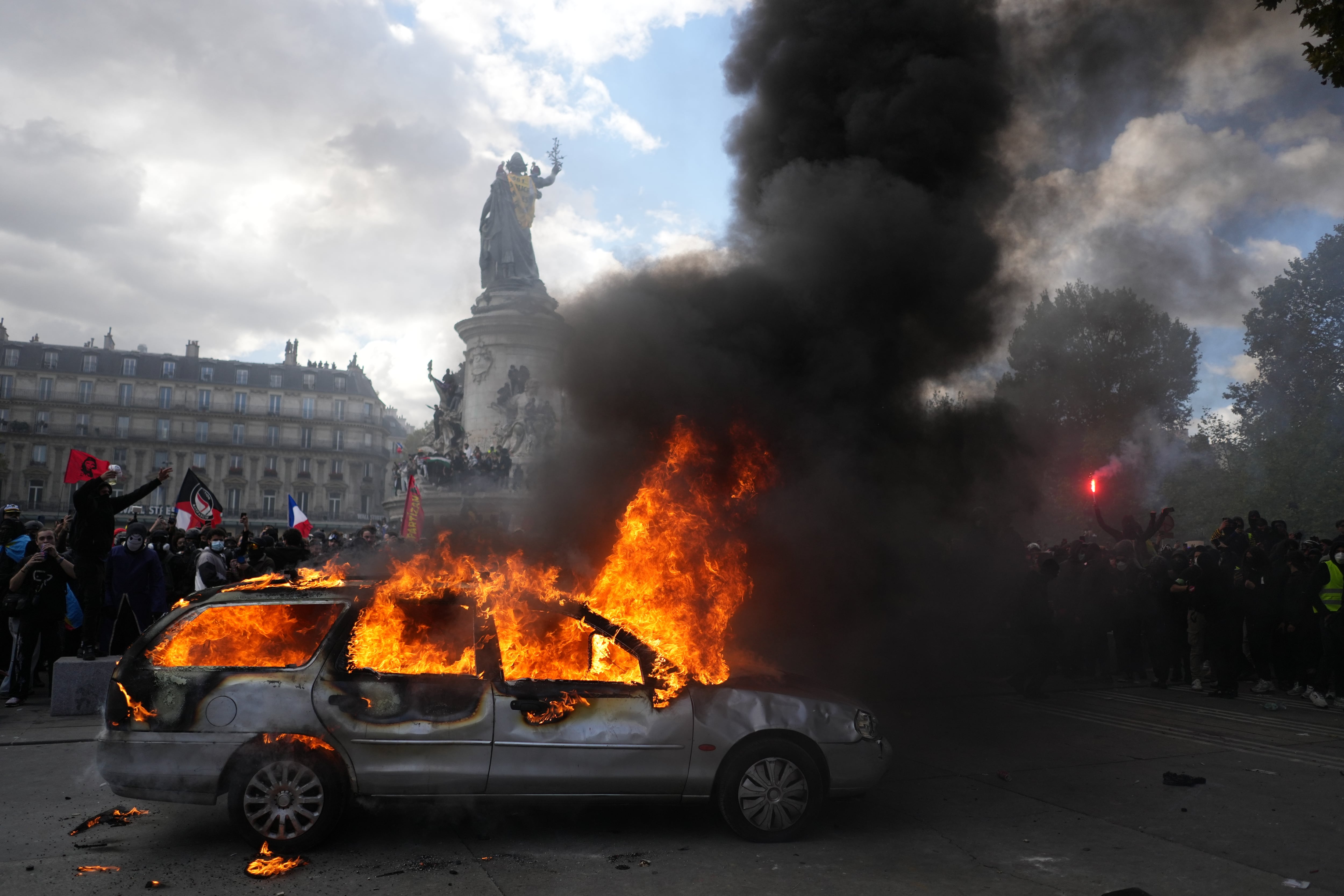






















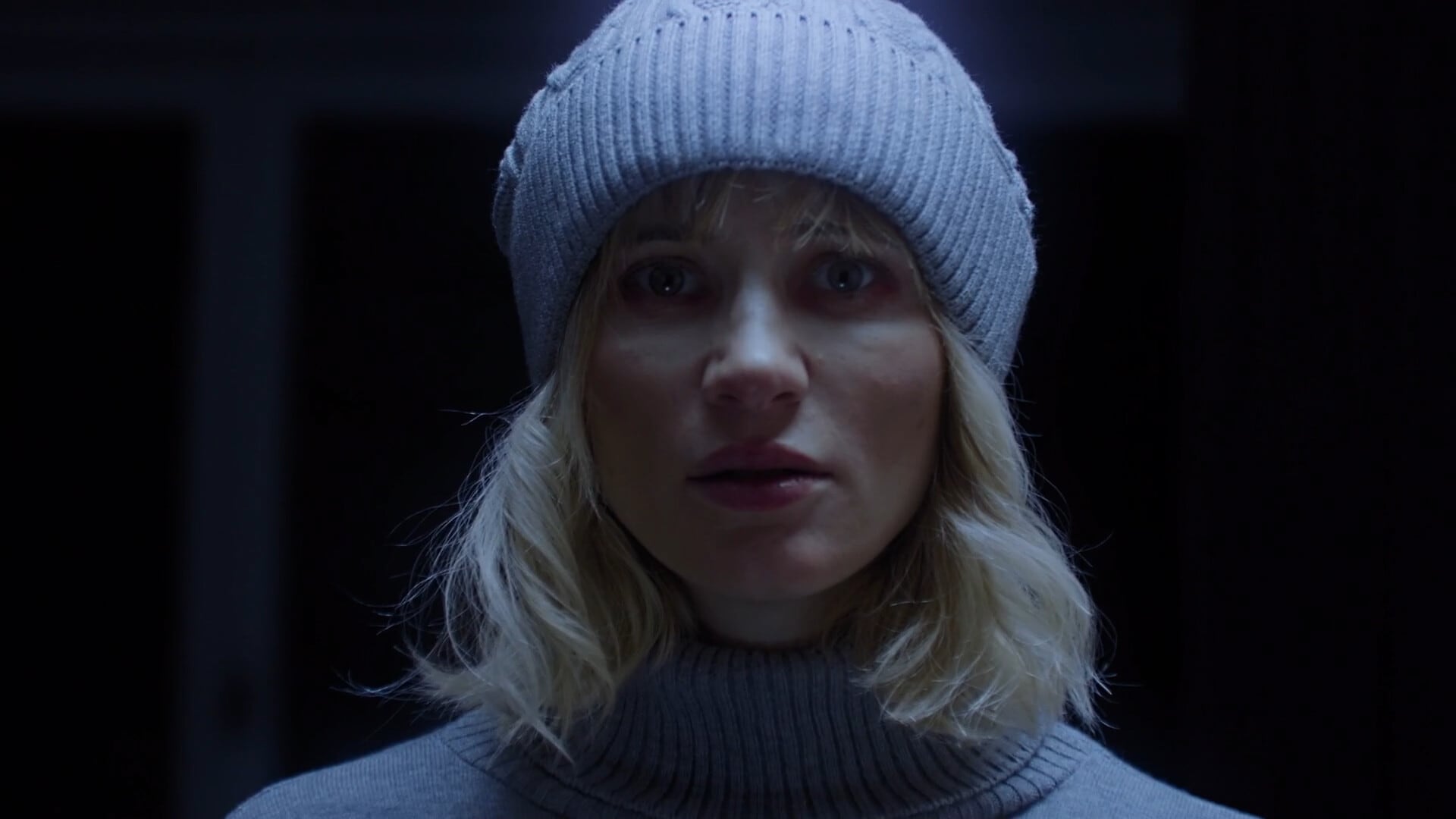

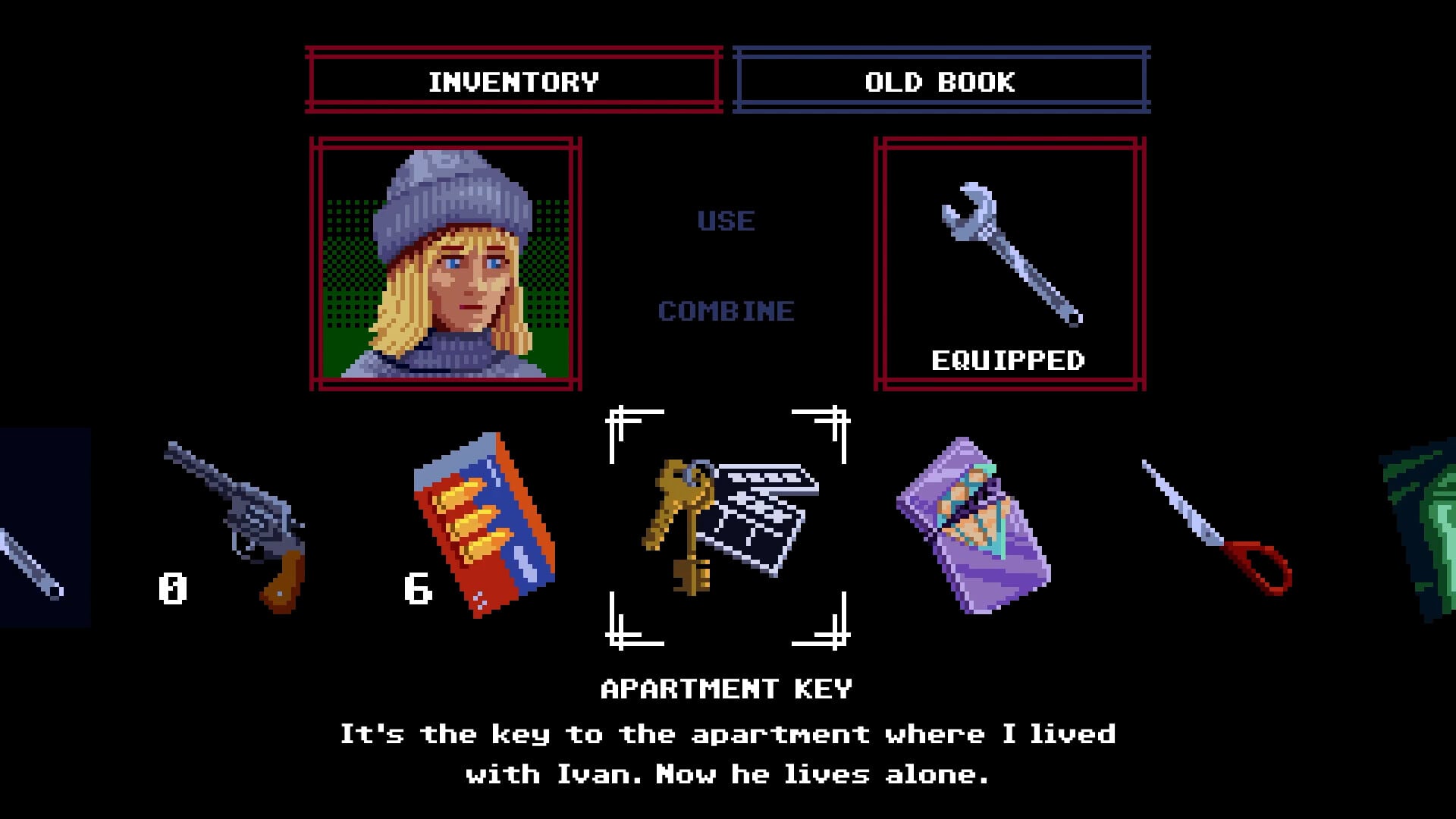





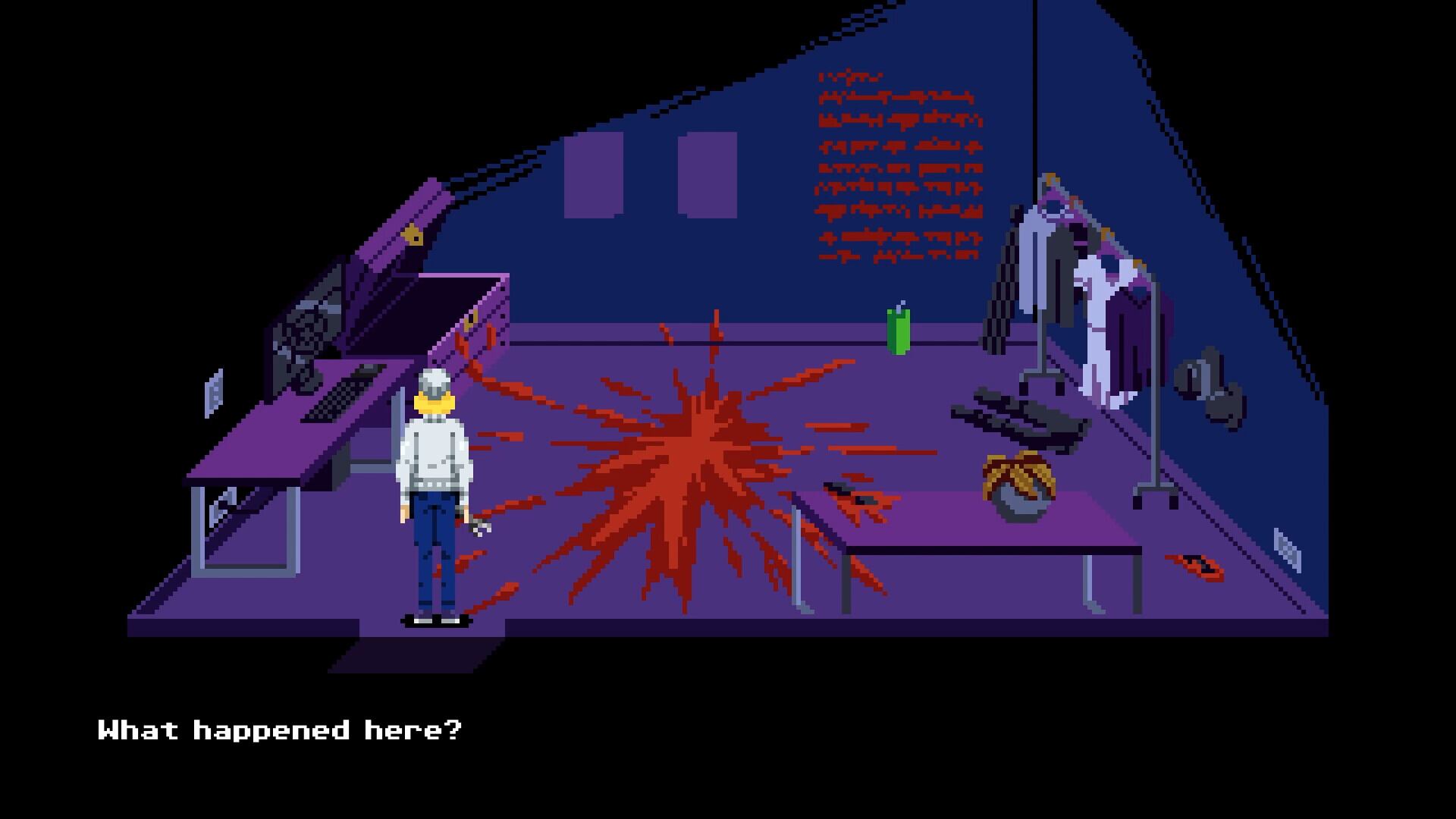
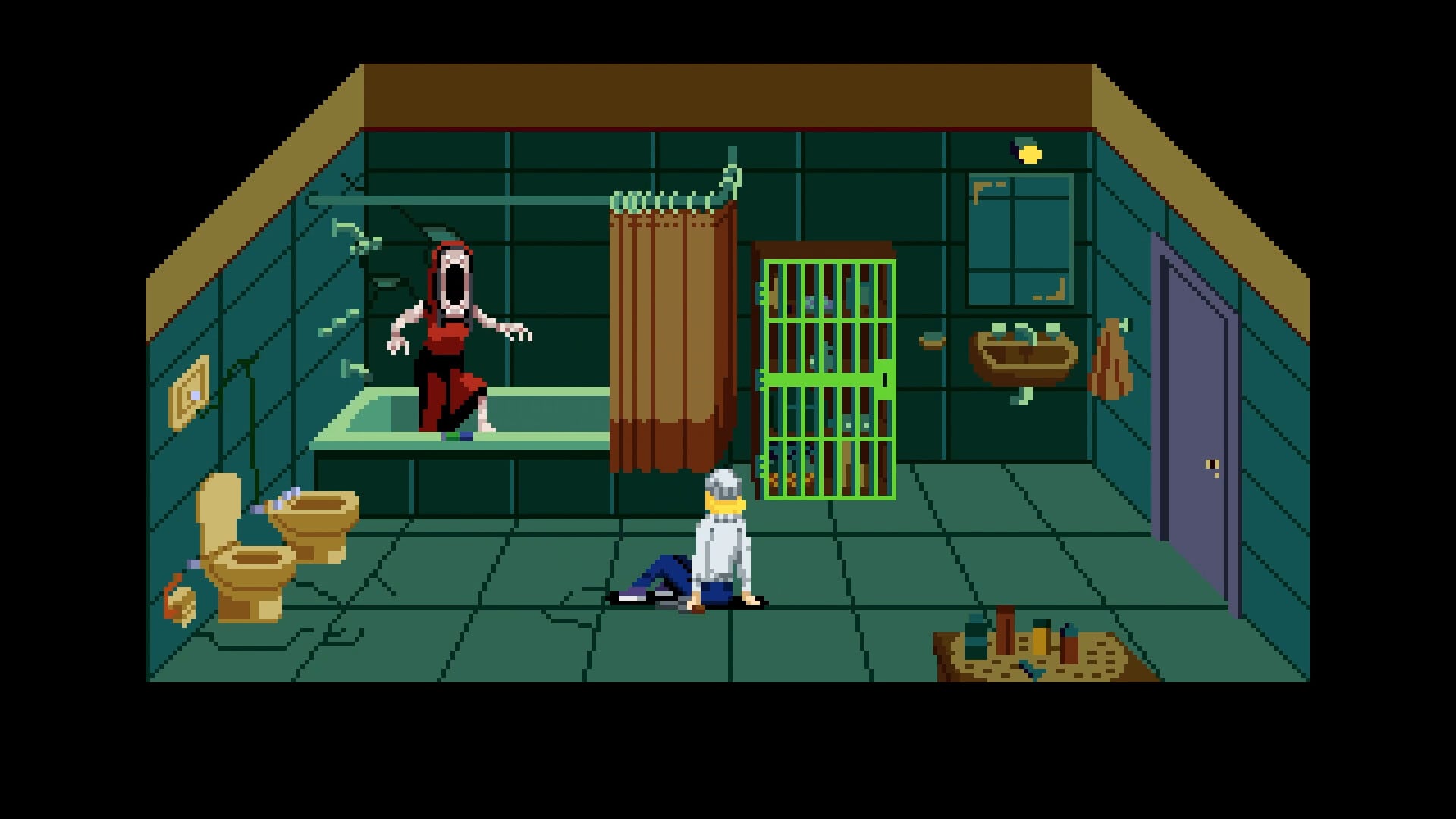

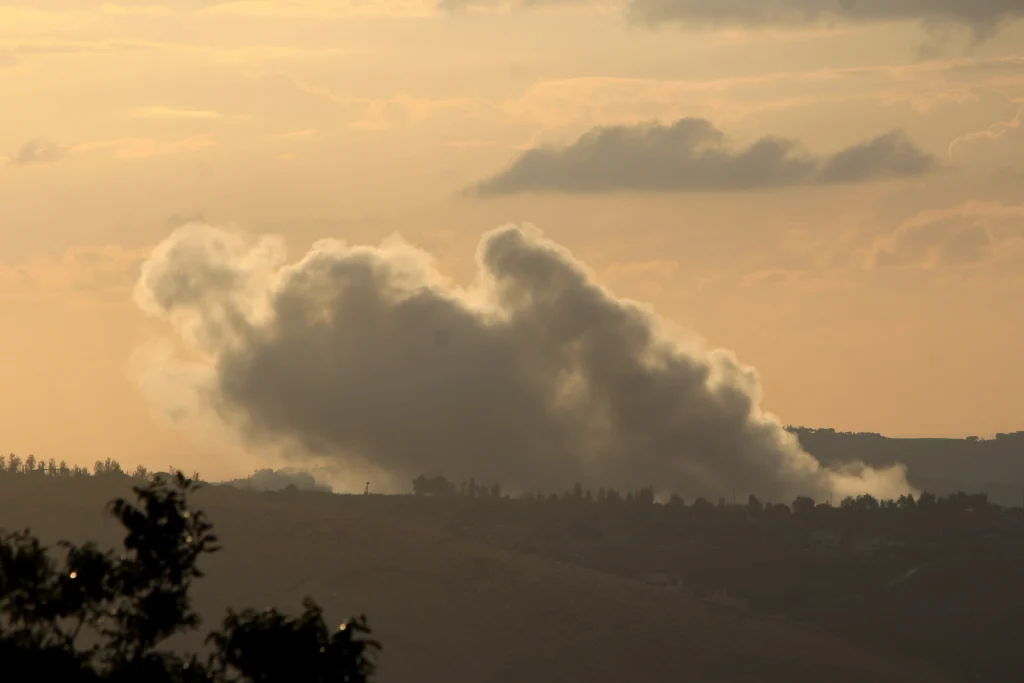





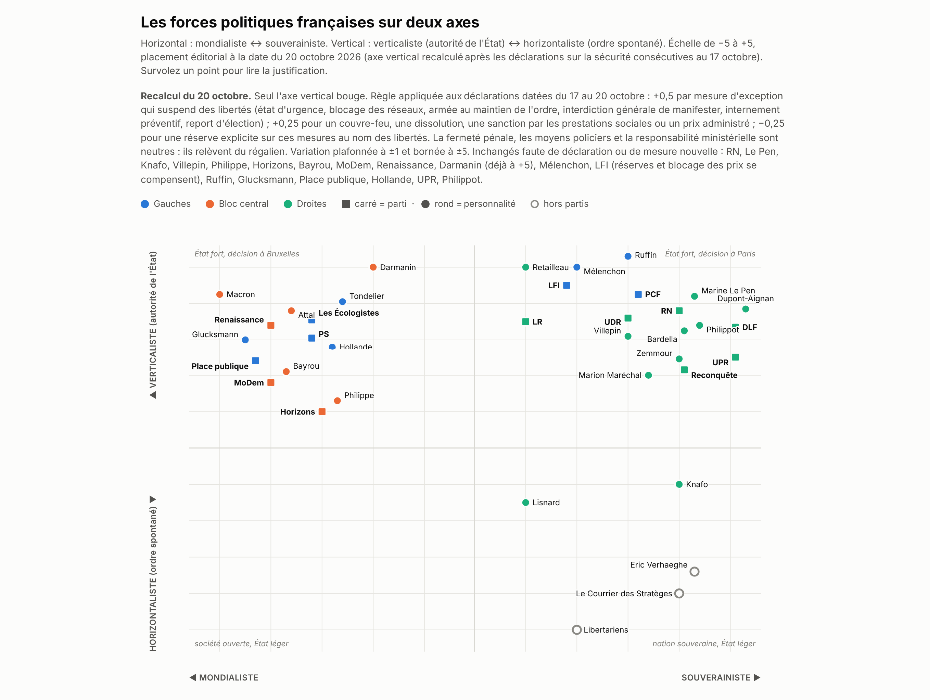
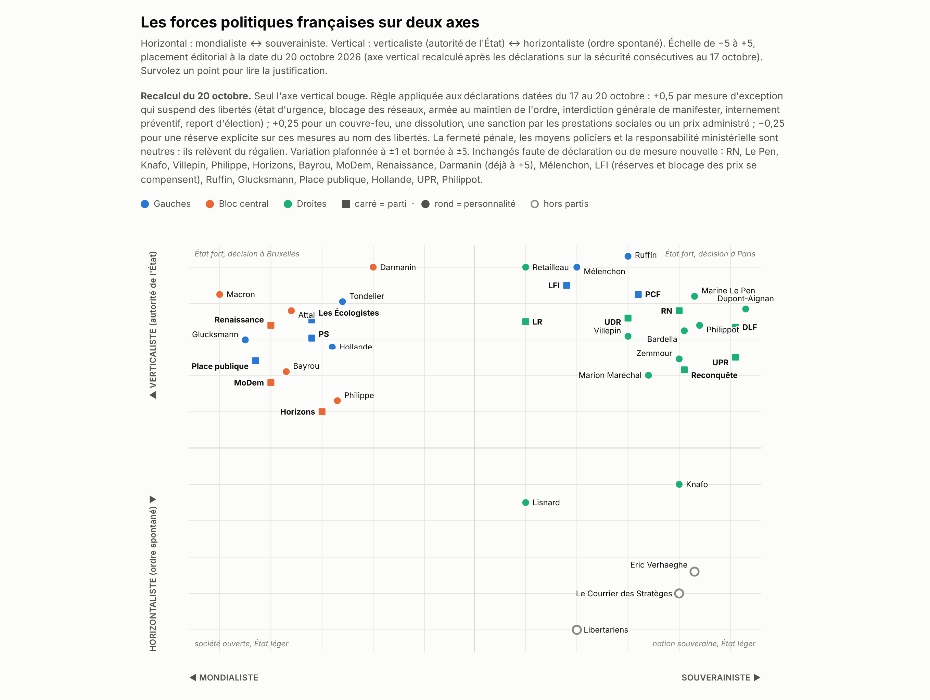



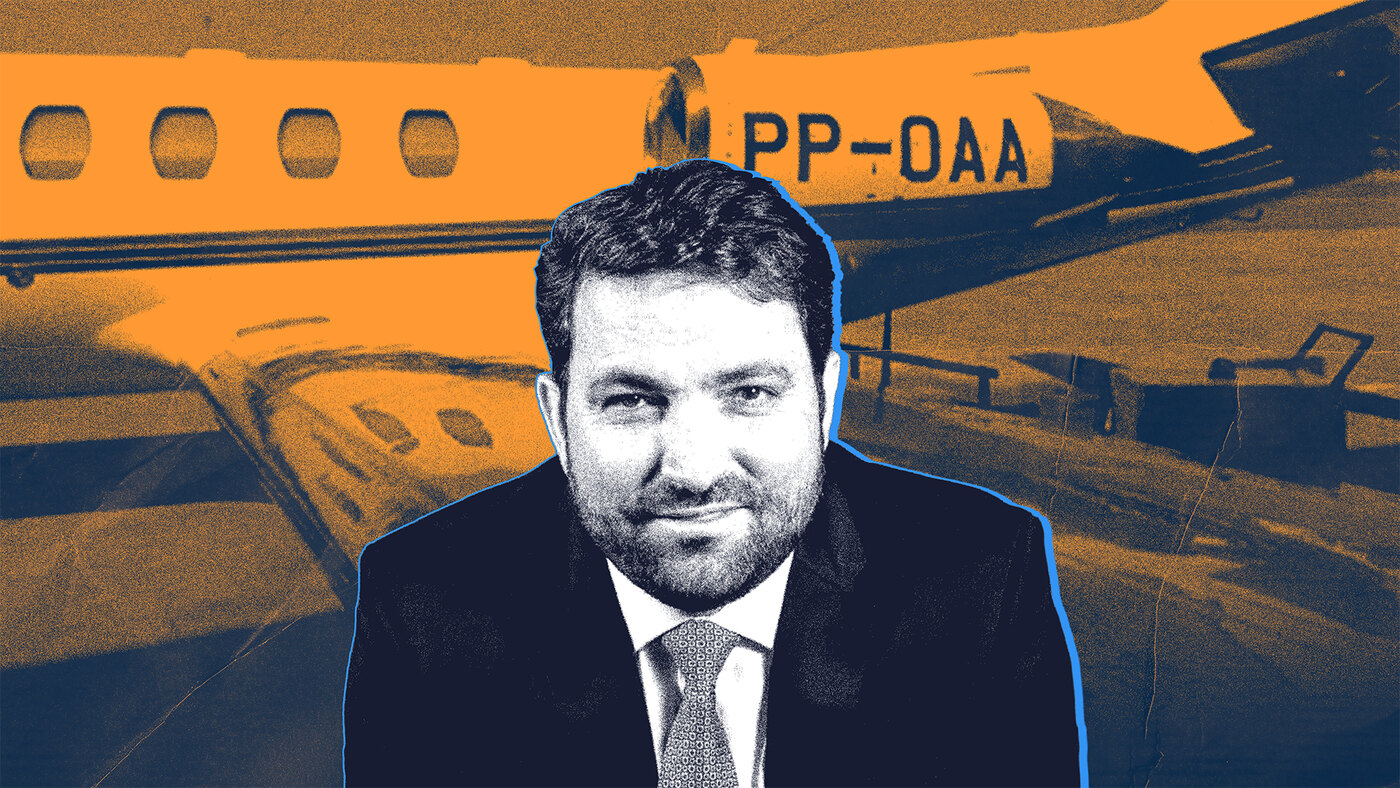


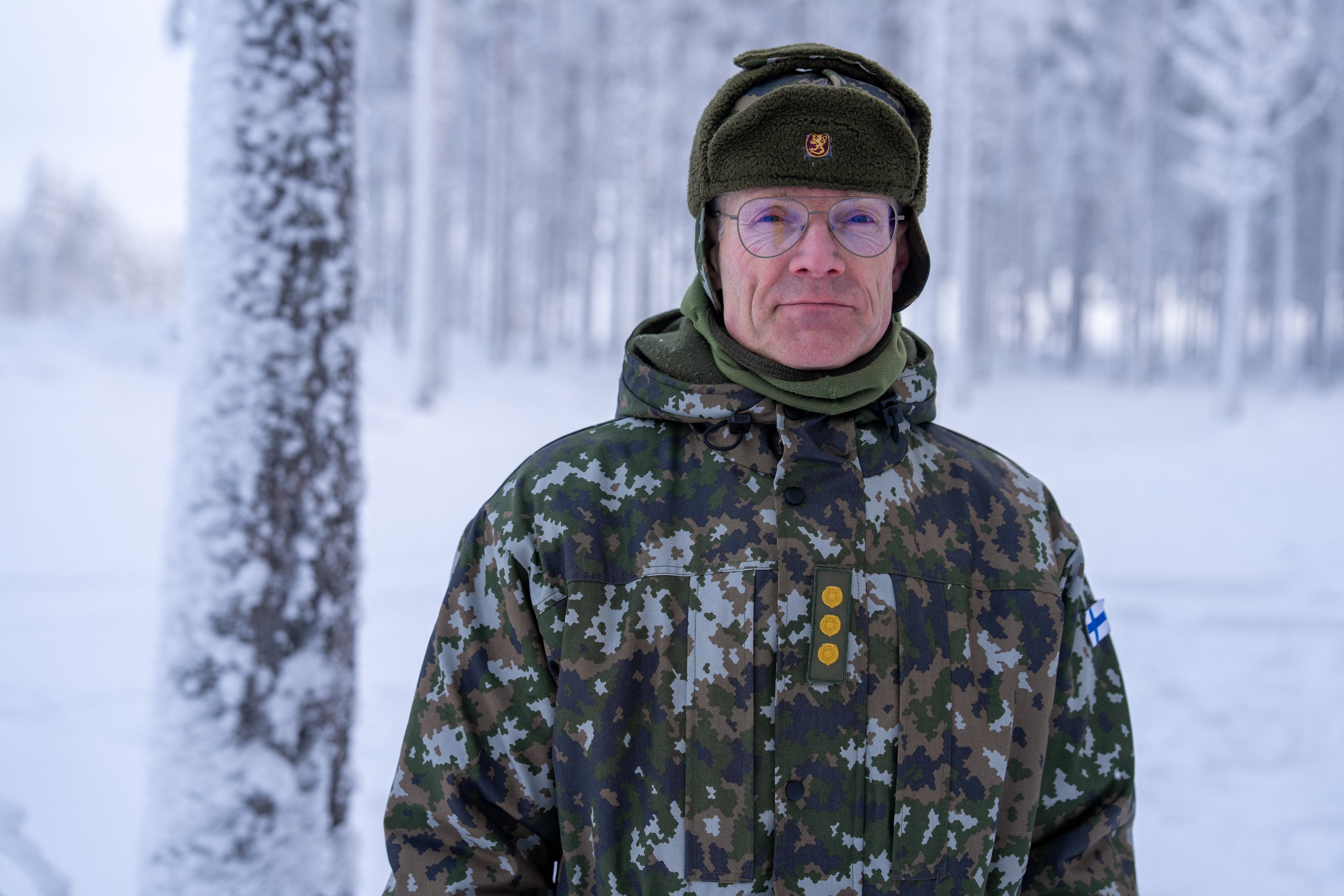

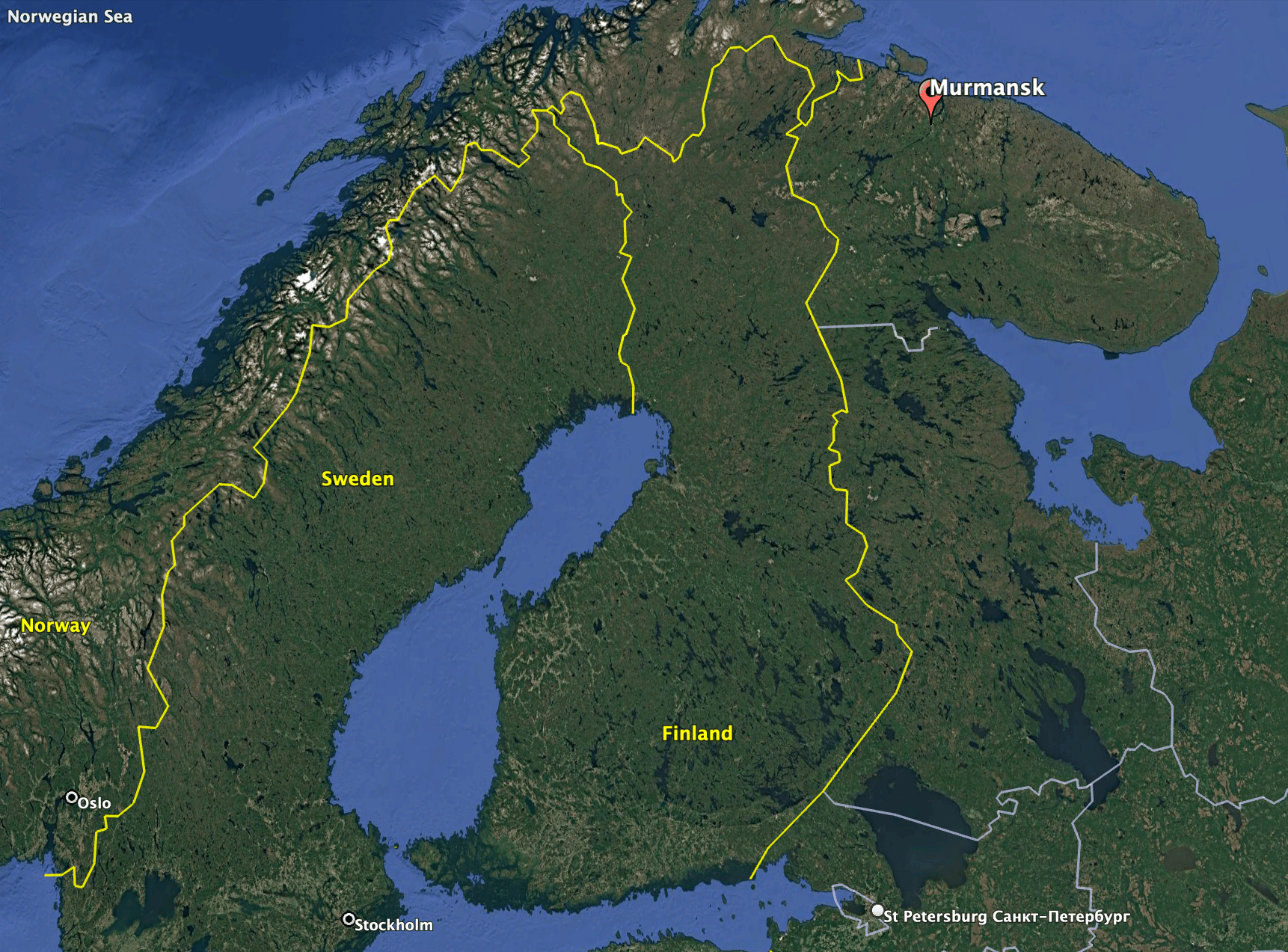
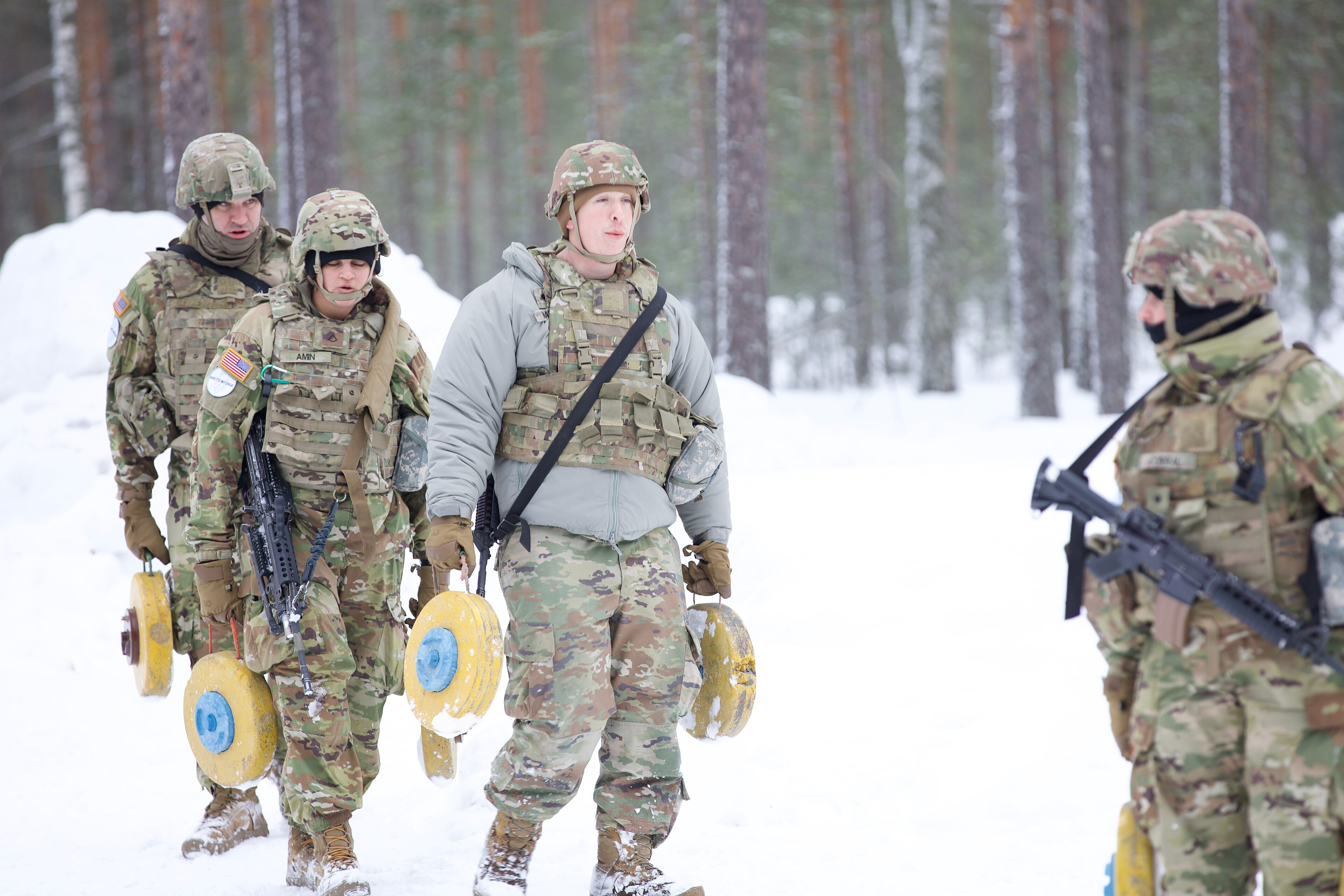


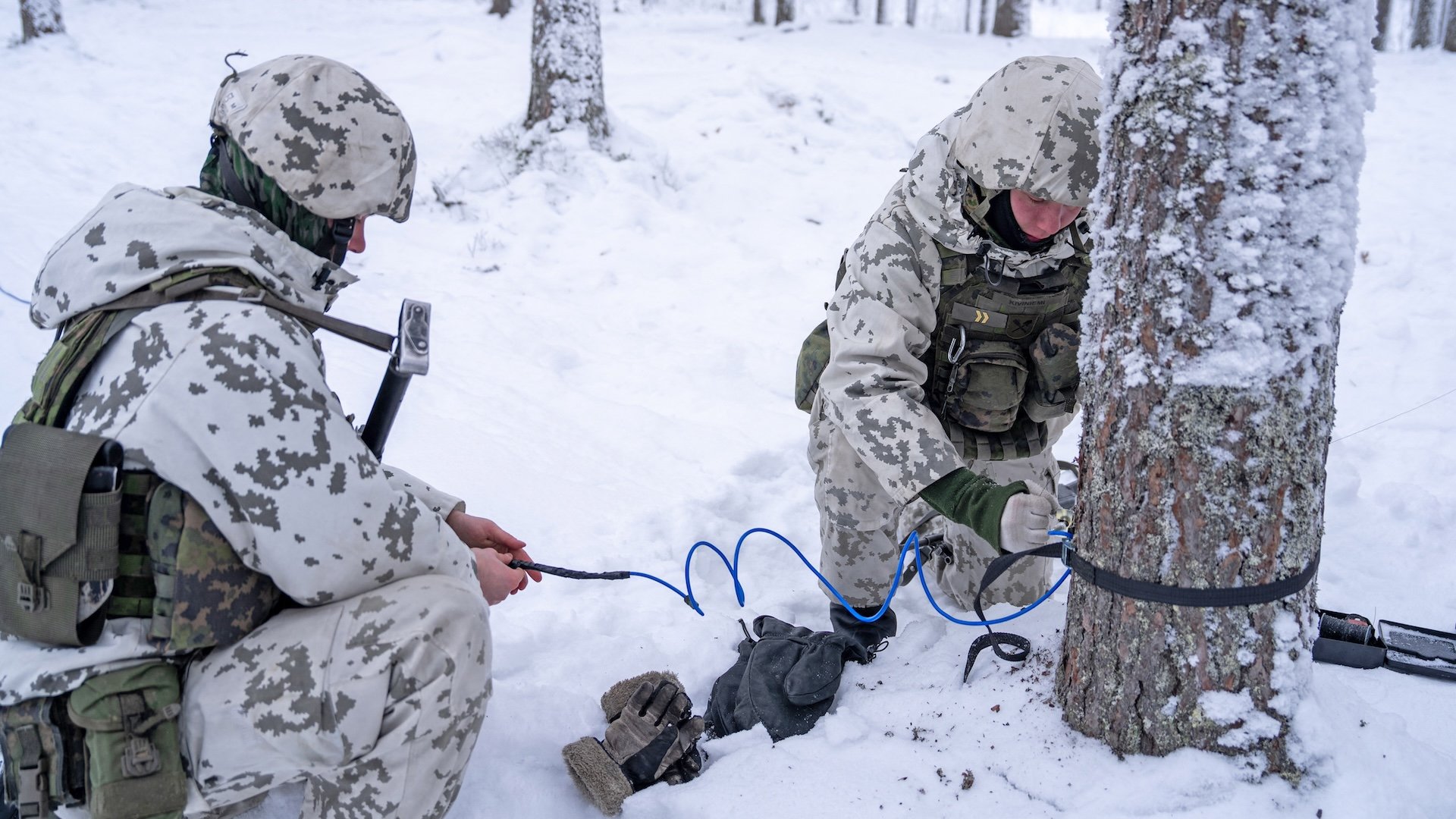


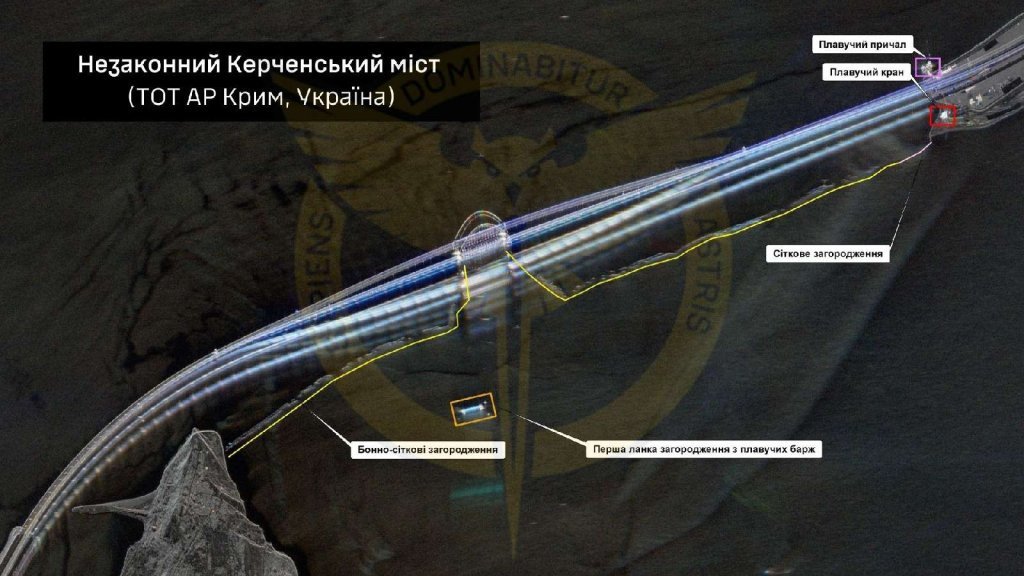
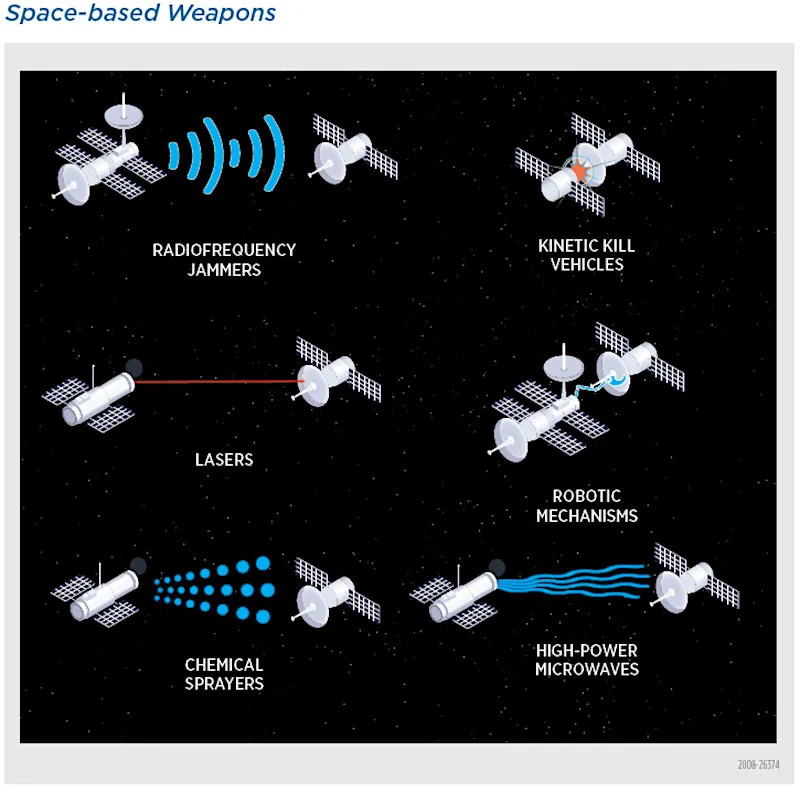


 NEW: Germany has formally scrapped plans to buy the Ghost Bat combat drones directly from Australia, documents show.