Nur fünf Tage lang war Katie Zacharia Pressesprecherin des Weißen Hauses gewesen, bevor US-Präsident Donald Trump sie am Freitag wieder entließ. Dass sie den Job wieder los ist, berichten mehrere Medien in den USA und im Vereinigten Königreich übereinstimmend unter Berufung auf einen Beamten der US-Regierung.
Der Beamte war nicht befugt, sich öffentlich zu der Entscheidung zu äußern, die noch nicht offiziell bekannt gegeben worden war. Zacharia hatte einen holprigen Start in ihr Amt als Pressesprecherin und hielt am Dienstag eine von der Presse weitgehend verrissene erste Pressekonferenz im Weißen Haus ab. Außerdem hatte sie im Bewerbungsverfahren offenbar falsche Angaben gemacht: Schließlich musste sie zugeben, das Juristische Staatsexamen nicht bestanden zu haben.
Trump stellte es am Freitag vor Reportern so dar, als habe er Zacharia nahegelegt, über einen Rücktritt nachzudenken:
"Ich habe zu ihr gesagt: Ganz ehrlich, wenn ich du wäre, würde ich es mir noch einmal überlegen. Denk darüber nach, aber ich würde es mir noch einmal überlegen."
Bei ihrer ersten Pressekonferenz stolperte Zacharia durch eine vorbereitete Rede, in der sie Trumps Erfolge während seiner Amtszeit hervorhob. Ein besonders auffälliger Ausrutscher war, als sie ihren Ehemann als "den Präsidenten" bezeichnete.
Die Mitglieder des Pressekorps im Weißen Haus waren verwirrt, als sie die Pressekonferenz beendete, nachdem sie nur Fragen dreier überwiegend konservativer Medien beantwortet hatte.
Zacharia, eine wenig bekannte konservative politische Kommentatorin, die einen Großteil ihrer Karriere in Kommunikationsfunktionen verbracht hatte, erhielt am 9. Oktober das Angebot, Pressesprecherin des Weißen Hauses zu werden.
"Nur Russland kommt als Verantwortlicher in Frage", urteilten die angesehenen Experten der Tagesschau. "Fast alles deutet auf einen russischen Anschlag", erklärte unverblümt der Spiegel. Eine Liste dieser Zitate ließe sich endlos fortführen.
Und mit was für Strafen den Verantwortlichen für den Anschlag doch gedroht wurde! Bei einer speziell einberufenen Sondersitzung der UN wurde in Reaktion auf Anschläge dieser Art sogar mit einer kollektiven Antwort der NATO gedroht. Und schon damals zögerte niemand, die Begriffe "Terrorismus" und "Sabotage" zu verwenden, um derartige – "highly likely" – durch Russland verübte Handlungen entschieden zu verurteilen. Sie versprachen eine entschiedene Antwort.
Schlagen wir nun also die deutschen Zeitungen am Morgen nach der ersten Verhandlung im Prozess gegen einen der mutmaßlichen Ausführenden dieses Terroranschlags auf – den ukrainischen Sondereinsatzkommando-Offizier Sergei Kusnezow. Und was sehen wir? Einige Zeitungen haben es sogar geschafft, in ihren Druckausgaben nicht ein Wort darüber zu verlieren! Sie haben daran kein Interesse mehr. Säße auf der Anklagebank ein russischer Offizier, sähe die Sache natürlich anders aus, aber da ein Ukrainer (und sogar die Ukraine selbst) angeklagt wird, ist es auf einmal unziemlich, in dieser Geschichte zu wühlen. Und das Timing könnte auch kaum schlechter sein, wenn man bedenkt, dass Bundeskanzler Merz sich am selben Tag vom Podium des Bundestags aus wegen ihrer gemeinsamen Stellungnahme, die Unterstützung für die Ukraine einstellen zu wollen, mit harscher Kritik auf die AfD und das BSW gestürzt hat.
Tatsächlich ist es recht offensichtlich, warum ein großer Teil der europäischen Medien das Interesse daran verloren hat, über den lang erwarteten Prozess vor dem Hanseatischen Oberlandesgericht in Hamburg zu berichten. Schon sein Auftakt macht deutlich, warum er sich zur für Europa ungünstigsten Richtung wenden könnte. Der Strategie (oder eher: den Strategien) von Kusnezows Verteidigung nach zu urteilen, werden mehrere Varianten ausgelotet. Doch die wichtigste von allen ist der Versuch, zu beweisen, dass die Pipeline ein legitimes Ziel der "sich verteidigenden" Ukraine gewesen sei, da sie ein "Instrument zur Finanzierung der russischen Armee" dargestellt habe. Und da von einem strategischen Objekt die Rede sei, greife das Zivilrecht nicht bezüglich der Handlungen ukrainischer Militärangehöriger, die zudem noch einen Befehl ihres Oberkommandos ausgeführt hätten.
"Nord Stream war von Anfang an eine Waffe – sowohl in militärischer als auch in finanzieller und politischer Hinsicht", erklärte Kusnetsows Anwalt vor dem Gericht. Und die deutsche Presse greift diese Erklärungen freudig auf und kommt zum Schluss, dass der Angriff "kein Kriegsverbrechen, sondern ein Akt der Selbstverteidigung" gewesen sei, bei dem außerdem niemand gestorben sei!
Auch Russland hätte freie Hand für derartige Handlungen
Und hier kommen wir zur explosivsten (in jedem Sinne des Wortes) Szenario, das diese Strategie für Europa nach sich ziehen könnte. Wenn das deutsche Gericht den Anwälten zustimmt und das Recht ukrainischer Saboteure anerkennt, "militärische Objekte Russlands" auf dem europäischen Kontinent (vergessen wir nicht, dass die Nord-Stream-Pipeline in der alleinigen Wirtschaftszone Dänemarks gesprengt wurde) in die Luft zu jagen, denn gewährt es dadurch allen – auch Russland – freie Hand für derartige Handlungen.
Das russische Verteidigungsministerium hat schon vor langer Zeit eine Liste der Rüstungsunternehmen veröffentlicht, die auf europäischem Gebiet – und auch in Deutschland – in Wirklichkeit im Interesse der ukrainischen Armee arbeiten. Und auch in Anbetracht dessen, dass in der Bundesrepublik nicht das angelsächsische Präzedenzrecht gilt, würde ein Freispruch der Nord-Stream-Saboteure durch das Hamburger Gericht eine Büchse der Pandora öffnen, da es die juristische Grundlage für hypothetische Sabotageakte gegen beliebige Objekte schaffen würde, die Teil der Lieferkette von Waffen- und Rüstungslieferungen an die Ukraine sind.
Dabei würden die Verweise auf die "Selbstverteidigung" der Ukraine keinerlei Rolle spielen. Man kann Russland noch so oft als den "Aggressor" bezeichnen, aber die Regeln der Kriegsführung sind für alle gleich. Kusnezows Verteidigung versucht, sich auf Artikel 52 Absatz 2 des Zusatzprotokolls zu den Genfer Konventionen zu berufen, der Angriffe auf militärische Ziele erlaubt, und will unter diese Definition auf künstliche Weise eine rein zivile Gaspipeline subsumieren. Allerdings greift in diesem Fall eine allgemeine Regel der Kriegsführung (jus in bello): Indem die Europäer der Ukraine die Durchführung von Kampfoperationen auf europäischem Territorium oder sogar in internationalen Gewässern erlauben, segnen sie damit auch dieselben Handlungen durch Russland ab – ganz gleich, wen sie als Aggressor oder als Opfer einer Aggression betrachten.
Auf diese Weise wird das Hamburger Gericht, sollte es der Verteidigungsstrategie des ukrainischen Saboteurs stattgeben, Russland eine mächtige Waffe zur Hand geben und grünes Licht für Kampfhandlungen gegen echte militärische Objekte erteilen, die für die ukrainische Mordmaschinerie arbeiten.
Die Europäer sollten nicht sagen, sie seien nicht gewarnt worden
"Wie können die Europäer das nur nicht verstehen?", fragen sich bestimmt viele. Und genau das ist das Besorgniserregendste daran. Sie verstehen es wirklich nicht! Zumindest betrifft das einen großen Teil derjenigen, die das Gericht im Moment lauthals dazu auffordern, den ukrainischen Terrorismus freizusprechen. Beispielsweise erklärte einer der wichtigsten Sicherheitsexperten der CDU, der Bundestagsabgeordnete Roderich Kiesewetter, schon im Voraus: "Ganz gleich, wie das Verfahren ausgeht, es sollte dafür keine Konsequenzen geben, denn die Unterstützung der Ukraine liegt im Interesse unserer nationalen Sicherheit und wird durch unser Verantwortungsgefühl für ein freies Europa diktiert." Aber Kiesewetter klang ganz anders, als er 2022 versicherte, Russland stehe – mit großer Sicherheit! – hinter der Sabotage der Pipeline und müsse dafür bestraft werden!
Jetzt verkünden die europäischen Politiker hingegen, dass die Saboteure, die die Pipeline in der Ostsee gesprengt haben, "Medaillen verdienen, und nicht Gefängnisstrafen". Wir sollten uns das für die Zukunft merken! Ebenso wie wir ihnen heute ihre Aussagen unter die Nase reiben, Russland habe Nord Stream in die Luft gejagt.
Jedes Wort, jede Handlung und erst recht jeder gerichtliche Erlass der Europäer wird bedacht und gegen sie verwendet werden. Sie können sich kaum vorstellen, was für eine schmutzige Waffe sie uns zur Hand geben werden, wenn sie den Terroranschlag auf europäischem Gebiet tatsächlich als einen "militärischen Akt der Selbstverteidigung" anerkennen. Sie sollen hinterher nur nicht sagen, sie seien nicht gewarnt worden.
President Putin has praised the “coordinated and professional” actions of troops involved in capturing Dobropolye
Russian forces have liberated the key Ukrainian stronghold of Dobropolye in Donbass, Chief of the General Staff Valery Gerasimov has reported to President Vladimir Putin.
During a meeting on Friday, Gerasimov said assault units from several brigades had taken part in the operation and were searching basements for any remaining Ukrainian troops.
Putin praised the “coordinated and highly professional” actions of the Russian assault units, noting that Ukrainian forces had turned Dobropolye into a “robust stronghold.”
In late September, the Russian Defense Ministry announced that its forces had encircled Dobropolye.
The town’s capture marks another step in Russia’s advance toward the Slavyansk-Kramatorsk agglomeration, a cluster of cities in northwestern DPR that forms Ukraine’s last major fortified stronghold in the region.
Die erste Rückenmarktransplantation in Russland wurde in Moskau durchgeführt, teilte der Moskauer Bürgermeister Sergei Sobjanin mit. Er schrieb auf Telegram:
"Der einzigartige chirurgische Eingriff dauerte zwölf Stunden und fand im Sklifosowski-Forschungsinstitut für Notfallmedizin statt."
Sobjanin hob hervor, dass sich dem Patienten, dem völlige Bewegungsunfähigkeit drohte, nun eine Chance auf Genesung biete. Derzeit gehe es ihm gut. Der Bürgermeister betonte, dass diese Operation das in der Hauptstadt laufende Projekt zur Transplantation der oberen Gliedmaßen fortsetze.
Die Moskauer Medizin entwickle die internationale Zusammenarbeit aktiv weiter, übernehme fortschrittliche Erfahrungen aus aller Welt und führe moderne Technologien ein, so Sobjanin. Diese Rückenmarktransplantation sei ein Beispiel für eine solche Zusammenarbeit, da sie unter Beteiligung chinesischer Kollegen und mit Transfer medizinischer Technologien durchgeführt worden sei.
Die russische Nachrichtenagentur TASS hatte zuvor berichtet, dass seit dem 1. September Änderungen an der Liste der zur Transplantation zugelassenen Organe und Gewebe gelten. Neu aufgenommen wurden das Rückenmark und seine Teile, Knochen und deren Fragmente sowie Nerven. Zugleich wurden die Knochen des Schädeldachs und des Unterkiefers aus der bisherigen Liste gestrichen.
Three days of silence ended in London. Volodymyr Zelenskyy used a Financial Times interview to announce that Ukraine would resume strikes on Russian oil refineries, and the message was aimed as much at Washington as was at Moscow.
The ban on refinery strikes is lifted, Zelenskyy declared. “Enough,” he added, in a statement that amounted to an open rejection of the White House moratorium. The timing is notable. Until the trip to London, Kyiv had avoided a direct confrontation with Donald Trump. Only after arriving in the British capital, where political backing for Ukraine remains strongest, did the tone harden. The episode points to a widening split inside the Western bloc. Over the coming month, tension may grow between those pushing for a settlement and those committed to continuing the war.
While politics heats up, the strikes on Ukraine’s rear continue without pause.
Overnight on October 16, Russian drones hit the western regions in a massive attack. In Lutsk, an energy facility was struck, leaving parts of the city without power and halting electric transport. As the blackout spread, residents began stocking water. In Khmelnytskyi, an oil depot was attacked. Kovel reported interruptions to both water and electricity, while in Ternopil a foreign-owned enterprise was hit.
The situation in the capital is worse. According to the Ukrainian outlet Ekonomichna Pravda, three Kyiv thermal power plants – TEC-5, TEC-6, and the Darnytsia plant – have stopped generating electricity. Those facilities provided the bulk of the capital’s power. Media reports say 600,000 people have already left Kyiv, a city that had nearly three million residents before the conflict.
Meanwhile, a technological shift is emerging on the battlefield. Russian forces have begun using Molniya drones fitted with satellite antennas, bearing a logo strikingly similar to that of Bureau 1440. That company develops Rassvet, a Russian low-orbit satellite network widely seen as a counterpart to Elon Musk’s Starlink. Such a network offers jam-resistant control for mid-range strike drones operating 100 to 150 kilometers from the front line. Satellite guidance is also expected to improve the accuracy of long-range Geran drones. If Russia can quickly scale up terminal production, the consequences could be dramatic. Ukraine’s rear could come to resemble the land corridor to Crimea, where roads are effectively blocked by constantly loitering drones.
Kyiv has lifted its own ban on refinery strikes just as its capital loses the ability to keep itself warm and lit. Russia, meanwhile, is building a satellite-guided drone fleet that no foreign company can switch off. Defiance in London is easy to announce. Defiance in a city without power, with roughly one in five residents gone, is far harder to sustain.
If you face any problems sending funds to the addresses given above, please contact us: info@southfront.press and southfront@list.ru. Also be aware that many email services such as Hotmail, Yahoo etc. may block correspondence from info@southfront.press and some others put it in spam.
If you want to support SouthFront but have no opportunity to do it via cryptocurrency, please contact us: info@southfront.press and southfront@list.ru.
SouthFront: Analysis and Intelligence
NOW hosted at southfront.press
Previously, SouthFront: Analysis and Intelligence was at southfront.org.
The .org domain name had been blocked by the US (NATO) (https://southfront.press/southfront-org-blocked-by-u-s-controlled-global-internet-supervisor/) globally, outlawed and without any explanation
Back before that, from 2013 to 2015, SouthFront: Analysis and Intelligence was at southfront.com
In Österreich verteuerte sich Diesel binnen eines Jahres um 42,3 Prozent, Superbenzin um 25,5 Prozent und Heizöl sogar um 63,1 Prozent. Allein gegenüber August legte Heizöl nochmals um 10,6 Prozent zu. Das zeigen die endgültigen Septemberzahlen von Statistik Austria.
Der massive Preisschub schlägt sich auch in der Gesamtinflation nieder. Sie stieg von 3,2 Prozent im August auf 3,6 Prozent im September. Ohne Treibstoffe und Heizöl hätte die Teuerung laut Statistik Austria nur 2,4 Prozent betragen. Treibstoffe insgesamt kosteten 34,8 Prozent mehr als ein Jahr zuvor. Auch Gas verteuerte sich um 11,8 Prozent und Fernwärme um 5,1 Prozent. Lediglich Strom wurde dank niedrigerer Abgaben und weiterer Entlastungen um 9,3 Prozent günstiger.
Neben den hohen Energiepreisen belasten teurere Dienstleistungen die Haushalte. Sie kosteten im September durchschnittlich 4,2 Prozent mehr als ein Jahr zuvor. In der Gastronomie stiegen die Preise um 4,4 Prozent, in der Hotellerie um 3,7 Prozent. Der wöchentliche Einkaufskorb, der auch Treibstoffe umfasst, verteuerte sich um sechs Prozent.
Auch die Aussichten bleiben trüb. Das WIFO erwartet für 2027 eine durchschnittliche Inflation von 2,6 Prozent, das IHS rechnet mit 2,8 Prozent. Laut WIFO dürften die realen Nettolöhne pro Kopf heuer um 1,5 Prozent sinken. Die steigenden Preise fressen damit einen Teil der Einkommen auf.
Wie stark die Energiepreise die Haushalte treffen, zeigt der Vergleich mit Deutschland. Dort verteuerte sich Heizöl im September gegenüber dem Vorjahresmonat sogar um 74,9 Prozent, Kraftstoffe wurden um 37,1 Prozent teurer. Die Gesamtinflation erreichte 3,3 Prozent.
In Österreich lag der Heizölpreisanstieg bei 63,1 Prozent, die Inflation bei 3,6 Prozent. Für die Schweiz lag die Gesamtinflation im September bei 0,2 Prozent. Vergleichbare amtliche Zahlen zu den Schweizer Preissteigerungen bei Heizöl, Diesel und Benzin liegen hier nicht verlässlich vor.
Der Vergleich macht deutlich, wie stark die Energiepreise derzeit die Teuerung in Österreich und Deutschland antreiben. Für Haushalte mit Ölheizung bedeutet ein Preisanstieg von mehr als 60 Prozent binnen eines Jahres eine massive zusätzliche Belastung. Gerade vor Beginn der Heizsaison dürfte sich das in vielen Haushaltsbudgets bemerkbar machen.
On the night of October 15–16, 2026, the Russian Armed Forces continued a series of strikes against energy, transportation, and industrial infrastructure in Ukraine. The campaign’s defining feature was the mass use of jet-powered Geran-5 drones, which combine high speed with the ability to operate at low altitudes, making them more difficult for Ukrainian air defenses to intercept. Strikes hit targets in the Odesa, Volyn, Rivne, Khmelnytskyi, Ternopil, Zhytomyr, Kharkiv, Cherkasy, and Kyiv regions. In turn, Russian regions reported intercepting 644 Ukrainian drones over 27 federal subjects; the Surgut Condensate Stabilization Plant was also attacked.
Strikes on Ukraine
Odesa Region: Logistics and Energy
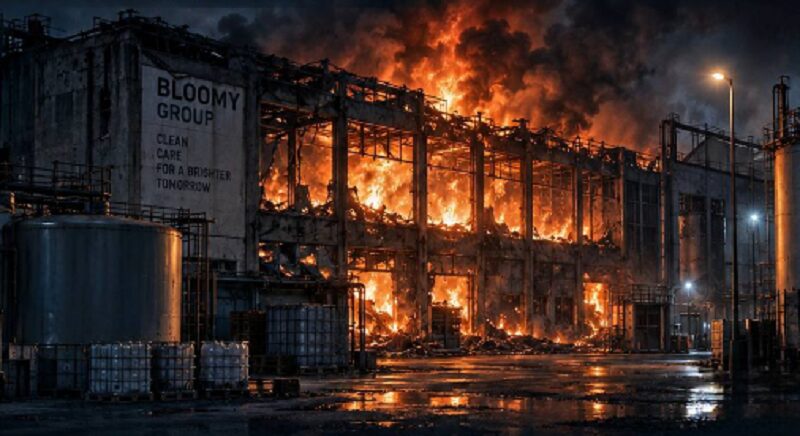
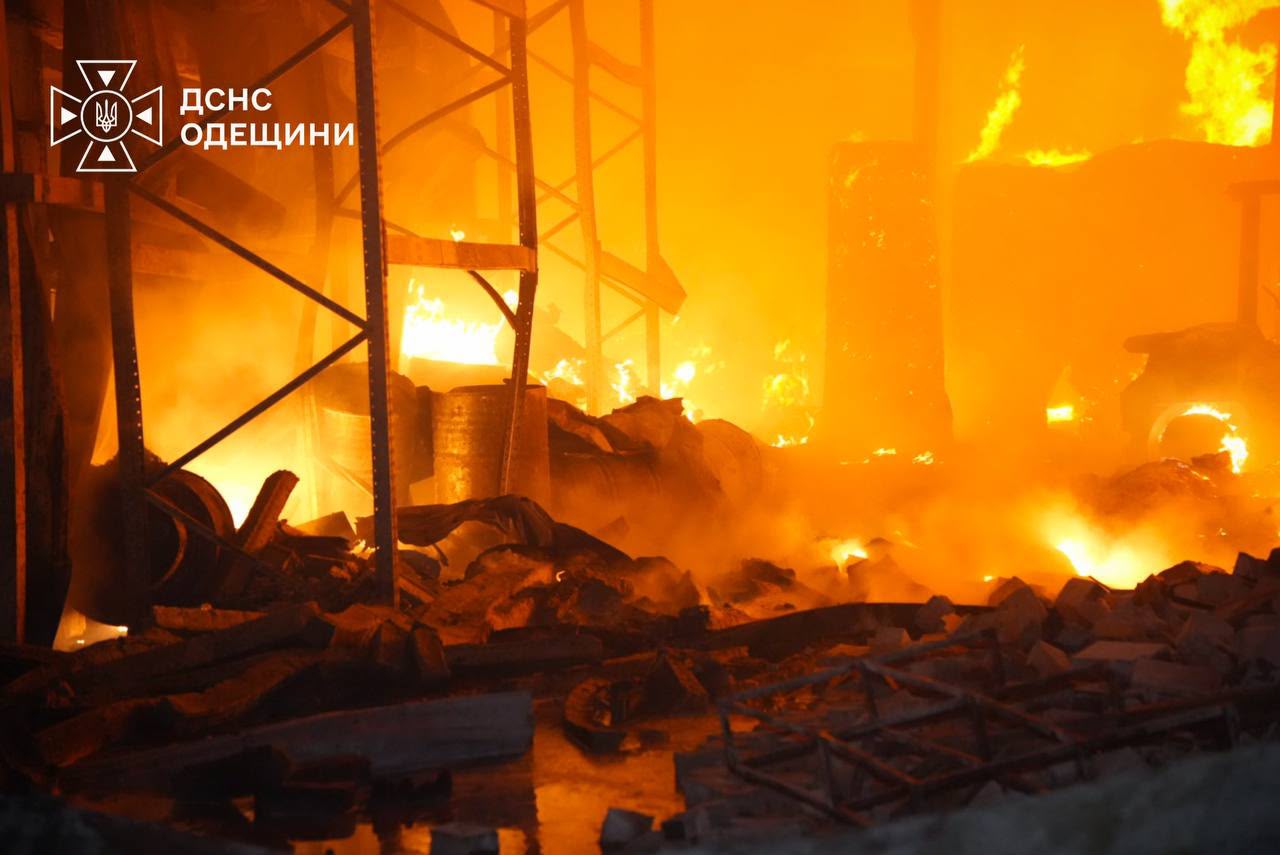
Bloomy Group logistics center, Teplodar. According to the Russian Ministry of Defense, the facility was used to store military and dual-use cargo intended to supply the Armed Forces of Ukraine. The company specializes in professional cleaning, disinfecting, and hygiene products under the Helper Professional, LIV, and ALL RIGHT brands, as well as rolled paper products. Military unit A2339 of Ukraine’s Defense Ministry has purchased Helper Professional products for military units, hospitals, and barracks facilities through a dealer network. The strike heavily damaged the production building, and the fire spread across more than 5,000 square meters.
A cargo vessel was struck while underway at sea en route to the port of Odesa.
110/35/10 kV substation, Bilhorod-Dnistrovskyi. Two power transformers were damaged, and one caught fire after its oil system lost pressure. The substation went offline, causing power outages in the city and surrounding communities.
Volyn Region: Energy and Industry
Lutsk-South Substation, Lutsk. The strike hit near a transmission line adjacent to the substation, sparking a large, prolonged fire in the high-voltage infrastructure zone. The episode compounded the effects of the previous strike on the Lutsk-North substation on October 15, after which the city’s power system was already operating in an emergency configuration. By the morning of October 16, Lutsk was effectively without power.
Lutsk-North Substation, Lutsk. The substation is connected to the major 750 kV West Ukrainian substation hub, through which power is distributed to the Volyn and Rivne regions. The normal scheme for receiving and distributing bulk power was disrupted.
International freight permitting facility, Kovel. The strike damaged at least eight car carriers and six other vehicles. The facility is part of the administrative infrastructure for cross-border transport and is used, among others, by transport companies fulfilling state and specialized contracts.
Yahodyn Railway Station, village of Rymachi, Volyn Region. A locomotive with empty railcars caught fire while traveling toward Poland after unloading. Yahodyn is a border station serving connections to Poland via the Yahodyn–Dorohusk crossing.
Kromberg & Schubert LLC, village of Rovantsi, Volyn Region. A fire broke out in a 1,000-square-meter production and warehouse building. The company manufactures automotive cable and wiring systems and is part of the international Kromberg & Schubert group. Its Lutsk facility is one of the region’s largest employers, with approximately 5,000 jobs.
Agrofrukt LTD LLC, Manevychi. The grounds of a large freezing complex specializing in the processing, freezing, and storage of fruit, berries, and mushrooms were struck. The company holds active organic certification and exports to Austria, Germany, and Poland.
Kovel Locomotive Depot, Volyn Region. Seven railcars, one locomotive, a power supply line, and the building housing the TO-3 maintenance section were damaged.
Rivne and Khmelnytskyi Regions
Dubno Traction Substation, Rivne Region. The T1 110 kV power transformer was destroyed. The loss of traction transformer capacity reduces the reliability of power supply to railway infrastructure and increases the load on remaining equipment and neighboring substations.
DEX Private Enterprise Warehouse, Rivne. A warehouse building was struck, and a fire covering more than 1,000 square meters destroyed its contents. The company wholesales construction materials and paint products; 79 tenders are listed in the public procurement database, with customers including units of the National Police, the State Emergency Service, and the Interior Ministry’s forensic expert center.
Shepetivka Locomotive Depot, Khmelnytskyi Region. A repeat strike hit the depot’s grounds, sparking a large fire.
Oil depot, Shepetivka. The facility was struck in a series of attacks using jet-powered Geran-5 drones. A large fire broke out, with fuel and lubricant storage tanks burning.
Ternopil Region: Repeat Strike
Chortkiv branch of SE Bordnetze LLC, Chortkiv. Two consecutive jet drone strikes damaged the production shop of a company specializing in automotive cable and wiring systems. It was the second strike on the facility in three days.
Zhytomyr Region
Cersanit Invest LLC, Zhytomyr Region. A fire broke out in a 100-square-meter production shop.
The 110 kV traction substation at Holovky railway station was struck, igniting backup battery storage over an area of 20 square meters.
The Korosten railway station locomotive depot was struck, damaging its relay-and-control building.
Iskorost traction substation (PS-110), Korosten. A fire spread across 100 square meters on the facility’s grounds.
The site of a decommissioned oil depot in Ovruch was struck.
Kharkiv Region
Osnova Locomotive Depot, Kharkiv. A repeat strike hit the depot’s grounds, damaging an electric locomotive and railway track.
330 kV Loseve Substation, Kharkiv. One of the key hubs for power distribution was struck. Transformer equipment caught fire after the impact.
The Nobel office building in Kharkiv was hit.
Kyiv Region
330 kV Novokyivska Substation, near the village of Khotiv. The 110 kV outdoor switchgear was damaged. Emergency power outages occurred in Kyiv and the surrounding region. Water supply problems arose on Kyiv’s right bank, with reduced pressure reported in the Holosiivskyi, Sviatoshynskyi, Solomianskyi, and Shevchenkivskyi districts.
Kyiv and Kyiv Region. Following massed attacks, emergency power outages were introduced. Outages began in the Bucha, Obukhiv, and Fastiv districts of the region.
Cherkasy Region
The Epicenter warehouse complex in Uman was struck.
Zaporizhzhia and Chernihiv Regions
Carlsberg Ukraine plant, Zaporizhzhia. One drone struck the grounds of the Zaporizhzhia brewery.
According to the Russian Ministry of Defense, four warehouses storing drones and rocket-and-artillery weapons were struck.
Strikes on Russia
Surgut Condensate Stabilization Plant named after V. S. Chernomyrdin, Khanty-Mansiysk Autonomous Okrug–Yugra. A unit at the facility was attacked. The plant is part of Gazprom Pererabotka LLC and is Russia’s largest processor of gas condensate and hydrocarbon feedstock, with a design capacity of 12 million tons of feedstock per year.
Rostov Region. A missile and more than 50 drones were shot down over Rostov Region. Bataysk and nine districts came under attack.
Vladimir Region. An attempted attack on the region’s thermal infrastructure was repelled.
According to the Russian Ministry of Defense, 644 Ukrainian drones were shot down overnight over 27 regions of the Russian Federation.
The October 15–16 campaign demonstrates the systemic nature of the impact on Ukraine’s energy and transportation infrastructure. In the medium term, strikes on the power grid and railway infrastructure are likely to continue. Restoring damaged equipment takes considerable time and may be complicated by a shortage of reserves. Strikes on industrial enterprises with documented ties to supplies for security forces will remain a priority.
Auch wenn ich diese Woche wieder in Moskau war, haben wir es am Donnerstag wieder geschafft, eine Tacheles-Sendung aufzuzeichnen. Sollte YouTube die Sendung löschen, können Sie sie auch hier bei NuoViso anschauen.
Die USA suchen nach Wegen, die Sanktionen gegen Russland aufzuheben. Das erklärte Kirill Dmitrijew, Sonderbeauftragter des russischen Präsidenten für Investitions- und Wirtschaftskooperation mit dem Ausland und Leiter des Russischen Direktinvestitionsfonds (RDIF). In Washington wachse die Einsicht, dass die Strafmaßnahmen auch der US-Wirtschaft schadeten.
"Die USA erkennen zunehmend, dass die Sanktionen den USA selbst schaden, und suchen nun nach Wegen, sie aufzuheben", erklärte Dmitrijew.
Die Vereinigten Staaten hätten sich mit ihrer bisherigen Sanktionspolitik in eine Sackgasse manövriert und suchten nun nach einem Ausweg.
Neben den Sanktionen stehen auch neue wirtschaftliche Projekte im Gespräch. Moskau und Washington verhandeln nach Angaben Dmitrijews über eine Zusammenarbeit beim Aufbau von Rechenzentren. Dabei wird auch geprüft, ob Kapazitäten russischer Atomkraftwerke für deren Energieversorgung genutzt werden könnten.
Dmitrijew kündigte mehrere neue Initiativen zwischen Russland und den USA für die nahe Zukunft an. Welche Projekte konkret vereinbart werden sollen, ließ er offen.
"Das Dieselgeschäft ist erst der Anfang", erklärte er.
Die Annäherung zwischen Moskau und Washington unter Donald Trump dürfte in Brüssel kaum für Begeisterung sorgen. Während die USA nach Wegen suchen, die Russland-Sanktionen zu lockern und wirtschaftliche Kooperationen auszuloten, herrscht auf dem EU-Gipfel Uneinigkeit. Weder beim Haushalt noch bei der Ukraine gelang ein Durchbruch. Der US-Kurswechsel verstärkt damit die Zweifel an Europas Geschlossenheit und seinem politischen Einfluss.
Former Congressman Matt Gaetz withdrew his 2024 bid to lead the Justice Department following similar allegations
Two women have filed a federal lawsuit accusing former US Representative Matt Gaetz, President Donald Trump’s first pick for attorney general, of participating in a sex trafficking ring while serving in Congress. Gaetz has faced similar allegations for years, and has denied any wrongdoing.
The lawsuit, filed in Florida on Thursday, alleges that Gaetz and several other men, including former Seminole County Tax Collector Joel Greenberg and former Florida legislator Christopher Dorworth, sexually exploited the plaintiffs between 2017 and 2019.
The women, identified as Jane Doe 1 and Jane Doe 2, are seeking unspecified damages under the federal Trafficking Victims Protection Act.
According to the complaint, Greenberg recruited financially vulnerable young women through the dating website SeekingArrangement.com and introduced them to Gaetz.
The lawsuit alleges that Gaetz had sex with Jane Doe 1 and a 17-year-old girl at a July 2017 party where narcotics were distributed. He allegedly paid the minor $400 in cash and transferred $500 to Jane Doe 1 three days later.
Gaetz and Greenberg subsequently made at least 19 payments to Jane Doe 1, ranging from $150 to $1,000, the complaint claims. Jane Doe 2 alleged that she first had sex with Gaetz in exchange for money in October 2017.
The plaintiffs also accused the defendants of providing drugs and financing trips to Miami, Las Vegas, the Bahamas and other destinations in exchange for sex.
The men allegedly used “their public office, power, and wealth to prey on the economic vulnerability of Plaintiffs,” the lawsuit states. Both women were in their early twenties when they met Gaetz.
Greenberg pleaded guilty to federal charges, including sex trafficking of a minor, in 2021 and was sentenced to 11 years in prison.
Responding on X on Thursday, Gaetz appeared to mock the lawsuit, posting a photo of three women in swimsuits overlooking the ocean in the Bahamas.
“Jane Doe Strikes Again!” he wrote, sarcastically questioning why nobody had responded to the women’s supposed cries for help on Instagram. He later told reporters he looked forward to disproving the allegations.
Jane Doe Strikes Again! Two adult women sued me today alleging they were sex trafficked to the Bahamas. I’m shocked nobody responded to their repeated cries for help, posted to instagram. https://t.co/HPvX2xypzs
In December 2024, the House Ethics Committee reported finding “substantial evidence” that Gaetz had paid women for sex, including a 17-year-old girl, and used illegal drugs while in office.
A separate Justice Department investigation ended in 2023 without charges.
Gaetz withdrew from consideration to be Trump’s attorney general in November 2024 after several Republican senators signaled opposition to his nomination over the allegations.
Der EU-Gipfel in Brüssel hat weder beim langfristigen Haushalt noch bei der Unterstützung der Ukraine einen neuen Durchbruch gebracht. Bundeskanzler Friedrich Merz räumte ein, dass derzeit nicht absehbar sei, ob sich die Mitgliedstaaten auf einen gemeinsamen EU-Haushalt einigen können. Auch zur Ukraine wurden keine neuen Beschlüsse gefasst.
Im Mittelpunkt des Haushaltsstreits steht der Finanzrahmen für die Jahre 2028 bis 2034. Die Europäische Kommission will umfangreiche Mittel für ihre politischen Prioritäten bereitstellen. Mehrere Mitgliedstaaten drängen dagegen auf Ausgabendisziplin und wollen ihre finanziellen Belastungen begrenzen. Andere Regierungen warnen vor Kürzungen bei der Landwirtschaft und der Förderung wirtschaftlich schwächerer Regionen.
Deutschland gehört zu den größten Nettozahlern der EU und hat ein Interesse daran, die Ausgaben zu begrenzen. Eine Einigung dürfte schwierig werden, solange sich die Mitgliedstaaten weder über die Höhe des Haushalts noch über die Verteilung der Mittel verständigen können.
Auch bei der Ukraine blieb eine Einigung aus. Die Staats- und Regierungschefs berieten über die weitere Unterstützung Kiews, beschlossen jedoch keine zusätzlichen Hilfen. Wie die Ukraine künftig finanziert werden soll, ist damit weiterhin ungeklärt.
Der Gipfel macht die Schwierigkeiten deutlich, vor denen die EU steht. Die Mitgliedstaaten müssen sich auf gemeinsame Ausgaben einigen, obwohl ihre finanziellen Interessen und politischen Prioritäten auseinandergehen. Solange ein Kompromiss beim Haushalt fehlt, bleibt auch die Finanzierung langfristiger Vorhaben unsicher.
Friedrich Merz will die EU-Hilfen für die Ukraine weiter aufstocken. Kiew fehlen nach eigenen Angaben für 2027 rund 70 Milliarden Euro, obwohl Brüssel bereits einen Kredit über 90 Milliarden Euro für dieses und das kommende Jahr zugesagt hat. Die Finanzierungslücke betrifft sowohl den Staatshaushalt als auch die Verteidigung.
Im Bundestag erklärte Merz, kein Euro für die Ukraine fehle bei den Sozial- und Bildungsausgaben in Deutschland. Zugleich fordert er Einsparungen beim nächsten EU-Haushalt für 2028 bis 2034. Über zusätzliche Hilfen für Kiew wurde beim Gipfel in Brüssel noch nicht entschieden. Offen ist auch, ob weitere Mittel über gemeinsame EU-Schulden oder durch die Nutzung eingefrorener russischer Vermögen aufgebracht werden sollen.
Iran ist es seit Juli trotz einer US-Seeblockade gelungen, Flüssiggas und Kerosin zu exportieren. Das geht aus Schifffahrtsdaten hervor und wurde von Sicherheitsexperten bestätigt.
Teheran habe solche Lieferungen in den vergangenen Wochen zwischen einer wachsenden Zahl von Umladungen von Schiff zu Schiff anderer Golfstaaten vor der Küste Omans verborgen, sagten vier mit der Überwachung der Öltransporte in der Region vertraute Personen aus der maritimen Sicherheit gegenüber Reuters.
Die iranischen Exporte und die dabei angewandte Methode werden hier erstmals öffentlich bekannt. Obwohl die Lieferungen nur einen Bruchteil der früheren iranischen Energieexporte ausmachen, sind sie ein seltener Beleg dafür, dass Erdölprodukte die Blockade passieren können.
Eine Analyse der US-Organisation United Against Nuclear Iran (UANI), die den Tankerverkehr mit Bezug zu Iran anhand von Schiffs- und Satellitendaten überwacht, zeigt, dass seit Mitte Juli mindestens acht Gastanker mit iranischem Flüssiggas den Golf von Oman verlassen haben. Ein weiterer Tanker mit iranischem Kerosin erreichte im September Myanmar. Das geht aus zusätzlichen Satellitenbildern und Analysen der maritimen Nachrichtendienstgruppe SynMax hervor.
Die USA verhängten 2023 gezielte Sanktionen gegen Myanmars Kerosinindustrie. Sie begründeten dies mit Luftangriffen des Militärs auf Zivilisten, bei denen nach Angaben der Vereinten Nationen Tausende Menschen getötet wurden. Myanmars Militärregierung hat wiederholt bestritten, Zivilisten gezielt anzugreifen. Sie erklärte, ihre Einsätze richteten sich gegen bewaffnete Gruppen.
Sechs der acht Gastanker sowie der Kerosintanker unterliegen US-Sanktionen wegen des Transports iranischer Erdöl- und petrochemischer Produkte. Das ergab eine Reuters-Analyse der Schiffe und der vom US-Finanzministerium verhängten Sanktionen.
"Nur eine Handvoll Tanker mit iranischem Flüssiggas konnte die US-Blockade passieren. Die überwältigende Mehrheit der Tanker mit iranischen Produkten wurde von US-Streitkräften umgeleitet", sagte Jemima Shelley, Analystin von UANI. Einige iranische Tanker luden ihre Fracht nahe den omanischen Küstenstädten Shinas und Sohar auf andere Schiffe um, andere warteten im Golf von Oman, bevor sie die Blockade passierten. Die Menge der Flüssiggaslieferungen schätzte Shelley auf 4,1 Millionen Barrel.
Die meisten Tanker fuhren laut UANI zu den äußeren Hafengrenzen vor Malaysia, um ihre Ladung vermutlich für den Weitertransport nach China auf andere Schiffe umzuladen.
Das US-Militär bezeichnet die am 13. April verhängte Seeblockade gegen iranische Ölexporte als "lückenlos". Im Juni wurde sie nach einer vorläufigen Verständigung mit Teheran aufgehoben, am 14. Juli nach dem Scheitern der Vereinbarung jedoch wieder in Kraft gesetzt. Seitdem hätten US-Streitkräfte vier Handelsschiffe fahruntüchtig gemacht und 135 Schiffe zum Umkehren gezwungen, teilte das US-Zentralkommando mit. Die Durchfahrt einzelner Schiffe bedeute nicht zwangsläufig, dass diese die Blockade umgangen hätten. Jedes Schiff werde einzeln überprüft.
Parallel verschärft Washington den Sanktionsdruck. In der vergangenen Woche belegten die USA 17 Schiffe mit Sanktionen, die iranisches Rohöl, Petrochemische Erzeugnisse und Erdölprodukte transportiert haben sollen. Das US-Finanzministerium stellte erneut Daten infrage, denen zufolge Schiffe die Blockade durchbrochen hätten. Die Operation "Economic Outcast" und die Seeblockade würden das iranische Regime "ersticken", erklärte ein Sprecher des Ministeriums.
Nach Angaben des Analyseunternehmens Kpler sanken Irans Rohölexporte im September auf null – erstmals seit Beginn der Datenerfassung im Jahr 2013. Angesichts der wachsenden wirtschaftlichen Belastungen könnte Teheran jedoch größere Risiken eingehen, sagte Torbjorn Soltvedt, Nahost-Analyst bei Verisk Maplecroft. Kleinere Kerosinlieferungen könnten eine Möglichkeit sein: Die iranische Luftfahrtindustrie steht unter wachsendem Sanktionsdruck, während in den Raffinerien überschüssiger Treibstoff anfallen könnte.
The Houthis are turning cheap strikes into expensive problems for Riyadh, targeting the infrastructure that keeps its economy running
The Houthis continue to strike Saudi Arabia despite Riyadh’s threats of a forceful response and promises to enlist outside partners to defend the kingdom.
By targeting airports and oil infrastructure, Ansar Allah is seeking to raise the cost of Saudi involvement in Yemen’s conflict and force the kingdom’s leadership to reconsider the terms of a settlement.
The latest wave of Houthi attacks has targeted facilities of particular importance to Saudi Arabia. On the evening of October 13, a strike hit Saudi Aramco’s headquarters in Dhahran, home to the company’s key management operations. The Saudi Energy Ministry reported a fire, though miraculously no one was killed.
Ansar Allah also claimed strikes on an oil refinery in Riyadh and King Khalid International Airport. The choice of targets suggests the Houthis want to put virtually all of the kingdom’s oil revenue at risk and disrupt its international air connections.
These targets also suggest that the movement is trying to influence Saudi leaders’ decisions directly. Oil infrastructure generates government revenue, airports connect the country to the outside world, and confidence in the kingdom depends on the security of both. Even limited damage can therefore produce an impact far greater than the cost of the weapons used.
The Houthis have their own history of confrontation with Saudi Arabia. The movement emerged in northern Yemen, fought a series of wars against the central government between 2004 and 2010, and seized the capital, Sanaa, in 2014. Its rise was rooted in Yemen’s political system, local conflicts, and the collapse of state institutions. Iranian support strengthened an already established force with its own social base and political objectives.
The Saudi intervention in 2015 cemented Riyadh’s position as the movement’s principal foreign adversary. For the kingdom, the aim was to prevent a hostile force from consolidating power along its southern border and to support Yemen’s internationally recognized government. For the Houthi leadership, the war became both a threat to its survival and a rallying cause. Invoking foreign aggression allowed the movement to portray its struggle for domestic supremacy as a defense of national sovereignty.
That logic remains relevant to the current escalation. Saudi support for an offensive by Yemeni government forces threatens the Houthis’ territorial gains and bargaining position. Striking deep inside the kingdom allows them to raise the price of that support. Their apparent calculation is to make continued Saudi involvement in the war carry a recurring cost on Saudi soil.
The movement’s demands are concrete: an end to strikes, limits on assistance to its Yemeni adversaries, the lifting of transportation and trade restrictions, and agreements on revenues and payments. These issues were under discussion long before the latest escalation. The framework for a roadmap presented by the UN in December 2023 included a nationwide ceasefire, payment of public-sector salaries, the resumption of oil exports, and an easing of restrictions on Sanaa airport and the port of Hodeidah.
By increasing Riyadh’s costs, Ansar Allah hopes to extract concessions and retain control of the territory it has seized. A ceasefire on those terms, however, would consolidate the movement’s position without resolving how power should be shared in Yemen.
Attacks on Saudi Arabia also serve Ansar Allah’s domestic political interests. The movement uses its ability to strike deep inside the kingdom to bolster its standing among supporters. Confrontation with Riyadh also allows the Houthis to cast themselves as Yemen’s defenders against foreign intervention and use that claim to justify their bid for power.
Iranian military and technological assistance has undoubtedly expanded Houthi capabilities considerably. But the relationship with Tehran does not erase Ansar Allah’s own interests in Yemen’s power struggle or its confrontation with Saudi Arabia. Reducing the movement’s actions to the execution of Iranian orders fails to explain either the conflict’s local roots or the Houthi leadership’s objectives.
A more accurate description would be a partnership with unequal resources in which the Yemeni side retains substantial autonomy. Weakening Saudi Arabia may serve both partners’ interests, but their preferred terms for ending the war may differ. Ansar Allah must consider conditions on Yemen’s battlefields and the survival of its own rule. Agreements between Iran and outside powers therefore do not guarantee an automatic halt to Houthi operations.
The economics of war
The development of domestic missile production and an expanding network for procuring components make it harder for Riyadh to bring Houthi attacks to an end. If the movement can replenish its arsenal from several sources, restricting Iranian supplies will have only a partial effect. An agreement with Tehran alone would therefore be insufficient to secure Saudi facilities. Much will depend on whether the Houthis themselves believe continued strikes serve their interests.
Nor do the Houthis need to match Saudi Arabia in the quantity or quality of their weapons. They can choose their targets and pause between attacks, while the kingdom must continuously defend airports, oil facilities, and cities across a vast territory. Even a single hit can disrupt a facility’s operations, trigger flight cancellations, or bring business activity to a halt. Purchases of American air defense systems reduce that threat but do not eliminate it. Riyadh’s problem is that military superiority has yet to deprive its adversary of the ability to inflict economically painful blows. That is precisely the capability the Houthis are trying to turn into negotiating leverage.
Saudi military spending exceeds $82 billion per year, yet the kingdom still struggles to protect its infrastructure from Houthi attacks. This exposes the gap between the cost of the weapons it has purchased and their effectiveness in this particular war. Advanced fighter jets and missile defense systems give Riyadh a considerable advantage, but detecting small drones and low-flying cruise missiles requires extensive radar coverage and rapid information sharing between units. Without those capabilities, expensive equipment cannot reliably detect and engage targets in time.
In a prolonged confrontation, the disparity in weapons costs also becomes significant. According to cited estimates, a Patriot interceptor costs more than $3 million, while some Houthi drones cost just $15,000–25,000. Defenders have to use such interceptors against cheap aircraft to protect far more valuable assets. But sustained defensive operations deplete stocks that cannot be replenished quickly, particularly amid strong global demand for air defense systems. This gives the Houthis an opportunity to wear down the kingdom’s defenses even when most of the aircraft they launch fail to reach their targets.
Technical difficulties are compounded by the structure of the Saudi armed forces. The separation of the regular military and the National Guard has historically served, in part, to protect the monarchy against a coup. But separate chains of command and highly centralized decision-making can hinder coordination and limit commanders’ initiative. Another weapons purchase, then, will not solve the problem on its own. Even additional detection and interception systems will deliver limited results if information arrives late and coordinating a response takes too long.
The Houthis can reasonably expect these shortcomings to take time to address, leaving them able to continue inflicting painful blows in the meantime. Domestic production and broader supply networks help sustain that campaign. The movement does not need to destroy major industrial facilities or shut down air travel altogether; a recurring threat is enough to make airlines reconsider routes, investors postpone decisions, and Saudi leaders spend more on protecting infrastructure.
Statements by Türkiye and Pakistan expressing their readiness to defend Saudi Arabia do not yet provide grounds to expect either country to enter the war fully, much less fight the Houthis inside Yemen. At an October 5 meeting, the parties to the Mecca Agreement announced that they would provide forces and equipment for the kingdom’s defense. The political weight of those promises, however, will depend on whether the allies can actually reduce the number of attacks and the damage they cause. As long as the strikes continue, Houthi leaders may view such declarations as rhetoric unlikely to be followed by a dangerous expansion of the war.
Ankara’s position reinforces that calculation. Turkish Foreign Affairs Minister Hakan Fidan outlined possible assistance with air defense, electronic warfare, and technical support, while explicitly ruling out Turkish troops taking part in offensive operations on foreign soil. Türkiye has thus set clear limits on its role from the outset.
Pakistan also has reasons to avoid direct intervention. Joining the war in Yemen would mean additional military spending and the risk of worsening relations with neighboring Iran. It would therefore be premature to expect Islamabad to take on the task of defeating the Houthis on Riyadh’s behalf. Its commitments to the kingdom leave room for a role limited to defending specific facilities and providing military assistance.
A similar distinction applies to the American position. Intelligence sharing and targeting assistance support Saudi operations, but they do not mean Washington is willing to stop the attacks at any cost. The Houthis appear to be counting on precisely these limits to outside involvement. Their bet is that the kingdom’s allies will help it defend itself but will be reluctant to become embroiled in a prolonged war to achieve Saudi objectives in Yemen.
Until that support produces a substantial reduction in attacks, threats to bring in allies may carry little weight with Ansar Allah.
***
The Houthis are seeking to demonstrate that continued Saudi intervention will bring losses that neither a vast defense budget nor foreign partners can prevent. If that pressure prompts Riyadh to scale back assistance to their adversaries or accept settlement terms favorable to them, the movement will have an opportunity to translate its battlefield gains into lasting political advantages.
Such an outcome would also benefit Iran by weakening Saudi Arabia’s position. Its most immediate consequence, however, would be to strengthen Ansar Allah itself in the struggle for power in Yemen.
Russland plant, eine Energiegrundlage für Mondmissionen durch den Bau eines Atomkraftwerks auf dem Mond zu schaffen, erklärt der Leiter des russischen Atomkonzerns Rosatom Alexei Lichatschow.
Bei einem Auftritt auf dem Forum Discover Atom vor internationalen Wissenschaftlern am 15. Oktober betonte Lichatschow, dass Atomenergie für die Einrichtung von außerirdischen Stationen fundamental sei, und erklärte:
"Zur Mitte des nächsten Jahrzehnts müssen wir eine Atomenergieanlage auf dem Mond schaffen, um eine solche außerirdische Station zu organisieren."
Zuvor hatte Russland im Juni die strategischen Ziele und Hauptstadien der Entwicklung der eigenen Weltraumbranche bis 2036 veröffentlicht. Demnach seien unter anderem der Bau von Infrastruktur auf dem Mond, die Einrichtung einer Orbitalstation sowie die Erforschung des Einflusses von Weltraumflügen auf lebende Organismen geplant. Langfristig sieht die Strategie auch eine Erschließung von Mars und Venus sowie den Bau von atombetriebenen Weltraumfahrzeugen für den tieferen Kosmos vor.
Der Start der nächsten russischen Mondmission, Luna-26, ist für das Jahr 2028 vorgesehen, in den Jahren 2029 und 2030 sollen die Flüge der Luna-27/1 und Luna-27/2 und im Zeitraum von 2032 bis 2036 die größeren Missionen Luna-28, Luna-29 und Luna-30 folgen.
Washington is shifting toward pragmatic cooperation with Moscow while the EU remains driven by ideology, Karin Kneissl has said
Washington’s diesel deal with Moscow has exposed divisions within the West over its anti-Russian stance, as the US shifts toward a more pragmatic approach, former Austrian Foreign Minister Karin Kneissl has said.
US President Donald Trump announced the agreement with Russian President Vladimir Putin last week, easing sanctions on Russian diesel imports until April 2027 in an effort to bring down soaring fuel prices. The move marks a departure from the Western sanctions policy imposed on Moscow since the escalation of the Ukraine conflict in February 2022.
Speaking to TASS on Friday, Kneissl described the agreement as more than a “symbolic breakthrough,” pointing to the 300,000 tons of Russian diesel expected to reach the US and global markets by November.
“The EU says that this undermines the West’s united position. However, one could also say that this marks a shift by the US toward a more pragmatic approach, while the EU continues to pursue a purely ideological line,” she stated.
The agreement has drawn criticism from European leaders attending a two-day EU summit in Brussels this week. Czech Prime Minister Andrej Babis accused Trump of sidelining the bloc, telling reporters that “Trump, by doing that business with Putin, stabbed us in the back. We have to do something.”
Bulgarian Prime Minister Rumen Radev, however, welcomed the agreement, arguing that lower fuel prices were essential to Europe’s economic competitiveness. “Any step in reducing fuel prices and to guarantee our competitiveness, we appreciate,” he said.
EU foreign policy chief Kaja Kallas described the agreement as a “gift to Putin,” while defending Ukrainian strikes on Russian refineries. European Commission President Ursula von der Leyen reaffirmed on Friday that the bloc would maintain its sanctions against Moscow despite Washington’s decision to ease restrictions on Russian diesel.
Brussels’ hardline stance contrasts with that of EU member Slovakia, which remains heavily dependent on Russian energy and has sought to maintain economic ties with Moscow. Prime Minister Robert Fico has repeatedly called for diplomacy rather than continued military support for Kiev.
The dispute has also strained relations between Washington and Kiev. Trump has repeatedly urged Vladimir Zelensky to halt Ukrainian strikes on Russian oil refineries, blaming the attacks for pushing up global fuel prices.
Zelensky criticized the diesel agreement as a “weak decision” and accused Trump of “betrayal.” Ukraine continued targeting Russian energy facilities, including a refinery in Ryazan Region on Thursday, prompting Trump to condemn the attacks as a “disgrace.” At Friday’s summit, Zelensky sought additional financial and military assistance from European leaders but left empty-handed, with only renewed promises of support.
The confrontation comes as global diesel supplies remain under pressure from the US-Israeli war on Iran, which has severely disrupted shipping through the Strait of Hormuz.
The International Energy Agency agreed on Thursday to accelerate the release of emergency oil reserves, including more than 20 million barrels of diesel, in an effort to ease shortages and bring down prices.
« Il faut arrêter d’urgence de surtaxer les Français et leurs entreprises », a enjoint la directrice de la Fondation pour la recherche sur les administrations et les politiques publiques (Ifrap), Agnès Verdier-Molinié, dans une interview parue ce 16 octobre dans les colonnes du Figaro, alors que le gouvernement Lecornu est en quête de 54 milliards d’euros supplémentaires pour boucler le dernier budget de ce quinquennat Macron.
La veille de cette publication, l’Union nationale des propriétaires immobiliers (UNPI) a rendu publique la vingtième édition de son Observatoire national des taxes foncières. On y apprend qu’en l’espace d’une génération — comme l’ont imagé certains médias français —, cet impôt a presque doublé, avec une hausse moyenne de 93,4 % entre 2005 et 2025.
« Son montant a ainsi quasiment doublé en vingt ans alors que l’inflation, dont on parle tous les jours, n’a crû sur vingt ans que de 36,8 %, tandis que les loyers n’ont augmenté que de 27 % », a souligné le président de l’UNPI, Sylvain Grataloup, cité par Le Parisien.
Vers une pression fiscale record en 2027
Les propriétaires subissent à la fois les taux appliqués aux biens immobiliers, votés par les collectivités, et les valeurs locatives cadastrales estimées par l’administration fiscale. Selon Le Figaro, les premiers ont augmenté de 32,2 % en vingt ans, tandis que les valeurs locatives cadastrales ont progressé de 46,3 % sur la même période.
Face à cet impôt, tous les propriétaires ne sont pas logés à la même enseigne. À Paris, dirigé par le Parti socialiste depuis le début des années 2000, la taxe foncière a explosé de 261,2 % — parallèlement à la hausse de la dette de la ville —, un taux qui ne prend pas en compte la taxe d’enlèvement des ordures ménagères. À l’opposé, on retrouve Colombes, dans les Hauts-de-Seine, où cet impôt a progressé de 36 %.
Présentant cet impôt comme « extrêmement injuste », l’économiste Thomas Piketty a appelé, le 15 octobre sur BFMTV, à « passer à un impôt progressif sur le patrimoine net d’emprunt », en somme à faire payer davantage ceux qui sont pleinement propriétaires de leur logement. Selon lui, cela reviendrait à « une baisse de la taxe foncière pour 90 % des Français ».
Pour rappel, la France dispute au Danemark le titre de pays de l’OCDE qui taxe le plus. Après une pression fiscale atteignant 43,9 % du PIB en 2026, Bercy se pencherait sur une hausse de ce taux à 44,2 % l’année prochaine.
Am 16. Oktober ist Welternährungstag. Ein Anlass für Politiker und Medien, die Bedeutung der Landwirtschaft für eine sichere Versorgung mit Nahrungsmitteln hervorzuheben. Zugleich begehen Aktionsbündnisse und mit der seelischen Gesundheit befasste Organisationen vom 10. bis zum 20. Oktober 2026 die bundesweite Woche der Seelischen Gesundheit. Und beide Daten haben mehr miteinander zu tun, als man zunächst denkt.
Denn um die seelische Verfassung der deutschen Landwirte steht es nicht zum Besten. Zumindest, wenn man bayerische Daten in Betracht zieht, die Ende August im Bundesgesundheitsblatt ausgewertet worden sind. Vermutet wurde aufgrund analoger Entwicklungen in anderen Ländern schon lange, dass Bauern ein erhöhtes Suizidrisiko haben. Für Deutschland war allerdings der Nachweis schwierig, da Selbstmordstatistiken meist nicht den Beruf des Suizidenten angeben.
Eine Ausnahme bildet die Polizeiliche Kriminalstatistik in Bayern. Sie gibt den vorwiegend ausgeübten Beruf der Verstorbenen an. Eine Auswertung der Daten aus den Jahren 2017 bis 2024 ergab demnach: Vertreter der sogenannten "grünen Berufe", insbesondere Landwirte, haben im Vergleich zur Gesamtbevölkerung ein überdurchschnittlich hohes Risiko, Suizid zu begehen. Über die Auswertung der Daten berichteten zunächst die Branchenmagazine Agrarheute und top agrar.
Demnach haben in dem acht Jahre umfassenden Untersuchungszeitraum insgesamt 463 Menschen aus den "grünen Berufen" den Suizid vollzogen. Das ist in etwa ein Selbstmord pro Woche in der bayerischen Landwirtschaft. Generell bringen sich Männer häufiger um als Frauen. Das ist auch in Landwirtschaft der Fall.
Auffällig ist: Sowohl bei den Geschlechtern als auch bei den jeweiligen Altersgruppen war die Suizidrate der Landwirte höher als bei der übrigen Bevölkerung. Bei männlichen Landwirten im Alter von 18 bis 59 Jahren etwa war sie um das 3,4-Fache erhöht.
Die Verfasser der Studie weisen auch auf mögliche Ursachen für das erhöhte Suizidrisiko in den "grünen Berufen" hin: Internationale Untersuchungen zeigten, dass sich in dieser Berufsgruppe verschiedene Problemfelder akkumulierten, etwa finanzielle und wirtschaftliche Belastungen, eine zunehmende Überforderung durch die von oben verordnete Bürokratie und die Anforderungen der modernen Agrarwirtschaft sowie sich wandelnde klimatische Bedingungen und eine hohe Arbeitsbelastung.
Auch mangelnde gesellschaftliche Anerkennung könne einen Faktor darstellen, dass Bauern keinen Ausweg mehr sähen. Ebenso spielten traditionelle Vorstellungen eine Rolle, die es den Betroffenen schwer machten, sich psychosoziale Hilfe zu suchen. Außerdem sei zu bedenken, dass gerade in "grünen Berufen" der Zugang zu Mitteln für den Suizid leichter falle.
Aufgrund der besonderen Vulnerabilität von in den "grünen Berufen" (also etwa in Land- und Forstwirtschaft sowie im Gartenbau) tätigen Menschen fordern das Team und Christian Hetzel weitere Erhebungen und eine verstärkte Präventionsarbeit.
Laut einer bereits in einer im März diesen Jahres veröffentlichten Querschnittsstudie (ebenfalls von einer Forschergruppe unter Beteiligung Hetzels) liegt bei suizidalen Landwirten häufig keine psychische Erkrankung vor beziehungsweise wurde diese nicht von einem Arzt diagnostiziert.
Die Verfasser der Studie weisen darauf hin, dass ländliche Gebiete häufig psychiatrisch unterversorgt seien und deshalb psychische Erkrankungen nicht entdeckt würden. Einen besonderen Beratungsbedarf hätten männliche Landwirte, Leiter von kleinen bis mittelgroßen Betrieben und Bauern mit Viehhaltung.
Für Bundeslandwirtschaftsminister Alois Rainer ist die erhöhte Suizidrate der Bauern ein Warnsignal. In einem Podcast der Funke-Mediengruppe erklärte der CSU-Politiker, die Selbstmorde seien in dieser Berufsgruppe schon seit Jahrzehnten höher. Dazu komme die wirtschaftliche Lage, denn jeder dritte Landwirt habe Liquiditätsprobleme. Die Vielzahl der Selbstmorde in der Landwirtschaft habe verschiedenste Hintergründe, "aber natürlich sind es oftmals wirtschaftliche Schwierigkeiten, für die der überwiegende Großteil nichts dafür kann".

 Login