❌

Normal view

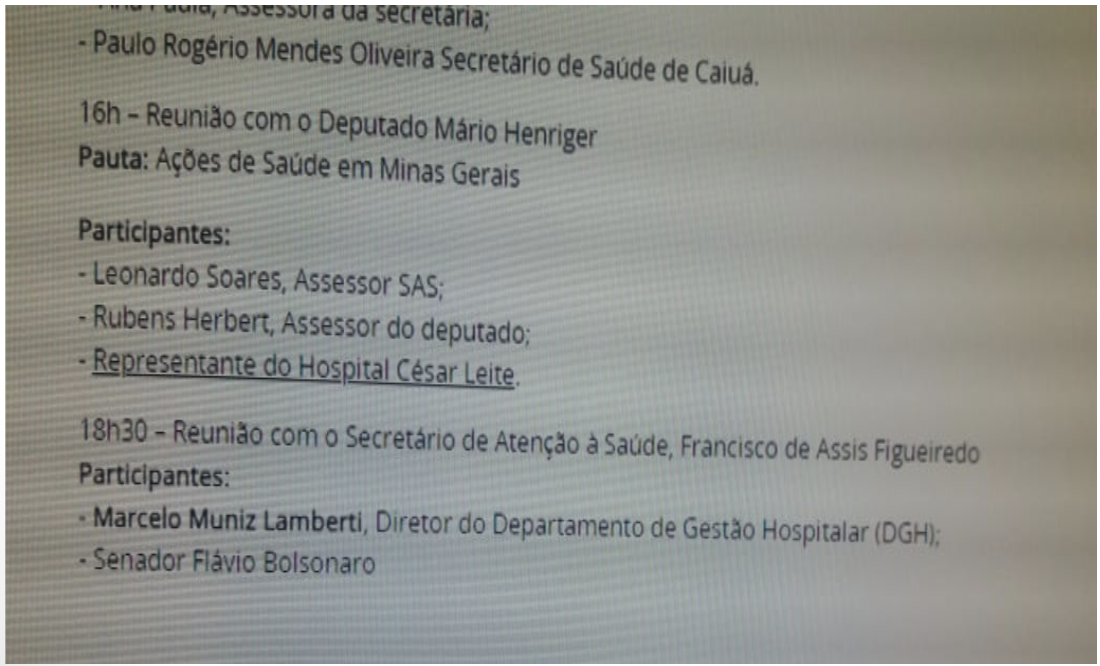
Flávio Bolsonaro e o risco de um presidente com esqueletos no armário

5 October 2026 at 16:00

Quer receber os textos desta coluna em primeira mão no seu e-mail? Assine a newsletter Xeque na Democracia, enviada toda segunda-feira, 12h. Para receber as próximas edições, inscreva-se aqui.

O Brasil que sai do primeiro turno está flertando com uma crise institucional permanente. Flávio Bolsonaro teve 2,2 milhões de votos a mais que Lula, ficando em 47% dos votos versus 45,1% do atual presidente. Se eleito, Flávio teria uma bancada de 28 nomes no Senado e 121 na Câmara dos Deputados apenas do PL, seu partido, um desempenho histórico. 

Mas Flávio Bolsonaro é um candidato com muitos esqueletos no armário. Está enredado em vários escândalos e corrupção dos quais, hoje, conseguimos ter apenas um vislumbre, mas que vão se aprofundar nos próximos meses. E isso levará necessariamente a um governo maculado por revelações do seu primeiro ao seu último dia. 

A jornalista Flávia de Oliveira chamou a atenção para o fato de que, por conta da ação de André Mendonça de manter sigilo do caso Master, Flávio é o único candidato investigado por corrupção, lavagem de dinheiro e evasão de divisas – e o eleitor não foi informado disso a tempo. 

Mesmo que você esteja acompanhando as notícias, é possível que tenha perdido as revelações mais recentes.  

Pois vamos a elas. 

Primeiro, as rachadinhas, esquema de desvio de verba pública dos mandatos de Jair Bolsonaro e seus filhos através de saques em dinheiro vivo de funcionários, que depois repassavam à família, das quais Flávio sempre foi figura central. O resultado foi demonstrado há alguns anos pelos jornalistas Juliana Dal Piva e Thiago Herdy: 51 imóveis dos Bolsonaro foram pagos parcialmente em dinheiro vivo. O processo judicial das rachadinhas foi extinto pelo STJ, que questionou a quebra de sigilo fiscal, mas as evidências existem e podem gerar novas investigações.  

Segundo, vamos ao caso Master. Ainda hoje sabe-se apenas parcialmente sobre a relação entre Flávio e Daniel Vorcaro. Além do financiamento generoso do filme Dark Horse e dos muitos diálogos resgatados do celular de Vorcaro, não sabemos qual o valor real dos depósitos, que tipo de dinheiro criminoso foi usado para o pagamento pela empresa Entre Investimentos, que lavava inclusive dinheiro para o crime organizado, e nem para que fim o dinheiro foi usado nos EUA. Não se sabe, ainda, que outros favores e apoios foram prestados pelo banqueiro para Flávio – com quem ele tinha uma relação de amizade, segundo demonstram os diálogos completos publicados pela revista piauí: são 50 mensagens de Flávio, 46 de Vorcaro e 14 ligações – oito delas atendidas. Sempre se tratando como “irmãos”, Flávio chegou a oferecer a Vorcaro uma reunião com Eduardo Bolsonaro em Dubai em novembro do ano passado: “Tá precisando de algo lá? Peço pra ele te encontrar”. Além disso, jantares, cafés da manhã e muitas ligações organizadas entre os dois. 

A mesma revista revelou, ainda, que Flávio e Vorcaro viajaram para Fort Lauderdale, na Flórida, no feriado prolongado de 1º de maio de 2025, tendo passado 3 dias ao mesmo tempo no balneário, apenas dias depois do primeiro depósito de Vorcaro para o filme Dark Horse. É provável que tenham passado e celebrado juntos em uma das famosas festas de Vorcaro nestes três dias. Ainda não sabemos até onde foi essa relação. 

Terceiro, a ligação próxima com o “Careca de INSS”. Como revelou o ICL, Flávio tem uma empresa de capacetes que está registrada no mesmo lugar de empresas do operador financeiro do esquema que desviava verba dos aposentados e causou prejuízo de R$ 2 bilhões aos cofres públicos. Além de usar o mesmo escritório, a empresa de Flávio usava a mesma contabilidade de Antonio Carlos Camilo Antunes, mais conhecido como “Careca do INSS”, atualmente preso.

Quarto, os indícios de corrupção na gestão de hospitais públicos no Rio de Janeiro, inclusive durante a pandemia de Covid. Em uma reportagem bastante detalhada  aqui na Agência Pública, mostramos como Flávio comandava as decisões administrativas e indicações para a gestão dos hospitais federais durante a epidemia. Há diversos indícios de superfaturamento e má conduta em diversos destes hospitais, segundo investigações do TCU e outros órgãos. Esta história está só no começo.  

Quinto, a figura do advogado Willer Tomáz começa a aparecer como uma sombra sobre o passado de Flávio. O advogado já foi descrito como amigo de Flávio pelo próprio, viajou com ele para um safári na África do Sul e usou o jatinho de Willer em sociedade com Daniel Vorcaro. Willer Tomaz atualmente é investigado pela PF depois de iniciar um processo judicial no qual alega que apostou R$ 6,6 bilhões na bet Blaze por “ludopatia” e tenta recuperar R$ 163 milhões.  

Sexto, possível lobby junto ao ministro do STF Kassio Nunes, um expediente descrito por Rodrigo Rangel na sua reportagem sobre a relação de Flávio Bolsonaro com Alexandre Ferreira Dias Santini, ex-sócio seu na fábrica da Kopenhagen, publicado no site Platô. Nas palavras do jornalista, Flávio era um “resolvedor-geral da República” durante o governo de Jair Bolsonaro e teria recebido mimos por isso, incluindo um rolex de 300 mil reais. Rangel é uma das pessoas em Brasília que tem muito mais documentos sobre a relação de Flávio e o ex-sócio, mas não o único. Dentre o material descrito na reportagem estão notas fiscais, relatos, fotos “impublicáveis” de Flávio em orgias com o ex-sócio, segundo descrito na reportagem. Mais gente tem esses documentos – eles vão acabar vindo à tona.

Se for eleito, Flávio Bolsonaro terá as investigações do caso Master suspensas, segundo análise do Jota. Mas o jornalismo investigativo continuará a fazer o seu papel. 

Temos um presidente maculado por corrupção e escândalos variados antes mesmo de pisar no Palácio do Planalto. Não há bancada forte que segure o impacto disto sobre a opinião pública. Além disso, vale lembrar, a liderança de Flávio é contestada mesmo dentro das fileiras do Bolsonarismo. A bancada eleita tem sua agenda própria e desafetos variados que não vão tardar a aparecer.     

Portanto, esta coluna é um aviso. Se o Brasil eleger Flávio Bolsonaro, não estamos flertando apenas com um governo de viés autoritário, mas com um governo que será maculado por escândalos e turbulências, assombrado por ex-sócios, fotos e vídeos “impublicáveis”, e que para se manter no poder só terá o caminho de chafurdar-se mais ainda na lama e perseguir a imprensa e os oponentes – como fez Trump nos EUA. 

Para quem busca “estabilidade”, “previsibilidade” e “segurança fiscal”: está dado o recado.     

Lula vows to fight for Brazil’s presidency: “Starting tomorrow, we begin a new campaign.”

5 October 2026 at 18:56
Brazil's President and re-election candidate for the Workers' Party (PT) Luiz Inacio Lula da Silva (2nd-R), his wife First Lady Rosangela Janja da Silva (R), Vice-President Geraldo Alckmin (L), and his wife Lu Alckmin (2nd-L) raise their arms following the partial results of the presidential election in Sao Paulo, Brazil on October 4, 2026. Photo by NELSON ALMEIDA / AFP via Getty Images

This story originally appeared in Panamerican Dispatch on Oct. 05, 2026, and is shared here with permission.

President Luiz Inácio Lula da Silva spoke on Sunday, after the release of the results of the first round of the 2026 elections. He said his campaign for a second round of the presidential race begins this Monday, October 5.

Lula will face Senator Flávio Bolsonaro in the runoff, scheduled for October 25.

In his speech, Lula stated that he intends to present to voters the differences between the two candidates’ platforms.

“Starting tomorrow, we begin a new campaign,” he said. “We will be able to show the difference between the proposals that exist for Brazil. The Brazilian people will have no doubt about choosing who will win the election.”

Lula also launched direct attacks on Flávio Bolsonaro’s political track record and cited the candidate’s past.

“He has a dark history,” Lula said. “With dark connections, with extremely serious suspicions, with ties to militia members and organized crime. All of this will become clear.”

The president mentioned Banco Master. He claimed that Flávio had a hand in the institution’s creation.

“Banco Master resulted in the greatest corruption scandal in this country and the biggest free-for-all involving politicians,” he said.

The accusations raised by Lula are part of his runoff campaign rhetoric and are expected to be a key point of contention between the two candidates in the coming weeks.

The president also argued that the race should be framed as a choice over the country’s future. He stated that his candidacy represents an opportunity to drive change in the Brazilian economy.

“We will show what has been done and what society expects to be done,” he said. “No one is better positioned than us to offer a future to Brazilian society.”

Lula further stated that Brazil needs to take a “qualitative leap” to become internationally competitive.

“I’m very good at the knockout stage”

Commenting on the first-round results, Lula referred to the fact that he had won the second Rond vote in previous presidential elections.

“It didn’t work out [this time],” he said. “You know why? Because the people like seeing me compete in the runoff.”

In a lighthearted tone, he added, “I’m very good at the knockout stage.”

The runoff will be a head-to-head contest between Lula and Flávio Bolsonaro, after neither candidate secured more than 50% of the valid votes in the first round. The vote will take place on October 25.

“More than 20 million people didn’t turn out to vote,” he said. “We are going to make an appeal: at this historic moment for Brazil. Voting is essential to determine the country’s future.”

“Bolsonaro supporters had better get ready,” he said. “Because we are going to defeat them.”

You can watch Lula’s speech below.

This article was originally published by Revista Forum. You can read the original in Portuguese, here.

Escândalo Master pesa na urna para uns e passa batido para outros

5 October 2026 at 13:00

Investigamos o que importa para os brasileiros além do que passa na campanha eleitoral. Leia mais reportagens como essa clicando aqui.

Em março, 38% dos eleitores disseram à Genial/Quaest que evitariam votar em candidatos envolvidos no maior escândalo bancário da história do país, que envolve Daniel Vorcaro e o Banco Master. O fim do primeiro turno, no entanto, mostrou que a disposição do eleitor se concentrou em alguns desses nomes e passou longe de outros, sem garantia de que essa decisão decorreu do envolvimento direto ou indireto dos candidatos no escândalo. Nenhum dos citados foi condenado, e todos negaram irregularidades.

Lista de políticos ligados ao Banco Master eleitos nas eleições de 2026

Na noite deste domingo, com o Piauí ainda contando votos, o senador Ciro Nogueira (PP-PI) divulgou uma carta de despedida nas redes sociais. Presidente nacional do PP e ex-chefe da Casa Civil de Jair Bolsonaro, ele terminou em terceiro na disputa pela reeleição ao Senado, atrás de Marcelo Castro (MDB) e de Júlio César (PSD). “O povo é soberano em suas escolhas”, escreveu.

Ciro é investigado pela Polícia Federal (PF) por suas relações com Daniel Vorcaro, ex-dono do Banco Master. Segundo a PF, a emenda com a qual ele propôs elevar de 250 mil para 1 milhão de reais a cobertura do Fundo Garantidor de Créditos (FGC) teria sido redigida pela assessoria do banco. Fotos do celular de Vorcaro, reveladas pela piauí, mostram os dois dançando numa estação de esqui nos Alpes, em janeiro de 2025.

Daniel Vorcaro e Ciro Nogueira abraçados em viagem aos Alpes franceses

No Maranhão, Weverton Rocha (PDT), cujo nome também foi associado a Vorcaro, ficou em quarto lugar na corrida ao Senado. O inquérito que mais pesa contra ele, porém, é o das fraudes no INSS. Na Bahia, ACM Neto (União Brasil) perdeu o governo para Jerônimo Rodrigues (PT) no primeiro turno. Uma consultoria ligada a ele teria recebido R$ 5,4 milhões do Master, e Vorcaro o citou numa proposta de delação que a PF e a PGR recusaram. ACM Neto diz que seus encontros com o banqueiro foram profissionais. João Roma (PL), convocado pela CPI do Crime Organizado para explicar as mudanças no crédito consignado do Auxílio Brasil, também ficou fora do Senado.

Na mesma Bahia, Jaques Wagner (PT), investigado na Operação Compliance Zero por suspeita de ter recebido vantagens negociadas com um ex-sócio de Vorcaro, foi reeleito senador com 3,88 milhões de votos. Ele nega ter atuado em favor do banco.

Também saiu ileso o presidente da Câmara, Hugo Motta (Republicanos-PB). Neste domingo, a mesma piauí publicou fotos dele em eventos bancados pelo Master em Londres. Motta pediu ao banco um empréstimo para uma empresa da cunhada e diz que a operação foi regular, e Motta foi reeleito com quase 124 mil votos na Paraíba.

Hugo Motta, Fábio Faria, Daniel Vorcaro e Rodrigo Cunha Mello Salomão em festa

No Rio de Janeiro, Antonio Rueda, presidente do União Brasil, cujo escritório teria recebido R$ 6,4 milhões do Master, foi eleito deputado federal com 155.836 votos. Advogado pernambucano de 51 anos, ele disputou um cargo eletivo pela primeira vez, depois de décadas nos bastidores, e fez campanha pela Baixada Fluminense. O Ministério Público Eleitoral chegou a pedir a impugnação do registro, sob o argumento de que a candidatura teria se beneficiado de uma estrutura política ligada a milícias na região. O TRE-RJ liberou a candidatura em 22 de setembro. Rueda nega irregularidades.

Dois nomes nem chegaram à urna. Ibaneis Rocha (MDB) foi o único político que Vorcaro citou nominalmente em depoimento ao STF. Deixou o governo do Distrito Federal para disputar o Senado e desistiu em julho. “Vou cuidar da minha vida”, disse à Folha. No Rio, Cláudio Castro (PL) abandonou a disputa em maio, depois de buscas da PF ligadas a aplicações do Rioprevidência no banco. A essa altura, o TSE já o havia declarado inelegível em outro processo. Davi Alcolumbre, que a piauí cita entre os frequentadores das festas de Vorcaro, não disputava nada e perdeu mesmo assim, porque seus aliados foram derrotados no Amapá. 

Em São Paulo, o deputado Mario Frias (PL), produtor-executivo de Dark Horse, filme sobre Jair Bolsonaro bancado em grande parte por Vorcaro, foi eleito por São Paulo com 91 mil votos. Em setembro, ele foi alvo de buscas da PF numa investigação sobre cerca de R$ 2 milhões em emendas parlamentares que teriam sido desviadas para o filme.

Em Minas Gerais, Nikolas Ferreira (PL) foi reeleito deputado federal com mais de 2,6 milhões de votos e tornou-se o deputado mais votado da história do país. Em março, quando a CPI do INSS encontrou seu número entre os contatos do celular de Vorcaro, ele disse que nunca havia se encontrado com o banqueiro e que não se lembrava de ter conversado com ele. Admitiu apenas ter viajado num avião de Vorcaro, sem saber, segundo ele, quem era o dono.

Em setembro, o ICL Notícias revelou áudios enviados por Nikolas ao banqueiro em março de 2025. Neles, o deputado pede a Vorcaro que ajude seu advogado e ex-assessor, Thiago Rodrigues de Faria, a liberar um ativo de mineração que estava parado. Em outra mensagem, desculpa-se por ter criticado, nas redes, um evento em Londres, financiado pelo Master. Nikolas confirmou os áudios. Disse que recebeu o contato do pastor André Valadão em 2023, que conhecia o banqueiro apenas como “Dani” e que nunca recebeu dinheiro dele.

No Distrito Federal, 12 dos 15 deputados distritais que aprovaram, em 2025, a compra do Master pelo BRB foram eleitos neste domingo, segundo o site Amado Mundo: 11 foram reconduzidos à Câmara Legislativa e um, Thiago Manzoni (PL), chegou à Câmara dos Deputados com 90.418 votos.

Rio de Janeiro (RJ), 04/10/2026 – O candidato à presidência da República Flávio Bolsonaro (PL) vota na Escola Municipal Barão Homem de Mello, em Vila Isabel.
O candidato à presidência da República Flávio Bolsonaro (PL) vota na Escola Municipal Barão Homem de Mello, em Vila Isabel

Flávio mentiu 43 vezes sobre relação com Vorcaro 

Flávio Bolsonaro chegou ao segundo turno à frente de Lula, com 47,27% dos votos válidos contra 44,88%. Segundo as investigações, Vorcaro teria pagado cerca de 14 milhões dos 24 milhões de dólares solicitados por Flávio, numa relação que passa pelo financiamento de Dark Horse, filme sobre o pai dele. Flávio nega ter oferecido contrapartida.

A versão do candidato, porém, mudou ao longo da campanha. O levantamento do Aos Fatos, publicado em 24 de setembro, mapeou ao menos 43 declarações enganosas de Flávio sobre o caso, organizadas em cinco estratégias. Em março, quando seu número apareceu entre os contatos do celular de Vorcaro entregues à CPI do INSS, disse que não conhecia o banqueiro. Em maio, quando o Intercept Brasil revelou as mensagens entre os dois, primeiro negou que existissem e, horas depois, admitiu as conversas, mas sem reconhecer irregularidade. Mais recentemente, passou a atacar Alexandre de Moraes, do STF, por ter voado num jatinho ligado a Vorcaro, até que documentos da PF mostrassem que ele próprio viajou na mesma aeronave. Nas mensagens, Flávio chamava o banqueiro de “irmão” e dizia: “estarei contigo sempre”.

Bolsonaro defeats Lula in the first round and brings Brazil’s far right closer to power

5 October 2026 at 08:01

The ultraconservative wave sweeping across Latin America scored a crucial victory in Brazil on Sunday, one that appears likely to become definitive in three weeks’ time.

Seguir leyendo

© Eraldo Peres (AP Photo/Eraldo Peres)

Flavio Bolsonaro speaks after advancing to a runoff election following the first round of the presidential election in Brasilia, Brazil, Sunday, Oct. 4, 2026.

Virada de Flávio no 1º turno: escândalos podem ter favorecido desejo antissistema

5 October 2026 at 03:10

Investigamos o que importa para os brasileiros além do que passa na campanha eleitoral. Leia mais reportagens como essa clicando aqui.

Ao contrário do que apontavam a maioria das pesquisas eleitorais, o primeiro turno das eleições presidenciais terminou com vantagem do senador Flávio Bolsonaro (PL) sobre o presidente Luiz Inácio Lula da Silva (PT) por 47% a 45% – uma diferença de cerca de 2,3 milhões de votos. Especialistas ouvidos pela Agência Pública afirmam que o resultado se deve a uma oposição pragmática e organizada, que soube capitalizar o discurso antissistema. Além disso, o resultado pode revelar, ainda que de forma contraditória, um desejo do eleitorado por mudança e o cansaço da política – que passou a ser vista como um poço de escândalos, ainda que a maioria não atinja diretamente o governo.

Para eles, o Partido dos Trabalhadores e o lulismo passaram a ser percebidos por parte dos eleitores como o próprio “sistema”, enquanto a direita seria a “renovação” – apesar de Flávio ter sido deputado estadual por quatro mandatos, ser filho de um ex-presidente e representá-lo politicamente. É um processo parecido com o de 2018, quando Jair Bolsonaro se associou a uma candidatura supostamente “antissistema”, apesar de ter exercido cargos políticos nas três décadas anteriores.

“O PT se tornou dominante na presidência ao longo dos últimos 20 anos e, para as últimas gerações, especialmente para quem não presta tanta atenção à política, ele representa a ordem, a institucionalidade e o establishment”, afirma Alex Hochuli, analista político e mestre em sociologia e relações internacionais.

Essa visão explicaria por que os escândalos ligados majoritariamente à direita, como o caso do banco Master, impactaram pouco o resultado das urnas para esse espectro. Como os escândalos geralmente são vistos como falhas do sistema, eles acabam prejudicando o governo também, e de forma mais pesada.

Além disso, o excesso de escândalos também pode ter tirado sensibilidade do público. Em um período de manchetes escandalosas seguidas, as pessoas têm dificuldade para entender o que cada uma delas significa em termos de importância e tende a colocar todos no mesmo saco.

“São tantas novas notícias que ninguém entende o que está acontecendo de verdade. Isso acaba gerando a sensação de que todo mundo é corrupto do mesmo jeito. É uma sensação antissistema que favorece o bolsonarismo, que opera justamente com essa linguagem antissistêmica”, diz Daniela Costanzo, cientista política e pesquisadora do Núcleo Direito e Democracia do Centro Brasileiro de Análise e Planejamento (Cebrap).

Hochuli argumenta que o Brasil vive um contexto de “escandalização permanente” que é despolitizante e reforça o discurso conservador anti-Estado – e isso fere principalmente a esquerda. “Nos últimos 10 anos, o Brasil se tornou o país do escândalo”, afirma.

“Isso faz com que o brasileiro esteja de saco cheio desse tipo de forma de fazer política. A direita diz: ‘vamos esquecer a política, vamos deslegitimar o Estado, vamos diminuir o tamanho do Estado e torná-lo simplesmente uma força de segurança. Vamos apoiar as forças policiais e nada mais do que isso”, ele continua.

Sessão Eleitoral no Distrito Federal neste domingo, 4 de outubro

O fardo “PT vs oposição” e a estratégia digital da direita

Nos últimos anos também se consolidou a noção de que as eleições brasileiras são decididas entre o PT e um partido, ou grupo, de oposição a ele – por algum tempo foi o PSDB e, mais recentemente, o bolsonarismo. Com isso, o embate passou a ser visto não mais como de um partido contra o outro, mas sim o PT contra todo o resto. Isso faz com que o peso dos escândalos se torne assimétrico e o partido seja percebido como corresponsável por todos os problemas que afligem o dia a dia do brasileiro.

Soma-se a isso o fato de que o terceiro mandato de Lula foi diferente dos dois primeiros, entre 2002 e 2010. Naquele período, o petista inaugurou programas sociais que se tornaram as suas marcas, como o Bolsa Família e o Prouni. Desta vez, o governo aumentou os já existentes, mas não conseguiu criar outros tão marcantes. Medidas como o fim das bets e as canetas emagrecedoras no SUS teriam chegado atrasadas, e uma pauta que poderia favorecer sua candidatura – o fim da escala 6×1 – não foi aprovada a tempo.

“É evidente que Lula teve mais dificuldades para governar desta vez, com um Congresso mais hostil e num cenário completamente diferente dos anos anteriores”, diz Leandro Torelli, cientista político e coordenador da pós-graduação da Fundação Escola de Sociologia e Política de São Paulo (FESPSP).

O presidente da República, Luiz Inácio Lula da Silva, durante pronunciamento após o 1º turno das eleições, São Paulo

Costanzo também aponta que houve uma clara organização tática, institucional e digital da direita, especialmente pelas redes sociais. Para ela, a direita se organizou com alto grau de eficácia principalmente em torno da eleição para o Senado, pelo menos desde 2022, com a pauta de promover o impeachment de ministros do Supremo Tribunal Federal (STF). Na Casa, a direita conquistou 80% das vagas que foram renovadas – 43 das 54 cadeiras em disputa.

Por fim, Torelli cita que o resultado eleitoral também é reflexo do fenômeno do voto útil – quando eleitores que votariam em um candidato migram para outro com mais chance de ganhar. Ele avalia que houve uma migração dos votos de eleitores da direita já no primeiro turno – esse movimento costuma ser mais frequente no segundo. Nomes como Augusto Cury (Avante), Renan Santos (Missão), Romeu Zema (Novo) e Ronaldo Caiado (PSD) chegaram a pontuar nas pesquisas, mas “desidrataram e parte de seus votos migraram para a candidatura de Flávio Bolsonaro”.

Também pode ter havido o fenômeno do “voto envergonhado” – quando a pessoa evita se posicionar publicamente ou responder pesquisas com o voto que efetivamente vai dar nas urnas. Porém, os analistas frisam que ainda é cedo para validar as hipóteses.

Crises engoliram debate sobre segurança pública nas urnas

Em uma campanha atípica, em que os candidatos que lideravam as pesquisas não debateram nenhuma vez em rede nacional, as grandes estrelas acabaram sendo as narrativas paralelas. Discutimos as festas e orgias que ajudaram um ex-banqueiro a montar uma pirâmide financeira sem precedentes. Tentamos acompanhar as decisões de um Supremo Tribunal Federal (STF) rachado e envolto em escândalos. Falamos até sobre a Nossa Senhora Aparecida. Mas não sobre propostas de governo.

E nem sobre os problemas do Brasil hoje, que costumavam ser a tônica das discussões eleitorais. Segundo uma pesquisa do Instituto Ipsos do último mês, 52% dos brasileiros colocam crime e violência como os maiores motivos de preocupação atualmente.

É um medo crescente e bem fundamentado. A violência como maior preocupação do país subiu nove pontos percentuais desde setembro de 2025. E 40% dos brasileiros sofreram algum tipo de violência nos últimos meses, de acordo com outra pesquisa, a do Datafolha, divulgada em maio. Os crimes mais frequentes, os golpes virtuais, atingiram 15% da população no período pesquisado, o que representa um contingente de mais de 26 milhões de pessoas.

O assunto da segurança ganhou tração no início da campanha com a adesão de candidaturas ao “modelo Bukele” – em referência à política de segurança do presidente de El Salvador, Nayib Bukele, que levou à prisão um em cada 50 salvadorenhos. Aqui, quase todos os candidatos de direita defenderam o projeto linha-dura.

Flávio Bolsonaro chora na oficialização de sua candidatura em 25 de julho, ao lado da esposa.

Lula e Flávio também focaram no tema da violência de gênero após a alta alarmante de números de feminicídio que chocaram o Brasil. Esta foi a aposta dos lançamentos das duas candidaturas. Flávio se cercou de mulheres e se emocionou às lágrimas algumas vezes, enquanto dizia ser mais “calmo e moderado” para se diferenciar do pai, Jair, dono de um grande histórico de atos machistas. Já Lula focou em programas voltados às mulheres. “O cara vai ter que escolher: ou ele vota em mim, ou ele bate na mulher. Se bater na mulher, não precisa votar em mim“, ele disse.

Mas os temas acabaram sendo relegados a um lugar lateral no debate público. “Talvez este tenha sido o processo eleitoral da Nova República [pós-redemocratização] em que menos se discutiu qualquer tema relevante para o país”, avalia Leandro Torelli. “A eleição foi esvaziada sobre temas fundamentais, como a forma como o país vai lidar com a nova política externa dos Estados Unidos, as Big Techs ou as mudanças no mundo do trabalho. O caso do Banco Master ofuscou qualquer debate relevante para o futuro”, continua.

O sumiço das propostas de governo é um reflexo de como as campanhas operam hoje, impulsionadas pelo esforço de produzir engajamento a partir de reações emocionais do público, em vez de debater ideias. Isso significa que as campanhas priorizam narrativas que reforçam o seu ponto de vista e têm potencial para viralizar nas redes sociais. Temas como saúde, educação ou segurança até podem engajar, mas provavelmente não tanto quanto um escândalo fresquinho.

Para especialistas ouvidos pela Agência Pública, esse é um processo que vem se enraizando nas últimas eleições e que reforça uma polarização já consolidada. Ao mesmo tempo em que os algoritmos reafirmam as crenças de eleitores convictos, seja à esquerda ou à direita, o espaço para discussões que poderiam fazer uma pessoa ter outras opiniões se torna cada vez menor.

“Quem é de direita fica na bolha da direita, quem é de esquerda fica na bolha da esquerda”, resume o professor e pesquisador de segurança pública Bruno Konder Comparato, da Universidade Federal de São Paulo (Unifesp). “Ninguém vai entrar em um site para olhar programa de governo, comparar propostas. As pessoas, inclusive as próprias equipes de campanha, concentram a propaganda em redes sociais, onde todo debate é fragmentado”, aponta.

Costanzo concorda que dificilmente as discussões saem das bolhas – a não ser para atacar o outro lado. Mas, para ela, mesmo que os métodos antigos de debate continuassem acontecendo, pouca coisa seria diferente na prática.

“Não mudou praticamente nada de 2022 para cá. Se acompanharmos as pesquisas ao longo do tempo, pouca gente que votou no Bolsonaro aprovou o governo Lula, e vice-versa. O eleitorado em disputa é muito pequeno, e isso foi se cristalizando ao longo do tempo. Começa em 2018 e chega em 2026 de um jeito muito definido”, afirma.

Além das posições políticas praticamente gravadas em pedra, há um outro fator que colabora com o quadro geral: a fragmentação da atenção. Em um período de escândalos seguidos, o público tem dificuldade para entender o que cada um deles significa em termos de importância, explica Costanzo.

Segurança: medidas de Flávio não funcionam, às de Lula, falta detalhamento

Quando a segurança pública furou a bolha das redes e apareceu nas campanhas de Lula e Flávio Bolsonaro, foi de maneira superficial ou ancorada no apelo punitivista, analisam os especialistas. Para eles, as medidas de modo geral carecem de dados qualificados e não apontam soluções claras aos problemas pelos quais os eleitores perdem o sono.

Para Gabriel Sampaio, diretor de Litigância e Incidência da Conectas, ONG de direitos humanos, Lula trouxe uma apresentação mais estratégica para o assunto, abordando a área de forma sistêmica e com foco em medidas preventivas e de cidadania, mais do que na punição do crime em si.

Ele ressalta, porém, que as iniciativas foram apresentadas sem aprofundamento. Ele cita como exemplo uma das principais propostas do candidato petista, de criação do Ministério da Segurança Pública. “Ele propõe uma estratégia de integração de dados com foco em inteligência que é muito interessante, mas não dá mais elementos para entender como essa estratégia se operacionaliza”.

Já no caso de Flávio, o tema foi tratado estritamente pela ótica da repressão: mais policiamento, endurecimento das leis e diminuição da maioridade penal, entre outras medidas alinhadas ao “modelo Bukele”, além de se aproximar dos Estados Unidos ao propor a classificação de PCC e do Comando Vermelho como organizações terroristas.

“O ponto central da política de segurança de Flávio é o retrocesso na garantia de direitos das pessoas acusadas ou condenadas”, afirma Sampaio. “São formulações punitivistas genéricas que já se comprovaram ineficazes. O Brasil tem uma trajetória de aumento de pena e de redução de direitos ascendentes, e mesmo assim as preocupações da sociedade não se alteraram.”

Flávio Bolsonaro em formatura do curso de formação de praças da Polícia Militar do Rio de Janeiro, em setembro deste ano

O Brasil já tem uma das maiores populações carcerárias do mundo. Desde 2000, o número de pessoas presas aumentou 314,5%, segundo o Fórum de Segurança Pública, e deve chegar a 1 milhão de detentos no ano que vem. No entanto, a ressocialização é falha – ao menos um em cada quatro ex-presidiários voltou a cometer crimes, de acordo com o Instituto de Pesquisa Econômica Aplicada (Ipea) – e há pouco investimento em investigações – apenas 36% dos homicídios no país esclarecidos, segundo o Instituto Sou da Paz.

Comparato aponta que liberar armas e aumentar o encarceramento também podem ter efeito rebote. A primeira abre espaço para mais homicídios e violência em geral, enquanto a segunda aumenta o número de pessoas em contato com facções criminosas, que dominam os presídios.

Torelli avalia que o tipo de discurso utilizado por Flávio, apesar de “ser bem visto pela população”, tampouco tem o poder de estrangular o crime organizado. “Ele não fala sobre as relações da polícia com o crime organizado, o financiamento e a lavagem de dinheiro, que são pontos fundamentais”, afirma.

Nas duas candidaturas, os especialistas alertam que ainda não foram endereçados de modo substancial problemas como o combate ao crime organizado dentro de estruturas institucionais e a alta da letalidade policial. “As mortes provocadas pelo Estado, por agentes públicos, estão num pico histórico. São mais de 6 mil no último ano. Nós estamos falando em 80% no fator racial contra pessoas negras”, diz Sampaio.

Why a Bolsonaro biopic is at the center of Brazil’s presidential election

4 October 2026 at 21:08

This article is a partnership with Mother Jones

In May, now-presidential candidate Flávio Bolsonaro, the eldest son of former Brazilian far-right President Jair Bolsonaro, shared on his social media a “leaked” trailer for an upcoming biopic about his father. The “most anticipated movie of the year,” Flávio said then, would depict the story of a “true hero.” In the trailer, which had a “disclosure prohibited” watermark, a wig-wearing Jim Caviezel—the American Hollywood actor perhaps most famous for his role as Jesus in Mel Gibson’s 2004 The Passion of the Christ—plays Bolsonaro, who is serving a 27-year prison sentence under house arrest for a failed coup attempt after his 2022 electoral defeat. 

Director Cyrus Nowrasteh described Dark Horse as a “tense political thriller about power, media, and faith under fire.” The movie’s trailer, which centers on Bolsonaro’s first presidential run and rise to power in 2018, frames the ex-president as “the voice of the people” and a leader who “fought the system” that tried to silence him. It includes a dramatic reenactment of his stabbing during the campaign. “IF YOU CARE ABOUT OUR ELECTIONS,” Caviezel, who is also known for the more recent Sound of Freedom, posted on Instagram earlier this year, “watch my newest film coming out September 11, 2026!” 

The production company behind the movie advertised it on X. “A trailer that circulated online was enough to put The Dark Horse at the center of discussions for months,” says the post in Portuguese. “Now, anticipation continues to grow for one of the most awaited international productions inspired by events that marked Brazil.”

https://twitter.com/GOUPEntertainme/status/2066990326284276175

That September 11 date went by and the movie, which was shot in English, has yet to be released in Brazil; it won’t come out before the first round in a nail-biting presidential race set for Sunday, October 4. These federal elections, which include congressional and gubernatorial  races alongside the presidential contest, have been dogged by accusations of meddling by the Trump administration, prompting incumbent President Luiz Inácio Lula da Silva to send a clear message to the US leader: “Brazil does not fit in anyone’s backyard.” While Dark Horse has not featured as a centerpiece in that conversation, it has certainly had its own share of controversy even before hitting the big screen.

The Brazil-US joint production has become the subject of an ongoing investigation that has sent shockwaves through the presidential campaign of one of the main candidates in a high-stakes, knife-edge election. Brazilian authorities are actively looking into the financing of the movie by a now-disgraced businessman accused of leading one of the biggest bank frauds in the country’s history. That financial scandal involves banker Daniel Vorcaro, former owner of the liquidated Banco Master, who is jailed for alleged fraud in a complex billion-dollar scheme involving worthless credit portfolios. The imbroglio has rocked the 214-million-people nation and thrown the Brazilian Supreme Court into an unprecedented institutional crisis, ensnaring justices, including Alexandre de Moraes—a polarizing figure credited by some with having stopped Bolsonaro’s coup plot and vilified by others for judicial overreach—and high-profile politicians and public officials with alleged ties to Vorcaro.

Among them is Brazilian senator Flávio Bolsonaro, who is cited in the investigation by Brazil’s federal police into the financing of the movie for “possible participation” in alleged crimes involving “money laundering, illicit capital flight, corruption, and other related offenses.” Last May, the Intercept Brasil exposed audio recordings and messages exchanged between Flávio and Vorcaro in which the senator asks the banker for money to fund Dark Horse. Documents from the federal police indicate Flávio was a “direct interlocutor” in negotiating with Vorcaro about the financing of the movie production. 

The bombshell reporting revealed that Flávio, the primary opponent facing off against President Luiz Inácio Lula da Silva, who’s vying for re-election, negotiated a $24-million-dollar investment from Vorcaro. At the time, documents obtained by the Intercept Brasil showed that Vorcaro had made payments for the movie adding up to at least $10.6 million, between February and May 2025; the total has since climbed to $12.3 million, according to the federal police.

In a voice message to Vorcaro from September 2025, Flávio pressed the banker on pending payments, stressing the importance of getting the movie across the finish line. “Imagine us defaulting on Jim Caviezel, on Cyrus [Nowrasteh], these guys, man, hugely renowned in American and global cinema. Man, that would be really bad,” Flávio said in the audio, a transcription of which is cited in the federal police’s inquiry. He added: “Now that we’re in the final stretch, we can’t slip up, we can’t fail to honor the commitments here, because otherwise we lose everything.”

The Bolsonaro camp had high hopes for Dark Horse, originally projected for release three weeks before election day. “We’ll touch the hearts of a lot of people,” congressman Mário Frias, who was involved in the development of the project and is also named in the investigation, told Vorcaro, “and it will be very important for our country.” Ahead of the election, Flávio Bolsonaro, the presidential hopeful, has found himself having to provide explanations. He has dismissed the payments from Vorcaro as “private sponsorship” for a private project, underscoring that no public funds were used in the movie, and denied any wrongdoing.

A $2,000 rental wig for Jim Caviezel

Unsealed court documents state that payment transfers for Dark Horse were made via an intermediary company and processed through the Texas-based Havengate Development Fund managed by a Brazilian lawyer close to Flávio’s brother, Eduardo Bolsonaro, who is self-exiled in the United States since last year following a lawmaker’s request for him to be investigated for allegedly lobbying against Brazil’s national interests. This June, Eduardo, who was stripped of his congressional seat for being absent, was convicted of “coercion” for attempting to secure interference from the Trump administration on Brazil’s internal affairs; he sought to persuade them to impose tariffs on Brazil and sanctions on Brazilian justices to help his father’s case. 

Investigators looking into the origins of the money and its destination have raised the “hypothesis” that Eduardo, who lives in Texas, “directed the management of resources on foreign soil.” They also are investigating whether funds from Havengate may have been used to cover Eduardo’s living expenses, according to multiple reports by Brazilian media outlets. Flávio has maintained that all the resources allocated to the fund went towards the movie production.

On X, Eduardo has denied receiving money from the Texas fund, saying his immigration status wouldn’t have allowed it. (He has recently obtained a green card.) “During my immigration process,” he said, “I explained to the American authorities the whole origin of my assets and I didn’t have any problems.” He added that “all the investments were made in the US because the production was American, with American actors.”

Agência Pública, Brazil’s largest nonprofit newsroom, recently reported on Eduardo’s lavish lifestyle; he resides in a luxury home in Southlake, owns a $43,800 SUV, and travels frequently—20 times in 18 months—including to attend a gala at Trump’s Mar-a-Lago, watch a World Cup match in Miami, and surf in Abu Dhabi. Eduardo has previously explained his financial circumstances by saying he lives off of “passive income.”

The former lawmaker denied having any management role in Dark Horse, but a production contract signed in 2024 and obtained by the Intercept Brasil mentioned the ex-congressman as an executive producer in the movie. In response to the article, Eduardo said that he had signed a contract when the project was still in the early stages and invested $50,000 to get a Hollywood director attached to the movie, but he was later repaid and left the project once other investors were secured. Agência Pública contacted Eduardo’s press team but didn’t hear back before publication.

Go UP Entertainment, the US-based production company behind Dark Horse, is led by Karina Ferreira da Gama and Michael Brian Davis. (Ferreira da Gama and an NGO she directs are the target of a separate inquiry into whether public money was used to finance the movie.) According to an audit commissioned by Go UP, production costs in Brazil were $3.73 million. Costs in the United States amounted to $9.66 million—or more than 70 percent of the movie’s roughly $13-million reported spending. The expenses in the United States, according to the audit, included soft production, pre-production, project development, filming, and post-production. On LinkedIn, a production manager who worked on the movie described it as “the largest-budget feature filmed entirely in Brazil.” 

The movie’s reported expenses have raised eyebrows among industry insiders, who have compared the numbers to those of an Oscar-worthy production. The company spent $2,000 on a rental wig for Caviezel and about $135,000 in hotel accommodation for the star and his agent and security, based on bank statements and invoices provided to the federal police. ”It’s not a film that will be nominated for an Oscar,” Wilson Feitosa, director of the company responsible for the distribution of Dark Horse, told O Globo newspaper. “It won’t be in contention for a nomination, but it has that Hollywood seal of quality.” 

The federal police noted that, even accounting for “complex variables” in estimating the costs of film productions, there was an “apparent mismatch between the projected cost of the production of Dark Horse and the parameters usually practiced in the Brazilian audiovisual market,” saying it warranted further investigation into the “effective allocation of resources” and the purpose of the operation. 

“A nightmare for the Left”

Registered in Florida since 2021, Go UP Entertainment listed, until recently, its place of business as Davis’ home address in Raleigh, North Carolina. In June 2026, the address was changed to a commercial location in the same city. The company’s website only mentions an address in Westlake Village, California. A google search for that address leads to another production company, Damascus Road Productions, focused on “family and faith content.” (Ryan O’Quinn, the president of Damascus Road Productions, has promoted Dark Horse on his social media and is listed on the movie’s IMDb page as a producer. He didn’t respond to an email with questions or return a voicemail message.)

“Go UP Entertainment hereby clarifies that it conducts its business activities and the production of the film Dark Horse in a documented and transparent manner and in compliance with its contractual obligations,” the company said in a statement to the Brazilian magazine Piauí. In an email, Davis declined an interview for this article, saying “we will not provide comments on confidential budgets, private agreements and contracts, or unrelated business matters.”

Go UP’s website, which appears to have been revamped this year, states that the company “was born from the union of two creative forces: Go 7 and UP Tone.” Go 7 seems to be a reference to a different company operated by Davis’ co-partner Ferreira da Gama in Brazil. Go 7, which has reportedly never released a movie or TV production in the country, has its registration status with Ancine—the Brazilian regulatory film agency—listed as “irregular.” (Go UP Entertainment’s status is “regular” and Ancine granted Dark Horse a foreign work registration.)

Uptone Pictures is a self-described “independent film production company” in North Carolina that names the Dark Horse producer, Davis, as founder and executive producer. The movie releases featured on Go UP’s page appear to be examples of Uptone’s previous work. Among them are the 2014 A Long Way Off, a modern-day retelling of the prodigal son parable; Paul’s Promise from 2022, a Christian drama about a “firefighter-turned-pastor” produced and starred by O’Quinn; and the Brazilian-American Destiny Road, based on a book by a televangelist. Uptone Pictures lists Dark Horse as one of its credited productions. On Facebook, the company calls itself “your fixer in Brazil.” 

Davis has Brazilian citizenship and lived in Brazil in the 1980s, where he learned Portuguese and became a São Paulo soccer team fan, before moving to the United States, according to the BBC News Brasil. Besides Go UP Entertainment and Uptone Pictures, he’s linked to several other entertainment businesses in North Carolina, some of which have been dissolved over the years.

Davis has reportedly said that, on the advice of lawyers, he won’t hand over Go UP’s company documents without a judicial order in the United States. The producer wrote in an email to his business partner included in the investigation that “requests from Brazilian authorities involving documents or data under American jurisdiction must be formalized exclusively through the competent diplomatic and international legal cooperation channels.”

Mother Jones emailed Davis a number of questions about his partnership with Ferreira da Gama, the founding of Go UP Entertainment in 2021, and the company’s office addresses. We also asked him for details about the production and budget of Dark Horse, the company’s audit and expenses in the United States, as well as his reason to refuse a federal police’s request for evidence. Finally, the email included questions about Davis’ business history.

In a note, Davis replied that “given Mother Jones’ far-left editorial orientation and the framing of several of your questions, we do not have confidence that our participation would result in a fair and balanced account of Dark Horse.” He wrote that the “inquiry takes a broad, scattershot approach combining questions about the film with historical business affiliations, registered addresses, and other companies.” Davis also said, “several questions” contained “assumptions, speculations, or characterizations that we do not accept,” but didn’t explain what those were.

Meanwhile, select audiences in the United States have already had a sneak peek of Dark Horse. Back in June, Eduardo attended the first public screening of the movie at the Fraud Fighter Summit in Las Vegas. Speaking at a panel, Eduardo suggested the biopic could have a similar enduring impact to Terminator 2. “This movie,” he said, “is going to be a nightmare for the Left.”

Moral panic, evangelical fury and a culture war: The Bolsonaro formula threatens Lula’s re-election bid

4 October 2026 at 05:00

Brasilia, 2016: Congressman Jair Messias Bolsonaro votes in favor of impeaching left-wing President Dilma Rousseff. And he dedicates his vote to the military officer who tortured her during the dictatorship (1964-1985), when she was a guerrilla fighter.

Seguir leyendo

© MAURO PIMENTEL ( AFP / GETTY IMAGES )

A supporter of the right-wing Liberal Party poses for a photo with cutouts of Flávio Bolsonaro (left) and his father, Jair Bolsonaro, at a campaign event in Rio de Janeiro, in August.

Quase mil anúncios sobre Lula e Flávio na Meta foram pagos em dólar

3 October 2026 at 23:45

Ao menos 1.069 anúncios com menções a Lula (PT) ou Flávio Bolsonaro (PL) no Facebook, Instagram e Threads foram pagos em dólar durante a campanha eleitoral de 2026. Dados da Biblioteca de Anúncios da Meta analisados pela Agência Pública revelam que os conteúdos custaram ao menos US$ 120,8 mil.

Os anúncios circularam sem rótulo de conteúdo político, mecanismo exigido pelas regras da Meta, entre 16 de agosto e 30 de setembro. Por isso, foram removidos por violação das regras da plataforma. Mas antes disso chegaram a mais de 82 milhões de impressões (número de vezes que um anúncio apareceu em uma tela).

O rótulo exige uma maior transparência sobre os anunciantes. Se os anúncios não estiverem rotulados como políticos, as páginas não são obrigadas a informar quem pagou pelos anúncios nem o público ao qual os conteúdos foram direcionados.

Impulsionamento do exterior

Algumas, no entanto, divulgaram à Meta que os anúncios foram pagos usando uma plataforma de pagamentos norte-americana chamada pagolink.global, não disponível no Brasil. A empresa tem sede em Delaware, estado que não exige identificação de sócios. Através dela, foi impulsionada uma campanha de conteúdos a favor do candidato Augusto Cury (Avante), conforme revelou a Agência Lupa.

Dentre os anúncios analisados pela Pública, a PagoLink Global foi responsável, por exemplo, pelo pagamento de um anúncio com um vídeo desinformativo sobre Lula (PT). Nele, o deputado Nikolas Ferreira (PL-MG) tira de contexto uma fala do presidente para insinuar que ele teria ofendido garis. O post rodou nas redes sociais da Meta antes de ser suspenso, e atingiu mais de 150 mil impressões.

Anúncio com vídeo descontextualizado de Lula foi pago por empresa americana

Foi também através da PagoLink Global que foram impulsionados conteúdos contrários a Flávio Bolsonaro (PL). Entre eles, um anúncio que direcionava à reportagem do ICL que revelou que a empresa do candidato dividia endereço com escritório de Camilo Antunes, investigado por fraudes no INSS. O conteúdo atingiu mais de 70 mil impressões a um custo de US$ 200.

Anúncio pago por empresa dos EUA direcionava para reportagem sobre empresa de Flávio Bolsonaro (PL)

Para a advogada eleitoral Vânia Aieta, o mero uso de plataformas estrangeiras para o pagamento de anúncios não configura, por si só, uma violação, desde que seja declarado à Justiça Eleitoral.

Os anúncios, no entanto, violam norma eleitoral que proíbe o impulsionamento por terceiros.

“Não é permitido pagamento de impulsionamento se não for feito ⁠pela pessoa candidata ou por seu partido/federação ou diretamente da conta corrente eleitoral. Como a conta corrente eleitoral é obrigatoriamente em reais, também não pode haver pagamento em dólar”, explica o advogado Fernando Neisser.

Também é proibida a veiculação de anúncios com propagandas negativas sobre outros candidatos. “O impulsionamento de conteúdo em provedor de aplicação de internet somente poderá ser utilizado para promover ou beneficiar candidatura, partido político ou federação que o contrate”, diz a resolução nº 23.732/2024 do TSE.

“Impulsionamento ilegal tem previsão de multa de 5 mil reais ou o dobro do valor gasto naquele impulsionamento, o que for maior”, informa Neisser.

Questionada, a Meta afirmou que aplicou suas políticas contra os anúncios identificados pela Pública. “Nosso processo de análise de anúncios possui diversas camadas de revisão e detecção, antes e durante sua veiculação. Os anúncios citados pela reportagem foram corretamente identificados por nossos sistemas por não incluírem um rótulo sobre temas sociais, eleições ou política, e nossas políticas foram aplicadas a essas peça”, diz a nota encaminhada à reportagem.

The rejection vote marks Brazil’s presidential election

3 October 2026 at 05:00

Brazil is in the final stretch of a tightly contested presidential election, but the campaign is almost absent from the streets of São Paulo, the country’s most populous city. On Paulista Avenue, only a few small banners with candidates’ photos remind people of this Sunday’s ballot, to which nearly 159 million Brazilians are summoned. Framed by towering office blocks, Paulistanos walk among street vendors, offices, shopping and cultural centers and show an enthusiasm for the spring day that vanishes when the conversation turns to the vote. Fewer people passionately defend their own candidate’s platform than those who want to stop the one they despise from winning.

Seguir leyendo

© Brian Snyder (REUTERS)

Posters related to former president Jair Bolsonaro and the COVID-19 pandemic, in São Paulo, Brazil.

A imprensa sem alma, os políticos oportunistas e a fé dos brasileiros

2 October 2026 at 16:00

Quer receber os textos desta coluna em primeira mão no seu e-mail? Assine a Newsletter da Pública, enviada sempre às sextas-feiras, 8h. Para receber as próximas edições, inscreva-se aqui.

Nove entre dez colunistas de política da grande imprensa lamentam que a gente esteja discutindo Nossa Senhora da Aparecida no final da campanha eleitoral. Enquanto isso, nunca o noticiário foi tão contaminado pela negação do subjetivo – a religiosidade do brasileiro -, e nunca soou tão parcial – por mais que se reafirme a “isenção” da imprensa. Além de críticas de diversos veículos a respeito da cobertura do episódio, a própria Globo, uma das protagonistas do caso, se tornou alvo de protestos de eleitores.

Sim, esse é um assunto relevante para a população e deve fazer parte do debate público em um momento em que a religião é explorada politicamente e invade até as decisões do TSE, como vimos acontecer mais uma vez. E a imprensa errou de cabo a rabo – do desmentido da Globo sobre uma afirmação correta de uma jornalista responsável, ao bombardeio de títulos e notícias sobre a “fake news”, criada e propagada pela própria imprensa a partir da “correção” e depois manipulada nas redes sociais.

Em vez de defender a jornalista, que jamais disse que Flávio pretendia destronar a santa, mas apenas comentou um fato que já viralizava nas redes – a existência de “um movimento da Igreja Católica de reação a uma parcela de evangélicos que está mobilizando um projeto de lei para tirar de Nossa Senhora da condição de padroeira” – que, segundo ela, poderia ter impacto entre “os eleitores católicos de Lula”, a imprensa embarcou no desmentido da Globo (com aquele comportamento de boiada que já comentei na coluna anterior). Até mesmo entidades como a Abraji e a Fenaj demoraram a manifestar solidariedade e não citaram o nome da empresa que cometeu o erro que gerou agressões à jornalista.

A imprensa também não questionou o fato gravíssimo que foi a censura de opinião do humorista Antônio Tabet, que apenas exerceu o direito à liberdade de expressão como reconheceu o próprio TSE na quarta-feira, após o ministro André Mendonça mudar o seu voto. A reação foi a de “proteger” Flávio de prejuízos eleitorais pela alegada falsa informação – logo ele, que usa a desinformação como ferramenta de campanha e conta com aliados que agridem pessoas nas redes – como fez o blogueiro foragido Allan dos Santos em reação violenta e repugnante ao protesto da CNBB. Nem quando o direito de expressão dos brasileiros foi massivamente cerceado pelas Big Techs depois da determinação de censura de Mendonça – um tema eminentemente jornalístico – reviu sua posição.

De lá para cá cometeu também o erro da arrogância elitista (ou seria constrangimento por seu papel?) ao desvalorizar o tema de um debate público que acontece e precisa acontecer no Brasil sob a desculpa cínica de que eleitores e candidatos deveriam estar discutindo propostas que podem mudar o Brasil (como se a imprensa estivesse fazendo isso, em vez de se embrenhar em vazamentos seletivos de escândalos de corrupção).

A separação de Igreja e Estado é condição necessária para a democracia, estabelecida no Brasil na Constituição de 1891 e reforçada no artigo 19 da Constituição de 1988, que inspirou a legislação eleitoral que proíbe a propaganda política em igrejas e a doação de recursos para campanhas, assim como a destinação de recursos públicos para igrejas – embora isso aconteça, como sugere a ligação da Igreja da Lagoinha com o banqueiro Daniel Vorcaro e seu cunhado Fabiano Zettel, maior doador das campanhas de Jair Bolsonaro e Tarcísio de Freitas nas eleições de 2022.

Mas a mesma Constituição cidadã, pilar da redemocratização brasileira, foi promulgada pela Assembleia Constituinte “sob a proteção de Deus”, o que não retira a laicidade do Estado, já que o impede de privilegiar uma religião determinada. Talvez seja apenas uma reafirmação da fé que ressoa na nossa alma brasileira, também formada por histórias milagrosas como a dos pescadores que no século 18 encontraram uma pequena imagem de uma santa negra, que fez jorrar peixes em suas redes, e depois se tornou a padroeira do Brasil.

Não se brinca com a fé, como sabe Fernando Henrique Cardoso que perdeu a primeira eleição para prefeito de São Paulo depois da ditadura, em 1985, para qual era francamente favorito, depois de se embananar para responder se acreditava em Deus, pergunta feita pelo jornalista Bóris Casoy, colunista e ex-editor-chefe da Folha de São Paulo, que sabia de antemão a resposta do sociólogo e o efeito negativo sobre sua candidatura.

É exatamente pela complexidade e subjetividade do assunto que a cobertura da imprensa deve ser duplamente cuidadosa, sem vestir a capa da neutralidade enquanto alimenta o discurso dos que valem de crenças religiosas para se eleger – como fez Flávio em aliança com Mendonça, ao transformar a disputa no STF em guerra santa e o ministro em ícone de campanha – e sem desprezar o impacto que esses temas têm para nós, brasileiros. 

No Brasil, onde há tantos pais fujões, ausentes ou mesmo estupradores, não há referência afetiva maior do que a mãe, a mulher negra ancestral que criou e cria o povo brasileiro. Nossa Senhora, entre nós, responde por muitos nomes – da Conceição, da Praia, de Aparecida – e tem afinidade (sincretismo) com Oxum, a orixá da feminilidade e maternidade, assim como Nossa Senhora dos Navegantes com Iemanjá.

Nossas “nossas senhoras” nos abençoam dentro da complexa espiritualidade dos brasileiros, que ultrapassa o limite das igrejas e das religiões, como Eduardo Coutinho discute no documentário “Santo Forte” e confirmou recentemente pesquisa do Iser/Quaest.

Os evangélicos – ou os que pretendem agradá-los – têm o direito de discutir se Nossa Senhora da Aparecida do Brasil, declarada padroeira do país pelo Vaticano, em 1930, quando o poder da Igreja Católica era incontestável, deve permanecer como tal, como faz o projeto do pastor e ex-deputado Victor Galli (da ala mais direitista e mais enfurnada na política dos neopentecostais), desde que de forma transparente, com os candidatos assumindo suas convicções e não de maneira subliminar como apontou a CNBB. Também os católicos e outros simpatizantes de Nossa Senhora têm o direito de escolher candidatos de acordo com a sua fé.

O que os políticos evangélicos não podem é celebrar cultos no Congresso Nacional, exigir alinhamento político do Brasil a Israel (que consideram uma nação sagrada), impedir políticas públicas de igualdade de gêneros sob pretexto religioso, negar a autonomia da mulher inclusive em projetos de lei, utilizar templos como plataformas de campanha, destruir culturas indígenas, lançar fake news contra candidatos a ponto de identificar um deles com a figura do “diabo”, apoiar a destruição de terreiros e a agressão a pessoas de outras religiões, sobretudo de origem africana.

É nesse contexto que se trava a batalha por Nossa Senhora, embora nada disso tenha sido mencionado pela imprensa neste debate tão crucial em um país que ainda luta pela separação entre igrejas e Estado e não é capaz de garantir a todos os direitos constitucionais, inclusive a liberdade religiosa, afetada pelo racismo e instrumentalizada por políticos como o próprio Flávio Bolsonaro.

Boa votação a todos, que como sabemos, estarão rezando pela vitória do seu candidato.

Debts are strangling Brazilian families despite a slight economic improvement

2 October 2026 at 15:28

Never before have so many Brazilians held a job, but never have so many families — eight out of 10 — been strangled by debt. Paying it off consumes a third of household budgets in Latin America’s largest economy. And it is there that much of the discontent weighing on Luiz Inácio Lula da Silva’s electoral prospects is born. His 2022 promise that, with him in power, the glorious days of the picanha, the grilled meat, the Sunday barbecue, would return remains a dream for most. For his compatriots, the cost of living is too high. Paying the bills is often impossible, even though the president insists unemployment is at a historic low (5.3%), inequality is falling, and inflation is under control.

Seguir leyendo

© NurPhoto (NurPhoto via Getty Images)

Municipal Market of Sao Paulo, Brazil

Trump says he is following Brazil’s elections ‘very closely’

2 October 2026 at 08:56

Asked by reporters about Brazil’s upcoming presidential election, to be held on Sunday amid heightened tension between Washington and the leftist government of Luiz Inácio Lula da Silva, U.S. President Donald Trump said that he is following it “very closely.”

Seguir leyendo

© Jonathan Ernst (REUTERS)

Donald Trump at Joint Base Andrews, Maryland, on October 1.

Brazil’s election is a regional battleground

2 October 2026 at 05:51

Brazil’s presidential elections are sparking reactions across the region. The economic (and, by extension, geopolitical) importance of this South American giant leaves no regional politician or social organization indifferent, as they know that much of the continent’s future is at stake at the Brazilian polls.

Support for Bolsonaro from Washington and Milei

Flávio Bolsonaro, son of the far-right former president Jair Bolsonaro (who is in prison for conspiring to carry out a coup d’état against Lula da Silva), has received explicit support from Argentine President Javier Milei – a move that cost Buenos Aires a diplomatic crisis with Brasília due to the Argentine leader’s anti-Lula statements made on Brazilian soil.

Likewise, Flávio Bolsonaro enjoys the direct support of President Donald Trump. The US president has maintained a recent tradition (heavily criticized by many) of publicly expressing support for this or that far-right Latin American candidate who, upon winning the election, fully aligns their country with Washington’s foreign policy and joins the US-led military alliance known as the Shield of the Americas.

Trump has also imposed direct trade sanctions on Brazil over the conviction of Jair Bolsonaro, whom Trump calls a “friend.” In addition, the United States sanctioned the judge who convicted Bolsonaro, Alexandre de Moraes, sending a clear message of condemnation against the Brazilian justice system – a move that some political analysts have called foreign “interference” in the Brazilian judicial system.

Unions and the Latin American Left support Lula

Lula has also received support from another very important female leader in the region: Claudia Sheinbaum. In recent weeks, the president of Mexico has repeatedly highlighted the positive aspects of Lula’s administration: “I believe that President Lula has been a very good president … He has done an extraordinary job leading Brazil, and the indicators show it.” The endorsement of his candidacy has clearly been indirect, but given Mexico’s geopolitical importance, many in Lula’s Workers’ Party surely appreciate it.

Lula has also received support from neighboring countries to the south. In Uruguay, the ruling coalition, the Frente Amplio (FA), has shown direct and militant support for Lula’s campaign. Fernando Pereira, president of the FA, stated that the electoral battle in Brazil “is between democracy and barbarism.” He also warned against US interference in the elections: “Brazil will not accept U.S. interference in the election.”

Former Argentine Foreign Minister Santiago Cafiero, who is currently a member of Congress, also expressed his support for Lula: “If Lula wins, he will create a countercurrent to what has been taking hold in the region and demonstrate that there is resistance to these right-wing winds.”

Morta por PMs, juíza Patrícia Acioli “humilhava policiais”, disse Flávio Bolsonaro em 2011

1 October 2026 at 23:00

Nesta quinta-feira, 1º de outubro, voltou a circular um comentário do candidato à presidência e então deputado estadual Flávio Bolsonaro sobre o assassinato da juíza Patrícia Acioli, morta com 21 tiros na porta de casa, em Niterói (RJ), em 12 de agosto de 2021. Na data, poucas horas depois da juíza ser morta, Flávio publicou no Twitter, hoje X, uma resposta à rádio CBN Rio, dizendo que a própria magistrada tinha contribuído para ter “mts inimigos” [sic].

“Que Deus tenha essa juíza, mas a forma absurda e gratuita com q ela humilhava Policiais nas sessões contribuiu p ter mts inimigos” [sic], escreveu às 8h39. A Justiça depois condenou 11 policiais militares pelo crime.

O post continua no ar no X. Hoje também é o dia em que a Associação dos Magistrados do Estado do Rio de Janeiro (AMAERJ) entrega, no centro do Rio, o prêmio de direitos humanos que leva o nome da juíza. Também hoje à noite, na mesma cidade, Flávio, senador e candidato do PL à Presidência da República, participa do último debate na TV Globo antes do primeiro turno.

A relação de Flávio com policiais acusados de integrar milícias já foi alvo de questionamentos. Quando era deputado estadual, ele propôs homenagens na Assembleia Legislativa do Rio (Alerj) a agentes que depois foram investigados ou presos por envolvimento com grupos milicianos. Um deles foi o ex-capitão do Bope Adriano da Nóbrega, apontado como chefe do Escritório do Crime e morto em 2020.

A reportagem procurou a assessoria de imprensa de Flávio Bolsonaro e perguntou se ele mantém o que escreveu em 2011, se se arrepende ou pretende apagar a publicação e em que fatos se baseou para dizer que a juíza “humilhava” policiais nas sessões. Também perguntou se, sabendo que o crime foi planejado e executado por policiais militares, ele considera que Patrícia Acioli contribuiu para a própria morte, e como avalia hoje o legado dela no combate às milícias. Por fim, a reportagem pediu que ele comentasse as homenagens que propôs na Alerj, quando era deputado estadual, a policiais depois investigados ou presos por ligação com milícias, como Adriano da Nóbrega. Até a publicação deste texto, não houve resposta. O espaço segue aberto à manifestação.

Quem foi Patrícia Acioli

Patrícia Acioli era a juíza titular da 4ª Vara Criminal de São Gonçalo, na região metropolitana do Rio, e recebia ameaças de morte com frequência. Ela ficou conhecida por julgar policiais militares ligados a milícias e a grupos de extermínio, e mandou para a prisão mais de 60 agentes de segurança.

Ela foi executada na noite de 11 para 12 de agosto de 2011, quando chegava em casa, no bairro de Piratininga, em Niterói. Horas antes, tinha decretado a prisão preventiva de PMs do 7º Batalhão (São Gonçalo) investigados pela morte do jovem Diego da Conceição, em um caso registrado como “auto de resistência”. As investigações concluíram que o crime foi planejado no batalhão para impedir as prisões.

Onze policiais militares foram condenados pelo assassinato, e as penas somadas passam de 250 anos. O mandante, segundo a Justiça, foi o tenente-coronel Cláudio Luiz Silva de Oliveira, que comandava o 7º BPM. Em 2014, ele foi condenado a 36 anos de prisão por homicídio triplamente qualificado e pela formação de quadrilha armada.

O caso virou um marco na discussão sobre a infiltração de milícias nas forças de segurança do Rio e sobre a segurança de magistrados que julgam o crime organizado. Foi a primeira vez que um juiz em exercício foi assassinado no estado.

O prêmio Patrícia Acioli

A cerimônia do 15º Prêmio AMAERJ de Direitos Humanos – Patrícia Acioli acontece nesta quinta-feira, Fórum Central do Tribunal de Justiça do Rio de Janeiro (TJ-RJ). A AMAERJ criou a premiação em 2012, um ano após o crime, para “homenagear a memória da juíza” e “dar continuidade à luta da magistrada em prol da dignidade humana”.

Ao longo de 15 edições, o prêmio se tornou uma das principais vitrines do jornalismo e da produção acadêmica sobre direitos humanos no estado. Ele reconhece reportagens sobre violência policial, sistema prisional, racismo e acesso à Justiça, temas próximos aos que custaram a vida da juíza.

Empresário que fundou Instituto com Eduardo Bolsonaro presta serviço para campanhas

1 October 2026 at 22:04

Investigamos o que importa para os brasileiros além do que passa na campanha eleitoral. Leia mais reportagens como essa clicando aqui.

Sérgio Henrique Sant’Anna, sócio do deputado federal cassado Eduardo Bolsonaro (PL-SP), recebeu R$340 mil nas eleições de 2026. Segundo dados da plataforma DivulgaCand do Tribunal Superior Eleitoral, duas empresas suas prestaram serviços para três campanhas à Câmara dos Deputados.

A NHR Estratégia e Comunicação LTDA recebeu R$160 mil das campanhas de General Girão (PL-RN) e Athally Cristhinny (Republicanos-RR) por serviços não especificados, que receberam R$2,8 milhão e R$625 mil de fundo partidário, respectivamente. 

A empresa foi fundada em março deste ano com capital social de R$100 mil para realização de “atividades de consultoria em gestão empresarial”.

Outros R$180 mil foram pagos a sua sociedade individual de advocacia pela campanha de Lucas Pavanato (PL-SP), que por sua vez, recebeu R$2,8 milhões da Direção Nacional do PL.

Entre 2022 e 2025, o escritório dividiu o endereço com o Instituto Conservador Liberal, entidade que fundou com Eduardo Bolsonaro para realização da Conferência CPAC Brasil. O empresário diz que o ICL está ativo apenas na Receita Federal e que não tem relação com as atividades do ex-deputado no exterior.

Por que isso importa?

  • Sérgio e Eduardo Bolsonaro fundaram juntos o Instituto Coservador Liberal (ICL), que promovia no Brasil o CPAC, conferência conservadora ligado ao Trumpismo. O evento não acontece no Brasil desde que Eduardo foi para os EUA, onde mantém sua atividade política nos EUA, cujo financiamento é ainda pouco claro.

Em julho de 2025, o The Intercept Brasil revelou que a Sant’Anna havia recebido R$600 mil em recursos do fundo partidário do PL ao longo de 2024 para prestação de serviços advocatícios – mesmo período em que realizou uma das edições do CPAC Brasil com Eduardo Bolsonaro. 

Agora, a Pública revela que o empresário segue sendo financiado com fundo eleitoral através de aliados dos Bolsonaro.

Sérgio Sant'Ana e Eduardo Bolsonaro durante o CPAC Brasil 2021
Sérgio Sant’Ana e Eduardo Bolsonaro durante o CPAC Brasil 2021

Candidato à reeleição, Girão é aliado de longa data de Eduardo Bolsonaro, frequentemente republicando seus vídeos e posicionamentos nas redes sociais. Quando o ex-deputado foi condenado por tentar interferir nas investigações sobre a trama golpista, o parlamentar foi à Tribuna da Câmara contestar a decisão, que chamou de “perseguição judicial”. 

O coro também foi entoado por Lucas Pavanato na Câmara Municipal de São Paulo. O vereador postulante à Câmara dos Deputados fez um discurso a favor de Eduardo Bolsonaro quando ele anunciou sua ida aos Estados Unidos. “O recado que eu deixo é claro, nós não vivemos em uma democracia”, disse.

Lucas Pavanato na Assembleia Legislativa de São Paulo

Girão também integra a comitiva de parlamentares bolsonaristas que frequenta eventos conservadores internacionais. Em 2024, foi um dos deputados convidados pelo republicano Chris Smith a comparecer em audiência pública em Washington, que acabou sendo cancelada. 

Já Athally está fazendo sua estreia na política apresentando-se como a única candidata a deputada federal em Roraima apoiada por Nikolas Ferreira (PL-MG), também aliado de Sant’Anna. O advogado acompanhou o deputado mineiro na chamada “Caminhada Pela Liberdade” realizada em janeiro deste ano, que pedia a anistia a presos pelo 8 de janeiro, entre eles, o ex-presidente Jair Bolsonaro.

Questionadas, as campanhas dos candidatos Athally e Girão não responderam sobre os serviços prestados por Sergio Sant’Anna às campanhas. Já o candidato Lucas Pavanato afirmou que “todos os serviços jurídicos da campanha foram prestados pelo contratado” e que “não conversa com o Eduardo [Bolsonaro] faz quase um ano”.

O advogado afirmou que presta serviços de advocacia para Pavanato e de assessoria de comunicação para Girão e Athally. Também negou relação com Eduardo Bolsonaro, de quem diz ter se afastado desde que foi para os Estados Unidos.

Flávio Bolsonaro, os hospitais federais e a pandemia de Covid no Rio de Janeiro

1 October 2026 at 19:00

Investigamos o que importa para os brasileiros além do que passa na campanha eleitoral. Leia mais reportagens como essa clicando aqui.

Atual candidato à presidência da República, o senador Flávio Bolsonaro (PL-RJ) não tinha cargo no governo de seu pai, mas exerceu forte influência política nos hospitais federais do Rio de Janeiro entre 2019 e 2022, de acordo com gestores e ex-gestores hospitalares, parlamentares, funcionários dos órgãos de controle da União e servidores públicos entrevistados pela Agência Pública. 

Publicamente, dois políticos se pronunciaram neste ano sobre o controle dos hospitais federais por Flávio durante o governo do pai. Em março de 2026, o deputado federal Otoni de Paula (PSD-RJ), um pastor evangélico de direita, acusou o senador de ter liderado um esquema de corrupção nos hospitais federais do Rio. “Toda a estrutura de poder e de indicação política, e as empresas que participariam de licitações, que ganhariam ou perderiam, tudo isso estava dentro do grupo cuja cabeça era o senador Flávio Bolsonaro”, afirmou. Otoni tem defendido o voto em Lula, adversário de Flávio. 

Dois meses depois, em maio, durante a inauguração de um novo centro na Fiocruz, o ministro da Saúde, Alexandre Padilha (PT-SP), chamou Flávio de “o poderoso chefão” dos hospitais federais no governo de seu pai, e voltou a utilizar o termo em entrevista à Agência Pública em setembro. “Era, de fato, o poderoso chefão dos hospitais federais. Passava por ele a indicação de quem seria diretor e todas as decisões relacionadas a hospitais e contratos. Ele montou um esquema de rachadinha política com a ocupação dos cargos e provocou um desmonte. Todos os contratos de terceirizados tinham funcionários fantasmas. Um contrato de limpeza falava em 200 postos de trabalho, quando a gente olhou só havia 50 pessoas trabalhando”, disse o ministro. 

Com orçamento superior a 3 bilhões de reais para os quatro anos, período em que o país enfrentou a pandemia de Covid, documentos e depoimentos obtidos pela Pública revelam que a precariedade no funcionamento dos seis hospitais federais do Rio convivia com contratos superfaturados e concentração de recursos em custeio de despesas, comandadas pelos administradores locais, que seriam indicados pelo grupo político de Flávio Bolsonaro. 

Enquanto isso, de acordo com o relatório final da CPI da Covid, que dedica um capítulo inteiro ao Rio de Janeiro, 30% dos leitos clínicos e de UTI nos hospitais e institutos federais na capital fluminense “estavam e permaneceram fechados durante a pandemia, embora pudessem ter sido disponibilizados aos pacientes nesse período, evitando, inclusive gastos com abertura de hospitais de campanha. A maior parte estava fechada por falta de profissionais de saúde. No fim de dezembro de 2020, 3,5 mil contratos foram encerrados nos hospitais federais do Rio de Janeiro. Posteriormente, a Medida Provisória nº 1.022, de 31 de dezembro de 2020, prorrogou apenas 1,4 mil contratos por sessenta dias. Esse quadro foi decisivo para agravar o atendimento à população do Rio de Janeiro ante o recrudescimento da pandemia”, conclui o relatório. 

O Estado do Rio de Janeiro registrou mais de 2,8 milhões de casos confirmados de Covid e 77.166 mortes, sendo que mais da metade delas – 38,8 mil – ocorreram na capital. 

A atuação de políticos nos bastidores dos seis hospitais federais do Rio – Hospital do Andaraí, Hospital Geral de Bonsucesso, Hospital Cardoso Fontes, Hospital de Ipanema, Hospital da Lagoa e Hospital dos Servidores – durante a pandemia, já desastrosa em nível federal, pode ser contada também pelas marcas que deixou nas unidades que fazem parte da rede de assistência do SUS. A bagunça foi tão grande que a milícia chegou a ocupar um terreno do Hospital Cardoso Fontes para extorquir funcionários e familiares de pacientes com a cobrança de estacionamento, segundo inquérito aberto na Polícia Civil. 

Em abril de 2023, a pedido do deputado e médico sanitarista Daniel Soranz (PSD-RJ), a Comissão de Fiscalização Financeira e Controle da Câmara visitou a rede federal do Rio e encontrou 735 leitos inoperantes ou bloqueados, andares inteiros vazios, alas trancadas com correntes e cadeados, obras paralisadas e equipamentos sem uso. 

No Hospital do Bonsucesso, onde, em plena pandemia, um incêndio que começou no almoxarifado matou quatro pacientes – todos internados com Covid-19 –, a emergência estava fechada, embora reformada, por falta de pessoal; 126 dos 411 leitos estavam impedidos, e diálise, cardiologia e pós-operatório estavam parados. No Andaraí, a falta de médicos era tão grande que até para declarar a morte de pacientes a demora chegava a duas horas. A cozinha inacabada obrigava o hospital a gastar R$ 1,6 milhão por mês transportando comida. No Cardoso Fontes, pacientes esperavam em pé e em macas improvisadas nos corredores. 

“É ainda mais grave que isso tudo tenha ocorrido durante a pandemia”, afirma Soranz, que é doutor em saúde pública pela Fundação Oswaldo Cruz e um dos principais nomes da saúde pública do Rio nos últimos anos, quando foi secretário municipal da área em três períodos diferentes, sempre em gestões do ex-prefeito Eduardo Paes, também do PSD. Segundo ele, “Flávio [Bolsonaro] teve uma influência nefasta para os hospitais federais, foi algo terrível”, disse à Agência Pública. 

Contratos superfaturados 

Um diagnóstico de 235 páginas feito pelo Ministério da Saúde em fevereiro de 2023, ao qual a Pública teve acesso, mostra que 72% dos recursos dos seis hospitais – R$ 50,3 milhões por mês – eram consumidos em custeio, ou seja, com contratos administrativos, como limpeza, vigilância e rouparia. No Hospital do Bonsucesso, onde a fatia chegava a quase 80%, os contratos de apoio administrativo com a empresa Nova Rio Serviços Gerais tinham margens de lucro até 561% maiores do que o acordado e custos indiretos até 581% superiores aos acertos equivalentes do ministério. O hospital pagou mais de R$ 2 milhões em plano de saúde privado para funcionários da empresa terceirizada e adicional de insalubridade, sem laudo, para secretárias e almoxarifes. 

Aliados de Flávio Bolsonaro também aparecem nesses contratos como a família do deputado federal Altineu Côrtes, presidente do PL no Rio de Janeiro. A lavanderia Max Clean, fundada pelo pai de Altineu e registrada em nome de uma tia, multiplicou por oito seu faturamento durante esses anos. Segundo informações do Portal da Transparência, a empresa já recebeu R$ 81,5 milhões do Ministério da Saúde em centenas de contratos – e continua recebendo até hoje. “A Max Clean atendia todos os hospitais. Hoje, continua no Hospital dos Servidores e no Lagoa, é difícil tirá-los. Os fiscais do ministério que analisam esse contrato já pediram para deixar a função. É muita pressão”, revela uma servidora, que preferiu não se identificar. “Em época de pregão, o Seu Altineu, pai do deputado, chegava armado nos hospitais com uma sacola cheia de chocolates, distribuindo doces pra gente. Nossa esperança é tirar eles em abril, quando o contrato vence, e que eles não ganhem a próxima licitação.”

O mesmo diagnóstico do Ministério da Saúde explica como os contratos emergenciais se multiplicavam. “Não raro a troca de diretor ou de coordenador de Administração coincidia com a proximidade do término de um contrato, e quando um novo diretor era nomeado não tinha tempo hábil para iniciar processos regulares, e um novo contrato emergencial era efetuado”, registra o documento, que lembra que esse tipo de contrato “geralmente tem um valor acima do licitado”. Entre 2019 e 2022, o Hospital do Bonsucesso teve cinco diretores. O relatório também recomendou auditar a pesagem da roupa suja e o faturamento da lavanderia, onde as peças eram levadas “sem controle de saída”.

Não há um cálculo do sobrepreço total nos contratos de 2019 a 2022, mas a Pública obteve 13 relatórios do Tribunal de Contas da União (TCU) e outros cinco da Controladoria Geral da União (CGU) que indicam valores muito acima do mercado e foram localizados em auditorias preventivas, evitando que fossem assinados. Em uma delas – que analisou o Edital do Pregão Eletrônico nº 05/2022 para a compra de 120,9 milhões em insumos para cirurgia vascular para o Hospital dos Servidores, a auditoria identificou “falhas na estimativa de preços que resultaram na adoção de valores superdimensionados em aproximadamente R$ 69 milhões”, ou seja, sobrepreço de 57%. 

Em outro caso, no mesmo hospital, a análise do Pregão Eletrônico nº 20/2021, que autorizou a compra de medicamentos para pacientes com câncer no valor de R$ 31,3 milhões, identificou sobrepreço de R$ 18,1 milhões, ou seja, novamente de 57%. Houve ainda uma tentativa de compra de stents heparinados para cirurgia vascular por R$ 7,5 milhões. Em licitações públicas regulares no Brasil, eles são comprados por valores que não costumam passar de R$ 30 mil. O Hospital dos Servidores pagaria R$ 42 mil em cada uma das 180 unidades.

Fachada do Hospital Federal do Andaraí
Hospitais federais do Rio enfrentaram sucateamento e problemas de gestão durante o governo Bolsonaro

Um “feudo” dominado por políticos 

“Em todo o país, só o Rio de Janeiro tem hospitais federais pelo fato de ter sido a capital até 1960”, lembra o médico João Marcelo Ramalho Alves, diretor do Hospital dos Servidores Federais, que era conhecido como “hospital dos presidentes”. Inaugurado em 1947, tendo Getúlio Vargas como matrícula número 01, o hospital atendeu a cúpula do poder por décadas, e foi pioneiro em diversas áreas, como a introdução da residência médica e a realização de cirurgias inéditas e transplantes. Com o tempo e a mudança da capital para Brasília, os hospitais ficaram suscetíveis a políticos do Rio, que já teve outros parlamentares como figuras centrais como Roberto Jefferson. 

“Um hospital só perde em complexidade para controle de tráfego aéreo. São contratos de vários tipos, mais de 5 mil itens a comprar. Para quem quer fazer esquema, sempre foi uma área fácil”, diz Ramalho Alves, que também dirige o Hospital Universitário Gaffrée e Guinle e foi diretor do Departamento de Gestão Hospitalar do Ministério da Saúde no Rio em 2014.

Isso poderia explicar o interesse de Flávio Bolsonaro pelo “feudo”, que se manifestou ainda na primeira gestão do Ministério da Saúde do governo do pai, embora ele jamais tenha tido atuação relevante na área da saúde, nem no Senado nem na Assembleia Legislativa do Estado do Rio, onde exerceu quatro mandatos consecutivos como deputado estadual. Em 31 de julho de 2019, Flávio manifestou publicamente sua oposição ao indicado pelo então ministro Luiz Mandetta para o Hospital Geral do Bonsucesso, o médico Paulo Cotrim, efetivado depois de seis meses como interino. O hospital é a maior unidade de saúde do Rio em volume de atendimentos e com 4,5 mil funcionários.

Cotrim substituiu Luana Camargo, depois que a ex-diretora promoveu uma festa de aniversário do hospital que custou mais de 150 mil reais, segundo ela pagos por fornecedores. Revoltados com a patuscada em uma unidade sem ar-condicionado, superlotada, com postos de trabalho ocupados por pessoas sem experiência e onde os próprios pacientes tinham que comprar seus remédios, os servidores invadiram a festa e enviaram uma carta ao ministro Mandetta.  À época, o então ministro da Secretaria-Geral da Presidência, Gustavo Bebianno, declarou ter “fortes indícios e depoimentos” de que o hospital estava dominado por uma milícia.

A decisão de afastar Luana fez uma equipe da pasta ser ameaçada durante vistoria à unidade, mas Mandetta efetivou o servidor, o que desagradou Flávio Bolsonaro, que criticou o ministro nas redes sociais ao ter seu nome marcado em um post que enaltecia o novo diretor. “Esclareço que não tenho NENHUMA participação/responsabilidade na nomeação do Sr. Paulo Cotrim. Se tivesse sido consultado, diria para não nomeá-lo”, afirmou, dizendo que o médico já havia ocupado “cargos importantes em gestões passadas nessa unidade, que possui um histórico sombrio de má gestão e indicações políticas”. Menos de um mês depois, Cotrim foi exonerado.

Em seu lugar entrou Cristiane Jourdan, defensora do uso de hidroxicloroquina para tratamento da Covid-19, e depois escolhida por Jair Bolsonaro para a diretoria da Anvisa. Reportagem do Jota na época afirmou que, ao dirigir o Hospital de Bonsucesso, ela “acabou vinculando sua imagem ao senador Flávio Bolsonaro, responsável por orquestrar algumas mudanças na gestão hospitalar do estado”. Durante a gestão de Jourdan, como consta no relatório final da CPI da Pandemia, o hospital chegou a fechar as portas após ser anunciado como unidade de referência para a Covid-19. “No entanto, a maior parte dos leitos não foi utilizada, mesmo tendo sido fechados 28 serviços especializados de média e alta complexidade”, diz o relatório da CPI. “Dos 240 leitos existentes, apenas 18 pacientes estavam internados por Covid-19 e 17 estavam na emergência. Ou seja, na prática, o hospital de Bonsucesso não foi referência na pandemia e tampouco atendeu à população nos demais serviços, impactando a assistência à saúde”.

A partir do episódio Luana/Cotrim, as indicações começaram a passar pelo filho mais velho de Bolsonaro. Já havia sido escolha dele, em fevereiro daquele ano, o nome do médico Marcelo Muniz Lamberti para assumir o Departamento de Gestão Hospitalar (DGH) do Ministério da Saúde no Rio, chefiando diretamente os hospitais. Lamberti ascendeu rapidamente ao posto de Superintendente do Ministério da Saúde no Rio e, em junho de 2019, tornou-se Diretor de Programa da pasta, posição vinculada ao gabinete do ministro.

Duas semanas antes de Lamberti ser alçado a diretor, Flávio Bolsonaro participou de uma reunião em Brasília com o ministro Mandetta, o próprio Lamberti e o então secretário de Atenção Especializada à Saúde (Saes), Francisco de Assis Figueiredo. O encontro entrou na agenda oficial do ministro: foi dia 28 de maio de 2019.

Assim que assumiu o cargo, Lamberti teria promovido  uma “caça às bruxas”, nas palavras de um servidor concursado, demitindo aqueles do campo político oposto ao governo. A Pública também teve acesso à gravação de uma reunião, realizada no dia 6 de março de 2020, com 3h11m de duração. Nela, além de ameaçar demitir terceirizados e servidores temporários, Lamberti afirma que é ele quem manda no ministério da Saúde no Rio de Janeiro e que, se fosse preciso, rasgaria a Constituição para fazer valer sua vontade. 

Pressão sobre Nísia Trindade e descentralização dos hospitais

Primeira mulher a assumir o ministério da Saúde no início do novo governo, em 2023, a ex-presidente da Fundação Oswaldo Cruz, Nísia Trindade acertou com o presidente Luiz Inácio Lula da Silva que teria autonomia total para escolher os diretores dos hospitais “exatamente por causa do que todo mundo sabia existir”, conta em entrevista à Agência Pública. “Um descalabro absoluto, era um problema crônico do Rio”, comenta. 

Nísia admite ter sofrido “muita pressão” dos que queriam controlar o “feudo”, sobretudo de políticos do Centrão, ela diz, citando o ex-presidente da Câmara dos Deputados, Arthur Lira (PP-AL). “Ele questionava o fato do orçamento de R$ 240 bilhões do ministério ser gerido por mim”, lembra. Outro parlamentar que trabalhou para tirar Nísia da pasta foi o Doutor Luizinho (PP-RJ), que sonhava – e ainda sonha – ser ministro da Saúde e comandar o terceiro maior orçamento da Esplanada do Ministério, que só perde para Previdência Social e Desenvolvimento e Assistência Social. Ex-secretário de saúde no Rio, o Dr. Luizinho se tornou nacionalmente conhecido por seu envolvimento com transplantes de órgãos infectados pelo vírus HIV.

Nísia afirma que “havia muita resistência” a qualquer mudança. A solução encontrada pelo novo governo foi tirar os hospitais da administração direta do ministério e reestruturar a gestão. Não foi tarefa fácil. Em outubro de 2024, o Bonsucesso passou ao Grupo Hospitalar Conceição, empresa pública federal ligada ao Ministério da Saúde e sediada em Porto Alegre. O hospital ficou cinco dias ocupado por manifestantes e os novos administradores só conseguiram entrar depois de uma decisão de reintegração de posse e acompanhados pela Polícia Federal. Ainda assim, o Ministério da Saúde teve que pedir uma escolta armada para a nova diretora da unidade, Elaine López. Dois meses depois, os hospitais de Andaraí e Cardoso Fontes foram entregues à prefeitura do Rio. 

Brasília (DF), 16/07/2024 - A ex-ministra da Saúde, Nísia Trindade durante entrevista coletiva
Nísia Trindade assumiu o Ministério da Saúde em 2023 e iniciou a reestruturação dos hospitais federais

Em março de 2025, Nísia foi substituída no ministério por Alexandre Padilha, mas o processo de reestruturação dos hospitais federais no Rio continuou. Em dezembro, o Hospital dos Servidores foi incorporado à UNIRIO, sob gestão da Ebserh, rebatizada em março como HU Brasil – outra empresa pública federal criada em 2011 para gerir hospitais universitários –, e atravessou um processo de fusão com o Hospital Universitário Gaffrée e Guinle. O Hospital da Lagoa passou à Fundação Oswaldo Cruz em 2026. Só o Hospital de Ipanema continua sob gestão direta do ministério.

Com a reestruturação, o orçamento total dos seis hospitais passou de aproximadamente R$ 800 milhões para R$ 2 bilhões anuais. Segundo o ministério, já houve aumento de 30% no número de cirurgias (foram 21.869 em 2025) e 28% a mais de internações (42.516 em 2025). Houve também reabertura de 335 leitos somando todas as unidades (27% a mais do que antes) e 16 salas de cirurgia reativadas.

O deputado Daniel Soranz, da Comissão de Fiscalização Financeira e Controle da Câmara, elaborou um relatório, ao qual a Pública teve acesso, comparando a situação dos hospitais federais no Rio em dois períodos diferentes: abril de 2023, logo no início do novo governo, e o segundo semestre de 2026. A ideia era avaliar os avanços do plano de reestruturação em relação aos anos Bolsonaro. No Bonsucesso, os leitos em funcionamento passaram de 215 para 423 e a emergência foi reaberta em janeiro de 2025. As internações cresceram 46,6%, as cirurgias 55,9% e os exames, 45,4%. Os profissionais aumentaram 73,4%, de 3.150 para 5.462, e o investimento, que ficou entre R$ 3,3 milhões e R$ 5,6 milhões por ano entre 2020 e 2023, chegou a R$ 36,7 milhões em 2024, segundo o relatório. 

No Andaraí, a emergência, fechada havia dez anos, voltou a funcionar e ganhou estrutura definitiva, e em 2026 foi inaugurado o novo prédio de Trauma. A cozinha foi concluída, o que acabou com o gasto mensal milionário com transporte de comida. A radioterapia foi inaugurada, o centro de queimados foi ampliado e o centro cirúrgico passou de três para 12 salas. O hospital ganhou 23 leitos de UTI, um tomógrafo e um ambulatório com 21 salas. Os leitos em funcionamento subiram de 165 para 351, com ocupação entre 96% e 99%, as cirurgias cresceram 36% e os profissionais cadastrados passaram de cerca de 2,6 mil para 5.114. 

No Cardoso Fontes, todos os leitos foram reabertos, as internações aumentaram 72%, de 4.084 para 7.034, e o quadro de pessoal cresceu 41,7%. A equipe da prefeitura, que cuida da regulação de vagas nos hospitais do SUS, antes impedida de atuar, segundo o relatório da Câmara, passou a trabalhar dentro da unidade. Em Ipanema, a fila de cirurgias caiu 38%, as internações passaram de 4.853 para 5.594, as cirurgias chegaram a 12.378 no ano, recorde da série, e o quadro de pessoal cresceu 23,1%. No Lagoa, as internações subiram 11,9%, e nos primeiros meses da nova gestão cresceram 21,7%, com alta de 20,9% nas cirurgias. A melhora, porém, é desigual. Em Ipanema, as três salas cirúrgicas fechadas em 2023 continuam sem uso e as consultas ambulatoriais caíram de 118 mil para 112,8 mil. No Lagoa, a produção ambulatorial caiu de 1,08 milhão de procedimentos em 2023 para 606 mil em 2025, e os servidores efetivos diminuíram de 850 para 734, enquanto os temporários passaram de 525 para 764. 

O médico João Marcelo Ramalho Alves, que dirige o Hospital dos Servidores e o Gaffrée e Guinle, que já resultou na contratação de 1.258 profissionais por concurso depois da fusão, também apoia a reestruturação. “O caminho é esse. O Ministério da Saúde existe para criar e gerir políticas públicas, não para administrar hospitais”, diz Alves, que lembra que ainda há muito a ser feito para recuperar os hospitais do Rio. Apesar dos avanços, a fila de pessoas à espera de cirurgia aumentou de 18 mil pacientes para 21 mil desde 2024, segundo informações do portal que contabiliza esses dados. 

Biópsias em potes de sorvete e pedidos de investigação

Em 2025, a Defensoria Pública da União encontrou biópsias acumuladas por meses no Bonsucesso, guardadas no formol em potes de sorvete e paçoca por falta de médicos patologistas – um problema sobretudo para pessoas com câncer que, por lei, devem iniciar o tratamento no SUS até 60 dias após o diagnóstico. “Se não tem diagnóstico, não tem tratamento. Tivemos que entrar com uma Ação Civil Pública, que segue tramitando, para pedir um novo plano de trabalho dos hospitais federais como um todo. A mudança de gestão foi mal recepcionada por servidores e o déficit de médicos ainda é grande”, afirma Taísa Bittencourt Leal Queiroz, Defensora Regional de Direitos Humanos da Defensoria Pública da União. “Quando a saúde é invadida pela política, ela se deteriora de um jeito absurdo. Quem sofre com isso é a população que depende do SUS”, diz a defensora. 

No fim de agosto, o deputado federal Lindbergh Farias (PT-RJ) pediu ao Supremo Tribunal Federal que investigue Flávio por suspeitas envolvendo o controle político dos hospitais federais. Ele citou no documento as auditorias do TCU e da CGU que identificaram os sobrepreços nos contratos. A notícia do fato foi encaminhada ao ministro Flávio Dino e pede que uma investigação, já em andamento no STF, seja ampliada para apurar a conduta do senador, e se ele teve participação nas irregularidades constatadas. Lindbergh citou no documento o depoimento na CPI da Pandemia, em 16 de junho de 2021, do ex-governador do Rio Wilson Witzel, que afirmou que os hospitais federais tinham dono. “Tem um dono, e esta CPI pode descobrir quem é o dono”, disse diante de Flávio Bolsonaro e dos demais presentes. Em seguida, confirmou a parlamentares que se referia a Flávio, mas negou a declaração ao ser processado pelo senador. 

Integrantes da CPI disseram à Pública que faltou tempo e recursos para investigar a denúncia de Witzel. A comissão apontou quatro pessoas como responsáveis pelas irregularidades constatadas. Além de Marcelo Lamberti, foram citados o coronel da reserva George Divério, que também foi superintendente do Ministério da Saúde durante a presidência de Bolsonaro, Jonas Roza, que trabalhava com Lamberti no DGH, e o advogado Joabe Antonio de Oliveira, servidor concursado que foi coordenador administrativo da Superintendência do ministério no Rio e diretor administrativo do Hospital de Bonsucesso. Divério foi nomeado em 2020 e exonerado em 26 de maio de 2021 após denúncias de contratações sem licitação – em um período de dois dias, ele autorizou dois contratos que somavam R$ 28,8 milhões. Joabe aprovou contratações sem licitação com valor superior a R$ 14 milhões no Bonsucesso.     

Senador Flávio Bolsonaro (PL-RJ) em discurso à tribuna.
Flávio Bolsonaro é alvo de pedido de investigação sobre sua atuação nos hospitais federais do Rio

Procurado pela Pública, Flávio não respondeu aos pedidos de entrevista feitos ao seu assessor. Marcelo Lamberti respondeu por mensagem. Garantiu que “os atos da gestão estão disponíveis no SEI (Sistema Eletrônico de Informações, plataforma oficial do governo federal para gestão de documentos e processos administrativos), corroborando as ações verídicas e documentadas procedidas, incluindo as de correição junto aos órgãos federais de controle para apurar irregularidades”. Segundo Lamberti, “quanto a narrativas e ilações de opositores a essas correições procedidas no SEI, nada tenho a falar pela falta de conteúdo técnico”. O médico também afirma que, após se desligar das atividades exercidas no ministério, não responde a processos pela sua gestão. Perguntado sobre sua relação com Flávio Bolsonaro, se eles já se conheciam antes do senador indicá-lo ao cargo e como Flávio exercia influência nos hospitais federais, Lamberti se disse um “servidor técnico”, e que “nomeações e exonerações de servidores estão a cargo do escalão superior da pasta”. 

Trump’s plan to swing Brazil’s election for Bolsonaro | Ep. 15

1 October 2026 at 15:58
A supporter of far-right lawmaker and presidential candidate for the Social Liberal Party (PSL), Jair Bolsonaro, wears a mask of US President Donald Trump as he celebrates after Bolsonaro won Brazil's presidential election, in Sao Paulo, Brazil, on October 28, 2018. Photo by Miguel SCHINCARIOL / AFP via Getty Images
https://www.spreaker.com/show/5958129/episodes/feed

Brazil votes this Sunday, and the Trump administration has spent months trying to tilt the outcome toward far-right presidential candidate Flávio Bolsonaro. Tariffs. Terrorist designations. Revoked visas. Frequent meetings with the Bolsonaro family. Taken alone, each move looks random. Put the pieces together, and a picture emerges: U.S. interference in Brazil’s 2026 elections. 

Over the last year, Trump has met frequently with members of the Bolsonaro family. In June, the State Department put two Brazilian gangs on the terrorist list. Just a few weeks later, Trump shared an article on Truth Social that said Brazil was his next big challenge. Less than a month later, in July, Trump imposed new 25% tariffs on Brazilian goods. In August, Trump revoked the U.S. visa of the Brazilian ambassador.

The Brazilian Intelligence Agency recently raised the risk of external influence and interference by the United States in Brazil’s 2026 elections to a quote, “critical level.”

This is Episode 15 of Under the Shadow, Season 2. 

Under the Shadow is an investigative narrative podcast series that walks back in time, telling the story of the past by visiting momentous places in the present. Season 2 responds in real time to the Trump administration’s onslaught on Latin America.

Follow Under the Shadow on Spotify and Apple Podcasts.

Hosted by Latin America-based journalist Michael Fox.
This podcast is produced in partnership between The Real News Network and NACLA.
It is supported, in part, by Global Exchange.

VOTE by October 15: Under the Shadow has been nominated for three podcast Signal Awards. Please consider voting for Under the Shadow and The Real News:

Panamerican Dispatch

You can check out Michael Fox’s new reporting project on Brazil. 

It’s called Panamerican Dispatch. It’s a project of The Real News in partnership with Global Exchange. The website is www.panamericandispatch.org

You can also follow us on social media below

Bluesky https://bsky.app/profile/padispatch.bsky.social
X x.com/PAdispatch
IG instagram.com/padispatch
Tiktok www.tiktok.com/@padispatch

Theme music by Michael Fox’s band, Monte Perdido. Monte Perdido’s 2024 album Ofrenda is available on Spotify, Deezer, Apple Music, YouTube or wherever you listen to music.

Other music from Blue Dot Sessions and Epidemic Sound.

Script editing by Heather Gies. Hosted, written, produced, mixed, and edited by Michael Fox.

Guests: 

Resources: 

Support Under the Shadow

Please consider supporting this podcast and Michael Fox’s reporting on his Patreon account: patreon.com/mfox. There you can also see exclusive pictures, video, and interviews.

You can subscribe to Michael Fox’s new free speech podcast, The Battle for Free Speech on Spotify, Apple Podcasts, or wherever you get your podcasts.

Transcript

The following is a rushed transcript and may contain errors. It will be updated.

Michael Fox:

Hi folks. This is your host, Michael Fox. Before I get started, I wanted to let you know that I have big news. First, this season of Under the Shadow has been nominated for three podcast Signal Awards. It’s really exciting, and you can help us by heading over to signalaward.com and voting for Under the Shadow. I’ll add direct links in the show notes that will take you straight there. Second, last week I launched a new website called Pan American Dispatch. It’s a project of the Real News. We’re translating daily articles from Portuguese and Spanish into English for a US audience. Over the next two months, we’ll be exclusively focused on covering the Brazilian elections and Trump’s attempts to sway them. That is what this entire episode is about. And if you want to get all of the news about what’s happening in real time, please consider subscribing to our Substack.

You can find us at panamericandispatch.org. We’re also on X, Blue Sky, Instagram, and TikTok. Our handle is @PAdispatch. Okay, that’s it. I hope you enjoy the show. On May 26th, 2026, a 45-year-old Brazilian senator named Flavio Bolsonado met with US President Donald Trump at the White House. Flavio is the presidential candidate for the far right in Brazil in the upcoming elections in October. This is what he had to say at the annual conservative political action committee meeting in Texas earlier this year.

Flávio Bolsonaro:

And let me look you in the eyes and tell you, we will win.

Michael Fox:

Flavio is the son and political heir of the former far right president Jair Bolsonado, a close ally of the US president. In the meeting at the Oval Office in May, Flavio Bolsonado reportedly asked Trump to designate the Brazilian drug gangs, Primero Commando de Capital and the Commando Vermelio as foreign terrorist organizations. After the meeting, Flavio spoke to the press.

He said, “I asked President Trump emphatically to designate as soon as possible the PCC and the Commando Vermelio as foreign terrorist organizations.” This might not seem like such a big deal, but it is. The United States has sometimes used that very designation as the pretext to invade or interfere in foreign countries. The US placed the Venezuelan gangs, Trende Aragua and Cartel de los Soles on the list back in 2025, and fighting those alleged terrorists was one of the excuses the United States used for invading Venezuela and kidnapping President Nicholas Maduro on January 3rd of this year. In other words, this designation carries weight.

Trump agreed to Flavio’s request. Just three days after meeting with Flavio Bolsonaro, US Secretary of State Marco Rubio announced that those two Brazilian gangs would be added to the list of foreign terrorist organizations. Flavio responded in a letter to Rubio, thanking him for the classification and offering to place his transition team at the disposal of the White House if he’s elected. For months, the United States has been escalating the pressure on Brazil in the lead up to the presidential elections with the goal of helping to lift Flavio Bolsonaro to the top office. Just a few weeks after the State Department put the Brazilian gangs on the terrorist list, Trump shared an article on Truth Social that said Brazil was his next big challenge. Less than a month later in July, Trump imposed new 25% tariffs on Brazilian goods. In August, Trump revoked the US visa of the Brazilian ambassador.

It was an apparent tit for tat after Brazil denied visas to two US State Department officials who planned to travel to Brazil to meet with former President Jair Bolsonaro. I could go on. The point here, as many people have pointed out, is that there isn’t just one thing that Trump is doing to try and sway the vote in favor of Bolsonaro. It’s a whole combination of moves, like a jigsaw puzzle with many pieces taken alone, and it’s just a random assortment of colors and shapes. But when you start to put the pieces in place, a picture begins to emerge. See, Trump allies have won big elections across Latin America. In recent years, right-wing candidates have taken back or held onto power in Argentina, Chile, Colombia, Ecuador, Honduras, Bolivia, and Peru. And they’ve done so with the help of US President Donald Trump, who’s thrown his weight around to boost right-wing candidates, and also with the support of bot farms and shady electoral campaign practices linked to Washington and Mar-a-Lago, as we looked at in the last episode.

Donald Trump:

But on this historic day, we come together to announce a brand new military coalition to eradicate the criminal cartels plaguing our region.

Michael Fox:

Many of those countries have now joined forces in Trump’s shield of the America’s alliance, but there are a few holdouts, and Brazil is one of the most important.

Alexander Main:

The upcoming election in Brazil is really going to be extremely consequential for the entire region.

Michael Fox:

Alexander Main is the director of international policy at the Center for Economic and Policy Research.

Alexander Main:

Brazil is the country with the largest economy, biggest population in Latin America, and it’s also one of the few countries that is still holding out against US pressure, pressure to align with the Trump administration’s agenda in the region.

Michael Fox:

The first round election is on October 4th in just a couple of days, and the runoff will take place three weeks later on October 25th. Bolsonaro is facing off against the longtime workers’ party icon, Luis Ignacio Lula de Silva. He’s the current president and he’s running for reelection. I have been covering the campaigns here in Brazil in recent weeks. I’ve attended rallies for both Lula and Bolsonaro. Today, I’m going to walk you through what’s at stake, and most importantly, how Trump is exerting underhanded pressure on the country ahead of the vote. As a leak document showed last week, the Brazilian Intelligence Agency has raised the risk of external influence and interference by the United States and Brazil’s 2026 elections to a “critical level.” According to the report, there is a trend of escalating pressure on Brazil and a quote, “selective intensification and reconfiguration of the pressure exerted by the United States.” It’s a textbook example of foreign election interference today, a multifaceted jigsaw.

People are concerned, but they’re also standing up, and that’s what makes this episode so interesting. It’s happening in real time. You have Trump attempting to sway the vote, and you also have people pushing back.

Like Lula’s recent speech at the United Nations where he told the US president that Brazil will not be the backyard of any country.

Or this woman, a small farmer who I spoke with at a Lula rally in Southern Brazil. “We’re not afraid of Trump, “she said. “We know what he wants to do and we’re not going to let him. We are the resistance. We’re not afraid of him, just like Lula isn’t afraid. Lula showed us that we are not less than any country,” she said. That and so much more in a minute. This is Under the Shadow, an investigative narrative podcast series that looks at the role of the United States abroad in the past and the very present. This podcast is a co-production in partnership with The Real News and NACLA. I’m your host, Michael Fox, longtime radio reporter, editor, journalist, the producer and host of the podcast’s Brazil on Fire: Stories of Resistance and my new series, The Battle for Free Speech. I’ve spent the better part of the last 20 years in Latin America.

I’ve seen firsthand the role of the US government abroad, and most often sadly, it is not for the better. Invasions, coup, sanctions, support for authoritarian regimes. Politically and economically, the United States has cast a long shadow over Latin America for the past 200 years. It still does. This is season two of Under the Shadow Trump’s attack. Episode 15, election meddling in Brazil.

Okay, before we dive into the allegations of election interference, let me set the scene. To do that, I want to take you back to a month and a half ago to the launch of the campaigns here in Brazil. I was in Sao Paulo covering Lula’s kickoff. Some of this section of the episode is based off of reporting I did at the time for the world and the real news. It’s August 16th, 2026. Tens of thousands of supporters of President Luis Idnacio Lula de Silva are packed into May 1st stadium in Sao Paulo. Among them is Sida Maya. She’s the secretary of women’s public policies in the nearby municipality of Maua.

“This is living history,” she says. “I’m participating in a historic moment. It’s a great feeling and we’re going to elect Lula.” Next to her, her husband Valmirmaya holds back tears. “It’s emotional, “he says. Lula’s campaign chose this stadium to kick off his run for a fourth and final term as president. This is where Lula got his start. In 1979, Lula was a young leader at the ABC Medal Workers Union. He led an iconic strike and rally at this same stadium. The workers won and it marked the beginning of the end of the country’s military dictatorship. Valmir Maya was there then and he’s here now.

“We wanted what we got,” he says, “to transform Brazil into a democratic country. That was our struggle, and Lula was the expression of this.” Inside the stadium, President Lula strode onto a long stage wearing a Panama hat and a white shirt. From the bleachers, he seemed to float above the sea of supporters in red, the color of Lula’s workers’ party. Lula’s top campaign promise has always been about battling hunger. Over the years, he’s lifted millions from poverty, increased access to education, health, and infrastructure, in particular in impoverished Northeastern Brazil. Lula told the crowd that there was much work left to be done, that they had to think of the future. He said they had to invest even more in education, that he wanted to continue to develop jobs and industry for Brazil. 300 miles to the east, Lula’s challenger, Flavio Bolsonaro, launched his campaign on Copacabana Beach in his hometown of Rio de Janeiro.

“Come with me and rescue our nation,” he said, “God above everyone, Brazil above all.” Flavio Bolsonaro has attacked the left and promised to fight crime and insecurity, cut bureaucracy, promote private business and privatizations, and develop close ties with the United States. Much of his rhetoric and that of his supporters is wrapped in a religious language of good versus evil.

“You are the son of hope,” said a pastor at his campaign launch. “You are the first born. You received the legacy of representing your father, and now for everything that is sacred on the face of the earth, honor your father. “The savior trope goes over well with his evangelical supporters, an important base for Bolsonaro and other far-right politicians in Brazil, as we looked at in depth in my 2022 podcast, Brazil on Fire. Blase Narujo is a youth pastor at an evangelical church in a working class neighborhood of Sao Paulo. He joined others on the streets in mid-August to promote Bolsonaro and other far-right candidates running for local office.

He said,” I believe that Flavio Bolsonado is the only viable candidate who can beat Lula and the workers’ party. “I’m a Christian here,” he told me. “I behave as a Christian, but I’m also a political activist here on the streets to defend my beliefs,” he said. Flavio Bolsonado also has powerful support in high places, in particular, as we heard earlier from Donald Trump. If you remember, the US president is a longtime ally of Flavio’s father, Jair Bolsonado. Jair is currently on house arrest. He was first barred from running for office for spreading lies about the country’s electoral system. Last year, the Supreme Court convicted him of plotting a coup to return to power. Before his rise as the leader of Brazil’s far right, Jair Bolsonaro was a backbench congressman for decades, outlandish, but mostly obscure. And then he ran for president.

Speaker 5:

There are a few things that drew inspiration for you.

Jair Bolsonaro:

Very special guy. Turned out to be a great friend of mine.

Michael Fox:

Bolsonaro fashioned himself after Trump. In fact, in Jair Bolsonaro’s electoral campaign in 2018, international media often called him the Trump of the tropics. He and Trump met a number of times while they were both president.

Jair Bolsonaro:

And I think we can say that Brazil and the United States are as close or closer as they’ve ever been.

Michael Fox:

Last year, Trump imposed 50% tariffs on Brazil in part because of the country’s criminal trial against the former president.

Donald Trump:

They’re treating President Bolsonaro very unfairly. He’s a good man. I know him well. I negotiated with him.

Michael Fox:

And let me be honest, there are many supporters of Bolsonaro who look up to Trump and want him to use his leverage to help their candidate, Jair Bolsonaro’s son and protege Flavio Bolsonaro. On September 7th, members of the far right in Brazil hit the streets across the country to rally for Flavio. I covered the march in the southern Brazilian city of Florianopolis. There, numerous people told me how much they admired Trump and how grateful they were for his support. Adalberto Luis de Santos is marching with a blue hat with the insignia of the United States. He and his wife are draped in Brazilian flags. “We’re hoping for support from the United States,” he said. “I believe Trump can help us. All Brazilians need the support of someone from abroad. “. “Trump is really important,” another man in the march told me. “The external pressure is very important.

“. A woman in the march carrying a flag and a yellow hat told me,” Just the simple fact that Trump is in power and acts democratically in favor of freedom makes all of the difference for our people. “.

“We don’t want Brazil to turn into another Venezuela,” she said. “I’ve heard that narrative countless times in Brazil and during elections in countries across Latin America for years. It’s the ever-present boogeyman of so-called communist Venezuela, but fear of the Venezuelan fate took on an even more serious dimension after the US invasion of Caracas earlier this year. The sentiments of so many Bolsonaro supporters are a sign of just how polarized the political debate is and how much the far right in Brazil looks up to the US president. Two weeks later, I covered another rally in the same city, this one in support of President Lula.

People had a lot to say about Trump and his efforts to influence their presidential decisions. I asked them, “Are you afraid of what Trump and the United States could do during this election to try and support Bolsonaro?” “Yes, I’m really afraid of that, “said one man carrying a Lula flag. “They want to take away our sovereignty. They want to invade our lands. They want to take what is ours and let Brazil be a colony of another country.” “Of course we’re afraid, “said someone else,” but we believe that Lula is well ahead in the election and we won’t allow Trump to destroy the election. “What do you think about Trump and are you concerned that Trump might try and do something with the elections here in

Speaker 7:

Brazil? Yeah, we’ve seen a lot of his work here in Latin America that we are very scared. Venezuela, Peru, Colombia, Argentina. So we are very scared because Latin America is being contaminated by him and his work, so it’s very scary and we don’t want him in here or anything with him.

Michael Fox:

People have a lot to be concerned about. When I was in Sao Paulo in August, I sat down with Igor Fusser at a cafe near Palista Avenue. We’ve known each other for years. He’s a professor of foreign relations at Brazil’s ABC Federal University. I asked him how he sees the US actions against Brazil at this moment.

He said, “This is not just about the United States trying to remove the government of a left-wing party, the workers’ party, or a left-wing leader, which is Lula. It’s about subjecting Brazil to the policies of the United States, and Brazil being the largest country in Latin America is precisely the biggest obstacle to the American project of global dominance of the Western hemisphere,” he said. Remember, over the last year, as we’ve looked at throughout this podcast, Trump has pushed the United States into a new era of dominance over Latin America, the likes of which the region has not seen in decades. Boat strikes in the Caribbean, the US invasion of Venezuela, and the kidnapping of President Nicolas Maduro, the oil blockade on Cuba, and Trump throwing his weight around and meddling in elections across Latin America. It’s all justified by a renewed Monroe doctrine. Here’s Secretary of War, Pete Hegseth, underlining that point.

Pete Hegseth:

President Trump has established the Trump corollary of the Monroe Doctrine, the Don Roe doctrine, and the war department is implementing it as fast as we can.

Michael Fox:

Brazil is the latest battleground. It’s playing out in the open and behind the scenes. It’s early August. The Brazilian Association of Investigative Journalism is meeting in Sao Paulo. At the meeting circulating in the crowd are staff from the US Consulate in Sao Paulo, their mission to woo Brazilian journalists into conversations about the country’s electoral process and the state of “freedom of expression” in the country. This was reported by several independent journalists at the conference and then published by independent journalist Leandro DeMori, the former executive editor of The Intercept Brazil. According to Demorti, three journalists at the event confirmed the actions of the consular officials. Two journalists said they were offered assistance with US visas if they needed them, even though the meetings with the officials about the country’s elections were to be held in Sao Paulo.

Washington has leaned on two key narratives to demonize Brazil in recent years. One, that freedom of expression is under attack in Brazil because of its attempts to reign in social media disinformation, and two, that the country’s electoral system is faulty and prone to errors. Both of those claims are false. Brazil has long held certified free and fair elections, and freedom of speech is alive and well, although Brazil embraces a more inclusive harmonious definition of how the freedom of speech fits into the country’s other laws. Episode 12 of this series goes deeper into those claims and their fallout. DiMorti’s reporting about the recent journalism forum brings up more questions than answers. What were the consular officials trying to achieve? Did some journalists take the bait? If so, how will this be weaponized? We don’t have answers, but it’s another piece of the scrambled jigsaw puzzle.

Here’s another, and it’s just one example of how the meddling campaign has been building. In mid-September, less than two weeks ago, Flavio Bolsonaro’s brother, Eduardo, met with President Donald Trump at the White House. As we looked at in the last episode, Eduardo is a former congressional representative who now lives in the United States. The Brazilian Supreme Court sentenced him earlier this year to four years in prison for his actions in the US, lobbying the Trump administration to intimidate the Brazilian judiciary amid the trial against his father. According to reports, Eduardo traveled to Washington to ask Trump to impose sanctions on members of the Lula government and the Supreme Court, including Justice Alexandre Morais. If you’ve been following Brazil or my reporting, you might remember that Morais was the justice that led the trials against the dissemination of fake news in the country and also against Jair Bolsonaro.

Jair Bolsonaro:

Also developing this morning, the Trump administration placing sanctions on a Brazilian Supreme Court justice over concerns of human rights violations and politicized prosecutions.

Michael Fox:

Last year, the US sanctioned Mordice for supposedly carrying out human rights abuse, including arbitrary detention. Those sanctions were lifted four months later, but they were a thinly veiled retaliation for the trial against Bolsonaro and also Morais’s fight with ex-owner Elon Musk, which we looked at in depth in episode 12. There is no question the battle over Brazil right now is also taking place online and Silicon Valley is playing its part.

On Wednesday, September 23rd, Meta, the parent company of Facebook and Instagram, took down President Lula’s Facebook page and blocked his campaign from running political ads. The platform gave no justification for the move. Lula’s workers’ party and his electoral coalition demanded answers. Lula’s campaign asked for the immediate return of the account. The campaign’s lawyers told the platform that the restriction “poses a serious risk to the candidate’s level playing field in the election.” The head of the Workers’ Party national communications team, Eden Valadaris, said they hadn’t ruled out taking the case to the superior electoral court. He wrote on X, “Brazil’s electoral contest, its campaigns, and its vote cannot be left to the mercy of the political preferences of the big tech companies whose supposed programming errors only hit and harm one campaign and one candidate.” One candidate, meaning Lula. By the next morning, the page was back up, but Lula’s electoral coalition said Meta’s actions harm the presidential campaign.

Remember that Meta was founded and is run by Mark Zuckerberg. He’s a close ally of President Donald Trump.

Jair Bolsonaro:

Thank you very, very much.

Michael Fox:

In fact, he was at Trump’s inauguration for his second term alongside the heads of Apple, Google, Amazon, and of course, Tesla and ex – CEO, Elon Musk. I want to talk about something important today because it’s time to get back to our roots around free expression on Facebook and Instagram. Zuckerberg got rid of fact-checking at Meta in early 2025, just before Trump came into power last year, and that’s important because there are now fewer constraints on the spread of fake news or misinformation on the platform. In late August, Amnesty International tested this lack of guardrails in Brazil. It sent 15 different AI-generated election-related political disinformation ads to Facebook to see if the platform could discern between truth and falsehood. Meta failed to block most of them. A similar test run by the eco movement in Brazil in mid-September showed that nearly 90% of the disinformation ads it attempted to run on Meta were approved, including “AI ads depicting execution style threats against lawmakers and calling for a stop the steal style coup.” And I want to say one more thing about the role of Silicon Valley’s big tech platforms.

They are paying attention to what’s happening in Brazil. Here’s just one example. Last year, lawmakers and a congressional committee in Brazilia were discussing a bill on AI regulation. According to the fact-checking agency, Ausfatos, big tech lobbyists visited committee members more than 80 times over a five-month period. The tech company that met with members in Brazilia the most was Meta, which made more than a third of those visits.

There’s another layer to all of this, another puzzle piece if you like. In the last episode of this podcast, I took an in-depth look at the work of the Argentine political strategist, Fernando Cerimedo. Remember, Serimedo has led right-wing digital campaigns across Latin America, and he did so with the help of Washington and Trump’s former campaign manager and digital strategist, Brad Parscali. This is what he had to say earlier this year in Mar-a-Lago when he was presented an award for best Hispanic Political Consultant of the Year.

Jair Bolsonaro:

I want to say something in English. Thank you to Brad Parscale for believing me all the time and give me your technology and Tim Don for the fighting in Latin America against socialism. Thank you, Brad.

Michael Fox:

Serimedo is now in prison on charges that he tried to kill his girlfriend. According to her, he hired the hitman to silence her. Serimedo also faces charges of illicit enrichment and other crimes, but his digital campaigning and the bot farms that he’s deployed in elections up and down the hemisphere haven’t necessarily gone away, nor have his deep ties to the right in the region. Remember who presented that award to Cerimedo? It was Eduardo Bolsonaro, the brother of Flavio Bolsonaro. They reportedly have known each other for more than 15 years. Now, just this week, Washington sanctioned Bolivian Attorney General Roher Mariaka, who is prosecuting the Serimero case,

He defended his country sovereignty and vowed to continue the investigation despite the apparent attempt to intimidate him. I mention all of this to say that just because Serimedo is now in jail, it doesn’t mean that these types of digital influence campaigns heavily fueled by an inter International far right aren’t happening. As I mentioned last time, Serimedo is just one piece in a puzzle, a cog and a wheel, albeit one very important cog. But actions pushing disinformation online are still happening. We just don’t necessarily know from who or where. Here’s one example. About a week ago, the Brazilian journalistic outlet Ajencia Publica reported in conjunction with Aos Fatos that AI farms were fueling the far right agenda in the lead up to the elections. The bots had created 255 profiles and made over a thousand posts. Agencia Publica reported that the network had “achieved 58 million views, expanding the reach of posts supporting the Bolsonaro family and attacking the Supreme Court.” It’s a strategy known as astroturfing, using artificial engagement to give the impression of a real surge in grassroots support.

All of this happened over one month between August and September. According to the investigation, one of the main nodes of this AI campaign was linked to the Instagram account Leo Indio Bolsonaro. That is managed by Leonardo Rodriguez de Jesus. He is Flavio and Eduardo Bolsonaro’s cousin. He was investigated by Brazilian officials for his role in the 2023 attempted coup. A warrant for his arrest was ordered in 2025. He fled the country. He’s reportedly now in Argentina. The point is this, these campaigns are happening. We often just don’t hear about them until after the fact.

Maria Marta Bruno:

Well, I’ve been voting since 1998 and I have never seen such level of interference of foreign interference in Brazilian elections.

Michael Fox:

Maria Marta Bruno is a journalist with Agencia Publica, the outlet I mentioned earlier. If you remember, I spoke with her in the last episode as well about Serimedo.

Maria Marta Bruno:

It reminds me a lot of what I have read in history books and what I have learned on the Brazilian dictatorship and the very clear role that the US developed from 1964 to 1985 when the military dictatorship in Brazil took place. There was never since the end of the dictatorship such open intervention.

Michael Fox:

Maria says there have been a lot of headlines lately mentioning diplomatic tension between Brazil and the United States, but she says what we’re seeing goes far beyond that.

Maria Marta Bruno:

Because given the gravity and the timing of the recent facts, I would say that it constitutes a clear interference in our process.

Michael Fox:

She highlights Trump’s tariffs on Brazil both last year and this year, which she says are wrapped into defending former President Jair Bolsonaro. She points to the numerous meetings between Flavio and Eduardo Bolsonaro with top officials in Washington over the last year, the US sanctions against Supreme Court Justice Alexandre Morais and so much more. And she says there are two other big reasons why the United States is so interested in Brazil. The first is China.

Maria Marta Bruno:

The US intentions to reduce China influence in Latin America. We all know that China, it’s a key partner for Brazil and for other countries in the region.

Michael Fox:

The second is rare earth minerals, stuff like neodymium, dysprosium, or terbium. Yeah, I don’t know what they look like either, but they’re used in EV motors, green energy technologies, military equipment, and other industries. Brazil is home to somewhere between a fifth and a quarter of the total rare earth reserves in the world. It’s second only to China. In April, a US company bought up the Brazilian firm Ceja Vergi, which mines rare earth minerals in Brazil. After his meeting with Trump in May, Flavio Bolshinaro promised to work with the United States on mineral extraction. “We are the only real alternative to China for a free world,” Flavio Bolsonaro said. “Under my government, there will be long-term strategic partnership with the United States in this sector with protected investment and shared reindustrialization between the two countries. Flavio also promised that if he is elected in his first month, Brazil would join President Trump’s Shield of the America’s regional coalition.

Brazil will join the shield of the Americas together with the United States, “he said,” and countries across the region, forming a great hemispheric alliance against terrorism and organized and transnational crime. “This is Brazil’s place. It is the protagonist of the security of the Americas side by side with free and sovereign nations, he said.

Maria Marta Bruno:

And we know that the US is very interested in what we have and the reserves that we have. So it’s very significant, it’s very important, and we know that the US is following closely the development of the presidential elections here because they will certainly determine what will be the future of the diplomatic relation between US and Brazil in the upcoming years.

Michael Fox:

In the face of all of this, Brazilians are responding none louder than President Luis Idnacio Lula de Silva.

Jair Bolsonaro:

The assembly will now hear and address by his excellency, Luis Inacio Lula Da Silva, president of the Federated Republic of Brazil.

Michael Fox:

The day is September 22nd, 2026, New York City. Brazilian President Luis Idnacio Lula de Silva walks to the podium at the United Nations to kick off the 81st General Assembly meeting. Without mentioning him, Lula speaks directly to US President Donald Trump. “Brazil does not fit into anyone’s backyard,” he says. Lula denounces Trump for attacking democracy, interfering in elections and using military force to acquire material resources across Latin America. He closes his speech with a nod to the upcoming high stakes elections in Brazil. On October 4th, he says, “Millions of Brazilians go to the polls to decide their future. They will not just elect the president of the republic, state governors, and representatives of the legislative power. They will decide between democracy and denialism, between if Brazil is going to move toward a future of more opportunities or return to a past of exclusion.”. He says Brazil will have free and transparent elections as it always has with broad freedom of speech.

He denounces the spread of disinformation online, in particular coming from outside the country, which he says is an attempt to “disrupt the debate.”.

“We have a modern and robust electoral system,” he says. “We have a plural citizenship and a free press. We will not allow the enemies of democracy, both internal and external, to attack the popular will. Brazilian democracy belongs to Brazilians. Brazil will continue to be a sovereign country. No one, no one will take us away from this path, “he says. It’s Lula’s response to Trump and the world as the country faces incredibly important elections, elections that Trump and the United States have been attempting to influence. Brazilians have been vocal online and in the streets against Washington’s pressure, and recently they actually got some support from a group of lawmakers on Capitol Hill. On September 24th, just last week, Senator Bernie Sanders and 30 Democratic members of the US House of Representatives sent a letter to Secretary of State Marco Rubio. They accused the Trump administration of waging a pressure campaign against Brazil ahead of the first round vote.

Illinois Congresswoman Delia Ramirez led the congressional effort. They write, “We are writing to express our grave concern regarding the administration’s coordinated effort to threaten our strategic alliance with Brazil and undermine the Western Hemisphere’s second largest democracy ahead of its upcoming presidential election in October 2026. Over the course of President Trump’s second term,” they write, “We have seen US officials engage in a sustained multifaceted campaign of interference and destabilization in Brazil. They point to the shocking 50% tariffs Trump levied on the country last year amid the country’s trial against Jair Bolsonaro. They also underscored Trump’s appointment last year of Darren Beattie as a senior advisor on Brazil issues in the State Department. Beattie, a noted far-right extremist and white supremacist,” they write, “came into this post with a clear record of public statements signaling an overt ideological commitment to undermining Brazil’s democratic institutions.” The congressional representative singled out Trump’s current tariffs, his meeting with Flavio Bolsonaro at the White House, and his designation of the Brazilian drug gangs as foreign terrorist organizations.

They write, “Given the Trump administration’s repeated military strikes in the region, justified in part by alleged foreign terrorist organization threats to US security, the designation has also fueled fears of potential US military intervention.” They recall comments from White House Press Secretary Caroline Levitt last year that threatened Brazil could potentially face the United States’ military might.

US military action in Brazil isn’t likely, but it’s not out of the question. Nothing is under Trump’s Dunro doctrine. The lawmakers highlight that Brazil is just the latest in a quote, deeply troubling pattern of interference by the United States in foreign elections, including in Argentina, Honduras, and Columbia. Rather than helping defend democracy, they write, the United States is acting as an agent of interference and destabilization using diplomatic economic and political pressure in ways that risk weakening the country’s democratic institutions, undermining confidence in Brazil’s electoral process and inflicting further damage on our relationship with a strategic US ally and trading partner. They demand that Washington commit to recognizing the certified election results. Here’s the thing, the stakes are high. Remember Igor Fusser? He’s the professor I met at the Sao Paulo Cafe. He told me, “It’s clear that the United States is doing everything and will do everything possible to prevent the reelection of Lula in the next elections.” And Igor told me there was a reason for that, because if Flavio Bolsonaro wins, he will bow to Trump and the United States.

Igor says, “Brazil will become a country under the tutelage of the United States, a colony or almost a colony of the US as already happened with Argentina, Columbia, Venezuela, and many others. And if Lula is victorious in these elections, we will live a very intense period of confrontation between the two countries,” he says. And Igor has a really interesting analysis here. He says, “The US dominance over Latin America imposed by Trump is analogous to the control of the Soviet Union over the Eastern block countries during the Cold War under a Russian foreign policy imposed by Soviet leader Leonid Brezniv in 1968.” He says, “Czechoslovakia, Hungary, Poland, Bulgaria, all of those countries were formally independent nations with their own government, their own laws, their own representation in the United Nations, but these countries were not autonomous. They didn’t have sovereignty. Any movement that they made that clashed with the interests of the Soviet Union was repressed.

Some of them were even invaded,” he says. “So we’re living in Latin America, a Breznev doctrine, capitalist, imperialist, dictated by Donald Trump. “That is why this election is so important. Brazil is the outlier, the counterweight to the United States and the region, and the US is fighting hard to bring it to heel.

We’re going to see this all unfold not in a couple of months or weeks, but in just a few days. The first round of the election is on October 4th. Brazilians are voting for their president and vice president. They’re also voting for all of the country state governors, all 513 members of the Chamber of Deputies, two-thirds of senators, and more than a thousand state assembly seats. Lula is ahead in the race, but he appears shy of the 50% needed to win outright. If no presidential candidate wins more than half of the vote, it’ll go to a second round. There, polls show the margin between Lula and Bolsonaro even tighter, and it will undoubtedly be a tough campaign. The second round, if it’s needed, is on October 25th.

That is all for this episode of Under the Shadow. Things are going to get intense in the coming days. Please consider following our new website, Pan-American Dispatch and our social media accounts for ongoing reporting on Brazil and these elections. Some of the reporting in this episode was based off of stories I produced recently for the world and The Real News. Many thanks to those outlets for all that they do. Let me remind you that if you’re craving even more backstory here, you can always go back and listen to episode 12 of the second season of Under the Shadow about Brazil’s fight against fake news in the country and the US attempt to roll it back. And please also consider checking out my 2022 podcast about Brazil under Bolsonaro. It’s called Brazil on Fire. It’s still totally relevant today. You can find that wherever you listen.

As always, you can find me at patreon.com/mfox.

There you can also support my work, become a monthly sustainer, or sign up to stay abreast of all the latest on this podcast and my other reporting across Latin America. You can find a ton of content there exclusively also for my supporters. If you’re looking for more information, news and reporting on Trump’s onslaught, both in communities within the United States and abroad, please check out The Real News and NACLA. Both of them are publishing daily indispensable reporting. The theme music is by my band, Monte Perdido. You can find us on Spotify or wherever you stream music. This closing song playing right now is off our 2024 album, Ofrenda. I hope you check it out. Under the shadows of co-production of The Real News and NACLA, it’s produced in partnership with Global Exchange. This episode was written, researched, reported, and produced by me, Michael Fox. The script was edited by Heather Geis.

Thanks for listening. See you next time.

Laura and Cristina, a Brazilian couple with four kids: ‘If Bolsonaro wins we will be a bunker of resistance’

1 October 2026 at 15:08

It’s Saturday night in Rio de Janeiro’s financial district and there are nothing but closed offices and dark streets, but around a corner, a three-story house lit in the colors of the rainbow appears. In front, a boisterous crowd is spread between tables, and there is even a sofa set out on the street. This is the atmosphere of Queerioca, a cultural center that has become the epicenter of Rio’s LGTBIQ+ community. There’s a DJ, laughter and caipirinhas, but also T-shirts bearing the face of President Luiz Inácio Lula da Silva, and some tension in the air. Brazil is holding general elections with the first round scheduled for Sunday, and the far right is knocking at the door.

Seguir leyendo

© Ana Alexandrino

Actresses Cristina Flores and Laura Castro, mothers of four kids, pose at Queerioca, the LGBTQ+ cultural center they run in Rio, in a photo provided by them.

Trump, Rúbio and the Bolsonaros’ electoral fraud and cyber attacks

30 September 2026 at 16:53
Supporters of the ruling party hold huge signs against former president Jair Bolsonaro and US President Donald Trump during a demonstration during the Independence Day commemoration, at the Praça da Republica, in Sao Paulo, Brazil, on September 7, 2025. Photo by MIGUEL SCHINCARIOL/AFP via Getty Images

This story originally appeared in Panamerican Dispatch on Sep. 29, 2026, and is shared here with permission.

The close relationship between the Bolsonaro family and key figures in the international far right like Steve Bannon and U.S. President Donald Trump has been public knowledge for over eight years. In this article, tech specialist Miguel Manso looks at the state of that relationship, right now, just days before Brazil’s first-round presidential elections. – ed.

Just days before the first round of Brazil’s presidential election, a confidential report from the Brazilian Intelligence Agency (Abin) warns that the United States is influencing the country’s electoral process. Titled “Threats to the 2026 Electoral Process,” the report was sent in late August to the presidency, the Superior Electoral Court and the Justice Ministry, warning that U.S. interference has reached a “critical” level.

Sen. Flávio Bolsonaro’s campaign has become the target of legal action over claims that it benefited from paid ads and mass messaging originating in the United States.

The coalitions backing Luiz Inácio Lula da Silva of the Workers’ Party and Renan Santos of the Missão party asked the Superior Electoral Court and the Supreme Federal Court to investigate the senator for economic and political abuse of power and foreign interference.

The court filings allege the following:

Foreign amplification: U.S.-based right-wing profiles and influencers, including American political figures, allegedly ran paid campaign content on X in support of Flávio Bolsonaro.

Paid partnerships: The posts, labeled “paid partnership,” cited figures from the foreign betting platform Polymarket to claim that Bolsonaro was the favorite, distorting the actual state of Brazilian polling.

Prohibited financing: The parties allege that this amounts to the use of funds from outside the official campaign structure and financed from a foreign source, both of which are strictly prohibited under Brazilian electoral law.

The lawsuits ask for the immediate removal of the posts, a Federal Police investigation, and, if the irregularities are confirmed, the loss of candidacy and ineligibility for those involved.

Trump’s Shield of the Americas and the Fernando Cerimedo Case

The attempted murder of Nadia Beller has drawn investigators toward Fernando Cerimedo and a web of other connections, including drug-trafficking flights and Bolivia’s top anti-narcotics police official, who allegedly identified the hitmen. Cerimodo is known for his work with far-right political leaders in Latin America.

On August 17, 2026, two gunmen on a motorcycle shot Nadia Beller, a Bolivian lawyer and Cerimedo’s girlfriend, outside a hotel in Santa Cruz de la Sierra, Bolivia. She survived but was wounded in the neck, chest and arm.

Bolivian police have identified Colombian national Aldúbar Henry Silva Peña as the lead shooter. He fled immediately after the attack, then released a video in September 2026 admitting his role in planning the crime, though he claimed the original plan was only to “scare” Beller. He led a group of five, including four other operatives — two Colombians and two Brazilians — whose identities have not been released by investigators. All four remain at large.

Police detained Víctor Hugo C.Z. and formally charged him as an accomplice who worked directly with the gunmen. They arrested Róger Aguilera on charges of supplying the .32 caliber weapon used in the attack, and arrested Paola Andrea Vargas on charges of hiding and storing it.

Bolivian authorities arrested Argentine political consultant Fernando Cerimedo, known for his work with Trump’s MAGA movement and Beller’s former partner, at Viru Viru International Airport. Bolivia’s public prosecutor’s office accuses him of masterminding the attempted femicide.

A forensic review of Cerimedo’s phone revealed real-time messages with Erik Correa González, the Bolivian government’s head of intelligence, confirming that the shooting took place at the exact moment the two were exchanging messages. Beller has said publicly that the attack was ordered to silence her before she could expose corruption, money laundering and illicit dealings involving Cerimedo and local government officials.

Investigators found two key pieces of evidence: a text note written six days before the attack that used the phrase “La Nadia” alongside an intent to “eliminate” the victim, and a message sent at 8:54 p.m. on August 17 to a contact identified as “E.C.G.,” reading, “Brother, they just shot her.”

The investigation also dug into Cerimedo’s finances. On his phone, police found a note referring to a “virtual wallet” that had moved about $66,000 over the previous 11 months across more than 320 transfers, and a larger “pass-through wallet” that had moved $1,386,997. In searches, police seized about $400,000 in cash, along with 500,000 Bolivian bolivianos, weapons, vehicles and equipment for a “bot farm” — automated accounts used to manipulate social media and elections.

The Earthquake Caused by Survivor Nadia Beller

Beller’s allegations against her former partner are shaking the governments of Rodrigo Paz in Bolivia, Javier Milei in Argentina, José Antonio Kast in Chile, Nasry Asfura in Honduras and Colombia’s Abelardo De La Espriella, along with their ties to the Bolsonaro family. Her account has helped expose a techno-fascist network aimed at manipulating and interfering in elections in Argentina, Bolivia, Chile and Colombia — and even in Mexico’s upcoming election — through bot and troll farms that Cerimedo’s team ran from Argentina and Santa Cruz de la Sierra in Bolivia.

The goal, investigators say, was to install leaders who would serve U.S. and Israeli interests, backed by the Shield of the Americas alliance, promotion from the outlet La Derecha Diario, and financing from Trump and his allies channeled through Milei. Cerimedo has been described as a CIA and Mossad asset.

Fernando Cerimedo, known as the “king of bots” for the Latin American far right, is also under investigation for money laundering and alleged ties to drug trafficking. Prosecutors are trying to determine whether he was part of a network that facilitated irregular flights carrying up to 500 kilograms of cocaine per trip and returning with large amounts of cash.

Searching properties tied to Cerimedo in Bolivia, authorities seized large sums of cash and found evidence of a technical setup built to automatically create fake online accounts — commonly known as a “bot farm.”

Fernando Cerimedo’s Ties to Donald Trump, Marco Rúbio and the Bolsonaro Family

It was already known that a global network links Donald Trump’s MAGA movement with right-wing leaders across Latin America, funded through an international web of businesspeople and drug traffickers and operating through artificial intelligence manipulation and integrated data networks used for cyberattacks.

These groups organize at high-profile political events and forums, such as Mar-a-Lago and the Conservative Political Action Conference (CPAC), where strategists and data operatives share methods for digital engagement and fundraising.

Cerimedo has said in interviews that no one formally introduced him to Eduardo Bolsonaro. The two say they met by chance at Harvard University in 2010. But when news outlets asked Harvard directly, the university said it had no record that either Eduardo Bolsonaro or Fernando Gabriel Cerimedo had ever been enrolled there. Confronted with this, Cerimedo later claimed he had only taken open, non-degree classes.

As part of the Federal Police investigation into the attempted coup in Brazil, investigators found that in 2022, military officers and aides brokered Cerimedo’s ties to the hardline core of the Bolsonaro movement, producing false reports attacking the integrity of Brazil’s voting machines.

Reports based on the plea-deal testimony of Mauro Cid identify Army Col. Ângelo Denicoli as the officer who contacted Cerimedo and coordinated the technical details needed to carry out broadcasts and attacks on Brazil’s electoral system.

The Federal Police obtained electronic records showing that Cerimedo’s phone number and contact information were passed directly to Denicoli. Forensic analysis of seized phones showed that Denicoli became the main point of contact with the Argentine consultant, coordinating the materials sent to him.

Cid formally confirmed in testimony that Denicoli was the direct link between the criminal organization and Cerimedo, saying Denicoli was part of the group tasked with gathering data to support claims that the electronic voting machines had failed.

Technical evidence linked Denicoli, Cerimedo and technology entrepreneur Eder Balbino. Balbino and Denicoli compiled reports containing false arguments and data based on outdated voting-machine models, then passed the files to Cerimedo, who used them as visual material for his broadcasts.

Digital cross-referencing by the Federal Police showed that the data Cerimedo presented in his broadcasts from Argentina contained the same mathematical inconsistencies and formatting as the documents manipulated by the Liberal Party’s technical committee in Brazil. Investigators concluded that Cerimedo had not discovered the material independently, but received it from the structure Denicoli managed.

Investigators also found that Denicoli was part of what they called the Disinformation and Electoral System Attack Unit. The Federal Police traced digital records linking Denicoli directly to fake ballot-audit files stored in a public Google Drive folder belonging to Cerimedo, with Denicoli listed as the folder’s original owner and editor.

Denicoli coordinated the technical compilation of false reports with Balbino. The material was passed to Cerimedo, who used it in the “fraud livestream” broadcast from Argentina in November 2022 and amplified in Brazil by Eduardo Bolsonaro.

In a trial concluded by the Supreme Court, Denicoli received the harshest sentence among the defendants in his group: 17 years in a closed prison regime, on charges of attempting a coup, seeking the violent overthrow of Brazil’s democratic order, and participating in an armed criminal organization.

Billion-dollar Technology Infrastructure Serving Lies and Fraud

The connection between U.S. Secretary of State Marco Rúbio and Argentine digital strategist Fernando Cerimedo took shape starting in 2023, with lobbyist and political consultant Damián Merlo acting as the intermediary.

Merlo, who owns the Miami-based Latin America Advisory Group, serves as a link between conservative Latin American politicians and power centers within the U.S. MAGA movement. According to filings under the U.S. Foreign Agents Registration Act, Merlo used his relationship with Viviana Bovo, a senior adviser to Rúbio, to introduce Cerimedo and his data tools directly to the office of the then senator, who is now secretary of state.

Cerimedo founded the agency Numen and the outlet La Derecha Diario, specializing in “bot farms” and algorithm manipulation to shape social media trends. In Chile, he worked on the campaign that defeated the 2022 constitutional referendum. In Brazil, he helped the Bolsonaro family spread disinformation about voting machines after the 2022 election. And in Argentina, he led the digital strategy behind Javier Milei’s election in 2023.

Brad Parscale, the top digital strategist for Donald Trump’s U.S. presidential campaigns, became Cerimedo’s business partner at the political consulting firm Numen, based in Buenos Aires.

Through that partnership, Cerimedo took over managing the Latin American operations of tools such as Campaign Nucleus and Eyes Over — data-mining and artificial intelligence platforms created or linked to Parscale. The partnership combined Parscale’s expertise in U.S. data operations with the infrastructure Cerimedo had built across Argentina, Brazil, Chile and Bolivia.

Brad Parscale, Peter Thiel and the Data Ecosystem

Brad Parscale earned the trust of the Trump family and went on to design websites for their businesses, before being chosen to lead the digital strategy for Donald Trump’s 2015 presidential campaign.

In 2016, as the campaign’s digital media director, he led a data operation called Project Alamo, directing much of the budget toward highly targeted social media ads and producing as many as 60,000 different Facebook ad variations a day.

In February 2018, Trump named Parscale campaign manager for his 2020 reelection bid.

Parscale’s ties to Big Tech and to Peter Thiel’s Palantir Technologies span strategic data cooperation, political alignment and technology supply.

Thiel, a Palantir cofounder, was one of the major Silicon Valley billionaires who directly backed and funded Trump’s 2016 campaign. Palantir builds surveillance and analytical intelligence software for governments and defense agencies.

Parscale created Campaign Nucleus, a platform meant to build a communications structure and data ecosystem. The data-mining and AI model it uses mirrors the mass-processing and information-control concepts associated with Palantir.

The ecosystem functions as an integrated chain: Thiel’s Palantir develops surveillance and data-intelligence technology, which feeds into political software such as Parscale’s Campaign Nucleus, and Parscale in turn distributes that technology across Latin America through Cerimedo’s Numen.

The Link between U.S. and Israeli Companies

These companies’ ties to Israel and its government center on two main areas: artificial intelligence for military targeting, and cyberwarfare and digital influence operations.

In January 2024, Palantir signed a direct strategic agreement with Israel’s Defense Ministry to supply advanced AI technology supporting “war-related missions.”

In July 2026, international journalistic investigations revealed that Parscale was registered as a foreign agent of Israel in the United States. The Israeli government hired Parscale’s main firm, Clock Tower X, through a $46.5 million contract to carry out a digital influence operation.

According to the reporting, the company built a network of pro-Israel propaganda websites and blogs while also producing search-optimized content designed to shape the databases artificial intelligence systems draw on.

Cerimedo’s Numen is described as the Latin American link in that network, applying Campaign Nucleus data concepts and bot infrastructure through La Derecha Diario.

The relationship is described as symbiotic: Israel provides public contracts, Palantir supplies data technology, Clock Tower X uses that funding for digital influence operations, and Numen carries out the messaging and bot infrastructure in Latin America.

The Use of Artificial Intelligence and “AI Poisoning”

The tactics have evolved from spreading disinformation on social media to manipulating institutional digital ecosystems.

Generative Engine Optimization, or GEO, is described as a technique meant to flood the internet with doctrinal texts and fake academic research centers, so that the crawlers used by systems such as ChatGPT, Gemini and Claude absorb that propaganda as factual information. As a result, when people ask artificial intelligence systems about geopolitical topics or elections, those systems can end up repeating narratives that this network planted beforehand.

The dismantling of Cerimedo’s structures in Bolivia also revealed the use of tens of thousands of automated phones running AI software designed to simulate human behavior, making it harder for social media platforms to detect and block them.

Trump’s MAGA strategists, working with Eduardo and Flávio Bolsonaro, continue trying to interfere in Brazil’s election despite Cerimedo’s arrest — evidence of a powerful alliance working jointly to manipulate and defraud the political landscape and bring Latin America under U.S. control. The question is: for how long?

This article was originally published in Brasil 247. It has been translated to English by Panamerican Dispatch and can be read in its original Portuguese, here.

❌