O projeto de lei do PSD dota o CNPMA de estatuto próprio, mas o PS critica o desaparecimento de referências à gestação de substituição face à proposta anterior.
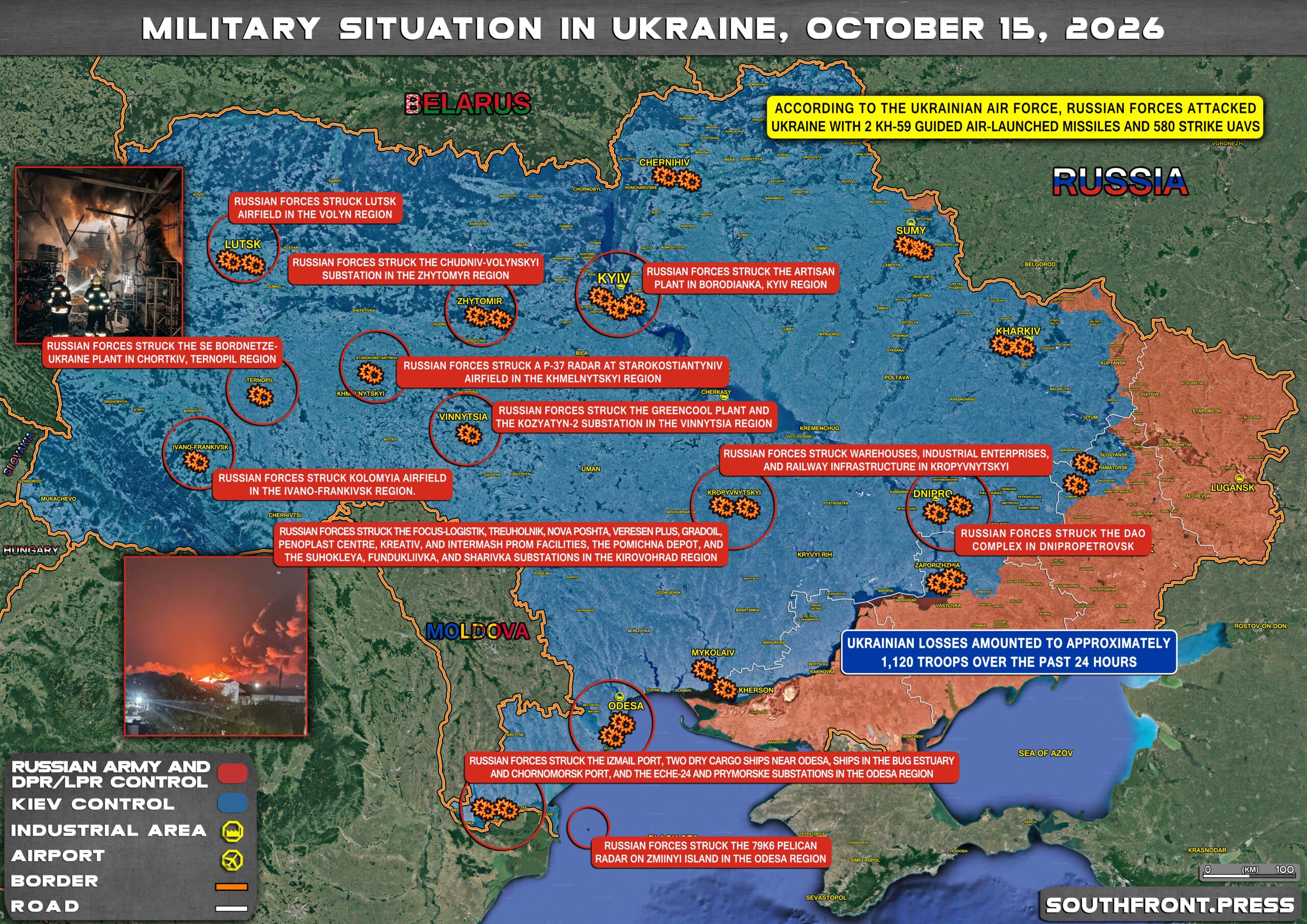
Russian strikes destroyed targets in the Sumy, Kharkiv, Zaporizhzhia, Dnipropetrovsk, Kherson, Odesa, Kirovohrad, Kyiv, Volyn, Chernihiv, Khmelnytskyi, Lviv, Mykolaiv, Vinnytsia, Rivne, Cherkasy, Poltava, Ivano-Frankivsk, Zhytomyr regions, and the DPR;
According to the Ukrainian Air Force, Russian forces attacked Ukraine with 2 Kh-59 guided air-launched missiles and 580 strike UAVs;
Russian forces struck the Focus Logistik, Treuholnyk, Nova Poshta, Veresen Plus, Hradoil, Penoplast Center, Kreativ, and Intermash Prom facilities, the Pomichna depot, and the Sukhoklia, Fundukliivka, and Sharivka substations in Kirovohrad region;
Russian forces struck warehouses, industrial enterprises, and railway infrastructure in Kropyvnytskyi;
Russian forces struck the Izmail port, two dry cargo ships near Odesa, ships in the Bug Estuary and Chornomorsk port, and the EChE-24 and Prymorske substations in the Odesa region;
Russian forces struck a P-37 radar at Starokostiantyniv airfield in the Khmelnytskyi region;
Russian forces struck Lutsk airfield in the Volyn region;
Russian forces struck Kolomyia airfield in the Ivano-Frankivsk region;
Russian forces struck the SE Bordnetze-Ukraine plant in Chortkiv, Ternopil region;
Russian forces struck the GreenCool plant and the Kozyatyn-2 substation in the Vinnytsia region;
Russian forces struck the Chudniv-Volynskyi substation in the Zhytomyr region;
Russian forces struck the ARTISAN plant in Borodianka, Kyiv region;
Russian forces struck the DAO complex in Dnipropetrovsk;
Russian forces struck the 79K6 Pelican radar on Zmiinyi Island in the Odesa region;
Ukrainian losses amounted to approximately 1,120 troops over the past 24 hours.
Click to see the full-size image
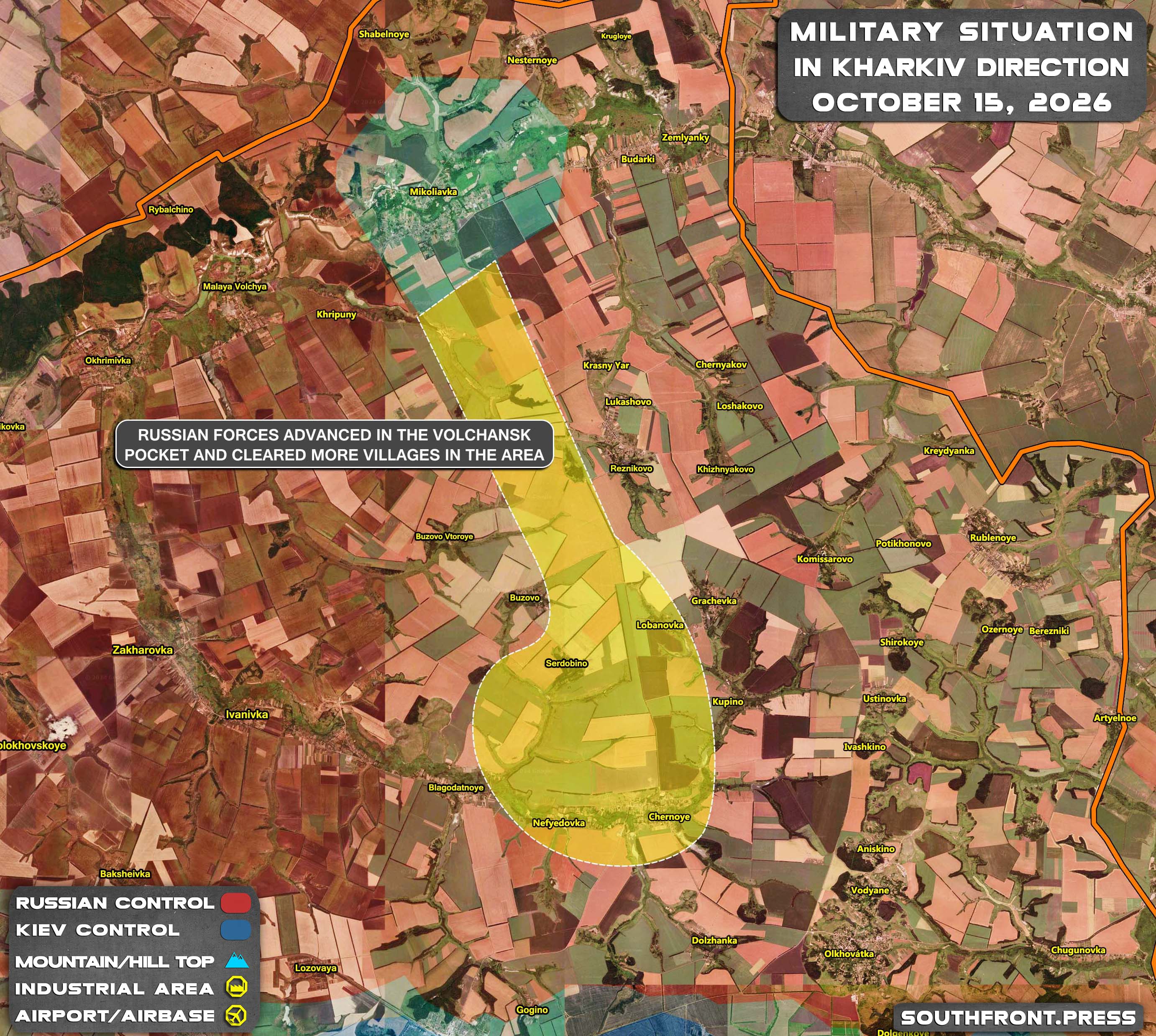
Russian forces advanced in the Volchansk pocket and cleared more villages in the area.
Click to see the full-size image
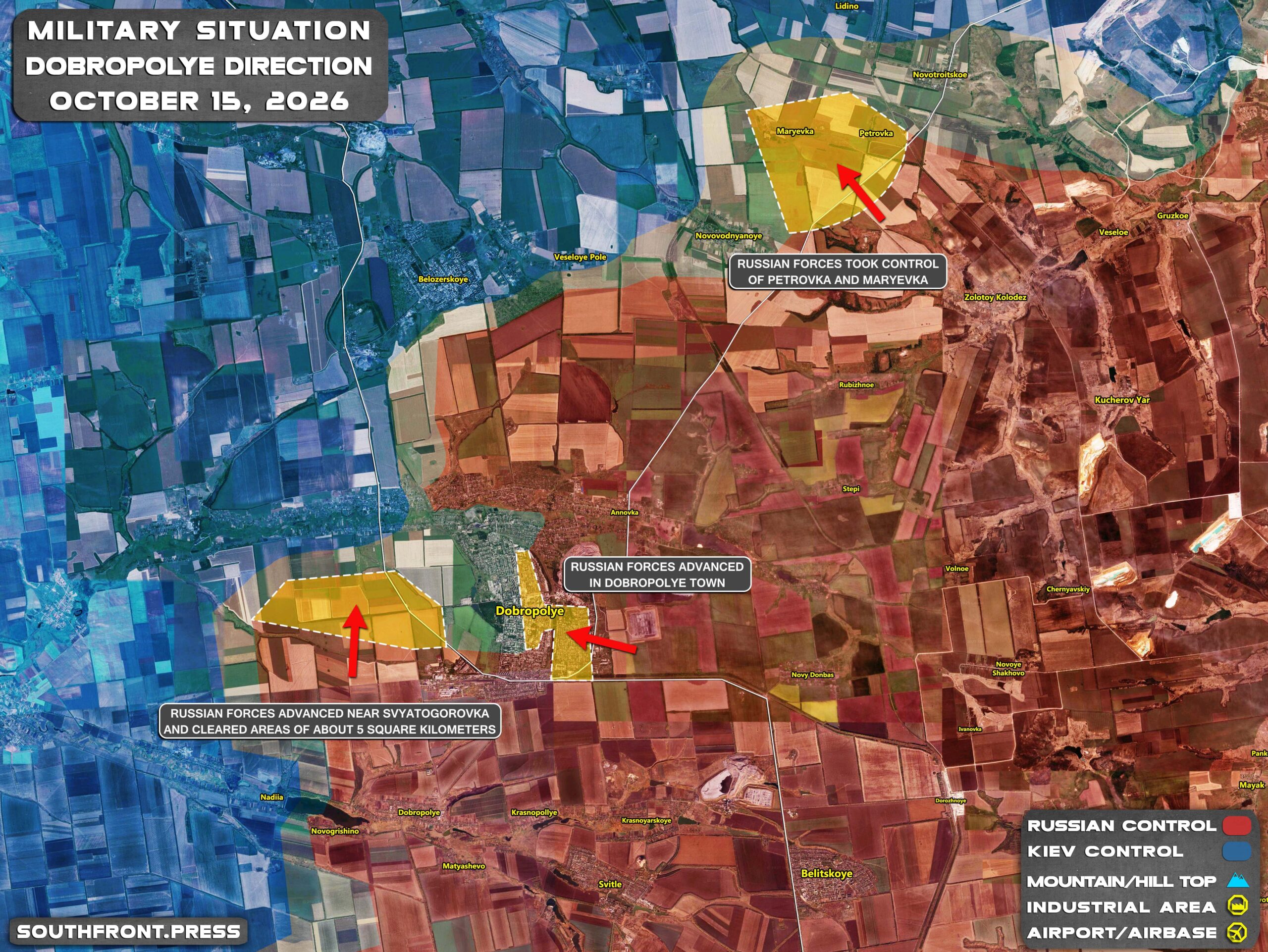
Russian forces advanced in Dobropolye town;
Russian forces advanced near Svyatogorovka and cleared areas of about 5 square kilometers;
Russian forces took control of Petrovka and Maryevka.
Click to see the full-size image
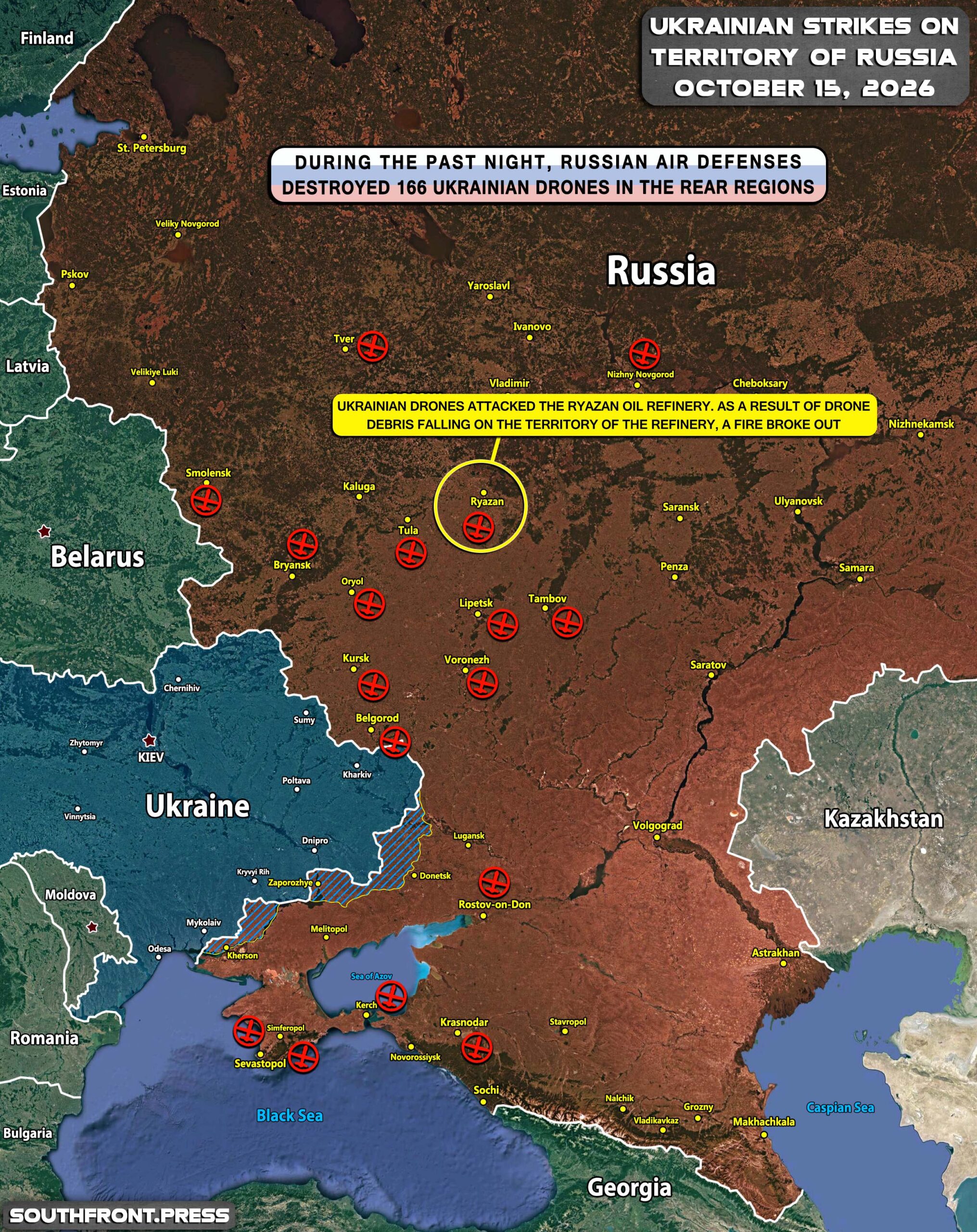
During the past night, Russian air defenses destroyed 166 Ukrainian drones in the rear regions;
Russian air defenses intercepted UAVs in the Belgorod, Bryansk, Kursk, Tula, Ryazan, Oryol, Lipetsk, Voronezh, Nizhny Novgorod, Tambov, and Rostov regions, the Moscow region, Krasnodar Krai, and the Republic of Crimea;
Ukrainian drones attacked the Ryazan Oil Refinery. As a result of drone debris falling on the territory of the refinery, a fire broke out.
PSD e PS aprovaram em conjunto o alargamento da licença parental paga a 100% e a extensão da jornada contínua ao setor privado. Medidas entram em vigor em janeiro de 2027.
Os partidos aprovaram o alargamento da licença parental inicial paga a 100% durante os primeiros 150 dias sem partilha ou durante os primeiros 180 dias se partilhada entre os dois progenitores
Cambiano i criteri per accedere agli scivoli pensionistici aziendali per i lavoratori che non avevano versato contributi al 31 dicembre 1995. Si tratta dei cosiddetti contributivi puri, ai quali si applica interamente il sistema di calcolo contributivo della pensione. Con la circolare n. 104 del 29 settembre 2026, l’Inps ha chiarito come verificare i requisiti necessari per accedere all’isopensione e agli assegni straordinari erogati dai fondi di solidarietà.
Come funzionano gli scivoli pensionistici aziendali
Gli scivoli aziendali consentono ai lavoratori vicini alla pensione di lasciare anticipatamente il lavoro attraverso accordi con il datore di lavoro. Durante il periodo che precede il pensionamento, il dipendente riceve una prestazione economica finanziata dall’azienda. Il datore di lavoro sostiene anche la contribuzione correlata, secondo le regole previste per lo specifico strumento.
Tra le principali forme di accompagnamento rientrano l’isopensione e gli assegni straordinari dei fondi di solidarietà. L’isopensione, disciplinata dalla legge 92 del 2012, prevede una durata ordinaria massima di 48 mesi, elevata a 84 mesi per le uscite con decorrenza entro il 1° dicembre 2026.
Per gli assegni straordinari dei fondi di solidarietà bilaterali, invece, la durata massima è di 60 mesi. Il lavoratore deve maturare il diritto alla pensione entro il periodo massimo previsto, considerando anche le eventuali finestre di attesa per la decorrenza del trattamento.
Cosa cambia per i lavoratori contributivi puri
La circolare Inps interviene sulla verifica dei requisiti per chi ha iniziato a versare contributi dopo il 31 dicembre 1995. Per questi lavoratori, l’accesso ad alcune pensioni richiede non soltanto un’età minima e un determinato numero di anni di contribuzione, ma anche il raggiungimento di una soglia economica.
L’importo minimo viene calcolato prendendo come riferimento l’assegno sociale, il cui valore è aggiornato periodicamente. L’Inps ha quindi precisato che, per accedere agli scivoli aziendali, il requisito deve essere verificato alla data di ingresso nell’esodo. Non è necessario attendere il momento in cui il lavoratore raggiungerà effettivamente l’età pensionabile.
Come si calcola l’importo minimo della pensione
Per verificare il requisito economico, l’Inps considera la contribuzione maturata fino alla data di accesso allo scivolo e il coefficiente di trasformazione corrispondente all’età del lavoratore in quel momento. Il risultato viene confrontato con il valore dell’assegno sociale in vigore alla stessa data.
L’importo pensionistico così calcolato deve raggiungere la soglia minima prevista per la forma di pensionamento scelta. Secondo l’Istituto, il raggiungimento del requisito al momento dell’esodo costituisce un indicatore della possibilità di soddisfarlo anche quando decorrerà la pensione, sulla base delle valutazioni statistiche e attuariali richiamate nella circolare.
Pensione di vecchiaia, requisiti e importi nel 2026
Per i lavoratori interamente contributivi, la pensione di vecchiaia richiede generalmente 67 anni di età, almeno 20 anni di contributi e un importo pensionistico non inferiore all’assegno sociale. Nel 2026 ammonta a 546,24 euro lordi mensili e costituisce il riferimento economico da utilizzare per verificare il requisito quando l’ingresso nello scivolo avviene nel 2026.
Esiste anche una possibilità alternativa: accedere alla pensione a 71 anni, con almeno cinque anni di contribuzione effettiva, senza dover raggiungere l’importo minimo collegato all’assegno sociale.
Pensione anticipata a 64 anni, le soglie da rispettare
Per accedere alla pensione anticipata contributiva sono richiesti ordinariamente 64 anni di età, almeno 20 anni di contribuzione effettiva e un importo minimo della pensione. Nel 2026 le soglie economiche sono:
1.638,72 euro lordi mensili, pari a tre volte l’assegno sociale;
1.529,47 euro mensili per le lavoratrici con un figlio, pari a 2,8 volte l’assegno sociale;
1.420,22 euro mensili per le lavoratrici con almeno due figli, pari a 2,6 volte l’assegno sociale.
Le cifre si riferiscono ai valori del 2026. Per la verifica dell’accesso all’esodo è necessario utilizzare gli importi in vigore alla data effettiva di ingresso nel percorso aziendale. Dal 1° gennaio 2030, salvo modifiche normative, il moltiplicatore generale previsto per questa forma di pensionamento salirà a 3,2 volte l’assegno sociale.
Il tetto massimo alla pensione anticipata
Per chi accede alla pensione anticipata contributiva a 64 anni è previsto anche un limite massimo all’importo erogabile. Fino al raggiungimento dell’età per la pensione di vecchiaia, il trattamento non può superare cinque volte il minimo pensionistico. Per il 2026, il tetto indicato è pari a 3.059,25 euro lordi mensili.
Resta inoltre disponibile, per chi possiede i requisiti, la pensione anticipata ordinaria, che non prevede una soglia minima d’importo. I requisiti contributivi indicati sono 42 anni e 10 mesi per gli uomini e 41 anni e 10 mesi per le donne.
Come verificare se si può accedere allo scivolo aziendale
Prima di aderire a un percorso di esodo, il lavoratore deve verificare che la pensione possa decorrere entro il periodo massimo di accompagnamento previsto. Il controllo deve considerare gli anni di contribuzione maturati, l’età alla data di uscita, la prestazione pensionistica di riferimento e gli eventuali requisiti economici.
Per chi rientra interamente nel sistema contributivo, assume particolare importanza la simulazione dell’assegno pensionistico. La verifica può essere richiesta all’Inps o a un patronato, utilizzando la posizione contributiva individuale e le condizioni previste dall’accordo aziendale.
Romanian authorities opened an investigation into the possibility of a drone strike on one of the tankers, after drones violated the country's airspace overnight.
A pressão sobre Luís Neves não pára de aumentar. Depois das polémicas do verão, há uma demissão no MAI, o SIRESP regressa à discussão e o PS já admite a saída do ministro. Até quando resiste?
Ministro das Infraestruturas fala numa "obrigação moral" de vender TAP a 100%. Ainda, sondagem da Intercampus revela empate técnico entre PS, Chega e AD nas intenções de voto nas eleições legislativas
O governo (que consegue um ótimo comprador para a TAP), o PS (que é contra a venda total) e Mário Mourão (que gostava de imitar os protestos em França) são o Bom, o Mau e o Vilão.
Aumenta a pressão sobre Luís Neves. Depois das polémicas do Verão e da aprovação de uma comissão de inquérito, agora é uma demissão no MAI e o regresso do eterno SIRESP. Consegue o ministro resistir?
O ministro das infraestruturas avisa que quem bloquear o processo está a desperdiçar uma oportunidade para o país. Ainda, Donald Trump acusa Joe Biden de ter provocado a guerra na Ucrânia.
I pensionati possono comunicare all’Inps come gestire le trattenute fiscali. Si tratta di una richiesta che è attiva dal 15 ottobre e fa riferimento alla pensione per il 2027. Si può, per esempio, chiedere di non applicare alcuna detrazione fiscale o di utilizzare un’aliquota Irpef più elevata rispetto a quella ordinaria. Lo ha chiarito l’Inps con il messaggio n.3245 del 13 ottobre 2026, nel quale ricorda come questo sia un sistema utile per chi percepisce, oltre alla pensione, anche altri redditi.
La domanda deve essere compilata e presentata attraverso il servizio dedicato, ovvero la “Dichiarazione per le detrazioni d’imposta per reddito e per carichi di famiglia”, disponibile sul sito dell’Inps.
Pensioni 2027: detrazioni e aliquote
I pensionati dal 15 ottobre possono comunicare una diversa gestione delle trattenute fiscali. L’Inps, quando eroga la pensione, calcola le tasse guardando l’importo della pensione stessa. Applica le aliquote Irpef ordinarie e le detrazioni da lavoro dipendente o pensione che riducono l’imposta da pagare.
L’Irpef però è un’imposta progressiva sul reddito complessivo e se, oltre alla pensione, si percepiscono altri redditi, come per esempio da affitto di un immobile, consulenze o altre prestazioni di lavoro, i redditi si sommano facendo salire il pensionato in una fascia di reddito più alta.
L’Inps applica le trattenute standard e quindi calcolerà le tasse al ribasso. Ma in sede di dichiarazione dei redditi, l’Agenzia delle Entrate calcolerà e chiederà di pagare la differenza in un’unica soluzione o a rate.
Cosa chiedere dal 15 ottobre?
Dal 15 ottobre i pensionati possono quindi richiedere di rinunciare o ridurre le detrazioni fiscali oppure di applicare un’aliquota Irpef più alta.
Sono due infatti le operazioni per evitare sorprese:
chiedere all’Inps di non applicare in tutto o in parte le detrazioni per la pensione o per familiari a carico durante l’anno;
chiedere all’Inps di applicare ogni mese un’aliquota fissa superiore a quella di base in previsione del reddito totale.
A chi conviene?
Come già descritto, questa richiesta conviene soprattutto a chi sa di avere altre entrate rispetto alla sola pensione.
Esempio:
Pensione da 20.000 euro l’anno, più reddito da affitto da 10.000 euro l’anno, per un totale di 30.000 euro l’anno. Senza la richiesta, le trattenute Inps saranno più basse e si rischia, con l’esito della dichiarazione dei redditi, di dover saldare una somma più alta. Ma con la richiesta all’Inps, ogni mese, rinunciando a detrazioni o aumentando l’aliquota, si arriverà all’esito della dichiarazione dei redditi con un saldo neutro o un piccolo conguaglio.
Cosa cambia rinunciando alle detrazioni?
Il pensionato o la pensionata che decide di rinunciare alle detrazioni fiscali vedrà l’importo trattenuto ogni mese aumentare e quindi la pensione netta diminuire.
Attenzione: rinunciare alle detrazioni e chiedere un’aliquota Irpef più alta sono due operazioni differenti. Nel primo caso si riducono gli sconti fiscali, nel secondo caso aumenta la percentuale utilizzata per calcolare la ritenuta.
Come fare la richiesta
La richiesta su come gestire le trattenute fiscali va rinnovata ogni anno. A partire dal 15 ottobre 2026 è possibile fare richiesta per il periodo d’imposta 2027.
Anche chi aveva già presentato la comunicazione l’anno scorso deve inviare una nuova domanda attraverso i servizi online dedicati.
Chi riceve soltanto la pensione e non ha altre entrate non ha bisogno di fare nulla, perché l’Inps applica già le regole fiscali ordinarie.
Russia’s drone and missile attacks on Ukraine’s population and infrastructure continue to dominate coverage of the conflict. But on the ground, Ukraine has been making significant, if still limited, gains. In mid-September, Ukraine formally announced the existence of Operation Vivaldi, which has retaken territory near Lyman and disrupted a Russian advance toward the fortified cities […]
Russian reinforcements are surging toward Dobropillia in eastern Ukraine's Donetsk Oblast
The Russians have a plan: take Dobropillia and close the southern jaw of a pincer around Kramatorsk and Sloviansk
Ukrainian forces aren't powerless to resist, but many of their own best troops are busy attacking elsewhere
The Russians are pouring troops into a key sector just southeast of the town of Dobropillia in eastern Ukraine's Donetsk Oblast, threatening to overwhelm Ukrainian defenses and march one settlement closer to Kramatorsk and Sloviansk, the last two big free cities in Donetsk.
But the Russians' push toward Dobropillia isn't without cost. Russian losses in this sector are "colossal," according to the mapper Playfra. And every soldier the Kremlin deploys along the Dobropillia axis is a soldier it can't deploy elsewhere.
And that may help explain why the Russians are falling back in two other key sectors, in northern Donetsk Oblast and in neighboring Dnipropetrovsk Oblast. The Dobropillia axis is the Russians' clear priority. For the Ukrainians, that's an opportunity to attack elsewhere.
Dobropillia ORBAT - Summer 2026
Similar to last year, Russia has significantly reinforced the Dobropillia direction, seeking to capture the town itself while simultaneously developing the southeastern approach toward Druzhkivka and Kramatorsk.
Dobropillia, a former mining town with a pre-war population of around 28,000, is now a fortress. It anchors Ukrainian positions along the highway that threads northeast to Kramatorsk.
Russia has attacked here before. In August 2025, Russian troops pushed a salient toward the Dobropillia–Kramatorsk highway, and Ukrainian counterattacks cut it apart. By October that year, President Volodymyr Zelensky put Russian losses on the Dobropillia front at about 13,000.
Ukrainian military analyst Kostiantyn Mashovets describes the push on Dobropillia as the southern flank of a Russian operation to envelop the whole Sloviansk–Kramatorsk urban area. The other approaches are harder going. From the southeast, the Russians are blocked by stubborn Ukrainian forces still clinging to positions in the ruins of Kostiantynivka. From the north, starting this spring, the Ukrainian 3rd Army Corps rolled back 18 months of Russian gains.
For an army that's been struggling to complete its conquest of Donetsk, to say nothing of breaking through in other front-line oblasts, Dobropillia has become the priority.
And that's why the Russians are channeling fresh forces into the Dobropillia sector. Part of the 41st Combined Arms Army and units of its 90th Guards Tank Division are now fighting there, Mashovets wrote on 9 October, and the Russian command keeps feeding fresh assault infantry into the sector through the village of Nove Shakhove despite heavy losses. The open-source account Unit Observer tracked the buildup as early as September.
Potentially tens of thousands of troops from those formations join the main forces of the 2nd and 51st Combined Arms Armies, according to Mashovets, as well as elements of the Russian naval infantry, facing the Ukrainian 1st Azov Corps and 19th Army Corps around Dobropillia.
The reinforcements give Russian commanders more options. Mashovets expects the 51st CAA to push south and southwest of Dobropillia and the 2nd CAA toward Raksha and Sviatohorivka, enveloping the town and cutting its supply routes from Bilozerske before any direct assault. The neighboring 8th CAA is fighting around Kostiantynivka. The Russians' immediate goal is "to maintain this offensive pressure from summer into the fall," Unit Observer wrote, setting conditions for a possible siege of Kramatorsk next year.
The outlook for the Ukrainian defenders of Dobropillia is "worsening," Playfra warned on 13 October:
The Russians have a seemingly infinite manpower pool here and a clear numerical advantage, which allows them to significantly increase the flow of infiltrators and, as such, the chance of some passing through Ukrainian defenses.
This leads to especially deep Russian infiltrations, which in turn slowly but surely destabilize the situation for the Ukrainians, which are progressively forced to abandon their most advanced positions.
The Ukrainians aren't without options, Playfra explained. They should double down on their current strategy of saturating the fields around Dobropillia with drones in a ring at least 2 to 3 km deep, forestalling large-scale Russian movements until the winter strips the leaves off the trees, depriving the Russians of their best cover from overhead surveillance. This could buy Dobropillia "much more time," Playfra predicted.
Mashovets puts a date on how long Dobropillia has to hold. If it and Druzhkivka, the town just south of Kramatorsk, hold until mid-to-late December, he wrote, the whole Russian plan for Sloviansk and Kramatorsk would collapse and have to be rewritten almost from scratch.
ISW’s map of the Dobropillia area on 22 September 2026 shows Russian-controlled and infiltration areas near the city. Source: Institute for the Study of War.
Help isn't coming
Just don't expect a lot of Ukrainian reinforcements along the Dobropillia axis. Many of Ukraine's best troops are busy attacking.
Taking advantage of the surge of Russian manpower in the direction of Dobropillia, Ukrainian forces have counterattacked where the Russians are weakest: in northern Donetsk Oblast and also in Dnipropetrovsk Oblast, just south of Donetsk.
Map: Euromaidan Press
In months of carefully planned assaults supported by ground robots and intensive drone strikes, Ukrainian forces have liberated hundreds of square kilometers in northern Donetsk and Dnipropetrovsk. The Ukrainian 3rd Army Corps' Operation Vivaldi in northern Donetsk largely removed the immediate northern threat to Sloviansk and neighboring Kramatorsk.
But it didn't do anything to help in the direction of Dobropillia, where the Russians have many more troops, much more firepower, and—equally importantly—a singular focus: closing the southern jaw around the last big free cities in Donetsk.
Explore further
Ukraine’s 3rd Army Corps took the lessons of the failed 2023 counteroffensive into Operation Vivaldi. It fought small, and won.
A federal judge has once again ordered the White House to restore access for three news organizations President Trump banned last month over their coverage of his administration. The judge ordered full access for CNN, MS NOW and Politico while their legal challenge moves forward. Geoff Bennett discussed more with Ted Boutrous, the attorney representing the three outlets.
No Parlamento, social-democratas defenderam medidas em impostos, salários e habitação. Chega e PS usaram críticas de Passos Coelho para contrariar o "discurso triunfalista".
Miguel Santos defendeu que "O Governo está obrigado a criar condições para os portugueses construírem as suas vidas. É a reforma das reformas garantir um futuro melhor"
Ukraine has completed its Operation Vivaldi, aimed at protecting its fortress belt cities of Donetsk Oblast, which helped Kyiv preserve the region from Russian occupation for 12 years. Brigadier General Andrii Biletskyi, the commander of the Third Army Corps behind the operation, has reported that the fourth phase secured 101 km² of territory. Among the latest achievements is the liberation of three settlements—Zelena Dolyna, Lypove, and Kolodiazi.
The operation's main objective was to move Ukrainian troops into more advantageous defensive positions, Biletskyi said in the first days after the operation was made public. Vivaldi has now summed up the results of all four phases: Ukraine has established full control over 16 settlements, liberated 277 km² of territory, and inflicted 8,000 casualties on Russian forces.
Ukraine worked against Russia's deadline
During Operation Vivaldi, Ukrainian forces have prevented Russian troops from outflanking the Sloviansk-Kramatorsk agglomeration and cutting the Kharkiv–Sloviansk highway, a key supply route for Ukraine’s forces in Donbas, Biletskyi says.
“We thwarted the offensive of the Zapad grouping and forced it to redeploy some units of the 1st Tank Army, which eased pressure on Kupiansk-Vuzlovyi,” Biletskyi announces.
Previously, the Institute for the Study of War noted that Russian President Vladimir Putin was confident that Russian forces would be able to seize the entire Donetsk Oblast by the end of 2026 — the Kremlin’s latest deadline for achieving this goal.
Ukraine’s military was on a mission to prevent this.
Season one: clearing russian infiltration groups
On 15 September 2026, Ukraine’s Third Army Corps announced Operation Vivaldi in northern Donetsk Oblast. During the first phase, Ukrainian troops cleared Russian groups from 75 km² of territory and liberated another 10 km².
The Third Army Corps said it had struck Russian supply routes and fuel infrastructure, prompting Russia to relocate its fuel and lubricant reserves to Voronezh Oblast. According to the corps, Russian forces lost around 1,500 troops, more than 12,000 drones, and hundreds of pieces of equipment.
Season two: liberation of Shandryholove and Derylove
On 20 September, the Third Army Corps reported the liberation of Shandryholove and Derylove and the establishment of full control over Drobysheve.
During the second season, Russian forces lost another 800 troops, bringing their total losses across the first two seasons to more than 3,000, according to the corps.
During the first two seasons of the operation, Ukrainian troops and attached units regained control of 125 km² of territory, including 50 km² that had been fully liberated.
Soldiers of Ukraine’s Third Army Corps. Source: Ukraine’s Third Army Corps
The first phase of Vivaldi involved eliminating Russian groups that had infiltrated Ukrainian positions, explained the commander of a battalion in the 125th Brigade, callsign Darwin, per ArmyInform. After clearing those groups, the Defense Forces moved on to the operation’s second phase, using reconnaissance drones to detect Russian forces, he added.
For this, Ukraine used UAVs and ground robotic systems.
“The Third Army Corps was the first in the world to begin deploying ground robotic systems by air. Our heavy bombers deliver kamikaze ground robotic systems more than 10 kilometers behind enemy lines,” Biletskyi noted.
Season three: advances near Novе and Ridkodub
On 28 September, the Third Army Corps reported the liberation of Nove, Ridkodub, and Katerynivka and the restoration of control over Karpivka and Novomykhailivka. Ukrainian forces regained another 51 km² of territory, bringing the total area liberated since the start of the offensive to 176 km². Russian forces lost around 2,000 troops, and more than 250 were taken prisoner, the corps said in its summary of the operation’s third phase.
Settlements Ukraine's 3rd Army Corps says it liberated during Operation Vivaldi north of Lyman, Donetsk Oblast, Ukraine, as of 28 September 2026. Map: ISW
“The Russians were convinced that the main axis of attack was Shandryholove–Zelena Dolyna. This led it to squander its reserves in counterattacks along that very axis. The Russians slept through the actual strike, which was focused on capturing Nove,” Biletskyi said.
Operation Vivaldi aimed to disrupt Russia’s plans in Donetsk Oblast
The need for Operation Vivaldi arose amid Russian attempts to encircle Ukraine’s fortified belt in Donetsk Oblast. Ukrainian forces conducted preparatory efforts aimed at degrading Russia’s offensive capabilities, including strikes on Russian drone operators, the Institute for the Study of War reported on 9 October.
Ukrainian counterattacks in the Lyman direction and east of Sloviansk and Kramatorsk were intended to complicate Russian efforts to seize the fortified belt in Donetsk Oblast, the report noted.
The corps advanced gradually, reclaiming small areas instead of attempting a large-scale breakthrough.
Coloração pessoal, consultoria de imagem, maquilhagem e upcycling são as quatro sessões que vão fazer parte do programa, este fim de semana, todas elas gratuitas e orientadas por profissionais. A moda, a beleza e a sustentabilidade cruzam-se nos dias 17 e 18 de outubro, no AlgarveShopping, com quatro workshops dedicados à imagem pessoal, à maquilhagem e ao […]
Luís Testa atacou abstenção do Chega na proposta do Governo sobre arrendamento urbano. Partido de direita rejeitou acusações e contra-atacou com dados sobre subida de preços na era socialista.
Hershko dedicates victory to Yonatan Goutin, a champion judoka of Israel's youth division who was killed on Oct. 7; says her pride in competing for Israel is stronger than ever

 Login