Steve Witkoff’s flattery of the Russian leader could be just the start of a mendacious stratagem from a US president who says Moscow ‘has been fine on Ukraine’
They say the first casualty of war is truth. For the Trump administration, the road to peace with Russia now encompasses some extraordinary lies.
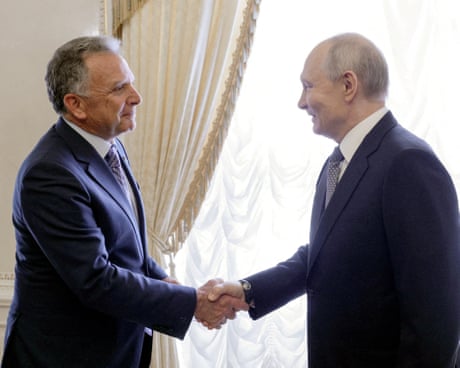
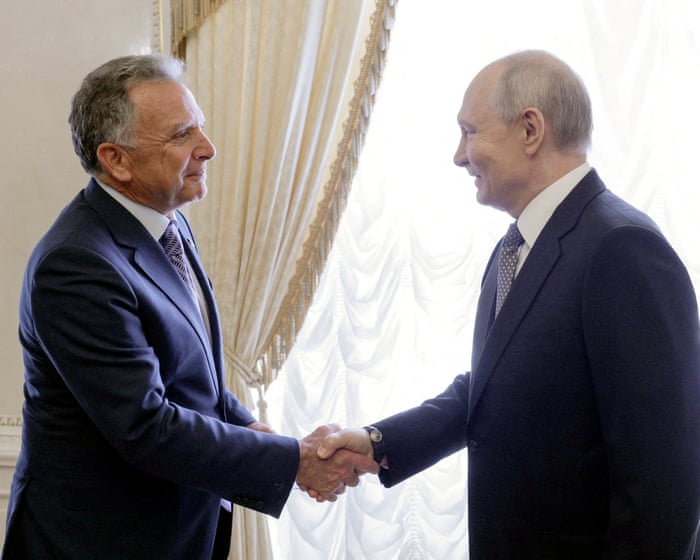
Steve Witkoff delivered one as he sat down with Vladimir Putin in St Petersburg on Wednesday, aiming to close the deal on Russia’s land grab in Ukraine with the White House’s strategy of maximum pressure on Kyiv and saccharine flattery of the Kremlin.
Measures would remove some penalties for those helping women access abortion but are ‘small-scale step’, say campaigners
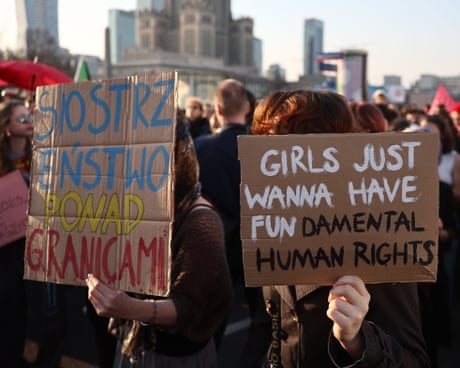
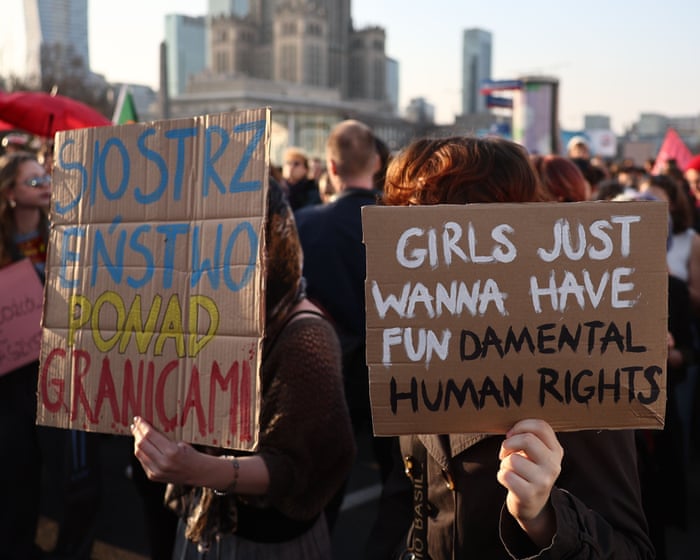
Poland’s lower house of parliament has approved two bills aimed at loosening a near-total ban on abortions, in what campaigners have described as a “small-scale step” ahead of protests calling on the government to fulfil its promises to overhaul the country’s laws.
The new measures, which are likely to be vetoed by Poland’s nationalist president, would remove some of the criminal penalties for those who help women to access abortion care and allow terminations in cases of foetal abnormalities.
European Commission calls accommodation website’s approach to fraudulent listings and phishing scams as ‘absolutely substandard’
EU regulators have opened an investigation into Booking.com, alleging that the accommodation website has not done enough to protect consumers from fake listings and scams.
The European Commission, which regulates the world’s biggest tech companies operating in the EU, said Booking.com may have breached the EU’s Digital Services Act (DSA) with its “absolutely substandard” approach to tackling fraudulent listings and phishing scams, where criminals impersonate a third party to trick people to hand over money.
Leaders criticised for spreading misleading information as France prepares for further protests this weekend
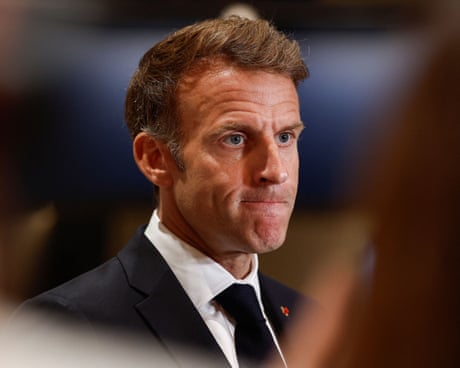
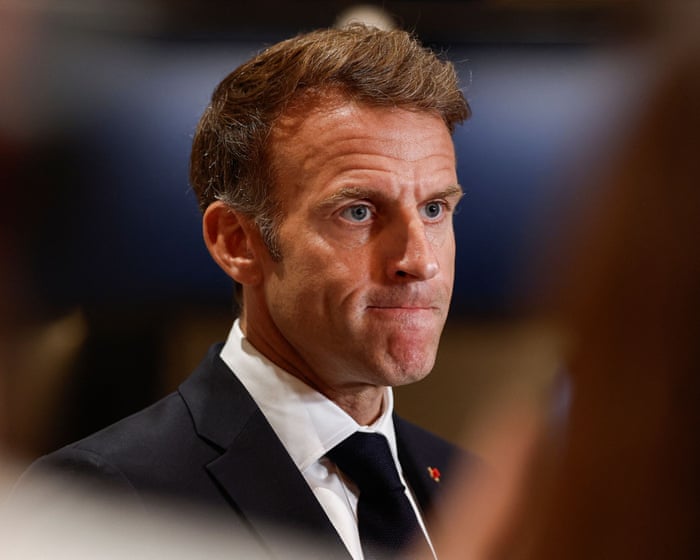
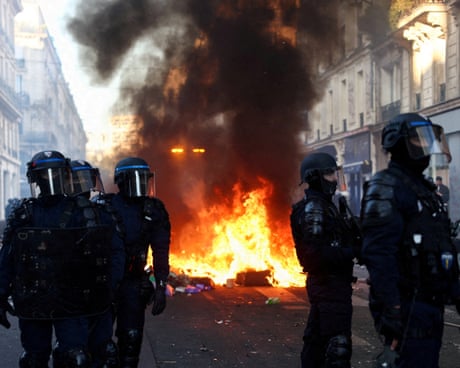
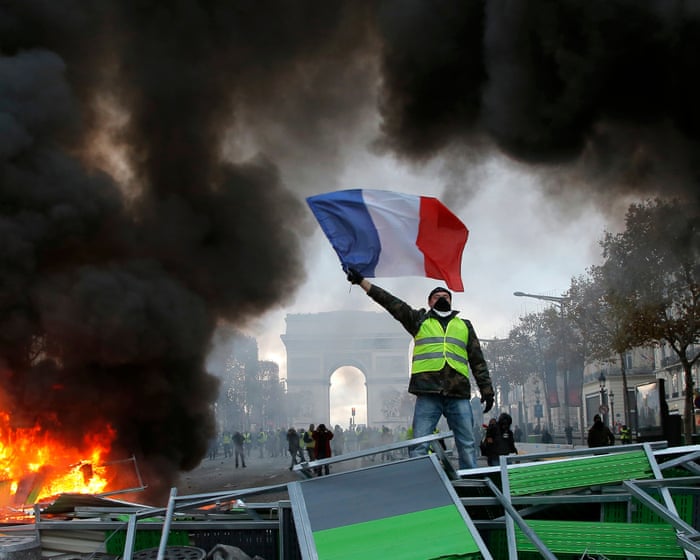
Emmanuel Macron has accused Donald Trump and other foreign leaders of making “stupid comments” about France’s street unrest for political gain, as the country prepared for more protests this weekend.
Speaking during a visit to Qatar, the French president did not name names but said “manipulation of information” after Saturday’s riots had led to “comments that are as unacceptable as they are stupid, from many people, including foreign leaders”.
Nationalist leaders are framing unrest as consequence of failed liberal governance and open borders
Europe’s far-right leaders have jumped on the violence that rocked numerous cities last weekend, framing it as the inevitable consequence of failed liberal governance and open-border policies and insisting only they can restore law and order.
Months away from key elections in Spain, France and Italy, authoritarian nationalists are eager to weaponise the wave of street unrest, originating in peaceful protests over the cost of living and deteriorating public services but hijacked by violent rioters.
As US support ebbs away, looming European elections and growing financial strains across the continent could fracture the precious coalition that has kept Ukraine afloat
Europe woke up last Friday to another belligerent outburst from Donald Trump – this time berating Ukraine’s wartime leader Volodymyr Zelenskyy again. Just a few days after his diesel deal with the Kremlin, the US president said Zelenskyy was more difficult to deal with than Vladimir Putin and blamed Ukraine’s leader for rocketing oil prices – without any reference to the impact of his own war on Iran.
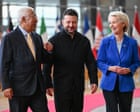
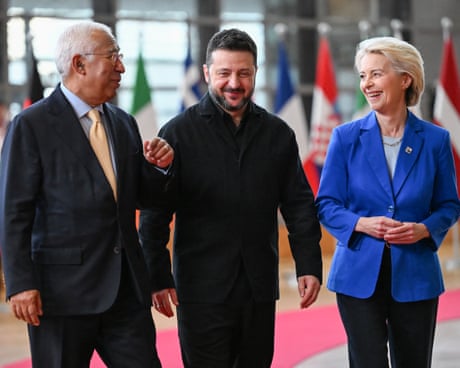
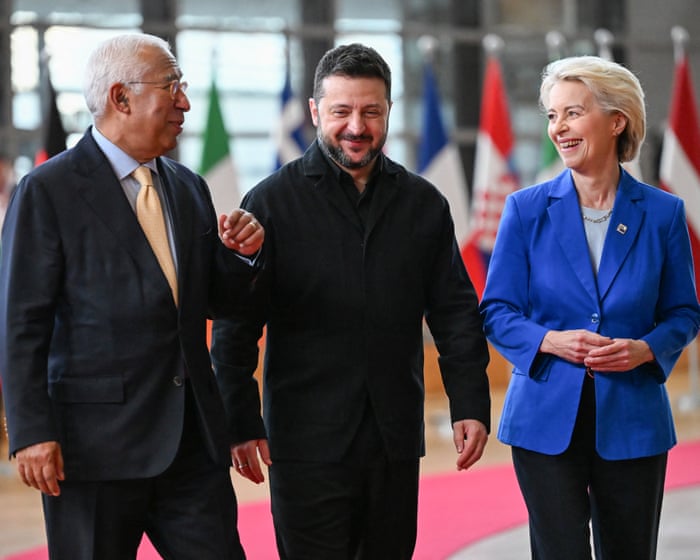
The contrast in Europe was obvious. When Zelenskyy walked into the multi-coloured summit room of the European Council headquarters in Brussels that Friday morning, the EU’s 27 leaders burst into applause, getting to their feet to offer big hugs and brisk handshakes. European Council president António Costa told Zelenskyy and the media: “This is no time to withdraw the support to Ukraine,” calling instead for increased pressure on Russia. Zelenskyy was thankful, pointedly saying he was happy to have “huge support” from “real leaders”.
Yield on 10-year government bonds passes 5% amid failure to pass budget and fallout from violent street protests
France’s borrowing costs have climbed above 5% for the first time in 24 years as political concerns and the government’s failure to agree a much-delayed budget spook the financial markets.
With some civic buildings still smouldering from recent riots, a fresh bout of selling pushed up the yield – or interest rate – on bonds issued by the second largest economy in the eurozone.
Russia frees Stephen Hubbard after US request while Steve Witkoff praises Putin, wanted by ICC as war criminal, as a ‘humanitarian’
Vladimir Putin ordered the release of an American man from a Russian jail as he met Donald Trump’s envoy Steve Witkoff in St Petersburg on Wednesday for fresh talks on ending the war in Ukraine, amid increasingly close relations between Moscow and Washington.
Trump had previously asked Putin to free Stephen Hubbard, a 74-year-old former teacher who had spent more than four years in Russian jails on charges of fighting as a mercenary for Ukraine.
At 3pm BST / 4pm CEST Friday 23 Oct, Guardian Europe columnists Rokhaya Diallo and Alexander Hurst will be live taking questions from our readers about the riots and protests in France. Send your questions by email now to conversations@theguardian.com, or join the discussion on Friday
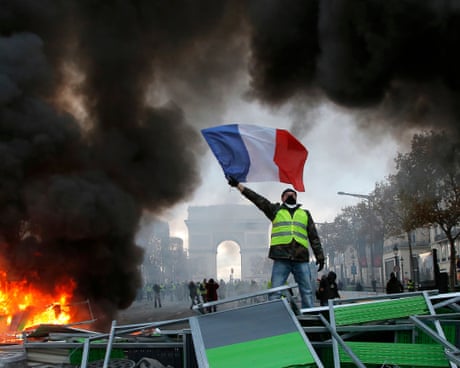
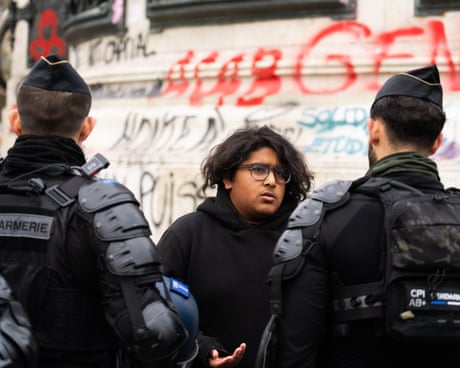
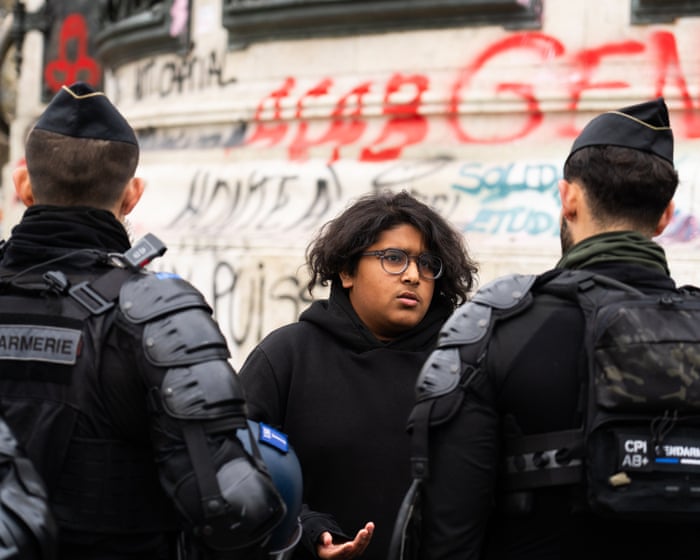
After weeks of protests and a weekend of riots in which a town hall was set ablaze, 2,000-plus shops were looted, 2,300 people were arrested and 1,000 police injured, the repercussions for France – for its society and its economy – continue. Allegations of police brutality surfaced, and the violent protests unnerved investors, resulting in a debt sell-off, with borrowing costs rising higher than for Greece. All of this ahead of a hotly contested presidential election that’s now just six months away.
The French government’s escalating financial problems were covered by the Guardian’s Europe correspondent Jon Henley who wrote: “France’s national debt, at 119% of GDP, is at its highest level since 1946. Its budget deficit, at 5.1%, is also among the highest in the EU. There is just no money in the bank to ease the cost of living squeeze that brought 550,000 people on to the streets on Saturday.”
In France, it was the piles of wheelie bins stacked up against school entrances that first hinted at the scale of student anger over crumbling classrooms and teacher shortages. In Spain, it was a tent camp that steadily grew in the heart of the capital as residents railed against soaring housing costs.
Similar scenes have since sprung up in Belgium, Italy and Portugal, and clashes have convulsed Albania’s capital of Tirana, hinting at an autumn of protests across Europe.
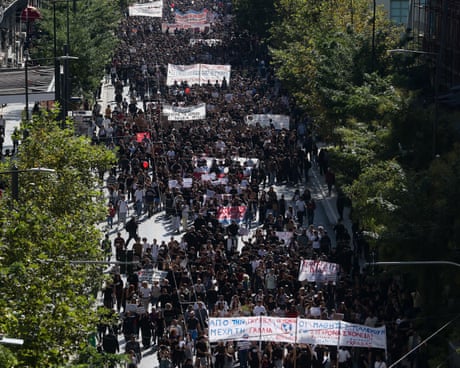
Students, teachers and civil servants have shown up in Athens, with demonstrations also in Thessaloniki and other cities
Meanwhile, back to Witkoff’s meeting with Putin in St Petersburg, the US president, Donald Trump, has just welcomed the release of Stephen Hubbard, a US citizen held by Moscow on allegations of fighting as a mercenary for Ukraine (11:24).
“Stephen Hubbard, taken four years ago by Russia during the Biden Administration, was just released from prison, at the request of President Donald J. Trump, made directly to President Vladimir Putin in a telephone conversation last week.
Stephen is on his way back home and will soon be with his family. The United States, out of respect for President Trump, was not required to give anything in return - an unprecedented situation for Russia. There was no “swap” necessary for this release.
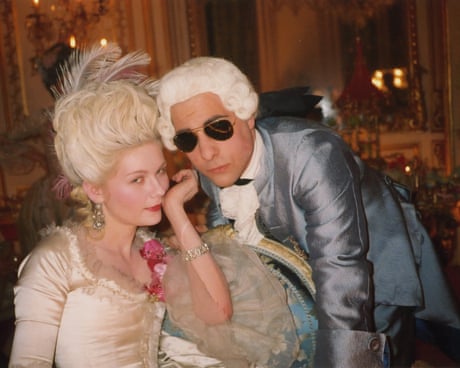
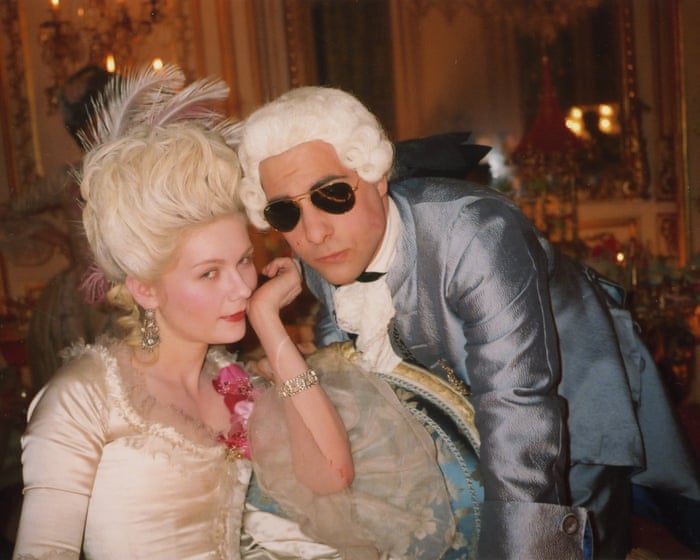
Shot by Sofia’s mother Eleanor this documentary shows something of the strain of shooting a period piece, but is a far cry from the tumultuous portrait of her husband in Hearts of Darkness
It is 20 years since the release of Sofia Coppola’s Marie Antoinette starring Kirsten Dunst; it is a supportively unjudging, unironised study of the queen’s early years before the 1789 revolution, lavishly and accurately costumed, shot on location at Versailles and based on the Antonia Fraser biography – but also subversively and amusingly using pop tracks from the 70s and 80s on the soundtrack. It got a storm of booing from French critics, reportedly annoyed at the way their history had been reduced to a music video and fashion shoot with no French actors involved. Or hardly any.
In fact, for all the lack of political grit, the film was interesting and accomplished, and deservedly has a fanbase – and it is to that constituency that this making-of documentary from the director’s mother Eleanor Coppola is really addressed. It is basically a sweet family home movie on digital video which shows something of the strain and the longueurs of shooting a demanding period picture, but tactfully not seeing anything really explosive or bad-tempered. It is very far from Eleanor Coppola’s sensational behind-the-scenes film Hearts of Darkness: A Filmmaker’s Apocalypse about the tumultuous creation of Apocalypse Now, directed by her husband Francis Ford Coppola.
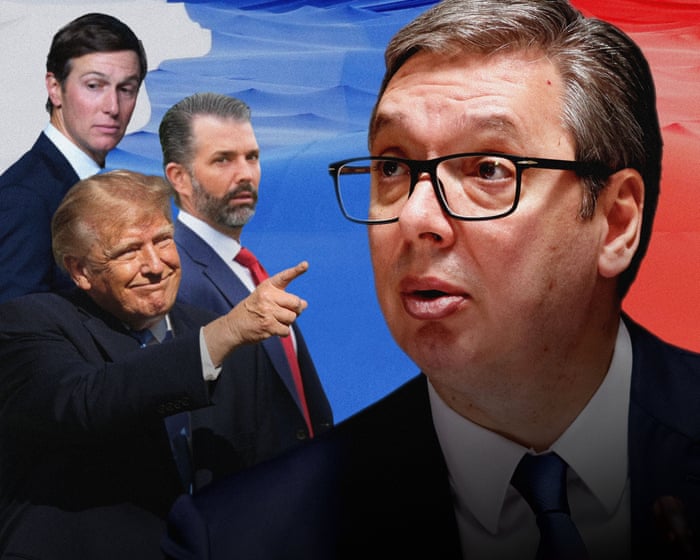
Student activists seem set to defeat Aleksandar Vučić at the ballot box this Sunday. The EU should never have written off Serbian democracy
History may not be about to repeat itself in Serbia, but it is beginning to rhyme. Just over a quarter of a century ago, Serbian citizens turned out to vote in large numbers to inflict a historic defeat on the then strongman in Belgrade, Slobodan Milošević, who was seeking re-election as president. He lost despite his extensive control over the media, the judiciary and the security forces. When he was reluctant to leave office, Serbs poured on to the streets in their hundreds of thousands, finally forcing him to go.
On Sunday, a new generation could have the decisive voice in an equally fateful election, this time for the national parliament. Today’s strongman, Aleksandar Vučić, recently resigned as president to fight the election with the aim of swapping the locus of power from the presidency to the prime minister’s office.
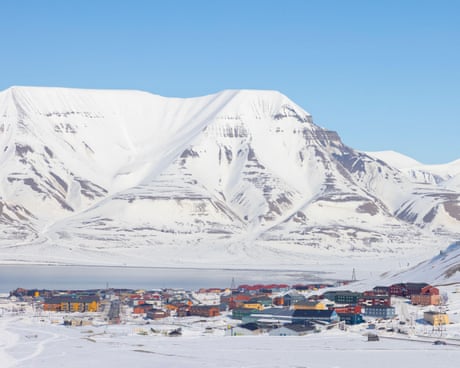
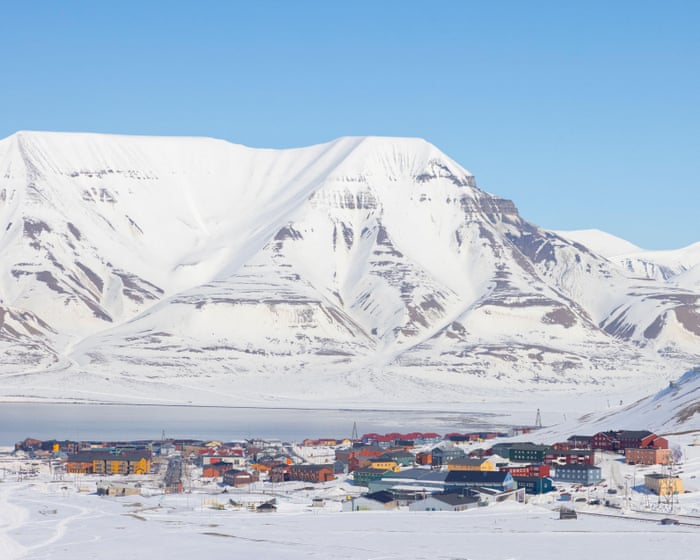
As glaciers melt and permafrost thaws, Longyearbyen, on the remote Arctic islands of Svalbard, faces climate-induced problems from tap water to housebuilding to landslides
On a rugged mountain plateau of snow-dusted rocks, in the remote archipelago of Svalbard, a glaciologist, Andy Hodson, points out the “ears” of ice, white against the rock, that gave Foxfonna glacier its name, after the arctic fox.
The small glacier, on a mountain 8 miles (15km) outside the Norwegian village of Longyearbyen, is a popular summer hike for tourists who come here seeking the Arctic experience.
Marine Le Pen and Donald Trump are arsonists who play at being firefighters. Nigel Farage is finding that act harder to pull off in Andy Burnham’s Britain
An election where one side represents chaos will nearly always be won by the party that promises order instead. Public fatigue after years of turbulent Tory rule accounted for Labour’s 2024 landslide victory more than any policy in Keir Starmer’s manifesto. Across the Channel, Marine Le Pen, leader of the far-right National Rally (RN), is currently on course to win next year’s presidential poll with a pledge of “restored authority and security” for a country that has spent years cycling between enervating stasis and explosive crisis.
Le Pen has been boosted in recent days by scenes of city centres ablaze and shops being looted as student demonstrations mutated into riots. Street confrontation is a more standard feature of the political repertoire in France than in most settled democracies, but the destruction was disturbing by any measure.
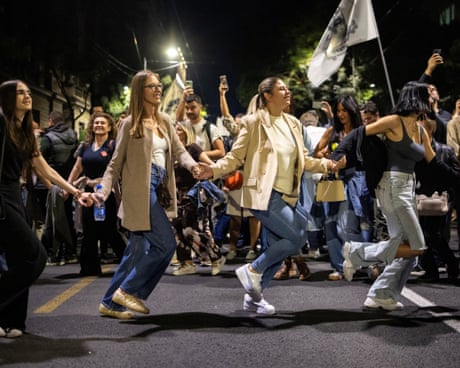
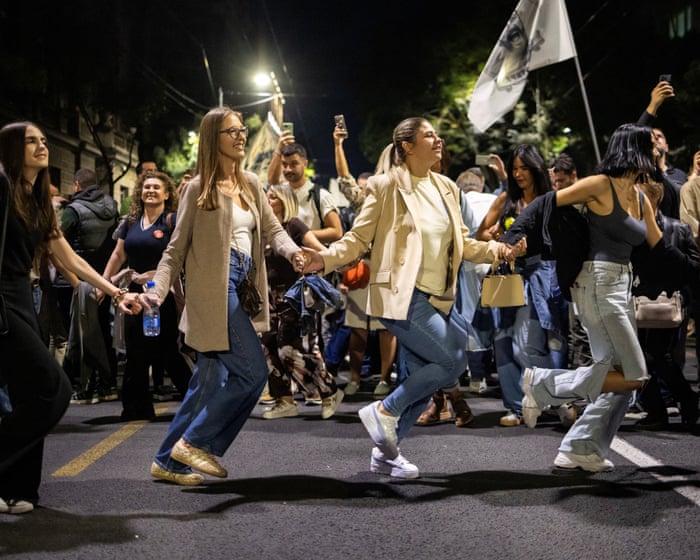
Unorthodox campaign is challenging the ruling party’s 14-year reign with a bold democratic experiment
On a cool autumn evening, a team of Serbian student volunteers went canvassing in the housing estates of Krnjača, a Belgrade suburb. They were equipped with lanyards emblazoned with the word “victory”, a stock list of questions and a mobile app that mapped visited homes and the level of support in each.
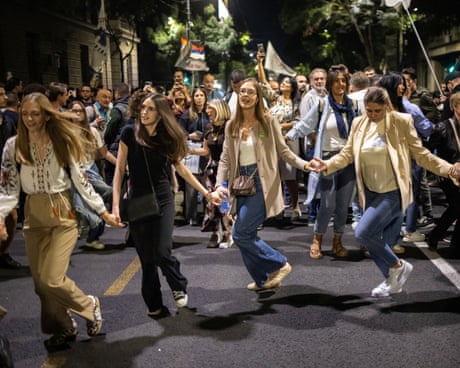
The volunteers were part of a mass student movement, Student List, that has rocked Serbia with two years of constant protests. On Sunday, the group will represent the most serious challenge Aleksandar Vučić has faced in his 12 increasingly authoritarian years in power, by putting forward their own candidates in parliamentary elections.
Serbia’s authoritarian president personally intervened to remove the protection of a historic landmark – then came protests and prosecutions. Tom Burgis on the murky tale of Trump Tower Belgrade
In the heart of Belgrade, near the banks of the Danube, stands the General Staff building. Built in the 1960s, it embodies the difficult history of Serbia. It was designed to resemble a canyon of the Sutjeska River, where one of the most significant battles of the second world war was fought.
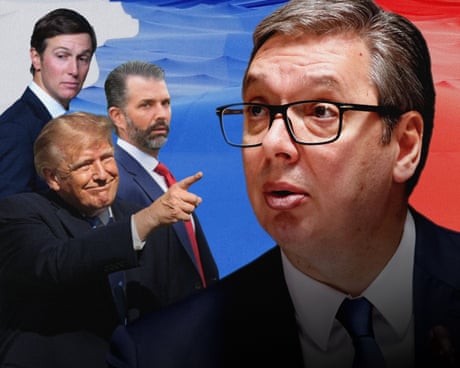
Then suddenly, in November 2024, it was announced that the building was no longer protected from development. Instead, a tower with Donald Trump’s name on it would go up in its place.
Talks in Oslo made ‘meaningful progress’ toward engaging Russia, a US official said. What we know on day 1,701
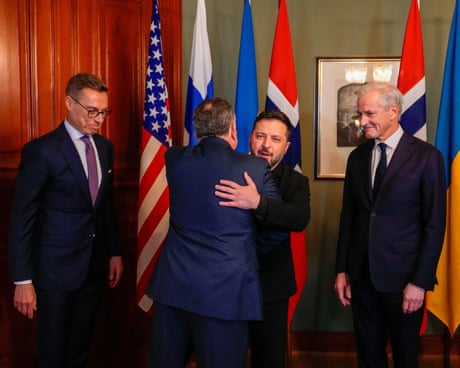
US envoy Steve Witkoff will meet Russian president Vladimir Putin on Wednesday after what a US official called “constructive” talks with Ukrainian president Volodymyr Zelenskyy in Norway. The US official said Ukraine brought forward new ideas and proposals to the Oslo talks, which also involved the leaders of Norway and Finland and European and Nato representatives, and that participants made “meaningful progress” toward a coordinated approach to engaging Russia.
The official, who spoke to Reuters on the condition of anonymity, said the talks covered “key elements of a comprehensive peace framework”, including security guarantees for Ukraine, a postwar economic plan and a broader European security architecture. Witkoff would aim to “create a pathway toward direct trilateral and broader multilateral negotiations”, the official said. US president Donald Trump on Tuesday called on Ukraine to make a deal to settle the war with Russia. “Ukraine has to want to settle this war,” Trump told reporters.
Zelenskyy travelled to Oslo seeking to repair relations with Washington, which have sunk to new lows. Trump’s recent gestures toward Moscow, including a deal to buy Russian diesel and a waiver of new sanctions, have sparked bipartisan pushback in the US Congress and worry in European capitals. Zelenskyy said he had discussed “Article 5-like” security guarantees, referring to the Nato stipulation that an attack on one ally is an attack on all. “I am thankful to the American side that they underlined again that it will be strong,” he said.
Elon Musk last week ordered the slowdown of a military-grade version of SpaceX’s Starlink satellite service that Ukraine relies on, the Wall Street Journal reported on Tuesday, citing US officials and people familiar with the matter. Musk, SpaceX and the White House did not immediately respond to Reuters requests for comment. Ukraine uses the service – known as Starshield – for battlefield communications and drone operations. Restricting the satellite service hampered the country’s attack and air defence drone missions against Russia.
US defence secretary Pete Hegseth meanwhile insisted Tuesday that the Pentagon had not directed any changes to Starshield, saying: “We haven’t pulled anything back.” “Nothing’s changed from our view. We haven’t made any directives or anything like that,” he said. On Friday, Trump said he did not request any curbs to Starshield. “It wasn’t me. And I don’t think it was Elon,” Trump said. Musk previously said that “any limits on speed or usage” of Starshield systems were “decided by the US military and ultimately POTUS.”
Nato said Tuesday it was deploying additional planes, drones and radar systems to the Black Sea after a string of attacks on ships near Romania and Bulgaria in the latest spillover from Russia’s war on Ukraine. “Allies have or will send additional maritime patrol aircraft, radar systems, explosive exploitation teams, intelligence personnel, drones, and more to the Black Sea,” said Col Martin O’Donnell, a Nato spokesperson. “The most important thing we can do, however, is to increase our situational awareness in the region through increased sensors and data sharing,” he added.
The Russian military struck three cargo vessels in Ukraine’s port of Reni and two other cargo vessels en route to Odesa, Russia’s defence ministry said on Tuesday. Russian forces also hit two logistics hubs in the Volyn region and in the city of Khmelnitskiy, it said, adding that the vessels and hubs were all being used for military purposes. Russia also unleashed another missile and drone blitz of civilian areas in Ukraine on Tuesday, killing at least nine people, officials said.
The Kremlin said Tuesday that work was under way to ease the humanitarian situation in the Russian-controlled town of Oleshky in southern where residents have reported a worsening food crisis. Kremlin spokesperson Dmitry Peskov said Putin had discussed the situation in Oleshky with Trump and told him that Russia’s human rights commissioner was engaged on the issue.

 Login