The PTI on Saturday clarified that MNA Junaid Akbar remains the president of the party’s Khyber Pakhtunkhwa chapter, but Senator Noorul Haq Qadri will preside over the meetings in the former’s absence.
The whereabouts of Akbar remain unknown after he, along with Sohail Afridi and others, was taken into preventative custody following the Centre’s imposition of governor’s rule and emergency in KP on Oct 11.
Amid the absence, there were reports that more than 50 lawmakers from the KP Assembly had met on Oct 14 to endorse former chief minister Ali Amin Gandapur’s nomination as acting provincial president in place of Akbar.
Subsequently, on Saturday, a notification signed by PTI Chairman Gohar Ali Khan declared that the party’s provincial organisation “shall continue to function under the presidency” of Akbar.
Senator Qadri, the incumbent senior vice president (SVP) of PTI’s KP chapter, “shall preside over all meetings of PTI provincial cabinet in absence of Junaid Akbar and shall act according to the Constitution of PTI”.
Qadri has served as the federal religious affairs minister during the PTI government.
Meanwhile, PTI KP Secretary General Ali Asghar Khan would “chair all meetings in the absence of SVP (Qadri) and is empowered to call and chair all meetings of other tiers of the provincial organisation”.
Asghar would also be “responsible for overall administration, coordination, supervision with all tiers and wings in order to implement party policies, strategies or decisions”.
The PTI notification further directed: “Subject to the foregoing, it is however made clear that no changes shall be made in the provincial cabinet or organisational structure of PTI KPK till further order.”
The notification also follows a public spat on social media between Gandapur and PTI Secretary General Salman Akram Raja over the matter.
In a post on X, Raja had taken a dig at “the conspiratorial narrative” regarding a possible announcement by a group of party MPAs to nominate a new provincial president without permission from their jailed leader Imran Khan, or the party’s political committee.
On his part, Gandapur, in a lengthy post on X, criticised the secretary general for “levelling vague accusations” against his party colleagues and raised several questions regarding his statements.
Gandapur objects to Raja’s ‘snakes’ remarks
In his post on Wednesday, Raja had cited a “narrative” that 68 PTI dissidents were planning to name a new provincial president for the party.
He also accused them of cutting off contact with Afridi — whose role as the chief minister is now non-functional — and his team in the final days of the protest march, paving the way for emergency and governor’s rule in KP.
“Those spreading doubts — the snakes and the serpents — will be defeated,” Raja wrote.
Subsequently, Gandapur took to X to hit back at the secretary general’s claims and, in a series of tweets and audio messages, took strong exception to Raja’s tone and tenor.
Demanding that he bring to an end “the spectacle” that had been made of the party, the former KP CM said that the secretary general had no right to accuse others of conspiracy, or call them names like “snakes and serpents”.
“Do you understand this? We know how to make others understand if they don’t get this,” he said in an angry tone.
Gandapur also accused Raja of “hiding” during the party’s protest movement and wondered why Raja and Gohar did not attend parliamentary party meetings.
“If the parliamentary party of Khyber Pakhtunkhwa wants to seek a constitutional and political solution to the current crisis through consultation within itself, who has given a few individuals the authority to label these elected representatives as traitors, conspirators, or undemocratic?” he wrote.
One of them is a Republican senator and ally of the president. The other is a retired schoolteacher whom Republicans accuse of being a Democratic plant to siphon away votes.
Venezuela Oil Production Reaches 1.25 Million Barrels Daily
Venezuela oil production reached 1.252 million barrels per day on Friday, October 23, its highest level since 2019, according to Petróleos de Venezuela, known as PDVSA.
Eduardo Lorenzo Pinto Salazar, PDVSA’s vice president for exploration and production, announced the figure during an operational review led from Caracas.
The increase marks a significant recovery for Venezuela’s energy sector, which has faced years of sanctions, underinvestment, infrastructure damage and operational constraints.
Pinto Salazar said the country had “truly broken the limits” that the industry had maintained in recent years. He said the improvement was driven mainly by higher output in western Venezuela.
Production in the western region reached 382,500 barrels per day, according to PDVSA officials.
The company also reported a record output of 115,000 barrels per day at the Petrozamora joint venture in Zulia state. Officials expect production there to rise to 120,000 barrels per day by the end of the year.
The announcement was made during an inspection of oil fields along the eastern shore of Lake Maracaibo, in Zulia.
Acting President Delcy Rodríguez led the review from Caracas, alongside US Chargé d’Affaires John Barrett.
The two officials monitored the technical progress of projects linked to the Venezuela-US energy agreement signed in August.
The agreement covers the development of 17 oil fields with an estimated 65 billion barrels of proven reserves.
Venezuelan authorities say the accord is based on mutual respect, sovereignty and bilateral complementarity. They say it is designed to attract investment while ensuring that oil revenues support social programs and public services.
The agreement includes eight greenfield blocks in the Orinoco Oil Belt and nine fields in the Maracaibo Basin, according to statements from the Venezuelan government.
Venezuela’s government says the plan could attract more than $100 billion in investment and generate more than $209 billion in tax revenue over 25 years.
The stated goal is to raise national production to more than 1.5 million barrels per day over the life of the agreement.
The rise in Venezuela oil production has been concentrated in the Lake Maracaibo basin, the country’s historic oil-producing heartland.
The region has long been central to Venezuela’s petroleum industry, but it has suffered from aging infrastructure, power shortages, maintenance problems and reduced investment.
PDVSA said the recent increase reflects improved operational performance, rehabilitation of wells and stronger coordination with joint ventures.
The company reported that the Bachaquero and Ceuta fields, located in Zulia state, contributed to the recent gains.
Petrozamora, one of the joint ventures operating in the area, reached its highest daily production level to date.
The increase in western Venezuela is significant because the region had been one of the areas most affected by the decline in national output.
Venezuela’s oil industry was once among the largest in the world. The country holds some of the largest proven crude reserves globally, particularly in the Orinoco Oil Belt.
However, production fell sharply after 2017 as a result of US sanctions, capital flight, loss of technical personnel, deteriorated infrastructure and reduced access to international markets.
PDVSA’s output had fallen below 1 million barrels per day in recent years, according to independent estimates and OPEC data.
The current recovery has been supported by agreements with international partners and a partial easing of restrictions on oil operations.
The Venezuelan government says oil revenues must now be directed toward restoring essential services.
Rodríguez said the recovered oil wealth should generate stable and dignified incomes for workers and help reverse the damage caused by years of economic pressure.
She said priority would be given to funding the national electricity system, health care, education and drinking-water services.
The government has emphasized the need to use revenues from industrial recovery to address the needs of communities in oil-producing regions.
Zulia has faced recurring electricity failures, water shortages and deterioration of public infrastructure.
Officials say the increase in production could provide resources to stabilize wages and improve living conditions in the region.
The Venezuelan government has also stressed that oil revenues should be used to strengthen national sovereignty and reduce dependence on external financing.
The Venezuela oil production increase comes after the signing of a strategic energy agreement between Caracas and Washington in August 2026.
The agreement grants North American Blue Energy Partners, known as NABEP, concessions to develop 17 oil fields for up to 100 years.
The White House says the deal gives the United States majority control over more than 65 billion barrels of Venezuelan proven reserves.
NABEP has granted the US Department of War’s Office of Strategic Capital a 35 percent equity stake in its corporate parent.
The agreement also gives the US Department of State the right to purchase 20 percent of production at cost and a right of first refusal over the remaining 80 percent.
The White House says the arrangement is intended to secure a stable and low-cost oil supply for the United States and to support the replenishment of its Strategic Petroleum Reserve.
Venezuelan authorities describe the agreement as a partnership based on sovereignty and mutual benefit. They say it will finance the recovery of the country’s oil industry and generate revenues for social investment.
The agreement has generated debate because of its long-term concessions and the extent of US involvement in Venezuela’s energy sector.
Supporters argue that it could bring much-needed capital, technology and expertise to an industry that requires major rehabilitation.
Critics say the arrangement raises questions about national control over natural resources, transparency and the distribution of benefits.
The full text of the agreement has not been made public, according to international media reports.
The deal is part of a broader shift in relations between Venezuela and the United States after years of confrontation, sanctions and diplomatic tensions.
Washington has said the agreement is intended to secure energy supplies and support Venezuela’s economic recovery.
Caracas has said the accord will strengthen bilateral relations and facilitate investment in strategic infrastructure.
The agreement covers both oil and gas projects and includes plans for the development of new production blocks.
Venezuela’s government says the partnership will allow the country to increase output while maintaining sovereignty over its natural resources.
Geopolitical Context
The increase in Venezuela oil production has implications for global energy markets, regional politics and relations between Latin America and the United States.
Venezuela holds one of the world’s largest proven oil reserves, but its output remains far below its historical peak.
A sustained recovery could increase Venezuela’s role in global oil markets and strengthen its position within OPEC.
The country’s return to higher production levels could also affect oil prices, particularly if output continues to rise over the coming years.
For the United States, the agreement represents an effort to secure access to oil supplies within the Western Hemisphere.
The deal could reduce US dependence on suppliers in other regions and strengthen energy security at a time of global market volatility.
For Latin America, the agreement signals a major change in the political and economic relationship between Venezuela and Washington.
The accord could influence investment flows, regional energy cooperation and the position of other countries that have maintained relations with Venezuela despite US sanctions.
It could also reshape debates over sovereignty, foreign investment and the role of multinational companies in the region’s natural-resource sectors.
Venezuela’s government says the recovery of its oil industry is essential to rebuilding the economy and restoring public services.
The country has faced years of economic crisis, inflation, migration and infrastructure deterioration.
The increase in production could provide resources to address some of those challenges, but experts say the impact will depend on how revenues are managed.
The government has pledged to direct oil revenues toward social investment, including electricity, health care, education and water services.
The coming months will show whether Venezuela can sustain the recent increase and move closer to its target of 1.5 million barrels per day.
For now, the country has recorded its highest daily output since 2019, a milestone that could mark the beginning of a broader recovery in its energy sector.
For several years now, politicians, influencers, and intellectuals from Latin America’s new radical right have been speaking about the importance of the “cultural battle” to recover a sort of perspective lost in the past and to underpin a civilizational project that prioritizes the individual, individual freedom, and the free market above all else.
Probably the first to insist on this idea in the media was Javier Milei, the current president of Argentina, who initially made a name for himself as an economist who had no problem insulting his opponents and defending orthodox neoliberal thought.
At that time, Milei, along with his intellectual allies, called for a stand against a purported culture imposed by so-called left-wing elites who had tarnished common sense, Christian morality, and individual freedom, among many other things.
A few days ago, Colombian President Abelardo de la Espriella called for a radicalization of his “cultural battle” and ordered the removal of dozens of works of art from various museums in order to restore a culture that has been held captive by the left, Marxism, and other dark (or, as Milei himself puts it, “demonic”) forces.
In reality, the move isn’t particularly original. Back in the United States, Pat Buchanan (a close advisor to Nixon and Reagan) had already advocated for and encouraged inflammatory rhetoric to wage a “culture war” and thus defend a culture tarnished by social change. Among the major intellectual inspirers of this doctrine are the American Sam Francis and the Frenchmen Alain de Benoist and Guillaume Faye (albeit with their well-known differences). Even some Germans in the 1930s attempted to make what they called “cultural Bolshevism” the scapegoat for all their ills.
But the push for a “cultural battle” in Latin America had a more interesting rationale. And it is not so much due to a supposed pragmatic interpretation of Antonio Gramsci’s concept of hegemony – which has been distorted by the new radical right, as well as by much of liberalism and social democracy, which understand it solely as “cultural hegemony.”
No, in reality, the intention behind invoking a “culture war” against feminism, abortion rights, progressive governments, left-wing artists, revolutionary intellectuals, etc., is more of a strategic nature.
For those who are actually, as ideologues, behind the “culture war” projects are not Buchanan, Francis, De Benoist, or Faye, but Hayek, Friedman, and the rest of the neoliberal economists.
The truth is that neoliberalism in Latin America during the late 20th and early 21st centuries was both a resounding failure and a magnificent victory. This apparent contradiction is resolved depending on which social class we are discussing. During that time, the most powerful social classes, economically speaking, managed to accumulate an enormous amount of power and resources, the likes of which have rarely been seen in Latin American history.
But such a level of accumulation in societies subjugated by a global imperialist order (such as those in Latin America) necessarily drives the working classes into conditions of material precariousness that are almost unbearable. Mass migration, uprisings, deaths, the loss of a lifetime’s savings, rising crime, and so on were just some of the devastation left in the wake of the neoliberalism driven by the Washington Consensus during that period.
In response to the crisis, several centrist, center-left, and even leftist leaders won elections in the region in quick succession: Chávez in Venezuela, Morales in Bolivia, Fernández in Argentina, Correa in Ecuador, Lula in Brazil, Bachelet in Chile, Mujica in Uruguay, etc. They sought to resolve a capitalist economic crisis within the framework of capitalism itself, resorting to approaches that combined Keynesian measures with legislation designed to protect and expand rights, especially for the most marginalized sectors.
These were times when (not without contradictions with other political forces, including those of a more traditional left) the economies of these countries improved, thanks in part to high commodity prices on the global market. And with public policies that, in many cases, focused on providing aid and social programs, the situation of millions of Latin Americans clearly improved. Between 2000 and 2012 alone, 56 million Latin American citizens managed to rise out of poverty.
Once the storm of discontent against neoliberalism had passed, the ruling classes decided they’d had enough of progressive governments. But to regain absolute control (since they had always maintained the necessary share of power to influence national decisions), they needed to win back the governments, and to do so, they found themselves at a crossroads.
They knew that the central argument against center-left governments could not be based solely on the economic downturn that followed the end of high prices for Latin American natural resources, but that it had to be grounded in something more – something that would come across as novel, radical, and a sort of conservative revolutionary ideology.
And that is how they found in the “culture war” a niche for ideological propaganda that has had a historic impact on Latin America. In addition to the aforementioned criticisms, they succeeded (through their intellectuals, politicians, influencers, media outlets, social media, and so on) in creating a perceived link between progressivism and corruption, between progressivism and organized crime, and, finally, between progressivism and an alleged erosion of individual freedom.
But the truth is that these kinds of strategies can cause political upheaval like that seen in the region in recent years, during which (thanks to the support of national and international tycoons, as well as support from Washington and other governments such as Israel’s) there has been a string of victories for the radical right, which could complete its winning hand next Sunday in Brazil.
But in the long term, neoliberalism cannot (nor does it intend to) overcome the contradiction inherent in an economy of this nature in countries with clear relationships of international domination. Thus, at the height of this new wave of neoliberal right-wing movements, the first cracks in ideological stability are already beginning to appear, precisely in the face of a material reality that offers no respite from political rhetoric.
The situation of millions of Latin Americans (especially the poorest) is rapidly being complicated by a radical increase in the rate of inequality. The promises made by the new right-wing movements to defeat organized crime show no signs of being a reality or of bringing about clear regional change. Perhaps this is what Nietzsche, another great reactionary, meant when he acknowledged that culture is merely the veneer of something deeper. And that veneer is beginning to wear away very slowly – a process that is nonetheless noticeable if one pays attention.
The progressive leader seeks a fourth nonconsecutive term as Brazil heads to its tightest election in recent history.
On Saturday, Brazilian President Luiz Inacio Lula da Silva gathered millions of supporters in Rio de Janeiro and said he was convinced of his victory over far-right Senator Flavio Bolsonaro.
“I am sure we are going to win the elections. You can write it down: tomorrow I will be elected president of the Republic again,” the progressive leader declared to journalists just before setting off on a march along the Copacabana beach promenade.
The Workers’ Party (PT) leader and the son of former ruler Jair Bolsonaro will face off this Sunday for the presidency in the tightest election in Brazil’s recent history.
Lula, seeking his fourth nonconsecutive term at 80 years of age, began this last day of campaigning with a massive event in Rio, where his supporters dressed in red and unfurled a huge Brazilian flag.
Bora Rio de Janeiro! Bora Lula! Os cariocas já estão nas ruas iniciando os atos por de a opoio a Lula que vão ocorrer em todo o Brasil todo. Em Porto Alegre, nos encontramos às 17h, no Largo Zumbi dos Palmares. Até breve.#Lula13pic.twitter.com/dcVaYPu134
The text reads, “Let’s go Rio de Janeiro! Let’s go Lula! Cariocas are already in the streets starting the acts of support for Lula that will be held throughout Brazil. In Porto Alegre we meet at five in the afternoon, at Largo Zumbi dos Palmares. See you soon. Lula 13”
“We are going to win the elections, it is true that the people want change but a change for the better, forward. The people do not want to go backward,” said the former lathe operator who has become an indelible figure in South American history.
The Workers’ Party candidate accused Flavio Bolsonaro of being a “militiaman” in an allusion to the far-right candidate’s ties to relatives of Rio paramilitary groups.
“It is not possible that we fail to convince Brazilian society of the risk that democracy, freedom and people of good will face in this country,” Lula warned, and thanked the militancy for taking on the responsibility of the campaign after the first round with massive events in the streets and a strong mobilization on social networks.
“I have an army bigger than the Chinese and the American. It is the army of Lula,” the Brazilian president said in an allusion to a public WhatsApp channel that has gathered more than 10 million users who define themselves as soldiers of democracy in the fight against fascism.
On Saturday afternoon, Lula will travel to Sao Paulo, the country’s largest electoral district, to close his campaign. Meanwhile, Flavio Bolsonaro marched through the city of Belo Horizonte and will then move to Rio de Janeiro, the political cradle of bolsonarismo.
Il presidente americano, Donald Trump, è sempre più orientato a riprendere operazioni militari su larga scala contro l’Iran dopo le elezioni di midterm in programma il 3 novembre, anche se non è stata ancora presa una decisione definitiva. Lo riferisce il Wall Street Journal, citando funzionari statunitensi secondo i quali l’amministrazione Trump si sta preparando a una possibile nuova ondata di attacchi contro Teheran. Il presidente è già stato informato di una serie di opzioni elaborate dal Pentagono, che spaziano dai bombardamenti contro impianti nucleari e infrastrutture, tra cui ponti, fino ad assalti contro isole controllate dall’Iran.
“Potremmo fare un’altra piccola ‘Epic Fury'”, ha dichiarato ieri Trump durante un comizio in Florida, facendo riferimento al nome dell’operazione militare americana contro la Repubblica islamica. Secondo i critici, tuttavia, una nuova serie di attacchi difficilmente costringerebbe Teheran a rinunciare al proprio programma nucleare, rischiando invece di provocare un ulteriore aumento dei prezzi globali dell’energia.
Intanto, gli Stati Uniti hanno rafforzato la propria presenza militare nella regione: due gruppi d’attacco di portaerei si trovano attualmente in Medio Oriente, mentre un terzo è in arrivo dal Pacifico.
Bolivia Prison Project Would Follow El Salvador’s Bukele Model
The Bolivia prison project announced by Santa Cruz Governor Juan Pablo Velasco would create a maximum-security facility in the Chaco region, inspired by El Salvador’s controversial Terrorism Confinement Center, known as CECOT.
Velasco said his administration is seeking international financing to build the prison, which would be named “La Tumba”—The Tomb.
The facility would be located in an isolated area of the Chaco cruceño, far from major urban centers, to ensure a strict confinement regime.
According to the governor, the prison would operate with permanent surveillance and severely restricted communication with the outside world. Inmates would be allowed to contact relatives only through authorized video calls.
Velasco presented the proposal as a response to organized crime networks that operate from inside Bolivia’s prisons.
“Prisons turned into offices for organized crime are over,” the governor said. “Dangerous criminals must be isolated from society, not running their businesses from a cell.”
He added that the project would respect rights but end what he described as criminal privileges inside detention centers.
The proposal takes direct inspiration from the CECOT prison built in El Salvador under President Nayib Bukele. That facility was created as part of Bukele’s hard-line security strategy against gangs and organized crime.
CECOT has become a symbol of Bukele’s security policy, but human rights organizations have raised serious concerns about due process, prison conditions and allegations of abuse.
The Santa Cruz governor did not provide details about the cost of the project, the source of financing, the construction timeline or the number of inmates the facility would hold.
The announcement comes amid growing pressure to address crime and violence in Bolivia’s prison system.
Santa Cruz is Bolivia’s most populous department and includes Palmasola, the country’s largest and most conflictive prison.
Bolivia Prison Project Seeks to Isolate High-Risk Inmates
The Bolivia prison project is intended to separate inmates considered high-risk from the general prison population.
Velasco argues that the current system allows criminal organizations to continue operating from prison cells. He says the new facility would prevent leaders of criminal networks from directing illegal activities while in detention.
The governor’s proposal is part of a broader security agenda that includes efforts to strengthen police patrols and increase the number of officers on the streets.
The Santa Cruz governorate has also promoted a legislative route to return command authority over the police to the departmental government.
Currently, Bolivia has only one maximum-security prison: Chonchocoro, located in the highland department of La Paz.
Santa Cruz has four main detention centers administered by the General Directorate of the Penitentiary System.
The most important is Palmasola, an urban prison located within the city of Santa Cruz. It houses both men and women and is considered the country’s largest, most populated and most violent detention facility.
Palmasola has been the scene of serious episodes of violence between inmates in previous years.
The proposed prison in the Chaco would seek to decentralize the custody of high-risk detainees and reduce the risks created by locating large prisons near residential areas.
The project would also aim to prevent criminal groups from maintaining control over prison populations.
However, the proposal raises questions about the legal framework, the definition of “high-risk” inmates and the safeguards that would protect due process.
Human rights organizations have warned that maximum-security facilities can become sites of isolation, abuse and lack of transparency if they are not subject to independent monitoring.
The Defensoría del Pueblo has repeatedly warned that Bolivia’s prison system is facing a structural crisis.
The institution reported that the country’s prison population reached 33,058 people in 2025, nearly double the 17,305 inmates recorded in 2020.
The increase has intensified overcrowding, weakened security and reduced access to health services.
Bolivia’s prisons are currently operating at approximately 109 percent of their installed capacity, according to the Defensoría del Pueblo.
More than half of the prison population is being held under pretrial detention, meaning they have not received a final conviction.
The institution has warned that overcrowding, poor nutrition, limited medical care and inadequate security are creating a humanitarian crisis inside the country’s 46 detention centers.
The Defensoría has called for measures to reduce overcrowding, including judicial congestion programs, alternative sentences and legal reforms.
It has also urged the state to guarantee food, medical care and dignified conditions for all people deprived of liberty.
The Bolivia prison project is inspired by a model that has generated significant controversy in El Salvador and across Latin America.
El Salvador’s CECOT was inaugurated in 2023 as part of President Nayib Bukele’s campaign against gangs. The facility was designed to hold up to 40,000 inmates.
The prison became the centerpiece of a state of exception declared in March 2022. That measure suspended several constitutional protections and expanded police powers to arrest and detain suspected gang members.
El Salvador’s government says the policy has drastically reduced gang violence and restored public security.
The administration argues that the state of exception was necessary to dismantle criminal organizations that had controlled neighborhoods, extorted businesses and committed violent crimes for decades.
Bukele remains highly popular among many Salvadorans who credit his government with improving safety and reducing gang activity.
However, human rights organizations have documented serious concerns about the policy.
Amnesty International and Human Rights Watch have reported mass arbitrary detentions, lack of due process, mistreatment of detainees and restricted access to legal defense.
Rights groups have also raised concerns about prison conditions at CECOT, including overcrowding, prolonged isolation and limited contact with families and lawyers.
Reports by human rights organizations have alleged that detainees have faced beatings, sexual violence, denial of medical care and incommunicado detention.
The Salvadoran government has rejected those accusations and says its policies respect human rights while protecting citizens from criminal violence.
The debate over the Bukele model has become increasingly influential across Latin America. Several governments have expressed interest in adopting tougher security policies, including mass detention, military deployment and the construction of large prisons.
Supporters argue that the model responds to public demands for security in countries affected by organized crime, extortion and drug trafficking.
Critics warn that it can weaken democratic institutions, criminalize poverty and allow abuses to occur without accountability.
The Bolivia prison project will therefore be closely watched by human rights organizations, legal experts and regional governments.
The proposal could mark a significant shift in Bolivia’s approach to crime and incarceration.
Impulsamos una ruta legislativa para devolver al gobernador facultades de mando sobre la Policía, fortalecer los patrullajes y garantizar más efectivos en nuestras calles. pic.twitter.com/UXKDT0ip18
The Bolivia prison project reflects a broader regional debate over security, democracy and the limits of state power.
Latin American governments have faced growing pressure to respond to organized crime, drug trafficking, extortion and prison violence.
In several countries, public demand for security has strengthened political leaders who promise hard-line measures, including mass arrests, military deployment and the construction of maximum-security prisons.
El Salvador has become the most visible example of that approach. Bukele’s government has used the state of exception to detain tens of thousands of people and build large-scale detention facilities.
The model has gained influence across the region, but it has also raised concerns about the erosion of constitutional protections and judicial independence.
Bolivia’s proposal could place the country within that wider trend. Santa Cruz is a key economic and political region, and its governor has made security a central issue of his administration.
The project could also affect relations between the departmental government and Bolivia’s central authorities.
Prison administration, criminal justice and policing are areas that require coordination between national and subnational governments. Any new prison would need to comply with national law, budget rules and human rights obligations.
The proposal comes at a time when Bolivia’s prison system is already under severe strain. The Defensoría del Pueblo has warned that overcrowding and pretrial detention are weakening the rule of law.
A new maximum-security prison could reduce pressure on existing facilities, but it would not solve the underlying causes of prison overcrowding.
Experts say that reducing pretrial detention, improving judicial efficiency and addressing poverty and inequality are essential to creating a sustainable solution.
The Bolivia prison project will therefore test whether the country can strengthen security while preserving human rights and democratic institutions.
Cyclone Vance intensified this Friday to a Category 2 hurricane, south of the coast of Guerrero state, in the Mexican South Pacific, and is expected to cause rainfall in Michoacán, Guerrero, and Oaxaca, indicated the National Meteorological Service (SMN).
In its most recent report, the SMN specified that at 3:00 p.m. (9:00 p.m. GMT), the meteor was located 685 kilometers south-southwest of Acapulco, Guerrero (south), and 895 kilometers south-southeast of Manzanillo, Colima (west).
Furthermore, it is moving northwest at seven kilometers per hour and presented sustained winds of 165 kilometers per hour and gusts of 205 kilometers per hour.
According to forecasts, Vance could grow to a Category 3 hurricane in the early hours of Saturday.
Due to the circulation of the meteor, the SMN forecasts heavy rains in Michoacán and Guerrero, as well as showers in Oaxaca, and waves of up to three meters high are also expected on the coast of Guerrero.
Given this data, the authorities asked the general population, located in the areas of the states affected by Vance, to take extreme precautions and follow the recommendations issued by the authorities.
Vance formed on Wednesday south of Guerrero and, according to the forecast released then, could reach Category 3 during Saturday, although its predicted trajectory would keep it over the sea, without making landfall in Mexico.
Guerrero registered impacts from intense hurricanes in recent years, such as in October 2023, when Otis made landfall near Acapulco as a Category 5, the highest scale, with sustained winds of 270 kilometers per hour.
While on September 23, 2024, John entered south-southwest of Marquelia, also in Guerrero, as a Category 3 hurricane, with sustained winds of 195 kilometers per hour.
The 2026 tropical cyclone season in the Mexican Pacific began on May 15 and will officially extend until November 30.
According to the balance of the National Water Commission (Conagua), the Pacific has accumulated 20 cyclones: 10 tropical storms, two Category 1 or 2 hurricanes, and eight Category 3 to 5 hurricanes.
The eight major hurricanes, including the last one, Trudy, exceed the five predicted by the authorities, although the total remains within the forecast of between 18 and 21 cyclones.
The executive vice president of technology giant Siemens on Saturday met with President Asif Ali Zardari in Berlin and expressed his readiness to enhance support for strengthening existing healthcare infrastructure in Pakistan, the Presidency said.
The president is currently on a three-day visit to Germany, having departed on Thursday, as the two countries are set to mark the 75th anniversary of their diplomatic relations.
According to a statement by President Zardari’s office, he was called on by executives from the health company, including Siemens Executive Vice President Daniel Frisch.
The executive briefed the president on his company’s accomplishments in Pakistan and acknowledged the difference in health services as a positive outcome of the Sindh health department’s “rationally networked steps”.
According to the Presidency, Frisch “expressed his readiness and desire to enhance existing support through innovative solutions and technological applications for strengthening existing healthcare infrastructure of Pakistan”.
“The Siemens delegation told the president that their representatives will soon visit Pakistan to sign MoUs (memoranda of understanding) with their partners in capacity building and technological domains in the health industry of Pakistan,” the Presidency said.
“The delegation told the president that the technological infrastructure cooperation of the company extends to cancer, stroke and other diseases.”
Meanwhile, President Zardari called for the absorption of research-based and technology-driven solutions to improve health services in Pakistan.
He affirmed that Islamabad highly values German industrial, technological and infrastructural support from organisations like Siemens’ health division, which has been present in Pakistan for decades, with over 100 employees in three major cities.
President Zardari expressed appreciation for Siemens’ presence in Pakistan and noted that the “long-awaited mutual desire of expanded and augmented bilateral partnership” between Islamabad and Berlin was affirmed during his meeting with German President Frank-Walter Steinmeier yesterday.
He also opined that “affordable, yet qualified and highly standardised health service delivery, stays fundamental to enable each and every citizen to realise unhindered potential”.
“We strive for broadened and all-inclusive provision of quality healthcare, particularly for poverty-stricken people in remote areas,” the president was quoted as saying by his office.
President Zardari encouraged Siemens to further engage with Pakistan and diversify its investment across multiple sectors across the country. He also assured the company’s upper echelon of the “fullest institutional cooperation” through the Special Investment Facilitation Council (SIFC).
Sindh Chief Minister Sindh Murad Ali Shah, Senator Saleem Mandviwalla, the Ambassador of Pakistan to Germany Salman Sharif and Sindh provincial ministers were also present during the meeting.
On Friday, Zardari and his German counterpart discussed bilateral relations, with Steinmeier praising Pakistan’s “rising diplomatic profile in the resolution of regional and global disputes”.
They also discussed challenges related to Afghanistan, with President Zardari stressing that while Pakistan “has no conflict with the Afghan people”, it would not allow terrorists to use Afghan soil to attack Pakistan’s citizens and violate its sovereignty.
Steinmeier appreciated Pakistan for facilitating the verification of 500 Afghans “destined to be repatriated to Germany” and also commended its humanitarian assistance to “millions of Afghans” over more than four decades, President Zardari’s office said.
He also took a “significant interest” in the Makkah defence pact signed between Pakistan, Turkiye and Saudi Arabia, which is aimed at collective deterrence.
Pakistan and Berlin formally established diplomatic ties on Oct 15, 1951. Both countries remain actively engaged in the areas of economy, defence, education and culture.
Exports to Germany dipped 3.53 per cent to $1.369 billion in the first 10 months of the previous fiscal year (FY2025-26) from $1.419bn in the same period the year prior.
Ciudad de México, 24 oct (Prensa Latina) Seis meses en el edificio rosa con azul, dirigida por Bruno Santamaría, atrae hoy las miradas de cinéfilos y medios de comunicación tras conquistar el premio a mejor película en el festival mexicano de Morelia.
LAHORE – The high-profile sexual assault case of Azerbaijan citizen Diana prompted stern action by Punjab Police, but the women left Pakistan and now takes U-Turn on serious allegations.
Police sources claiming that Rs20 million was paid to the girl for statement in favour of the accused. The controversy deepened after Punjab Chief Minister Maryam Nawaz raised allegations of financial influence and judicial bribery, while a Lahore court sent accused Ahmed Tanveer to jail on a 14-day judicial remand.
What began as serious sexual assault complaint involving three men and two women has now turned into a controversy surrounding money, influence, conflicting statements and questions about the justice system.
According to police sources, Diana, who initially accused three men of sexually assaulting her in Lahore, allegedly gets Rs20 million before publicly withdrawing her allegations against Ahmed Tanveer. The development came after clips surfaced on social media in which Diana declared Ahmed Tanveer innocent, claimed that her previous statements had been made under pressure and appealed for the case to be closed. However, the alleged financial transaction has not been independently verified, and the accused’s lawyer has denied knowledge of any settlement.
Police sources claim that Ahmed Tanveer belongs to an influential and financially powerful family, with his father reportedly being a prominent contractor. According to the sources, relatives of the accused and his legal representative allegedly contacted Diana by telephone in an attempt to persuade her to record a statement supporting Ahmed Tanveer.
The sources further alleged that once Diana agreed, Ahmed Tanveer’s father travelled from London to Azerbaijan. They claim that Diana subsequently received Rs20 million and is currently staying in Dubai. The allegations raised questions about whether the complainant’s sudden change of position was voluntary or influenced by financial considerations. However, Ahmed Tanveer’s lawyer, Safdar Shaheen, categorically rejected the claims involving him.
He said he had never visited Azerbaijan, never met Diana and never spoken to her over the telephone. He also maintained that he had no knowledge of any financial deal in the case.
The case attracted further attention after Punjab Chief Minister Maryam Nawaz posted a statement on social media, referring to allegations that a wealthy accused person’s family had offered between Rs15 million and Rs20 million to persuade a woman to withdraw her allegations.
CM pointed out that the woman’s statement had already been recorded before a magistrate under Section 164 of the Code of Criminal Procedure. In an even more serious allegation, she claimed that a judge who granted bail to the accused had allegedly been bribed. She warned that if such allegations were proven, they would expose serious concerns about the integrity of the justice system and the possibility of wealthy individuals using financial pressure to influence criminal proceedings.
She vowed to monitor such cases and ensure that no accused person could escape accountability because of wealth, influence or powerful connections. Maryam Nawaz stressed that justice should never be for sale and that nobody should be above the law. The bribery allegations have not been established by a court.
The controversy intensified on Friday when multiple videos featuring Diana began circulating on social media. In the recordings, Azerbaijani woman withdrew her earlier accusations against Ahmed Tanveer, saying he had neither raped her nor stolen her mobile phones. Diana claimed that her previous allegations had been made under pressure and urged the authorities to end the criminal proceedings.
In another video, she made a separate allegation concerning her departure from Pakistan. She claimed that she had wanted to appear personally before a court but was told that her life was in danger and was subsequently forced to leave the country.
Diana also announced that she had forgiven the other two accused, Mohsin and Ali Zain. She mentioned not wanting to pursue the matter further and requested that her name not be dragged into personal disputes. Her latest position sharply contradicts her original complaint and her earlier statement recorded under Section 164, adding another layer of complexity to the investigation.
Amid the controversy, a Lahore court on Saturday ordered Ahmed Tanveer to be sent to jail on a 14-day judicial remand. Judicial Magistrate Ahmed Saeed Saim announced the decision after hearing arguments on the police application. The court also directed investigators to arrange Ahmed Tanveer’s medical examination and complete the identification parade.
During the hearing, defence lawyer Safdar Shaheen Pirzada alleged that his client had been physically tortured throughout the night. The magistrate asked Ahmed Tanveer directly whether he had been tortured and wanted a medical examination.
The accused confirmed that he had allegedly been subjected to torture and requested medical assessment. His lawyer also argued that police were attempting to present an old incident as a fresh case despite Ahmed Tanveer having previously obtained bail.
The case first attracted public attention in the final week of September when Diana accused several individuals of sexually assaulting her in Lahore. According to the FIR registered at Defence C Police Station, she alleged that two women, Muskan and Nimra, and three men, Mohsin, Ahmed Tanveer and Ali Zain, were involved in the incident.
Diana claimed that she was given an intoxicating substance before being subjected to gang rape. She further alleged that her belongings and mobile phones were stolen and that the accused subsequently abandoned her near the airport.
Following the complaint, police launched an investigation, collected forensic evidence and DNA samples from the alleged crime scene, and reportedly recovered a vehicle believed to have been used during the incident. Several suspects, including Mohsin, were detained during the investigation.
During earlier court proceedings, Muskan told investigators that she first met Diana at a party, where they exchanged telephone numbers. According to Muskan, Diana had also offered to invite her and Nimra to other parties. Mohsin, another principal accused, claimed that he first met Diana on September 25 at a private housing society.
Meanwhile, Ali Zain presented a different account of the alleged incident. He claimed that Diana became uncontrollable during a gathering at an apartment in Defence and later became involved in a physical altercation inside a vehicle near Ghazi Road.
According to Ali Zain, Diana subsequently forced her way out of the vehicle. These claims remain the accounts of the accused and have not been judicially established.
The investigation also sparked controversy over Diana’s travel history and personal circumstances. Reports suggested that investigators had identified inconsistencies in certain statements and travel-related details. Separate media reports raised questions about her alleged marriage to a Pakistani man, while a video purportedly showing Diana in bridal attire also circulated.
Earlier this month, Lahore Police supervised Diana’s return to Azerbaijan. However, her subsequent claim that she had wanted to appear before the court but was forced to leave Pakistan has introduced further questions about the circumstances of her departure.
In a memo sent Friday to Secretary of State Marco Rubio, Director of National Intelligence Jay Clayton said his teams "have received intelligence that Iran has substantially increased efforts to target U.S. personnel."
Cattive notizie per il Milan che parte per la trasferta di Udine senza MarioGila, AdrienRabiot e DiegoMoreira. Un’ecatombe che costringe il tecnico RubenAmorim a stravolgere l’undici titolare che aveva in mente per la sfida contro l’Udinese. Per i rossoneri in teoria è una trasferta abbordabile, vista la crisi dei friuliani di KostaRunjaić. Le assenze però potrebbero complicare i piani.
Il difensore spagnolo ha riportato un’infiammazione da sovraccarico alla cavigliasinistra, mentre Rabiot e Moreira sono alle prese con un affaticamento, rispettivamente, al polpaccio destro e al flessoresinistro. Oltre a loro tre, sono fermi per un infortunio anche Gabbia, Chukwueze e Saelemaekers. Inoltre, sono in dubbio pure Pavlovic e Loftus-Cheek.
Il serbo dovrebbe stringere i denti, per giocare in coppia con De Winter e lasciare Tomori a sinistra al posto di Gila. A completare la difesa sarà Bartesaghi. In mezzo scelte quasi obbligate: Musah e Modric con Jashari. In attacco il tridente resta potenzialmente il migliore a disposizione di Amorim: Pulisic e Cisse dietro a Ramos. Le alternative a gara in corso sono però limitate all’osso: Hutchinson e Camarda.
KABUL – Travelling between Pakistan and Afghanistan is becoming easier as Afghan airline Kam Air announced major expansion of its Kabul-Islamabad operations, increasing flight frequency to 7 days a week from November 1, 2026.
The move comes amid growing demand for air travel between the two neighbouring countries, offering passengers more flexibility, improved connectivity and additional options for onward journeys to Saudi Arabia and other Gulf destinations.
Kam Air confirmed the development through its official X account on October 23, announcing that daily flights between Kabul and Islamabad would begin on November 1. The announcement marks a significant increase in the airline’s existing operations rather than the introduction of an entirely new route.
Kam Air is operating four flights per week between Kabul and Islamabad, although the frequency varied depending on schedules. Under the revised arrangement, the airline plans to operate seven weekly flights in each direction, ensuring daily connectivity between the two capitals. The expansion is expected to benefit business travellers, families, overseas workers and passengers who frequently travel between Pakistan and Afghanistan.
The direct flight between Kabul and Islamabad typically takes around one hour to one hour and ten minutes, covering an aerial distance of approximately 350 to 352 kilometres.
Passengers are advised to check the airline’s updated timetable, as departure times and flight availability may change.
The expansion also comes weeks after Pakistan International Airlines (PIA) and Kam Air entered into an interline cooperation agreement in September 2026, aimed at improving international travel connections. Under the arrangement, passengers travelling from Kabul can access connecting services through Islamabad to Dammam, Saudi Arabia, with plans to extend connectivity to other Gulf destinations.
The agreement allows eligible travellers to book connecting journeys under a single ticket arrangement, while through-checked baggage can reduce the need to collect and recheck luggage during transit.
Depending on immigration requirements and individual travel arrangements, passengers may also be able to transit through Islamabad without completing entry immigration procedures. The cooperation could strengthen Islamabad’s position as an important transit point for Afghan passengers travelling to the Middle East.
The increase to daily operations could reduce waiting times between available flights and provide greater flexibility for passengers coordinating business meetings, family visits and international connections.
LAHORE – A routine online taxi booking has turned into nightmare for 26-year-old driver, who mysteriously disappeared while travelling from Lahore to Gujranwala, with his mobile phone suddenly going silent.
The missing driver, identified as Nauman Riaz, reportedly left his home last night after accepting passenger ride to Gujranwala. However, what was supposed to be a routine journey took an alarming turn when he failed to return home.
Nauman remained reachable on his mobile phone until late at night. His phone was subsequently switched off, leaving his relatives deeply concerned about his safety and whereabouts. As hours passed without any contact, the family feared that the young driver might have been kidnapped during the journey.
After complaint filed by Nauman’s brother, Suleman, Factory Area Police in Lahore registered kidnapping case and launched an investigation into the mysterious disappearance. Police are now investigating the circumstances surrounding the incident to establish what happened to the driver after he left Lahore for Gujranwala.
The case raised concerns about the safety of online taxi drivers, particularly those accepting intercity bookings and travelling long distances with unfamiliar passengers.
However, authorities have not yet confirmed an abduction, and the identity of the passenger, the driver’s last known location and the circumstances of his disappearance remain unclear.
Italy deployed soldiers to Milan as the nation's fashion and finance capital expected fresh protests on Saturday, one week after looting and clashes with police.
U.S. Ambassador to Turkey Tom Barrack suggested on Friday that the U.S. could strike Iran as early as this weekend. His statement caps a week of growing speculation about whether America and Israel could resume major attacks on the Islamic Republic.
“Could there be a strike this weekend? Absolutely,” Barrack told online commentator Mario Nawfal when asked to explain the end game of efforts to seek a diplomatic resolution. “The president is very clear. He’s open and available and accessible to a deal. And we’ve been at the table for months and months and months… the nuclear proliferation and where we go with the enrichment and all those things are, are details, the punctuation in the chapter that needs to be finished.”
BREAKING: AMB. TOM BARRACK WARNS U.S. STRIKE COULD HAPPEN THIS WEEKEND
I asked Trump's Special Envoy, Tom Barrack: “Could there be a strike on this this weekend?
Asked about Barrack’s comments regarding the potential timing of a strike on Iran, President Donald Trump told reporters that the ambassador “is a powerful man, I guess. If that’s the case, I don’t know anything about it.”
Q: Your ambassador to Türkiye said that "absolutely" there could be a strike on Iran this weekend.
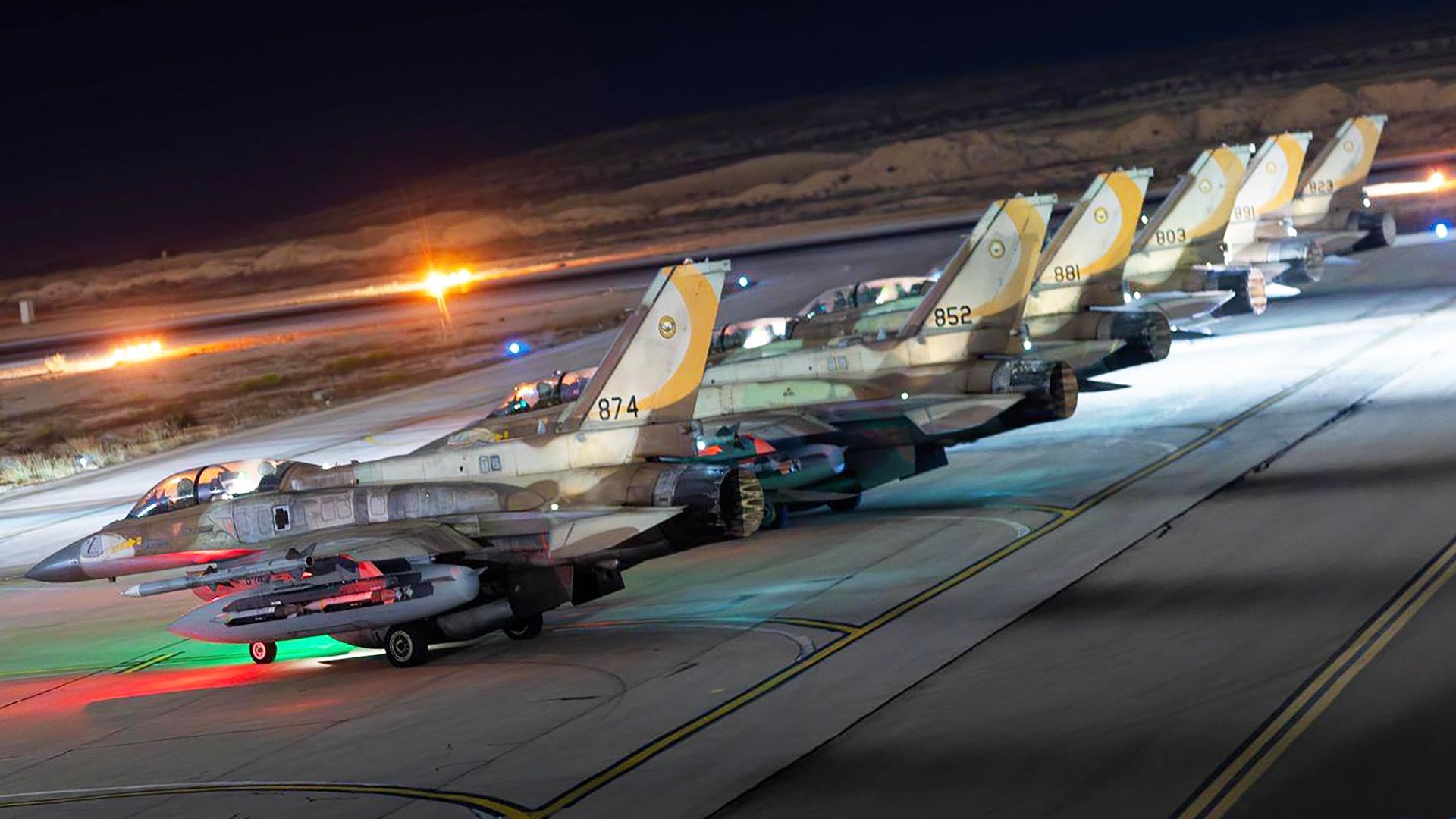
On Wednesday, Axios reported that dozens of Israeli fighters flew through Syrian and Iraqi airspace toward the border with Iran on Monday as part of a “power projection” exercise.
The sorties, extending some 800 miles away from Israel proper, were launched after U.S. Defense Secretary Pete Hegseth made a surprise trip to Israel earlier this week to meet with that country’s Prime Minister, Benjamin Netanyahu, reportedly to discuss new plans to attack Iran.
“Israel notified the U.S. in advance and described the operation as a training exercise [on Monday] intended for ‘power projection’ and aimed at deterring Iran from launching attacks against Israel ahead of the elections [in that country],” according to Axios. “Dozens of fighter jets and refueling aircraft” were involved.
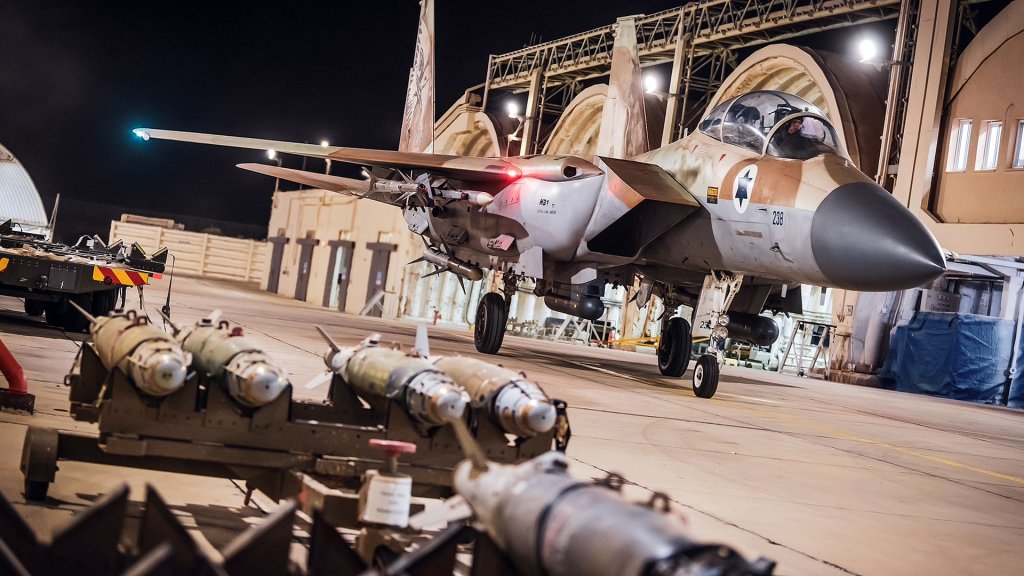
One of the IAF’s KC-707s seen refueling an F-15. (IAF)
After the Axios story came out, there were unconfirmed reports of additional major Israeli military air activity on Wednesday night.
Intense IAF fighter jet activity is now being reported over Iraq, especially on the border with Iran.
Meanwhile, continuous takeoffs are taking place from the Ramon, Nevatim, and Ovda airbases. https://t.co/c35xIbtAAu
As TWZ editor-in-chief Tyler Rogoway pointed out on X Wednesday evening, the commotion over Iraq was likely practice runs and would be part of the prelude to any major new air operation targeting Iran. Conducting sorties relatively close to the Iranian border would also offer opportunities to gain valuable intelligence about the current state and disposition of that country’s air defenses.
“Dry runs are important for such a large integrated operation,” Rogoway noted. “They can be scaled as the operation gets closer. Getting a large part of the intended force up and in position can really help with the chances of mission success if the actual order to execute is given. So many moving parts to align. Not great to find out any weak spots on night one of a new offensive.”
“Stimulating Iran’s air defenses is critical,” he added. “By Iran operating as if a full scale attack could be coming, their air defenses can be detected, categorized and geolocated. This is absolutely critical prior to a major air operation. Surveilling them during times of lower alert does not provide the same fidelity of actionable intelligence. Knowing where those threats are and how they are operating can mean the difference of life and death and/or will help standoff munitions make their way to their targets as those defenses can be suppressed, destroyed, or avoided entirely via careful mission planning.”
Couple things on the large scale tactical aircraft activity over the Middle East tonight:
I don't have any info on this operation or if it truly has gone kinetic, but here is likely what is happening if not:
1.) Dry runs are important for such a large integrated operation. They…
“U.S. officials said the Israelis knew that Iran’s air defense systems would detect the sortie[s on Monday],” Axios’ report also noted. “Some U.S. sources said they had the impression that Israel was hoping the Iranians would fire at the aircraft, providing a justification for launching strikes against Iran.”
TWZ cannot confirm this; however pushing Iran to react would not fit with the goals of a major exercise like this.
There have been other signs that a major new round of U.S. and/or Israeli strikes on Iran might be looming on the horizon. Fox News reported earlier this week that the Nimitz class aircraft carrier USS Theodore Roosevelt and the rest of its carrier strike group, as well as the Makin Island Amphibious Ready Group carrying the 13th Marine Expeditionary Unit (MEU), were heading to the Middle East, citing unnamed U.S. officials.
“The ships will arrive in the Middle East by the end of November,” the officials said, according to a post on X from Fox’s Jennifer Griffin on Tuesday. “These new deployments will add about 10,000 sailors and Marines to the Middle East.”
Per @Liz_Friden The U.S. is sending the USS Theodore Roosevelt carrier strike group and the 13th Marine Expeditionary Unit to the Middle East, two U.S. officials confirm to Fox News. The ships will arrive in the Middle East by the end of November, the officials said. These new…
There have been indications of increased U.S. military air activity in the Middle East recently, as well. Observers have called particular significant influx of aerial refueling tankers to bases in the region, as well as in Europe, which would be critical to any new major air campaign.
Overall numbers across CENTCOM and Europe have now stabilised back to the levels they were at back at the start of September, around 190-195. There are a few tankers dotted around at other sites temporarily (Glasgow Prestwick and… pic.twitter.com/taKi8op7Tv
In addition, there are claims that Russia is evacuating its scientists from the Bushehr Nuclear Power plant and other Russians ahead of a potential new round of strikes. TWZ cannot independently verify this.
BREAKING: Russian airforce TU-134 used to evacuate high ranking personnel has just left Iran with its transponder off rumoured to be picking up Russian scientists from Bushehr Nuclear Power Plant.
The New York Times reported on Wednesday that the U.S. and Israeli militaries had “developed specific plans for renewed strikes against Iran after the American midterm elections,” citing U.S. officials and other people briefed on the deliberations.
Authorities in Washington and Jerusalem appear to be planning “a short but intensive operation” that would last between three and five days, the newspaper added. “The targets would likely include Iran’s energy infrastructure, nuclear facilities, and missile and drone arsenal. Some officials say one more big round of attacks could push Iran’s economy over the brink and force the country to make diplomatic concessions after nearly eight months of conflict.”
Separately on Wednesday, NBC News also reported that the Pentagon and U.S. State Department were relocating personnel from bases and diplomatic facilities in the Middle East, amid the possibility of new strikes on Iran, as well as broader regional security concerns. The State Department subsequently pushed back on that report, saying that non-emergency U.S. government employees and dependents had only been directed to leave Saudi Arabia in response to attacks from Iranian-backed Houthi militants in Yemen.
This is inaccurate. The U.S. Department of State issued an ordered departure for non-emergency U.S. government employees and their family members in Saudi Arabia only.
Iranian-supported Houthis have increasingly engaged in hostilities against Saudi Arabia, including attacks on… https://t.co/yNrCwDcfIg
A high-ranking Israel Defense Forces (IDF) official we spoke with said a new war with Iran is not a foregone conclusion.
“I would describe the situation as increasingly tense, with a real risk of renewed escalation,” the IDF official told us. “However, I would be cautious about concluding that another war is inevitable or that its timing can be reliably predicted.”
“The recent IAF [Israeli Air Force] activity is significant, as are the reported military preparations and the increasingly confrontational rhetoric from both Washington and Jerusalem,” he added. “But military readiness, deterrence, and operational planning do not necessarily mean that a final political decision to launch another campaign has been made.”
An Israeli Air Force (IAF) F-15I. (IAF) IAF
“We do not see any indications of a need to strike Iran before the election,” IDF Chief of Staff Lt. Gen. Eyal Zamir also said during a recent closed-door meeting, according to Israeli media reports. At the same time, “if we determine that a strike on Iran is necessary, we will carry it out.”
“Iran is once again attempting to develop a nuclear bomb,” Israeli Prime Minister Netanyua also warned again this week, according to TheJerusalem Post. “My directive to the IDF, the Mossad, and the defense establishment… [is] to overthrow the regime in Iran.”
The IDF official who spoke also raised questions about the potential efficacy of any new major air campaign against Iran.
“Both Trump and Netanyahu have previously described the results of earlier rounds of fighting as a decisive, even total, victory, emphasizing the damage inflicted on Iran’s ballistic missile capabilities, its production and supply chains, and its nuclear infrastructure,” the official noted. “This raises an obvious question: If the results were as decisive as they claimed, what has changed to make another confrontation necessary now?”
“I believe we must recognize the limitations of trying to defeat a country like Iran through targeted killings and stand-off kinetic strikes alone,” he added. “Such operations can destroy infrastructure, eliminate key personnel, disrupt production, and delay military programs. They can impose significant costs on an adversary. But they do not necessarily eliminate the adversary’s strategic ambitions, prevent the regeneration of capabilities, or produce a durable political outcome.”
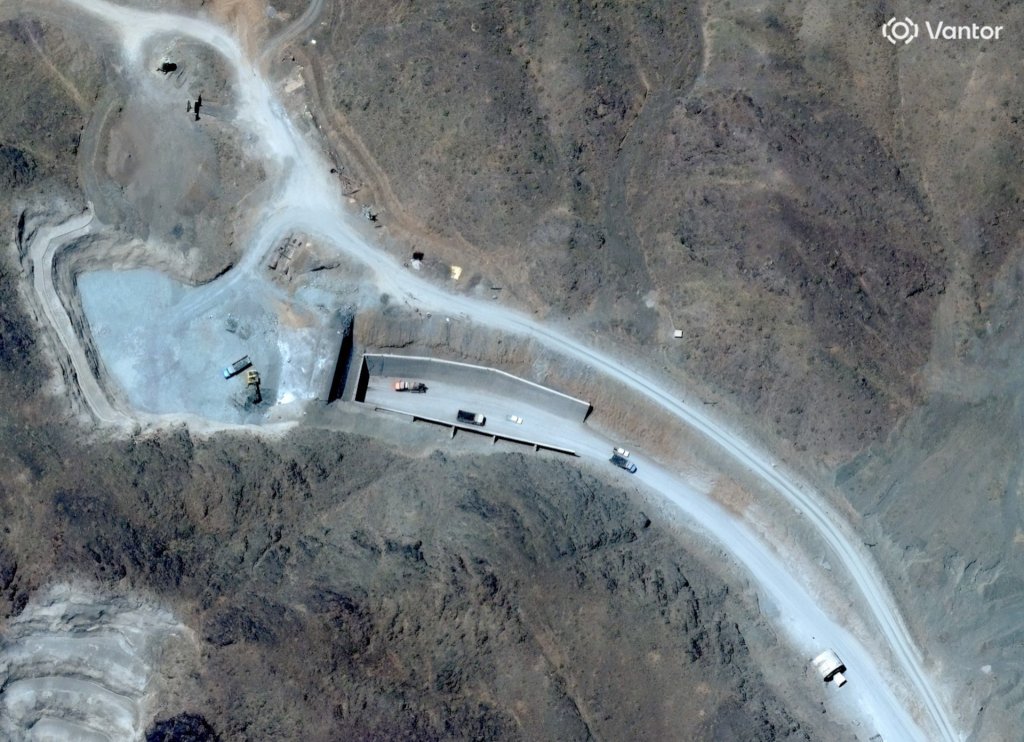
CBS News reported last week that the White House and Pentagon “have prepared plans to use a Massive Ordnance Air Blast bomb [MOAB] to hit military sites in Iran,” including Pickaxe Mountain, “if ordered by President Trump.” However, the 22,000-pound-class MOAB, also designated the GBU-43/B, is not a deep-penetrating munition, and it was not immediately clear from that story how the weapon might be employed. The bomb is also only known to be currently cleared for employment via C-130-type aircraft. It has only been used in combat once, in Afghanistan in 2017, where the skies above were entirely permissive. You can read more about the targeting challenges specific to Pickaxe Mountain, and what options the U.S. military might have for halting, or at least degrading activity there, in a previous TWZ feature here.
MOAB’s use case would be limited against sites like Pickaxe Mountain. While its unique overpressure effects could harm any personnel openly exposed inside tunnel systems, it is unlikely to destroy or even heavily damage the hardened facilities themselves. It could cause damage to external support infrastructure and act as a psychological weapon in its own right, but it is not a bunker buster in any way.
Not what this weapon is really used for. Psychological effect, maybe https://t.co/hDWSXYKexr
The puzzling leak about the MOAB may be part of the administration’s effort to use the media to try and compel Iran to negotiate. This has been a glaring pattern throughout the ebb and flow of this conflict and a common tactic used by the Trump administration.
Talking threatening plans against Iran here. They are always planning and have a slew of options.
The leaks and sources are by and large fully aware what their marching orders are. It’s coordinated. A lever this admin pulls non stop right on cue.
For its part, Iran is operating on the assumption that a U.S.-Israeli attack is a “certainty,” The Jerusalem Post reported on Wednesday, citing Iran’s Fars News Agency, a quasi-state media outlet affiliated with the Islamic Revolutionary Guard Corps (IRGC). “The report, which cited a senior Iranian security official, added that Iran will consider U.S. politicians legitimate targets if such an attack involves the assassination of Iranian officials.”
The IRGC has also threatened to launch expanded retaliatory attacks on targets across the Middle East in response to any new waves of strikes.
As we noted earlier in this story, Iran continues to actively attack commercial shipping in and around the Strait of Hormuz. The official Iranian IRNA news agency reported that the IRGC Navy claimed that it recently struck four ships transferring oil cargoes in the northern Persian Gulf, while three other vessels suffered damage after striking mines west of the Strait of Hormuz.
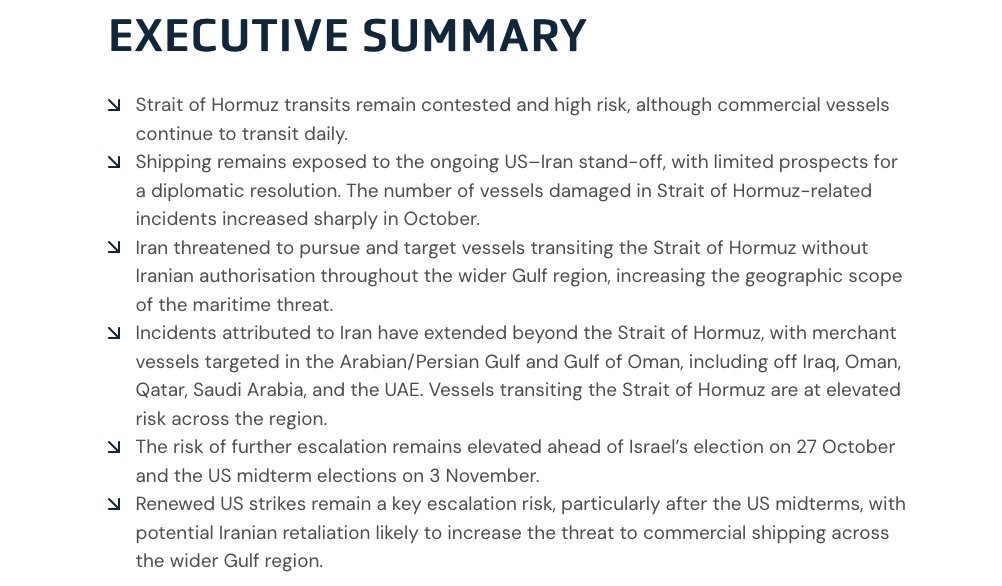
While TWZ cannot independently verify those claims, the Ambrey maritime security firm said that the number of vessels damaged during Strait of Hormuz transits has “increased sharply” this month.
“During the two weeks from 3 to 16 October, the number rose to 11 and 13 vessels per week, respectively, compared with an average of three to four per week in the preceding weeks,” Ambrey senior analyst Daniel Mueller noted today in the company’s latest security assessment. “This increase coincided with an expansion of Iranian operations aimed at restricting transits deemed unauthorized, while the US continued to facilitate transits along the Omani coastline.”
On Oct. 9, “the Islamic Revolutionary Guard Corps (IRGC) threatened to pursue and target vessels transiting the Strait of Hormuz without Iranian authorisation throughout the wider Gulf region,” Mueller added. “During October, incidents attributed to Iran involved merchant vessels off Qatar, the United Arab Emirates (UAE), Saudi Arabia and Sohar, Oman. Between 8 and 16 October, six merchant vessels – five tankers and one gas carrier – were damaged outside of the Strait of Hormuz. Additionally, a tanker was damaged offshore Iraq on 20 October.”
Ambrey
Reports emerging earlier this week from The Wall Street Journal and The Washington Postdo say that oil exports from the Persian Gulf have returned to prewar levels thanks to U.S. efforts to safeguard tankers out of the region.
“Middle East oil flows, including shipments through Hormuz and alternative routes across the region, averaged more than 24 million barrels a day in the week through Oct. 18, surpassing prewar levels of 23.3 million,” according to the Journal, citing ship tracker Kpler. “Preliminary figures show Hormuz oil flows, including offshore transfers in the Gulf of Oman, came to around 14 million barrels a day on average for the same period, or 82% of prewar levels.”
From the @WSJ: “Persian Gulf oil exports have surpassed prewar levels, as an improvised shipping system under U.S. protection is helping tankers move oil through one of Iran’s fiercest waves of attacks in the Strait of Hormuz.”https://t.co/SJo2jlUfew
However, global energy oil markets continue to be under immense strain as a result of the ongoing fallout from the conflict with Iran, thanks in no small part to surging insurance costs for shipping companies. This has been further exacerbated now by Yemen’s Houthis expanding their attacks on oil infrastructure in Saudi Arabia, including a recent strike near the Shaybah oilfield. The Houthis are also exerting their own pressure shipping passing through the Bab Al Mandab Strait, a critical chokepoint that links the Red Sea and the Gulf of Aden.
A Saudi-led coalition supporting Yemen’s internationally recognized government has been embroiled in an on-again-off-again conflict with the Houthis since 2014. Fighting with the Iranian-supported Yemeni militants in and around the Red Sea was inflamed last year as a by-product of Israel’s 12 Day War with Iran. The Houthis also retaliated with missile and drone attacks in support of Iran in the wake of U.S. and Israel launching their major operations against the regime in Tehran in February.
The U.S. government and the Houthis have been observing a tenuous ceasefire since May 2025. This has continued despite the Yemeni miltants now imposing a blockade on the Bab Al Mandab Strait, and a new campaign of strikes on Saudi ships in the southern part of the Red Sea, as well as targeting critical energy terminals on that body of water and Saudi refineries. Iranian proxies have also struck the vital East-West pipeline that carries oil to the Red Sea to bypass the Strait of Hormuz. That line has reportedly since reopened after being shut down following a long-range drone attack.
“On Wednesday, two people were killed and two others injured by debris from intercepted drones near a processing plant at the Shaybah field, one of the biggest oilfields in Saudi Arabia,” The National noted. “Operations at the Shaybah field and its processing facilities remain unaffected, but the attack rattled markets again amid concerns about potential disruption to Saudi supply just as the Kingdom has largely restored its exports via the Strait of Hormuz and the Red Sea.”
As a result, the per-barrel price of Brent crude has jumped to more than $114 as of Friday morning, according to OilPrice.com, the highest that it has been since May during intensified fighting between the U.S. and Iran.
In addition, Saudi Aramco has told staff to evacuate its Dhahran headquarters and work remotely, Reuters reported, citing six people with knowledge of the matter. The move came a day after two people were killed in an attack on a nearby airport. The order marked the first time Aramco had asked staff to evacuate its headquarters since the start of the Iran war, Reuters added.
The Houthis “caused extensive damage to the company’s headquarters earlier this month when they struck the building, with fire spreading across several floors,” the outlet explained.
Houthi attacks on Saudi Arabia have spurred Britain to commit to providing “defensive counter air missions to support the protection of Saudi cities and critical national infrastructure against aerial attack, using RAF Typhoon fighter jets,” Defense Secretary Wes Streeting said in a statement. “These aircraft will operate in a defensive role and will not conduct offensive strikes against the Houthis. The UK will provide an RAF A400M to support the movement of defense materiel within Saudi Arabia, alongside UK military advisers to support Saudi staff officers.”
“The continuing attacks from the Houthis on our ally Saudi Arabia are absolutely despicable,” Streeting said.
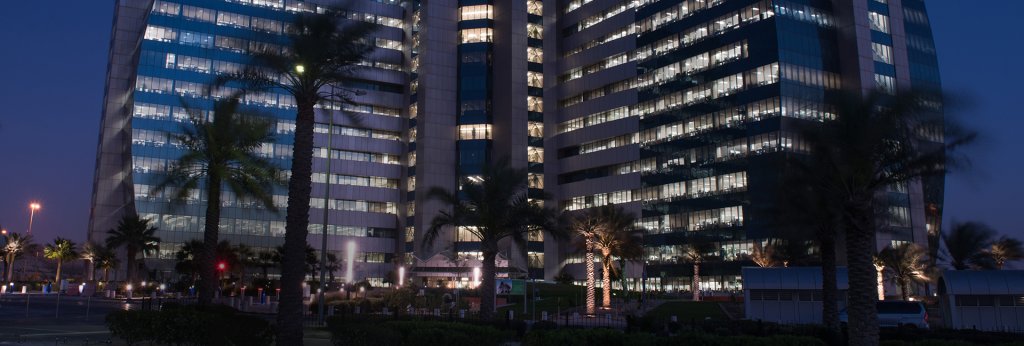
Sunset photo of Saudi Aramco’s headquarters. (Saudi Aramco) brigido alcayde
As we noted earlier in this story, the U.S. is continuing its naval blockade of Iranian ports.
U.S. Central Command said Thursday on X that its renewed naval blockade of Iranian ports, now in its 100th day, “has helped prevent Iran from exporting at least $25 billion worth of crude oil and constrained the IRGC’s ability to fund proxy militias, criminal networks, and terrorism. There have been no exports or imports to Iran by sea except for the humanitarian aid U.S. forces have allowed.”
Today marks 100 days since CENTCOM forces resumed America's steel wall naval blockade against Iran. This effort has helped prevent Iran from exporting at least $25 billion worth of crude oil and constrained the IRGC's ability to fund proxy militias, criminal networks, and… pic.twitter.com/DwiamYBdHY
Regardless of the reasons for taking action against Iran, the IDF official suggested a new round of kinetic strikes might not achieve the desired effects.
“Both Trump and Netanyahu have previously described the results of earlier rounds of fighting as a decisive, even total, victory, emphasizing the damage inflicted on Iran’s ballistic missile capabilities, its production and supply chains, and its nuclear infrastructure,” the official noted. “This raises an obvious question: If the results were as decisive as they claimed, what has changed to make another confrontation necessary now?”
“I believe we must recognize the limitations of trying to defeat a country like Iran through targeted killings and stand-off kinetic strikes alone,” he added. “Such operations can destroy infrastructure, eliminate key personnel, disrupt production, and delay military programs. They can impose significant costs on an adversary. But they do not necessarily eliminate the adversary’s strategic ambitions, prevent the regeneration of capabilities, or produce a durable political outcome.”
“The report, which cited a senior Iranian security official, added that Iran will consider U.S. politicians legitimate targets if such an attack involves the assassination of Iranian officials,” the publication added.
The IRGC also announced that it was preparing to unveil a new weapon, which it dubbed the “Father of All Bombs,” in response to U.S. threats to use the most powerful conventional bomb in the American arsenal against Iran’s nuclear facilities, the Jerusalem Post also reported.
Officials, however, declined to offer any details about what kind of weapon it is, its power, whether it is operational or when it will be shown to the public, the Post noted.
In addition to the strategic and tactical issues in the region, the IDF official we spoke with raised concerns that “domestic political considerations may influence the rhetoric and decisions” of Prime Minister Netanyahu and U.S. President Donald Trump. Israel is holding nationwide parliamentary elections on October 27 that could have significant domestic political ramifications. The same is true of mid-term elections in the United States in November.
“I cannot know their precise calculations, but the possibility that political incentives could affect decisions with such enormous strategic consequences should not be dismissed,” the IDF official cautioned. “With Israel’s elections approaching, I sincerely hope that Netanyahu will not make a decision with far-reaching consequences for the country’s security based, even partly, on immediate political considerations. The stakes are simply too high for military action to become a means of reshaping a domestic political narrative.”
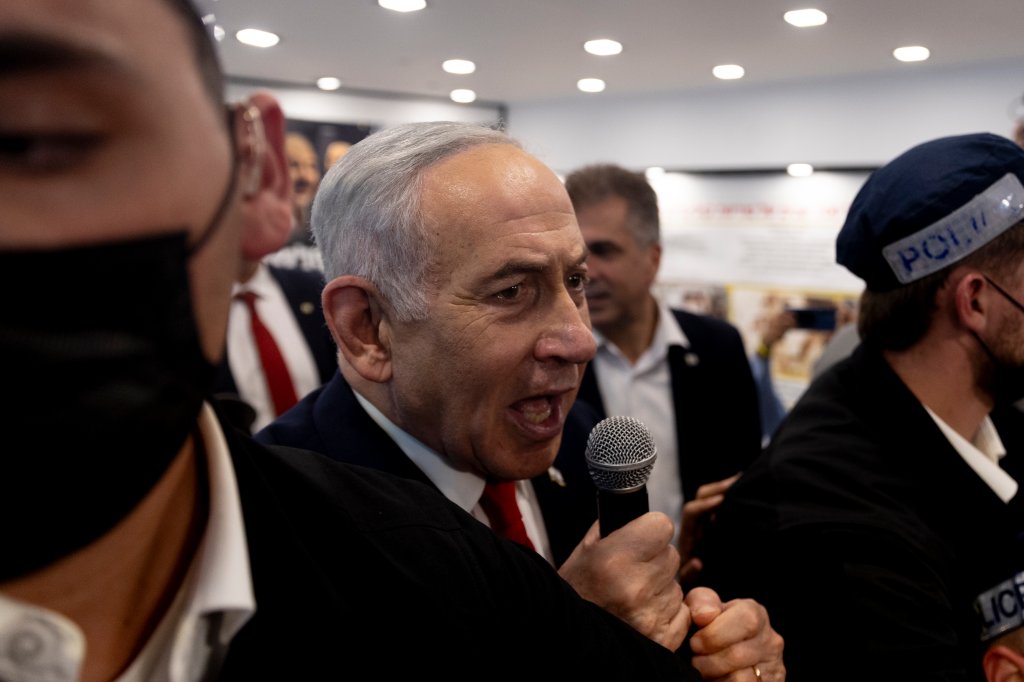
Israeli Prime Minister and Likud Party leader Benjamin Netanyahu speaks to supporters during an election campaign event in a restaurant in Hatikva Market ahead of Israel’s general elections on October 27, 2026. (Photo by Amir Levy/Getty Images) Amir Levy
In a phone call with Trump recorded live on Monday and posted on his X account, Netanyahu thanked the American leader for his election endorsement and suggested future operations against Iran.
“Donald, we have a job to finish [in Iran]…and we’ll finish it together,” the Israeli leader told Trump. “We’ll finish it, and no one else will do it.”
בשיחה עם ידידי הנשיא טראמפ לאחר שהודיע על תמיכתו בי בבחירות. יחד אנחנו הולכים להסיר את האיום האיראני לתמיד! צאו להצביע מחל! pic.twitter.com/GuPEAPn0Tc
— Benjamin Netanyahu – בנימין נתניהו (@netanyahu) October 19, 2026
Speaking to reporters Thursday afternoon, Trump acknowledged that the Iran war could have a negative impact on Republican hopes for the midterms.
“Well in one way, they love it because I’m doing what should have been done by other presidents, and another way maybe they don’t,” Trump said. “It’s — there’s a price to pay, which I knew immediately when I did it, but we can’t let Iran have a nuclear weapon. I mean, in one way, people probably don’t love it, but many people, many great patriots, really love it. This should have been done a long time ago by other presidents. The Iran War, and we’ve knocked the hell out of them, and we may do it a little bit further.“
Q: How do you feel the Iran war impacted the midterm races?
Trump: In one way, they love it. In another way, maybe they don't. There's a price to pay. pic.twitter.com/qtkE9M2vSQ
Later on Thursday, the American president said that: “We’re gonna have Iran finished very soon, one way or the other. It’s almost insignificant to me which way.”
U.S. President Donald Trump on Iran:
"We're gonna have Iran finished very soon. one way or the other. It's almost insignificant to me which way.
It's going to be done very soon, and your gasoline prices and your oil is going to come tumbling down." pic.twitter.com/vIGviqe8gi
While indicators are pointing to the U.S. and Israel at the very least in the very late stages of planning for new strikes against Iran, even if that doesn’t happen, the Middle East will remain a top concern. The ongoing threats to shipping and the escalating fighting between the Houthis and Saudi Arabia are having increasingly dire impacts on gas prices, which is spiking inflation, and causing heavy pressure on the global economy.
Democrat Lt. Gov. Peggy Flanagan is narrowly leading renowned sports broadcaster Republican Michele Tafoya in the Minnesota U.S. Senate race, new polling shows.
O que vem sendo mais preocupante para o governo albanês é o fato de que os manifestantes não podem ser descartados como membros de algum segmento social particular.
A Albânia voltou a aparecer nas notícias nos últimos dias, com manifestações que acabaram culminando com a destruição do Ministério da Educação, mas o processo que levou a este caos se iniciou há alguns meses por causa das negociações em torno à construção de um gigantesco resort de luxo no país, num megaprojeto capitaneado pela Affinity Partners, de Jared Kushner, o agente sionista que é genro de Donald Trump e que, ocasionalmente, atua como seu diplomata ad hoc. Junto a Kushner, neste projeto, havia também capital de três petromonarquias árabes e investidores locais.
O primeiro ponto de dissenso, a fagulha, por assim dizer, deste incêndio, foi o fato de que o projeto seria construído numa área de proteção ambiental, na zona úmida pantanosa da Albânia, que é considerada um paraíso natural onde se nidificam flamingos, pelicanos e outros animais, alguns deles estando ameaçados de extinção. Ainda assim, Kushner conseguiu autorização do governo de Edi Rama para ir em frente com o projeto, bem como a classificação de investidor estratégico, o que lhe permite passar por cima dos regulamentos locais.
O projeto em si deve alcançar a soma de 4.7 bilhões de dólares e seria implementado na ilha de Sazan (outrora uma base militar), na ilha de Vjosa-Narta e na ilha de Zvernec, que também possuem características defensivas. Kushner teria tido a “ideia” e “descoberto” Sazan enquanto viajava no iate de seu amigo Nathan Rothschild, contexto no qual também conheceu o primeiro-ministro albanês.
Os outros parceiros de Kushner na Affinity Parnters são Luis Videgaray, ex-Ministro de Finanças do México, e Elad Gil, um investidor israelense, e o projeto envolve a construção de hotéis, marinas e vilas privadas, num esforço que parece apontar para uma “dubaização” da Albânia.
Desde junho, portanto, quando esses negócios escusos foram revelados, cidadãos albaneses passaram a ir às ruas protestar, com palavras de ordem (“A Albânia não está à venda”) contra Washington e Tel-Aviv e pregando a transformação de Kushner em persona non grata. Os protestos já vinham na sequência de protestos organizados em fevereiro e março por acusações de corrupção contra Edi Rama, bem como pelo fato do primeiro-ministro albanês ter começado uma campanha para que israelenses se mudassem para a Albânia.
O que vem sendo mais preocupante para o governo albanês é o fato de que esses manifestantes não podem ser descartados como membros de algum segmento social particular, sendo em vez disso uma movimentação suprapartidária de todos os setores da sociedade. E as manifestações seguiram, intermitentemente, até agora em outubro, o que aponta para uma insatisfação permanente e difícil de sufocar.
Os protestos mais recentes estão mais focados na juventude e em novos escândalos de corrupção, problemas na educação e tentativas do governo de “forçar” um ingresso na União Europeia, mas a questão do resort de luxo de Jared Kushner permanece em pauta.
É possível analisar o caso do ângulo conspiracionista da “Ilha Epstein”, ainda mais considerando os vínculos da família Rothschild com Epstein e com Kushner, mas talvez um ângulo mais interessante aponte para a geopolítica do Mediterrâneo e o projeto de poder do Estado de Israel.
Israel tem ampliado suas atividades nessa área e expandido a sua presença. Investidores israelenses, por exemplo, têm adquirido em massa propriedades no Chipre e na cidade portuária grega de Kalamata. Quando somamos essas investidas visando propriedades no Chipre, Grécia e agora Albânia percebemos claramente que há um enfoque mediterrâneo oriental nas atividades empresariais paraestatais israelenses. Chama a atenção que se trata, sempre, de ilhas e portos, o que aponta especificamente para a construção de uma estratégia talassocrática por parte do Estado de Israel.
Chama a atenção também, um tema específico da realidade político-social albanesa, que é o fato de que tornou-se prática comum que investidores albaneses, após serem legitimados como investidores estratégicos para garantir a aprovação de projetos de desenvolvimento, revendem as suas participações acionárias por valores ínfimos para outros atores mais obscuros. Em muitos casos, estamos falando aí de esquemas de “laranja” utilizados pela máfia albanesa. Não seria o caso, naturalmente, de Kushner ou das petromonarquias árabes, mas a suspeita levantada atinge os parceiros albaneses desse investimento.
Talvez por isso a repressão violenta dos protestos tenham chamado menos atenção do que em outros lugares. Parece se tratar da autêntica erupção de insatisfação popular num país que há décadas tem sido vitimado por líderes corrupções, máfias perigosíssimas e terroristas brutais.

 Login

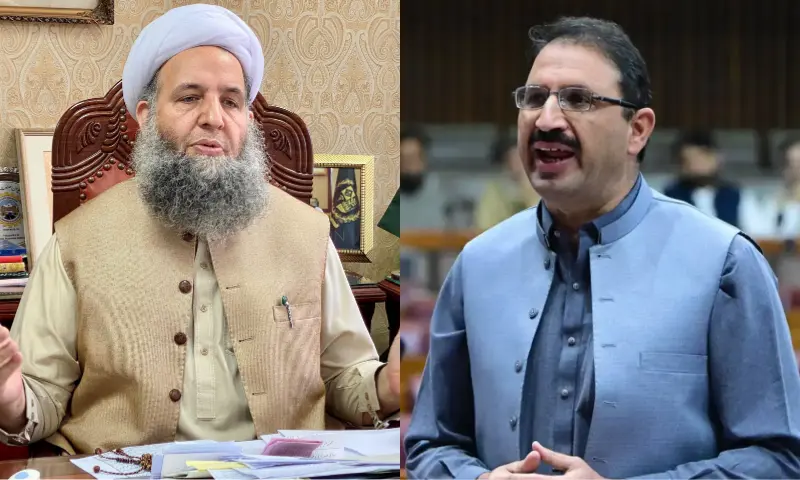
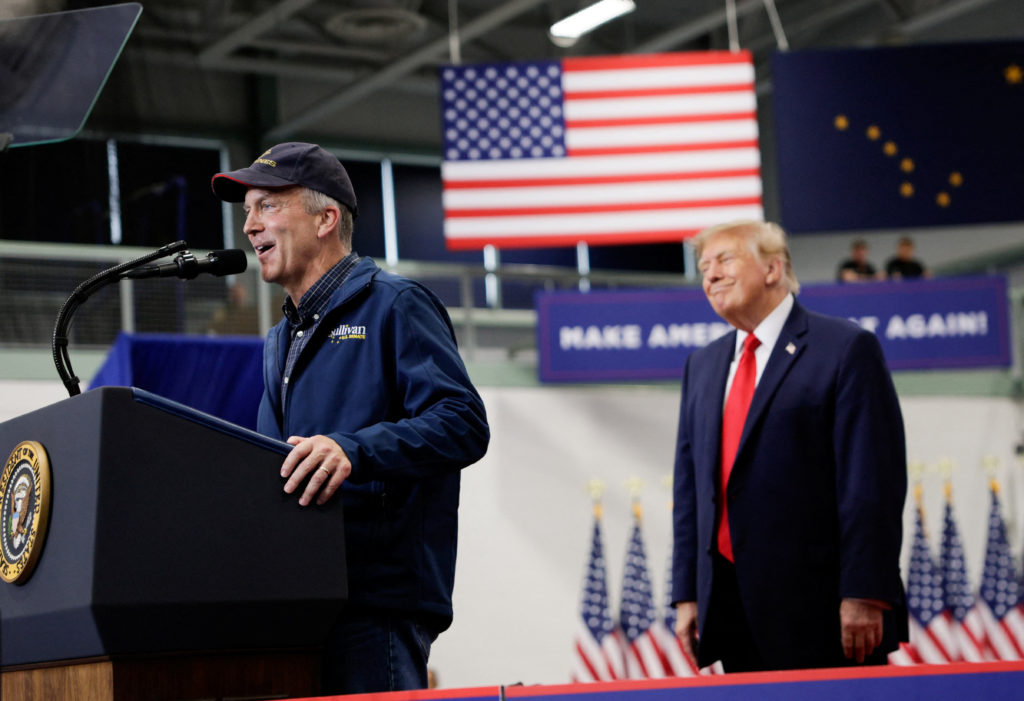
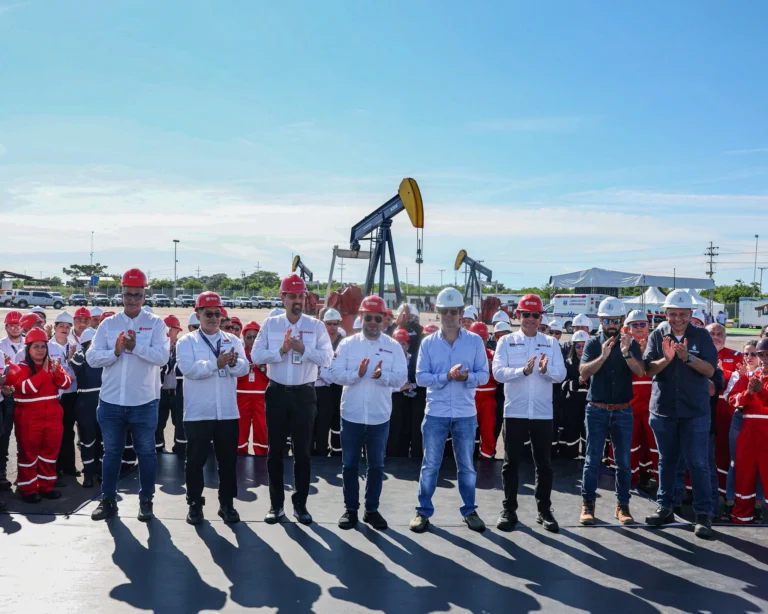


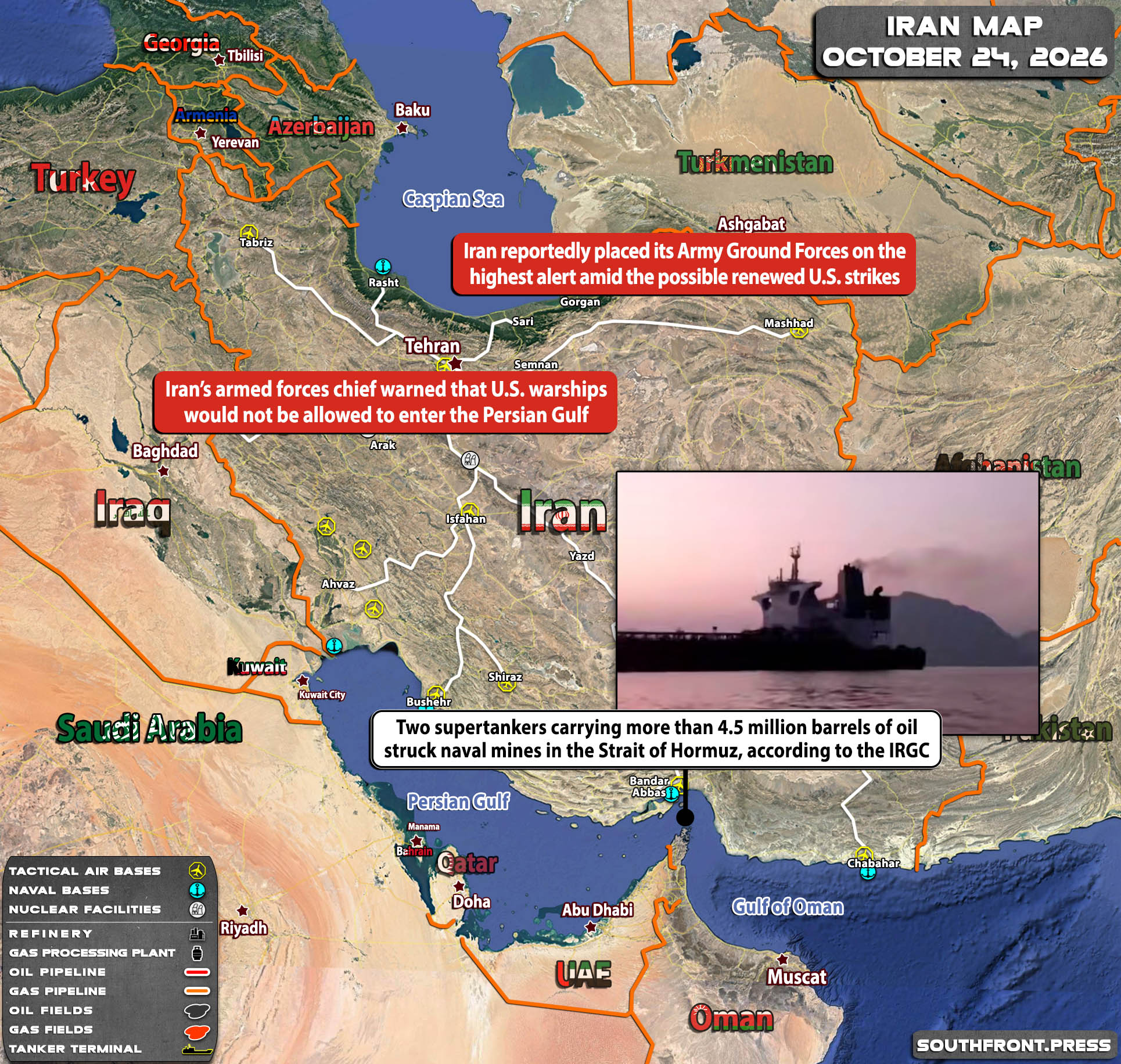
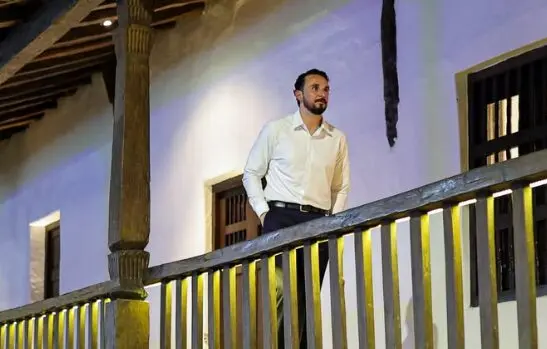
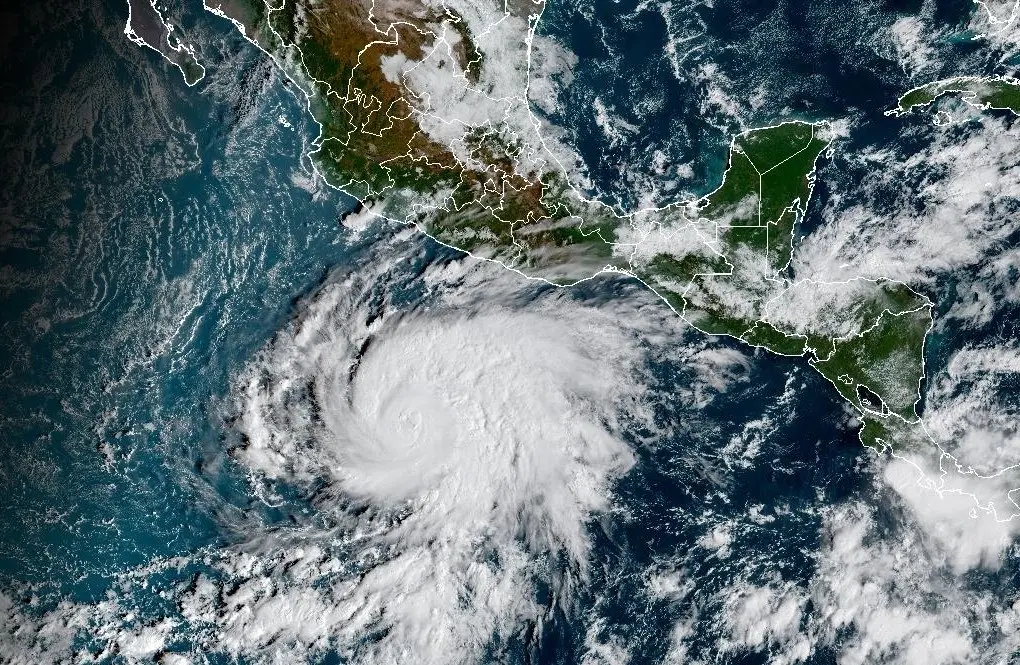
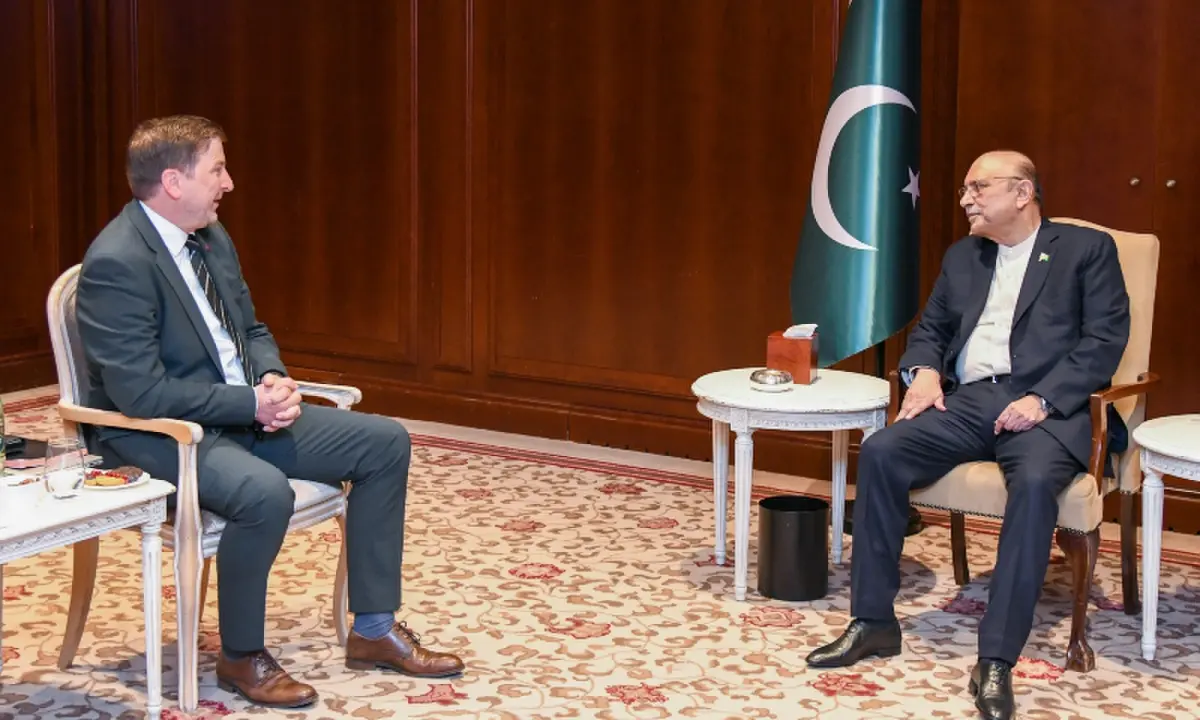
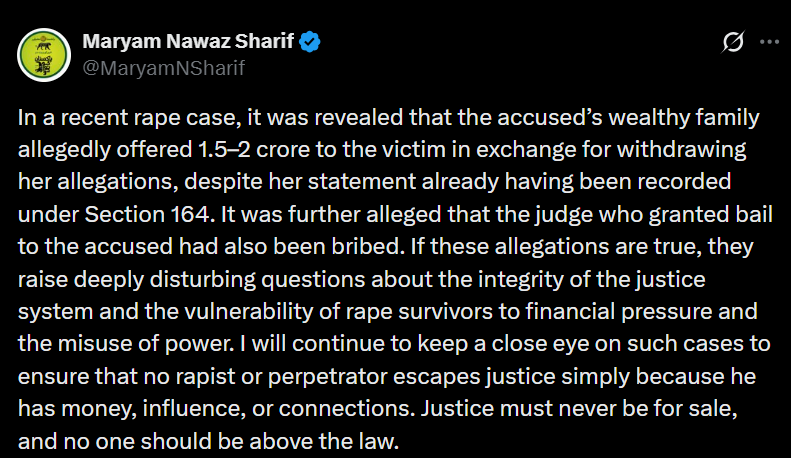
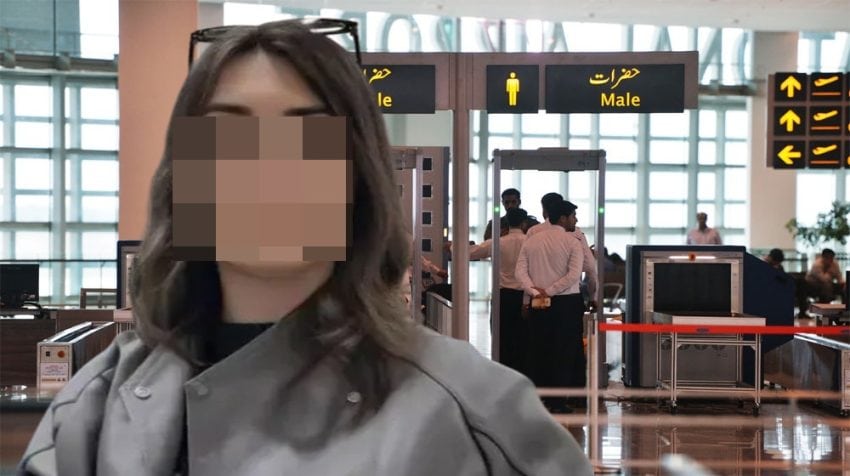
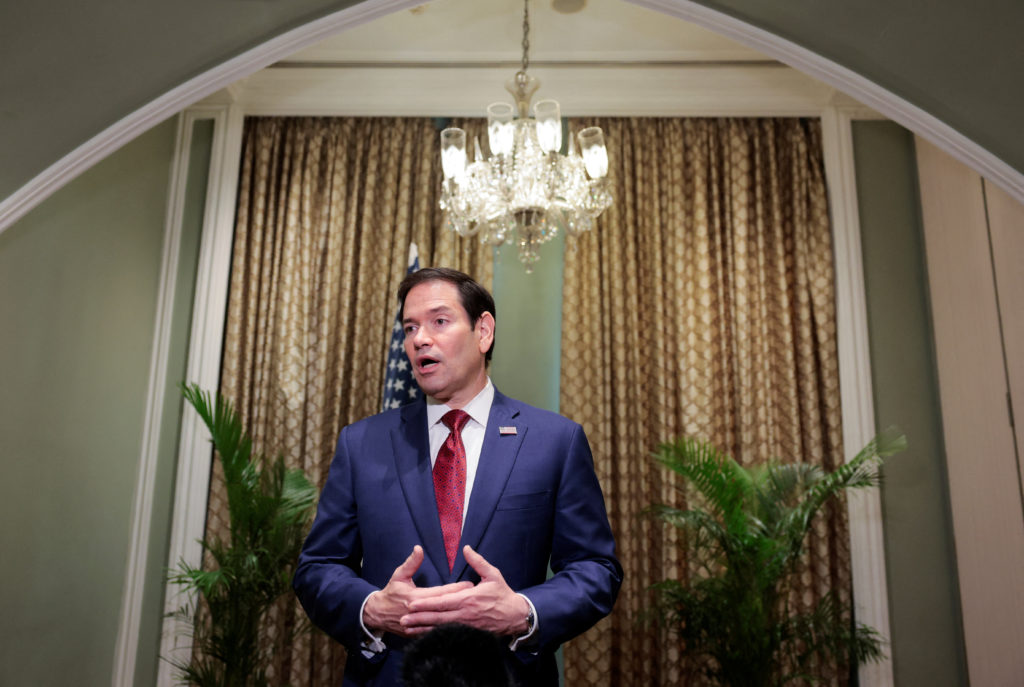

 BREAKING: AMB. TOM BARRACK WARNS U.S. STRIKE COULD HAPPEN THIS WEEKEND
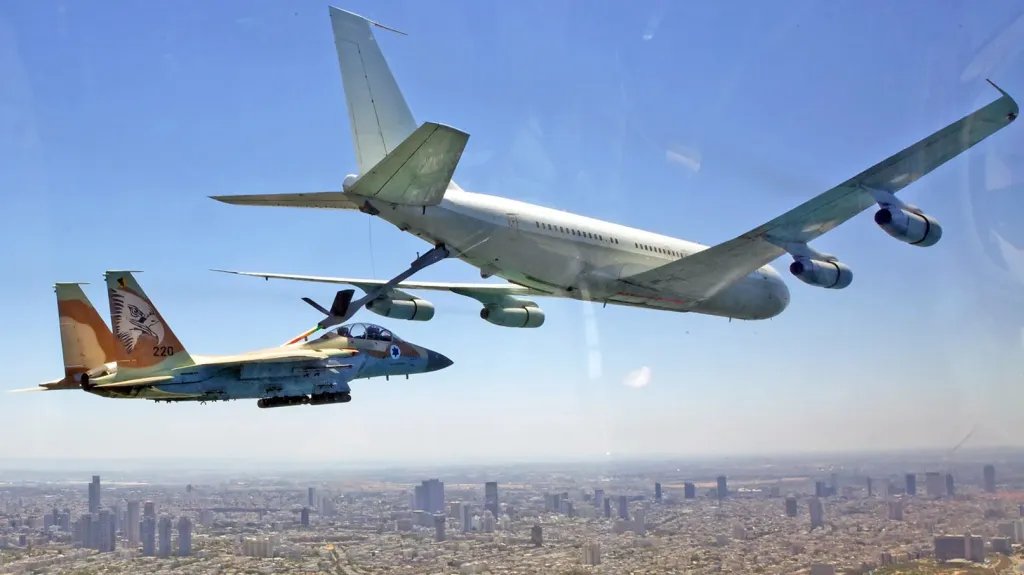
 (@MoloWarMonitor)
 (@DefenceGeek)


 (@WarMonitor3)