❌

Reading view

EU’s Arctic oil-and-gas pledge leaves a Norway-sized loophole

Earlier this week, EU officials said in unusually staunch terms that they would not buy Arctic oil and gas.

Even if someone (Norway) decided to drill new oil or gas wells in the Barents Sea, which is well above the Arctic Circle, the EU would not purchase it.

The goal is to dissuade investors. It costs many billions of euros to develop gas or oil at scale in the harsh conditions of the far north.

If there is no offtake market in continental Europe, no-one is going to take the risk.

The thing is, EU buyers already buy gas (and oil) from the Arctic. A lot of it.

Most of the gas, some 12 million tonnes so far this year, comes from Russia’s Yamal LNG plant, which sits on the shore of the biggest estuary you have never heard of, the Gulf of Ob (Obskaya Guba in Russian).

But that will end 10 weeks from now, when the EU ban on Russian LNG kicks in.

This article continues, but the full version is available only to EUobserver.com subscribers. Visit account.euobserver.com/membership

  •  

Romania shot down two drones it believes were Russia’s new Geran-4s. Europe isn’t ready for swarms of them, analyst warns

ukraine spent three years learning catch russian drones—so russia made fly faster · post geran-3 jet-powered attack drone wild hornets c1c840787fca380485636007cf683d71 news ukrainian reports

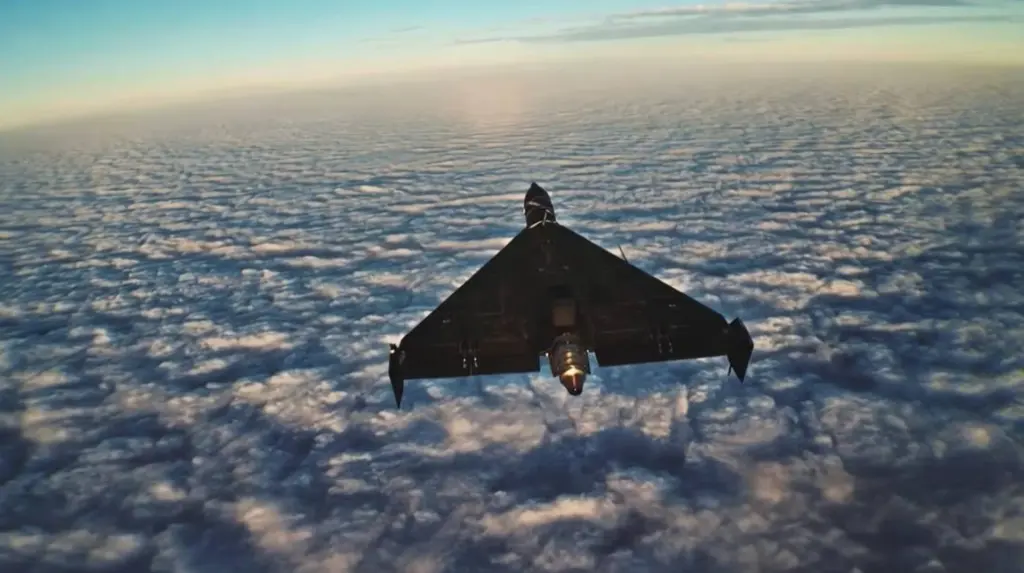
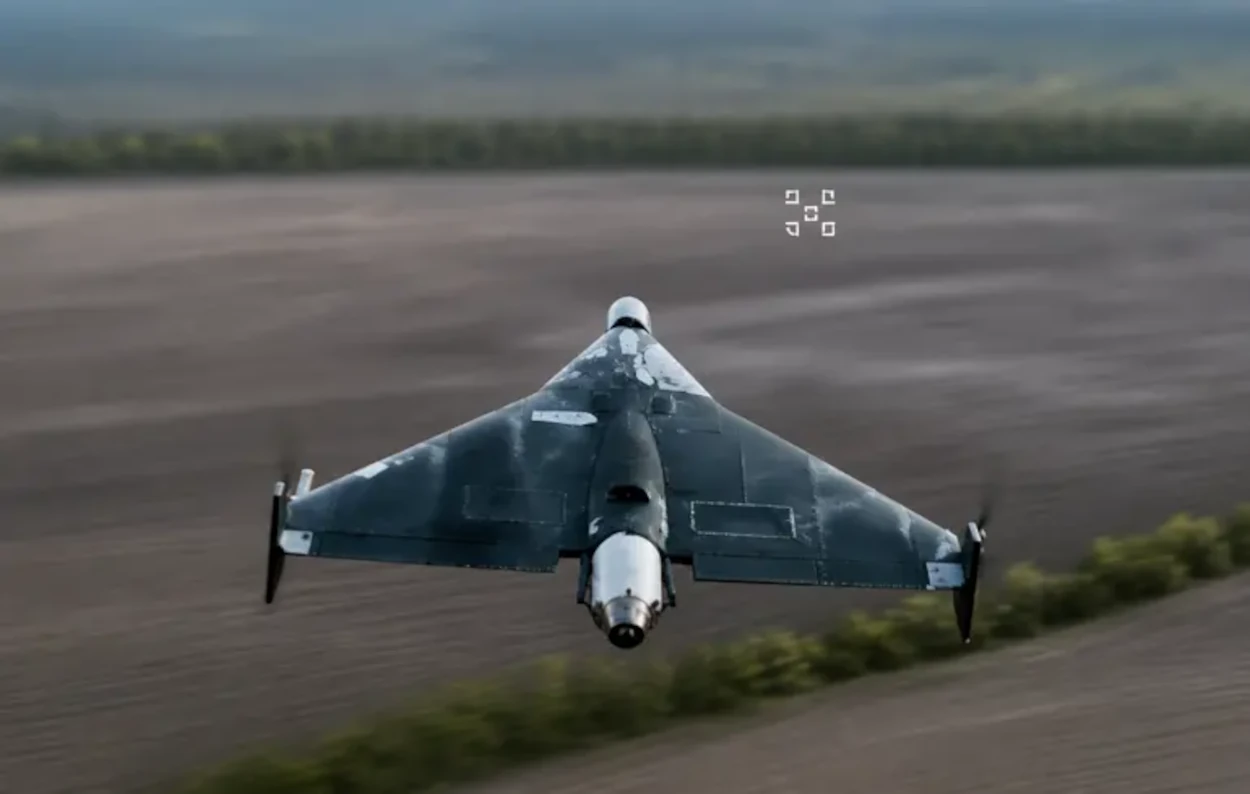
In a direct confrontation with Russia, European NATO states would likely be even more vulnerable than Ukraine to swarms of Russia’s new jet-powered strike weapons, Fabian Hoffmann of the Norwegian Institute for Defence Studies (NIDS) argued in a 20 October op-ed for the Center for European Policy Analysis (CEPA). He calls them low-cost cruise missiles. Just three days earlier, Romania met what it believes were two of them over the Black Sea.

Romanian F-16 fighter jets shot down two jet-powered Geran-family drones over Romania’s territorial waters on 17 October, the Defense Ministry said. Interim Defense Minister Radu Miruță said they flew at about 450 km/h and were likely Geran-4s, the first of that type Romania had downed.

Faster drones for a faster war

Russia began using the Geran-4 in May in response to effective Ukrainian interceptor drones, Ukraine’s military intelligence (HUR) said, adding that it reaches up to 500 km/h. By June, those interceptors were downing about half of slower Shahed-type drones, defense adviser Serhii Beskrestnov estimated.

Hoffmann traces the shift to the Geran-3, a model Ukraine recovered intact in 2025. In his account, a Chinese JT80 turbojet roughly doubled its speed, from 185 to 350 km/h. However, he puts newer models, including the Geran-4, at 600 km/h or more, above HUR’s figure for that model.

By his estimate, each costs $150,000–$250,000, against about $50,000 for a long-range drone. Still, from Russia’s perspective, he wrote, that buys a significantly higher chance of getting through.

money engineering what stands between ukraine russia's fastest drones zelenskyy says · post russia’s new “geran-4 seeker” shahed variant geran-4 news ukrainian reports
Explore further

Ukraine is testing four new drone interceptors as Russia floods its skies with faster Gerans 

Engines are the bottleneck

Hoffmann argues defenses must match the threat’s speed, for example with jet-powered interceptor drones. Ukraine already fields some. On 4 October, President Zelenskyy said its Bars interceptors had shown the highest percentage among Ukrainian interceptors, about 30% of targets, according to Militarnyi. One unit destroyed five aerial targets with five Bars interceptors, Defense Minister Yevhenii Khmara later told journalists. He also called aviation one of the most effective tools against jet drones.

Hoffmann’s concern is scale. Jet engines are in short supply, he wrote, because too few European and US suppliers can meet demand. Ukraine’s Defense Industry Council flagged a shortage of such engines for its drones in April. In his view, gun systems and higher-end missile defenses are too scarce or too costly to fill the gap.

  •  

In Oslo, US pushes Zelenskyy toward deal with Russia again. Day later, in same city, Norway discusses arming Ukraine with more NASAMS missiles

Ukrainian President Volodymyr Zelenskyy in Oslo, on 21 October 2026. Source: Facebook/Zelenskyy

As Washington leans on Ukraine to make a deal with Russia amid its diesel agreement ahead of the US elections, its European partners are meeting to keep it armed against deadly weapons.

President Volodymyr Zelenskyy said he met Kongsberg CEO Eirik Lie and Norwegian Defense Minister Tore Sandvik in Oslo on 21 October to discuss more NASAMS air defenses, a day after meeting US presidential envoy Steve Witkoff in the same city.

Washington has spent the past two weeks easing pressure on Russia and leaning on Kyiv, with a diesel deal, throttled Starlink, and talk of cutting intelligence, while Ukraine’s European partners move in the other direction. Russia pounds Ukrainian cities almost nightly, and the Norwegian-made NASAMS is one of the systems holding that barrage off critical infrastructure.

Kongsberg opened an office in Ukraine in 2025. Its NASAMS uses the AIM-120 AMRAAM missile built by the US defense giant RTX, the same firm behind the Patriot launchers that are Ukraine’s only means of downing Russian ballistic and hypersonic missiles. The same missile is also used in F-16s.

“They effectively protect our people and critical infrastructure from Russian missile and drone attacks virtually every day,” Zelenskyy said.

He added that Ukraine is counting on additional defense support packages next month.

A European shield Ukraine wants tested this year

The visit also advanced a joint missile-defense project. Norway is actively involved in FREYJA, a European anti-ballistic missile program that Ukraine is helping to build.

“There are already first results in creating individual elements of the system. Today we determined where we can and must speed up to reach testing by the end of this year,” Zelenskyy said.

FREYJA now draws in 10 countries and is built around an interceptor missile designed to stop ballistic threats, a capability Europe largely lacks against Russia’s fastest weapons.

A push for satellites as Starlink falters

Zelenskyy also raised satellite communications amid the scandal over speed limitations on Elon Musk’s military Starlink service that disrupted a series of front-line missions.

“We discussed in detail the start of work on new satellite-communication capabilities for our soldiers,” the president said, adding that Kyiv would bring in partners able to support them.

The push comes after SpaceX throttled the StarShield military package Ukrainian drones use. Ukraine’s 7th Air Assault Corps said the connection began dropping as drones moved at speed, negatively affecting their missions.

  •  

In Trump’s Diplomacy, Insults Are a One-Way Street. Ukraine Is the Latest Example.

The latest rift with President Volodymyr Zelensky of Ukraine serves as a reminder that President Trump readily lashes out at other world leaders, only to grow outraged if they fight back.

© Alex Kent/The New York Times

President Trump’s belligerence leaves many world leaders reluctant to cross him for fear of blowback or even, depending on his mood, a fresh round of tariffs.
  •  

Norway bars deals with 33 more Russian financial institutions—and 22 more from India to Nigeria

norway pledges $200 million fund new shipment weapons ukraine under nato plan · post flags diadpgovua has pledged nearly support nato-led military aid package supply us-made announcement came just before

Norway has put into force a new round of sanctions against Russia that hits banks, listed oil refineries, ports, airports, and suppliers of Russia’s military industry, the Norwegian Foreign Ministry announced. The rules mirror the EU’s 21st sanctions package, which Brussels adopted in July.

The EU’s 22nd package, adopted on 12 October, is principally a list of names, while the 21st brought significant new measures, lawyers noted. Among them are new tools against the shadow fleet, the tankers with murky ownership that Russia uses to move oil around sanctions. That fleet also sails along Norway’s coast, and a new Norwegian Coastal Administration report found that it poses a growing threat to security and the environment there.

Banks, refineries, and Sheremetyevo

Norway is not an EU member, but it has joined every EU sanctions package against Russia, with a few exceptions and national adjustments. Oslo backed this one politically on 11 August, and the rules took effect on 21 October. Part of the package was already in force. It placed travel restrictions and asset freezes on 48 people and asset freezes on 168 entities, and it listed 41 shadow fleet vessels on 14 August.

Norway’s transaction ban now covers 33 more Russian credit and financial institutions. A separate ban covers 22 more abroad, including in India, Mongolia, Nigeria, and the UAE.

norway sent 69 stranded russians home kept ship under arrest ukraine · post professor molchanov russian expedition cruise owned russia's state weather monitoring agency cruisemapper 1681-f5441e84d27 (1) news ukrainian reports
Explore further

Norway sends 69 Russians home without their ship, held for Ukraine

Another transaction ban reaches listed refineries in Russia and third countries that process Russian oil or help dodge sanctions. A Georgian refinery joins that list on 25 January 2027. The same ban adds two Russian ports and four Russian airports, including Moscow’s Sheremetyevo.

Drone gear and the shadow fleet

Export curbs on dual-use goods now cover 51 new entities that back Russia’s military industry. Some are in China, including Hong Kong, and others are in India, Kazakhstan, Kyrgyzstan, Türkiye, and the UAE. The banned-exports list adds nickel and beryllium powder, along with drone gear such as jamming and interception systems, launchers, and servo motors.

Oslo can now also list ships that service sanctioned shadow fleet tankers or swap cargo with them at sea. Elsewhere in Europe, France’s navy and UK forces have boarded sanctioned shadow fleet tankers this year.

  •  

EU Puts Arctic Security First as Brussels Plans New Maritime Surveillance Network

The European Union has adopted a new Arctic strategy placing security at the centre of its northern policy, reflecting growing concern over Russian military activity, vulnerable submarine infrastructure and competition for control of emerging maritime routes.

Presented on Tuesday, 20 October, by the European Commission and EU foreign policy chief Kaja Kallas, the strategy proposes a maritime security hub, expanded satellite surveillance, greater icebreaker capacity and improved military mobility across northern Europe.

The document marks a departure from the EU’s 2021 Arctic policy, which placed greater emphasis on climate change, environmental protection and scientific cooperation. The revised framework treats the region as an increasingly important component of European security and economic policy.

Russia’s military presence reshapes European priorities

Russia’s expanding military infrastructure in the High North is a principal concern behind the policy revision.

Moscow has reopened Soviet-era military installations, strengthened its northern forces and maintained substantial nuclear capabilities on the Kola Peninsula. The region contains strategically important naval bases used by Russia’s Northern Fleet, including facilities supporting its submarine-based nuclear deterrent.

Russian operations in the Arctic also have implications for maritime access between the Atlantic and the Barents Sea, an area increasingly important to NATO’s northern defence arrangements.

The EU intends to work more closely with NATO and its northern partners, including Norway, Iceland, Britain, Canada and the United States, while developing capabilities that complement existing military structures.

Kallas said the Arctic’s security environment had deteriorated significantly since 2021, with geopolitical competition increasingly affecting a region previously associated principally with environmental and economic cooperation.

The EU’s revised priorities reflect concerns extending beyond conventional military deployments, particularly the exposure of undersea communications networks and energy infrastructure to sabotage and disruption.

New maritime security hub and submarine cable protection

A central proposal involves establishing an EU Maritime Security Hub to improve information-sharing between member states and partner countries operating in Arctic waters.

The system would strengthen monitoring of maritime movements and support the identification of suspicious activity near critical infrastructure.

Brussels also proposes an Arctic Cable Hub, initially concentrating on the protection, monitoring and repair of submarine communications cables across the North Atlantic and Arctic.

Such infrastructure carries international data traffic and supports communications between Europe, Greenland and North America. Damage to cables could interrupt telecommunications, financial services and government networks.

The Commission’s new Arctic policy framework also supports the proposed Pan-Arctic Cable connecting Greenland directly with Europe, together with secure satellite communications through the EU’s IRIS² programme.

Further measures envisage expanded use of Copernicus satellite surveillance, improved maritime intelligence and closer monitoring of vessels associated with Russia’s shadow fleet.

These measures form part of a broader attempt to improve European surveillance capabilities without relying exclusively on military assets provided by individual NATO members.

Icebreakers, transport corridors and military mobility

The strategy also addresses Europe’s limited capacity to operate in extreme northern conditions.

The Commission wants to support additional icebreaker capabilities, which are essential for maintaining access to Arctic waters, conducting emergency operations and supporting scientific and logistical activity.

Russian icebreaker capabilities remain considerably more extensive than those available to most European countries, providing Moscow with operational advantages along the Northern Sea Route.

European investment would also support ports, railways, energy terminals and digital infrastructure capable of serving both civilian and security requirements.

The emphasis on dual-use infrastructure reflects the growing importance of military mobility across northern Europe, particularly following Finland’s and Sweden’s accession to NATO.

Improved transport links could facilitate the movement of equipment and personnel while also supporting economic development in sparsely populated northern regions.

However, the Commission has not provided a comprehensive financial allocation for the proposed security measures, leaving important questions about funding, procurement and implementation.

Brussels retreats from Arctic drilling ban proposal

The revised strategy also introduces a significant change in the EU’s position on Arctic fossil fuel development.

In 2021, Brussels proposed pursuing an international legal commitment to prohibit further oil, gas and coal extraction in the Arctic.

The new strategy maintains the EU’s opposition to environmentally damaging fossil fuel development but no longer includes the explicit ambition to secure a multilateral legal prohibition.

The adjustment follows sustained disagreement with energy-producing countries and recognition that an international agreement would be difficult to achieve under current geopolitical conditions.

Norway has argued that continued exploration in parts of the Barents Sea remains important for European energy security, particularly as production from mature Norwegian fields is expected to decline.

EU Today previously reported on Brussels’ opposition to Norwegian Arctic drilling plans and the disagreements between environmental objectives and Europe’s long-term energy requirements.

The latest strategy does not represent an endorsement of new Arctic drilling. It does, however, acknowledge the limitations of the EU’s previous diplomatic approach.

Greenland and the northern economy

Greenland occupies a prominent position in the revised strategy because of its location, mineral resources and importance to transatlantic communications.

The Commission wants to expand cooperation on digital connectivity, critical raw materials, research and infrastructure investment, while recognising the responsibilities of Greenland’s own institutions and the Kingdom of Denmark.

Brussels also intends to strengthen scientific cooperation and support Arctic communities adapting to rapid environmental change.

The Arctic is warming nearly four times faster than the global average, creating new commercial opportunities while imposing substantial costs on local populations and infrastructure.

The EU’s proposals therefore combine security measures with investment in transport networks, research facilities and economic diversification.

For Brussels, implementation will require agreement between member states with different geographical interests, defence capabilities and budgetary priorities. Cooperation with NATO will also require careful coordination to avoid duplicating existing military arrangements.

The Commission has established a significantly broader Arctic agenda than the one adopted five years ago. Its practical impact will depend on whether member states finance the surveillance systems, vessels and infrastructure that the new strategy envisages.

  •  

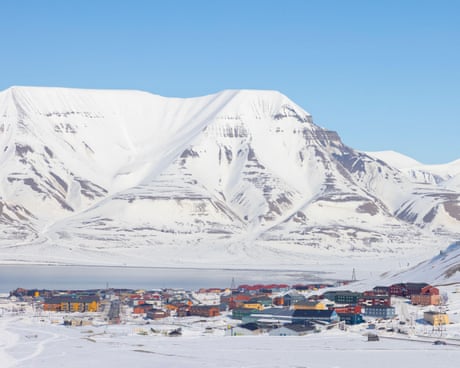
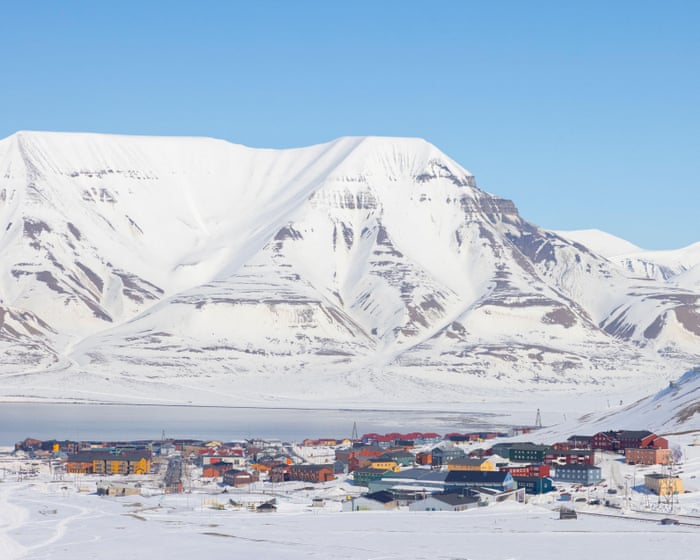
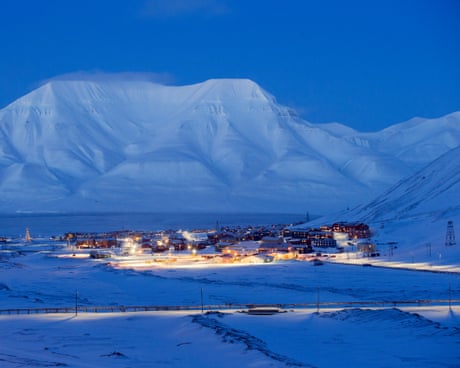
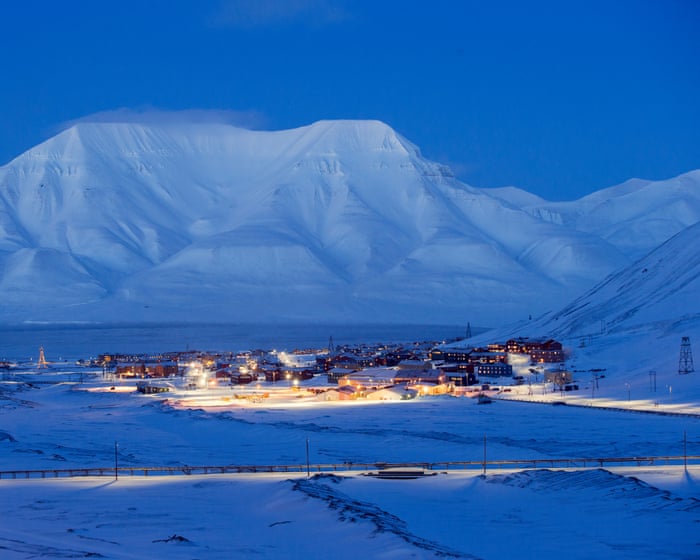
This Norwegian village is one of the fastest-warming places on Earth. How can its people save it?

As glaciers melt and permafrost thaws, Longyearbyen, on the remote Arctic islands of Svalbard, faces climate-induced problems from tap water to housebuilding to landslides

• Heavy metals make Norwegian village’s tap water toxic

On a rugged mountain plateau of snow-dusted rocks, in the remote archipelago of Svalbard, a glaciologist, Andy Hodson, points out the “ears” of ice, white against the rock, that gave Foxfonna glacier its name, after the arctic fox.

The small glacier, on a mountain 8 miles (15km) outside the Norwegian village of Longyearbyen, is a popular summer hike for tourists who come here seeking the Arctic experience.

Continue reading...

© Photograph: Image Professionals GmbH/Alamy

© Photograph: Image Professionals GmbH/Alamy

© Photograph: Image Professionals GmbH/Alamy

  •  

US has resumed sharing intelligence with Ukraine about Russian strikes, says Zelenskyy

Advance warnings of missile attacks were seemingly suspended last week by the White House, but Ukraine’s president says: ‘Now it works’

The US has resumed sharing intelligence with Kyiv about Russian missile strikes, Volodymyr Zelenskyy said on Tuesday after a meeting with the US envoy Steve Witkoff in Norway.

He said Ukraine was again receiving advance warnings of ballistic missile attacks, which were seemingly suspended last week by the White House. “Now it works. It’s great,” he said, adding that the US move would save lives.

Continue reading...

© Photograph: Heiko Junge/Pool NTB/AP

© Photograph: Heiko Junge/Pool NTB/AP

© Photograph: Heiko Junge/Pool NTB/AP

  •  

EU vows to stop buying Arctic oil and gas, but drops ban from its new strategy

The EU “will not drill and will not buy” Arctic oil and gas, EU officials said on Tuesday (20 October), as the European Commission presented its new Arctic strategy. 

“Our position on Arctic oil, gas and coal has not changed,” a senior EU official told reporters. “It’s fairly simple. We will not drill in the Arctic, and we will not buy hydrocarbons from the Arctic.”

The strategy follows months of heavy lobbying by Norway’s prime minister Jonas Gahr Støre and his cabinet. 

Oslo used the energy supply disruption caused by the Iran war to push the EU to drop its 2021 support for a moratorium on oil and gas drilling in the Arctic, insisting that it was crucial for future energy security. 

But EU officials made clear on Tuesday they did not buy that argument. “We do not need Arctic resources to keep our energy supply secure,” the official said.

What happened to the moratorium?

This article continues, but the full version is available only to EUobserver.com subscribers. Visit account.euobserver.com/membership

  •  

The Mystery of the “Five Foolish Virgins”: These Giant Stones Have Marked a Roman-Era Grave in Norway for 1,700 Years

At the narrowest point of the Karmsundet, the channel that separates the island of Karmøy from the mainland on Norway’s west coast, five stones stand upright on a hillside. Some are more than five metres (16 ft) tall. They were raised inside a cairn, a mound of piled stones, laid out in the shape of […]

  •  

Oslo Ukraine Talks Expose Growing Tensions Between Washington, Kyiv and Europe

US envoy Steve Witkoff is joining negotiations in Norway before an expected visit to Moscow, but American pressure on Ukraine, uncertainty over military assistance and renewed economic dealings with Russia raise questions about Washington’s approach to ending the war.

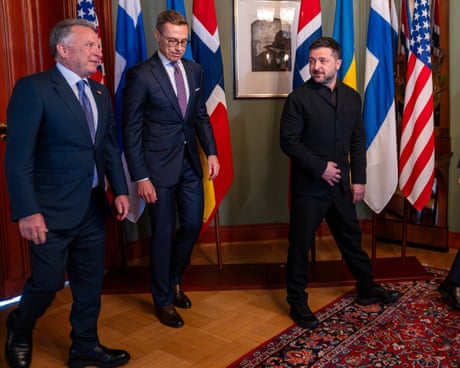
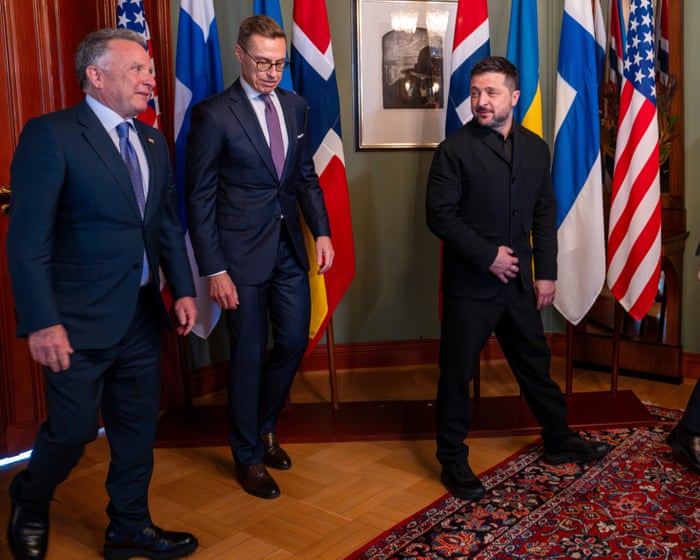
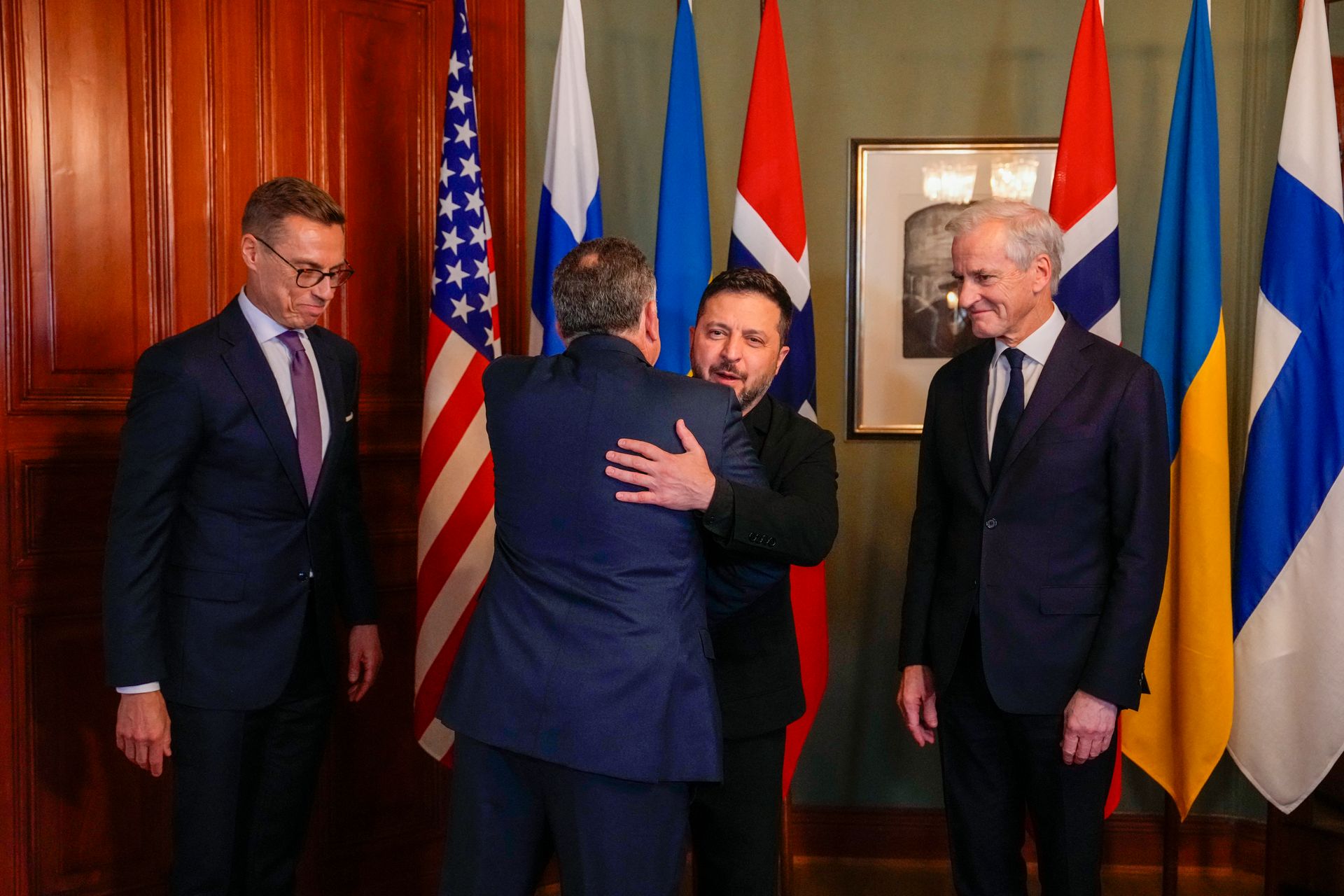
The latest American diplomatic initiative on Ukraine comes at a particularly difficult moment in relations between Washington and Kyiv. President Donald Trump’s special envoy, Steve Witkoff, is taking part in talks in Oslo on Tuesday, 20 October, with Ukrainian President Volodymyr Zelenskyy and European leaders, before an anticipated visit to Moscow for discussions with Vladimir Putin.

The Norwegian government has confirmed that the meetings will include Prime Minister Jonas Gahr Støre and Finnish President Alexander Stubb. Trump’s son-in-law, Jared Kushner, will participate remotely. The meeting was requested by Zelenskyy, with Norway and Finland providing the diplomatic setting.

Yet the significance of the Oslo discussions lies less in the gathering itself than in the political circumstances surrounding it. Washington is seeking an agreement with Moscow while simultaneously becoming more confrontational towards Kyiv. Recent American decisions affecting military assistance, intelligence cooperation and Russian energy exports have introduced serious doubts about how the administration intends to use its considerable negotiating leverage.

Washington’s pressure on Kyiv

The immediate difficulty concerns the growing discrepancy between American diplomatic assurances and the practical conditions under which Ukraine is expected to negotiate.

Zelenskyy has accused Washington of delaying military deliveries, restricting intelligence sharing and limiting access to the Starshield satellite communications system. The Ukrainian president suggested that these developments reflected a political decision to reduce support at a particularly sensitive stage of the war. American officials have disputed allegations that assistance is being deliberately restricted.

Among the disputed deliveries are Patriot air-defence interceptors purchased by European NATO members through the Prioritised Ukraine Requirements List programme. Zelenskyy has indicated that shipments remain subject to authorisation by US Defence Secretary Pete Hegseth.

These are operational matters with immediate consequences. Ukraine relies on American intelligence, communications infrastructure and air-defence equipment to counter Russian missile attacks. Any interruption affects Kyiv’s military calculations, irrespective of whether Washington formally acknowledges a change in policy.

The political message is equally consequential. Trump has publicly questioned Zelenskyy’s willingness to negotiate and suggested that Ukraine might need somebody else to conduct talks with Russia. Such remarks place additional pressure on the Ukrainian leadership while leaving Moscow’s territorial demands largely untouched.

Russia’s incentives remain unchanged

The central weakness in the American diplomatic approach is the assumption that renewed engagement with Putin will necessarily produce meaningful Russian concessions.

Moscow has repeatedly treated negotiations as an opportunity to pursue political objectives that its armed forces have not achieved on the battlefield. Russian demands concerning Ukrainian territory and restrictions on Kyiv’s future security arrangements remain incompatible with Ukraine’s sovereignty.

An agreement reached under these conditions could suspend hostilities without resolving the underlying conflict. Russia would retain the capacity to rebuild its forces, while Ukraine could find its military options constrained by commitments made in exchange for an uncertain ceasefire.

The Trump administration’s recent economic dealings with Moscow further complicate the negotiations. Washington’s arrangements concerning Russian diesel have attracted criticism from Kyiv and European governments, particularly because Russian energy revenues remain an important source of financing for the war.

Trump has also pressed Ukraine to curtail attacks on Russian oil infrastructure, reflecting American concerns about fuel prices. For Moscow, relief from attacks on refineries would preserve economically important facilities that Ukraine has demonstrated an increasing ability to reach.

Any arrangement limiting such operations without corresponding Russian concessions would alter the military and economic balance in Moscow’s favour.

The broader American proposals reportedly include possible post-war economic cooperation with Russia. Their implications extend beyond Ukraine: commercial normalisation could offer the Kremlin substantial benefits before the conditions for a stable European security settlement have been established.

Europe’s influence depends on its willingness to use it

European participation in the Oslo process is therefore more substantial than a question of diplomatic representation.

Britain, France, Germany and Poland, alongside the European Union and NATO, are expected to be involved in the wider discussions. European governments would almost certainly bear much of the financial and military responsibility for implementing any settlement, including Ukraine’s reconstruction and long-term security.

They also possess considerable economic leverage through sanctions, financial restrictions and decisions concerning frozen Russian assets. Those instruments would form part of any serious negotiation over Moscow’s future relations with Europe.

However, European influence remains constrained by continuing dependence on American military technology and equipment. The controversy surrounding Patriot deliveries illustrates the problem: European governments can finance weapons for Ukraine without necessarily controlling when those weapons are released.

As EU Today previously examined, Washington’s negotiations with Moscow have consequences for European security that cannot be separated from the future of Ukraine.

European governments consequently face a difficult calculation. They wish to preserve American involvement, but excessive accommodation of Washington’s demands could leave them financing security arrangements over which they exercise limited control.

Norway and Finland have helped bring the Ukrainian and American delegations together at a moment when their relationship is deteriorating. Whether that produces progress will depend partly on Moscow’s response, but also on whether Washington is prepared to maintain the military and economic pressure necessary to make Russian concessions possible.

Witkoff’s anticipated journey from Oslo to Moscow will offer an early indication of the administration’s priorities. Putin will be assessing the terms Washington is prepared to offer, while Kyiv remains concerned about restrictions affecting equipment it needs to defend its cities.

For the Ukrainian leadership, the danger is that negotiations intended to end Russia’s invasion could become a process in which the country resisting that invasion is asked to make the most immediate concessions.

  •  

Tap water no longer drinkable in Norwegian town as climate-related thawing releases heavy metals

Warning for other Arctic communities as residents told not to use water in Longyearbyen in Svalbard, one of the fastest-warming places in the world

Residents of a remote town in Norway that is in one of the fastest-warming places in the world have been told they must no longer drink tap water due to heavy metal contamination that scientists have linked to the thawing permafrost.

Longyearbyen, in the archipelago of Svalbard, gets its main drinking water supply from a 1.5 mile-long (2.5km) dammed lake called Isdammen, or “ice pond”. Higher temperatures as a result of the climate crisis have thawed permafrost, leading to newly exposed bedrock leaching metals into the pond.

Continue reading...

© Photograph: Rimante_Hegland/Getty Images/iStockphoto

© Photograph: Rimante_Hegland/Getty Images/iStockphoto

© Photograph: Rimante_Hegland/Getty Images/iStockphoto

  •  

Norwegian teenage hitman hired for UK murder by Iran-backed crime gang jailed for 20 years

Johannes Kongsnes Natland, 19, was arrested in Huddersfield with two guns and live ammunition

A teenage hitman who travelled from Norway to the UK with the intention of carrying out a murder on behalf of an Iran-backed international crime gang has been jailed for 20 years.

Johannes Kongsnes Natland, 19, a talented footballer, had agreed to shoot an unknown target in return for €25,000 (£21,500).

Continue reading...

© Photograph: Metropolitan Police/Reuters

© Photograph: Metropolitan Police/Reuters

© Photograph: Metropolitan Police/Reuters

  •  

Dogmatic Nordic liberals v eastern family values: culture-clash drama Fjord touches nerves in Norway and Romania

Cristian Mungiu’s Cannes winner echoes the news story of a Romanian couple whose children were taken by the Norwegian government. As it heads to London film festival, two writers explain how the film exposes real hypocrisies

When Cristian Mungiu’s Fjord was shown in Romania as a one-day preview this June, the reception was extraordinary. Across 53 towns and 96 cinemas, the film reportedly pulled in over 40,000 viewers in a single night, a number arthouse cinema rarely sees in Romania. But the response here had little to do with cinema. It felt instead like a reopening of a familiar fault line about the clash of values within the EU itself.

Continue reading...

© Photograph: ©Tudor Panduru

© Photograph: ©Tudor Panduru

© Photograph: ©Tudor Panduru

  •  

Norwegian Divers May Have Found the World’s Oldest Anchor, a Grooved Stone From the Stone Age

Five kilometres (about three miles) of open sea, strong currents and waves that give no warning. That is the distance between the coast of Bømlo, in western Norway, and Hespriholmen, a small rocky islet that archaeologists regard as the most emblematic Stone Age site in the region. For thousands of years, groups of fishers and […]

  •  

Norwegian nonprofit commits $1 million for interceptor drones to protect Ukraine’s Black Sea ports from Russian drones

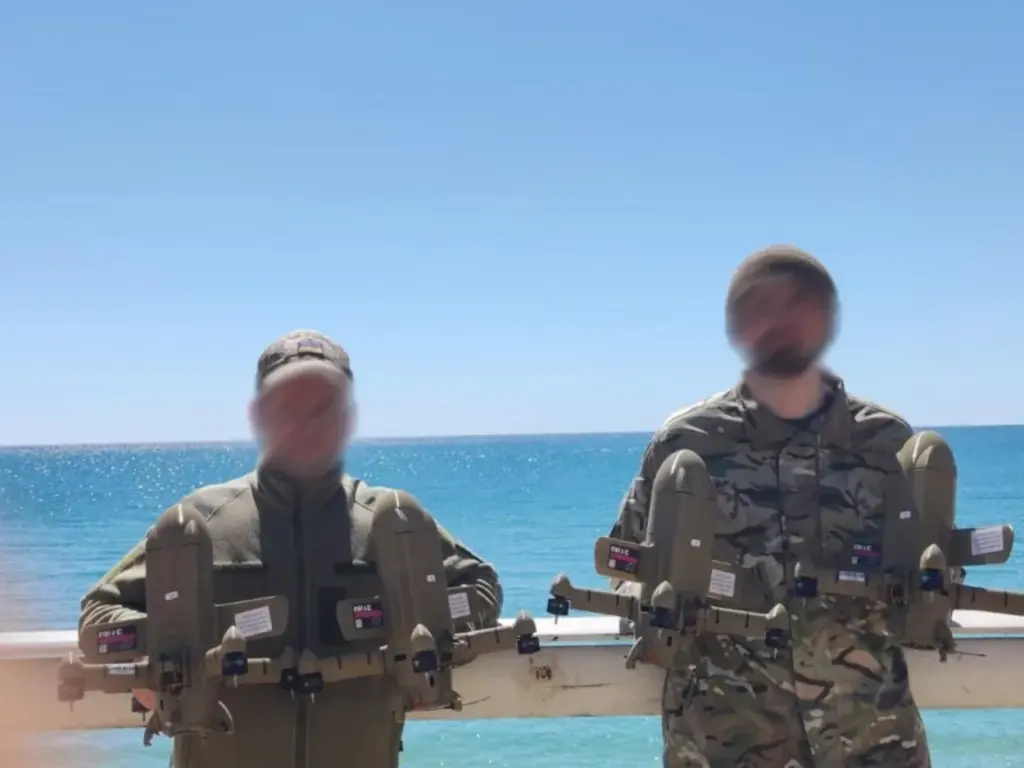
Interceptor drones funded by Norwegian nonprofit Fritt Ukraina to Ukrainian forces to help counter Russian attack drones near the Black Sea ports. Photo: Fritt Ukraina / Come Back Alive

Norwegian nonprofit Fritt Ukraina is allocating NOK 10 million (about $1 million) to strengthen air defenses around Chornomorsk, a key Ukrainian port on the Black Sea, the organization announced on 9 October.

Russian attacks on port infrastructure and civilian vessels are threatening Ukraine’s maritime trade and agricultural exports, putting pressure on a vital source of revenue for the country and disrupting shipments of food to international markets.

The funding will support Ukrainian State Border Guard Service and Armed Forces units defending the region against Russian attack drones. It is being delivered through Dronefall, a project run by the Ukrainian Come Back Alive Foundation, which equips military units with interceptor drones and the equipment needed to operate them.

Fritt Ukraina, whose name means “Free Ukraine,” is a Norwegian nonprofit organization that supports Ukraine’s defense against Russia’s full-scale invasion. The donation is part of its Odins Ravner 2.0 fundraising campaign, which provides military assistance to Ukrainian forces.

Interceptor drones and equipment to protect port infrastructure

The support includes STING, Blyskavka and P1-SUN interceptor drones, alongside ground control stations, communications equipment, generators, charging stations, laptops, tablets and vehicles, according to the organization.

The interceptor drones are already operational, according to Fritt Ukraina. The equipment helps Ukrainian personnel detect and intercept Russian attack drones, while vehicles allow crews to move quickly and operate from different positions.

Fritt Ukraina Secretary General Natalia Golis said effective air defense requires more than interceptor drones alone. Communications systems, reliable power supplies and mobility are also essential to ensure units can use their equipment effectively.

The organization is supporting Dronefall for the third consecutive year and has become the Come Back Alive Foundation’s largest foreign partner. The latest donation was matched by a donor affiliated with the Ukrainian foundation.

STING interceptor drones funded by Norwegian nonprofit Fritt Ukraina to Ukrainian forces to help counter Russian attack drones near the Black Sea ports. Photo: Fritt Ukraina / Come Back Alive

Russian attacks threaten Ukraine’s maritime exports

More than 90% of Ukraine’s agricultural products, including grain and vegetable oils, are exported through three ports in southern Odesa Oblast. Russian attacks have targeted port infrastructure and civilian vessels, increasing security risks for commercial shipping and driving up freight and insurance costs.

Since the start of Russia’s full-scale invasion in February 2022, more than 1,000 Ukrainian port facilities and over 200 civilian vessels have been damaged or partially destroyed, Fritt Ukraina reports. The disruption threatens Ukrainian export revenue and international food supplies.

“The attacks on Ukraine’s ports do not only undermine the country’s defense capabilities. They also threaten a vital part of its economy and its ability to export food to the rest of the world,” Golis said.

Grain pours from a combine harvester into a trailer during harvest in Ukraine.
Explore further

Russia’s Odesa strikes halve Ukraine’s grain export forecast

Dronefall aims to expand Ukraine’s ability to intercept Russian drones using dedicated interceptor aircraft and supporting equipment. According to Fritt Ukraina, participating units have destroyed more than 53,000 Russian drones, accounting for approximately one in five unmanned aerial vehicles entering Ukrainian airspace.

The NOK 10 million contribution is part of Fritt Ukraina’s broader Odins Ravner 2.0 campaign, which provides more than NOK 60 million in support to Ukrainian forces.

  •  
❌