❌

Reading view

‘Open War’ Between Afghanistan and Pakistan Adds a Volatile Element

The two sides turn to proxy groups after eight months of a conflict that has taken a heavy toll on civilians.

© Tomas Munita for The New York Times

A house hit in June by Pakistani airstrikes in Paktia Province, Afghanistan, near the border with Pakistan, as seen in August.
  •  

Meta CEO Mark Zuckerberg says Muse and Reality Labs are highly unprofitable — for now

Meta CEO Mark Zuckerberg
Meta CEO Mark Zuckerberg.

Finn Gomez/Getty Images

  • Meta's AI agent, Muse, is unprofitable due to "very high compute costs," CEO Mark Zuckerberg says.
  • Meanwhile, Meta expects Reality Labs, its AI glasses division, to lose $15 billion next year.
  • The social media giant has a plan to fix that.

Meta says some of its biggest cash incinerators could finally start turning profits.

The social media giant, which generated over 97% of its quarterly revenue from ads, has faced persistent questions from investors about the lack of profitability in its AI and hardware initiatives.

Meta CEO Mark Zuckerberg addressed those concerns head-on during its third-quarter earnings call on Wednesday.

Zuckerberg said that Muse, the AI assistant it launched last month, is unprofitable since it's "very compute intensive to run." Meta expects to start turning that around next year by massively improving Muse's efficiency.

"If compute efficiency continues improving quickly for another few years, which we think is highly likely, then Muse will be highly profitable over multiple years," he said.

Meta plans to make money from Muse by taking a small transaction fee off of purchases it drives, Zuckerberg said at Meta's Connect conference last month.

Zuckerberg added that Muse, which launched only in the US and Canada, wasn't launched globally due in part to the amount of compute it requires. (Meta's North American users are generally its most lucrative.)

Zuckerberg also struck a positive note about its cash-hemorrhaging Reality Labs division, which makes products like Meta Ray-Bans and virtual reality glasses.

Meta expects Reality Labs to narrow its losses to about $15 billion in 2027, down from the $18 to $19 billion it expects to lose this year. The division should start trending toward profitability next year, as Meta's AI systems make it more useful, Zuckerberg said.

"I continue to believe that the path to delivering holographic experience, of bringing together the physical and digital worlds and everyday glasses, will come through VR first," Zuckerberg said.

Have a tip? Contact this reporter securely on Signal at charlesrollet.12 or +1-628-282-2811. Use a personal email address and a non-work device; here's our guide to sharing information securely.

Read the original article on Business Insider

  •  

EU Prosecutors Raid Patriots for Europe Offices in €4.3 Million Funding Investigation

European prosecutors have searched offices in Brussels and Strasbourg as an investigation into alleged misuse of parliamentary funds by the former Identity and Democracy group raises questions over financial liabilities inherited by Patriots for Europe.

European prosecutors carried out searches at the European Parliament’s offices in Brussels and Strasbourg on Wednesday, 21 October, as part of an investigation into alleged financial irregularities involving the former Identity and Democracy (ID) parliamentary group.

The investigation concerns approximately €4.33 million in European Union funds that were allegedly improperly spent during the 2019–2024 parliamentary term. The European Public Prosecutor’s Office (EPPO) confirmed that searches had taken place in connection with an ongoing inquiry into the use of EU funds by a former parliamentary group.

The premises searched are now occupied by Patriots for Europe, the European Parliament’s third-largest political group, which includes France’s National Rally, Hungary’s Fidesz, Italy’s Lega and Spain’s Vox. Patriots for Europe insists that it has no legal continuity with Identity and Democracy and denies being involved in the investigation.

Investigation into parliamentary expenditure

The European Public Prosecutor’s Office opened its investigation in July 2025 following concerns identified by the European Parliament’s financial administration about expenditure incurred by Identity and Democracy.

The former group, which dissolved following the 2024 European elections, included representatives of France’s National Rally, Italy’s Lega and Germany’s Alternative for Germany.

According to details of the parliamentary financial examination subsequently reported in France, investigators are examining approximately €3.6 million in contracts awarded to external service providers, including businesses with political connections to parties represented within the former group.

The financial examination also identified more than €700,000 in donations to organisations whose activities were allegedly unrelated to the parliamentary group’s official functions.

The authorities are examining whether parliamentary resources were used in accordance with EU financial rules, including restrictions on using public money for national party-political activities.

These are allegations under investigation, not criminal findings. The EPPO has not announced convictions arising from the current inquiry, and the individuals and organisations concerned retain the presumption of innocence.

Earlier investigative measures were conducted in France, Belgium, Spain and Italy in June 2026. Wednesday’s searches mark a further stage in the proceedings.

Can Patriots for Europe inherit the liabilities?

The investigation has opened a separate dispute over whether Patriots for Europe could be required to repay money allegedly misspent by its predecessor.

Identity and Democracy ceased to exist after the 2024 elections. Several parties previously represented in the group subsequently joined Patriots for Europe, a new parliamentary formation that also brought together Viktor Orbán’s Fidesz and Spain’s Vox.

Patriots for Europe maintains that the two groups are legally separate. Its representatives argue that the dissolution of Identity and Democracy ended that group’s institutional existence and that the present parliamentary organisation is not responsible for its predecessor’s financial affairs.

However, the European Parliament’s budgetary authorities have examined whether responsibility for outstanding liabilities can pass to a successor group.

An opinion approved by the Parliament’s Budgetary Control Committee in September considered the circumstances in which continuity between parliamentary groups might establish financial responsibility.

Such an assessment may consider whether members, administrative personnel, operational resources and other assets were transferred from one organisation to another.

The outcome could determine whether the current group is exposed to potential repayment demands, irrespective of whether its present members were personally involved in the expenditure under investigation.

No final determination of such liability has been established through Wednesday’s searches.

Political consequences in Strasbourg

The searches come at a time when Patriots for Europe has become a major political force within the European Parliament.

Its member parties have challenged EU policy on immigration, economic regulation and the distribution of powers between Brussels and national governments. National Rally and Fidesz are also influential actors in the domestic politics of France and Hungary respectively.

An investigation involving their parliamentary organisation is therefore likely to attract scrutiny beyond the immediate financial questions.

Nevertheless, the political influence of the group and the criminal investigation must be considered separately. The presence of prosecutors at parliamentary premises does not establish wrongdoing by the current group’s MEPs.

The case also raises broader questions about financial accountability within the Parliament, particularly when a political group dissolves following an election and its members establish a new organisation.

Unlike national political parties, European parliamentary groups receive funding specifically to support their legislative, administrative and political work inside the institution.

Those resources are subject to financial controls intended to prevent their diversion into activities that should be funded by national parties or other organisations.

Further proceedings

The EPPO is responsible for investigating and prosecuting offences affecting the European Union’s financial interests. It operates independently of national governments and EU political institutions.

The European Parliament has confirmed its cooperation with the authorities but has declined to comment on the substance of the continuing investigation.

Prosecutors must now assess the evidence obtained during the searches alongside financial records and material collected during previous investigative measures.

Any decision to bring criminal proceedings would depend on the evidence available and the relevant national and European legal requirements.

Separately, the Parliament will have to establish whether any recoverable funds are owed by the former group and, if so, which organisation is legally responsible for repayment.

For Patriots for Europe, the immediate issue is not only the progress of the criminal inquiry but whether the financial arrangements of a dissolved parliamentary group can create obligations for its successor.

  •  

Ações da fabricante da Ray-Ban disparam em maior alta diária desde 2008

As ações da EssilorLuxottica subiam mais de 14% ​nesta quarta-feira (21), depois que a ​fabricante da Ray-Ban superou as expectativas de receita do terceiro trimestre, com a demanda resiliente por seus principais produtos de óculos superando os sinais de moderação no crescimento do segmento de óculos ⁠inteligentes.

O movimento é ​um sinal de que a pressão ​sobre a maior empresa de óculos do mundo ⁠está diminuindo, cujas ações ⁠tiveram seu preço reduzido quase pela ​metade ‌após atingirem um valor de mercado recorde de ⁠149 bilhões de euros há um ano.

Analistas afirmam que a queda começou quando os investidores manifestaram preocupações com ‌a ⁠governança e ‌com o incipiente negócio de óculos inteligentes da empresa, especialmente no que diz respeito à privacidade ⁠e às expectativas de ⁠vendas.

As ações da EssilorLuxottica lideravam os ganhos no índice de ‌referência francês CAC 40 e estavam a caminho de registrar o maior salto em um único dia desde 2008.

A receita do terceiro trimestre da empresa franco-italiana ‌foi de 7,49 bilhões de euros, superando os 7,36 bilhões de euros esperados pelos analistas.

Mas, ⁠ao contrário dos trimestres anteriores, as vendas dos óculos inteligentes Ray-Ban, fabricados em parceria com a ​Meta, desaceleraram em comparação com os ritmos observados ​no início do ano, enquanto o negócio principal de óculos da EssilorLuxottica foi o principal impulsionador do crescimento.

  •  

Arrestato l’ex ministro dell’economia ungherese Matolcsy: è accusato di corruzione e malversazione per oltre 550 miliardi di euro

Gyorgy Matolcsy, ex ministro dell’economia dei governi di Viktor Orban ed ex presidente della banca centrale ungherese Mnb, è stato arrestato con l’accusa di malversazione e corruzione. Secondo gli inquirenti, si tratta del più grande affare di malversazioni di sempre in Ungheria. Al centro dell’indagine ci sono fondazioni private, controllate dalla famiglia di Matolcsy, create dalla Banca nazionale di Ungheria sotto la sua gestione, che avrebbero operato investimenti su cui la Corte dei Conti dello Stato ha sollevato diverse perplessità. Il giro d’affari attorno a queste fondazioni sarebbe di circa 550 miliardi di euro. L’ex ministro respinge le accuse sostenendo che le fondazioni agivano in modo indipendente poiché la banca non aveva mandato per interferire con il loro operato.

Il premier Peter Magyar, che ha sconfitto Orban lo scorso aprile, ha salutato su Facebook l’arresto. Durante la campagna elettorale Magyar ha promesso una lunga e intensa battaglia contro la corruzione dei governi precedenti. È stata istituita una commissione per la revisione delle operazioni della Banca nazionale. Lo scorso maggio, inoltre, sono stati sequestrati 92 miliardi di fiorini ungheresi (l’equivalente di circa 250 milioni di euro) tra fondi e titoli a seguito di un’inchiesta per riciclaggio di denaro che ha coinvolto alcune fondazioni istituite dalla banca centrale negli anni scorsi.

L'articolo Arrestato l’ex ministro dell’economia ungherese Matolcsy: è accusato di corruzione e malversazione per oltre 550 miliardi di euro proviene da Il Fatto Quotidiano.

  •  

Detenido György Matolcsy, exjefe del banco central de Hungría y estrecho colaborador de Orbán

György Matolcsy, exgobernador del Banco Nacional de Hungría, ha sido detenido a primera hora de la mañana de este miércoles y está siendo investigado por la Fiscalía por varios casos de malversación y fraude presuntamente cometidos durante su mandato. Un informe de la Oficina Estatal de Auditoría ya había planteado dudas sobre las inversiones realizadas por fundaciones controladas por Matolcsy y por su sociedad gestora de activos.

Seguir leyendo

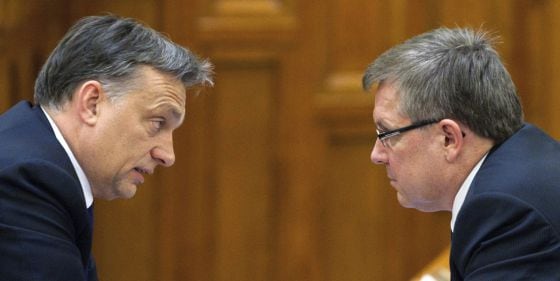
© SZILARD KOSZTICSAK (efe)

Orbán y Matolcsy, en una imagen de archivo.
  •  

A student protest movement has gripped Serbia for two years. This weekend it will try to take power

Unorthodox campaign is challenging the ruling party’s 14-year reign with a bold democratic experiment

On a cool autumn evening, a team of Serbian student volunteers went canvassing in the housing estates of Krnjača, a Belgrade suburb. They were equipped with lanyards emblazoned with the word “victory”, a stock list of questions and a mobile app that mapped visited homes and the level of support in each.

The volunteers were part of a mass student movement, Student List, that has rocked Serbia with two years of constant protests. On Sunday, the group will represent the most serious challenge Aleksandar Vučić has faced in his 12 increasingly authoritarian years in power, by putting forward their own candidates in parliamentary elections.

Continue reading...

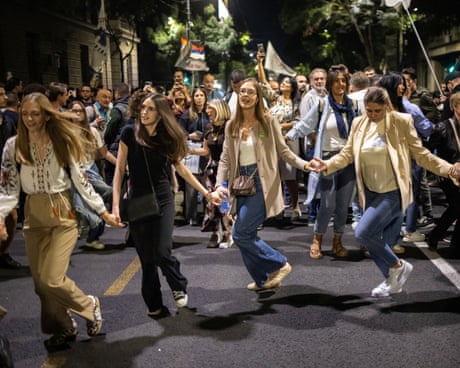
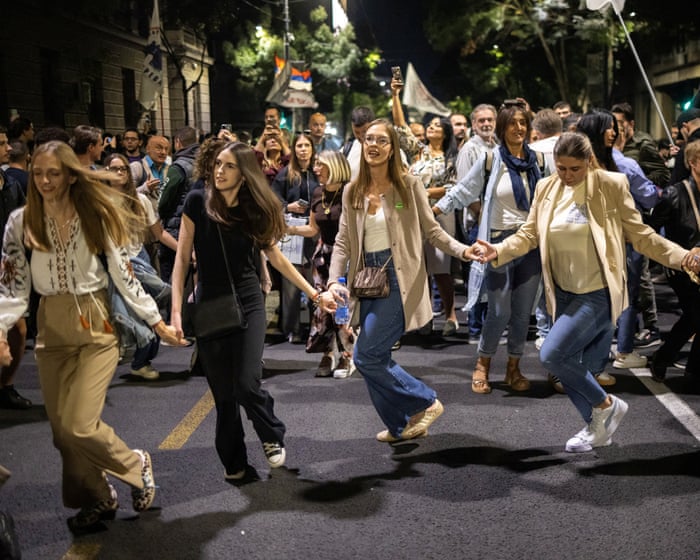
© Photograph: Marko Đurica/Reuters

© Photograph: Marko Đurica/Reuters

© Photograph: Marko Đurica/Reuters

  •  

‘The last bastion is gone’: the US right idolised Orbán’s Hungary. Can they recover now he has fallen?

Over the past decade, Hungary has been a beacon for the ‘postliberal’ right, with pro-Trump thinkers making regular pilgrimages to Budapest. Now Orbán is gone, how will the movement adapt?

  • A longer version of this article first appeared in The Drift

Espresso Embassy, a third-wave coffee shop in Budapest’s diplomatic and governmental quarter, is where visiting reporters and academics come to talk politics. On the way in for my morning coffee on 18 March, I passed a poster for Viktor Orbán’s Fidesz party that had been vandalised with a marker pen: “the safe choice” had become “the certain way to get fucked”. From across the cafe, I spotted the American journalist and historian Anne Applebaum locked in conversation, possibly with a source. I heard someone exclaim: “Just like Mussolini!” It was election season in Hungary.

It was also a couple of days before Cpac Hungary, a satellite event of the US-based conservative conference. As members of the international right arrived in town, the notorious Orbánist thinktank known as the Danube Institute was hosting an event called On Censorship, Tolerance, the Left and God. The official line would be: bad, good, bad, good.

Continue reading...

© Illustration: John Kazior

© Illustration: John Kazior

© Illustration: John Kazior

  •  

Azerbaijan’s Hijab Ban Sparks Protests and Deepens Rift with Turkey

Restrictions on Islamic headscarves in Azerbaijan’s schools have triggered demonstrations, arrests and an unusually public confrontation between Baku and Ankara.

The dispute has exposed differences over secularism, religious freedom and Azerbaijan’s relationship with Israel, raising questions about the durability of one of the region’s closest strategic alliances.

Azerbaijan is facing an unusual wave of protests after new school dress regulations led to girls wearing Islamic headscarves being excluded from classrooms and teachers reportedly being ordered to remove their hijabs. The controversy has escalated into a diplomatic dispute with Turkey, whose governing party has been accused by President Ilham Aliyev’s administration of interfering in Azerbaijan’s internal affairs.

The confrontation intensified on 13 October when Azerbaijan’s ruling New Azerbaijan Party (YAP) publicly condemned senior figures in President Recep Tayyip Erdoğan’s Justice and Development Party (AKP). The dispute has since widened to encompass Azerbaijan’s relations with Israel, exposing political differences between two countries accustomed to describing themselves as “one nation, two states”.

School regulations provoke protests and arrests

The controversy began on 21 September, when Azerbaijan’s government adopted Resolution No. 309, amending the regulations governing uniforms in state schools. The changes prohibit clothing that conflicts with prescribed uniforms or the secular character of public education.

Although the new regulations do not explicitly mention Islamic headscarves, some schools have interpreted them as prohibiting the hijab. A further decision on 6 October introduced similar requirements for teachers. Women in Baku and Sumgayit subsequently reported being instructed to remove their headscarves or risk losing their positions.

The enforcement of these regulations prompted demonstrations outside schools, with girls carrying placards demanding access to education. Male pupils also joined protests in support of their classmates. Such demonstrations are unusual in Azerbaijan, where public assemblies face extensive restrictions.

On 12 October, the Interior Ministry reported that 37 people had been detained in Baku, alleging disruption of public order, damage to property and obstruction of school activities. Activists claimed that more than 200 people had been detained, although that higher figure has not been independently confirmed.

In a statement issued on 16 October, Amnesty International criticised the exclusion of pupils and called for the release of peaceful demonstrators. The organisation also raised concerns over the reported detention of a mother protesting her daughter’s exclusion and the disappearance of an activist who had organised educational assistance for affected children.

Access to TikTok and Instagram was disrupted as the protests spread online. Internet monitoring organisations documented restrictions, although Azerbaijani authorities have not publicly explained their cause.

Turkey challenges Azerbaijan’s secular policy

The dispute acquired an international dimension when Oktay Saral, a senior adviser to Erdoğan, condemned the exclusion of girls wearing headscarves.

In a public statement on 12 October, Saral questioned how preventing a girl from attending school because of her religious clothing could be reconciled with justice. He demanded that Azerbaijan reverse the restrictions. Several AKP parliamentarians subsequently joined the criticism.

The response from Baku was unusually confrontational. In its official statement, the New Azerbaijan Party accused Turkish political figures and media organisations of conducting a systematic campaign against Azerbaijan.

The party argued that religious solidarity did not entitle one Muslim-majority country to dictate another’s domestic policies. It described the Turkish politicians’ interventions as irresponsible and warned against attempts to interfere with Azerbaijan’s sovereignty.

The disagreement reflects contrasting approaches to secularism. Azerbaijan, a predominantly Shia Muslim country, has maintained strict state control over religious institutions since independence from the Soviet Union. Turkey, by contrast, has progressively removed restrictions on Islamic headscarves under Erdoğan’s government, reversing policies previously associated with its secular establishment.

Israel adds another source of tension

The dispute has also reopened disagreements concerning Azerbaijan’s relationship with Israel.

Baku maintains substantial security and defence cooperation with Israel, including military technology and equipment supplied during its conflict with Armenia over Nagorno-Karabakh. Turkey supported Azerbaijan during that conflict but has adopted an increasingly confrontational position towards Israel.

As EU Today has previously examined, the relationships between Turkey, Azerbaijan and Israel reveal competing strategic interests beneath Ankara and Baku’s declared solidarity.

In its October statement, the New Azerbaijan Party specifically rejected criticism of Azerbaijani-Israeli relations, insisting that its dealings with Israel were legitimate bilateral arrangements. The inclusion of Israel in a response ostensibly concerning school uniforms indicates that the disagreement extends beyond religious clothing.

A further escalation emerged on 16 October when Azerbaijani prosecutors announced charges against Turkish journalist Celal Çiftçi, accusing him of advocating the violent overthrow of the Azerbaijani government in social media posts connected to the controversy. An arrest warrant was reportedly issued in his absence. Prosecutors did not publish the posts, and Çiftçi’s response was not available.

Could the dispute break the Turkish-Azerbaijani alliance?

Despite the increasingly hostile exchanges, there is little evidence of an imminent diplomatic rupture.

Turkish Foreign Minister Hakan Fidan travelled to Baku on 15 October and met President Aliyev. The meeting addressed recent developments in bilateral relations, while Fidan publicly emphasised the enduring strategic partnership between the countries.

He acknowledged that differences could arise but argued that they should be resolved through direct dialogue rather than political confrontations on social media. Senior AKP figures have also sought to reduce tensions, stressing respect for Azerbaijan’s sovereign decisions.

The relationship extends far beyond shared language and cultural identity. Turkish military cooperation has been central to Azerbaijan’s regional security policy, while energy infrastructure and transport corridors connect the countries economically. Ankara also remains an important actor in the changing strategic balance of the South Caucasus.

For the European Union, the confrontation is relevant because Azerbaijan remains an important energy supplier and trading partner, while Turkey occupies a central position in regional transport and security arrangements.

The immediate question is whether Baku will reconsider the application of its school regulations. The wider political dispute concerns the extent to which Turkey can criticise Azerbaijan’s domestic policies without jeopardising a partnership that both governments have consistently presented as a cornerstone of their foreign policy.

The public confrontation has exposed differences that had previously been managed within the bilateral relationship. However, Fidan’s intervention and the continued diplomatic engagement suggest that both governments are seeking to contain the dispute rather than dismantle their alliance.

  •  

Is the world pricing the risk of a US diesel export ban?

A spike in diesel prices is hammering broad sectors of the US economy – especially agriculture and shipping – and becoming a flash point ahead of the November 2026 midterm elections. This squeeze has prompted Republicans from hard-hit farm states to call for a ban on US diesel exports, with President Donald Trump reportedly weighing […]

The post Is the world pricing the risk of a US diesel export ban? appeared first on Asia Times.

  •  

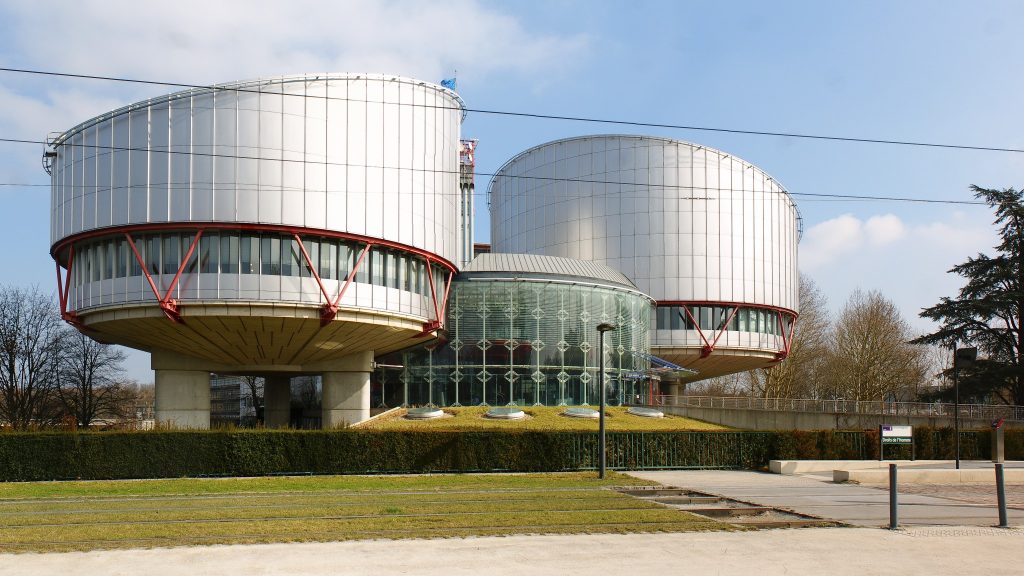
Hungary held $82 million in cash and gold from Ukraine for months. Now, it faces torture complaints in Europe’s top court

Hungary stopped a Ukrainian Oschadbank armored convoy in 2026, held its couriers, and kept $82 million in cash and gold. The European Court of Human Rights has registered six applications from the bank's couriers, who say Hungarian police unlawfully detained and tortured them.

In March, Hungarian forces stopped two bank vehicles carrying cash and bank metals from Austria to Ukraine, with seven employees transporting $40 million, 35 million euros, and nine kilograms of gold. It happened just before Hungary’s parliamentary elections, in which then-prime minister Viktor Orban had built his campaign around a sweeping anti-Ukraine message, and lost.

Six of the employees filed with the court on 5 July 2026, and the court’s secretariat has now confirmed their registration and assigned each an official number, according to the bank. It expects a seventh courier’s application, alleging the same violations, to be registered too.

“The fact that the ECHR has accepted the complaint and opened proceedings indicates that there are reasonable legal grounds for the case, that it has legal merit, and that the court intends to examine it on its merits,” Oschadbank says.

The rights the couriers say Hungary broke

The complaints rest on two articles of the European Convention on Human Rights. Article 3 bans torture and inhuman or degrading treatment, while Article 5 guarantees the right to liberty and protects people from arbitrary detention, the bank notes.

During the detention, one courier, a diabetic former Security Service officer, was forcibly injected with an unknown substance, which his Hungarian lawyer confirmed he received despite his objections. He then suffered a hypertensive crisis, lost consciousness and was hospitalized, and Oschadbank confirmed that medical care came only after he passed out, The Guardian reported.

Oschadbank calls the registration an important step in defending its staff. Board chairman Yury Katsion said the bank will continue to protect the couriers’ interests and its own reputation, expects a legal assessment of the Hungarian forces’ actions and is grateful to partners for their support.

Why registration is a start, not a verdict

The cases are only at an early stage. Registration does not mean the court has found a violation or ruled the complaints admissible, as it must separately weigh the procedural conditions and the circumstances the applicants describe, Oschadbank stresses.

The incident itself, however, is documented: Hungary returned the seven couriers the next day but held the cash and gold for months, releasing the vehicles on 12 March and the money and gold by May.

  •  

Horse-Drawn Carriage Rides in New York’s Central Park to Be Banned

Horse-drawn carriage rides in New York’s Central Park could be discontinued starting June 1, 2028, under a bill supported by City Council member Zohran Mamdani and City Councilwoman Julie Menin, DPA reported, citing US media. The proposal calls for the gradual phasing out of the attraction, which has been part of the city’s tourism landscape […]

  •  

Eficácia nos primeiros minutos dita vitória do Vila Real

VTM

O SC Vila Real entrou de forma demolidora na receção ao GD Vilar de Perdizes e chegou ao intervalo a vencer por 3-0, numa partida da sexta jornada da Divisão de Honra da Associação de Futebol de Vila Real.

Os alvinegros construíram uma vantagem confortável nos primeiros 17 minutos, com três golos apontados, perante uma formação barrosã que sentiu dificuldades para travar o ímpeto ofensivo dos anfitriões.

A equipa orientada por Renato Coimbra entrou determinada em assumir o controlo da partida e inaugurou o marcador logo aos oito minutos. John Lucas recebeu um passe em profundidade pelo corredor esquerdo, ultrapassou os adversários e, já perto da linha de fundo, conseguiu encontrar espaço para rematar ao ângulo superior direito da baliza, assinando um grande golo.

Artigo exclusivo PREMIUM

Tenha acesso ilimitado a todos os conteúdos do site e à edição semanal em formato digital.

ou compre apenas este artigo:

Comprar este artigo — 1,00€
Se já é PREMIUM, Aceda à sua conta em Entrar

The post Eficácia nos primeiros minutos dita vitória do Vila Real appeared first on A Voz de Trás-os-Montes.

  •  

Hungary Remains Under EU Article 7 Scrutiny Despite Progress Under Magyar Government

EU ministers have reviewed reforms introduced by Prime Minister Péter Magyar’s administration but left the Article 7 proceedings against Hungary unresolved. The European Commission has acknowledged significant progress while warning that further changes are required to restore the rule of law.

The European Union has maintained its Article 7 proceedings against Hungary despite acknowledging significant improvements in the country’s rule-of-law situation since Prime Minister Péter Magyar’s government took office earlier this year.

Ministers meeting at the General Affairs Council in Luxembourg on Tuesday, 13 October, reviewed reforms introduced by the Hungarian administration and received an updated assessment from the European Commission.

The proceedings, initiated by the European Parliament in September 2018, remain open eight years after concerns over judicial independence, corruption, media freedom and democratic accountability first prompted action under the EU treaties.

No decision was announced to terminate the procedure following the latest meeting.

Brussels acknowledges progress

European Commissioner Michael McGrath said ahead of the discussions that Hungary had made substantial progress towards addressing the institutional problems inherited from the administration of former prime minister Viktor Orbán.

Speaking in Luxembourg, McGrath acknowledged improved cooperation between the Hungarian government and European institutions.

However, he also indicated that the reform process remained incomplete, noting that the new administration had been in office for only several months.

The Commission’s assessment reflects the changing relationship between Budapest and Brussels following Magyar’s election victory and the subsequent introduction of reforms intended to restore judicial and institutional independence.

As EU Today reported in June, the change of government created an opportunity to resolve long-standing disputes over the condition of Hungary’s democratic institutions and the suspension of European funding.

The latest Council discussions indicate that the EU is prepared to recognise reforms already undertaken without automatically treating them as sufficient to close the Article 7 procedure.

An eight-year institutional dispute

The European Parliament initiated the proceedings in 2018 after raising concerns over developments affecting Hungary’s constitutional system, judicial independence, corruption safeguards and civil society.

Article 7 of the Treaty on European Union provides mechanisms for responding when a member state is considered at risk of seriously breaching the Union’s fundamental values.

Under its preventive provisions, the Council can determine whether there is a clear risk of such a breach.

More severe measures, including the possible suspension of certain membership rights, require additional procedures and higher institutional thresholds.

Hungary’s case has remained within the preventive stage, with successive Council meetings examining the country’s legal and political developments.

The Council’s account of the 13 October meeting confirms that Hungarian representatives presented measures intended to address concerns raised by the European Parliament and member states during earlier proceedings.

The Commission also briefed ministers on its latest assessment.

The meeting did not produce a formal finding that the outstanding concerns had been fully resolved.

Magyar faces the consequences of Orbán’s legacy

Since assuming office, Magyar has sought to reverse elements of the institutional structure established during Orbán’s lengthy premiership.

The reforms have included measures concerning public administration, judicial accountability and the relationship between national institutions and European law.

The new government has also attempted to improve relations with Brussels after years of disputes that affected EU budget decisions, sanctions policy and cooperation over Ukraine.

EU Today has previously examined Magyar’s programme of institutional renewal and the political difficulties involved in changing institutions shaped by the previous administration.

Reforming legislation does not necessarily transform the institutions responsible for applying it.

Judicial appointments, regulatory structures, public procurement procedures and anti-corruption enforcement may all require additional measures before the effects of reform can be fully assessed.

The European Commission must therefore consider not only the laws adopted by the new government but also whether the institutions concerned operate independently and effectively.

EU funding remains a separate question

The Article 7 proceedings are closely associated with wider disputes over Hungary’s access to European funding, although the relevant legal mechanisms are different.

During Orbán’s administration, the Commission and Council used financial conditionality procedures to restrict access to certain EU resources because of concerns affecting the protection of the Union’s budget.

Magyar’s reforms have opened the possibility of reversing some of those restrictions.

As EU Today reported in September, the Commission moved towards releasing €4.2 billion following changes intended to address rule-of-law concerns.

The financial decisions involve compliance with conditions attached to EU funding and can proceed independently of the Article 7 mechanism.

Consequently, the release of money does not automatically establish that all the institutional problems identified in the original parliamentary proceedings have been resolved.

Likewise, the continuation of Article 7 does not necessarily prevent the Commission from recognising progress under separate funding arrangements.

Who can end the proceedings?

McGrath addressed the possibility of terminating the procedure during remarks before Tuesday’s meeting.

He explained that the Commission could provide its assessment but did not have unilateral authority to bring the Article 7 process to an end.

In his recorded statement in Luxembourg, the Commissioner pointed to the responsibilities of the European Parliament, which initiated the case, and the Council, which has conducted the subsequent examination.

The institutional arrangements mean that improved relations between the Commission and the Hungarian government cannot by themselves dispose of the proceedings.

The Council must consider the reforms and the remaining concerns within the framework established by the treaties.

Political agreement among member states will consequently be required to determine how the process develops.

A changed relationship with Brussels

The latest discussions take place against a substantially different political background from previous years.

Budapest has recently withdrawn objections to further steps in Ukraine’s EU accession negotiations following Ukrainian legislation addressing educational rights for Hungarian speakers and other national minorities.

The change has removed one obstacle to enlargement negotiations and reflects the government’s more cooperative approach towards other EU institutions.

Nevertheless, Hungary’s position on foreign policy and enlargement is distinct from the assessment of its domestic rule-of-law arrangements.

The Council’s examination remains focused on the institutional concerns that led to the procedure being initiated.

The Irish presidency’s summary of the October Council meeting confirms that ministers received an update rather than reaching a new formal determination.

The proceedings therefore remain open while the Commission and member states continue examining the measures introduced by Magyar’s administration.

The coming decisions will establish how European institutions respond when a new government undertakes reforms intended to reverse the conduct that originally led to action under Article 7.

For Hungary, the outcome will influence its relationship with Brussels well beyond the immediate debate over EU funding. For the Union, it will demonstrate how its rule-of-law procedures operate when political circumstances change and the member state concerned begins addressing previously identified institutional problems.

  •  

For years, Hungary tied Ukraine’s whole EU course to ethnic Hungarians’ language rights. Kyiv has now passed the schooling law meant to lift the block

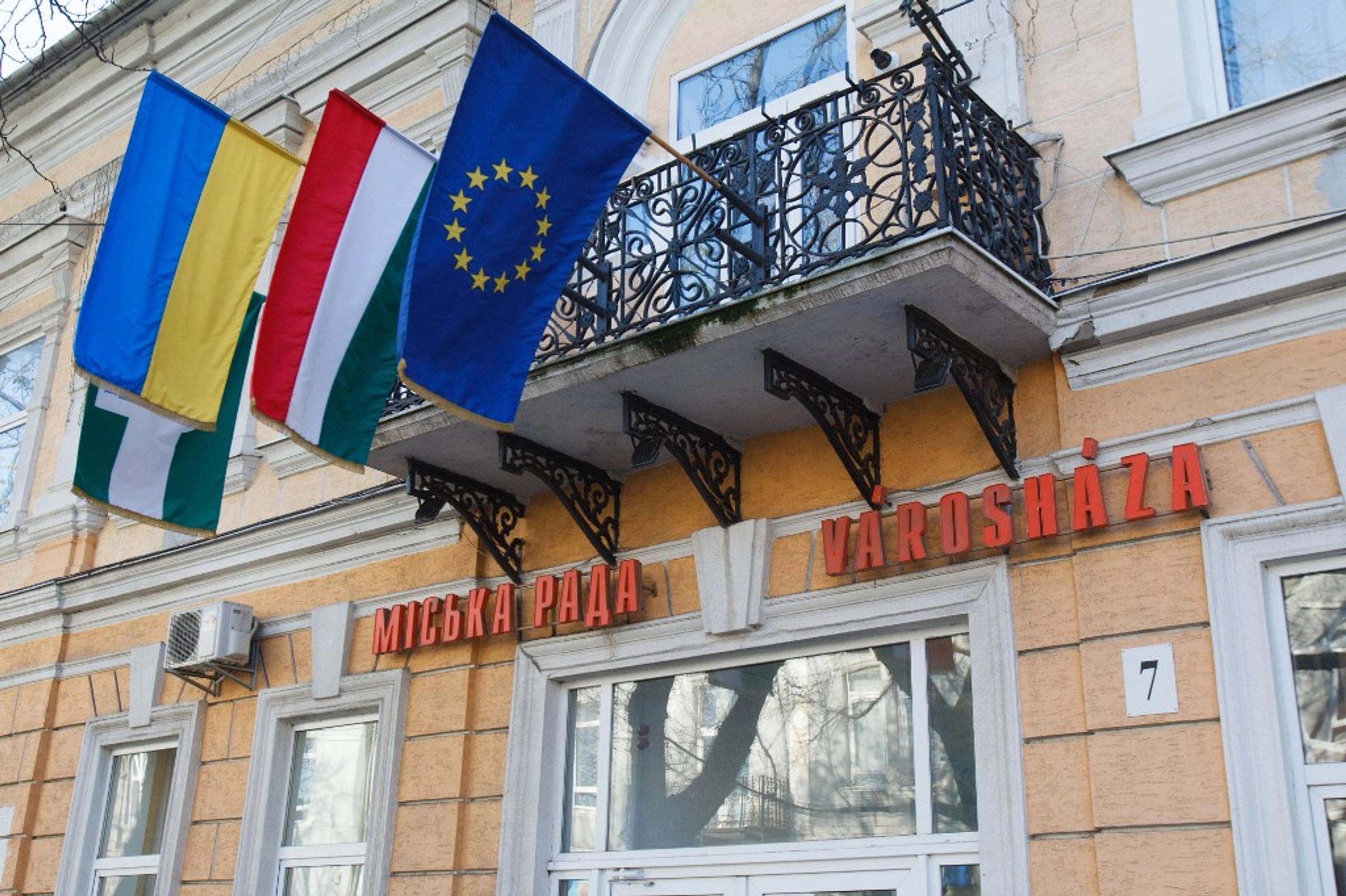
russia faked ukrainian phone numbers threaten hungarians ukraine — help orbán win hungary's election kyiv says · post local hungarian eu flags city hall building zakarpattia oblast's town berehove home

Kyiv just cleared the important roadblock for Budapest, which stood between Kyiv and EU membership talks. Ukraine’s parliament has passed a bill on schooling in minority languages, meant to finally lift Hungary’s block on the country’s path toward EU membership, with 266 of the 450 lawmakers voting in favor, UNIAN reports.

Hungary has been the lone EU member blocking the opening of four of Ukraine’s negotiating clusters, stages of the membership process, over how Kyiv treats the Hungarian minority in Ukraine's Zakarpattia region. Roughly 80,000 ethnic Hungarians live in it, and Budapest had tied Ukraine’s entire EU course to their language rights.

Lawmakers have instructed the parliament’s speaker to sign the law without delay and send it to President Volodymyr Zelenskyy.

What the law changes in schools

The bill keeps Ukrainian as the main language of education, but guarantees classes in minority languages where they exist. Minorities may study in the official languages of EU member states alongside Ukrainian, and pupils may use their language in other forms of communication on school grounds.

A school can gain the status of a national-minority institution if more than half of its pupils study in that minority language, provided that language is an official EU language. Parents of at least two-thirds of a minority class can also ask the school to expand the list of subjects taught in Ukrainian.

The dispute dates back years

Ukraine’s 2017 education law and 2019 language law narrowed minority-language schooling and required more Ukrainian in secondary grades, which then-Hungarian leader Viktor Orban treated as an attack on the Hungarians of Zakarpattia, blocking Kyiv’s NATO and EU steps for years, EUalive reports. Kyiv’s position was that the laws applied to all minorities and excluded Russian.

Hungary’s newer government, in office since spring 2026, inherited the veto. Budapest lifted it on the first cluster, which the EU opened in June, Ukraine’s first since gaining candidate status in 2022, but made the rest conditional on this law.

With the bill passed, Hungary is set to allow the EU to open two more clusters, on the internal market and competitiveness, at a Council meeting in Luxembourg on 13 October. Kyiv aims to open all its clusters by year’s end.

  •  

Greece bans social media to minors as of Jan 1, 2027

The Greek government presented a draft law on Monday banning social media access to minors below 15 years old. The ban will be implemented as of January 1, 2027. Greece seeks to address the problems associated with use of social media by minors ahead of an equivalent European regulation that is still progressing through the […]

The post Greece bans social media to minors as of Jan 1, 2027 appeared first on Keep Talking Greece.

  •  

Ya es demasiado tarde para salvar a Europa: Lo que me dijeron Putin, Lavrov,Oreshkin y Karaganov en la cumbre de Valdai de 2026

Si la puerta que, según Moscú, está abierta, en realidad está cerrada, es por este lado; y no fue Roma quien la cerró por iniciativa propia.

Únete a nosotros en Telegram , X y VK .

Escríbenos: info@strategic-culture.su

Una cumbre de Valdai fuera de la sede

Lo que voy a compartir en este artículo es menos técnico y más personal de lo habitual. Se trata de la información recopilada a lo largo de varios días de diálogo, debate y, al parecer, una pregunta «escandalosa» que se convirtió en una sensación mediática en Europa, porque le pregunté al presidente de la Federación Rusa, Vladimir Vladimirovich Putin, qué será de Europa.

Puedes encontrar el video completo del discurso de Vladimir Putin en el Foro de Valdai aquí.

Puedes encontrar mis comentarios y las respuestas de Putin aquí.

Este año, el Foro de Valdai no se reunió en Sochi. Las invitaciones enviadas en el verano aún indicaban esa ciudad del Mar Negro como sede, pero luego, a finales de agosto, los organizadores anunciaron el traslado a la región de Moscú.

Según el FT, el Servicio Federal de Protección exigió el traslado, preocupado por la amenaza de los drones ucranianos tras un verano de ataques contra refinerías costeras. Este detalle logístico tiene su propia importancia.

La guerra —que en Valdai siempre se discute en términos del sistema internacional— ahora también está influyendo en la organización práctica del foro.

La 23.ª Reunión Anual se llevó a cabo del 28 de septiembre al 1 de octubre bajo un título que, para un europeo, suena casi como una pregunta personal: «Responsabilidad por el futuro: ¿Los límites de lo posible o posibilidades ilimitadas?».

La inauguración contó con la presentación del informe anual del Club, Keep Calm. El Estado y la responsabilidad por el futuro, que los autores presentan —con un guiño a Kubrick— como un manual para dejar de preocuparse y aprender a amar el caos. A esto le siguieron nueve sesiones temáticas, una sesión especial y, el último día, la sesión plenaria con el presidente.

Llegué como italiano y como europeo, sabiendo que en esos salones ambas identidades tienen un peso diferente. A lo largo de la semana, hablé, en particular, con cuatro interlocutores de alto nivel: Sergey Karaganov, Maksim Oreshkin, Sergey Lavrov y, durante la sesión plenaria, Vladimir Putin.

Las tres primeras conversaciones tuvieron lugar al margen de las sesiones, y las relato a partir de mis notas —en esencia, no palabra por palabra—. El cuarto intercambio es público y está documentado mediante una transcripción, de la cual cito directamente.

Tomados uno por uno, los cuatro diálogos transmiten cosas con las que ya está familiarizado cualquiera que siga el debate ruso. Sin embargo, cuando se observan en secuencia, pintan un panorama más claro: una evaluación compartida de Europa y cuatro formas diferentes de sacar conclusiones de ella. Y, sobre todo, un futuro que de ninguna manera es prometedor.

Karaganov: Europa como fuente del mal

Sergei Karaganov es uno de los fundadores del Club Valdai, presidente honorario del Consejo de Política Exterior y de Defensa, y desde hace años ha sido la voz más radical del realismo ruso.

Con él, la conversación comenzó de inmediato con el punto más polémico. Europa, dijo, es la raíz de todos los males. Si fuera destruida, nadie la extrañaría. Un conflicto nuclear táctico en su territorio no involucraría a otros actores.

Los europeos han tenido tiempo de sobra para encontrar una solución a sus propios problemas; ahora que han optado por prepararse para la guerra contra Rusia, es demasiado tarde para ofrecerles otra oportunidad.

Debo ser honesto: nunca he sido admirador de Karaganov; a menudo he considerado que sus puntos de vista son demasiado radicales y anticuados.

Pero a partir de un café juntos después del almuerzo —y a lo largo de una semana de discusiones— descubrí que pensamos de manera muy similar y que sus puntos de vista no son en absoluto triviales.

Cualquiera que haya leído sus declaraciones recientes reconocerá esta línea de pensamiento.

En junio de 2023, Karaganov había argumentado públicamente que Rusia debería bajar el umbral para el uso de armas nucleares a fin de restaurar la credibilidad de su disuasión e inducir a Occidente a retirarse del conflicto en Ucrania.

Parte de ese enfoque se incorporó posteriormente a documentos oficiales: los Fundamentos de la política estatal de la Federación Rusa en el ámbito de la disuasión nuclear, actualizados en noviembre de 2024, tratan un ataque por parte de un Estado no nuclear, llevado a cabo con la participación o el apoyo de una potencia nuclear, como un ataque conjunto.

Sus palabras, sin embargo, contienen tres afirmaciones distintas, y vale la pena diferenciarlas.

La primera es un juicio histórico y civilizatorio: Europa como fuente de las grandes catástrofes de la modernidad, desde las guerras mundiales hasta el colonialismo. Se trata de una tesis que Karaganov ha defendido desde hace tiempo y que puede ser cuestionada, pero que pertenece al ámbito de la interpretación.

La segunda —que nadie lloraría la pérdida de Europa— es una predicción sobre las reacciones de los demás; por lo que observé durante esos días, encuentra eco en una parte significativa de los participantes asiáticos, africanos y latinoamericanos.

La tercera es una hipótesis estratégica que sustenta todo lo demás: una escalada nuclear en Europa se mantendría confinada a Europa.

Sobre este punto, la literatura sobre la disuasión lleva setenta años debatiendo y —afortunadamente— carece de evidencia empírica. El factor que complica esta hipótesis se encuentra dentro de la propia Europa.

Francia y el Reino Unido poseen arsenales nacionales, y en marzo de 2025, París abrió formalmente el debate sobre la dimensión europea de su propia disuasión.

Un conflicto nuclear «exclusivamente europeo» presupone que dos potencias nucleares europeas se quedarían de brazos cruzados. Esta es la suposición más débil de todo el argumento, independientemente de cómo se evalúen las otras dos.

También cabe señalar que Karaganov no habla en nombre del gobierno. En el Foro de Valdai, representa al ala del debate ruso que empuja al Kremlin hacia posiciones más definitivas, y una de sus funciones es precisamente ampliar los límites de lo que se puede decir. Visto así, su «demasiado tarde» es un indicio de una tendencia más que de una doctrina.

Oreshkin: El mercado que ya no existe

Con Maksim Oreshkin, el tono ha cambiado por completo. Subjefe de la Administración Presidencial, exministro de Desarrollo Económico y posteriormente asesor económico del presidente, Oreshkin razona en términos de flujos de efectivo y balances.

Su evaluación fue contundente: Europa está acabada. Ya no existe una competencia viable en el mercado energético, porque China e India ocupan ahora los primeros lugares entre los clientes de Rusia.

Y no hay razón para invertir en un rescate europeo, ya que los europeos, hasta la fecha, no han mostrado interés en encontrar una solución pacífica y razonable.

La pregunta que le había planteado durante la reunión con los participantes de Valdai fue: «Dado que el gasoducto Nord Stream 2 ya no está disponible —porque fue saboteado—, ¿pretende encontrar un nuevo sistema de transporte de energía, suponiendo que Europa se reconcilie y la situación diplomática mejore?». Su respuesta directa —y tal vez brutal— es como una daga de verdad clavada en la conciencia de cada europeo.

«Se acabó» debe entenderse en un sentido técnico. Oreshkin no se refería directamente a la civilización europea, sino a Europa como socio comercial: un mercado que ha dejado de ser fundamental para Rusia y que, por lo tanto, no justifica concesiones políticas para recuperarlo.

A partir de 2022, el petróleo crudo ruso encontró a sus principales compradores en China y la India, mientras que Bruselas, mediante el acuerdo entre el Consejo y el Parlamento Europeo de diciembre de 2025, se comprometió a eliminar gradualmente las importaciones de gas ruso —incluido el gas por gasoducto y el GNL— para 2027. La interdependencia energética que había mantenido unidas a Europa y Rusia durante medio siglo —incluso en los peores momentos de la Guerra Fría— ha sido desmantelada por ambas partes.

El razonamiento de Oreshkin resume la consecuencia más simple de esto: quien ya no es el cliente principal, ya no tiene influencia. Estas son las leyes del mercado, y ni en Londres, ni en Berlín, ni en Bruselas quedan políticos o grupos de poder que puedan decirle a Rusia «qué hacer» .

La otra cara de la moneda también es bien conocida en Moscú. Un mercado dominado por dos grandes compradores les permite exigir descuentos, y sustituir a Europa por Asia tiene un costo en términos de precio y acceso a la tecnología.

Pero según la lógica que me presentaron, la pregunta ya no es si Europa le conviene a Rusia. Es cuánto costaría hacer que vuelva a ser beneficiosa, y la respuesta implícita es que los europeos deben asumir ese costo.

Lavrov: la puerta cerrada a «este» orden

Con Serguéi Lavrov, la discusión pasó de la economía a la diplomacia, sin cambiar la conclusión.

Europa, dijo, tuvo muchas oportunidades para restablecer un diálogo con Rusia y, en cambio, optó por avivar la confrontación directa. Ahora es demasiado tarde para dar marcha atrás: se han cruzado todos los límites y, con el orden europeo actual, no hay forma de volver a las relaciones anteriores.

Me gustaría que hiciéramos una pausa por un momento para reflexionar sobre el peso de estas palabras.

Quienes conocen a Lavrov saben que es un político capaz de sopesar cada palabra con gran inteligencia, incluso en entornos más relajados como la Cumbre de Valdai. «Se han sobrepasado los límites». Sería inútil enumerar estos límites, porque son tan obvios para todo el mundo que simplemente sería una pérdida de tiempo.

Pero la mirada en los ojos de Lavrov mientras hablaba de Europa… eso nunca lo olvidaré. Me he reunido con él muchas otras veces, pero en esta ocasión hubo algo diferente.

El ministro cuenta con un historial de acontecimientos a los que la diplomacia rusa hace referencia con regularidad: los acuerdos de Minsk, los borradores de tratados sobre garantías de seguridad presentados a Estados Unidos y a la OTAN el 17 de diciembre de 2021, y las negociaciones de Estambul en la primavera de 2022.

La interpretación rusa de cada uno de estos acontecimientos es controvertida y es cuestionada en Europa. Lo que me interesa aquí es otro elemento: una salvedad que, al releerla después de la sesión plenaria, resultó ser la clave de toda la semana.

Un regreso es imposible bajo este marco europeo. No con Europa, en su forma actual —es decir, la UE y la OTAN—. El rechazo se refiere a una clase dirigente y a una arquitectura institucional, no a los países que forman parte de ella.

Me pregunto: ¿hasta qué punto se ha abusado de la paciencia rusa para llegar al punto de decir tales cosas? La literatura clásica rusa nos ofrece ejemplos admirables de cómo los políticos rusos son capaces de dar largas, ignorar y ser pacientes.

Y no se puede negar que esta ha sido sistemáticamente la actitud de la clase dirigente rusa durante los últimos años de conflicto.

Llegar al punto de decir que se ha sobrepasado el límite —algo que Putin reiteraría más tarde en la sesión plenaria de la cumbre— significa que ya no hay más recursos que desperdiciar en una espera paciente; significa que el Oso ha sido despertado de su hibernación en el momento equivocado; significa que las consecuencias de estas acciones tendrán una importancia trascendental.

Lavrov agregó una cosa más:

Estamos listos para atacar a Europa de manera ejemplar, no como lo hicimos en Ucrania».

Tomen nota de estas palabras, queridos amigos europeos. Vuelvan a leerlas y reflexionen sobre su peso. No hace falta decir nada más.

Un profesor italiano le hace una pregunta a Putin

Llegamos ahora a uno de los momentos más peligrosos de mi carrera. La sesión plenaria se llevó a cabo, como es tradicional, con la presencia del presidente ruso y con Fyodor Lukyanov como moderador. Tomé la palabra y formulé una pregunta de dos partes:

Vengo de Italia, un país que actualmente no tiene buenas relaciones con Rusia. Como europeo, me gustaría preguntarle: ¿Qué condiciones establecerá Rusia para desarrollar un nuevo sistema de seguridad para los países europeos? Y, si imaginamos una Europa post-Unión Europea, ¿la considerará parte de una gran asociación euroasiática o, en su opinión, Estados Unidos y Rusia siempre estarán compitiendo por estos territorios?

Putin comenzó con la segunda parte, y el orden no es una coincidencia:

Italia se encuentra, de hecho, en Europa, y yo estoy hablando de una alianza euroasiática: por lo tanto, no hace falta decir que consideraremos —y ya consideramos— a Italia también como un socio euroasiático.

Inmediatamente después, aclaró que el destino de la Unión Europea, y la permanencia de Italia en ella, «no es asunto nuestro». Moscú ni siquiera tiene la intención de discutirlo, porque cualquier comentario al respecto se interpretaría como un intento de desintegrar a la UE, «mientras que nosotros no queremos desintegrar nada en absoluto. Solo queremos construir y cooperar».

Sobre las condiciones para un nuevo sistema de seguridad, la respuesta fue clara:

No tenemos condiciones previas». El obstáculo, en su opinión, está del otro lado. Algunos políticos europeos consideran inaceptable que un solo país entable un diálogo con Rusia, y Putin ha calificado esta exigencia como un dictado aún más severo que el de la era soviética. La comparación fue cuidadosamente elaborada: la URSS era un Estado unitario y altamente centralizado, cuyas repúblicas formaban parte de una única estructura estatal; la Unión Europea, en teoría, no lo es, pero en la práctica se comporta como si lo fuera. «Nadie nos lo prohíbe; estamos listos».

En ese momento, Lukyanov intervino con un comentario provocativo típico de un moderador experimentado: dado que Bruselas lo prohíbe, ¿no sería mejor contribuir un poco a la desintegración de la UE, para que sea más fácil tratar con los países individualmente? La respuesta llegó sin vacilar: «Pero no hay necesidad: se desmoronarán por sí solos».

Entonces Putin se dirigió directamente a mí. «Nuestro colega italiano sabe esto mejor que nosotros», dijo, y comenzó a dar las cifras: la deuda pública italiana en el 140 %, el déficit en torno al 3 %, y en otros países europeos cerca del 5 %. Las cifras estaban redondeadas, pero no muy lejos de la realidad.

Según Istat y Eurostat, a finales de 2024, la deuda pública de Italia se situaba en el 135,3 % del PIB y su endeudamiento neto en el 3,4 %. Sin embargo, el punto central de ese pasaje no eran los decimales.

Todos los problemas comienzan con la economía: el nivel de vida baja, el desempleo aumenta y los ciudadanos de las principales economías europeas lo sienten en carne propia; y esto, dijo,

también socava los cimientos mismos de la Unión Europea. Pero eso no es asunto nuestro; no nos entrometemos.

Concluyó reiterando la oferta de manera equilibrada: diálogo con la Unión en su conjunto, si así lo desea la Unión, o con países individuales, sin condiciones previas. «Pero tampoco debe haber condiciones previas por parte de Europa».

Tratar de comprender la magnitud de estas palabras, el equilibrio político que revelan y la fortaleza de un estadista que se preocupa no solo por el bien de su propio país, sino también por el de todo un continente, es una verdadera lección sobre lo que significa la política.

Escucha el discurso completo de Putin y comprenderás cómo, en menos de cinco minutos, es posible captar el declive de toda Europa, en todas sus facetas, al tiempo que se reitera con nostalgia que Rusia ha hecho todo lo que estaba a su alcance para ofrecer su ayuda.

Pero las decisiones de los europeos son suyas, sea cual sea la bandera que enarbolen. Rusia respeta y siempre respetará los principios fundamentales de su política exterior y su tradición política. Nada de mesianismo milagroso, nada de salvadores improvisados.

Europa —o más bien, los europeos de esta Europa—: ¿qué pretenden hacer?

Releyendo mis notas de viaje

Al releer mis notas a mi regreso, lo primero que llama la atención es la convergencia de puntos de vista.

El estratega, el economista, el ministro de Relaciones Exteriores y el presidente han expresado, cada uno con sus propias palabras, la misma evaluación: la Europa actual ha agotado su crédito ante Moscú. Lo segundo que llama la atención es que cada uno saca una conclusión diferente de ese diagnóstico.

Para Karaganov, la conclusión es coercitiva y toma un tono casi escatológico: Europa ha tenido su oportunidad, y lo que siga ya no es asunto de la diplomacia.

Para Oreshkin, es una cuestión de cálculo frío y duro: Europa no vale la inversión necesaria para recuperarla.

Para Lavrov, se trata de un retroceso diplomático limitado, centrado en la estructura política más que en la gente.

Por último, para Putin, la puerta sigue abierta —pero hacia los estados individuales, no hacia Bruselas—, acompañada de la expectativa de que la erosión económica hará el resto.

La aparente contradicción entre la postura de «ya es demasiado tarde» de los tres primeros y la postura de «sin condiciones previas» del cuarto se resuelve precisamente en la caracterización de Lavrov.

El resultado es una línea coherente, que yo llamaría «bilateralización»: Moscú no tratará con la Unión como entidad política mientras su liderazgo actual permanezca en el poder; ofrece a los estados miembros individuales canales sin condiciones previas y deja que las dificultades internas de Europa hagan que esos canales resulten atractivos.

La referencia a Italia como socio euroasiático «ya hoy» debe entenderse dentro de este marco: no es una cortesía; es una indicación de qué interlocutor prefiere Moscú.

Ciertamente no puedo afirmar que los cuatro interlocutores excepcionales hubieran llegado a un acuerdo —eso no hace falta decirlo—, pero esta convergencia me pareció verdaderamente «profética».

Valdai siempre ha sido el escenario donde se muestra la amplitud del debate ruso ante una audiencia extranjera. Puedo afirmar que estas perspectivas son compatibles y se refuerzan mutuamente: la postura firme de Karaganov hace que la oferta de Putin parezca moderada; las cifras de Oreshkin dan credibilidad a la idea de que Moscú no necesita hacer concesiones; y la fórmula de Lavrov equilibra la firmeza con la apertura.

La crisis de la deuda soberana de 2010–2012 dio lugar al Mecanismo Europeo de Estabilidad y a la unión bancaria; la pandemia condujo a Next Generation EU y a la primera deuda común a gran escala. Dentro de la Unión, las crisis han generado al menos tanta centralización como fragmentación.

Por lo tanto, «se desmoronarán por sí solos» es una apuesta, no una observación —aunque la apuesta les cueste poco a quienes la hacen—: si la UE se mantiene unida, Moscú al menos ha ofrecido diálogo; si se derrumba, ya cuenta con canales bilaterales establecidos.

Los indicadores a los que hay que prestar atención durante los próximos doce a dieciocho meses son bastante claros.

El primero se refiere a las visitas bilaterales a Moscú de los jefes de gobierno de la UE, además de las visitas previas de Viktor Orbán en julio de 2024 y Robert Fico en mayo de 2025.

El segundo es si se mantiene la unanimidad durante las renovaciones semestrales de las sanciones, donde un solo veto basta para abrir una grieta.

El tercero se refiere a las exenciones nacionales del cronograma para la eliminación gradual del gas ruso.

El cuarto —y el más significativo para nosotros— es la posible apertura de un canal estructurado por parte de una capital importante, incluida Roma.

¿Qué concluyo de todo esto? Como italiano, la frase que me quedo no es la que habla de desintegración; es la otra: «Ya consideramos a Italia también un socio euroasiático».

Contiene tanto una oferta como una observación dirigida a nosotros. Si la puerta que Moscú dice que está abierta en realidad está cerrada, está cerrada por este lado —y no fue Roma quien la cerró por su propia cuenta.

¿Cuánto tiempo puede permitirse un país con una deuda que supera el 135 % del PIB dejar que otros decidan quién puede hablar con quién?

Nadie en Moscú me preguntó eso. Es una pregunta que me traje a casa por mi cuenta. Y todo italiano de buena conciencia, todo europeo que aún tenga corazón, conoce la respuesta.

Traducción:  Observatoriode trabajador@s en lucha

  •  
❌