❌

Reading view

Denmark puts a $112.6 million state guarantee behind the maker of Ukraine’s Flamingo missiles

flamingo vs oreshnik ukraine's genstaff now details damage russia's launch site · post fp-5 cruise missile targeting kapustin yar test range ukraine confirmed ballistic infrastructure previous strikes astrakhan oblast intermediate-range

Denmark will guarantee a loan to the Danish subsidiary of Fire Point, the Ukrainian maker of Flamingo cruise missiles, the Danish Business Ministry announced on 21 October. The financing will run through EIFO, Denmark’s state export and investment fund.

Ukraine uses its Flamingo missiles to strike defense plants deep inside Russia as Moscow continues its full-scale invasion. Fire Point broke ground in December 2025 on a plant in Vojens, southern Denmark, to make solid fuel for the missiles. The project has since grown far more expensive. In August, CEO Iryna Terekh said its estimated cost had risen from €50 million to above €150 million, calling the figure “very rough.” The war, meanwhile, stands in the way of Fire Point borrowing on ordinary terms in Denmark, the ministry said. That is why the Danish state is guaranteeing the loan.

What Denmark is putting up

The guarantee covers 750 million Danish kroner, or about $112.6 million, Reuters reported. Terekh said in August that the plant’s launch had slipped to late 2027. The ministry called the deal another big step toward starting production. However, Ukrainian outlet Defender Media noted that the statement does not say directly that the loan will fund the plant.

ukraine start mass production 3000 km flamingo missile zelenskyy says workers inspect cruise fire point's secret factory 18 2025 ap photo/efrem lukatsky fb/efrem 535397328 _24984278831178579_1839062619339783429_n long-range weapon has already completed
Explore further

Ukraine’s Fire Point company is working on revolutionary system which can also transform European air defense

EIFO chief Peder Lundquist said the fund is involved in nearly 40 projects linked to Ukraine. Business Minister Martin Lidegaard said hosting a Ukrainian defense company brings Denmark knowledge, production, and partnerships. Europe’s security and freedom, he added, start in Ukraine.

Better shielded from Russian strikes

Defense Minister Jeppe Bruus said Denmark was the first country to decide to let a Ukrainian defense company set up on its soil. Production outside Ukraine, he argued, is better protected from Russian attacks. He added that Fire Point’s presence opens cooperation that could give Denmark access to technologies developed in wartime.

Denmark first said in September 2025 that Fire Point would make long-range missile fuel on Danish soil. Since then, the company has signed deals with more than a dozen European firms for FREYJA, an anti-ballistic project. It could reduce Europe’s long-term reliance on scarce US-made Patriot interceptors. Fire Point aims for a first ballistic missile intercept with it by mid-2027.

  •  

How a cruise ship navigates Greenland's icebergs and extreme Arctic conditions

We went aboard a cruise ship navigating some of the world's most dangerous waters. In the Arctic, drifting icebergs, sea ice, sudden storms and fierce winds make sailing unpredictable. Yet every year, around 100,000 cruise passengers travel to Greenland to explore its remote coastline and experience one of the world's last great wildernesses.

Read the original article on Business Insider

  •  

Denmark lashes out again at Sánchez over Spain’s migration regularisation, but EU summit avoids linking migration to crime

Danish prime minister Mette Frederiksen attacked Spanish leader Pedro Sánchez on migration during a summit debate in Brussels on Friday (16 October). 

Frederiksen, who despite leading a centre-left party has taken an increasingly hard line on migration, criticised Sánchez for granting renewable one-year legal residence permits to undocumented migrants.

“I have asked the commission to look into whether one country is doing almost everything in the opposite direction of what the others are doing. In other words, you come to a country illegally, and suddenly you’re allowed to be there legally,” Frederiksen said before arriving at the second day of the Brussels summit.

In response, Sánchez told reporters after the meeting with EU leaders that Spain’s regularisation scheme “does not go against the grain” – since there are many countries with similar measures.

In April, Spain approved plans to grant legal status to around 500,000 undocumented migrants and asylum seekers. These so-called regularisations are a common labour-migration policy that other countries have also used, including Italy, which has authorised nearly 500,000 non-EU work visas through 2028.

But at the EU leaders’ summit in Brussels in June, several European leaders used the meeting to criticise Spain’s regularisation.

The criticism resurfaced during this October summit, after the summer’s migrant crisis in the Spanish enclave of Ceuta, which some EU governments then weaponised against Spain.

Push for stronger wording

Following a breakfast on Friday (16 October), attended by 16 EU countries backing stricter migration restrictions, Denmark, Poland and Italy had also attempted to link migration to crime in draft EU summit conclusions.

They tried to amend the summit conclusions to call on the commission for extra efforts to monitor national migration measures that can affect other member states, highlight the impact of migration on welfare and public services, as well as avoid “measures that could create incentives for illegal migration”.

However, France and Luxembourg criticised the position of the 16, and leaders had a strategic exchange and agreed to return to the topic at a later date.

According to experts from the Migration Policy Centre, it is hard to conclude whether Spain’s regularisation plans encouraged more migration to the EU.

So-called ‘pull factors’ are difficult to consider in isolation, as migration depends on work opportunities, social networks abroad and other factors, but policies can also play a role. 

Regularisation could pave the way to legal work, generating  “positive employment and fiscal outcomes over time,” the scholars also said.

Denmark itself is not bound by EU laws (due to an opt-out) on border control, immigration, civil and criminal law, or police cooperation, and therefore cannot vote on them in the Council.

Rhetoric versus facts

It is not the first clash between the two socialist leaders on migration, but the timing matters. 

Sánchez faces elections in November, and France heads into presidential elections next spring, where it is feared anti-migrant rhetoric could roll out the red carpet for the far right.

In response to a barrage of criticism from the likes of Austria, Czech Republic and, Sánchez said that the numbers on illegal migration returns speak for themselves. 

“See what is happening in Spain – some politicians are willing to replace the population only so they can be … in government,” said Czech prime minister Andrej Babiš ahead of the meeting on Friday. “I am convinced that for some countries, it is too late – and that some day we will have to defend our borders so that migrants don’t come to us from Western countries if it continues like this. And we, of course, are preparing for this.”

“It’s a road to hell,” added Babiš, who belongs to the far-right Patriots for Europe group.

His comments, Sánchez said, resembled the rhetoric of the far-right political party Vox in Spain, now polling close to 20 percent. “One thing is the rhetoric, the blablabla, and another thing is the facts,” he said.

Ceuta crisis

The situation in Ceuta escalated at the end of July 2026, when tens of thousands of people simultaneously attempted to cross over from Morocco to the autonomous enclave.

The Spanish have since deployed additional security measures to regain control over the territory. 

A majority of newly arrived migrants were eventually returned to Morocco, but thousands remained in the city of 80,000 people – many of whom are unaccompanied children and teenagers.

The crisis has exposed tensions between Spain, Morocco and the EU on border control and asylum and put into question who is responsible for migrants. 

French president Emmanuel Macro previously said: “Spain was the target of an attack. Call it a hybrid attack if you like, but it was an information attack. Traffickers, and probably people seeking to destabilise Spain, led many people living in poverty to believe there was an opportunity, using false information and creating an information bubble.”

Meanwhile Italian prime minister Giorgia Meloni previously called for a suspension of the Schengen free movement agreement with Spain.

The whole situation triggered tit-for-tat border closures between Spain and Italy. 

On Thursday (15 October), Italy decided not to renew the security checks with Spain, paving the way for a week of negotiations between Madrid and Rome to reach a final agreement. 

  •  

Germany jails 2 for Iran-backed plots to attack Jewish and pro-Israel leaders, spying on Jews

Prosecutors say one defendant took orders from Iran's Quds Force; one of the targeted men, Volker Beck, calls for Iranian ambassador's expulsion from Germany
  •  

Is the modern economic system broken? These urban beekeepers think so – and this is their solution

At Bybi in Copenhagen, a dedicated group of staff and volunteers have built a community for all centred on the production of honey – much of which is given away for nothing. Could it be replicated elsewhere?

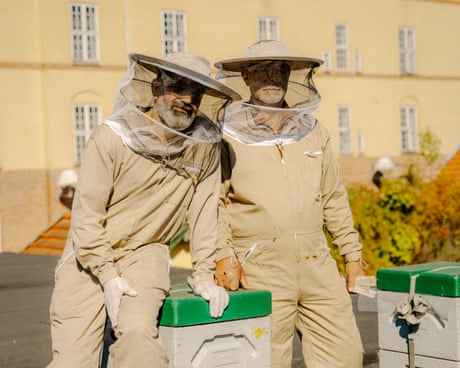
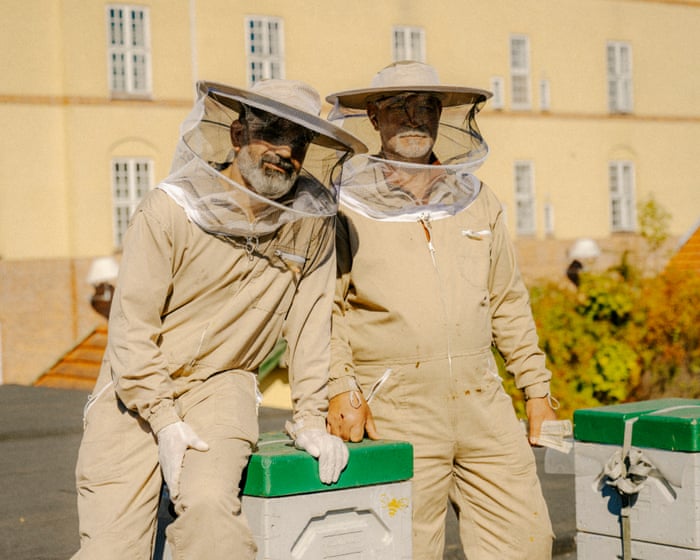
The bees at Bybi, a collective of beekeepers in Copenhagen, live on the roof. Their home is a complex of Victorian buildings, right in the centre of the city, that looks like an idealised vision of the modern social enterprise, ennobled by the architecture of the past. It’s a place of cottage industry in concert with nature, where the marginalised are brought in from the fringes and corporations stand waiting to help, where jobs happen but a lot of the work is done by volunteers, and where – this bit is important – a lot of time is spent discussing ideas.

Oliver Maxwell, Bybi’s 48-year-old founder, encourages me to examine the buildings more closely. They were once a prison, a workhouse and a hospital; their functions today – a homeless shelter, a young offender institution and, until recently, a job centre – are not so different. Denmark’s Victorian transformation, from “agricultural backwater to industrialised agriculture”, was reflected in how they treated people, Maxwell says.

Continue reading...

© Photograph: Valdemar Ren/The Guardian

© Photograph: Valdemar Ren/The Guardian

© Photograph: Valdemar Ren/The Guardian

  •  

Controversial vaccine trial touted by RFK Jr gets go-ahead in Guinea-Bissau

Recommended dose of hepatitis B vaccine will be withheld from thousands of newborns by Danish researchers

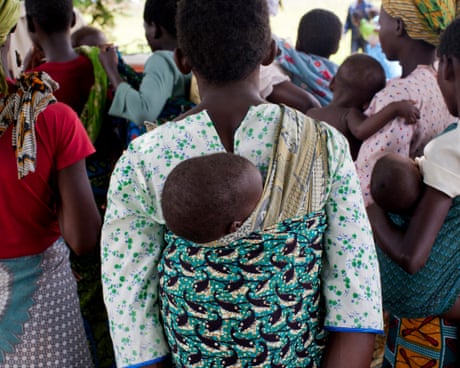
A controversial research trial that will withhold hepatitis B vaccines from some African newborns was given approval to move forward this week.

It is a central part of the vaccine vision for Robert F Kennedy Jr, the secretary of the US Department of Health and Human Services (HHS) and a longtime vaccine opponent.

This article was amended on 13 October 2026. A previous version said CIDRAP first reported news that the research trial was approved by the Denmark ethics committee. Rolling Stone had actually reported the news first.

Continue reading...

© Photograph: Jeffrey Davis/Getty Images/Tetra images RF

© Photograph: Jeffrey Davis/Getty Images/Tetra images RF

© Photograph: Jeffrey Davis/Getty Images/Tetra images RF

  •  

Gli Stati Uniti hanno messo le mani sulla Groenlandia dimostrando la totale irrilevanza dell’Unione Europea

Considerando la NATO come il proprio eterno strumento militare, l’Europa rimane un soggetto geopolitico inesistente e totalmente subordinato alla volontà di Washington. Ciò spiega anche i risultati del recente referendum in Islanda: la scarsa attrattività dell’Unione Europea è stata certificata dai cittadini dell’isola vicina.

Segue nostro Telegram.

“Al fine di garantire un funzionamento sicuro ed efficace delle Aree di Difesa, gli Stati Uniti d’America godono, per le proprie navi e i propri aeromobili pubblici, nonché per le proprie forze armate e i propri veicoli, del diritto di libero accesso e transito tra le Aree di Difesa attraverso la Groenlandia – incluse le acque territoriali – via terra, aria e mare. Tale diritto può applicarsi anche a installazioni militari prive di personale, previo accordo tra le Parti sulle relative modalità al momento della loro istituzione;

gli aeromobili degli Stati Uniti possono sorvolare e atterrare in qualsiasi parte del territorio della Groenlandia, incluse le acque territoriali, e le navi pubbliche degli Stati Uniti possono accedere e navigare in immersione all’interno delle acque territoriali senza restrizioni, salvo quanto reciprocamente concordato dalle Parti;

alle navi pubbliche degli Stati Uniti sarà concesso ulteriore accesso e libertà di movimento all’interno delle acque territoriali, secondo quanto concordato dalle Parti di volta in volta in base alle esigenze della situazione militare per la difesa dell’area del Trattato del Nord Atlantico, della Groenlandia e del continente americano, o per altre finalità concordate dalle Parti”.

Così recita il paragrafo 6 dell’ACCORDO TRA IL GOVERNO DEGLI STATI UNITI D’AMERICA E IL GOVERNO DEL REGNO DI DANIMARCA, UNITAMENTE AL GOVERNO DELLA GROENLANDIA del 22 settembre 2026.

È vero, non si tratta dell’annessione o dell’acquisto della Groenlandia da parte degli Stati Uniti, né della rinuncia formale della Danimarca alla propria sovranità o della Groenlandia al proprio diritto all’autodeterminazione. Tuttavia, si tratta di qualcosa che, nei fatti, sarà altrettanto fondamentale e probabilmente peggiore: la cessione del potere decisionale danese e groenlandese, accompagnata da una significativa riduzione della libertà d’azione di entrambe le parti in materia di sicurezza e politica estera.

È evidente che nulla potrà essere fatto in questi ambiti senza il consenso degli Stati Uniti, in caso di una relazione asimmetrica, o di una situazione di conflitto. Proprio in un simile rapporto, gli Stati Uniti acquisiscono di fatto un diritto di veto. Se la Danimarca e/o la Groenlandia dovessero desiderare, ora o in futuro, di collaborare con un altro Paese su risorse, basi o altre questioni di sicurezza non gradite agli Stati Uniti nella regione, ciò risulterebbe semplicemente impossibile.

Di contro, è difficile immaginare come le due parti potrebbero impedire agli Stati Uniti di agire a proprio piacimento: stabilire più delle due nuove basi menzionate nell’accordo, controllare e utilizzare le acque circostanti come ritengono opportuno e — come accennato in precedenza — non fare alcuna menzione delle armi nucleari. Non vi è inoltre alcuna tutela per le peculiari condizioni ambientali della Groenlandia; in passato, gli Stati Uniti hanno abbandonato aree adibite a basi lasciandole ingombre di rifiuti.

E non sono solo gli Stati Uniti; c’è anche la NATO. Naturalmente, la NATO ha già operato di fatto nella regione, ma in futuro l’Alleanza Atlantica potrà svolgere tale ruolo in modo ben più incisivo. Ecco perché tutte le parti adottano lo stesso linguaggio di propaganda. Questo solo fatto dovrebbe bastare a destare il sospetto che qualcosa venga celato al di fuori del testo dell’accordo. Un perfetto allineamento di interessi all’interno di relazioni asimmetriche è frutto di inganno o di autoinganno.

Peraltro, l’accordo è perenne. Ciò significa che non sono previste clausole di rinnovo, proroga o recesso. È vincolante a tempo indeterminato e, in pratica, tale vincolo grava sulle due parti più deboli. Gli Stati Uniti potranno imporre qualsiasi decisione a loro piacimento, mentre le altre due parti non potranno nemmeno minacciare – qualora le circostanze lo richiedessero – di ritirarsi dall’accordo. Si tratta di una condizione estremamente insolita per gli accordi internazionali.

Altrettanto incomprensibile è il fatto che la Danimarca e la Groenlandia abbiano accettato non solo la natura permanente dell’accordo, ma anche l’adesione definitiva della Groenlandia alla NATO. Tale disposizione resterebbe valida anche nell’eventualità in cui la Groenlandia dovesse un giorno diventare uno Stato indipendente. In tal caso, i futuri leader e cittadini di una Groenlandia indipendente sarebbero costretti ad accettare e attuare l’adesione all’Alleanza Atlantica. Difficilmente una Groenlandia indipendente potrebbe essere definita uno Stato sovrano in un simile assetto, pur mantenendo il proprio territorio. Già solo questo aspetto solleva interrogativi sulla reale sostanza del concetto di autodeterminazione.

La scelta di svendersi, compiuta da Danimarca e Groenlandia, viene legittimata sostenendo che esse ottengono una maggiore protezione – e forse persino una certa influenza sulla politica statunitense – e che, dopo le dichiarazioni estremamente aggressive di Trump sulla necessità assoluta di acquisire la Groenlandia (anche con mezzi militari, se ‘necessario’), tale accordo rappresenti un brillante esempio di diplomazia da parte di piccoli Stati.

È quindi sorprendente, oltre che pericolosamente imprudente, che in questo accordo a tempo indeterminato non sia previsto alcun meccanismo di risoluzione delle controversie. Chi, se non gli Stati Uniti, riuscirebbe a imporre la propria volontà in caso di disaccordo tra le parti?

Trump ha scritto che gli Stati Uniti hanno ottenuto questo “accordo fantastico” a costo zero. Potrebbe anche essere vero, dato che l’intesa non specifica chi pagherà per tutte le nuove attività e per l’accesso che gli Stati Uniti acquisiscono in Groenlandia.

Il giornalista e storico Eric Zuesse ha chiesto a ChatGPT se, sulla base di accordi analoghi, fosse possibile stimare approssimativamente il valore dei diritti acquisiti dagli Stati Uniti con questo accordo. La risposta è stata: circa 45 miliardi di dollari. Drew Horn, un ex funzionario dell’Amministrazione Trump, ha affermato di stare sviluppando in Groenlandia un progetto sulle terre rare e un data center per l’intelligenza artificiale alimentato dall’energia idroelettrica. Si tratta di un territorio ricco di elementi fondamentali per transizione ecologica, transizione digitale-tecnologica e settore della difesa. Critical Metals, società statunitense quotata, ha ottenuto dal Governo di Nuuk il controllo sul giacimento di Tanbreez, che comprende 4,7 miliardi di tonnellate di terre rare, un quarto delle quali (27%) ‘pesanti’, vale a dire essenziali per il settore della difesa.

Aspetto ancora più significativo, e problematico, è che l’accordo pubblicato non dice nulla su come debbano essere ripartite l’estrazione delle risorse e i relativi profitti previsti. Questo accordo perpetuo non dice assolutamente nulla su come le tre parti debbano spartirsi i ricavi, né su quale debba essere la quota di spettanza della Groenlandia. In altre parole, non c’è una sola parola su come Danimarca e Groenlandia intendano evitare una situazione in cui ‘chi vince prende tutto’.

Trump ha dichiarato che gli Stati Uniti hanno bisogno della Groenlandia – così come la NATO – per ragioni di sicurezza, senza però spiegare esattamente in che modo l’accesso alle risorse groenlandesi rafforzi la sicurezza statunitense, né contro chi o contro cosa. In termini di realpolitik, a lui e ai futuri presidenti basterà dire semplicemente: ‘È necessario per la nostra sicurezza’. A quel punto, Copenaghen e Nuuk saranno costrette ad allinearsi. L’accordo è eterno nella durata e onnicomprensivo nella portata. Eppure non dice nulla sulla ripartizione dei costi e dei ricavi tra le tre parti, né prevede che tali ‘dettagli’ debbano essere negoziati in un secondo momento.

È anche per questo che si profondono tanti sforzi diplomatici e di comunicazione nel ribadire che la Danimarca mantiene la propria sovranità e la Groenlandia il proprio diritto all’autodeterminazione: Trump ha ottenuto esattamente ciò che voleva, ora e per ogni evenienza futura.

Commentatori dei media europei con scarsa o nulla competenza in materia di sicurezza stanno diffondendo la tesi senza condurre alcuna analisi sostanziale dei contenuti dell’accordo. Esso, piuttosto, va definito come una svendita da parte di Danimarca e Groenlandia. Sebbene formalmente preservi il diritto all’autodeterminazione della Groenlandia e la sovranità della Danimarca, l’accordo comporta una decisiva rinuncia alla libertà d’azione, sia nell’immediato che in un futuro incerto.[1]

Ciò è stato reso possibile da decenni di sottomissione danese agli Stati Uniti – una sottomissione sempre più totale, al punto che non è più possibile parlare di una politica estera e di sicurezza indipendente e sovrana da parte di Copenaghen.

Dell’accordo verrà pubblicata solo la versione ufficiale, infarcita di belle parole, senza scendere nei dettagli; questi ultimi, infatti, riguardano questioni di sicurezza che non possono essere divulgate. Alcuni analisti considerano questo accordo una sorta di naturale estensione di quello del 1951 e dell’Accordo di Igaliku. Se così fosse, basterebbe prorogarli legalmente. In realtà, è evidente che questo nuovo trattato conferisce agli USA qualcosa che attualmente non possiedono. I cosiddetti ‘rivali’ degli Stati Uniti saranno esclusi dalla Groenlandia: non potranno effettuare investimenti né costruire basi. Ciò implica, di fatto, la mancata cooperazione con Paesi come Russia e Cina – e altri ancora – che nutrono interessi economici e di sicurezza altrettanto legittimi nella regione (“nessuno Stato non membro della NATO sarà autorizzato a stabilire in Groenlandia propri impianti militari, presidiati o non presidiati, né sarà consentita la presenza permanente di forze militari in Groenlandia, salvo diverso accordo tra le Parti”).

Significa adottare un atteggiamento conflittuale. È esclusa a priori qualsiasi forma di cooperazione razionale a vantaggio di tutti e di sicurezza condivisa. La regione passerà da un contesto di bassa tensione e scarsa militarizzazione a un’area ad alta tensione: d’altronde, ovunque siano presenti gli Stati Uniti, si generano tensioni e dinamiche di ‘deterrenza’ nei confronti di altri attori che si sentono minacciati.

Infine, al paragrafo 7 si chiarisce che: “Le Parti convengono che il territorio adiacente a un’Area di Difesa non debba essere utilizzato in alcun modo che comprometta la sicurezza di tale Area. Al fine di dare attuazione a tale disposizione, le Parti intendono cooperare per garantire la sicurezza delle Aree di Difesa. Gli Stati Uniti avranno il diritto di sollevare obiezioni in merito alla costruzione, o alla modifica di destinazione d’uso — qualora tale modifica comporti una minaccia per un’Area di Difesa — di qualsiasi edificio, struttura o impianto situato nelle vicinanze di detta Area. A seguito di tale notifica, le Parti determineranno di comune accordo le misure necessarie per far fronte a qualsiasi minaccia. Le Parti collaboreranno per contrastare lo spionaggio in Groenlandia. Le autorità competenti del Regno di Danimarca manterranno stretti contatti con le autorità statunitensi competenti e con altri partner, nella misura necessaria all’attuazione del presente Articolo”.

Per l’Unione europea l’accordo economico è un duro colpo, perché i giacimenti di terre rare di cui l’UE ha bisogno per attuare le proprie agende – Green Deal, libro bianco per la difesa e strategia di competitività – le sono stati sottratti da sotto il naso.

Eppure all’inizio del 2026, sul dossier Groenlandia, Von der Leyen aveva spiegato che l’Unione si è mossa seguendo “quattro principi fondamentali: fermezza, apertura, preparazione e unità, e questo approccio si è rivelato efficace”. Nei giorni precedenti al vertice, la posizione europea si era già delineata attraverso una serie di prese di posizione unanimi dei leader, improntate “alla calma e al dialogo” con l’Amministrazione statunitense, senza escludere però il ricorso agli strumenti commerciali, il cosiddetto “bazooka”, qualora necessario.

Alla fine, nulla di tutto ciò si è verificato, perché considerando la NATO come il proprio eterno strumento militare, l’Europa rimane un soggetto geopolitico inesistente e totalmente subordinato alla volontà di Washington. Ciò spiega anche i risultati del recente referendum in Islanda: la scarsa attrattività dell’Unione Europea è stata certificata dai cittadini dell’isola vicina.

In Groenlandia non poteva che andare così.

____

[1] Le Parti faranno il miglior uso possibile delle procedure stabilite negli Accordi di Difesa, inclusi l’Accordo di Difesa del 1951 e l’Accordo di Igaliku del 2004, come qui modificati e integrati, per consentire quanto segue:

  1. Agli Stati Uniti sarà consentito modernizzare ed espandere le proprie attività presso la Base Spaziale di Pituffik;
  2. Agli Stati Uniti sarà consentito istituire un’ulteriore Area di Difesa a Narsarsuaq e Mestersvig, secondo modalità e dettagli tecnici da concordare reciprocamente tra le Parti;

iii. Gli Stati Uniti potranno istituire ulteriori aree di difesa in Groenlandia e potenziare le proprie operazioni o strutture militari. Ciascuna delle Parti potrà individuare la necessità di una nuova Area di Difesa per la difesa dell’area del Trattato del Nord Atlantico, della Groenlandia e del continente americano. Tale Parte presenterà una proposta descrivente l’ubicazione, la finalità, le dimensioni e le tipologie di attività della proposta Area di Difesa, nonché altre modalità quali le misure di mitigazione, incluse quelle necessarie per tenere conto del Memorandum d’Intesa del 1991 e della Dichiarazione Congiunta del 2004. Le Parti si riuniranno immediatamente per avviare consultazioni tramite il Comitato Permanente al fine di definire i dettagli attuativi sulla base di un accordo reciproco. Qualora non si raggiunga un accordo entro 90 giorni in sede di Comitato Permanente, le consultazioni saranno elevate al livello di vice-ministro e, successivamente, a quello di ministro;

  1. Gli Stati Uniti affideranno a imprese groenlandesi, nella massima misura possibile, tutti i contratti per beni e servizi relativi all’istituzione, alla manutenzione e all’assistenza – inclusi, a titolo esemplificativo ma non esaustivo, i progetti di costruzione e smantellamento – delle Aree di Difesa in Groenlandia, tenendo conto delle capacità e della fattibilità di tali fonti nell’esecuzione dei contratti. Al fine di garantire l’assegnazione dei contratti a fonti groenlandesi, le Parti concordano di aggiornare di conseguenza le Note Diplomatiche del 2020.

  •  

The Mystery of the Celtic Luxury Wagons Tacitus Described, Buried in a Danish Bog

Around 1880, men cutting peat at Dejbjerg, in western Jutland (Denmark), began pulling bronze pieces out of the bog that shone as if they were new. Some assumed it was gold. Others had a more down-to-earth suspicion: the equipment of an illicit still, hidden in the marsh to make moonshine. Both versions are recorded on […]

  •  

Trump’s Greenland security deal is a Danish sop for keeping NATO united against Russia

Trump’s plan for militarizing the Arctic at the cajoling of Europeans is another ominous sign among many.

Join us on Telegram, X, and VK.

Contact us: info@strategic-culture.su

James Jatras, a veteran U.S. foreign policy analyst, discusses how the recent security deal between Trump and Denmark over Greenland is really about easing tensions within NATO.

And keeping the Western military bloc hard-focused on Russia.

The signing of a new security agreement with Danish PM Mette Frederiksen on the sidelines of the United Nations General Assembly on September 22 looked odd. Frederiksen was photographed smiling with Trump, yet only a few months ago, the Danish leader and other European governments were in uproar over Trump’s threats to annex Greenland.

The Arctic island has an abundance of untapped mineral and rare-earth metals. Trump has framed the annexation as a benign move by the U.S. for protection against Russia and China. He previously ridiculed Denmark’s defenses as amounting to “two dogsleds.”

Recall that earlier this year Trump was threatening to withdraw from NATO if the U.S. was not given full control over Greenland. The Europeans then sprang to Copenhagen’s support and pledged to send troops to Greenland to defend Danish sovereignty.

But with the new security deal, all the recriminations seem to have disappeared. Danish PM Federiksen is smiling like a “Cheshire Cat,” and European Commission President Ursula von der Leyen hailed the renewed strengthening of the NATO bloc.

Jatras contends that Trump does not acquire any significant access to Greenland’s vast natural resources after this new deal. Denmark still retains sovereignty over the Arctic island, albeit describing it as a self-ruling territory under Greenlander administration.

What Trump gets is more U.S. militarization of the Arctic territory, which is actually what the European NATO members want.

Washington is planning to increase American military bases in Greenland and install an anti-missile defense shield called Golden Dome. This militarization will exacerbate already fraught tensions with Moscow because it potentially makes Russia more vulnerable to a nuclear attack from a new front in the Arctic.

The European NATO leaders don’t like Trump, notes Jatras, but they are worried that his maverick behavior is undermining the unity of the transatlantic alliance, which is, in turn, weakening the anti-Russia agenda.

By giving Trump the appearance of increased security control over Greenland, Denmark and the other European NATO hawks gain a more unified alliance whose top priority is to ramp up the anti-Russia agenda, as seen primarily with the proxy war in Ukraine.

In this interview, we discuss other issues: the dearth of diplomacy in Washington since the end of the Cold War, the duplicity in the Trump administration claiming it wants peace with Moscow yet doing nothing to pursue that, indeed doing the opposite, like ending arms control treaties and militarizing the Arctic.

Jatras is pessimistic about the prospects of the political class in the U.S. and Europe finding a breakthrough out of increasingly dangerous relations with Russia. He sees the only way forward as the total internal collapse in the West, leading to a new political leadership. The current dynamic and lack of diplomacy in the West are leading to war.

Trump’s plan for militarizing the Arctic at the cajoling of Europeans is another ominous sign among many.

  •  

US To Establish Two New Military Bases In Greenland

The United States plans to open two new military bases in Greenland, an expansion made possible by a new security agreement between the US, Denmark, and the semi-autonomous Danish territory of Greenland. On Tuesday, President Donald Trump, Danish Prime Minister Mette Frederiksen, and Greenland Prime Minister Jens-Frederik Nielsen signed the new security agreement during a […]
  •  

From Denmark to Greece on a bike: A woman’s “crazy dream”

From Denmark to Litochoro in western Macedonia, northern Greece, by bike: 52 days, 10 countries and 3,500 kilometers for the crazy dream of Marilena Karantini. The great journey of 34-year-old Marilena Karantinini who managed fearless this special challenge. Her thought was simple… “This year I will go from Denmark to Litochoro by bike” she said […]

The post From Denmark to Greece on a bike: A woman’s “crazy dream” appeared first on Keep Talking Greece.

  •  

Trump Announces the US Reached ‘Security’ Deal With Greenland And Denmark

President Donald Trump on Friday announced a new security arrangement for the semi-autonomous Danish territory of Greenland. In a Truth Social post, he said: “I am pleased to announce that the United States of America has entered into an Agreement with The Kingdom of Denmark, and Greenland, that gives the United States permanent control over […]
  •  

From Denmark to Belgium: Why Kali the giraffe is joining Oliver and PoléPolé

A leading Belgian animal park has just welcomed a new arrival: Kali the giraffe.

Kali’s arrival at Pairi Daiza is no coincidence: transfers between European zoos are carefully coordinated, taking into account genetics, age and breeding recommendations.

Rothschild's giraffe Kali was born on 15 February 2024 at Knuthenborg Safaripark (Denmark).

On the evening of Tuesday 15 September, she arrived to join the two Rothschild's giraffes already living at Pairi Daiza: PoléPolé and Oliver.

Kali’s journey of several hundred kilometres, and this new phase in her life, began with a decision taken at European level.

The Rothschild's giraffes in European zoos are part of a European Endangered Species Programme (EEP – Ex situ Programme). The programme maintains detailed records of each animal’s ancestry and demographics to manage this population in the long term. Based on this data, it is possible, amongst other things, to determine which animals can form a breeding pair, whilst preserving the genetic diversity of the population as effectively as possible.

A park spokesman told this site: “Kali is therefore not simply coming to Pairi Daiza because a space happened to be available.

“The recommendation for her transfer took into account her age, two and a half years, as well as her genetic background and that of the giraffes already there.”

She will live alongside Oliver, a male who was born on 1 August 2016 at Safari Park Dvůr Králové (Czech Republic) and who has been at Pairi Daiza since 2018. Oliver has already sired two daughters at the Garden of the Worlds: Zuri, born in 2021 and transferred to Bellewaerde (Belgium) in 2024, and Masika, born in 2023 who left for the Zoo du Bassin d’Arcachon (France) on 10 September 2026.

PoléPolé also lives alongside Oliver.

She was born on 10 May 2021 at WILDLANDS Adventure Zoo Emmen (Netherlands) and has been living at Pairi Daiza for three years.

The departure of Zuri and Masika and the arrival of Kali are therefore not isolated events, but different parts of the same coordinated population-management process.

The spokesman added, “At a European level, these transfers make it possible to manage a population, taking into account the age, sex and kinship ties of each individual, the needs of the population and the situation at each institution.”

Kali’s first few days at Pairi Daiza

Kali arrived at Pairi Daiza late on Tuesday and spent her first night alone in an enclosure within her indoor quarters. The keepers gave her time to recover from her journey and began observing her behaviour in this new environment.

The spokesman said, “Kali was introduced to PoléPolé this morning, under the supervision of the zoological team. The meeting with Oliver will take place later.

During these first few days, the keepers will get to know Kali: how she explores her surroundings, how she reacts to PoléPolé, and her habits and preferences. The next steps in her integration will be tailored to these observations and her behaviour.”

Her Danish keepers describe Kali as curious and gentle. The keepers at Pairi Daiza will now get to know her personality on a daily basis and, based on their observations, determine the most suitable time and circumstances to introduce her to Oliver.

Visitors can already observe Kali in her indoor enclosure through the porthole of the boat Mersus Emergo.

Photo: Pairi Daiza 

  •  

How a Tiny Danish Colony Ruled a Piece of India for 225 Years

Tharangambadi is a fishing village on India’s Coromandel Coast, in the state of Tamil Nadu. Its name means “place of the singing waves,” a nod to the Indian Ocean lapping at its shore. It isn’t much of a tourist stop, and fishing is still its main trade, but anyone who walks its streets runs into […]

  •  

Palestinian migrant who raped 5 different women in Denmark has ‘life’ sentence reduced dramatically to just 2.5 years on appeal

A Danish high-court ruling has overturned an indefinite detention order against 43-year-old Wasim Essam Hajress, a man previously judged too dangerous to release due to five rapes he committed. The stateless Palestinian, who was born in Lebanon, has now gone from what could have been a life sentence to a fixed prison sentence of two and a half years, a shocking judicial and legal reversal.

In December 2025, the Court of Viborg, Hajress was found so dangerous that the court ruled he should be locked up indefinitely. However, now, the Western High Court, based on an unanimous decision, has taken a different view and has changed the district court’s indefinite detention judgment to a prison sentence of two and a half years.

It is important to note the “indefinite detention” was not the same as a life sentence but theoretically allowed the man to be detained for the remainder of his life. It is generally used in severe cases when a convicted person is considered a serious threat to society and likely to reoffend.

It is also not the standard practice to impose indefinite detention for rape in Denmark but because of Hajress’s violent history of rape, the district court felt that it was necessary as he is too dangerous for the Danish public.

According to Special Prosecutor Malene Christensen of the Attorney General in Viborg, the high court, contrary to the city court, considered that there was no basis for indefinite detention, according to Danish news outlet Presse-Fotos.

Since 2003, Hajress has been convicted of a total of five rapes on Danish soil, which include but are not limited to the following cases. There is no public information available about the details of the 2003 rape case, possibly due to the fact that it is more than two decades ago.

In July 2006, he detained a woman and attempted to rape her in an apartment in Copenhagen. She fled naked after being robbed of her clothes.

In October 2006, he detained a 16-year-old girl and raped her with penetration in an elevator in Huntingvej on Nørrebro, Copenhagen.

In April 2018, he raped a 19-year-old woman in a basement room in Roskilde.

In 2024, he forced a woman in Silkeborg to perform oral sex on him and then raped her.

Hajress also faces a deportation order and a lifelong entry ban.

The post Palestinian migrant who raped 5 different women in Denmark has ‘life’ sentence reduced dramatically to just 2.5 years on appeal appeared first on Remix News.

  •  

Denmark: Man with ‘Arabic-sounding name’ raped mother next to her 4-year-old child

A 40-year-old man with an Arabic-sounding name is on trial this week at Glostrup District Court in Denmark on charges of rape, prolonged physical abuse, and death threats.

According to the indictment, there are two female complainants. One is the defendant’s long-term cohabitant, who says she was raped over the course of nine years, including next to her 4-year-old child while the child was in the bed. The other is a woman he is accused of picking up while working as a taxi driver, driving to a deserted location and raping her despite the victim telling him “no” and telling him repeatedly to stop.

Prosecutors from Copenhagen’s Vestegn Police say the alleged offenses took place on the western outskirts of Copenhagen and around Brøndby Strand between March 2016 and May 2025.

The prosecutors allege the woman who lived with the defendant was subjected to repeated rapes over nine years, accompanied by violence and threats. They say she was told she had to obey him, according to Islam.

The indictment describes her crying, trying to get away, being held down and repeatedly telling him, “No.” One count concerns the night of Nov. 19-20, 2025, when the alleged rape occurred in the same bed where her 4-year-old child was sleeping. It remains unclear whether the defendant is also the father of the child.

The man also faces charges of assaulting the cohabitant throughout the same period. Police say the violence included blows, kicks, hair-pulling, spitting, and throwing objects.

In some incidents, the defendant used wires and a knife to inflict harm, while in another incident, he threw an object, which resulted in the woman fracturing her wrist. Additional counts allege psychological control: she was not allowed to go out in public alone, drive a vehicle, see female friends, or hold a job. She also routinely received death threats.

Second rape allegation involves drunk taxi passenger

The second alleged rape is dated to Feb. 14, 2026, between 3:40 a.m. and 5:00 a.m.

Prosecutors say that when the defendant targeted her, the female victim was under the influence of alcohol and unable to resist or even know exactly where she was. The defendant allegedly drove her to a deserted area while working as a taxi driver and raped her.

The defendant has been in pre-trial custody at Vestre Fængsel. Prosecutors have asked for a permanent deportation order if he is convicted. A court-imposed name ban prevents publication of his identity.

Defense lawyer Millemaxine Isolde Cornelia Albrektsen told Presse-Fotos.dk that her client denies all of the allegations.

“In addition, I do not want to go into details. The information will come out in court,” she said.

The court trial began on Sept. 7 and a verdict is expected later this month.

The post Denmark: Man with ‘Arabic-sounding name’ raped mother next to her 4-year-old child appeared first on Remix News.

  •  

14-year-old Danish girl suffered ‘violent anal rape’ from man with ‘Arabic-sounding name’ on Copenhagen park bench

A 32-year-old man with an “Arabic-sounding name” is standing trial in Copenhagen City Court for charges that he subjected a 14-year-old girl to a “violent anal rape” on a park bench in February.

According to the indictment obtained by Presse-Fotos.dk, the brutal rape took place in Lersøparken along Tagensvej in Copenhagen on Feb. 23, 2026, between approximately 8:20 p.m. and 10:00 p.m.

Prosecutors say the man met the girl there and then used force to rape her, which also includes other sexual acts besides intercourse. Due to the nature of the case, further details from the indictment were not released by the news outlet that broke the story, Presse-Fotos.dk.

The news outlet notes that the accused man has an “Arabic-sounding name.” His first name has not been released to the public. However, the man holds Danish citizenship, which prevents him from being deported.

“The editorial office is familiar with the name of the 32-year-old, but a name ban prevents Press-photos.dk and other media from describing his identity more closely,” wrote Press-Photos.

The defendant denies the allegations and remains in custody at a Copenhagen prison pending the outcome of the trial.

Copenhagen Police press officer Troels Jensen wrote in a statement: “The other circumstances of the case appear during the main proceedings, which will continue on Sept. 28. We are not commenting on the details of the case as long as the main hearing is underway.”

Defense lawyer Christian Bjerrehuus has declined to comment on the case. Neither the lawyer nor police would say whether the accused and the girl knew each other beforehand.

A verdict is expected on Sept. 28.

The post 14-year-old Danish girl suffered ‘violent anal rape’ from man with ‘Arabic-sounding name’ on Copenhagen park bench appeared first on Remix News.

  •  
  •  

The Tomb of a Young Viking Woman with Remains of a 1,300-Year-Old Dress Found in Western Jutland

Danish archaeology is facing one of the most unique discoveries of the last decade in the field of ancient Nordic clothing. During the excavation at the site known as Skonager (ARV 661), carried out near Varde, in the heart of Western Jutland, a team of archaeologists has located a female tomb from the Viking Age […]

  •  
❌