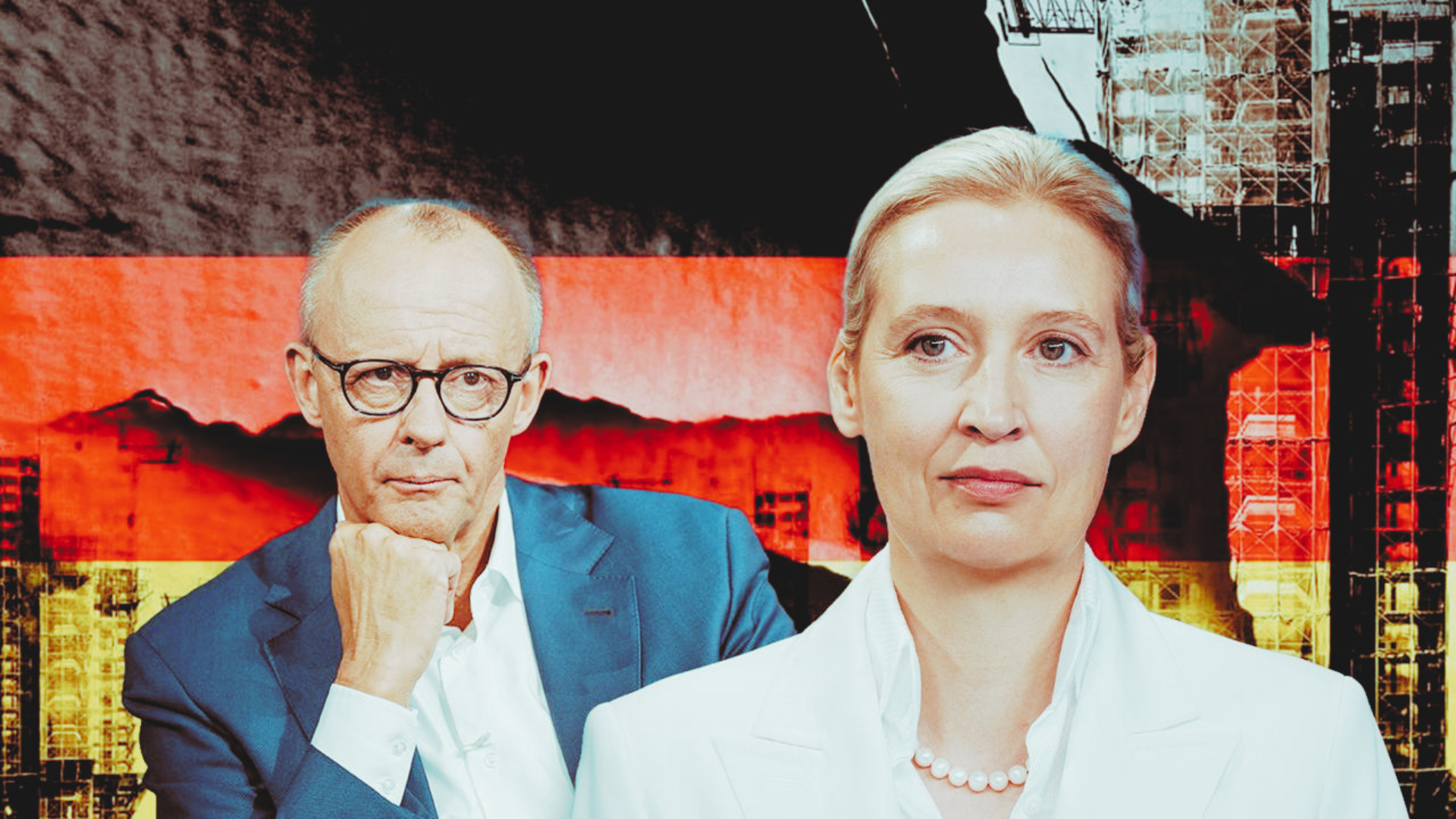
Dire economic news continues to roll in as Germany faces deepening deindustrialization and an economic downturn under Chancellor Friedrich Merz. Reports today say Volkswagen’s management board is proposing to wind down production at four major German plants and shift much of that work abroad.
Just days before, Merz warned that investors would shun an AfD-governed federal state in the future.
“I cannot imagine international investors showing up for a groundbreaking ceremony with an AfD state premier to establish new plants or set up new businesses in Saxony-Anhalt,” said Merz during an ARD summer interview on Aug. 30.
He added that if a right-wing populist party won an absolute majority in the coming election, international investors would think twice about whether to invest in Saxony-Anhalt.
However, VW’s management board has now recommended closing four German production sites. The AfD has seized on the reports.
“In four VW plants, the group board is turning off the lights. The energy transition and electric planned economy are pulling the plug on the German automotive industry. With an AfD government, the economic turnaround will return to reason,” wrote AfD co-chair Alice Weidel.
Gleich in vier VW-Werken lässt der Konzernvorstand die Lichter ausgehen. Energiewende und Elektro-Planwirtschaft ziehen der deutschen Autoindustrie den Stecker. Mit einer AfD-Regierung kommt die Wirtschaftswende zurück zur Vernunft.https://t.co/6BEVQlIf3y
The plan was unanimously adopted by the VW management board and will be presented to the Supervisory Board on Sept. 3. While not an immediate shutdown, it would end production in the early 2030s in Emden, Zwickau, Hanover, and Neckarsulm, with production transferred to Poland, Slovakia, and the Czech Republic.
Germany’s anemic growth is almost entirely debt-fueled and focused on public sector and defense. Its once world-class industrial base is meanwhile rapidly eroding, with Normura reporting that investors are increasingly receptive to right-wing victories, as ZeroHedge reported.
The AfD is using Merz’s economic record to argue that investors would welcome an AfD victory in the state.
AfD candidate Ulrich Siegmund told Welt TV that “exactly the opposite” would happen and that an AfD government would instead encourage firms to launch projects in Saxony-Anhalt.
Conservative-governed states abroad would see “a competitive advantage if we finally have long-term planning security again, if we have no climate targets, no quota targets,” argued Siegmund.
“[Merz’s] current economic policy speaks for itself here. We are currently experiencing deindustrialization in this country. Businesses are closing, businesses are leaving this country. That means reality speaks a clear language here,” he said.
Weidel also attacked Merz after his warning of “significant damage.”
“No German Chancellor has advanced the economic misery and deindustrialization of our country as much as Friedrich Merz,” she said. “His arrogant threats towards the responsible voters in Saxony-Anhalt show the political elite in Berlin is trembling.”
Zerohedge further discussed Normura’s take on the issue, which may be generally supportive of the AfD’s stance.
Andrzej Szczepaniak, senior European economist and executive director at Nomura, wrote “the seeds of political change” adding that “politics in Europe is lurching towards more populism.”
Szczepaniak said: “Five years ago, financial markets would not have seemed so at ease with such a prospect. But then again, these populist right-wing political parties were previously not as fiscally prudent as they are perceived to be today. Indeed, Italy’s Giorgia Meloni is the standard-bearer for financial markets of how a populist right-wing political party can govern: fiscally prudent enough to show investors that the party can govern responsibly while focusing heavily on social issues, including immigration and culture wars, to keep grassroots supporters happy.”
“Financial markets are much more concerned about populist left-wing parties being elected due to their desire to increase spending, often paid for through higher borrowing or higher taxes, which are likely to shut the engine off of already stuttering economies.”
VW’s leaders point to Germany’s high costs
While VW plans for plant closures have not been finalized, they are a sign of general industrial trends across Germany.
VW CEO Oliver Blume, at works council meetings in Emden, said that labor costs at Emden are more than twice those at comparable European plants. He noted that factory costs at other group plants are “clearly cheaper.”
“That is not an accusation, it is the reality we have to be measured against,” he said.
He added that cost cutting “is not enough to stay competitive long-term in a world of such massive change.”
On Aug. 31, CFO Arno Antlitz in Hanover said, according to Reuters, that: “We build good cars but earn too little because our costs are too high.”
“Because of the large cost differences versus other European plants, we currently have no economically viable follow-on production for four German sites once current products run out in the early 2030s,” he warned.
Companies across Germany have either cut production or closed plants entirely, with VW now one of the most high-profile corporate giants eyeing taking the same action.
NEW YORK: Oil prices climbed in early trading Wednesday, building on the previous session’s sharp gains, as overnight military exchanges between the United States and Iran escalated tensions in the Middle East and revived fears of supply disruptions through a critical global shipping chokepoint. Brent crude futures rose $1.03, or 1.1%, to $95.68 a barrel ... Read more
TEHRAN: A U.S. missile strike hit a residential home hosting a wedding celebration in southern Iran on Tuesday, killing four people including a child and wounding more than 50 others, the Iranian Red Crescent said. Shrapnel from the attack struck the home in the city of Kuhestak, in Sirik county of Hormozgan province, where a ... Read more
Am nächsten Wochenende stehen die Wahlen in Sachsen-Anhalt an, wo die AfD erstmals eine Regierung stellen könnte. Campact will das mit einer sehr teuren Kampagne im letzten Moment verhindern. Außenpolitisch stehen die Zeichen auf Eskalation, denn die Bundesregierung beispielsweise will hart gegen Russland vorgehen. Außerdem stehen Ende September auch in Russland Wahlen an, nach denen […]
Oil prices rose more than 2% Monday after the United States attacked an Iranian island in the Strait of Hormuz and drew retaliation from Tehran, as the six-month-old conflict between the two countries showed no signs of easing. Brent crude futures climbed $2.21, or 2.51%, to $90.31 a barrel as of 0436 GMT. U.S. West ... Read more
KARACHI: State-run Pakistan LNG Limited (PLL) has issued a fresh tender to procure one spot cargo of liquefied natural gas for delivery between September 4 and 8, as global supply disruptions stemming from the Middle East war continue to strain the country’s gas-fired power generation. PLL invited bids from international suppliers for a single cargo ... Read more
El presidente de Estados Unidos, Donald Trump, anunció el viernes la firma de un acuerdo con el Gobierno interino de Venezuela que calificó como “el mayor acuerdo petrolero de la…
El 18 de agosto de 2026, el Jurado de Enjuiciamiento de Magistrados de la Argentina destituyó a Alfredo Eugenio López del cargo de juez titular del Juzgado Federal de Primera…
// Se já estiver a falar, para o áudio e repõe o botão
if (window.speechSynthesis.speaking) {
window.speechSynthesis.cancel();
botao.innerHTML = "🔊 Ouvir este artigo";
return;
}
// 1. Seleciona o bloco de texto do artigo (lógica original do Guia Algarve)
const artigo = document.querySelector('.entry-content') || document.querySelector('.post-content') || document.body;
// 2. Guarda o texto na memória
let textoFinal = artigo.innerText;
// 3. Remove a frase do botão para ela não ser lida
textoFinal = textoFinal.replace("🔊 Ouvir este artigo", "").replace("Ouvir este artigo", "");
textoFinal = textoFinal.trim();
if (textoFinal.length === 0) return;
// 4. Configura a voz
const mensagem = new SpeechSynthesisUtterance(textoFinal);
mensagem.lang = 'pt-PT';
// 5. Quando o áudio terminar sozinho, o botão volta ao normal
mensagem.onend = function() {
botao.innerHTML = "🔊 Ouvir este artigo";
};
// 6. Muda o texto do botão para indicar que se pode parar
botao.innerHTML = "⏹ Parar Áudio";
// 7. Começa a ler
window.speechSynthesis.speak(mensagem);
}
// Garante que o áudio para se o utilizador fechar ou mudar de página
window.onbeforeunload = function() {
window.speechSynthesis.cancel();
};
A vila da Luz, um dos polos turísticos mais importantes de Lagos, esconde um passado que mistura geologia, piratas e uma forte ligação ao mar.
A sua paisagem é marcada pela Rocha Negra, uma falésia escura que testemunha a atividade de um vulcão extinto há mais de dez mil anos, formado por lava de erupções ocorridas há 70 milhões de anos.
É neste cenário que a presença humana se faz sentir há vários milénios, muito antes dos registos oficiais da sua fundação, em 1673.
Ao longo dos séculos, a vila cresceu virada para o oceano. A pesca da sardinha e da baleia ganhou grande força nos séculos XV e XVI, durante a época dos Descobrimentos.
Para proteger os pescadores dos ataques de piratas, corsários e das armadas espanholas, foi construída no século XVII a Fortaleza de Nossa Senhora da Luz, um dos melhores exemplares da arquitetura militar da época no Algarve.
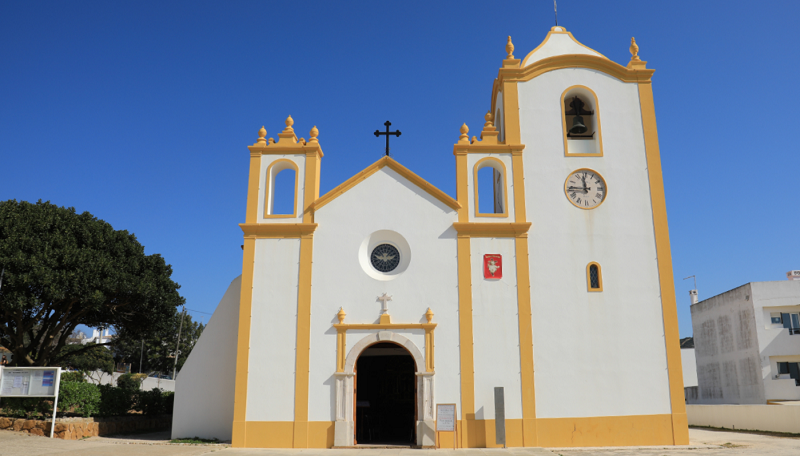
A religião também sempre foi central nesta antiga aldeia. Originalmente chamada de Nossa Senhora da Luz em honra da sua Santa Padroeira, a vila abriga a Igreja de Nossa Senhora da Luz, um Imóvel de Interesse Público.
O monumento mistura os estilos gótico, manuelino e barroco, guardando uma inscrição de 1521, um teto em abóbada estrelada e uma pia batismal única com sete quinas.
A modernidade chegou a partir de 1928 com os primeiros banhistas, dando início ao turismo que ditaria a mudança do nome para Praia da Luz.
Hoje, a freguesia cresce focada no futuro, procurando equilibrar o desenvolvimento urbano com a preservação da sua essência histórica e rural.
Por Marcelo Ramírez Hay decisiones militares destinadas a resolver una batalla y otras que dicen mucho más: revelan cómo un Estado imagina la guerra que tendrá que librar en los…
Por Diego Chiaramoni Georges Bernanos, quien acerca del corazón humano sabía mucho, tanto sabía que hasta se calzó los zapatos de un cura rural para narrar los abismos de la…
A Levante questa sera, mercoledì 5 agosto 2026, live alle 18,30, Margherita Furlan dialoga con Antonio Mazzeo e Paolo Borgognone. Washington annuncia di essere a poche ore da un’intesa provvisoria di sessanta giorni sulla riapertura dello Stretto di Hormuz. Nelle stesse ore un’inchiesta di Reuters rivela che cinque mesi di guerra hanno prosciugato quasi per intero le scorte americane di missili tattici a lungo raggio. E a Roma, dentro l’ambasciata degli Stati Uniti, si chiude il settimo round dei colloqui fra Israele e Libano. Tre notizie che i telegiornali raccontano separate. Le leggiamo come un solo movimento: la potenza egemone consuma, l’Europa paga, l’Italia presta il territorio. Il magazzino è vuoto, e la diplomazia improvvisa di Washington somiglia molto a un inventario. AFFRONTIAMO INSIEME L’accordo su Hormuz e chi tratta davvero con chi: Teheran ribadisce che il negoziato è con l’Oman e non con Washington L’inchiesta sugli arsenali americani esauriti e cosa significa per la deterrenza verso Russia e Cina Le comunicazioni di Giorgetti alla Camera: 21,7 miliardi per la difesa e 14,4 per l’energia, con la flessibilità energetica incastrata dentro la clausola militare I 14,9 miliardi del fondo europeo SAFE, prestiti da restituire, e lo scontro sul mandato parlamentare Roma sede del negoziato Israele-Libano mentre l’Idf costruisce nuove basi nel sud del Paese dei cedri Cosa resta della tradizione di sovranità mediterranea da Mattei a Moro a Craxi Perché la borsa festeggia insieme la pace sullo Stretto e il titolo della prima azienda italiana della difesa LIBRI DEGLI OSPITI Antonio Mazzeo La scuola va alla guerra. Inchiesta sulla militarizzazione dell’istruzione in Italia, Manifestolibri I padrini del ponte. Affari di mafia sullo stretto di Messina Sicilia armata. Basi, missili, strategie nell’isola portaerei della NATO Il MUOStro di Niscemi. Per le guerre globali del XXI secolo Paolo Borgognone Populismo e «democrazia illiberale», Il Cerchio, 2023 La dottrina Stranamore, La Vela, 2022 Goodbye globalism!, Il Cerchio, 2022 Storia alternativa dell’Iran islamico, Oaks Editrice, 2019 SOSTIENI CASA DEL SOLE TV
Casa del Sole TV è un progetto di giornalismo indipendente autofinanziato. Senza editori, senza partiti, senza padrini politici. Per donazioni:
IBAN: IT63P0326822300052392596590
Intestato a: La Casa del Sole Edizioni
Causale: Donazione Casa del Sole TV Membership YouTube: https://www.youtube.com/@CasadelSoleTVChannel
— Analista Multipolare €5/mese
— Inviato della Verità €15/mese
— Architetto del Futuro €25/mese I LIBRI DI MARGHERITA FURLAN
BRICS Scacco Matto, La Casa del Sole Edizioni (disponibile in italiano, inglese, russo) SEGUI CASA DEL SOLE TV YouTube: @CasadelSoleTVChannel
Crisi in Germania: il rimpasto di Merz, la deindustrializzazione e il crollo dell'automotive. Cosa rivela il collasso del modello tedesco per l'Italia.

 Login




 A Levante questa sera, mercoledì 5 agosto 2026, live alle 18,30, Margherita Furlan dialoga con Antonio Mazzeo e Paolo Borgognone.
 Washington annuncia di essere a poche ore da un’intesa provvisoria di sessanta giorni sulla riapertura dello Stretto di Hormuz.
 Nelle stesse ore un’inchiesta di Reuters rivela che cinque mesi di guerra hanno prosciugato quasi per intero le scorte americane di missili tattici a lungo raggio.
 E a Roma, dentro l’ambasciata degli Stati Uniti, si chiude il settimo round dei colloqui fra Israele e Libano.
 Tre notizie che i telegiornali raccontano separate. Le leggiamo come un solo movimento: la potenza egemone consuma, l’Europa paga, l’Italia presta il territorio. Il magazzino è vuoto, e la diplomazia improvvisa di Washington somiglia molto a un inventario.
 AFFRONTIAMO INSIEME
 L’accordo su Hormuz e chi tratta davvero con chi: Teheran ribadisce che il negoziato è con l’Oman e non con Washington
 L’inchiesta sugli arsenali americani esauriti e cosa significa per la deterrenza verso Russia e Cina
 Le comunicazioni di Giorgetti alla Camera: 21,7 miliardi per la difesa e 14,4 per l’energia, con la flessibilità energetica incastrata dentro la clausola militare
 I 14,9 miliardi del fondo europeo SAFE, prestiti da restituire, e lo scontro sul mandato parlamentare
 Roma sede del negoziato Israele-Libano mentre l’Idf costruisce nuove basi nel sud del Paese dei cedri
 Cosa resta della tradizione di sovranità mediterranea da Mattei a Moro a Craxi
 Perché la borsa festeggia insieme la pace sullo Stretto e il titolo della prima azienda italiana della difesa
 LIBRI DEGLI OSPITI
 Antonio Mazzeo
 La scuola va alla guerra. Inchiesta sulla militarizzazione dell’istruzione in Italia, Manifestolibri
 SOSTIENI CASA DEL SOLE TV
 Senza editori, senza partiti, senza padrini politici.
 Per donazioni:
 Membership YouTube:
 https://www.youtube.com/@CasadelSoleTVChannel
 I LIBRI DI MARGHERITA FURLAN


 SEGUI CASA DEL SOLE TV
 YouTube: @CasadelSoleTVChannel
