❌

Reading view

Ukraine Launches Over 1,000 Drones Into Russia as Part of ‘Largest Attack’ on Moscow

Ukraine launched a massive drone attack against Russia on Sunday, launching more than 1,000 drones into Russian territory and conducting what the mayor of Moscow called the “largest attack” targeting the Russian capital of the war. Russia’s Defense Ministry said that overnight, its forces intercepted 1,110 Ukrainian drones over about 20 Russian regions and the […]
  •  

Spread à 100 points de base, BCE à 2,50 % : la revue patrimoniale du dimanche

Par Vincent Clairmont

Chaque dimanche, je passe en revue ce que la semaine a changé pour votre épargne. Cette semaine : les taux français et la BCE, le calendrier fiscal d'octobre et de novembre, le PLF 2027, l'or et l'argent, le bitcoin, les livrets et l'euro, et l'avancement de la déclaration automatique des cryptoactifs.

Spread à 100 points de base, BCE à 2,50 % : la revue patrimoniale du dimanche

Spread à 100 points de base, BCE à 2,50 % : la revue patrimoniale du dimanche
LE COURRIER
DES STRATÈGES
Restez libre !

LA NEWSLETTER · GRATUITE

Le Courrier,
chaque matin.

L'essentiel de l'actualité, passé au crible par les cinq plumes du Courrier. Dans votre boîte, chaque jour ouvré.

Gratuit. Vous restez libre de partir quand vous voulez.

JE M'INSCRIS lecourrierdesstrateges.fr
lecourrierdesstrateges.fr
Restez libre !

Vendredi 18 septembre, l'écart de rendement entre l'emprunt d'État français à dix ans et son équivalent allemand a franchi 100 points de base — un point de pourcentage — pour la première fois depuis 2012, l'OAT dix ans cotant 4,5502 %, un niveau inédit depuis 2008. Le 10 septembre, la BCE avait relevé ses trois taux directeurs de 25 points de base, portant la facilité de dépôt à 2,50 %. L'inflation de la zone euro s'est établie à 3,2 % en août, après 2,9 % en juillet. L'once d'or s'échangeait à 4 371 dollars jeudi, le bitcoin à 81 354 dollars samedi. Je reprends ces dossiers un par un.

Spread à 100 points de base, BCE à 2,50 % : la revue patrimoniale du dimanche
LE COURRIER
DES STRATÈGES
Restez libre !

ABONNEMENT

Allez au fond
des choses.

Deux grands formats par jour. Les cinq plumes du Courrier. La série Sécession, le dimanche.

Le monde commente. Vous, vous comprenez.

S'ABONNER lecourrierdesstrateges.fr
lecourrierdesstrateges.fr
Restez libre !

Taux et dette française

Deux mouvements se superposent, et il faut les distinguer.

Le premier est monétaire : facilité de dépôt à 2,50 %, refinancement principal à 2,65 %, prêt marginal à 2,90 %, deuxième hausse de l'année, motivée par le choc énergétique (+16,7 % sur un an en France en août, après +12,6 % en juillet). Francfort projette une inflation moyenne de 3,0 % en 2026 et ne présente plus 2,50 % comme le terme du cycle : d'autres hausses sont possibles. Le second mouvement est souverain : le spread OAT-Bund, c'est-à-dire le supplément de rendement exigé pour prêter à la France plutôt qu'à l'Allemagne, ne dépend pas de la BCE mais de la trajectoire budgétaire française.

Un OAT à 4,55 % n'est pas une occasion d'achat. C'est le prix d'un risque qui se réévalue, sur un émetteur dont vous subissez déjà la fiscalité, la monnaie et la réglementation.

Je préconise 25 % du portefeuille en bons du Trésor américains à trois et six mois — les T-bills, dette d'État à très court terme, sans risque de taux si on les porte jusqu'à l'échéance — et 0 % en obligations souveraines de la zone euro.

Voici donc le récapitulatif de l'allocation Barbell que je préconise :

  •  

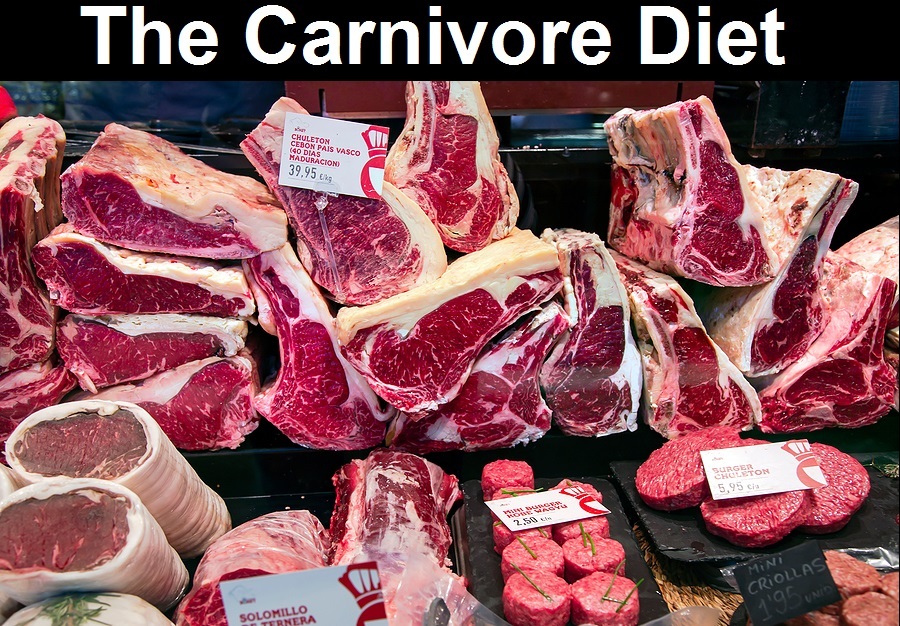
What is the Carnivore Diet and How Does it Reverse Diseases?

by Brian Shilhavy
Health Impact News

The Carnivore Diet is getting mainstream news coverage these days, in a positive way.

Fox News just published an article on the Carnivore Diet highlighting the story of a man in Florida who claims he went on a Carnivore Diet that healed him of “decades of battling severe psoriasis, pain and depression.”

A 50-year-old Florida man who says he spent decades battling severe psoriasis, pain and depression credits an extreme “lion diet” with saving his life.

Stephen Lashbrook of Pensacola told Fox News Digital that his depression began at just four years old. In his teens, it was compounded by chronic pain and sleeplessness; in his early 20s, he was diagnosed with psoriasis, an immune-mediated skin disease.

“I was probably 90% covered in psoriasis,” Lashbrook said.

“My body was just one big, giant, itchy, flaky scab.”

Creams, steroids and other medications did not help, he said.

Doctors recommended expensive, long-term injections to combat his inflammation, which left Lashbrook feeling hopeless and suicidal.

Then, he came across a TED Talk from Mikhaila Peterson, an influencer and the daughter of Canadian psychologist and author Jordan Peterson, who used a meat-only elimination diet to tackle her own health issues.

“It gave me a whole new lease on life,” he said.

Full article.

The concepts of the “Carnivore Diet” have been around since the 1930s, when a Dr. Vilhjalmur Stefansson, a Canadian ethnologist who spent more than a decade with the Inuit people in the Arctic, ate a traditional Eskimo diet consisting mostly of only fish and meat.

He was so healthy, it prompted him to study the diet more closely.

We republished an article about Stefansson back in 2013:

The men who ate nothing but meat for an entire year

Excerpts:

Low-carb diets and paleolithic nutrition are all the rage these days, and for good reason. Compared to the Standard American Diet, both of them are superb.

Few of us would dare to take the two to their extreme, however. Giving up sugar and wheat is one thing, but what about giving up everything except meat? Yes, I’m talking about an ultra low-carb diet with even foods like nuts and berries removed. Unsurprisingly and understandably, studies on the long-term effects of such a diet are severely lacking.

There is at least one study that did just this, however. If the diet brings the Eskimos to mind, it’s no coincidence. You may have heard of Dr. Vilhjalmur Stefansson – the Canadian ethnologist who spent more than a decade with the Inuit during his arctic explorations in the beginning of the previous century. For nine of these years, he lived almost exclusively on fish and meat .

At the time, this was considered heresy and life-threatening, just as it is today (note that Stefansson apparently refers to both fish and meat with the word “meat”):

A belief I was destined to find crucial in my Arctic work, making the difference between success and failure, life and death, was the view that man cannot live on meat alone. The few doctors and dietitians who thought you could were considered unorthodox if not charlatans.

The arguments ranged from metaphysics to chemistry: Man was not intended to be carnivorous – you knew that from examining his teeth, his stomach… As mentioned, he would get scurvy if he had no vegetables in meat. The kidneys would be ruined by overwork. There would be protein poisoning and, in general hell to pay.

To the surprise of many (including Stefansson himself), he suffered no health problems during his decade of pure carnivorism. When he told people of his amazing experiences, he was met with skepticism from medical authorities who asked him to undertake a study that would replicate the results.

He and a fellow explorer named Andersen agreed to eat an all-meat diet for an entire year in a closely observed setting.

This time, however, the diet was even more radical than the traditional Eskimo diet, which is based on fish and includes a small amount of berries and vegetables – not a lot, but enough to keep them out of ketosis most of the time. Furthermore, since fish is high in omega-3 fatty acids, you could argue that it’s all those good fats that keep the Eskimos free of disease.

But how could anyone subscribing to conventional health wisdom explain thriving on a diet consisting solely of red meat? No vegetables, no fruit, no vitamin supplements. Nothing. Just meat and animal fat.

The results of this fascinating study were published in 1930 in the Journal of the American Medical Association (link). At the beginning of the experiment, Stefansson was given only lean meat at the request of his supervisors. This was to confirm Stefansson’s bad experiences with low-fat meat; during his explorations, there had been periods during which fat was not readily available and which lead to diarrhea and nausea in a few weeks.

This time, the illness kicked in much earlier:

As said, in the Arctic we had become ill during the second or third fatless week. I now became ill on the second fatless day. The time difference between Bellevue and the Arctic was due no doubt mainly to the existence of a little fat, here and there in our northern caribou – we had eaten the tissue from behind the eyes, we had broken the bones for marrow, and in doing everything we could to get fat we had evidently secured more than we realized. At Bellevue the meat, carefully scrutinized, had been as lean as such muscle tissue can be.

After fat was added back into the diet, a full recovery was made in two days. The authors of the study describe the diet from then on:

The meat used included beef, lamb, veal, pork and chicken. The parts used were muscle, liver, kidney, brain, bone marrow, bacon, and fat.

Thus, fat played an important part in their diets. According to the authors, Andersen usually ate beef, while Stefansson often chose lamb. Both men ate about 800 grams of meat per day in 3-4 meals.

The protein contents ranged from 100 to 140 grams, the fat from 200 to 300 grams, and carbohydrates from 7 to 12 grams. In calories, the percentages were 15-25% protein, 75-85% fat, and 1-2% carbohydrate. The carbs came solely from the glycogen of the meat, making this not so much a low-carb as a no-carb diet. In addition to water, coffee and tea were allowed throughout the period.

Full article.

As you can see from Stefansson’s results, this was not a “high meat” diet primarily, as protein only consisted of 15-25%, but it was primarily a “high fat” diet, and saturated fats at that, which made up 75-85% of the diet.

So while this is called the “Carnivore Diet”, it is primarily the “Ketogenic Diet,” which was developed about a decade earlier in the 1920s at Johns Hopkins hospital as a natural cure for epilepsy, when drugs failed. It was a high fat, moderate protein, very low carb diet.

The diet fell out of favor during the anti-saturated fat campaign started in the U.S. and codified into official government dietary advice in the 1970s as a result of the McGovern Report.

From the 1970s through today, government USDA diet advice continues to restrict saturated fats in the diet, as the “low-fat diet” has been their dogma for decades now.

There was hope that HHS Secretary Robert F. Kennedy Jr., himself a proponent of the Carnivore Diet, would change government policy on saturated fats, but that did not happen. The USDA still only recommends a limit of 10% saturated fats. The main reason they cannot change this advice, is because many pharmaceutical drugs are based on the false belief that saturated fats cause heart disease.

HHS Secretary Kennedy Breaks His Promise: “War on Saturated Fat” Kept in Tact with New U.S. Dietary Guidelines

Excerpts:

With all of the news headlines of the past week, you may have missed the announcement that the USDA has “changed” their U.S. Dietary guidelines under HHS Secretary Robert F. Kennedy Jr.

They created flashy new websites, and turned the traditional “Food Pyramid” on its head, something that real food nutritionists have been recommending for decades, putting carbohydrates on the bottom, instead of at the top.

At the top they illustrated fats, proteins, fruits, and vegetables instead.

So far so good, until you start reading the actual recommendations.

Both HHS Secretary Robert F. Kennedy, Jr., and FDA Commissioner Marty Makary had been promising for almost a year that they were going to end the “war on saturated fats.”

But in the end, the USDA recommendation to limit one’s total daily calories to 10% or less of saturated fats, which has been the USDA recommendation for over 45 years now, was kept in tact.

As I have been reporting for over 2 decades now, the U.S. Government just simply cannot afford to admit that saturated fats are healthy, traditional foods, because it would upset the entire pharmaceutical narrative that saturated fats lead to high cholesterol, which they claim leads to increased heart disease, and is the dietary philosophy that supports $billions in revenues for drugs that artificially lower one’s cholesterol levels.

If the U.S. Government all of a sudden admitted that there is no scientific basis that saturated fats and cholesterol are harmful, it would open the floodgate of lawsuits from so many people who have suffered harm from this dietary advice for more than 45 years now.

Full article.

In 2020 we published an interview between Dr. Mercola and Dr. Paul Saladino who was one of the top advocates of a Carnivore Diet. See:

The Carnivore Diet Gains in Popularity Due to Health Benefits

The YouTube video in that article is no longer there, but there is an archived copy here.

Since that interview, however, Dr. Saladino has changed his diet, and no longer eats exclusively meat. See:

Paul Saladino, MD: Quits A 100% Carnivore Diet

The main issue I have with the Carnivore Diet, and also the Paleo Diet, is that these diet philosophies accept Darwinian biological evolution as scientific fact, believing that man has evolved over billions of years, and that man used to be exclusively “hunters and gatherers” and therefore ate mostly all meat.

Agriculture is considered a “modern” invention as they claim man was not originally meant to eat plants.

But Darwinian biological evolution is not a fact, only a theory. Science can never “prove” anything in the past.

In the ancient written records of the Bible, “primitive man” was not a cave-dweller, but a highly intelligent human being who lived up to almost 1000 years old, before the worldwide flood. And agriculture was his primary occupation, starting in the Garden of Eden, where his primary diet was plant life before sin entered into the world, requiring animal sacrifices which is when the eating of meat began.

So while there are certainly benefits to the Carnivore Diet that many people attest to, it is primarily the Ketogenic Diet which is high in fat with moderate protein and low carbs that produces these kinds of results, as has been documented since the 1920s.

This can also be achieved by adding plant oils to your diet, especially coconut oil which is almost 90% saturated fat and can promote ketosis.

A search for the “Ketogenic Diet” on Health Impact News will result in over 130 articles on the topic, documenting how people’s lives have been changed by following a high fat, moderate protein, and low carb diet.

Here are a few:

Is the Ketogenic Diet the Cure for Multiple Diseases?

Woman Battles Brain Cancer Using Low-Carb Ketogenic Diet Without Chemo

How To Cure Breast Cancer with a Modified Ketogenic Diet

Man Beats Terminal Cancer without Chemo Using High-fat Ketogenic Diet

3 Year Old Girl with Rare Genetic Disorder Speaks for First Time After Starting Ketogenic Diet

Man Given Months to Live with Brain Tumor Rejects Chemo for High-fat Ketogenic Diet – Doing Well 2 Years Later

Epilepsy cured when parents stop all meds and use high fat diet only

Study finds that patients with diabetes can discontinue their medication if they follow a low carb, ketogenic diet

Study: Long Term High-fat Ketogenic Diet is Healthy and Safe

This article was written by Human Superior Intelligence (HSI)

See Also:

Understand the Times We are Currently Living Through

The Brain Myth: Your Intellect and Thoughts Originate in Your Heart, Not Your Brain

Is God’s Patience About to Run Out on the United States?

Second Edition of eBook Released: The Concept of the American Christian Family is a Myth and is NOT Found Anywhere in the Bible – by Brian Shilhavy

FREE eBook! Restoring the Foundation of New Testament Faith in Jesus Christ – by Brian Shilhavy

KABBALAH: The Anti-Christ Religion of Satan that Controls the World Today

Exposing the Christian Zionism Cult

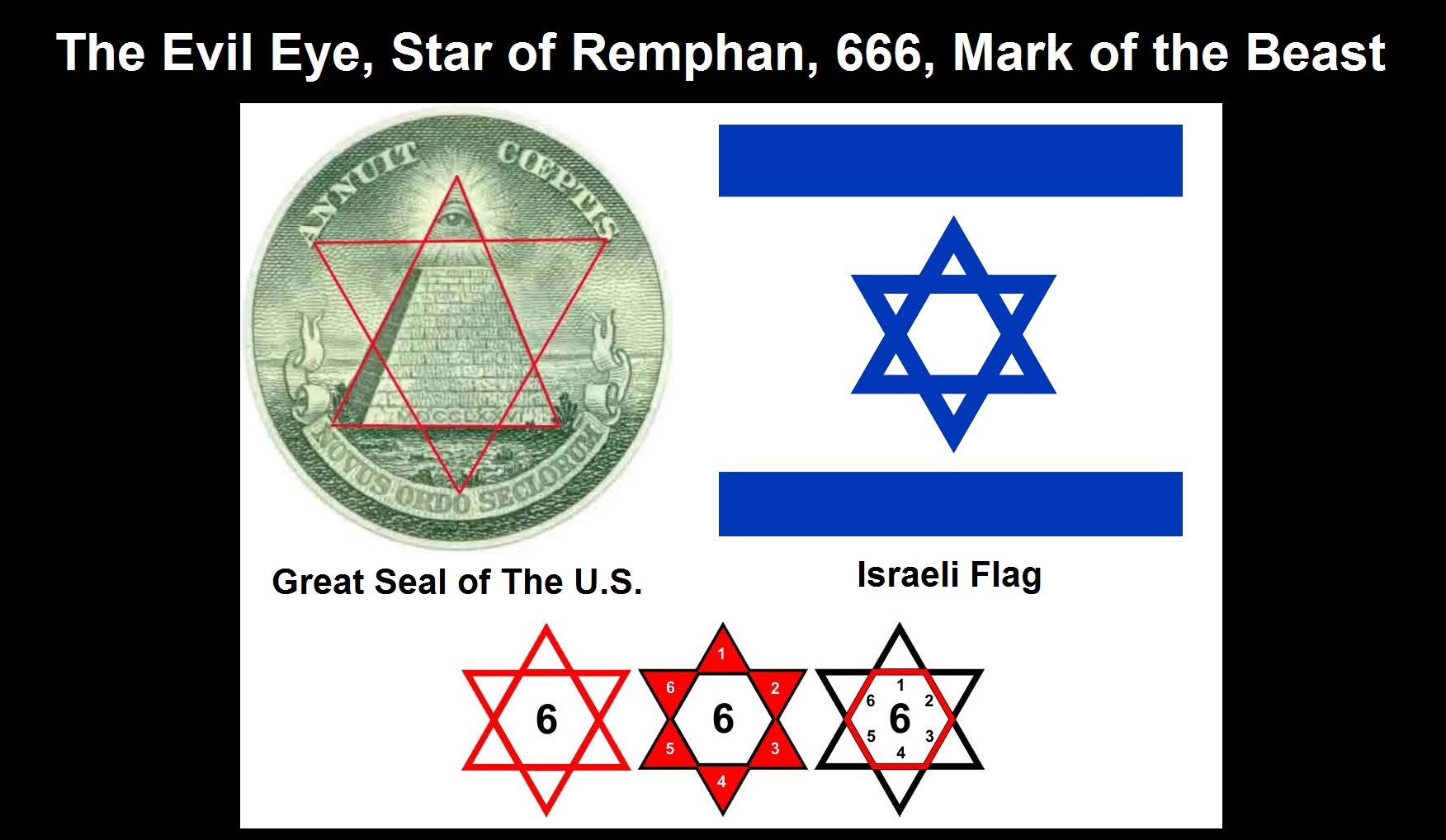
The Bewitching of America with the Evil Eye and the Mark of the Beast

Jesus Christ’s Opposition to the Jewish State: Lessons for Today

Identifying the Luciferian Globalists Implementing the New World Order – Who are the “Jews”?

The Seal and Mark of God is Far More Important than the “Mark of the Beast” – Are You Prepared for What’s Coming?

The Satanic Roots to Modern Medicine – The Image of the Beast?

Medicine: Idolatry in the Twenty First Century – 10-Year-Old Article More Relevant Today than the Day it was Written

Having problems receiving our emails? See:

How to Beat Internet Censorship and Create Your Own Newsfeed

We Are Now on Telegram. Video channels at Bitchute, and Odysee.

If our website is seized and shut down, find us on Telegram, as well as Bitchute and Odysee for further instructions about where to find us.

If you use the TOR Onion browser, here are the links and corresponding URLs to use in the TOR browser to find us on the Dark Web: Health Impact News, Vaccine Impact, Medical Kidnap, Created4Health, CoconutOil.com.

The post What is the Carnivore Diet and How Does it Reverse Diseases? first appeared on Health Impact News.

  •  

21 displaced people killed in Gaza building collapse

The lethal repercussions of Israel’s three-year genocidal aggression on Gaza continue to unfold. Aside from Israel’s ongoing military assaults after the nominal ceasefire deal, the humanitarian crisis inflicted by the genocide – affecting food, sanitation, medication, and shelter – has become another driver of persistent fatalities. 

At least 21 Palestinians, including 12 children, died in the collapse of the Al-Saadah building in Gaza City on Wednesday, September 16, while 45 people were rescued from under the rubble. 

According to media reports, the building, already damaged by Israeli airstrikes, was housing 100 displaced people, amid a deepening shelter crisis caused by Israel’s ongoing restrictions on reconstruction materials and humanitarian aid.

Read more: Israel escalates aggression in Gaza, Kushner returns to Washington empty-handed

Hamas holds Israel “responsible for the disaster”

Hamas issued a statement, holding Israel “responsible for this disaster,” and affirming that “the building collapse represents a new chapter in the catastrophic humanitarian repercussions of the war.”

The Palestinian movement pointed out that the massive home and neighborhood destruction has forced thousands of displaced people to take refuge in ruined structures. 

It further cautioned that the severe shortage in heavy machinery for clearing debris and conducting rescue operations endangers more lives. 

Hamas also urged mediators, the US administration, and relevant international bodies to take immediate action to lift restrictions blocking the entry of necessary rescue equipment and vehicles, and to secure safe shelter for the displaced population. 

Meanwhile, the Gaza-based Ministry of Public Works and Housing warned that roughly 3,000 buildings across the war-ravaged enclave are currently deemed dangerous or at risk of collapse, which in turn poses a significant threat to thousands of inhabitants.

  •  

Du Kosovo à la Crimée

Vingt ans après, la guerre du Kosovo continue de susciter des polémiques entre les grandes puissances, notamment la Russie et les États-Unis. Moscou invoque régulièrement l'intervention de l'Organisation du traité de l'Atlantique nord (OTAN) au printemps 1999 pour justifier les siennes, par exemple en Géorgie ou en Crimée. Dans un discours devant le Parlement, le 18 mars 2014, le président Vladimir Poutine affirmait ainsi : « Les autorités de Crimée se sont référées au précédent bien connu du Kosovo, un précédent que nos collègues occidentaux ont eux-mêmes créé dans une situation très semblable, quand ils ont convenu que la séparation unilatérale du Kosovo d'avec la Serbie — exactement ce que la Crimée est en train de faire en ce moment — était légitime et n'avait pas besoin d'une quelconque autorisation des autorités centrales du pays. »

Ce parallèle a fait l'objet d'une réfutation en règle par M. Barack Obama lui-même. Le président américain a justifié l'intervention de l'OTAN, qui n'a eu lieu « qu'après les violences et les meurtres systématiques subis par les populations du Kosovo. Le Kosovo n'a quitté la Serbie qu'au terme d'un référendum conforme au droit international, et dans le cadre d'une coopération scrupuleuse avec les Nations unies et les pays voisins du Kosovo » (Bruxelles, 26 mars 2014).

Cet échange pourrait susciter des débats juridiques sans fin, dans la mesure où le droit international consacre deux principes qui peuvent entrer en contradiction : l'intégrité des États et le droit des peuples à disposer d'eux-mêmes. C'est pourquoi les déclarations d'indépendance formulées par certaines composantes d'un pays (région, province), comme celle de la Catalogne en octobre 2017, suscitent des batailles judiciaires, mais aussi politiques : il s'agit d'obtenir que l'indépendance soit reconnue par un nombre d'États suffisamment important, en qualité et en quantité, pour rendre effectif le changement de statut du territoire concerné. C'est le problème rencontré aujourd'hui encore par le Kosovo, qui n'est pas reconnu par tous les membres de l'Union européenne.

Le statut des États étant la pierre angulaire de l'ordre international, les mouvements autonomistes font toujours l'objet d'une attention particulière de la part de leurs pays voisins et des instances internationales, compte tenu de leur potentiel perturbateur (tensions diplomatiques, conflit armé). Les référendums d'autodétermination, lorsqu'ils font suite à des interventions militaires extérieures, ne suffisent pas à lever les doutes sur la légitimité d'une partition. En outre, les conséquences des déclarations d'indépendance, dont le statut n'est pas réglé par le droit international, peuvent se révéler très graves. La reconnaissance unilatérale de l'indépendance de la Croatie et de la Slovénie par l'Allemagne, en décembre 1991, avait ainsi entraîné une réaction en chaîne meurtrière, contribuant au démantèlement désordonné de la Yougoslavie. Sans aller jusqu'à ce cas extrême, les pays membres des Nations unies seraient sans doute avisés de se concerter sur les grandes règles qui doivent gouverner les relations internationales en tenant compte de l'expérience acquise depuis 1990.

Sans cette concertation et la clarification des principes, le débat demeurera le simple jouet des rapports de forces et des appréciations plus ou moins subjectives des uns et des autres, comme l'illustre cette déclaration du ministre des affaires étrangères russe Sergueï Lavrov : « On nous répète sans cesse que “le Kosovo, c'était un cas à part, car des milliers de personnes ont péri là-bas”. Faut-il en conclure que, pour que les habitants de la Crimée obtiennent la reconnaissance de leur droit imprescriptible, il faut que coule autant de sang en Crimée qu'au Kosovo ? Pardonnez-moi, ce sont des parallèles et des analogies parfaitement impropres (1). » De son côté, M. Obama, qui s'était opposé en 2003, alors qu'il était sénateur, à l'agression américaine contre l'Irak, dont l'illégalité ne faisait aucun doute, estime finalement que les États-Unis ont « cherché à travailler dans le cadre du système international » (Bruxelles, 26 mars 2014). Ce qui est vrai, mais… après la guerre. La référence récurrente à l'intervention au Kosovo confirme qu'elle a fracturé un élément essentiel de l'ordre international : la confiance autour du tapis vert des négociations.

Voir en ligne : /2018/02/ROBERT/58363

(1) Le Courrier de Russie, Moscou, 16 avril 2014.

  •  

'Every voice matters' say campaigners

Campaigners have called for more effort to "defend democracy" and support a “free, democratic and sovereign Ukraine”.

The demand was made by the Defending Democracy Global Initiative (DDGI) and the Westminster Alliance for Ukraine (WA4U).

It was timed to coincide with the International Day of Democracy.

The Defending Democracy Global Initiative is a transnational, civil society-led platform founded in Skopje in 2024 by CIVIL – Center for Freedom, the New European People’s Forum and Media Dialogue.

It works to defend truth, freedom and democratic resilience against authoritarianism, disinformation and hybrid threats.

Its flagship programme, the Westminster Alliance for Ukraine, brings together parliamentarians and civil society partners to strengthen European cooperation in support of a free, democratic and sovereign Ukraine.

A spokesman told this site, “Democracy depends on people’s ability to speak freely, access reliable information, participate in decisions and hold those in power accountable.

“It requires independent media, active civil society, institutions that protect rights, and space for disagreement without intimidation. These conditions must be defended and strengthened every day.”

The spokesman went on: “Standing with Ukraine is a crucial part of that responsibility.

“Russia’s war of aggression threatens the lives and freedom of Ukrainians and the principle that people have the right to determine their own future. Supporting Ukraine’s sovereignty and democratic aspirations is essential to building a safer, more democratic Europe.”

The two groups seek to build on the commitments that brought DDGI into being in 2024, and on the work of its partners and co-founders in solidarity with Ukraine since Russia began its aggression in 2014.

DDGI and WA4U have now used the International Day of Democracy to call on democratic institutions, parliamentarians, civil society, journalists and citizens across Europe “to turn solidarity into sustained action.”

They demand that they support Ukraine, defend independent journalism, challenge disinformation, protect civic participation and "insist on accountable government".

The spokesman said: “Every voice matters – including those excluded from public debate, those facing threats for speaking out, and those whose communities are living through war.

“Meaningful participation requires that these voices are heard and taken into consideration.

“We invite everyone who shares these commitments to stay connected with our work, take part in future discussions and help strengthen cooperation across borders.”

  •  

Ukraine’s Winter of Pressure

This week, Mark Leonard is joined by Jana Kobzova, co-director of ECFR’s European Security programme, to discuss the mounting pressures facing Ukraine as it enters another wartime winter. Despite Ukraine’s success in disrupting Russian logistics and energy infrastructure, Russia has intensified its attacks on cities, energy networks and civilian targets, while Kyiv faces growing domestic political and economic strains.

Jana explains how shortages of air-defence interceptors, political infighting, corruption investigations and economic challenges are converging at a particularly difficult moment for Ukraine. She also examines Russia’s escalating hybrid attacks across Europe and how Europeans can strengthen their resilience—and Ukraine’s defences.

Together, Mark and Jana assess Ukraine’s ability to withstand these overlapping crises, the future of European support and the role Ukraine could play in Europe’s long-term security architecture. As Russia raises the pressure both on and off the battlefield, can Ukraine and its allies maintain the unity needed to hold the line?

This podcast episode was recorded on September 16th 2026.

Bookshelf
Motherland: A Feminist History of Modern Russia, from Revolution to Autocracy, by Julia Ioffe.

Source

💾

  •  

Then They Came for the Ostriches

J.B. MacKinnon files a remarkable dispatch from among the members of the so-called Ostrich Army, who convened last fall in British Columbia to protest the planned culling of 300 or so birds following an H5N1 outbreak. The plight of the birds and the various claims made in their defense—that their antibodies could yield a cure for bird flu or COVID-19, for instance—are intriguing enough on their own. But it’s MacKinnon’s study of the Ostrich Army itself that helps this story take flight (even if the subjects at its center cannot). As helicopters pass overhead and a suspected kill pen mysteriously catches fire, suspicion mounts among the troops, and interpretations diverge. A genuinely surprising portrait of a loose, wayward movement, delivered with peak dramatic tension.

This was the Ostrich Army way: every event called for interpretation, an attempt to see through to hidden endgames. “One thing with black magic,” one camper would later say to me, “is they tell you what they’re going to do before they do it.” And so, at first light, when firefighters had won the day and the smoke cleared to reveal the ostrich flock still standing, the sight didn’t lead to any reconsideration of the night’s theories of clandestine slaughter. The Army simply moved on, hoping to make better sense of the next move, or the one after that. The birds really could die this day.

  •  

Die Übersetzung eines einstündigen Interviews des russischen Außenministers zu allen Fragen der Weltpolitik

Da der Westen, also vor allem die Europäer, derzeit regelrecht nach Krieg lechzen und ihn mit allen Mitteln zu provozieren versuchen, während die deutschen Medien gleichzeitig über die Positionen und Argumente der russischen Regierung immer schamloser lügen oder sie verschweigen, finde ich es wichtig, ein aktuelles, einstündiges Interview des russischen Außenministers Lawrow komplett zu übersetzen, […]
  •  

The Leipzig Drone Attack: Is Europe Escalating the Threat It Cannot Contain?

The Leipzig drone episode shows how jumping the gun turns suspicion into a weapon: NATO intelligence found no Russian trace, yet Berlin keeps insisting otherwise — and the real question is no longer who is to blame, but why Germany needs this narrative at all. “In war, truth is the first casualty.” (Aeschylus) Imagine getting […]
  •  

Die Ukraine steht praktisch ohne Luftabwehr da

Zum Verständnis beginne ich diesen Artikel mit der Information, dass es verschiedene Arten vom Luftabwehr gegen verschiedene Angriffssysteme gibt. Wenn es in diesem Artikel also darum geht, dass der Ukraine Luftabwehr gegen ballistische Raketen fehlt, dann bedeutet das nicht, dass die Ukraine gar keine Luftabwehr mehr hat. Die Ukraine hat zum Beispiel recht gut gelernt, […]
  •  

Der Spiegel schreibt, die Ukraine testet erfolgreich Anti-Drohnensystem, Reuters meldet das Gegenteil

Am 16. September gab es ein selten gut belegtes Beispiel dafür, wie sehr der Spiegel seine Leser, nun ja, selektiv informiert, um es höflich zu formulieren. Am Abend zuvor hatte Reuters über ukrainische Tests von Abfangdrohnen berichtet, die im Sommer stattgefunden haben und nicht erfolgreich waren. Einen Tag später hat der Spiegel unter Berufung auf […]
  •  

Warum verschweigen deutsche Medien, dass Kiew von der EU weitere 27 Milliarden fordert?

Manchmal merke ich erst nach Tagen oder Wochen, was deutsche Medien alles verschweigen. In russischen und ukrainischen Medien ist es seit Wochen ein Thema, dass Selensky die EU gebeten hat, ein Defizit von 27 Milliarden Dollar (23 Milliarden Euro) im ukrainischen Verteidigungsministerium zu schließen. Kiew erklärt die Lücke damit, dass es Mittel, die eigentlich für […]
  •  
❌