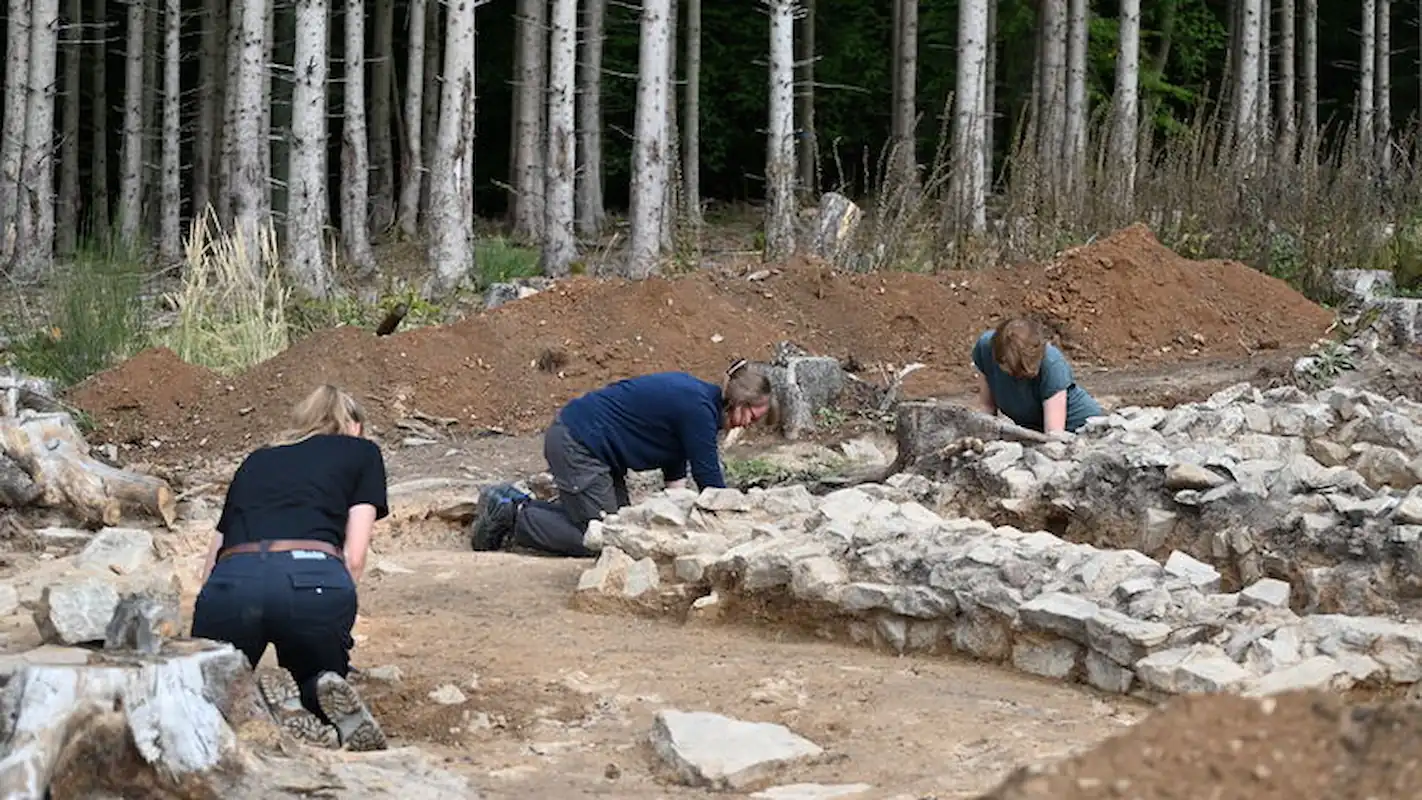
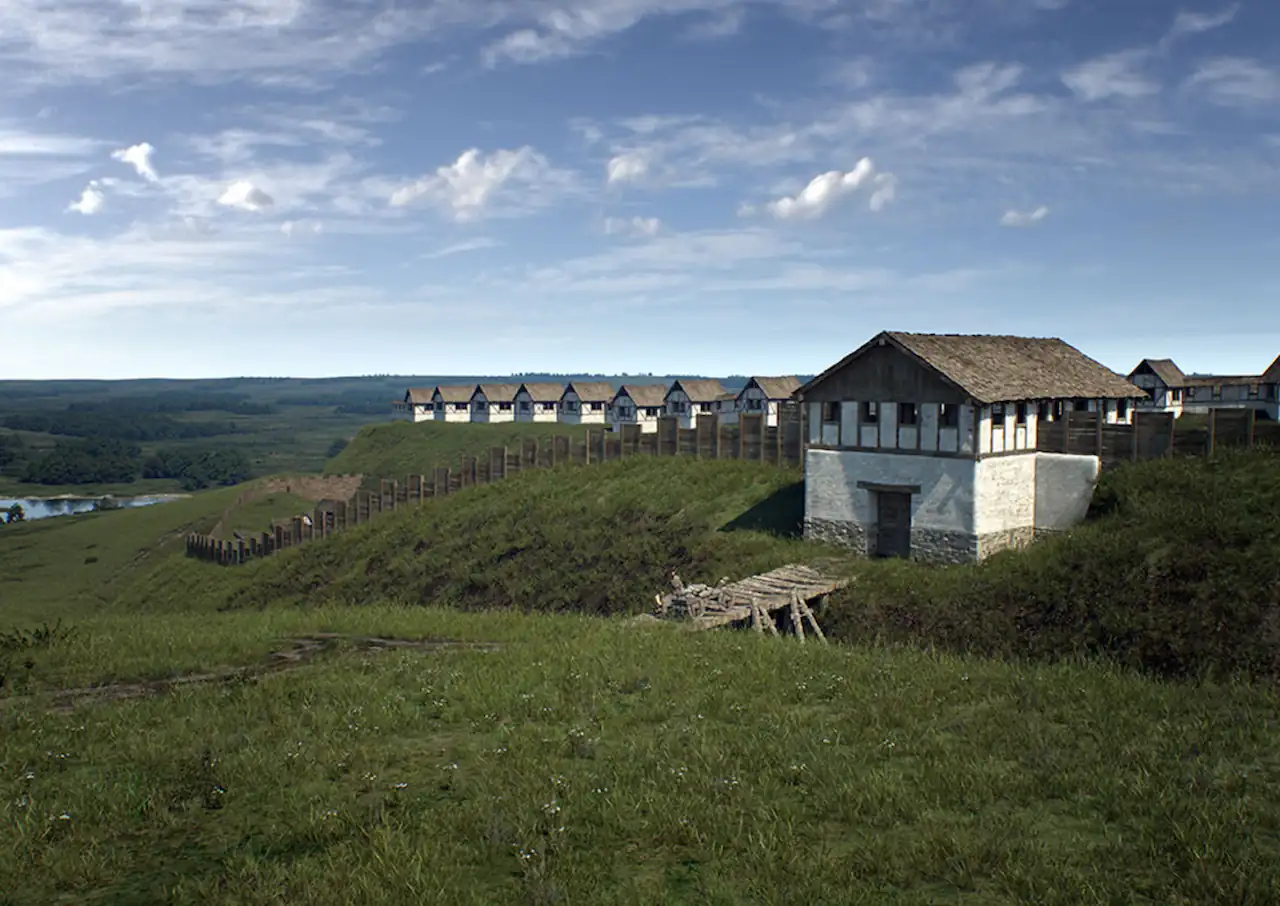
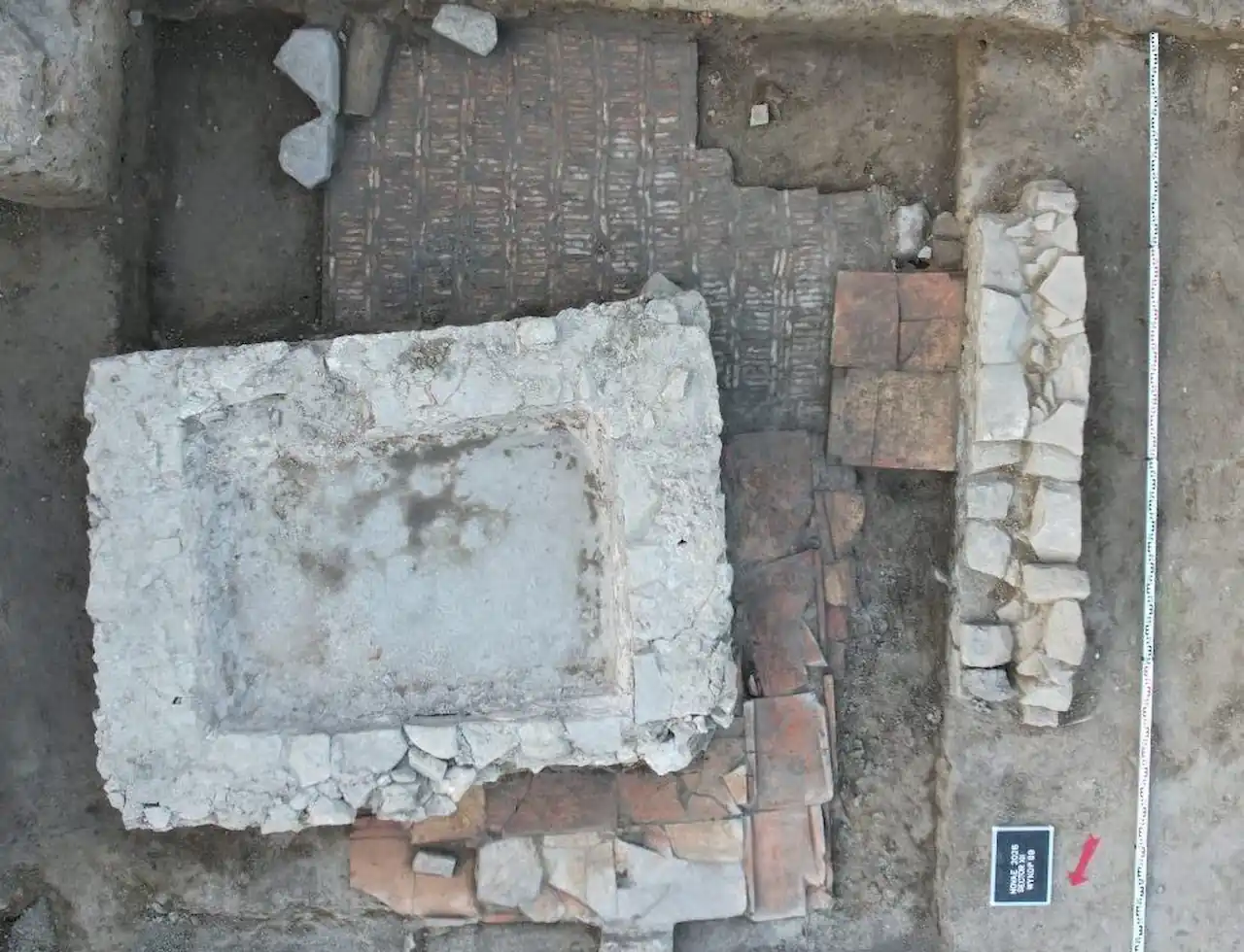
A pocos centímetros del suelo del bosque, en las estribaciones orientales del Taunus, queda una parte de la frontera romana que apenas se había mirado. El fuerte de la Kapersburg, cerca de Rosbach vor der Höhe (Hesse, Alemania), es uno de los mejor conservados del limes germano, pero la investigación se había centrado en la […]
Since Sunday, September 27, residents of Garvaghy Road in Portadown have prevented the Orange Order’s Drumcree march from passing through their community. Linking arms, locals and supporters warned that the parade could undo years of progress against sectarian violence in the north of Ireland.
More than 4,000 people signed petitions opposing the march, yet authorities formally allowed it to move ahead. First, the Parades Commission approved a limited procession. Then, the Court of Appeal lifted an injunction imposed by the High Court, paving the way for the march attempt on Sunday.
Negotiations to end the stand-off continued Thursday evening. According to local media, an earlier proposal suggested residents would accept the Orange Order’s legal right to walk down the road in return for the Order choosing not to march. The organization rejected the deal, insisting on passing through the neighborhood.
Stand-offs at Drumcree previously used to launch loyalist attacks
Recent events carry particular weight because of Drumcree’s history. During the Troubles, loyalist stand-offs in the area became a notable flash point of violence, with effects rippling out beyond Portadown. Following the Good Friday Agreement, the march had been rerouted for almost 30 years.
“The Orange Order organized stand-offs at Drumcree (particularly in 1995, 1996, 1997 and 1998) were regularly used by unionist death squads as a rallying cry and pretext to launch attacks, block roads, and intimidate Catholic families,” Garvaghy Road Residents Coalition spokesperson Breandán Mac Cionnaith wrote in August. “At least ten murders were carried out in Portadown and other areas during this period by those same death squads.”
Speaking to the People Before Profit party, Mac Cionnaith emphasized that the march had been rerouted because of the devastation it unleashed. “I always make a point that people need to remember that between 1996 and 1999, 21 people lost their lives across the north because of killings and murders carried out by loyalists acting in support of Drumcree,” he said. “Several of those victims were our neighbors, they were our friends, they lived in this community.”
Past decades gave the Garvaghy Road community a chance to rebuild, yet the memory of the violence was passed on through generations. “My family moved to England to escape the viciously sectarian climate around the marches,” one resident said. “My aunt went to school with Robert Hamill, a young man kicked to death by loyalists in the midst of the marches.”
“For 28 years, the Garvaghy Road community has lived in peace,” wrote Chris Hazzard of Sinn Féin. “That peace didn’t need a solution – it needed protection. Forcing an unwanted, sectarian march through this area defies all logic.”
“Why did the Orange Order want to march down a Catholic community?”, asked Sinn Féin’s Vice President and First Minister of Northern Ireland Michelle O’Neill. “It’s about supremacy, it’s about domination, it’s about ‘we’re in charge,’ and this community deserve better than that.”
“There is no going back, we’re not going back to the days of the past. What I want is to build upon the progress that’s been made over the last 28 years. What I want to do is actually ensure that we continue to let this community to flourish. Right now, what this community is being told by the Orange Order and political unionism is that they’re second class citizens and that their rights can be railroaded over.”
Solidarity messages from as far as Palestine
Progressive organizations, parties, musicians and artists across Ireland have voiced support for Garvaghy Road, many joining protesters in Portadown to warn against the standoff’s possible ripple effects. “The Garvaghy Road community is still living with the legacy of traumatic street conflict and state violence stretching back decades,” the Irish Republican Socialist Party wrote. “This latest attempt by the Orange order is merely a continuation of that conflict.”
Messages of solidarity arrived from as far as Palestine, where a Gazan teenager wrote in support of Garvaghy Road residents. “I know what it feels like when basic peace and dignity are stripped away, and how painful it is to fight for safety in your own home,” she emphasized. “The residents of Garvaghy Road deserve to live in peace without fear or intimidation, just as every family in Gaza does.”
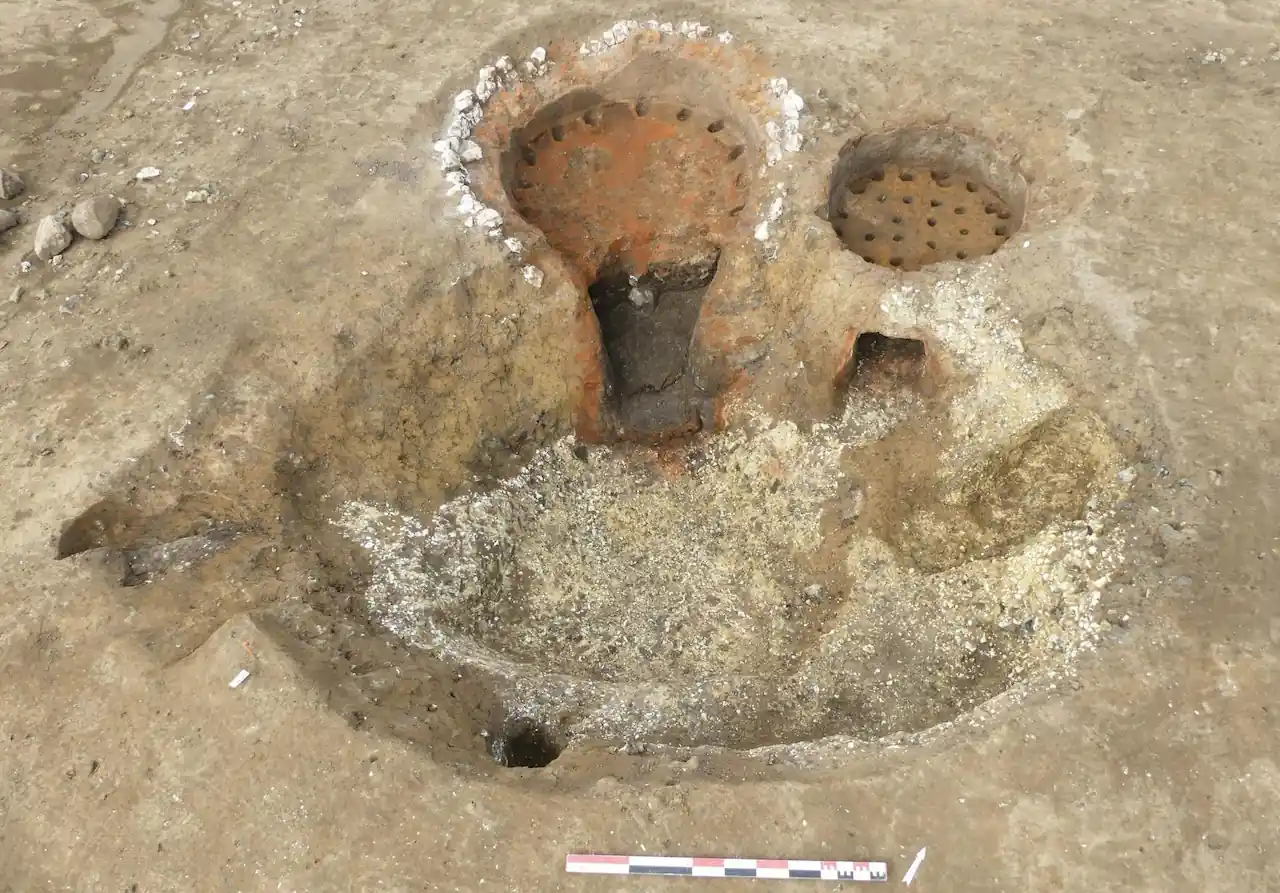
Cuando se abre una zanja para un canal de 106 kilómetros, lo normal es encontrarse con restos sueltos, un tramo de camino o una granja aislada. En Sermaize, un pueblo de la región francesa de Hauts-de-France, los arqueólogos del Instituto Nacional de Investigaciones Arqueológicas Preventivas (Inrap) se han topado con algo bastante menos habitual, un […]
A heavy rainstorm has been sweeping across the island of Crete on Thursday with tons of water flooding homes, businesses and agricultural land, damaging roads and bridges, causing the life of one person and putting at risk the lives of thousands. Most affected are the regions of Heraklion, Lasithi and Rethymnon. Thye bad weather is […]
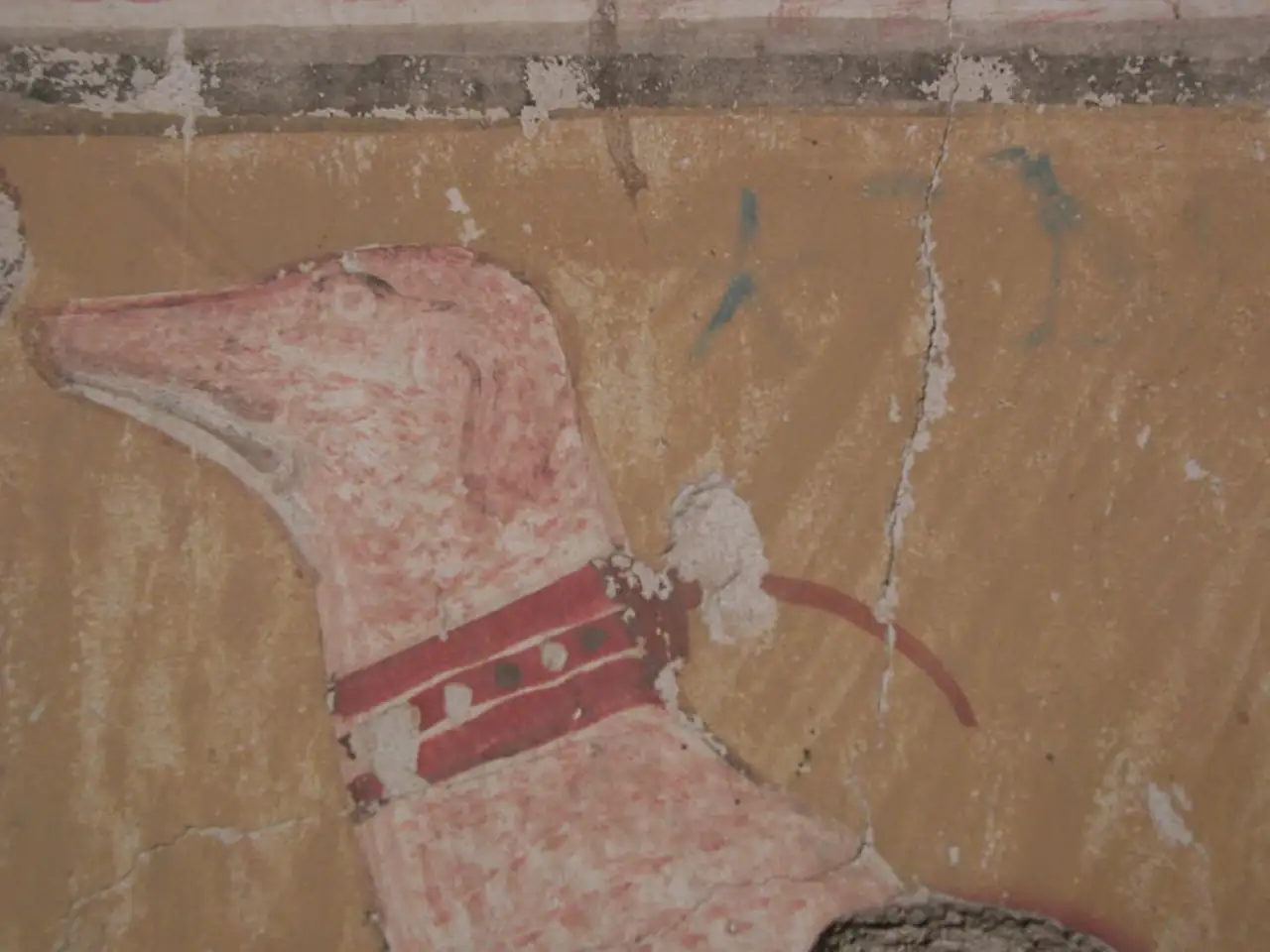
Entre todos los animales que aparecen en las tumbas y en el arte del Antiguo Egipto, muy pocos llevan nombre propio, y casi todos los que lo llevan son perros. También hubo caballos con nombre, aunque se conservan muchos menos. De los gatos, tan ligados hoy a la imagen de Egipto, la bibliografía solo maneja […]
Russland hat die NATO davor gewarnt, die Lage um die russische Exklave Kaliningrad weiter zu eskalieren. Für diese Warnung gibt es handfeste Gründe, das Publikum der deutschen Mainstream-Medien jedoch nicht kennt. Entsprechend leicht war es für den Spiegel, die russische Warnung in ein vollkommen falsches Licht zu stellen. Schauen wir uns daher zunächst den Grund […]
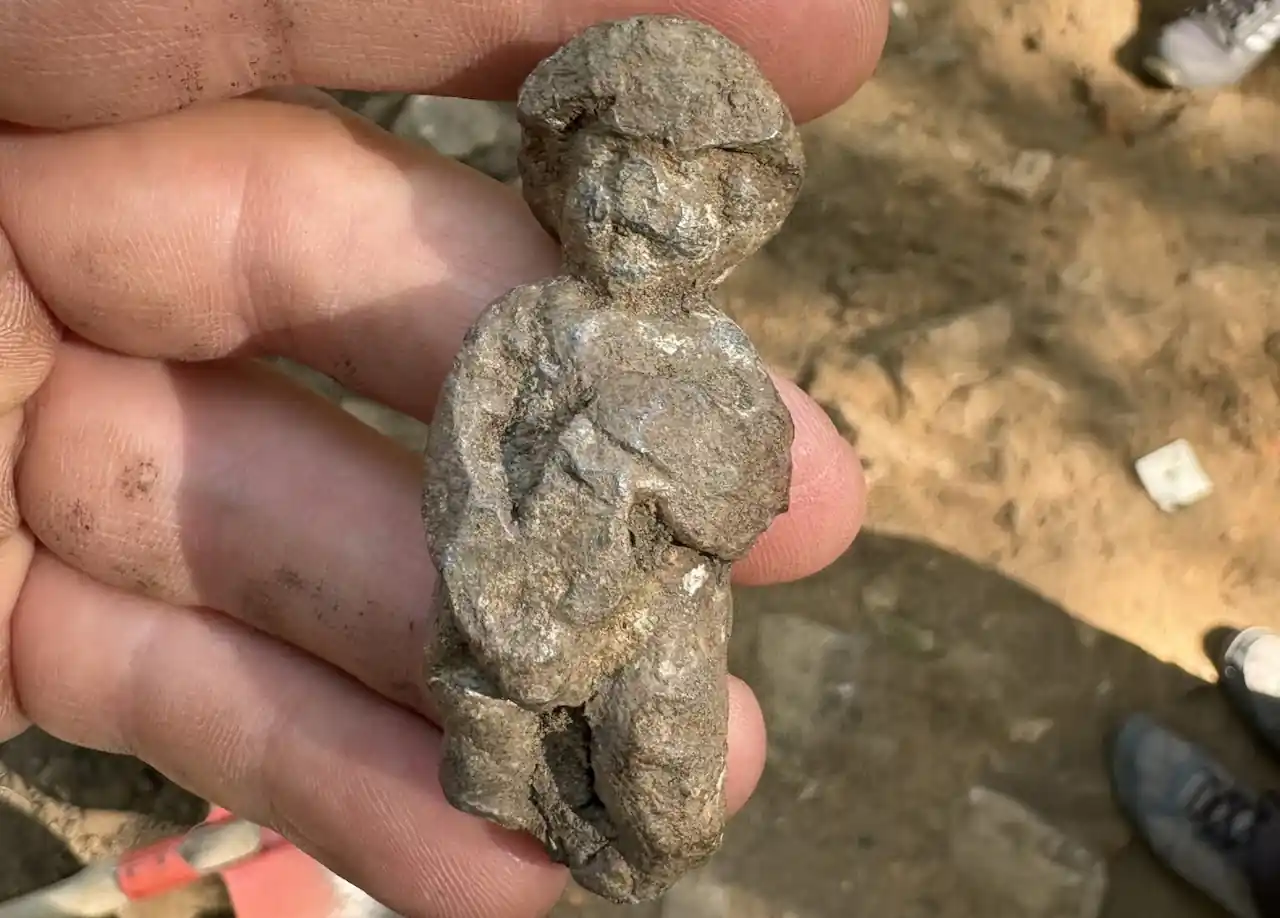
Un detector de metales ha sacado a la luz una pequeña estatuilla de plomo de Venus Púdica en un bosque de los montes de Buda, al noroeste de Budapest. Es la primera pieza de carácter religioso que se documenta en la aldea romana de Pilisszentiván–Hárs erdő, un asentamiento rural de la provincia de Panonia que […]
The US-Israeli war on Iran has exposed a widening gap between Washington’s promises to protect its allies and its ability to sustain that protection, with expensive missile interceptors being consumed faster than American manufacturers can replace them, The Atlantic reported.
In an investigation titled “The THAAD Delusion,” Christopher Leonard argues that the Terminal High Altitude Area Defense system became a cornerstone of US security arrangements in the Middle East despite being developed for a more limited battlefield role.
Iran’s ability to maintain missile attacks has challenged the assumption underpinning that role: that American forces would survive an opening barrage, then rapidly destroy the launchers responsible.
Instead, a prolonged conflict has placed mounting pressure on interceptor supplies, exposing weaknesses in US military planning, weapons procurement, and industrial capacity.
A missile shield built around a short war
According to the report, THAAD was originally intended to protect critical military deployments during the initial phase of a conflict, allowing US aircraft and naval forces time to respond.
Washington subsequently promoted the system as a central component of broader missile shields for regional allies, including the United Arab Emirates and Saudi Arabia.
The distinction has become consequential during the war on Iran. While THAAD has intercepted ballistic missiles effectively, Leonard writes that Washington neither accumulated enough interceptors for sustained operations nor established the manufacturing capacity needed to replace them quickly.
US interceptor stocks depleted by sustained warfare
Drawing on estimates from the Center for Strategic and International Studies, the report says US forces used more than 150 THAAD interceptors during the 12-day war in 2025 and another 190 to 290 during “Operation Epic Fury.”
CSIS estimated that approximately 250 interceptors remained in the US stockpile. The report notes that additional deliveries could affect those calculations, while Washington has not disclosed its remaining inventories.
The depletion extends beyond THAAD. The investigation also described heavy consumption of Patriot interceptors and offensive weapons, including Tomahawk and JASSM missiles, placing pressure on multiple parts of the US arsenal.
The investigation identifies Iran’s combination of ballistic missiles and comparatively inexpensive drones as a major challenge to American defensive planning.
THAAD interceptors cost about $12 million each, according to the report. Repeated Iranian missile launches therefore impose substantial financial and logistical costs even when interceptions succeed.
At the same time, Shahed drones, which the article puts at $20,000 to $50,000 apiece, require separate defenses because THAAD cannot intercept them.
This combination forces defending militaries to confront different threats simultaneously while managing limited ammunition. The report describes regional forces using helicopters and costly air-to-air missiles against drones as pressure on their defenses increased.
Leonard’s central argument is that interception accuracy alone cannot deliver the lasting security Washington offered its partners when the attacker can sustain successive waves.
Industrial weaknesses slow replenishment
The article traces the shortage to years of budget decisions that favored major weapons platforms over ammunition reserves, alongside a concentrated defense industry dependent on vulnerable networks of specialized suppliers.
THAAD missiles require intricate assembly and components sourced from hundreds of companies. Expanding production involves increasing capacity throughout that network, rather than simply adding workers at a final assembly plant.
Pentagon assessments cited in the report found that substantial increases in production for several missile systems could require billions of dollars and take years.
The investigation also scrutinizes defense contractors’ spending priorities. Lockheed Martin distributed $6.8 billion through dividends and share buybacks in 2024, while RTX returned $3.7 billion to shareholders, even as industry representatives argued that factory expansion required advance funding or long-term government contracts.
Washington’s protection promises face scrutiny
The implications reach beyond ammunition shortages. US weapons sales helped bind allied militaries to Washington through shared equipment and reliance on American supplies, the report notes.
However, delayed deliveries and competing wartime demands have prompted some partners to seek alternatives, raising questions about the reliability of those arrangements.
Stephen Wertheim, a senior fellow at the Carnegie Endowment for International Peace, told The Atlantic that the consequences could reshape Washington’s regional position.
“We could be moving away from a Middle East that can be fairly described as being an American-dominated region,” he said.
La antigua ciudad de Heuneburg se levanta sobre un espolón del alto Danubio, cerca de Herbertingen, en el distrito de Sigmaringen (Baden-Wurtemberg, Alemania). Su meseta fortificada ocupa unas tres hectáreas, pero las excavaciones de las últimas décadas han mostrado que en la primera mitad del siglo VI a.C. el conjunto, con su ciudad baja y […]
Son varios los nombres de monarcas persas que nos resultan más o menos familiares: Ciro, Darío, Cambises, Jerjes, Artajerjes, Cosroes… Con sus respectivos ordinales, corresponden a dinastías y épocas diversas, pero todos tienen en común una cosa: el género masculino. Y es que, a lo largo de la Historia, únicamente tres mujeres se sentaron en […]
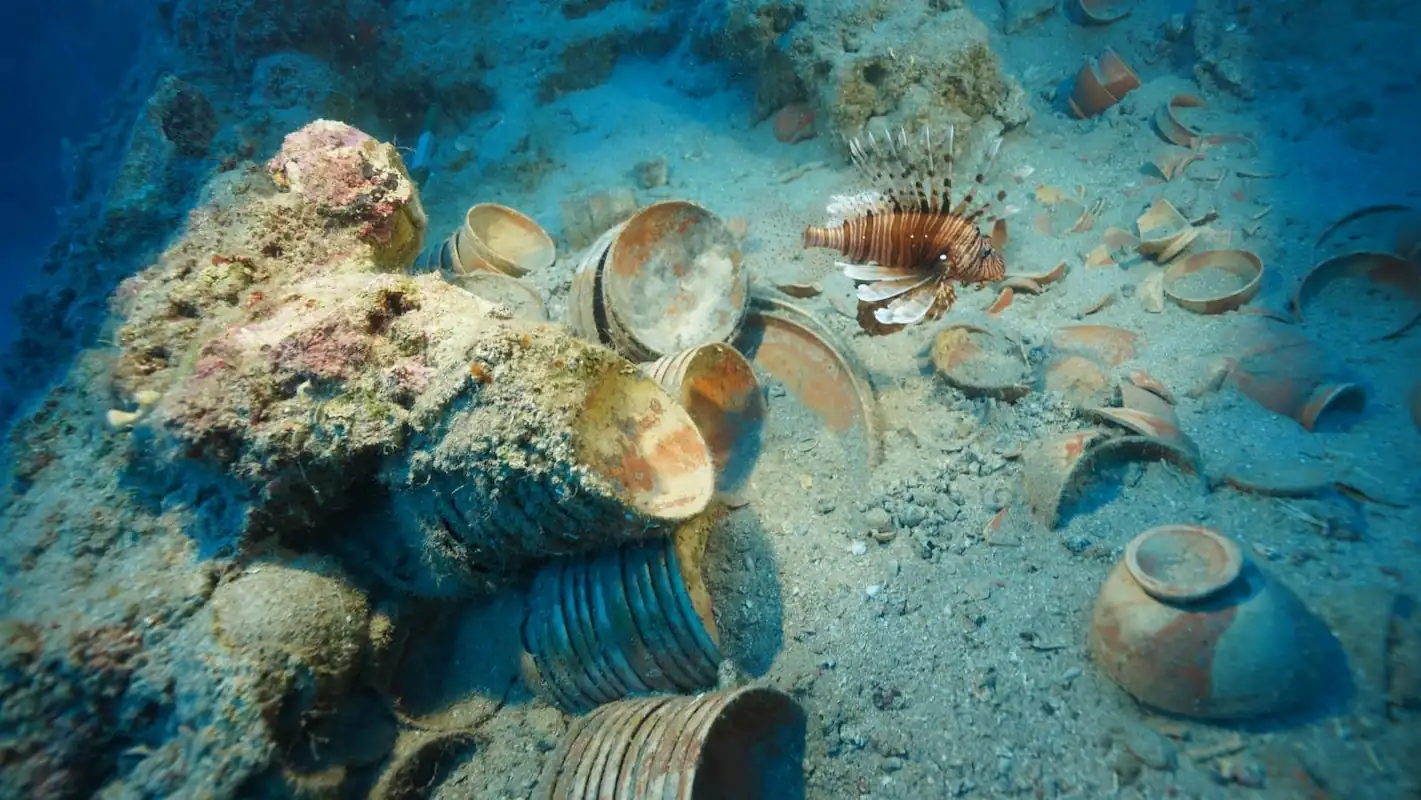
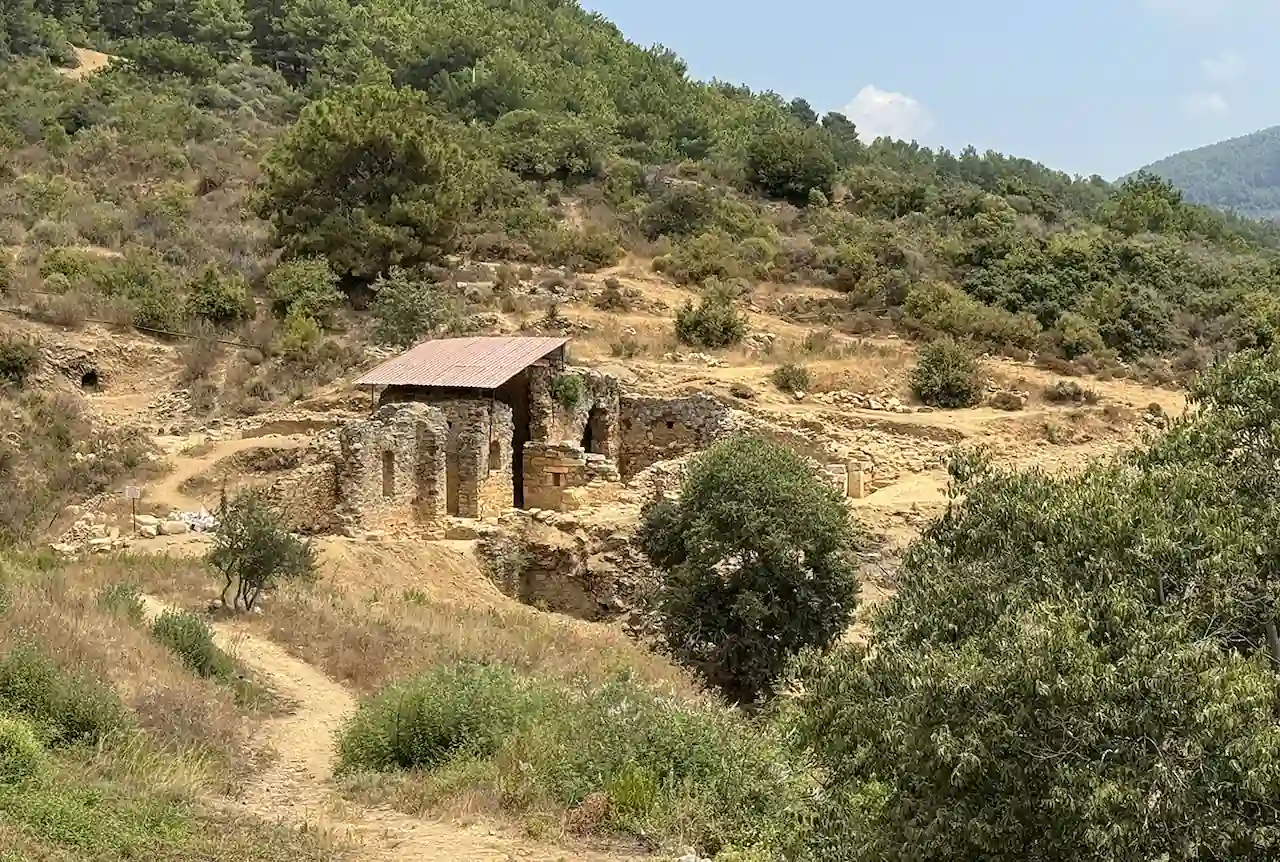
El ministro de Cultura y Turismo de Turquía, Mehmet Nuri Ersoy, anunció en X el 28 de septiembre de 2026 el hallazgo de vajillas de 2.100 años en el pecio de Adrasan. Se trata de un barco mercante hundido junto a la costa de Antalya, cargado sobre todo de platos, cuencos y bandejas, del que […]
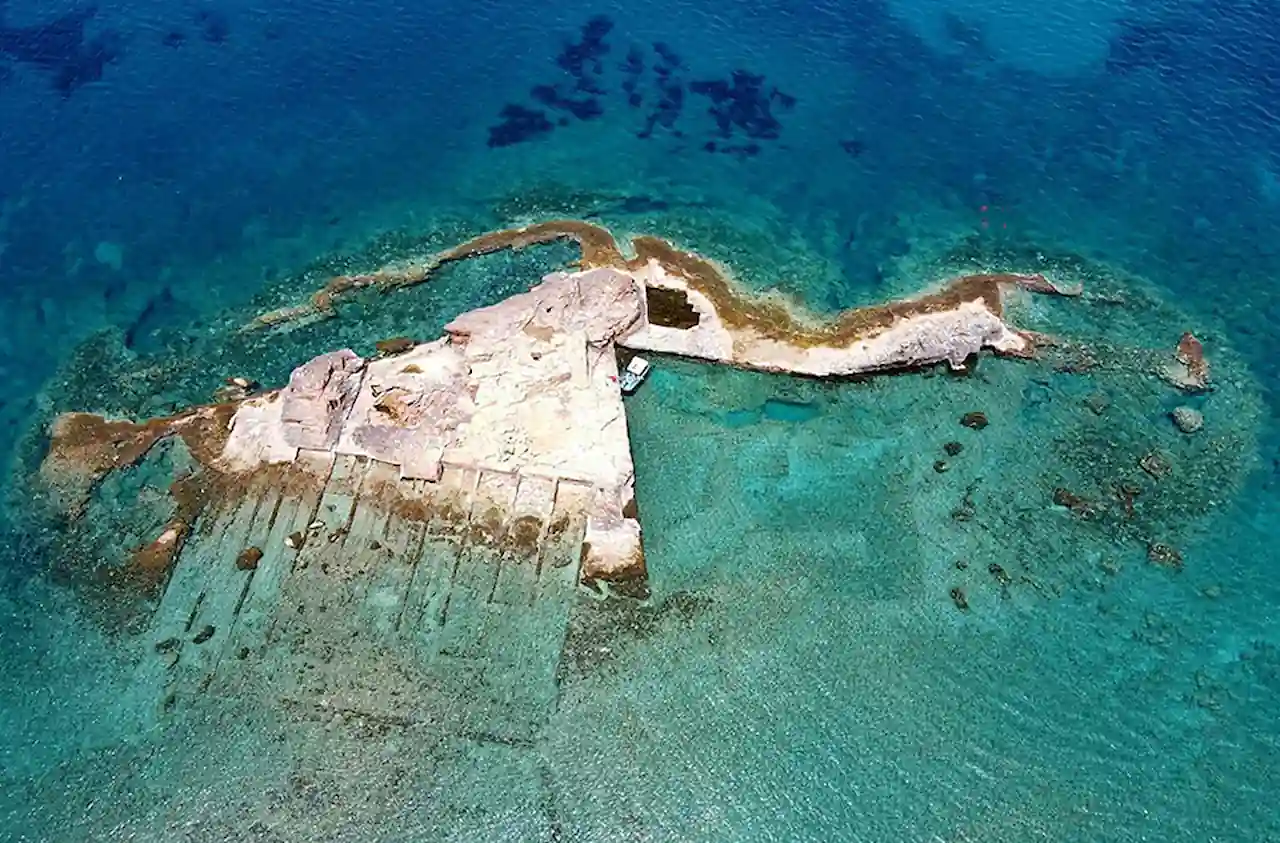
Apollonia, en la costa oriental de Libia, fue durante más de 1.200 años el puerto y la base naval de Cirene, una de las ciudades griegas más prósperas del Mediterráneo antiguo. Un nuevo artículo científico, firmado por Nic Flemming, Julia Nikolaus, Saad Mohammed Boyadem y Ahmad Ernage, reconstruye cómo era la costa antes de la […]
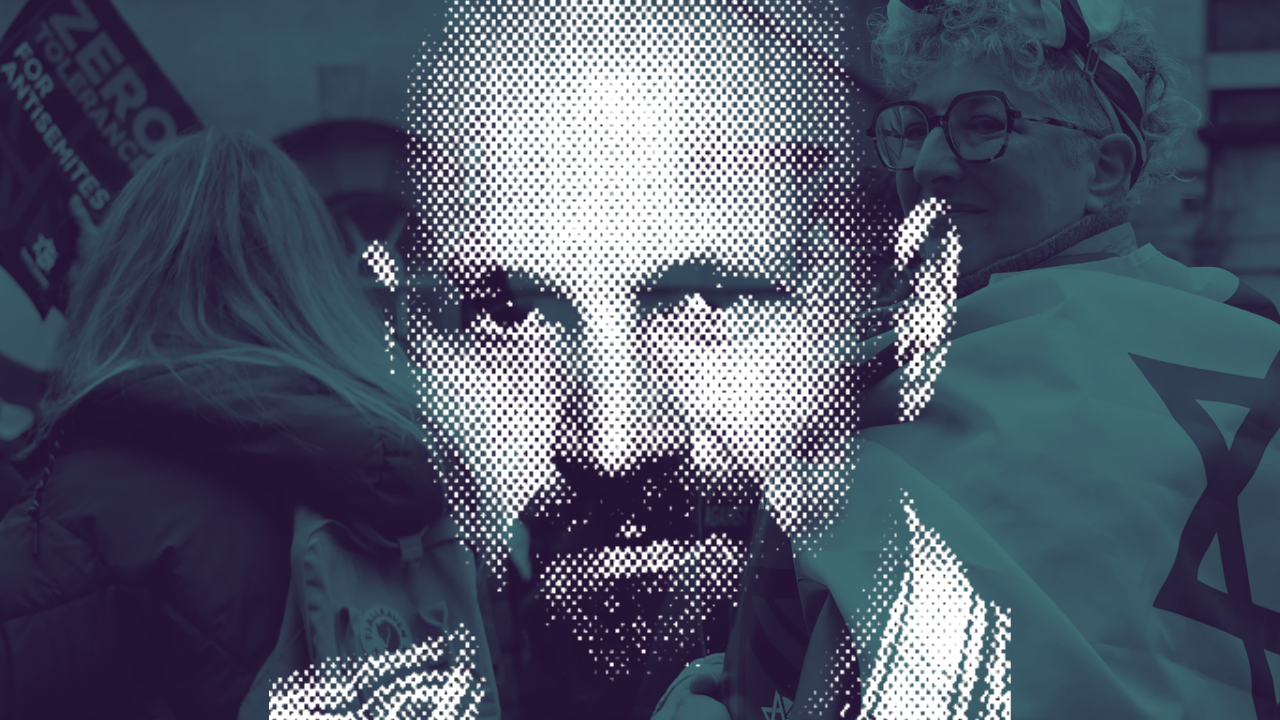
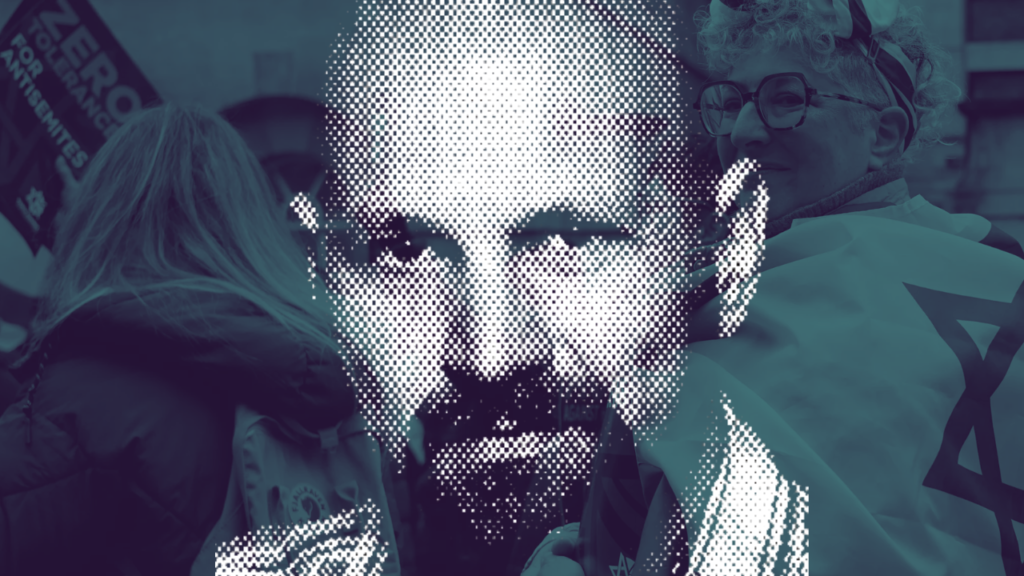
Guy Katz, a German professor, is a leading figure in German politics on the subject of Israel and anti-Semitism. It is almost never disclosed in the widespread coverage and amplification he receives in German and international media that he is a former Mossad spy
En una fortaleza legionaria romana casi nadie tenía baño propio. Había termas para toda la legión y, en la práctica, solo el legado, el jefe supremo del cuerpo, podía permitirse unas privadas de cierto tamaño. Lo explica el arqueólogo Piotr Dyczek, y viene a cuento porque su equipo acaba de sacar a la luz en […]
El hallazgo se ha producido en Qesarat, una pequeña población de la Albania meridional, en la zona de Tepelenë, muy cerca del Parque Nacional del Río Salvaje Vjosa —el primer espacio protegido de Europa dedicado a un río que corre libre, sin una sola presa, desde las montañas griegas del Pindo hasta el mar Adriático—. […]
Cuando los arqueólogos abrieron aquel túmulo cerca del mar de Azov esperaban encontrar, sobre todo, tumbas de la Edad del Bronce. Y las encontraron, treinta y una en total. Pero entre ellas apareció algo que no cuadraba con el resto: un hombre de entre 25 y 35 años, tendido boca arriba con los brazos estirados […]
Un equipo de investigadores ha publicado el hallazgo de una instalación de procesamiento agrícola construida dentro del llamado Baño Pequeño de Antioquía del Crago (Antioquia ad Cragum), en la región histórica de Cilicia Áspera, en la actual Turquía. El estudio, firmado por Emlyn Dodd (Universidad de Adelaida), Leticia R. Rodriguez (Universidad de Houston) y otros […]
El Ministerio de Turismo y Antigüedades egipcio ha anunciado el hallazgo de una tumba de época romana con una arquitectura que, según el propio Consejo Supremo de Antigüedades, no tiene paralelo exacto en el resto de la necrópolis donde apareció. Se encuentra en Bir El-Shaghala, un yacimiento del oasis de Dajla, a unos 750 kilómetros […]
En los años setenta, el pequeño núcleo de Stein, en la Baja Austria, estuvo a punto de convertirse en el emplazamiento de la segunda central nuclear del país. El proyecto se abandonó y el lugar quedó como una franja más de tierra de labor junto al Danubio. Medio siglo después, esos mismos campos han revelado […]
Why is Pakistan’s military so afraid of Imran Khan? With Islamabad on lockdown and 35,000 additional troops deployed to stop the September 27 march in support of the imprisoned ex-prime minister. Junaid S. Ahmad, professor of religion and world politics and director of the Center for Study of Islam and Decoloniality, tells Rania Khalek and Zoe Alexandra the 2022 US-backed regime-change operation meant to neutralize the country’s most popular politician instead gave rise to a movement bigger than Khan himself: a new opposition coalition, TTAP, including the left-wing Awami Workers Party, as Khan’s PTI party has shattered the army’s legitimacy in Punjab.
Ahmad says Pakistan, under military rule in all but name, has become “nothing less than a police state.” Its only legitimacy, he says, comes from Washington and Rawalpindi, the home of the army’s headquarters. And with past demonstrations ending in massacres and the Shehbaz Sharif-Asim Munir regime telling hospitals to prepare for a “mass-casualty event,” Ahmad explains why this Sunday’s march has gone global, with solidarity protests planned from Washington to London to Kuala Lumpur, and why Khan refuses to call it off, even as his sisters and wife are jailed.

 Login