Em sessão solene do Congresso Nacional, foi promulgada nesta sexta-feira (16) a Emenda Constitucional nº 141 de 2026, que põe fim à escala de seis dias de trabalho e apenas um de descanso (6x1) e prevê a escala 5x2, com duas folgas por semana. Com isso, a partir de 15 de dezembro de 2026, a nova jornada entra em vigor em todo país, considerando o período de transição de 60 dias estabelecido na lei.
A emenda também incluiu uma redução gradual da jornada de trabalho das atuais 44 horas para 40 horas semanais, sem redução salarial, dentro de um período de transição de 14 meses. Após 60 dias, a redução já deverá ser de duas horas semanais. Confira os prazos:
escala de 5 dias de trabalho com 2 dias de descanso (após 60 dias);
redução da jornada de 44 horas para 42 horas semanais (após 60 dias);
jornada de 42 horas para 40 horas semanais, mantida a escala 5x2 (em 14 meses).
No intervalo entre o segundo e o 14º mês após a promulgação, o empregador deverá distribuir, ao longo da semana, as duas horas acima das oito normais de serviço. Se repartidas igualmente, o empregado terá que trabalhar 8 horas e 24 minutos nos cinco dias na semana.
Finalizada a fase de transição, todos os empregados devem trabalhar, no máximo, oito horas diárias e 40 horas semanais em cinco dias na semana. Para trabalhar mais horas, apenas mediante pagamento de hora-extra.
Compensação
O texto permite, excepcionalmente, e mediante convenção ou acordo coletivo de trabalho, que seja estabelecido regime compensatório que permita escala diferente da 5x2.
Nesses casos, os trabalhadores precisam ser compensados no mesmo “mês-calendário”, garantindo “o gozo de pelo menos um dos dias dentro do período máximo de uma semana de trabalho”.
Ou seja, um trabalhador pode fazer ainda a escala 6x1, desde que prevista em acordo coletivo. Nesse caso, o dia trabalhado a mais terá que ser compensado com uma folga dentro do mesmo mês.
Ao final desse mês, ele terá que ter gozado, na média, o equivalente a duas folgas remuneradas por semana.
Terceirizados da administração pública
A regra de transição para os trabalhadores terceirizados do poder público é diferente, sob o argumento de “evitar riscos de descontinuidade na prestação de serviços públicos essenciais executados mediante terceirização”.
As empresas que prestam serviços para o Estado terão prazo de 12 meses após a promulgação da emenda, e não 60 dias como as demais, para acabar com a escala 6x1 dos empregados.
Salários acima de 21 mil
A legislação ainda que a redução da jornada diária não se aplicará aos empregados com diploma de nível superior com remuneração mensal igual ou superior a 2,5 vezes o limite máximo dos benefícios do INSS. Atualmente, essa conta dá R$ 21.188,87.
Nesses casos, a redução da jornada só ocorrerá por liberalidade do empregador (quando é concedido sem obrigação legal) ou se estiver prevista em acordo ou convenção coletiva de trabalho. O texto, contudo, determina a realização da escala 5x2 nestes casos.
Dopo una giornata di stallo e scontri, nella notte i Ventisette leader della Ue hanno trovato un compromesso sul sistema europeo di scambio delle quote di emissione (Ets), ma senza accogliere la richiesta di rinviare il nuovo mercato del carbonio per edifici e trasporti. Nelle conclusioni del Consiglio europeo entra, su pressione dell’Italia e dei Paesi del gruppo Visegrad, l’invito alla Commissione a rivalutare tutti gli impatti dell’Ets2, con particolare attenzione alla struttura del sistema e alle misure di salvaguardia. Un risultato politico per Giorgia Meloni, che però non cambia la tabella di marcia: l’allargamento del meccanismo a case e trasporti resta previsto dal 2028. La partita, del resto, va oltre il mercato delle emissioni. Al centro c’è il conflitto tra la richiesta di alleggerire i costi della transizione per famiglie e imprese e la difesa di una politica climatica che una parte dei governi considera indispensabile anche per ridurre la dipendenza europea dai combustibili fossili.
La mediazione raggiunta nella notte mostra tutti i limiti della strategia italiana. Roma ha fatto asse con i Paesi del gruppo Visegrad per chiedere correttivi al sistema, ma non ha trovato una sponda sufficiente per ottenere il rinvio dell’Ets2 che farà pagare un prezzo alle emissioni di anidride carbonica generate dai combustibili utilizzati per riscaldare gli edifici e alimentare i trasporti. Il nuovo sistema dovrebbe partire nel 2028.
Il testo delle conclusioni chiede un mercato del carbonio più trasparente e prevedibile, una riduzione della volatilità dei prezzi e misure per attenuare le ricadute sulle bollette elettriche. Ma ribadisce anche il ruolo dell’Ets nella transizione energetica e climatica, attraverso un prezzo delle emissioni capace di orientare investimenti e innovazione. La revisione, dunque, non mette in discussione il principio del sistema, ma apre alla possibilità di intervenire sul suo funzionamento. “Il Consiglio europeo invita la Commissione Ue ad aggiornare la valutazione di tutti gli impatti dell’Ets2, in particolare per quanto riguarda la sua struttura e le sue misure di salvaguardia”, si legge. Il testo “ribadisce la necessità di garantire con urgenza un mercato del carbonio ben funzionante, trasparente e prevedibile, di ridurre la volatilità del prezzo del carbonio e di mitigarne l’impatto sui prezzi dell’energia elettrica, preservando al contempo il ruolo essenziale dell’Ets”.
La richiesta italiana di correggere gli effetti delle politiche climatiche si scontra con i governi nordici, contrari a indebolire la transizione, e con la posizione di Commissione, Germania e Francia. Proprio Berlino e Parigi stanno cercando una convergenza sul futuro dell’industria automobilistica europea, un dossier destinato a pesare sulle prossime decisioni comunitarie. Per Meloni, la strada potrebbe essere quella di chiedere deroghe temporanee nazionali, sul modello dell’eccezione concessa nel 2023 a Spagna e Portogallo per contenere il prezzo dell’elettricità. Ma per ora è un’ipotesi, non un risultato del Consiglio.
Meloni ha portato al vertice anche il tema della flessibilità delle regole fiscali di fronte al caro energia, chiedendo di considerare l’aumento dei prezzi come un fattore esterno determinante. Su questo punto, il sostegno è stato limitato: soltanto la Grecia si è schierata apertamente con Roma. La presidente della Commissione Ursula von der Leyen ha ribadito la necessità di prudenza sui conti pubblici, indicando nella possibile proroga del regime degli aiuti di Stato per la crisi energetica una delle poche leve disponibili nel brevissimo periodo.
“Wake up, Link!” High in his treehouse, a pointy-eared boy named Link is roused by the call of a fairy. He is the only resident of the Kokiri Forest without a winged companion, until Navi bursts into his dreams to tell him that his destiny lies far beyond that sheltered corner of the woods. Thus begins a journey that will lead him to a princess, pit him against a threat determined to plunge the kingdom of Hyrule into darkness and, seven years later, task him with saving a world that has fallen into the clutches of evil.
Os fãs de “Avenida Brasil” tiveram uma prévia do que vem por aí na continuação da novela. Parte do elenco da nova produção se reuniu publicamente pela primeira vez na quarta-feira (14), durante o Upfront Globo 2027, realizado em São Paulo, evento em que a emissora apresentou novidades sobre seus próximos projetos.
Entre os artistas que marcaram presença estavam Adriana Esteves, Murilo Benício, Débora Falabella, Cauã Reymond, Eliane Giardini, Marcos Caruso, Leticia Isnard, Thalita Carauta, Karol Lannes, Thomas Aquino, Jessica Ellen e Mel Maia.
A sequência contará novamente com personagens que conquistaram o público em 2012. Adriana Esteves voltará como Carminha, Débora Falabella interpretará Nina, Murilo Benício retomará o papel de Tufão e Cauã Reymond estará de volta como Jorginho. A trama também apresentará novos personagens e conflitos.
Durante o evento, Adriana brincou sobre os desafios de reviver a vilã que marcou sua carreira. “Estou preocupada com meus picos de pressão, porque fazer a Carminha não é nada mole”, comentou.
Débora Falabella também deu pistas sobre a produção e afirmou que a história terá uma nova abordagem. “Avenida Brasil volta toda repaginada”, declarou.
Mel Maia também retorna à trama
Conhecida por interpretar Rita na primeira fase da novela original, Mel Maia está confirmada no elenco da continuação. A atriz aproveitou a ocasião para brincar sobre a possibilidade de ganhar uma produção própria no futuro.
“E ainda bem que eu volto pra Avenida Brasil 2, mas eu não volto com uma Nina não, gente. Quem sabe a minha próxima personagem não ganhe uma novelinha só pra ela?”, disse.
O que vai acontecer em “Avenida Brasil 2”?
A história se passa 14 anos depois dos acontecimentos que agitaram o fictício bairro do Divino. Nesse novo cenário, Tufão construiu uma carreira de sucesso como empresário e sua família parece viver uma fase tranquila e unida.
Carminha, por sua vez, terá passado anos na prisão e, após recuperar a liberdade, aparentará ter mudado de vida. A personagem passa a ser reconhecida pelo trabalho social voltado a famílias em situação de vulnerabilidade, realizado depois da desativação do lixão onde vivia Lucinda, sua mãe.
A antiga vilã também tentará reconstruir a relação com a filha, Agatha, interpretada por Karol Lannes. A aproximação fará com que Carminha volte a ser aceita pela família de Tufão. No entanto, a produção deixará em aberto uma questão central: a transformação da personagem é verdadeira ou faz parte de um novo plano?
Em comunicado à imprensa, o autor João Emanuel Carneiro adiantou que a trama vai explorar os impactos do retorno de Carminha na vida dos antigos personagens, especialmente na trajetória de Nina. A continuação também mostrará novos rostos e revelará o que aconteceu com os moradores do Divino ao longo dos anos.
Novos personagens movimentam o Divino
Além de recuperar figuras conhecidas, a novela apresentará novos conflitos e relações. Thomás Aquino interpretará Renan Vitória, um líder comunitário que se aproxima de Carminha. A relação entre os dois promete trazer disputas e questionamentos sobre quem realmente controla os rumos do bairro.
Jéssica Ellen dará vida a Jade, uma jovem que sonha em estudar engenharia genética nos Estados Unidos e busca se afastar de um relacionamento tóxico. Já Thalita Carauta interpretará Salomé, personagem que deve acrescentar humor e carisma à história.
Com o retorno de parte do elenco original e a chegada de novos personagens, “Avenida Brasil 2” pretende revisitar o universo que marcou a teledramaturgia brasileira, apresentando novas disputas e mostrando como a vida dos moradores do Divino mudou com o passar do tempo.
Adriana Esteves, Débora Falabella, Murilo Benício e Cauã Reymond estão entre os artistas confirmados | Foto: Globo/ Maurício Fidalgo
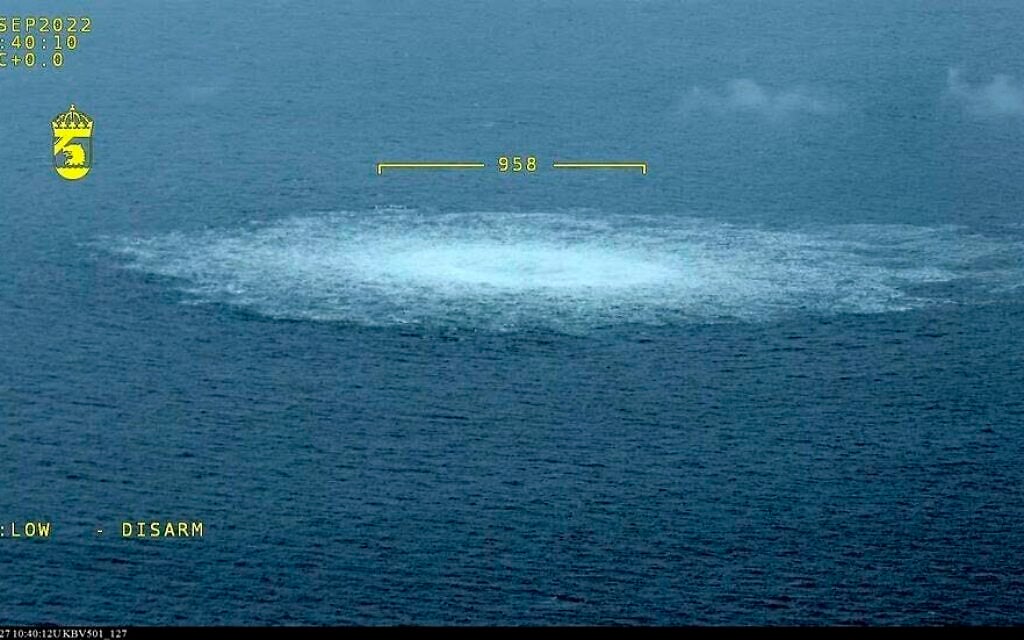
Former special forces officer Sergiy Kuznietsov facing charges including 'war crime,' attacking civilian infrastructure; Kyiv consistently denies it was behind Baltic Sea blast
O governo do presidente Luiz Inácio Lula da Silva (PT) anunciou nesta terça-feira (13) o envio de um Projeto de Lei Complementar (PLP) ao Congresso Nacional para permitir o perdão de R$ 12,6 bilhões em dívidas tributárias de aproximadamente 3,6 milhões de microempreendedores individuais (MEIs). A proposta integra um conjunto de medidas voltadas à redução do endividamento e ao apoio a pequenos negócios.
A iniciativa faz parte do programa Prospera MEI e pretende facilitar a regularização fiscal de trabalhadores que acumulam débitos com a União. A medida, no entanto, depende da tramitação e da aprovação do projeto pelo Congresso Nacional para entrar em vigor.
Os números apresentados pelo governo indicam que cerca de metade dos microempreendedores incluídos na estimativa possui dívidas superiores a R$ 3 mil. Os débitos considerados na proposta são aqueles inscritos na Dívida Ativa da União.
Pacote prevê recursos para pequenos negócios
Além da anistia tributária, o Prospera MEI prevê a destinação de R$ 5 bilhões, entre 2027 e 2030, para apoiar o desenvolvimento de pequenos negócios. A proposta estabelece a concessão de recursos não reembolsáveis, ou seja, valores que não precisarão ser devolvidos pelos beneficiários.
Cada empreendedor poderá receber até R$ 5 mil para investir na própria atividade, mediante a apresentação de um projeto. O dinheiro poderá ser utilizado na compra de equipamentos, aquisição de materiais e contratação de serviços necessários à melhoria ou à ampliação do negócio.
A iniciativa também pretende alcançar empreendedores que enfrentam dificuldades para obter crédito bancário por causa de restrições financeiras, baixa pontuação de crédito ou falta de garantias.
Mulheres e microempreendedores com menor faturamento estão entre os públicos que deverão ter prioridade no acesso aos recursos. A execução dos projetos deverá contar com a participação do Serviço Brasileiro de Apoio às Micro e Pequenas Empresas (Sebrae) e do Serviço Nacional de Aprendizagem Industrial (Senai).
Governo também prevê renegociação de dívidas bancárias
O pacote inclui medidas para ampliar as possibilidades de renegociação de dívidas bancárias contraídas por MEIs por meio de seus CNPJs. A proposta prevê a inclusão desses débitos no Desenrola Brasil 3.0, com regras a serem detalhadas pelo Ministério da Fazenda.
O mecanismo deverá permitir a negociação de dívidas com descontos que podem chegar a percentuais elevados, dependendo das condições de cada operação. Os critérios de participação e os benefícios efetivamente disponíveis dependerão da regulamentação.
A iniciativa busca aliviar o comprometimento da renda dos pequenos empreendedores com obrigações financeiras e ampliar as condições para a continuidade das atividades comerciais e de prestação de serviços.
Limite de faturamento também está em discussão
Outra medida defendida pelo governo é a ampliação do limite de faturamento anual permitido para o enquadramento como microempreendedor individual. Atualmente, o teto é de R$ 81 mil.
A proposta em discussão prevê elevar o limite para R$ 110 mil em 2027 e R$ 140 mil em 2028. O texto também prevê ampliar de um para dois o número de empregados que um MEI pode contratar.
A mudança depende de aprovação legislativa. Se implementada, permitirá que empreendedores com faturamento superior ao limite atual permaneçam no regime, desde que respeitem as demais condições previstas na legislação.
O conjunto de medidas também inclui iniciativas para reduzir exigências burocráticas relacionadas à emissão de notas fiscais no contexto da reforma tributária.
Perdão ainda depende do Congresso
Embora o governo tenha anunciado a proposta de anistia, o perdão das dívidas não ocorre automaticamente com o envio do projeto. O texto precisará ser analisado pelos parlamentares, que poderão discutir seu alcance e suas condições.
A medida também se diferencia dos programas de renegociação já oferecidos pela Procuradoria-Geral da Fazenda Nacional (PGFN), nos quais os contribuintes podem obter descontos e parcelar débitos conforme as regras estabelecidas.
Com o Prospera MEI, o governo reúne propostas de regularização tributária, apoio financeiro e mudanças nas regras de funcionamento dos pequenos negócios. A implementação de cada iniciativa dependerá do instrumento legal correspondente e, nos casos que exigem aprovação legislativa, da conclusão da tramitação no Congresso.
No dia 31 de outubro, os Skip the Drama, organizam o Riffs’n’Bones #2, uma noite de Halloween com quatro bandas de punk rock, hardcore e nu metal, no Rock da Baixamar, em Tavira. Um Halloween mais barulhento, com uma noite de riffs, guitarras, mosh, cerveja e algum caos pelo caminho!! Este ano contam com quatro […]
Segundo informação do Comando Sub-regional do Douro, o homem acabou por morrer no local, tendo o óbito sido confirmado pela equipa médica do helicóptero do Instituto Nacional de Emergência Médica (INEM).
O alerta para esta colisão foi dado às 8h16 e para o local foram mobilizados 19 operacionais, apoiados por quatro veículos e um meio aéreo, o helicóptero do INEM de Macedo de Cavaleiros, assim como os Bombeiros de São João da Pesqueira e a GNR, que está a investigar as causas do acidente.
A estrada esteve cortada, mas já se encontra reaberta ao trânsito, confirmou à VTM fonte da GNR de Viseu.
Segundo informação recolhida junto do Comando Sub-regional do Douro, o acidente ocorreu entre “Vilarouco e São João da Pesqueira, na EN 222, e envolveu um autocarro e um veículo ligeiro, tendo resultado num ferido grave, que deverá ser transportado pelo helicóptero do INEM, que está no local.
O alerta foi dado às 8h16 e para o local foram mobilizados 19 operacionais, apoiados por quatro veículos e um meio aéreo, o helicóptero do INEM de Macedo de Cavaleiros e os bombeiros de São João da Pesqueira.
Ukraine’s Defense Intelligence (HUR) released information on the components of Russia’s Kinzhal air-launched ballistic missile and the companies involved in its production, according to a statement dated 12 October.
Russia has used Kinzhal missiles to strike targets across Ukraine since the start of its full-scale invasion. However, 22 of the 58 companies in Russia’s Kinzhal production network are not subject to sanctions, the intelligence agency noted.
Kinzhal missile: design, components, and production changes
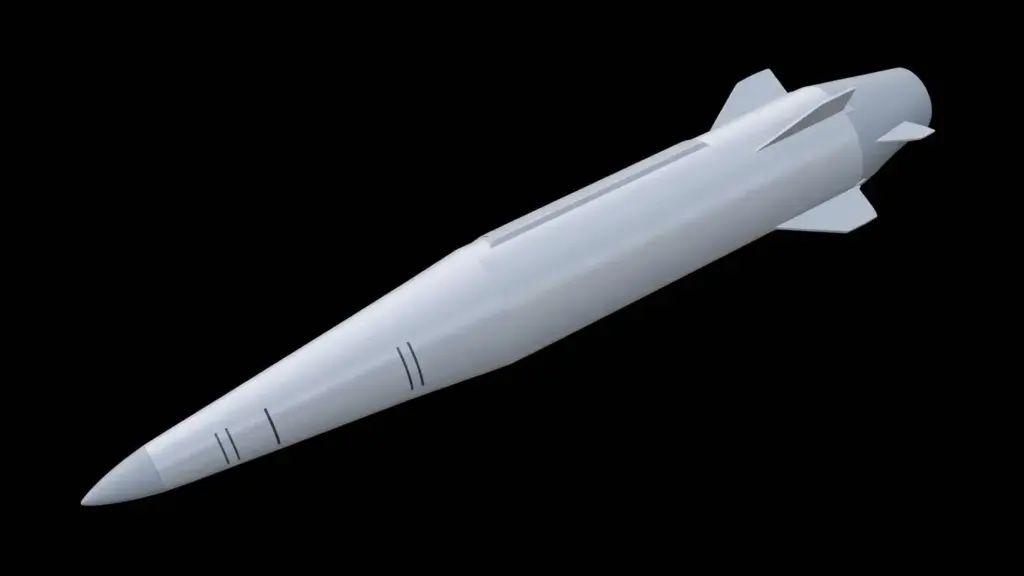
Ukraine’s Defense Intelligence has published an interactive 3D model of the Russian Kinzhal missile on its War&Sanctions portal.
The 9-S-7760 missile, known as the Kh-47M2 Kinzhal, uses solid fuel and has a single stage. This means the missile does not consist of multiple stages that separate sequentially during flight. About 90% of its components are identical to those used in the 9M723 ballistic missile of the Iskander-M system, HUR noted.
The Kinzhal is equipped with a radar homing seeker, an active jamming station, and a decoy deployment system, according to the statement. The homing seeker helps the missile determine the direction to its target, while decoys are designed to make interception by air defense systems more difficult.
The missile can carry one of two types of warheads: a penetrating high-explosive warhead or a nuclear warhead. Russia is also developing a version with a high-explosive fragmentation warhead that strikes targets through an explosion and fragments. HUR believes this development may be linked to problems with the missile’s accuracy.
In 2026, Russia significantly reduced its state procurement order for Kinzhal missiles and redirected some production resources, components, and raw materials towards manufacturing Iskander-M missiles, HUR noted. Another reason is the limited number of MiG-31I and MiG-31K aircraft used to launch Kinzhal missiles, the intelligence agency reported.
Ukraine intercepts Kinzhal missiles, but has limited resources to do so
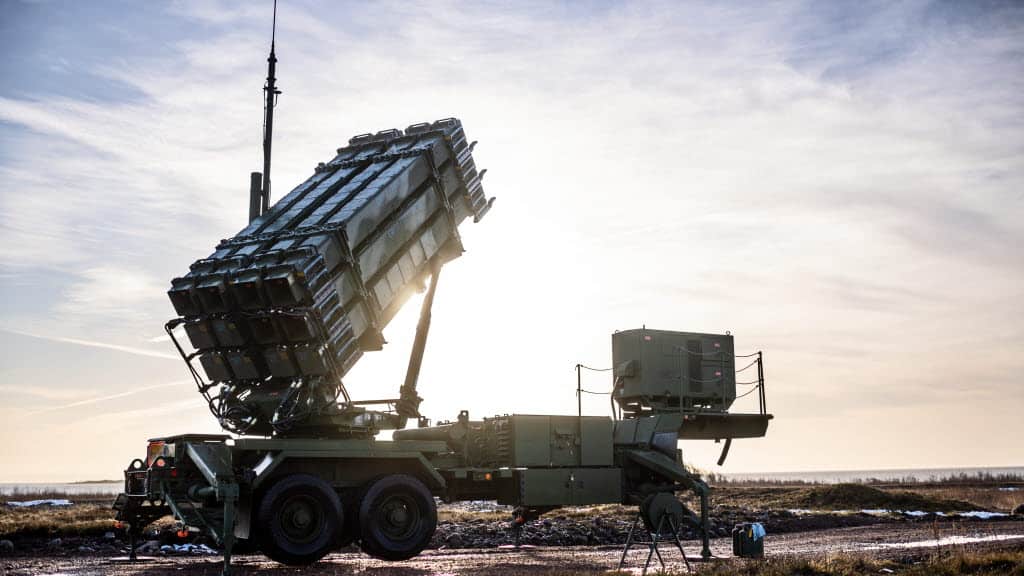
Despite their high speed, Russian Kinzhal missiles can be intercepted using US-made Patriot surface-to-air missile systems. In particular, PAC-3 interceptor missiles are designed to destroy ballistic targets and can be used against threats such as the Kinzhal and Zircon, Ukraine’s Ministry of Defense reported.
Ukraine is seeking additional Patriot interceptor missiles to defend against Russian ballistic attacks during the winter.
The Patriot PAC-3 surface-to-air missile system. Photo: Swedish Ministry of Defense
Most of the approximately 1,000 missiles Kyiv has contracted for are not expected to arrive for several years, prompting Ukraine to ask its allies to supply missiles from their existing stockpiles, Defense News reported on 12 October 2026.
Sanctions loopholes allow Russia to obtain foreign components for Kinzhal missiles
Russia continues to use foreign components in missile production despite sanctions. For instance, the US-made Texas Instruments processors were found again in a newer version of the Kinzhal missile, Ukrainian presidential commissioner for sanctions policy Vladyslav Vlasiuk said in September, Interfax reported. According to him, foreign electronics continue to reach Russia through various supply channels.
Earlier, Ukraine had provided its partners with information on more than 100 Russian companies involved in ballistic missile production and urged them to impose sanctions on those entities, according to the President's Office.
On 12 October, the EU Council imposed sanctions on 1,569 individuals and entities linked to Russia’s military-industrial complex, including 826 Russian companies and 743 company CEOs.
Ukraine has published data on 20 vessels that carry Russian oil and liquefied natural gas or refuel the sanctioned fleet, parts of the logistics network the Kremlin uses to fund its war, Ukraine's Defense Intelligence reports. All 20 are under British or Ukrainian sanctions, and only one faces US restrictions.
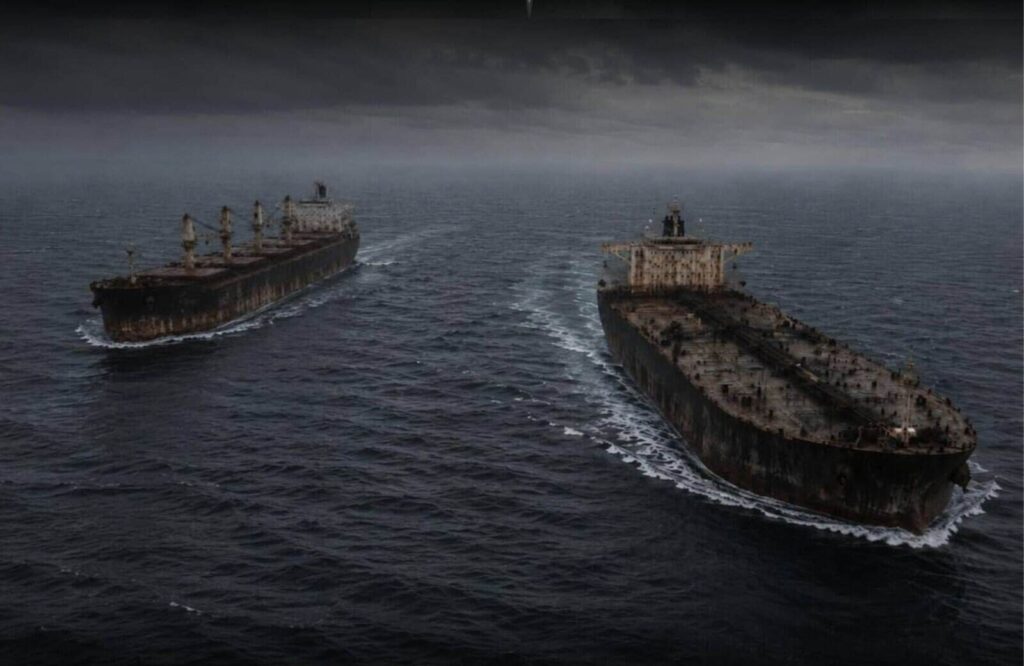
Russia’s shadow fleet runs on roughly 500 aging ships of uncertain ownership that dodge sanctions and keep oil money flowing. That seaborne oil trade is worth more than 80 billion euros a year.
The headline vessel is the Russian ship Portovyy, an LNG carrier and floating gas store owned by the sanctioned Gazprom since 2021, according to the agency. On 15 August 2026, it left the Gulf of Finland with Russian LNG for the first time since November 2021, sailing the Northern Sea Route to the Chinese port of Beihai to unload.
Portovyy is now at the Zhoushan Huafeng Shipyard in China, which has been set as the site for its maintenance, intelligence says, an example of the foreign yards Kyiv wants closed to the sanctioned fleet.
Russia buys up gas carriers through shells
Two more gas carriers show how Moscow expanded the fleet in spring 2026 through front companies, intelligence said. The Avacha, once owned by China’s Jovo Energy, was bought by the little-known Tudor Maritime of the Marshall Islands, took the Russian flag in June, and now ships gas from the Arctic LNG 2 project to Beihai.
The Chaivo, formerly owned by Greece’s Maran Gas Maritime, was also bought by Tudor Maritime and moved under the Russian flag in July. Now it carries cargo to Beihai from a floating gas storage facility off Kamchatka, intelligence says.
A call to close the loopholes
Intelligence urged partners to act together: tighten control over sales of commercially owned ships, block servicing of the sanctioned fleet at foreign yards, and cut off the energy revenue that Russia turns into weapons against civilians.
Russia is building ice-class ships at home and, at the same time, widening its shadow fleet through offshore networks. The UK Foreign Office made the same point on 1 October, saying Moscow is assembling a new shadow fleet to keep its gas revenues flowing.
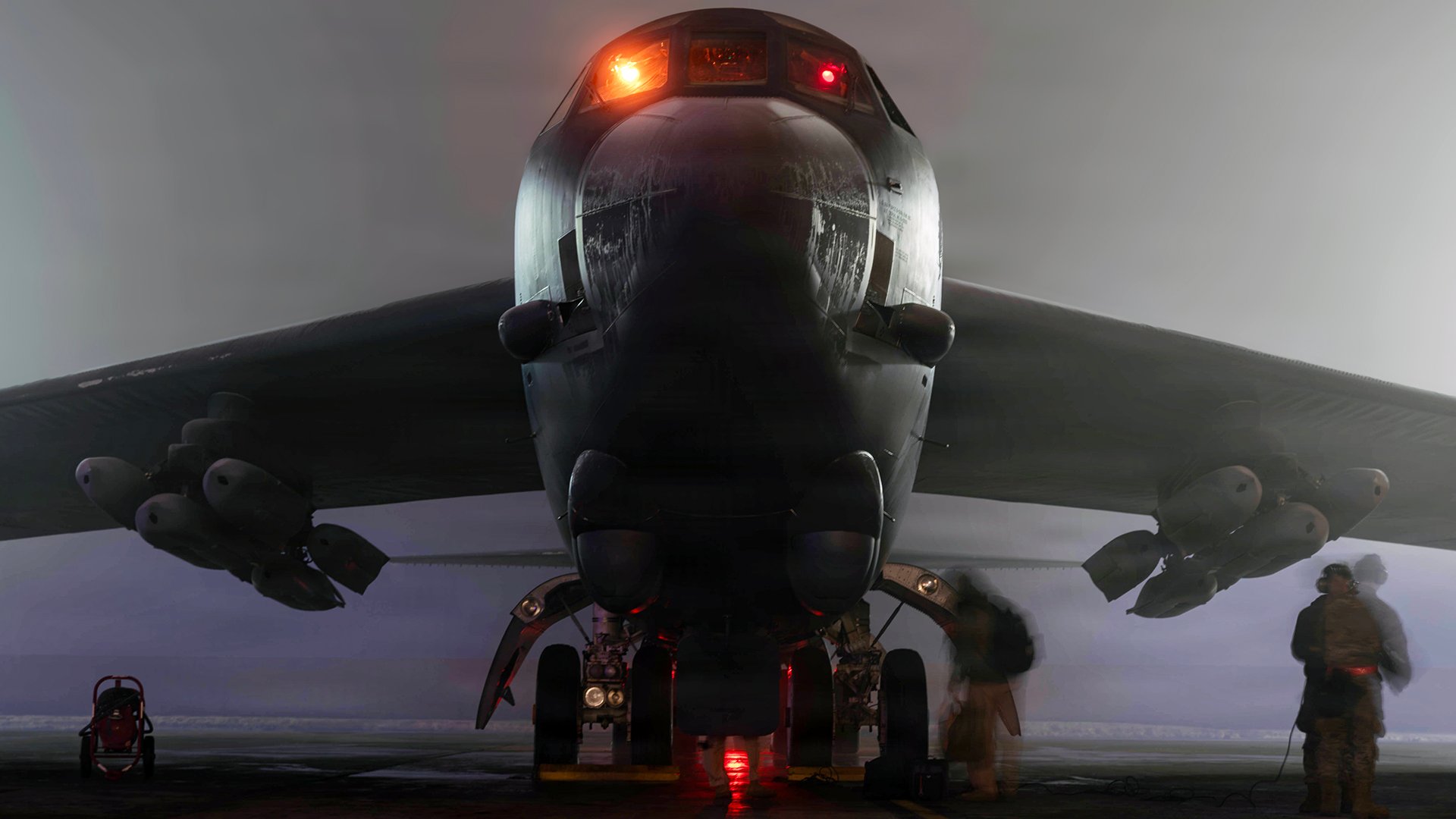
The U.S. Navy is preparing to sign a contract with Lockheed Martin to integrate the stealthy AGM-158C Long Range Anti-Ship Missile (LRASM) onto the Air Force’s B-52 Stratofortress bombers, according to an October 7 government notice. The effort would add another long-range maritime strike option to the U.S. bomber force as the military looks to counter increasingly capable adversary naval forces, especially in the Indo-Pacific theater.
The planned contract comes months after the Air Force revealed that the stealthy B-2 bomber can also launch LRASM, a capability that had not previously been publicly disclosed. You can read more about that here.
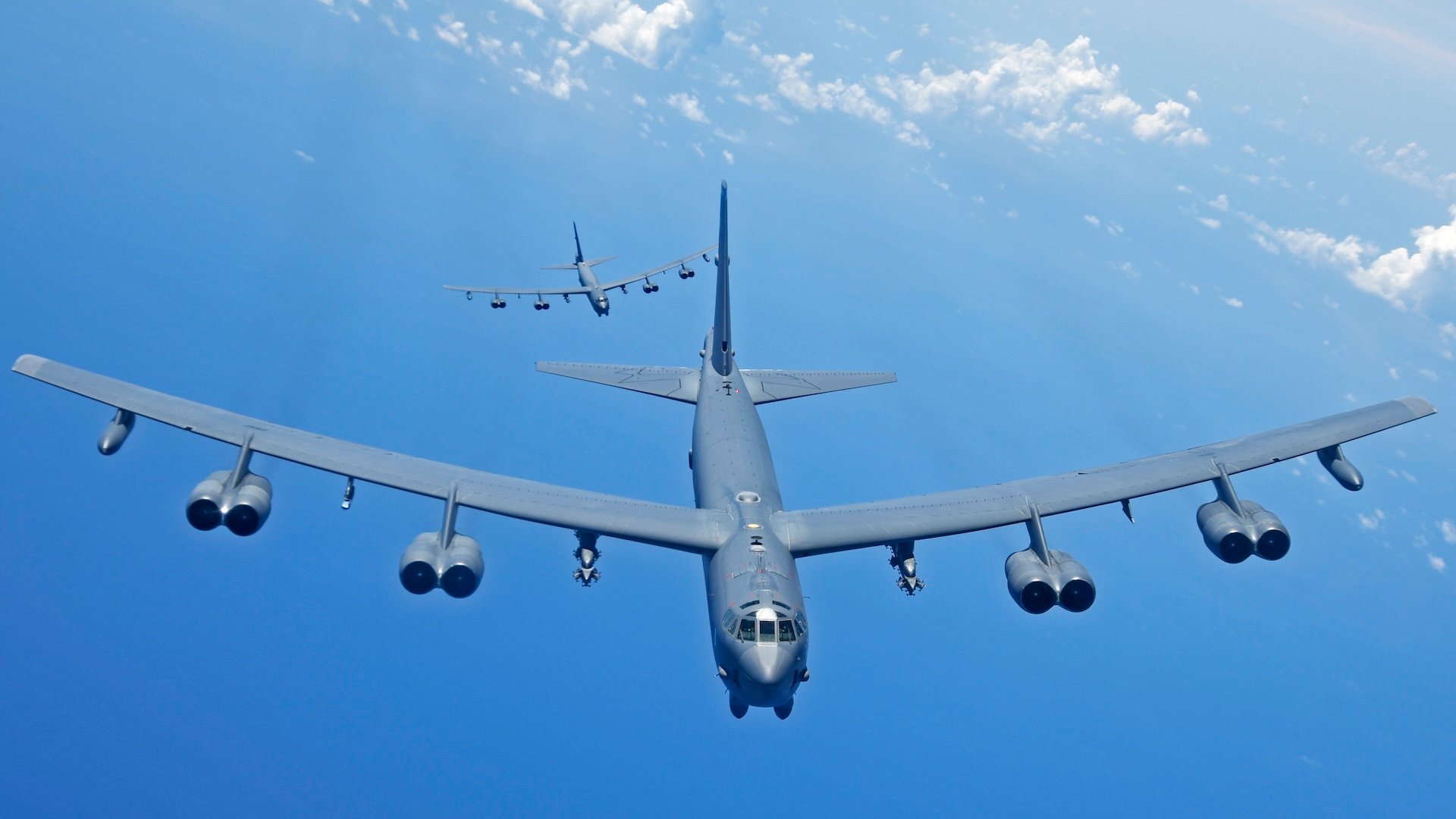
Two U.S. Air Force B-52s fly over the Pacific Ocean during a routine training mission. U.S. Air Force photo by Airman 1st Class Gerald R. Willis
The latest Naval Air Systems Command (NAVAIR) notice says the command intends to enter into sole-source negotiations with Lockheed Martin and subsequently award a cost-plus-fixed-fee delivery order covering LRASM integration on the B-52. The work would include missile software updates, associated testing, repairs to test assets, and failure review boards.
The notice does not provide a schedule for completing the integration or fielding the capability.
The B-52 is already capable of carrying large numbers of air-launched cruise missiles, including the AGM-158 Joint Air-to-Surface Standoff Missile (JASSM) family. LRASM is derived from that family, sharing a similar general form factor while incorporating features specifically designed to find and attack ships in contested maritime environments.
The B-52 can carry up to 20 JASSMs, and the weapons have the same dimensions, but the government notice does not specify how many LRASMs the bomber would ultimately carry.
A B-52 flies across the Atlantic Ocean on June 17, 2019, for a flight in support of Exercise BALTOPS 2019, the largest multinational maritime exercise of the year in the Baltic Sea. U.S. Air Force photo by Senior Airman Stuart Bright
This is not the first time the B-52’s LRASM integration has been in the works.
As long ago as November 2019, Naval Newsreported that $10 million in Fiscal Year 2019 funding had been allocated to study integrating the missile onto the bomber, with Lockheed Martin and the Navy and Air Force expected to work on the effort. At the time, officials said the fielding timeline and the bomber’s eventual missile capacity had yet to be determined.
The U.S. Air Force’s Fiscal Year 2027 budget proposal further outlines plans to integrate the latest variants of LRASM and JASSM onto the B-52, including versions not yet cleared for use on the bomber. According to the document, the effort, which is intended to enable the deployment of next-generation stealthy cruise missiles against targets protected by sophisticated integrated air defense systems, will focus on engineering and manufacturing development, software updates, and weapons integration. Planned work in FY2027 includes incorporating the missiles’ operational flight programs into the B-52’s baseline bomber software, validating safe weapon separation from both wing-mounted stations and the internal carriage launcher, updating armament interfaces, and completing system-safety testing.
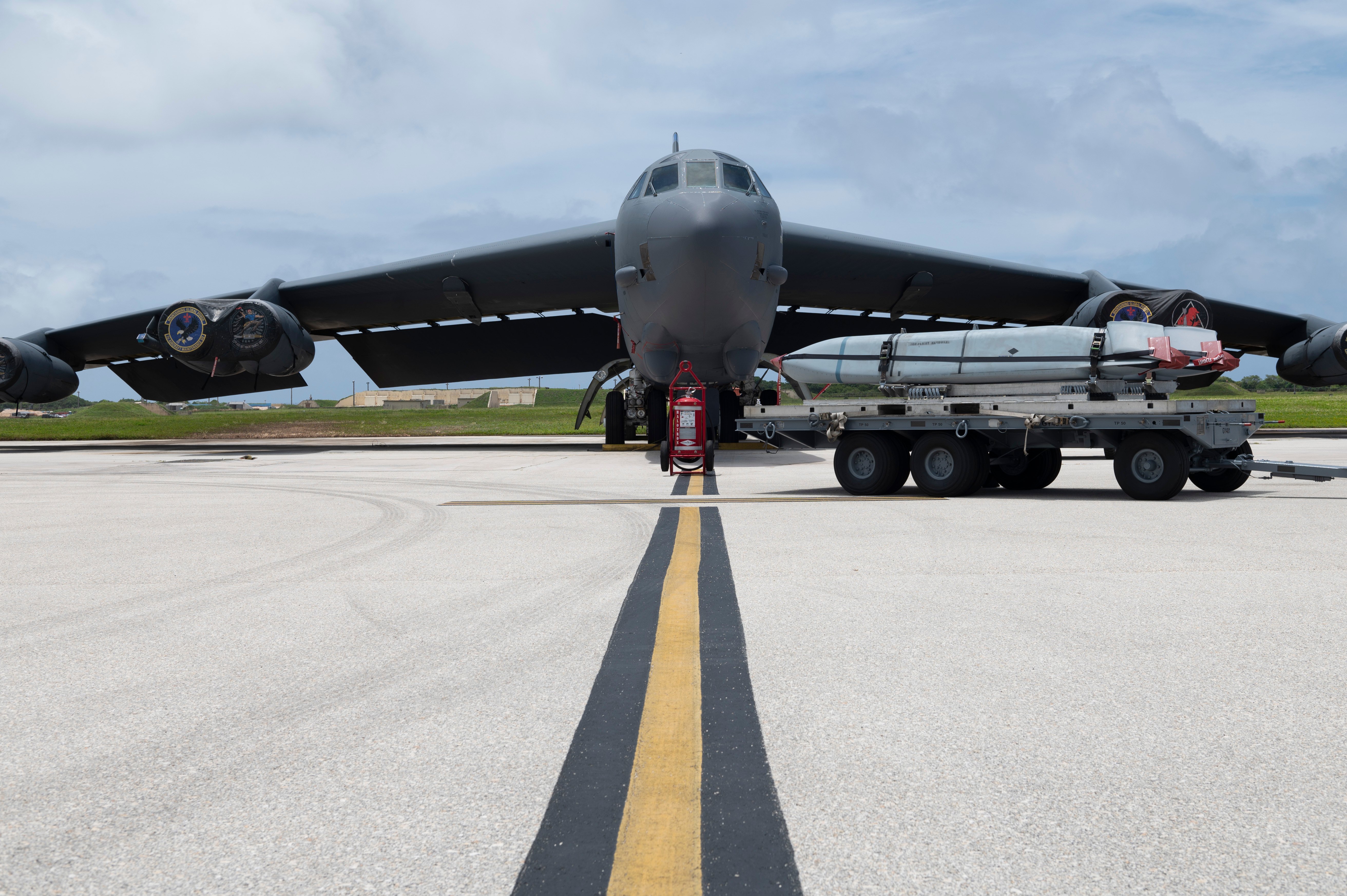
Joint Air-to-Surface Standoff Missiles are prepared to be loaded onto a U.S. Air Force B-52 on Andersen Air Force Base, Guam, on April 24, 2023. U.S. Air Force photo by Airman 1st Class Spencer Perkins
LRASM is designed to attack high-value surface vessels at long distances while reducing the exposure of the aircraft launching it. Its guidance combines GPS-assisted inertial navigation with onboard sensors and autonomous target-recognition capabilities intended to help it operate in heavily defended environments. Its imaging infrared seeker supports terminal target acquisition without relying on active radar emissions in that phase of flight. The missile operates with a high degree of autonomy, enabled by an integrated route-planning capability linked to its onboard electronic support measures (ESM) system. LRASM also has a datalink that allows it to get threat updates while in flight. It can also work cooperatively with other LRASMs during coordinated strikes.
The missile’s precise operational range is not publicly disclosed. However, the baseline LRASM is reported to be able to strike targets at between 200 and 300 miles, in line with the AGM-158A JASSM. The forthcoming C-3 version is expected to have the same reach as the JASSM-ER, which is reported to be around 600 miles.
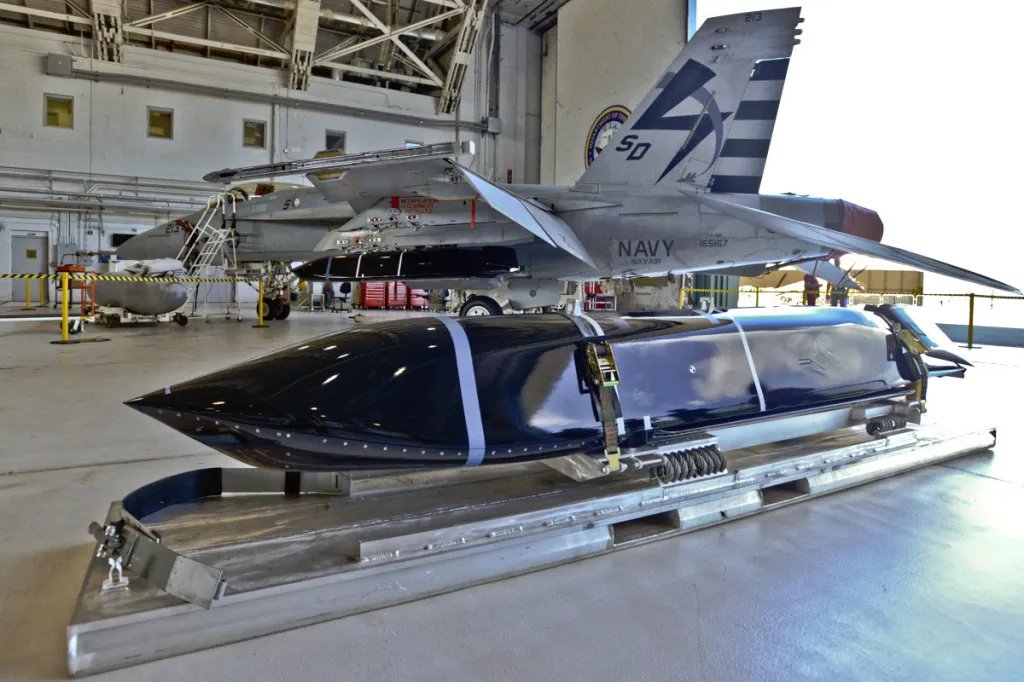
An AGM-158C Long Range Anti-Ship Missile is seen under the wing of an F/A-18, with another missile in the foreground. U.S. Navy
For the B-52, the addition of LRASM would provide a dedicated anti-ship weapon alongside its established land-attack arsenal. A bomber operating at a considerable distance from a hostile fleet could launch multiple missiles toward maritime targets, complicating an adversary’s air-defense and interception problem. The aircraft’s payload capacity could also allow it to contribute substantial missile volume to a coordinated strike.
The B-52 was previously adapted to carry AGM-84 Harpoon anti-ship missiles, although the weapon is not listed among the bomber’s current publicly documented armament. Compared to the Harpoon, however, LRASM represents a quantum leap in capability, offering drastically greater range, a stealthy design, and the ability to react to threats and adapt in real time. Combined, these traits make for a far more survivable and lethal anti-ship capability.
The B-52 also has a demonstrated naval mine-laying capability through the Quickstrike family of aerial mines. This includes carrying 2,000-pound Quickstrike-ER mines fitted with GPS-aided, winged guidance kits, allowing them to glide to designated points in the water from more than 40 miles away. The system enables the bomber to seed minefields with greater precision while remaining farther from potentially defended waters, threatening enemy shipping routes, port access, and naval movements.
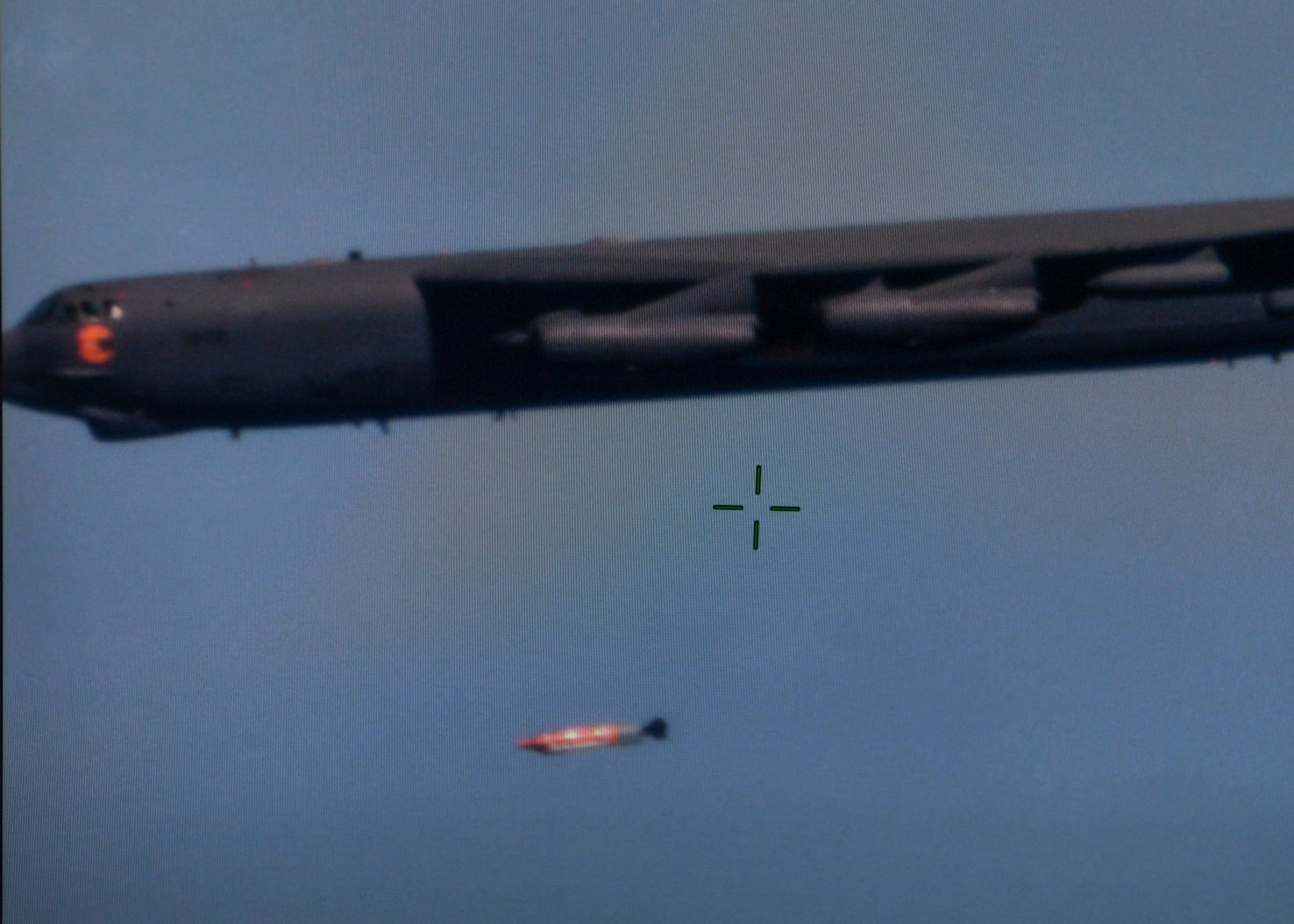
A B-52 conducts an operational demonstration of the Quickstrike-ER naval mine project in the Pacific Ocean, on May 30, 2019. U.S. Navy photo by Mass Communications Specialist 1st Class Holly L. Herline
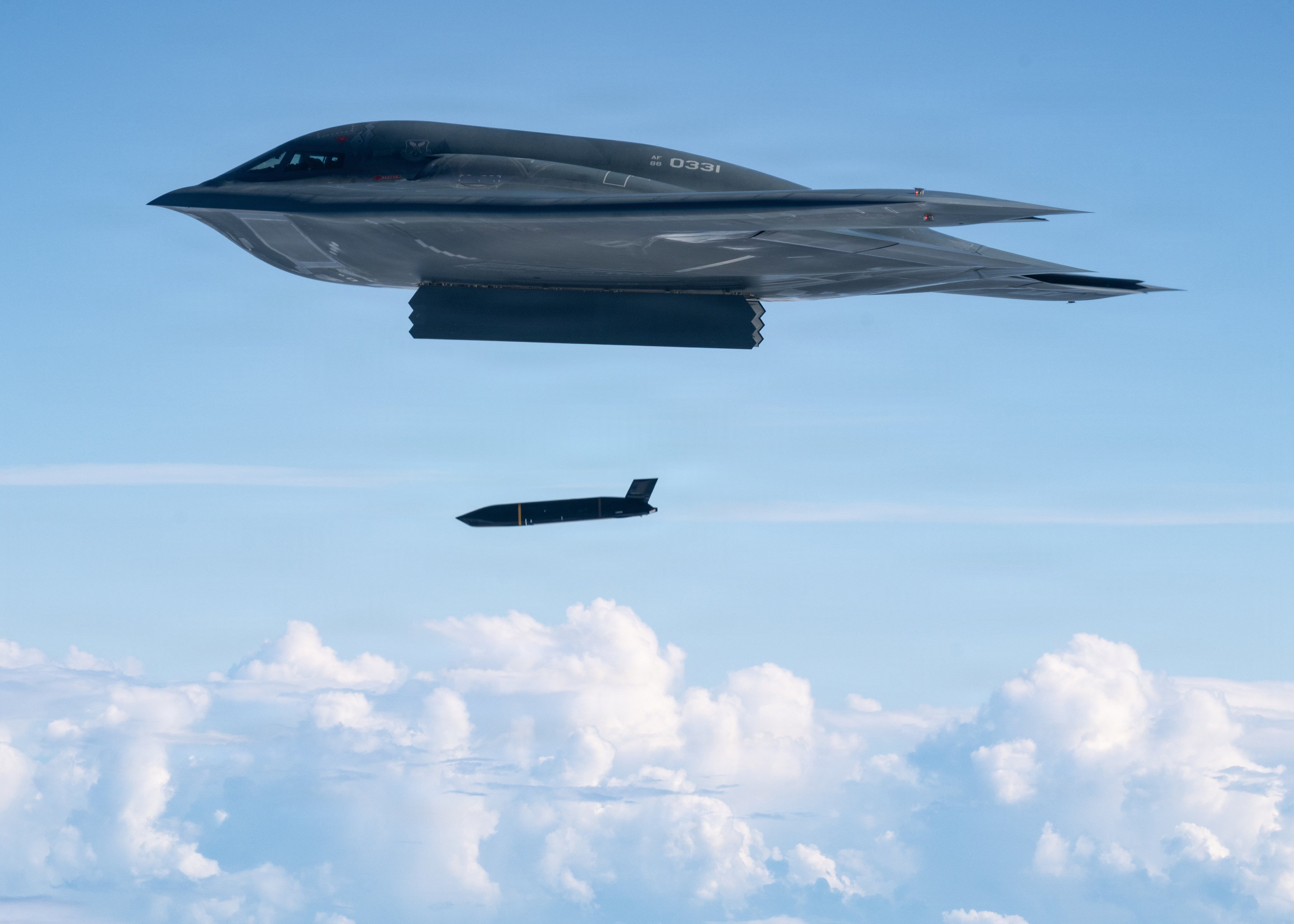
The B-52 effort comes against the backdrop of the Air Force’s newly acknowledged use of LRASM on the B-2, which adds a different dimension to the service’s anti-ship capabilities.
A U.S. Air Force B-2 deploys an AGM-158C Long Range Anti-Ship Missile to support a live-fire sinking exercise as part of Valiant Shield 2026 over the Philippine Sea, June 27, 2026. U.S. Air Force photo by Tech Sgt. Thomas Barley
LRASM was also previously integrated on the B-1B, meaning that all three of the Air Force’s strategic bombers will eventually be able to employ it.
The renewed focus on bomber-launched anti-ship weapons reflects the challenges posed by modern naval forces, particularly in the Indo-Pacific. China’s expanding surface fleet, increasingly sophisticated air defenses, and layered anti-access/area-denial capabilities have made the ability to attack ships from a distance an important consideration for U.S. military planning.
U.S. airmen transport a live AGM-158C Long Range Anti-Ship Missile toward a B-1B Lancer at Dyess Air Force Base, Texas, June 2, 2026. U.S. Air Force photo by Airman 1st Class Caleb Schellenberg
LRASM is designed to help address those challenges by combining long-range flight with reduced observability and autonomous terminal targeting. Its onboard sensors and navigation capabilities are intended to help it identify and engage appropriate targets in environments where communications and external targeting support may be limited or contested.
Bomber integration also offers a way to increase the number of potential launch platforms without relying exclusively on tactical aircraft or surface combatants. A B-52 carrying a substantial missile load could contribute to a coordinated attack alongside B-1s, stealth bombers, naval aircraft, and other forces.
The B-52’s payload capacity would make it particularly useful for delivering larger quantities of weapons from outside the most heavily defended areas.
The planned B-52 integration also fits into a broader effort to expand LRASM’s availability across the U.S. military. Publicly discussed integration efforts have included the F-15E, F-15EX, F-16C/D, certain variants of the F-35, and the Navy’s P-8A Poseidon, in addition to established launch platforms, namely the Navy’s F/A-18E/F Super Hornet fighters and the B-1.
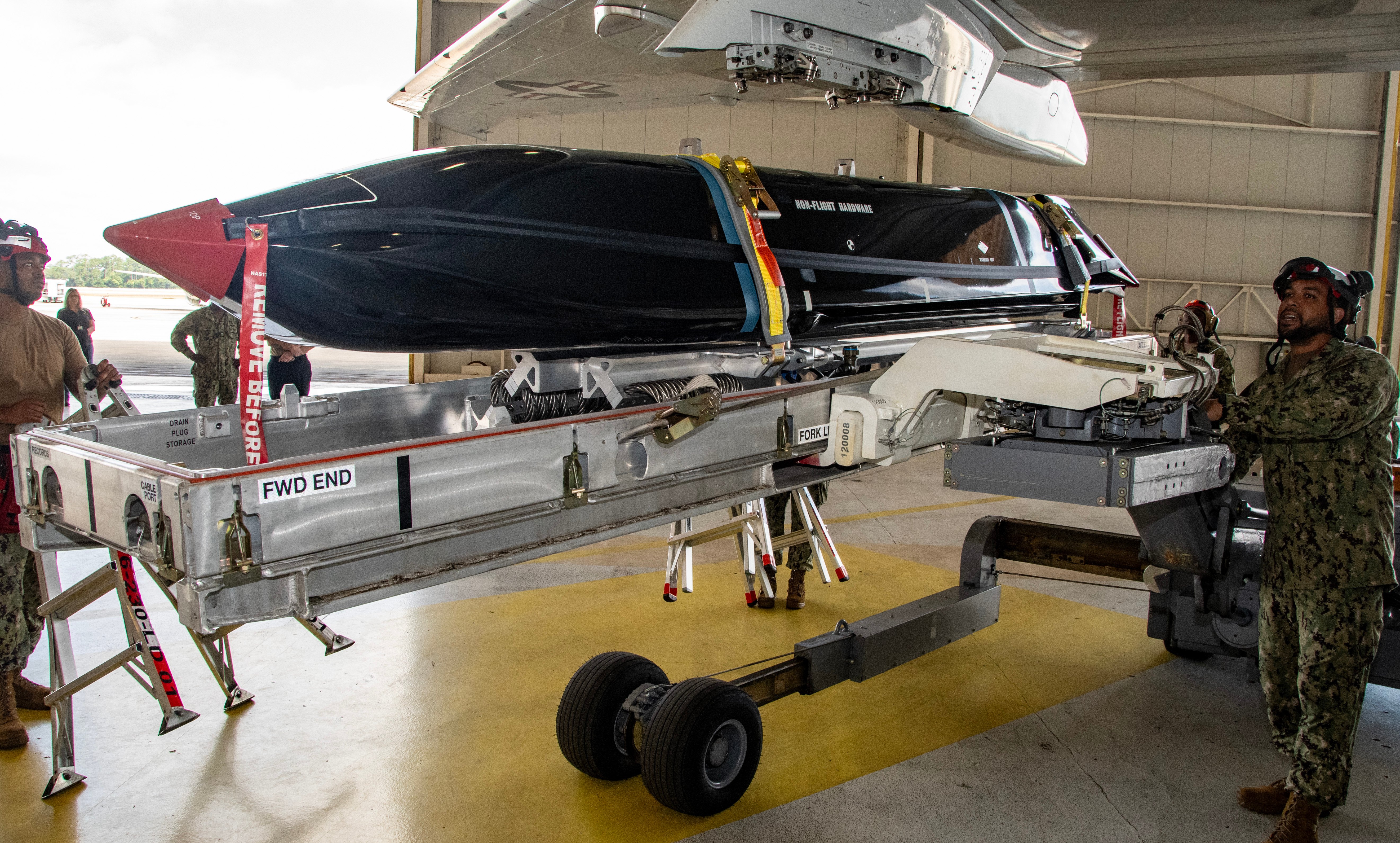
Sailors assigned to Patrol Squadron (VP) 30 transport an AGM-158C Long Range Anti-Ship Missile prior to installation on board a P-8A Poseidon maritime patrol aircraft. U.S. Navy photo by Mass Communication Specialist 1st Class Curtis D. Spencer
Meanwhile, the B-52 fleet is currently preparing for a slew of major upgrades. These include a critical radar overhaul alongside new engines, enhanced communications systems, and other improvements. The scope of these changes is significant enough that the aircraft will be redesignated from B-52H to B-52J. The bombers are also slated to further expand their weapons capabilities, including through the addition of the Long-Range Stand Off (LRSO) nuclear cruise missile. The upgraded B-52Js are expected to remain in service through at least 2050.
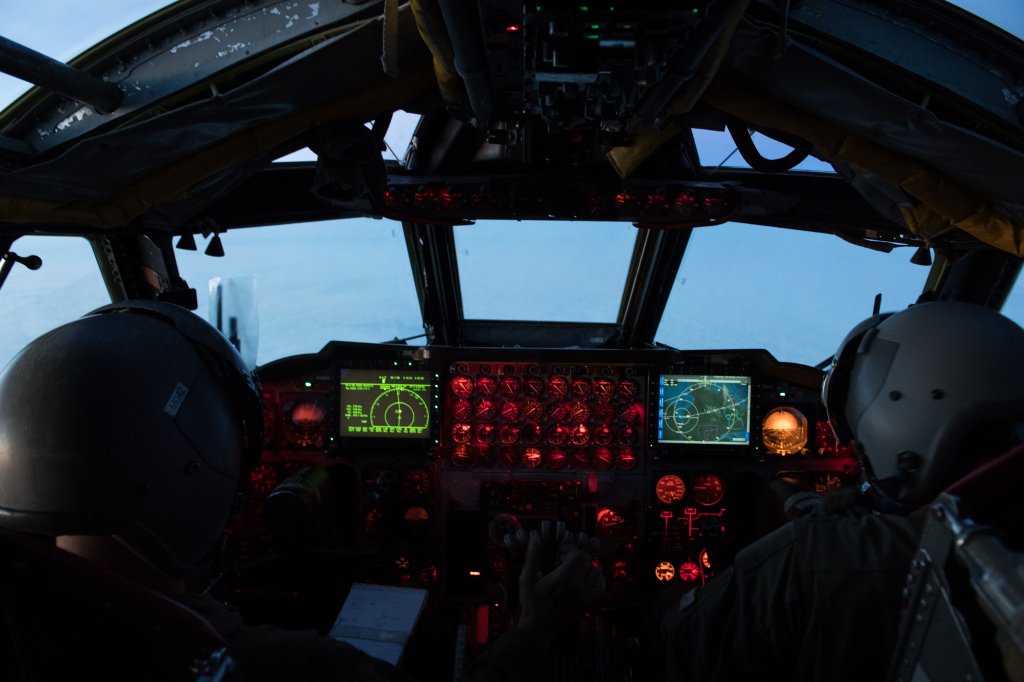
Even in its current configuration, the B-52 is particularly well suited to carrying the LRASM, given its substantial payload capacity and ability to launch weapons from standoff distances beyond the reach of enemy air defenses. Its upgraded networking capabilities will greatly enhance its effectiveness by allowing it to operate as part of a broader kill web, drawing on data from multiple platforms and sensors to support targeting over vast distances. In more dynamic operational environments, the bomber’s new radar can generate its own targeting information in real time. The B-2, B-1, and the B-52 all offer distinct levels of penetration and weapons-delivery capability, with the forthcoming B-21 able to push deeper into contested airspace; it will certainly employ LRASM too.
The integration of LRASM onto the B-52 could prove critical to generating the volume of sorties needed to counter China’s expanding naval fleet. With its substantial payload capacity and ability to launch missiles from standoff distances, the B-52 could deliver significant anti-ship firepower across the vast distances of the Indo-Pacific. These missions would likely involve very long-range sorties, making the bomber’s payload capacity, endurance and networking capabilities particularly valuable in sustaining operations against Chinese naval forces.
If the LRASM integration proceeds as planned, the result would be another addition to the U.S. military’s long-range anti-ship arsenal, giving the Air Force’s venerable B-52 a more explicit role in the growing emphasis on striking hostile fleets at a distance.
Ukraine's "middle strikes" on Russian logistics haven't let up
Ukrainian drones hit Russian trucks 770 times in September
A shift to protected convoys hasn't reduced the truck losses
Ukraine's campaign of so-called "middle strikes" targeting Russian supply lines isn't generating the same headlines it did back in the spring, when the campaign was intensifying.
But that doesn't mean Ukrainian units aren't launching thousands of drones a month and blowing up a lot of Russian trucks. Indeed, the pace of Ukrainian strikes, concentrated along the main supply routes threading through occupied southern Ukraine into occupied Crimea, has leveled off without ever really decreasing since an early summer surge.
It's evident Ukraine's middle-strike campaign "didn't stop and wasn't slowed down," noted French mapper Clément Molin, one of the most important observers of the counterlogistics campaign.
For September, Molin tallied 770 confirmed drone strikes on Russian trucks in the logistical zone 10 km beyond the line of contact. That's up from 630 strikes in August, 656 in July, and 586 in June, the month the campaign really got underway. There were just 214 strikes in May and at most a few dozen in each of the previous three months.
Whether Ukrainian troops can take advantage of the Russians' weakening logistics anytime soon is less evident.
Since June, the Ukrainians have hit around 700 Russian trucks a month that analysts can confirm with video and photographic evidence. There are undoubtedly many more damaged and destroyed trucks that left no digital evidence.
In southern Ukraine mid-range drone strikes continue to relentlessly target Russian road logistics
In total, more than 3 000 trucks and vehicles have been hit on key roads since May 2026, while the R-280 road remains at the heart of the attacks.
There are thousands of Russian trucks on the road in Ukraine every day, so hitting 700 of them in a month won't immediately strangle Russian logistics. But that accumulating destruction does strain Russian logistics—and terrify the truck drivers who are in the drone crosshairs. "Russian drivers post videos on a daily basis, showing how dangerous a ride in southern Ukraine is getting," Molin wrote.
What's remarkable is that the counterlogistics campaign hasn't faltered even as the Russians have adapted. Early on, Russian trucks mostly traveled alone and without protection, making them fairly easy picking for a bevy of Ukrainian middle-strike drone types including the Hornet, the B-2, the RAM 2X, the Chaklun, and various high-endurance first-person-view quadcopters.
The drones ride along Ukraine's overlapping command and control systems, which include Starlink satellite terminals (some dangling from balloons) as well as mesh radio networks. Many of the drones have built-in AI for autonomously detecting and homing in on trucks in the final seconds of flight.
The moment the Hornet UAV struck a logistics vehicle in the occupied Kherson region. pic.twitter.com/Hc0DCcTnef
Reeling from the truck strikes, the Russians adapted this spring. Commanders began requiring all trucks to travel in convoys including mobile fire support groups, analysis group Tochnyi reported in May, citing Dmytro Putiata, a retired command post battle captain from the Ukrainian Unmanned Systems Forces 20th Brigade "K2."
Today the Russian convoys have a standard structure, according to Molin. "Convoys usually gather three to five trucks and two to three air-defense trucks." Combined with radio jamming gear that's increasingly common on both the supply trucks and the gun trucks, that's seemingly a lot of protection.
But the drones target the gun trucks, too, peeling back the protection in order to expose the supply trucks to follow-on attacks. In that way, the Ukrainians have sustained their attacks on the supply trucks despite the increase in mobile air defense activity along the most important supply routes.
Map: Euromaidan Press
And it's going to get worse for the Russians as fall wears into winter. "Supplying Crimea is turning into a nightmare and the arrival of winter and more difficult conditions will not help," Molin wrote.
There will be less foliage on the trees lining the roads, and thus less cover from Ukrainian surveillance. Moreover, Molin pointed out, "it will be more difficult to go off-road" and avoid the big paved roads that are the main drone kill zones.
Russian logistics are under pressure, and that pressure is only increasing. Ultimately, the Ukrainians aim to starve Russian forces in Crimea. Strikes on cargo ships plying the Black Sea prevent the Russians from simply shifting the logistics off the coast. Meanwhile, strikes on overland logistics "may lead to substantial softening of front-line positions," Tochnyi noted in May.
Softening those front-line positions to the point of melting away could facilitate what Tochnyi described as "eventual breakthrough operations" in occupied southern Ukraine.
It's not inconceivable. Ukraine's 3rd Army Corps recently proved, by way of its successful Operation Vivaldi, that local Ukrainian counteroffensives are possible.
But that doesn't mean they're easy. To win, the 3rd Army Corps had to carefully husband its forces and meticulously prepare the battlefield under conditions of strict secrecy before attacking. That same kind of preparation is underway along the supply lines into Crimea, but it's unclear whether local Ukrainian forces have enough combat power in reserve to shift from defense to offense and exploit Russia's deepening supply woes.
At least not yet.
Explore further
Ukraine retook 240 square km north of Lyman and nobody reported it for three months
Il bollo auto dovrebbe ripagare la società nel suo insieme dai danni, non solo ambientali, che l’utilizzo dei veicoli produce. Perciò, in vari paesi europei l’importo della tassa di circolazione tiene conto delle emissioni di CO2. Ma non in Italia.
New company takes on four Arc4 LNG carriers as Seoul looks to expand Busan’s role in Arctic shipping. A newly established South Korean ship manager is emerging as a potential new player in Arctic LNG shipping, taking control of four ice-class LNG carriers while planning a rapid expansion into the specialized fleet needed to transport gas along Russia’s Northern Sea Route.
The number of shadow-fleet vessels carrying Russian oil and LNG through the Northern Sea Route has surged this summer, according to a new analysis by the Bellona Environmental Transparency Center, raising concerns about the ability to respond to accidents in one of the world's most remote shipping environments.

 Login








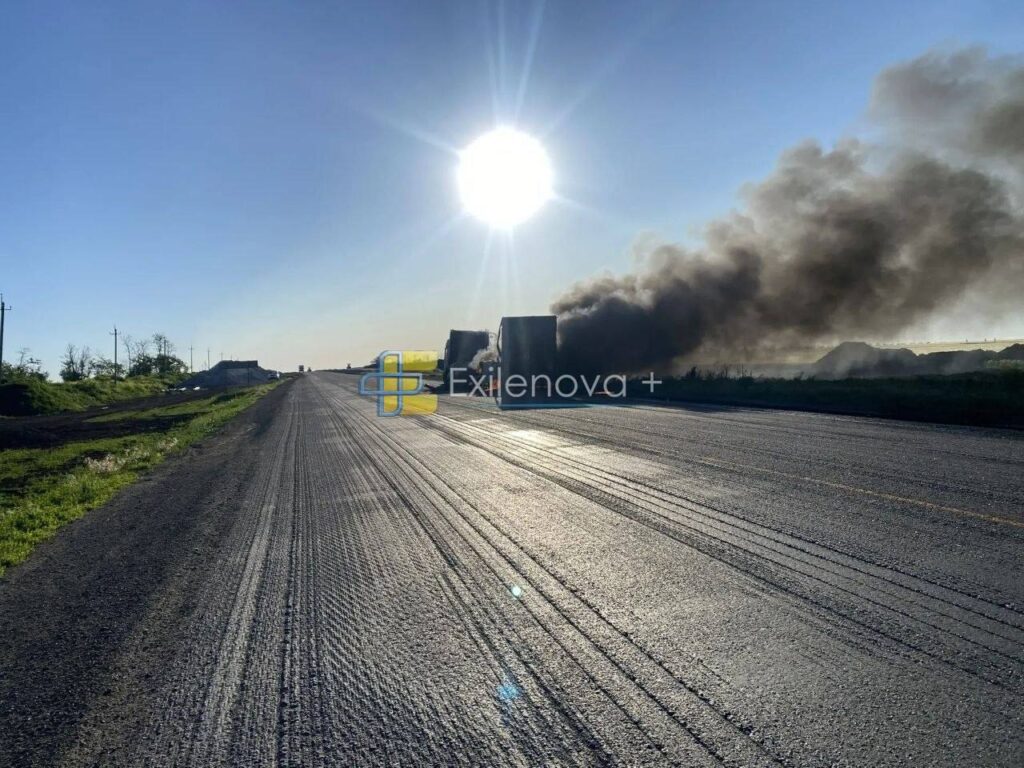
 mid-range drone strikes continue to relentlessly target Russian
 road logistics
 THREAD